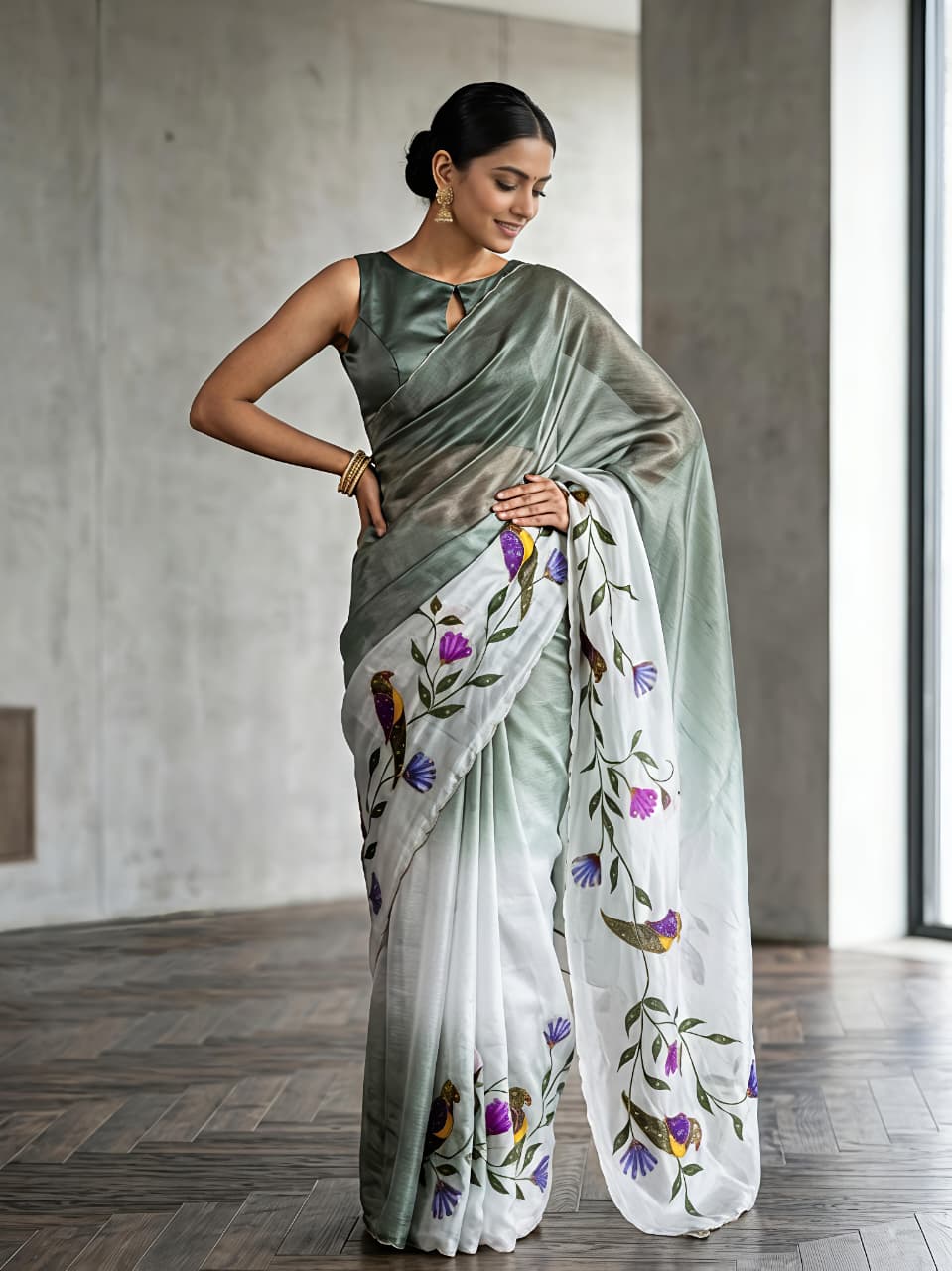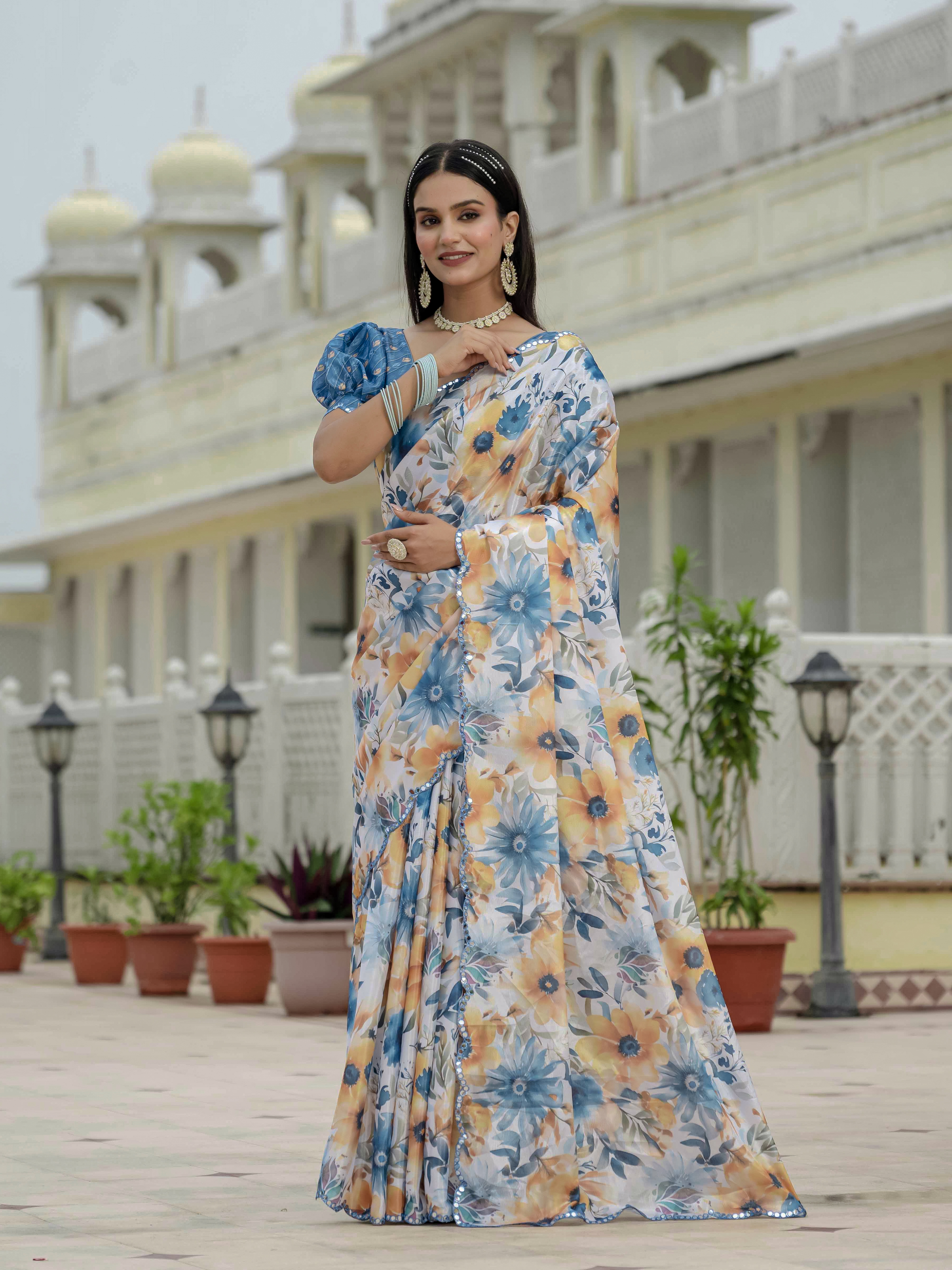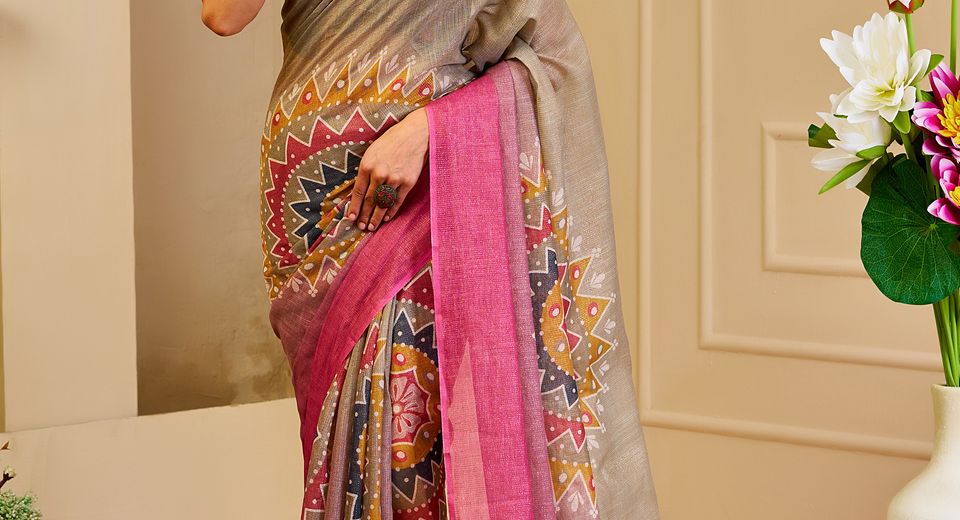
A Sambalpuri Saree Guide should begin with the loom, not the shopping cart. Sambalpuri sarees come from Odisha's handloom tradition and are recognised for ikat resist-dyed yarns, geometric borders, symbolic motifs and pallu designs that often carry as much visual importance as the body. The word "Sambalpuri" is used loosely online, so understanding yarn preparation, motif formation and fabric behaviour will help you choose more confidently.
Sambalpuri Saree Guide: What defines Odisha handloom?
A Sambalpuri saree belongs to Odisha's ikat-based handloom tradition, where yarns are tied and dyed before weaving so that colours align into a planned pattern on the finished cloth. Weavers in western Odisha, including areas associated with Sambalpur, Bargarh, Sonepur and nearby communities, prepare the design at the yarn stage rather than printing it onto completed fabric.
The yarn-resist process creates a characteristic softness at the edges of motifs. Small variations in repeated diamonds, stripes or floral forms are not automatically defects; they can reflect the manual alignment of pre-dyed threads. A mechanically printed saree generally has a flatter, more uniform surface pattern.
Sambalpuri weaving is connected with a regional visual language. Traditional motifs may include shankha, or conch forms; chakra, or wheel forms; flowers; rudraksha-like beads; birds; fish and stylised geometric arrangements. Motif meanings can vary by community and design, so a seller should not claim that every symbol has one fixed interpretation.
Handloom certification and seller documentation can provide useful evidence, but a product photograph alone can't prove provenance. A careful buyer should check the fibre, weaving method, place of manufacture, attached blouse piece and return terms before placing an online order.
Sambalpuri Saree Guide: How does ikat differ from printing?
Sambalpuri ikat is created by resist-dyeing yarns before weaving, whereas a printed saree receives its design after the fabric has been made. On a yarn-dyed ikat, colour generally travels through the threads and remains visible on both sides, although intensity may differ. On a surface print, the design may appear stronger on the front and less integrated into the cloth.
Ikat patterns can show small shifts where dyed yarns meet. Those shifts give motifs a softly pixelated or feathered quality. A perfectly sharp motif isn't proof of superior quality, and a softened motif isn't proof of poor workmanship; weave density, yarn quality and finishing must be assessed together.
Sambalpuri Saree Guide: Which ikat motifs and colours matter?
The most useful way to read Sambalpuri ikat designs is to examine the relationship between the body, border and pallu. A saree with a restrained body and a strong pallu can look elegant in a simple pleated drape, while an all-over geometric saree creates a more graphic effect.
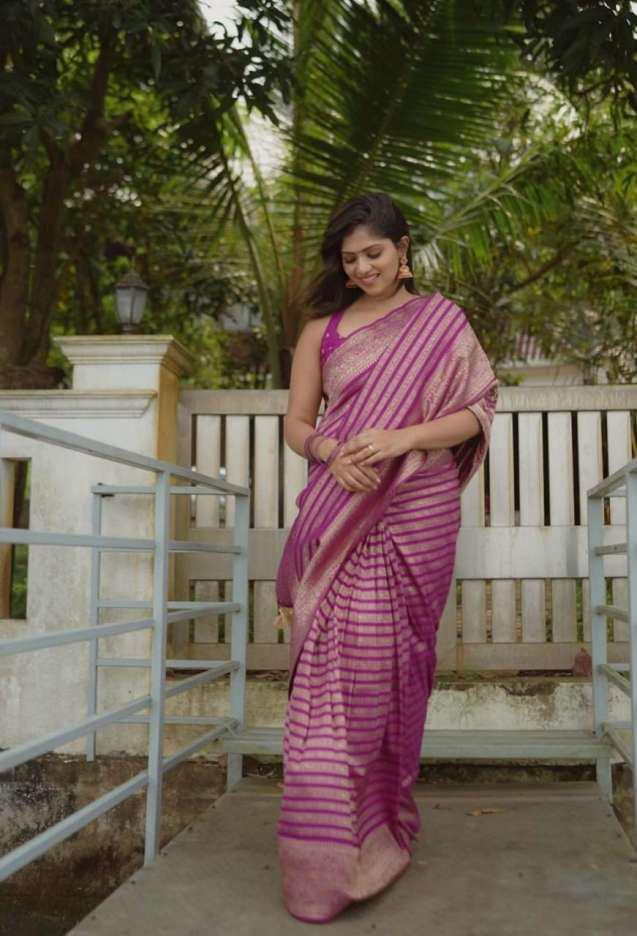
Diamond grids, chevrons, bands and small repeats are practical choices for everyday or workwear drapes because they provide structure without requiring heavy jewellery. Larger floral or symbolic motifs create a more noticeable look for festivals, cultural events and family gatherings. A wide contrasting border can shorten the visual line of a saree on a petite frame, while a narrow border often produces a lighter, longer appearance.
Colour placement matters as much as the motif. Black, red, white, maroon, green, yellow and deep blue are familiar in many classic Sambalpuri palettes, but contemporary weavers also use softer pastels and muted combinations. High contrast defines pleats clearly, while tonal colours create a quieter silhouette.
The pallu deserves particular attention because it's displayed over the shoulder and appears prominently in photographs. A strongly patterned pallu can become the focal point of a wedding-guest outfit, while a restrained pallu may be more suitable for office celebrations or regular cultural events.
Sambalpuri Saree Guide: How can photographs reveal construction?
Close photographs of the border, pallu, reverse side and blouse piece provide the most useful evidence when buying online. A reliable product listing should identify the fibre, weaving method, saree length, blouse-piece length, approximate weight, care method and whether motifs are woven, printed or embroidered.
Photographs should show the saree in natural or neutral light. Strong filters can alter red, green and blue shades, while folded images hide the placement of the pallu and border. Terms such as "ikat-inspired" or "Sambalpuri-style" may describe a printed design rather than a handloom Sambalpuri saree, so the exact construction should be confirmed with the seller.
Sambalpuri Saree Guide: Which fabric and weight suit your use?
Choose the fibre and weave according to climate, duration of wear and the amount of structure you want in the drape. Cotton Sambalpuri sarees are generally practical for warm weather and daytime use, while silk or silk-blend versions can offer a richer fall for festive dressing, depending on their specific weave and finishing.
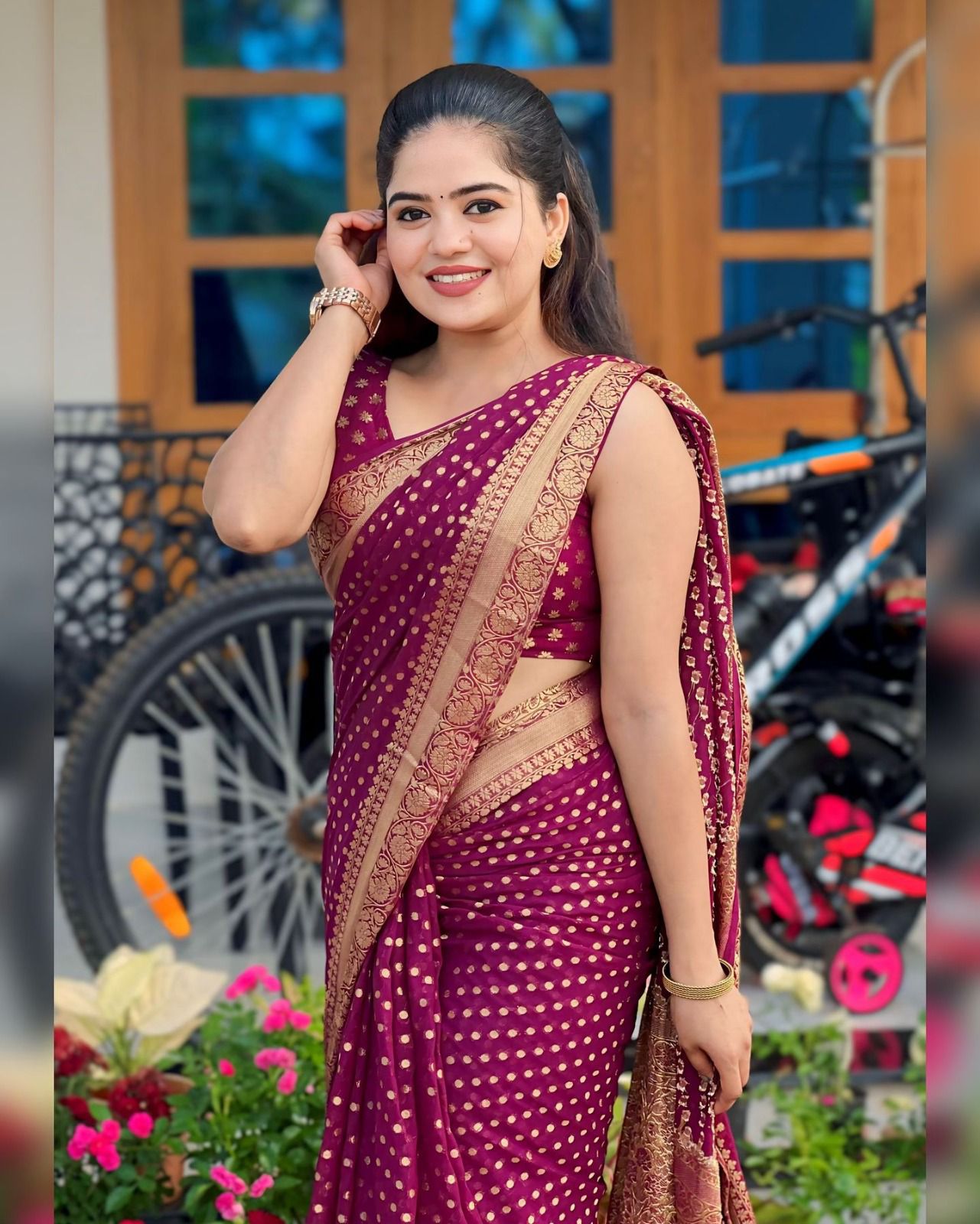
Lightweight cotton can remain comfortable during long ceremonies, teaching, office wear and travel. A crisper handloom cotton may hold pleats neatly but can need careful ironing. Silk versions may carry larger motifs and a more defined pallu, but they require greater attention to friction, moisture and storage.
A heavier saree isn't automatically better. Weight can come from dense weaving, thicker yarn, zari, finishing or moisture from inadequate drying. An useful listing explains the material instead of relying only on words such as premium, rich or designer.
Pastel colour references can be compared with Pastel Floral Tissue Handloom Cotton Saree with Zari Weaves, Olive Green Tissue Handloom Cotton Saree With Floral Prints and Sea Green Tissue Handloom Cotton Saree With Floral Patterns. These pieces illustrate how softer palettes can work in a handloom-inspired wardrobe, but their tissue or floral construction should not be confused with authentic Sambalpuri ikat.
Teal Green Tissue Handloom Cotton Saree With Printed Pallu and Peach Green Tissue Cotton Saree With Print Blouse Piece demonstrate two useful styling considerations: the importance of a defined pallu and the convenience of a coordinated blouse piece. A printed pallu and an ikat pallu are constructed differently, so shoppers should read the description rather than infer technique from appearance.
Sambalpuri Saree Guide: How should you style the drape?
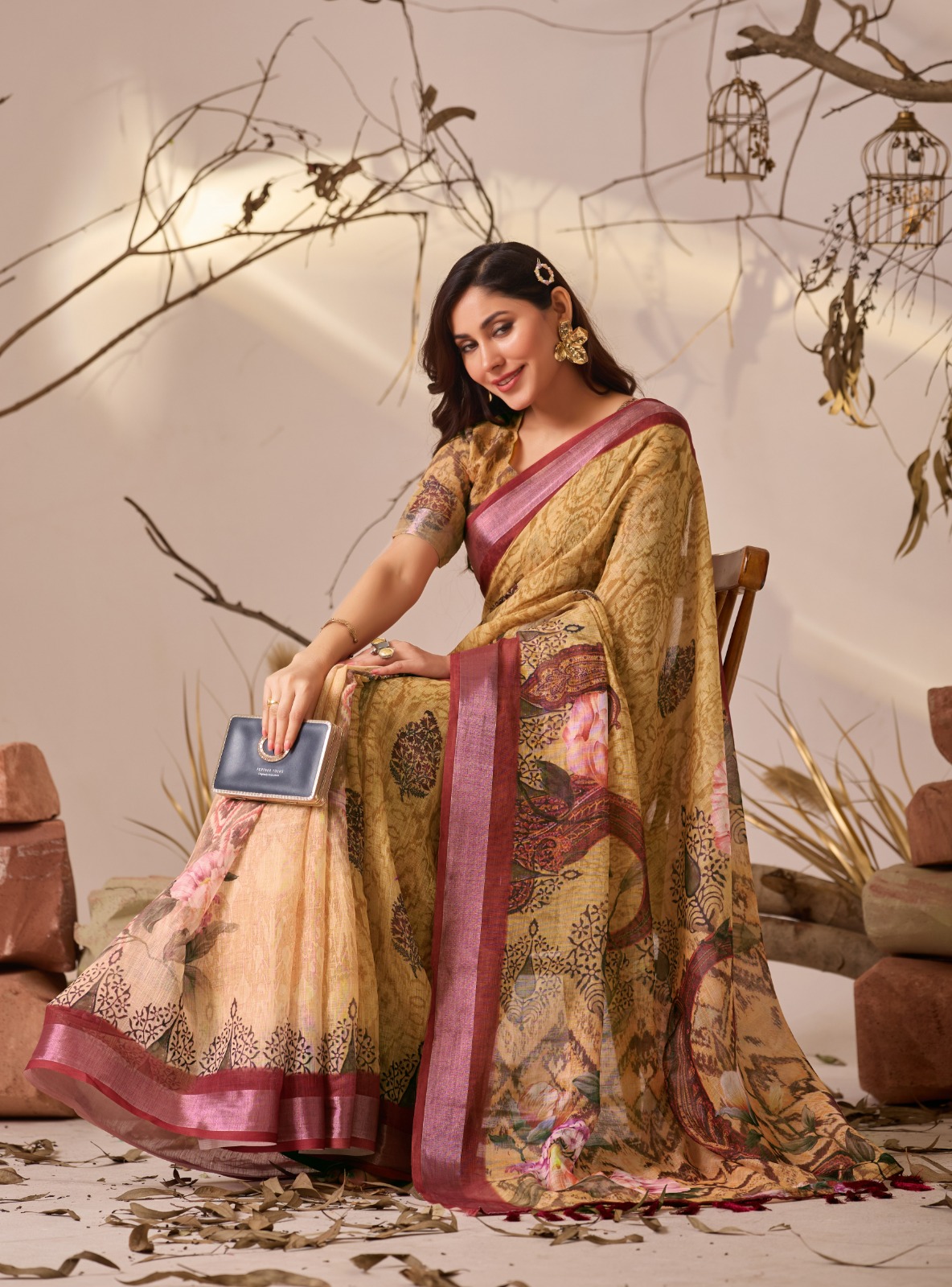
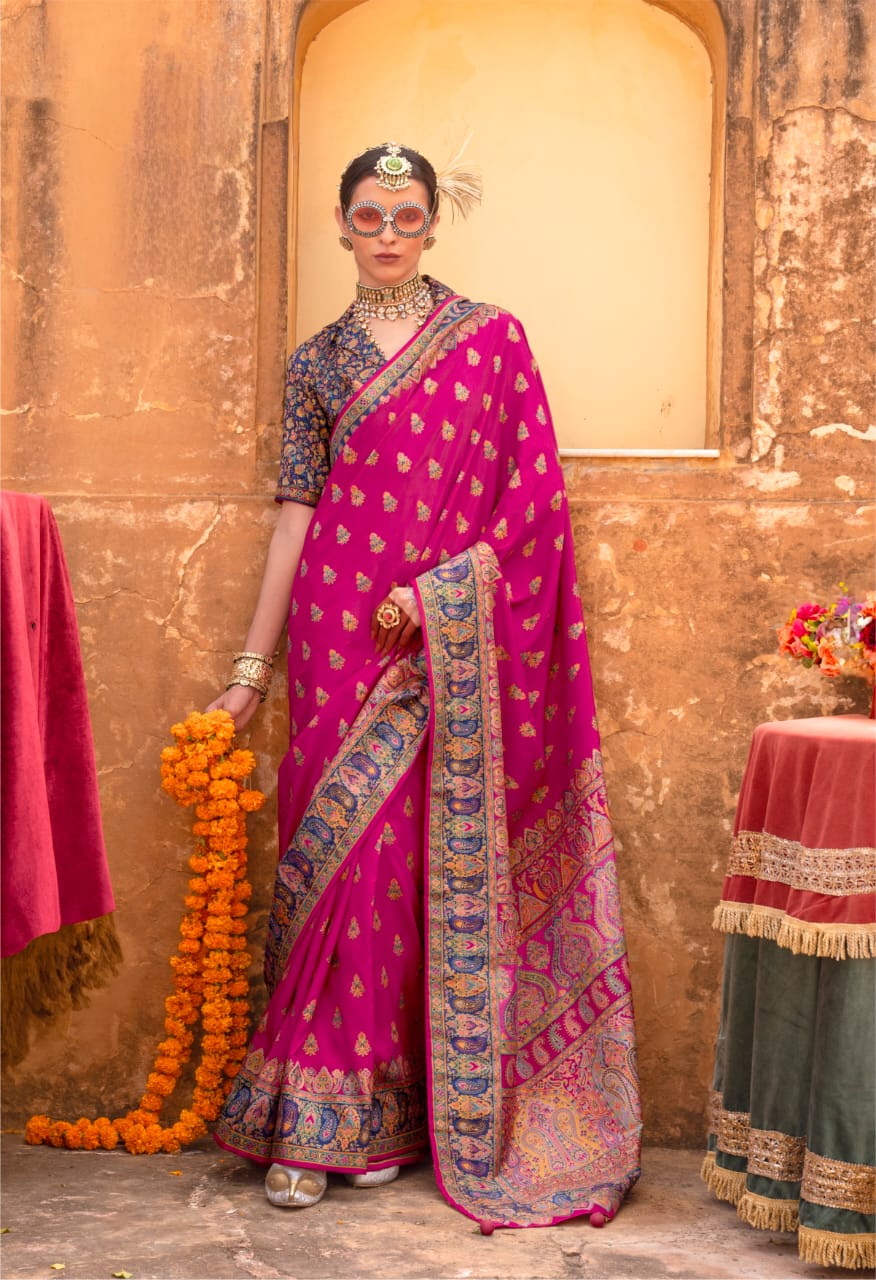
A Sambalpuri saree looks most balanced when the blouse, jewellery and drape support its woven motifs instead of competing with them. Use the pallu as the main styling feature and keep at least one other element-blouse, jewellery or footwear-visually quiet.
Sambalpuri Saree Guide: Which blouse works for each setting?
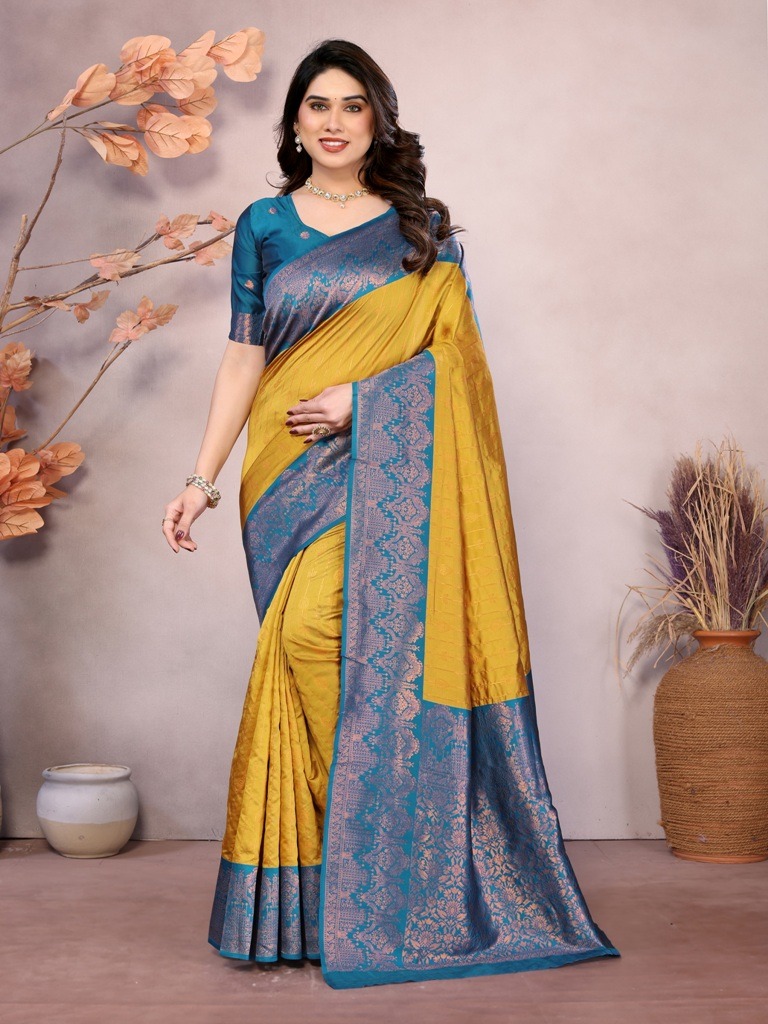
A plain blouse in a colour taken from the border is the safest pairing for a motif-rich Sambalpuri saree. Black, ivory, maroon, rust, bottle green or navy can sharpen classic patterns, while a close tonal shade creates a softer contemporary look.
For a daytime Haldi ceremony, a yellow or turmeric-toned blouse can echo the celebratory setting without requiring heavy embellishment. For a formal evening, a blouse with restrained zari at the sleeve edge can connect with metallic jewellery, but a heavily embroidered blouse may obscure the saree's own ikat work.
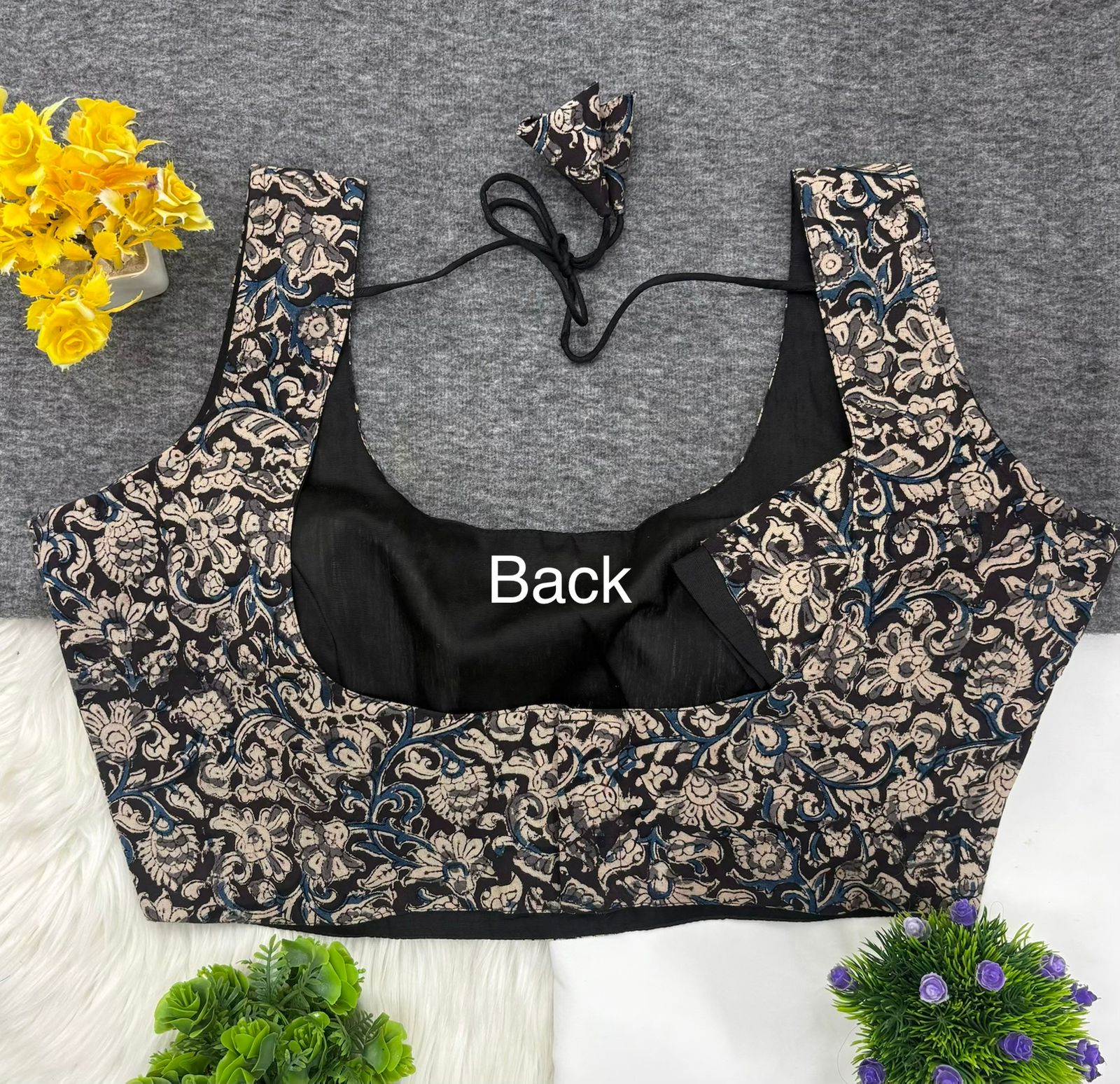
A high round neck and elbow-length sleeves create a classic handloom silhouette. A square neck, sleeveless cut or structured blouse can make the saree feel more modern. Check blouse-piece measurements before ordering because an attached piece may not provide enough fabric for every neckline or sleeve length.
Sambalpuri Saree Guide: Which jewellery and accessories complement ikat?
Silver-toned jewellery, terracotta pieces, wooden beads and oxidised metal work naturally complement Odisha handloom aesthetics. Gold jewellery can also work with red, maroon, mustard or zari-accented sarees, but repeating every metallic detail can make a patterned saree look crowded.
The classic Nivi drape displays the border and pallu clearly and suits most body proportions. Smaller, sharper pleats create a neat formal line, while slightly broader pleats make a cotton saree feel relaxed. Pin the shoulder pleats only after checking that the pallu motif sits at a flattering height.
A narrow belt can modernise the silhouette when the saree has a moderate border. A compact potli, plain clutch or woven handbag keeps attention on the textile. Footwear with a stable heel of 1 to 2 inches is practical for long events because very high heels can pull the pleats and make movement uncomfortable.
Sky Blue Tissue Saree With Floral Print & Zari |Varnavi and Cream Pink Tissue Handloom Cotton Saree with Zari show how pale shades can be elevated with metallic accents, although their tissue or floral construction is distinct from Sambalpuri weaving. Pastel Peach Teal Banarasi Lichi Silk Saree Zari Work offers an useful contrast in styling: Banarasi silk generally carries a more formal, lustrous presence than everyday handloom cotton.
Sambalpuri Saree Guide: Where does it fit in an up-to-date wardrobe?
A Sambalpuri saree can suit office celebrations, regional festivals, cultural programmes, pujas, intimate weddings and semi-formal dinners when fabric weight and embellishment match the setting. Cotton versions are especially practical for daytime functions, while silk versions can suit a more ceremonial wardrobe.
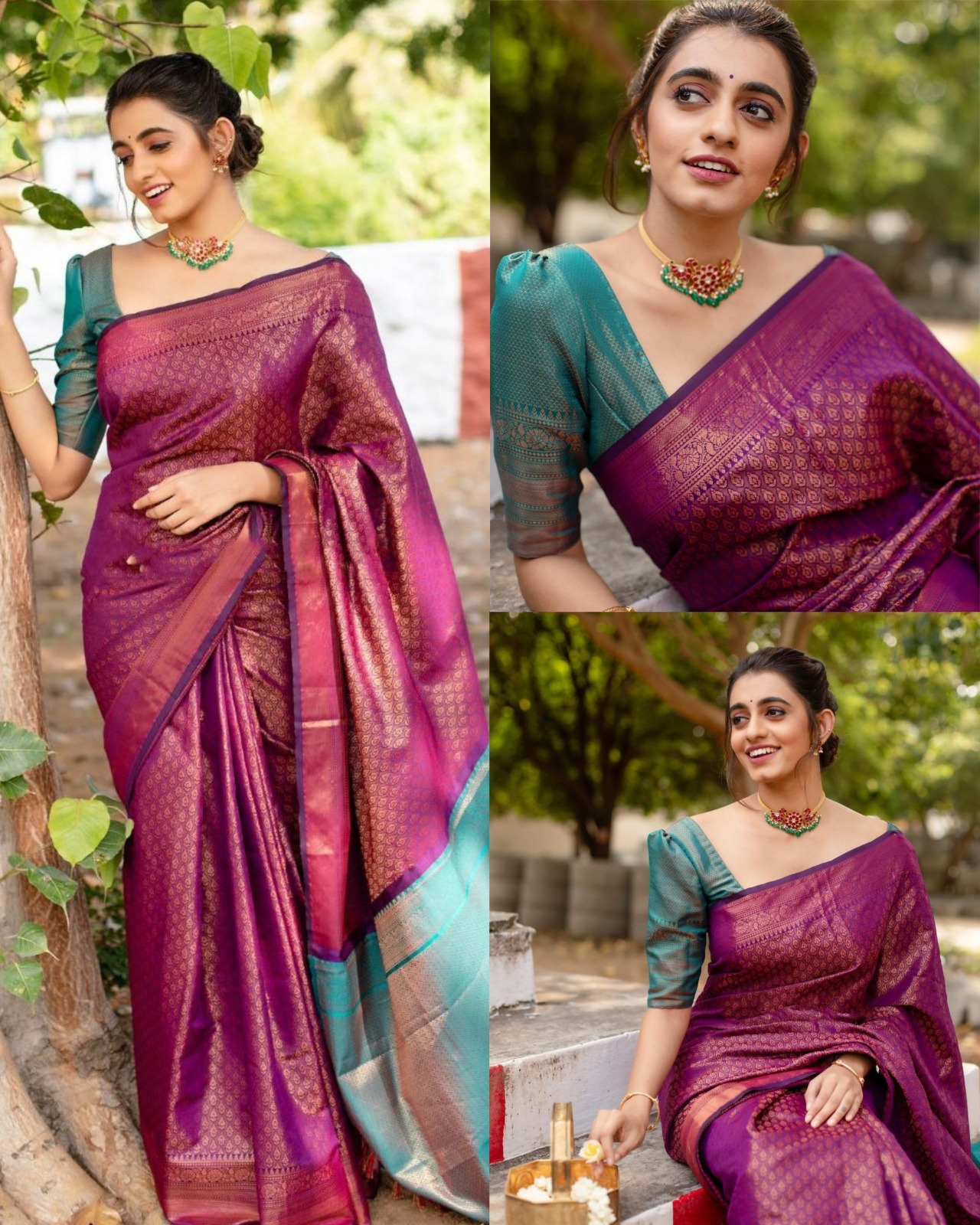
For office wear, choose medium or low contrast, minimal jewellery and a blouse with comfortable sleeves. For a family puja, pair a heritage motif with a small bindi, low bun and understated earrings. For a wedding guest look, select a richer border, a structured blouse and one statement accessory rather than layering several competing elements.
Party-wear styling doesn't require abandoning handloom character. A clean blouse, polished drape and carefully chosen earrings can make a patterned saree feel occasion-ready. Party Wear Sarees can provide event-level styling references, while Pink Georgette Sarees show how a fluid fabric changes the silhouette and movement of a drape.
Shoppers comparing silk options may also encounter Silk Sarees Under 3000 With Discount and Red Banarasi Silk Sarees for Weddings Under 1100. Price should be assessed alongside fibre, zari content, weaving method, finishing, seller documentation and return conditions; a low price alone can't establish quality or authenticity.
Gray Color Sarees Under 1000 can be useful for studying neutral styling, especially when pairing a brighter blouse or silver jewellery with a quieter saree body. A Sambalpuri saree remains the stronger choice when the goal is to foreground Odisha's ikat vocabulary rather than simply reproduce its colours.
Sambalpuri Saree Guide: How should you buy and care for one?
Buy from a website that clearly states construction, measurements, fibre content, dispatch timeframe, care instructions and return eligibility. Online saree shopping becomes safer when the seller provides multiple close-up photographs, a named contact channel and a description that distinguishes handloom, powerloom, print, embroidery and zari.

Before checkout, measure a saree already in your wardrobe and compare its length and blouse-piece size with the product listing. Most adult sarees are commonly sold near the 5.5 to 6.3 metre range, but exact measurements vary. Confirm whether the blouse piece is attached, contrast-coloured, pre-stitched or absent.
Ask whether the colour may bleed during the first wash, whether zari is real or imitation, and whether the saree has been pre-washed. Sellers should answer those questions specifically rather than promising that every handloom product is colourfast or completely shrink-proof.
Sambalpuri Saree Guide: What care routine protects the weave?
Dry-cleaning is the safest first choice for silk Sambalpuri sarees and pieces with zari, while mild hand washing may suit some cotton sarees if the care label permits it. Avoid soaking an ikat saree for long periods, scrubbing motifs, using chlorine bleach or wringing the fabric.
Dry the saree inside out in shade rather than in harsh direct sunlight. Iron cotton on a suitable medium setting with a thin cotton cloth between the iron and the saree. Use a low heat setting for silk and never press directly over zari.
Fold a saree along different lines every few months to reduce permanent creases. Store a completely dry saree in breathable cotton or muslin, away from damp walls and strong perfume. Do not store zari-heavy pieces in airtight plastic for long periods because trapped moisture can accelerate tarnishing.
A good Sambalpuri purchase should answer three questions clearly: how was the design made, what is the fibre, and how should the saree be maintained?
Common Questions About Choosing and Styling a Sambalpuri Saree
What is the best online store for sarees in India?
The best online store is one that provides exact fibre and weave details, close-up photographs, measurements, care instructions, delivery information and a clear return policy. For Sambalpuri sarees, confirm whether the design is yarn-dyed ikat or a printed ikat-style pattern before ordering.
Which company saree is best in India?
No single company is best for every saree because quality depends on the specific weave, fibre, finishing and seller documentation. Compare construction details, handloom information, customer support, photographs and return terms rather than choosing only by brand visibility or price.
Which app is best for saree shopping in India?
An app is useful when its listings provide complete product information and reliable customer support. Check seller ratings, measurement details, fabric terminology, delivery estimates and return conditions before buying a Sambalpuri saree through any shopping app.
Which online site is best for buying silk sarees?
The best site for silk sarees identifies the silk type, zari details, weave, blouse-piece measurements and care instructions. Buyers should also check whether the saree is handwoven, powerloom-made, blended or printed, because "silk" alone does not describe the complete construction.
How can I tell whether a Sambalpuri saree is handloom ikat?
Look for a description that explains resist-dyed yarns and weaving, then request close photographs of the front and reverse sides. Slightly softened motif edges and colour travelling through the yarns can support an ikat claim, but seller documentation is more reliable than appearance alone.
Can I wear a Sambalpuri saree to a wedding or party?
Yes, a Sambalpuri saree can suit a wedding or party when the border, pallu, fabric weight and blouse are formal enough for the event. Choose silk or a richer weave for evening functions, or elevate cotton with a structured blouse, polished drape and restrained statement jewellery.