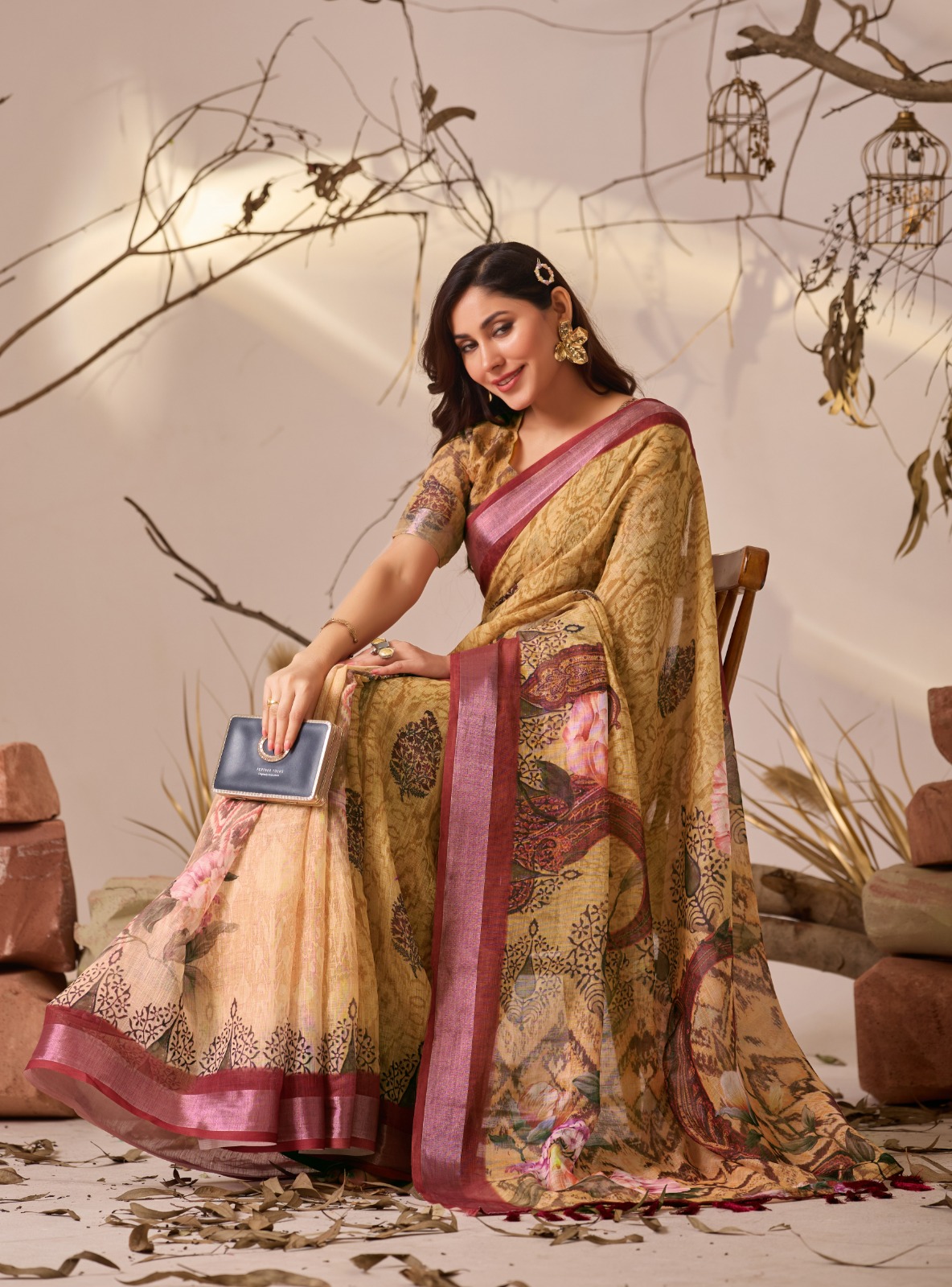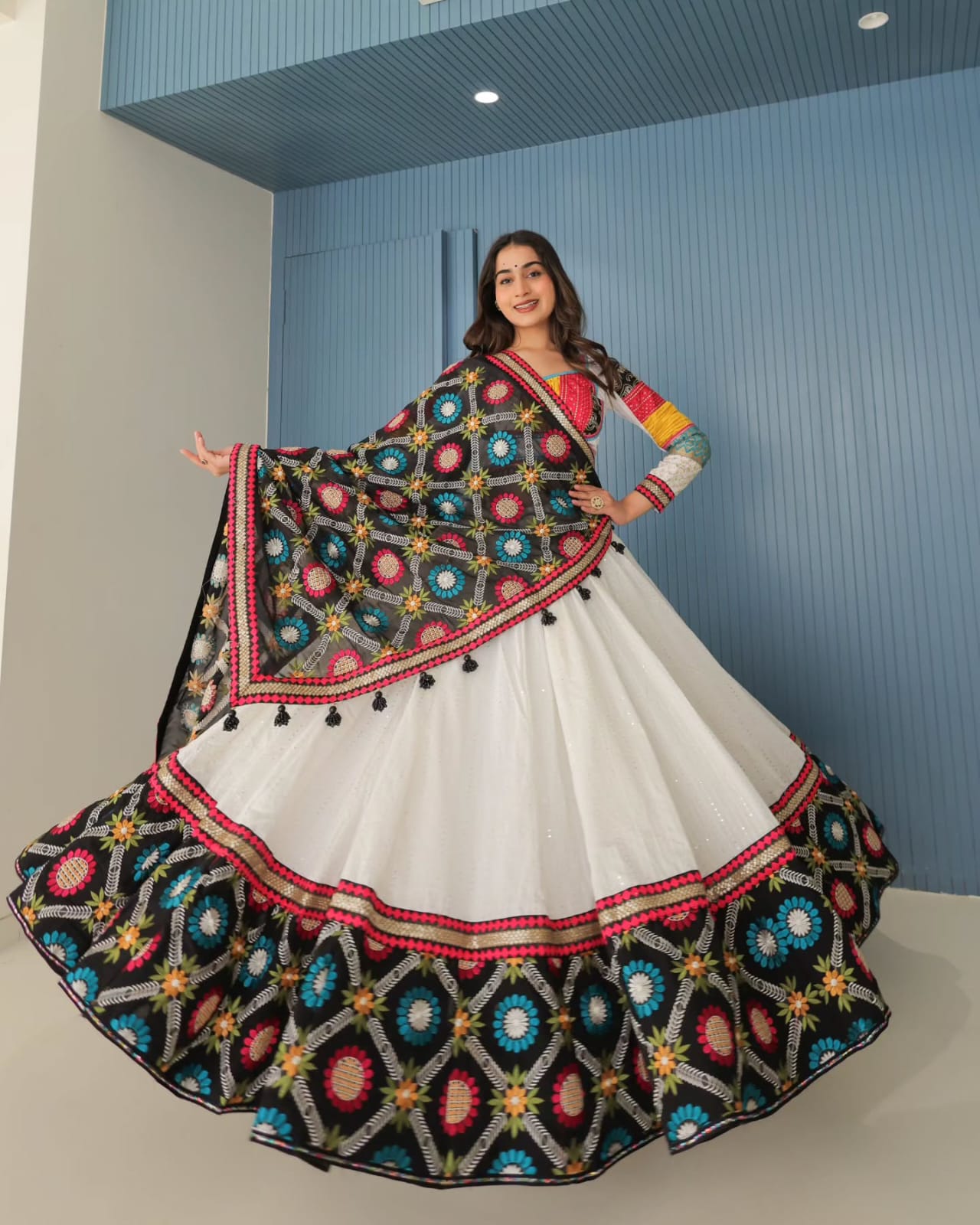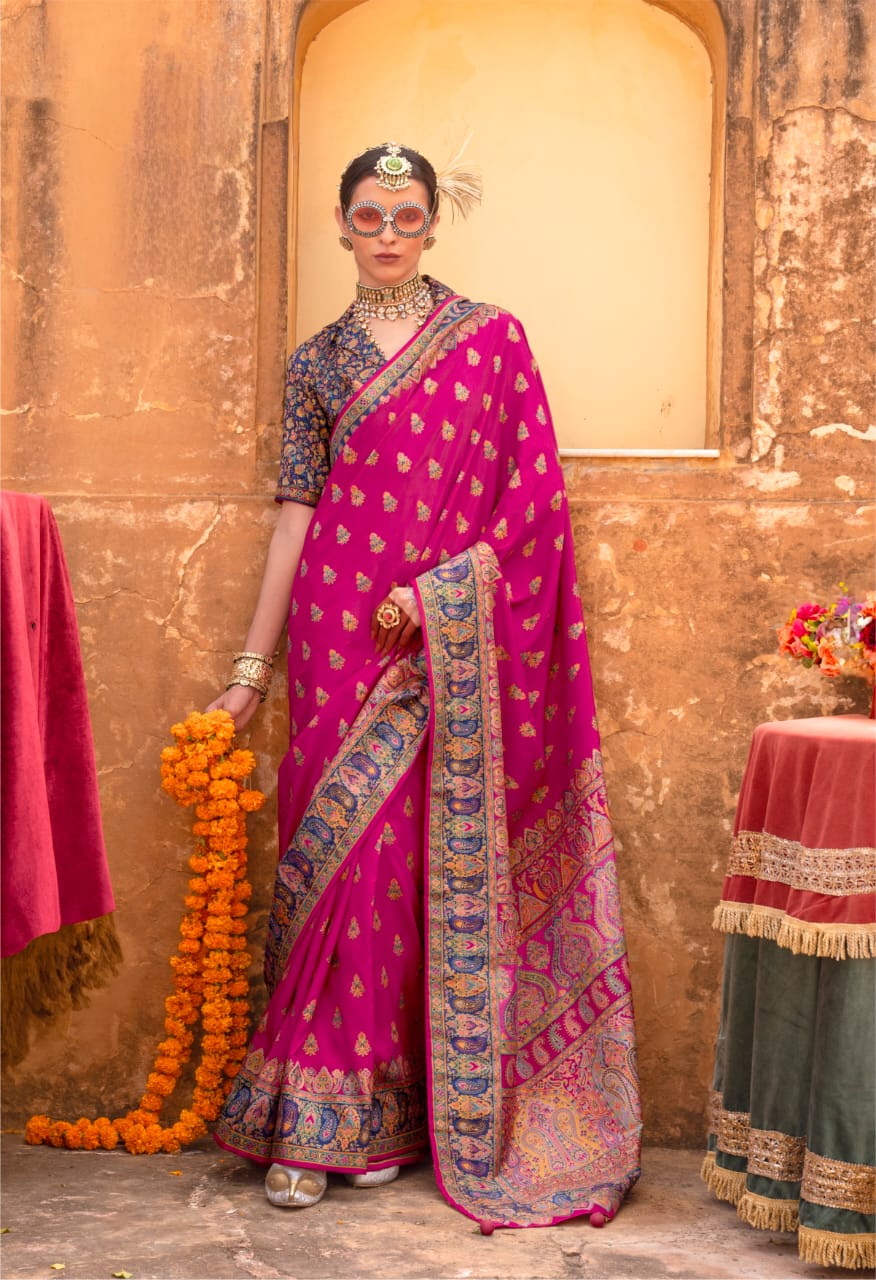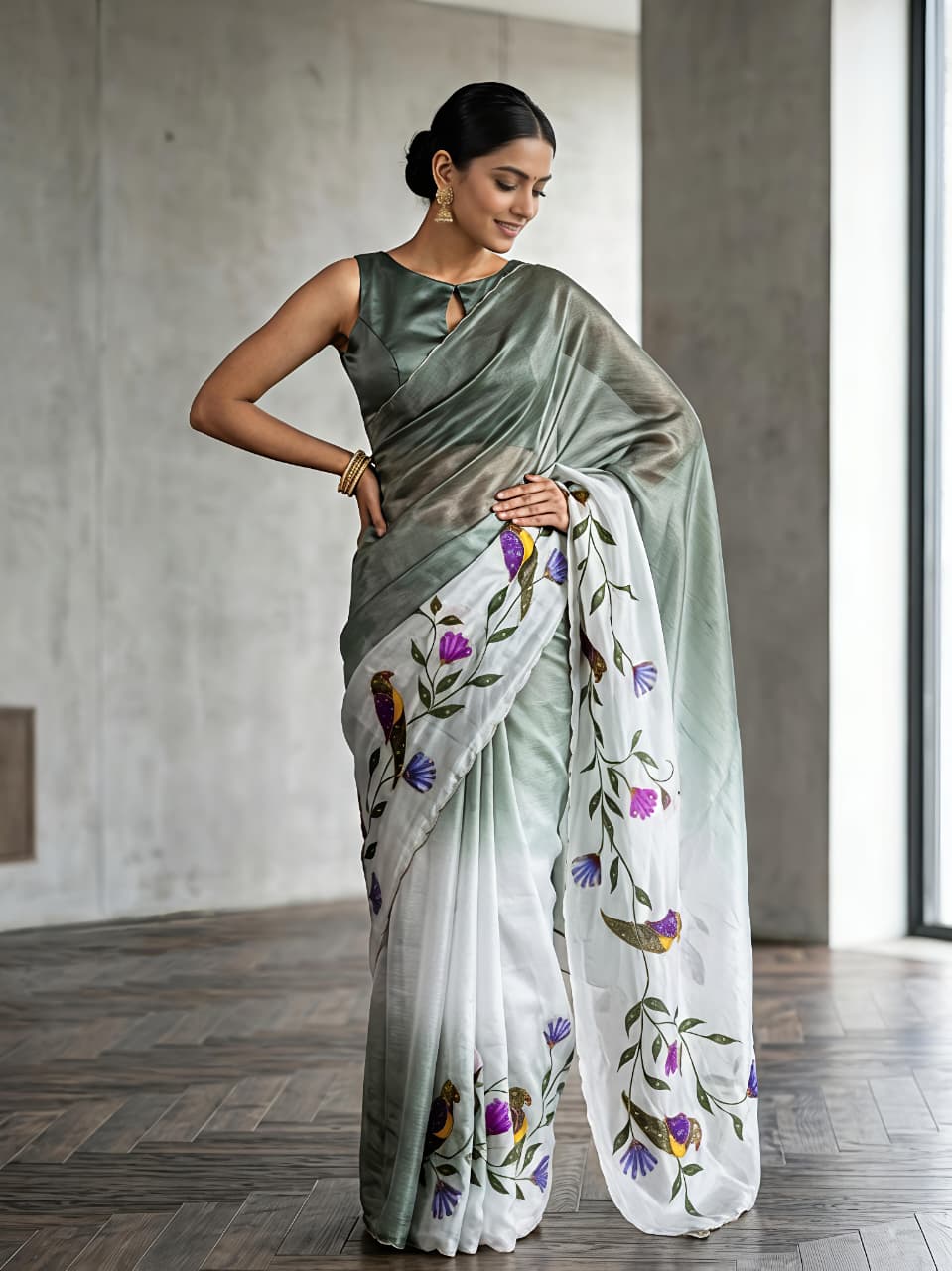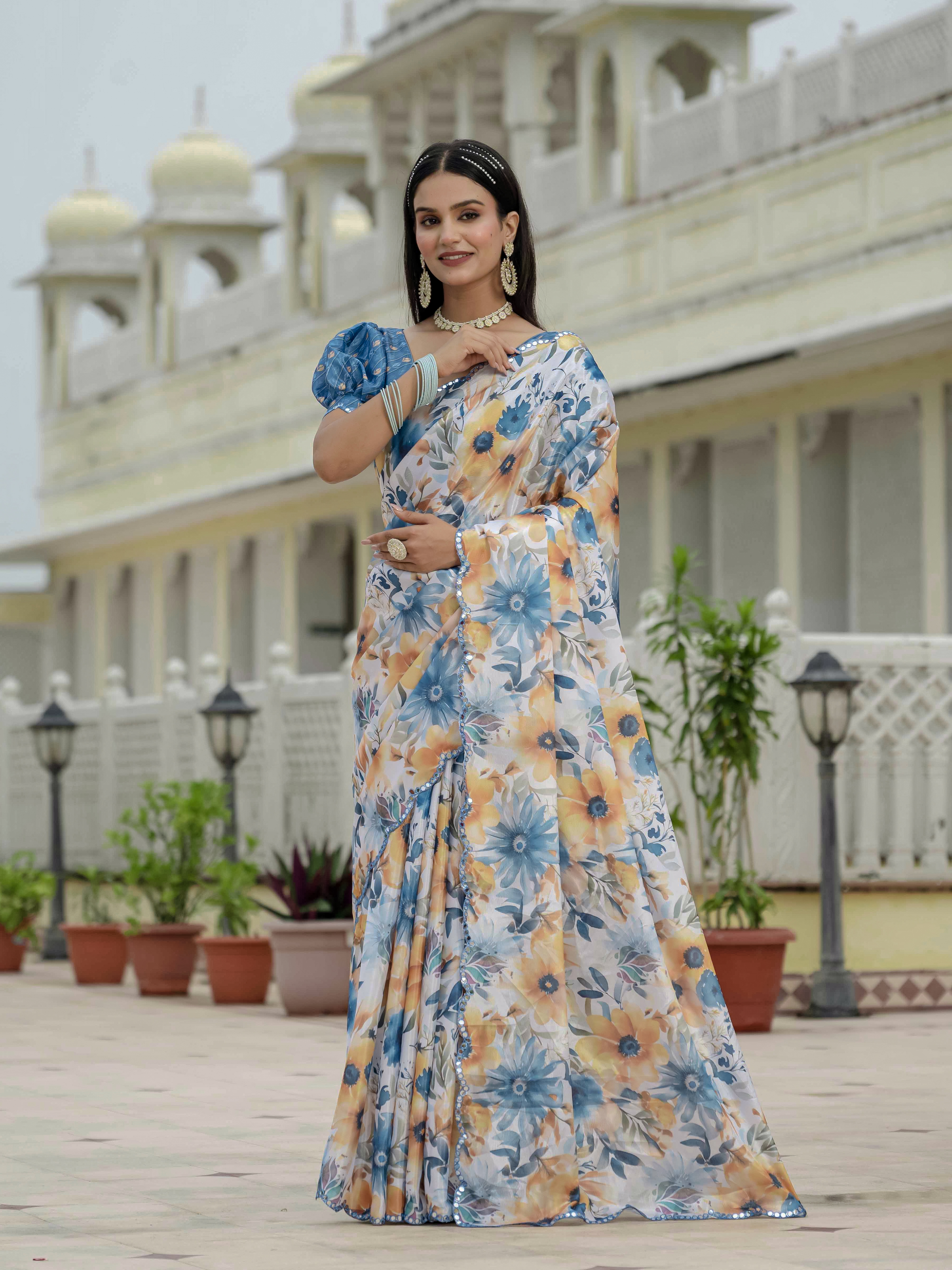
Sambalpuri Blouse Designs: Traditional Odisha-Inspired Styles bring the visual language of Odisha's handloom traditions into a garment that must also fit, support and move comfortably. Distinctive Ikat patterns, geometric borders, conch-inspired forms, flowers, fish, birds and temple-derived motifs can turn a simple saree pairing into a considered ensemble. The most successful styling choices balance the blouse's pattern scale, the saree's border and the formality of the event.
Sambalpuri clothing is associated especially with the western Odisha districts of Bargarh, Sonepur, Sambalpur and nearby weaving communities. The region is known for bandha, a resist-dyeing technique in which yarns are tied and dyed before weaving. Understanding the textile background makes it easier to select a blouse that looks culturally grounded without making the outfit feel costume-like.
Sambalpuri Blouse Designs and the Odisha textile tradition
Sambalpuri Blouse Designs are distinctive because they combine Odisha's bandha-inspired geometry, regional motifs and strong colour contrast with practical blouse silhouettes. A Sambalpuri blouse may use an Ikat-woven fabric, a printed interpretation of a traditional motif or a coordinating cotton with a similar colour rhythm.
Authentic Sambalpuri Ikat is created through resist-dyeing yarns before the warp and weft are woven together. The tied sections absorb colour unevenly, producing blurred or feathered edges where dyed areas meet. Slight irregularities in alignment are often evidence of a handloom process, not a manufacturing flaw. A sharp, perfectly repeated print can resemble Sambalpuri design while having none of the construction associated with woven Ikat.
Common visual references include shankha, or conch forms; chakra, or wheel-like shapes; flowers; stylised animals; birds; and repeating diamonds. These motifs carry cultural associations, but a blouse doesn't need to display every symbol at once. One strong border, a restrained sleeve panel or a small motif repeat can communicate the inspiration with greater elegance.
Colour is another defining feature. Red, black, white, yellow, rust, green and deep blue appear frequently in Odisha handloom palettes, although contemporary weavers and designers also use beige, mauve, teal and pastel combinations. A blouse with black-and-red geometry can sharpen a plain cream saree, while a muted brown or rust Ikat can soften a bright red drape.
Sambalpuri Blouse Designs and fabric selection
Check the fabric weight, weave clarity, stretch, lining and colourfastness before deciding on a Sambalpuri-inspired blouse style. Fabric behaviour determines whether a close-fitting sleeveless cut, a structured sleeve or a softer gathered design will sit properly on the body.
Sambalpuri Blouse Designs in handloom Ikat and printed cotton
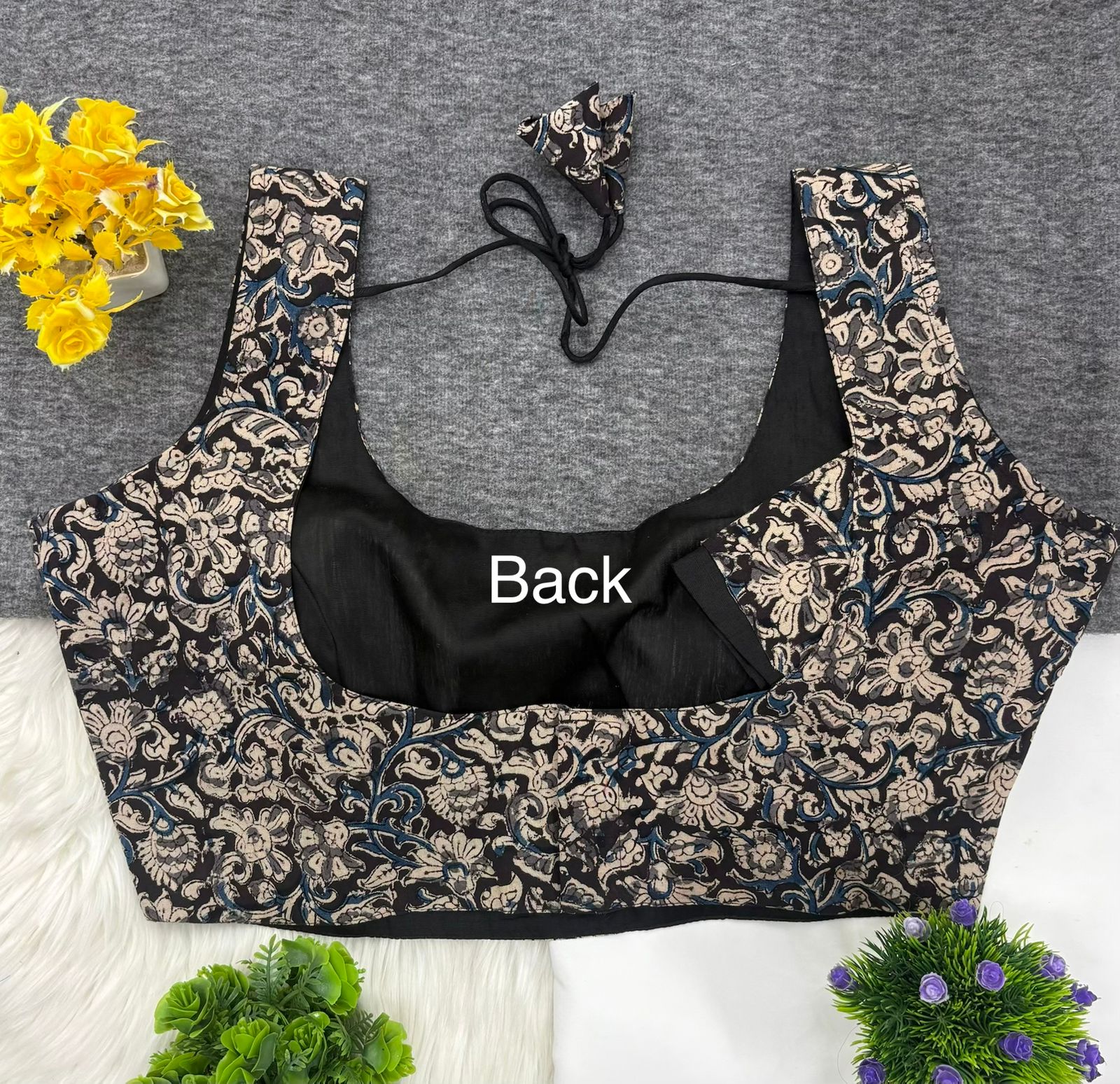
Handloom Ikat has colour variation, a tactile weave and sometimes slight motif shifts caused by yarn resist-dyeing. Printed cotton usually has a flatter surface and more precise surface repetition. Both can be attractive, but handloom Ikat needs careful blouse construction because a thick seam, poorly placed dart or heavy lining can interrupt the visual rhythm.
Cotton is breathable and well suited to daytime pujas, college events, cultural programmes and summer celebrations. Cotton also creases more readily than silk blends, so a blouse intended for photographs or long wedding ceremonies benefits from a firm lining and careful pressing. A padded design can provide shape and reduce the need for a separate inner layer, but padding should remain light enough for cotton to retain its comfort.
Sambalpuri Blouse Designs and motif scale
Large motifs work best on a simple blouse front, while small repeats work well on sleeves, yokes and narrow borders. A large geometric motif placed directly across the bust can visually widen the upper torso, whereas a vertical border along the front opening can create length.
Seam placement matters with Ikat. Ask whether the tailor can centre the main motif on the back or align the border across both sleeves. A small amount of extra fabric may be necessary for pattern matching. Cutting directly from available cloth without planning can split a key motif across a dart or place half a bird on a seam.
Sambalpuri Blouse Designs for necklines and sleeves
V-necks, rounded necklines, square necks, high collars and modest boat necks all suit Odisha-inspired blouses when the neckline balances the saree border and the wearer's proportions. The best neckline depends on motif placement, jewellery and desired coverage rather than on a single regional rule.
Sambalpuri Blouse Designs with V-necks and collars
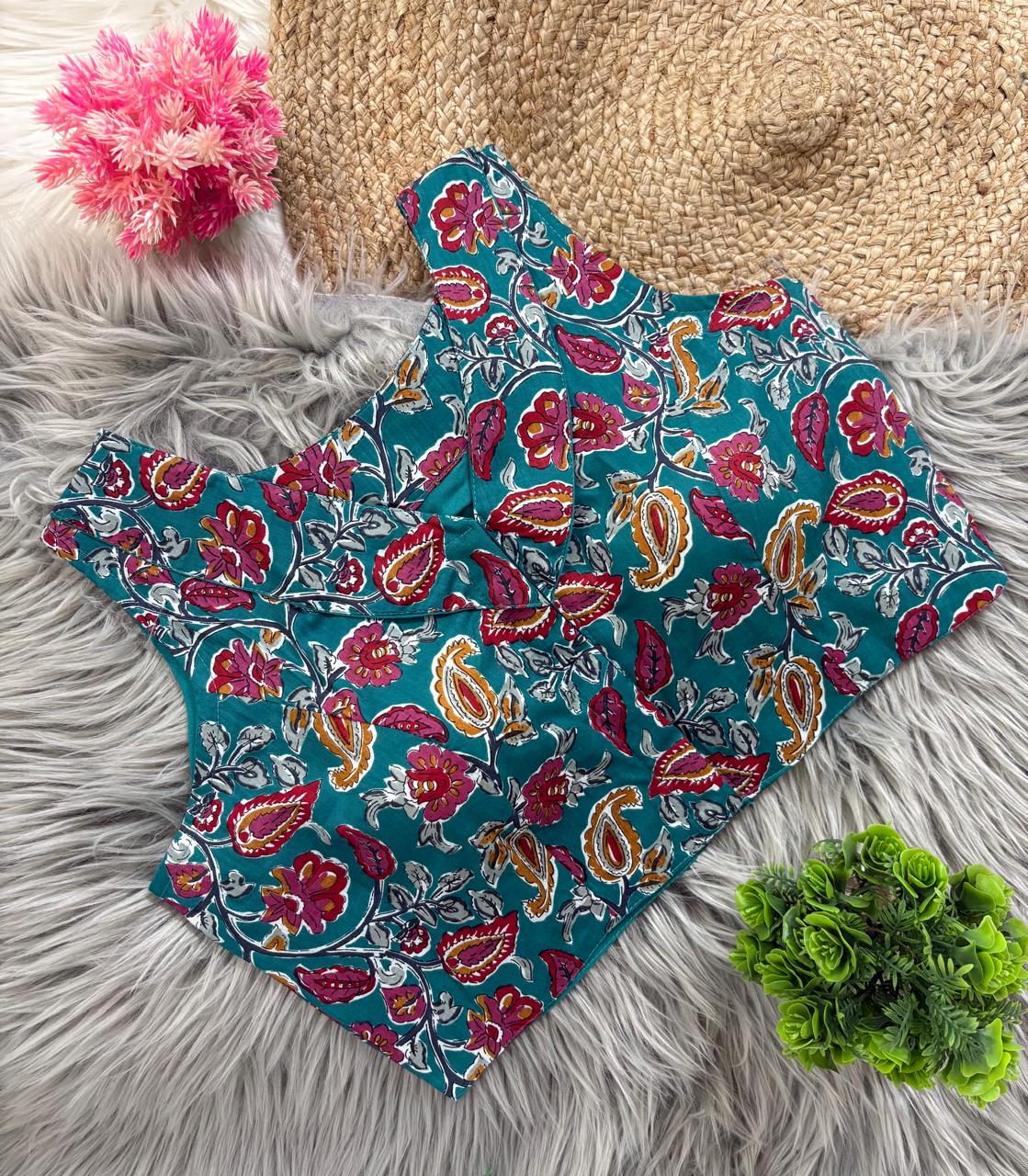
A moderate V-neck creates a clear space for a short necklace or a single strand of beads. The Kalamkari Cotton V Neck Collar Blouse for Women demonstrates how a collar can add structure while the V opening prevents the upper body from looking overly covered. A V-neck is especially useful with a saree that has a broad pallu because the neckline introduces a clean break below the face.
A collar gives a more tailored appearance and works well for office ethnic wear, cultural events and daytime receptions. Keep the collar narrow when the blouse fabric has a dense motif. A tall or heavily embellished collar combined with a busy Ikat pattern can make the neckline appear crowded.
Sambalpuri Blouse Designs with sleeveless and short sleeves
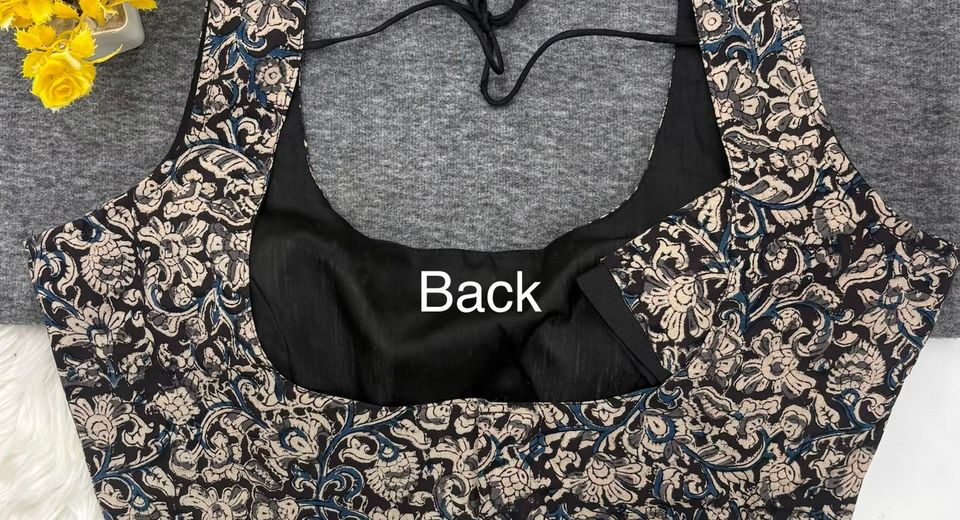
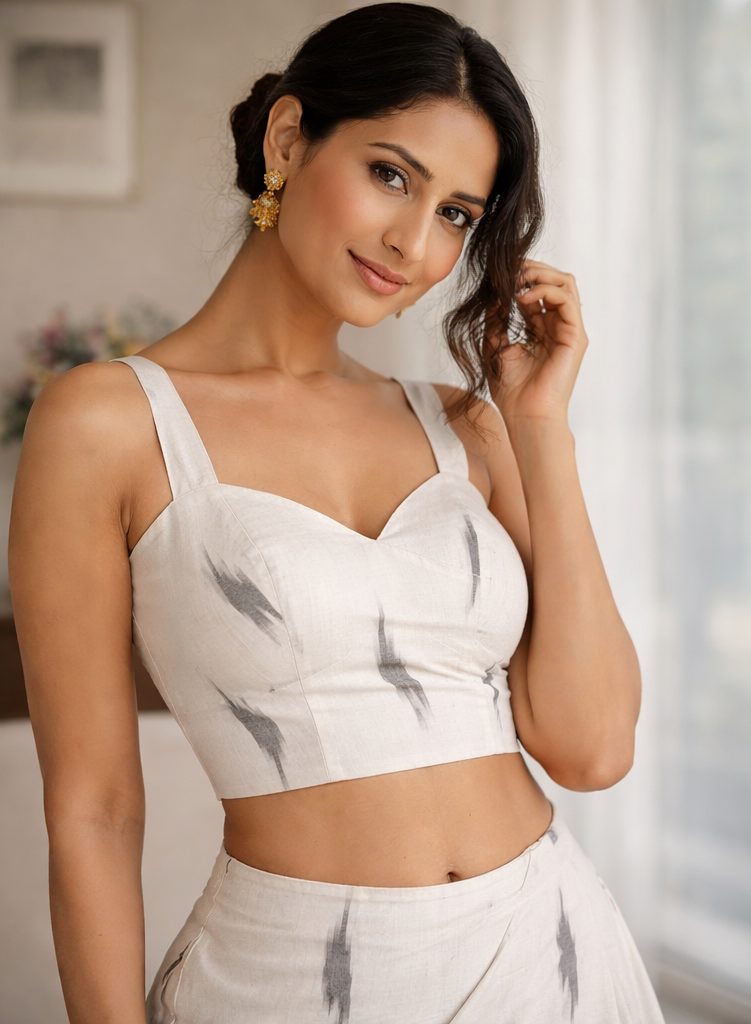
Sleeveless cuts highlight the shoulder line and allow the saree border to remain the main horizontal detail. The Brown Ikat Cotton Padded Blouse Sleeveless Stylish shows how a dark neutral ground can make woven geometry feel contemporary. The Cream Ikat Cotton Padded Blouse Sleeveless Trendy offers a lighter route for pairing with jewel-toned or richly bordered sarees.
Short sleeves provide more coverage without hiding the blouse fabric. Elbow-length sleeves create a graceful proportion with a lightweight saree, especially when the sleeve hem repeats the pallu border. Three-quarter sleeves can look elegant with Chanderi or cotton-silk drapes, but the sleeve opening should be measured carefully so the arm remains comfortable when the elbow bends.
Bell sleeves and gathered sleeves should be used selectively. A flowing sleeve can complement a plain saree, but a large sleeve combined with an elaborate Ikat motif, heavy zari and a broad pallu may overwhelm the outfit. A clean sleeve with a contrast cuff often communicates the same festive intention more successfully.
Sambalpuri Blouse Designs with different saree pairings
Pair a Sambalpuri blouse with a saree by repeating one colour from the blouse, contrasting the motif scale and keeping either the blouse or the saree as the dominant visual element. Matching every colour and pattern usually makes the outfit look busy.
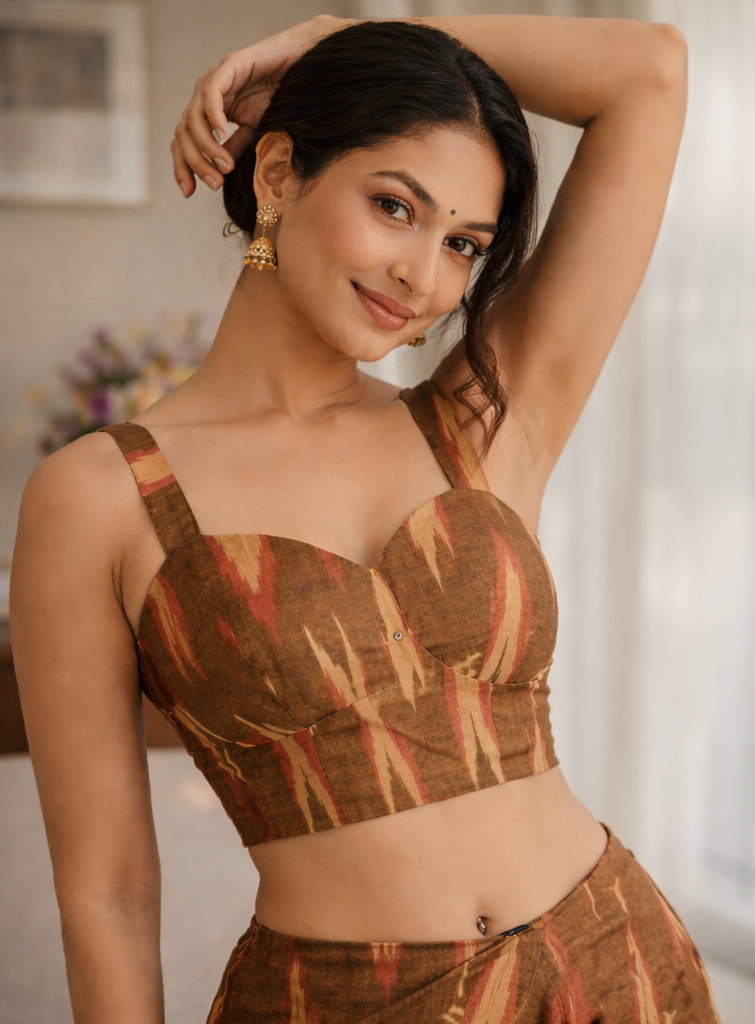
A plain cotton saree is the easiest starting point. A black, off-white, rust or deep green Sambalpuri blouse can give a solid saree a recognisable Odisha-inspired identity. Choose a saree border that's narrower than the blouse's strongest pattern when the blouse has dense geometry.
A traditional Sambalpuri saree can be worn with a blouse that shares one colour but uses a quieter motif. For example, a red-and-black Sambalpuri saree can take a black blouse with a small red border instead of another full-strength red-and-black pattern. The approach preserves coordination while allowing the saree's pallu to remain the focal point.
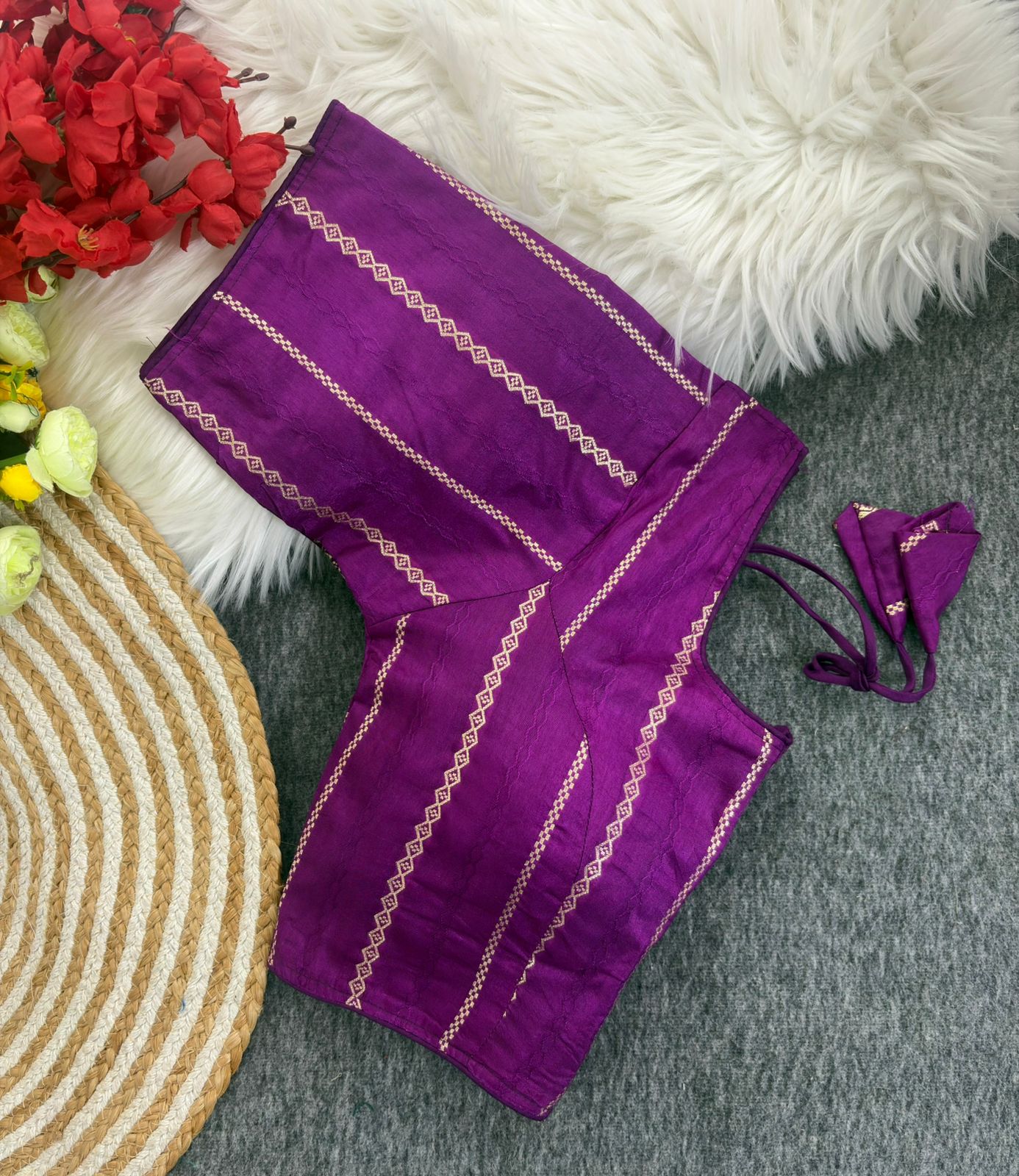
Banarasi silk needs a more deliberate balance. The Banarasi Silk Golden Jari Padded Blouse for Women brings metallic zari and a formal surface, so it can be paired with a plain silk saree or a restrained Ikat saree for a wedding reception. Avoid combining dense gold zari, a large Sambalpuri motif and a heavily decorated pallu unless the event calls for maximal dressing.
Chanderi works particularly well with lightweight cotton blouses because its translucent texture and delicate sheen need visual grounding. A rust, brown or black Ikat blouse can give a pale Chanderi saree enough contrast for an afternoon celebration. A silk blouse can be reserved for evening wear or a more formal drape.
Kanjeevaram sarees generally carry a strong silk body and substantial zari border. A blouse using a Sambalpuri-inspired motif can work with Kanjeevaram when the blouse colour is drawn from the border and the motif remains relatively small. A plain blouse may be preferable when the Kanjeevaram pallu contains elaborate temple, floral or peacock designs.
Sambalpuri Blouse Designs for contemporary festive dressing
A traditional blouse feels contemporary when its regional textile reference is paired with a precise fit, restrained styling and one modern construction detail. The up-to-date element can be a clean neckline, a concealed zip, a sleeveless cut, a cropped length or an understated contrast lining.
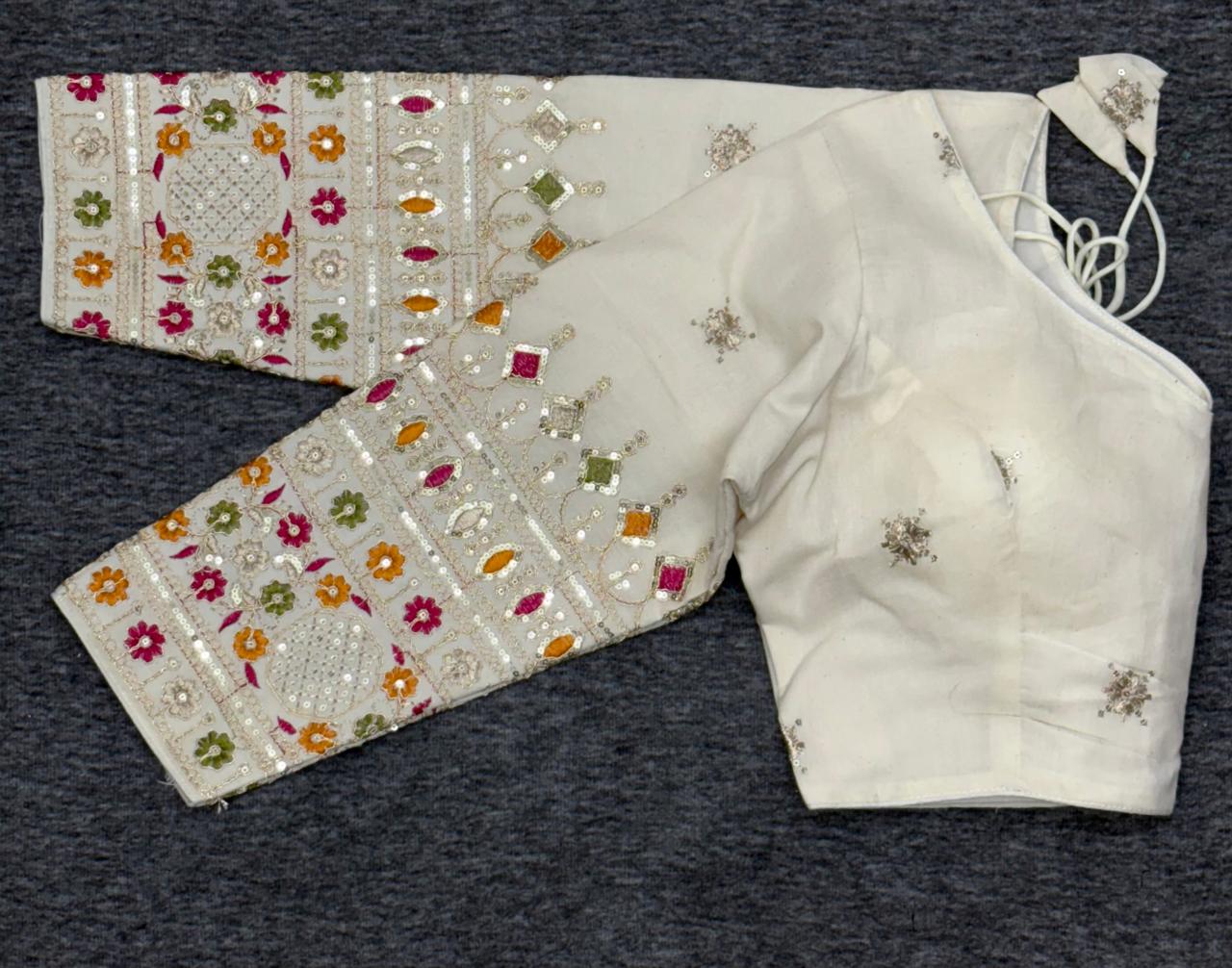
The Classic Festive Wear Blouse for Stylish Saree Look illustrates the value of a versatile silhouette for celebrations where the saree changes but the blouse must remain useful. A familiar cut can look fresh when the sleeve finish, back opening or piping is carefully selected.
The Pure Kalamkari Cotton Padded Blouse for Women shows another route: a narrative textile can become wearable when the silhouette stays simple. Kalamkari isn't Sambalpuri Ikat, but both traditions demonstrate how Indian textile identity can be expressed through motif and colour without relying on heavy embellishment.
Use jewellery to support rather than compete with the textile. Silver earrings, terracotta jewellery, oxidised metal, carved wood and simple glass bangles suit the earthy character of cotton and Ikat. Gold jewellery can work for festive styling, especially when the saree contains warm red, mustard or zari accents, but large necklaces may cover the blouse's most important design area.
Contemporary styling also includes practical details. A concealed side zip creates a clean front, hook-and-eye closures can make dressing easier, and a cotton lining can reduce skin irritation during long events. A blouse worn for a Haldi ceremony should allow the arms to move freely because turmeric rituals often involve sitting, standing and reaching.
Sambalpuri Blouse Designs and fitting measurements
A well-fitted Sambalpuri blouse needs accurate bust, underbust, shoulder, armhole, sleeve and blouse-length measurements, taken while wearing the support garment intended for the final outfit. A difference of even 1 to 2 centimetres at the armhole or shoulder can affect comfort and drape.
Measure the bust at the fullest point without pulling the tape tight. Measure the underbust separately for a padded or fitted blouse. Shoulder width should run from one shoulder point to the other, while blouse length should be taken from the shoulder's highest point to the desired hem. Record the upper-arm circumference if sleeves are elbow-length or longer.
Allow functional ease rather than adding excessive looseness. Cotton blouses usually need approximately 2 to 4 centimetres of total wearing ease, depending on the weave, lining and preferred fit. A very close fit can strain the motif, hooks and seams when the wearer raises an arm. Excess fabric can cause diagonal folds beneath the bust and make the saree pallu sit unevenly.
Padded blouses should be tested while seated and while lifting both arms. Padding that looks smooth when standing can shift during movement if the cup shape, armhole and lining are not aligned. A trial fitting before final finishing is particularly valuable when the fabric has a directional border or a large central motif.
Sambalpuri Blouse Designs, washing and long-term care
Care for a Sambalpuri or Ikat blouse by checking the fibre content first, then choosing gentle washing, shade drying and low-heat pressing. Cotton can usually be hand-washed, while silk blends, zari details and structured linings may require professional cleaning.
For colour-rich cotton, test a hidden seam with a damp white cloth before the first wash. Wash separately in cool water with a mild detergent if colour transfers. Do not soak red, black or deep indigo cotton for extended periods because prolonged soaking can encourage dye bleeding.
Press the blouse inside out on a medium or low setting while the fabric is slightly damp. Place a thin cotton cloth between the iron and any printed or zari surface. High heat can flatten texture, create shine on dark cotton and damage metallic threads.
Store a clean blouse in a breathable cotton bag rather than sealed plastic. Keep padded blouses flat or lightly folded so cups don't become sharply creased. Refold handloom Ikat garments every few months, and avoid hanging heavy blouses by thin shoulder straps because prolonged weight can distort the shoulder seams.
Regional textile clothing deserves careful handling because fabric, colour and motif are part of its value. A thoughtful neckline, accurate measurement, balanced saree pairing and suitable washing routine can make one Sambalpuri-inspired blouse useful across festivals, family gatherings, cultural programmes and formal celebrations.
Common Questions About Sambalpuri Blouse Designs
What fabric is best for Sambalpuri blouse designs?
Cotton Ikat is a practical choice for Sambalpuri blouse designs because it is breathable, structured and suitable for daytime festive wear. Cotton-silk and silk can work for evening events, but they need more careful lining, fitting and cleaning.
Can I wear a Sambalpuri blouse with a plain saree?
Yes, a Sambalpuri blouse pairs especially well with a plain cotton, silk or Chanderi saree. Repeat one colour from the blouse in the saree or border, and let either the blouse motif or the saree texture be the main visual focus.
Which neckline suits a Sambalpuri blouse?
A moderate V-neck, round neck, square neck or narrow collar can suit a Sambalpuri blouse. Choose the neckline according to the blouse motif, saree border, jewellery and desired coverage rather than choosing only by trend.
Are Sambalpuri Ikat and printed Sambalpuri fabric the same?
No, Sambalpuri Ikat is woven using yarns that are resist-dyed before weaving, while printed fabric receives its pattern on the finished cloth. Printed fabric can imitate the appearance, but handloom Ikat has a woven texture and may show slight motif variation.
How should I care for a Sambalpuri cotton blouse?
Hand-wash a Sambalpuri cotton blouse in cool water with mild detergent, especially before you know whether the colour will bleed. Dry it in shade, press it inside out on low or medium heat and store it in a breathable cotton bag.
Can Sambalpuri-inspired blouses be worn for weddings?
Sambalpuri-inspired blouses can be worn for weddings when the fabric, finish and styling match the formality of the event. Cotton Ikat suits daytime functions, while silk, zari accents or a structured padded blouse can work better for evening receptions.