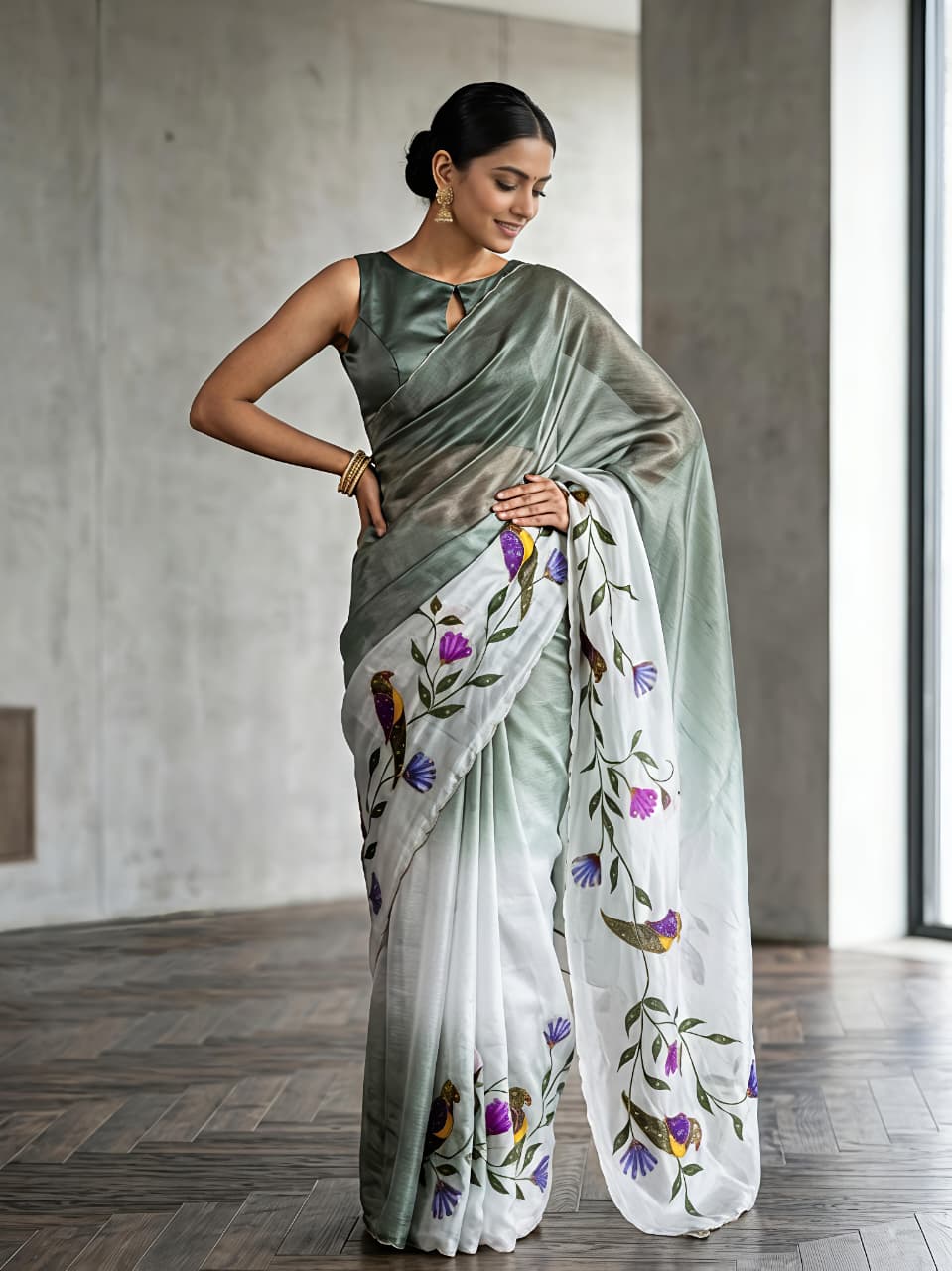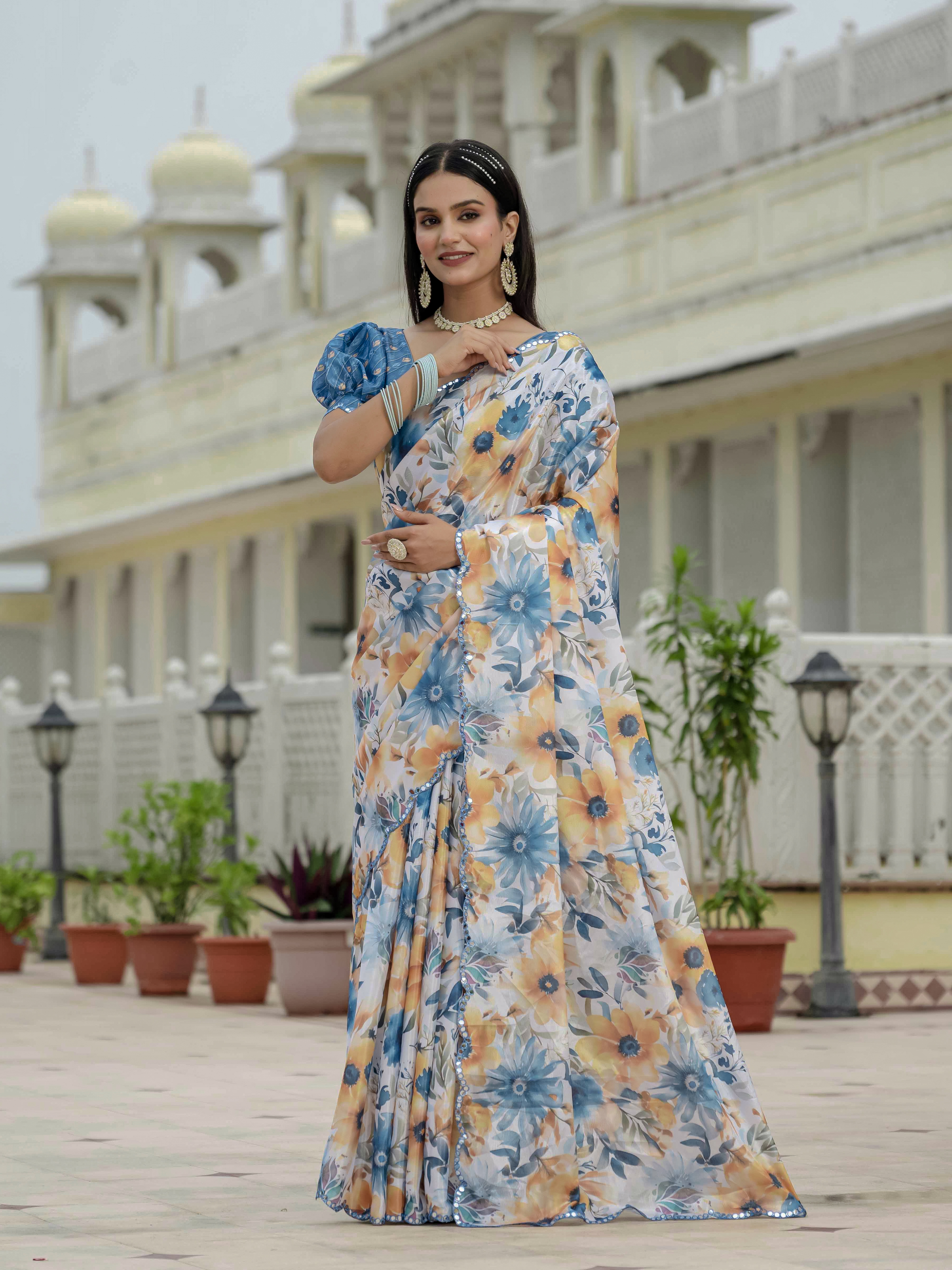
Rath Yatra 2026 Outfit Ideas: Traditional Odia Sarees & Ethnic Wear should balance devotion, regional respect, July weather and the practical demands of a crowded festival. Puri's Jagannath Rath Yatra is expected to take place in July 2026, when heat, humidity and sudden rain can affect what feels comfortable. A well-chosen saree therefore needs more than a festive colour or a rich border: the weave, drape, blouse, footwear and jewellery all matter.
The festival marks the ceremonial journey of Lord Jagannath, Lord Balabhadra and Devi Subhadra from the Jagannath Temple to the Gundicha Temple in Puri. Whether you're attending a local Rath Yatra, visiting a temple or celebrating at home, clothing can acknowledge Odia textile traditions without suggesting that every festive saree is an authentic Odia weave.
Rath Yatra 2026 Outfit Ideas begin with Odia saree traditions
Traditional Odia sarees for Rath Yatra include Sambalpuri ikat, Bomkai, Khandua, Berhampuri patta and Kotpad textiles, each with a distinct regional identity. Sambalpuri sarees are recognised for resist-dyed ikat motifs, while Bomkai sarees often combine patterned borders and pallu designs with tribal and nature-inspired imagery. Khandua is associated with Odisha's silk-weaving heritage and frequently features traditional motifs.
Sambalpuri ikat is especially recognisable because yarns are tie-dyed before weaving, creating patterned edges and motifs with a slightly feathered alignment. A Khandua saree usually has a silk character and a more ceremonial presence. Kotpad handloom, traditionally associated with Koraput, is known for earthy natural-dye shades and woven motifs rather than glossy ornamentation.
Not every Banarasi, linen or tissue saree is an Odia saree. Banarasi silk comes from Varanasi, while Chanderi is associated with Madhya Pradesh and Kanjeevaram with Tamil Nadu. Those sarees can still create a graceful festival outfit, but describing them accurately shows respect for the crafts and communities behind each textile.
How can a non-Odia saree still suit Rath Yatra?
A non-Odia saree suits Rath Yatra when the outfit is comfortable, modest, seasonally appropriate and styled with cultural sensitivity. A gold-bordered Banarasi saree can work for a formal family celebration, while a cotton or linen-cotton saree is usually more practical for daytime movement.
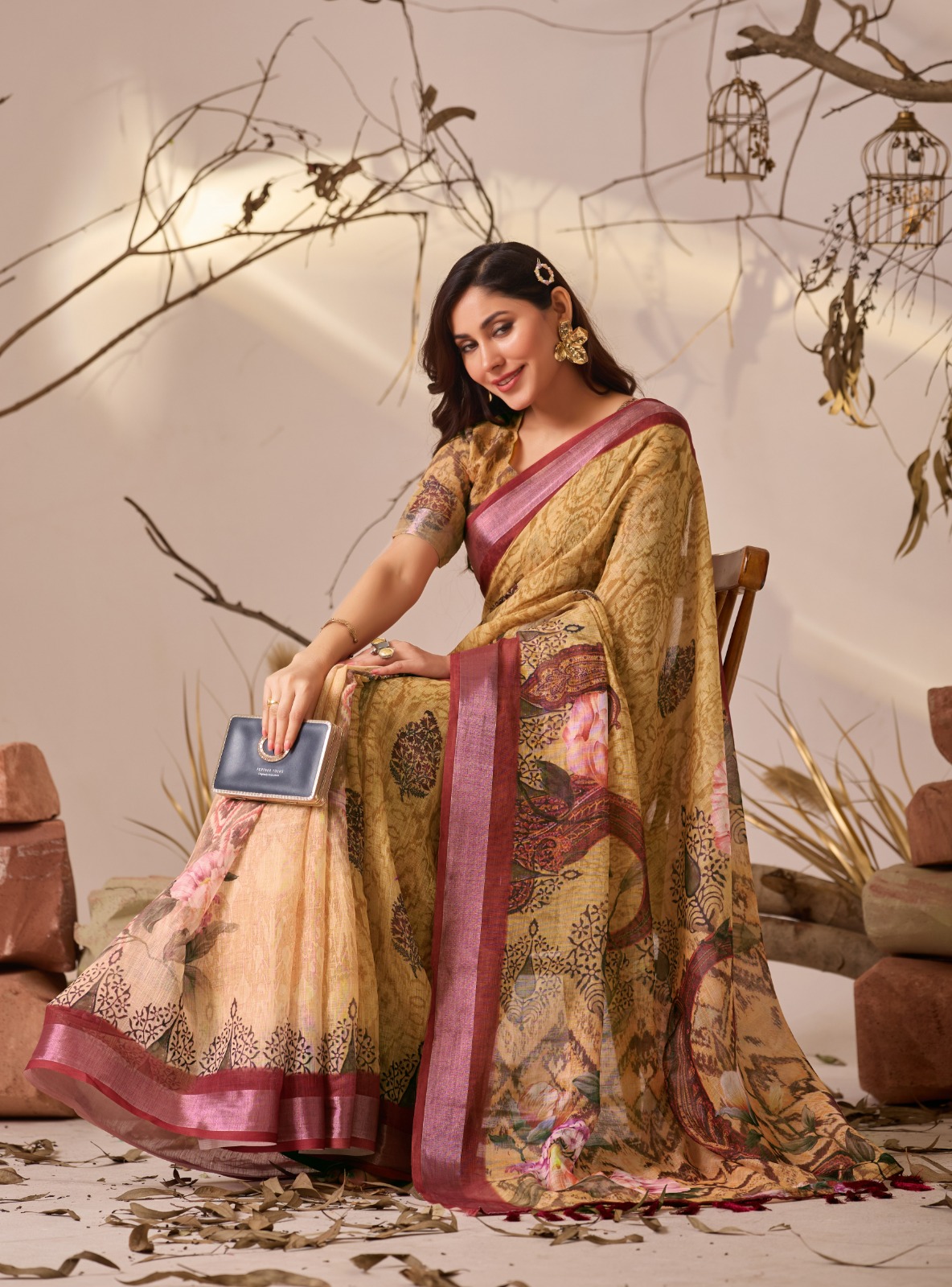
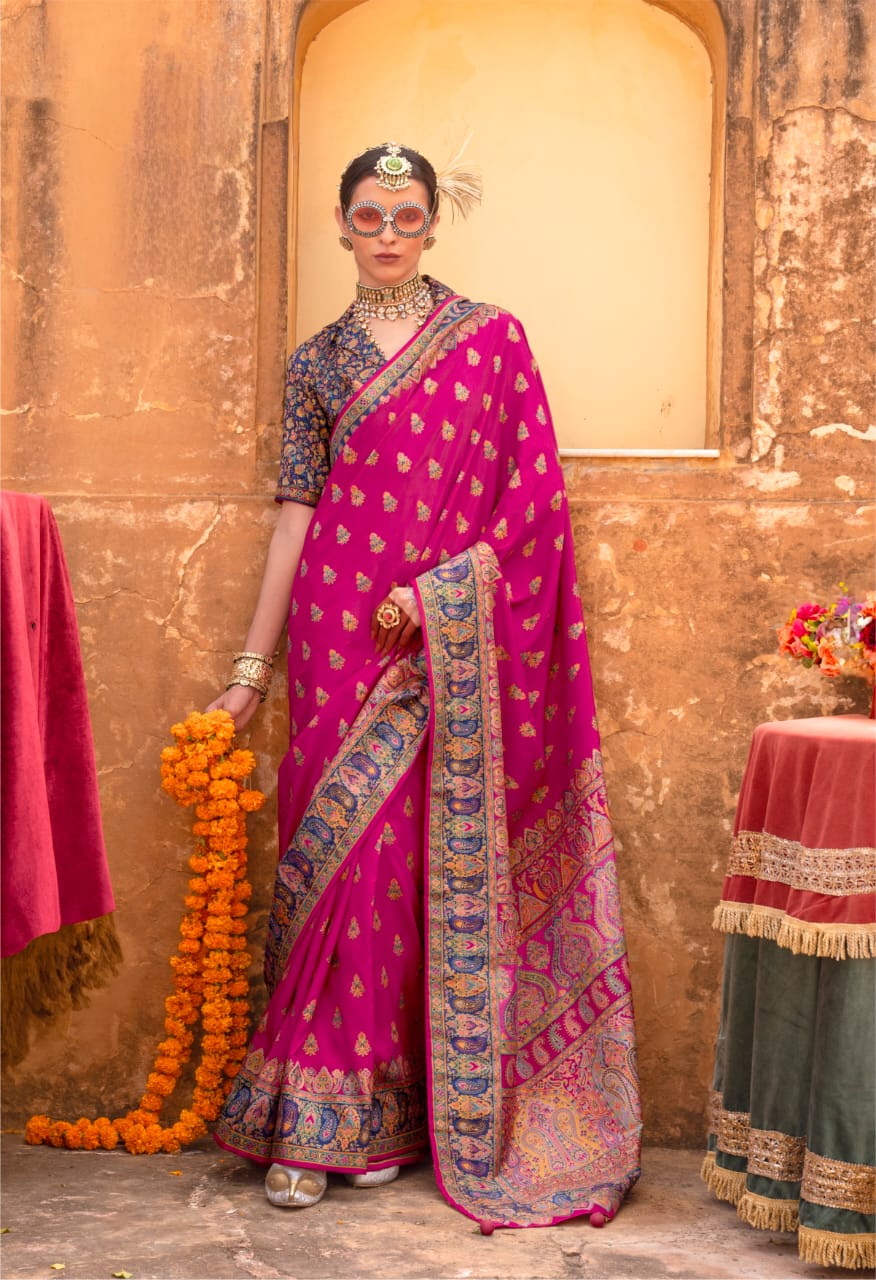
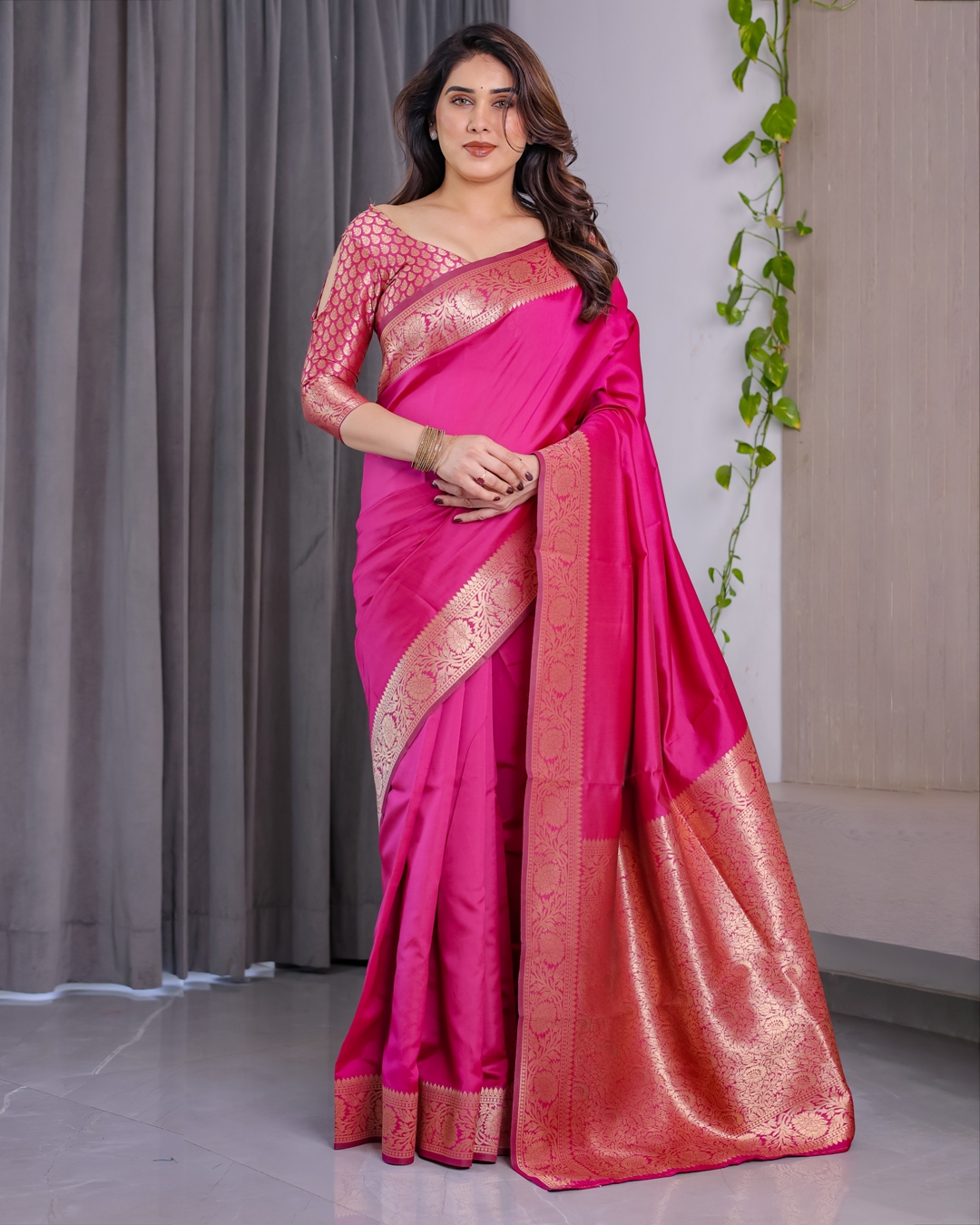
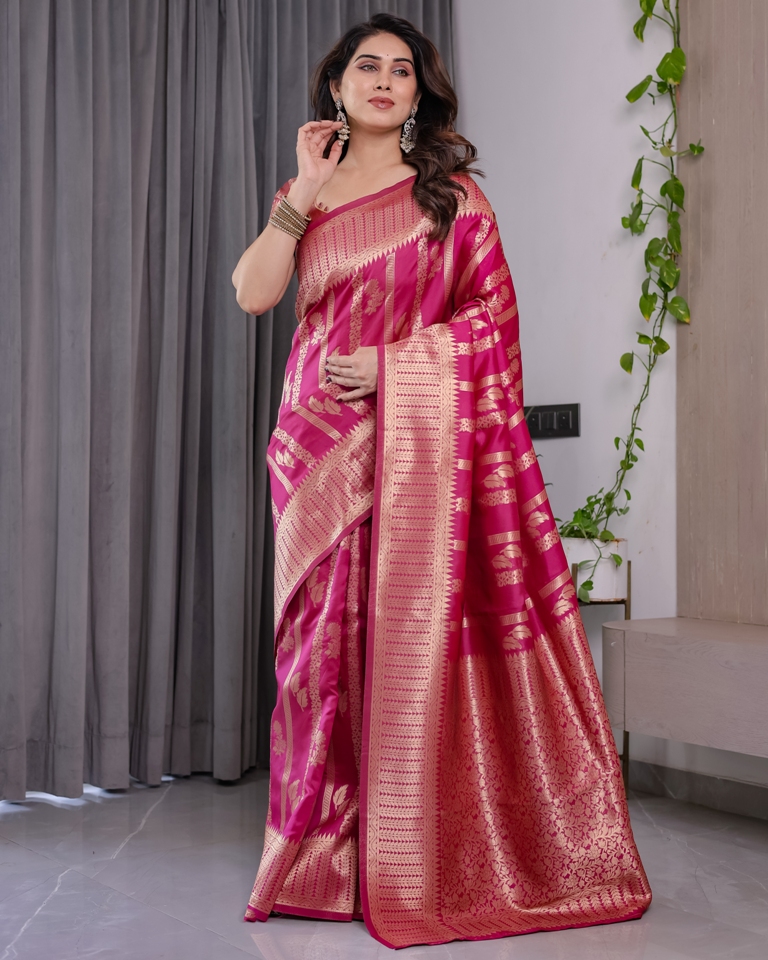
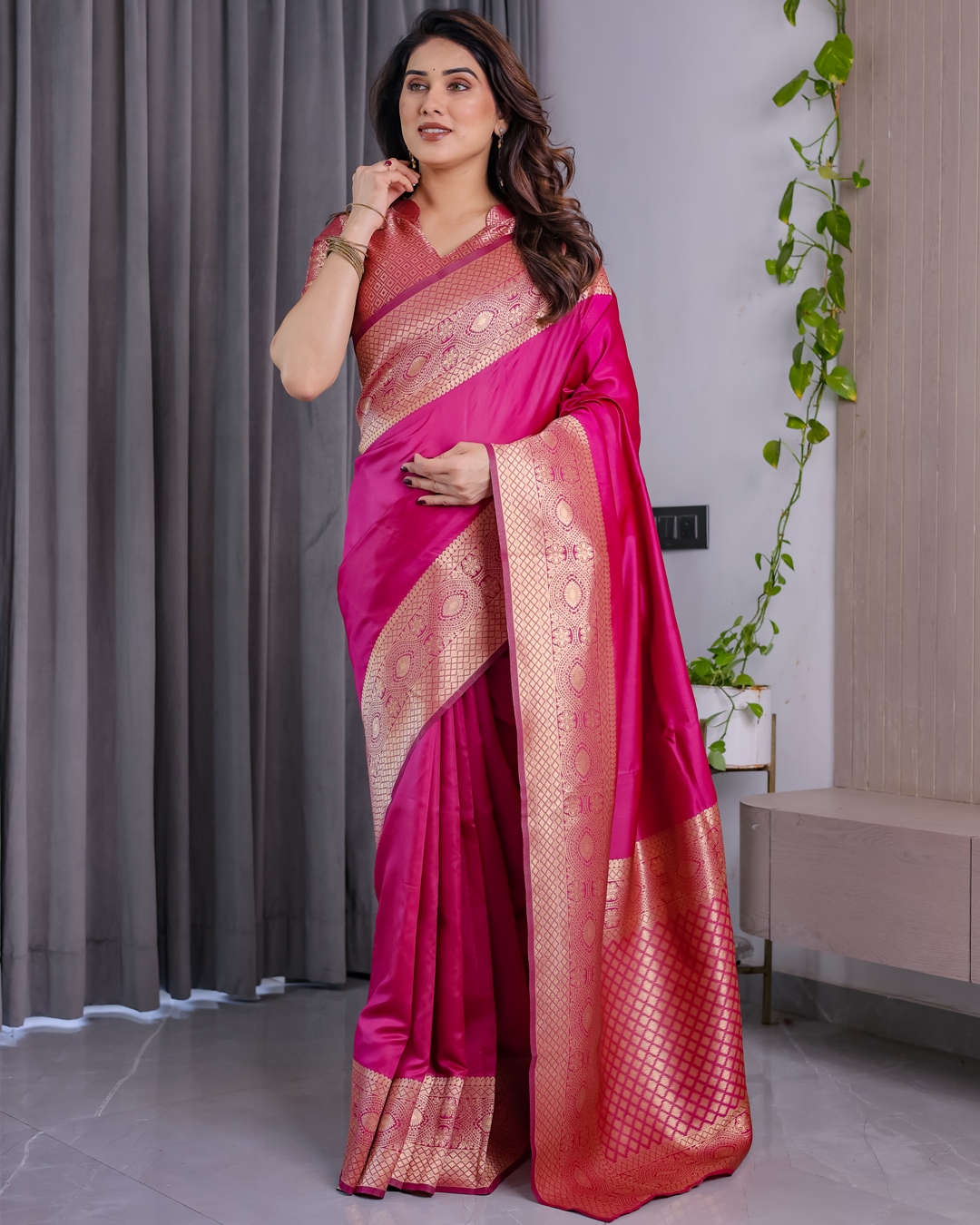
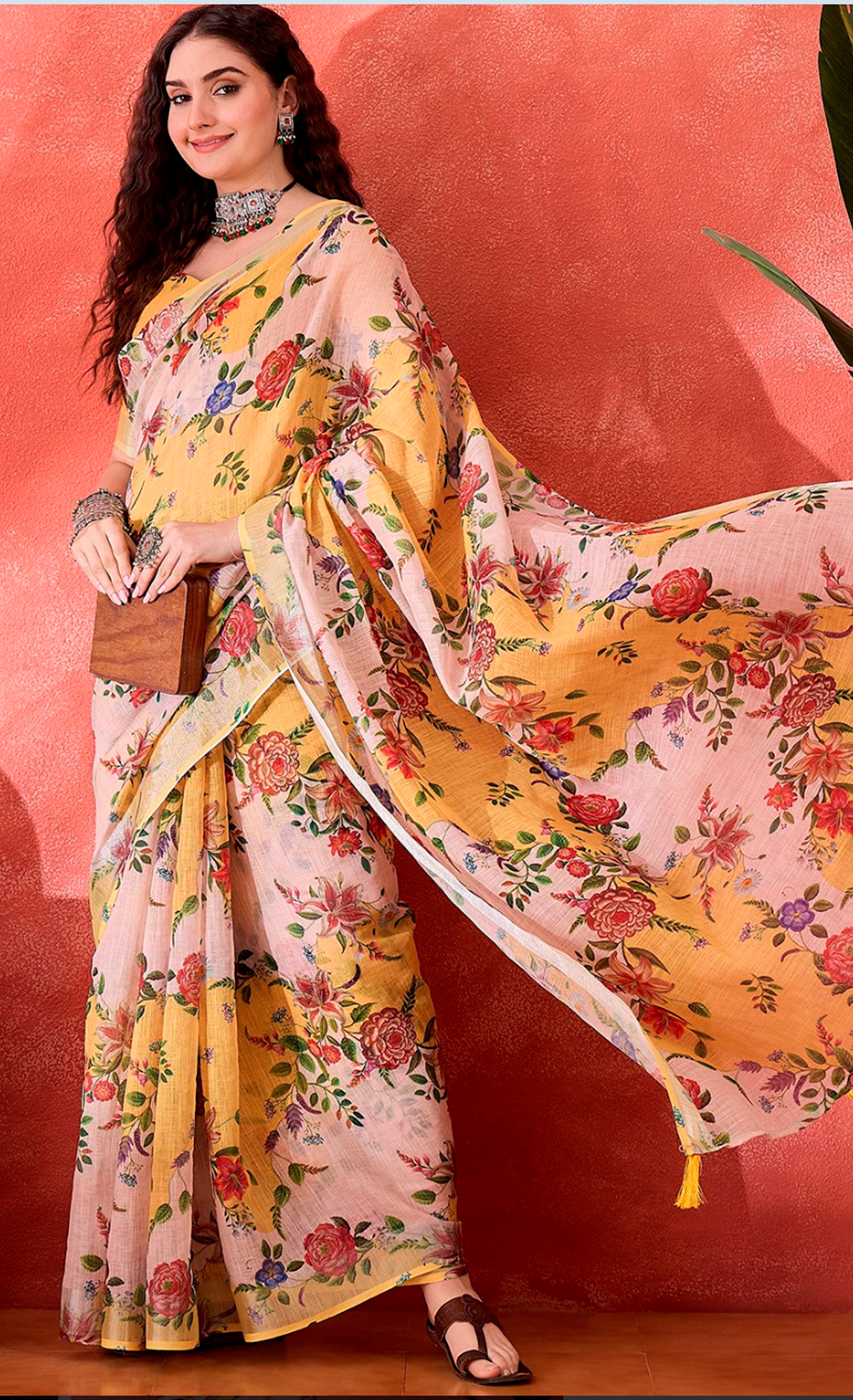
Rani Pink Banarasi Soft Silk Saree With Golden Zari Borders demonstrates how a luminous pink-and-gold palette can create a festive silk look without being mistaken for an Odia handloom. For a more restrained interpretation, Mustard Floral Linen Cotton Saree with Unstitched Blouse offers a breathable base and a warmer, earthy colour story.
Rath Yatra 2026 Outfit Ideas should account for July fabric comfort
Cotton, linen cotton and lightweight silk blends are generally the most comfortable choices for a July Rath Yatra celebration. Puri and many other eastern Indian locations can feel hot and humid, so a saree that allows airflow is easier to wear for several hours than a heavily layered or stiff fabric.
A cotton saree absorbs perspiration and usually becomes easier to manage with a firm tuck and a well-pressed pleat. Linen cotton has a slightly crisp hand and can develop natural creases, which makes it suitable for daytime puja or a community procession when ease matters more than a perfectly smooth finish. Pastel Floral Tissue Handloom Cotton Saree with Zari Weaves combines a lighter cotton feel with a festive glimmer, making it useful for a daytime festival celebration.
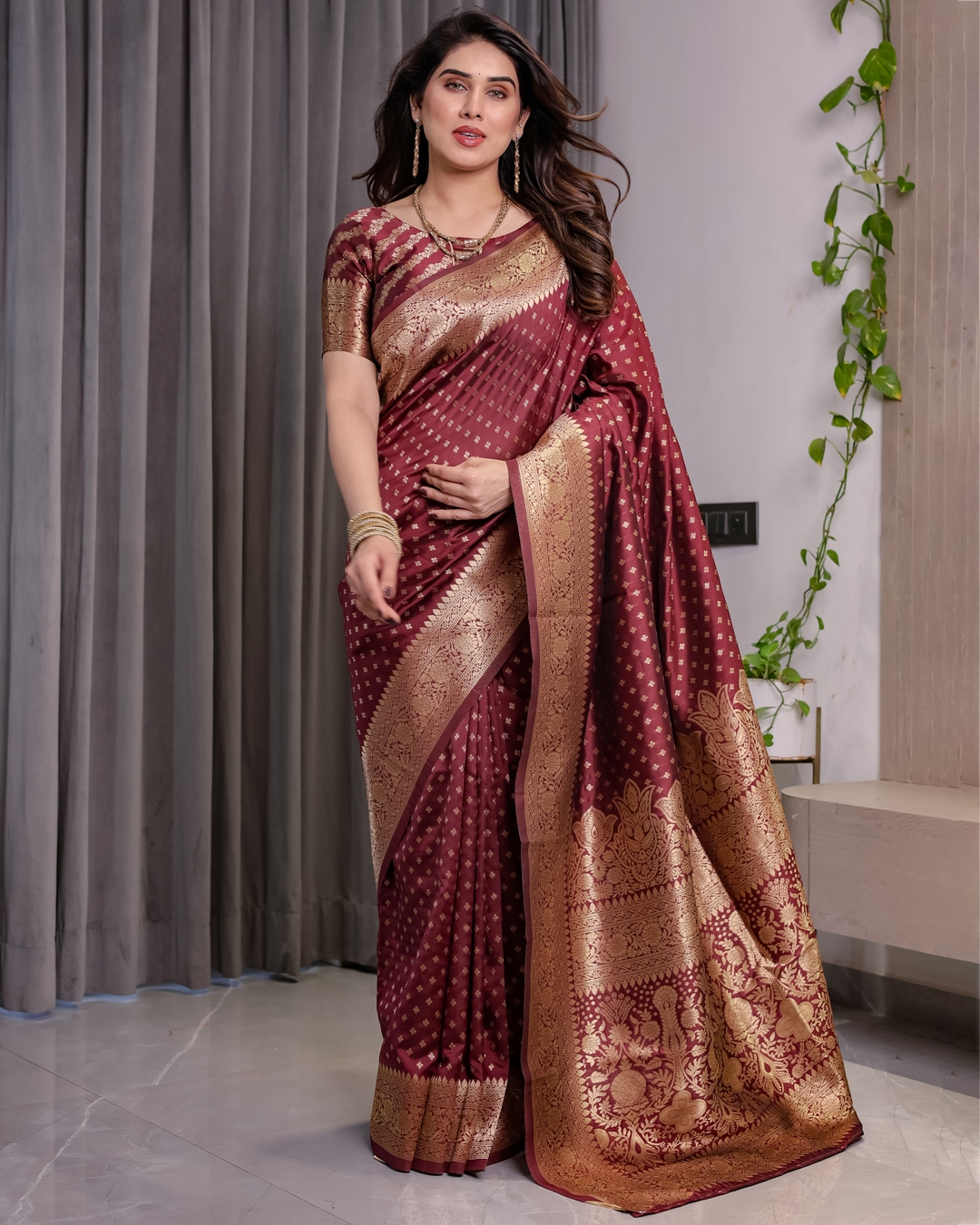
Soft silk works well when the event includes an evening gathering, family photographs or a more formal puja. Banarasi soft silk is generally easier to drape than very heavy brocade, but zari still adds weight to the pallu and border. Maroon Banarasi Soft Silk Saree with Golden Zari Border can suit an evening gathering because maroon reads as rich without requiring elaborate additional decoration.
Very delicate tissue, loose sequins and long trailing pallus require extra care in a crowd. If the plan includes standing near a chariot route, travelling by public transport or walking on uneven ground, select a secure drape and avoid jewellery or accessories that can catch on other people's clothing.
Which fabric is best for a daytime Rath Yatra visit?
A lightweight cotton or linen-cotton saree is usually best for a daytime Rath Yatra visit because it handles heat, movement and humidity better than a heavy silk. A cotton saree with a modest zari border still looks festive while remaining practical for temple queues and outdoor rituals.
A silk saree becomes more suitable when the celebration is indoors, takes place after sunset or follows a formal family dress code. Fabric choice should follow the number of hours you'll wear the outfit, not only the level of decoration you want in photographs.
Rath Yatra 2026 Outfit Ideas can use a thoughtful colour palette
Red, yellow, mustard, white, maroon and pink all create appropriate festival palettes, but colour should be balanced with the location and time of day. Bright red and yellow feel energetic for a procession, while maroon, deep pink and muted gold create a more composed evening look. White and cream can be elegant when paired with a defined border, though some families may reserve plain white clothing for particular rituals or mourning contexts.
Mustard works particularly well with antique gold jewellery, brown sandals and a muted blouse. Mustard Floral Linen Cotton Saree with Unstitched Blouse can be paired with a fitted mustard, rust or deep green blouse, depending on the floral colours. Avoid adding too many competing bright shades when the saree already contains a strong print.
Pink brings a softer festive alternative to red. Buy Rani Pink Banarasi Silk Saree with Jacquard Zari Border can be styled with a gold blouse for a classic silk festival celebration or with a deeper wine blouse for contrast. A pink saree also pairs well with kundan, temple-style gold or simple pearl jewellery.
Red Banarasi Silk Sarees for Weddings Under 1100 is a useful collection reference for shoppers seeking a strong traditional colour at a modest price point, but a wedding-oriented border may need simpler accessories for a daytime Rath Yatra visit. Red Banarasi Soft Silk Saree with Jacquard Zari Border already provides visual richness, so a plain blouse and restrained earrings can prevent the outfit from appearing overworked.
Rath Yatra 2026 Outfit Ideas need a secure and modest drape
A secure Nivi drape with firmly pinned pleats is the most practical saree style for a crowded festival. Set the lower pleats at the centre, tuck them securely, bring the pallu over the left shoulder and pin the pallu near the shoulder and waist so that it doesn't drag.
Choose a blouse with sleeves and a neckline that allow comfortable movement without constant adjustment. A short-sleeved or elbow-sleeved blouse can provide more coverage during a temple visit and works with both cotton and silk sarees. A cotton lining reduces stickiness in humid weather, while a properly fitted armhole prevents the blouse from shifting when you raise your arms.
Use a petticoat with a firm waistband rather than relying on a loose underskirt. A cotton or cotton-blend petticoat supports the pleats, reduces slipping and keeps the saree stable while walking. Safety pins should be placed horizontally through the pleats and vertically through the pallu edge, with the pin head hidden inside the fabric.
For a simpler ethnic-wear alternative, a straight kurta with palazzo trousers or a salwar suit in cotton can provide similar festival polish with easier movement. A short dupatta, secured at both shoulders, is more practical than a long loose one near a procession. Children and older family members may also find a lightweight kurta set more manageable than a saree.
What footwear works for a Rath Yatra celebration?
Flat, secure footwear with a covered or broad front works best for a Rath Yatra celebration because walking, queues and uneven outdoor surfaces are common. Choose cushioned sandals or juttis with a back strap, and avoid new footwear that has not been tested for at least 30 minutes of walking.
Many temples require footwear to be removed, so select a pair that's easy to identify and doesn't have complicated buckles. A small cloth bag can hold footwear, but temple rules vary and should always be followed.
Rath Yatra 2026 Outfit Ideas benefit from restrained accessories
Gold-toned jewellery, oxidised silver, pearls and temple-inspired pieces can all complement a Rath Yatra outfit, but two or three considered elements are usually enough. Try jhumkas with a simple bangle stack, or a pendant necklace with small studs, rather than combining a heavy necklace, large earrings and a statement headpiece.
Temple-style jewellery can echo the devotional setting, but sacred symbols should not be treated as disposable costume details. A small bindi, neatly tied low bun and fresh flowers create a culturally familiar finish without adding weight. Jasmine flowers suit a formal silk drape, while a plain braid or low bun is more secure for outdoor movement.
Pink Georgette Sarees can offer lighter draping options for an evening event, where a slim gold belt or delicate earrings may be enough to finish the look. Party Wear Sarees can work for a post-puja gathering, but highly embellished styles are less practical for a long outdoor procession and may appear disconnected from the devotional setting.
Carry a compact cotton handkerchief, a few spare safety pins, blister plasters and a small amount of cash in a zipped pouch. A lightweight cotton shawl or dupatta can help in an air-conditioned evening venue. Keep bags small and hands free if you expect to stand near a procession.
Rath Yatra 2026 Outfit Ideas should include practical shopping checks
A practical saree purchase should be checked for fabric weight, blouse-piece length, border stiffness, transparency and care instructions before styling. A saree intended for several hours outdoors should not depend on a fragile drape or require constant steaming.
Check whether the blouse piece is attached or separate, and allow enough time for stitching if the blouse is unstitched. A tailor generally needs measurements for bust, armhole, sleeve length, shoulder width and blouse length; taking these measurements at least one week before the festival leaves time for alterations.
Silk Sarees Under 3000 With Discount can be a useful starting point for comparing festive silk options within a defined budget. Gray Color Sarees Under 1000 may suit shoppers who prefer a neutral base, although a bright blouse, zari border or colourful jewellery can make gray feel more celebratory.
Store a silk saree folded with the zari turned inward and refold it every few months to reduce permanent creasing. Air a cotton saree completely before storage, and keep all sarees away from direct sunlight, damp walls and strong perfumes. Dry-cleaning is generally safer for zari-heavy silk, while care labels should guide the treatment of linen cotton and handloom cotton.
Rath Yatra 2026 Outfit Ideas come together through respectful styling
The strongest Rath Yatra outfit combines accurate textile appreciation, weather-appropriate comfort and a secure silhouette. An authentic Sambalpuri, Bomkai or Khandua saree can foreground Odisha's weaving heritage, while Banarasi silk, cotton or linen cotton can create a respectful festival look when identified honestly.

Choose one visual focal point, such as a patterned pallu, zari border, colourful blouse or temple-style earrings. Keep the rest of the outfit calm enough for walking, prayer and conversation. Rath Yatra clothing should help the wearer participate comfortably in the festival rather than compete with the ritual setting.
Before leaving home, test the complete outfit for at least 20 minutes. Walk upstairs, sit on a chair, raise both arms and check that the pallu, blouse hooks, pleats and footwear remain secure. That small rehearsal often reveals more than a mirror check and makes the festival celebration considerably easier.
Common Questions About Rath Yatra 2026 Saree and Ethnic Wear
What should women wear for Rath Yatra 2026?
Women can wear a comfortable saree, salwar suit or cotton ethnic outfit with a secure drape and modest styling for Rath Yatra 2026. Sambalpuri, Bomkai and Khandua sarees reflect Odisha's textile heritage, while cotton, linen cotton and lightweight silk are practical alternatives for humid July weather.
Which saree is traditionally worn in Odisha during Rath Yatra?
Sambalpuri ikat, Bomkai, Khandua and Berhampuri patta are traditional Odisha saree choices associated with regional weaving culture. Motifs, dyeing methods and weaving traditions differ between these textiles, so each should be named accurately rather than grouped under a generic label.
Is a Banarasi silk saree suitable for a Rath Yatra celebration?
A Banarasi silk saree is suitable for a Rath Yatra celebration when the event is formal and the saree is comfortable for the expected duration. Banarasi silk is from Varanasi, not Odisha, so it should be presented as a festive Indian saree rather than an Odia handloom.
Which colour is best for a Rath Yatra saree?
Red, yellow, mustard, pink, maroon and gold-accented shades all work well for a Rath Yatra saree, subject to family and temple customs. Bright shades suit daytime celebrations, while maroon and deep pink create a more restrained evening appearance.
What fabric is most comfortable for a July Rath Yatra festival?
Lightweight cotton or linen cotton is usually the most comfortable fabric for a July Rath Yatra festival because it allows airflow and handles humidity well. Soft silk is better suited to shorter indoor events or evening celebrations where the extra warmth and weight are manageable.
How can a saree stay secure during a Rath Yatra procession?
A saree stays secure during a Rath Yatra procession when the pleats are firmly tucked, the pallu is pinned at the shoulder and waist, and the underskirt has a supportive waistband. Flat back-strap footwear, a fitted blouse and a short handbag also make walking and standing easier.