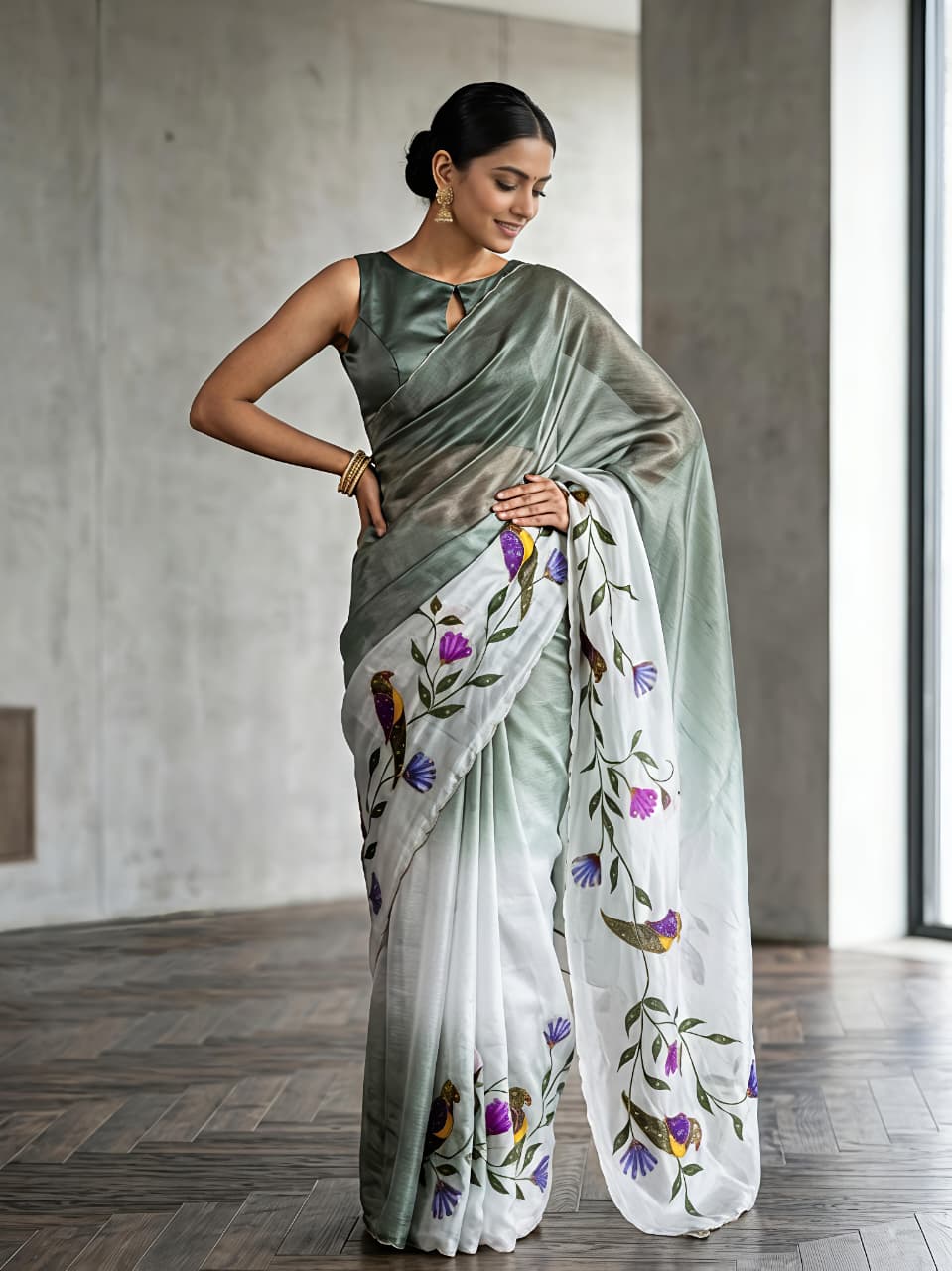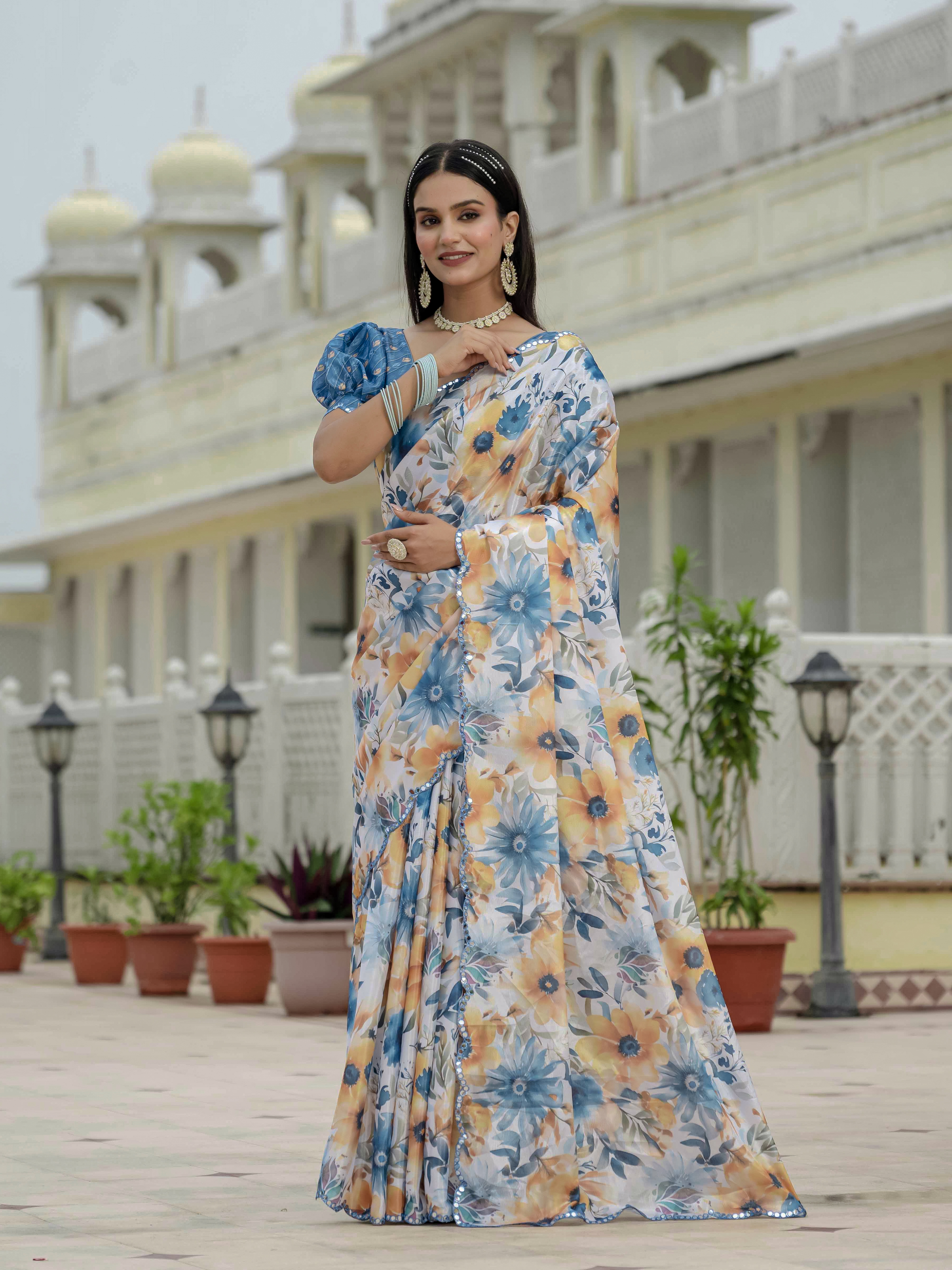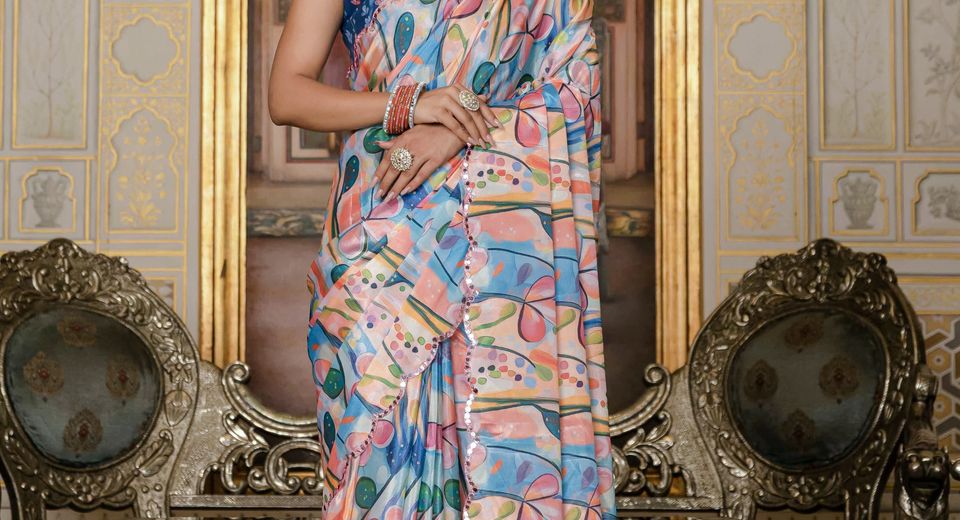
The White Rann looks spectacular in photographs, but salt-white ground, strong afternoon sun and cold desert evenings demand more from an outfit than colour alone. This Rann Utsav Fashion Guide: Gujarati Bandhani, Kutchi & Ethnic Wear explains how to choose fabrics, layers, drapes, footwear and accessories that respect Gujarati dress traditions while remaining practical for a full day in Kutch.
Rann Utsav normally involves walking between craft stalls, cultural performances, food areas and open-air viewing points. A successful outfit therefore needs movement, ventilation, warmth after sunset and enough structure to stay sure in wind. Bandhani dots, Ajrakh-inspired prints, mirror work, woven borders and zari can provide regional character without requiring a heavy head-to-toe ensemble.
Rann Utsav Fashion Guide: Gujarati Bandhani, Kutchi & Ethnic Wear for Different Plans
A breathable Gujarati-inspired outfit with one warm outer layer is the most reliable choice for Rann Utsav. Cotton, linen cotton, Chanderi, light chinnon and soft viscose work well during daytime, while a shawl, embroidered jacket or wool-blend stole becomes useful after sunset.
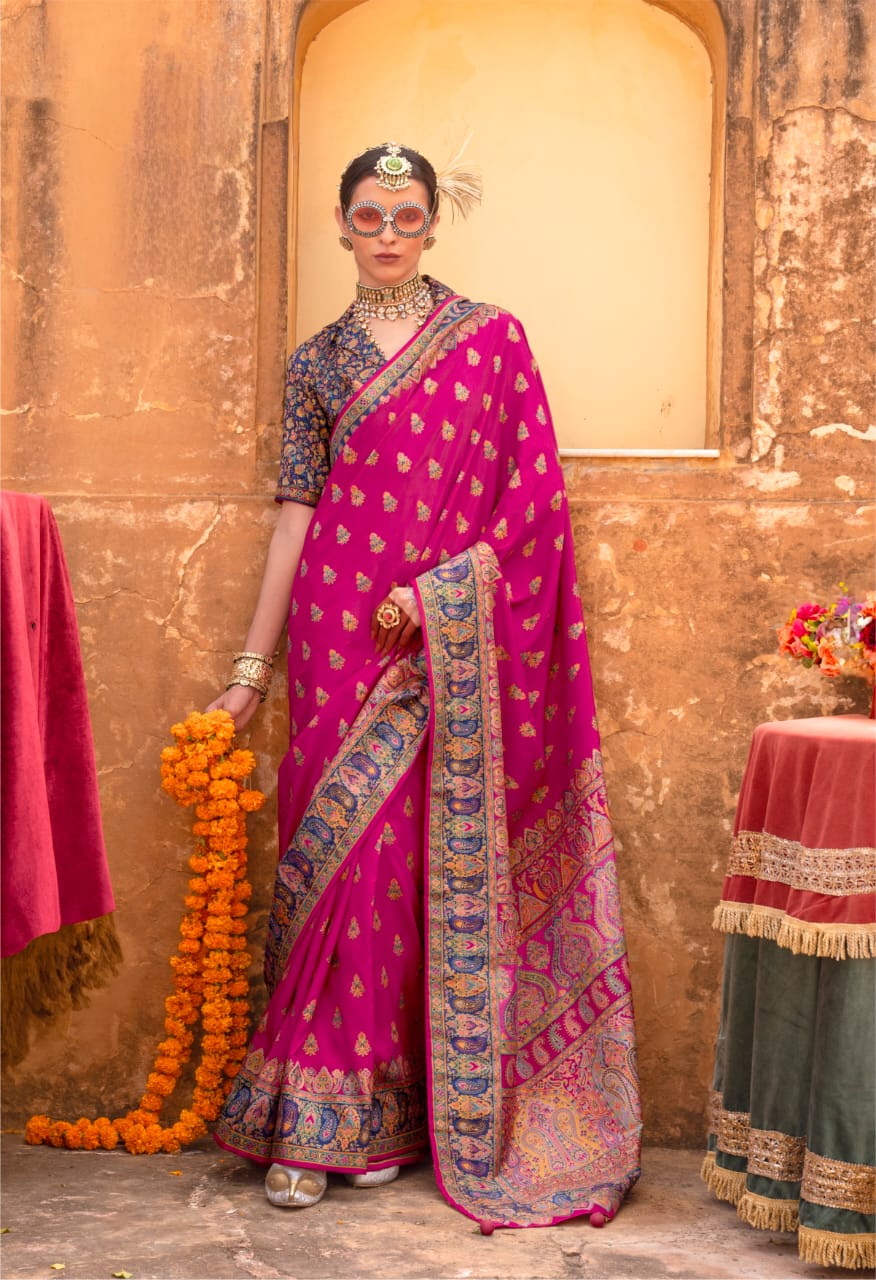
Choose the silhouette according to your travel plans. A saree creates a graceful traditional look, but a pre-stitched saree or a saree worn with firmly pinned pleats is easier to manage on uneven ground. A kurti set, salwar suit or palazzo suit offers more freedom if you expect several hours of walking.
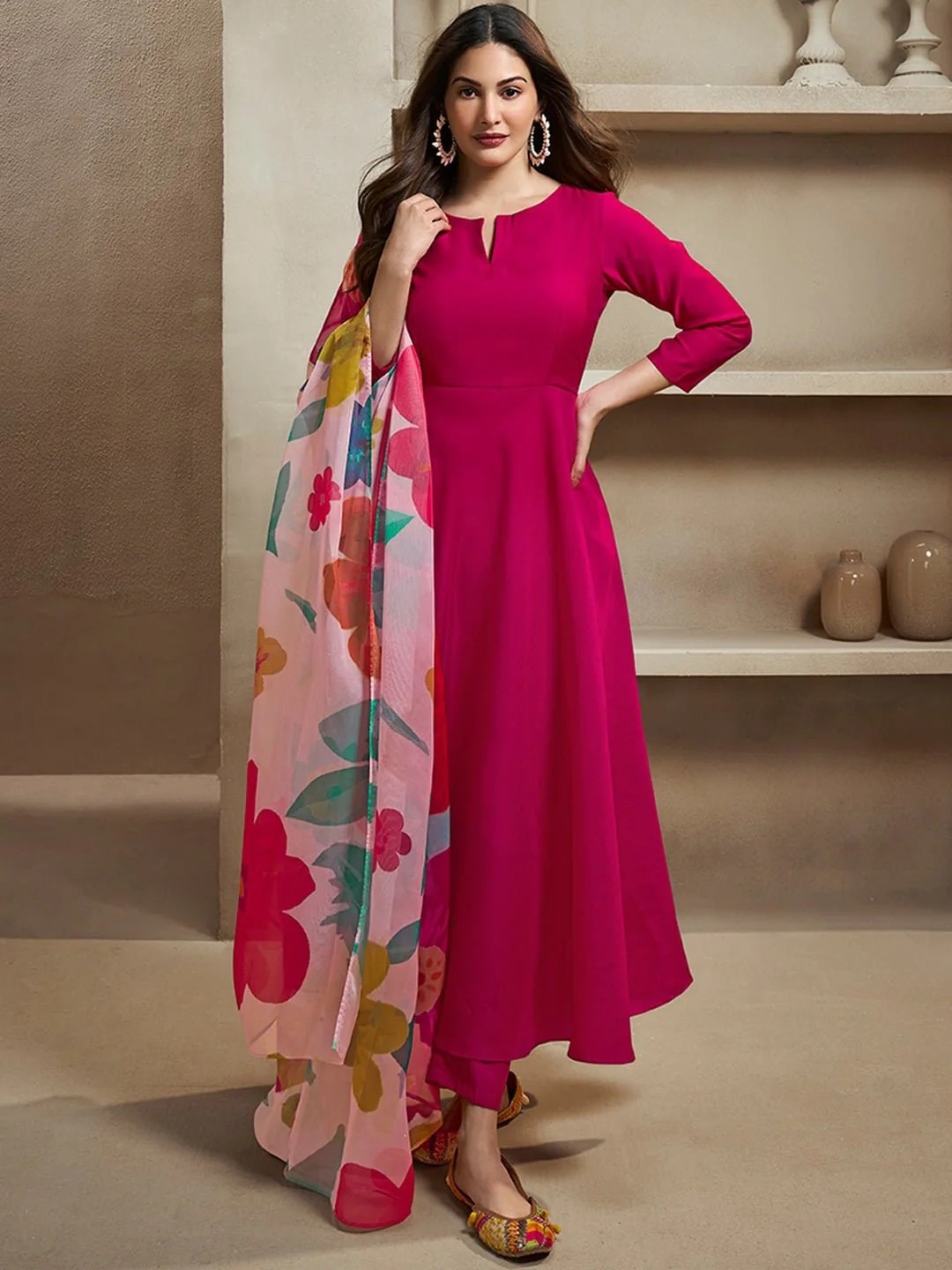
Colour also matters against the pale landscape. Rani pink, rust, emerald, indigo, turquoise, mustard, coral and orange create contrast against the salt desert. White and ivory can look elegant, but they show dust quickly, so reserve them for shorter visits or pair them with a darker dupatta and washable footwear.
How cold does the Rann become after sunset?
The Rann can feel sharply colder after sunset, especially when wind moves across the open salt flats. Carry a compact shawl, longline jacket, woollen stole or thermal layer even when the afternoon feels warm.
Layering works better than wearing one very heavy garment. A cotton kurti under a quilted sleeveless jacket keeps the torso warm without hiding embroidery. A broad shawl can cover the shoulders during a cultural programme and fold into a travel bag when the temperature rises.
Rann Utsav Fashion Guide: Gujarati Bandhani, Kutchi & Ethnic Wear Textile Traditions
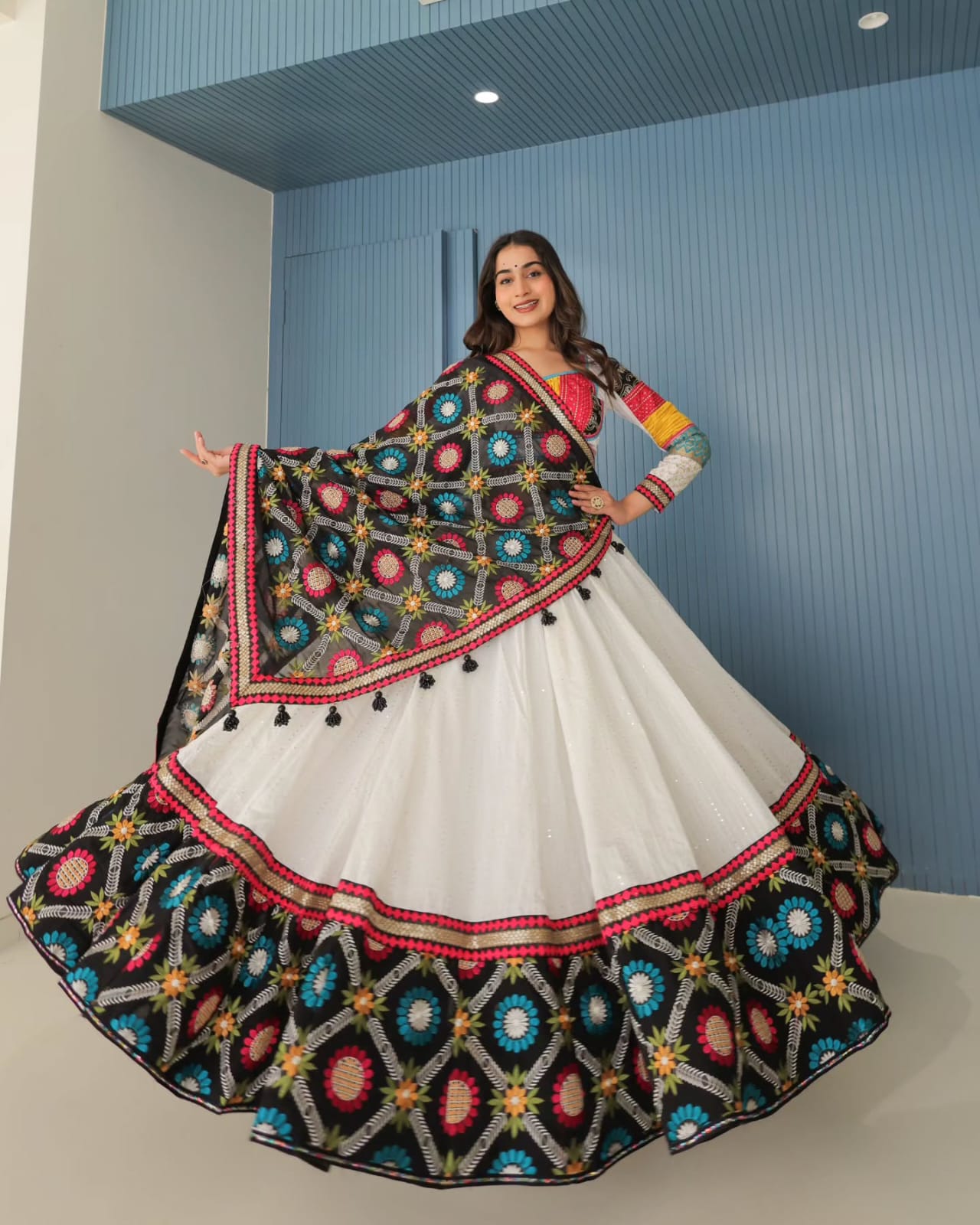
Gujarati Bandhani uses tightly tied sections of fabric that resist dye and create dotted or clustered patterns after dyeing. Bandhani may appear in sarees, dupattas, odhnis and skirts, with patterns such as circular dots, larger clusters and wave-like arrangements depending on the tying technique and regional practice.
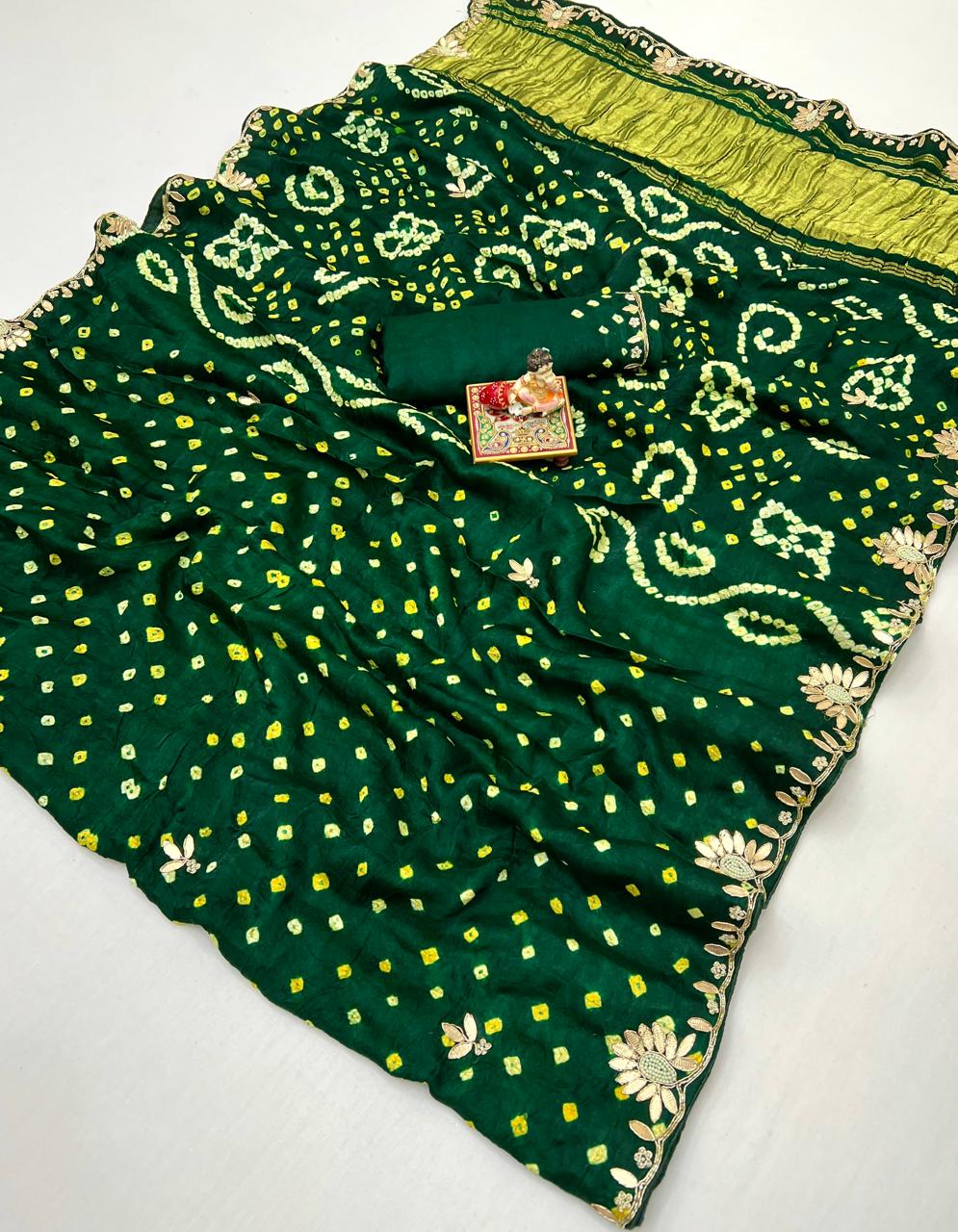
Kutchi dress adds a different visual language through dense embroidery, mirrors, patchwork, appliqué, shells, coins and strong geometric arrangements. Classic Kutchi embroidery is associated with several communities and techniques, so a respectful wardrobe choice avoids treating every mirror-work garment as interchangeable. Look for a clearly described textile or craft technique when purchasing a piece.
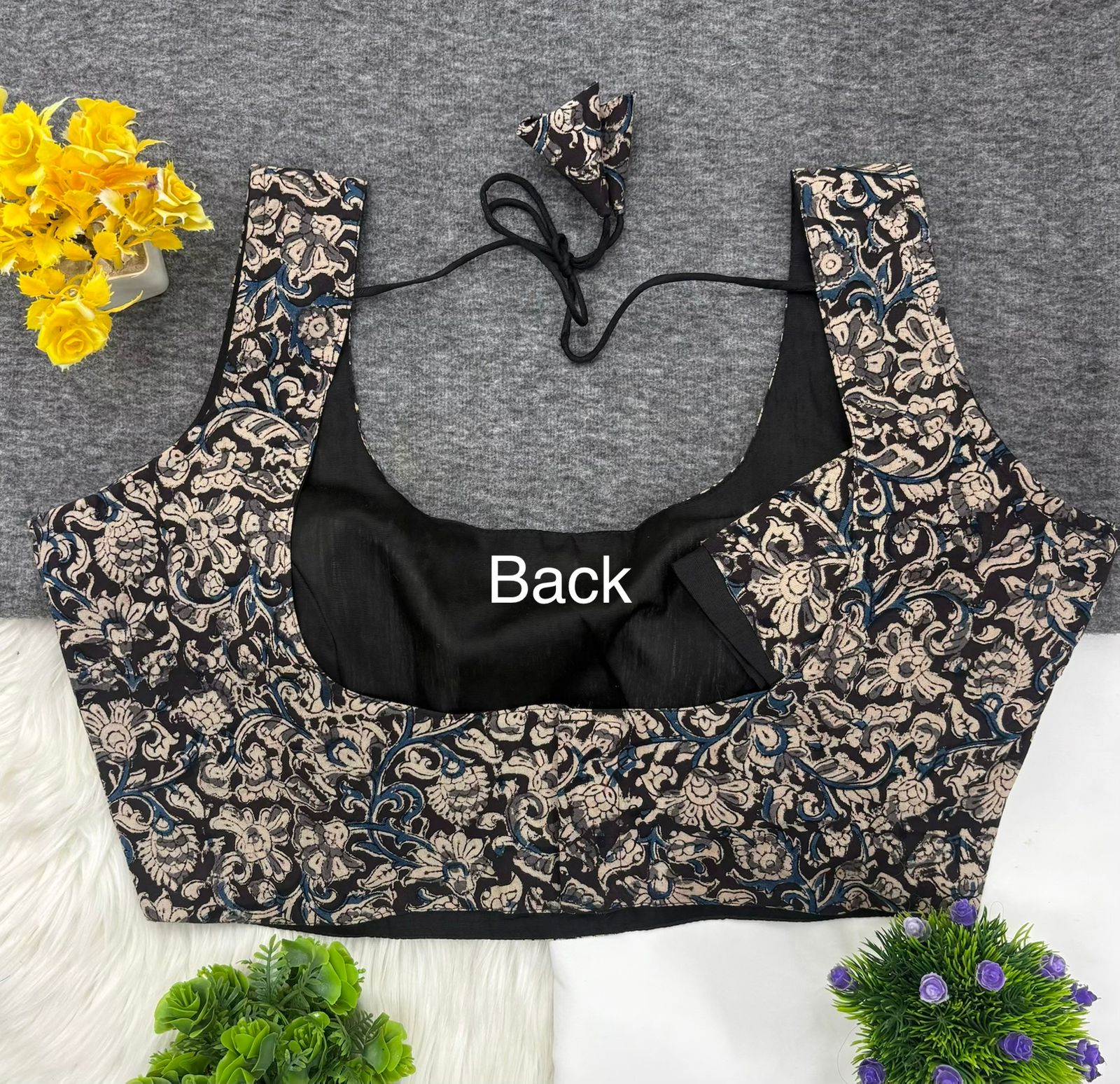
Ajrakh printing, associated strongly with the Kutch region, commonly uses repeated geometric layouts, natural-dye traditions and deep indigo, madder red, black and ivory tones. A small Ajrakh-style stole or printed blouse can introduce a regional reference without combining too many decorative elements.
An effective styling formula is one statement textile with quieter supporting pieces. A Bandhani dupatta can accompany a solid kurta and plain trousers, while a mirror-work jacket can sit over a simple cotton saree. Combining a heavily printed Bandhani, large mirror-work blouse, ornate jewellery and embellished footwear at once can make the outfit visually crowded.
Can you wear Bandhani without looking costume-like?
Bandhani looks contemporary when one heritage element is balanced with a clean silhouette and restrained accessories. A Bandhani saree with a solid blouse, a Bandhani dupatta over a monochrome kurta set or a tied scarf with wide-leg trousers can all feel polished rather than theatrical.
The Orange Bandhani Kalamkari Linen Cotton Saree shows how regional visual references can be combined with a breathable, structured fabric. An orange ground can be balanced with a plain blouse in black, cream, deep green or muted maroon, depending on whether the final look should feel dramatic or understated.
Rann Utsav Fashion Guide: Gujarati Bandhani, Kutchi & Ethnic Wear Fabrics for Daytime
Linen cotton, cotton, Chanderi and light chinnon are practical choices because they provide airflow and don't feel as restrictive as thick synthetic or heavily layered fabric during daytime. Each fabric behaves differently, so the best choice depends on the garment, lining and amount of walking involved.
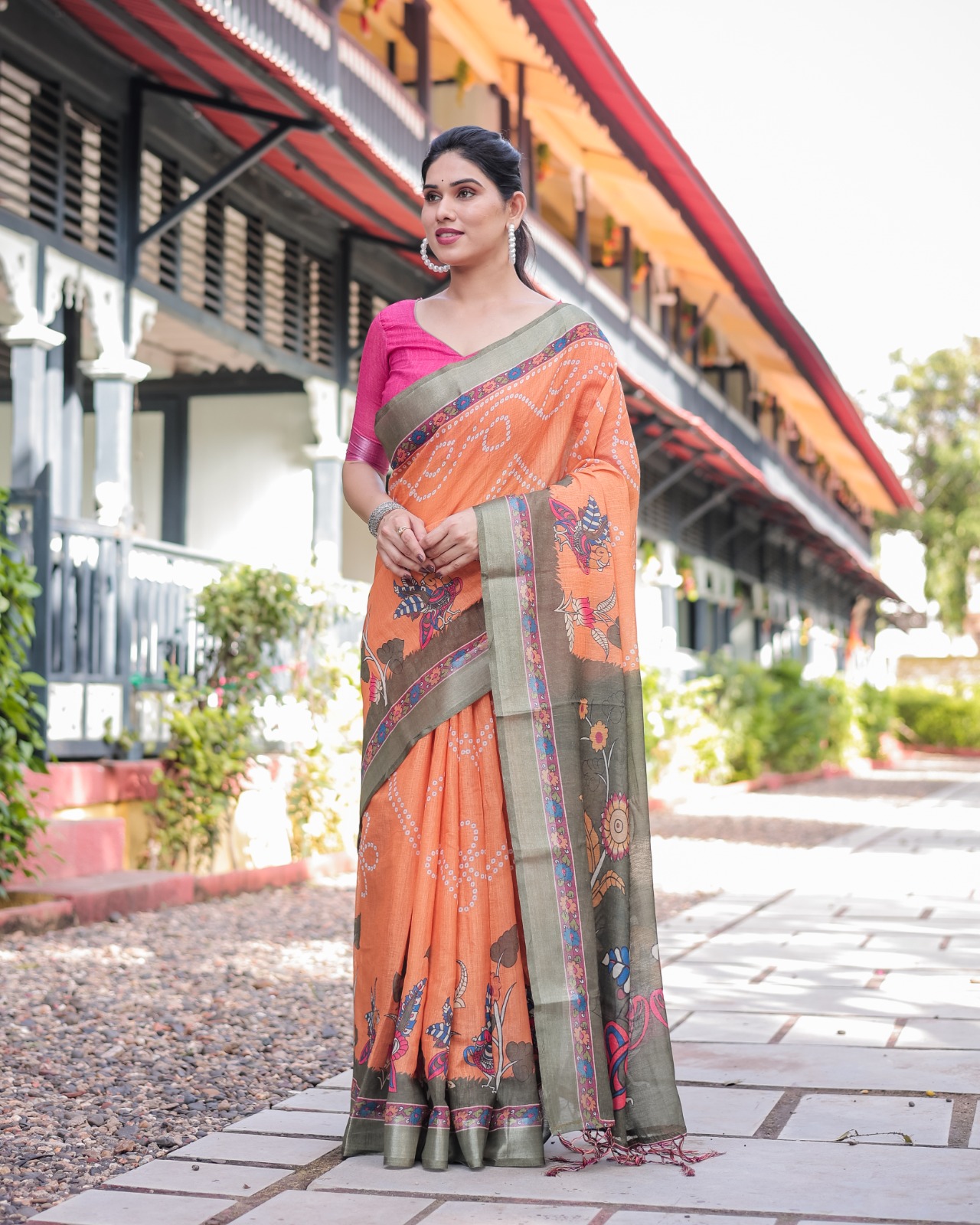
- Linen cotton: Linen cotton gives breathability with more body than very soft cotton, making it suitable for sarees and relaxed kurtas. Natural creasing is part of its appearance, so pack it folded with tissue or roll it loosely rather than expecting a completely sharp finish.
- Chanderi: Chanderi is lightweight and often has a subtle sheen, making it effective for festive kurti sets and sarees. Chanderi can be delicate, so avoid rough bags, abrasive jewellery and careless pinning.
- Chinnon: Chinnon drapes fluidly and works well for ready-to-wear sarees, dupattas and occasion pieces. Chinnon benefits from secure inner fastening because a loose drape can move in desert wind.
- Cotton: Cotton is comfortable for daytime walking and absorbs perspiration, although cotton may crease more quickly. A cotton kurta with a decorative dupatta is one of the easiest combinations for long sightseeing days.
- Silk blends: Silk blends can add warmth and shine for evening events, but a heavy silk saree may feel cumbersome if the itinerary involves walking across the salt desert.
The Rani Pink Floral Woven Chanderi Kurti Set Women balances festive colour with a relatively light silhouette. The set can be worn with flat footwear for daytime and upgraded with jhumkas, a textured stole or a compact embroidered jacket for an evening programme.
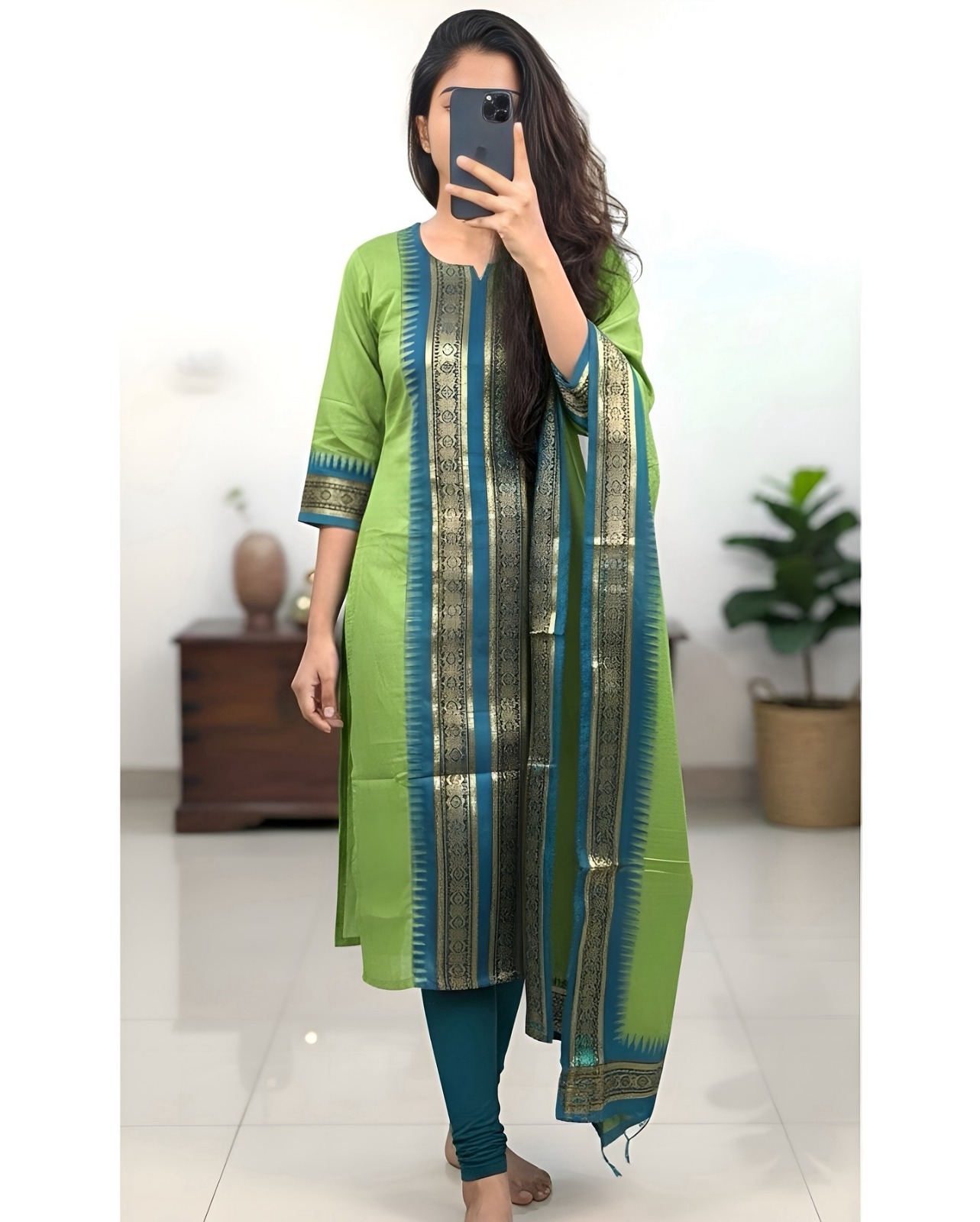
For a more relaxed choice, the Trendy Green Ethnic Kurti Dupatta Set for Festive Wear gives the outfit a coordinated base without requiring saree pleats. A green set pairs naturally with antique gold, oxidised silver, rust, mustard and maroon accessories.
Rann Utsav Fashion Guide: Gujarati Bandhani, Kutchi & Ethnic Wear Saree Drapes
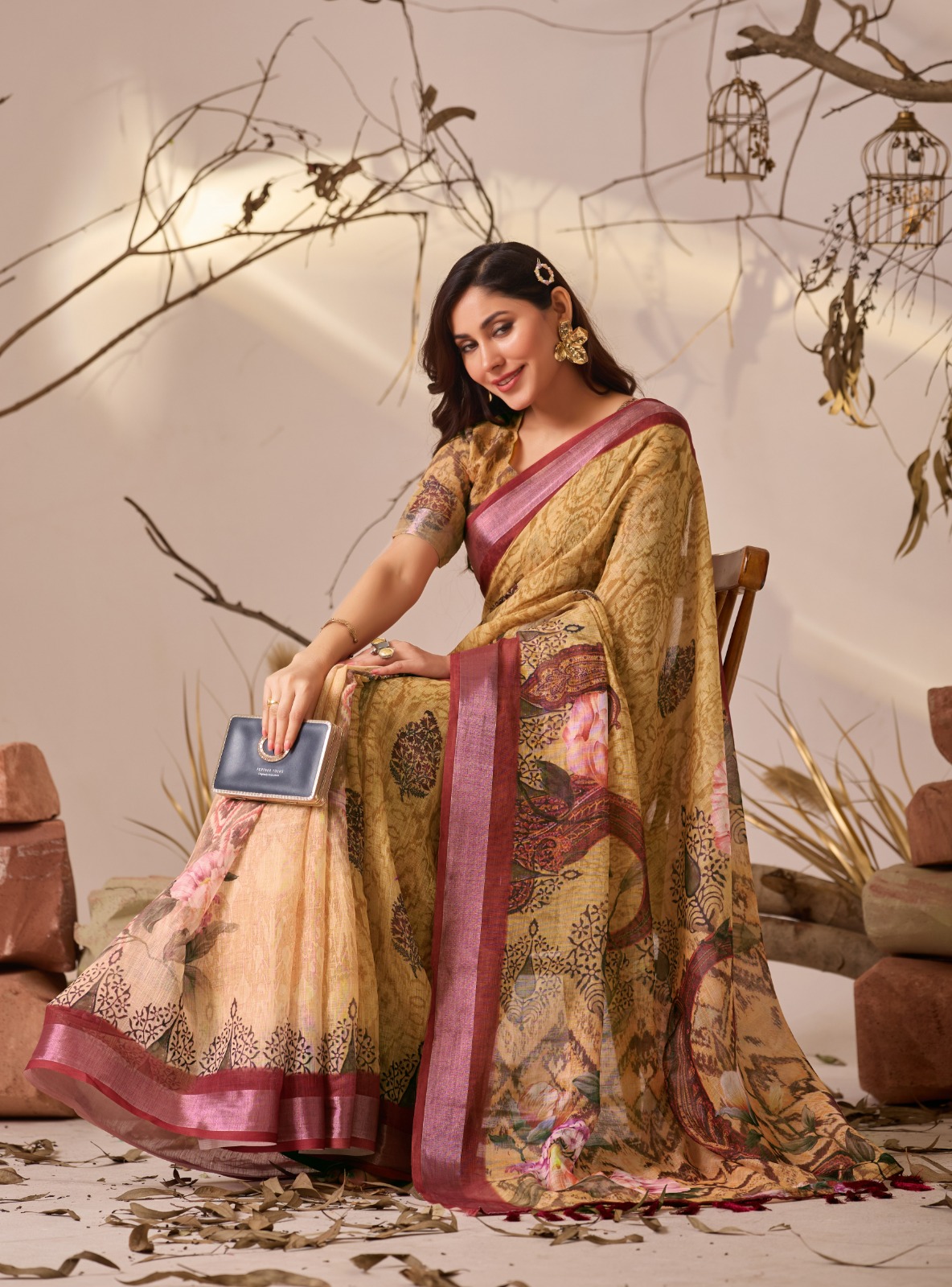
A Rann Utsav saree should have a secure waist, firmly fixed pleats and a pallu that can't drag across salt or gravel. A pre-stitched saree, lower-heel sandal and short or medium-length pallu are usually more practical than a loose floor-length drape.
Wear a well-fitted blouse with enough shoulder coverage to support safety pins without pulling. Place two or three small pins inside the pleats rather than one large visible pin at the waist. Secure the pallu at the shoulder and, if wind is strong, attach a discreet pin near the underarm or blouse side seam.
Ready-to-wear sarees are especially useful when changing at a resort or travelling between locations. The Multicolor Floral Print Ready To Wear Chinnon Saree brings colour and fluid drape to an outfit while reducing the time required to arrange pleats. A plain blouse in one shade picked from the floral print will keep the look coherent.
The Turquoise Floral Heavy Chinnon Ready to Wear Saree makes a stronger evening statement because turquoise stands out against the pale landscape and suits gold or silver accents. Keep the rest of the styling controlled with a single pair of earrings and a compact clutch.
Floral prints are not time-honoured Bandhani, but floral prints can sit comfortably within a broader ethnic wardrobe when the blouse, jewellery or dupatta supplies the Gujarati reference. The Coral Pink Floral Print Ready To Wear Chinnon Saree can be paired with a Bandhani potli, oxidised silver earrings or a mirror-work belt for that reason.
When a softer pastel palette is preferred, the Peach Blue Floral Chinnon Ready To Wear Saree | Varnavi works with pearl-toned accessories, silver sandals and a darker shawl for contrast. A pastel saree should be stored and transported separately from strongly dyed textiles to reduce the risk of colour transfer.
Rann Utsav Fashion Guide: Gujarati Bandhani, Kutchi & Ethnic Wear Accessories
Flat, closed or firmly strapped footwear is the safest choice for Rann Utsav because salt crust, sand and uneven paths make narrow heels unstable. Juttis, padded kolhapuris, flat mojaris and broad-strap sandals provide more dependable support than delicate slip-ons.
Protective soles matter more than decorative detail. A shoe with a thin leather or synthetic sole may become uncomfortable after several hours, while a cushioned footbed reduces fatigue. Break in new footwear at least one week before travel and carry blister patches in your day bag.
Jewellery should add craft detail without becoming a source of discomfort. Oxidised silver jhumkas, enamel bangles, beaded necklaces, small mirror-work earrings and brass cuffs are suitable choices. Avoid very long earrings if you'll wear a shawl or move through crowded market areas.
A crossbody bag or small backpack is more practical than a handheld clutch. Choose a zip closure, keep mobile devices away from loose salt dust and carry sunscreen, lip balm, tissues, water and a spare hair tie. A scarf can protect the neck from afternoon sun and become a warm layer later.
Headwear is useful in the open landscape. A Bandhani scarf, cotton stole or structured hat can protect the scalp, but secure the accessory with discreet pins or a low-profile band so wind can't displace it.
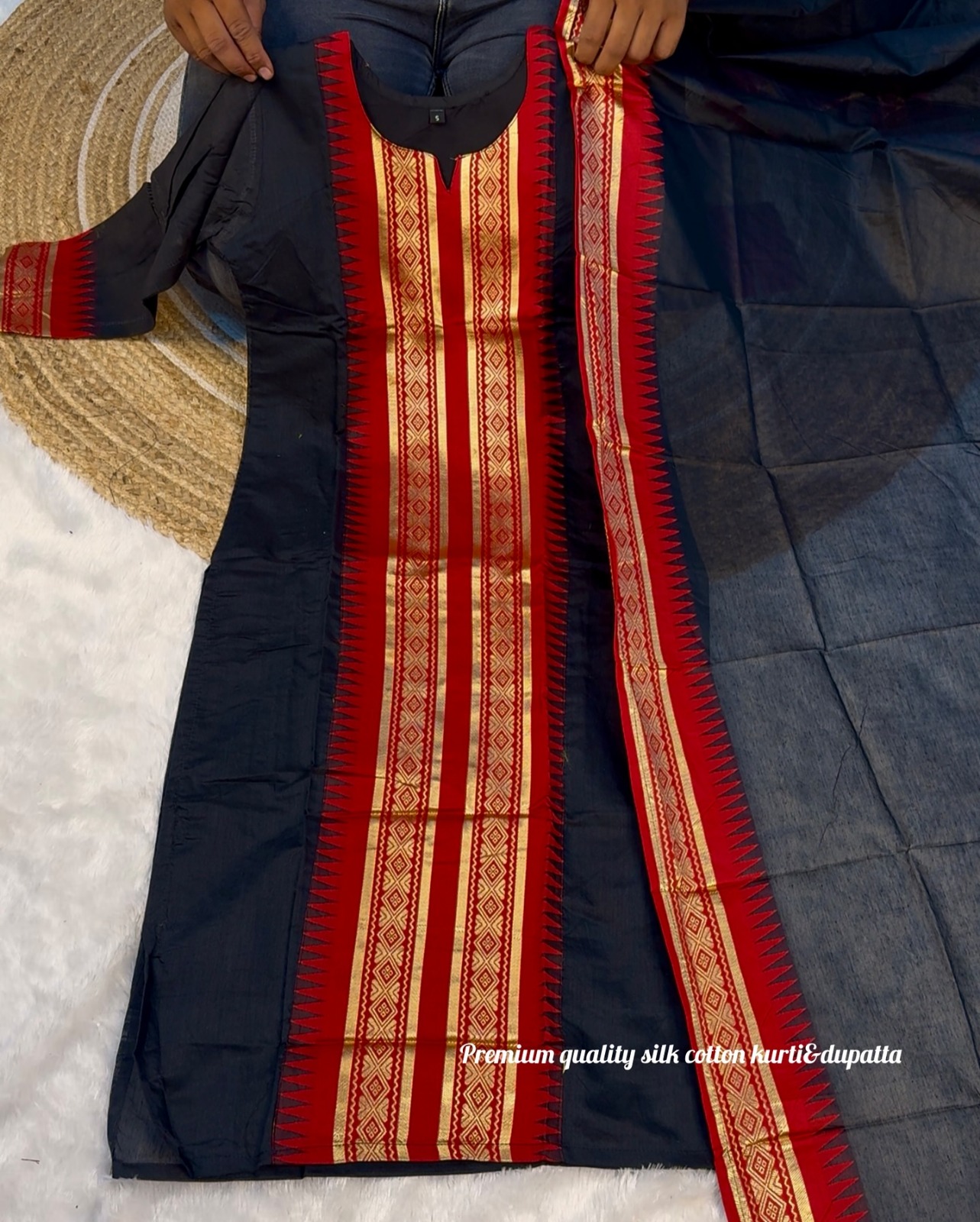
The Kanchi Cotton Zari Woven Kurti Set with Traditional Dupatta gives another route for visitors who want a woven festive detail without managing a saree. Zari can catch the light during evening performances, while cotton remains more comfortable for daytime movement than a heavily layered outfit.
Rann Utsav Fashion Guide: Gujarati Bandhani, Kutchi & Ethnic Wear Layering
The most useful Rann Utsav layering plan uses three light pieces: a breathable base, a decorative middle layer and a warm outer layer. This approach allows the outfit to change between sunny afternoons, windy sunset viewpoints and cold cultural programmes.
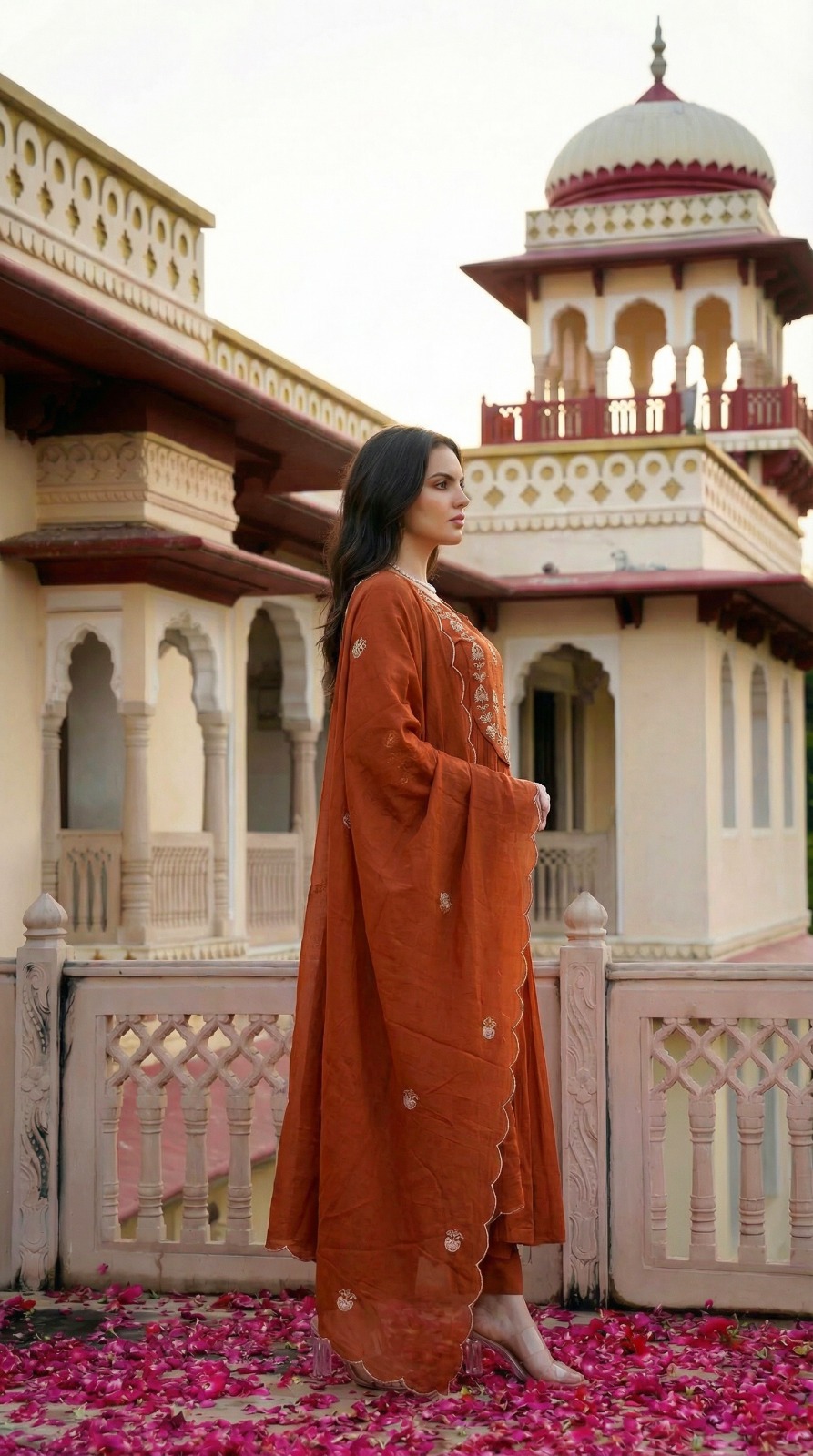
Start with a cotton or linen-cotton kurta, saree blouse or inner top. Add a Bandhani dupatta, embroidered vest or printed jacket for visual interest. Finish with a shawl or jacket that can be removed without disturbing the main drape.
Choose a layer that contrasts in texture rather than adding another competing print. A plain quilted jacket works over a floral saree, while an embroidered Kutchi vest works best over a solid kurta. A dark shawl can also anchor a bright orange, pink or turquoise outfit.
Check the finished outfit while walking, sitting and lifting your arms. A sleeve that feels comfortable while standing may pull under a jacket, and a long pallu may catch on a chair or bag. Practise the complete combination at home, including footwear and pins, before packing it for Gujarat.
Rann Utsav Fashion Guide: Gujarati Bandhani, Kutchi & Ethnic Wear Packing and Care
Pack delicate ethnic wear in breathable cotton or muslin covers and keep embellished garments away from rough zips. Fold sarees along existing weave lines, place tissue between zari or mirror-work sections and avoid compressing Chanderi or chinnon under heavy shoes.

Dry dust should be brushed off gently rather than rubbed into the fabric. Salt residue can attract moisture, so air the garment after returning to accommodation and wash or dry-clean it according to the care label. Do not leave damp ethnic wear sealed in a suitcase overnight.
Test colourfastness on a hidden seam before using detergent on Bandhani, indigo, Kalamkari-inspired prints or strongly dyed dupattas. Hand wash compatible cotton garments separately in cool water, and keep contrasting colours apart until the final rinse is clear.
Practical preparation protects the outfit as much as careful styling. Carry safety pins, a small sewing kit, stain-removal wipes, a shawl, comfortable backup footwear and a cloth bag for used garments. These items take little space but solve common problems caused by wind, dust, long walks and temperature changes.
Rann Utsav Fashion Guide: Gujarati Bandhani, Kutchi & Ethnic Wear Final Checklist
A dependable Rann Utsav outfit combines one regional textile reference, one breathable base, secure construction, comfortable footwear and a warm layer. The strongest look isn't necessarily the most embellished look; the strongest look is the one that remains comfortable and composed from afternoon sightseeing through evening performances.
- Choose the base: Select cotton, linen cotton, Chanderi or light chinnon according to walking time and weather.
- Choose one focal detail: Use Bandhani, Kutchi embroidery, mirror work, Ajrakh-style print, zari or a statement dupatta as the main feature.
- Secure the silhouette: Pin saree pleats, fasten the pallu and check that dupatta ends can't trail.
- Prepare for temperature: Carry a shawl, jacket or wool-blend stole for the period after sunset.
- Protect your feet: Wear broken-in flat footwear with reliable grip and cushioning.
- Pack for dust and care: Bring tissues, pins, water, sunscreen, blister patches and breathable garment covers.
Gujarati Bandhani and Kutchi craft offer abundant colour and texture, but thoughtful editing makes those details easier to appreciate. A carefully selected saree or kurti set, a secure drape and a practical evening layer will let the landscape and the clothing complement each other instead of competing for attention.
Common Questions About Rann Utsav Fashion, Bandhani and Kutchi Wear
What should women wear to Rann Utsav?
Women can wear a breathable saree, kurti set, salwar suit or palazzo suit with flat footwear and a warm layer. Cotton, linen cotton, Chanderi and light chinnon are practical daytime choices, while a shawl or jacket is useful after sunset.
Can I wear a saree to the White Rann?
Yes, but the saree should have firmly pinned pleats, a secure pallu and a manageable length. A ready-to-wear saree or a shorter, well-fastened drape is easier to walk in across salt crust and uneven ground.
What is the difference between Bandhani and Kutchi clothing?
Bandhani refers to a resist-dyeing technique that creates dotted or clustered patterns by tying sections of fabric before dyeing. Kutchi clothing commonly refers to regional styles and embroidery traditions that may include mirrors, patchwork, appliqué, shells and geometric motifs.
What colours look good against the White Rann?
Rani pink, orange, rust, emerald, indigo, turquoise, mustard and coral create strong contrast against the white salt landscape. Pastels can also work, especially when paired with a darker shawl, metallic jewellery or a deeper-toned bag.
How should I dress for the cold at Rann Utsav?
Wear light layers rather than one heavy garment. Start with a breathable ethnic outfit and carry a shawl, woollen stole, quilted jacket or thermal layer for windy evenings and outdoor cultural programmes.
Which footwear is best for Rann Utsav?
Flat juttis, padded kolhapuris, mojaris or broad-strap sandals with cushioning and reliable grip are the best choices. Break in footwear before travel because salt crust, sand and extended walking can make new shoes uncomfortable.