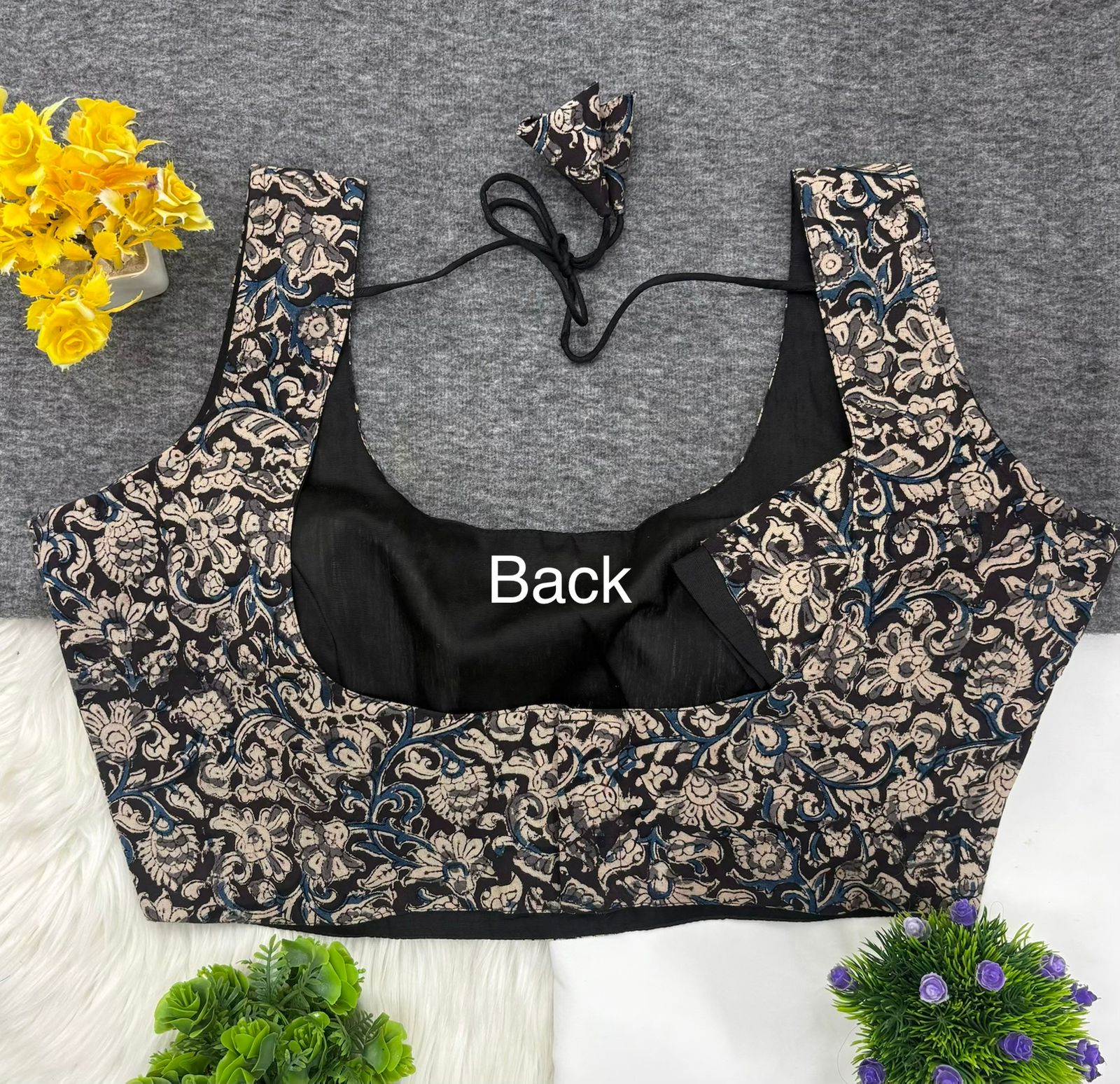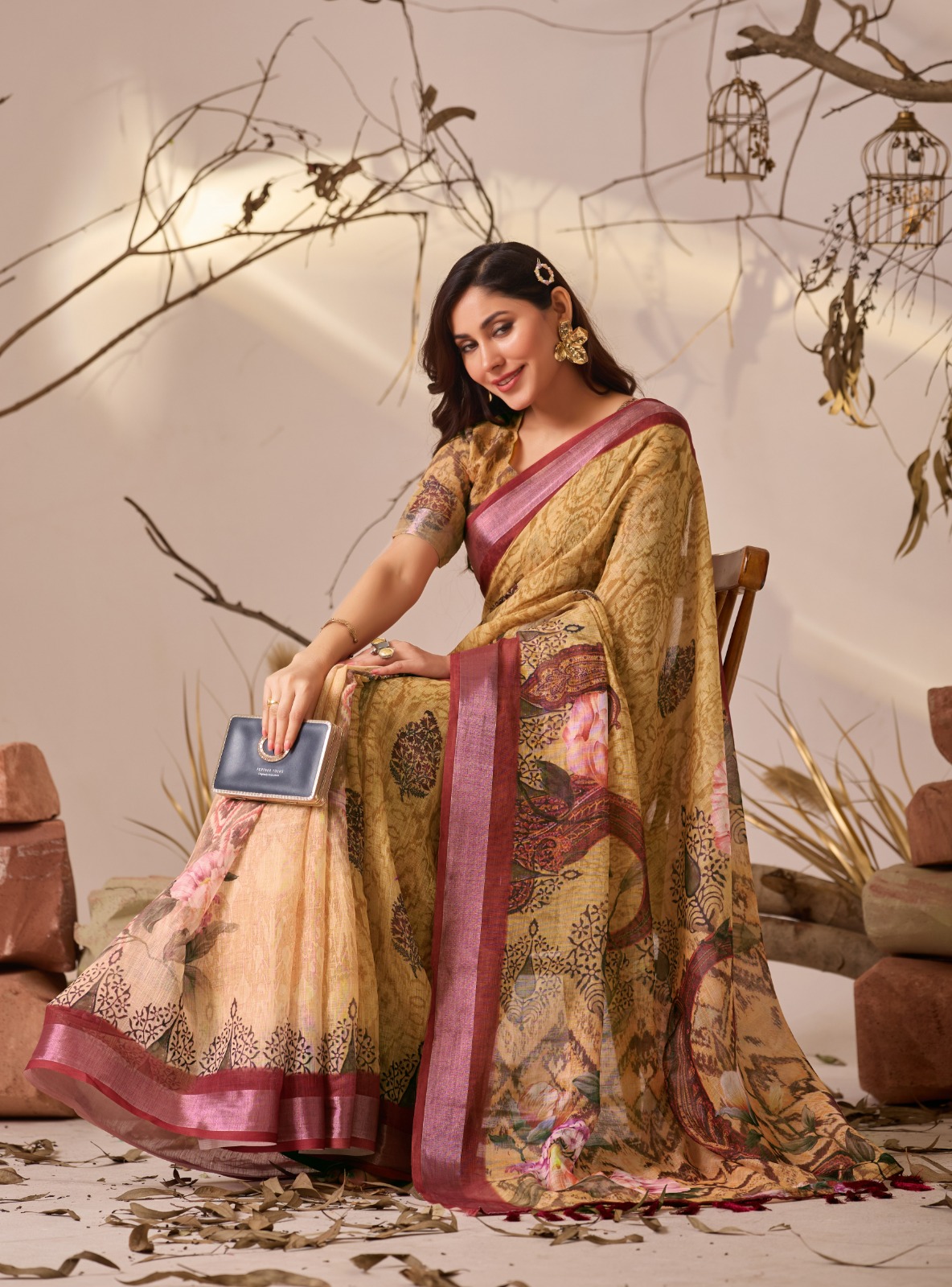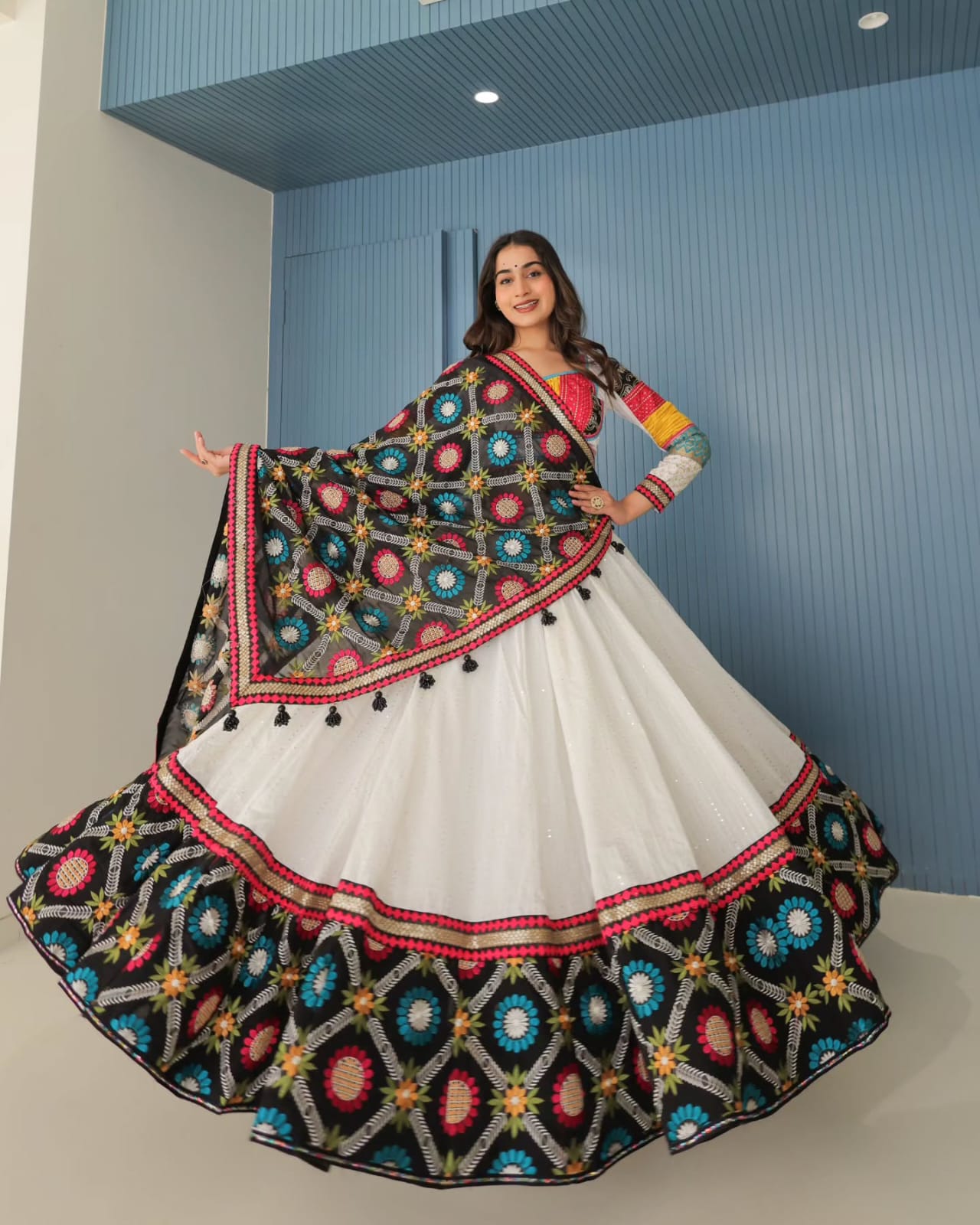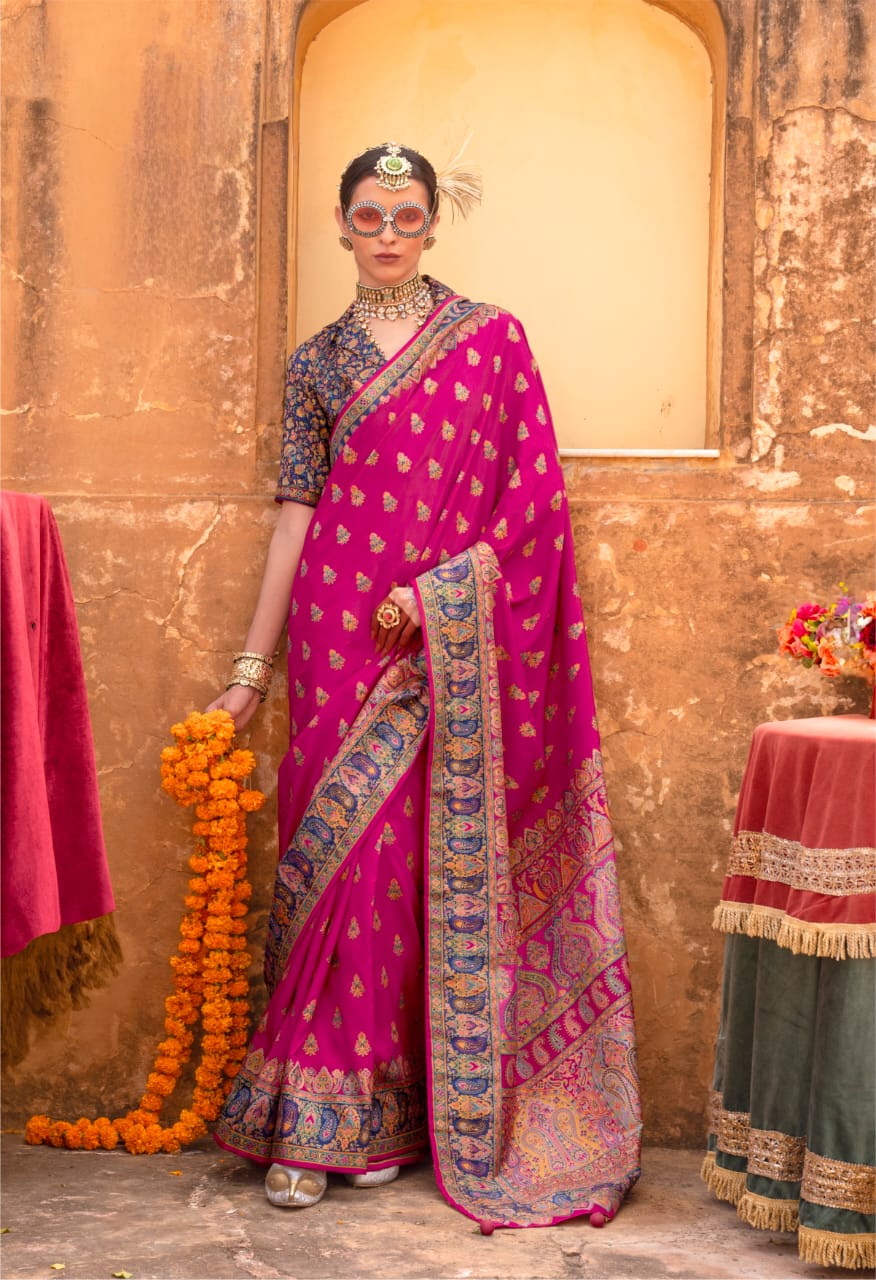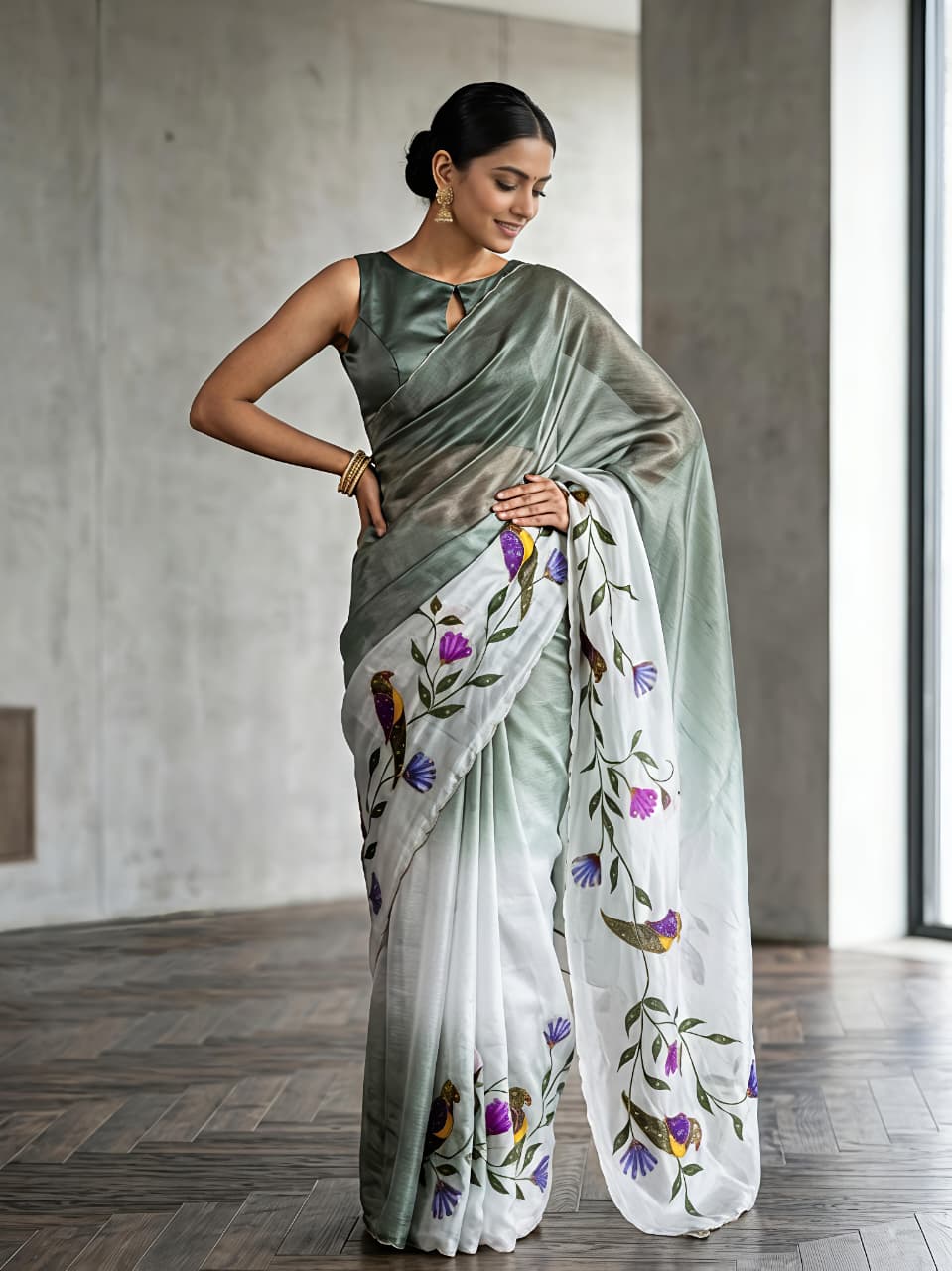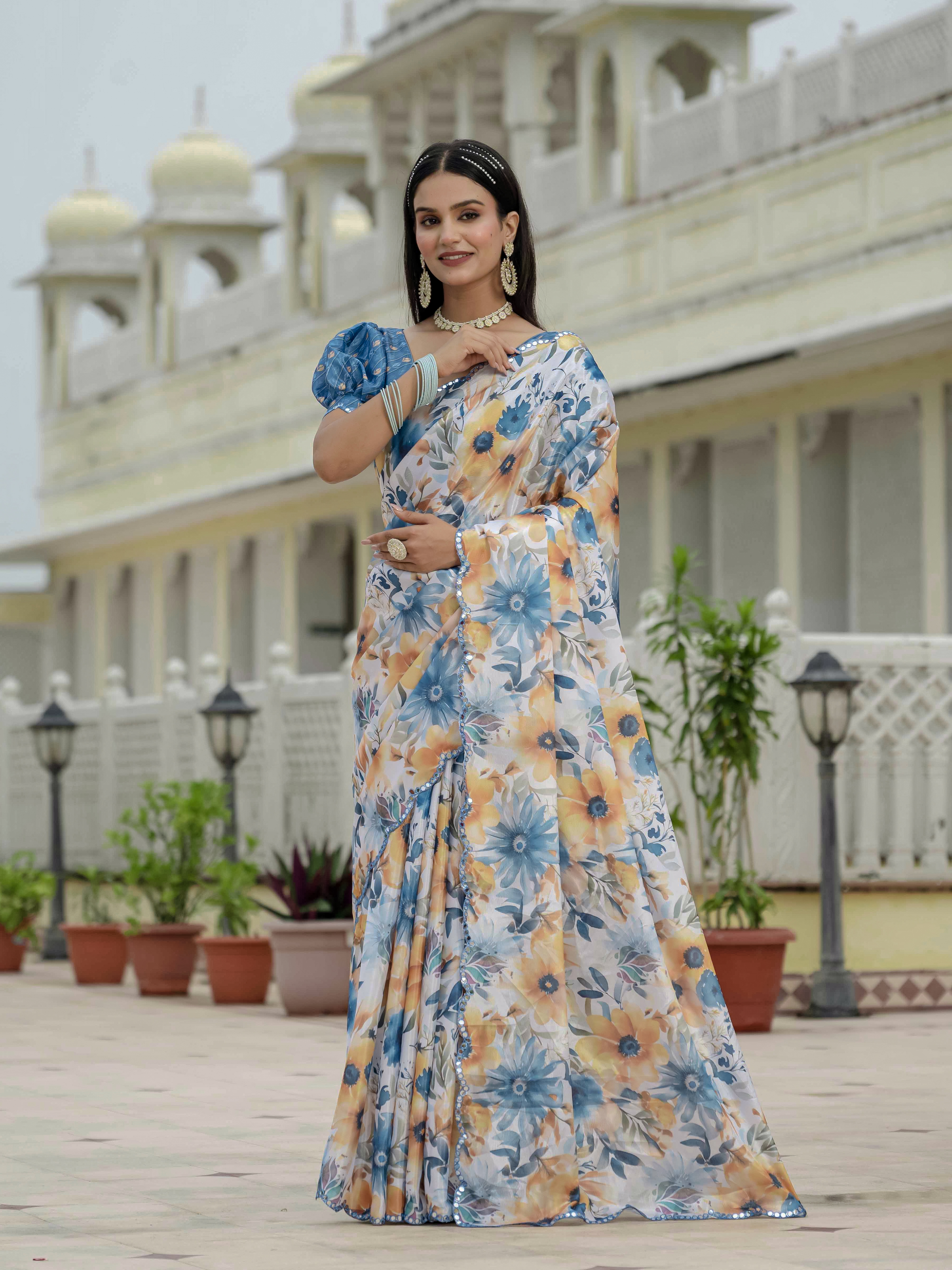
Rajasthani Bandhani Salwar Suits for Festive Wear bring together a recognisable dotted tie-dye tradition, practical three-piece dressing and the colour energy associated with Indian celebrations. The most successful outfit isn't necessarily the most embellished one. A considered choice of Bandhani pattern, fabric, silhouette, dupatta and accessories can make a suit comfortable for several hours while still looking ceremonial.
Bandhani works especially well for women salwar suits festive wardrobes because the pattern already supplies movement and visual interest. Embroidery, zari and jewellery can then be used selectively rather than added to every surface. Whether the plan is a family puja, a Haldi ceremony, a Diwali gathering or a wedding afternoon, the details below help you judge a suit beyond its product photograph.
What makes Rajasthani Bandhani Salwar Suits for Festive Wear distinctive?
Rajasthani Bandhani is a resist-dyeing technique created by tightly tying small sections of cloth before dye is applied. The tied areas resist the colour and open into dots, rings, waves or clustered motifs after the threads are removed.
The word Bandhani is commonly associated with the Hindi verb bandhna, meaning to tie. Traditional artisans may create thousands of tiny tied points by hand, and the resulting irregularity is part of the textile's character. A regular printed dot can imitate the appearance, but tied Bandhani generally has a more tactile, organic rhythm.
Rajasthan has several visual vocabularies within Bandhani. Leheriya produces diagonal wave-like lines, while dotted bandhej patterns may form circular clusters, flower-like arrangements or larger motifs. Not every modern suit uses a classic layout, so buyers should distinguish between a Bandhani-inspired print, a printed Bandhani pattern and a resist-dyed textile when the product description provides that information.
Colour also carries strong regional associations. Red, fuchsia, saffron, yellow, green and royal blue are familiar festive choices, although wine, black, ivory and softer pinks can create a more contemporary wardrobe. A vivid base with contrasting dots needs less additional decoration than a quieter base with dense embroidery.
How should you choose fabric for Rajasthani Bandhani Salwar Suits for Festive Wear?
Choose the fabric according to the event length, weather, amount of movement and level of embellishment rather than choosing colour first.
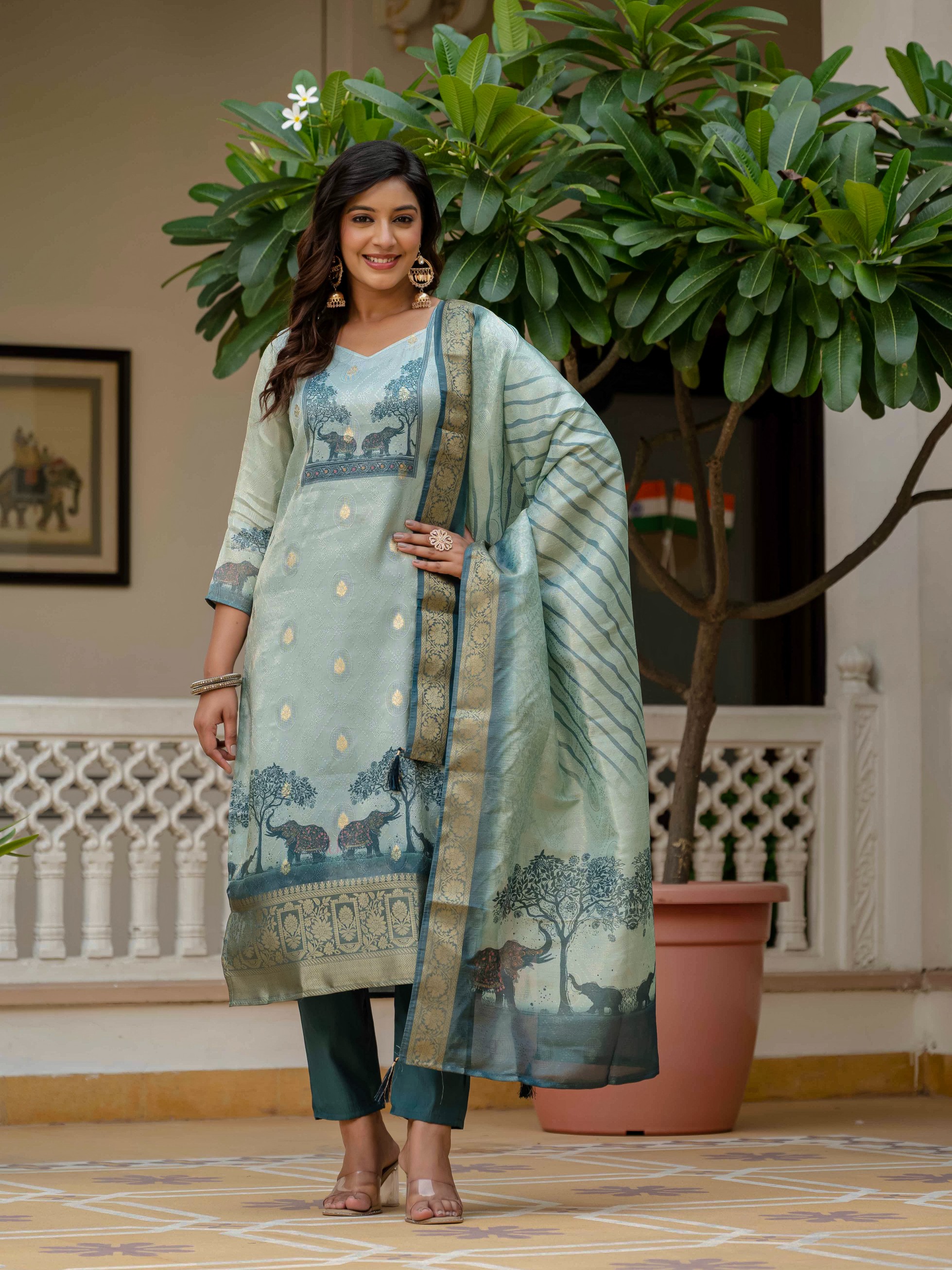
Daytime ceremonies and warm weather
Cotton salwar suits festive wardrobes are useful for daytime pujas, community gatherings and outdoor Haldi ceremonies because cotton absorbs moisture and feels less restrictive. Cotton may crease more visibly than synthetic blends, so a lightly structured straight kurta or an intentionally relaxed silhouette often looks better than a sharply fitted design.
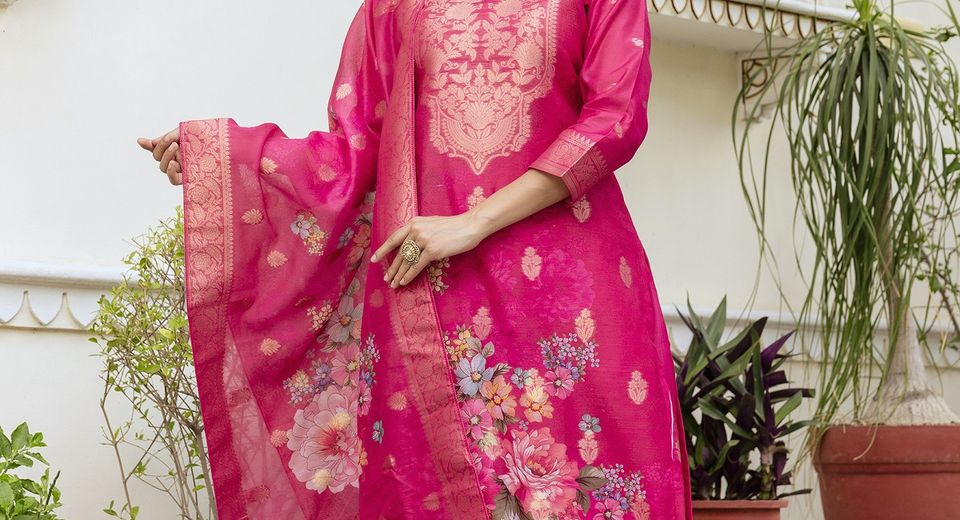
Chanderi offers a lighter, dressier alternative. Chanderi fabric is known for its airy hand and subtle sheen, making it suitable for a lunch celebration or intimate family function. Rani Pink Floral Woven Chanderi Kurti Set Women shows how a woven floral surface can create festive interest without relying only on heavy embellishment. White Chanderi Blossom Salwar Suit brings a quieter base for colourful jewellery, a printed dupatta or bright juttis.
Evening celebrations
Roman silk, jacquard silk and similar dressier textiles usually hold embroidery and richer colour effectively for evening gatherings. These fabrics can look polished under indoor lighting, but they may feel warmer than cotton or Chanderi. A lined kurta, comfortable armhole and breathable inner layer matter when a celebration involves travel, sitting on the floor or several hours of socialising.
Wine RomanSilk Bandhani Charm Embroidered Salwar suite combines the visual language of Bandhani with a deeper evening colour and decorative surface. Beige Roman Silk Elite Embroidered Suit Set demonstrates a neutral route: beige allows antique-gold jewellery, coloured bangles or a bright dupatta to become the focal point. Royal Pink JacquardSilk Classic Printed Suit Set suits someone who wants pattern and structure without making every element heavily ornate.
Which silhouette works best with Rajasthani Bandhani Salwar Suits for Festive Wear?
A straight kurta with tapered trousers is the most adaptable festive silhouette, while an Anarkali creates more movement and a palazzo set gives a relaxed, contemporary proportion.
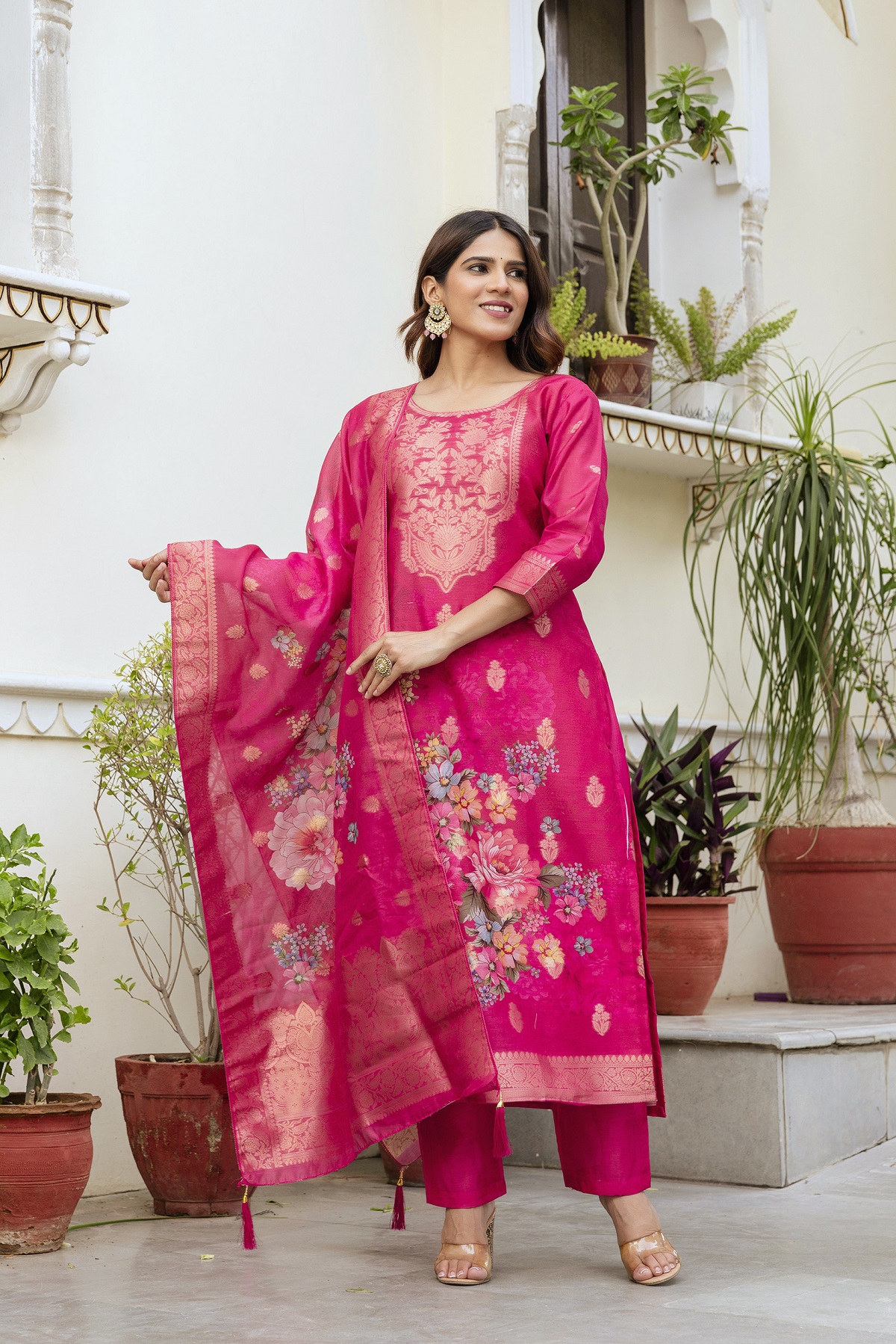
A straight suit works well for office-to-puja dressing, smaller homes and events where you'll be seated for long periods. Look for a kurta hem that falls comfortably below the hip and trousers that don't pull at the seat or knee. Side slits should open enough for a full stride without exposing the inner lining.
An Anarkali is useful when you want a more pronounced festive shape. The flare should begin at a flattering point and should not become so full that it catches on chairs or steps. The Ladies Dress Anarkali Salwar Suits collection is useful for comparing flared proportions with more compact straight suits. Pair a fuller Anarkali with a relatively simple dupatta border so the outfit retains visual balance.
Palazzo trousers make a suit feel current and forgiving around the legs. A wide leg looks best when the kurta has either a clean straight fall or a defined waist; a very flared kurta plus very wide palazzos can overwhelm a shorter frame. Shop Floral Digital Printed Chiffon Kurti Palazzo Set with zari embroidery illustrates how a printed upper layer and zari detail can create a party-ready look without requiring a heavily layered outfit.
Readymade party wear suits female shoppers often prefer because the kurta, bottom and dupatta are designed to coordinate. Readymade construction still requires measurement checking. Compare bust, waist, hip, kurta length, sleeve length and trouser length with a garment that fits you well. Alteration at the side seams is usually easier than correcting a very short armhole or an insufficiently wide trouser hem.
How should you drape the dupatta with Rajasthani Bandhani Salwar Suits for Festive Wear?
Keep one textile or motif as the visual lead, and let the dupatta support rather than compete with the Bandhani surface.
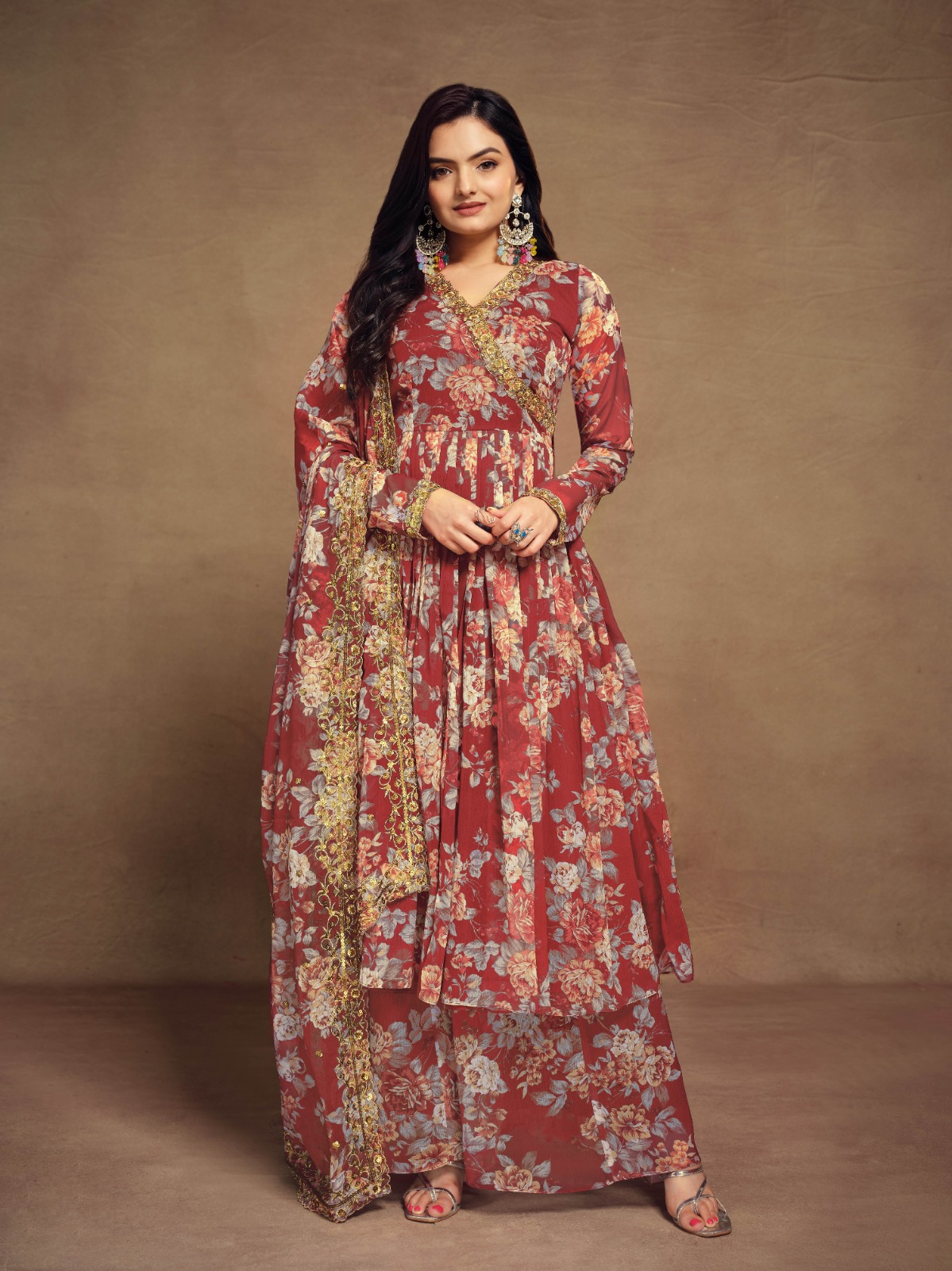
A matching Bandhani dupatta creates a coordinated heritage look, especially with a plain kurta and restrained embroidery. If the kurta already has dense dots, floral weaving or zari, a solid chiffon or organza dupatta with a narrow border can prevent pattern overload. For a printed straight kurta, a dupatta that repeats one secondary colour is usually more harmonious than a completely unrelated contrast.
A readymade salwar suit dupatta should be checked for usable width and length, not only its border. A dupatta around 2.25 to 2.5 metres long gives several draping options for many adults, although personal height and preferred coverage change the ideal measurement. A narrow stole may look elegant over one shoulder but may not provide enough coverage across the front.
For a family puja, pleat the dupatta neatly over one shoulder and secure it with a small brooch or discreet safety pin. For a Haldi ceremony, pin the upper edge at the shoulder and keep the lower edge away from turmeric, wet colour and food. For an evening party, drape one end over the shoulder and allow the other end to fall at the side, showing the kurta neckline and embroidery.
Collections such as Dress Materials can be helpful when you want to select a separate dupatta or coordinate fabric for a tailored suit. A separate piece also allows you to replace a very ornate readymade dupatta with a lighter one for repeated wear.
Which colours and accessories suit Rajasthani Bandhani Salwar Suits for Festive Wear?
Use colour contrast deliberately: a saturated Bandhani suit needs quieter accessories, while a neutral or pastel suit can carry brighter jewellery and footwear.
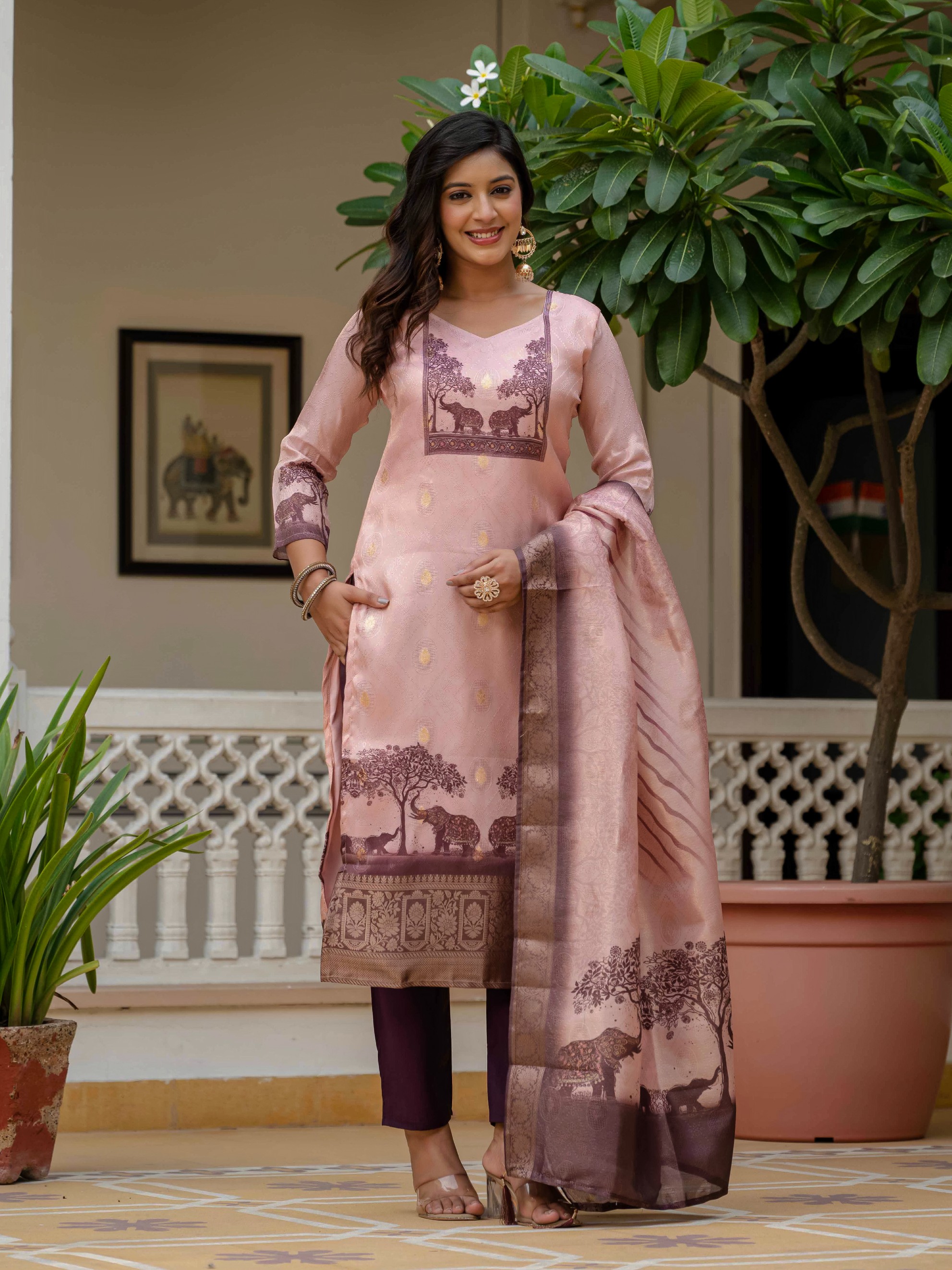
Red, pink, orange and yellow work naturally for wedding functions and Haldi ceremony dressing. Wine, emerald, navy and black suit evening gatherings where the palette can be deeper. White, beige and blush create a clean base for oxidised silver, pearls, kundan-style jewellery or a vivid printed dupatta.
Pink Roman Silk Bloom Embroidered Suit Set can be styled with gold-toned earrings and neutral footwear, while Black Readymade Embroidered Salwar Suit can take a colourful potli or jewel-toned dupatta. The two examples show why the accessory plan should respond to the base colour rather than follow one fixed festive formula.
Match metal to the embroidery only when the match is convincing. Gold zari usually sits comfortably with warm gold jewellery, but mixed metals can work when the outfit includes silver thread, mirror accents or cool-toned embellishment. One substantial element, such as chandbali earrings or a layered necklace, is often enough when the neckline already has decorative work.
Juttis, embroidered flats and low block heels are practical choices for festive gatherings. A 2 to 3 inch block heel add height without the instability of a narrow stiletto. Choose a bag that can hold a phone, keys and necessary makeup without weigh into embroidered fabric. Hair accessories should not draw on zari or loose dupatta threads.
How can Rajasthani Bandhani Salwar Suits for Festive Wear adapt to different occasions?
The same salwar suit can move from a daytime ritual to an evening celebration when the styling layer, jewellery and makeup change.
For a daytime puja, choose cotton or Chanderi, light makeup, small earrings and flat footwear. A neat low bun or braid keeps the dupatta secure and gives the neckline room to show. A bright bindi can connect a restrained outfit to the festive setting without adding weight.
For a Haldi ceremony, prioritise washable or less delicate fabrics and avoid trailing hems. Yellow, coral, pink and green create energetic photographs, but a pale ivory or white suit may show turmeric stains quickly. Wear fitted trousers or a salwar with a secure waistband if you expect to sit, walk outdoors or participate in rituals.
For a Diwali dinner or evening family party, Roman silk, jacquard silk and embroidered designs provide more visual depth under artificial light. A small clutch, defined eye makeup and metallic earrings can elevate a relatively simple suit. Salwar Suits with 30% Off and Salwar Suits Flat 40% Off can be useful starting points for comparing festive silhouettes at different price points, but fabric composition and measurements should remain more important than the discount percentage.
For a formal gathering, choose a cleaner neckline, controlled embroidery and a dupatta that stays in place. Formal salwar suit ladies often need should be polished enough for photographs but comfortable enough for conversation and movement. A deep wine suit, beige embroidered set or royal pink jacquard design can achieve that balance without requiring a heavily layered lehenga.
How should you check fit, value and care for Rajasthani Bandhani Salwar Suits for Festive Wear?
Check measurements, lining, embellishment security and care instructions before judging whether a festive salwar suit brings good value.
Measure your bust at the fullest point, waist where the garment will sit, hip at the widest point and shoulder across the back. Compare those numbers with the garment chart rather than relying on a small, medium or large label. Check kurta length against your height and footwear, especially when the suit has a palazzo or a wide flare.
Inspect embroidery around the neckline, sleeve cuffs and hem because those areas experience the most friction. Zari can catch on jewellery, handbags and rough furniture. Loose sequins, exposed knots or unfinished lining edges may become larger problems after one or two wears.
Price context also depends on what is included. A three-piece set with a lined kurta, coordinated bottom and finished dupatta may offer better practical value than a cheaper kurta requiring separate purchases. Dress Materials can make sense when you already have a trusted tailor and want control over neckline, sleeve and trouser proportions. Red Dress Materials Under 2000 may suit budget-conscious shoppers, but tailoring charges and lining costs should be included in the total calculation.
Read the care label before the first wash. Many embellished Roman silk, Chanderi and zari garments are safer with dry cleaning or gentle professional cleaning, while some cotton pieces may tolerate careful hand washing. Do not wring embroidered fabric, dry strong colours in harsh sunlight or store a damp dupatta folded inside a plastic bag. Fold zari areas with soft tissue or muslin between layers and keep the garment in a breathable cotton cover.
Bandhani colour bleeding is more likely when dark and bright dyes are exposed to water, heat or strong detergent. Test an inconspicuous edge only when the care instructions permit it, and keep the first cleaning separate from pale garments. Proper storage protects both the dye and the tiny decorative threads that give a festive suit its character.
Common Questions About Choosing Bandhani Festive Salwar Suits
Are Rajasthani Bandhani salwar suits suitable for weddings?
Yes, Rajasthani Bandhani salwar suits work well for wedding events when the fabric, embroidery and accessories match the formality of the function. Choose Chanderi or cotton for daytime rituals and Roman silk, jacquard silk or zari embroidery for an evening celebration.
Which fabric is most comfortable for festive salwar suits in summer?
Cotton is generally the most breathable choice for summer festive wear, while Chanderi offers a lighter dressy alternative. For long outdoor events, prioritise a relaxed fit, breathable lining and a dupatta that can be secured easily.
How do I style a readymade salwar suit with a dupatta?
Secure the dupatta at the shoulder with discreet pins and choose a drape that suits the event. Use neat front pleats for a puja, keep the edges away from turmeric during a Haldi ceremony and allow one end to fall freely for an evening party.
Can I wear a Bandhani salwar suit to a formal party?
Yes, a Bandhani salwar suit can suit a formal party when it has a refined silhouette, controlled embellishment and dressier fabric. Deep wine, black, beige and royal pink paired with polished jewellery and a structured clutch create a formal finish.
What jewellery goes with a colourful Bandhani suit?
A colourful Bandhani suit usually needs one dominant jewellery element rather than several competing pieces. Gold earrings complement warm zari and pink or red bases, while oxidised silver, pearls or cool-toned stones work well with black, white, blue and green.
How should I care for an embroidered Bandhani salwar suit?
Follow the garment care label, and choose professional cleaning for delicate embroidery, zari, Roman silk or Chanderi when recommended. Store the suit dry in a breathable cover, avoid harsh sunlight and place soft tissue between folded embroidered surfaces.