The Rajasthan Festival Calendar connects each celebration with the colours, textiles and silhouettes that make festive dressing meaningful. Gangaur brings bright regional clothing, Teej favours green and flowing fabrics, and Diwali welcomes silk, zari and jewel tones. A clear view of the Rajasthan Festival Calendar helps you choose an outfit that suits the ritual, weather and amount of walking involved.
Rajasthan doesn't follow one single dress code. A temple procession in Jaipur, a village fair near Bikaner and a family Diwali gathering in Udaipur may require very different levels of ornamentation. The dates below follow the usual lunar calendar, so exact festival days change annually. Check local dates before booking travel or ordering occasion wear.
Rajasthan Festival Calendar: How Weather and Ritual Shape Clothing
The Rajasthan Festival Calendar shapes clothing through three practical considerations: season, setting and regional textile tradition. Winter events suit Banarasi silk, pashmina silk and heavier embroidery, while July and August celebrations are more comfortable in cotton, Chanderi or lightweight silk.
Colour also carries cultural associations. Green is strongly connected with Teej because the festival celebrates the monsoon, fertility and marital well-being. Red, pink and yellow appear frequently during Gangaur, Holi and wedding-related festivities. Gold zari and warm jewel tones work especially well for Diwali because lamplight highlights reflective surfaces.
Traditional clothing usually works as a coordinated outfit rather than a single garment. A saree needs a fitted blouse, secure pleats and practical footwear. A kurta set needs a dupatta arrangement that stays in place during movement. Jewellery, bangles and one regional colour accent can provide a Rajasthani character without requiring a complete ghagra-choli ensemble.
Rajasthan Festival Calendar: Makar Sankranti, Holi and Gangaur
What works for Makar Sankranti?
Bright cotton sarees, leheriya-inspired prints and comfortable kurta sets work well for Makar Sankranti in Rajasthan. The festival falls in January, when mornings and evenings can be cold, so a cotton-silk saree or a kurta layered with a shawl offers more practical comfort than an extremely light outfit.
Makar Sankranti is associated with kite flying, family visits and outdoor activity in many parts of Rajasthan. Choose a saree with secure pleats and a blouse that allows easy arm movement, or wear a straight kurta with palazzo trousers. Yellow, orange, fuchsia and sky blue create a festive appearance in daylight. Jhumkas and flat mojaris are more functional than long tasselled jewellery when spending hours on a rooftop.
How should you dress for Holi?
Holi calls for washable, breathable clothing that can handle colour and water. A cotton salwar suit, cotton kurta with palazzo trousers or older saree is safer than Banarasi silk, zari or heavily embroidered clothing.
Holi dates fall in February or March, depending on the lunar calendar. White is visually classic because coloured powder shows clearly against it, but white garments may not return to their original shade. If you want a reusable festive outfit, choose printed cotton in pink, yellow or orange and protect delicate embroidery. Avoid dry-clean-only fabrics, metallic embellishment and untreated silk for colour play.
What is suitable for Gangaur?
Bright sarees, ghagra-choli sets and embroidered kurta sets suit Gangaur, which usually takes place in March or April after Holi. Red, yellow, green and pink are especially appropriate, with gota patti, mirror work or modest zari adding a regional festive detail.
Gangaur honours Gauri, a form of Parvati, and is observed with processions, songs and decorated images. Women may dress more traditionally for community rituals than for a private lunch. Maroon Banarasi Soft Silk Saree with Golden Zari Border gives a formal interpretation of the colour and gold vocabulary associated with celebration. For daytime processions, keep the blouse neckline and sleeve length comfortable, and pin the pallu at the shoulder.
Rani Pink Chanderi Embroidered Kurta Set Dupatta is a lighter choice for a warm afternoon. Chanderi is airy and has a subtle sheen, making the fabric useful when Gangaur falls during hot weather. Wear the dupatta over both shoulders or secure one side with a discreet brooch if you expect to walk through crowded streets.
Rajasthan Festival Calendar: Akshaya Tritiya and Summer Celebrations
Which fabrics are best in Rajasthan's summer?
Chanderi, cotton, mulmul and lightweight silk are the most comfortable choices for Rajasthan's hot months. Loose silhouettes, three-quarter sleeves and a lightly lined blouse reduce heat retention during April, May and June.
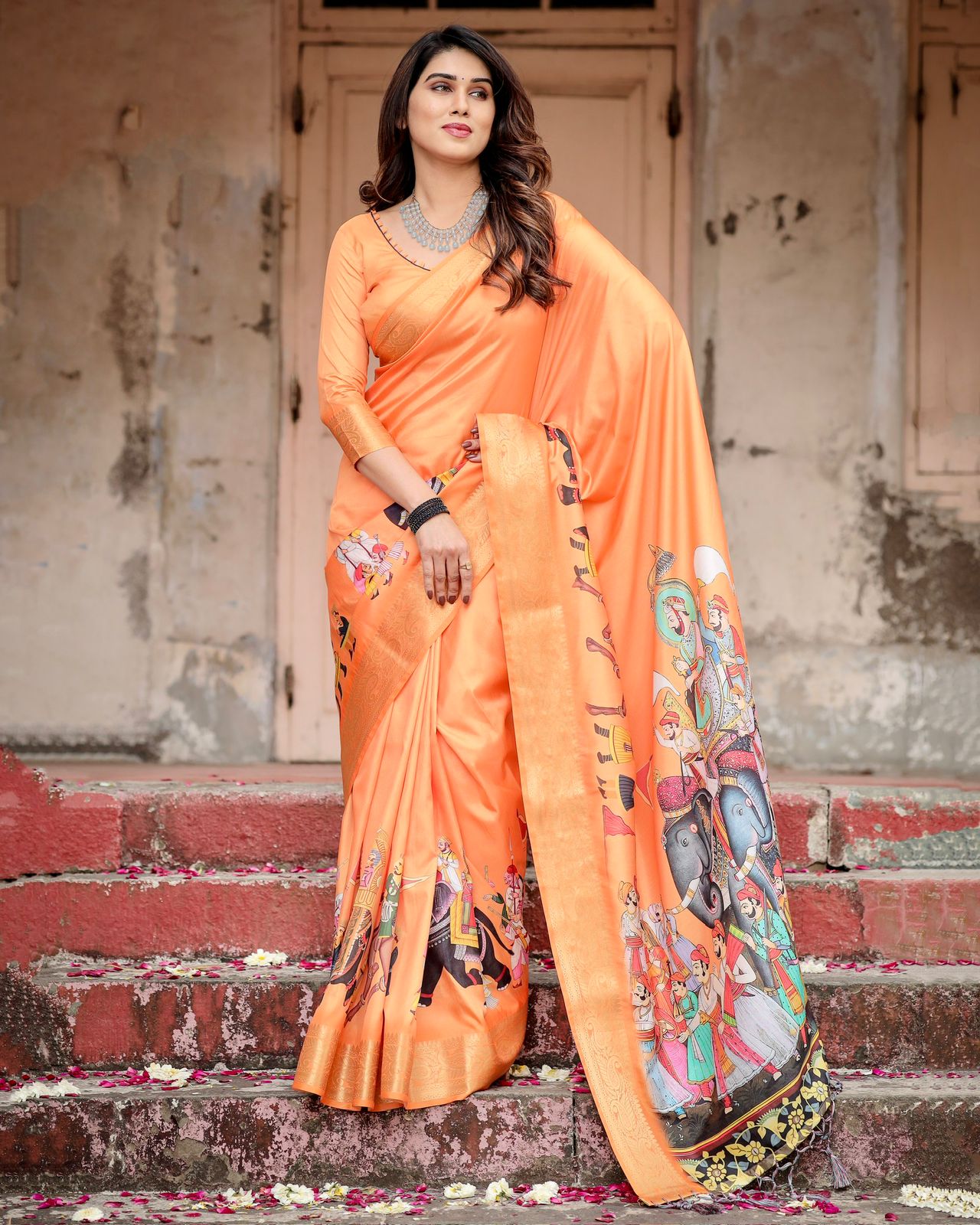
Akshaya Tritiya normally falls in April or May and is considered auspicious for purchases, ceremonies and weddings. Its dress code varies by family, but bright ethnic wear is generally suitable. A Chanderi kurta set, light silk saree or printed salwar suit can look formal without becoming heavy. If you choose zari, choose a narrow border rather than dense all-over metallic work.
Coral, ivory, lemon yellow, turquoise and pink photograph well in strong daylight. Dark colours absorb more heat, especially in unlined polyester or thick brocade. Natural-fibre petticoats and cotton blouses can make a silk saree more wearable during a daytime function.
Summer celebrations also reward careful dupatta choices. A wide, heavy dupatta can become cumbersome in hot weather, while a narrow Chanderi or soft cotton dupatta gives coverage without excessive weight. Choose sandals with a cushioned sole if the event includes temple visits or outdoor walking.
Rajasthan Festival Calendar: Teej, Raksha Bandhan and Janmashtami
What should women wear for Teej?
Green sarees, green lehengas and flowing kurta sets are time-honoured choices for Teej, especially when paired with bangles, mehndi and gold-toned jewellery. Teej usually falls in July or August during the monsoon, so breathable fabric and secure draping matter as much as colour.
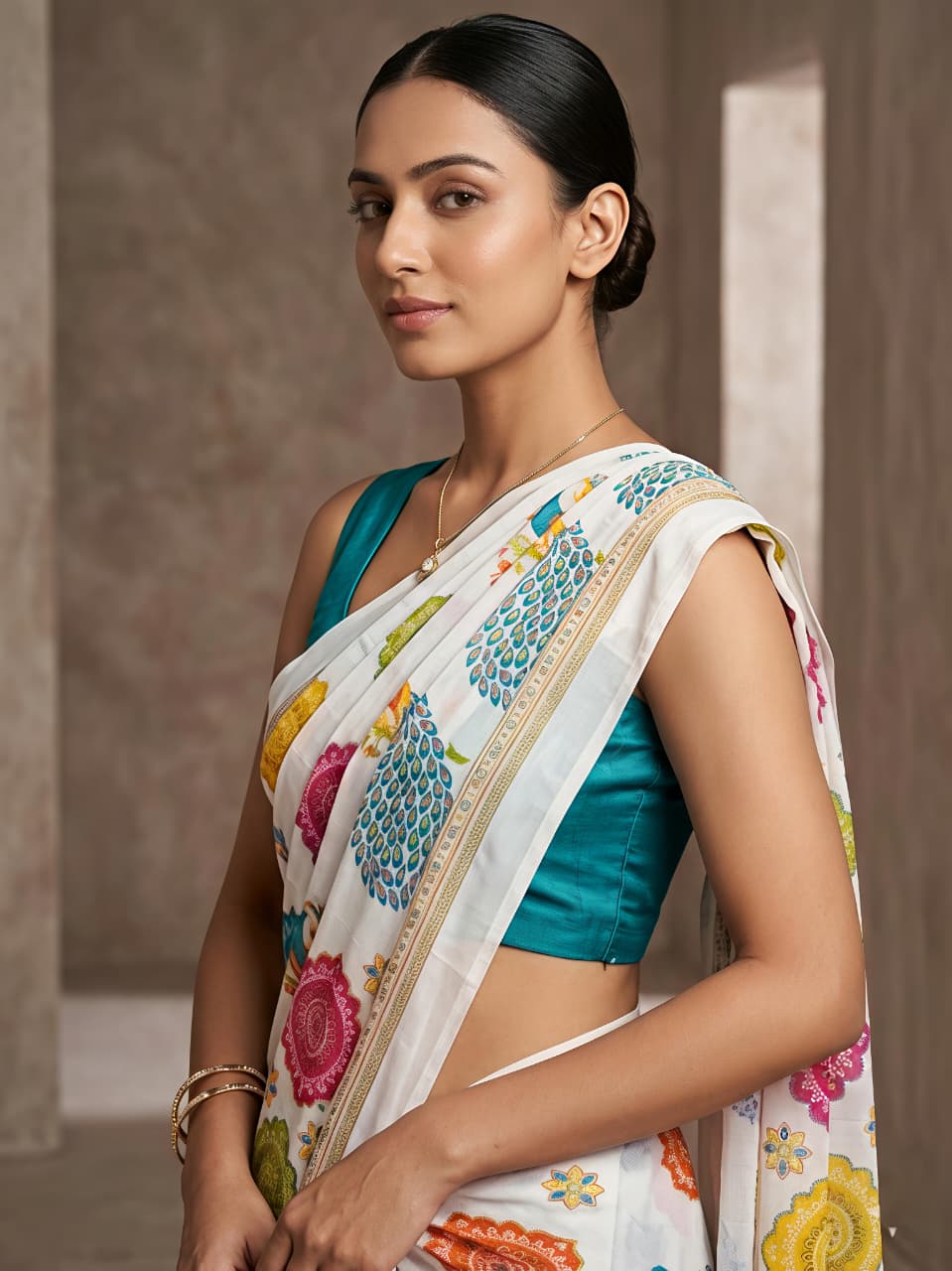
Teej celebrates the union of Shiva and Parvati and is closely connected with rain, swings, songs and women's gatherings. Emerald, parrot green, pista, pink and red can all work, but green remains the clearest visual reference. A saree with a manageable border is preferable to a very heavy bridal weave if you'll sit on swings, walk outdoors or participate in group rituals.
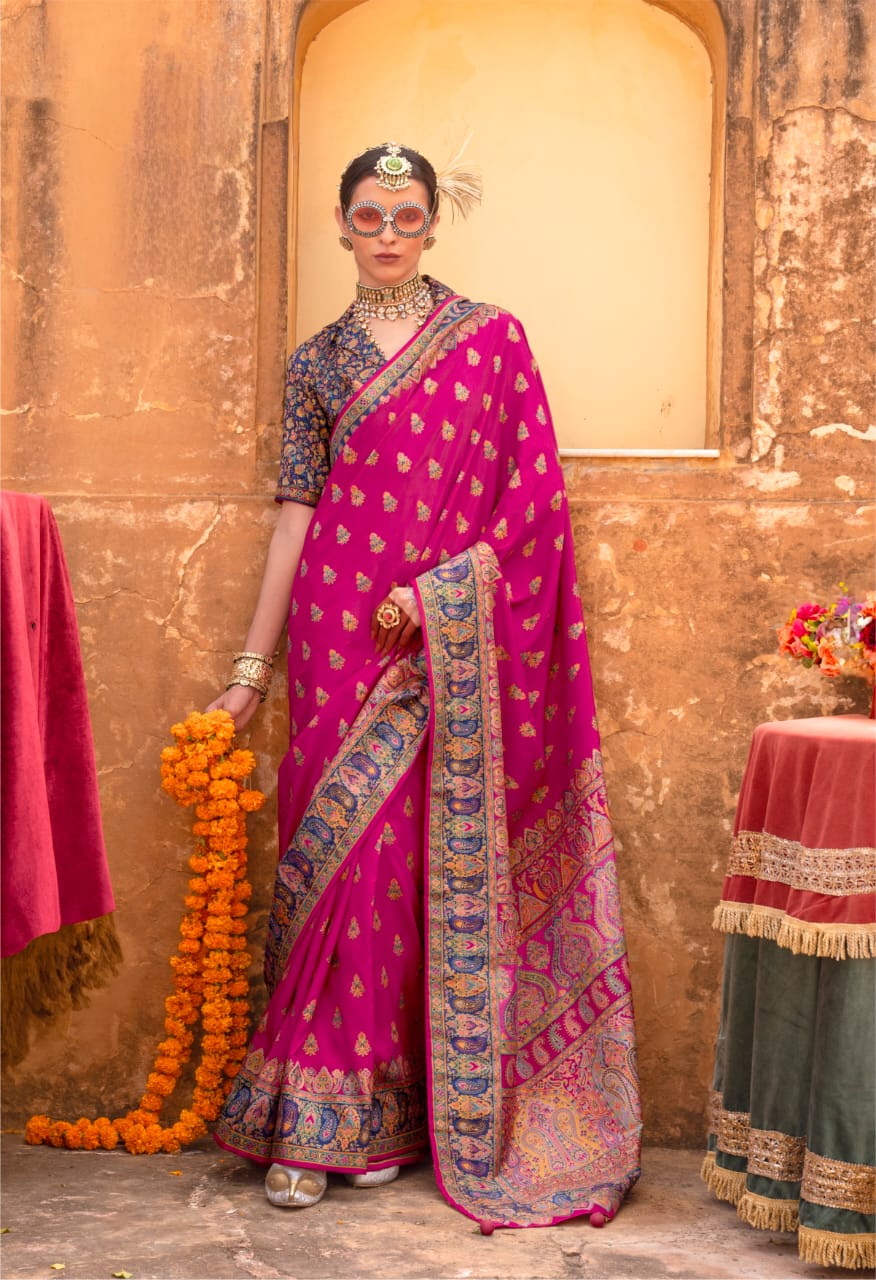
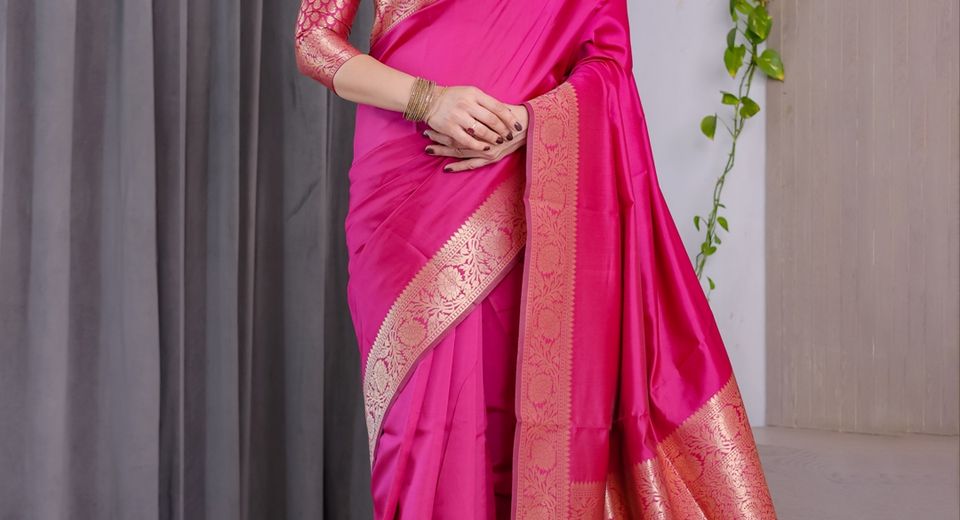
Rani Pink Banarasi Soft Silk Saree With Golden Zari Borders gives Teej styling a festive pink-and-gold direction. Rani pink doesn't replace green if a family follows a strong green dress tradition, but green bangles, a green blouse or a green dupatta can connect the outfit to the festival. A breathable blouse lining and a cotton petticoat are valuable during humid weather.
How can you dress for Raksha Bandhan?
A colourful saree, salwar suit or kurta with palazzo trousers is suitable for Raksha Bandhan because the festival usually involves a daytime family gathering rather than a formal religious dress code. Choose an outfit that allows easy sitting, serving food and exchanging gifts.
Raksha Bandhan generally falls in August. Rani Pink Chanderi Embroidered Kurta Set Dupatta works well for a daytime celebration because embroidery creates polish without the weight of bridal clothing. A small potli, low block heel and lightweight earrings complete the look without competing with the rakhi ceremony.
What is appropriate for Janmashtami?
Janmashtami suits yellow, saffron, blue and peacock-inspired colours, worn in a saree, kurta set or lehenga with modest styling. Since many families visit temples late at night, choose secure footwear and avoid loose jewellery that can catch on crowds.
Janmashtami celebrates the birth of Krishna and may include devotional singing, fasting and midnight worship. Magenta Banarasi Soft Silk Zari Saree | Varnavi Online creates a rich evening look, but keep the drape pinned if you'll sit on the floor. A flute motif, peacock-blue accent or yellow blouse can suggest the festival without turning the outfit into costume dressing.
Rajasthan Festival Calendar: Dussehra, Diwali and Pushkar Fair
What should you wear for Dussehra?
Comfortable festive ethnic wear is best for Dussehra because the celebration may include public grounds, processions and evening performances. A printed saree, kurta set or light lehenga in red, orange, mustard or royal blue brings colour without excessive weight.
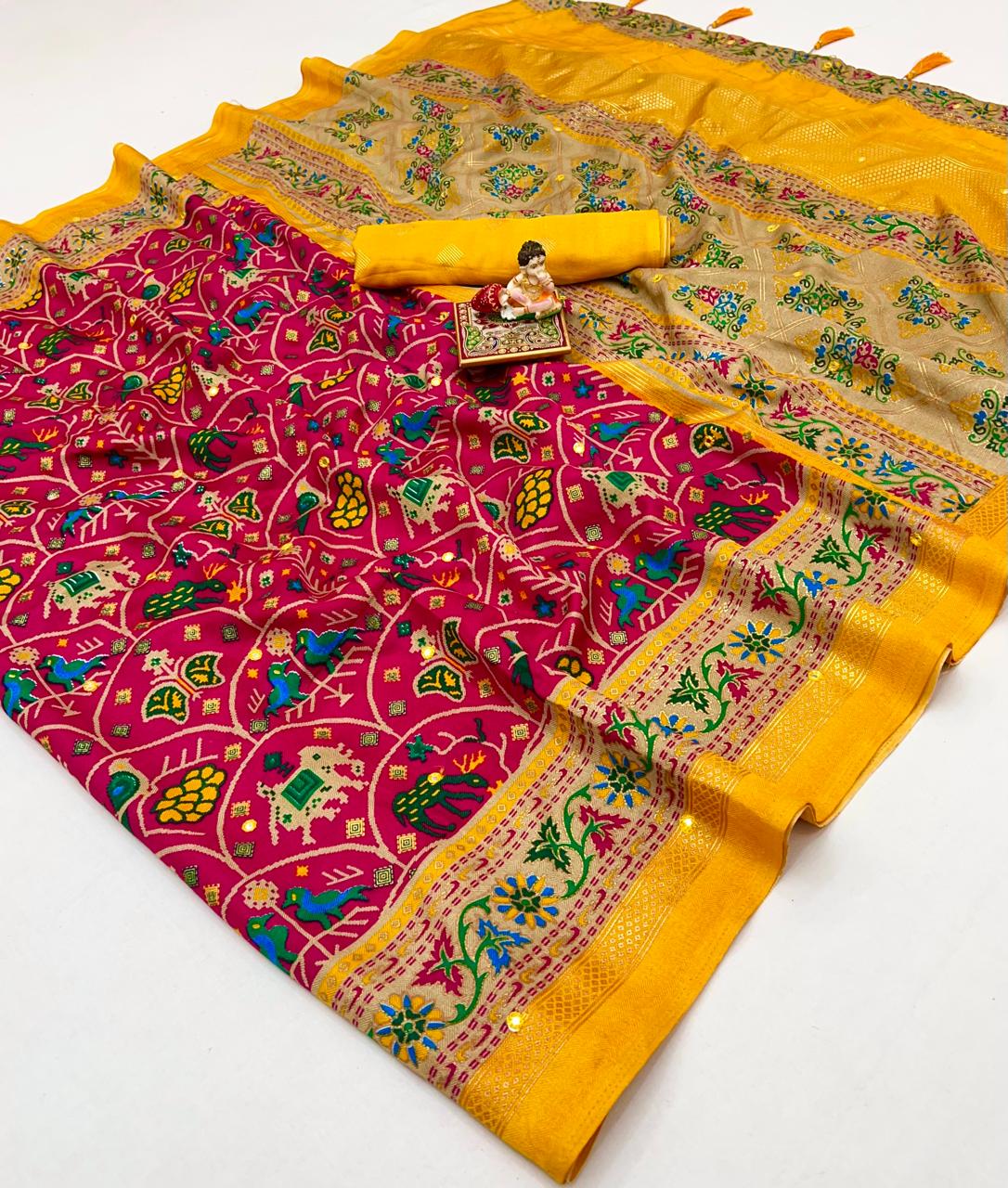
Dussehra usually falls in September or October. For an outdoor Ramlila or fairground visit, select closed-toe flats or cushioned juttis and keep the dupatta short enough to avoid dragging. Bold Ajrakh Banarasi Saree for Elegant Festive Styling combines an Ajrakh-inspired visual language with the richness of Banarasi silk, making it useful when you want a statement saree that differs from conventional red-and-gold dressing.
How formal should a Diwali outfit be?
Diwali attire can range from a silk saree or embellished lehenga for a formal gathering to a light kurta set for home puja. Banarasi silk, zari borders, velvet accents and jewel tones suit evening celebrations, provided the garment remains comfortable for sitting and moving around lamps.
Diwali usually falls in October or November. Maroon, rani pink, magenta, red and deep blue work well under warm lighting. Buy Rani Pink Banarasi Silk Saree with Jacquard Zari Border brings a structured, dressy option for a family dinner or card evening. Red Banarasi Soft Silk Saree with Jacquard Zari Border gives a more time-honoured red-and-gold direction for Lakshmi puja or a formal Diwali gathering.
What should you wear to the Pushkar Fair?
The Pushkar Fair calls for breathable layered clothing, comfortable footwear and colours that can handle dust and outdoor movement. A printed saree, cotton kurta set or relaxed palazzo suit is more practical than a heavily embellished lehenga for a full day at the fair.
The Pushkar Camel Fair usually takes place around October or November and combines livestock trading, cultural performances, religious activity and tourism. Mornings can feel cool while afternoons become warm, so carry a lightweight stole or shawl. Ajrakh, block prints, mirror work and bandhani-inspired accents acknowledge Rajasthan's textile heritage without requiring head-to-toe ceremonial clothing.
Rajasthan Festival Calendar: Winter Weddings and Regional Styling
Winter weddings and late-year celebrations allow richer fabrics, layered jewellery and deeper colours within the Rajasthan Festival Calendar. November through February is suitable for Banarasi silk, pashmina silk, velvet blouses and embroidered dupattas because the lower temperatures make heavier clothing comfortable.
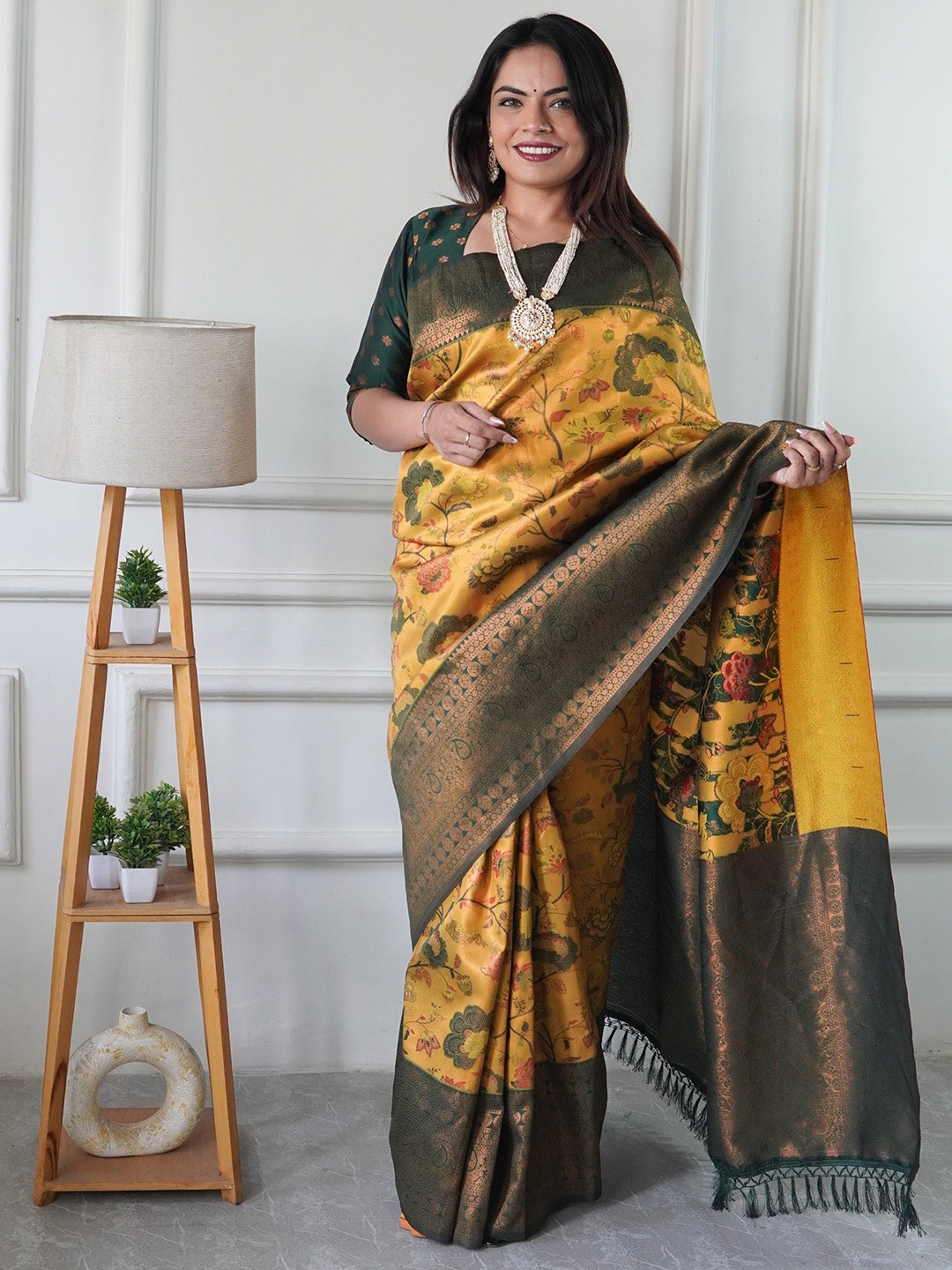
Designer Rani Pink Patola Print Pashmina Silk Festive Saree is particularly suited to a winter evening because pashmina silk gives a warmer hand feel than very light summer fabrics. Wear it with a long-sleeved blouse, a compact clutch and closed-toe heels for a reception. A narrow belt can steady the pallu, but avoid tightening the waist over heavy pleats.
For a family puja or daytime wedding, Rani Pink Banarasi Silk Saree with Jacquard Zari Border provides structure without requiring extensive jewellery. For a more graphic, textile-led appearance, Bold Ajrakh Banarasi Saree for Elegant Festive Styling can be paired with plain gold studs and a solid-colour blouse.
Regional styling should remain respectful and wearable. A bandhani-style odhani, gota detail, mirror-work accessory or mojari can reference Rajasthani dress without copying ceremonial attire reserved for a particular community. Let the setting guide the amount of ornamentation: temple visits call for secure and modest clothing, while a private reception permits more experimentation.
Rajasthan Festival Calendar: How to Choose, Pack and Care for Festive Wear
How do you select an outfit for a festival?
Choose a festival outfit by checking the weather, walking time, ritual requirements, venue and care needs before choosing a colour or trend. This order prevents a beautiful but impractical garment from becoming uncomfortable after one hour.
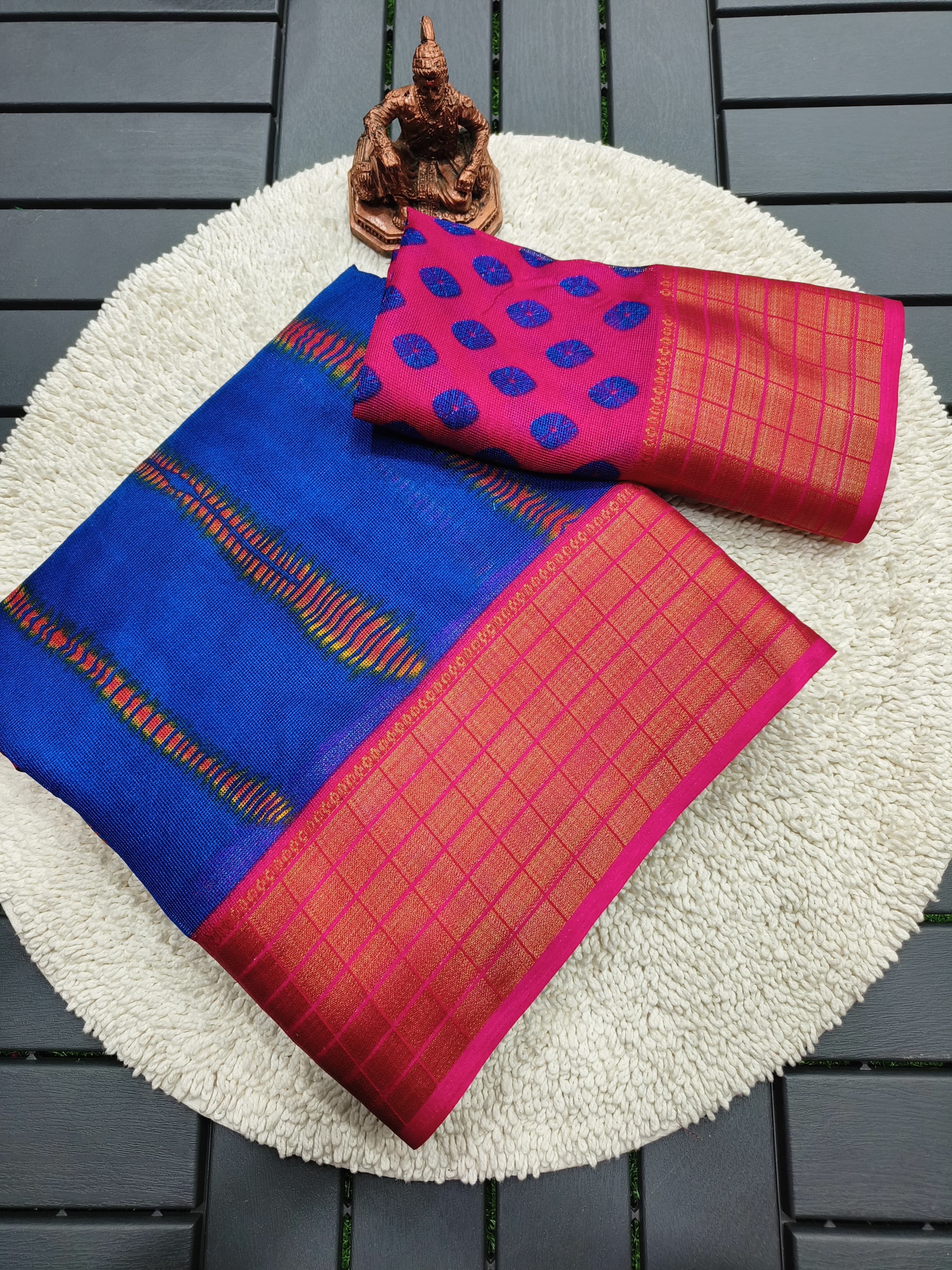
For outdoor events, prioritise breathable fabric, stable footwear and a pallu or dupatta that can be pinned. For evening celebrations, consider zari, Banarasi silk and richer colours that respond well to low light. For temple visits, avoid excessively long hems and jewellery that may snag in crowds.
How should silk and zari garments be cared for?
Silk and zari garments should be aired after wear, stored folded in clean cotton and dry-cleaned only when necessary. Do not spray perfume directly on Banarasi silk, rub zari borders or store a damp saree in plastic.
Refold silk garments every few months along different lines to reduce permanent creasing. Keep them away from direct sunlight and acidic paper. Chanderi benefits from gentle handling because its fine weave can catch on rough jewellery, while embroidered garments should be stored with the embroidery facing inward or covered with soft muslin.
What should you pack for a Rajasthan festival trip?
A practical festival bag should contain safety pins, a small sewing kit, fashion tape, blister plasters, a scarf, comfortable flats and a reusable garment cover. These items solve common problems caused by long processions, uneven ground, changing temperatures and crowded venues.
Pack one breathable daytime outfit, one warmer layer for winter evenings and one formal outfit if the trip includes a wedding or dinner. Roll cotton garments loosely, place sarees in fabric bags and keep heavy jewellery in separate pouches. A five-minute trial drape at home can reveal whether the blouse, petticoat and footwear remain comfortable before the journey begins.
Common Questions About the Rajasthan Festival Calendar and Festive Dress
What should I wear for Gangaur in Rajasthan?
Bright sarees, ghagra-choli sets and embroidered kurta sets suit Gangaur, with red, yellow, green and pink as appropriate colours. Gota patti, mirror work or modest zari can add a regional festive detail while comfortable footwear helps during processions.
Which colour is traditionally associated with Teej?
Green is the colour most strongly associated with Teej because the festival celebrates the monsoon, fertility and marital well-being. Pink, red, pista and emerald can complement green through the saree, blouse, dupatta or bangles.
Can I wear a Banarasi silk saree during a Rajasthan summer festival?
You can wear Banarasi silk during a summer festival if the saree has a lighter weave and the blouse and petticoat are breathable. For hot daytime events, Chanderi, cotton or lightweight silk will usually be more comfortable than heavy brocade.
What should I wear to the Pushkar Fair?
Wear a breathable saree, cotton kurta set or relaxed palazzo suit with comfortable closed-toe footwear or cushioned juttis. Carry a lightweight shawl because mornings can be cool, and choose fabrics that are easy to air after exposure to dust.
Is red a good colour for Diwali in Rajasthan?
Red is a strong Diwali choice because it works with traditional festive dressing and looks rich under warm lamplight. Red Banarasi silk, gold zari and a restrained jewellery combination can create a formal outfit without requiring heavy bridal embellishment.
How should I store a festive silk saree after a Rajasthan celebration?
Air the saree completely, refold it along a different crease and store it in clean cotton away from direct sunlight. Avoid plastic storage, direct perfume and unnecessary washing, especially when the saree contains zari or delicate embroidery.