

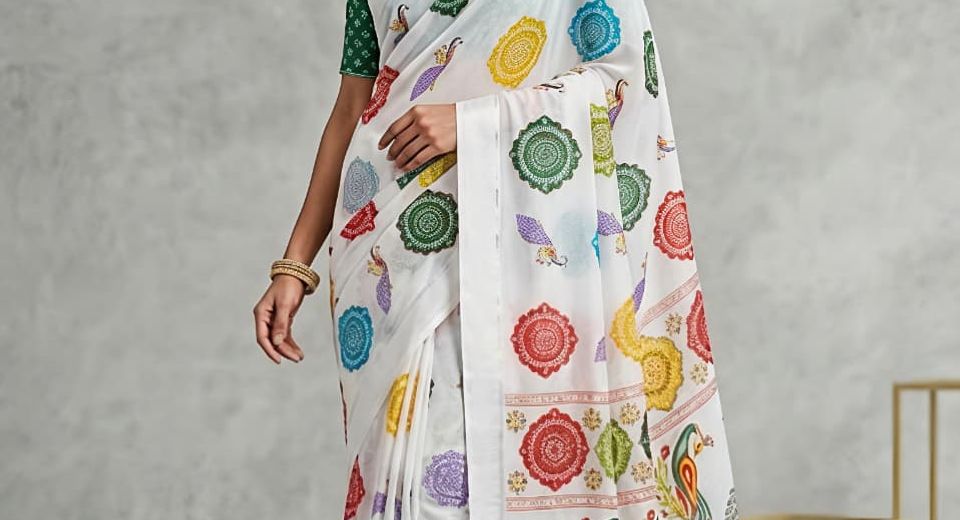
Raja Parba Saree Ideas: Traditional Odia Sarees for Women start with the spirit of the festival: colour, comfort, femininity and time spent with family. Raja Parba, celebrated in Odisha during the onset of the monsoon, honours Mother Earth and celebrates womanhood through swings, pitha, new clothes and cultural gatherings. A saree for Raja Parba therefore needs to look festive without becoming hard to wear for several hours.
Traditional Odia sarees for women can include regional handwoven styles such as Sambalpuri Ikat, Bomkai and Khandua, while Banarasi silk offers a practical festive alternative when you want zari, structure and a formal finish. The most successful outfit combines the right colour, a manageable fabric, a comfortable blouse and jewellery that supports rather than overwhelms the saree.
Raja Parba Saree Ideas and the cultural meaning of festive dressing
Raja Parba clothing carries cultural meaning because the festival celebrates the earth's fertility, women's strength and the arrival of the agricultural season. The three main days are commonly associated with wearing new clothes, enjoying swings, sharing festive food and taking a break from routine work.
Women and girls often choose bright sarees, skirts, salwar suits or other new garments for family visits and community celebrations. Red, magenta, pink, purple, yellow and green feel especially appropriate because these colours photograph beautifully, suit monsoon festivities and create a lively contrast with traditional gold jewellery.
A culturally sensitive wardrobe choice doesn't require every saree to be an authentic regional handloom. A Sambalpuri Ikat saree or Bomkai saree is a strong choice when you specifically want Odisha's textile identity. A Banarasi silk saree can also work for Raja Parba when you style it with restraint, choose a breathable blouse and draw inspiration from the festival's colour language rather than treating the celebration as a generic wedding event.
Raja Parba is also a useful reminder that festive dressing can be joyful without being excessively embellished. A saree that allows easy movement, comfortable sitting and relaxed interaction often serves the celebration better than a very heavy garment chosen only for photographs.
Raja Parba Saree Ideas by colour and visual mood
Red, pink, magenta, purple and jewel tones are reliable Raja Parba saree colours because they express festivity while pairing easily with gold accessories. The best colour depends on the time of day, the amount of zari and the jewellery already available in your wardrobe.
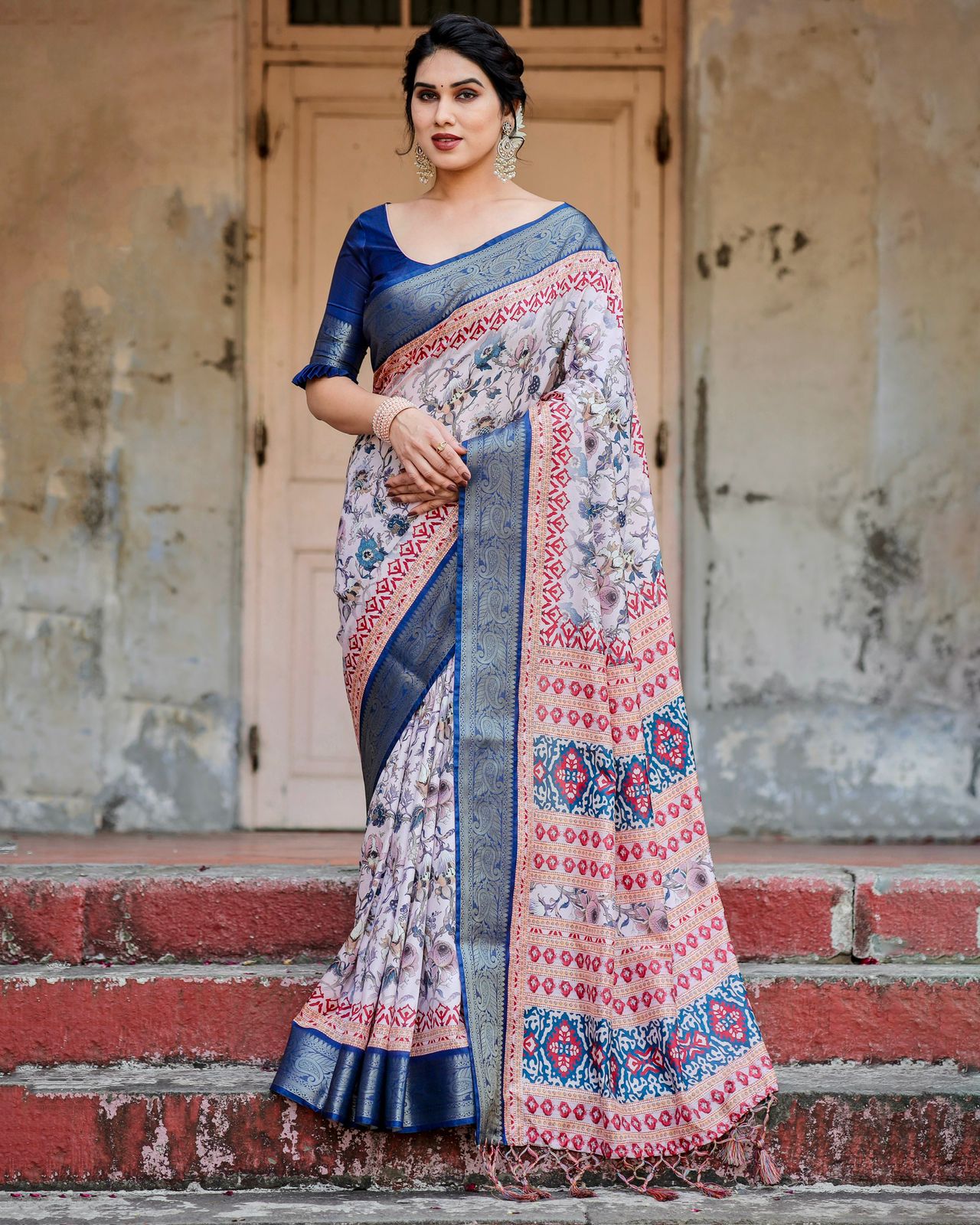
Red for a traditional festive impression
Red creates the most recognisable traditional festive impression and suits gold zari, antique jewellery and green accents. Red Banarasi silk works well for a family gathering, a temple visit or an evening celebration, especially when the blouse has a simple round or square neckline.
Red Banarasi Soft Silk Saree with Jacquard Zari Border provides a structured look without requiring heavy bridal jewellery. A green glass bangle stack, small gold jhumkas and a low bun with jasmine can add an Odia-inspired finish without making the outfit resemble wedding attire.
Pink and magenta for a youthful celebration look
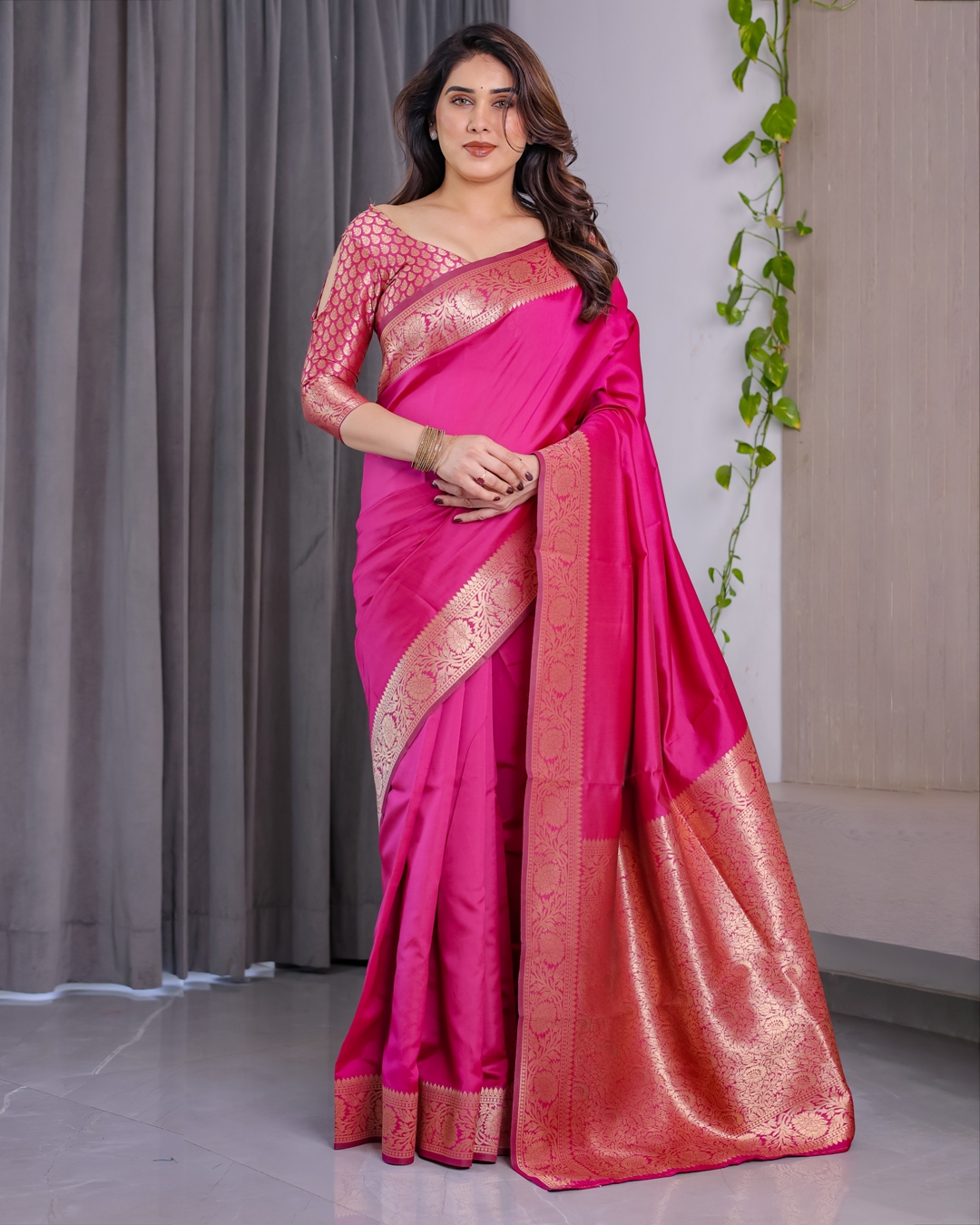
Pink and magenta create a cheerful, youthful look that works particularly well for daytime celebrations and photographs. Soft pink suits pearl or yellow-gold accessories, while rani pink becomes more dramatic with a contrasting green blouse or a gold-bordered blouse.
Buy Rani Pink Banarasi Silk Saree with Jacquard Zari Border is useful when you want woven texture to do the styling work. Rani Pink Banarasi Soft Silk Saree With Golden Zari Borders brings a brighter option for women who prefer a lighter drape with a clearly festive border.
Magenta Banarasi Soft Silk Zari Saree | Varnavi Online brings together a strong jewel tone and a zari-led surface, so keep the rest of the look clean. A plain blouse, one statement ring and medium-sized earrings usually look more balanced than a heavy necklace with an ornate waist belt.
Purple for a distinctive evening outfit
Purple gives Raja Parba dressing a more individual direction and looks especially rich under warm evening light. Purple Banarasi Soft Silk Saree with Elegant Zari & Jacquard suits a celebration where you want visible pattern and shine without using a very bright red or pink.
Purple Banarasi Soft Silk Saree With Golden Zari Border gives another interpretation of the same colour family. Pair purple with antique gold, muted pink, champagne or a deep green blouse; avoid adding several competing jewel tones in the same outfit.
Raja Parba Saree Ideas for choosing a practical festive fabric
Soft silk, lightweight silk blends, cotton handlooms and georgette are practical Raja Parba fabrics because they balance festive appearance with movement. Fabric choice matters more than colour when you expect to sit on the floor, use a swing, travel between homes or remain dressed throughout a humid monsoon day.
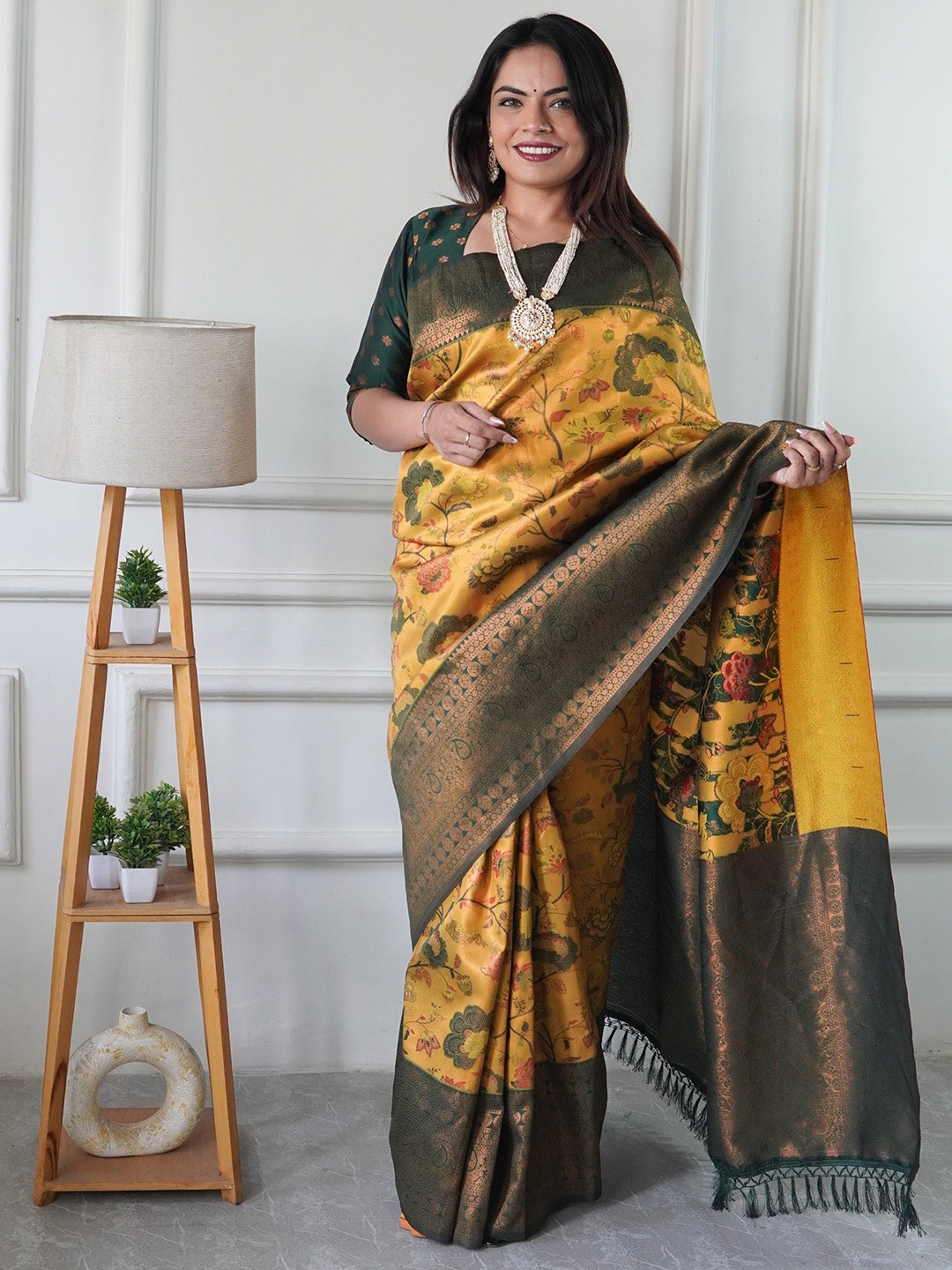
Banarasi silk for visible festive detail
Banarasi silk is a strong option when zari, jacquard texture and a formal silhouette are priorities. Banarasi silk generally holds pleats neatly, photographs well and needs fewer accessories than a plain saree because the woven border already creates visual interest.
Maroon Banarasi Soft Silk Saree with Golden Zari Border gives a deeper alternative to bright red and works well with antique gold earrings. Maroon Banarasi Silk Saree With Floral Jacquard Zari Border adds floral texture, making it suitable for women who want a patterned surface rather than a completely plain field.
Soft silk is generally easier to manage than a very stiff, heavily embellished silk, but the actual weight varies by weave and finishing. Check the saree dimensions, blouse-piece length and care instructions before ordering, and make sure the pallu is long enough for the drape you prefer.
Georgette and handloom choices for movement
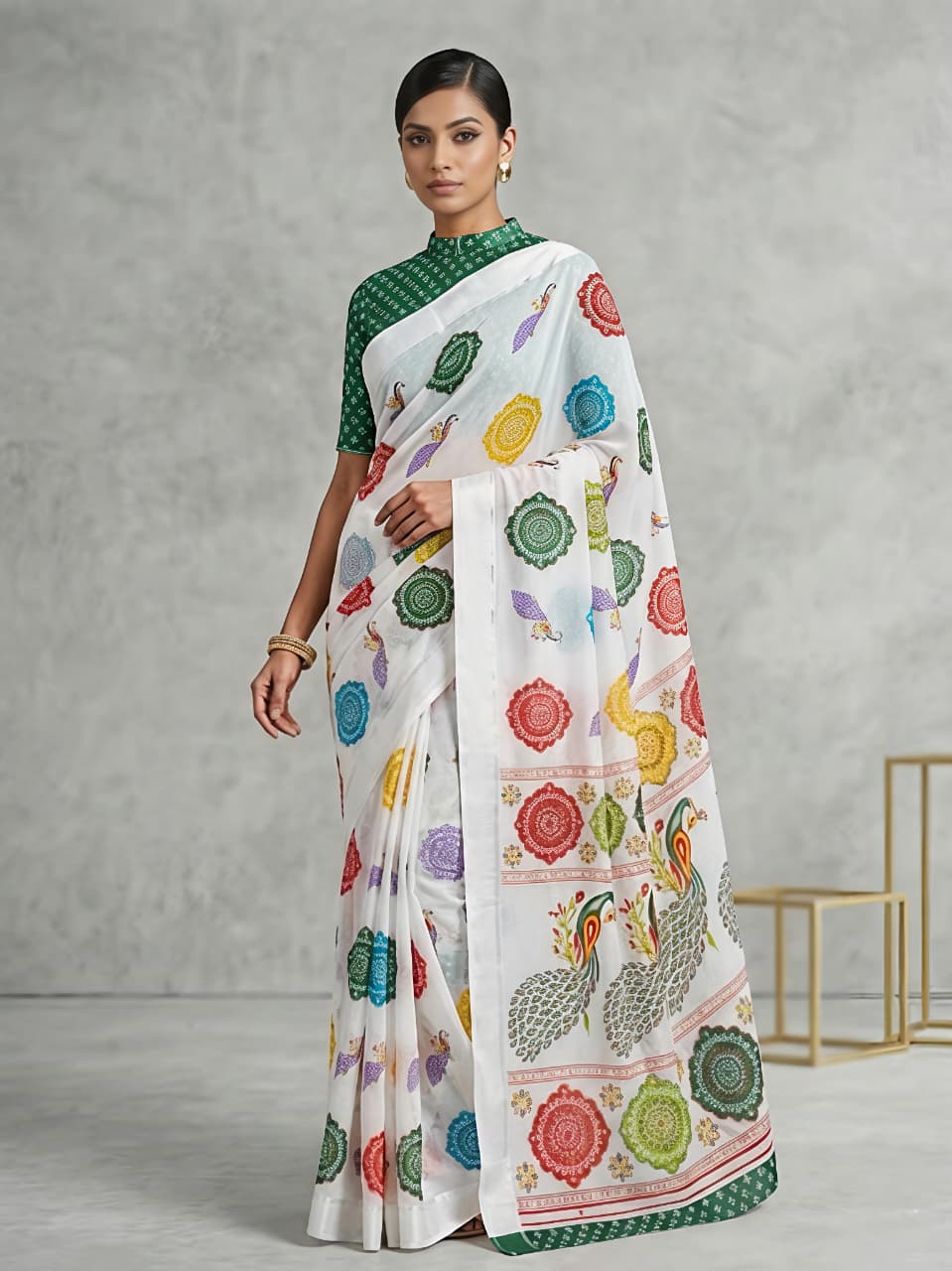
Georgette is a useful choice when you prioritise fluid movement, a lighter feel and a less structured pallu. Pink Georgette Sarees can suit daytime Raja Parba visits, particularly when the blouse and border provide enough definition to keep the outfit from looking too casual.
Sambalpuri Ikat, Bomkai and Khandua deserve consideration when cultural textile identity is more important than high shine. Sambalpuri Ikat is recognised for tie-dye-inspired geometric or figurative motifs, Bomkai is known for distinctive woven ornamentation, and Khandua is associated with Odisha's silk-weaving tradition and lyrical motifs.
Lightweight cotton can be especially comfortable during warm monsoon weather, although cotton may crease more quickly than silk or georgette. A well-pressed cotton saree with a crisp blouse remains a credible festive choice when the celebration involves considerable walking or outdoor activity.
Raja Parba Saree Ideas for comfortable blouse design
A comfortable blouse for Raja Parba should fit securely at the bust and armhole, allow the shoulders to move and remain breathable in humid weather. A blouse that's too tight can make pleats shift and become uncomfortable during extended family gatherings.
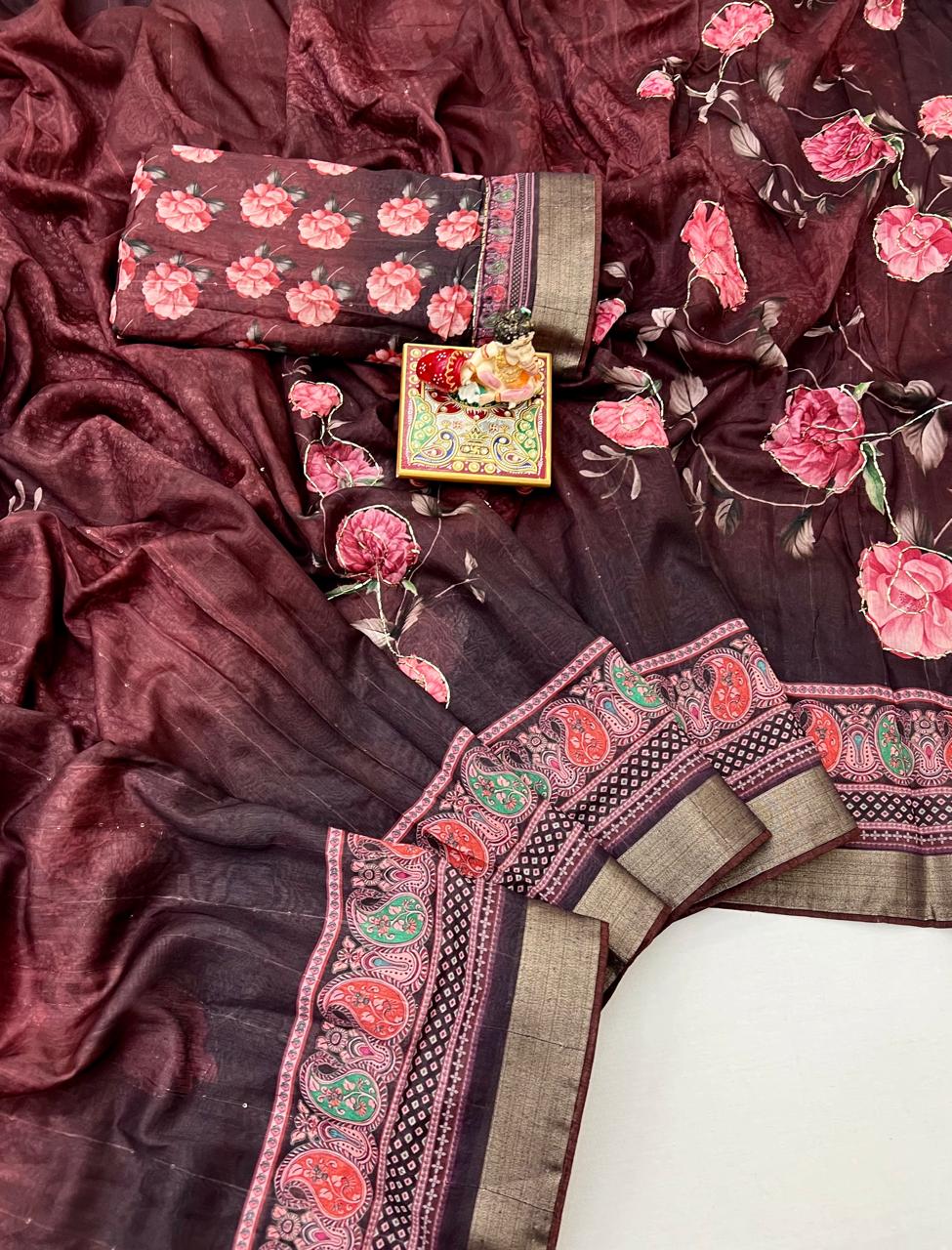
A plain blouse in red, green, pink, purple, mustard or cream lets a zari saree remain the focal point. A contrasting blouse works best when the saree already contains the chosen colour in its border or motifs, because that small repetition makes the outfit look planned rather than mismatched.
Elbow-length sleeves provide a traditional silhouette and enough coverage for temple or family settings. Short sleeves, a modest round neck and cotton lining can make a soft-silk saree easier to wear in warm weather. If the saree has a broad zari border, avoid an equally broad embellished blouse sleeve; a clean sleeve edge creates better proportion.
For a regional touch, use a blouse with narrow piping, a high round neck or a small fabric-covered button row instead of excessive sequins. Keep the blouse back practical if you'll sit on swings or move frequently. A well-fitted blouse usually improves the appearance of the entire saree more than an expensive but poorly proportioned design.
Measure the bust, underbust, shoulder, armhole and sleeve length before sending measurements to a tailor. Leave enough ease for breathing and arm movement, particularly when the blouse will be worn over a lining or with a padded cup. A trial fitting at least one week before Raja Parba allows time for alterations.
Raja Parba Saree Ideas for jewellery, hair and makeup
Gold-toned jewellery, jhumkas, bangles and a small bindi create a dependable festive foundation for Raja Parba dressing. The amount of jewellery should follow the saree's surface: more zari calls for fewer statement pieces, while a simpler saree can carry a stronger necklace or layered bangles.
Jhumkas are particularly versatile with red, pink, maroon and purple sarees. Temple-style earrings can complement Khandua or Bomkai-inspired styling, while antique gold works well with maroon Banarasi silk. Green glass bangles add a traditional contrast to red and pink. Gold bangles or a single cuff create a quieter finish for purple.
A low bun, braided hair or a half-up style can keep the pallu and earrings in place during a busy celebration. Jasmine flowers suit a classic bun, but fresh flowers are optional rather than essential. For makeup, use a long-wearing base, lightly defined eyes, a warm pink or red lip and waterproof products if the weather is humid.
Choose footwear with a stable sole and a low heel if the celebration includes walking, outdoor seating or a swing. A saree hem should sit approximately one centimetre above the floor when worn with the intended footwear, reducing the chance of tripping while keeping the drape graceful.
Raja Parba Saree Ideas for different budgets and buying decisions
A thoughtful Raja Parba outfit can be planned at several price points by deciding which feature matters most: fabric, zari, blouse tailoring or accessories. Spending more on the saree is sensible when you expect repeated festive wear, while a simpler saree with a carefully tailored blouse may be more practical for one celebration.
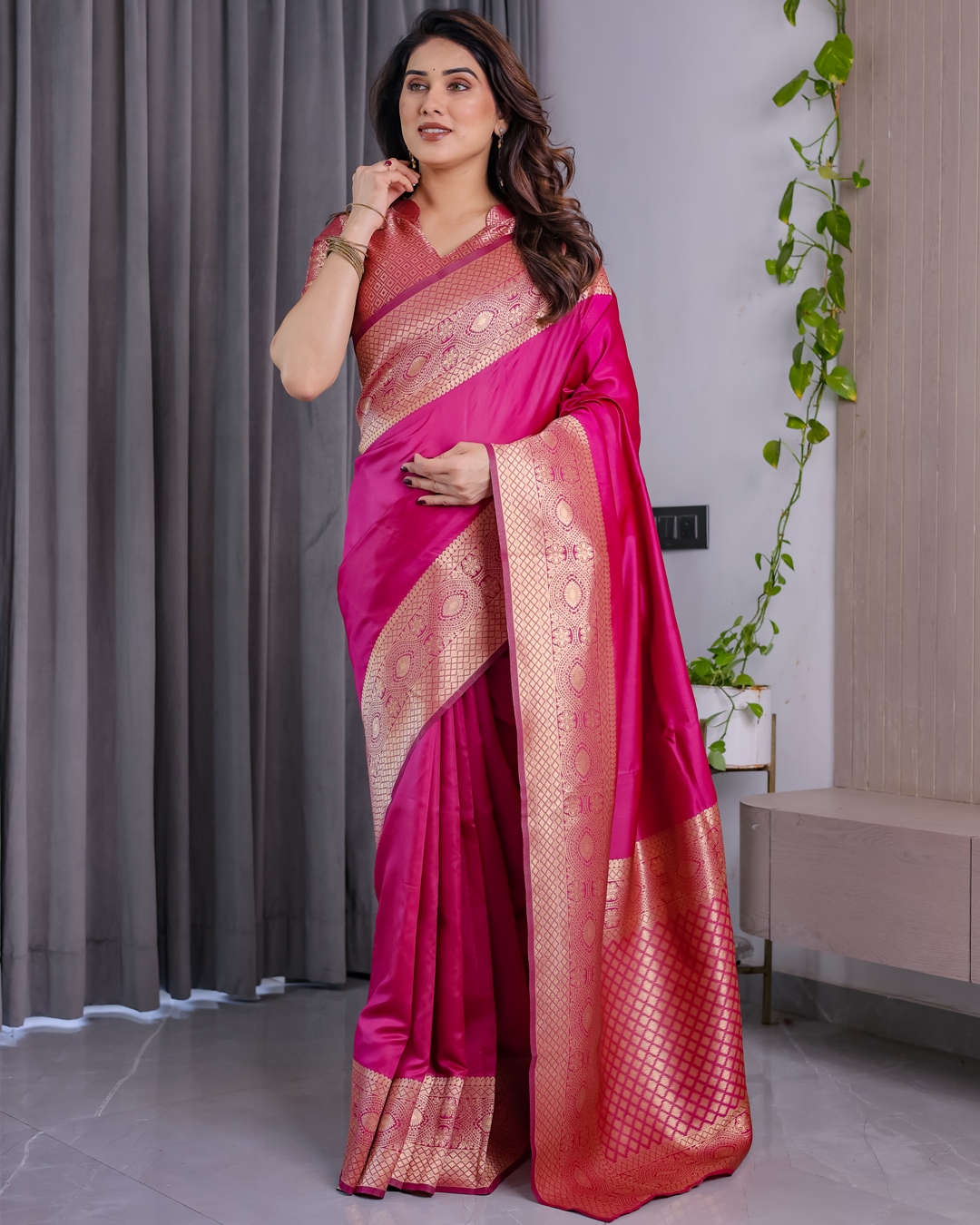
Silk Sarees Under 3000 With Discount can help shoppers compare festive texture and price before committing to a heavier purchase. A sale price should not replace quality checks; inspect the product description, fabric composition, blouse-piece length and return information before ordering.
Red Banarasi Silk Sarees for Weddings Under 1100 may be useful for shoppers seeking a low-cost red festive option, although Raja Parba styling should remain lighter than bridal styling. Party Wear Sarees can provide additional ideas when you want a polished look for an evening gathering rather than a specifically regional handloom appearance.
Gray Color Sarees Under 1000 can work for women who prefer a quieter base colour, especially when paired with a magenta, red or green blouse and gold jewellery. Gray becomes more festive when the saree has a defined border or zari detail, so inspect the close-up images rather than judging colour alone.
Check whether the listed length is close to 5.3 to 5.5 metres, which is a common saree length. Confirm whether a blouse piece is included. Measure your preferred pallu length at home using a spare saree. Ordering at least 10 to 14 days before Raja Parba gives time for delivery, blouse tailoring and a test drape.
Store a dry saree folded along soft cotton layers and away from direct sunlight. Air the saree after wearing it, remove jewellery before folding, and follow the care label for zari and silk. Avoid spraying perfume directly on zari because alcohol and moisture can affect delicate surface finishes over time.
Raja Parba Saree Ideas for a complete outfit checklist
A complete Raja Parba outfit needs a saree, a fitted blouse, secure draping, suitable jewellery, practical footwear and weather-conscious makeup. Planning these pieces together prevents last-minute choices that make a festive outfit uncomfortable.
- Select the saree: Choose Sambalpuri Ikat, Bomkai, Khandua, Banarasi silk, soft silk, georgette or cotton according to the event duration and weather.
- Coordinate the blouse: Repeat a colour from the border, use breathable lining and complete a trial fitting before the festival.
- Prepare the drape: Press the saree, pre-pleat if useful and secure the pallu with discreet pins placed on the inside.
- Edit the accessories: Select either a strong necklace or prominent earrings when the saree already contains substantial zari.
- Test movement: Sit, walk, climb a few steps and raise your arms before leaving home to check the pleats, blouse and footwear.
- Protect the fabric: Carry a small safety-pin kit, avoid direct rain where possible and air the saree before storage.
The strongest Raja Parba look is one that respects the festival's joyful character while fitting the wearer's real plans. A bright red Banarasi silk saree can feel traditional, a pink georgette saree can feel easy and youthful. A Sambalpuri Ikat saree can express Odisha's textile heritage. The right choice is the saree that lets you participate fully in the celebration.
Common Questions About Raja Parba Saree Styling
Which saree is best for Raja Parba?
Sambalpuri Ikat, Bomkai and Khandua are strong choices when you want an Odisha-connected textile tradition. Banarasi silk, soft silk, georgette and cotton are practical alternatives when you prioritise festive shine, lighter movement or easier draping.
Which colours are suitable for a Raja Parba saree?
Red, pink, magenta, purple, green and yellow are suitable Raja Parba colours because they look festive and pair well with gold jewellery. Choose a deeper shade for an evening celebration and a softer or brighter shade for daytime gatherings.
Can I wear a Banarasi silk saree for Raja Parba?
Yes, a Banarasi silk saree can be worn for Raja Parba when the styling remains comfortable and not excessively bridal. Choose a manageable weight, a breathable blouse, secure pleats and limited statement jewellery.
What blouse colour goes with a pink or magenta Raja Parba saree?
Green, gold, cream, red and a closely matched pink can work with a pink or magenta saree. Repeat a colour already visible in the border or zari to make the contrast look intentional.
How can I keep a saree comfortable during a monsoon festival?
Choose a breathable blouse lining, secure the pallu, wear stable footwear and avoid an unnecessarily heavy fabric for long gatherings. Waterproof makeup, a small safety-pin kit and a dry storage bag can also make humid-weather dressing easier.
How early should I buy a saree for Raja Parba?
Buy the saree at least 10 to 14 days before Raja Parba when possible. That timeframe allows for delivery, blouse measurements, tailoring, pressing and a complete test drape before the celebration.





