

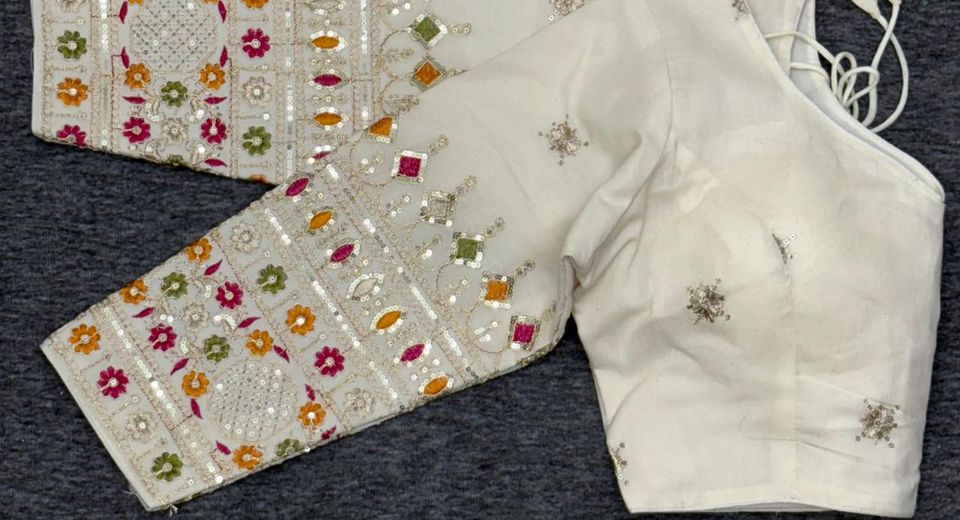
Raja Parba Blouse Designs for Traditional Odia Sarees should make room for three realities of the festival: warm weather, long social hours and the visual richness of Odisha handlooms. A blouse that looks beautiful for a photograph may become uncomfortable during visits, swings, meals and family gatherings if the fabric, armhole or lining is poorly chosen. The most useful starting point is to match the blouse's weight and colour to the saree rather than choosing decoration first.
Raja Parba is a three-day Odisha festival associated with womanhood, fertility and the earth's annual rest. Festive dressing often includes vivid colours, handloom sarees, jewellery and carefully arranged hair. But comfort remains part of the experience. Sambalpuri, Bomkai, Khandua, Berhampuri silk and Ikat sarees each create a different styling requirement. A successful blouse supports the saree's weave, allows movement and remains appropriate for both daytime and evening celebrations.
Raja Parba Blouse Designs for Time-honoured Odia Sarees: What makes a good choice?
A good Raja Parba blouse is breathable, secure, proportionate to the saree and festive without being overloaded with embellishment. Cotton, cotton-silk, lightweight silk and smooth lined fabrics usually perform better than very heavy fabrics during daytime celebrations.
Raja Parba clothing is often worn for several hours. The blouse must remain comfortable while walking, sitting on a swing, greeting guests or helping with food. Shoulder seams should lie flat, the bust area should not pull and the armhole should permit normal movement. A blouse that's one size too tight can cause more discomfort at the underarm and back than at the bust.
Colour should be selected with the saree's border and pallu in mind. A red blouse can intensify a red Sambalpuri saree, while cream, mustard or bottle green may give the same saree more visual definition. A detailed saree usually benefits from a simpler blouse, whereas a plain silk saree can support zari, woven texture or a more noticeable neckline.
Regional character can be expressed through fabric and colour rather than literal motifs. Ikat cotton, an earthy handloom shade, a narrow contrast piping or a blouse colour taken from a Bandha border can connect the outfit to Odisha's textile traditions in a restrained way.
Raja Parba Blouse Designs for Heritage Odia Sarees by saree type
The saree's weave and pattern should determine whether the blouse is plain, textured, printed or embellished. Matching the blouse exactly to the saree isn't necessary; repeating one border colour is often enough to make the outfit look coordinated.
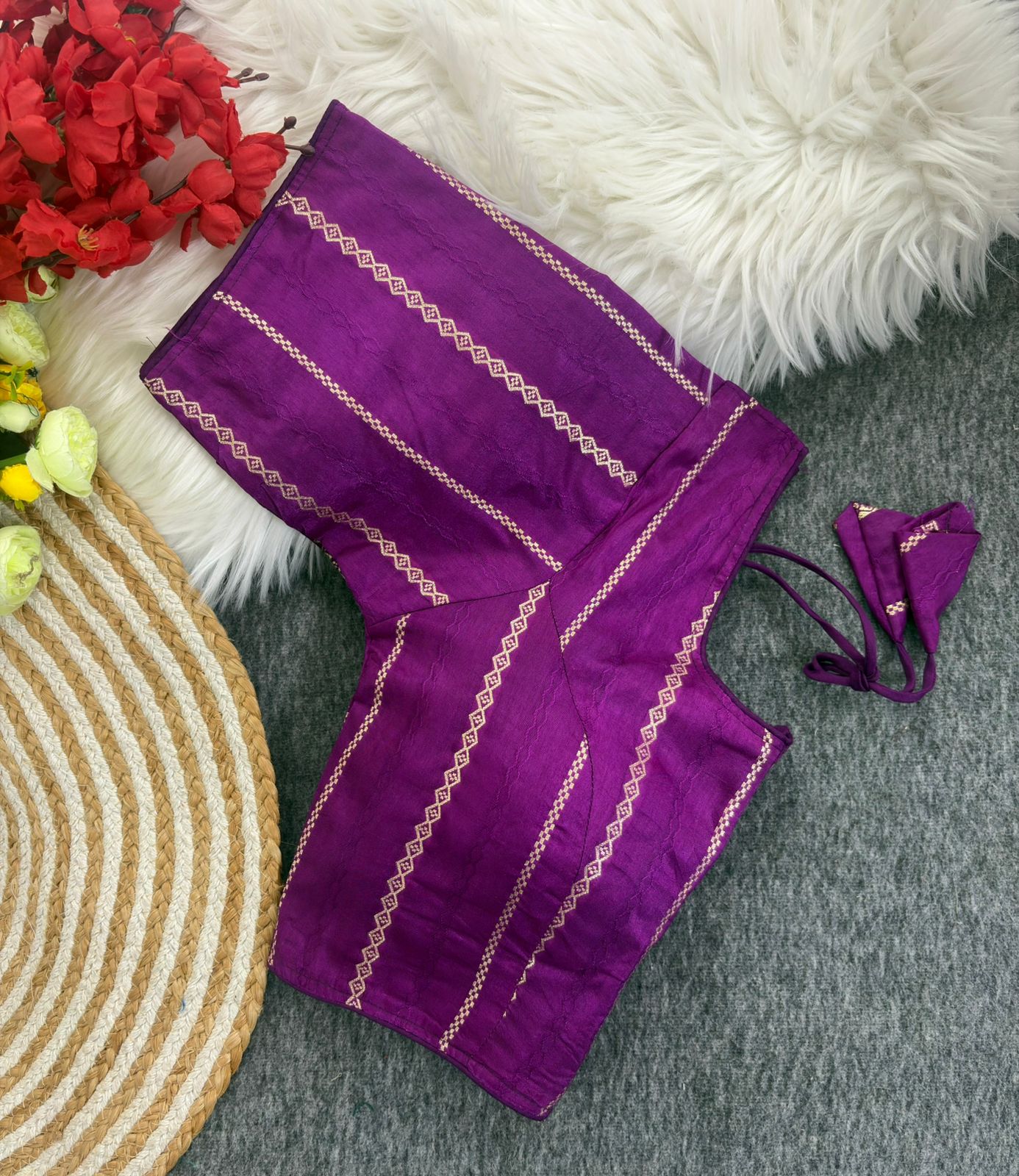
Raja Parba Blouse Designs for Classic Odia Sarees with Sambalpuri handlooms
A solid cotton or silk-cotton blouse usually suits a Sambalpuri saree because the saree's Bandha geometry already provides strong visual detail. Maroon, rust, black, cream, mustard and bottle green are useful blouse colours for Sambalpuri red, white or multicoloured sarees.
Short sleeves ending above the elbow create an easy daytime proportion. Elbow-length sleeves look more time-honoured with a broad border, especially when the saree is draped in a classic style. Narrow contrast piping can echo the saree without repeating the complete geometric pattern.
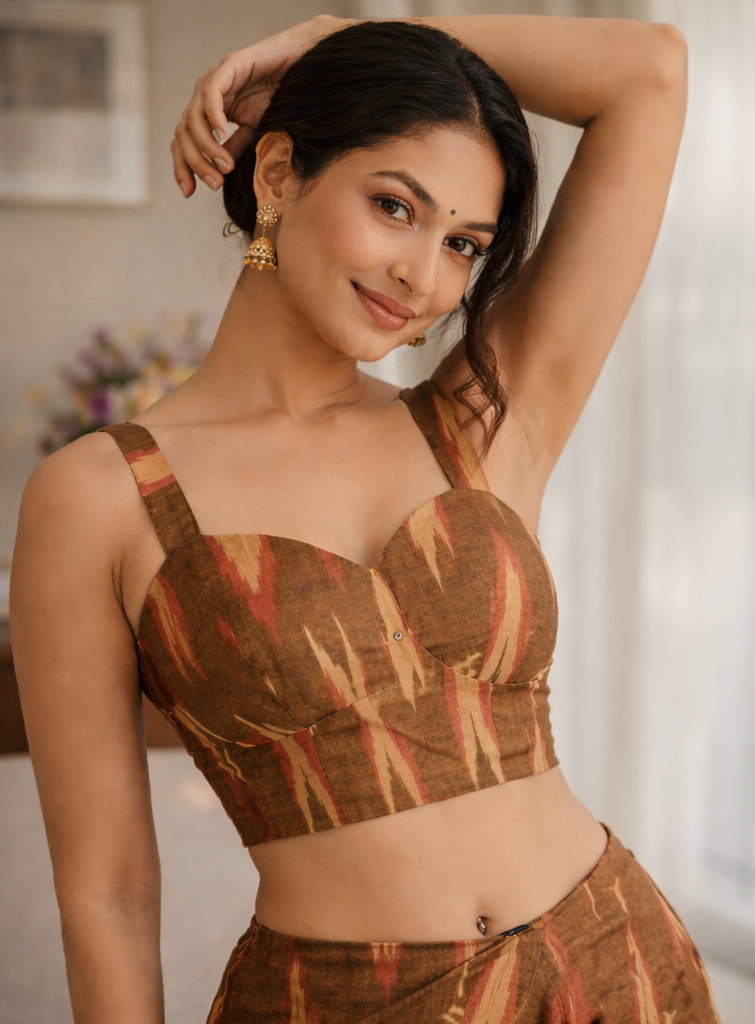
Brown Ikat Cotton Padded Blouse Sleeveless Stylish shows how an earthy Ikat surface can support a patterned saree without adding another loud print. A sleeveless blouse works well when the armhole is neatly bound and the wearer is comfortable with the coverage. A lightweight stole can provide an additional layer for a more conservative family gathering.
Raja Parba Blouse Designs for Classic Odia Sarees with Bomkai sarees
A Bomkai saree pairs well with a blouse that repeats one colour from the border or pallu. Deep red, black, purple, mustard and peacock blue can all work, depending on the saree's woven motifs.
Elbow-length sleeves, a round neckline and a clean back create a balanced look when the Bomkai pallu is heavily patterned. A small fabric-covered button or narrow border can add detail without competing with the saree. Dense embroidery across the shoulder is best avoided when the pallu already contains prominent ornamentation.
Raja Parba Blouse Designs for Time-honoured Odia Sarees with Khandua and silk sarees
Khandua and Berhampuri silk sarees generally suit a smoother blouse with a structured fit. A Banarasi silk blouse can work for an evening gathering when the saree has enough visual simplicity to accommodate zari.
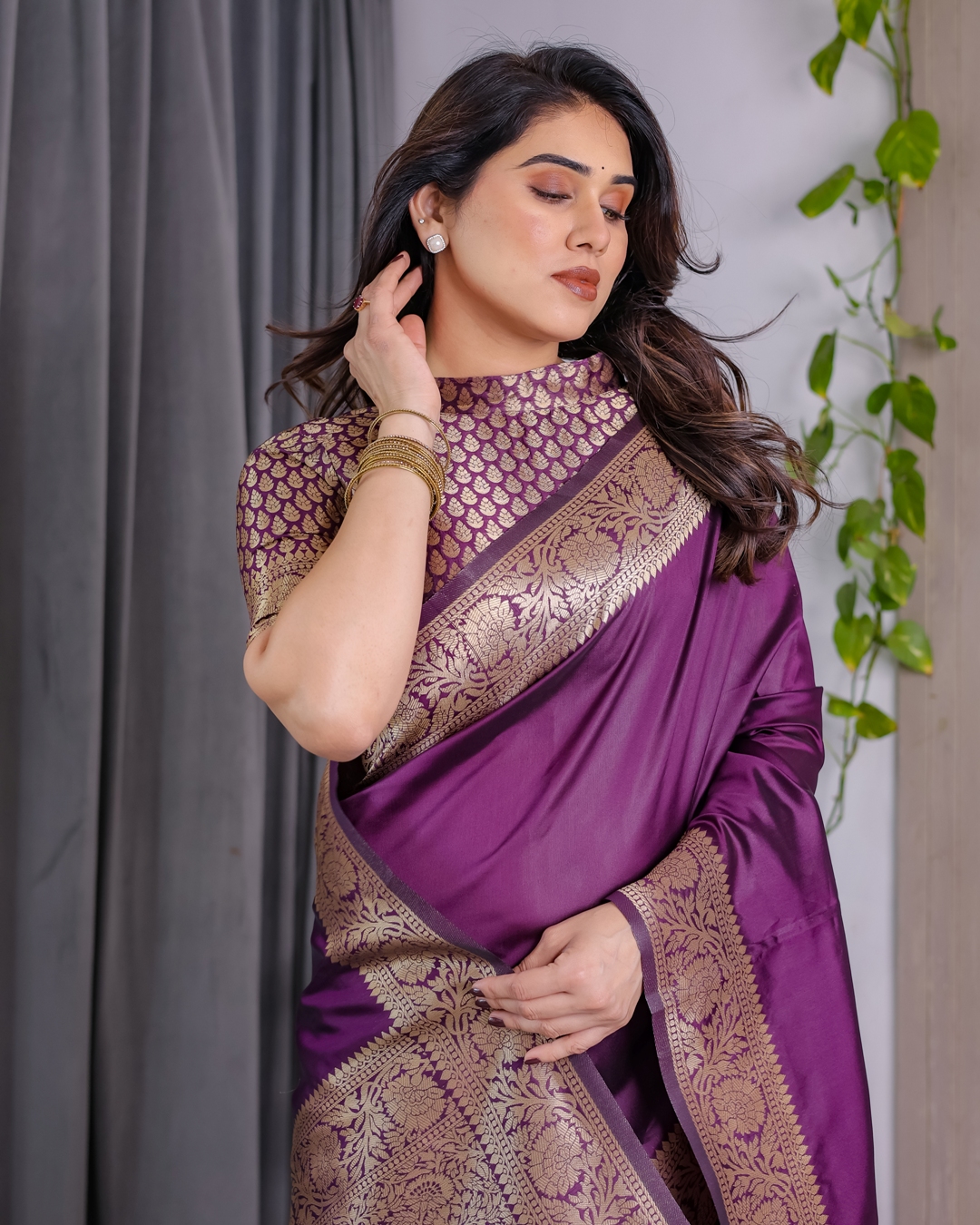
Banarasi Silk Golden Jari Padded Blouse for Women is an example of a statement blouse that can support a plain or lightly patterned silk saree. Gold zari looks most harmonious when the saree includes warm metallic details. A silver-toned saree may need a cooler blouse finish or antique jewellery instead of bright yellow gold accents.
Raja Parba Blouse Designs for Classic Odia Sarees with Ikat cotton
Ikat cotton sarees benefit from breathable blouses that allow the woven pattern to remain the centre of attention. A sleeveless blouse can suit a warm afternoon, while a short-sleeved version offers more coverage without adding much weight.
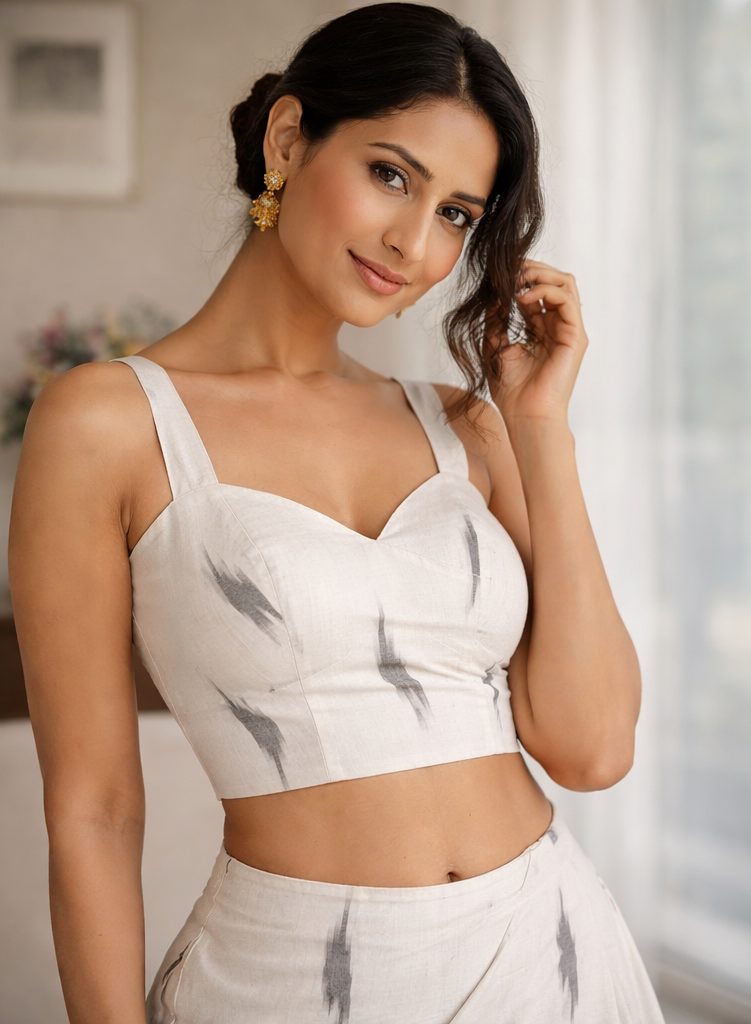
Cream Ikat Cotton Padded Blouse Sleeveless Trendy brings a neutral direction for a red, black, green or rust Ikat saree. Cream can soften a saturated saree and may be repeated through shell bangles, a small potli or a light floral accessory.
Raja Parba Blouse Designs for Time-honoured Odia Sarees: Which sleeves and necklines work?
Short sleeves, elbow-length sleeves and well-finished sleeveless cuts are the most versatile choices for Raja Parba. The correct option depends on the weather, desired coverage, saree border and amount of arm movement required.
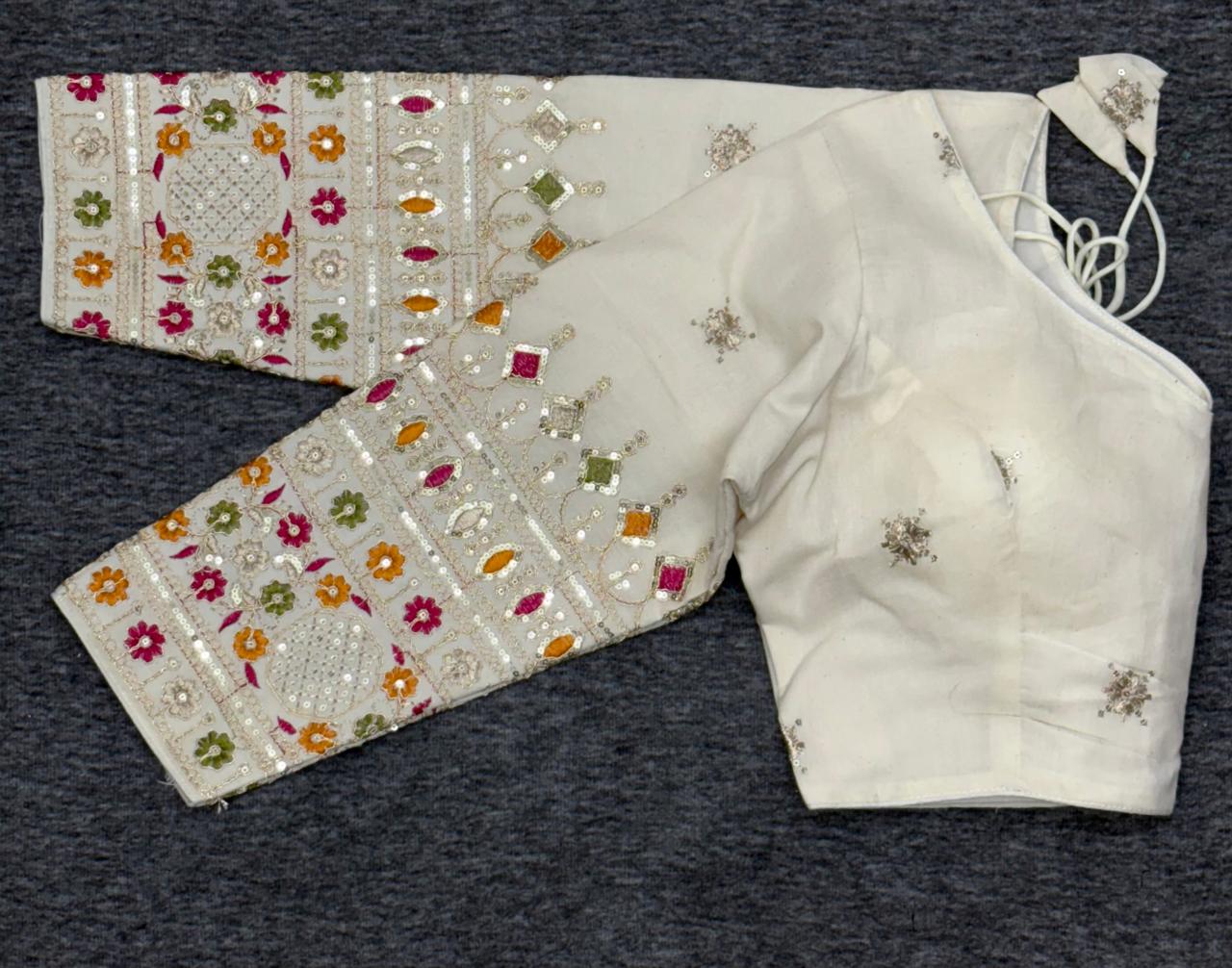
Short sleeves are practical for daytime cotton sarees because they provide coverage while keeping the upper arm relatively cool. A sleeve ending at the widest part of the upper arm may make the arm look broader and may feel restrictive, so a slightly shorter or longer length often sits better.
Elbow-length sleeves create a classic proportion with Sambalpuri, Bomkai and Khandua sarees. The sleeve opening should be loose enough to allow the elbow to bend naturally. A tight sleeve opening can pull the blouse sideways and disturb the saree's drape.
Sleeveless blouses can be comfortable in humid weather when the armhole is cut correctly. The armhole should not be so low that the inner garment becomes visible during movement. Broad shoulder straps, firm binding and a stable lining help a sleeveless blouse look polished.
Round necklines are reliable with nearly every Odia saree. A shallow square neckline gives a plain blouse more structure, while a modest V-neck can visually lengthen the upper body. A high neckline may look elegant with silk but can feel warm during an afternoon celebration.
Classic Festive Wear Blouse for Stylish Saree Look represents a flexible middle ground because a moderately festive blouse can move between different sarees. A practical neckline and balanced sleeve proportion make a blouse more useful than an extremely dramatic design that suits only one drape or occasion.
Raja Parba Blouse Designs for Heritage Odia Sarees: How should fabric and fit be chosen?
Cotton and cotton blends are generally the safest choices for daytime Raja Parba, while silk, Banarasi silk and richly finished fabrics suit evening gatherings or shorter periods of wear. Lining, support and accurate measurements determine whether the blouse remains comfortable after several hours.
Unlined cotton may feel cool. But a lightweight cotton lining can improve opacity and help the blouse keep its shape. Silk blouses usually benefit from a smooth lining because unlined silk can catch against the skin or inner garment. The lining should support the outer fabric without making the blouse stiff.
Padded construction can create a smooth silhouette under a thin saree, but padding is optional. Padding should lie flat and should not produce a hard visible edge. The blouse must support the bust through correct measurement and construction rather than excessive tightness.
Measurements should be taken while wearing the undergarment intended for the blouse. Bust, underbust, shoulder width, armhole and blouse length all affect the final fit. An one-centimetre difference around the armhole can noticeably change comfort, especially when the wearer raises an arm or adjusts the saree.
Ikkat Cotton Padded Blouse for Women Sleeveless demonstrates why construction matters even when the fabric appears visually simple. A neat armhole binding, stable lining and correctly placed bust seam prevent lightweight Ikat cotton from appearing loose or unfinished.
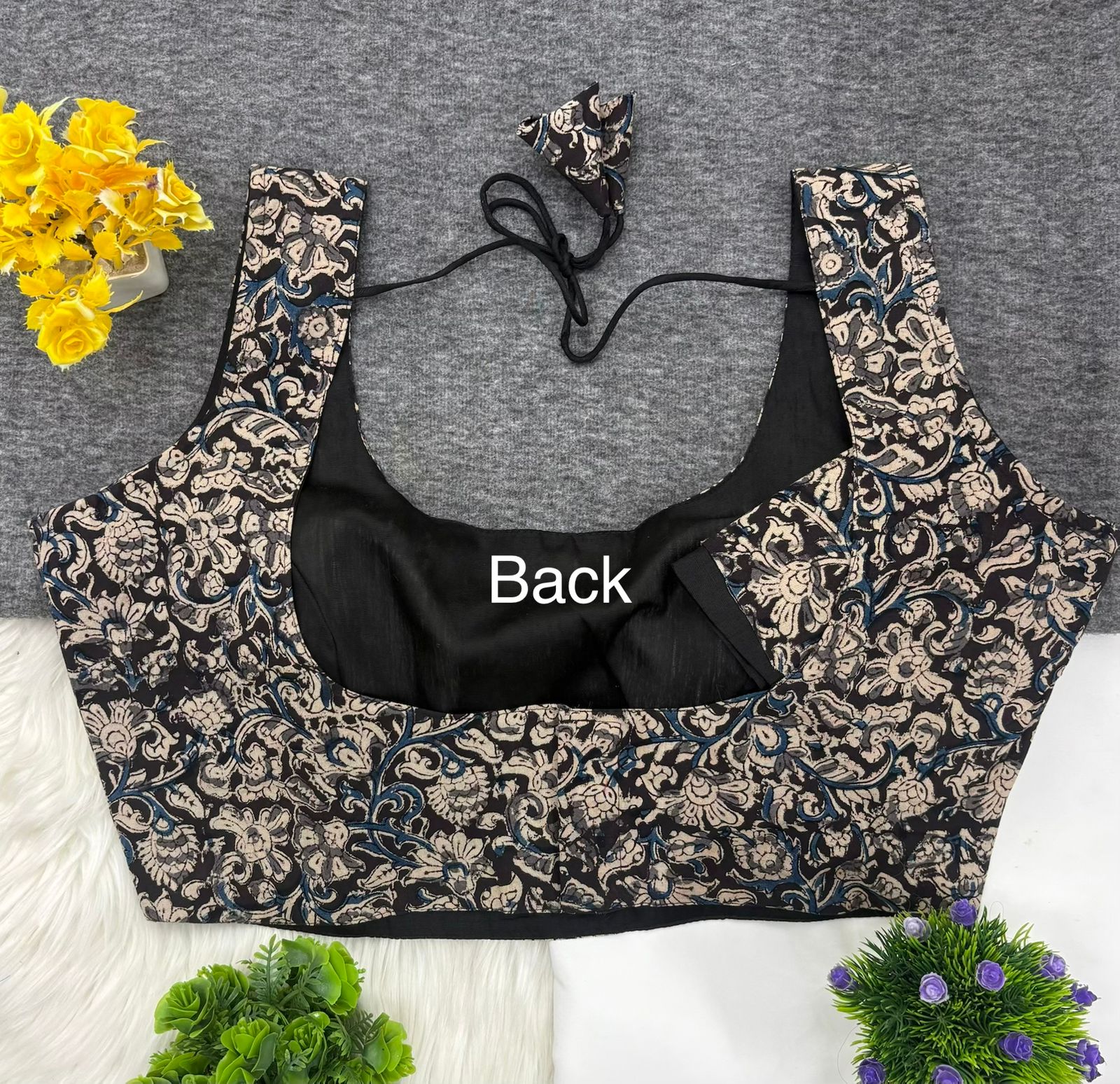
Pure Kalamkari Cotton Padded Blouse for Women can introduce printed character when paired with a plain saree. Kalamkari motifs are already expressive, so a saree with a restrained border is usually a better partner than a heavily patterned Bomkai or Sambalpuri pallu.
Raja Parba Blouse Designs for Classic Odia Sarees: How should colours and motifs be balanced?
Colour balance works best when one shade leads, one supporting colour repeats and the accessories remain comparatively restrained. This method allows the saree and blouse to look festive without turning every element into a competing focal point.
A red Sambalpuri saree can be paired with mustard, cream or deep green instead of an identical red blouse. A black-and-red Bomkai saree can take a plain red blouse for a vivid result or a rust blouse for a softer handloom effect. A purple silk saree can work with cream, muted gold or a related purple shade depending on the zari.
Royal Purple Banarasi Soft Silk Saree With Floral Zari Work shows how a detailed saree can carry most of the festive emphasis. Cream, muted gold or a closely related purple blouse can support the floral zari without introducing another large print. A small gold earring, a few bangles and a simple hairstyle can complete the outfit.
Motif scale affects proportion. Small woven dots and narrow borders suit fine cotton patterns, while larger florals and geometric details work better with a plain saree. When both blouse and saree have large motifs, understated jewellery and a clean hairstyle help prevent visual crowding.
Pure Kalamkari Cotton Padded Blouse for Women can be used as the focal print with a plain cream, black or rust saree. With a patterned Odia handloom, the same blouse is better treated as a contrast only when the saree's motifs are small and widely spaced.
Raja Parba Blouse Designs for Traditional Odia Sarees: How can one blouse serve all three days?
One blouse can serve all three Raja days when it has a flexible colour, moderate neckline and fabric that works with more than one saree. Cream, maroon, mustard, black, bottle green and deep purple are particularly adaptable shades.
For the first day, pair a breathable cotton blouse with a Sambalpuri or Ikat saree and flat sandals. On the second day, change the saree, earrings and hairstyle while retaining the same blouse. For an evening gathering on the third day, pair the blouse with a silk saree and add a slim zari accessory if the blouse and saree share a warm metallic tone.
A sleeveless blouse can be made more flexible with a breathable dupatta or stole for additional coverage. A short-sleeved cotton blouse can look more formal when paired with a silk saree, gold earrings and a carefully pleated pallu. Styling changes can therefore go a blouse's usefulness without requiring a new design for every event.
Brown Ikat Cotton Padded Blouse Sleeveless Stylish can move from an earthy cotton saree to a brighter handloom when the accessories repeat one colour from the saree. Cream Ikat Cotton Padded Blouse Sleeveless Trendy can work across darker and brighter sarees because its neutral base reduces colour conflict.
Raja Parba Blouse Designs for Traditional Odia Sarees: What care keeps them ready?
Care depends on the blouse fabric, lining and embellishment, but gentle washing, shade drying and careful storage protect most Raja Parba blouses. Blouses should be cleaned soon after heavy wear because perspiration and body oils can weaken fabric and discolour lining.
Cotton blouses should be washed according to the care label, preferably with a mild detergent and without prolonged soaking. Strong rubbing can distort Ikat patterns and weaken padded or lined sections. Dry cotton in indirect sunlight when colour bleeding is a concern.
Banarasi silk and zari blouses should generally be aired after use and dry-cleaned when the care label requires it. Zari can lose its finish through harsh detergent, excessive moisture or rough ironing. Iron silk on the reverse side at a low temperature with a pressing cloth.
Store blouses flat or on a broad hanger rather than folding them tightly around metal hooks. Keep zari and embellished pieces in breathable cotton covers, away from damp cupboards and direct sunlight. Remove detachable pads before storage when the construction allows it, and check hooks before the next festival day.
Common Questions About Raja Parba Blouse Designs for Traditional Odia Sarees
Which blouse fabric is most comfortable for Raja Parba?
Cotton, cotton-silk and lightweight lined fabrics are usually the most comfortable for daytime Raja Parba celebrations. These fabrics allow better airflow than heavy synthetic or densely embellished materials and are easier to wear for several hours.
Which blouse colour goes with a Sambalpuri saree?
Maroon, black, mustard, cream, rust and bottle green commonly work with Sambalpuri sarees. Choose a shade from the saree border or use a calm contrast when the saree already contains several strong colours.
Are sleeveless blouses suitable for Raja Parba?
Sleeveless blouses are suitable when the wearer is comfortable with the coverage and the armhole is securely finished. A broad shoulder, neat binding and a correctly fitted inner layer help the blouse remain comfortable during movement.
Should a Bomkai saree have a printed blouse?
A Bomkai saree usually looks more balanced with a solid blouse or a blouse carrying a restrained texture. A printed blouse can work when the Bomkai motifs are small, but two large competing patterns may make the outfit look crowded.
Can a Banarasi blouse be worn with an Odia handloom saree?
A Banarasi blouse can be worn with an Odia handloom saree when the saree is relatively simple and the zari tones coordinate. A heavily patterned saree usually looks better with a plainer blouse so that the handloom border and pallu remain visible.
How should a Raja Parba blouse be stored after the festival?
Air the blouse, follow the fabric's care label and store it in a breathable cotton cover away from moisture and direct sunlight. Zari, silk and padded blouses should not be compressed tightly or washed with harsh detergent.




