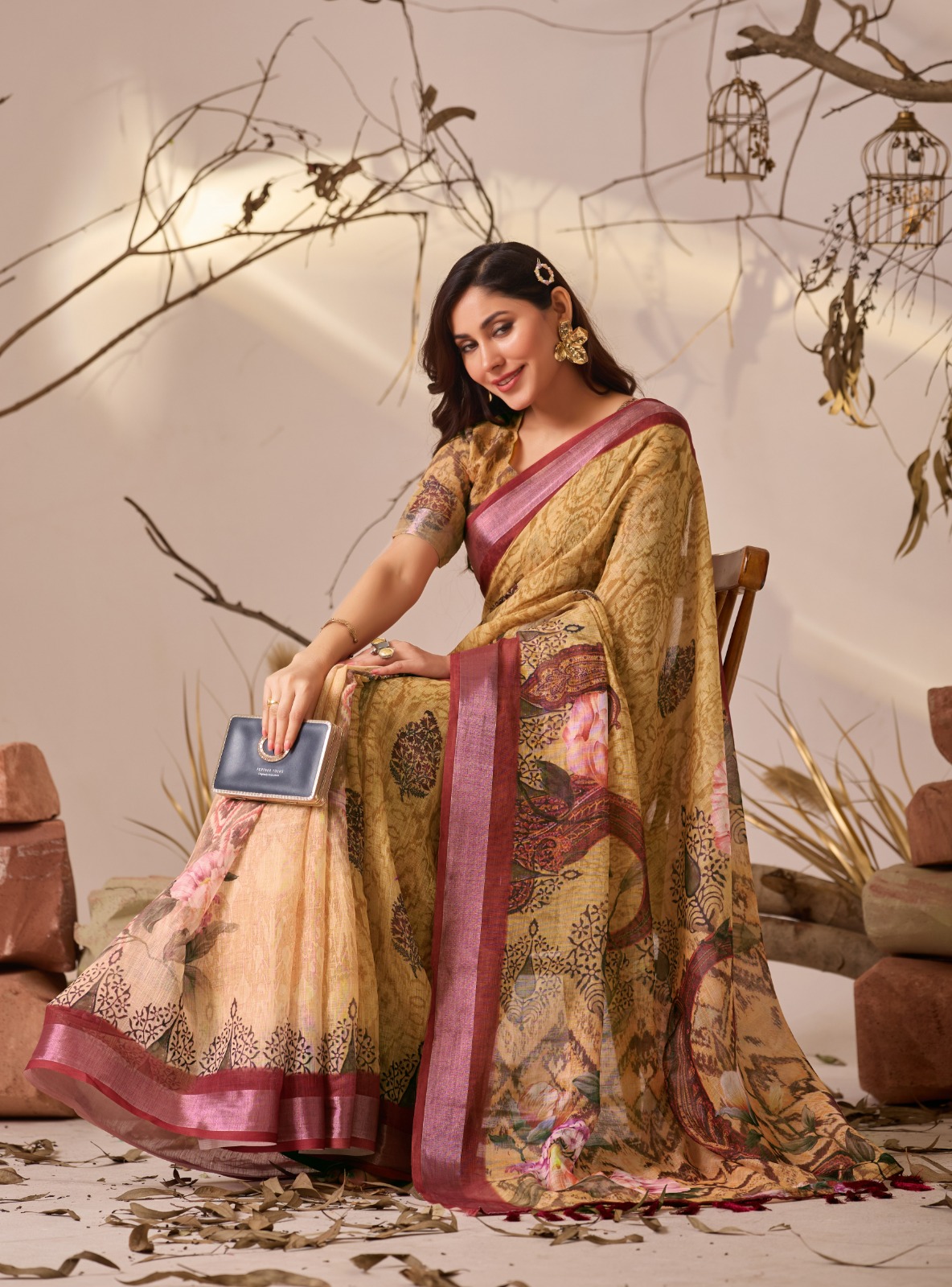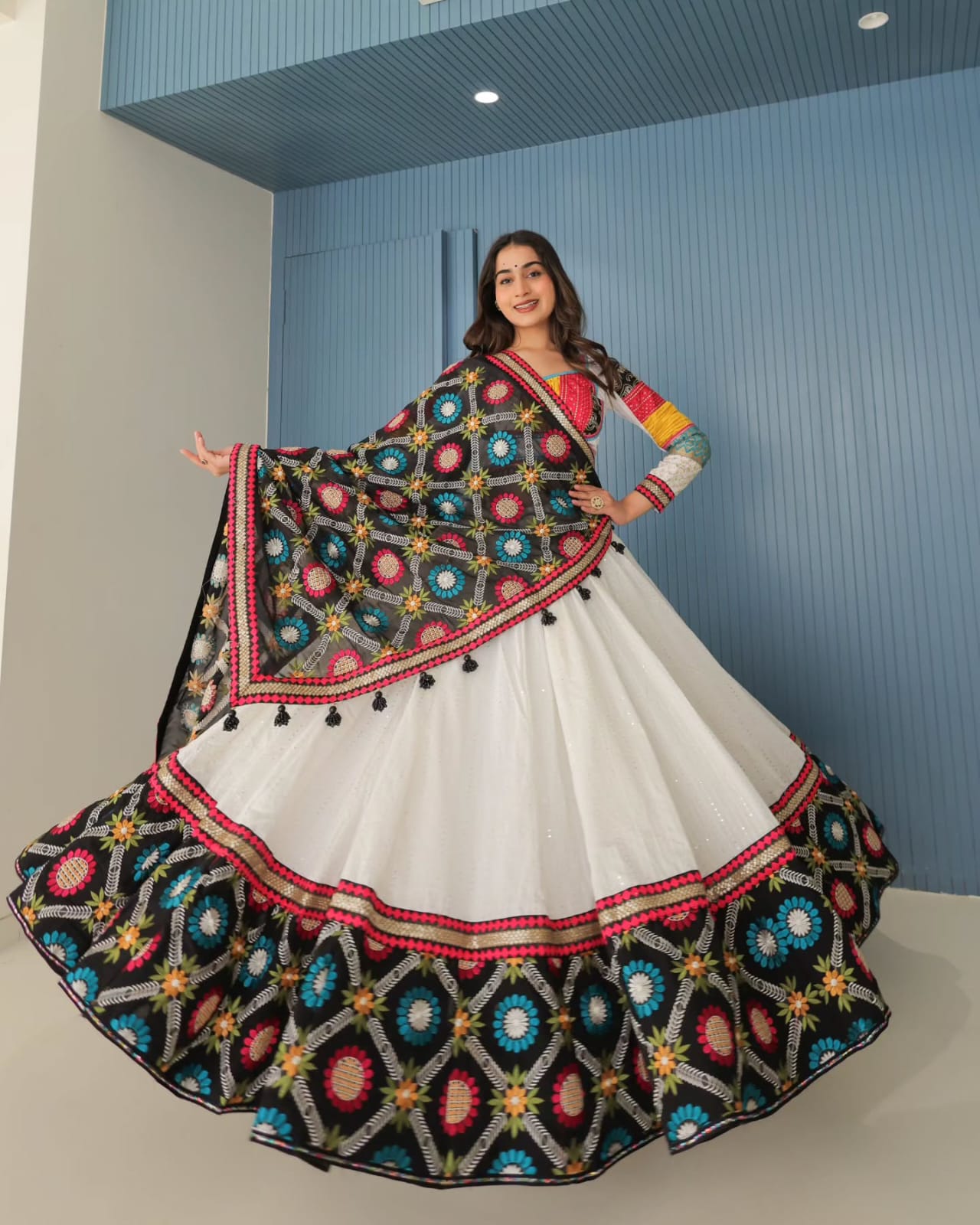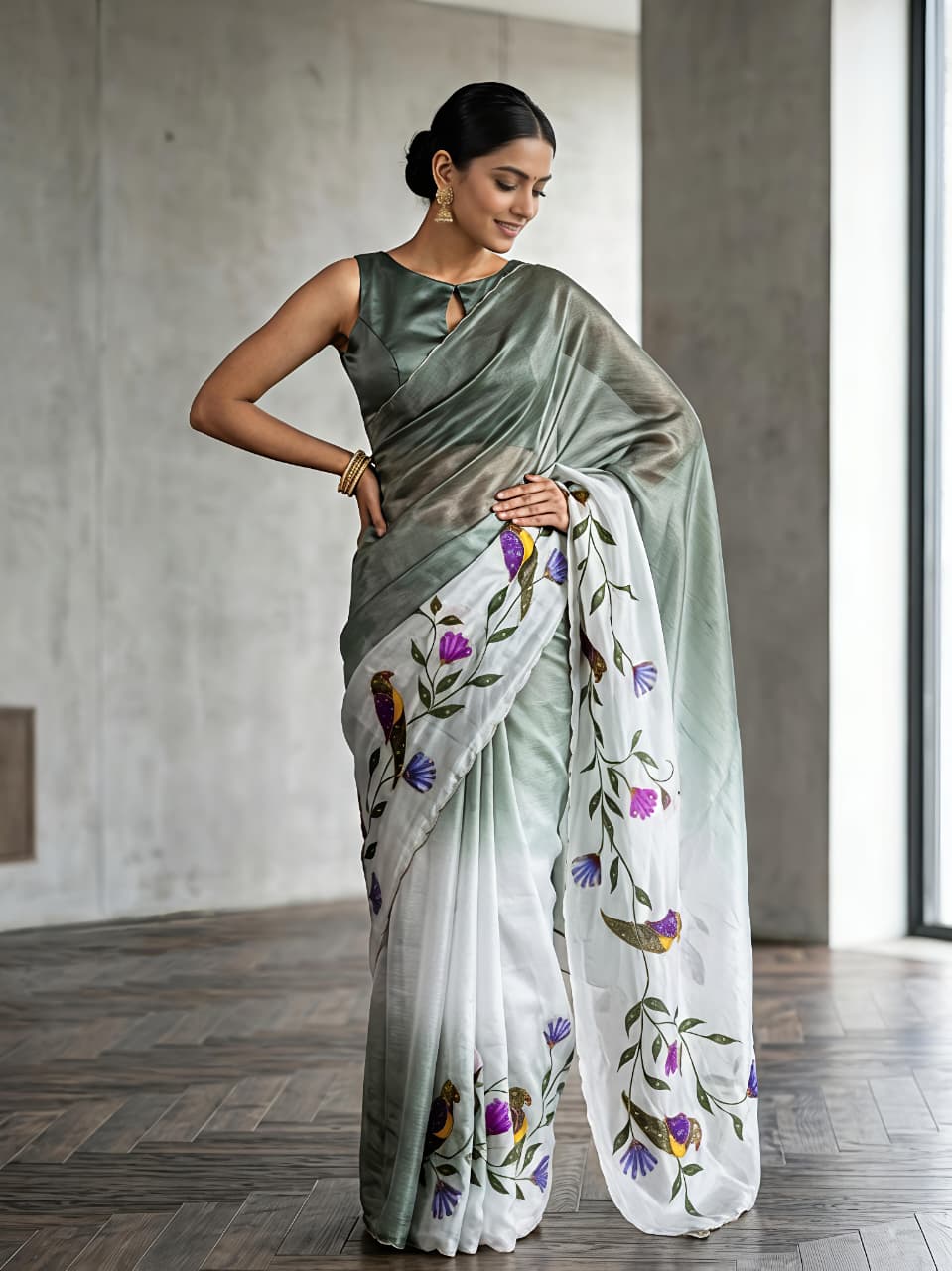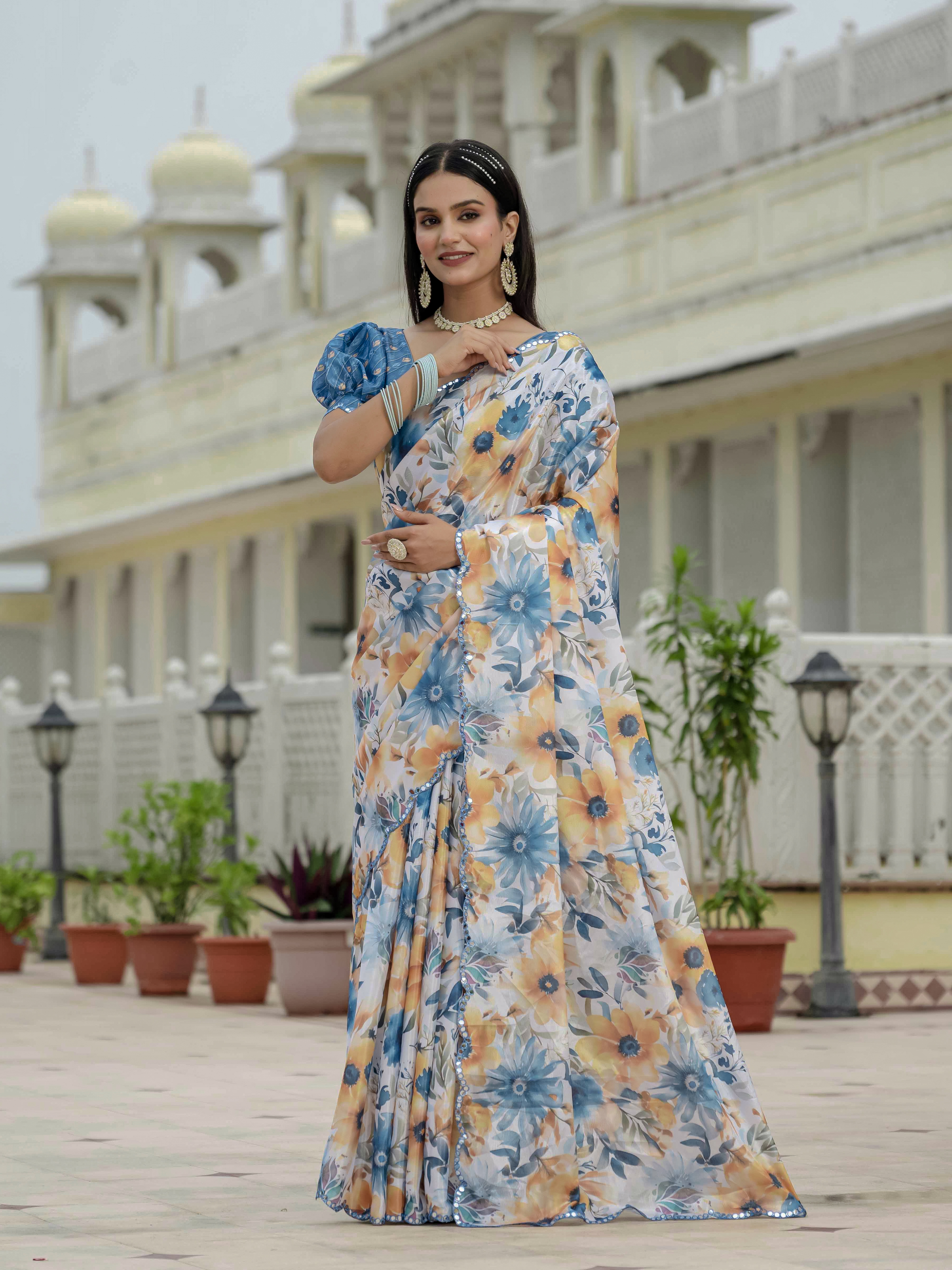
Raja Festival Outfit Ideas: Sambalpuri Sarees & Traditional Odisha Fashion can help you dress for Raja Parba with more cultural awareness, comfort and purpose. A Sambalpuri saree offers a strong starting point, but the complete look also depends on colour, blouse structure, jewellery, hairstyle, footwear and the day's activities. Raja celebrates womanhood, fertility and the earth's resting period in Odisha, so a festive outfit should feel joyful without becoming difficult to move in.
Traditional Odisha fashion includes handloom cotton, ikat weaving, red and black colour combinations, silver jewellery, flowers and regional motifs such as fish, conch shells, wheels, flowers and geometric bands. This guide explains how to create a thoughtful Raja wardrobe, how to distinguish a genuine Sambalpuri textile from a printed imitation, and how to adapt the look when you already own Banarasi silk, maslin silk or a lighter tissue saree.
Raja Festival Outfit Ideas: Sambalpuri Sarees & Traditional Odisha Fashion Begin with the Textile
Sambalpuri sarees suit Raja celebrations because handloom cotton is breathable, visually distinctive and closely associated with Odisha's textile heritage. Cotton is especially useful during humid pre-monsoon weather, while the firm texture of many Sambalpuri weaves helps pleats hold their shape through visiting, sitting and walking.
Ikat is the key technical feature to understand. Artisans tie selected sections of yarn, dye the exposed sections, remove the bindings and then weave the prepared yarn into cloth. The result is a pattern formed within the textile rather than a design printed onto its surface. Small variations in alignment can occur in handloom ikat and are not automatically evidence of poor quality.
Authentic Sambalpuri sarees commonly display motifs on both sides because the design is created during weaving. Buyers should inspect the pallu, border and reverse side in product photographs. A website description that names Odisha handloom, Sambalpuri ikat, weaving details or artisan information provides stronger evidence than a vague claim such as "traditional silk saree."
How can you identify a Sambalpuri saree online?
You can identify a Sambalpuri saree online by checking for a clear reference to Odisha handloom or ikat weaving, photographs of the reverse side, and specific information about fabric, length, border and pallu. A printed saree may look similar from a distance, but printed motifs generally don't have the same woven continuity on both sides.
The phrase "Sambalpuri-inspired" usually indicates a design influenced by Odisha motifs rather than proof of an authentic Sambalpuri handloom. That distinction matters when textile origin is important to your purchase. Handloom marks, weaver details and transparent fabric descriptions can help you make a more informed decision.
Raja Festival Outfit Ideas: Sambalpuri Sarees & Traditional Odisha Fashion for Three Days
The three principal Raja days can each have a different outfit mood: light and breathable for the first day, brighter for Mithuna Sankranti, and more festive for the final day. A three-saree rotation doesn't require three expensive purchases because one cotton saree, one dressier silk and one adaptable tissue or maslin saree can serve different settings.
First Raja: a light daytime saree
A lightweight cotton saree in white, yellow, pink, green or a soft floral shade works well for the first Raja day because the fabric remains comfortable during extended daytime activity. A narrow or medium border, a breathable blouse and flat sandals keep the look practical.
Pastel Floral Tissue Handloom Cotton Saree with Zari Weaves demonstrates how a light base can still appear festive through a small amount of zari. A solid pink, green or gold blouse will keep the outfit balanced better than a second floral print. Small jhumkas, two bangles and a jasmine or tuberose gajra add ceremony without making the outfit heavy.
Silk Sarees Under 3000 With Discount can be an useful browsing category for readers who want a celebratory fabric at a controlled budget, but fabric composition and care instructions should be checked before purchase. A low price doesn't confirm that a saree is Sambalpuri, handwoven or made from pure silk.
Mithuna Sankranti: a brighter family-visit look
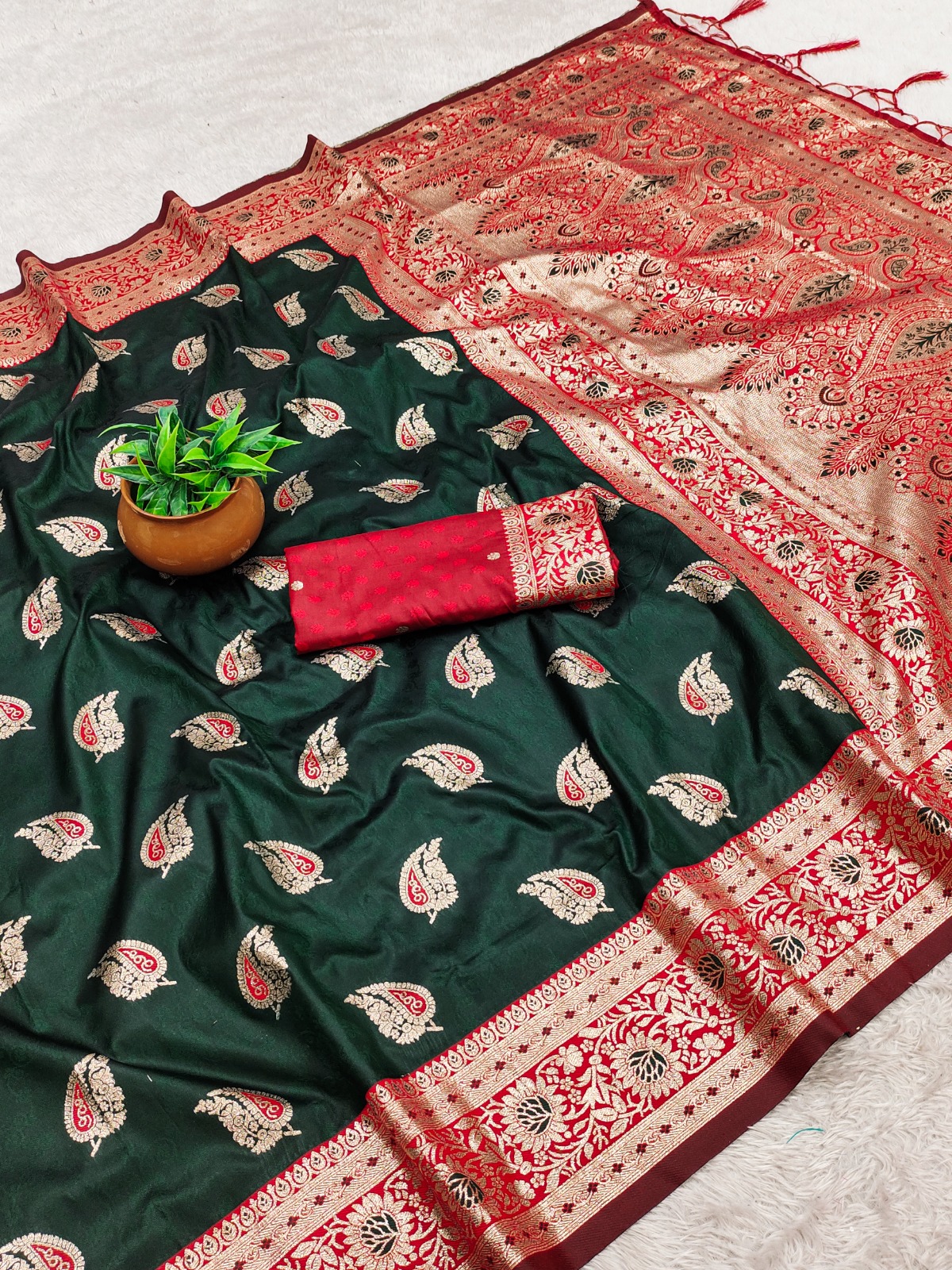
Mithuna Sankranti, the second day of Raja, suits a stronger colour combination and a more defined blouse. Rani pink, maroon, mustard, red and deep green photograph well for family visits while retaining a festive Indian character.
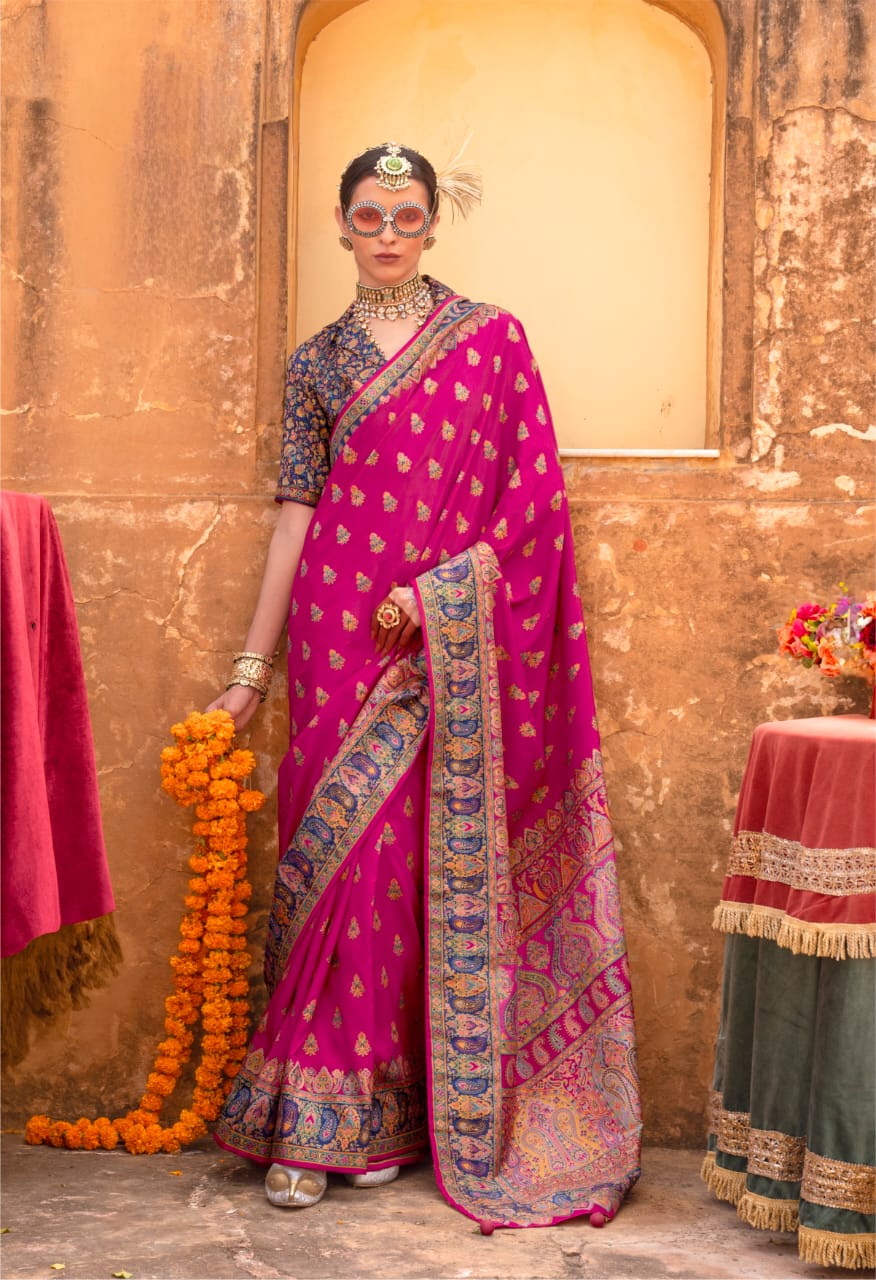
Rani Pink Banarasi Soft Silk Saree With Golden Zari Borders gives a polished alternative when a Sambalpuri cotton saree isn't suitable for the gathering. Banarasi silk belongs to a different Indian textile tradition, so it should be described accurately rather than labelled Sambalpuri. A plain short-sleeved blouse, low bun and modest gold earrings will keep the saree elegant without making a daytime look too formal.
Last Raja: a richer evening outfit
The final Raja day allows deeper colour, a more detailed blouse or a richer silk saree, particularly for an evening gathering. Maroon, deep pink and mustard create a heritage-inspired palette when paired with gold borders and a visible pallu.
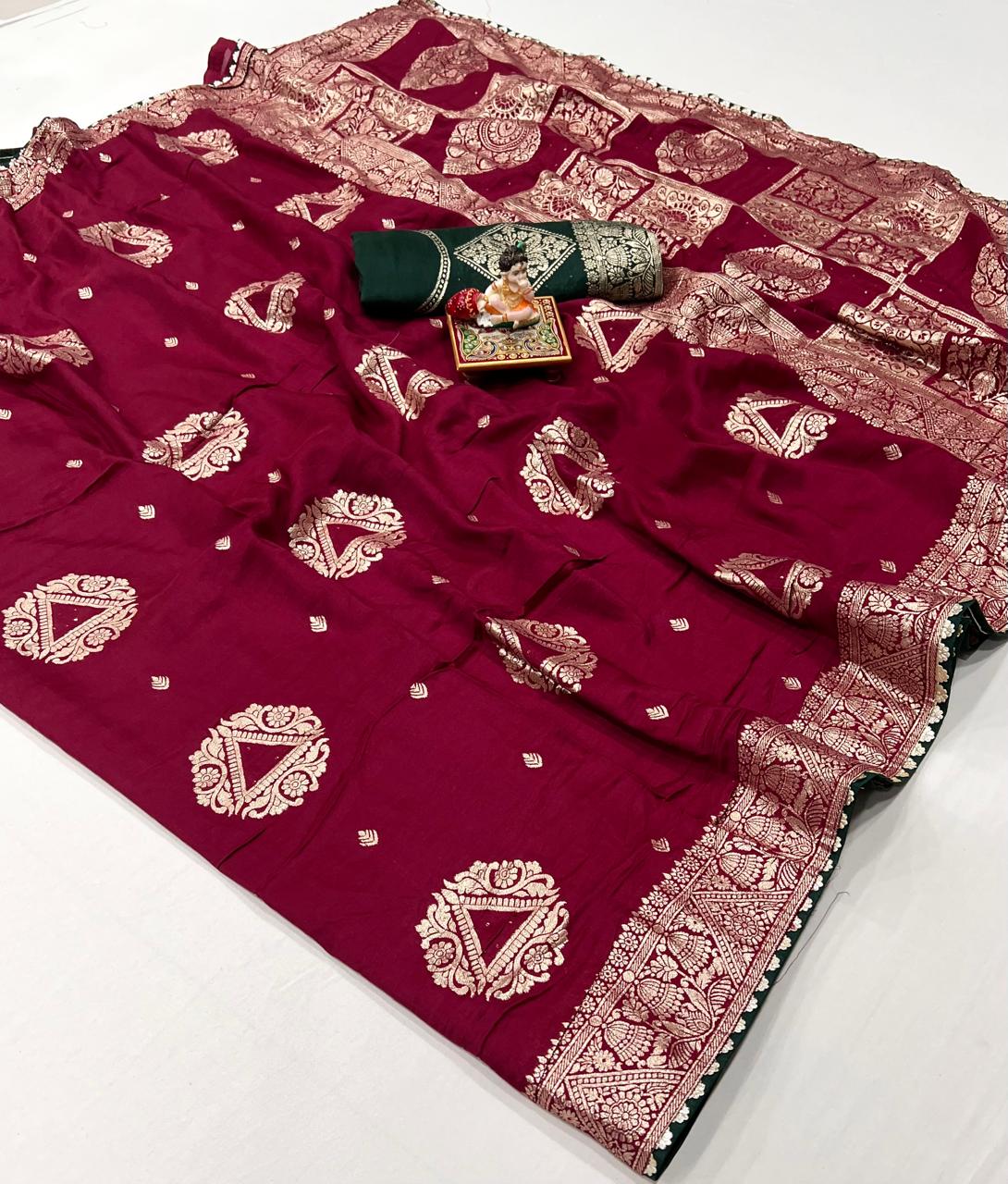
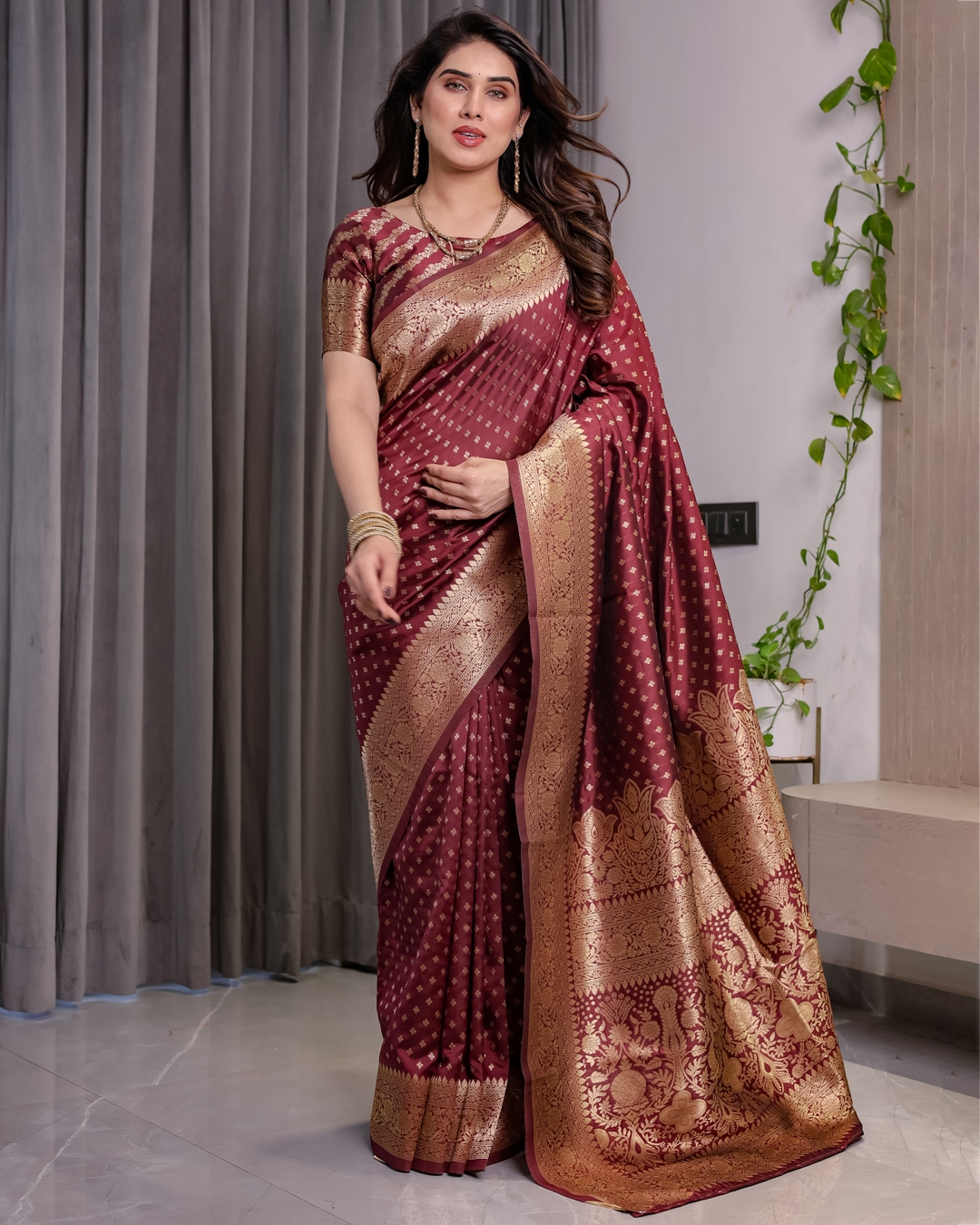
Festive Maroon Maslin Silk Saree with Rich Pallu works as an evening option because the pallu brings visual interest without requiring a heavily embellished blouse. Antique gold earrings, a secure pleat arrangement and a firm but comfortable petticoat waistband make the outfit easier to manage during movement.
Raja Festival Outfit Ideas: Sambalpuri Sarees & Traditional Odisha Fashion with the Right Blouse
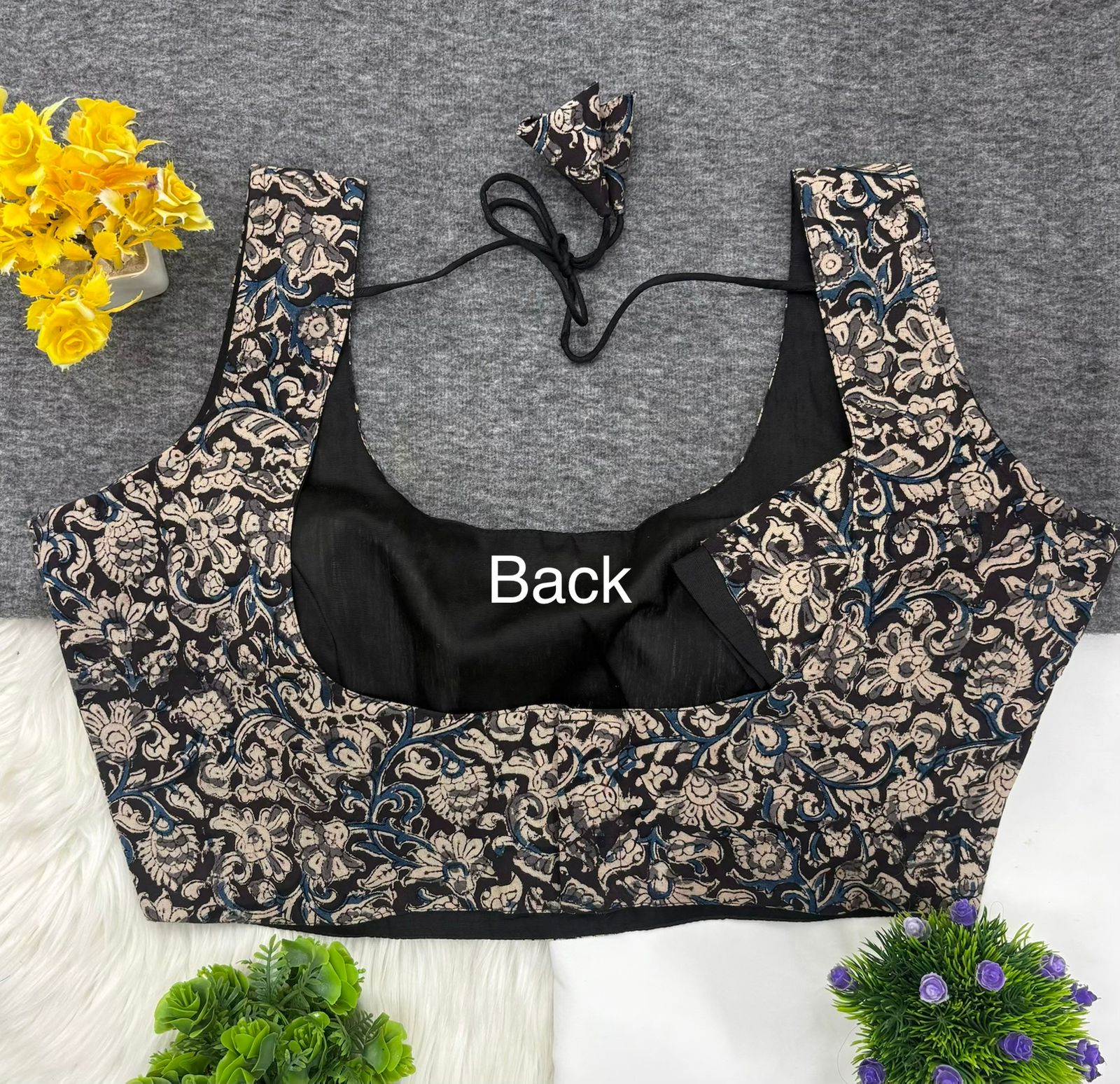
A plain blouse in one colour from the saree border is the most reliable way to keep a Raja outfit coordinated. Cotton or cotton-silk blouses improve comfort in warm weather, while elbow-length sleeves, a modest V-neck or a boat neck provide structure without overwhelming the handloom pattern.
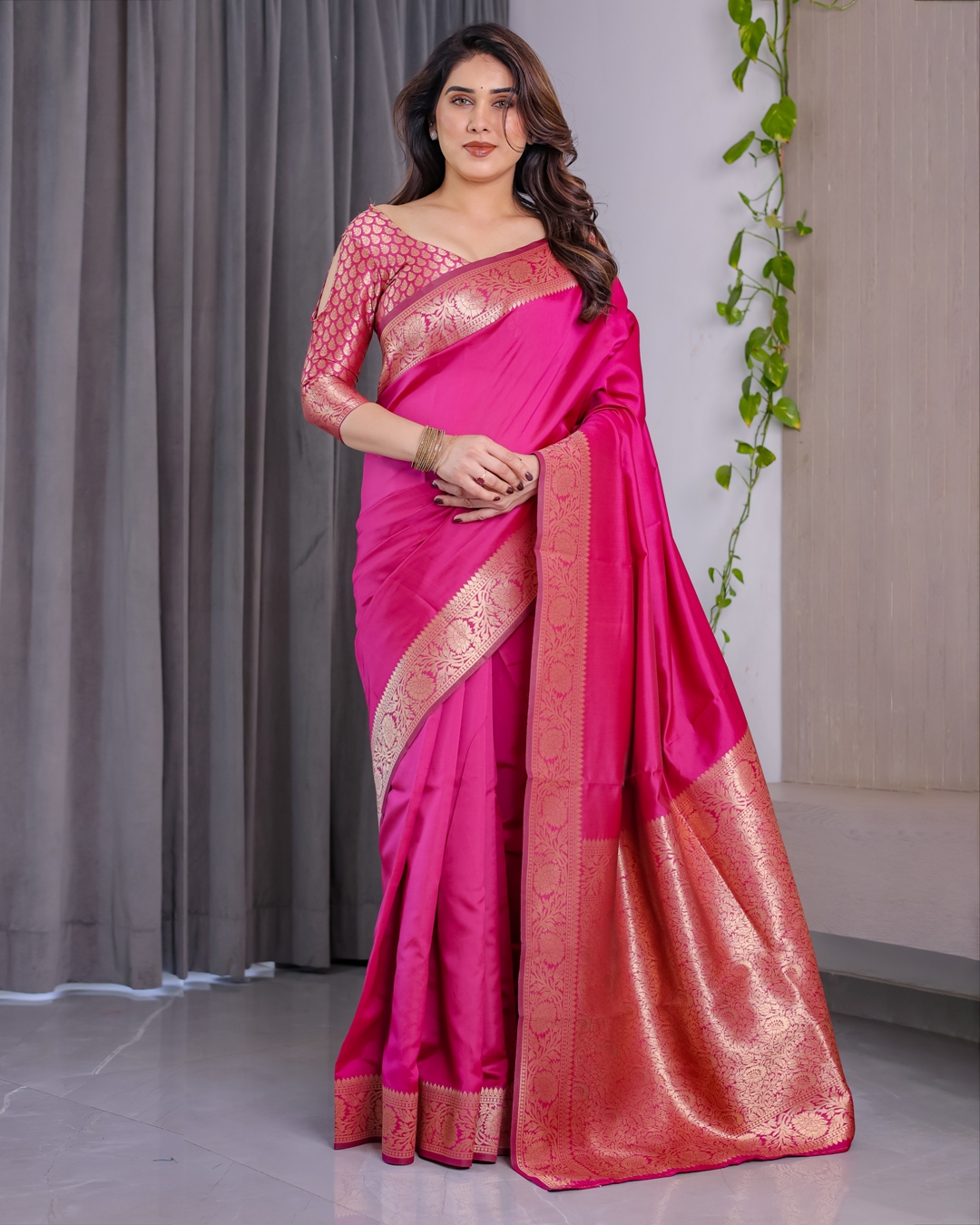
A red blouse can energise a black-and-white Sambalpuri saree, while a mustard blouse can bring out yellow motifs without copying every detail. A plain blouse also allows regional jewellery and the saree's woven design to remain visible.
Traditional without blouse styling is possible when a ready-made blouse is unavailable, but the replacement top should still relate to the saree's formality. A tailored cotton blouse, a structured kurti-style top or a simple high-neck blouse can provide coverage. A casual T-shirt may be comfortable, but its shape and fabric can look disconnected from a formal zari border.
Pink Georgette Sarees can inspire a lighter contemporary interpretation when you prefer a fluid drape rather than a firm cotton silhouette. Georgette isn't a substitute for Sambalpuri handloom, so the saree's fabric identity should remain clear. Pairing a plain blouse with regional silver jewellery can suggest an Odisha-inspired mood without making an unsupported claim about origin.
Raja Festival Outfit Ideas: Sambalpuri Sarees & Traditional Odisha Fashion Through Jewellery and Hair
Silver jewellery gives a strongly Odisha-influenced finish to a cotton Sambalpuri saree. Silver jhumkas, a broad bangle, a coin necklace or a simple choker can complement woven motifs without competing with them. Choose one prominent jewellery piece when the saree already has a wide border.
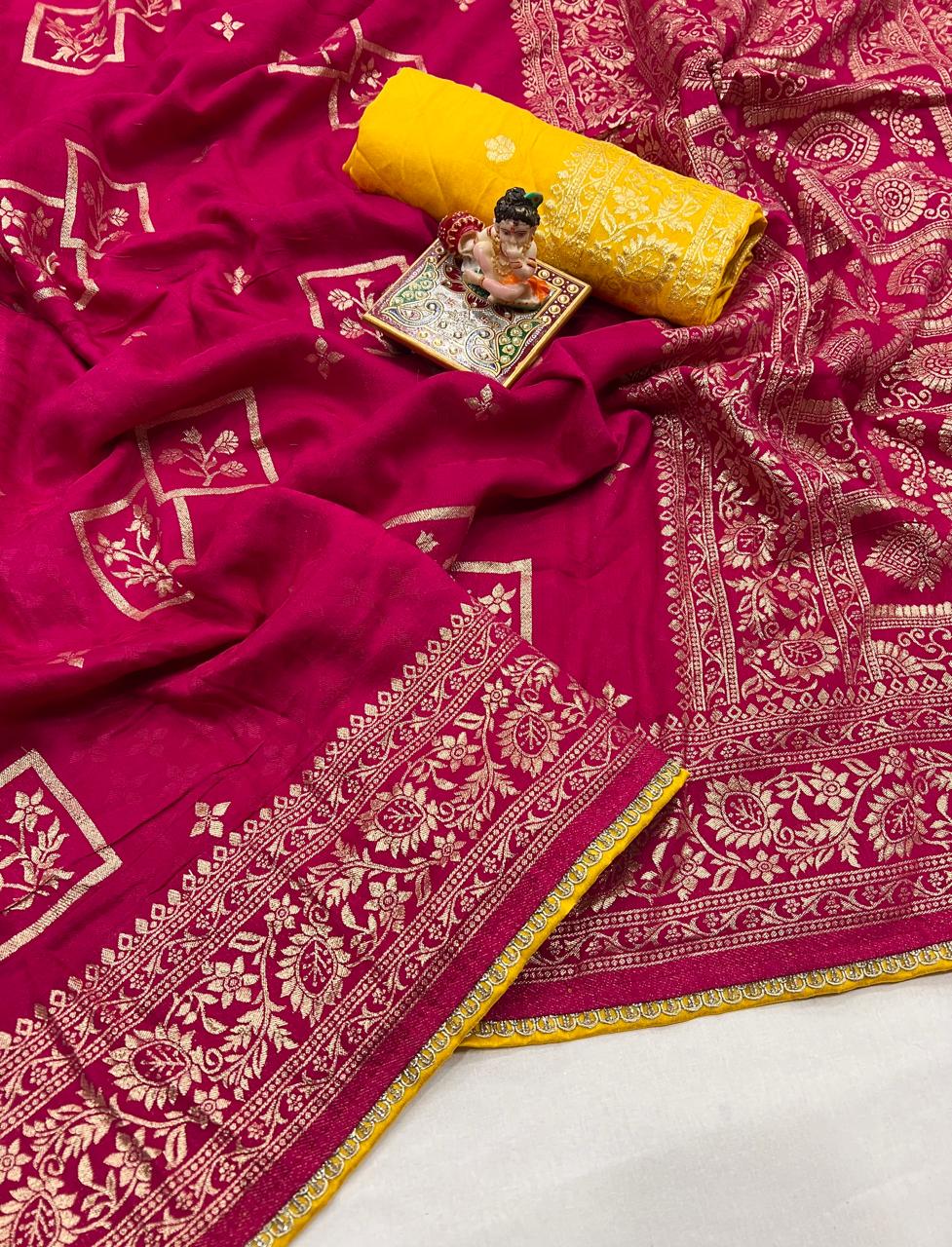
Gold jewellery works naturally with zari, Banarasi silk, maroon, mustard and rani pink. Rani Pink Banarasi Silk Saree with Jacquard Zari Border needs little additional ornament because its jacquard border already supplies pattern and shine. Small gold earrings and a narrow bangle may be enough for a family lunch.
A centre-parted low bun, braid or half-up hairstyle keeps the pallu visible and performs better in humid weather than loose curls. Jasmine and tuberose flowers add a recognisable festive detail. Kajal, a defined brow, tinted lip colour and a small red bindi create a finished daytime look without requiring elaborate makeup.
Red Banarasi Silk Sarees for Weddings Under 1100 may appear in search results while you compare festive colours, but a wedding-focused product should not automatically be treated as a Raja-specific textile. Red is culturally versatile, yet the drape, blouse and jewellery can make the same saree feel either bridal or appropriate for a regional festival.
Raja Festival Outfit Ideas: Sambalpuri Sarees & Traditional Odisha Fashion for Comfortable Draping
The standard Nivi drape is usually the most practical Raja option because the pleats remain manageable and the pallu is easy to secure. Pin the shoulder pallu at two points, use a safety pin inside the pleat stack and wear your intended footwear before setting the final saree length.
A cotton underskirt with a firm but comfortable drawstring prevents the saree from sliding. Avoid tying the waistband so tightly that sitting on the floor becomes uncomfortable. Three to five evenly spread pleats generally create a clean silhouette without adding unnecessary bulk.
Flat juttis, Kolhapuri-style sandals or low wedges are safer choices than slippery high heels when monsoon weather makes floors wet. A small crossbody bag or compact potli can hold essentials while leaving both hands free for greetings, food and movement between rooms.
Party Wear Sarees can provide useful styling references for pallu placement and blouse proportions, but Raja dressing benefits from restraint. Excessive sequins, very stiff fabric and multiple layers of heavy jewellery can make a daytime festival outfit uncomfortable and visually disconnected from the breathable handloom character associated with Odisha.
Raja Festival Outfit Ideas: Sambalpuri Sarees & Traditional Odisha Fashion Beyond Sambalpuri Weave
When an authentic Sambalpuri saree is unavailable, choose a breathable handloom cotton for daytime and reserve Banarasi, maslin silk or soft silk for cooler evenings. Fabric weight, lining, border stiffness and local weather should guide the decision more than the word "traditional" in a product title.
Cream Pink Tissue Handloom Cotton Saree with Zari brings a soft colour combination for a morning visit. Pairing the saree with a pink, cream or muted green blouse and silver jewellery creates a gentle festive look. The saree may resemble the lightness of a handloom Raja outfit, but its exact weave identity should be described according to the product information.
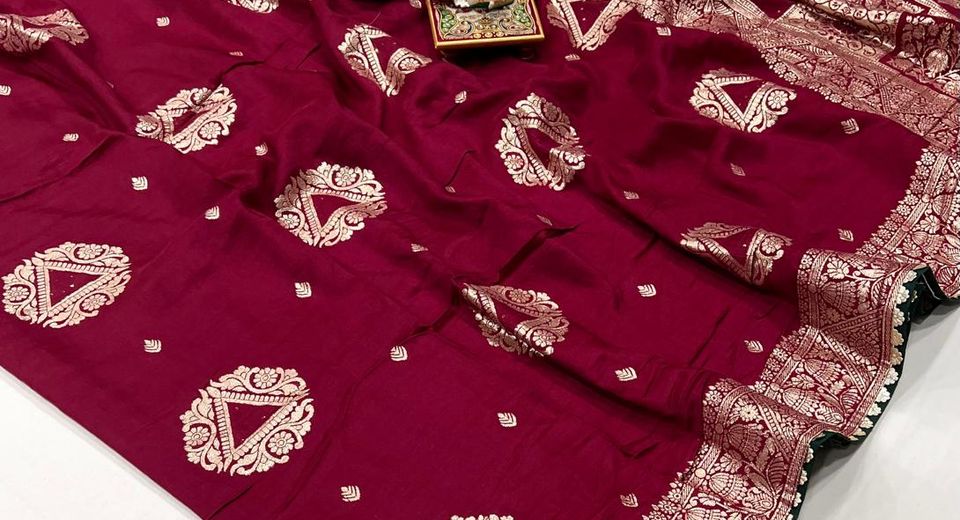
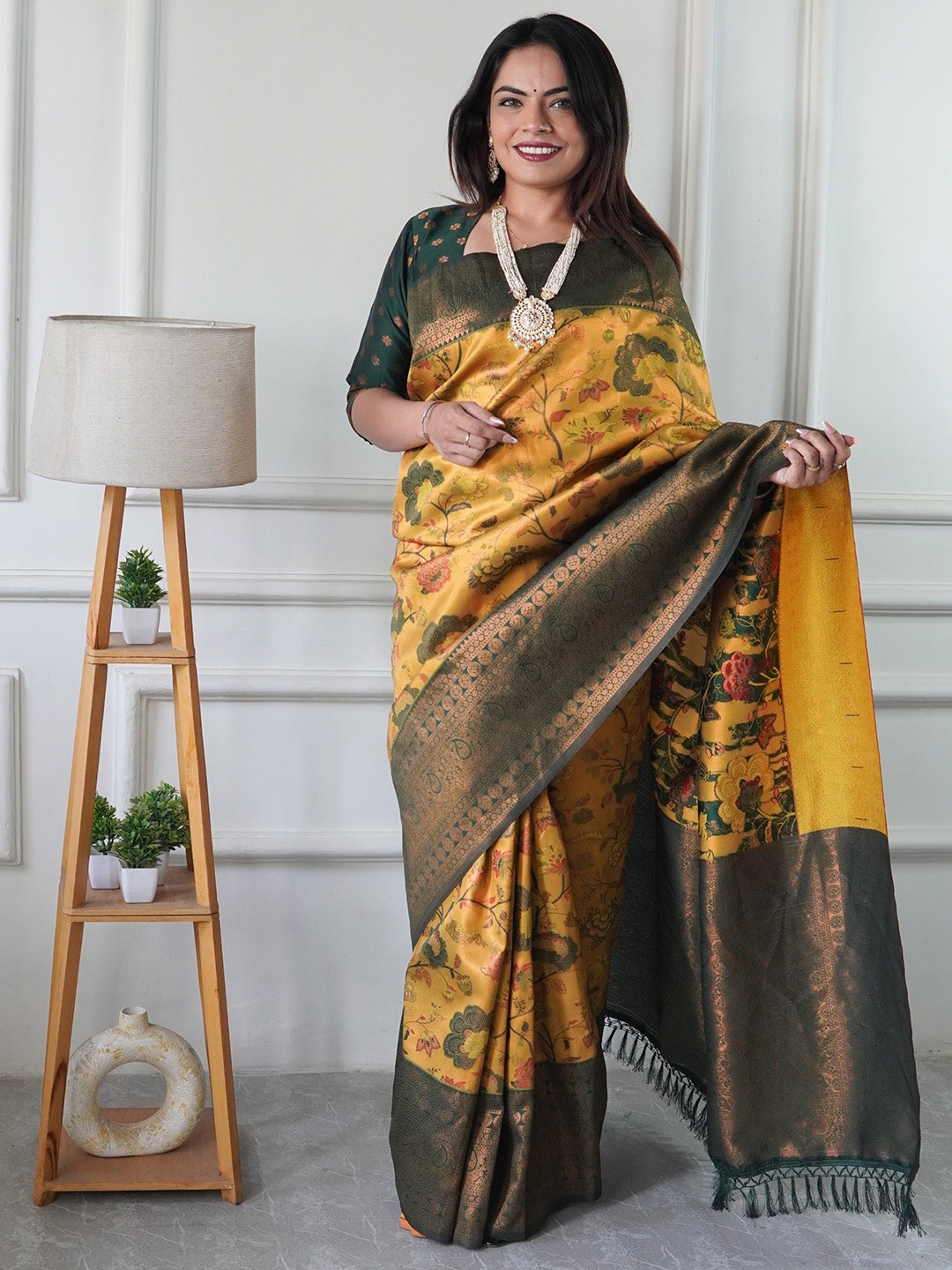
Maroon Banarasi Soft Silk Saree with Golden Zari Border is more formal and suited to an evening gathering or a family event where silk is expected. Royal Mustard Bloom Banarasi Silk Saree gives a warmer colour route, especially with a deep green, maroon or antique-gold blouse. Both sarees belong to the Banarasi silk tradition rather than the Sambalpuri tradition.
Premium Rani Pink Maslin Silk Saree with Gold Zari creates a smooth, dressier drape for a final-day celebration. A plain gold blouse, low bun and restrained jewellery will prevent the look from becoming overly ornate. Silk traditional dressing can honour the mood of Raja while still requiring honest textile naming.
Gray Color Sarees Under 1000 may be useful for readers seeking an affordable neutral saree, but grey usually needs a deliberate festive accent for Raja. Add a red, pink or mustard blouse, silver jewellery and flowers to give a muted saree more seasonal energy.
Raja Festival Outfit Ideas: Sambalpuri Sarees & Traditional Odisha Fashion Shopping Checklist
An useful Raja saree shopping checklist includes fabric, weave, saree length, blouse-piece availability, border width, care method and delivery timing. Check whether the saree is handloom cotton, silk, maslin, georgette or tissue before comparing prices. Check whether zari is metallic, imitation or simply described as zari-toned when the finish matters to you.
Order at least seven to ten days before the festival if the saree needs blouse tailoring, fall and edging, steaming or alterations. A made-to-measure blouse often needs a bust measurement, shoulder measurement, armhole depth and sleeve length rather than a single standard size. A two-inch fitting allowance can make last-minute adjustments easier.
Online websites can make traditional sarees accessible across India, but photographs should be read alongside product specifications. Look for close images of the border and pallu, a stated fabric composition, care instructions and a clear exchange or return window. A product title alone can't establish authenticity.
Collections such as Party Wear Sarees, Pink Georgette Sarees and Silk Sarees Under 3000 With Discount can help organise a search, while the final choice should be based on the textile and the event. A thoughtful buyer distinguishes a Sambalpuri handloom from a Sambalpuri-inspired print and a Banarasi silk from an Odisha weave.
Raja Festival Outfit Ideas: Sambalpuri Sarees & Traditional Odisha Fashion work best when the outfit respects both celebration and comfort. Choose a textile you can identify, wear a blouse that supports movement, repeat one or two border colours in the accessories and leave enough space for the saree's own craft to be seen. That approach creates a festive look with cultural clarity rather than relying on decoration alone.
Questions Readers Ask About Raja Sarees and Odisha Festival Dressing
What is the best website to buy a saree online in India for Raja Festival dressing?
The best website is one that provides exact fabric composition, weave or origin details, saree measurements, blouse information, care instructions and a clear exchange policy. Compare product photographs with the written description, especially when you are looking for an authentic Sambalpuri saree rather than a printed Sambalpuri-inspired design.
Where can I buy ready-to-wear sarees online in India for Raja celebrations?
Ready-to-wear sarees are available through online ethnic-wear websites and marketplaces, but Raja buyers should check whether the pre-stitched design uses breathable cotton, georgette, silk or another fabric. Confirm the waist range, pleat position, pallu length and blouse sizing because these features determine comfort more than the phrase "ready to wear."
What are some trending traditional sarees for Raja Festival?
Sambalpuri ikat cotton sarees, lightweight handloom cotton sarees, Banarasi silk sarees, maslin silk sarees and zari-detailed tissue sarees are popular traditional choices. Sambalpuri cotton is the most directly connected to Odisha textile heritage, while Banarasi silk and maslin silk provide alternative festive looks with different regional identities.
Where can I buy authentic South Indian sarees for a traditional festival outfit?
Authentic South Indian sarees are best purchased from sellers that name the specific tradition, such as Kanjeevaram, Chettinad cotton, Mangalgiri or Kerala Kasavu, and provide weave or artisan information. A South Indian saree can be beautiful for Raja, but it should not be described as Sambalpuri because the textile histories are different.
Can I wear a Banarasi silk saree for Raja Festival?
You can wear a Banarasi silk saree for Raja Festival, particularly for an evening gathering or the final celebration day. Banarasi silk is a North Indian textile tradition, so pair it with comfortable styling and describe it as Banarasi rather than calling it Sambalpuri.
What should I wear with a Sambalpuri saree if I do not have a matching blouse?
Wear a plain blouse in a colour taken from the saree border, such as red, mustard, black, cream, green or pink. A cotton or cotton-silk blouse with a modest neckline and comfortable sleeves will usually complement the ikat pattern better than a heavily printed blouse.