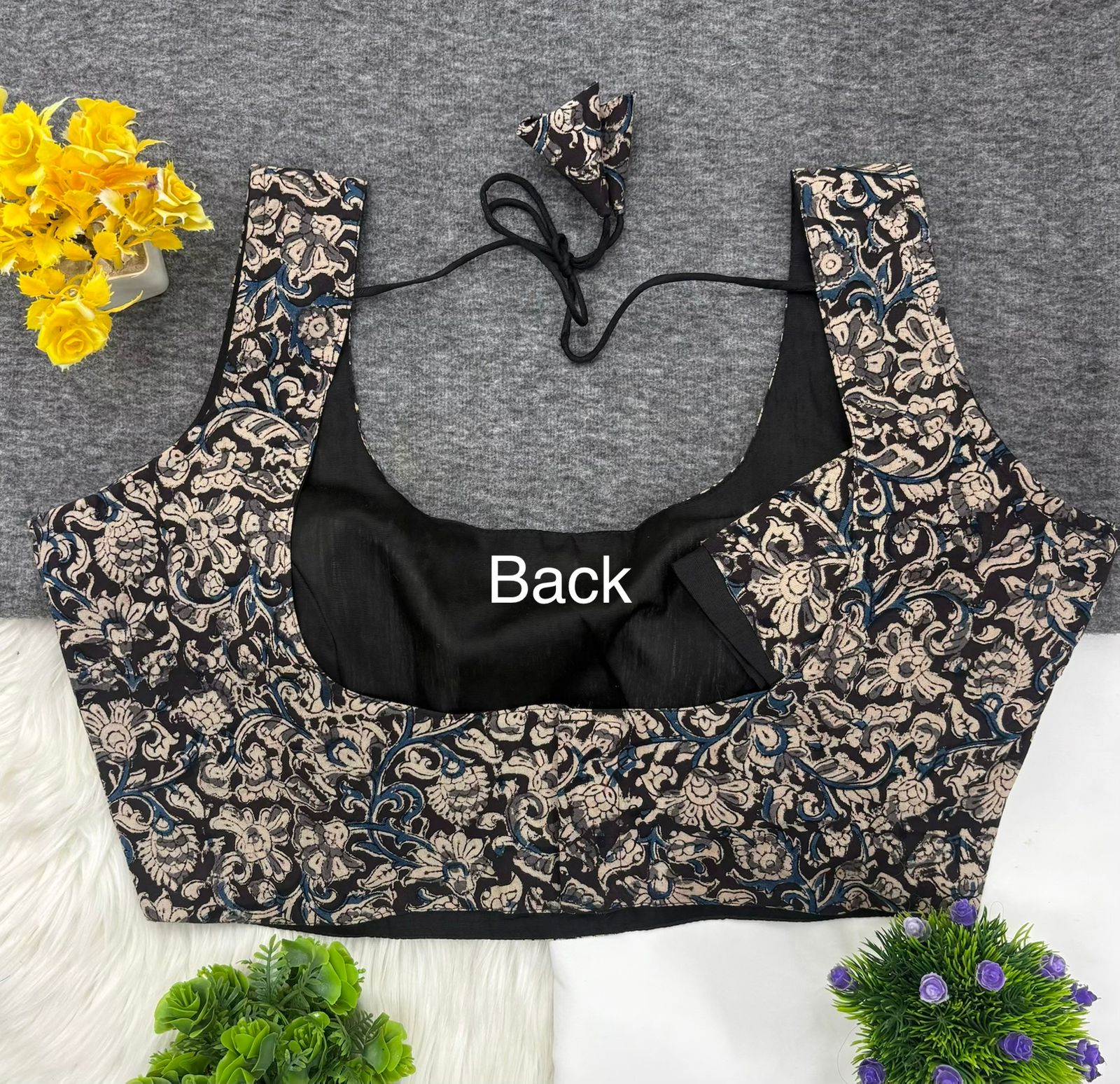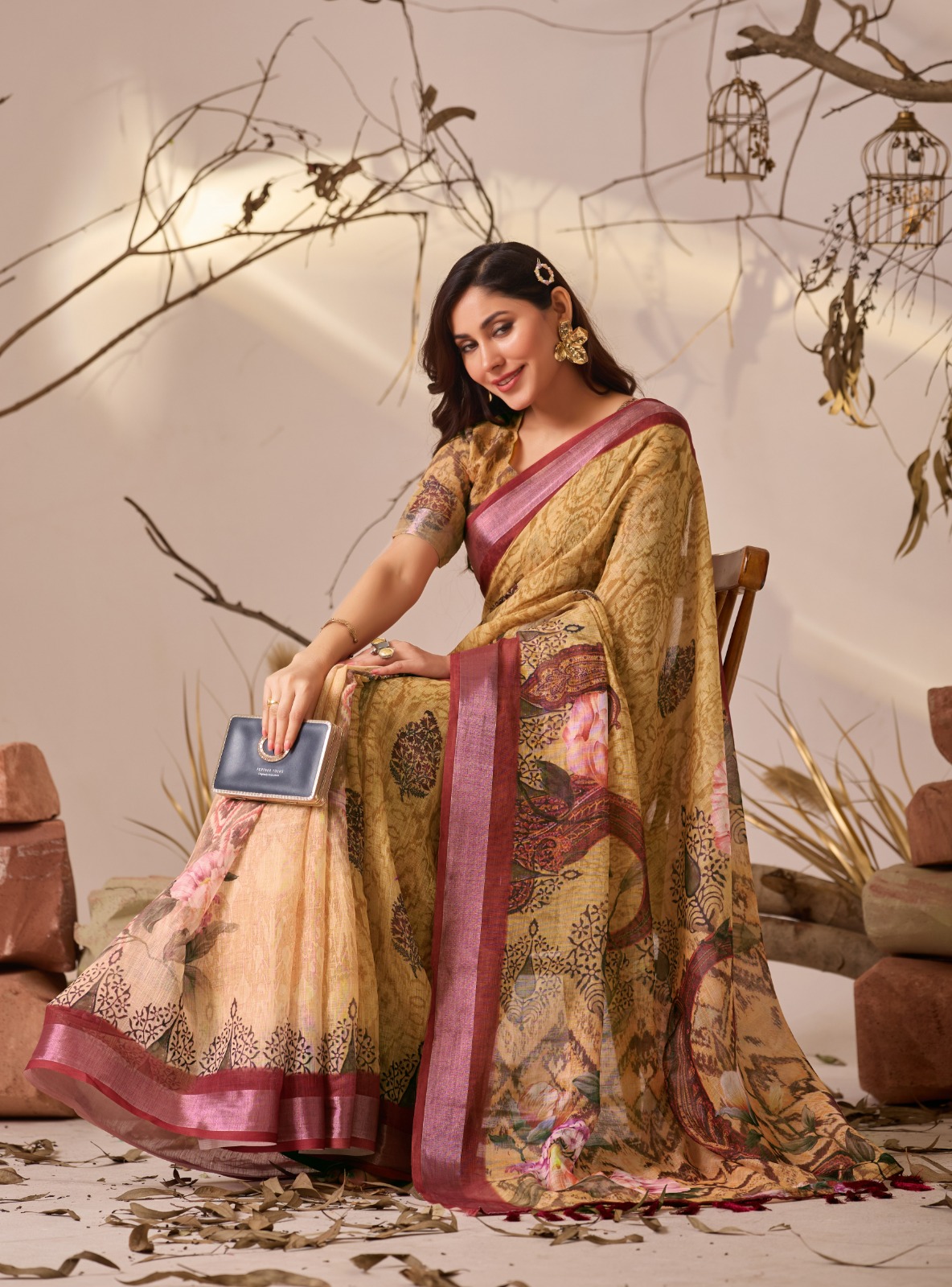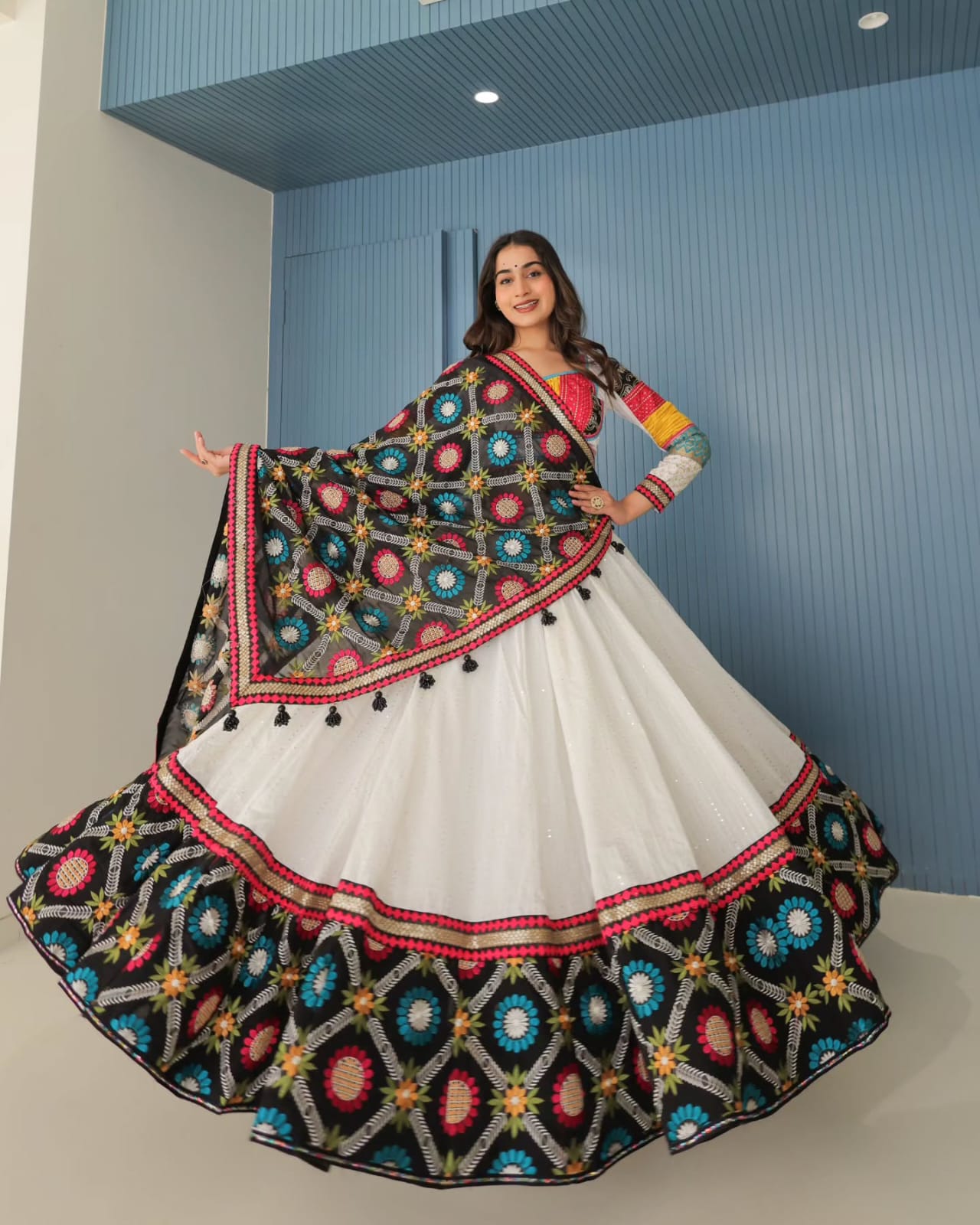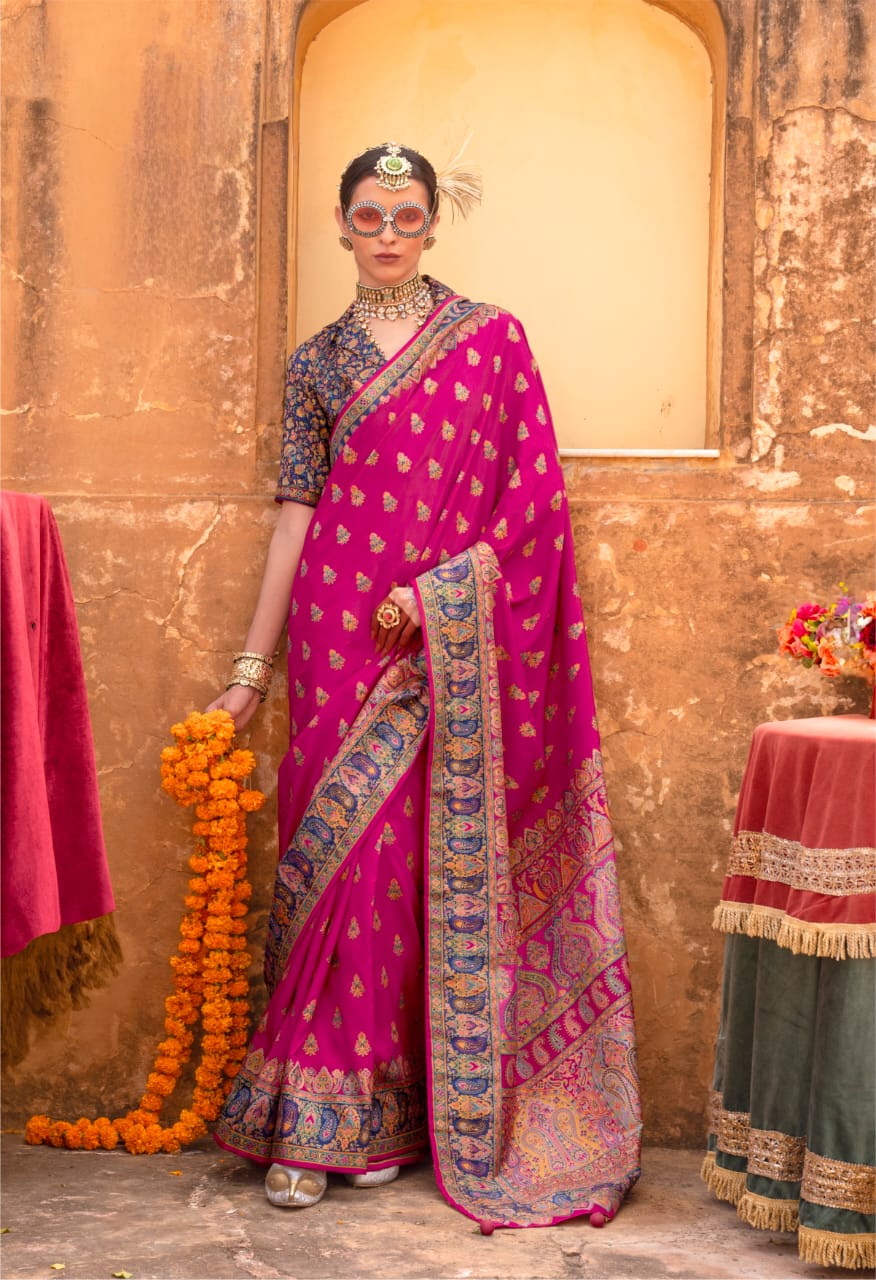
Pushkar Fair Fashion Guide: Traditional Sarees and Ethnic Wear becomes much more useful when clothing decisions account for Rajasthan's dry air, strong sunlight, dusty lanes and hours spent walking. A saree can look festive and photograph beautifully at Pushkar, but the right fabric, secure drape, sensible footwear and compact accessories determine whether it remains comfortable from a morning visit to the camel ground through an evening cultural programme.
Pushkar Fair brings together livestock trading, folk performances, religious visits, craft stalls, music, photography and crowded market streets. These activities require clothing that moves easily and withstands outdoor conditions. The most successful outfit combines Indian craft and festive colour with practical choices such as a firmly pinned pallu, breathable fabric and shoes that can handle uneven ground.
Pushkar Fair Fashion Guide: Traditional Sarees and Ethnic Wear for Changing Weather
Pushkar Fair clothing needs to balance celebration, mobility, sun protection and cultural respect rather than focus only on ornamentation. A heavily embellished outfit may appear impressive indoors but can become warm, cumbersome and difficult to manage across a full day outside.
Pushkar lies in a semi-arid part of Rajasthan, so daytime conditions can feel hot and bright while early mornings and late evenings may become noticeably cold during the fair season. Dust can settle on hems, footwear and loose dupattas. A practical outfit therefore has a washable or simple-care base, a controlled silhouette and enough room for a lightweight layer.
Choose a saree or ethnic outfit that allows a comfortable stride, sitting on low seating and entering crowded spaces without constant adjustment. Avoid a floor-trailing hem, very delicate tassels and jewellery that catches on bags or people. A blouse with secure shoulder seams and a neckline that remains comfortable for several hours is more valuable than a dramatic but restrictive design.
Religious areas around Pushkar may call for more modest coverage than a resort or party setting. A saree with a properly placed pallu, a blouse with secure coverage and a shawl or light stole for cooler hours can adapt to both the fairground and temple-adjacent spaces.
Pushkar Fair Fashion Guide: Traditional Sarees and Ethnic Wear by Fabric
Lightweight cotton, linen-cotton, cotton silk and breathable handloom fabrics are generally the most practical saree choices for a long day at Pushkar Fair. These materials allow better airflow than dense synthetic layers and are easier to manage when the weather is warm.
Pushkar Fair Fashion Guide: Traditional Sarees and Ethnic Wear for Afternoon Heat
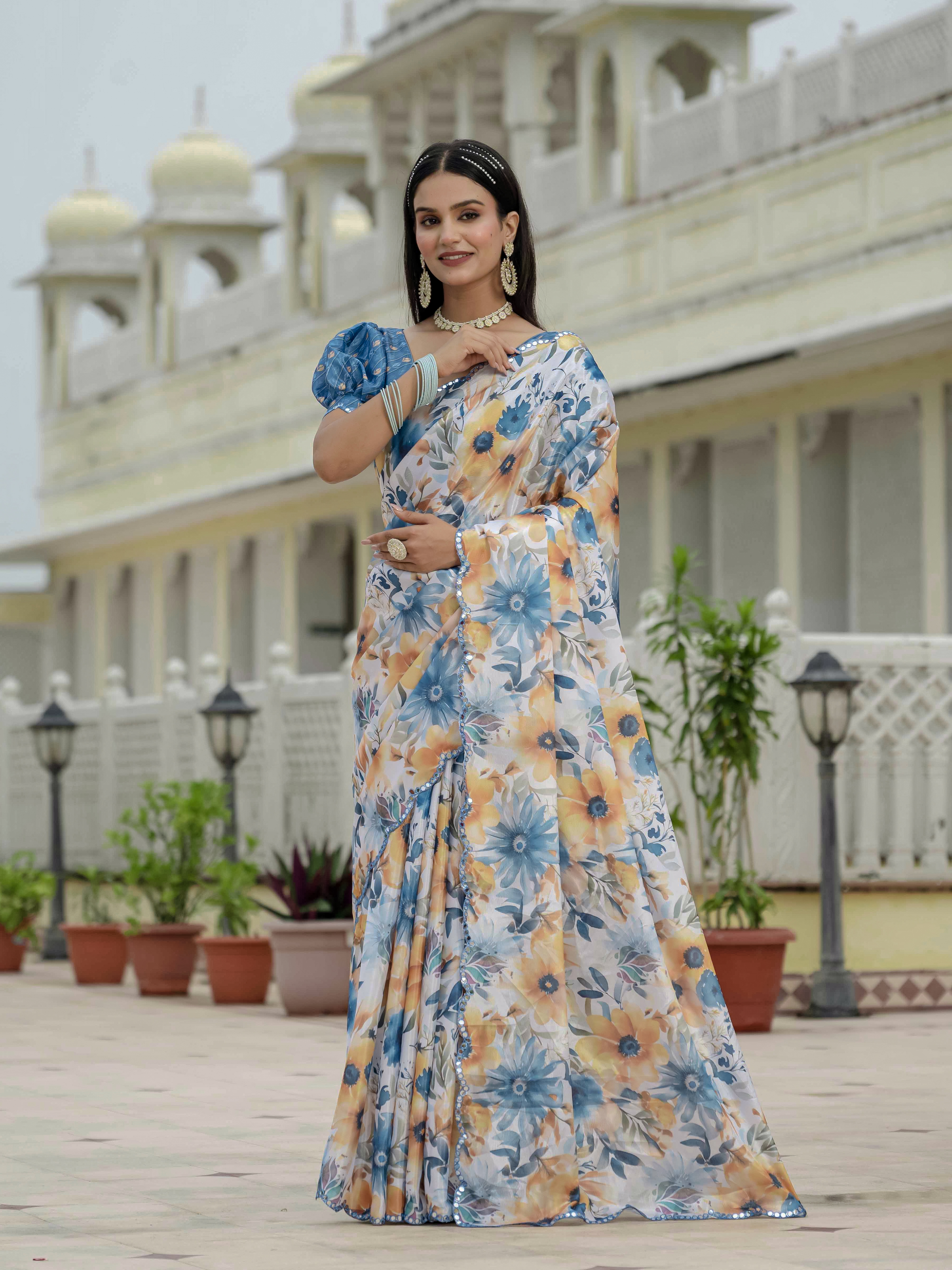
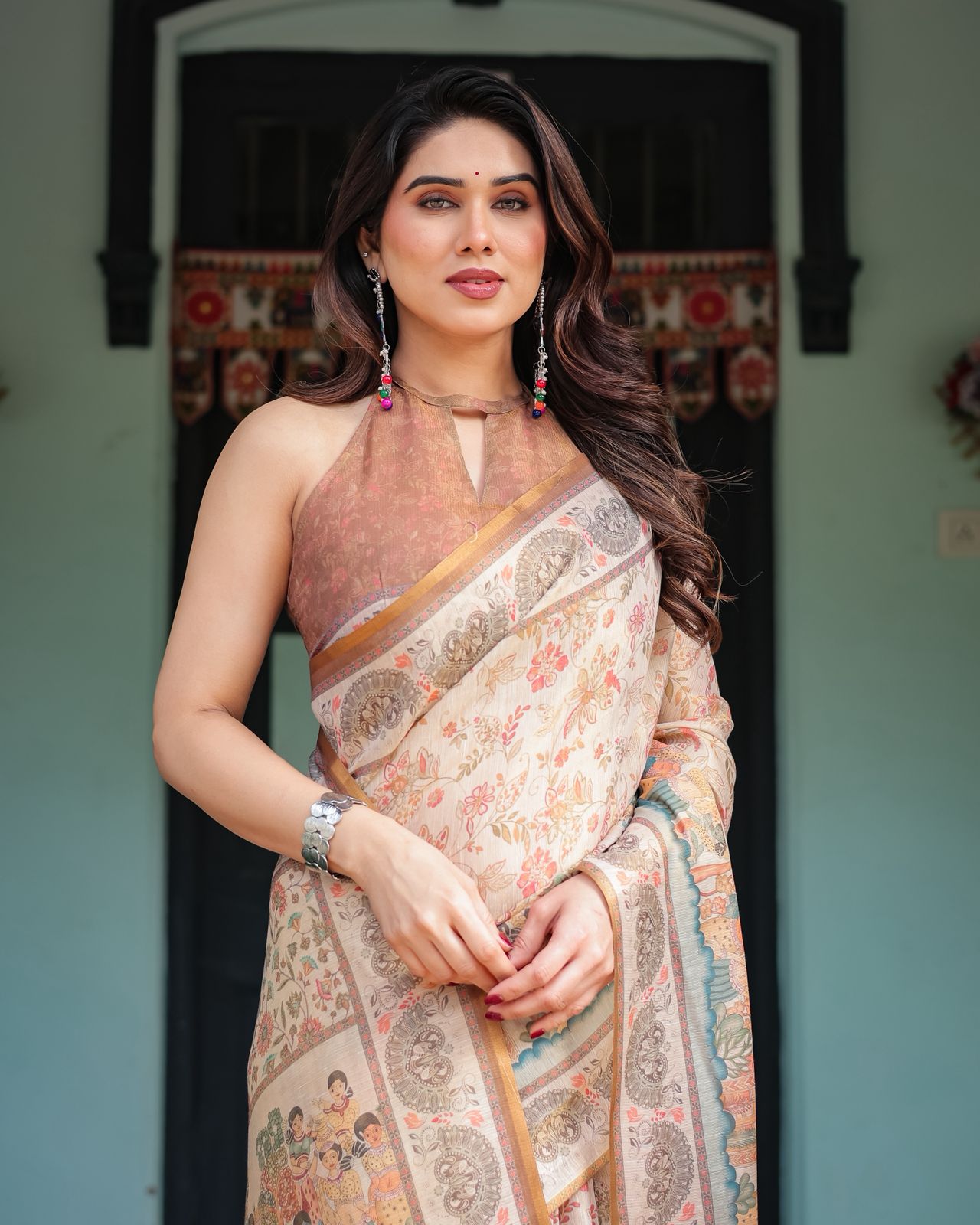
Linen-cotton is a strong choice when you want structure without excessive weight. Linen-cotton often holds pleats neatly, feels airy and gives a relaxed artisanal appearance suited to a craft-focused fair. Pastel Linen Cotton Floral Print Saree with Designer Blouse and Peach Linen Cotton Floral Print Saree with Blouse for Women show how soft prints can create a festive look without requiring heavy jewellery.
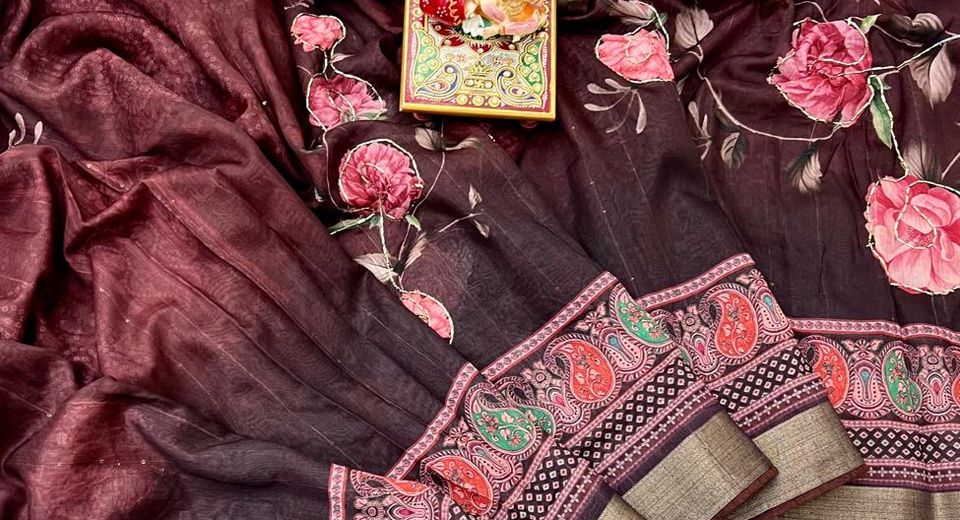
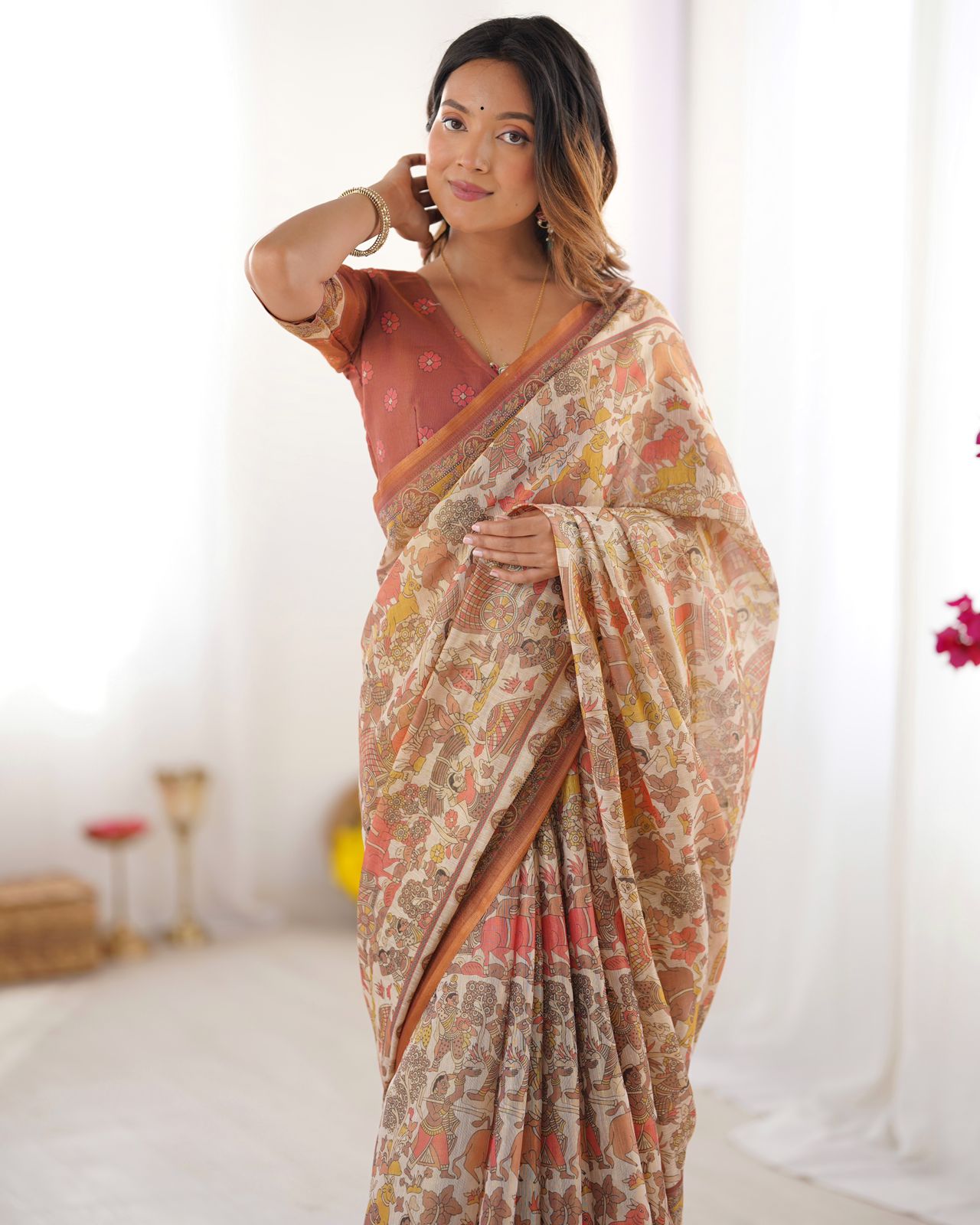
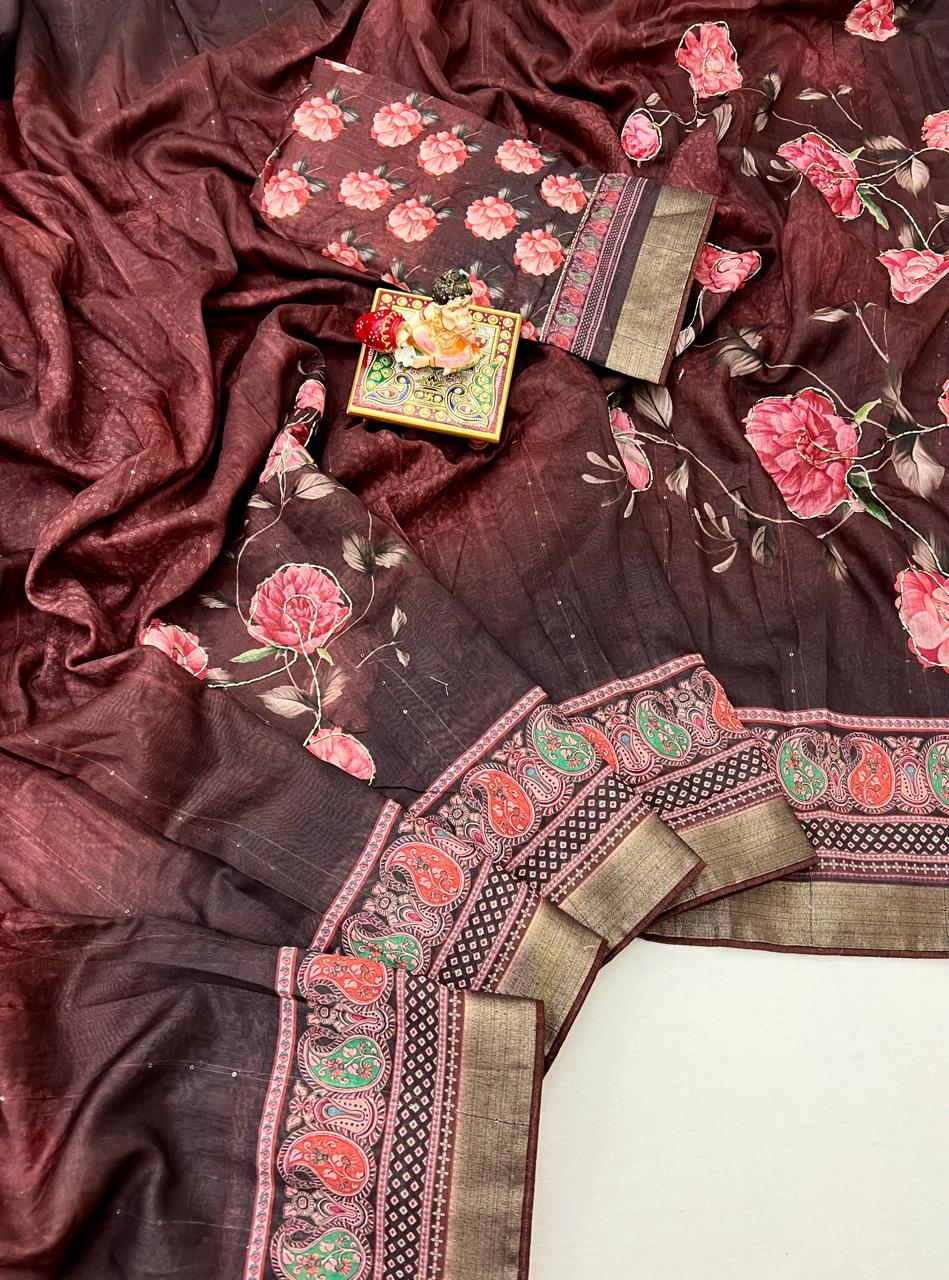
Cotton also works well for visitors who expect substantial walking or want a saree that feels less precious around dust. Ethnic Beige Cotton Linen Saree with Village Art Design has a natural visual language that connects easily with folk-art surroundings, while Party Wear Maroon Cotton Saree With Designer Blouse provides a deeper colour option for an evening event.
Pushkar Fair Fashion Guide: Traditional Sarees and Ethnic Wear for Formal Moments
Handloom cotton with zari details offers an useful middle ground between everyday comfort and celebration. Pastel Floral Tissue Handloom Cotton Saree with Zari Weaves can suit a daytime cultural programme because zari adds light-catching detail while the cotton base keeps the look grounded.
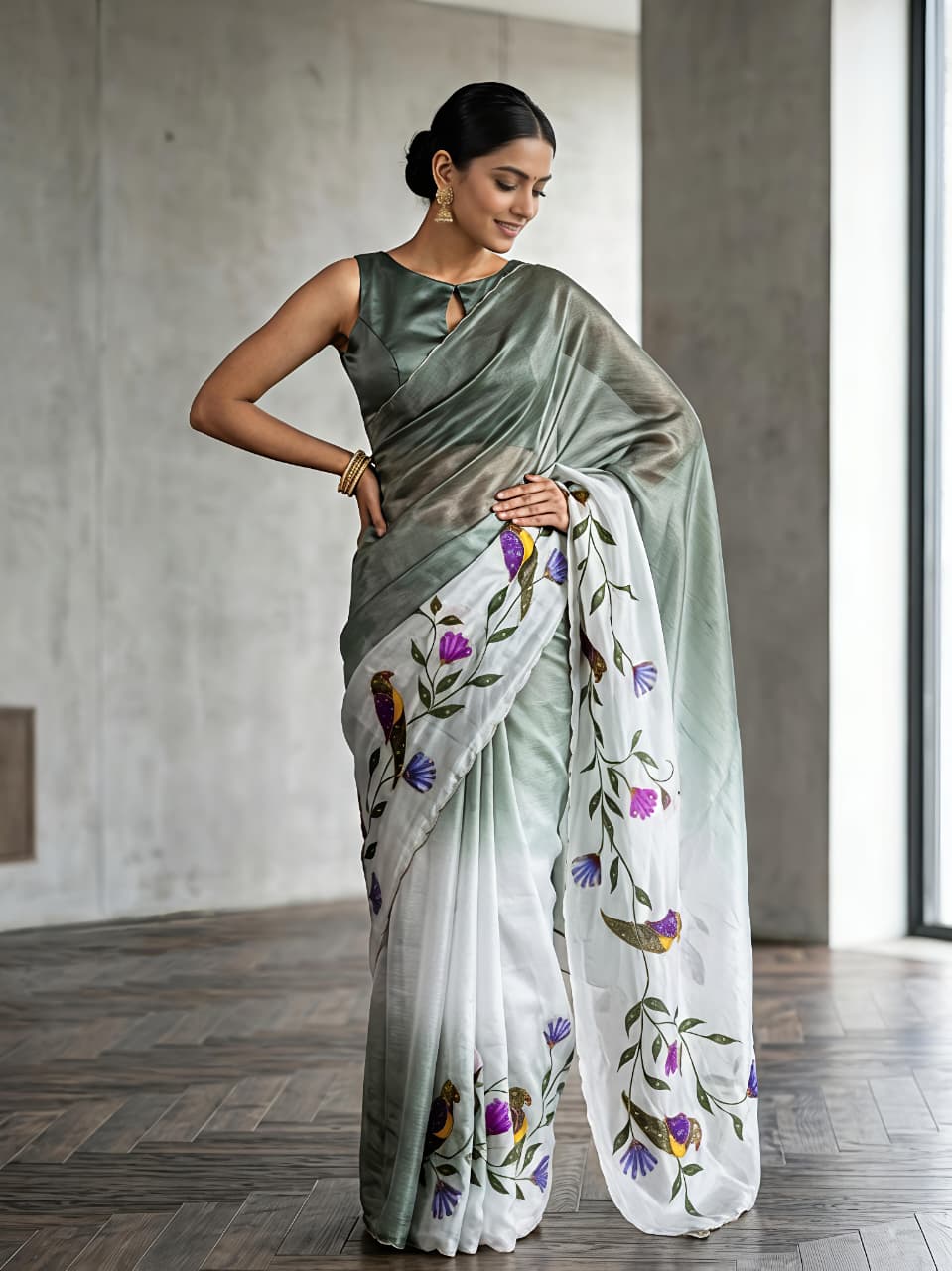
Cotton silk and lighter silk sarees are better suited to shorter wear periods, evening functions or visitors who prioritise a dressier appearance. Elegant Charcoal Garden Organza Cotton Silk Saree has a refined surface that can photograph well, but organza requires careful pleating and should not be left dragging across dusty ground.
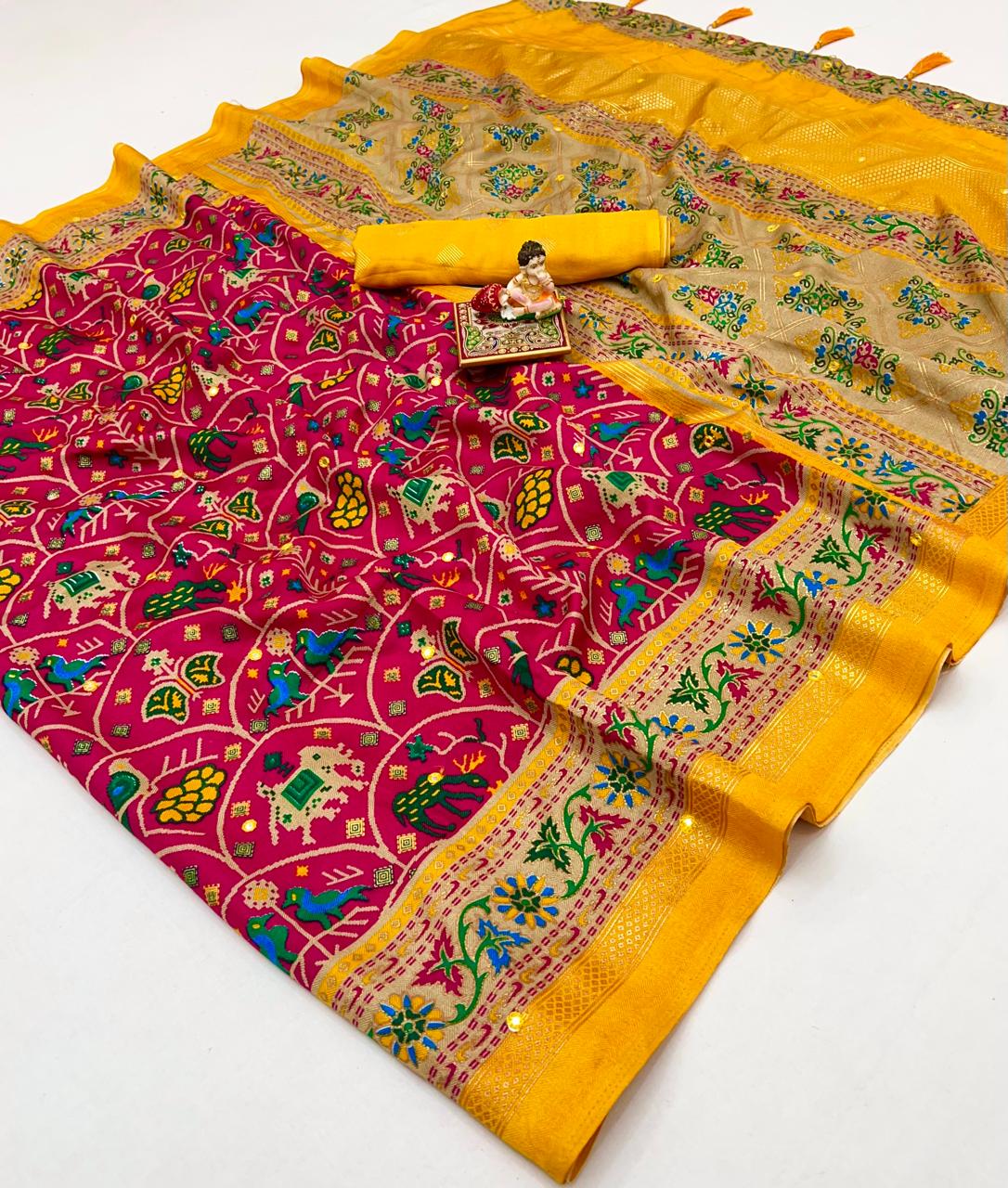
Traditional silk can create a striking fair-day statement, particularly for an evening performance or family celebration. Festive Wear Blue Silk Saree for Women and Designer Rani Pink Patola Print Pashmina Silk Festive Saree offer richer colour direction, but silk and pashmina silk can feel warmer than linen-cotton in direct afternoon sun. Pair a heavier saree with a shorter itinerary, breathable blouse lining and comfortable transport rather than planning several kilometres of walking.
Pushkar Fair Fashion Guide: Traditional Sarees and Ethnic Wear Colour Choices
Warm jewel tones, desert-inspired neutrals and clear floral or folk-influenced prints photograph effectively against Pushkar's pale landscape. Rani pink, maroon, turmeric yellow, indigo, peacock blue, rust, beige and charcoal create contrast without requiring excessive embellishment.
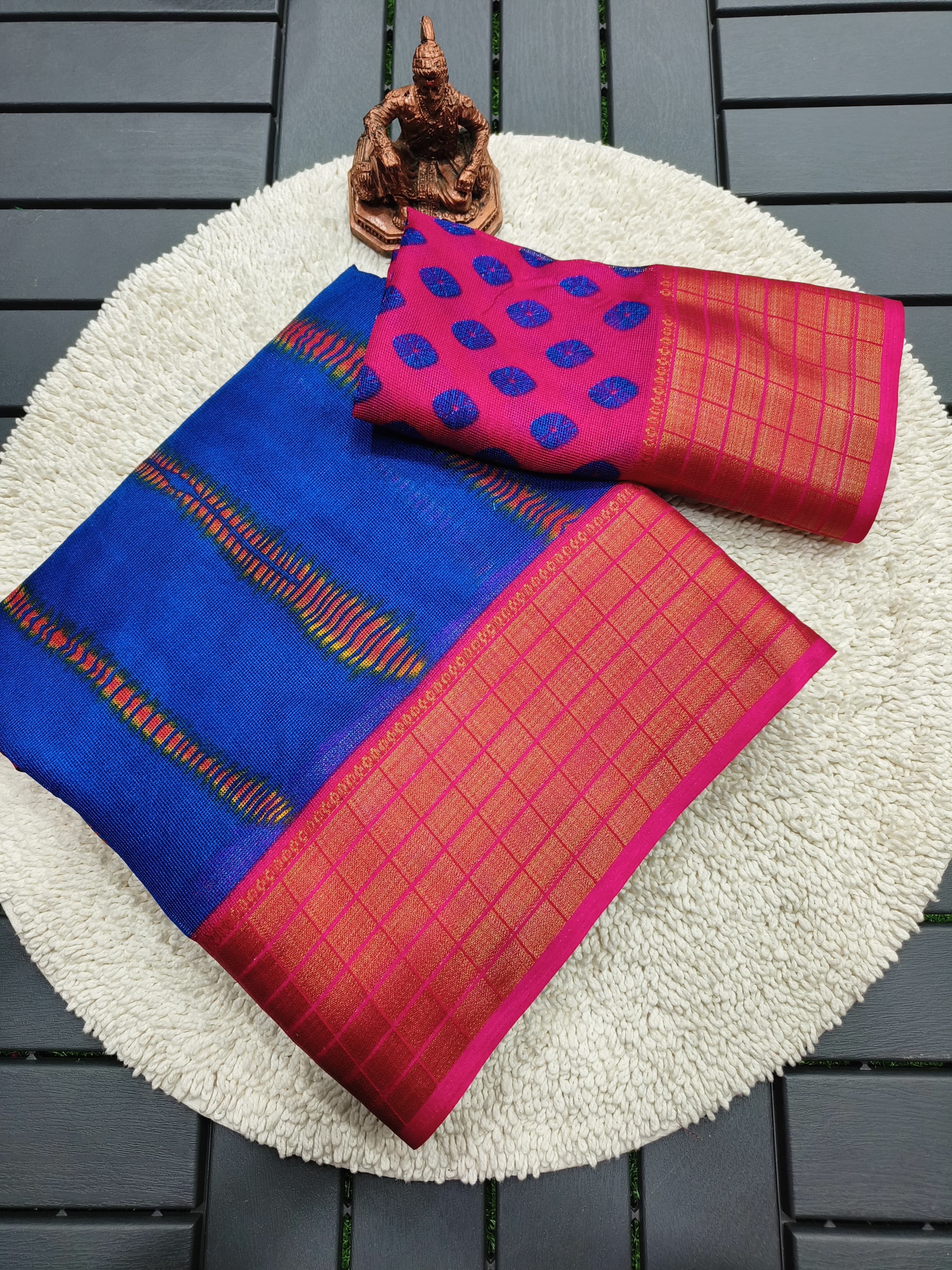
Colour choice can also support practical dressing. Mid-tone and darker borders are less likely to show dust than a completely pale lower edge, while a printed body can disguise minor creasing during travel. Beige, peach and pastel shades remain attractive in daylight but benefit from a darker blouse, border or pallu if you expect to sit near dusty stalls.
Print scale matters in photographs. Small floral prints give a soft, detailed appearance in close portraits, whereas a larger Patola-inspired or geometric pattern remains visible in full-length images. A zari border catches morning and evening light, but a broad metallic border can add weight to the pallu and increase the need for secure pins.
Pushkar Fair Fashion Guide: Traditional Sarees and Ethnic Wear should not be interpreted as a requirement to imitate a costume. Wearing a saree in a colour and print that suits your comfort is more respectful and convincing than assembling exaggerated regional details that don't suit your personal style.
Pushkar Fair Fashion Guide: Traditional Sarees and Ethnic Wear Draping Tips
A secure Nivi drape with a moderately short petticoat length, firm waist tuck and pinned pallu is one of the most practical saree arrangements for Pushkar Fair. The drape should clear the ground by roughly 1 to 2 centimetres while still covering the footwear naturally.
Wear a petticoat or underskirt that fits snugly at the waist without cutting into the body. A loose waist causes the saree to descend during walking, while an overly tight waistband becomes uncomfortable after several hours. Make five to seven even front pleats, depending on the saree width and fabric thickness, and secure the pleats at the waist with a discreet safety pin.
Pin the pallu at the shoulder and add a second hidden pin near the blouse side seam if the fabric is slippery. Cotton usually stays in place more easily than silk or organza, while zari and smooth silk may need extra support. Fold the pallu to a manageable width rather than leaving a broad section that catches on bags, railings or passing visitors.
People who prefer greater leg movement can use a dhoti-style saree drape or wear a salwar suit, kurta with palazzo trousers or a sharara set instead. These alternatives are especially useful for camel-ground visits, photography involving steps or anyone unfamiliar with managing pleats. A saree isn't the only authentic Indian choice for a Pushkar celebration.
Pushkar Fair Fashion Guide: Traditional Sarees and Ethnic Wear Accessories
Comfortable closed sandals or supportive juttis are more suitable than delicate heels for Pushkar Fair. Choose footwear with a cushioned sole, secure straps and enough grip for sand, packed earth and uneven paving.
Break in new footwear at least one week before travel. Pack blister plasters, a small amount of petroleum jelly and spare socks if your shoes permit them. Very flat, rigid juttis may look traditional but can become uncomfortable over long distances; a lightly cushioned pair gives better support without disrupting the ethnic appearance.
Jewellery should have one visual focal point. Oxidised silver earrings, a compact necklace, enamel bangles or a textile bracelet can add character without making the outfit noisy. Avoid wearing every accessory at once in a crowded environment, especially long necklaces, loose bangles and oversized rings that can snag on a camera strap.
A small cross-body potli or fabric sling keeps both hands available for walking, photography and browsing. Carry only essentials such as a phone, identification, payment method, sunscreen, tissues, lip balm, medication and a small water bottle. A large handbag can pull at the pallu and becomes tiring during a full fair day.
A cotton stole, lightweight shawl or cropped jacket is useful for early morning and after sunset. Match the layer to the saree's colour family rather than adding another heavily patterned piece. Sunglasses, a broad-brimmed hat for travel between locations and sunscreen with SPF 30 or higher provide more practical value than extra ornamentation.
Pushkar Fair Fashion Guide: Traditional Sarees and Ethnic Wear for Different Plans
The best outfit depends on whether your day centres on the camel fairground, religious sites, shopping lanes, photography or an evening celebration. Planning by activity prevents a beautiful saree from becoming impractical.
Pushkar Fair Fashion Guide: Traditional Sarees and Ethnic Wear for the Camel Fairground
A linen-cotton or cotton saree, secure blouse, flat supportive footwear and a pinned pallu suit the camel fairground best. Choose a darker or printed hem, carry a scarf for dust and avoid long loose layers. Pastel Linen Cotton Floral Print Saree with Designer Blouse can work for a daylight plan when paired with practical sandals and minimal jewellery.
Pushkar Fair Fashion Guide: Traditional Sarees and Ethnic Wear for Shopping
A cotton saree, short pallu and hands-free bag make shopping lanes easier to navigate. Ethnic Beige Cotton Linen Saree with Village Art Design works well with silver-toned earrings and a compact sling because the neutral base allows craft purchases and accessories to provide colour.
Pushkar Fair Fashion Guide: Traditional Sarees and Ethnic Wear for Evening Events
A silk, cotton-silk or zari-accented saree suits an evening cultural programme when paired with a warm layer and secure footwear. Festive Wear Blue Silk Saree for Women or Pastel Floral Tissue Handloom Cotton Saree with Zari Weaves can provide a more formal appearance without requiring a heavily embellished blouse.
Pushkar Fair Fashion Guide: Traditional Sarees and Ethnic Wear on a Practical Budget
A thoughtful Pushkar outfit doesn't require a high price because fabric suitability and drape security matter more than surface decoration. Set a budget by dividing the purchase into saree, blouse, footwear, transport-friendly accessories and minor tailoring rather than spending the entire amount on the saree alone.
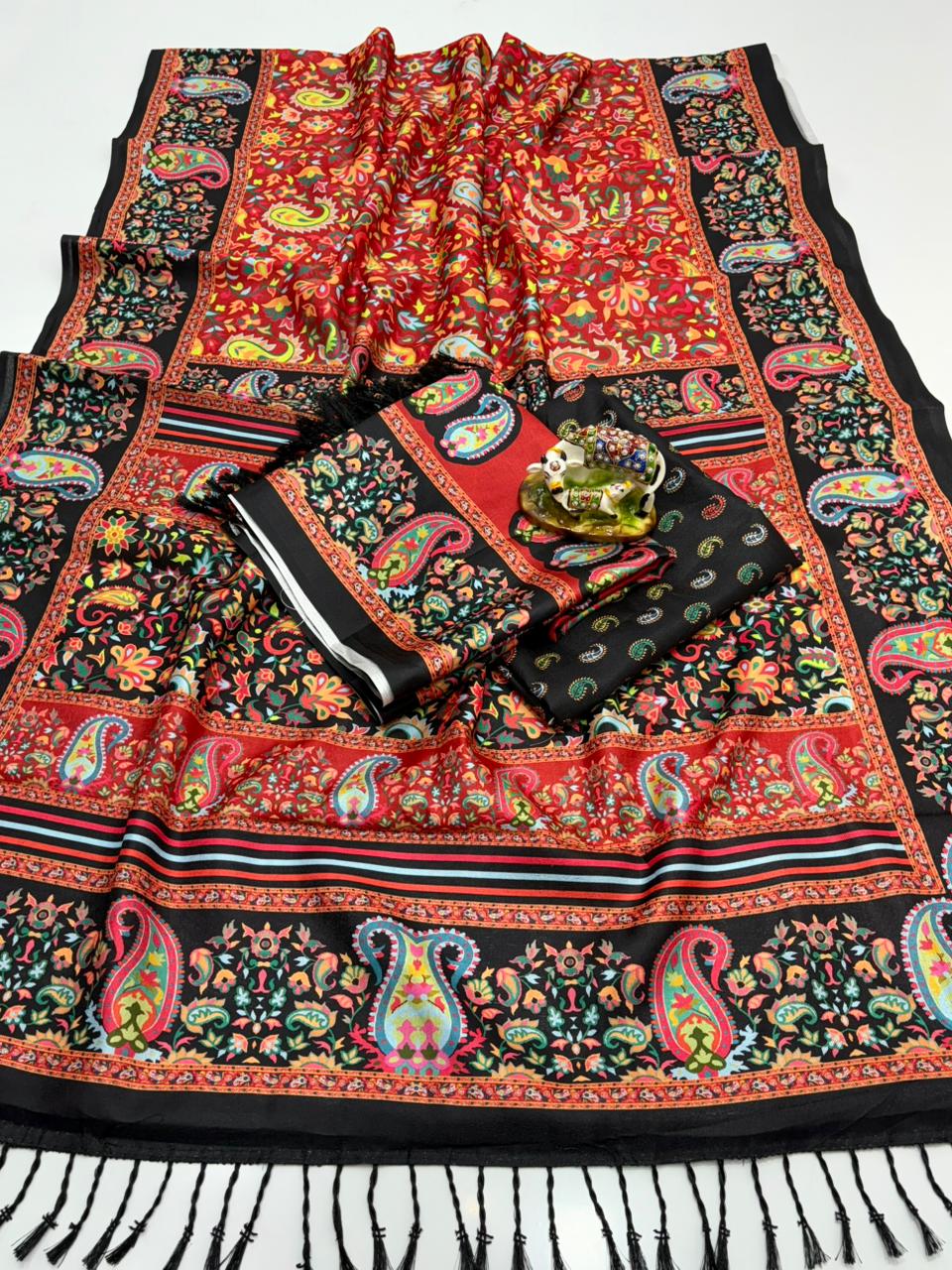
Collections such as Sarees from Rs 1000 to Rs 1500 can help shoppers compare accessible options for a first fair visit. Sarees Under 20% Off and Sarees Under 10% Off may be useful when a particular fabric or colour matters more than a large discount. Check the final price, blouse details, fabric composition and care instructions before comparing brings.
Deeper reductions in Sarees Flat 60% Off and Sarees Flat 50% Off can make a formal saree more affordable, but discount percentage should not replace practical checks. Confirm whether the saree includes a blouse piece, measure the blouse requirement, inspect the border weight and allow enough time for alterations before travel.
Before buying online, compare the listed saree length and width with a saree you already wear comfortably. Check whether the fabric is described as cotton, linen-cotton, cotton silk, silk or a blend, because each category behaves differently in heat and pleating. Order at least seven to ten days before departure when tailoring or exchange time may be needed.
Pushkar Fair Fashion Guide: Traditional Sarees and Ethnic Wear Care After the Fair
Dust should be removed gently before washing or storing a saree after Pushkar Fair. Shake the garment outdoors, use a soft dry cloth on the blouse and border, and avoid rubbing gritty particles deeper into the weave.
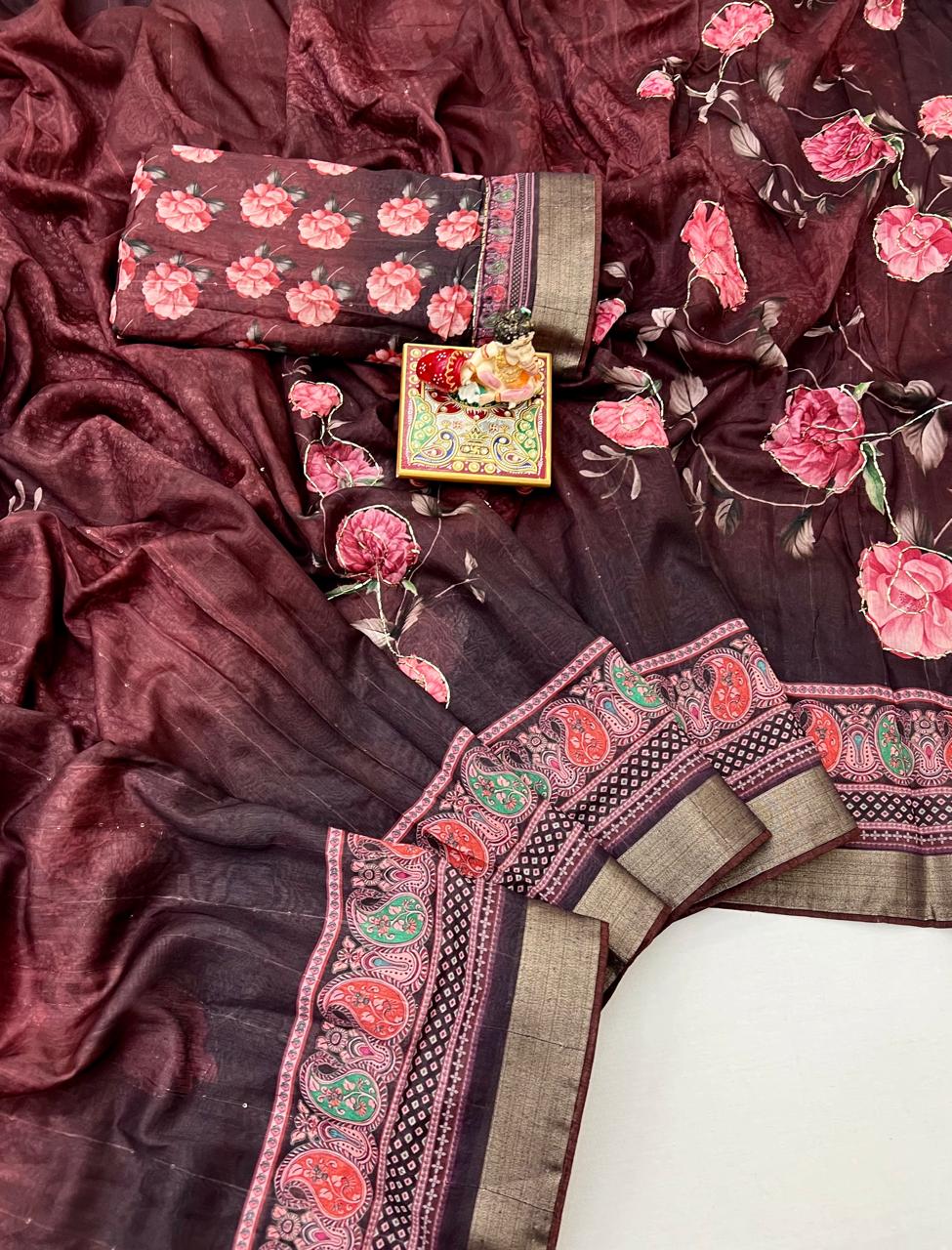
Follow the care label for cotton, linen-cotton, zari, silk and organza. Hand-washable cotton may be cleaned with a mild detergent in cool water, while silk, pashmina silk, zari and organza commonly require more cautious handling or professional dry cleaning. Do not soak zari for long periods because prolonged moisture and detergent exposure can affect metallic threads.
Dry washed cotton and linen-cotton away from harsh direct sunlight to reduce colour fading and fibre stress. Store a completely dry saree folded with clean, unprinted cotton fabric between folds. Refold silk and zari sarees every few months so permanent crease lines don't develop in one place.
A Pushkar Fair outfit is successful when the wearer can walk, sit, pray, browse, take photographs and enjoy performances without constant adjustment. Breathable fabric, a secure drape, supportive footwear and a restrained accessory plan deliver that result more reliably than excessive decoration.
Common Questions About Pushkar Fair Sarees and Ethnic Wear
Which saree fabric is most comfortable for Pushkar Fair?
Linen-cotton, cotton and lightweight handloom cotton are generally the most comfortable choices for a warm day with substantial walking. Cotton silk or lighter silk can work well for shorter evening events, but dense silk may feel warmer in direct afternoon sun.
Can I wear a silk saree to Pushkar Fair?
You can wear a silk saree to Pushkar Fair, particularly for an evening programme or a shorter itinerary. Use a secure pallu, supportive footwear and a light layer, and avoid planning long walks across dusty ground in a heavy silk drape.
How should I secure a saree for walking at Pushkar Fair?
Keep the hem just above the ground, make five to seven firm front pleats and pin the pleats at the waist. Pin the pallu at the shoulder and add a hidden second pin near the blouse seam if the fabric is slippery.
What colours look good for Pushkar Fair photographs?
Rani pink, maroon, indigo, peacock blue, turmeric yellow, rust, beige and charcoal create visible contrast against Pushkar's pale desert landscape. Printed or mid-tone borders also hide minor dust better than a completely pale hem.
What footwear should I wear with a saree at Pushkar Fair?
Supportive juttis or cushioned sandals with secure straps are more practical than heels. Break in the footwear at least one week before the fair and carry blister plasters for a full day of walking.
How should I care for a saree after wearing it at Pushkar Fair?
Remove dry dust gently before washing or storing the saree, and follow the care label for cotton, linen-cotton, silk, zari and organza. Store the garment completely dry with clean cotton between folds, and avoid prolonged soaking of zari sarees.