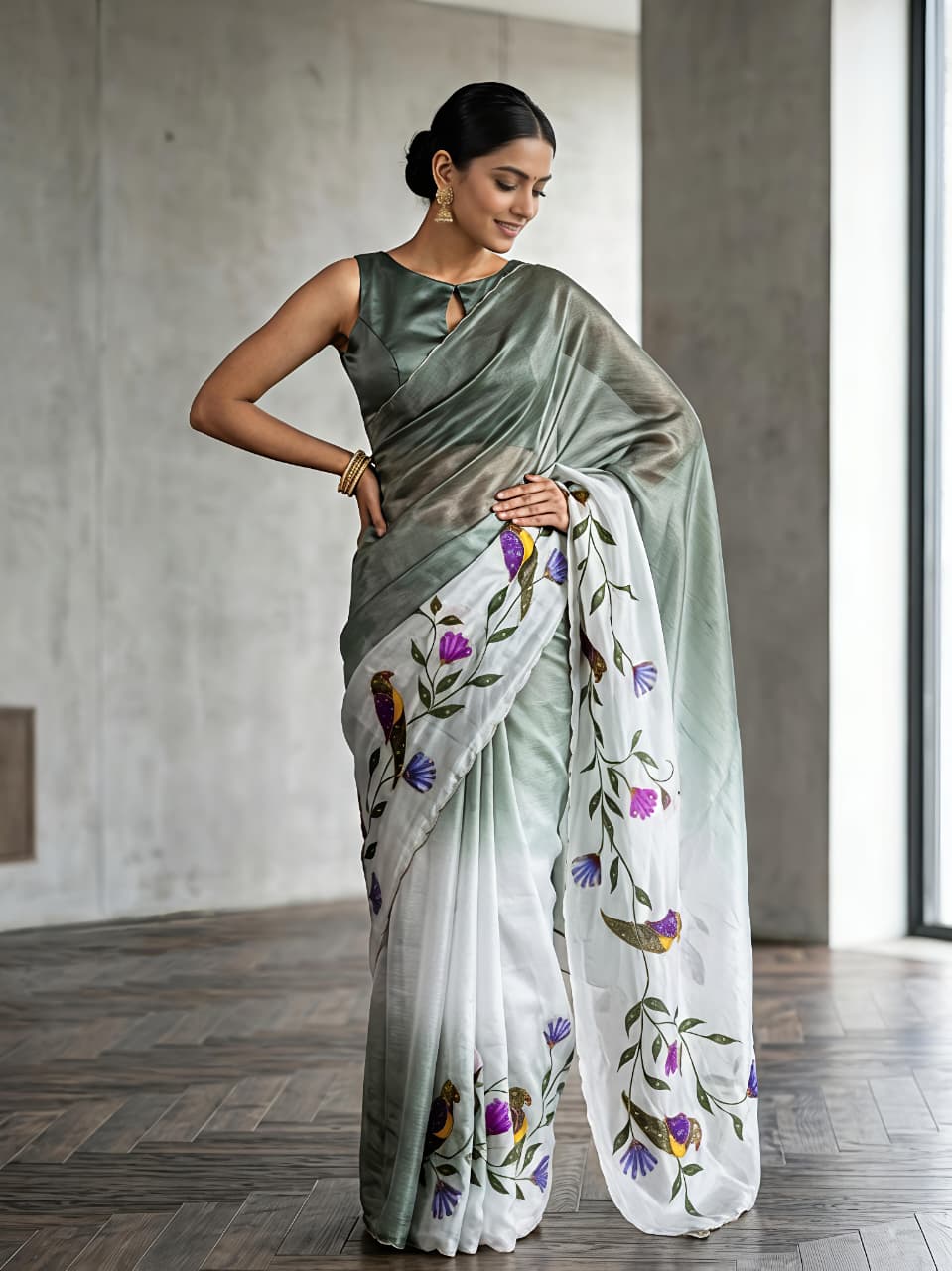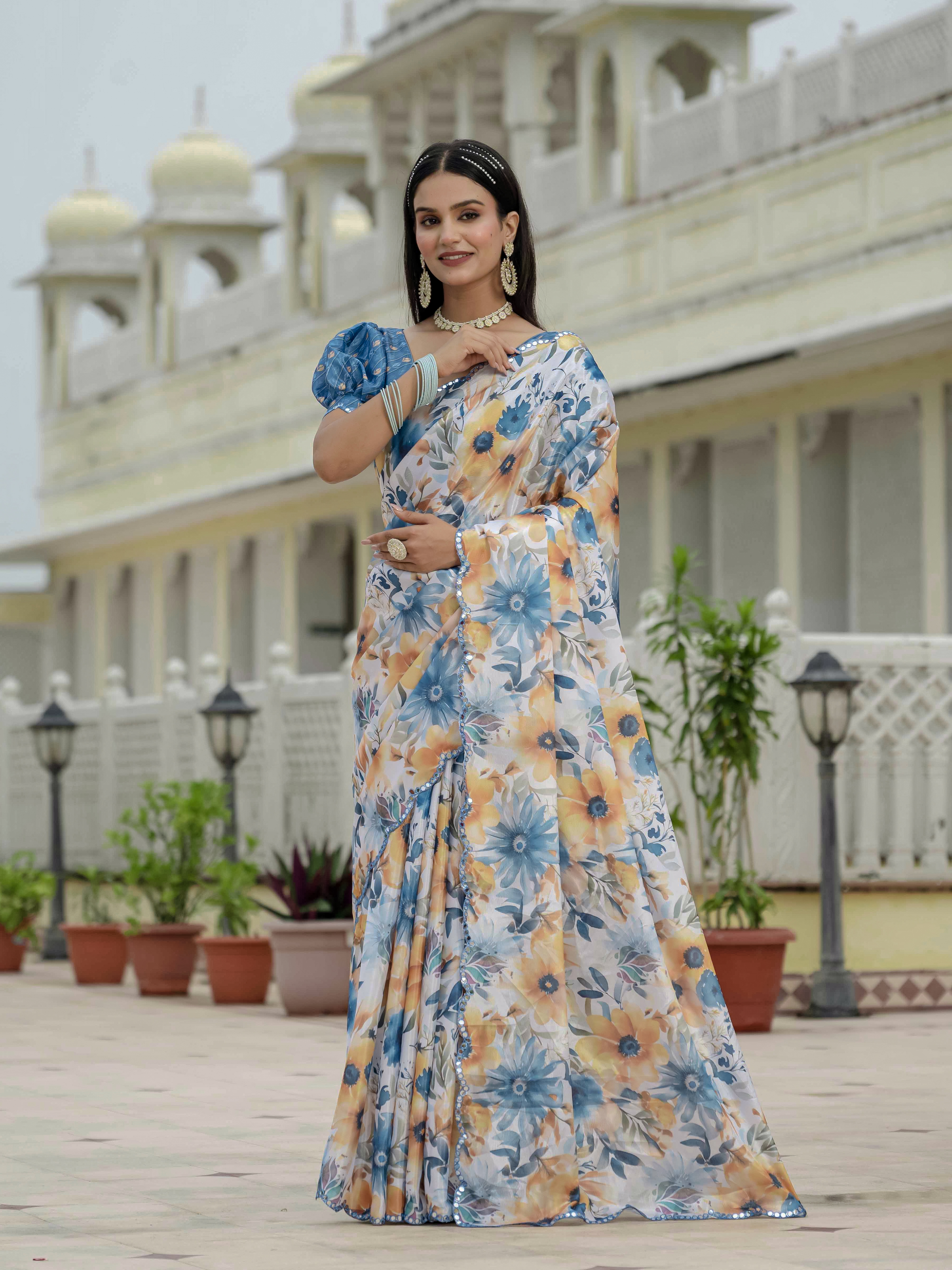
Punjabi Wedding Guest Outfits need to move comfortably from a lively milni and chooda ceremony to dinner, dancing and photographs. Patiala suits bring movement and regional character, lehengas create a strong party silhouette, and sarees offer the widest range of formality. The right choice depends less on age or a single trend and more on the ceremony, time of day, fabric weight, blouse structure and amount of walking you expect.
A useful starting point is to divide the wedding into three style moods: bright and breathable for daytime functions, graceful and moderately detailed for the pheras or Anand Karaj, and more luminous for an evening reception. A guest should look celebratory without competing with bridal red, heavily embellished bridalwear or the couple's designated family colours.
Punjabi Wedding Guest Outfits: choosing between a Patiala suit, lehenga and saree
The best outfit category is the one that matches the event's formality and lets you sit, walk, eat and dance without constant adjustment. A Patiala suit suits guests who value ease and a distinctly Punjabi shape, a lehenga suits a high-energy evening party, and a saree works when you want adaptable elegance across several functions.
When a Patiala suit makes more sense
A Patiala suit is particularly practical for a daytime wedding party, jaggo or mehendi because its salwar has generous pleats and the kameez doesn't restrict the legs. Choose a cotton, cotton-silk or light woven option in yellow, pink, green, orange or turquoise for outdoor functions. A shorter kameez, a well-fitted neckline and a dupatta pinned at one shoulder keep the traditional volume looking intentional rather than bulky.
For a wedding party girl who wants colour and comfort, a Patiala suit can be more useful than a floor-length lehenga. Wear juttis with a firm sole, keep the dupatta border visible, and select a salwar waistband that stays secure while sitting cross-legged. A moderately embellished neckline is usually enough for daytime; heavy sequins can feel hot and may catch on jewellery or chairs.
When a lehenga earns its place
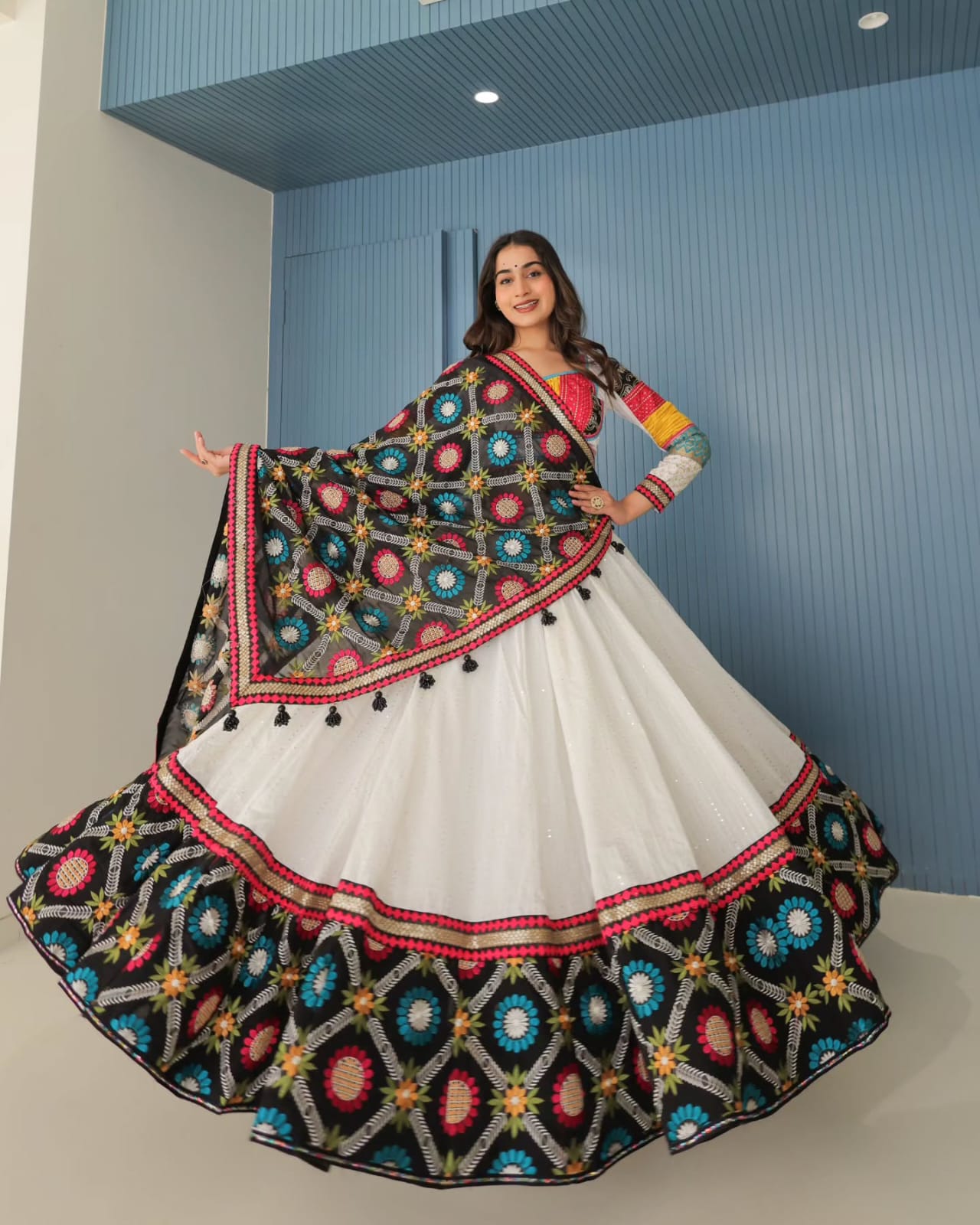
A lehenga is a strong choice for a sangeet or reception when the dress code is glamorous and photographs will be taken under evening lighting. Look for a skirt that allows at least a small walking stride, a blouse with secure support and a dupatta that can be pinned rather than repeatedly rearranged. A lighter lehenga with concentrated embroidery at the hem often feels easier to wear than a fully dense skirt.
Unmarried guests don't need to follow a separate rulebook for wedding party wear. A younger guest can choose a crop-style blouse with a high-waisted skirt, while someone seeking more coverage can use a longer blouse, jacket or draped dupatta. The important distinction is between festive styling and bridal styling: avoid an excess of red, dramatic bridal veils, very heavy kaleera-inspired accessories and head-to-toe gold if the bride's palette is unknown.
When a saree is the most versatile option
A saree is the most flexible option when one guest may attend multiple functions or wants to control both coverage and visual impact. A pre-pleated drape can help at a fast-moving event, while a conventional six-yard saree allows changes in the pallu, blouse and jewellery to create different moods. Sarees also work across age groups and can be restyled for another celebration.
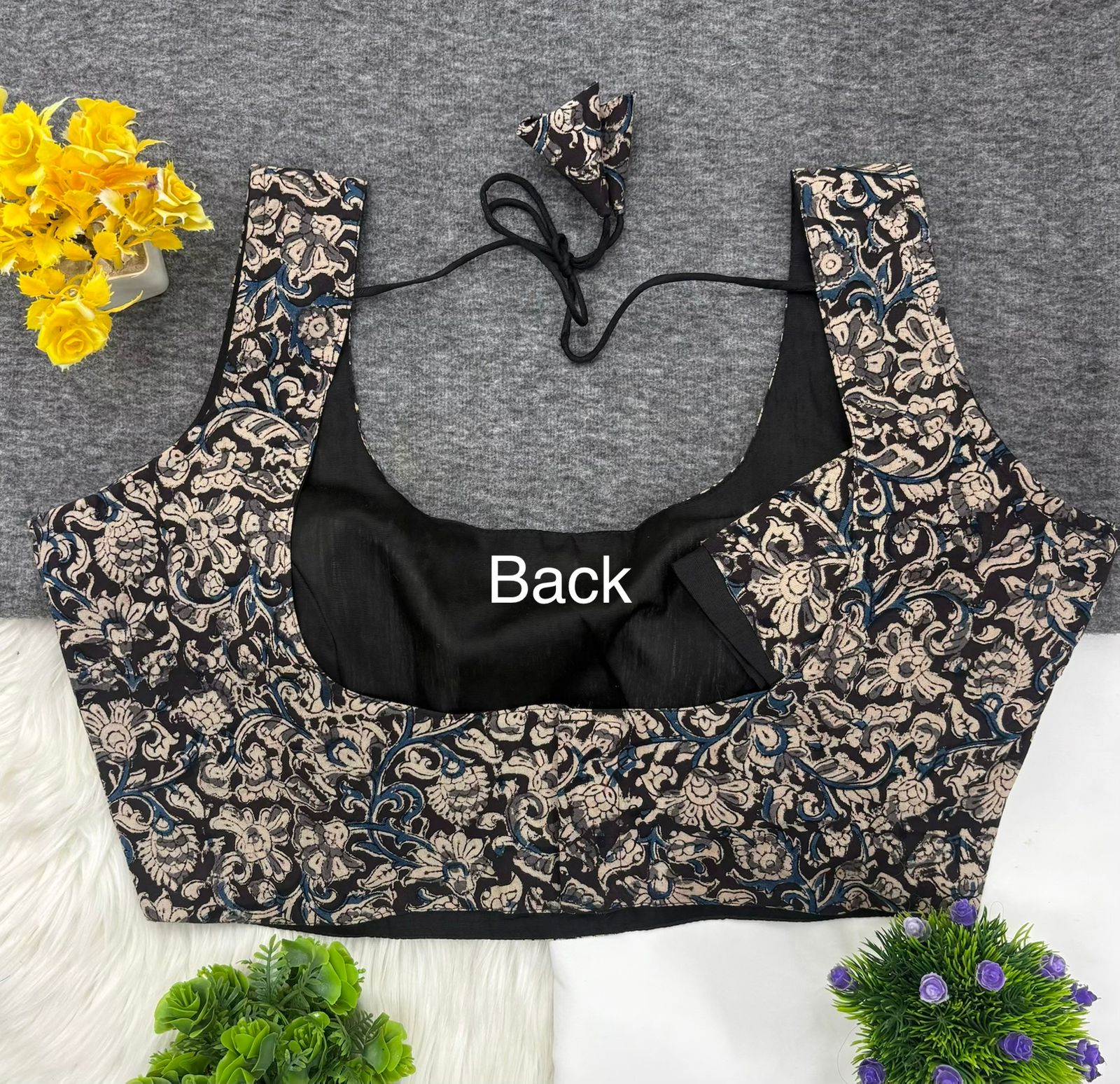
For a modern wedding guest, the easiest update is often a contemporary blouse rather than an unusually experimental saree. A square neck, elbow-length sleeve, structured sleeveless blouse or high-neck blouse can change the proportion of a familiar drape. Keep the saree time-honoured and let the blouse, belt or earrings provide the up-to-date note.
Punjabi Wedding Guest Outfits for mehendi, Haldi ceremony and daytime events
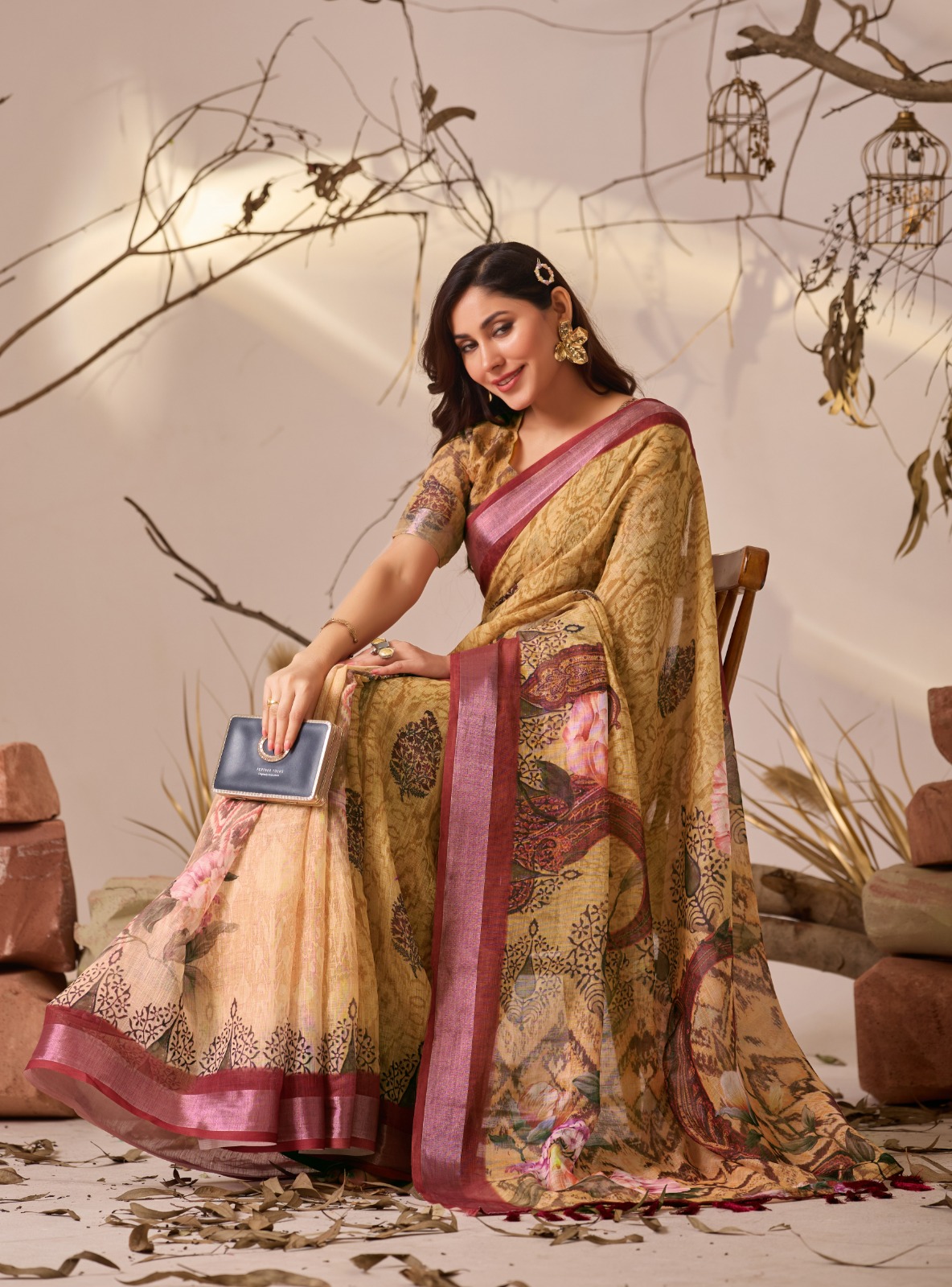
Lightweight, cheerful clothing works best for mehendi, Haldi ceremony events and jaggo gatherings because these functions involve movement, outdoor exposure and frequent interaction. Choose yellow, lime, peach, pink, coral, mint or orange, and keep hems manageable if the function is held outdoors. Linen cotton, handloom cotton and similarly breathable weaves can feel more comfortable than dense silk during warm afternoons.
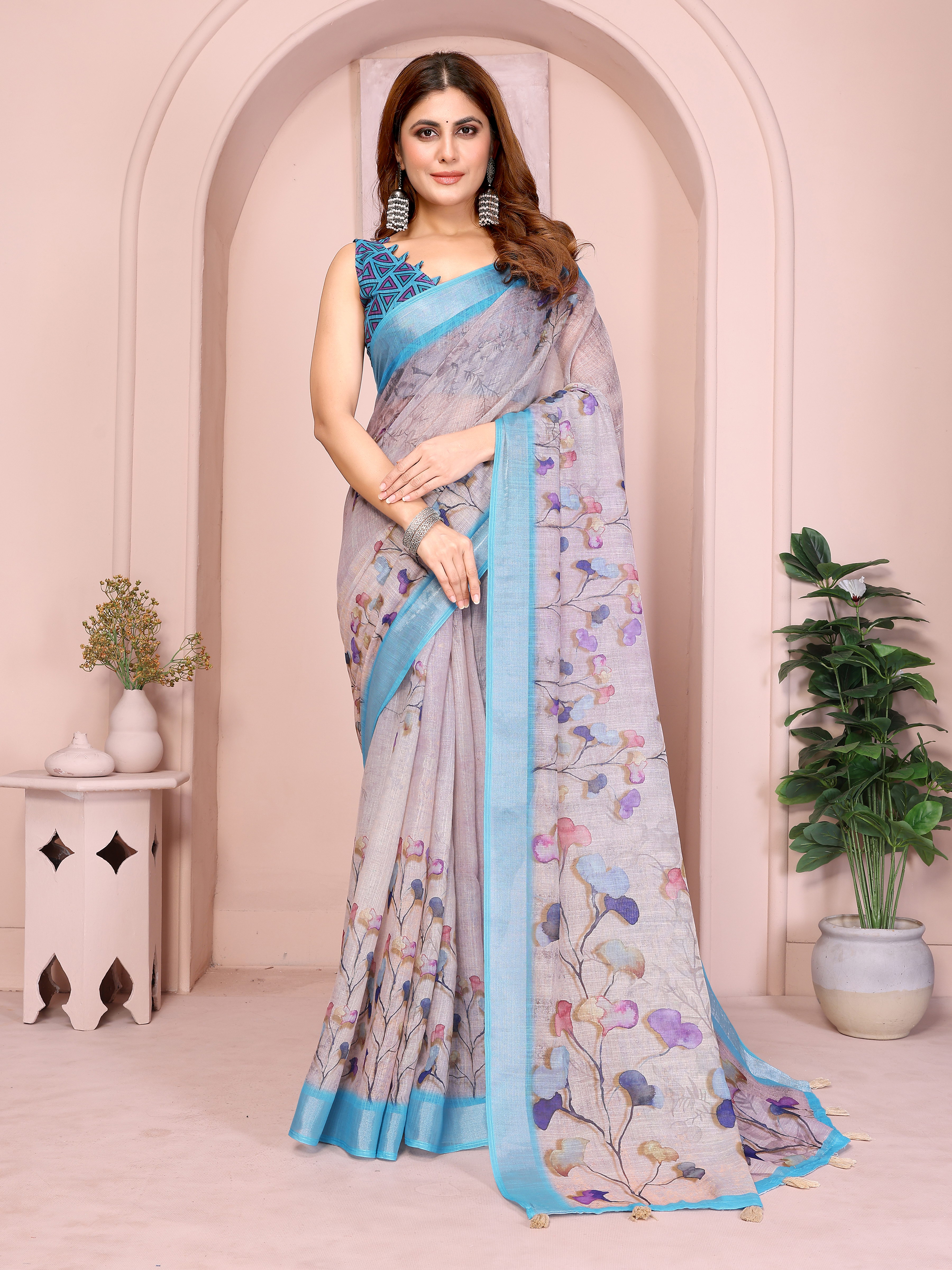
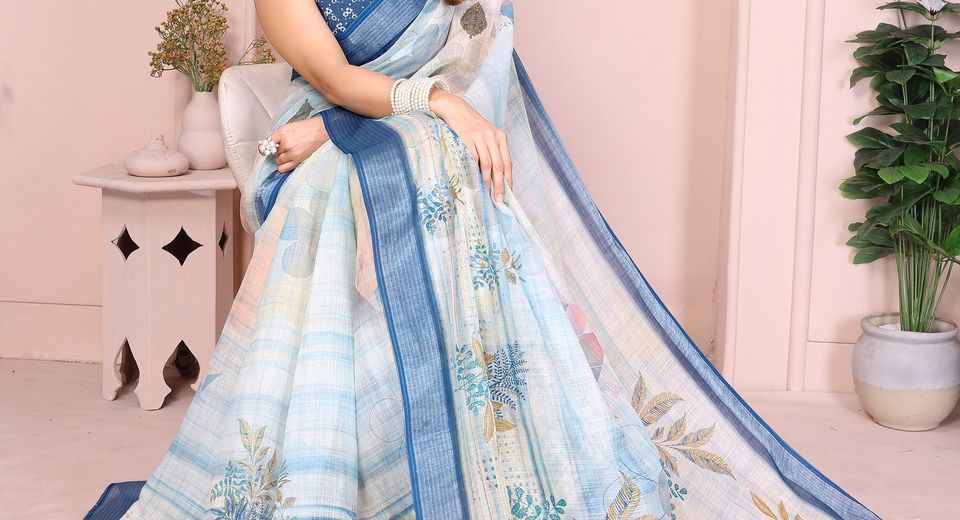
A saree such as Pastel Linen Cotton Floral Print Saree with Designer Blouse demonstrates why a soft base and floral print suit a daytime function. Peach Linen Cotton Floral Print Saree with Blouse for Women offers another gentle colour direction without relying on heavy decoration. Pair either style with small jhumkas, a compact potli and flat footwear instead of stacking pieces that may snag during mehendi application.
Pastel Floral Tissue Handloom Cotton Saree with Zari Weaves provides a useful middle ground between daytime softness and ceremonial sheen. Cream Pink Tissue Handloom Cotton Saree with Zari can be styled with pearl, kundan-look or muted gold accessories when you want refinement without an overtly bridal red palette. Zari catches indoor light, but the handloom cotton base keeps the outfit from looking like a reception-only choice.
A daytime Patiala suit should have enough room through the armhole and hip for sitting and dancing. A dupatta made from a lighter fabric is easier to pin securely than a very heavy embroidered piece. If the venue has grass, mud or uneven flooring, choose a hem that clears the ankle and wear juttis rather than delicate heels.
Punjabi Wedding Guest Outfits for Anand Karaj, pheras and the main wedding
A respectful main-wedding guest outfit should be polished, comfortable for sitting and modest enough for the ceremony setting. Choose a saree, salwar suit or lehenga with a secure dupatta or pallu, and avoid a train that drags across the floor. If the ceremony takes place in a gurdwara, carry a scarf or use a dupatta that can cover the head neatly when required by the venue.
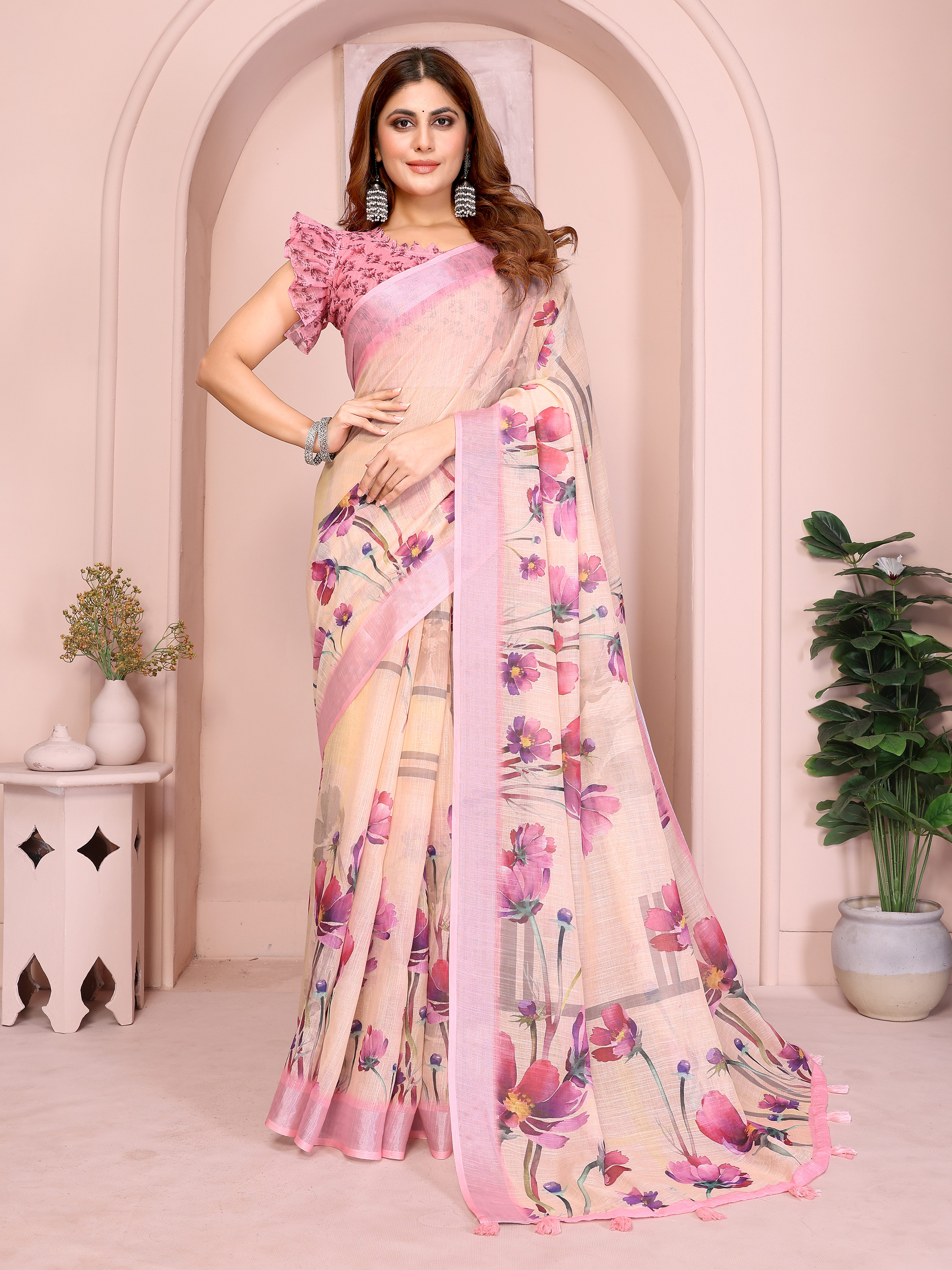
Fabric choice matters during a long ceremony. Banarasi silk gives a defined fall and visible zari, but its weight can become tiring during extended standing periods. Handloom cotton with zari creates ceremonial interest with less bulk, while a structured blouse prevents the saree from slipping during seated prayers or photographs.
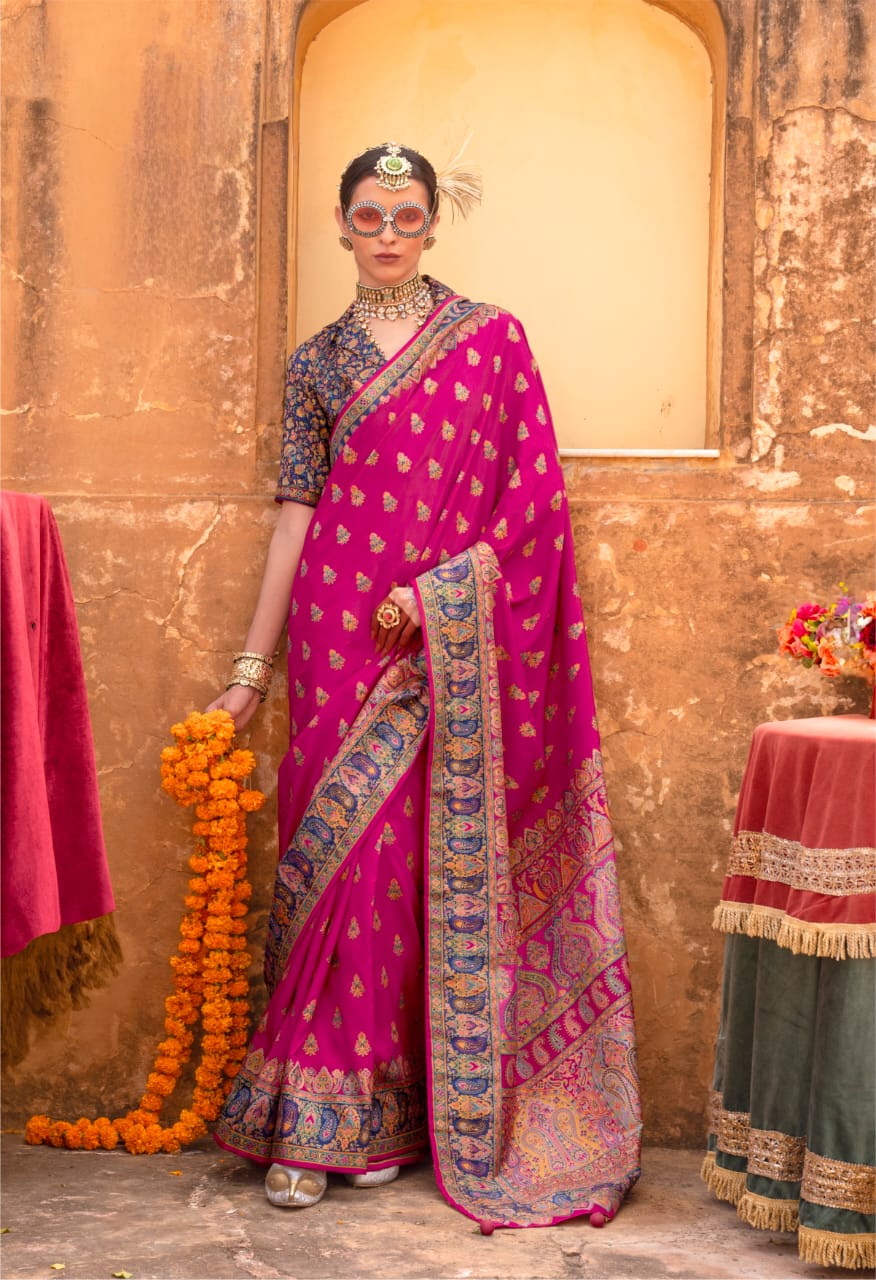
Red Banarasi Silk Sarees for Weddings Under 1100 may appear tempting for a heritage celebration, but a guest should check the bride's colour palette before choosing strong bridal red. If red is part of the family dress code, use a quieter silhouette and lighter jewellery; if the bride is wearing red, consider pink, wine, teal or cream instead.
Coverage doesn't require a plain outfit. A high-neck blouse, elbow-length sleeve, neat border or softly draped dupatta can look formal while remaining practical. Avoid very long tassels, loose chains and oversized rings if the ceremony includes floor seating or repeated greetings.
Punjabi Wedding Guest Outfits for sangeet and evening receptions
Evening celebrations allow richer colour, stronger contrast and more visible surface detail. Deep pink, teal, wine, navy, emerald and plum photograph well under artificial light, while a metallic border or textured weave gives definition without requiring full embroidery.

Pink Georgette Sarees are useful for guests who want a fluid evening drape, especially when paired with a structured blouse and a clean pallu. Party Wear Sarees can be made more Punjabi in spirit with a bold paranda-inspired braid, oversized jhumkas or a compact embroidered potli, while keeping the drape itself uncluttered.
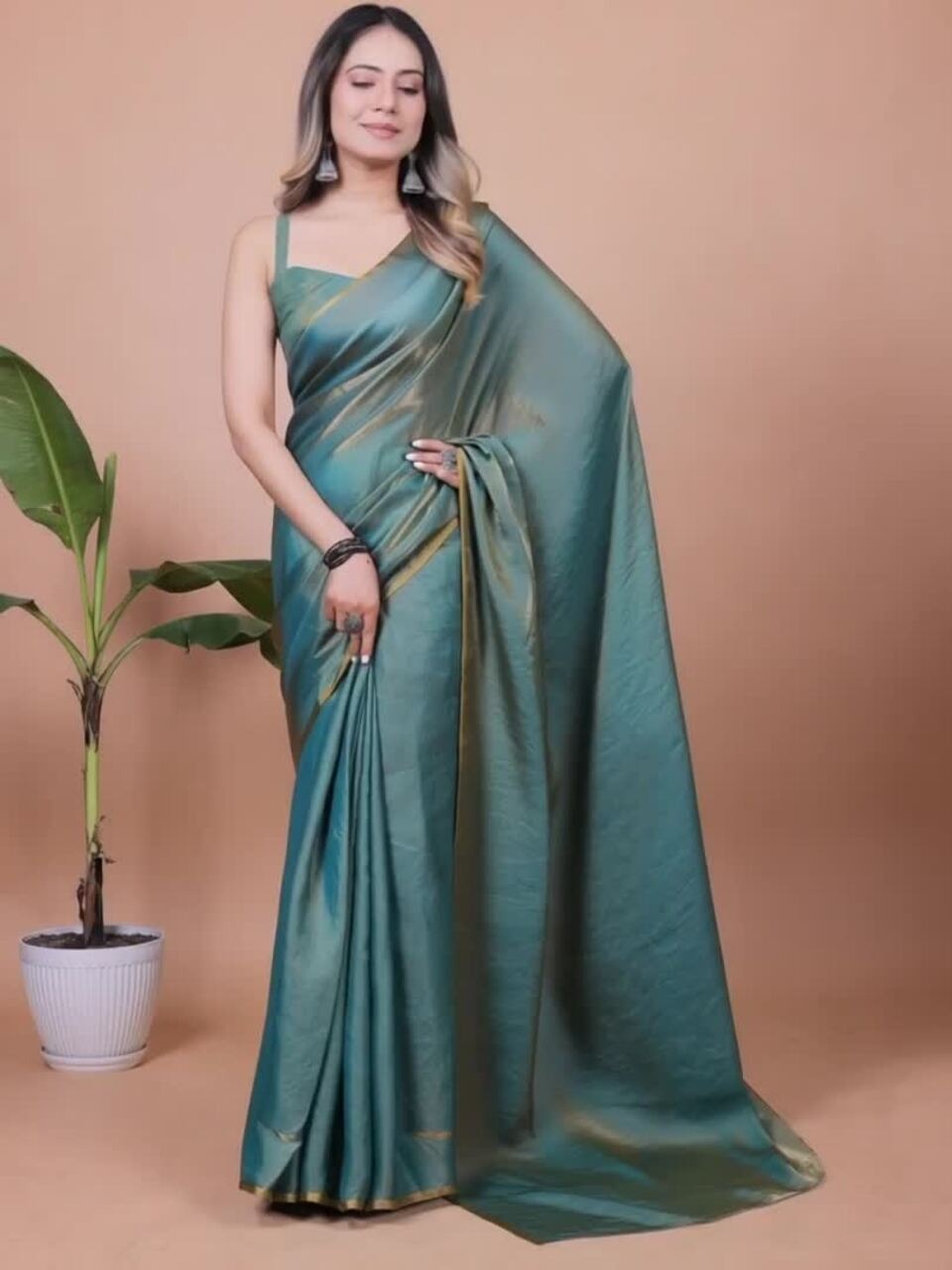
Teal Fandy Solid Saree With Blouse for Women by VARNAVI gives a clean, solid-colour base for statement earrings, a contrasting blouse or a metallic clutch. A solid saree is often easier to accessorise than a busy print when the jewellery is already prominent.
Evening lehengas should be tested in motion before the event. Walk up a few steps, sit in a chair, lift the skirt slightly and practise securing the dupatta. A skirt that looks impressive in a static photograph can become inconvenient if the waistband rolls, the hem catches under footwear or the blouse restricts shoulder movement.
Punjabi Wedding Guest Outfits: colour and fabric choices that photograph well
Colour sets the first impression, while fabric determines how the outfit behaves after several hours. A successful wedding guest outfit balances both rather than choosing shade and material independently.

Daytime colour planning
Pastels and mid-tones are reliable for morning and afternoon celebrations because they look fresh in natural light. Pink, peach, cream, powder blue, sage and soft yellow can be enlivened with a contrasting border or blouse. Pink Floral Linen Cotton Saree with Green Border for Ladies shows how a green edge can stop a pastel floral saree from appearing too pale.
Grey Blue Floral Linen Cotton Saree with Floral Blue Border takes a cooler route that works well for a guest who prefers understated colour. Pair cool blue-grey with silver-toned earrings for a contemporary look, or use antique gold jewellery to warm the palette for a Punjabi celebration.
Evening colour planning
Evening light supports saturated shades and reflective surfaces, but guests should still check whether the wedding invitation specifies a colour theme. Teal, wine and emerald create depth without automatically entering bridal territory. Cream and pink can look equally festive when paired with zari, a sculpted blouse or warm metallic accessories.
Understanding common fabric trade-offs
Banarasi silk brings a defined fall and visible zari, but its weight can become tiring during long standing periods. Chanderi is known for a light, airy hand and subtle transparency, so it may require a suitable lining or carefully chosen blouse. Linen cotton and handloom cotton are often comfortable for daytime, although natural creasing is part of their character. Georgette drapes fluidly and packs easily, but a slippery pallu benefits from discreet pins.
Tissue fabric reflects light and creates a crisp festive surface, while a soft lining and stable pleats improve comfort. A saree's listed fabric should not be treated as a complete fit guide: blouse construction, border weight, lining and finishing also affect how the garment wears.
Punjabi Wedding Guest Outfits: accessories, fit and practical finishing touches
A polished guest look usually needs one focal point, one supporting accessory group and comfortable finishing pieces. If the saree has a floral print, let jewellery or the blouse provide structure; if the saree is solid, use a stronger earring, border or clutch.
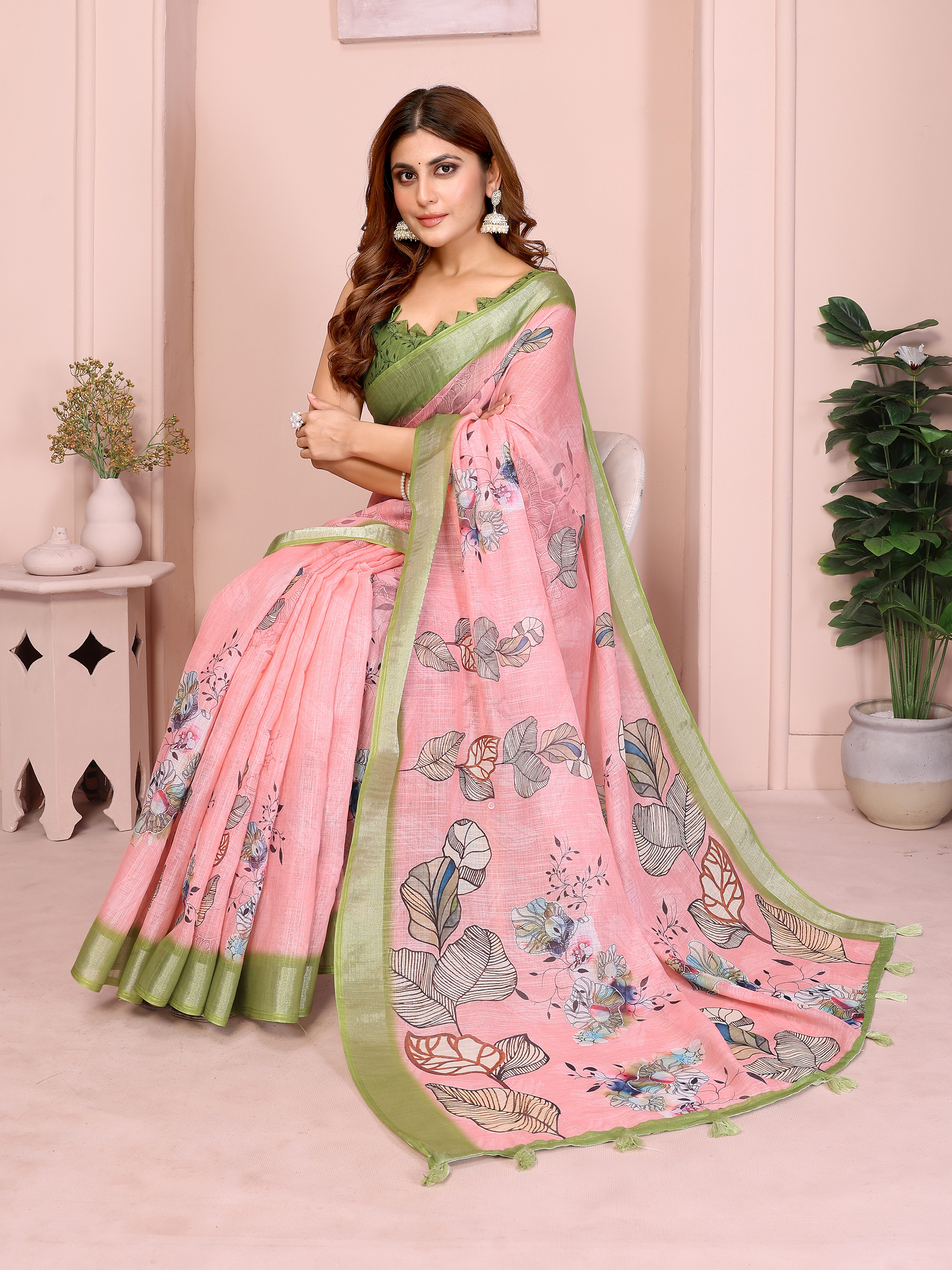
A blouse should support the saree's visual weight and the event's practical demands. Elbow-length sleeves offer useful coverage for a formal ceremony, while a sleeveless or short-sleeved blouse can feel lighter at a reception. Confirm the blouse measurements against a garment you already own, especially across the bust, shoulder and armhole, because a standard size chart can't predict every fit preference.
Footwear deserves as much planning as jewellery. Block heels between 1.5 and 2.5 inches provide height with more stability than narrow stilettos, while padded juttis work well with Patiala suits and shorter lehengas. Carry blister plasters, fashion tape and two safety pins in the potli or clutch for quick repairs.
Use jewellery to create proportion rather than accumulate every festive piece. Large jhumkas can replace a necklace, a choker can work with a low-detail blouse, and a maang tikka is most effective when the neckline and earrings remain restrained. A braid accessory or paranda adds Punjabi character without requiring heavy embroidery on the outfit.
Before leaving home, sit for ten minutes in the complete outfit, walk in the chosen footwear and check the pallu or dupatta from the back. This simple test reveals whether the waistband pinches, the blouse pulls, the hem catches or the drape needs another anchor. For a wedding guest, comfort isn't a compromise; comfort is what allows the outfit to remain polished through the final photograph.
Punjabi Wedding Guest Outfits: a simple selection checklist before buying
The quickest way to choose correctly is to answer five practical questions before comparing colours or trends. The answers reveal whether a Patiala suit, lehenga or saree will serve the event better.
- What is the function and time? Choose breathable colour and fabric for daytime, moderate shine for the main ceremony, and richer texture for a night reception.
- How much movement is expected? Select a Patiala suit or lighter lehenga for dancing, and secure a saree with a petticoat, pins and a stable blouse.
- Will you sit on the floor? Avoid dragging hems, rigid waistbands and excessive skirt volume if the ceremony includes floor seating.
- What is the bride likely to wear? Move away from her dominant colour, silhouette and level of embellishment when the dress code isn't specified.
- Can the outfit be worn for several hours? Check fabric weight, footwear comfort, blouse support and whether jewellery has sharp edges or snag-prone details.
Collections such as Silk Sarees Under 3000 With Discount and Gray Color Sarees Under 1000 can be useful starting points when budget matters, but price should be considered alongside fabric, finishing, blouse inclusion and delivery time. A lower-cost saree that needs urgent alteration or a completely new blouse may not remain the lower-cost option.
The strongest wedding guest look usually has a clear reason behind every element: a bright Patiala suit for movement, a lehenga for evening celebration, or a saree whose fabric and colour suit the ceremony. Once that decision is made, styling becomes simpler, more comfortable and more personal.
Common Questions About Punjabi Wedding Guest Outfits
Which type of saree is best for a wedding guest?
A lightweight saree with a secure blouse and manageable drape is usually the best choice for a wedding guest. Handloom cotton with zari, linen cotton, georgette and lighter silk can work well when the fabric suits the time of day and the guest's expected movement.
What should an unmarried girl wear to a Punjabi wedding party?
An unmarried guest can wear a Patiala suit, lehenga or saree according to the function and personal comfort. A bright Patiala suit suits mehendi or jaggo, while a lighter lehenga or contemporary saree works well for a sangeet or reception.
Are sarees suitable for a modern wedding guest?
Sarees are suitable for modern wedding guests because a contemporary blouse, belt, clean drape or statement earrings can update the silhouette. Floral linen cotton works for daytime, while georgette, tissue or zari details create a more evening-ready finish.
Which saree is trending now for weddings?
There is no single wedding saree trend that suits every ceremony, but floral linen cotton, tissue handloom cotton with zari, solid jewel tones and fluid georgette are versatile current directions. The most appropriate choice still depends on venue, weather, dress code and the bride's colour palette.
How can a guest avoid looking overdressed at a Punjabi wedding?
A guest can avoid looking overdressed by choosing one focal point and keeping the rest of the styling controlled. If the outfit has a bright print or heavy zari, use simpler jewellery; if the outfit is solid, add interest through the blouse, earrings or border rather than all three.
What should I wear to a Punjabi wedding in a gurdwara?
A guest should wear a polished outfit with secure coverage and carry a dupatta or scarf that can cover the head respectfully when required. Avoid dragging hems, unstable footwear and excessively revealing or difficult-to-manage styling, especially if the ceremony includes floor seating.