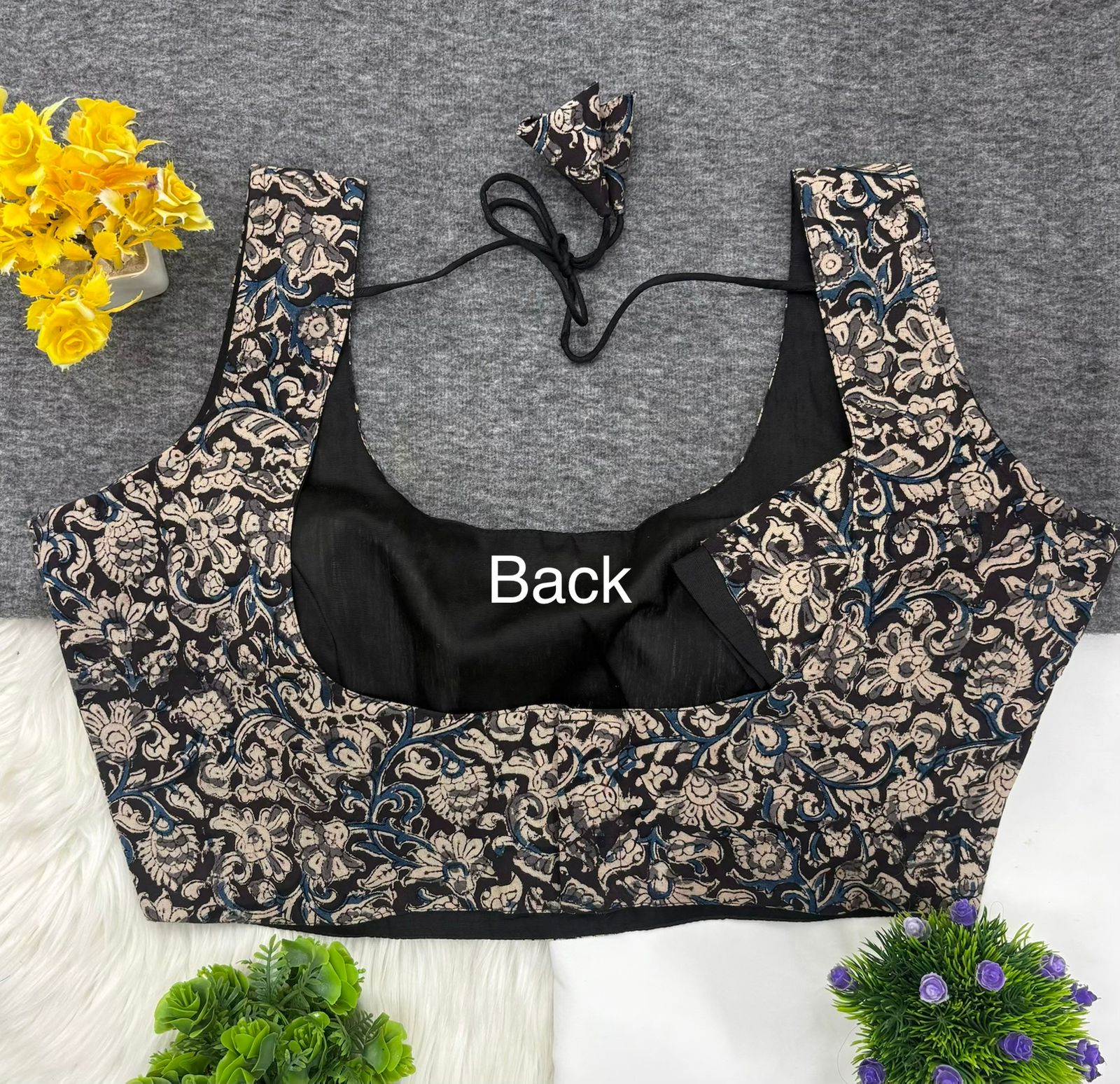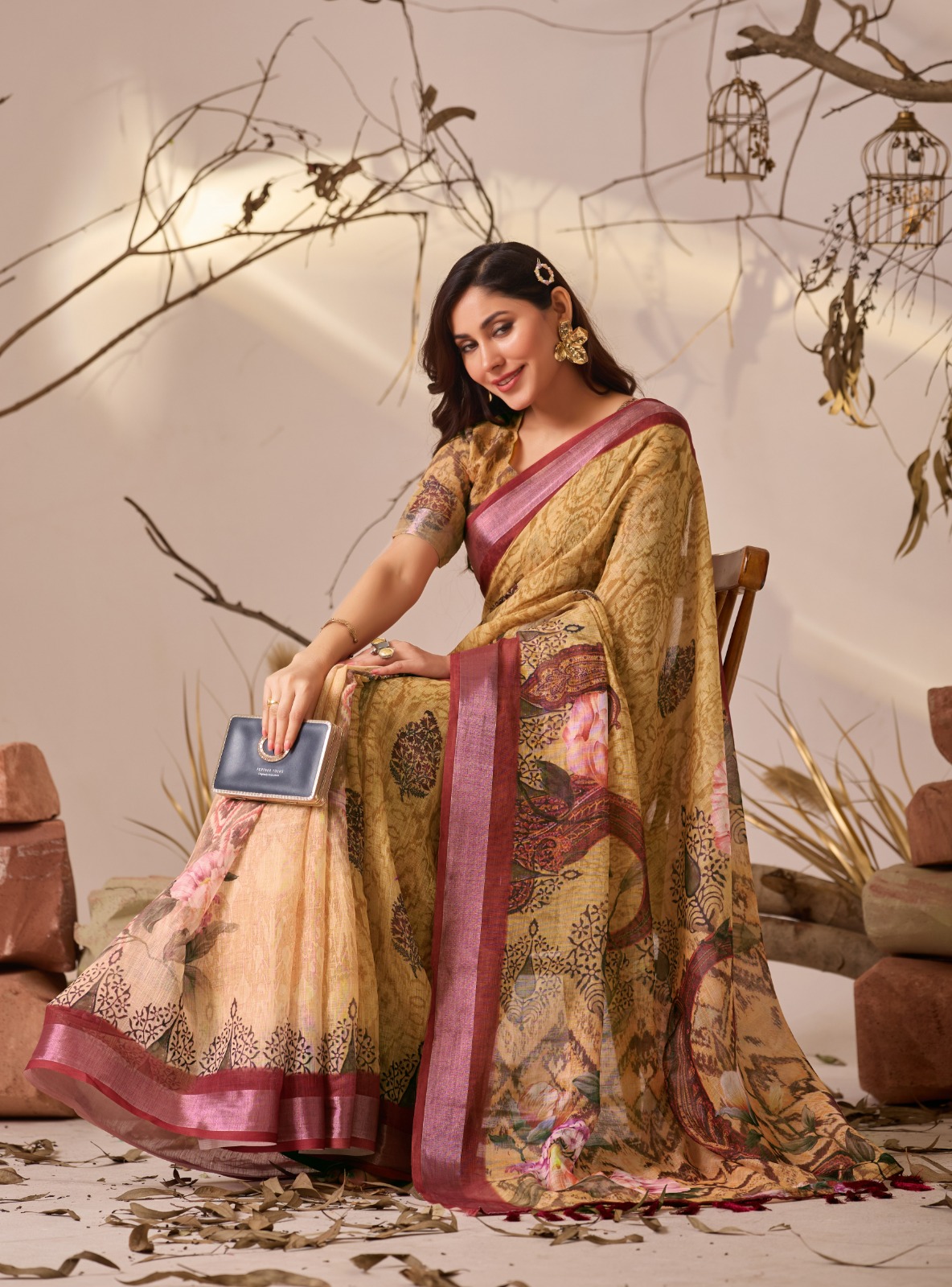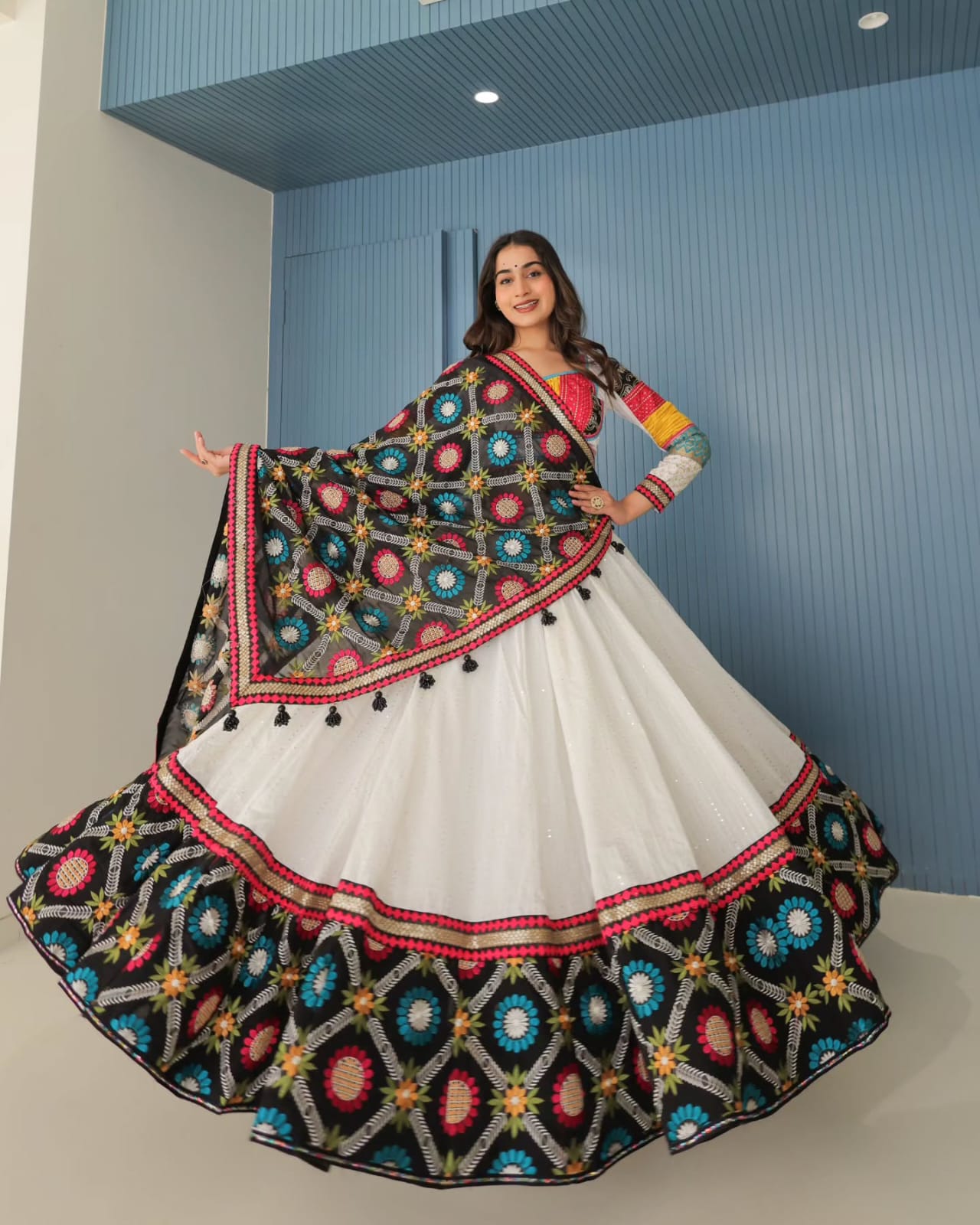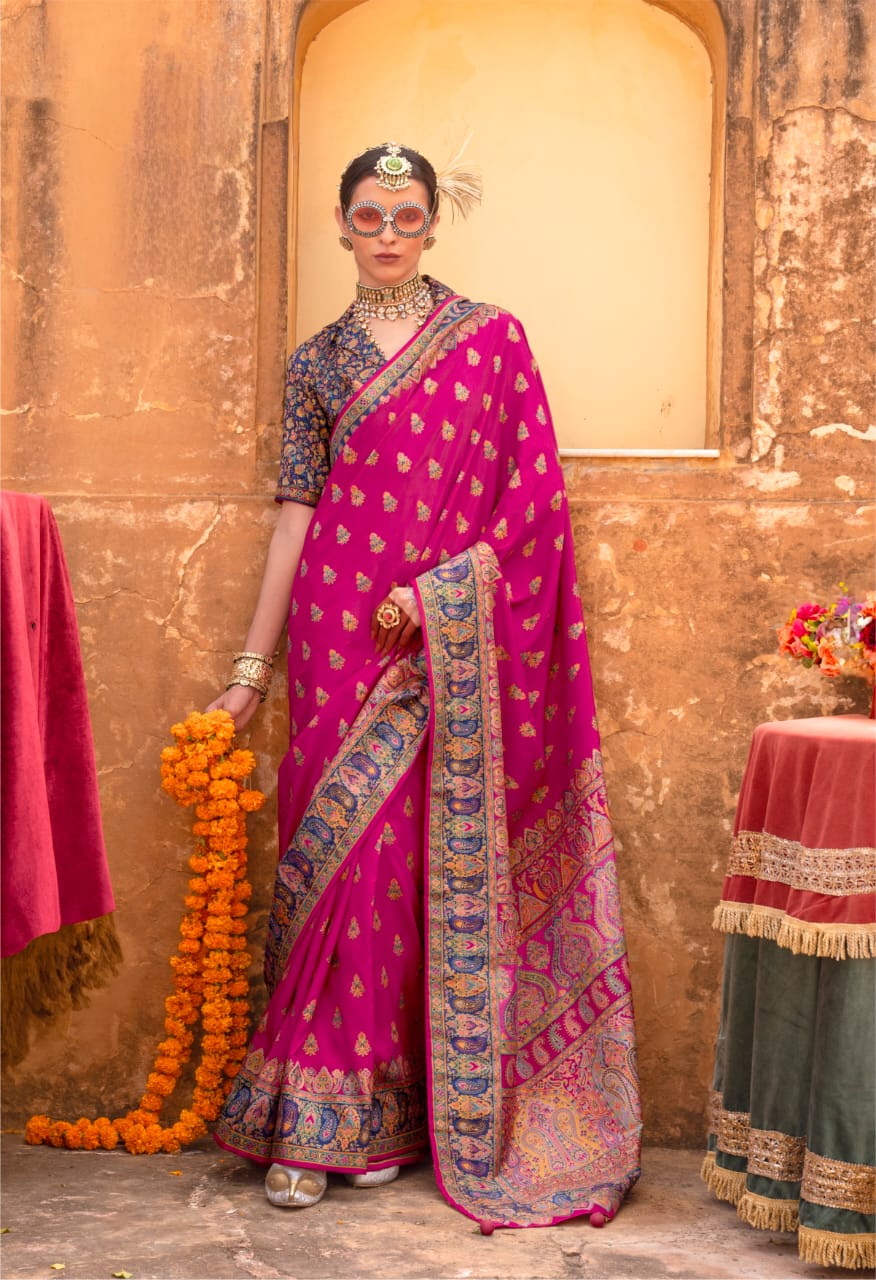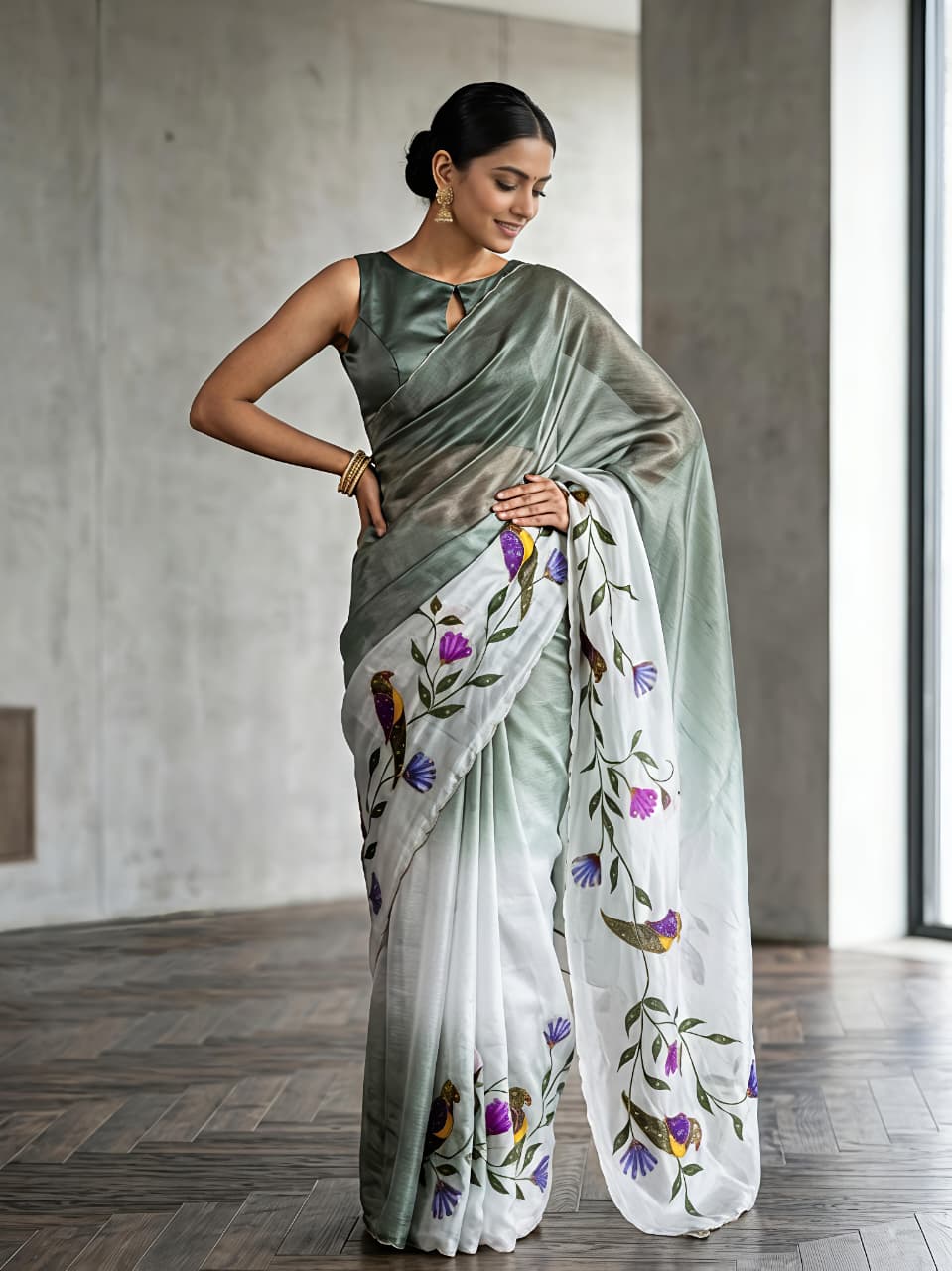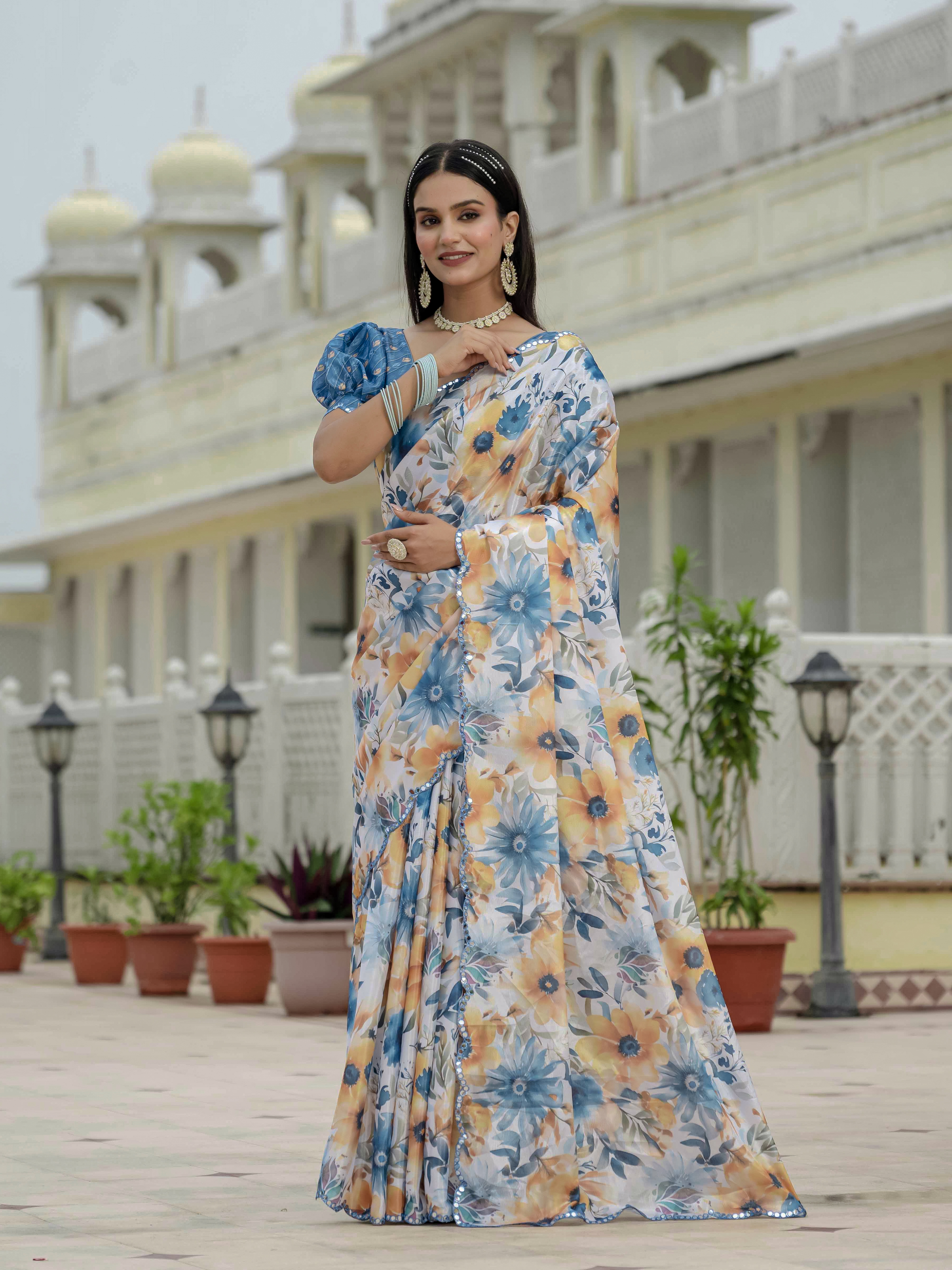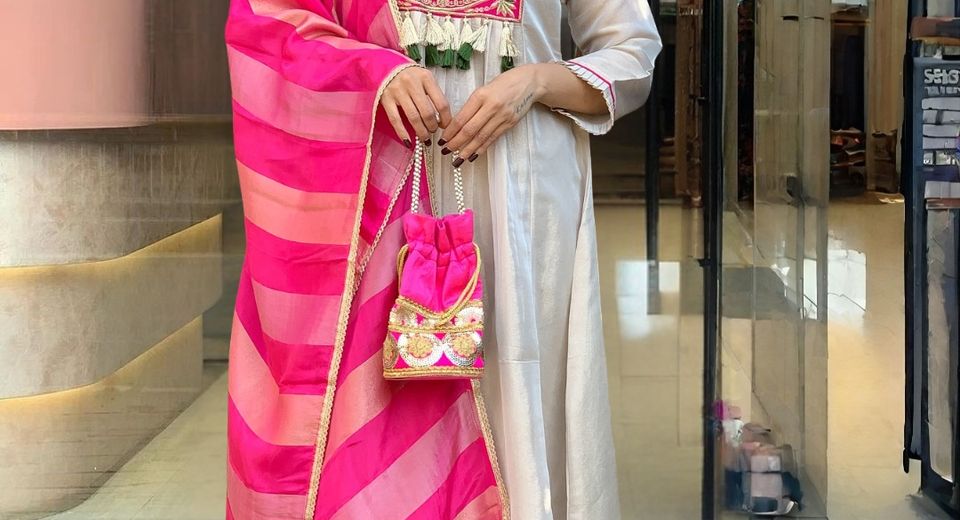
The neckline decides where the eye rests on a Punjabi suit, how a dupatta sits, and whether an embroidered kurta feels balanced or crowded. Punjabi Suit Neck Designs now extend well beyond the familiar round neck: square cuts, soft V-necks, collared openings, keyholes and sculpted sweetheart shapes can make the same salwar silhouette look entirely different. The most flattering choice depends on face shape, shoulder width, bust comfort, fabric weight and the amount of work on the front.
An useful starting point is to separate the kurta neckline from the blouse neckline. A kurta needs enough opening for comfortable movement and a clean relationship with the dupatta, while a blouse may use a deeper or more decorative cut because it's usually worn beneath a saree or lehenga. The guide below explains how to choose both without treating a trend photograph as a universal rule.
How to choose Punjabi Suit Neck Designs for your proportions
The right Punjabi Suit Neck Designs create visual balance between the face, neck, shoulders and length of the kurta. A neckline should support the garment's proportions rather than compete with its print, embroidery or dupatta.
Face shape and neck length
A V-neck or narrow vertical slit can visually lengthen a round face or a shorter neck. A broad square neckline can add width around a narrow face, while a shallow boat neck draws attention towards the shoulders. An oval face can accommodate most shapes, but the depth and width still need to suit the garment's neckline finish.
A high band collar gives a polished, contemporary effect and works particularly well with straight kurtas or tailored pant sets. A collar should not sit tightly against the throat; leaving approximately 1 to 1.5 centimetres of ease makes sitting, speaking and wearing jewellery more comfortable.
Shoulders and bust comfort
A wide boat neck visually broadens the shoulder line, whereas a centred V-neck creates a stronger vertical direction. A square neck offers structure without the sharper point of a V, making it a versatile choice for medium-weight cotton, silk blends and jacquard.
Neckline depth should be judged while standing, sitting and lifting the arms. For a ready-made kurta, measure from the shoulder's highest point to the centre of the opening, then compare that measurement with a garment you already wear comfortably. A facing or lining that's 5 to 7 centimetres wide usually keeps the edge stable on light fabrics.
Modern kurta necklines that work with Punjabi silhouettes
Up-to-date kurta necklines work best when the opening reflects the cut of the salwar, the fabric's structure and the scale of the front embellishment.
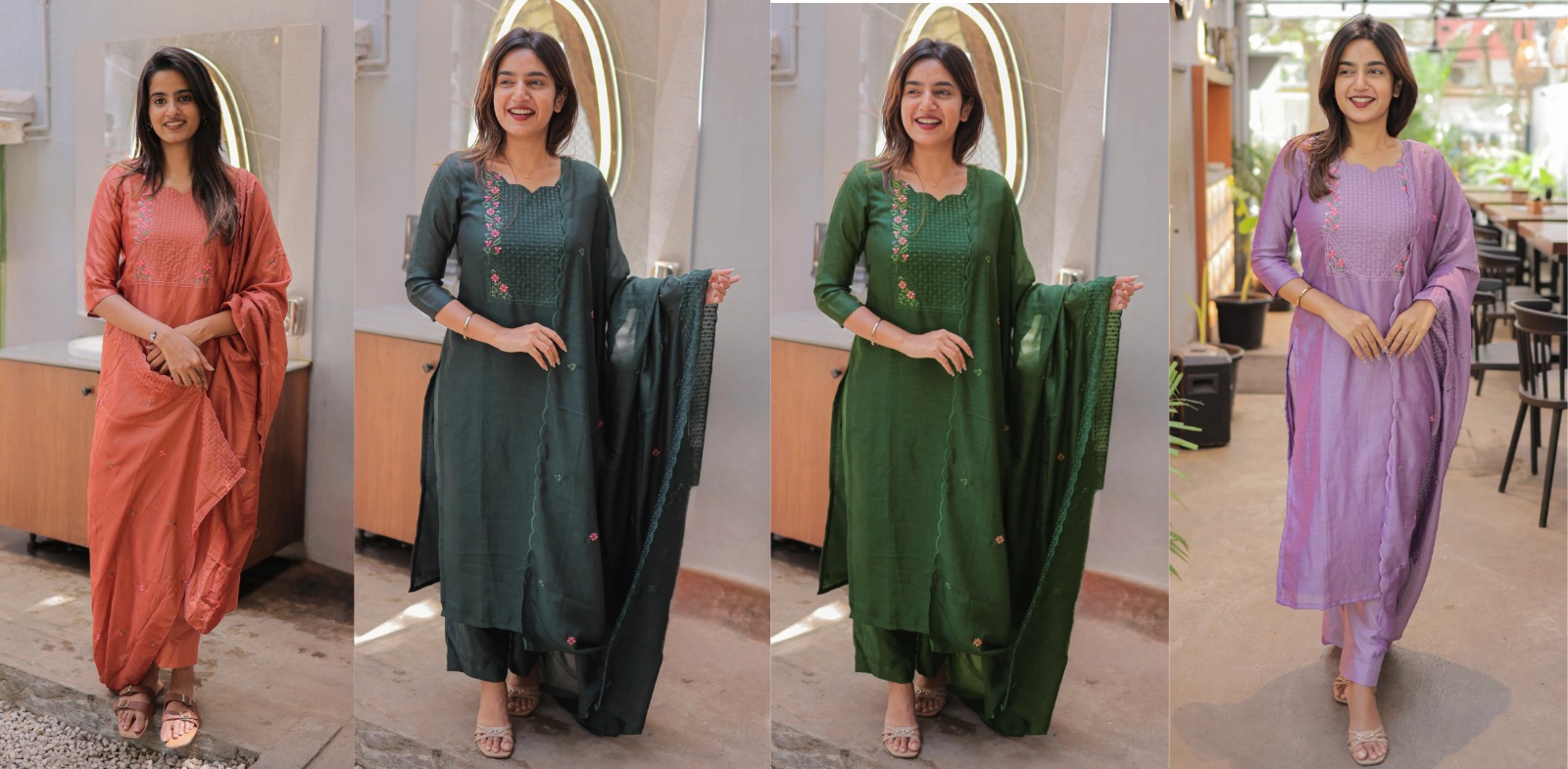
Square and sweetheart necks
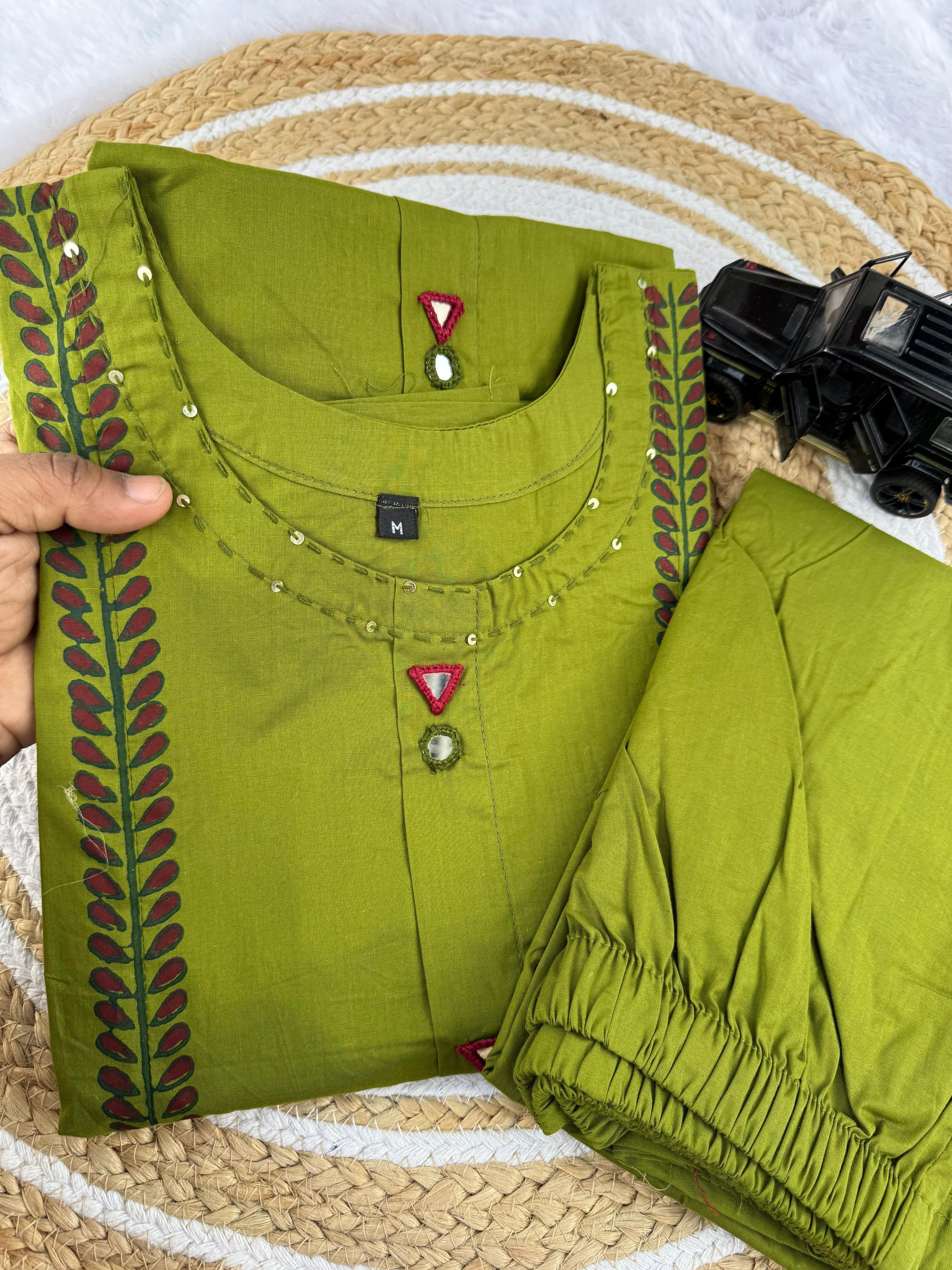
A square neck gives a Punjabi suit a crisp, contemporary frame and suits straight kurtas, cigarette pants and Patiala salwars. The angular edge looks especially effective with geometric gotapatti, mirror work or narrow piping. A sweetheart neckline softens the same area with a curved centre and is better suited to festive embroidered kurtas or a fitted blouse panel.
Keep square-neck embroidery concentrated along the outer edge when the fabric already carries a strong print. A 1 to 2 centimetre embroidered border is usually enough for a printed kurta; heavier work can make the chest area appear visually dense.
V-necks, keyholes and slit necks
A V-neck adds length to a short kurta and pairs naturally with a dupatta worn over one shoulder. A small keyhole or centre slit provides the vertical effect without requiring a deep opening, which makes it practical for daytime salwar suits.
A keyhole should have a secure hook, fabric loop or concealed snap if the opening is more than 8 centimetres long. The fastening prevents the slit from widening during movement and protects delicate embroidery from repeated pulling.
Collars and band necks
A band collar makes a salwar suit look tailored and contemporary, particularly when the kurta has full sleeves, a straight hem or matching trousers. A short mandarin collar works with Banarasi silk, jacquard and structured brocade, while a narrow shirt collar suits cotton prints and relaxed everyday sets.
Collars require accurate shoulder and neck measurements because excess fabric at the back can create a roll. Avoid pairing a stiff high collar with a very heavy dupatta; the combined volume can feel restrictive around the neck and upper chest.
Matching the neckline to fabric, print and embroidery
Fabric weight and surface detail should determine the neckline finish because soft cloth behaves differently from a firm weave or embellished net.
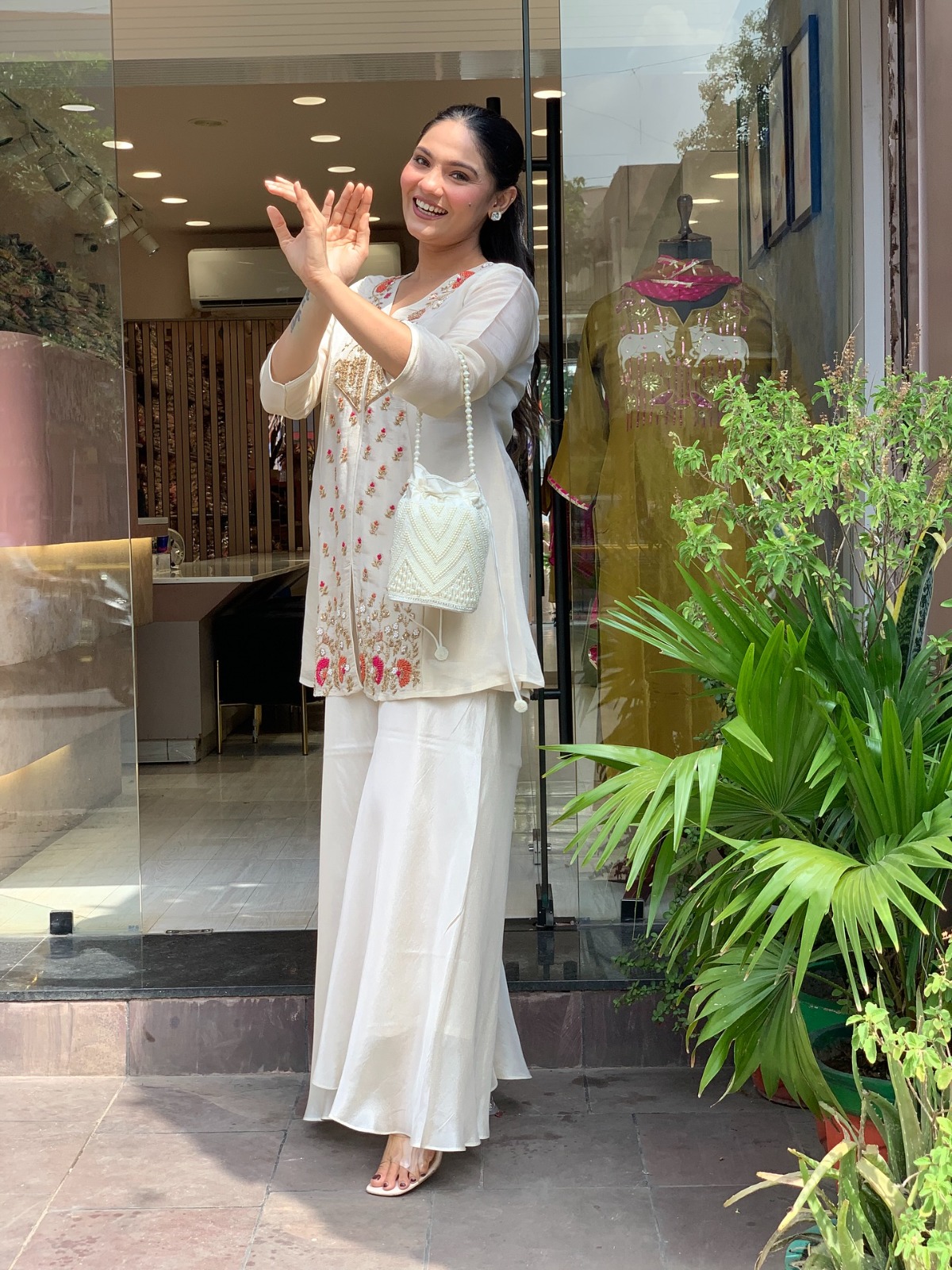
Chanderi and lightweight cotton support shallow V-necks, narrow round necks and small keyholes because their drape remains airy. Banarasi silk and jacquard can hold square necks, band collars and shaped sweetheart cuts, provided the neckline is reinforced with a stable facing. Georgette needs lining and careful edge finishing because an unsupported deep cut may stretch.
Zari, threadwork, sequins and gotapatti should follow the neckline's geometry. Parallel lines suit a V-neck, a rectangular border suits a square neck, and curved motifs look most harmonious around a sweetheart opening. Leave a small area of visual breathing room between the neckline border and the bust embroidery instead of joining every motif into one heavy panel.
The Elegant Silk Embroidered Kurta Pant Set with Jacquard Dupatta demonstrates why a structured neckline can balance a more formal fabric combination. By contrast, the Pink Flower Printed Salwar Suit works well with a simpler neckline because the print already supplies visual interest. A printed fabric generally benefits from a clean edge, piping or a small embroidered accent rather than multiple competing borders.
Neckline ideas for festive, daytime and wedding dressing
The most suitable neckline changes with the setting, because comfort, ornament scale and modesty expectations differ between a workday and a wedding.
Daytime and office-friendly salwar suits
A shallow V-neck, closed square neck or small band collar is practical for daytime wear. These shapes sit neatly under a dupatta, allow simple earrings to stand out and don't require constant adjustment while commuting or working.
The Pista Royale Salwar Suit can be styled with a clean round or shallow square neckline when the aim is a composed daytime look. A light cotton or printed suit from Kalamkari Print Salwar Suits benefits from restrained neckline finishing, especially when the print includes several colours.
Haldi ceremony and festive gatherings
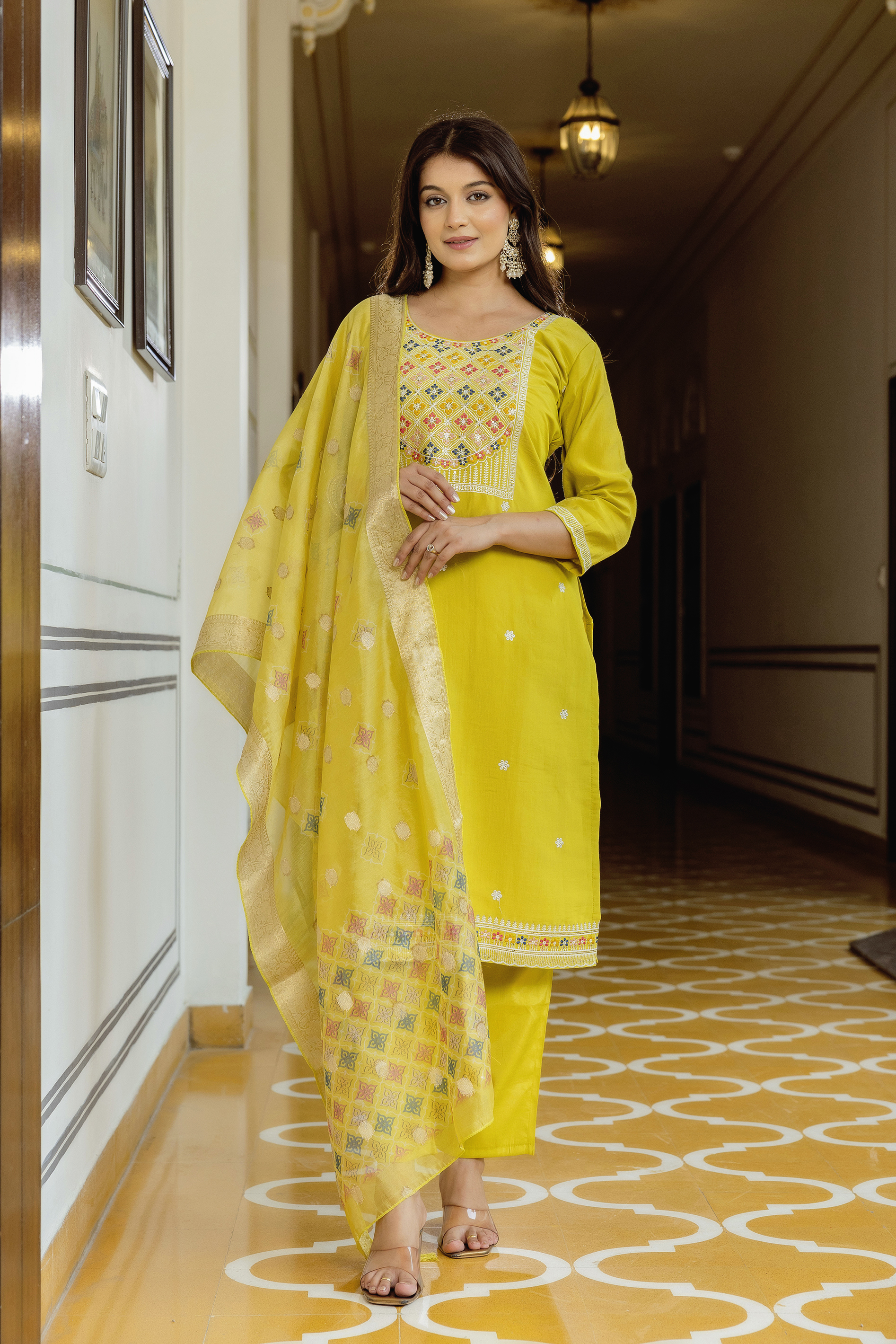
A Haldi ceremony calls for a neckline that stays comfortable and secure while allowing movement. A medium-depth square neck, rounded V-neck or small keyhole works well with lightweight fabrics, elbow-length sleeves and a dupatta pinned at one shoulder.
The Designer Yellow Salwar Suit with Dupatta naturally supports a festive square or curved neckline with tonal piping, while the Pink Salt Gotapatti Salwar Suit Set can carry a more decorative edge because gotapatti already supplies a defined shimmer. Keep metallic work away from points that rub against the collarbone if the outfit will be worn for several hours.
Evening and wedding dressing
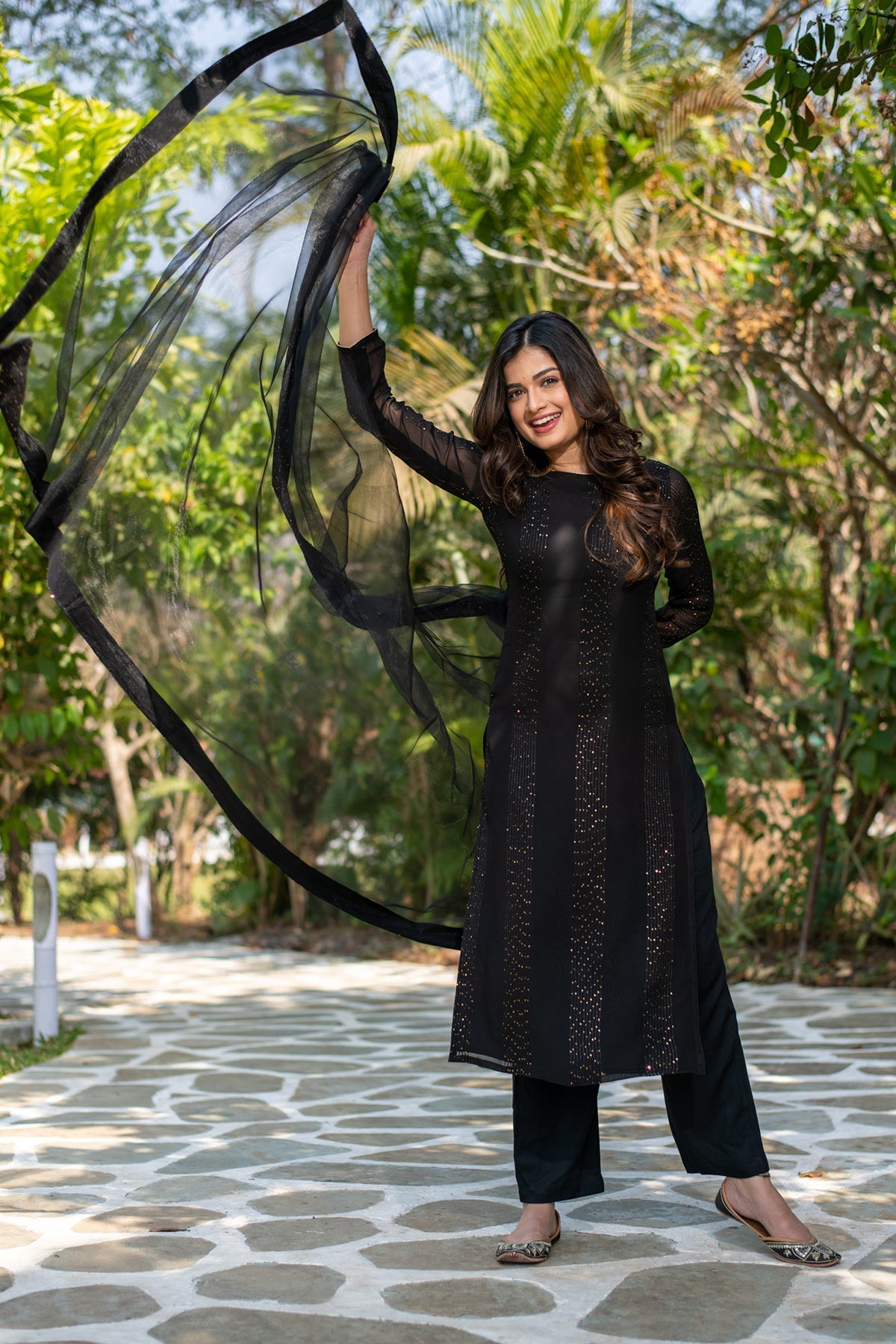
An evening suit can support a deeper V, sweetheart cut or embellished keyhole when the neckline is stabilised with lining and secure closures. The Black Embroidered Georgette Salwar Suit with Net Dupatta can take a narrow V-neck framed by controlled embroidery, while a heavier border should be balanced with simpler earrings.
For a brighter reception outfit, the Shop Orange Threadwork Suit Set with Chinon Dupatta can use a rounded V or soft sweetheart shape that echoes the threadwork. A Navy Blue Embroidered Salwar Suit usually benefits from silver, antique-gold or tonal neckline detailing chosen to match the embroidery rather than adding a separate colour story.
How the dupatta changes the neckline choice
A dupatta changes how much of the neckline remains visible, so the best design must be judged with the intended drape rather than on the kurta alone.
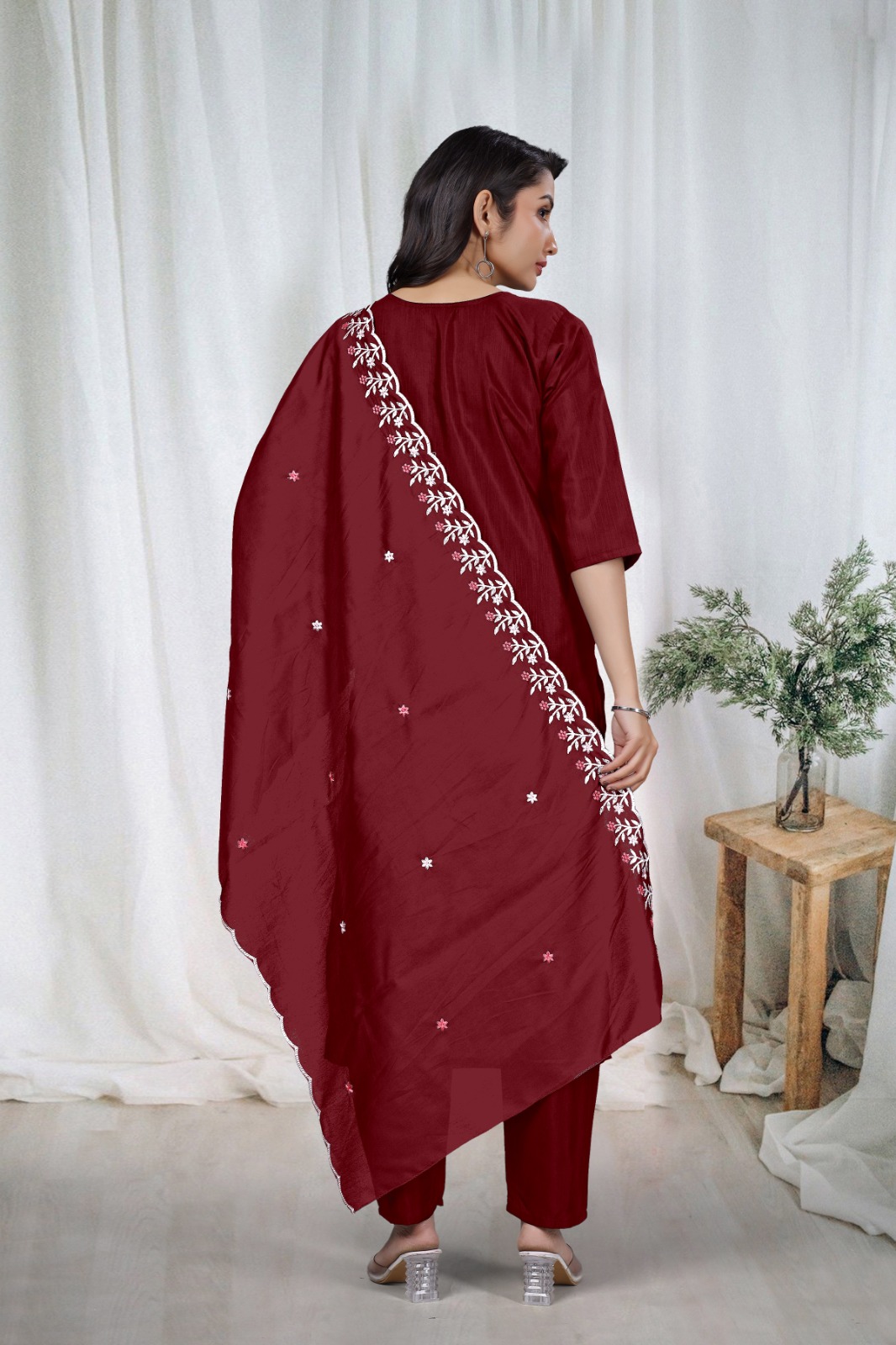
A front-pinned dupatta can conceal a wide boat neck or part of a square neck, making a strong border less visible. An one-shoulder drape leaves the centre front open and gives a V-neck or keyhole more impact. A neatly folded dupatta worn over both shoulders works with a band collar or shallow round neck because the look remains orderly.
Patiala salwars already add volume below the waist. A narrow V or vertical slit can balance that volume by directing the eye up and down, while a very broad boat neck may make the upper body appear wider. This proportion is particularly relevant to Punjab Patiala Salwar Suits, where pleated bottoms and a shorter kurta create a clearly segmented silhouette.
Regional references can also guide styling without forcing a costume-like result. Maharashtra Paithani Inspired Salwar Suits may suit a clean, elegant neckline that allows woven-inspired colour placement to lead. Gujarat Bandhej Salwar Suits and Odisha Sambalpuri Salwar Suits often have expressive colour or pattern. A simple neck finish can prevent the outfit from becoming visually crowded.
Blouse neck designs that coordinate with a Punjabi suit wardrobe
A blouse neckline should coordinate with the suit's neckline family, but it doesn't need to be an identical copy.
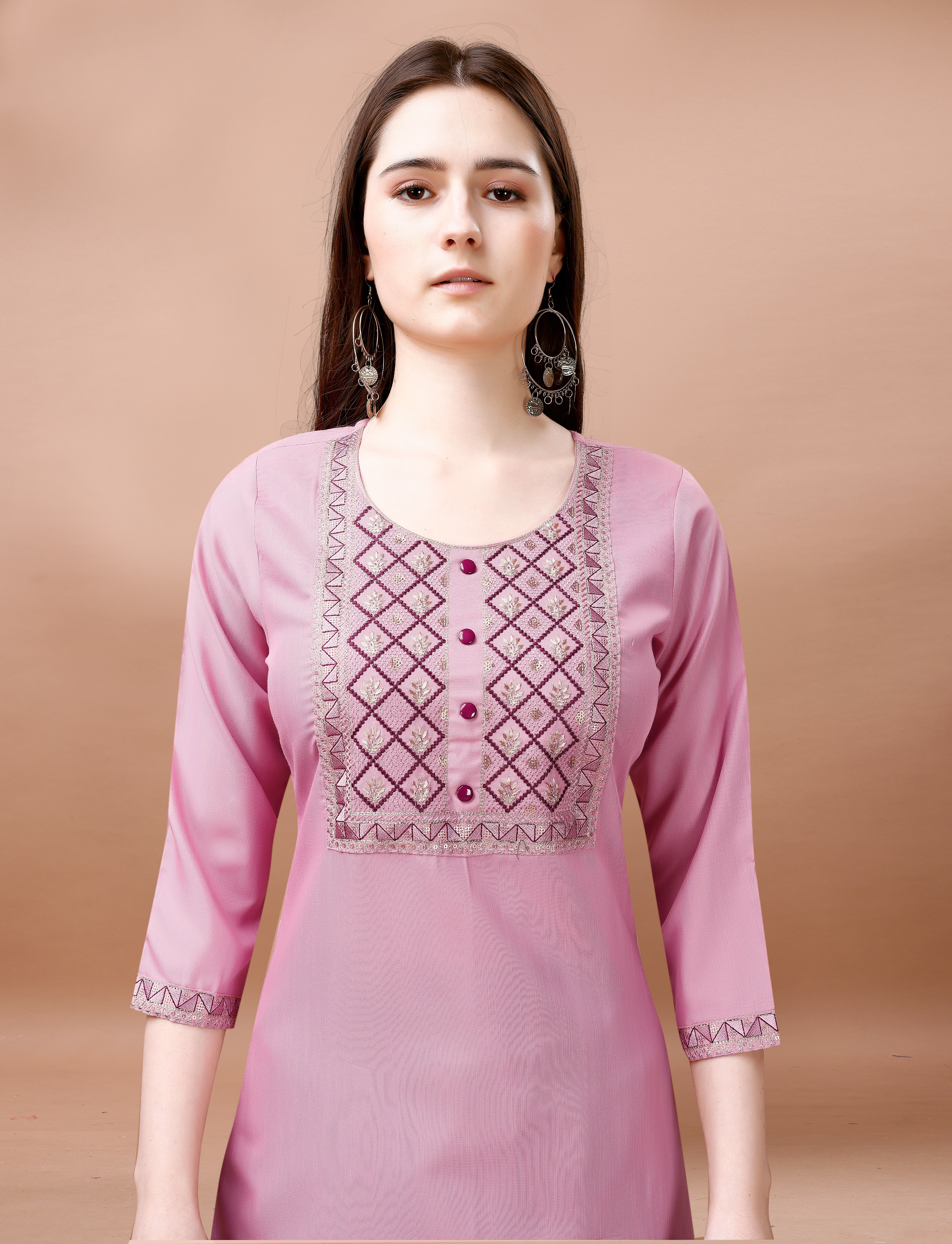
A square kurta neck can be echoed by a square blouse with a slightly different depth, creating coordination without looking manufactured. A V-neck kurta can pair with a rounded blouse if the dupatta or saree border brings the connecting detail. For a contemporary wardrobe, one repeated element-such as piping, a metallic thread or a curved edge-is usually enough to link separate pieces.
Sweetheart and scoop blouses suit softer fabrics and statement earrings, while a high-neck blouse creates a refined base for a sheer dupatta or an open jacket. When using a heavily embroidered blouse, keep the kurta neckline quieter; two dense neck borders placed close together can make the upper body look shorter.
Measure the blouse neckline while wearing the intended inner layer. A 1 to 2 centimetre difference in apparent depth can occur between a bare fitting and a blouse worn over a camisole or padded lining. Confirm armhole comfort as well, because a beautiful neckline can't compensate for restricted movement at the shoulder.
A practical checklist before buying or tailoring
Use a five-point check before committing to a neckline: comfort, proportion, fabric stability, ornament placement and dupatta visibility.
- Check the opening: Sit, bend and raise both arms to confirm that the neckline remains secure and doesn't pull at the back neck.
- Check the balance: Compare the neckline width with the shoulder width and the kurta length. A broad opening on a short kurta can dominate the entire outfit.
- Check the fabric: Ask whether Chanderi, georgette, Banarasi silk, cotton or jacquard needs lining, interfacing or a reinforced facing.
- Check the decoration: Ensure zari, sequins, threadwork and gotapatti don't sit directly where jewellery or a dupatta edge will rub.
- Check the complete look: Try the neckline with the actual dupatta, earrings and hairstyle. A high bun exposes more of the neck than loose hair, changing the visual balance.
For online purchases, compare the garment measurements with a kurta that fits you rather than relying only on a general size label. Ask for the front neck depth, back neck depth, shoulder width and whether the neckline has lining. These four details reveal more about fit than the phrase "designer salwar suit" alone.
Care tips for embellished and shaped necklines
Care protects the neckline's shape, surface work and lining. Fold embroidered suits with the embellished front facing inward against a soft muslin layer, and avoid hanging heavily worked georgette for long periods because gravity can stretch the shoulder and neck area.
Dry-clean Banarasi silk, jacquard and heavily zari-worked garments when the care label recommends it. Lightly steam Chanderi or cotton from the reverse side, keeping the iron away from metallic thread and glued embellishments. Store a suit completely dry, and refasten keyholes or collar hooks before placing the garment in a wardrobe.
Punjabi Suit Neck Designs become easier to choose when the decision begins with proportion and use rather than a photograph alone. A secure square neck may serve a festive Patiala suit, a shallow V may improve everyday comfort. A carefully lined sweetheart blouse may give an evening outfit its focal point. The strongest design is the one that remains comfortable, structurally sound and visually balanced after the dupatta is draped.
Common Questions About Punjabi Suit Necklines and Blouse Styling
Which Punjabi suit neckline is best for a round face?
A V-neck, narrow keyhole or vertical centre slit usually creates a lengthening effect for a round face. Choose a moderate depth with a stable facing so the opening remains comfortable and polished.
Which neck design suits a short neck?
A shallow V-neck or open round neck generally gives a short neck more visual space. Avoid very high collars and broad, tightly fitted neckbands unless the garment is deliberately tailored for that proportion.
Can a Punjabi suit have a deep V-neck?
A Punjabi suit can have a deep V-neck when the garment has adequate lining, a secure hook or snap and enough bust support. For active daytime wear, a medium-depth V or a keyhole offers a similar vertical effect with greater coverage.
What neckline works best with a Patiala salwar?
A narrow V-neck, vertical slit or simple round neck balances the volume of a Patiala salwar by keeping the upper body visually focused. A very broad boat neck can add width to an already full silhouette.
How should embroidery be placed around a kurta neckline?
Embroidery should follow the neckline's geometry and leave a small breathing space before the bust motif. Curved work suits sweetheart necks, parallel lines suit V-necks, and rectangular borders suit square necks.
Should the blouse neckline match the Punjabi suit neckline?
The blouse neckline does not need to match exactly, but one shared detail can create coordination. Matching piping, a similar curve or the same metallic thread is enough to connect a square kurta neck with a different blouse shape.