

Punjabi Salwar Suits for a Classic Ethnic Look bring together a kurta, a practical salwar or trouser, and a dupatta that adds movement and colour. The combination works because each piece has a clear role: the kurta frames the face, the bottom shapes the silhouette, and the dupatta supplies proportion. A thoughtful choice can take you from a family lunch to a festive gathering without looking overdone.
The most flattering Punjabi suit isn't necessarily the most heavily decorated one. Fabric weight, sleeve length, neckline, salwar volume, and dupatta width determine how the outfit sits on the body. Understanding those details helps you select a suit that feels traditionally rooted while still matching your lifestyle.
Punjabi Salwar Suits for a Classic Ethnic Look: What creates the traditional effect?
Punjabi Salwar Suits for a Classic Ethnic Look usually combine a lively colour story, a comfortable lower silhouette, and a dupatta worn as a visible part of the outfit rather than an afterthought. Classic Punjabi styling welcomes contrast: a bright kurta with a patterned dupatta, a solid base with embroidery, or a richly woven fabric balanced by simple accessories.
The classic impression comes from proportion more than decoration. A kurta ending around the knee or slightly above it gives a time-honoured salwar enough room to show. A dupatta draped over one shoulder or arranged across the chest makes the three-piece structure immediately recognisable. A modest neckline, three-quarter sleeves, and a defined shoulder line can make a printed cotton suit feel polished without making it formal.
Colour carries much of the Punjabi visual language. Mustard yellow, rani pink, maroon, bottle green, royal blue, black, and ivory are useful starting points. A two-colour outfit often looks more refined than a set containing many competing shades. If the suit already has a bold print, choose footwear and jewellery in one quiet metallic or neutral family.
Punjabi Salwar Suits for a Classic Ethnic Look: How should the fit be chosen?
Choose the silhouette according to movement, body proportions, and the amount of volume you want around the legs. A straight kurta with a salwar offers a recognisably Punjabi outline, while a kurta with cigarette pants creates a cleaner contemporary line and a palazzo bottom gives the outfit a relaxed fall.
Should you choose a salwar, Patiala, trouser or palazzo?
A heritage salwar has fullness at the hip and gathers towards the ankle, so it suits anyone who enjoys volume and easy movement. A Patiala-style bottom has more pleating and looks strongest with a shorter kurta that allows the folds to remain visible. Cigarette pants provide a neat, elongated finish and work well for offices or small gatherings. Palazzos create a broad vertical fall and are comfortable for long events.
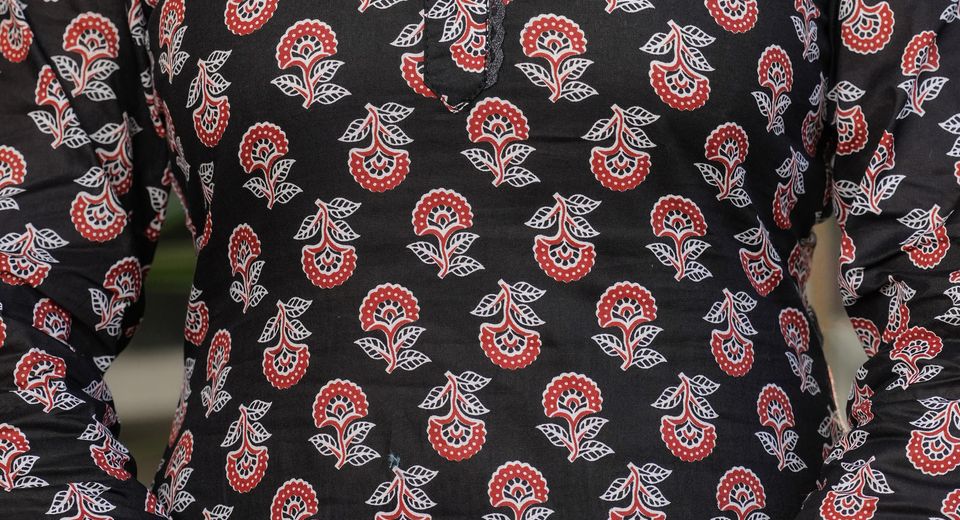
Black Maroon Cotton Printed Kurta Set with Dupatta demonstrates how a printed cotton base can support everyday comfort while retaining the familiar three-piece structure. A straight or lightly shaped kurta is useful when you want the print and dupatta to remain the focus rather than the cut.
What does a well-fitting Punjabi suit look like?
A well-fitting Punjabi suit allows approximately 5 to 8 centimetres of ease around the bust for comfortable everyday wear, although the exact amount depends on the fabric and preferred look. Shoulder seams should sit at the natural shoulder edge, armholes should not pull when you raise your arms, and sleeve openings should allow a watch or bangle to pass comfortably.
Check kurta length against the chosen bottom before buying or tailoring. A very long kurta can hide the shape of a classic salwar, while a very short kurta may feel unbalanced with slim cigarette pants. If you prefer more room around the midsection, look for side slits and a gently shaped hem instead of sizing up excessively, because extra shoulder width can make the outfit look untidy.
Punjabi Salwar Suits for a Classic Ethnic Look: Which fabrics work best?
Cotton suits are practical for warm weather and frequent wear, while silk blends, jacquard, georgette, and embellished fabrics are better suited to evening or festive dressing. Fabric selection affects comfort, fall, opacity, crease resistance, and the amount of jewellery an outfit can carry.
Why is cotton useful for daily wear?
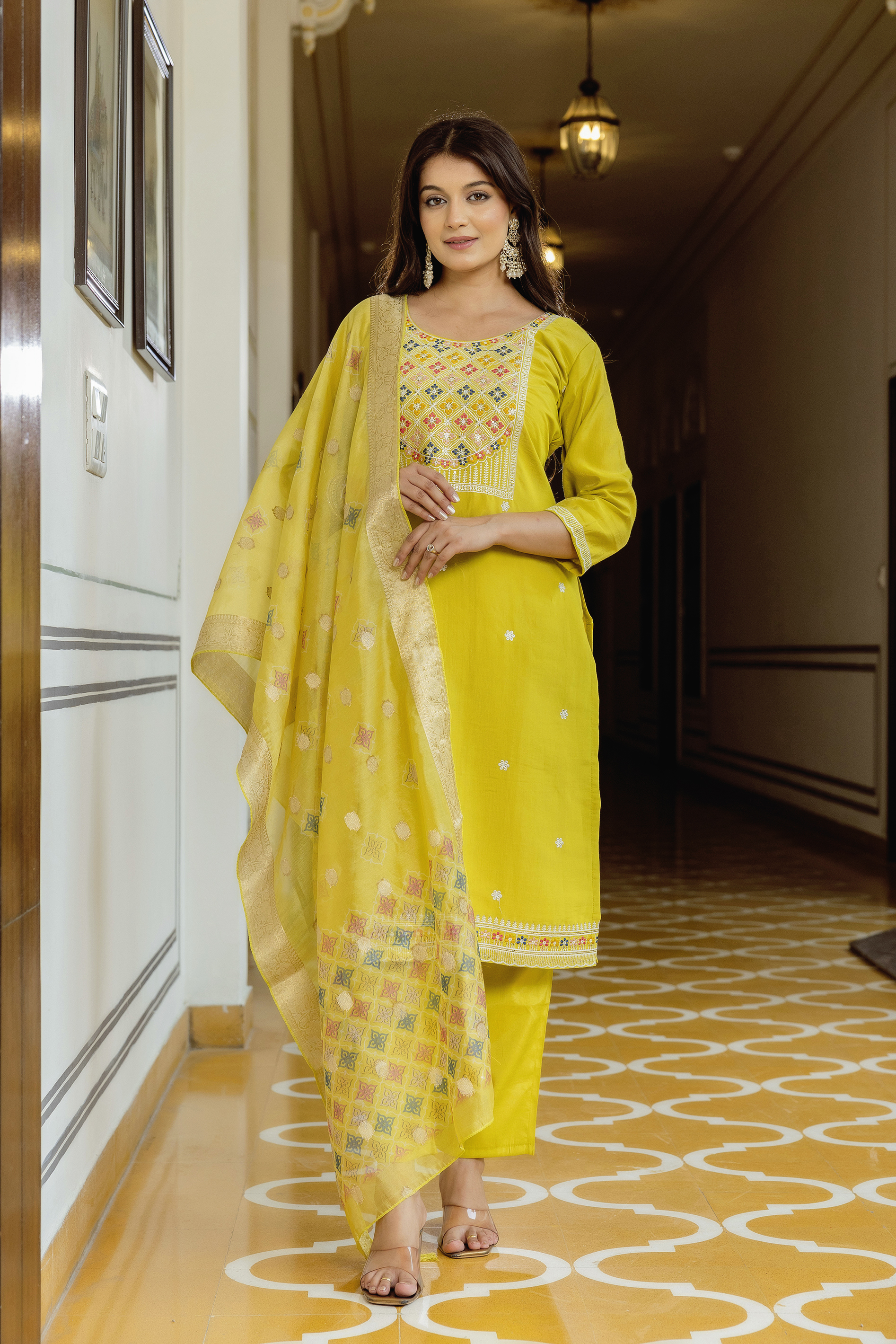
Cotton absorbs moisture and generally feels comfortable in Indian summers, but cotton also creases more readily than synthetic blends. Classic Yellow Cotton Kurti Set with Woven Dupatta is the kind of bright, breathable combination that can work for a daytime puja, a casual celebration, or regular wardrobe rotation. Woven texture adds interest without requiring dense embroidery.
Wash cotton according to the care label, preferably with mild detergent and cool water. Separate dark maroon, black, and navy garments during the first few washes because excess dye can transfer to lighter dupattas or lining fabrics. Dry printed cotton inside out and avoid prolonged harsh sunlight when you want the colour to remain crisp.
When should you choose jacquard, silk or georgette?
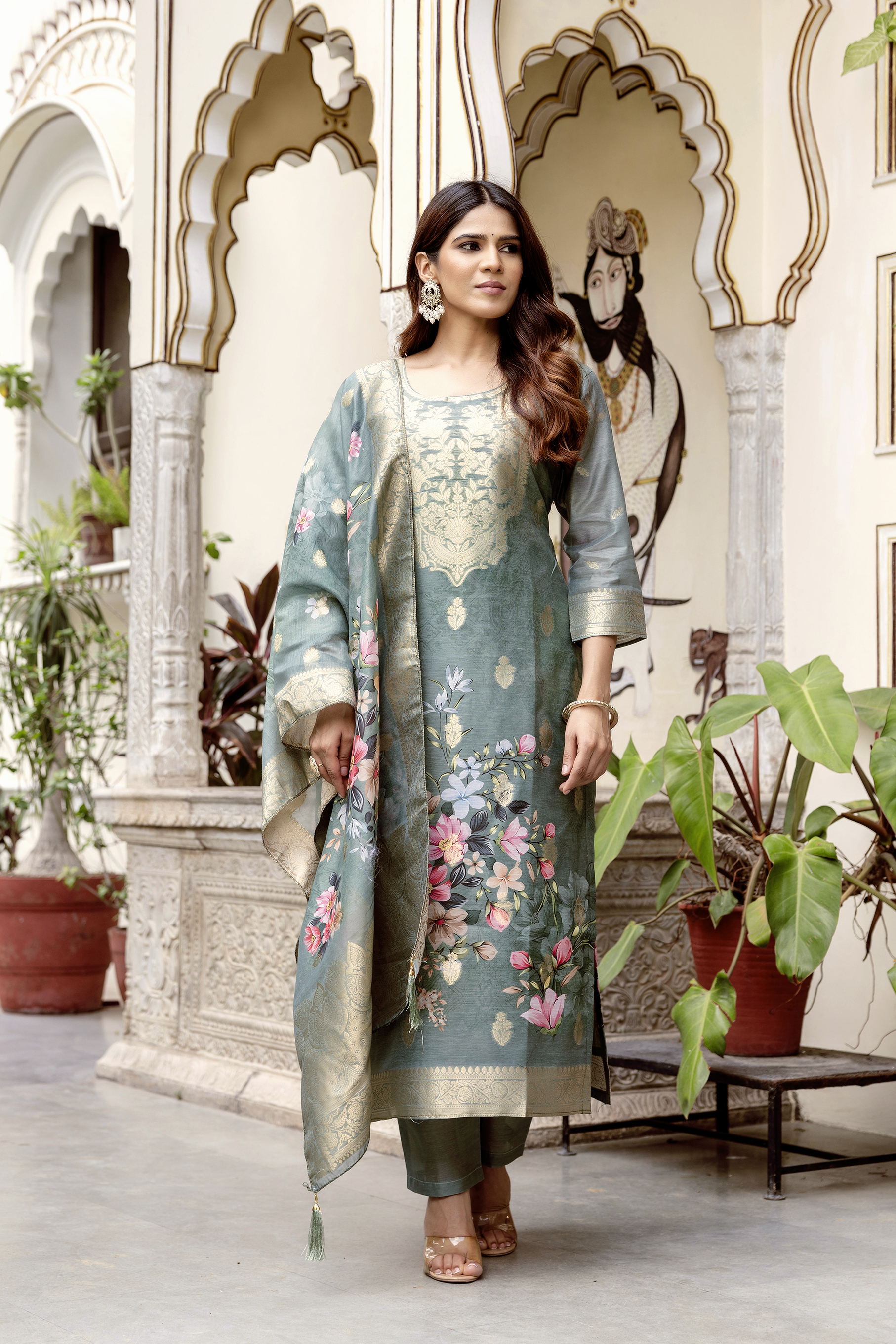
Choose jacquard or silk-blend fabrics when you want woven richness without extensive surface embroidery. Royal Pink JacquardSilk Classic Printed Suit Set suits celebrations where you want a dressier finish with a structured, textured appearance. Pair a richly woven suit with small earrings if you want the fabric to remain the visual centre.
Georgette drapes softly and usually creates a fluid dupatta, but georgette needs careful handling around jewellery, rough handbags, and sharp bangles. Black Embroidered Georgette Salwar Suit with Net Dupatta has a more evening-oriented character because embroidery and net introduce contrast in texture. Store net dupattas flat or fold them loosely rather than compressing them under heavy garments.
Embroidered Salwar Suit Set for Women can serve as a flexible middle ground between a daily cotton suit and a heavily formal ensemble. Light embroidery works for a family dinner or daytime ceremony, while denser threadwork and richer trims are more appropriate for receptions and evening functions.
Punjabi Salwar Suits for a Classic Ethnic Look: How do colour and pattern stay balanced?
Balance one dominant colour or pattern with quieter supporting pieces. A busy kurta needs a calmer dupatta or bottom, while a plain kurta can carry a printed, woven, or embroidered dupatta without appearing crowded.
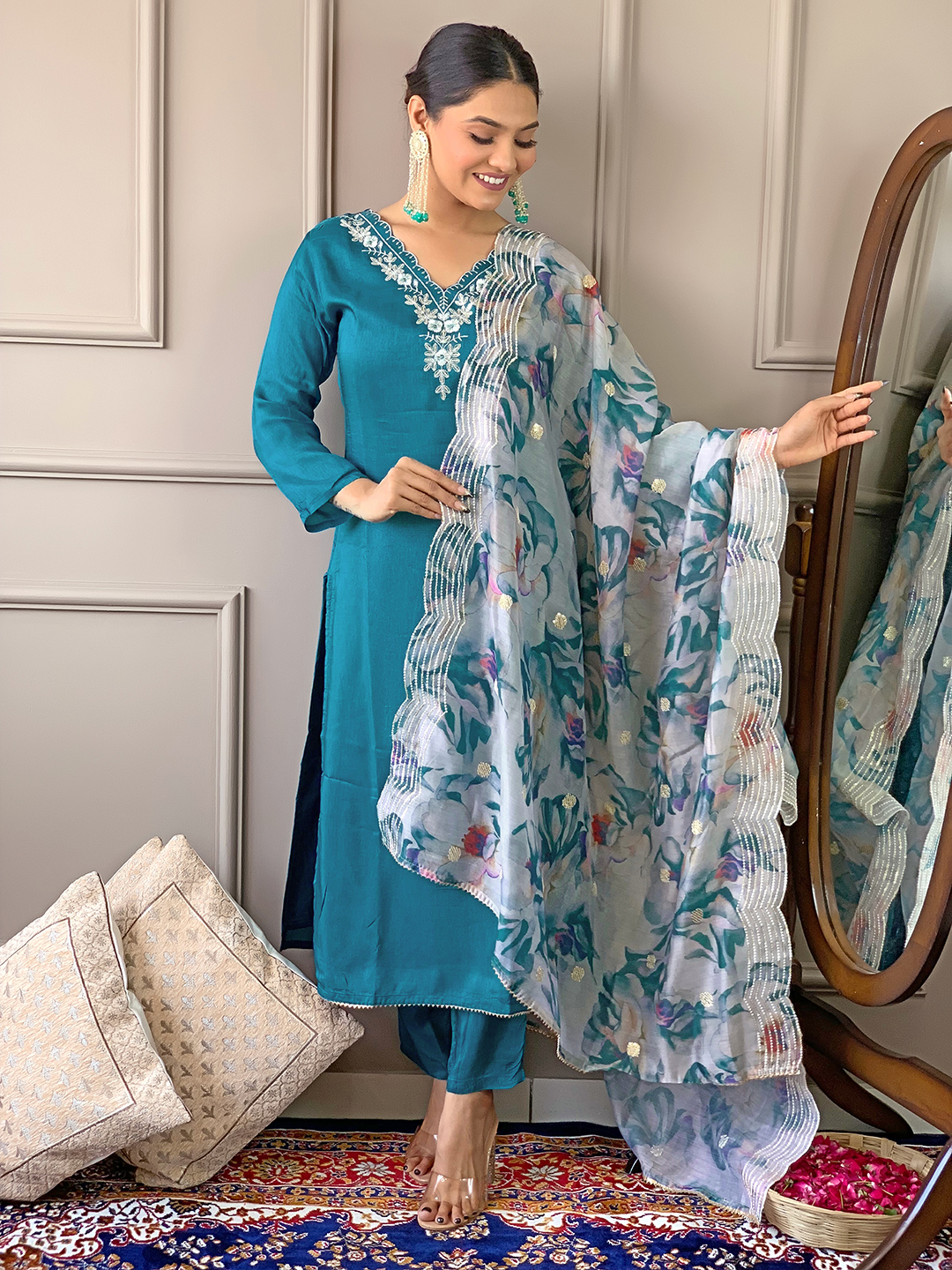
Use tonal dressing when you want an elegant, lengthening effect. A teal kurta with a slightly lighter or darker teal bottom creates continuity, while antique-gold jewellery adds warmth. Elegant Teal Embroidered Kurta Pant Dupatta Set follows this principle by making colour and embroidery work together rather than compete with multiple unrelated shades.
Use contrast when you want a distinctly Punjabi festive effect. Yellow with green, pink with orange, maroon with mustard, and black with ivory are reliable combinations, but the contrast should repeat at least once. Ivory embroidery can reappear in the dupatta border or footwear, creating a visual bridge between separate pieces.
Floral prints are easiest to style when one background colour is repeated in the accessories. Black White Floral Embroidered Readymade Salwar Suit brings a monochrome base that can take silver jewellery for a cooler finish or antique gold for a warmer finish. Avoid adding a third strong colour unless it appears in a small, deliberate detail such as a bindi or embroidered border.
Maroon can look either traditional or contemporary depending on the supporting colour. Classic Maroon Woven Kurti Set for Women works with tan juttis and antique-gold earrings for a warm heritage palette, or with black accessories for a sharper evening interpretation.
Punjabi Salwar Suits for a Classic Ethnic Look: What is the best dupatta drape?
Style the dupatta according to the neckline, fabric weight, and amount of movement required. A narrow front pleat gives a neat appearance, while a loose one-shoulder drape shows more fabric and feels less formal.
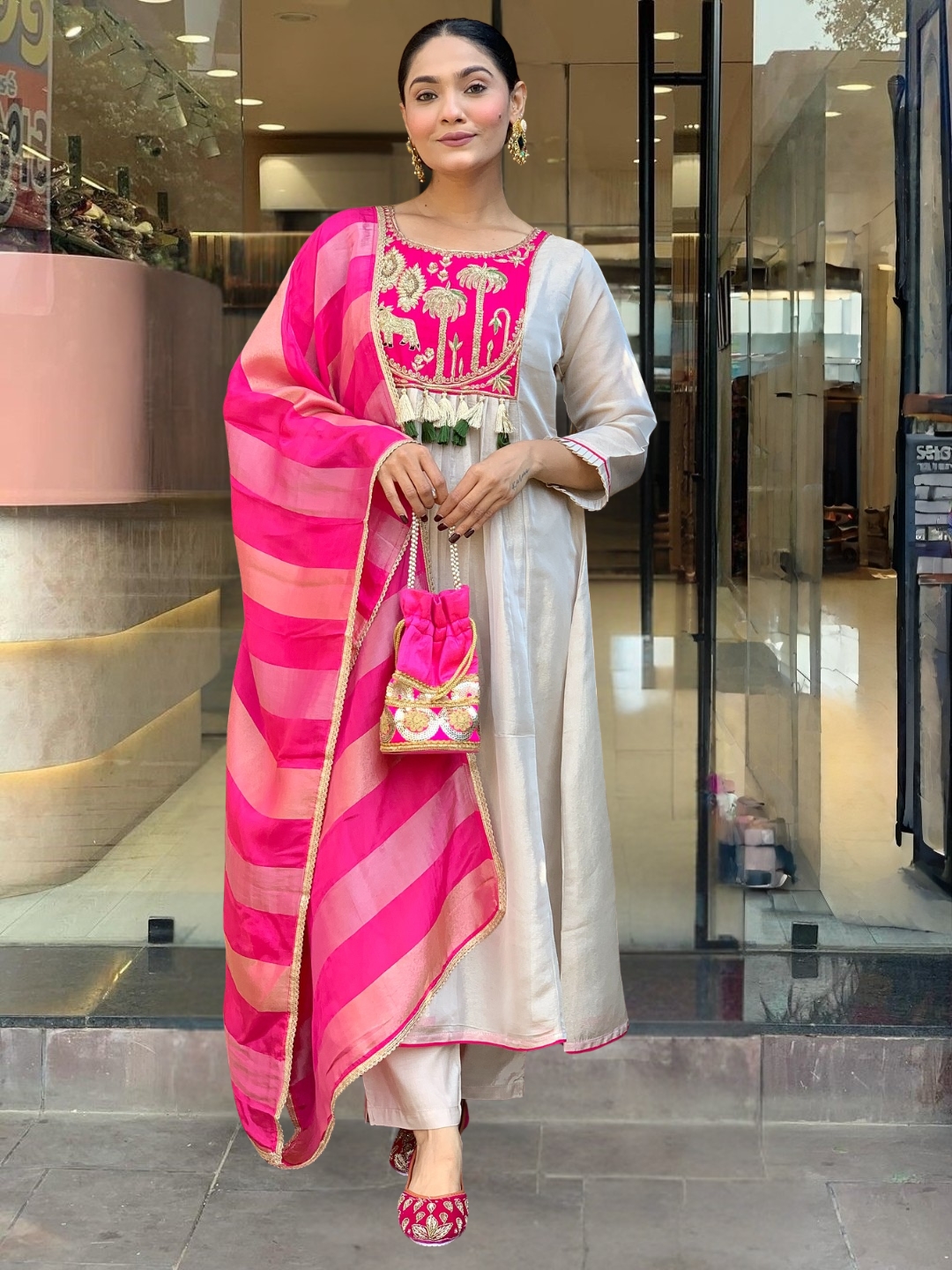
For a classic family function, pleat the dupatta into five or seven moderate folds, place it over one shoulder, and let the opposite end fall near the hip. Pin the shoulder section discreetly if you expect to move frequently. This arrangement keeps embroidery visible and prevents the dupatta from sliding across the neckline.
For a softer festive look, drape one end over the opposite shoulder and allow the front section to fall diagonally across the torso. This style works especially well with georgette, chiffon-like lightweight fabrics, and net. Avoid making very narrow pleats in a stiff woven dupatta because the folds may stand away from the body.
A printed or embroidered dupatta deserves room to be seen. Keep the kurta neckline relatively simple, use smaller earrings, and choose a bottom in one of the dupatta's background colours. A woven dupatta can also be worn over both shoulders for a formal daytime ceremony, provided the fabric isn't too bulky.
Punjabi Salwar Suits for a Classic Ethnic Look: Which details suit each occasion?
Daytime errands and informal lunches call for breathable fabric, moderate print, and accessories that don't require constant adjustment. Cotton, woven textures, small studs, flat juttis, and a crossbody or compact tote create a practical combination. Classic Maroon Woven Kurti Set for Women is well suited to this restrained, texture-led styling.
A Haldi ceremony calls for colour and comfort together because turmeric, water, and outdoor movement can be hard on delicate fabrics. Yellow, green, pink, and orange cotton suits are festive without demanding elaborate care during the event. Keep the dupatta securely pinned and choose washable or easy-care footwear where possible.
A wedding guest look can use embroidery, jacquard, or a richer dupatta to supply occasion value. Royal Pink JacquardSilk Classic Printed Suit Set needs little additional decoration, so choose a compact potli, jhumkas, and one or two bangles instead of a full jewellery stack.
Evening dressing benefits from controlled contrast rather than decoration on every surface. Black Embroidered Georgette Salwar Suit with Net Dupatta can be paired with metallic sandals, a structured clutch, and either silver or antique-gold jewellery. Repeating one metallic finish keeps the outfit deliberate.
Workwear requires secure movement, moderate transparency, and a dupatta that won't constantly slip. Elegant Teal Embroidered Kurta Pant Dupatta Set can be styled with closed-toe flats, a simple watch, and a firmly pinned shoulder drape. Avoid very long, trailing dupattas in crowded commutes or workplaces with machinery.
Punjabi Salwar Suits for a Classic Ethnic Look: Where can you shop thoughtfully?
Shop by intended use rather than by discount percentage alone. Ladies Dress Anarkali Salwar Suits can help when you specifically want a flared silhouette, while Dress Materials are more suitable when you want control over fabric, length, sleeve design, and tailoring.
Sale collections can be useful for building a practical rotation, but inspect composition, measurements, lining, closure details, and care instructions before choosing. Salwar Suits with 30% Off, Salwar Suits Flat 40% Off, and Salwar Suits On Sale may offer value when the colour, fabric, and fit already suit your wardrobe. A lower price doesn't compensate for a synthetic fabric that feels uncomfortable or a bottom that can't be worn with other kurtas.
Before ordering, measure the bust, waist, hip, shoulder, sleeve length, and preferred kurta length against the size chart. Check whether the listed garment measurement includes ease, whether the dupatta is included, and whether the bottom is elasticated, drawstring, or fixed-waist. These details prevent the common mistake of selecting a size based only on one bust measurement.
Care instructions should influence the purchase. Cotton can usually be washed more easily, while embroidered georgette, net, zari accents, and jacquard may require gentler cleaning and careful storage. Fold embellished pieces with soft muslin or tissue between heavily worked surfaces, and keep them away from damp wardrobes to reduce odour and textile damage.
The strongest wardrobe usually contains one breathable everyday cotton suit, one printed or woven set for informal gatherings, and one embroidered or textured set for celebrations. That small structure creates more outfit options than buying several nearly identical heavily decorated suits.
Common Questions About Punjabi Salwar Suits for a Classic Ethnic Look
What makes a Punjabi salwar suit different from a regular salwar suit?
A Punjabi salwar suit commonly uses a fuller salwar or Patiala-style bottom, a kurta with a visible traditional proportion, and a dupatta that contributes strongly to the colour story. Regular salwar suits may instead use straight pants, cigarette pants, palazzos, or an Anarkali silhouette.
Which fabric is best for Punjabi Salwar Suits for a Classic Ethnic Look in summer?
Cotton is usually the most comfortable summer choice because it is breathable and absorbs moisture. Choose a lighter cotton weave for daily wear, and check the care label because printed cotton can bleed or fade if washed with hot water or dried harshly in direct sunlight.
How should I style a Punjabi suit for a Haldi ceremony?
Choose a comfortable yellow, green, pink, or orange cotton suit and secure the dupatta with discreet pins. Flat footwear and washable accessories are practical because turmeric, water, and outdoor movement can affect delicate fabrics.
Can Punjabi salwar suits be worn to work?
Punjabi salwar suits can work for office dressing when the fabric is opaque, the fit allows easy movement, and the print or embroidery is moderate. A straight kurta, cigarette pants, a compact dupatta drape, closed-toe flats, and simple jewellery create a polished professional combination.
How do I choose the right dupatta for a printed Punjabi suit?
Choose a dupatta that repeats one colour from the print without adding several new competing shades. A calmer woven or solid dupatta balances a busy kurta, while an embroidered or printed dupatta works best with a plain kurta and a simple bottom.
How should embroidered georgette and net dupattas be stored?
Store embroidered georgette and net dupattas clean and completely dry, folded loosely with soft tissue or muslin between heavily embellished sections. Keep them away from sharp jewellery, rough surfaces, heavy garments, and damp cupboards to reduce snags and textile damage.





