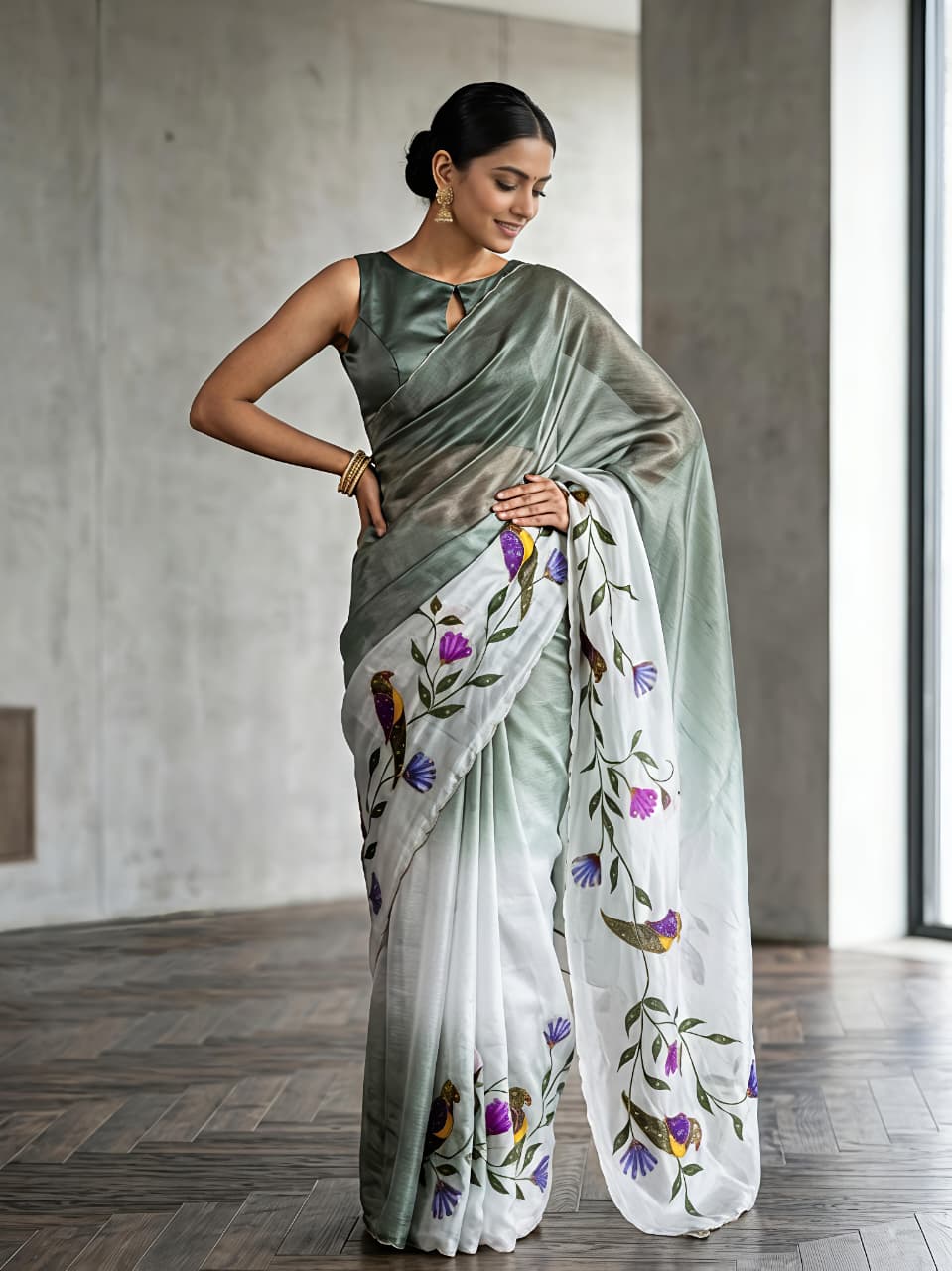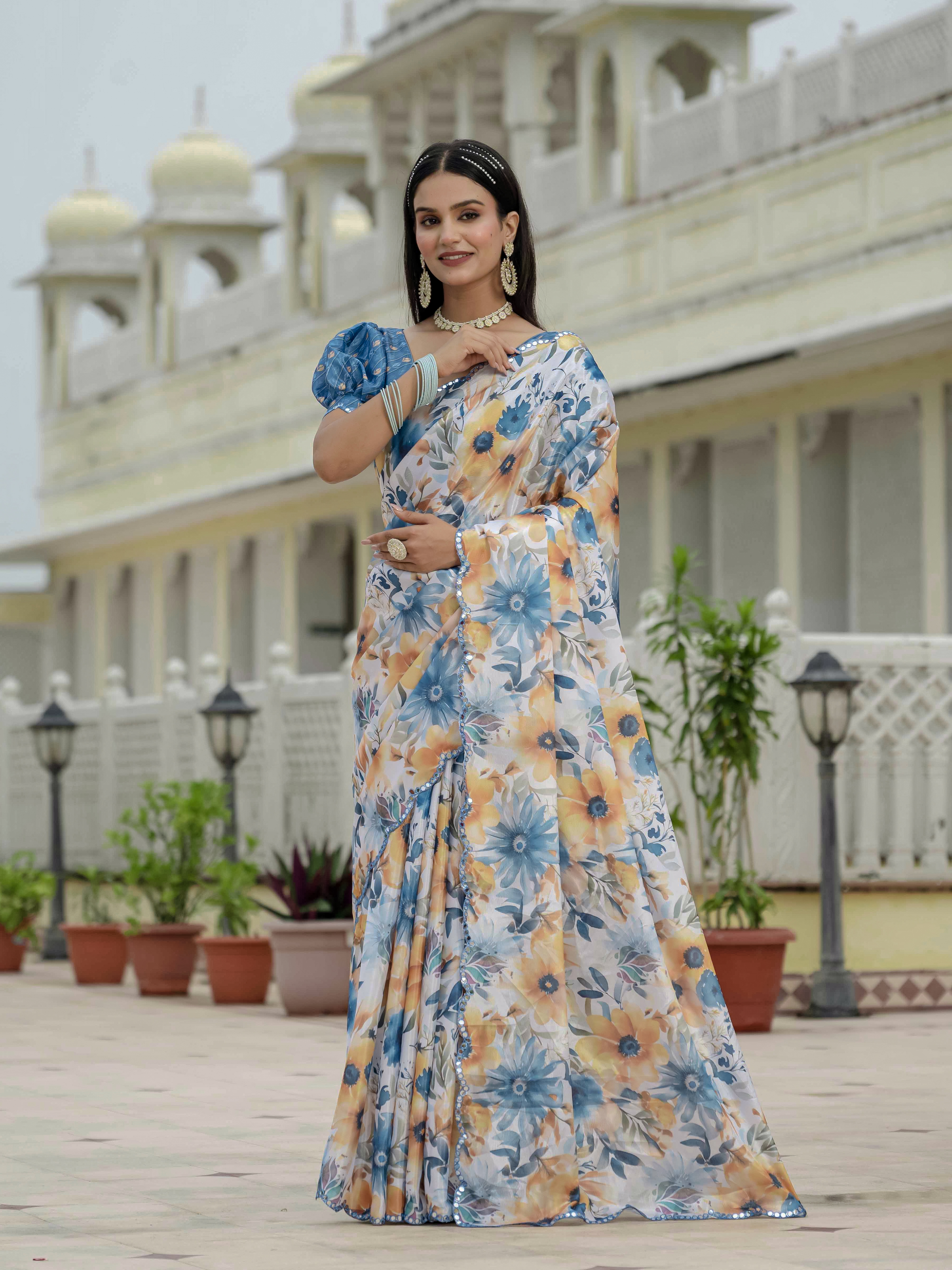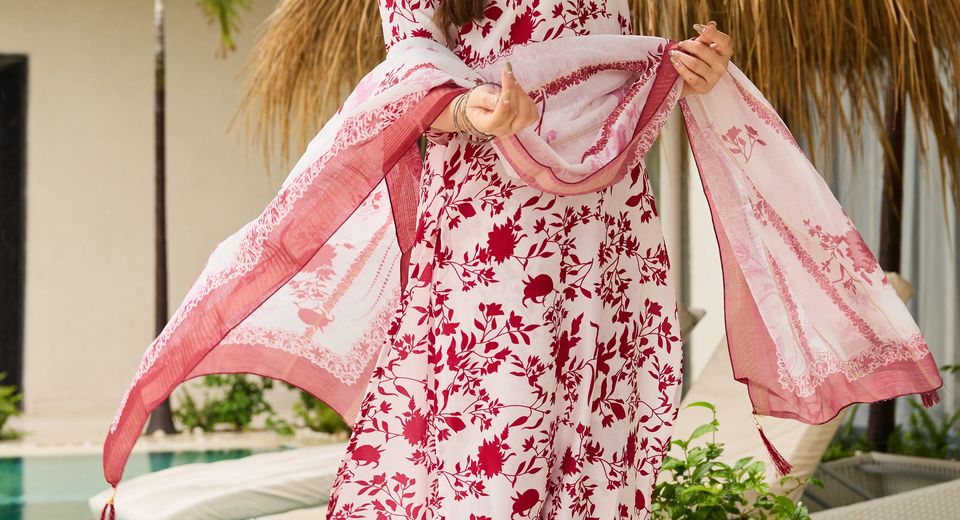
Punjabi Salwar Suit Designs: Patiala Suit Styles for Modern Women are moving beyond the usual bright wedding outfit. The defining ingredients remain a short or medium-length kurta, a gathered Patiala salwar and a dupatta. But today's styling depends on proportion, fabric weight and how much volume the outfit creates around the hips and knees. A well-balanced Patiala suit can look festive, comfortable and sharply modern without losing its Punjabi identity.
The most useful distinction is between the silhouette and the surface decoration. A Patiala salwar gets its shape from multiple pleats and a low, relaxed crotch, while embroidery, prints, zari and mirror work determine the visual mood. Understanding that difference makes it easier to choose an outfit for office celebrations, a Haldi ceremony, college events or a family wedding.
Punjabi Salwar Suit Designs Begin With Patiala Proportions
A modern Patiala suit combines a pleated, voluminous salwar with a kurta that usually ends above the knee and a coordinating dupatta. The salwar may have deep folds at the waist and gathered fabric at the ankle, creating more movement than a straight salwar or churidar.
Traditional Patiala dressing often uses a shorter kurta because the generous salwar is meant to remain visible. Contemporary versions may use a knee-length kurta, a side-slit tunic or a kurta with a shaped hem to make the outfit easier to wear in formal settings. The silhouette still reads as Patiala when the lower garment retains clear pleating and fullness.
Punjabi style also comes from contrast. A jewel-toned salwar with a quieter kurta, a printed dupatta over a solid suit or restrained embroidery against a saturated base can create the lively visual balance associated with Punjab. Matching every component exactly can make a Patiala set look flatter, whereas controlled contrast gives the outfit more definition.
Patiala, salwar and palazzo are not the same silhouette
A Patiala salwar has rounded, layered fullness and gathers at the ankle, while a regular salwar is slimmer through the leg. A palazzo has a wide, usually straighter fall from the waist and doesn't form the characteristic stacked folds of a Patiala. This distinction matters when shopping online because a wide-leg suit may look similar in a photograph but will create a very different outline when worn.
Punjabi Salwar Suit Designs That Suit Different Proportions
The best Patiala fit gives the salwar enough room to form natural pleats while keeping the waistband secure and the kurta proportionate. Fabric should not pull across the seat, and the ankle gathers should sit comfortably without restricting walking or bending.
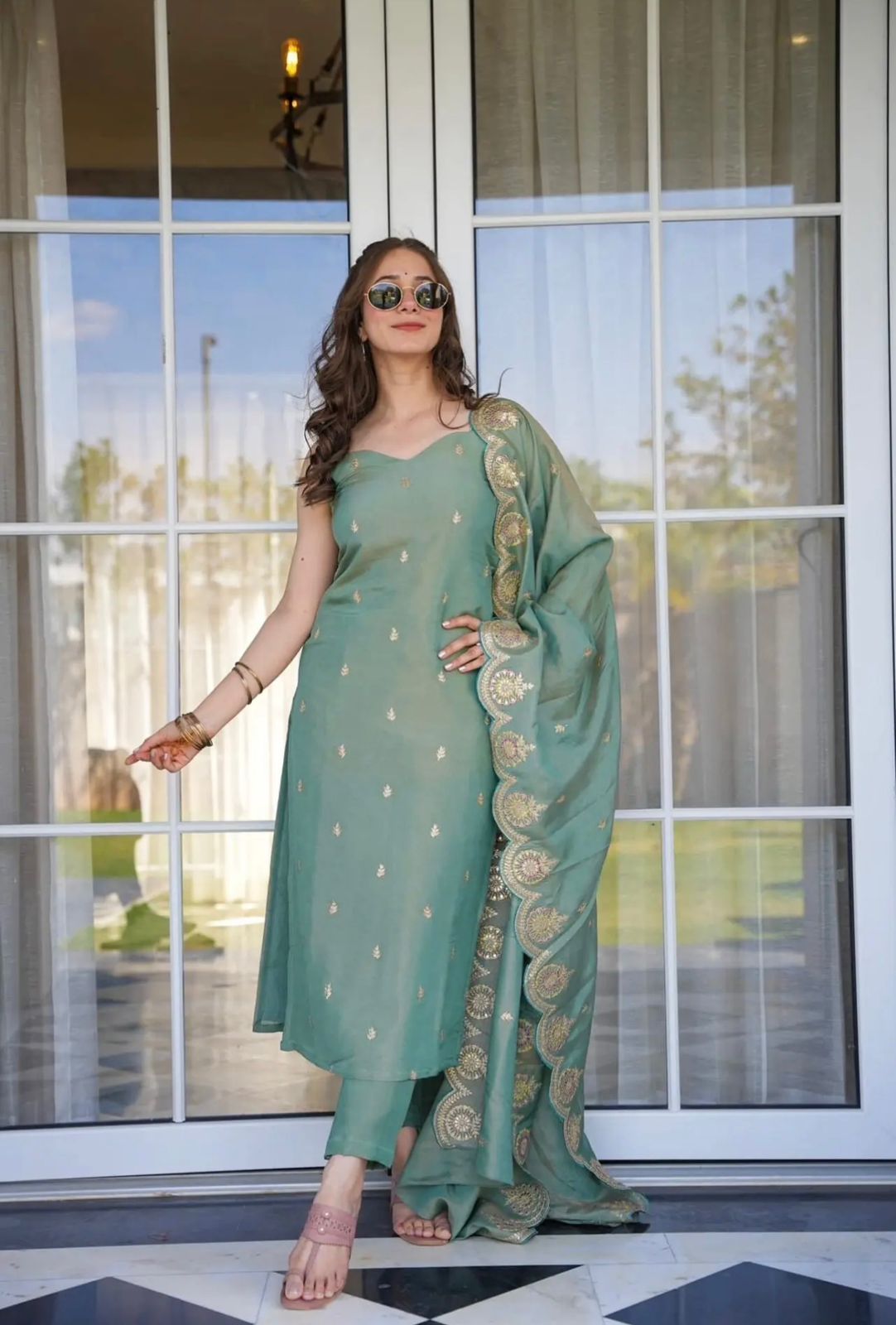
Petite wearers can keep the kurta around mid-thigh or just above the knee, choose a moderate number of pleats and use a dupatta with a narrow border. A kurta that's too long combined with a very full salwar can visually compress the frame. A slightly raised side slit and a vertical embroidered panel can add length without removing the Patiala character.
Taller wearers can carry a longer kurta, a wider dupatta border or more dramatic salwar volume. A floor-skimming kurta, however, changes the outfit toward an Anarkali or long suit silhouette. For a clearly recognisable Patiala look, keep enough of the pleated salwar visible below the kurta.
Curvier proportions often benefit from a kurta that skims rather than clings, with side slits beginning below the fullest part of the hip. A lightweight dupatta worn in a clean, open drape prevents extra bulk around the chest. A narrow waistband and a firm but soft drawstring help the salwar stay secure without creating a hard horizontal line.
A straight or athletic frame can use stronger pleating, a shorter kurta, layered hems or textured details to build dimension. A printed kurta with a solid salwar is an easy way to create separation between the upper and lower halves of the outfit.
Punjabi Salwar Suit Designs Need the Right Fabric Weight
Fabric determines whether a Patiala salwar looks fluid, structured or unnecessarily bulky. Medium-light fabrics with a soft fall generally create the most wearable pleats for daily and semi-formal dressing.
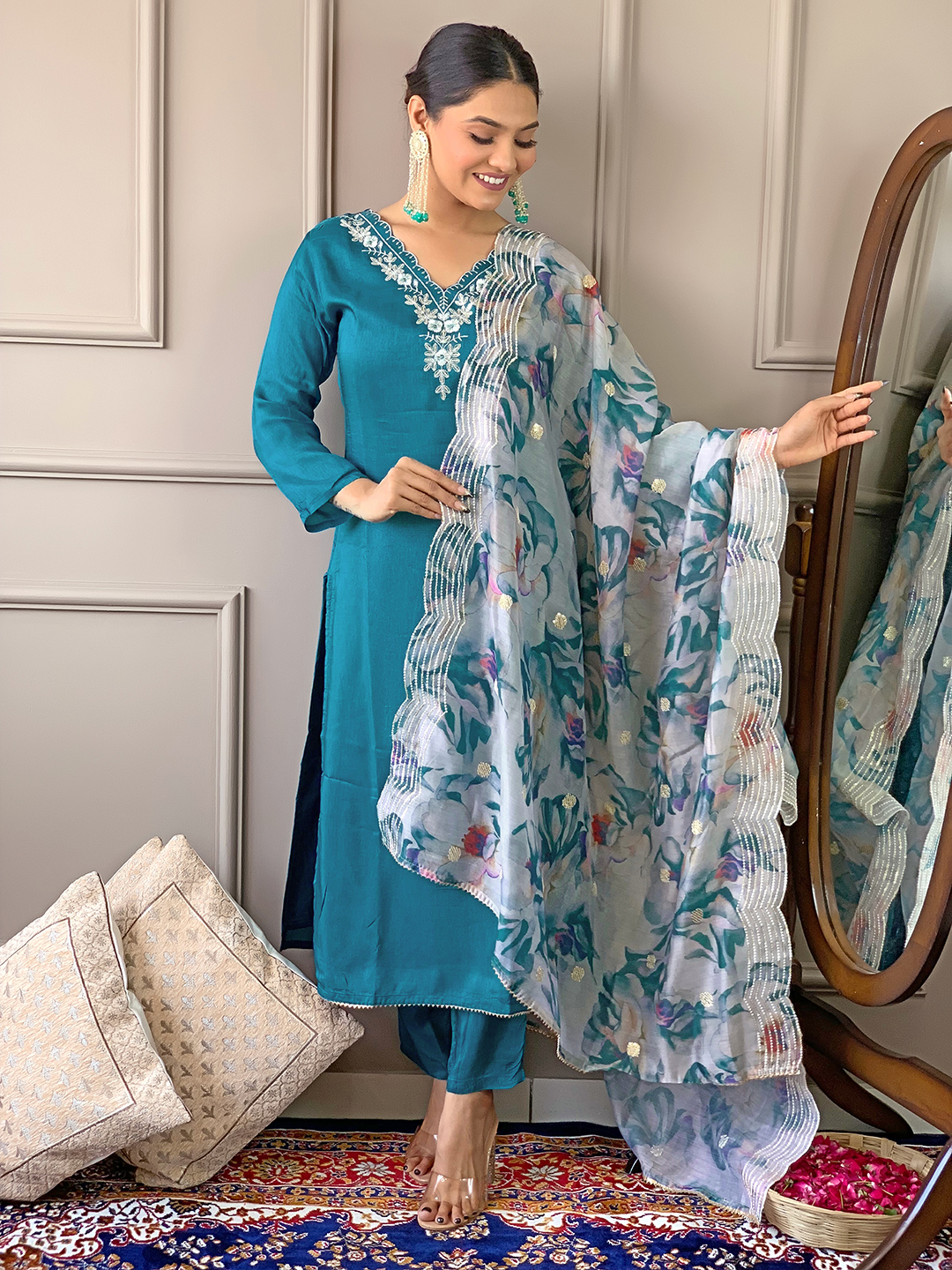
Natural crepe gives a smooth drape and moderate fluidity, making it suitable for an outfit such as the Midnight Blue Natural Crepe Patiala Kurta Set with Embroidery. The deep colour makes the silhouette more refined, while embroidery supplies occasion detail without requiring heavy jewellery.
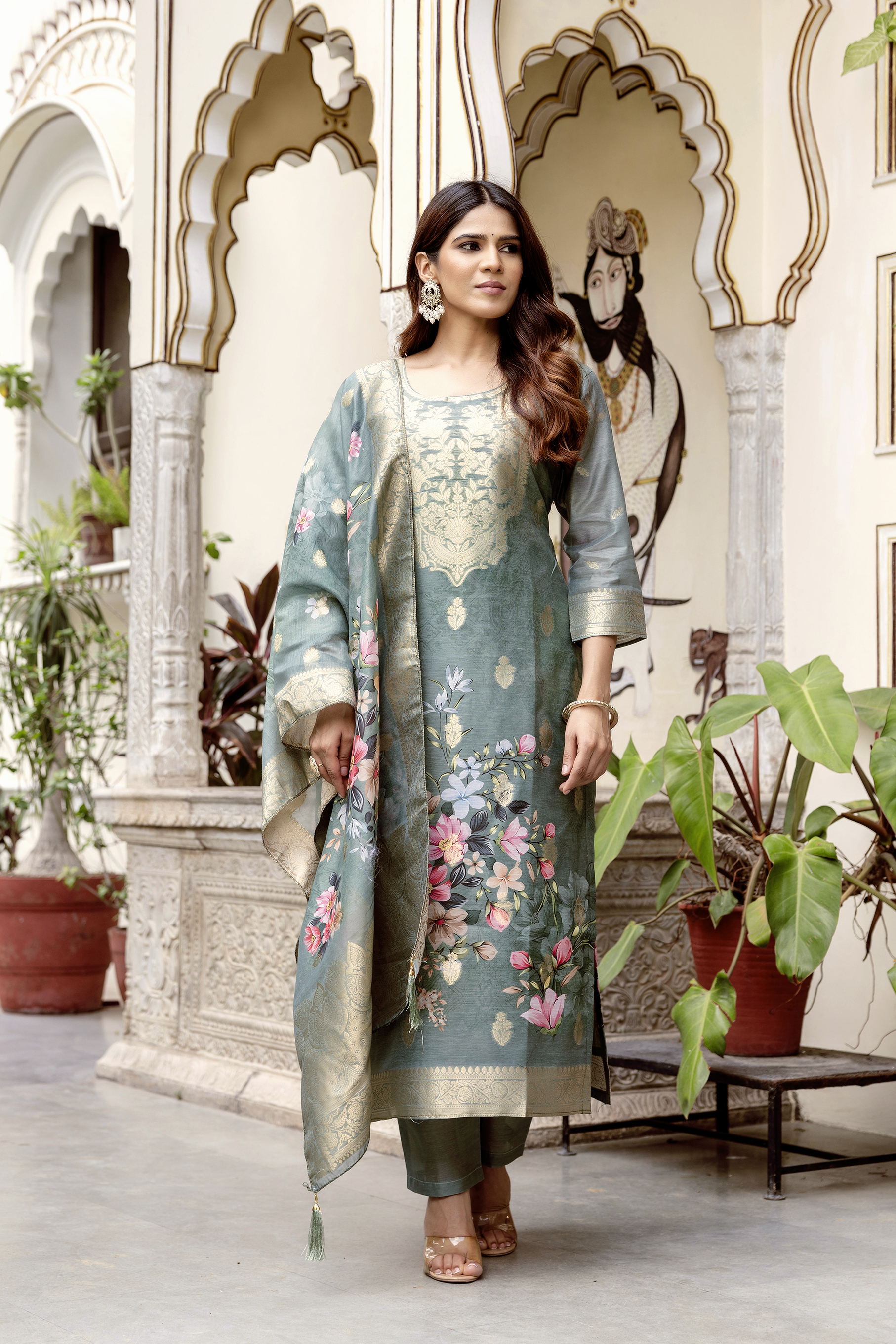
Silk blends add gentle sheen and hold pleats more visibly than very soft rayon. The Women's Mustard Silk Blend Kurta Set with Dupatta demonstrates how a warm mustard palette can feel festive without depending on loud embellishment. Silk-blend garments should be stored away from direct sunlight because prolonged exposure can fade saturated colours.
Chanderi is lightweight and crisp. It works well when the goal is an airy upper layer or a polished summer suit. Chanderi can crease more readily than crepe, but the slight texture helps embroidery and borders stand out. Lavender Chanderi Kurta with Olive Embroidered Palazzo Suit shows how Chanderi can support a lighter, palazzo-based interpretation of Punjabi dressing.
Georgette creates movement and photographs well, but a very soft georgette salwar may need lining or careful construction to prevent the pleats from collapsing. Black Embroidered Georgette Salwar Suit with Net Dupatta uses contrast between a dark base, embroidery and a translucent dupatta to create a dressier finish.
Cotton and cotton blends are practical for warm weather, commuting and daytime celebrations because they absorb less heat than many heavily synthetic, layered outfits. Heavier brocade, stiff net and multiple layers of lining can make a Patiala salwar uncomfortable in humid conditions, especially when the outfit is worn for several hours.
Punjabi Salwar Suit Designs Work Through Balanced Styling
A modern Patiala outfit needs one clear focal point: the silhouette, the dupatta or the surface detail. When every element is equally ornate, the pleated shape becomes difficult to read.
Use the kurta to control the outfit's volume
A shorter kurta highlights the gathered salwar and gives the most traditional Patiala impression. A knee-length kurta creates a quieter, more versatile version for family lunches or festive office dressing. Side slits, a curved hem or a lightly fitted shoulder can make a voluminous salwar feel intentional rather than oversized.
Necklines also alter the mood. A round neck feels approachable and traditional, a shallow V-neck adds visual length and a band collar creates a cleaner contemporary line. Keep the neckline comfortable enough to sit beneath the dupatta without constant adjustment.
Choose one effective dupatta drape
A shoulder-to-hip drape is the most practical option for commuting and active events because it leaves both hands relatively free. A front-open drape shows the kurta embroidery and allows the Patiala pleats to remain visible. A single-shoulder drape creates a more formal effect but may need discreet pins at the shoulder and waist.
Printed dupattas are useful with solid suits, while embroidered or zari-edged dupattas can elevate a plain kurta. Embroidered Salwar Suit Set for Women can serve as a reference for balancing surface detail: when the suit already carries embroidery, keep the jewellery and drape uncomplicated.
A dupatta border should relate to the wearer's scale. A very wide border can dominate a petite frame, while a narrow border may disappear against a full-length or richly coloured outfit. Pinning the dupatta at the shoulder and securing one point near the waist can preserve the drape during a long celebration.
Pair the suit with suitable footwear and accessories
Juttis, embroidered mojaris and low block heels all work with a Patiala suit, but the hem should not drag under the heel. Flat footwear suits daytime and outdoor events, while a two-inch block heel can improve posture without making the gathered ankle difficult to manage.
Jhumkas, small chandbalis or a single statement necklace usually complement the Punjabi silhouette. Choose either prominent earrings or a large necklace when the neckline, dupatta border and embroidery are already detailed. A structured potli or a small shoulder bag keeps the outfit practical without competing with the pleats.
Punjabi Salwar Suit Designs Change Mood Through Colour
Colour can place the same Patiala silhouette in a casual, festive or wedding setting. Deep blue, black, plum and emerald create evening polish, while pista, lavender, mustard and soft pink are effective for daytime functions.
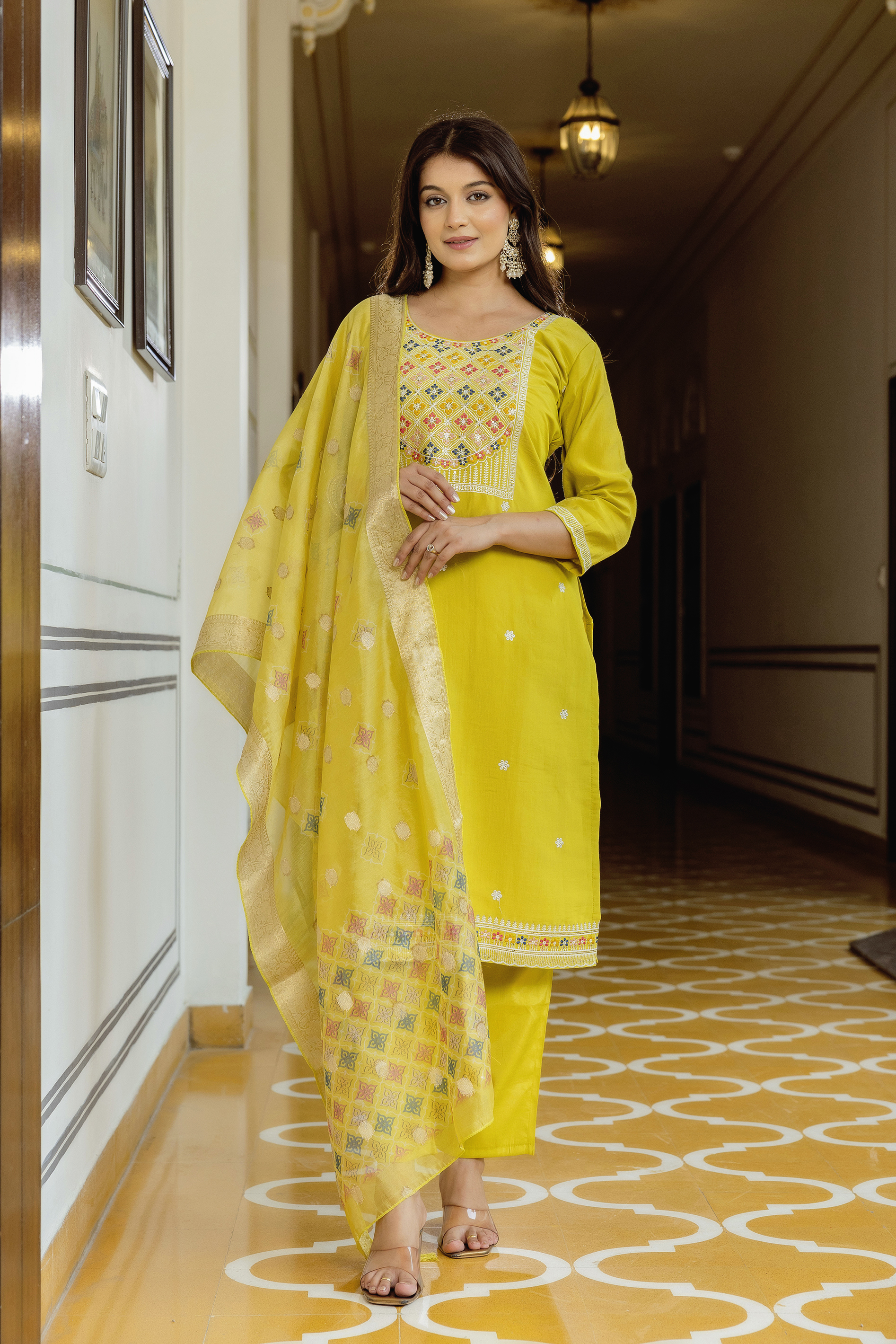
A Haldi ceremony calls for colour that can tolerate a lively setting and strong daylight. Yellow, mustard, pista and pink work naturally with marigold décor, but washable or easier-care fabrics are sensible when turmeric paste may come into contact with the garment. Pista Royale Salwar Suit offers a useful direction for a fresh, celebratory palette.
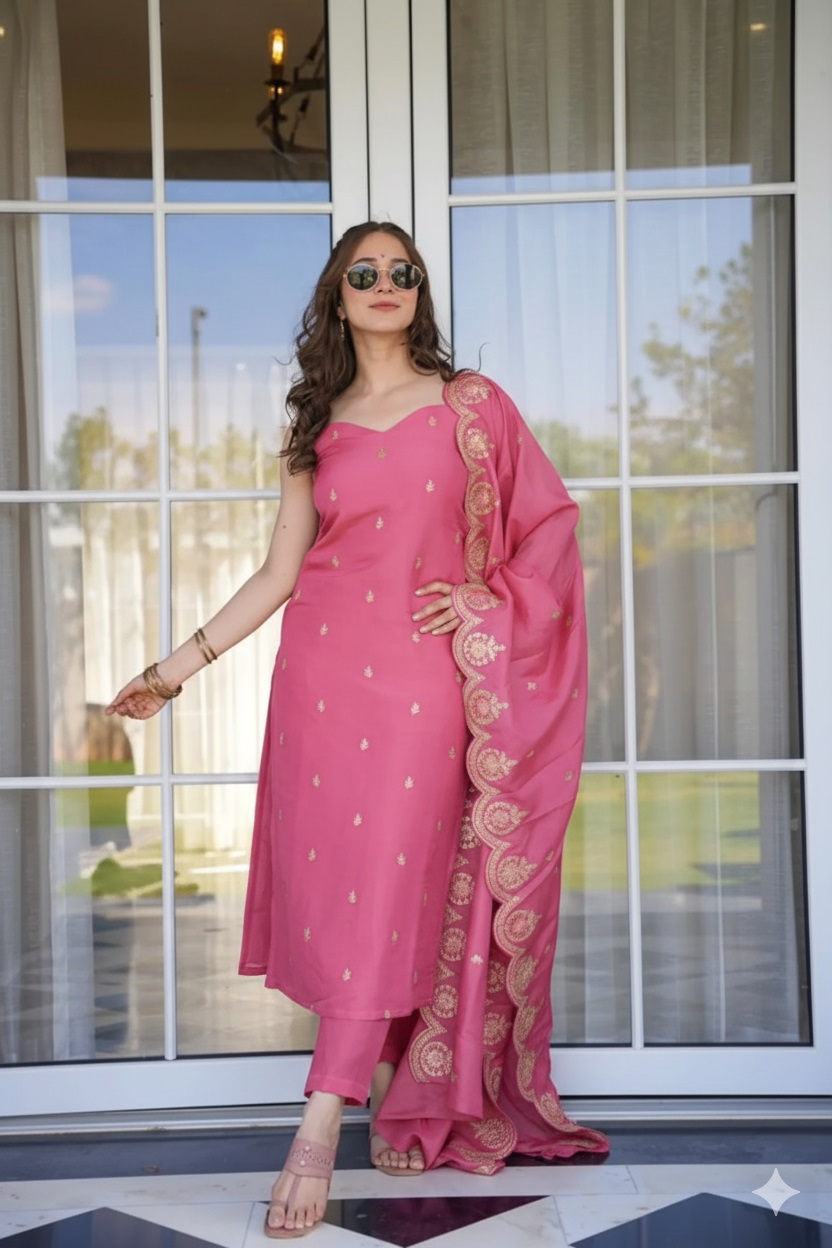
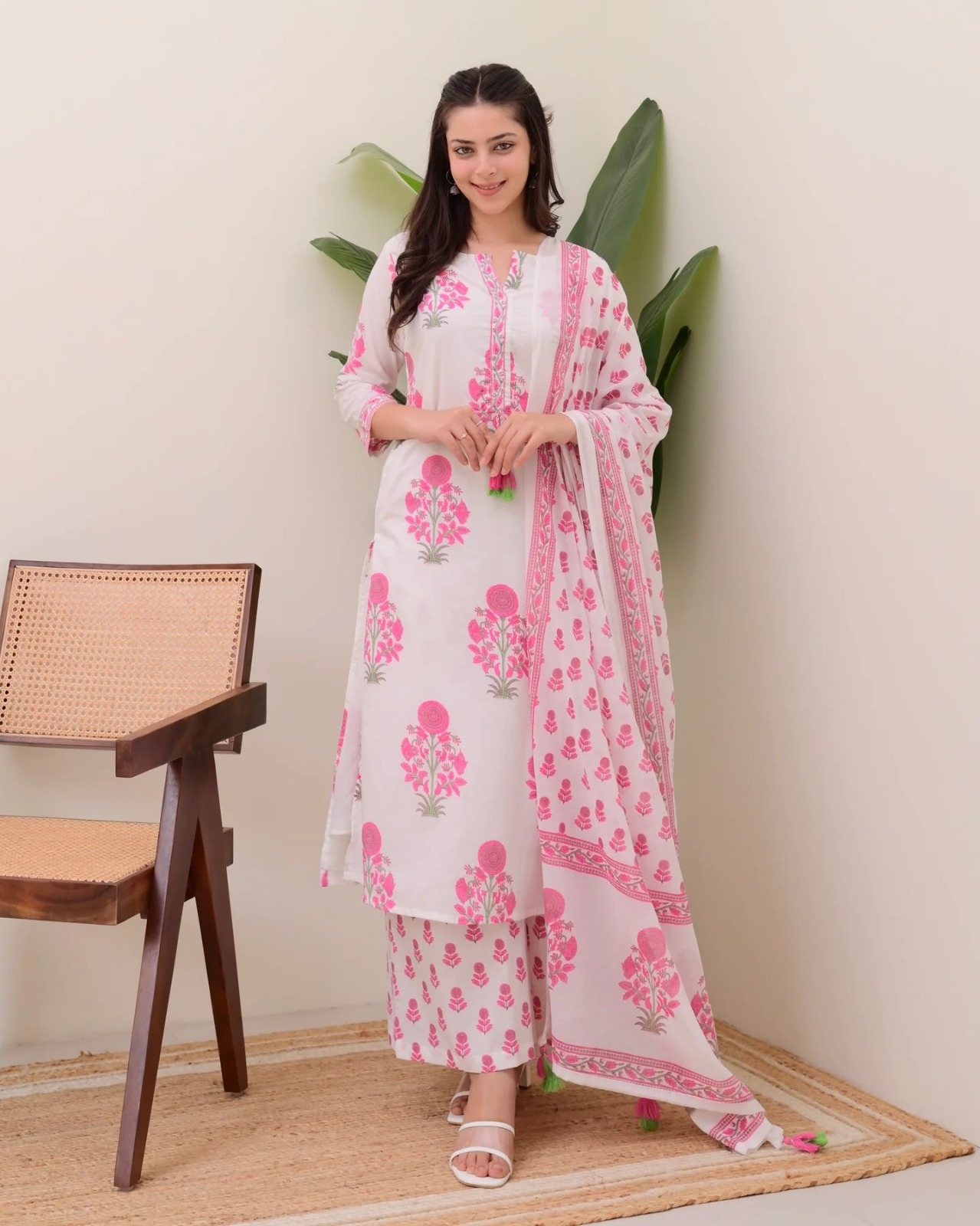
For a daytime gathering, floral or small-scale printed motifs keep the outfit easy to accessorise. Pink Flower Printed Salwar Suit can be styled with neutral juttis and minimal earrings, allowing the print to remain the main visual feature.
Wedding guests can increase formality through zari, sequins, mirror work or a richer dupatta rather than choosing maximum embellishment everywhere. Pink Sharara Suit Set with Mirror Work Dupatta isn't a Patiala silhouette, but its mirror-work approach illustrates how a reflective dupatta can become the focal point while the rest of the styling stays controlled.
For a formal evening, black, midnight blue or jewel tones pair well with metallic earrings and a compact embellished bag. For everyday wear, muted prints, cotton blends and limited embroidery reduce maintenance while retaining the visual identity of a Punjabi suit.
Punjabi Salwar Suit Designs Connect Regional Collections
Patiala styling can be placed within a wider Indian textile wardrobe without confusing regional identities. The Punjab Patiala Salwar Suits collection is the most direct starting point when the goal is a recognisable Punjabi silhouette, especially when the outfit has gathered salwar volume and a visible dupatta.
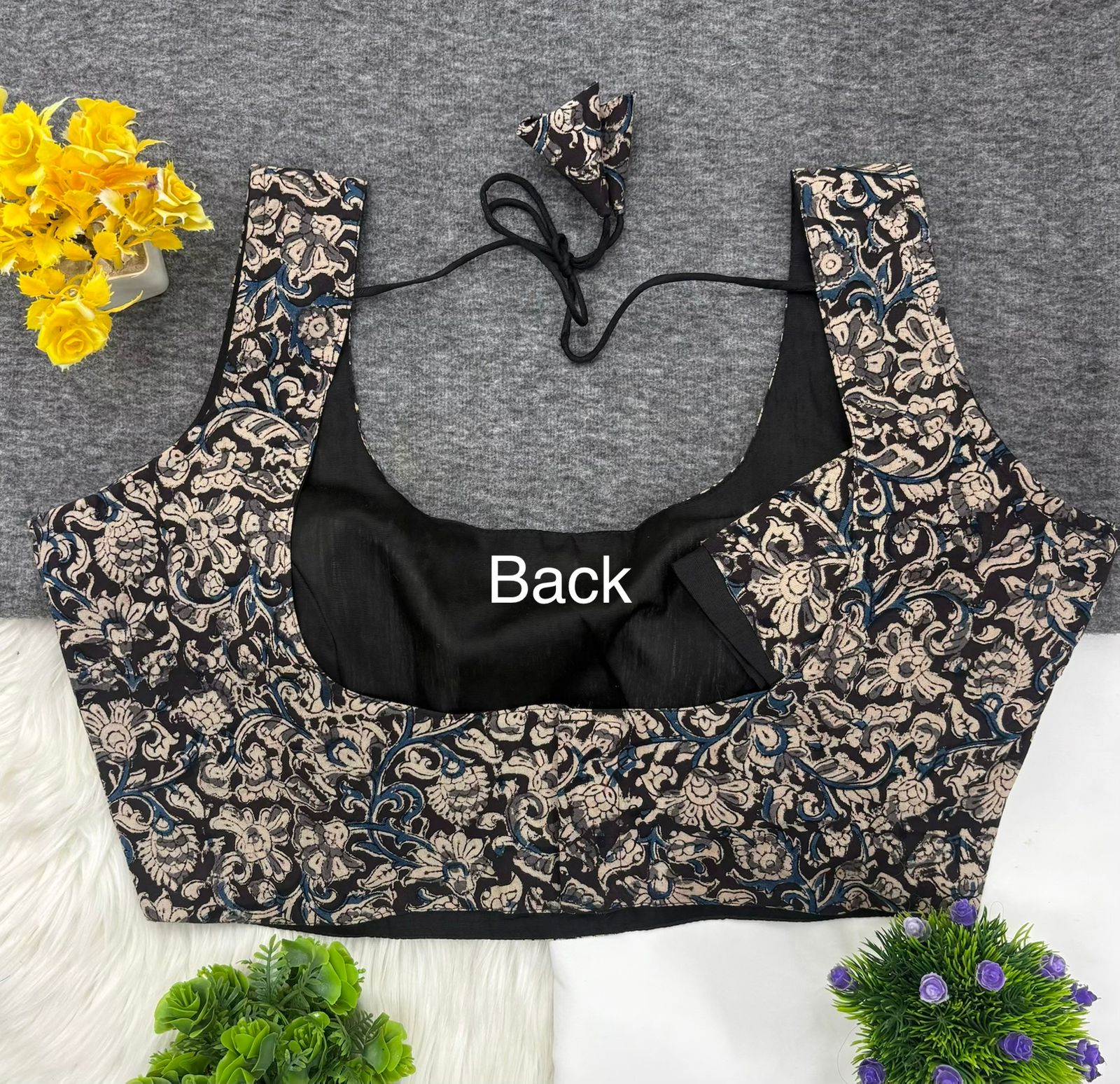
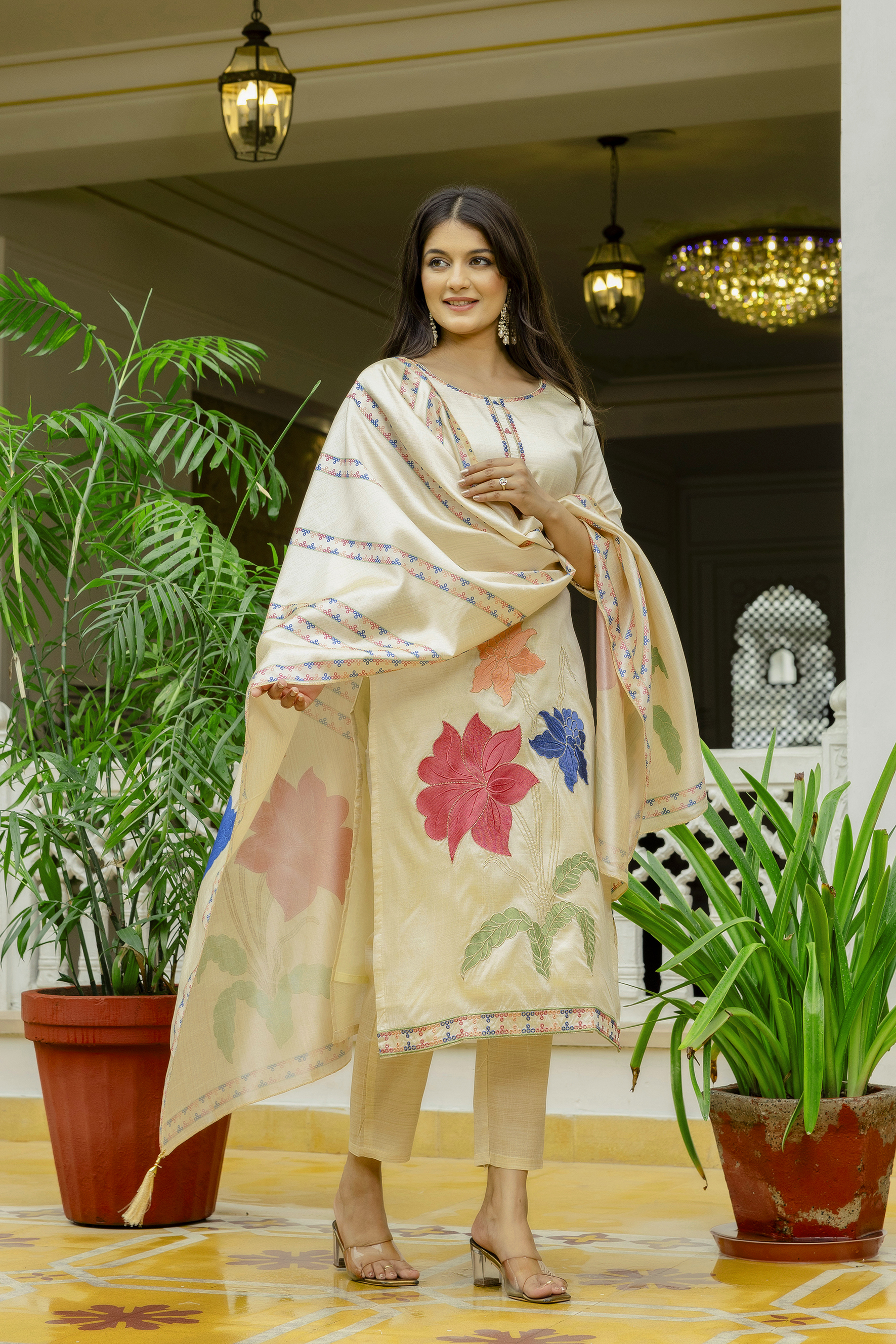
Kalamkari Print Salwar Suits bring narrative floral and botanical surfaces into salwar dressing, making them useful for daytime events and art-led styling. Kalamkari-inspired prints work best when the accessories remain simple enough for the motifs to remain legible.
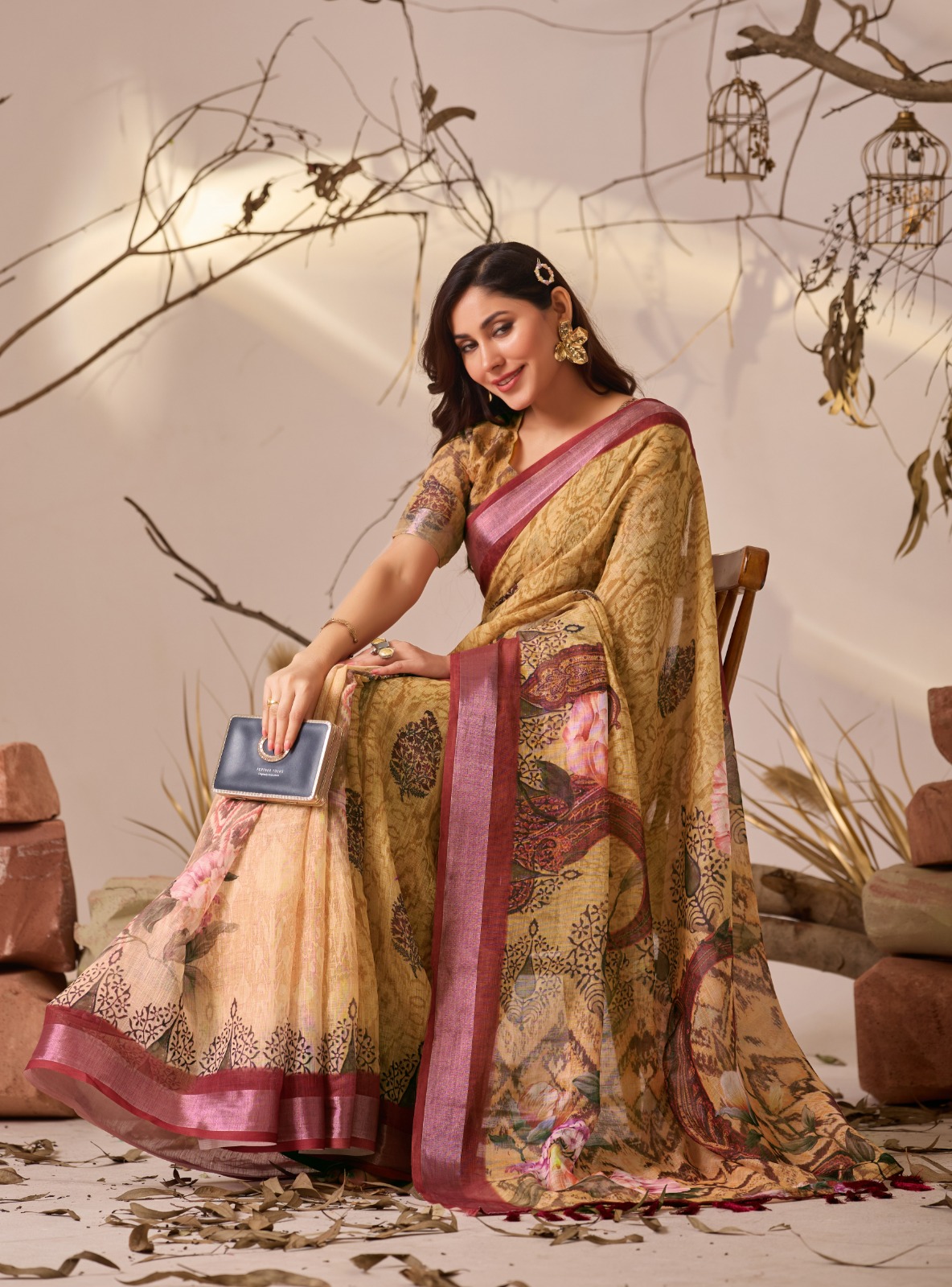
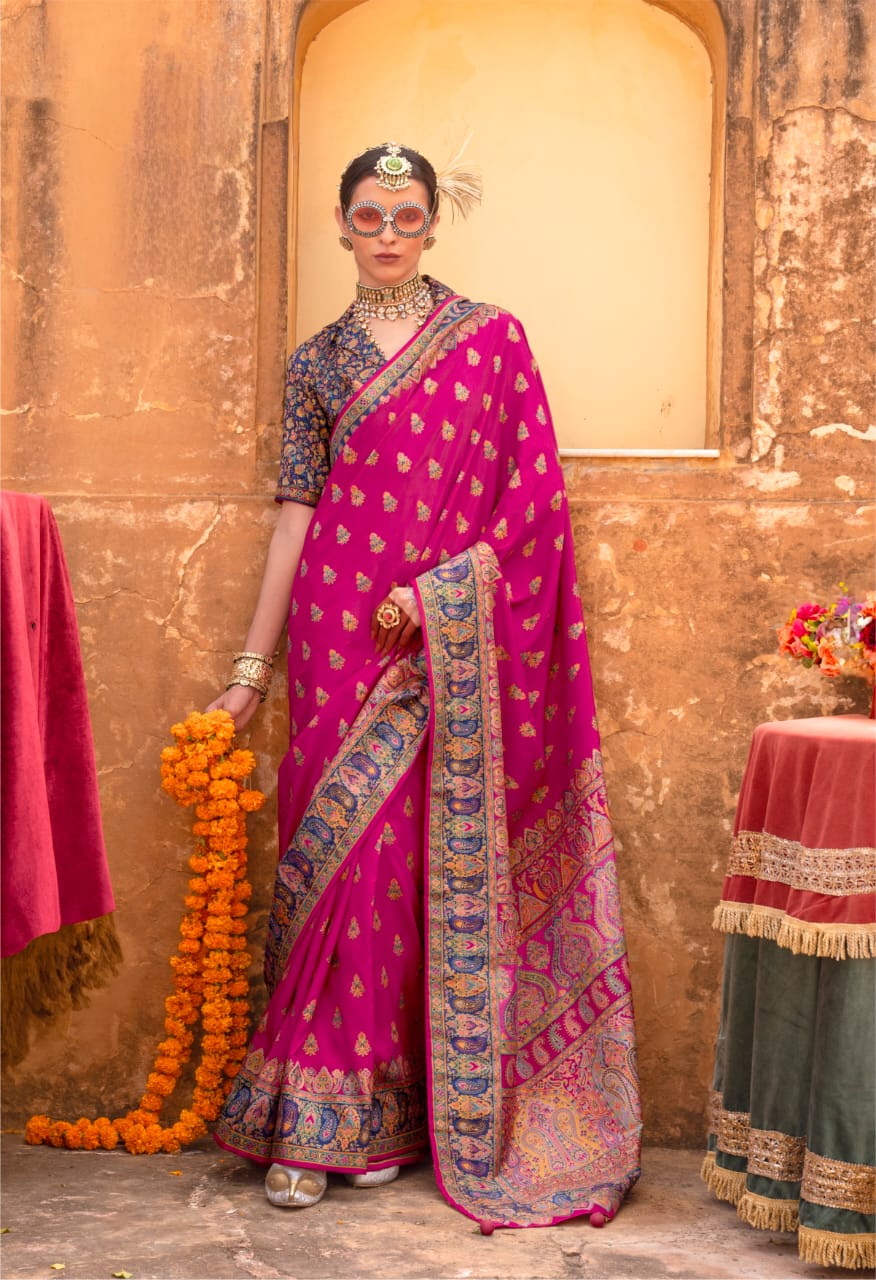
Maharashtra Paithani Inspired Salwar Suits can introduce a richer border language and jewel-toned colour story. Paithani references are especially effective for festive dressing when the wearer wants a formal finish without relying entirely on heavy embroidery.
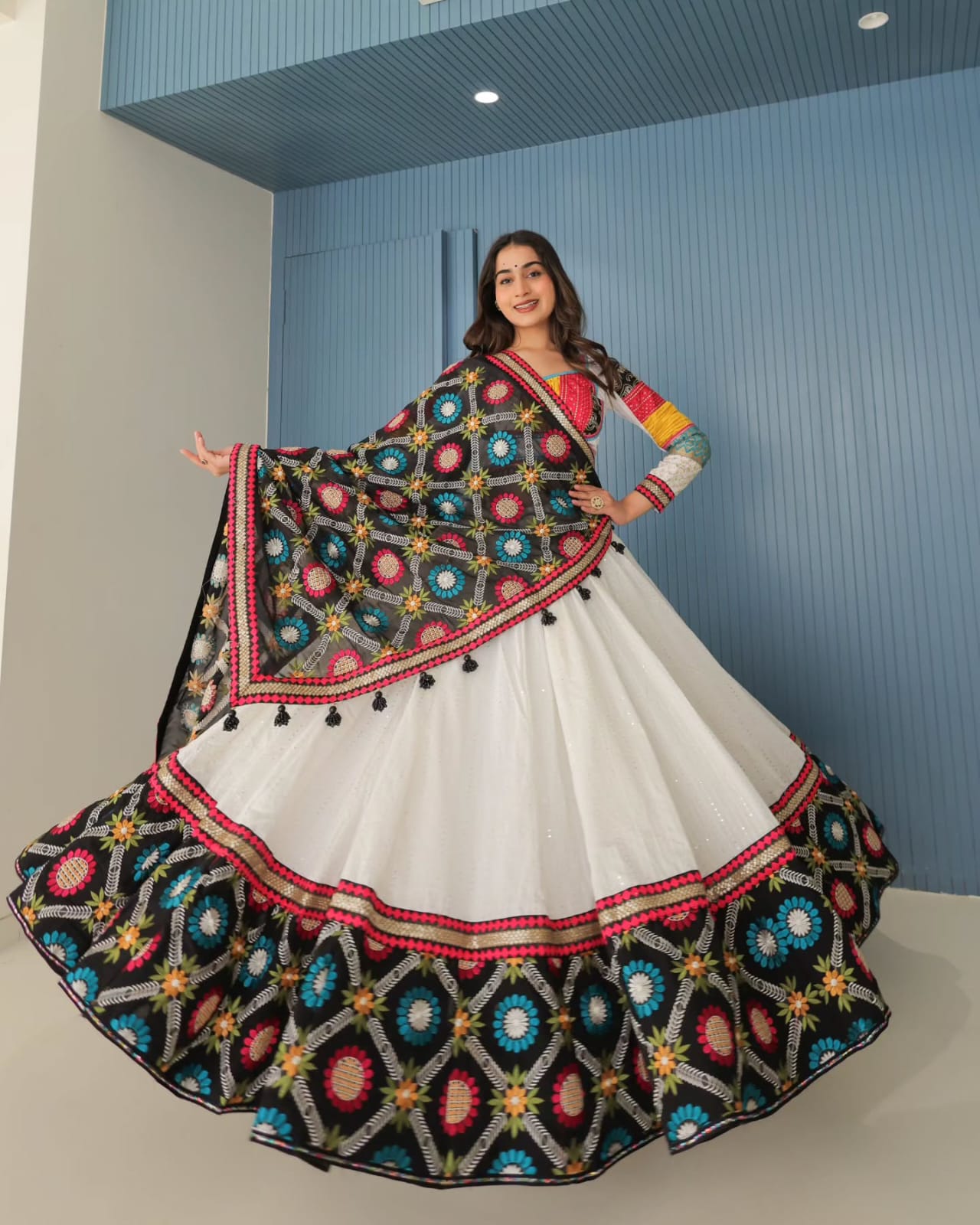
Gujarat Bandhej Salwar Suits offer a lively tie-dye visual vocabulary that works well with juttis, oxidised jewellery and festive daytime styling. Odisha Sambalpuri Salwar Suits provide another route for pattern-led dressing, particularly when handloom-inspired motifs and a more measured colour palette are preferred.
Mixing regional references requires restraint. A Patiala salwar can be paired with a dupatta influenced by another textile tradition, but keeping one dominant pattern prevents the outfit from looking visually crowded. Colour repetition, such as matching one border tone to the salwar, can connect different elements without making them identical.
Punjabi Salwar Suit Designs Are Easier to Maintain With Care
Patiala suits retain their shape longer when washing, drying and storing methods match the fabric. Always follow the garment label first, especially when zari, mirror work, silk blends or coloured embroidery are present.
Natural crepe, georgette and embellished garments commonly benefit from gentle hand washing or professional dry cleaning rather than vigorous machine cycles. Cold water reduces colour bleeding, and a mild detergent is safer for saturated mustard, pink, blue and black fabrics. Do not wring a pleated salwar because twisting can distort the gathers and weaken embroidery.
Dry suits in shade on a broad hanger or clean horizontal surface. Direct midday sunlight can fade silk blends and dark dyes, while a thin wire hanger can create shoulder marks in a lined kurta. Iron garments inside out at a low or medium setting, placing a cotton cloth between the iron and delicate embroidery.
Store a Patiala suit with the salwar folded along its existing pleats rather than compressing it into a small bundle. Keep zari and mirror-work pieces in breathable cotton covers, and avoid leaving heavy jewellery inside the same storage bag because metal edges can snag net, georgette or Chanderi.
Punjabi Salwar Suit Designs Become Practical With a Buying Checklist
A useful buying decision depends on measurements, fabric behaviour and the intended occasion rather than on colour alone. Check the kurta length, shoulder width, bust ease, salwar rise, ankle opening and dupatta dimensions before ordering.
- For daily wear: choose cotton blends, moderate pleats, washable colours and a dupatta that can be secured easily.
- For office celebrations: select a knee-length kurta, restrained embroidery, crepe or silk blend and low block heels.
- For a Haldi ceremony: consider pista, mustard, pink or yellow, but avoid difficult-to-clean heavy layers.
- For weddings: use zari, mirror work, richer borders or a more elaborate dupatta as the main festive detail.
- For petite frames: avoid excessive kurta length and choose a moderate border width.
- For humid weather: favour breathable cotton blends, Chanderi or lightweight natural fabrics over heavily layered constructions.
Read the product measurements instead of relying only on a general size label. A Patiala salwar needs ease for sitting and walking. But excess fabric can become uncomfortable if the waist, ankle or inner leg construction is poorly proportioned. A clear return or alteration policy is useful when the kurta length or salwar rise doesn't match personal preferences.
The strongest Punjabi Salwar Suit Designs respect the original Patiala silhouette while adapting its scale, fabric and styling to contemporary life. Start with the amount of salwar volume you genuinely enjoy wearing, then choose the kurta length, dupatta drape, colour and embellishment around that decision.
Common Questions About Modern Patiala Suit Styling
What makes a salwar suit a Patiala suit?
A Patiala suit has a voluminous salwar with multiple pleats, a relaxed crotch and gathers at the ankle, usually worn with a short or medium-length kurta and dupatta. A regular salwar is slimmer, while a palazzo falls in wider, straighter legs without the characteristic layered folds.
Which kurta length looks best with a Patiala salwar?
A kurta ending around mid-thigh or above the knee shows the Patiala pleats most clearly. A knee-length kurta creates a more understated modern look, while a floor-length kurta usually shifts the silhouette toward an Anarkali or long suit.
Which fabric is most comfortable for a Patiala suit in summer?
Cotton blends, lightweight Chanderi and breathable natural fabrics are generally comfortable for warm Indian weather. Heavy brocade, stiff net and multiple lining layers can feel hot and restrict movement, particularly in humid conditions.
How should a dupatta be worn with a Patiala suit?
A shoulder-to-hip or front-open drape is practical because it keeps the pleated salwar visible and allows easier movement. Pinning the dupatta at the shoulder and one point near the waist helps maintain its shape during long events.
Can a Patiala suit be worn to the office?
A Patiala suit can work for office celebrations when the kurta is around knee length, embroidery is restrained and the colours are balanced rather than extremely bright. A neat dupatta drape, low block heels and modest accessories create a polished work-appropriate finish.
How should a Patiala salwar be washed and stored?
Follow the garment label, use cold water and mild detergent when hand washing is permitted, and never wring the pleats. Dry the garment in shade, fold the salwar along its existing pleats and store embellished pieces in breathable cotton covers.