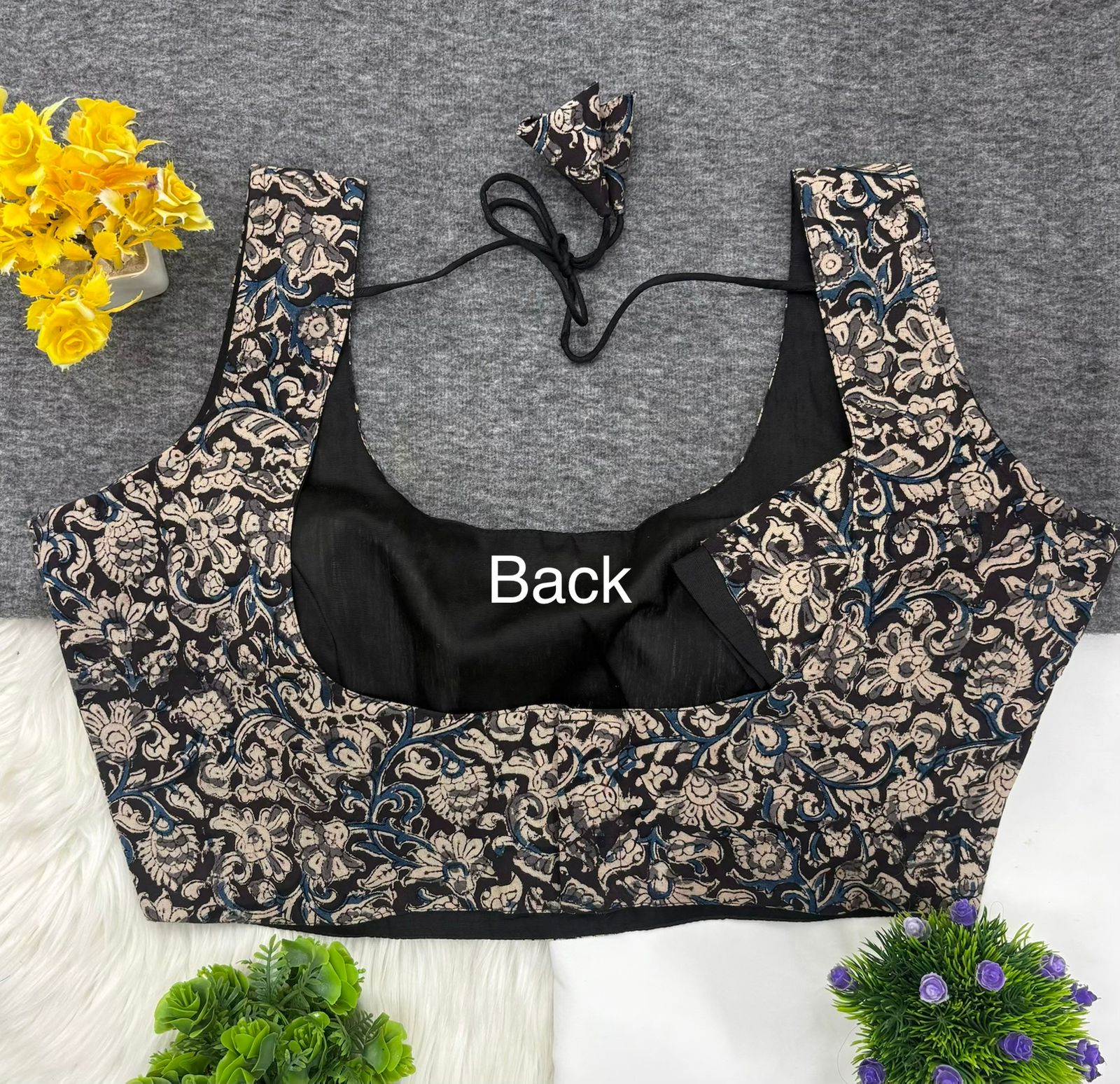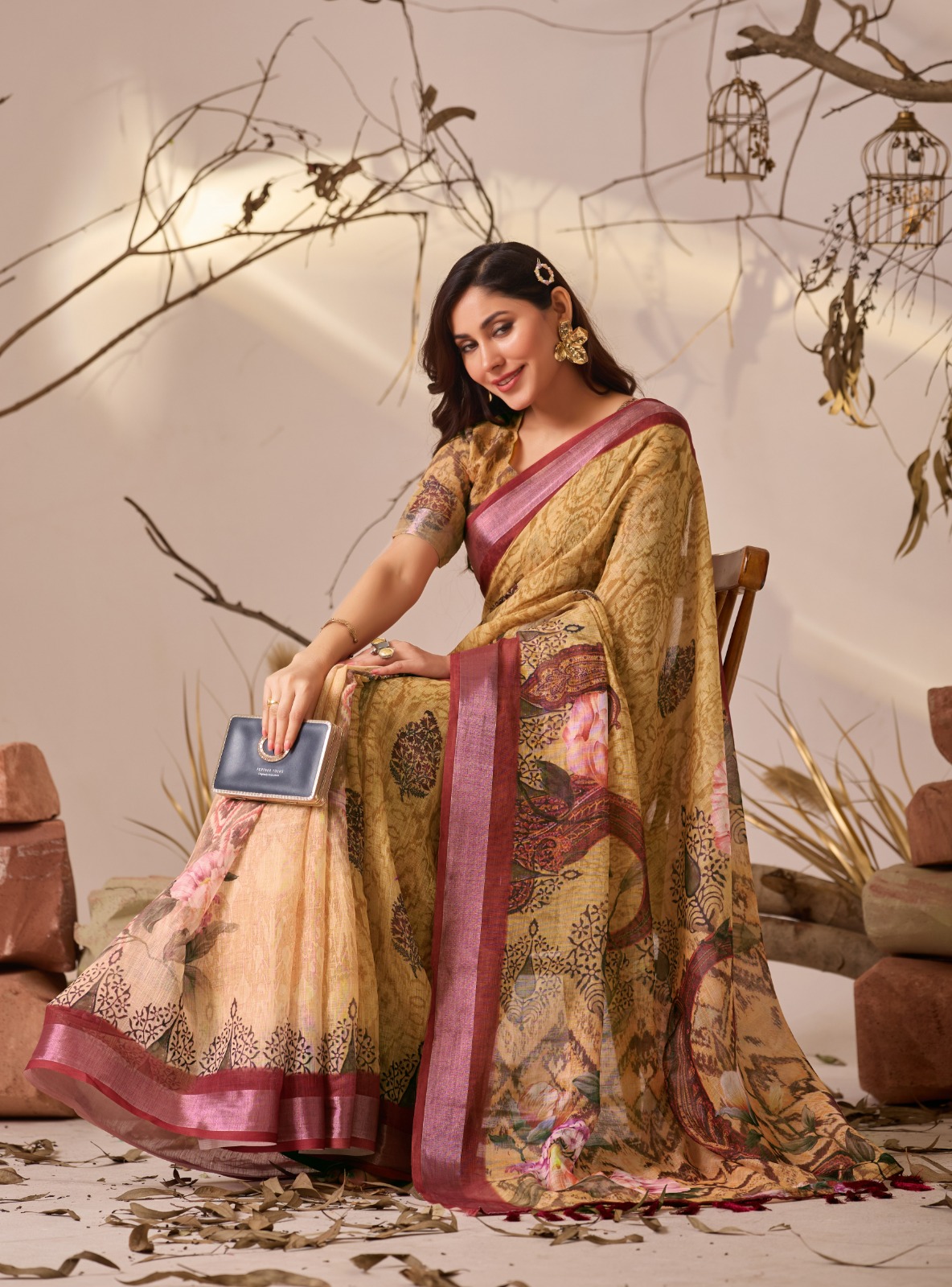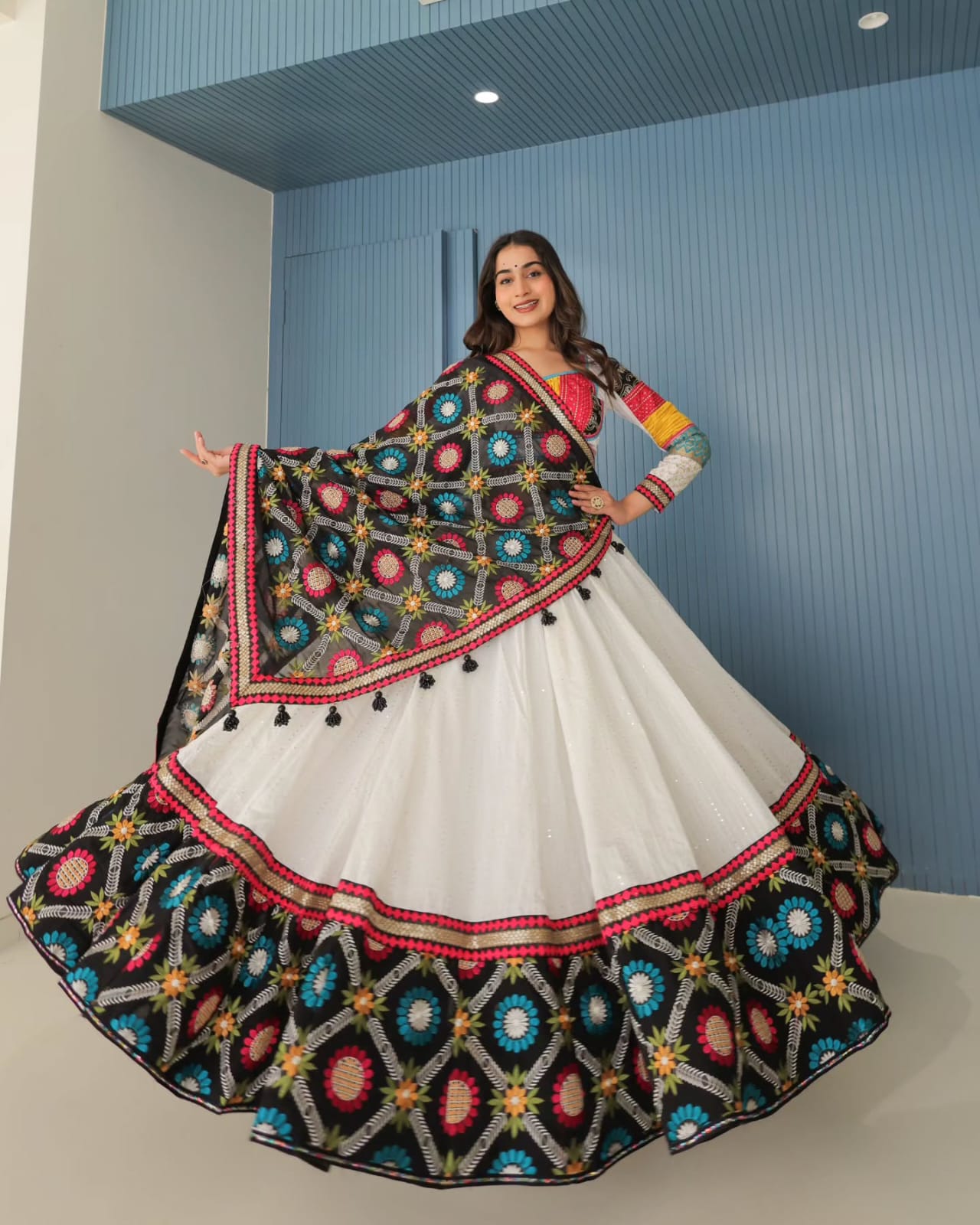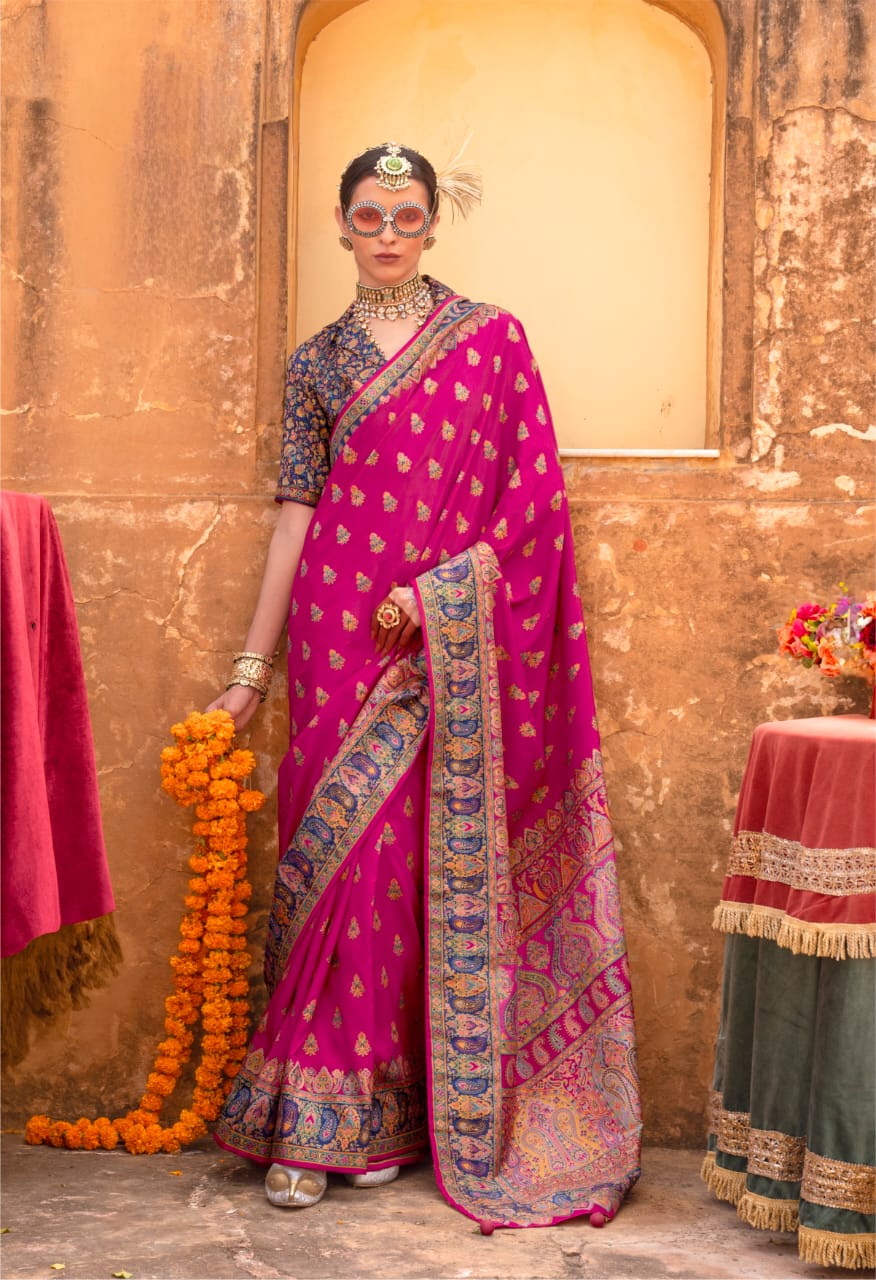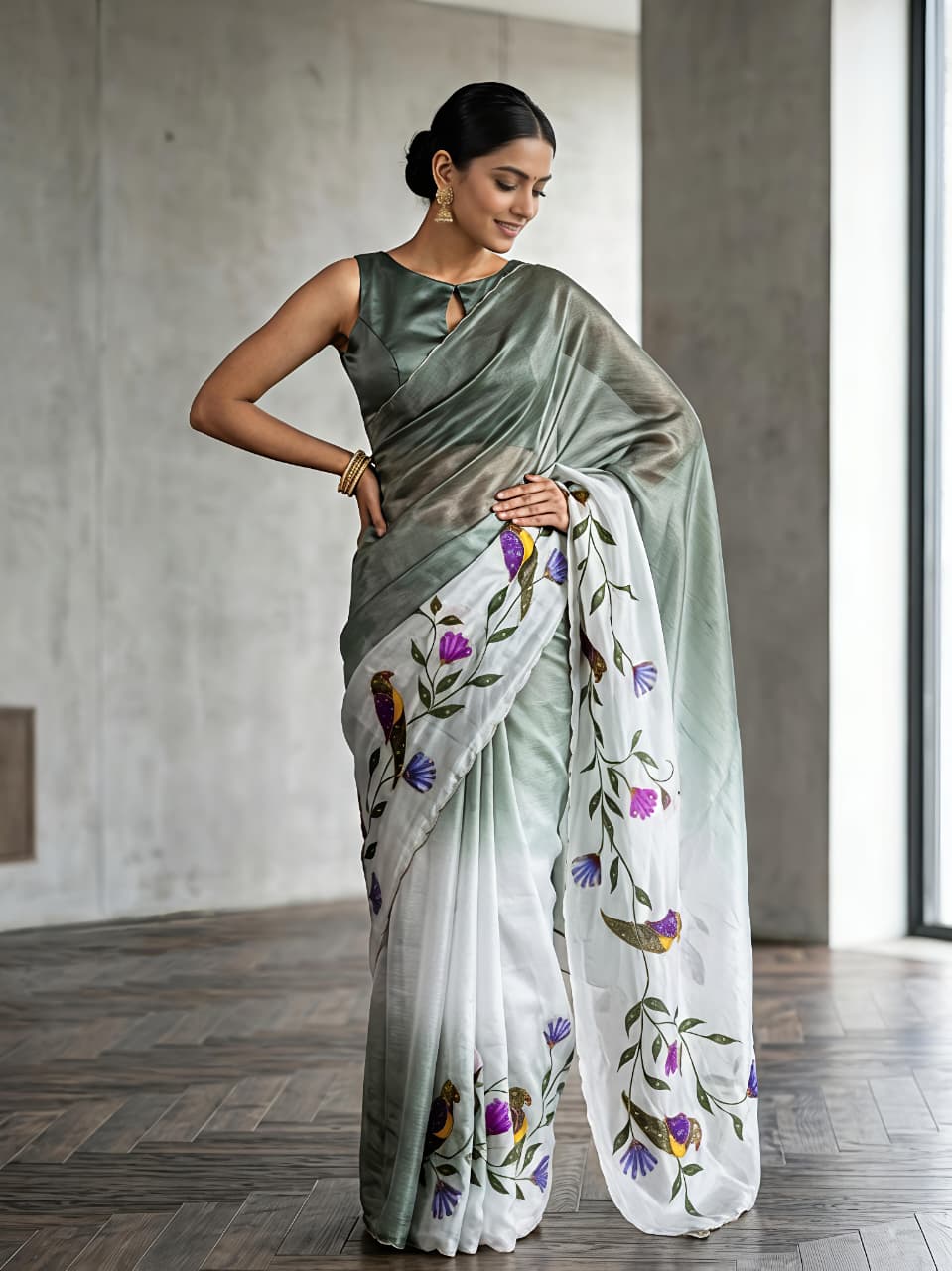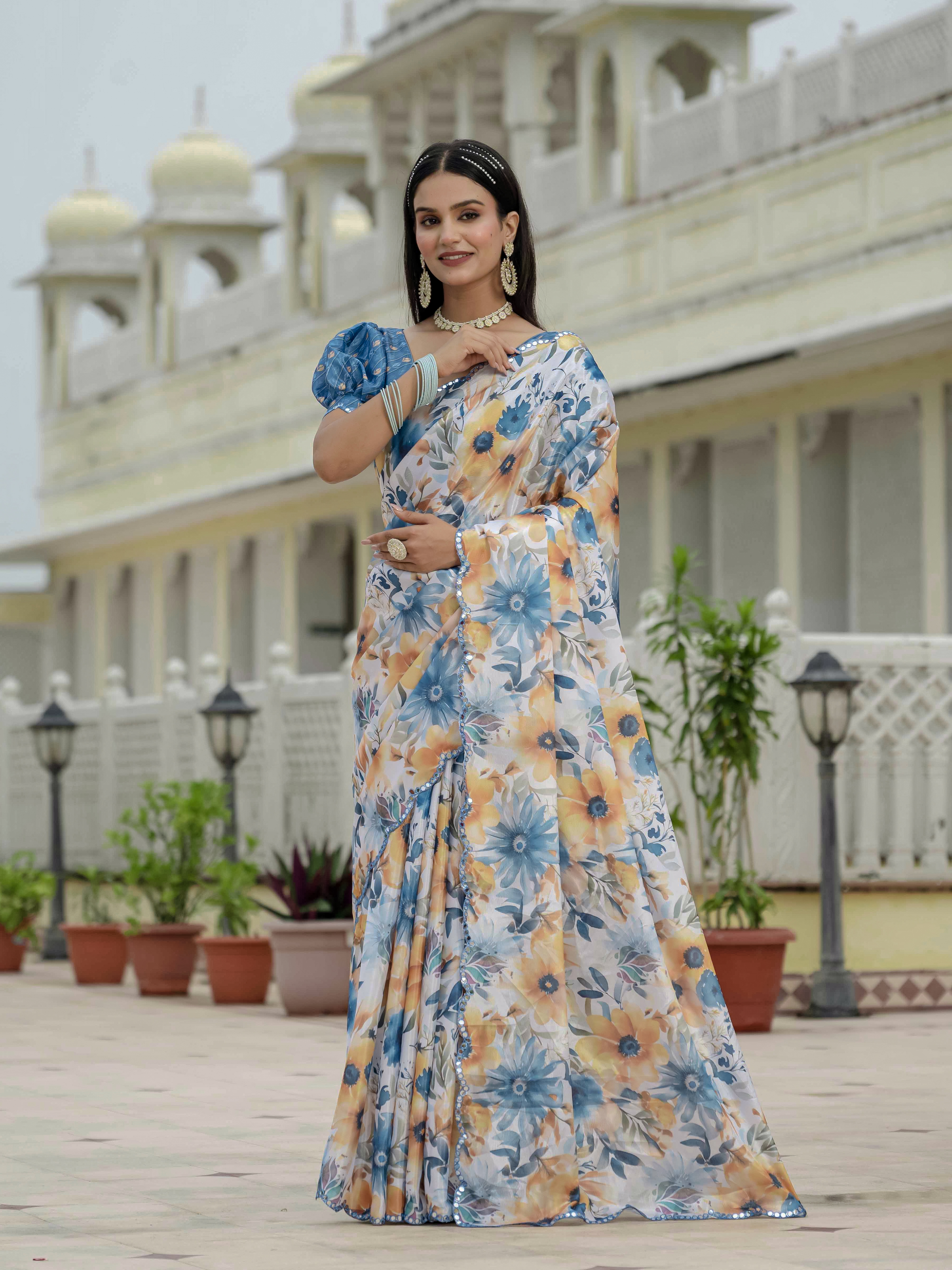
Punjabi Bridal Guest Style: Phulkari Sarees vs Lehengas becomes an easier choice once you separate the visual drama of an outfit from the practical demands of a long wedding day. A Phulkari saree offers a graceful drape, a recognisable Punjabi craft reference and flexible blouse styling, while a lehenga gives more volume, easier movement and a strongly festive silhouette. The right choice depends on the function, venue, weather, embroidery weight and how actively you expect to participate.
Punjabi weddings often move through several settings in one celebration: a bright Haldi ceremony, an outdoor Anand Karaj, a lively Sangeet and a formal reception. One outfit rarely performs equally well at all four. Understanding fabric, flare, colour placement and draping will help you dress festively without competing with the bride or spending the evening adjusting your clothes.
What Makes a Phulkari Saree or Lehenga Feel Punjabi?
Punjabi character comes from the relationship between Phulkari embroidery, saturated colour, celebratory styling and the relaxed confidence of the wearer. Phulkari traditionally refers to embroidered floral work made with coloured silk thread on fabric, especially the geometric and floral patterns associated with Punjab; contemporary sarees and dupattas may interpret the technique through printed, woven or machine-embroidered surfaces.
A Phulkari-inspired saree can use a rich border, scattered motifs or a heavily worked pallu rather than full-body embroidery. A lehenga can bring the same regional feeling through a Phulkari dupatta, threadwork blouse, mirror accents, gota details or shades such as rani pink, vermilion, mustard, emerald and royal blue. The result doesn't need to look historically exact to feel connected to Punjabi festive dressing.
For a guest, restraint matters. Bridal red, dense gold work and a sweeping veil-like dupatta can look too close to bridal styling, particularly at the reception. A guest-friendly combination is one strong element, such as an embroidered Phulkari pallu or a colourful dupatta, balanced with a quieter blouse, skirt or jewellery set.
Punjabi Bridal Guest Style: Phulkari Sarees vs Lehengas
Choose a Phulkari saree for elegant drape and cultural detail, and choose a lehenga for volume, dance-friendly movement and a more visibly festive shape. Both silhouettes can work for a Punjabi wedding, but they solve different dressing problems.
When a Phulkari saree is the stronger choice
A Phulkari saree is particularly effective for an Anand Karaj, daytime wedding or formal family lunch because the long vertical drape looks polished without requiring a very large silhouette. A silk-blend saree, lightweight georgette saree or soft chiffon saree is easier to manage than a stiff, heavily embellished construction when you'll sit on the floor, cover your head briefly or move between indoor and outdoor spaces.
The saree also gives you control over proportion. A narrow embroidered border creates a refined look, while a statement pallu supplies colour in photographs. A short-sleeved blouse with a higher neckline keeps a bright Phulkari saree guest-appropriate; a sleeveless or back-detail blouse can be reserved for an evening Sangeet where the dress code is more relaxed.
When a lehenga is the stronger choice
A lehenga is the more practical choice for a Sangeet, cocktail-style reception or dance-heavy celebration because the separate skirt, blouse and dupatta allow greater leg movement than a tightly secured saree. A-line and panelled skirts generally feel easier to walk in than extremely wide circular skirts, while a 3.5- to 4.5-metre dupatta is usually sufficient for a comfortable guest drape.
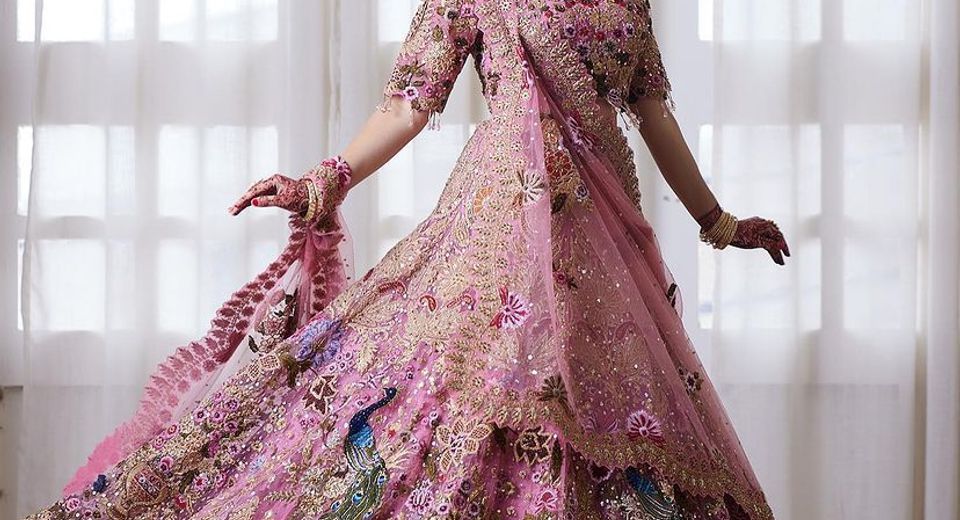
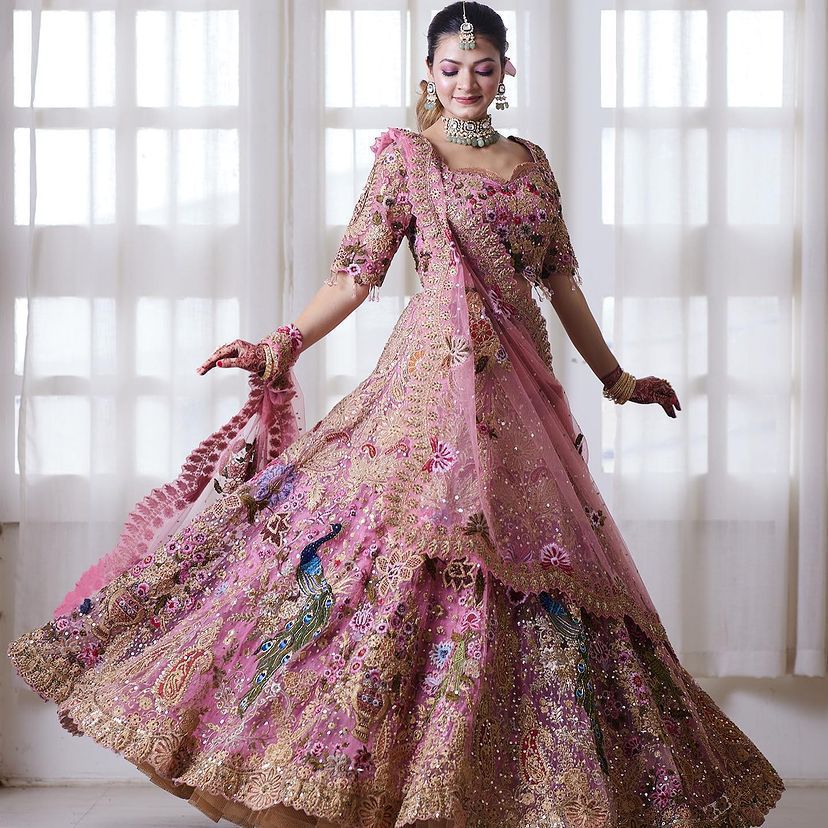
Lehengas also photograph strongly from a distance. The skirt creates a clear colour block, the blouse frames jewellery and the dupatta adds movement during dancing. Pink Bridal Sequins Lehenga Set with Heavy Flare demonstrates how a dramatic skirt can suit a grand evening venue, although a guest should balance heavy sequins with simpler jewellery and avoid bridal-red accessories.
How Fabric and Embroidery Change Comfort
Fabric weight, lining and embellishment determine comfort more reliably than the outfit label. A lightweight georgette or net lehenga can feel cooler and easier to carry, while silk, velvet and dense sequin work offer richer structure but may become tiring during a six- to ten-hour celebration.
Banarasi silk gives a saree or dupatta a firm fall and a luminous woven surface, but its weight can pull at the shoulder if the pleats are not secured. Chanderi feels airy and elegant for a daytime function, although a delicate Chanderi weave needs careful handling around jewellery and rough seating. Kanjeevaram silk is associated with substantial silk texture and traditional grandeur, but Kanjeevaram silk is usually more formal and structured than the average Sangeet outfit.
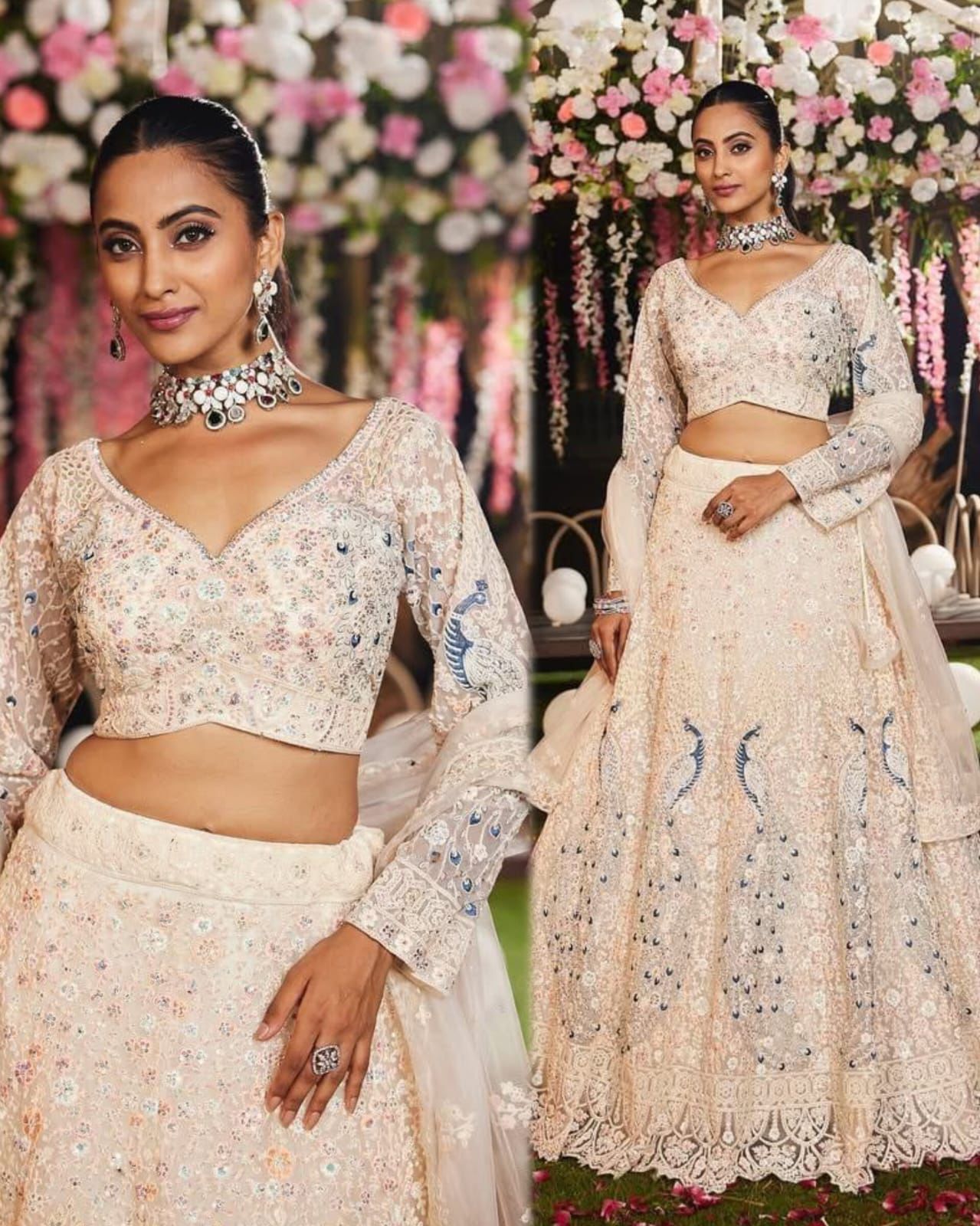
Net needs a different assessment. Soft net can create volume without a heavy skirt, while stiff net may catch on bangles, chairs and other guests' embroidery. Cream Peacock Embroidered Net Lehenga Set for Women brings an example of a light-coloured, embellished silhouette: pair it with controlled jewellery and a secure inner lining because pale net can reveal creasing and uneven layering more easily than darker fabrics.
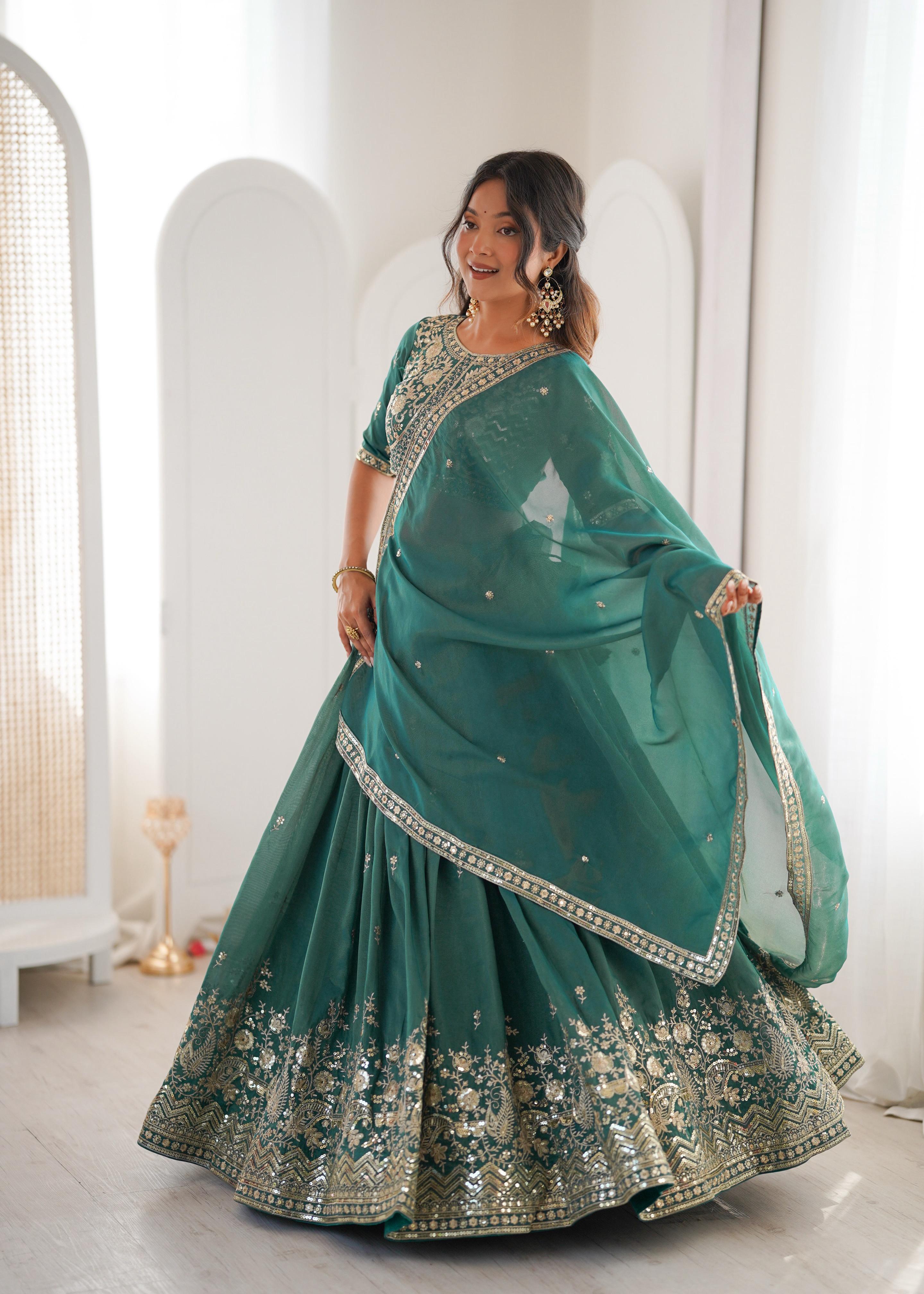
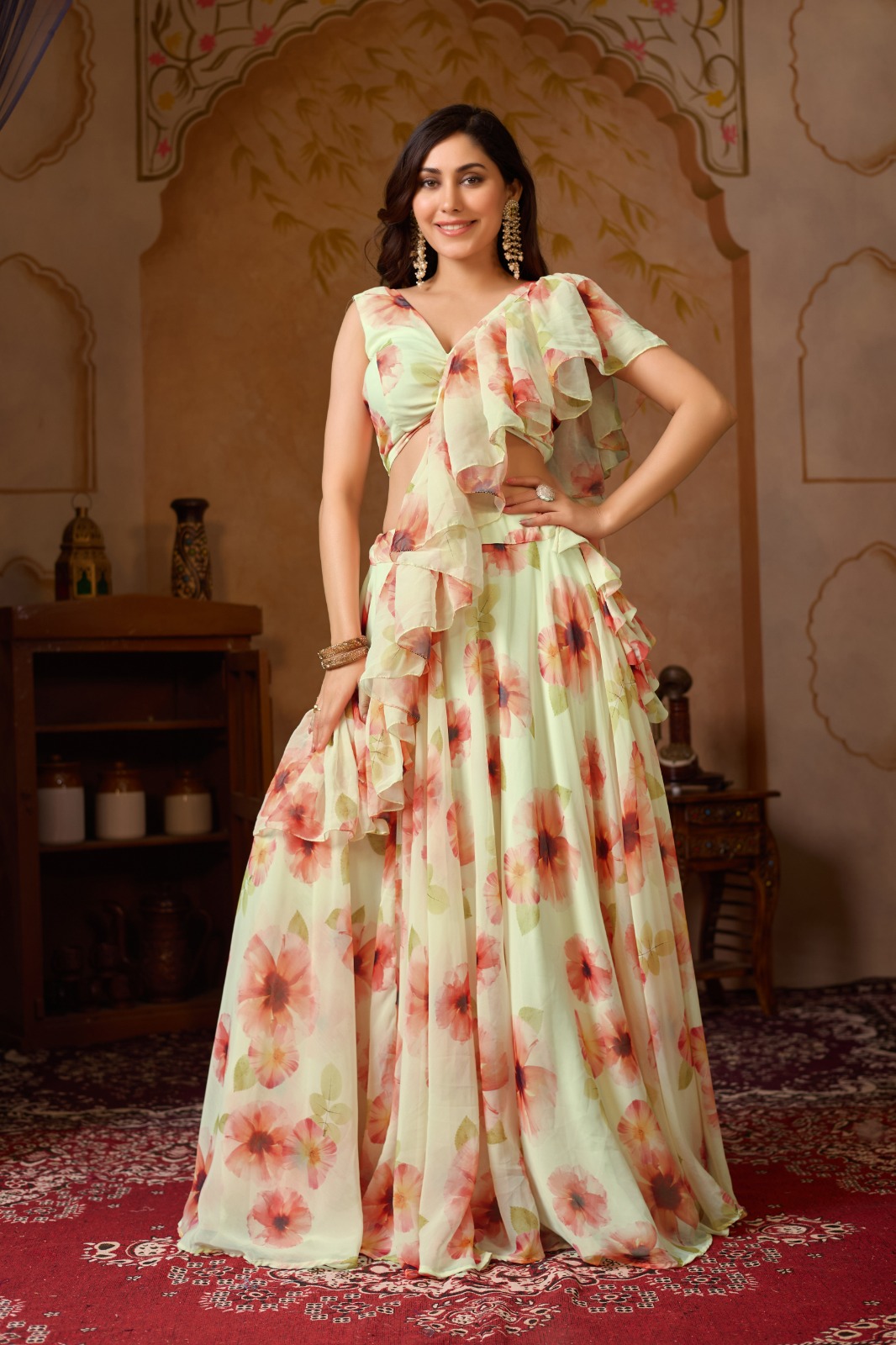
Silk-look textiles can provide colour depth without the full weight of pure silk. Designer Threadwork Silk Lehenga Choli Set with Dupatta suits an evening function where structured threadwork matters, while Pastel Floral Georgette Lehenga Set with Ruffle Blouse is more suited to a daytime or garden setting where a softer texture won't overpower the surroundings.
Before buying or wearing either silhouette, check four physical details: the hem clearance from the floor, the waistband security, the shoulder grip of the dupatta and the lining against the skin. A lehenga hem should clear the top of the foot by roughly 1 to 2 centimetres with the intended footwear. A saree petticoat or shapewear should allow sitting and walking without pulling at the waist.
Which Colours Suit Each Punjabi Wedding Function?
Function, lighting and bridal proximity should guide colour selection more than personal preference alone. Daylight reveals pale pastels and yellow tones clearly, while evening lighting makes jewel tones, zari and sequins appear more pronounced.
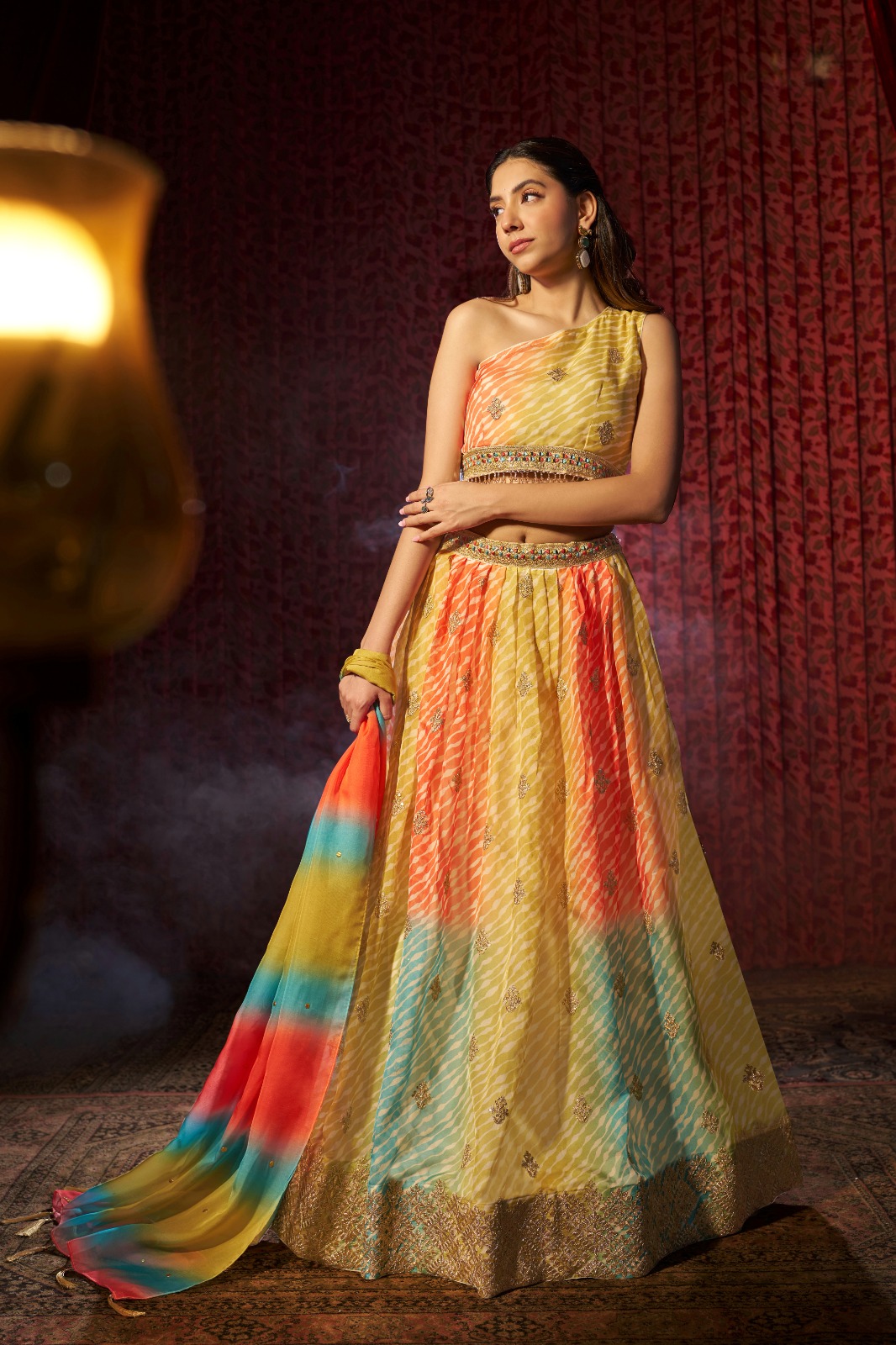
- Haldi ceremony: Choose marigold yellow, mango, lime, peach or fresh green in cotton-silk, georgette or light net. Haldi Lehengas Under 5500 reflects the practical need for cheerful colour and manageable pricing, but avoid a floor-length train or fabric that can't tolerate turmeric splashes.
- Mehendi: Emerald, parrot green, teal, pink and orange work well with henna-stained hands. Stylish Multicolor Butter Silk Lehenga Choli Set can support the colour-rich mood, especially when paired with gold-toned jhumkas instead of a heavy necklace that may interfere with mehendi drying.
- Anand Karaj: Soft pink, ivory, peach, powder blue and muted rose create a respectful daytime look. Keep the head-covering option in mind and choose a dupatta with enough width and grip to sit securely without constant pinning.
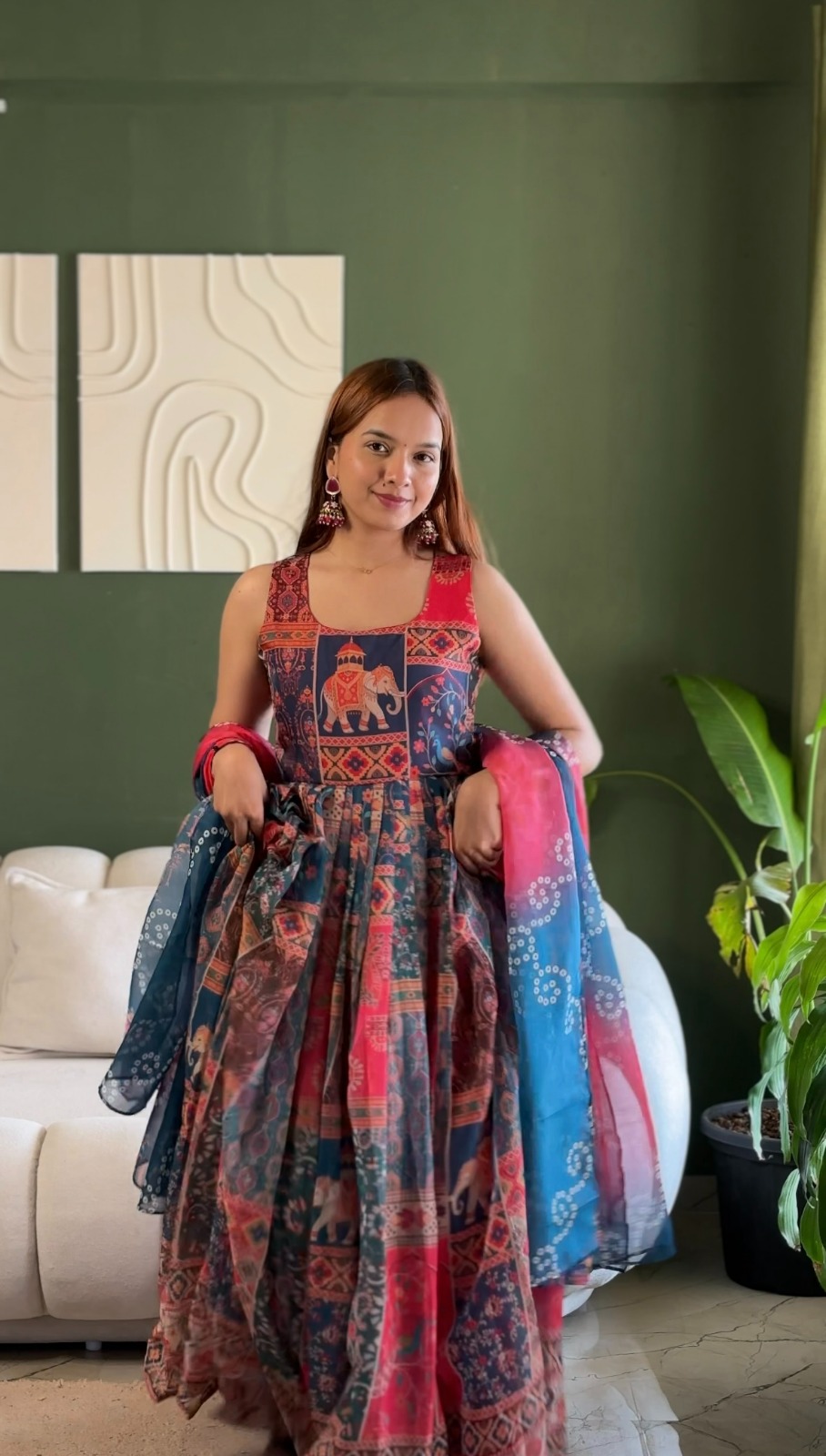
- Sangeet: Fuchsia, cobalt, wine, plum and silver work under stage lighting. Pink Sequins Embroidered Butterfly Net Lehenga Set or Royal Patola Printed Designer Gown with Elegant Dupatta can provide evening impact, but balance reflective surfaces with matte accessories if the venue has strong spotlights.
- Reception: Deep emerald, navy, burgundy, champagne and antique gold feel suitably formal. Red Butterfly Net Sequins Lehenga Set Wedding Wear can work for a guest only when the styling clearly separates it from bridal dressing through less bridal jewellery, a different dupatta drape and restrained makeup.
White and ivory require additional care because they can appear bridal in photographs, particularly when paired with gold embroidery. Cream, champagne or printed ivory is generally easier to make guest-appropriate than a plain white lehenga with a red or maroon dupatta.
How Should You Style the Saree or Lehenga?
The blouse, dupatta placement and jewellery scale often matter more than the base garment. A saree with a contrasting blouse can look more contemporary, while a lehenga with a plain blouse and embroidered dupatta can look more refined than a set covered in matching embellishment.
Jewellery and blouse balance
Wear one dominant jewellery piece when the outfit already contains sequins, zari or dense threadwork. A choker works with an open or sweetheart neckline, long earrings suit a high-neck blouse, and a maang tikka is enough forehead jewellery when the dupatta carries heavy embroidery.
Phulkari motifs are visually busy, so a blouse in one of the border colours usually looks more coherent than a blouse with an unrelated print. With a multicoloured lehenga, repeat only one accent shade in the bangles, potli or footwear rather than matching every visible colour.
Dupatta drapes for movement
A shoulder-to-waist drape secured with two hidden pins is the safest choice for dancing and greeting guests. A front pleated drape looks neat in photographs, while a loose open drape creates movement but requires a fabric with enough grip and a blouse neckline that won't shift.
For a saree, anchor the pallu at the shoulder and secure two or three pleats near the waist before leaving home. Safety pins should pass through the lining or sturdier seam allowance, not through visible zari or delicate net. A small brooch can secure a slippery Phulkari pallu, but a brooch should not puncture fine silk or fragile embroidery.
How Can You Shop for a Wedding Guest Lehenga Without Overdressing?
Set a function, colour and comfort brief before comparing lehengas, because a lower price or heavier embellishment alone doesn't indicate suitability. Decide whether you need a daytime outfit, a dance-friendly evening set or a reusable garment for several family events.
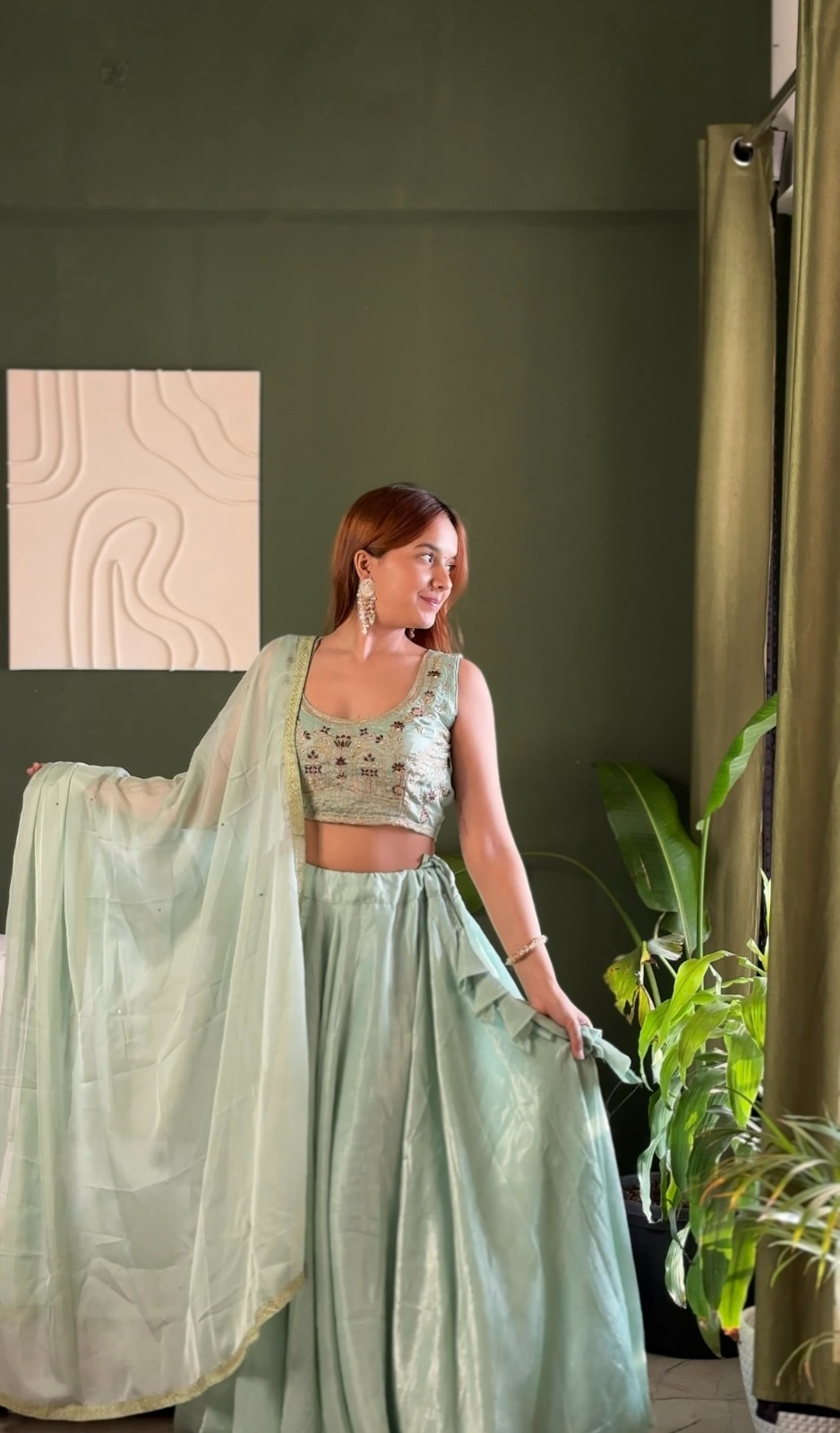
Budget collections can be useful when you compare construction rather than only discount percentage. Pink Lehengas Under 4000 with 50% Discount is relevant for a bright guest look, while Silk Lehengas Under 3000 gives a way to consider silk-textured styles at a lower spend. Bridesmaid Lehengas Under 5500 can help coordinate a group without requiring every person to wear an identical silhouette.
Net Lehengas Under 4500 with 51% Discount is worth checking when you want volume with less skirt weight, but inspect the lining, hem finishing and waistband before relying on the outfit for a full wedding day. A low price can't compensate for a scratchy lining, loose hooks or a hem that catches under your footwear.
Check measurements against a garment that already fits rather than relying only on standard small, medium or large labels. Measure the natural waist, fullest hip, shoulder width and preferred blouse length. Leave room for sitting and dancing, but avoid excessive ease at the waistband because a heavy dupatta can pull the skirt down during movement.
Footwear should be selected during the fitting. A 2- to 3-inch block heel is generally steadier for grass, marble and crowded dance floors than a narrow stiletto. Try walking, sitting, climbing two steps and raising both arms before finalising any saree or lehenga alteration.
Care and Packing Before the Wedding
Store embellished sarees and lehengas flat or on a broad padded hanger, away from direct sunlight and compressed plastic. Sequins, zari and metallic thread can crease permanently when pressed under heavy clothing or folded sharply for long periods.
Steam wrinkles from the reverse side with a pressing cloth, and keep the steamer several centimetres away from sequins, glued stones and delicate net. Do not iron directly over Phulkari embroidery, zari or mirror work. Dry-clean heavily embellished garments when the care label recommends it, and spot-test any stain treatment on an inside seam.
Pack a small emergency kit with safety pins, fashion tape, a spare hook, blister plasters, a stain-removal pen and a thread-and-needle set. These items solve common wedding problems without forcing you to change an entire outfit.
Which Outfit Should You Finally Choose?
Choose a Phulkari saree when cultural detail, graceful drape and daytime polish matter most. Choose a lehenga when you need freer movement, a more dramatic silhouette or an outfit suited to Sangeet dancing and reception photography.
The most reliable guest outfit is one that respects the wedding function, stays comfortable after several hours and leaves the bride's most recognisable styling choices untouched. A colourful Phulkari border, a controlled dupatta, moderate jewellery and well-fitted footwear can create a memorable Punjabi look without excessive embellishment.
When the choice remains difficult, use the venue as the deciding factor: select a lighter saree for a daytime or religious setting, and select a structured lehenga for an evening celebration with dancing. Test the complete outfit at home for at least ten minutes, including shoes, jewellery and dupatta pins. That small rehearsal reveals discomfort before the wedding does.
Common Questions About Choosing a Punjabi Wedding Guest Outfit
Is a Phulkari saree or lehenga better for a Punjabi wedding guest?
A Phulkari saree is better for a graceful daytime look, Anand Karaj or family lunch, while a lehenga is better for Sangeet dancing and a formal evening reception. Choose according to movement, venue, fabric weight and the function's dress code.
Can wedding guests wear red to a Punjabi wedding?
Wedding guests can wear red, but bright bridal red with dense gold work may look too close to the bride's outfit. If you choose red, use restrained jewellery, a different dupatta drape and less bridal styling.
What should a guest wear to a Haldi ceremony?
A guest should wear a washable, lightweight outfit in yellow, mango, peach, green or orange for a Haldi ceremony. Georgette, cotton-silk and light net are practical choices, while long trains and delicate pale fabrics are harder to protect from turmeric.
Is a lehenga comfortable for a full Punjabi wedding day?
A lehenga can remain comfortable for a full wedding day when the waistband fits securely, the lining is soft, the hem clears the floor and the skirt is not excessively heavy. A-line and panelled skirts are usually easier to walk and sit in than very wide, dense skirts.
How should a guest style a Phulkari dupatta?
A guest should secure a Phulkari dupatta at the shoulder and waist with hidden pins so the embroidery remains visible without restricting movement. Pair a richly worked dupatta with simpler jewellery and a quieter blouse or skirt.
What fabric is best for a Punjabi wedding guest lehenga?
Georgette and soft net are practical for lighter movement, while silk and silk-textured fabrics provide more structure for evening functions. Choose based on weather, event length, lining comfort and embroidery weight rather than shine alone.