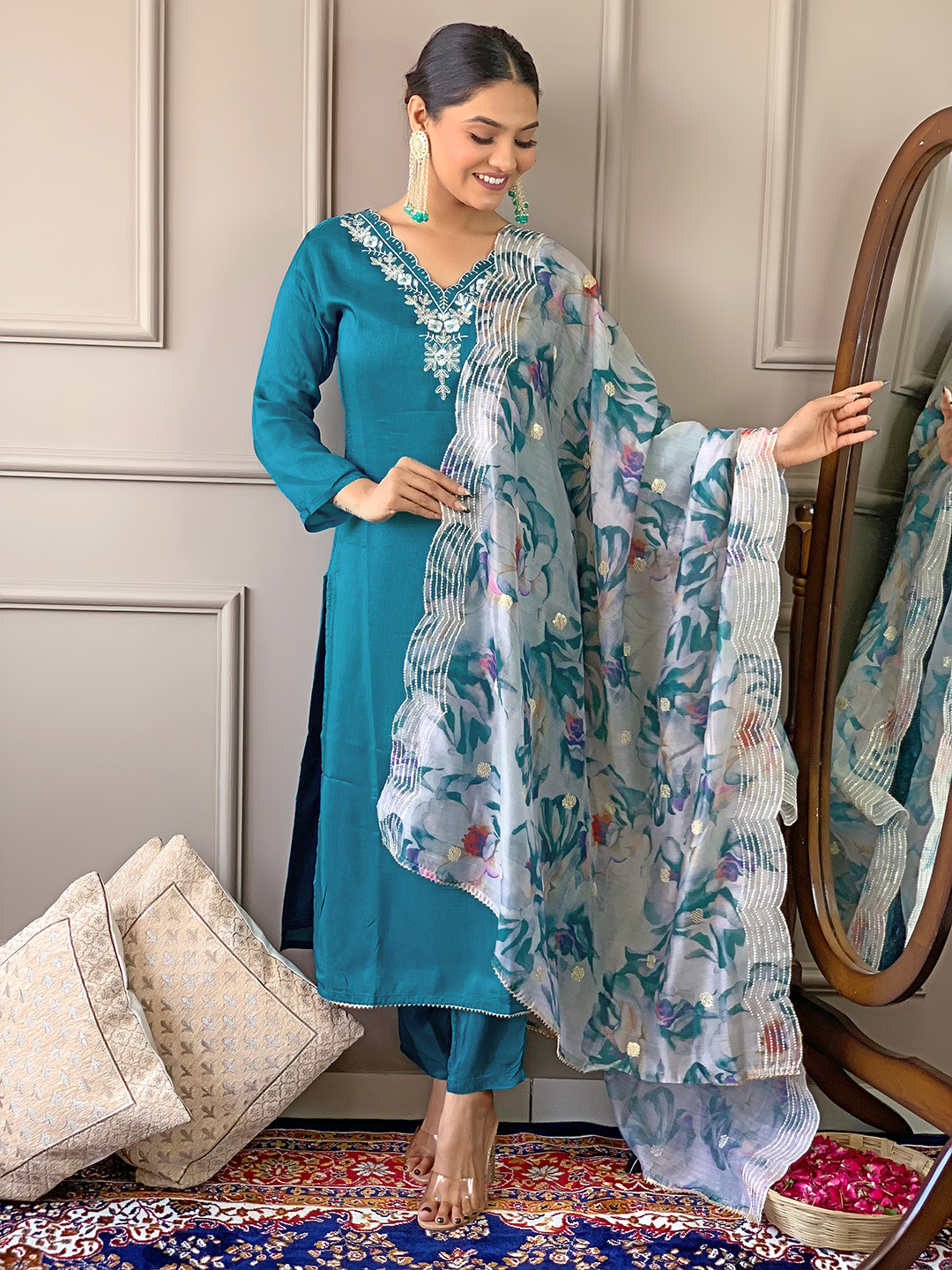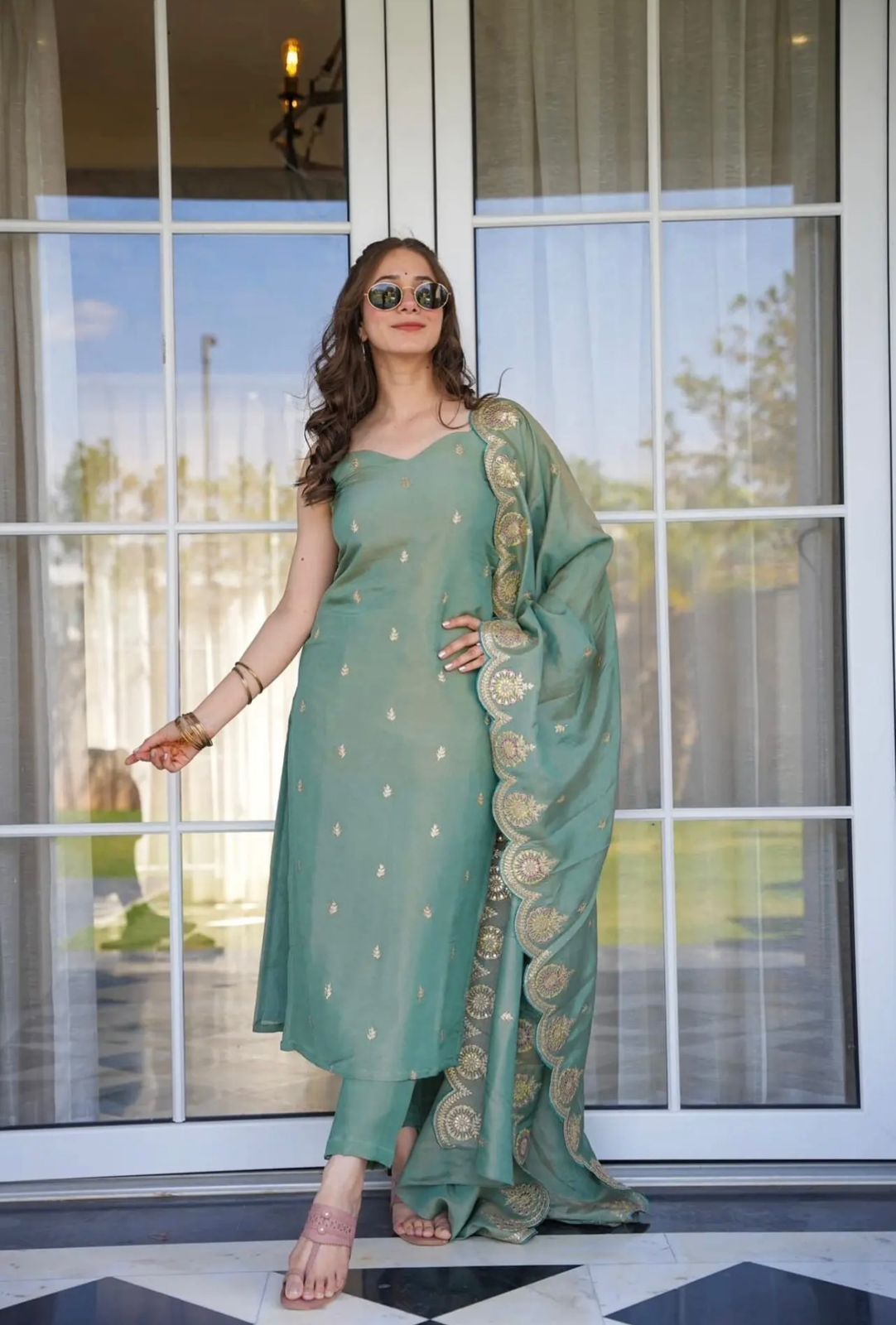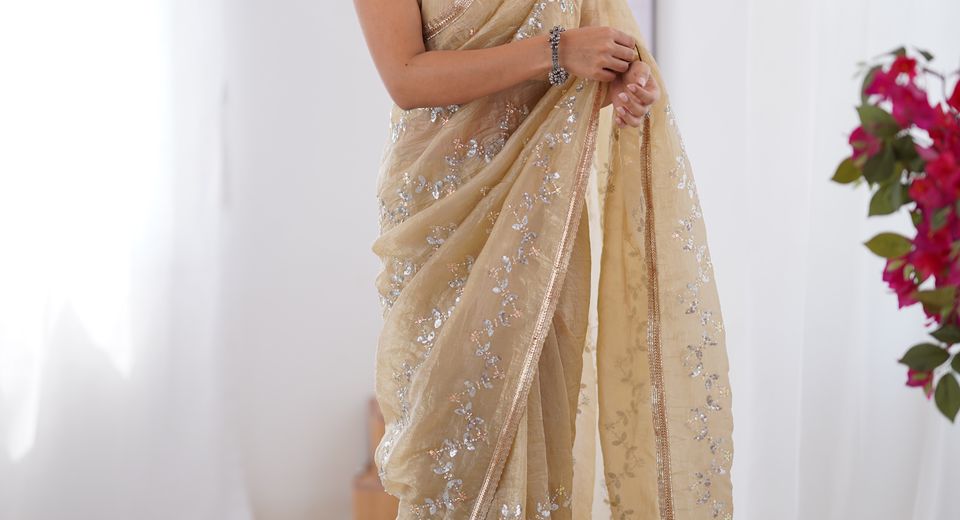
Popular sarees of Vijayawada are shaped by Andhra wedding customs, temple visits, festive gatherings and a warm climate that rewards breathable, well-balanced fabrics. The most useful way to choose one isn't to begin with a colour or trend, but with the occasion, fabric weight, weave, fall and blouse plan. Banarasi silk, soft silk, georgette, printed silk and zari-bordered sarees each solve a different dressing need.
Vijayawada saree shopping becomes easier when you know what each construction offers. A structured silk saree creates a formal silhouette, while georgette follows the body with less bulk. A woven zari border can look ceremonial for years, whereas surface embroidery may be better suited to a single evening. The guide below connects these differences to real occasions and practical buying decisions.
What makes a saree popular in Vijayawada?
Popular sarees of Vijayawada usually combine festive visual impact with a manageable drape for long hours. Andhra families commonly choose silk, soft silk, zari work, floral prints and regional-inspired motifs for weddings, festivals, receptions and religious events.
The local preference isn't limited to one traditional weave. Kanjeevaram and other South Indian silk styles remain important for weddings, while Banarasi silk is chosen for its detailed zari, rich pallu and North Indian weaving identity. Chanderi is valued for lightness and transparency, although it's generally selected for a different style of occasion than a heavy bridal silk. Georgette and silk-blend sarees appeal to wearers who want movement and easier pleating.
Colour also plays a practical role. Gold, purple, ivory, yellow, royal blue, red and jewel tones photograph well under indoor lighting and pair easily with metallic jewellery. Pastels and white-based sarees can look elegant for daytime events, but they require more careful handling around food, turmeric and crowded celebrations.
Which saree fabrics suit Vijayawada weather and occasions?
Silk, soft silk and georgette are among the most versatile choices because they cover formal dressing, festive comfort and varied draping needs. The correct fabric depends on how long the saree will be worn, how much movement is expected and whether the event is indoors or outdoors.

Silk and soft silk for weddings
Silk sarees provide body, shine and a stable pleat structure for weddings and formal ceremonies. Banarasi silk uses a woven design in which zari and coloured threads become part of the fabric structure, while embroidered sarees place decorative thread or embellishment on the surface. The difference matters because woven motifs generally feel integrated into the textile, whereas embroidery can add texture and weight to selected areas.
Royal Banarasi Soft Silk Zari Weave Saree is an useful example of a formal soft-silk direction: the woven zari character supplies visual richness without requiring a heavily embellished surface. Purple Banarasi Soft Silk Zari Work Saree demonstrates how a deep colour can make the border and pallu appear more prominent, especially with gold jewellery and a neatly finished blouse.
Georgette for movement and easier draping
Georgette is a lightweight, fluid fabric that creates a close, flowing drape and usually needs fewer bulky pleats than a stiff silk saree. The fabric is suitable for receptions, evening functions and dance-friendly celebrations, but a wearer should check the lining, border finish and blouse support before buying.
Rajwadi Mor White Saree Bandhej Print Georgette Style combines a light georgette direction with Bandhej-inspired visual interest. A georgette saree benefits from a fitted petticoat or a well-structured underskirt because the fabric follows the base rather than hiding uneven folds.
Printed silk for daytime celebrations
Printed silk gives the sheen of a formal fabric with a lighter visual effect than dense zari work. A printed silk saree can suit a puja, family lunch, cultural programme or daytime wedding function when the wearer wants polish without a heavily bridal appearance.
Blue Floral Heritage Silk Saree Online - Varnavi illustrates how floral placement changes the mood of silk: a blue ground can feel cooler and more contemporary, while floral motifs soften the formality of a lustrous base. Printed designs also make blouse selection easier because a solid blouse can repeat one colour from the print.
How should you match a Vijayawada saree to the occasion?
Match the saree's weight, shine and embellishment level to the event rather than choosing the most decorated design for every celebration.
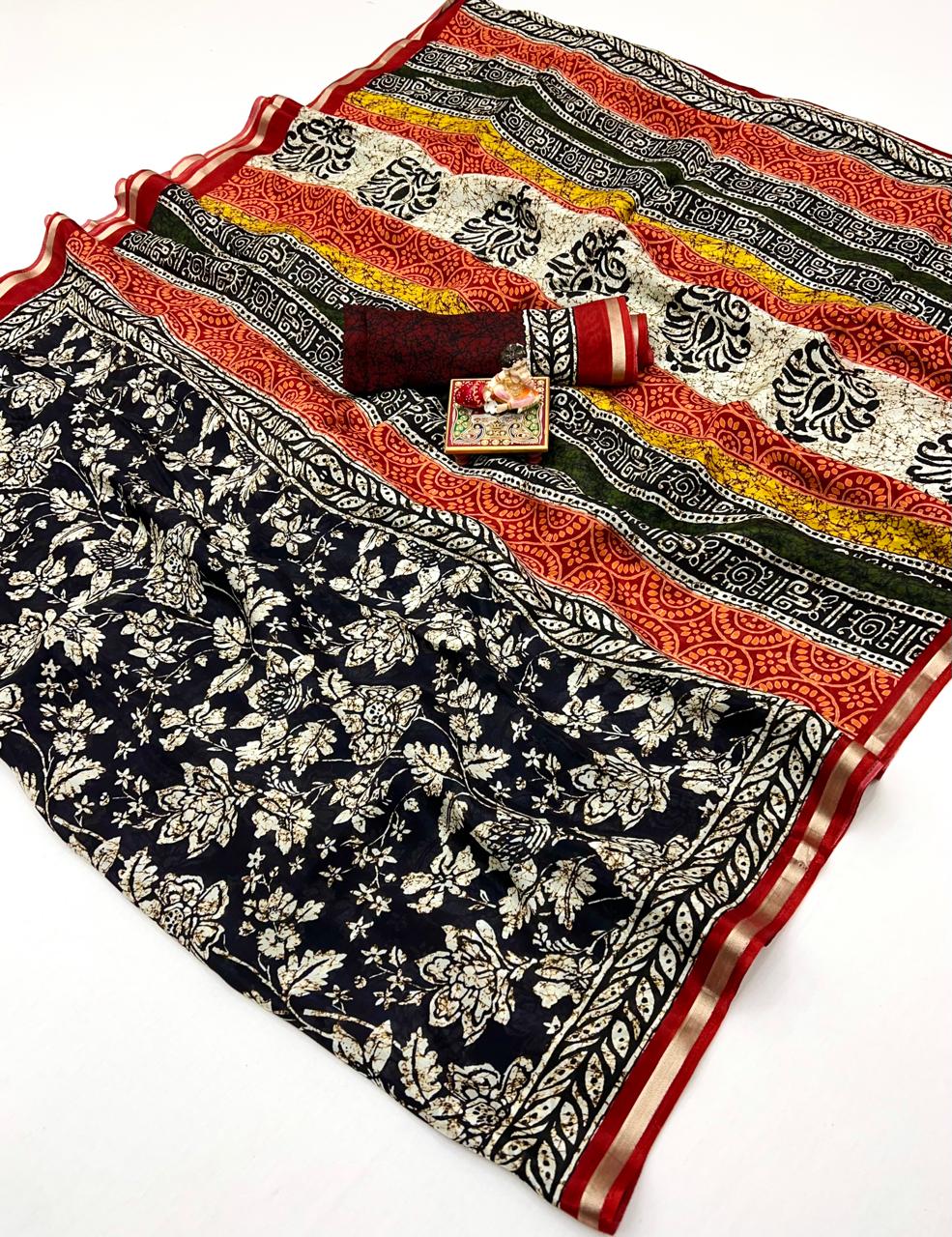
For weddings and reception evenings
Choose Banarasi silk, soft silk or a silk saree with a substantial zari border for a wedding ceremony or reception. A saree with a defined pallu photographs clearly, holds its shape through several hours and works with temple jewellery, jhumkas or a layered necklace.
Banarasi Silk Saree with Pichwai Art & Zari Border is particularly suited to a statement-led festive wardrobe because Pichwai-inspired imagery gives the saree a recognisable artistic direction. Keep the blouse quieter when the pallu contains detailed art. A plain blouse with a matching zari sleeve edge prevents the upper half of the outfit from competing with the pallu.
For pujas and daytime family events
Choose printed silk, lighter soft silk or a restrained zari border for a puja or daytime family gathering. These options look dressed without creating the visual weight associated with a heavily embellished evening saree.
Designer Ivory Silk Saree with Peacock Motif Gold Zari Border suits a refined daytime or cultural setting when paired with a blouse in ivory, muted gold, peacock blue or a carefully selected contrast. Ivory should be stored and transported separately from dark-dyed garments because colour transfer can occur through friction and moisture.
For parties and cocktail-style functions
Choose metallic surface details, fluid georgette or a modern printed silk for a party. Golden Glow Gold Crush Embroidered Party Wear Saree for Women makes the most sense when the event calls for noticeable shimmer, but the accessories should remain controlled so the saree stays visually dominant.
A party saree doesn't always need a heritage blouse. A high-neck blouse, elbow-length sleeve or clean sleeveless cut can modernise the look, provided the neckline and sleeve construction offer enough support for the saree's weight.
How do you select colour, border and pallu details?
Select the colour first according to lighting and complexion preference, then use the border and pallu to determine the jewellery and blouse direction. A border isn't only decoration; its width changes the apparent proportion of the wearer.
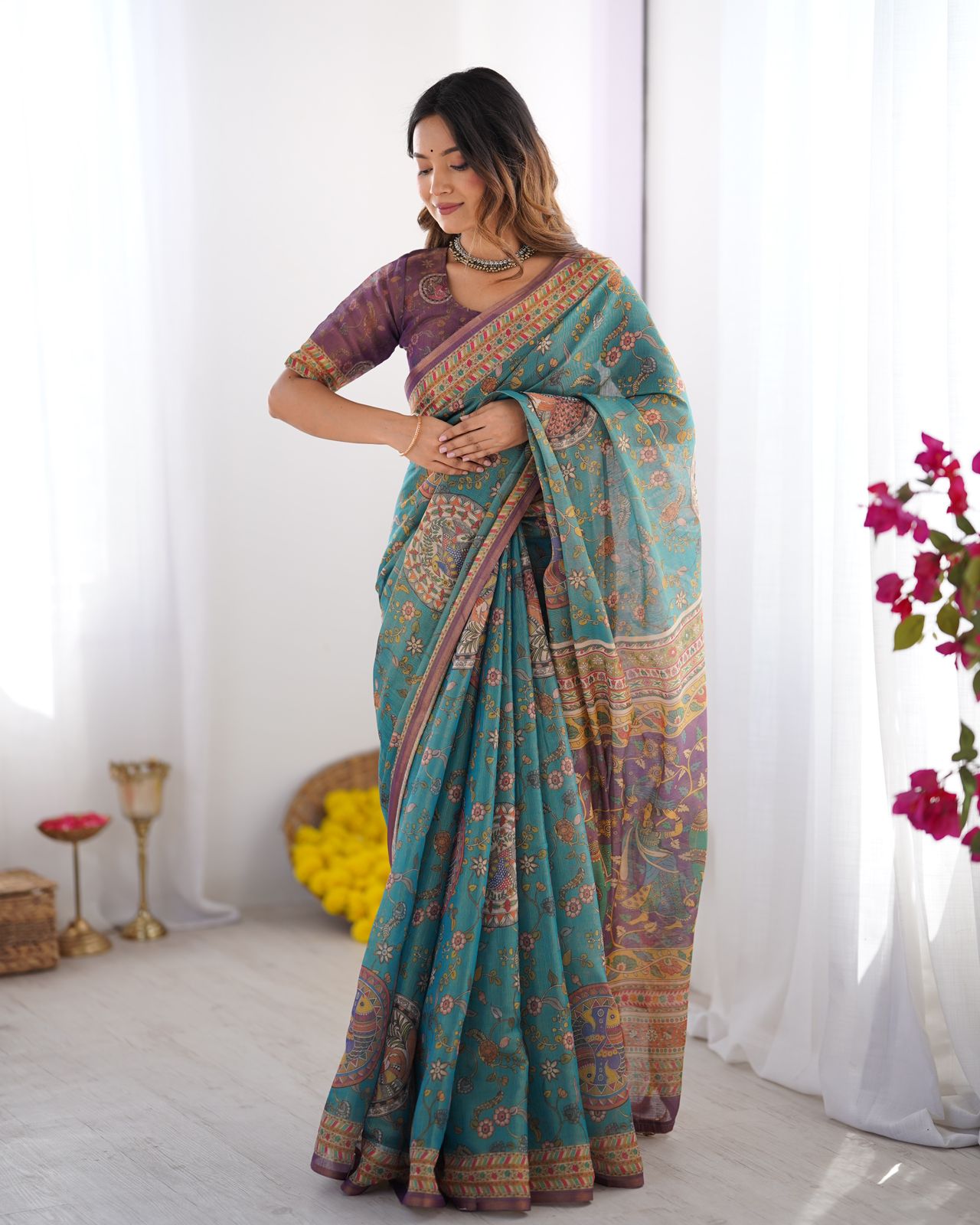
A broad gold zari border creates a more time-honoured, grounded appearance and can visually shorten a very tall vertical silhouette when paired with a short blouse. A narrow border appears lighter and can work well for petite frames or fluid fabrics. A large pallu motif requires space to remain visible, so avoid excessive pleating over the main artwork.
Gold zari pairs naturally with warm shades such as yellow, maroon, rust and ivory, while silver-toned accessories can sharpen blue, purple, grey and cool pink sarees. Jewellery doesn't have to match the saree exactly. Repeating one secondary colour from a floral print often produces a more intentional result than choosing a necklace in the dominant colour alone.
For popular sarees of Vijayawada, yellow and ivory often serve festive daytime dressing, while purple, blue and gold create stronger evening contrast. White and pale shades need an occasion-aware approach: they can look graceful for a cultural event, but turmeric ceremonies and outdoor meals demand extra care.
What should you check before buying a saree online?
Check the fabric description, saree length, blouse-piece information, border width, care instructions and return measurements before placing an online order. A product photograph can't reliably communicate fabric weight or transparency by itself.
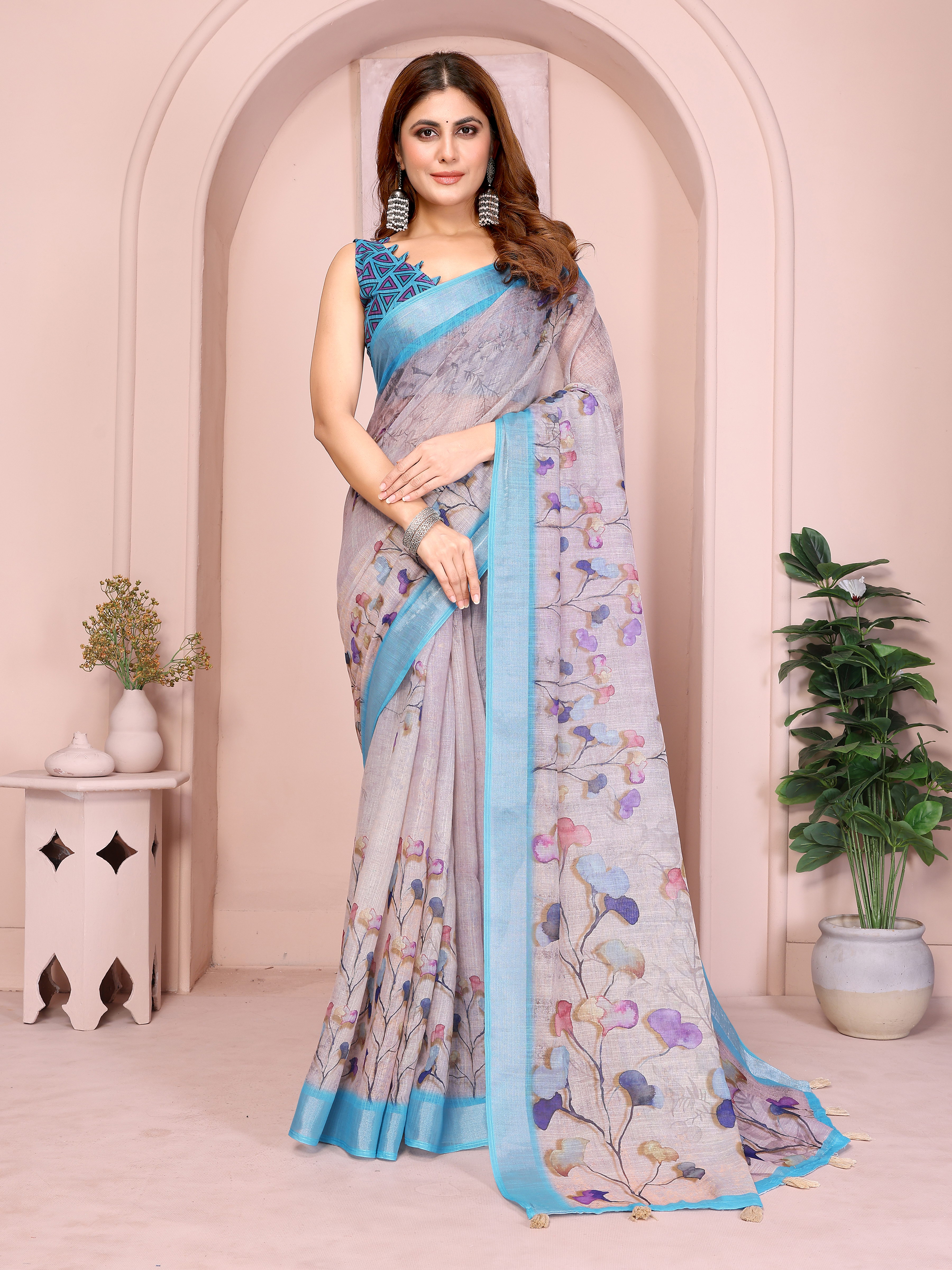
- Confirm the fabric: Distinguish silk, soft silk, silk blend, georgette and synthetic fabric because each has a different fall, breathability and care requirement.
- Read the length details: A saree is commonly around 5.5 metres, with a separate blouse piece often included, but measurements vary. Confirm the exact listing before assuming the blouse length will provide full sleeve or back coverage.
- Inspect the pallu: Identify whether the design is woven, printed, embroidered or embellished. Woven zari and printed motifs behave differently after washing and pressing.
- Plan the blouse: Decide whether you need a matching blouse, a contrast blouse or a tailor-made piece. A busy pallu usually benefits from a plain blouse.
- Calculate the complete budget: Include fall and edging, blouse stitching, lining, petticoat or underskirt, delivery and possible alterations.
Budget browsing can be organised by collections such as Sarees from Rs 1000 to Rs 1500, Sarees Under 20% Off and Sarees Under 10% Off. Discount labels should not replace fabric checking: compare the original construction, measurements and care instructions rather than judging value from the percentage alone.
For seasonal or occasion-led shopping, collections titled Sarees Flat 60% Off and Sarees Flat 50% Off may help narrow the search, but availability and sizes can change. Save screenshots of the fabric and measurement details at the time of purchase so the delivered saree can be checked against the listing.
How should you style popular sarees of Vijayawada?
Style a Vijayawada saree by balancing one strong element with simpler supporting details. If the saree has dense zari, use a clean blouse and selective jewellery; if the saree is printed, allow the print to lead and add texture through earrings or bangles.
Blouse and drape choices
A classic Nivi drape with evenly pinned pleats works for most silk and soft-silk sarees. A narrower pleat set can reduce bulk, while a wider pallu spread displays Pichwai art, floral printing or a decorative zari panel more effectively. Pin the shoulder pleats from the inside so the outer surface remains neat.
For a heavy saree, use a firm cotton or fitted shapewear-style petticoat with a secure drawstring. For georgette, choose a base that prevents sliding and avoid an overly smooth lining if the fabric keeps moving. A well-fitted blouse should support the bust and shoulders without pulling the armhole when the pallu is lifted.
Jewellery and footwear
Gold-toned jewellery complements zari because both surfaces reflect warm light, but one substantial necklace, a pair of jhumkas or a bold bangle set is usually enough for a detailed saree. Choose a stable heel height that allows comfortable walking; a 1.5- to 2.5-inch block heel is often more practical for long ceremonies than a narrow high heel.
Hair, makeup and footwear should support the event's duration. A low bun or secured braid is dependable for temple visits and weddings, while loose hair requires extra pinning if the pallu is heavy. Test the complete outfit at home for at least 15 minutes before the event to identify slipping, tight sleeves or dragging hems.
How do you care for silk, zari and georgette sarees?
Care for silk and zari sarees by reducing moisture, friction, direct sunlight and prolonged hanging. Georgette and printed sarees also need gentle handling because aggressive washing can affect surface colour, pleats or embellishment.
- After wearing: Air the saree in shade for several hours before folding it. Do not store a damp saree immediately after a humid function.
- For zari: Fold the saree with the zari facing inward and refold it every two to three months to reduce permanent crease stress. Use unbleached cotton or muslin rather than plastic for long-term storage.
- For silk: Prefer professional dry cleaning when the care label recommends it. Avoid perfume, deodorant and hair products directly on the fabric because alcohol and oils can mark silk.
- For georgette: Do not wring, twist or scrub. Spot-test any cleaning method on an inner edge and follow the listed care instructions.
- For storage: Keep sarees away from direct sun, high heat and damp walls. Store heavy sarees flat or on a broad hanger so the shoulder area doesn't bear all the weight.
Popular sarees of Vijayawada become more useful wardrobe investments when the purchase reflects real wearing conditions. A Banarasi silk saree may serve weddings and milestone events, a printed silk saree may cover daytime gatherings, and georgette may provide a lighter option for movement-heavy evenings. Choosing by fabric behaviour rather than trend alone leads to better comfort, easier styling and longer wear.
Common Questions About Vijayawada Saree Styles
Which sarees are most popular in Vijayawada for weddings?
Banarasi silk, soft silk and zari-bordered silk sarees are popular wedding choices in Vijayawada because they offer structure, shine and a formal pallu. Kanjeevaram-inspired silk styles are also suitable when a traditional South Indian wedding appearance is preferred.
Which saree fabric is best for Vijayawada’s warm weather?
Lightweight georgette and lighter printed silk are practical for warm-weather functions because they create less bulk than heavy silk. Soft silk can also work well when the event is formal, but the wearer should consider indoor ventilation and total wearing time.
How can I style a Banarasi saree for a Vijayawada wedding?
Pair a Banarasi saree with a well-fitted blouse, gold-toned jewellery and a neat Nivi drape with clearly pressed pleats. Keep the blouse relatively simple when the saree has dense zari, a detailed pallu or prominent woven motifs.
Are georgette sarees suitable for a family function?
Georgette sarees are suitable for family functions, receptions and evening gatherings when the fabric has a secure border and a comfortable blouse. Use a fitted petticoat or supportive underskirt because georgette follows the body and can slip on a very smooth base.
What should I check when buying a saree online in Vijayawada?
Check the exact fabric, saree length, blouse-piece size, border width, pallu construction, transparency, care instructions and return terms. Also budget for fall, edging, stitching and alterations instead of comparing only the listed saree price.
How should I store a silk saree with zari?
Air the saree in shade after wearing, fold the zari inward and store it in breathable cotton or muslin. Refold the saree every two to three months, keep it away from moisture and avoid direct sunlight or plastic wrapping for long-term storage.