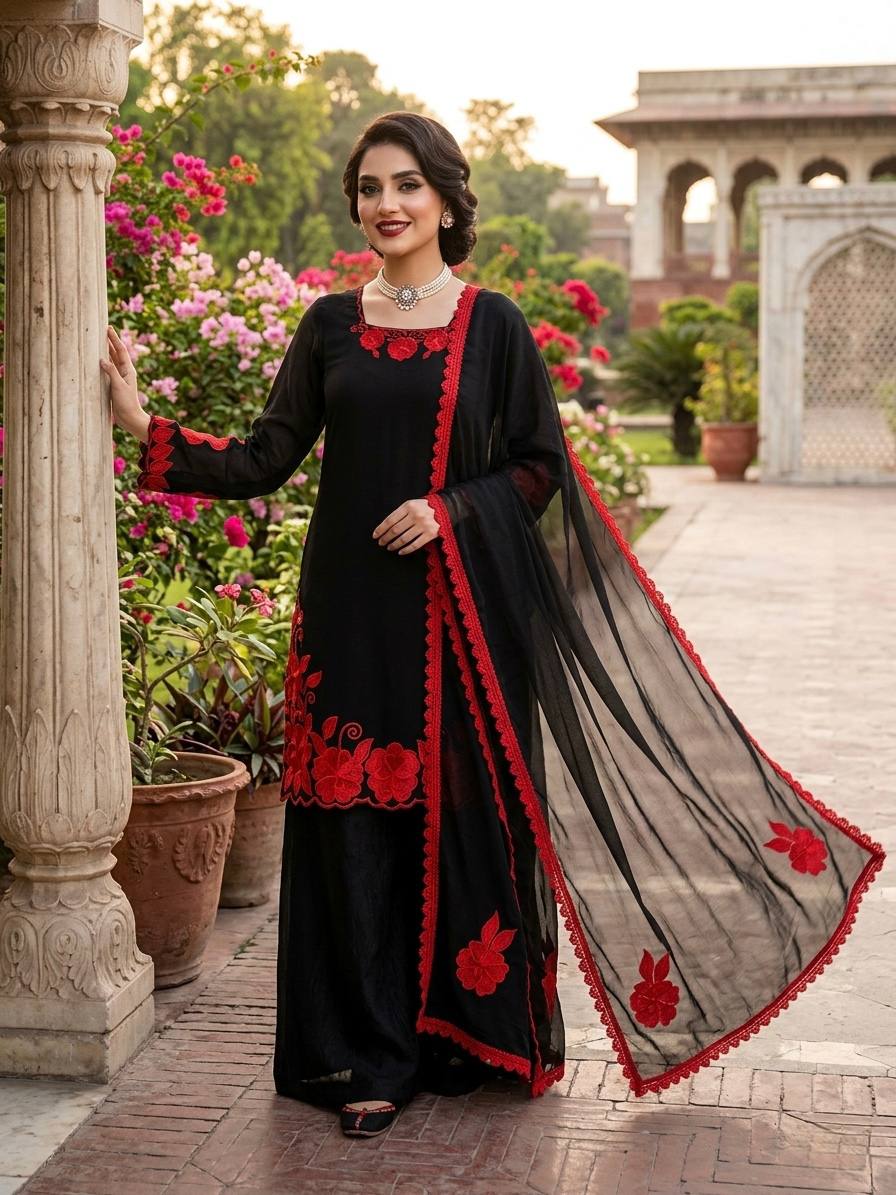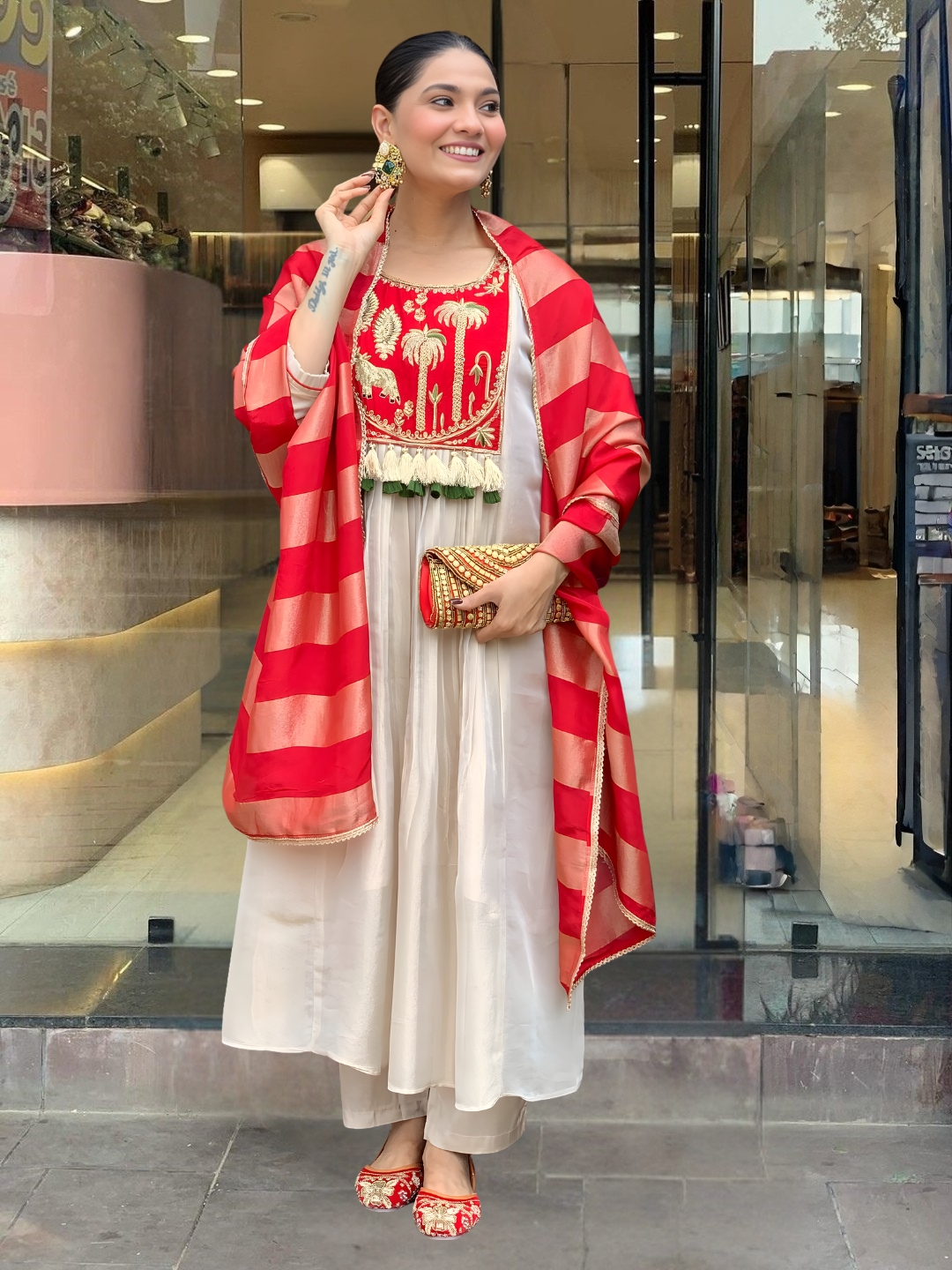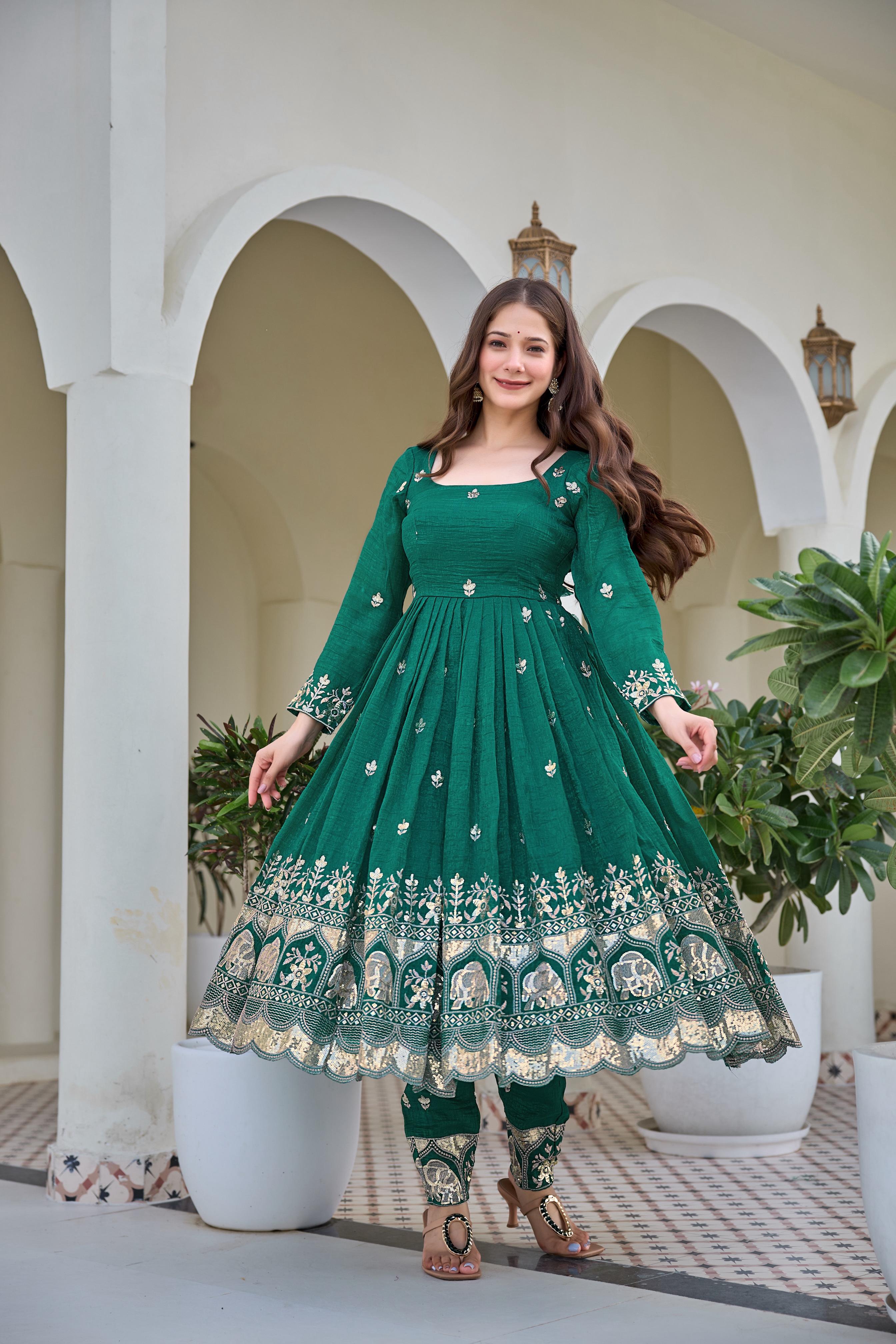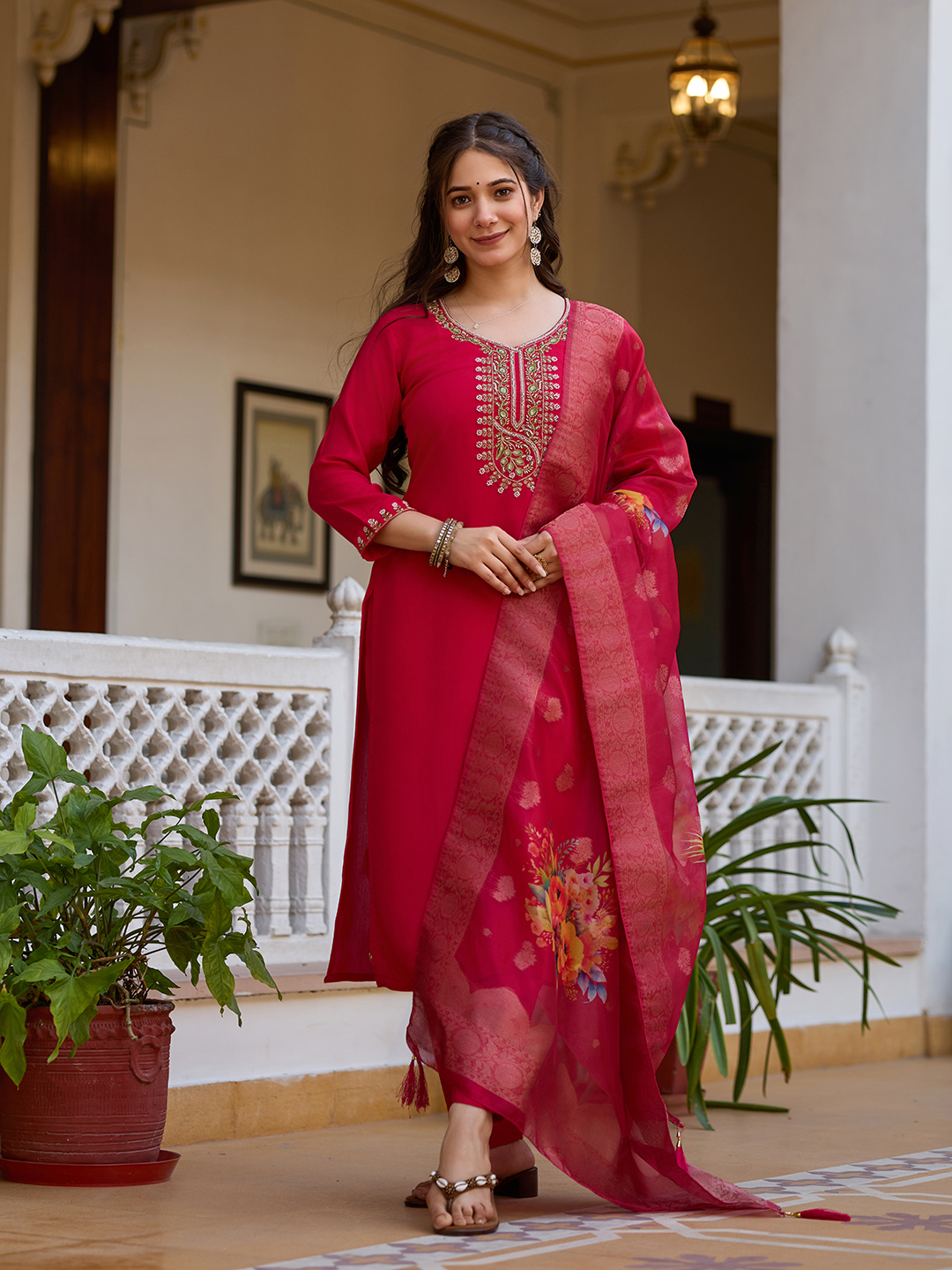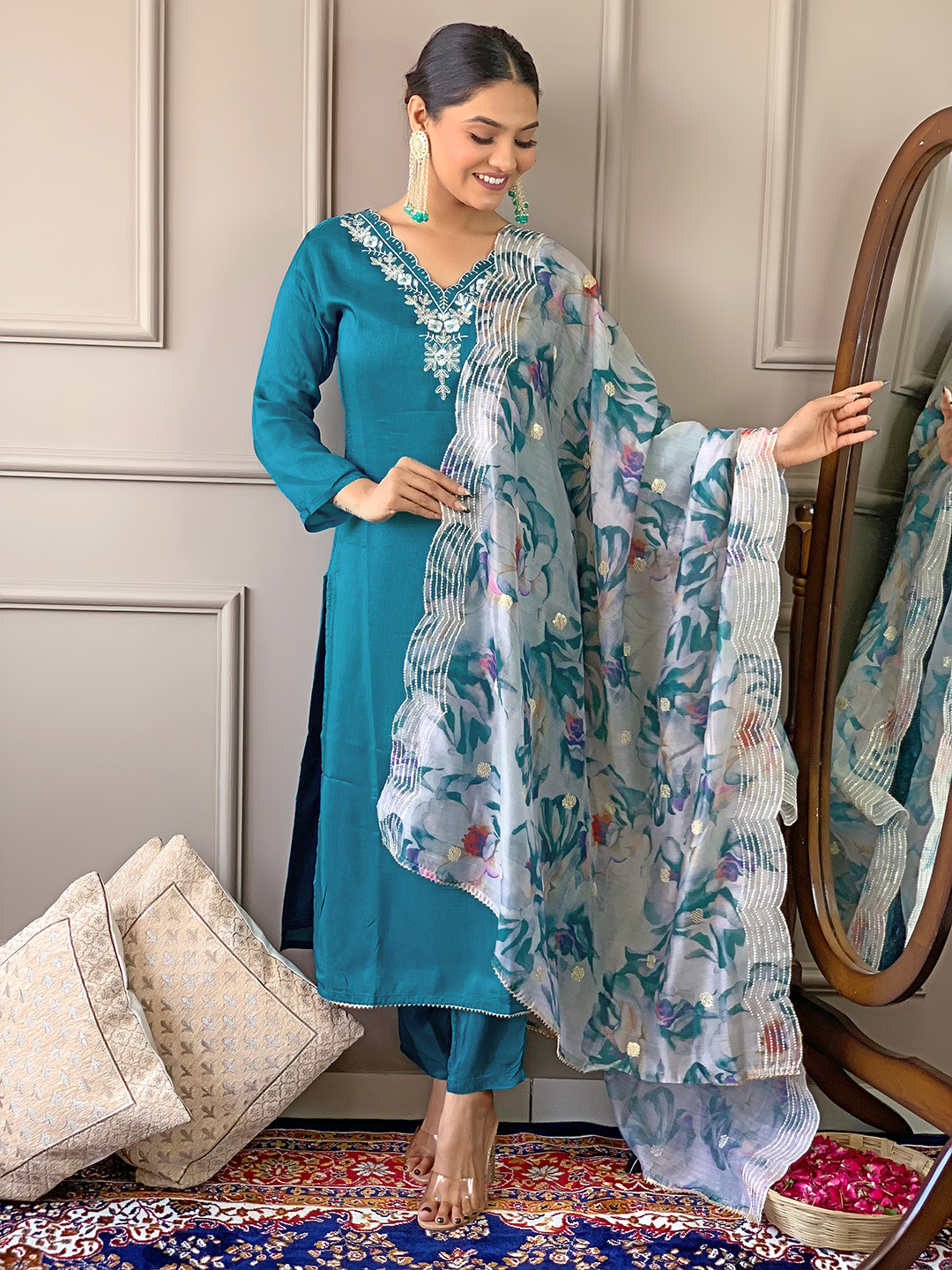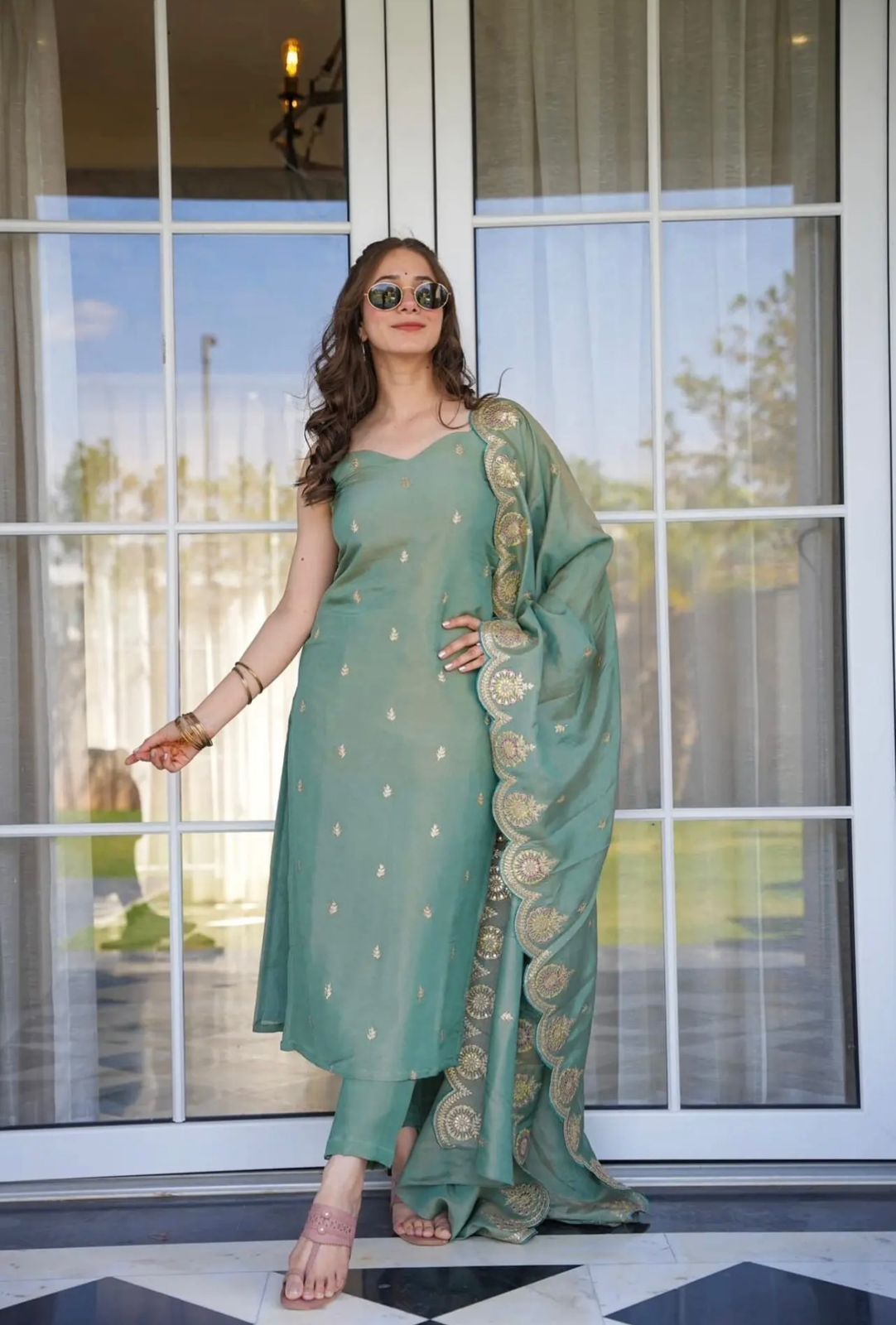
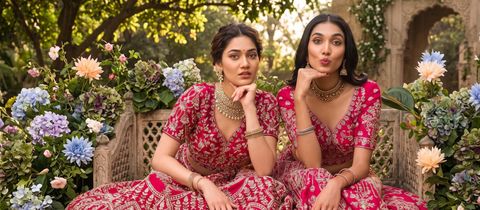
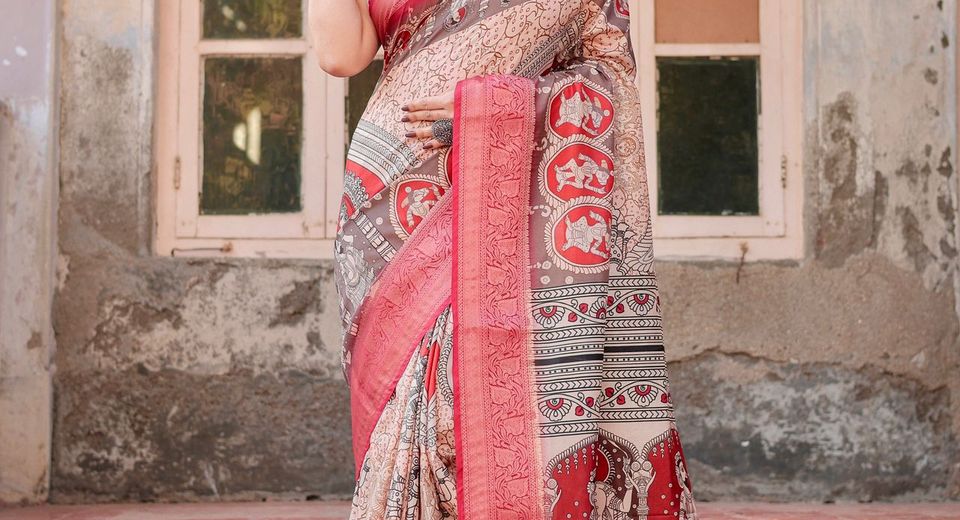
Popular sarees of Pune are not limited to one weave or one colour palette. Pune wardrobes bring together Maharashtra's Paithani tradition, lightweight cottons for warm afternoons, silk sarees for weddings, and richly patterned Banarasi or Patola styles for festive dressing. The most useful way to choose a saree in Pune is to match the fabric, border weight, drape and care requirement to the occasion rather than choosing only by appearance.
Pune's saree culture has several influences. Maharashtrian ceremonies keep Paithani motifs and the nine-yard nauvari drape visible, while urban wardrobes also include Banarasi silk, Chanderi, linen cotton, Bandhani and printed regional styles. A saree that works for a daytime haldi ceremony may feel too heavy for an outdoor summer event, while a light cotton saree may not provide the formal finish expected at a wedding reception.
What makes a saree popular in Pune?
A saree becomes popular in Pune when it balances regional identity, comfort, versatility and occasion-appropriate detail. Pune shoppers commonly look for a recognisable weave or motif, a manageable drape, a blouse-friendly border and a price that suits repeated wear.
Paithani remains culturally important because the weave is associated with Maharashtra and is known for its silk body, contrasting pallu and peacock, parrot or geometric motifs. Banarasi silk is preferred when zari richness and formal presence matter. Patola-inspired patterns appeal to people who want geometric colour contrast, while cotton, linen cotton and Chanderi are practical choices for work, daytime pujas and summer gatherings.
Colour also affects local appeal. Rani pink, parrot green, royal blue, red, purple and peacock-inspired shades connect strongly with festive Maharashtrian dressing. Softer peach, beige, powder blue and teal are easier to repeat at office celebrations, brunches and intimate family events. A gold zari border can make a relatively simple saree ceremonial, but a broad metallic border also adds weight and may need more careful pleating.
Which traditional sarees are associated with Pune and Maharashtra?
Paithani is the strongest heritage reference for Pune and Maharashtra, but Banarasi silk, Kanjeevaram, Chanderi, Bandhani and Patola styles are also widely worn for different occasions.
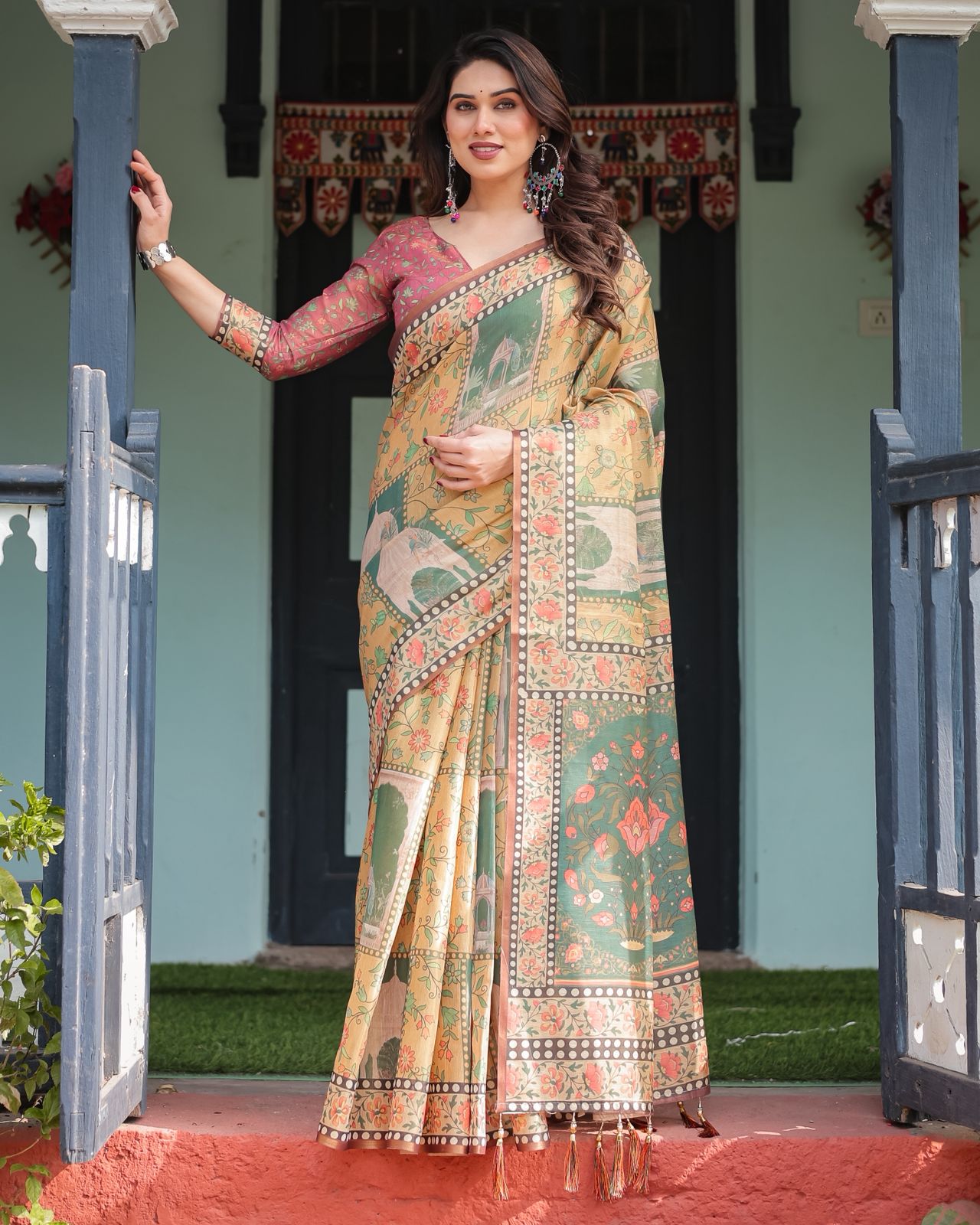
Paithani and Maharashtrian drapes
Paithani sarees are traditionally recognised by lustrous silk, distinctive pallu motifs and rich colour contrasts. Peacock imagery is especially familiar, although the exact motif, zari composition and weaving technique can differ significantly between sarees. A genuine handwoven Paithani generally requires a higher budget and careful verification, so buyers should ask about silk content, weaving origin and zari before treating any peacock-motif saree as an authentic Paithani.
The nauvari saree, also called the nine-yard saree, is draped differently from the more common five-and-a-half- or six-yard saree. The fabric passes between the legs and creates a trouser-like lower drape, which historically supported movement. A conventional nine-yard nauvari drape usually needs a longer saree, suitable blouse and practice, whereas a standard six-yard saree is simpler for guests at a Maharashtrian wedding.
Banarasi, Kanjeevaram and regional choices
Banarasi silk is known for figured zari work and a formal sheen, making it suitable for wedding ceremonies, receptions and festive gifting. Kanjeevaram is associated with South Indian silk traditions and typically has a strong body, contrast border and structured appearance. Chanderi is lighter and more translucent, so it suits daytime occasions when the wearer wants elegance without the weight of dense silk.
Bandhani uses tied-and-dyed dots and can range from lightweight festive sarees to silk versions with zari. Patola designs are recognised for orderly geometric or floral patterning and strong colour contrast. A printed Patola-style saree can offer the visual language of the pattern at a lower weight and often a lower price than a handwoven double-ikat Patola.
How should you choose a saree for Pune weather and occasion?
Choose cotton, linen cotton or light Chanderi for warm daytime use; choose silk, Banarasi or zari-rich sarees for evening weddings and formal celebrations.
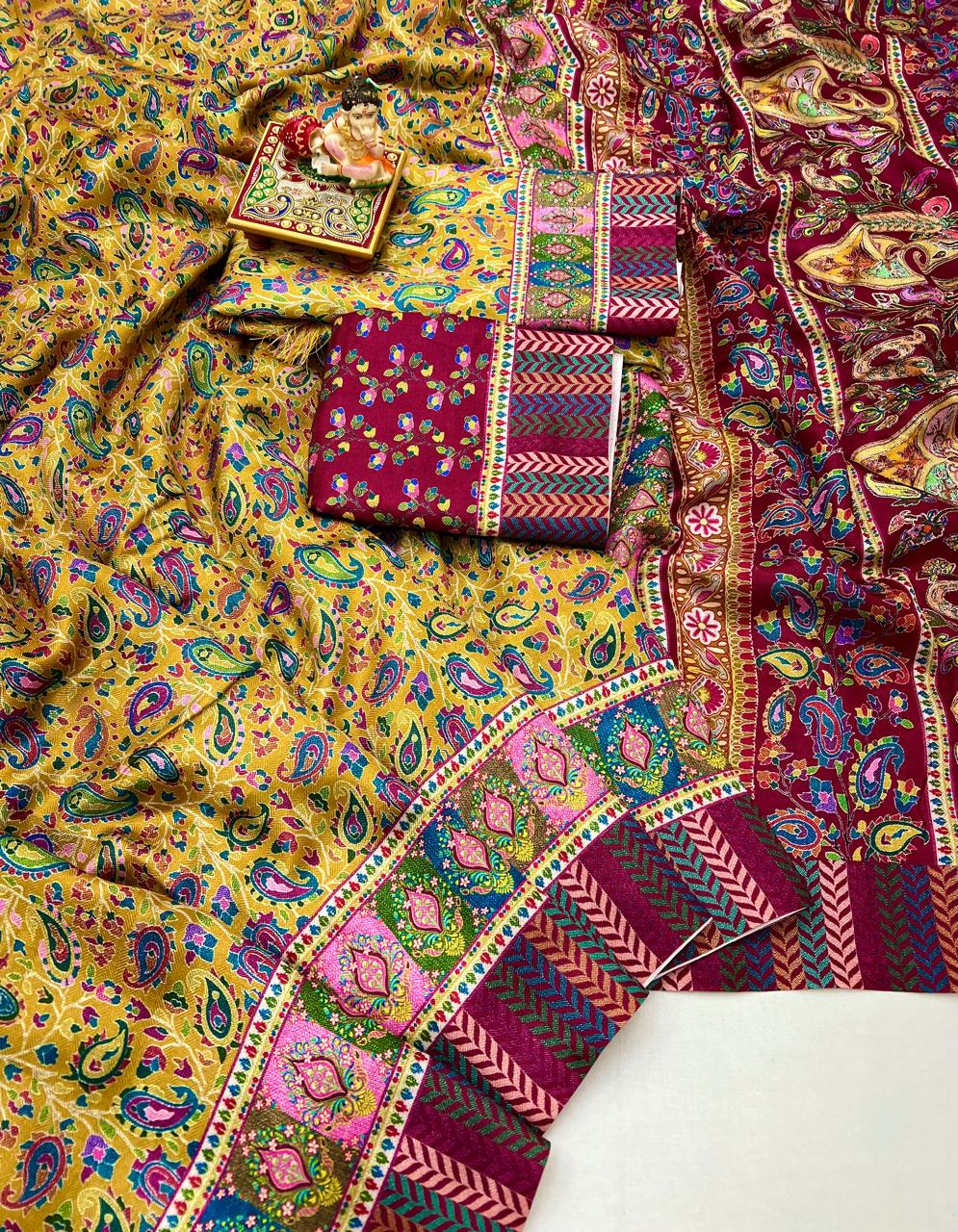
Pune's climate varies across the year, but saree comfort is especially important during hot afternoons, monsoon humidity and crowded indoor functions. Linen cotton allows air movement and generally feels easier for long daytime wear. Cotton can absorb perspiration, although heavily starched cotton may crease visibly and feel less comfortable after several hours. Chanderi is airy but may need a lining or carefully selected blouse because of its transparency.
For a haldi ceremony, choose a washable or relatively low-risk saree in yellow, lime, pink or orange if the event involves turmeric, water or outdoor movement. For a formal puja, a silk-cotton, Chanderi or lightly zari-worked saree gives a time-honoured appearance without the weight of bridal silk. For a wedding reception, Banarasi silk, Paithani, Patola silk or a richly finished silk saree can carry heavier jewellery and evening lighting.
A saree such as Brown Digital Printed Linen Cotton Patola Saree Online illustrates the practical daytime category: linen cotton keeps the structure relaxed, while the Patola-inspired print supplies visual interest without relying on a heavy woven border. Navy Blue Floral Silk Saree with Peach Zari Border shows a different balance, using silk and zari for a more formal finish while retaining a wearable floral colour story.
Popular sarees of Pune for weddings and festivals
The best wedding saree depends on ceremony timing, venue, expected formality and how long the wearer will remain dressed.
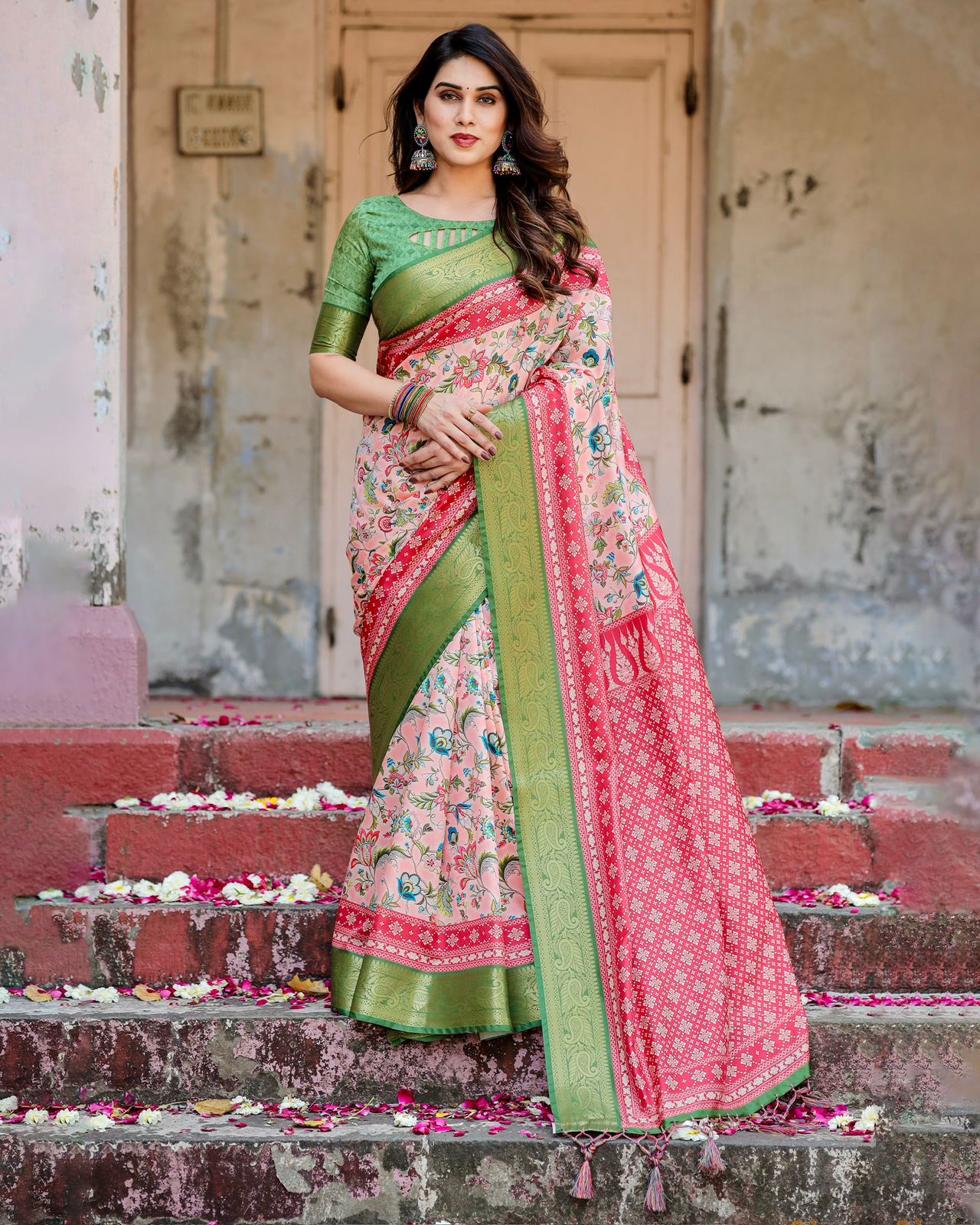
For a Maharashtrian wedding, a classic Paithani remains a meaningful choice, especially with a nauvari or conventional drape depending on the ceremony. A red, green, magenta or purple saree with a gold border photographs well and pairs naturally with classic jewellery such as thushi, nath-inspired accessories, green glass bangles and gold-toned pieces. The wearer should test the blouse neckline and sleeve length with the jewellery before the event because a heavily embellished neckline can compete with layered necklaces.
Banarasi silk works well for evening receptions because zari reflects artificial light and creates definition in pleats. Banarasi Silk Saree with Pichwai Art & Zari Border combines a recognisable formal material with a narrative art-inspired pallu, making it useful when the wearer wants something more distinctive than a plain zari pattern. Pastel Peach Teal Banarasi Lichi Silk Saree Zari Work offers a softer palette for daytime weddings, engagement functions and festive dinners where a very dark saree may feel visually heavy.
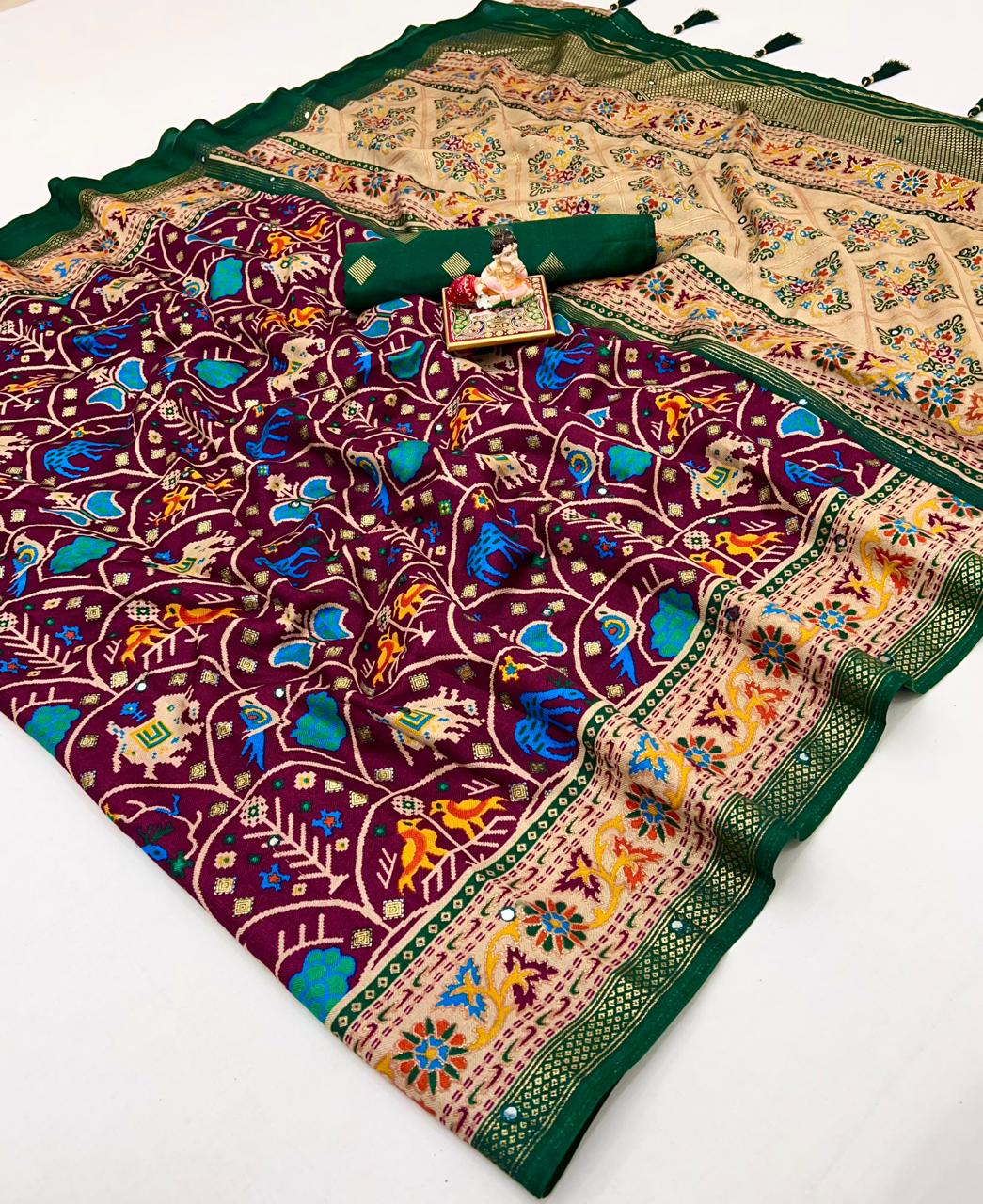
Patola and Bandhani styles are effective for Navratri gatherings, family festivals and destination events because repeated motifs create movement in photographs. Pink Bandhani Silk Saree with Zari Elephant Border uses silk, tied-dye-inspired pattern language and a decorative border to bridge heritage and celebratory dressing. Red Patola Border Pashmina Silk Saree With Printed Pallu and Classic Red Patola Print Pashmina Silk Saree With Mirror suit festive wardrobes that favour red and patterned pallus, although the wearer should check whether mirror details require gentler handling.
How can you style a Pune saree without making it look overdone?
Use one dominant statement element-such as a zari pallu, bold blouse, large earrings or layered necklace-and keep the other accessories proportionate.
A heavy Banarasi or Paithani already provide colour, texture and shine. Pairing it with a heavily embroidered blouse, oversized necklace and elaborate hair ornament can hide the saree's motifs. A plain silk, raw-silk or matching blouse often gives a richly woven saree more visible space. A contrast blouse works best when it repeats a minor colour from the pallu rather than introducing an unrelated shade.
For a lightweight cotton or linen cotton saree, a structured blouse can improve the overall silhouette. A high-neck blouse gives a contemporary line, while a short-sleeved blouse is practical for daytime heat. For formal silk, a three-quarter sleeve, elbow-length sleeve or classic round-neck blouse can support traditional jewellery without requiring excessive embellishment.
Pleat width changes how a saree behaves. Narrow pleats create a sharper, more compact front and can help shorter wearers manage a broad border. Wider pleats show more of a printed or woven design but need sufficient fabric and a well-fitted petticoat. A belt can secure a slippery silk saree for a reception, but it should sit over a stable waist drape and should not crush fragile zari or mirror work.
How do you judge saree quality before buying online?
Check the listed fibre, saree length, blouse-piece details, border construction, pallu finish, transparency and care instructions before comparing price.
- Fibre content: Confirm whether the saree is pure silk, silk blend, cotton, linen cotton, synthetic fibre or a mixed construction. "Silk" in a product name doesn't by itself establish that the entire saree is pure silk.
- Measurements: Check the saree length, width and blouse-piece length. A six-yard saree is common for a standard drape, but a taller wearer or a nauvari drape may require a different length.
- Border and pallu: Examine close-up photographs for the transition between body, border and pallu. Uneven printed edges, loose threads and unclear zari descriptions deserve questions before purchase.
- Sheerness: Light Chanderi, linen cotton and some silk sarees can be translucent. Choose a matching petticoat or lining when the body fabric doesn't provide enough coverage.
- Finish: Ask whether zari is metallic imitation, tested zari or another finish if the distinction matters to your budget and care expectations. Mirror work and raised embellishments need more protection from snagging.
- Return and colour conditions: Colours can appear different on phone screens. Read return rules for unstitched sarees and inspect the fabric before removing tags or altering the blouse piece.
Budget collections such as Sarees from Rs 1000 to Rs 1500 can be useful for testing a new colour, print or drape before investing in a higher-value silk. Discount-led groups including Sarees Under 20% Off and Sarees Under 10% Off are easier to compare when the original fibre and construction details remain clearly stated. A discount percentage should not replace checking fabric, measurements and finishing.
How should popular sarees of Pune be stored and washed?
Store silk, zari and embellished sarees folded in breathable fabric, and follow the care label instead of assuming that every saree can be hand-washed.
Dry-clean Banarasi silk, Paithani and zari-rich sarees when the care label recommends professional cleaning. Avoid spraying perfume directly on silk or metallic work because alcohol and moisture can affect colour or surface finish. Air a saree in shade after wearing it, then refold it with the fold lines changed every few months to reduce permanent creasing.
Keep sarees away from damp cupboards, direct sunlight and rough wooden shelves. Muslin or unbleached cotton wrapping allows some airflow, while sealed plastic for long-term storage can trap humidity. Acid-free tissue between dense zari folds can reduce friction, but tissue should be replaced if it becomes yellow or damp.
Washable cotton and linen cotton sarees still need colour care. Test for colour bleeding on an unseen edge, use cool water and mild detergent, and dry the saree in shade. Do not wring printed or embellished sarees. Iron from the reverse side on a suitable low or medium setting, placing a thin cloth between the iron and zari or mirror work.
How can you build an useful Pune saree wardrobe?
A practical wardrobe can begin with one everyday breathable saree, one versatile festive saree, one formal silk or zari saree and one distinctive regional-style piece.
For everyday use, choose a linen cotton, cotton or light printed saree in a colour that works with at least two blouses. For family pujas and daytime celebrations, add Chanderi, silk cotton or a modestly zari-worked saree. For weddings, select Banarasi silk, Patola silk or Paithani according to budget and ceremony. A statement piece with a special pallu can then serve for receptions and milestone events without being worn so frequently that its finish deteriorates.
Heritage Peacock Patola Pashmina Silk Saree is an example of a statement-oriented choice, with a motif-led identity suited to festive or formal styling. Red Patola Border Pashmina Silk Saree With Printed Pallu gives a more focused border-and-pallu approach, which can be easier to accessorise than an all-over design. Sarees Flat 60% Off and Sarees Flat 50% Off may help shoppers locate occasion pieces, but the same quality checks should apply during a sale.
The most successful popular sarees of Pune are not necessarily the most expensive sarees in a wardrobe. They are the sarees whose fabric matches the weather, whose scale suits the wearer, whose care requirements are manageable, and whose colours can be styled for more than one event. Looking at fibre, construction and use before looking at discount or trend makes saree buying more satisfying and more economical.
Questions Pune Shoppers Ask About Saree Styles
Which saree is traditionally associated with Pune and Maharashtra?
Paithani is the saree most strongly associated with Maharashtra and is widely recognised in Pune. Its silk body, contrasting pallu and motifs such as peacocks make it especially suitable for weddings, festivals and important family ceremonies.
Which saree is best for daily wear in Pune?
Cotton, linen cotton and lightweight Chanderi sarees are generally the most practical for daily wear in Pune. These fabrics are more comfortable in warm weather than heavy silk, although the final choice should depend on transparency, creasing and washing requirements.
Are Banarasi sarees suitable for a Maharashtrian wedding?
Yes, Banarasi silk is suitable for a Maharashtrian wedding, particularly for an evening ceremony or reception. Zari-rich Banarasi sarees provide the formal sheen expected at weddings, while Paithani remains the more specifically Maharashtra-associated choice.
What is the difference between Patola and a Patola-print saree?
Traditional Patola is associated with an intricate double-ikat weaving technique in which yarns are resist-dyed before weaving. A Patola-print saree reproduces the visual effect through printing, so it is usually lighter or more affordable but does not have the same woven construction.
How should a zari saree be stored at home?
A zari saree should be stored clean and completely dry, folded in breathable cotton or muslin away from direct sunlight and humidity. Refold the saree periodically, avoid direct perfume contact and use professional cleaning when the care label recommends it.
What should I check before buying a saree online?
Check fibre composition, saree and blouse-piece measurements, transparency, border and pallu photographs, embellishment details, care instructions and return conditions. Product names such as silk, Patola or Banarasi describe a style or material category, so the detailed specification still needs to be read carefully.