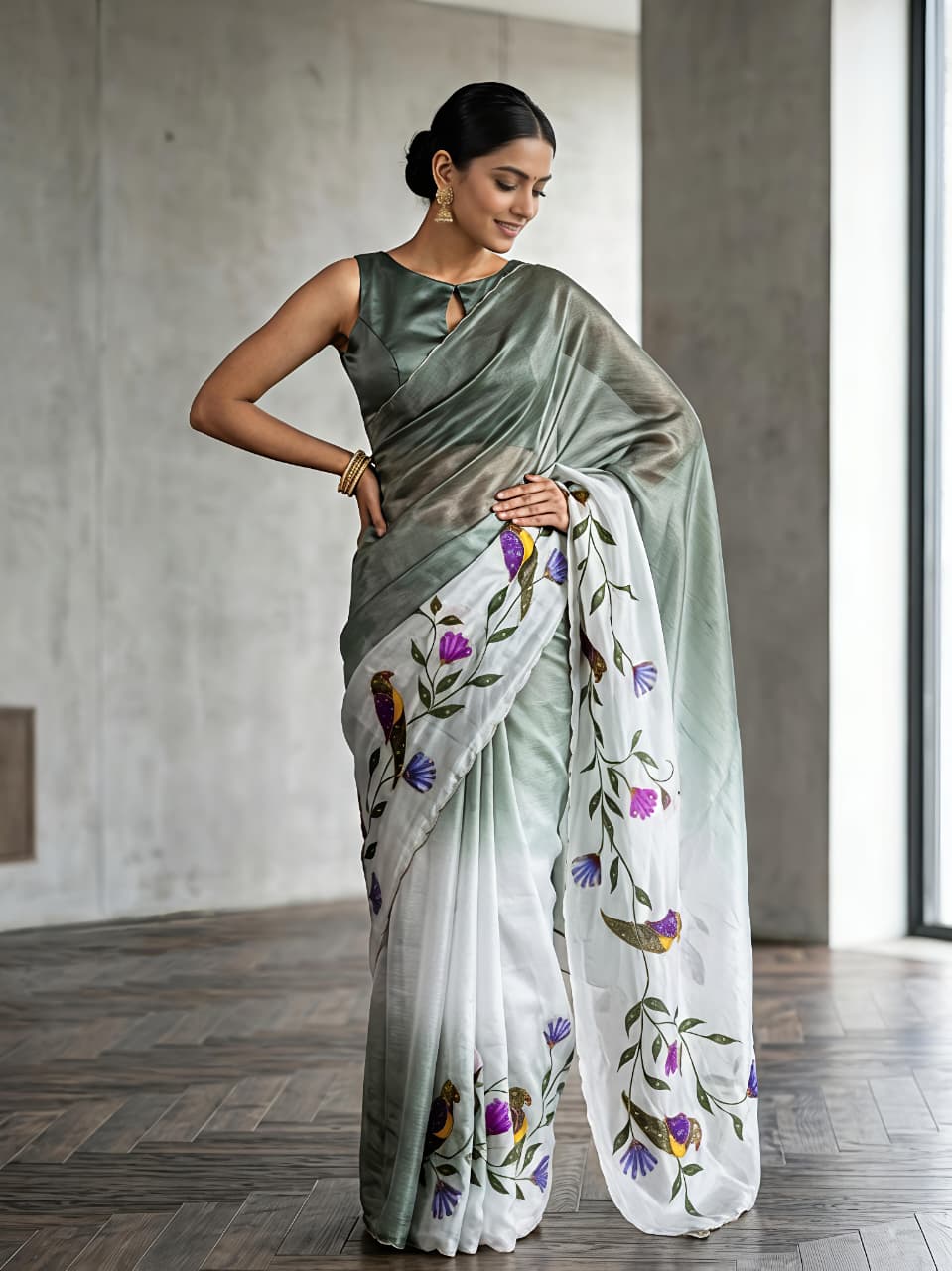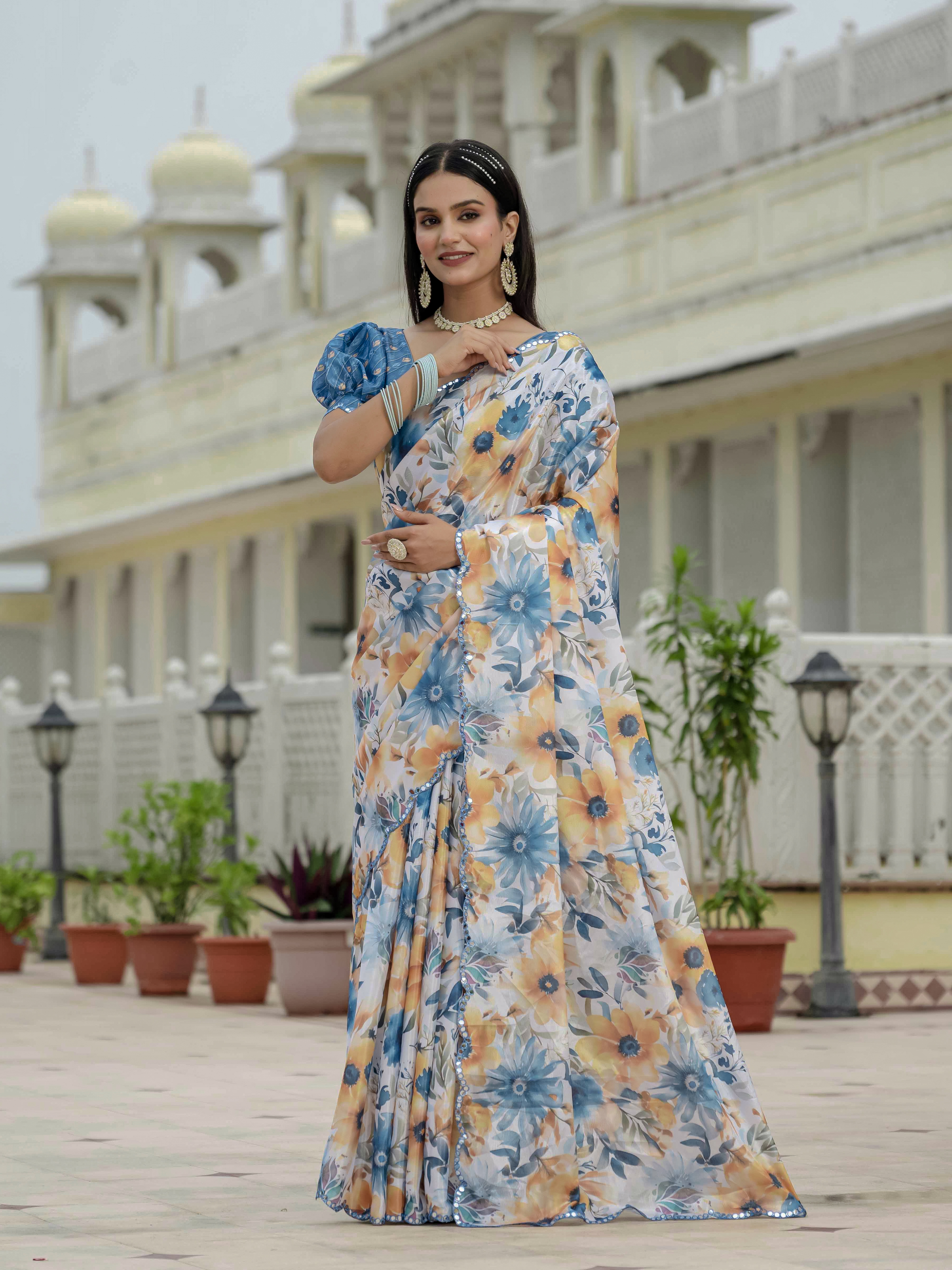
Pongal Outfit Ideas for Women: Sarees, Blouses and Salwar Suits should account for more than colour and decoration. Pongal celebrations can include early-morning prayers, cooking near the decorated entrance, temple visits, family meals, outdoor photographs and several hours of greeting relatives. The most suitable outfit balances festive detail with breathable fabric, secure draping and enough freedom to sit, walk and work comfortably.
A saree remains an elegant choice for a traditional celebration, while an embroidered salwar suit or kurta-and-palazzo set can be easier to manage during cooking and hosting. January weather, the venue and the day's schedule should guide the decision. Cotton and linen-cotton suit warm daytime gatherings, while silk, zari and richer embroidery work better for formal rituals or evening visits.
Pongal Outfit Ideas for Women: Sarees, Blouses and Salwar Suits for Different Plans
The best Pongal outfit depends on whether the day involves temple rituals, household work, visiting relatives or a formal family gathering. A woman helping to prepare sakkarai pongal needs lighter and more secure clothing than someone attending a short evening ceremony.
For temple visits and morning rituals
A lightweight saree, straight-cut salwar suit or full-length kurta set provides suitable coverage and easy movement for a temple visit. Cotton silk, Chanderi silk and soft Banarasi silk bring festive texture without the weight of heavily embellished bridal clothing. An elbow-length sleeve, a dupatta pinned at both shoulders and flat sandals create a practical combination.
Secure the pallu or dupatta before leaving home. Two small safety pins placed inside saree pleats are more dependable than one large pin at the shoulder. A salwar suit with a side pocket is useful for carrying a phone, keys or a small packet of kumkum without adding a handbag.
For cooking, hosting and family visits
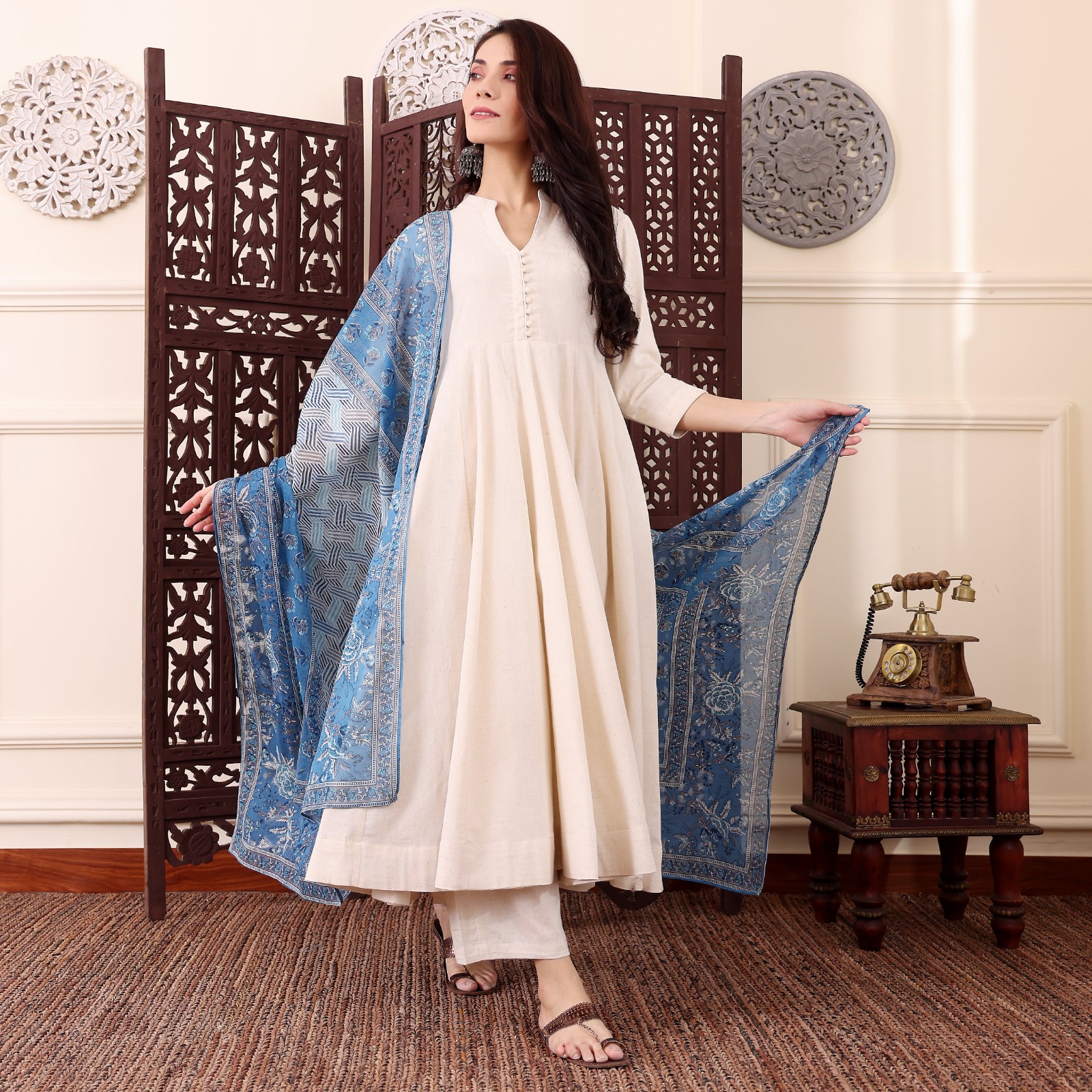
A salwar suit or a shorter kurta with palazzo trousers is usually the most convenient Pongal clothing for cooking and hosting. Straight pants reduce the chance of catching fabric underfoot, while three-quarter sleeves keep the wrists clear during kitchen work. Cotton, linen-cotton and light Chanderi blends are preferable to slippery satin or very long, heavily flared skirts.
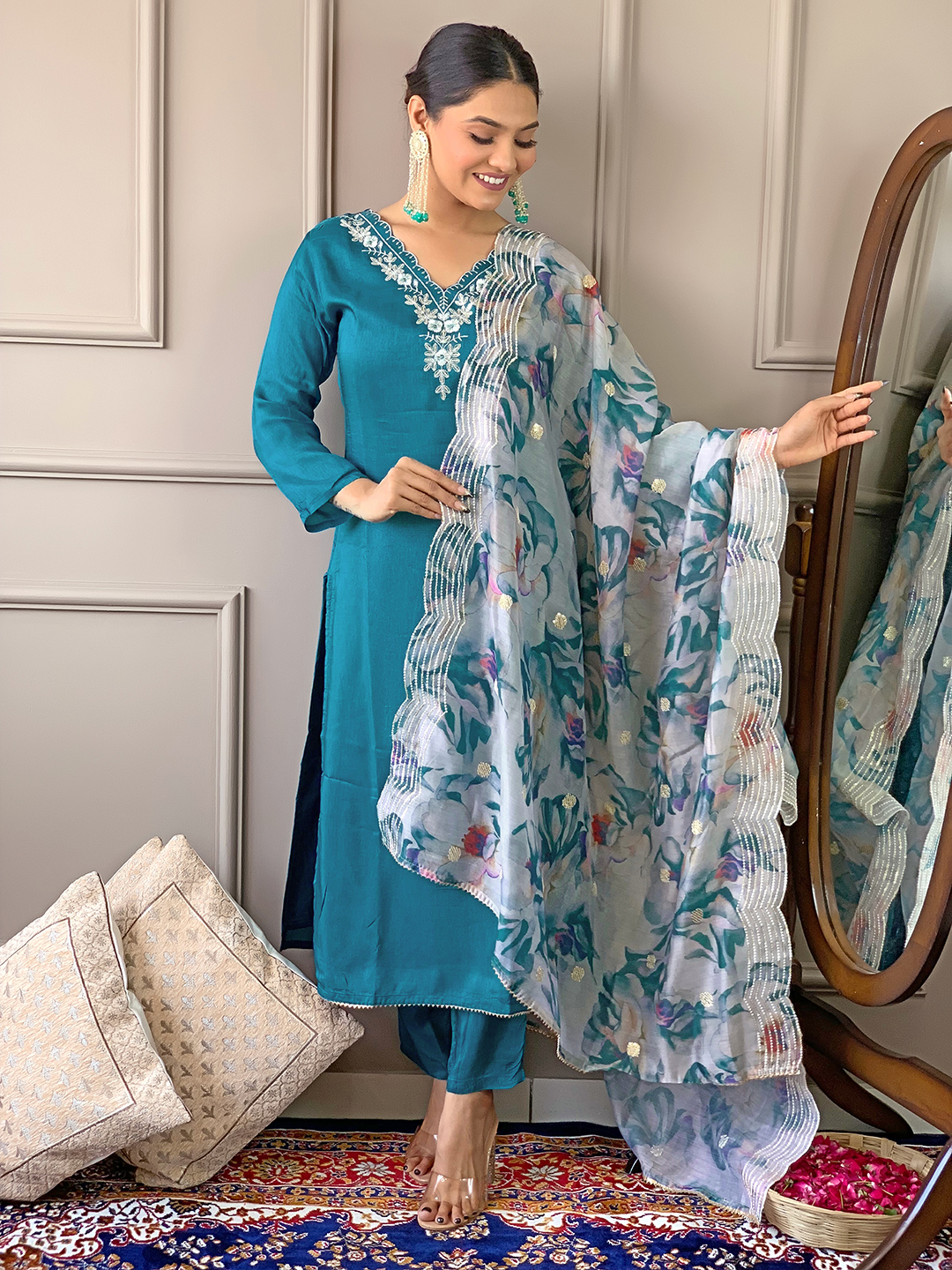
Cream Printed Cotton Kurta Pant Dupatta Set for Women is an useful example of a daytime family outfit because a printed cotton surface feels festive without requiring delicate handling. Cream Chanderi Silk Kurti Pant Dupatta Set for Women can move from a home ritual to photographs or a restaurant lunch with only a change of jewellery and footwear.
Pongal Outfit Ideas for Women: Sarees, Blouses and Salwar Suits in Traditional Fabrics
Breathable natural fibres with one clearly festive detail create the most wearable Pongal outfits. A cotton saree with a zari border, a Chanderi kurta with embroidery or a silk blouse paired with a simple drape can look ceremonial without becoming difficult to wear.
How cotton sarees work for Pongal
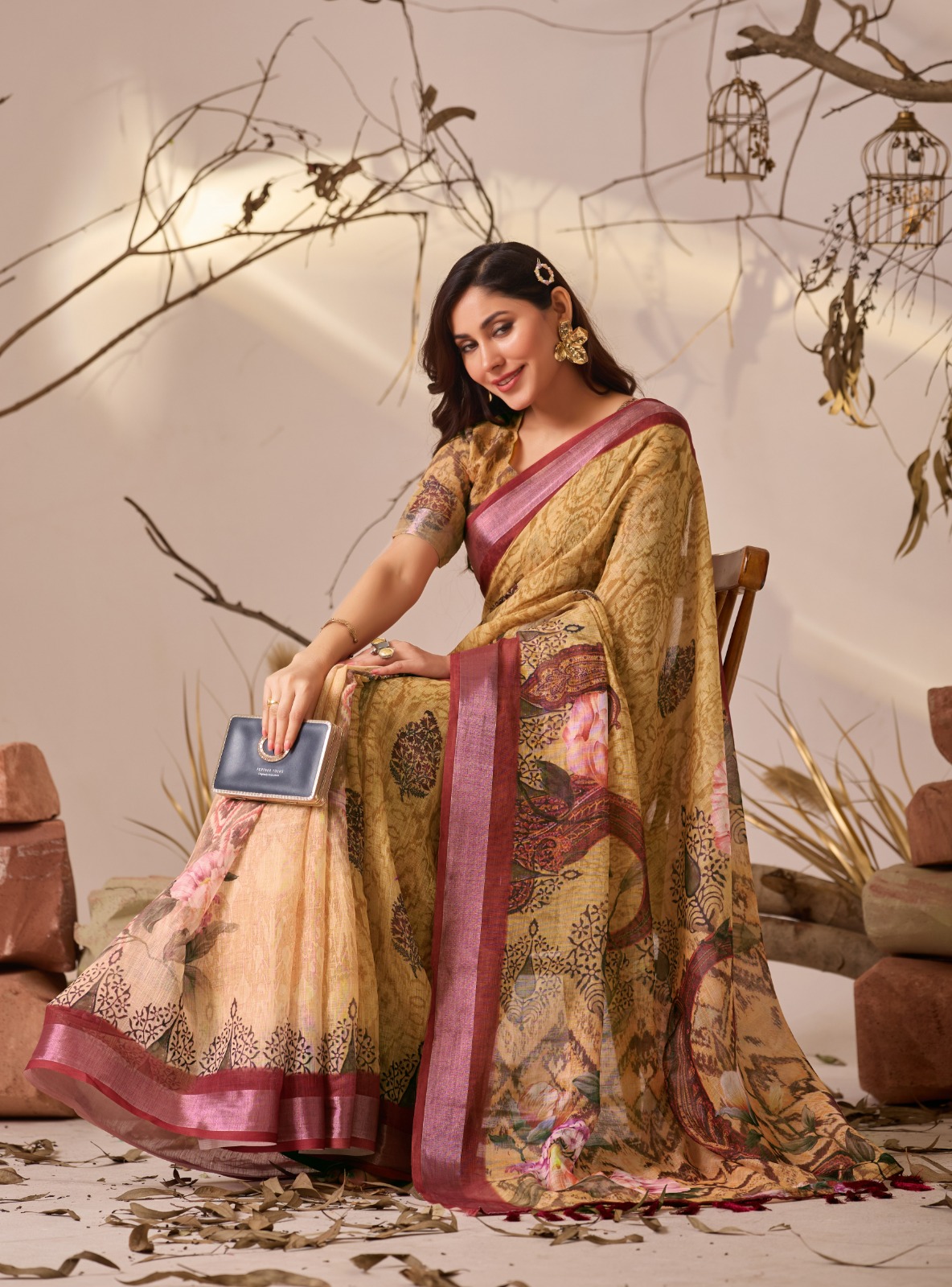
Cotton sarees are ideal for daytime Pongal celebrations because they absorb moisture and hold structured pleats. Cotton silk gives a mild sheen and generally drapes more easily than heavier handloom cotton. Chanderi has a light, slightly translucent appearance and works best with a lined blouse or a well-constructed petticoat.
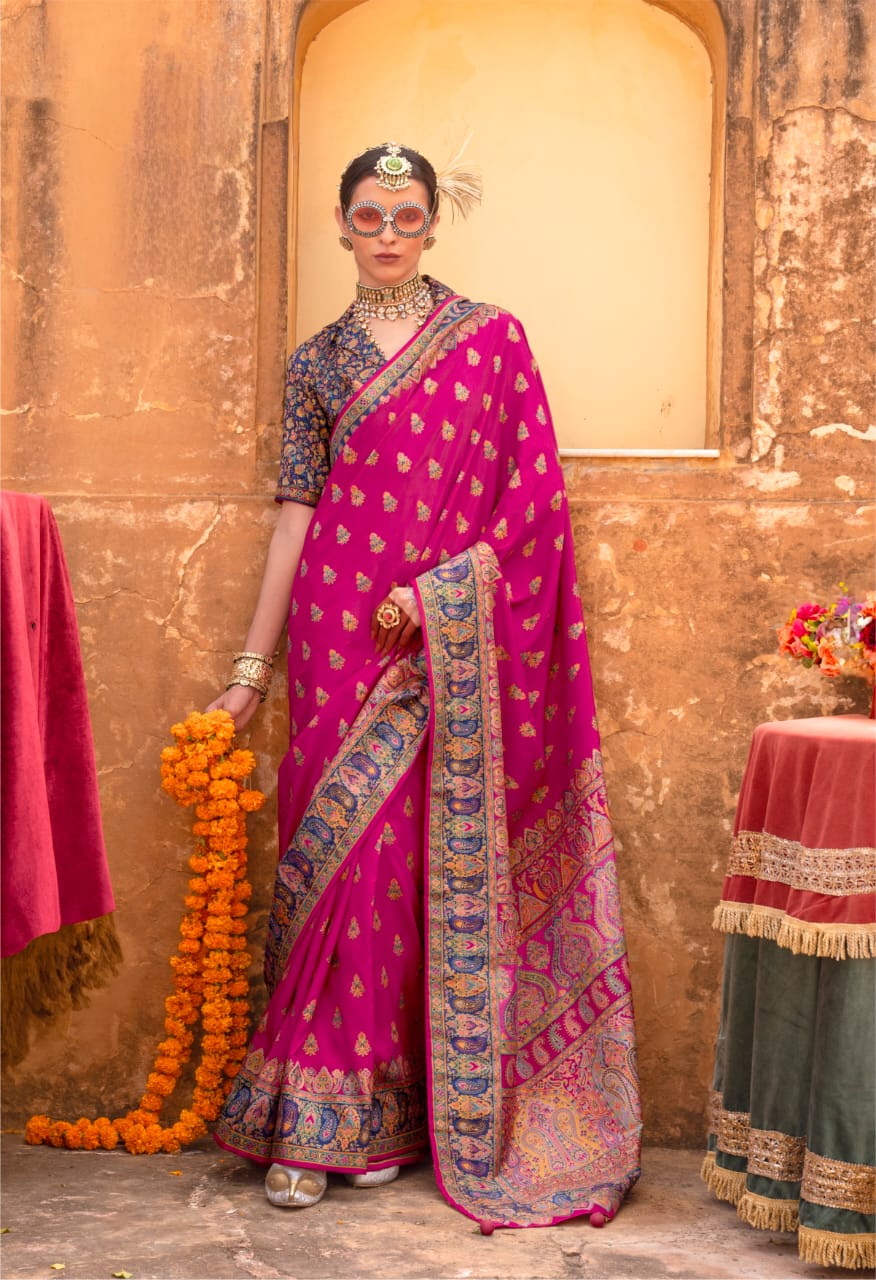
Banarasi silk and Kanjeevaram are richer choices for a formal family ceremony. Banarasi silk often features dense zari or brocade work, while Kanjeevaram is recognised for its firm silk body and distinctive contrast borders. Both fabrics can feel warm after several hours, so they're better suited to shorter ceremonies or cooler evening events.
How regional collections can guide your choice
Regional textile references can add cultural depth to a salwar suit without requiring a saree. Karnataka Silk Salwar Suits are suitable when a polished silk appearance is wanted in a trouser-based silhouette. Maharashtra Paithani Inspired Salwar Suits can introduce jewel-toned colour and peacock or geometric-inspired detailing.
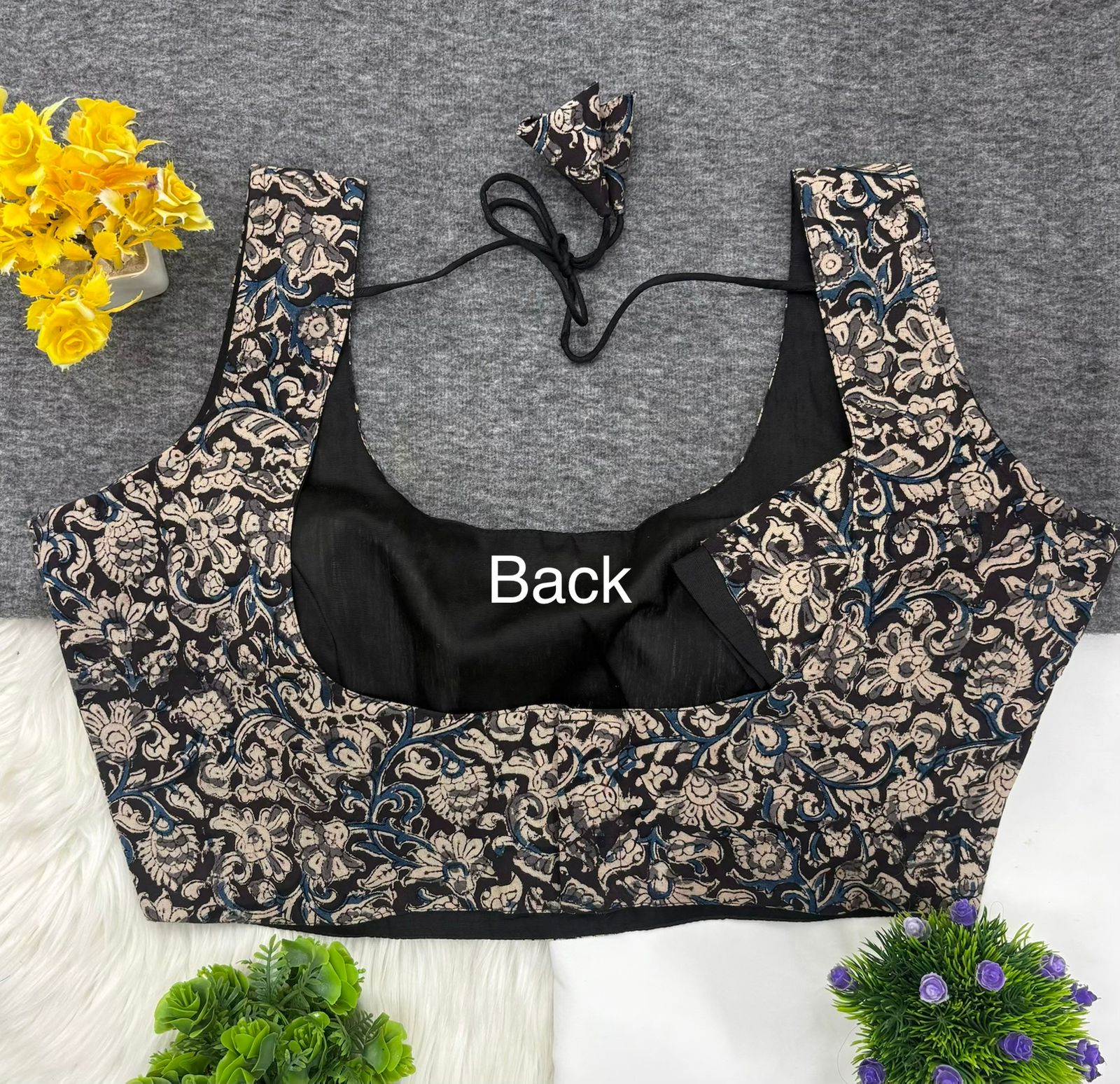
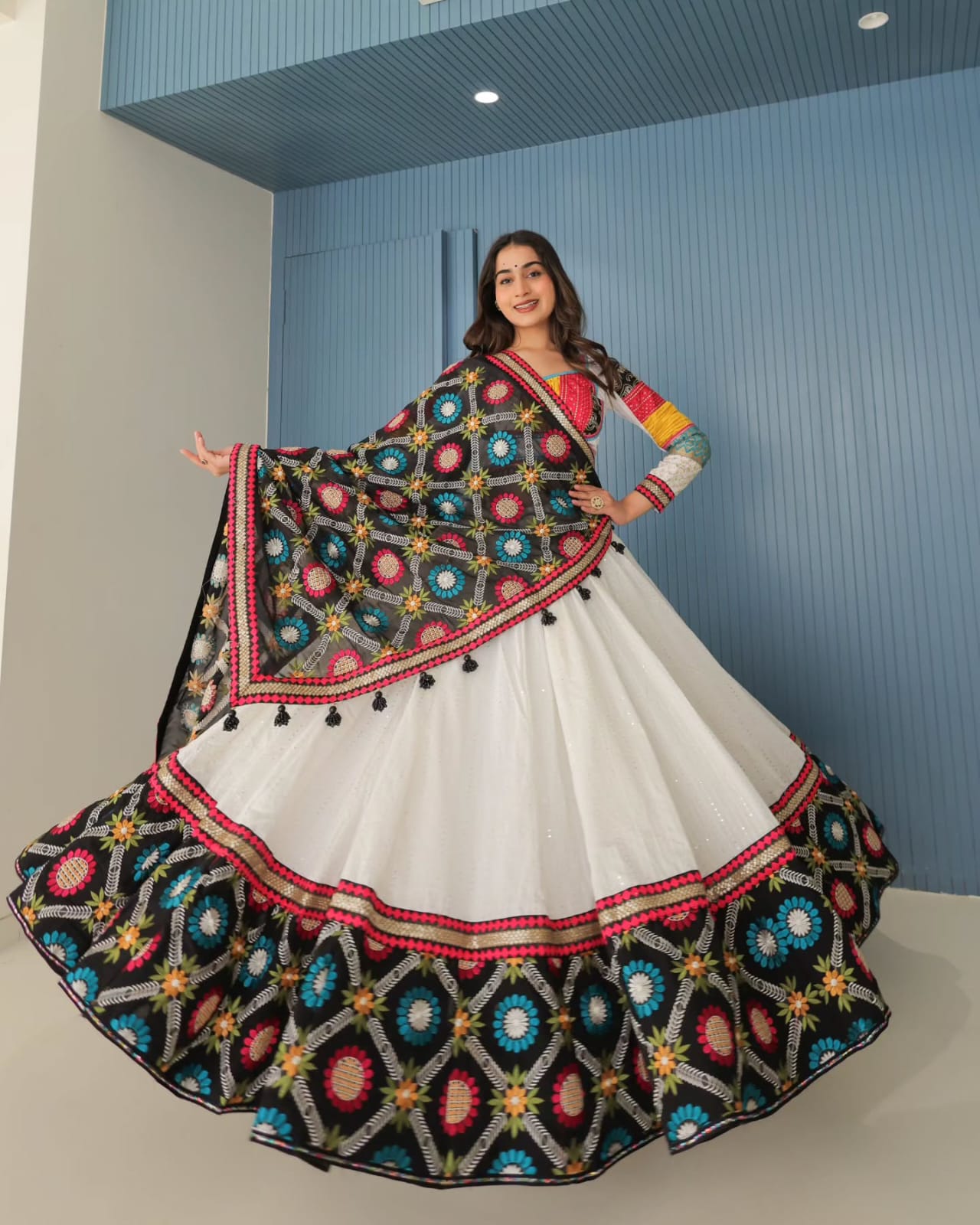
Kalamkari Print Salwar Suits are a strong choice for a daytime Pongal gathering because printed cotton or cotton-blend surfaces feel relaxed while remaining distinctly Indian. Punjab Phulkari Embroidered Salwar Suits bring bright threadwork and a celebratory finish, although dense embroidery may feel warmer than a plain cotton set.
Pongal Outfit Ideas for Women: Sarees, Blouses and Salwar Suits with Better Blouse Pairings
A well-fitted blouse determines whether a saree feels comfortable and looks composed throughout a Pongal celebration. The blouse should support the saree border, provide enough ease across the bust and stay secure while the wearer sits, walks and bends.
Match the blouse to the saree border
A saree with a broad zari border benefits from a plain blouse in a matching or contrasting shade. A simple cotton saree can support a brocade, embroidered or printed blouse. For a Tamil Nadu-inspired appearance, deep green, maroon, mustard or rust can bring out the warmth of a gold-bordered saree.
Use contrast thoughtfully. A turmeric-yellow saree with a green blouse looks recognisably festive, while an ivory saree with a rust blouse offers a softer contemporary combination. If the saree already has a large print, choose a blouse with minimal surface decoration so the outfit doesn't look visually crowded.
Choose sleeves and necklines for the venue
Elbow-length sleeves and a high round neckline offer a classic, modest shape for temple visits. A modest square neckline can add structure to a plain silk saree, while a short sleeve or sleeveless blouse may be more comfortable for a private family gathering. A jacket worn over a crop-style blouse can provide additional shoulder coverage and a contemporary finish.
Measure the blouse with the bra or inner layer intended for the final outfit. A blouse that fits over a thin camisole may feel restrictive over padded shapewear. An additional 2 to 3 centimetres of comfort ease is helpful when the blouse fabric has little stretch, especially with cotton brocade, raw silk or heavy embroidery.
Pongal Outfit Ideas for Women: Sarees, Blouses and Salwar Suits for Comfortable Festive Dressing
Salwar suits offer an effective balance of coverage, movement and coordinated styling for Pongal. Straight kurtas suit most body proportions, Anarkali silhouettes create a more ceremonial flare and palazzo sets offer generous leg room while retaining a festive appearance.
Embroidered and silk kurta sets
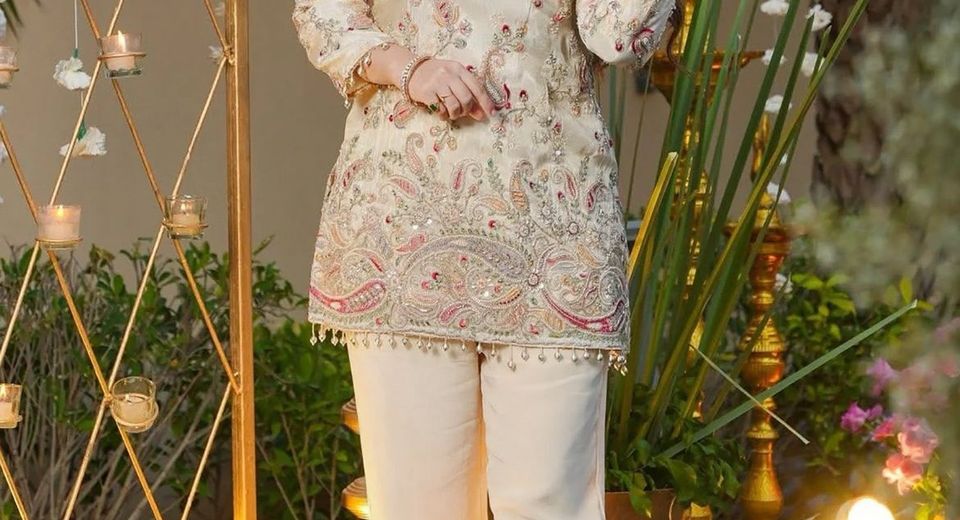
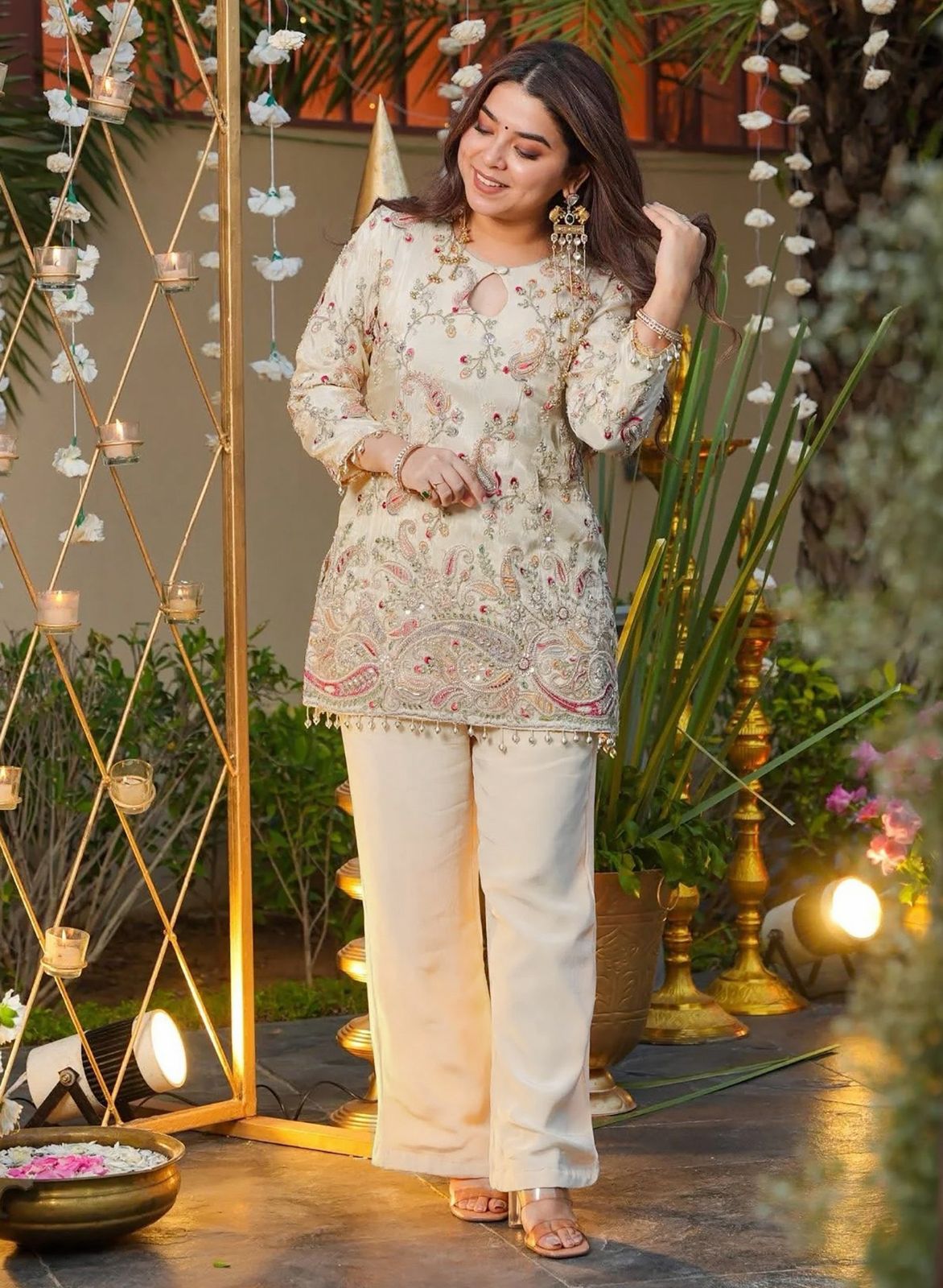
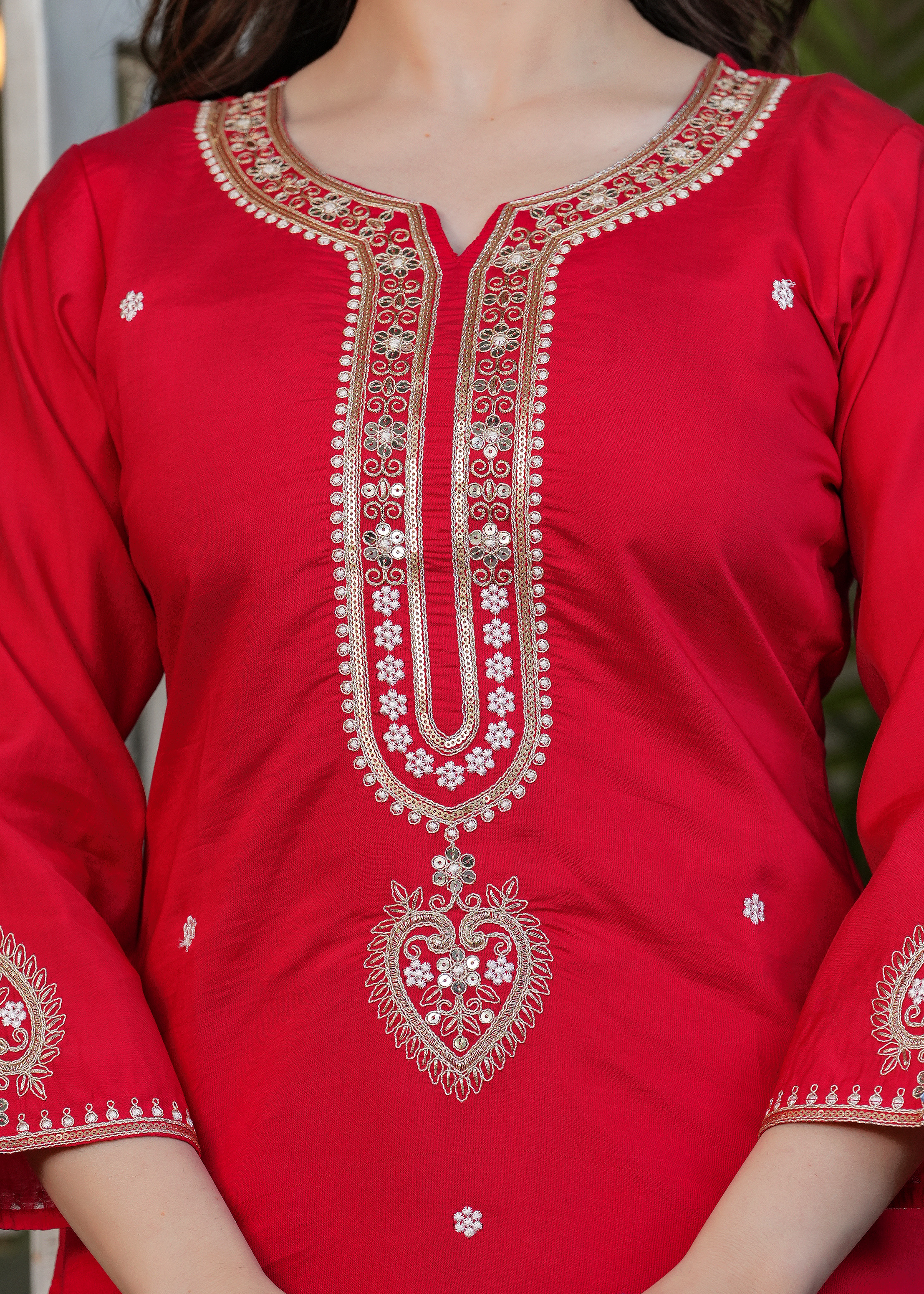
An embroidered neckline or yoke supplies enough decoration for a family gathering without requiring heavy jewellery. Embroidered Salwar Suit Set for Women is an appropriate reference for a traditional silhouette that remains easier to manage than a full silk saree. Pair an embroidered neckline with small jhumkas and a plain dupatta so the outfit retains a clear visual focus.
Cream Embroidered Silk Kurta Pant Set for Women suits an indoor lunch, evening prayer or formal family visit because silk catches warm light and photographs clearly. Cream works especially well with maroon, turmeric yellow, parrot green or antique-gold accessories. Avoid combining cream silk with several pale beige elements, because the outfit can lose definition in photographs.
Chanderi and palazzo options
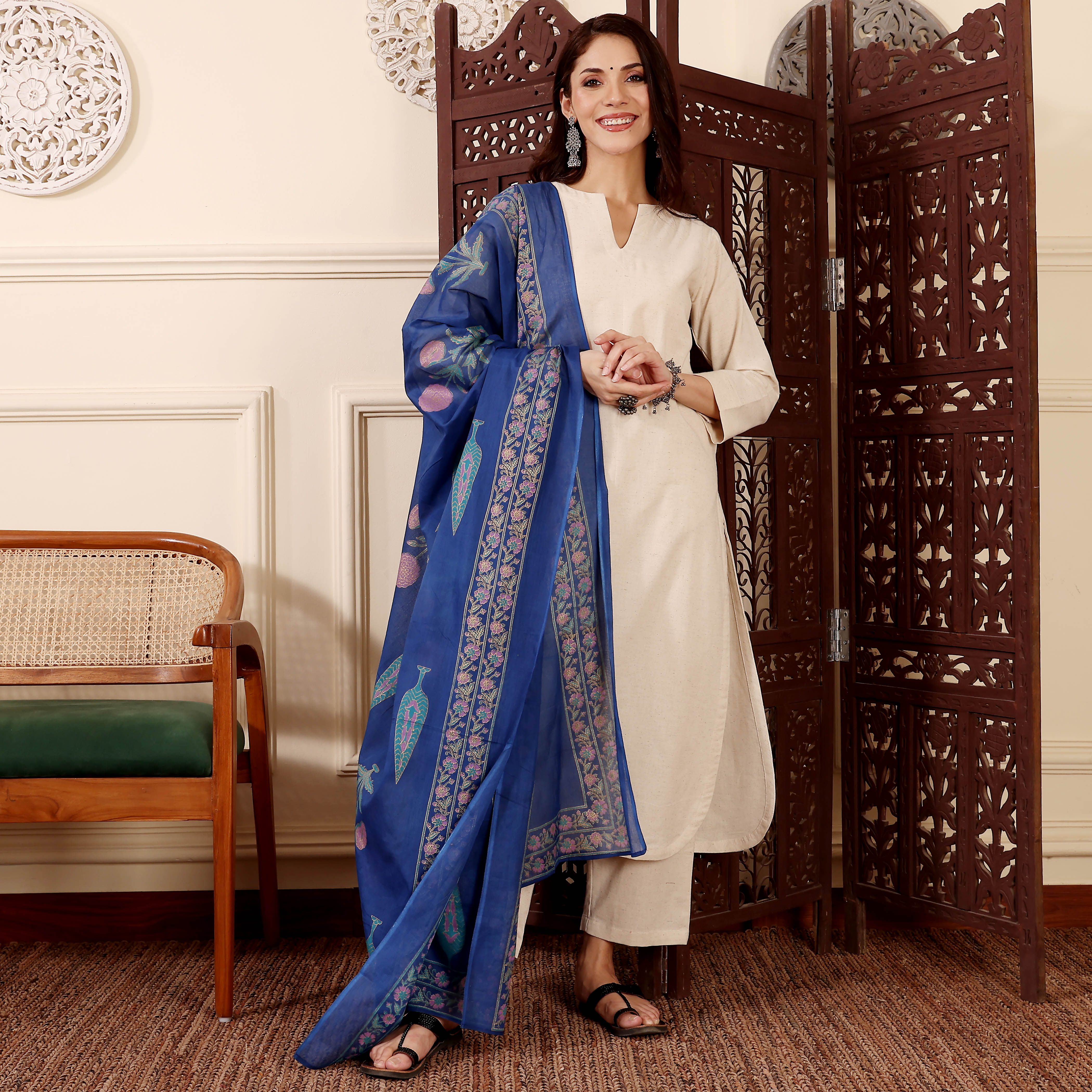
Chanderi salwar suits create a light festive appearance in warm weather. Beige Kurta Set with Blue Chanderi Dupatta for Women shows how a cool blue dupatta can prevent a beige outfit from looking flat. Blue glass bangles, silver jhumkas or a small blue bindi can repeat the accent without making the styling look excessively matched.
A palazzo suit is a strong choice for women who want the comfort of trousers with the movement of a fuller silhouette. Lavender Chanderi Kurta with Olive Embroidered Palazzo Suit combines a soft base colour with an earthy contrast, making it suitable for a daytime celebration. Wear the dupatta over one shoulder and pin it near the collarbone if cooking or serving food is part of the plan.
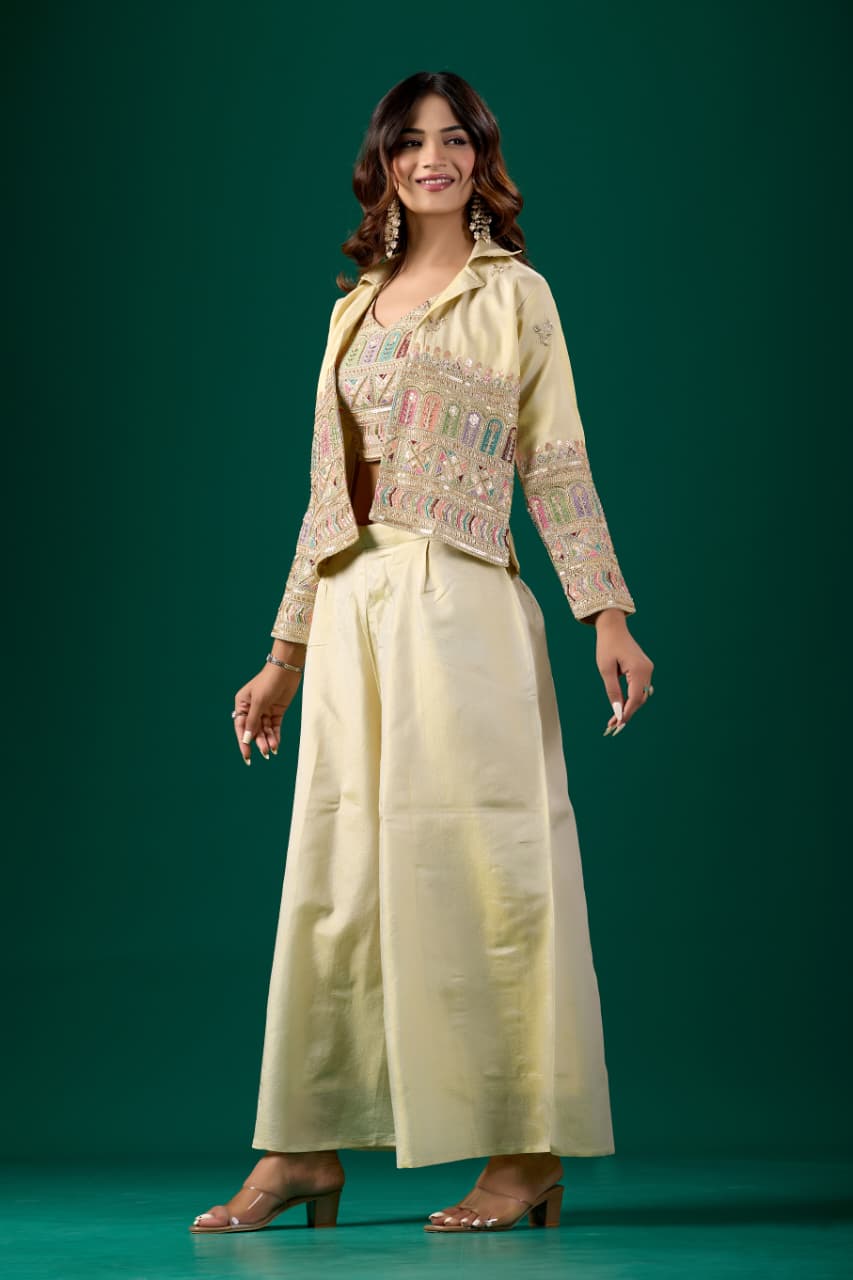
Women's Embroidered Crop Top & Jacket Palazzo Set | Varnavi gives a more contemporary route for a family gathering or festive photograph. A jacket should end around the waist or high hip if the goal is a clean silhouette. Choose a secure inner top and test the jacket while sitting, because a cropped layer can shift during floor seating.
Pongal Outfit Ideas for Women: Sarees, Blouses and Salwar Suits in Festive Colours
Yellow, green, red, orange and ivory are dependable Pongal colours because they recall turmeric, sugarcane, harvest foliage, sunlight and rice-based offerings. Colour symbolism can guide an outfit, but skin tone, venue lighting and personal comfort should determine the final combination.
Yellow with green creates a recognisably festive daytime pairing. Mustard with maroon appears richer for an evening gathering. Ivory with rust or coral has a softer contemporary quality. Parrot green with pink works well on cotton sarees and printed salwar suits, while teal with antique gold gives a restrained alternative to very bright shades.
Use one dominant colour, one supporting colour and one metal tone. A turmeric-yellow kurta can be paired with a green dupatta and gold earrings. Adding red bangles, a multicoloured necklace, a bright handbag and contrasting footwear may create too many competing focal points. A three-colour rule keeps a festive outfit visually composed.
Bright colour doesn't always photograph well. Neon yellow can reflect strongly on the face in direct sunlight, while deep maroon may appear almost black in evening photographs. Test the outfit near a window or outdoors before Pongal if family portraits are planned.
Pongal Outfit Ideas for Women: Sarees, Blouses and Salwar Suits with Accessories
Secure accessories that remain comfortable for at least four hours are the most useful additions to a Pongal outfit. Medium-sized jhumkas, a short necklace, two or three bangles and a small bindi are enough for most salwar suits. A saree with a wide zari border can carry heavier earrings, but a large necklace may crowd the neckline.
Jasmine gajra suits sarees, braids and low buns, while a simple gold hair accessory brings a neater option for women who prefer not to wear flowers. A centre-parted braid creates a traditional finish, whereas a low bun with controlled strands feels more contemporary. Hair oil should be used sparingly because excess oil can transfer onto silk and leave visible marks.
Footwear should have a stable sole and a low heel when the celebration includes temple steps, outdoor courtyards or prolonged standing. Kolhapuri-style flats, embroidered juttis and low block heels work well with salwar suits. Break in new footwear at home for at least two short sessions before wearing it for Pongal.
Keep the handbag small and structured if the outfit includes a dupatta or elaborate sleeve. A crossbody strap can disturb a saree pleat, so a compact hand-held potli or small shoulder bag may be easier. Carry spare safety pins, tissues and a small stain-removal wipe for practical emergencies.
Pongal Outfit Ideas for Women: Sarees, Blouses and Salwar Suits with Care Tips
Proper preparation keeps festive clothing comfortable and presentable from morning to evening. Try on the complete outfit at least two days before Pongal, including the blouse, petticoat, dupatta, footwear and jewellery. Sitting on a chair and on the floor will reveal tight waistbands, slipping shoulders or excessive hem length before the celebration.
Cotton garments can usually be washed according to their care label and dried inside out in shade to reduce colour fading. Chanderi, silk and zari garments should be checked against their specific care instructions; many require dry cleaning or gentle spot treatment rather than soaking. Never scrub zari with a brush, because abrasion can loosen metallic threads and dull the surface.
Steam silk and embroidered clothing from the reverse side or place a thin cotton cloth between the iron and the garment. Store a completely dry saree or salwar suit in a breathable cotton cover instead of sealed plastic. Fold heavy zari sarees along different lines every few months to reduce permanent creasing.
A successful Pongal wardrobe doesn't require a new outfit for every activity. One well-fitted cotton saree, one comfortable salwar suit and a versatile blouse or dupatta can be restyled with different jewellery, footwear and draping methods. Planning these combinations in advance reduces last-minute alterations and makes traditional dressing far more enjoyable.
Common Questions About Choosing Pongal Sarees, Blouses and Salwar Suits
What should women wear for a Pongal temple visit?
A lightweight saree, straight salwar suit or full-length kurta set is suitable for a Pongal temple visit. Choose breathable cotton, cotton silk or Chanderi, secure the pallu or dupatta and wear stable flat footwear.
Which saree fabric is most comfortable for Pongal?
Cotton is usually the most comfortable saree fabric for a warm daytime Pongal celebration because it absorbs moisture and allows airflow. Cotton silk and Chanderi offer a slightly dressier finish while remaining lighter than many traditional silk sarees.
What blouse colour goes with a yellow Pongal saree?
Green, maroon, rust and antique gold are effective blouse colours for a yellow Pongal saree. Choose a plain blouse when the saree has a broad zari border or a large print, and reserve embroidery for a simpler saree.
Are salwar suits appropriate for a traditional Pongal celebration?
Salwar suits are appropriate for Pongal when the silhouette is modest, the fabric is festive and the styling includes suitable accessories. Embroidered necklines, Chanderi dupattas, silk-blend kurtas and coordinated jewellery can create a traditional appearance with easier movement than a saree.
How can women stay comfortable in a festive salwar suit?
Choose breathable cotton, linen-cotton or light Chanderi, check that the trousers allow comfortable sitting and pin the dupatta near the shoulder. Low block heels or stable flats are better than unfamiliar high heels when the day includes walking and standing.
How should a silk or zari Pongal outfit be stored after the festival?
A silk or zari outfit should be cleaned according to its care label, dried completely and stored in a breathable cotton cover. Avoid plastic storage, direct sunlight and rough brushing, and refold heavy zari garments along different lines from time to time.