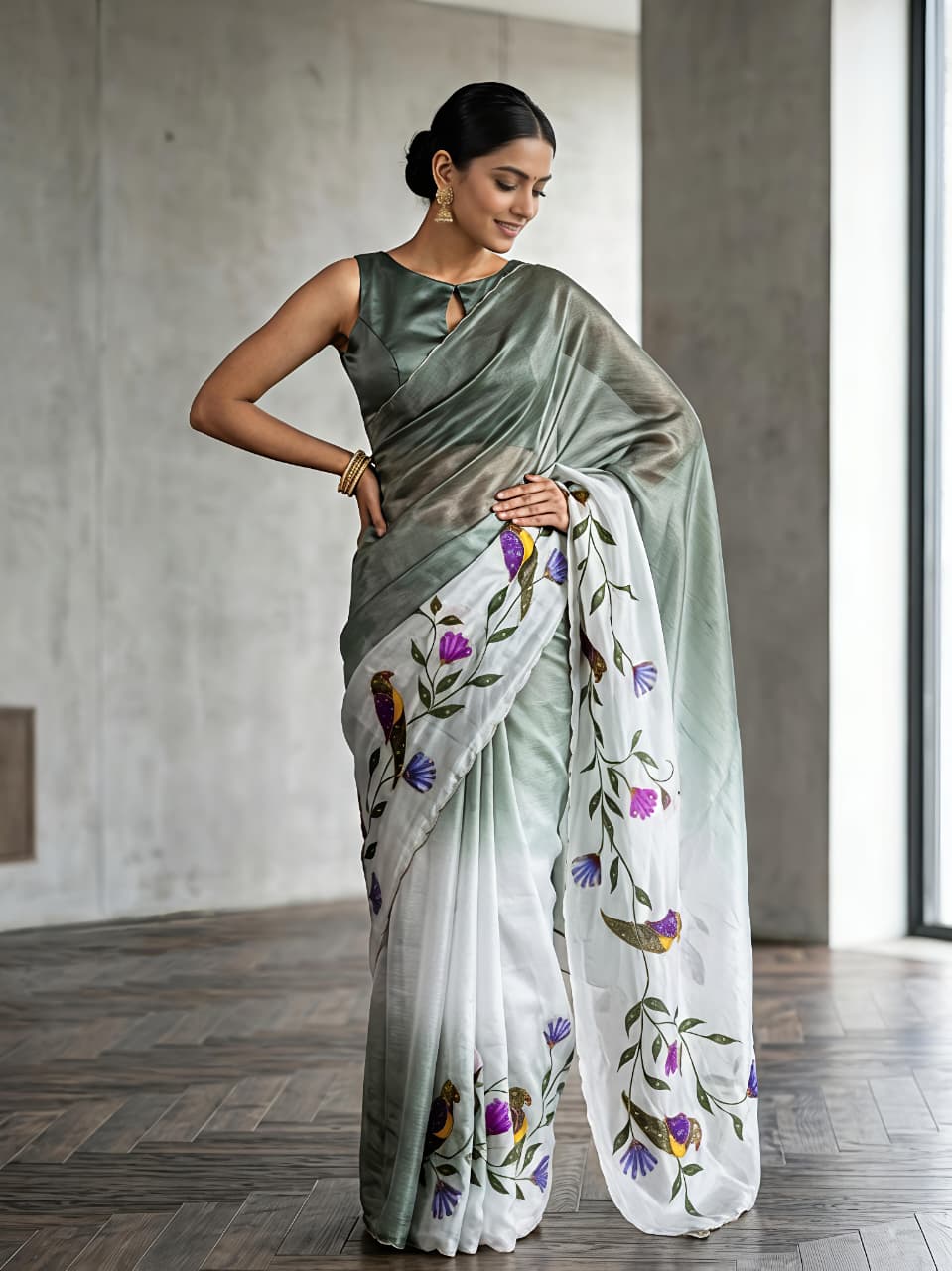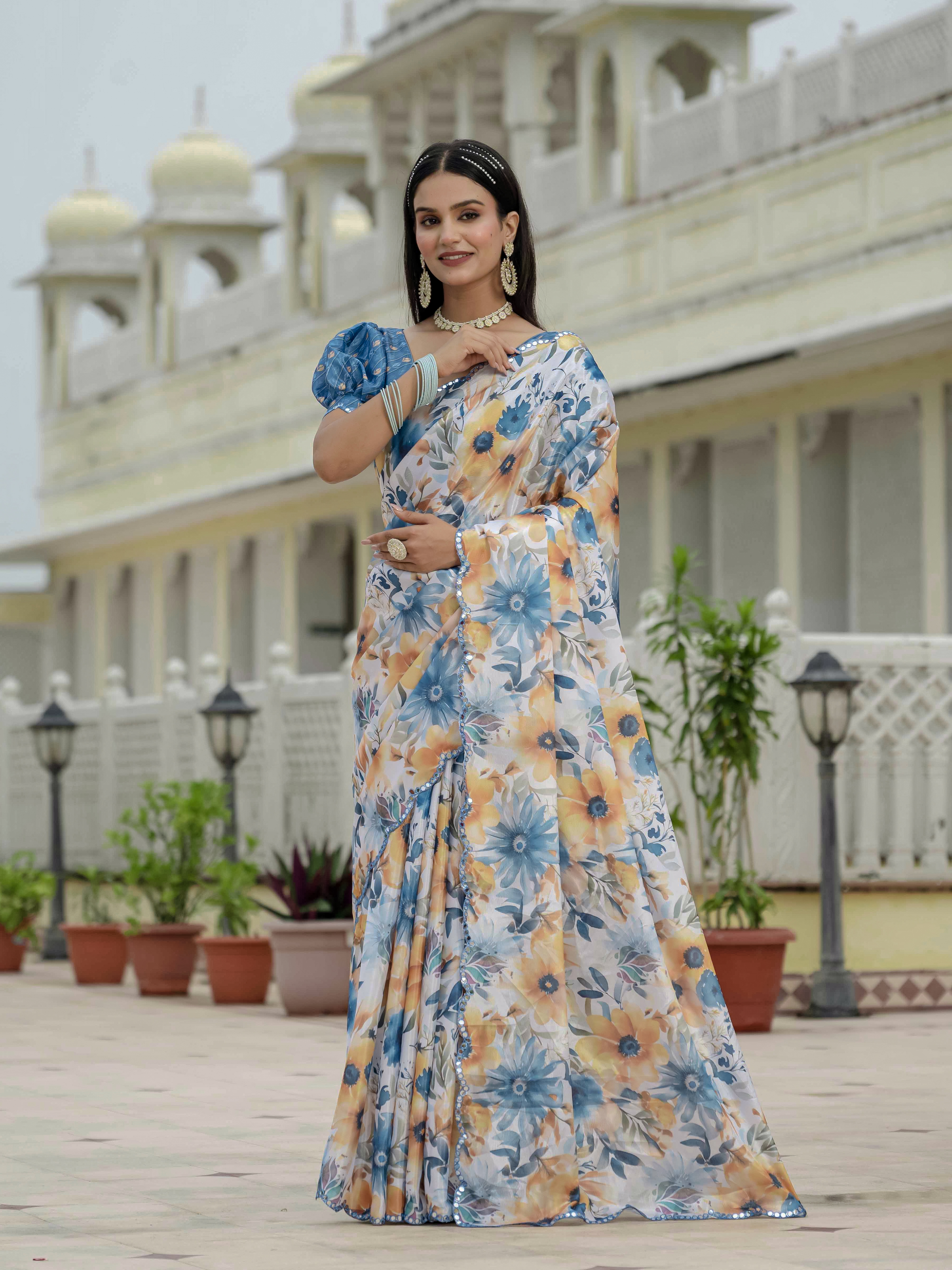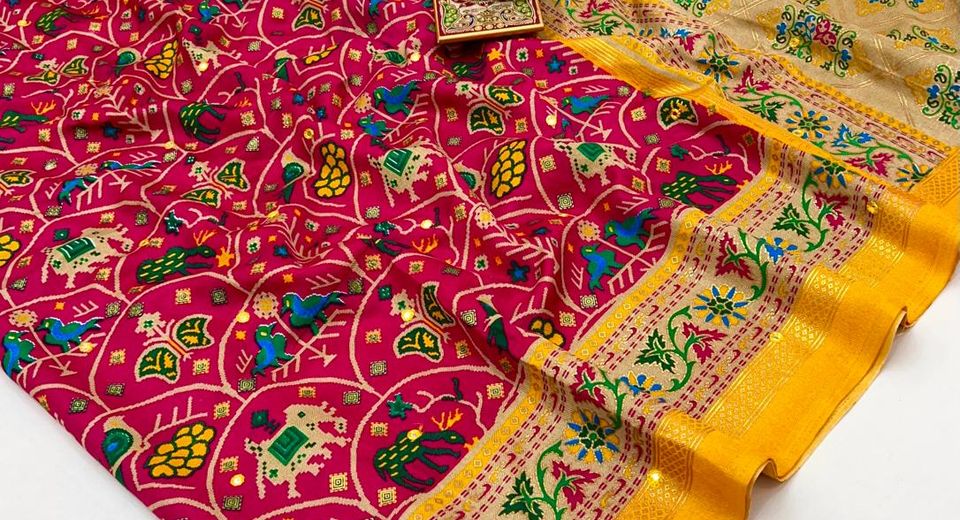
Pongal 2026: Traditional Sarees and Ethnic Outfits to Celebrate in Style begins with one practical choice: choose a saree that suits the day's rituals, weather and movement. With Thai Pongal falling on 15 January, in Tamil Nadu, the four-day Pongal festival is expected to run from Bhogi on 14 January to Kaanum Pongal on 17 January 2026. A breathable cotton saree works well for kolam-making and cooking, while silk, zari and defined borders suit prayers, family visits and festive meals. The right blouse, drape and footwear can keep traditional dressing comfortable from the first morning upcoming to the last photograph.
Pongal 2026: Traditional Sarees and Ethnic Outfits to Celebrate in Style for Each Festival Day
Bhogi, Thai Pongal, Mattu Pongal and Kaanum Pongal call for slightly different clothing choices because each day can involve different levels of ceremony, travel and outdoor activity.
Bhogi usually begins early and may include household cleaning, kolam decoration and preparations near the kitchen. A soft linen cotton or handloom cotton saree is more practical than a heavily embellished silk saree for this kind of movement. Secure front pleats, a firmly tucked pallu and flat footwear reduce the need for constant adjustments.
Thai Pongal is the most ceremonial day, so silk, zari-woven cotton and polished Patola-inspired sarees are suitable choices for prayers, temple visits and family photographs. Mattu Pongal may involve outdoor visits and time with relatives, making a crease-resistant saree or a comfortable ethnic set useful. Kaanum Pongal often includes visiting, travelling and socialising, so lightweight fabrics and secure accessories can make the outfit easier to wear for several hours.
Traditional clothing doesn't need to be extremely ornate. A clean saree, a well-fitted blouse, a small bindi, modest earrings and neatly arranged hair can look more appropriate for a morning ritual than excessive sparkle. A practical outfit should also allow you to sit on the floor, bend to draw a kolam and walk safely around a decorated threshold.
Pongal 2026: Traditional Sarees and Ethnic Outfits to Celebrate in Style by Fabric
Cotton and linen cotton are suitable for warm daytime rituals, silk works for formal celebrations, and soft pashmina-silk blends suit cooler mornings or evening gatherings. Fabric weight, texture and blouse construction matter as much as colour.
Light cotton for morning rituals
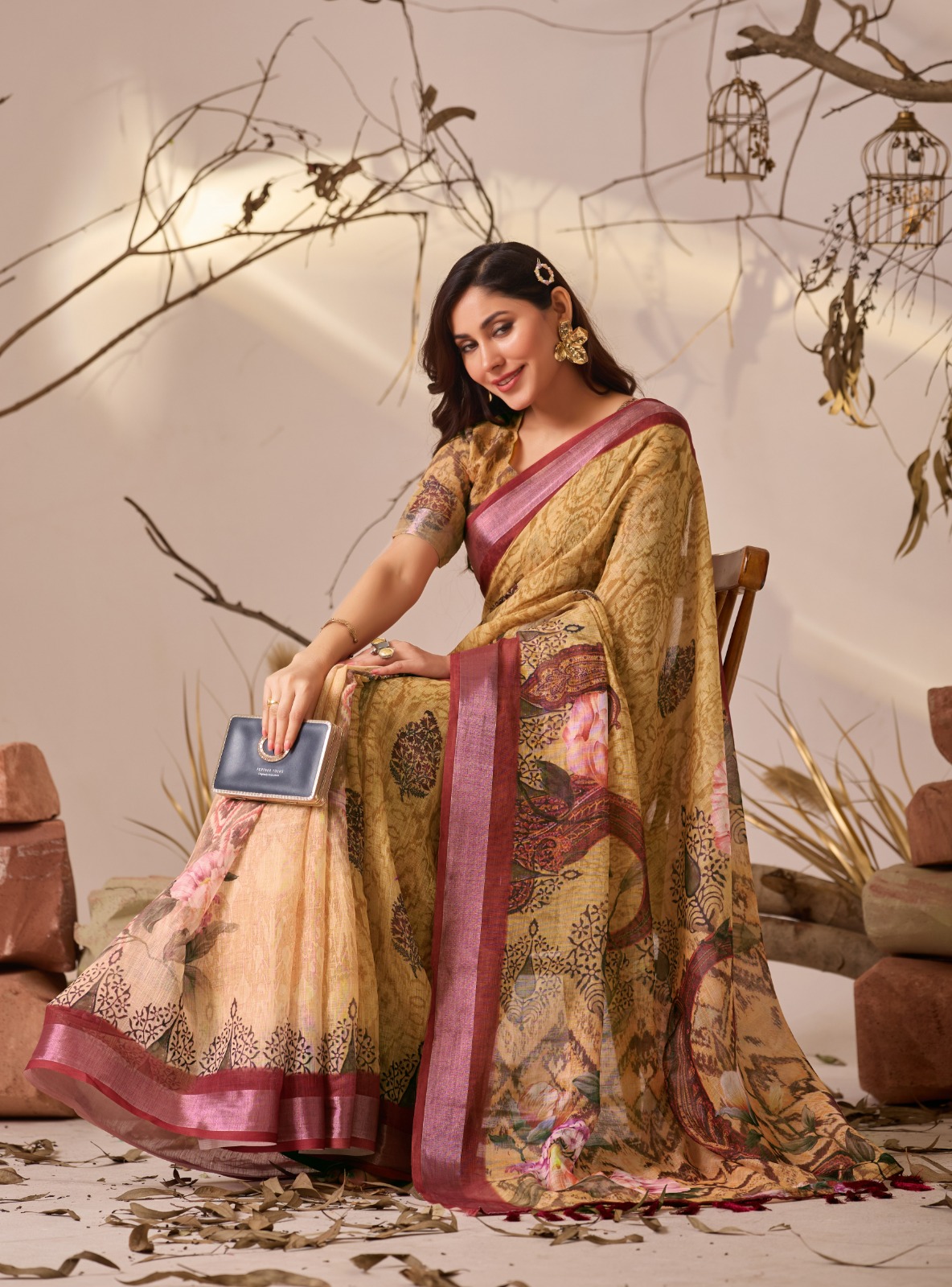
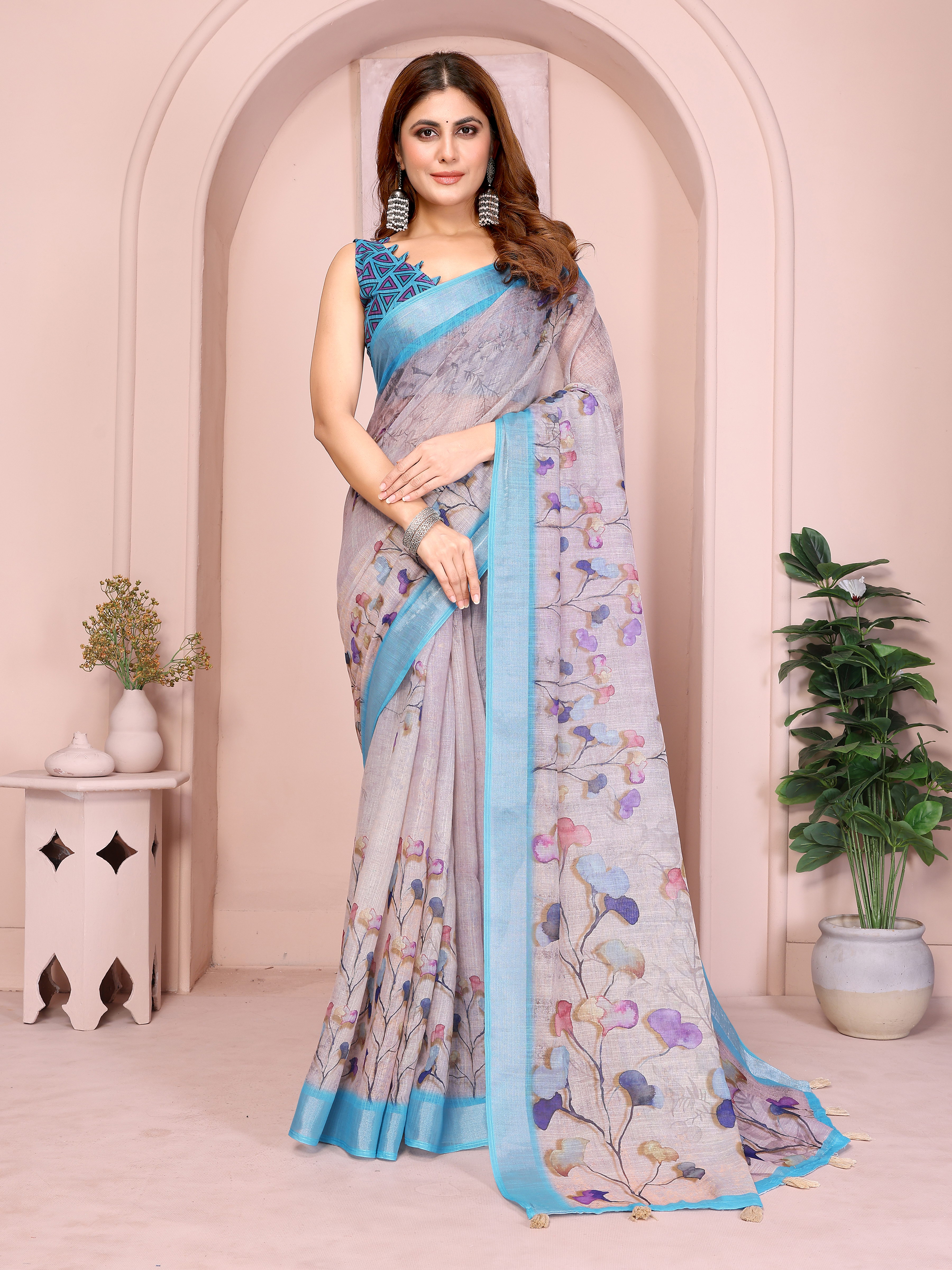
Linen cotton and handloom cotton generally feel more breathable during a busy morning than many synthetic fabrics. Pastel Linen Cotton Floral Print Saree with Designer Blouse offers a gentle floral direction for a simple traditional outfit. Peach Linen Cotton Floral Print Saree with Blouse for Women adds a warm peach tone without creating a heavy look. Pink Floral Linen Cotton Saree with Green Border for Ladies shows how a contrasting border can make a light saree feel distinctly festive.
Pastel colours are useful when the celebration takes place in strong daylight. Peach, pink, cream, pale yellow and soft green photograph clearly without competing with turmeric, sugarcane, flowers or a colourful kolam. Cotton sarees can crease during sitting and movement, so pressing the saree before wearing it and using a firm waist tuck will improve the drape.
Silk and zari for Thai Pongal
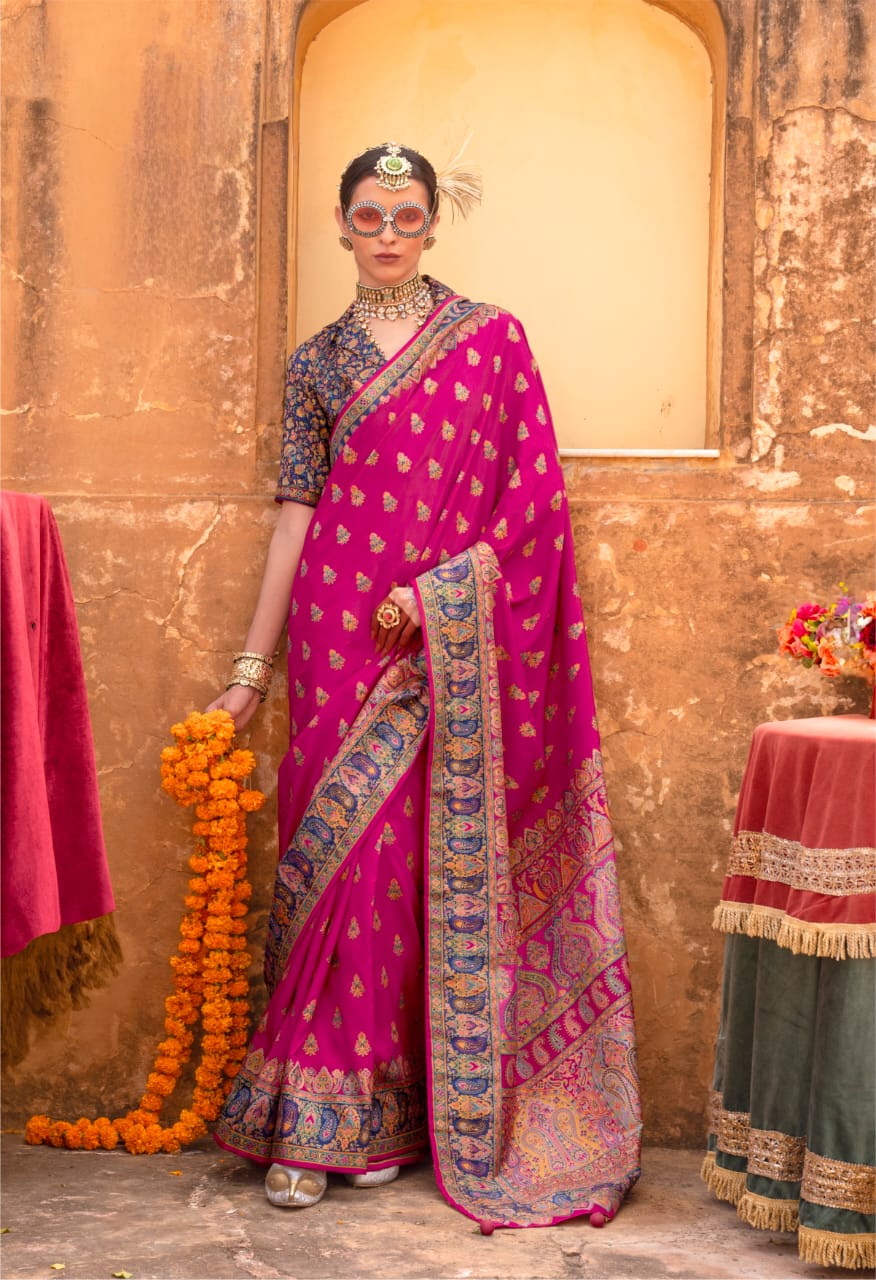
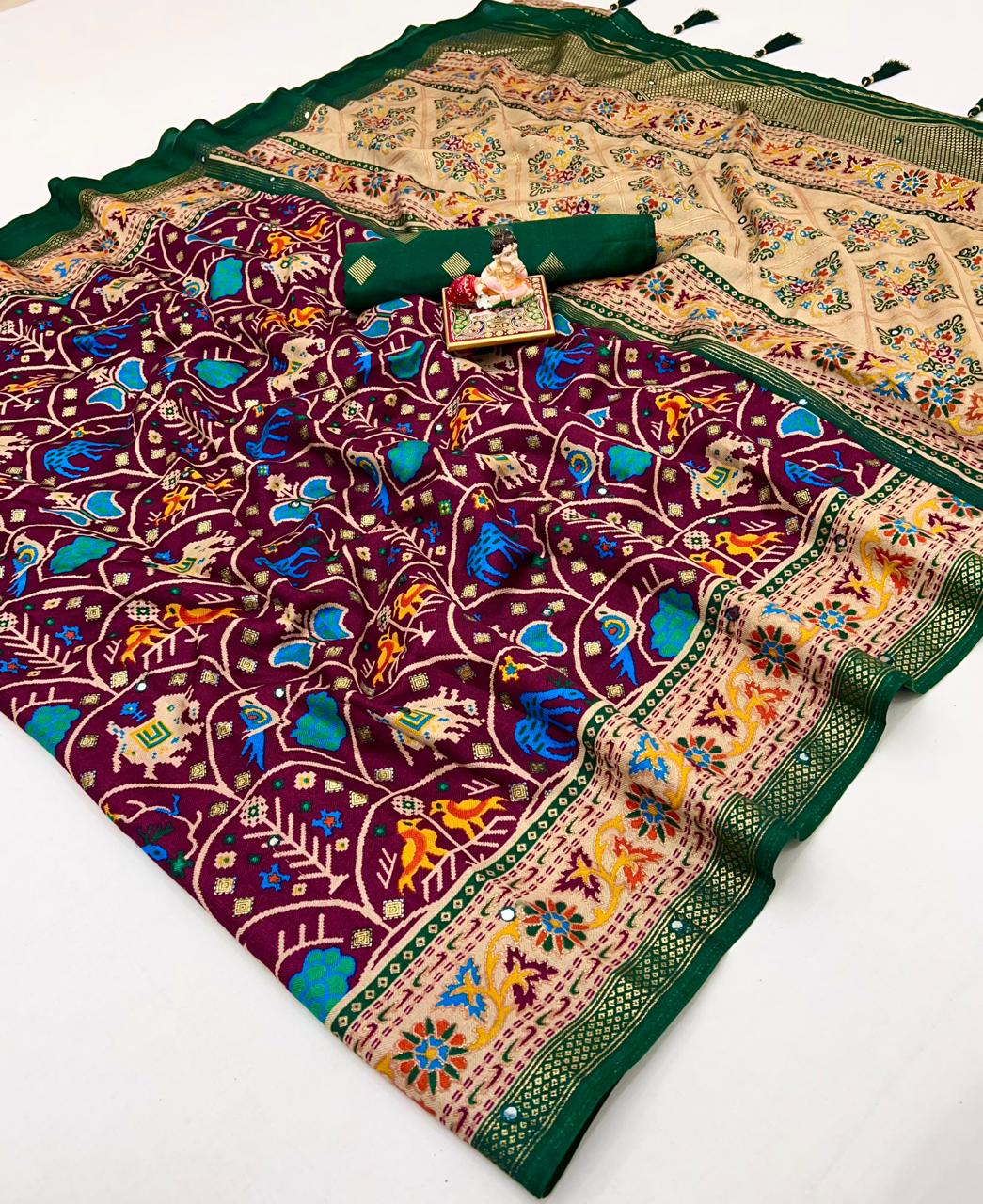
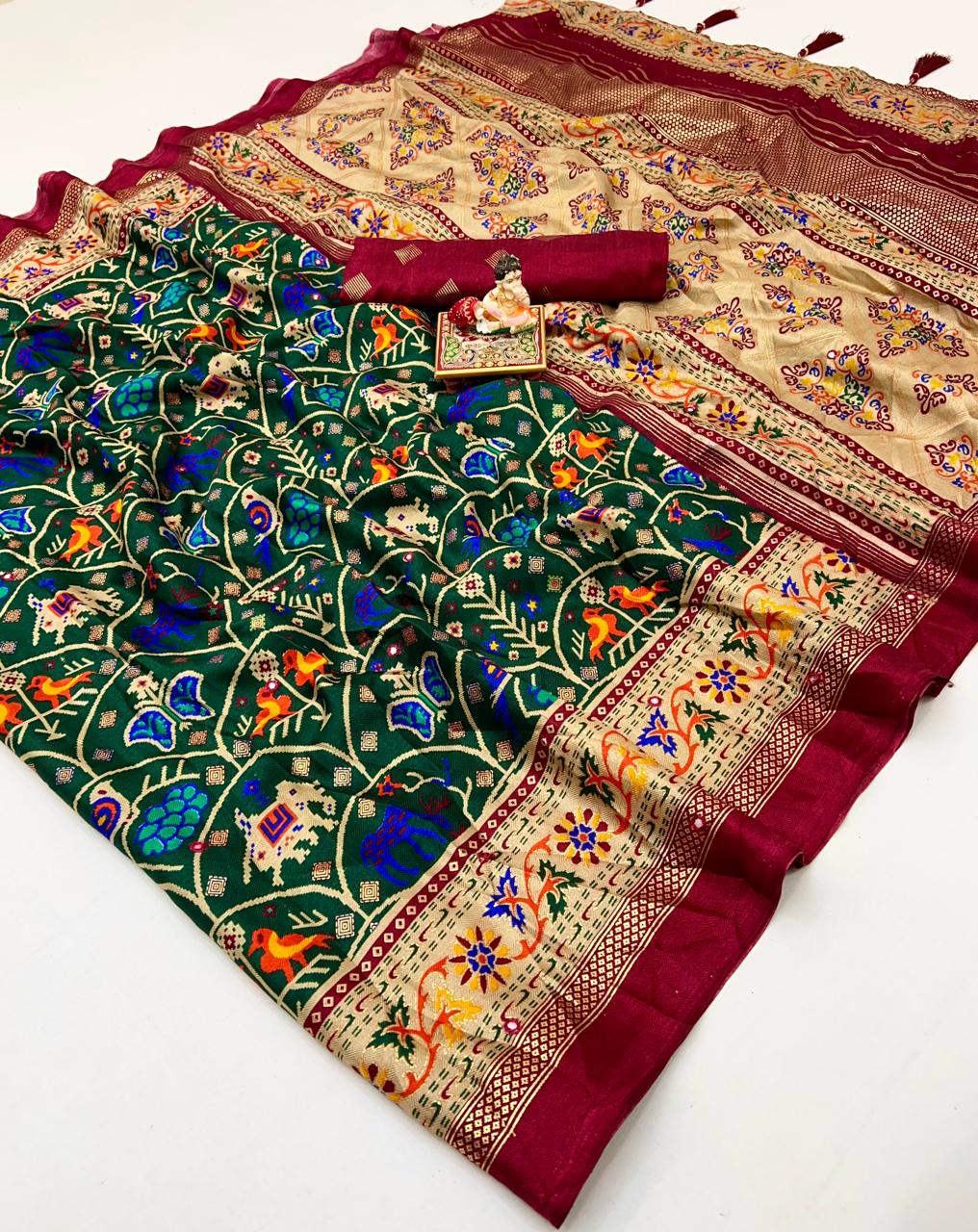
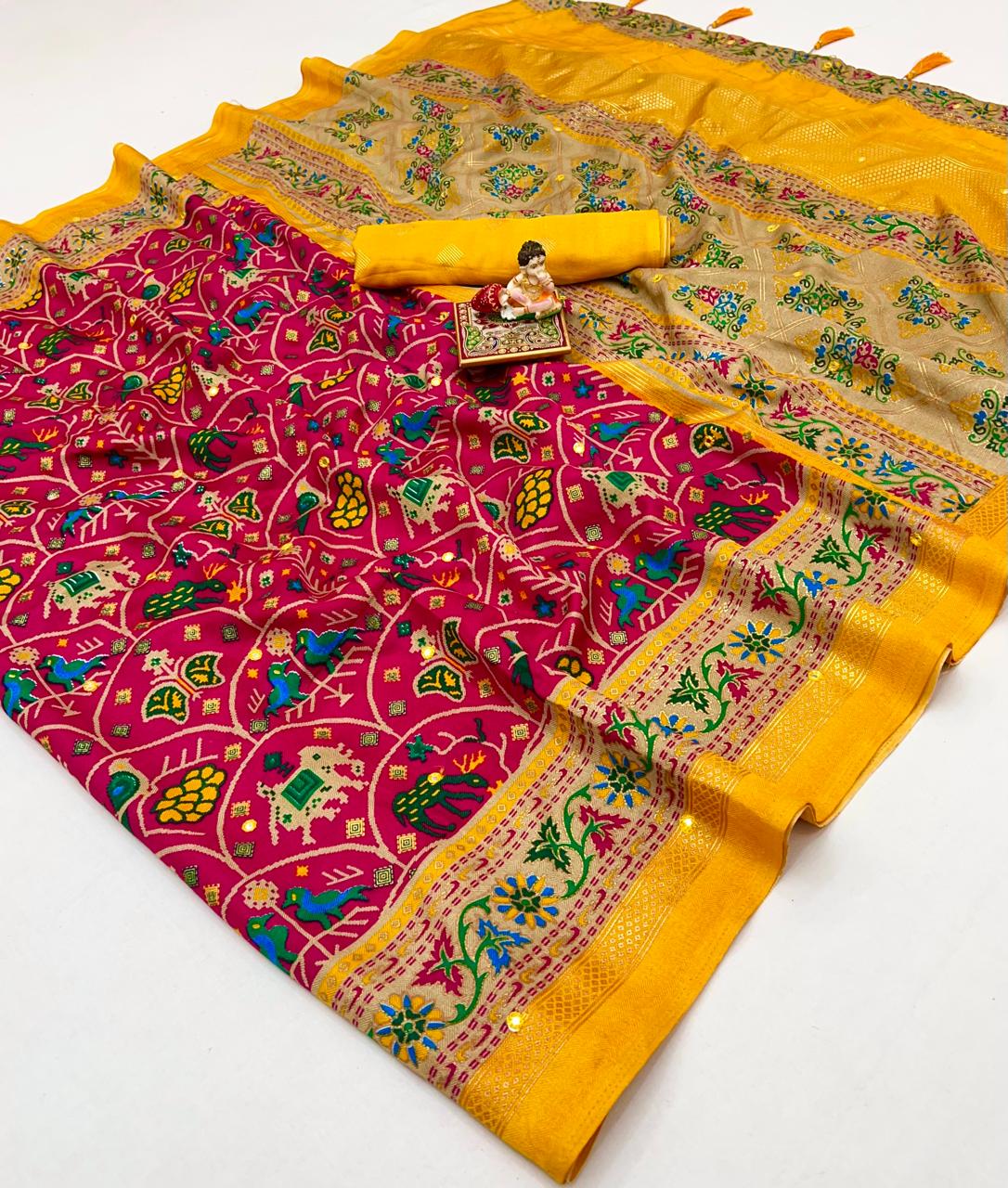
Silk traditional sarees are appropriate for Thai Pongal prayers, temple visits and formal family lunches because their structure holds pleats and their sheen creates a celebratory appearance. Traditional Bottle Green Patola Border Silk Saree gives a deep, grounded colour story. Designer Rani Pink Patola Print Pashmina Silk Festive Saree provides a brighter festive direction.
Zari doesn't automatically make a saree difficult to wear. A defined border with moderate metallic detail can be easier to style than a heavily decorated surface because the border supplies visual structure. Pastel Floral Tissue Handloom Cotton Saree with Zari Weaves works as a middle option between everyday cotton and formal silk.
Soft pashmina-silk for cooler weather
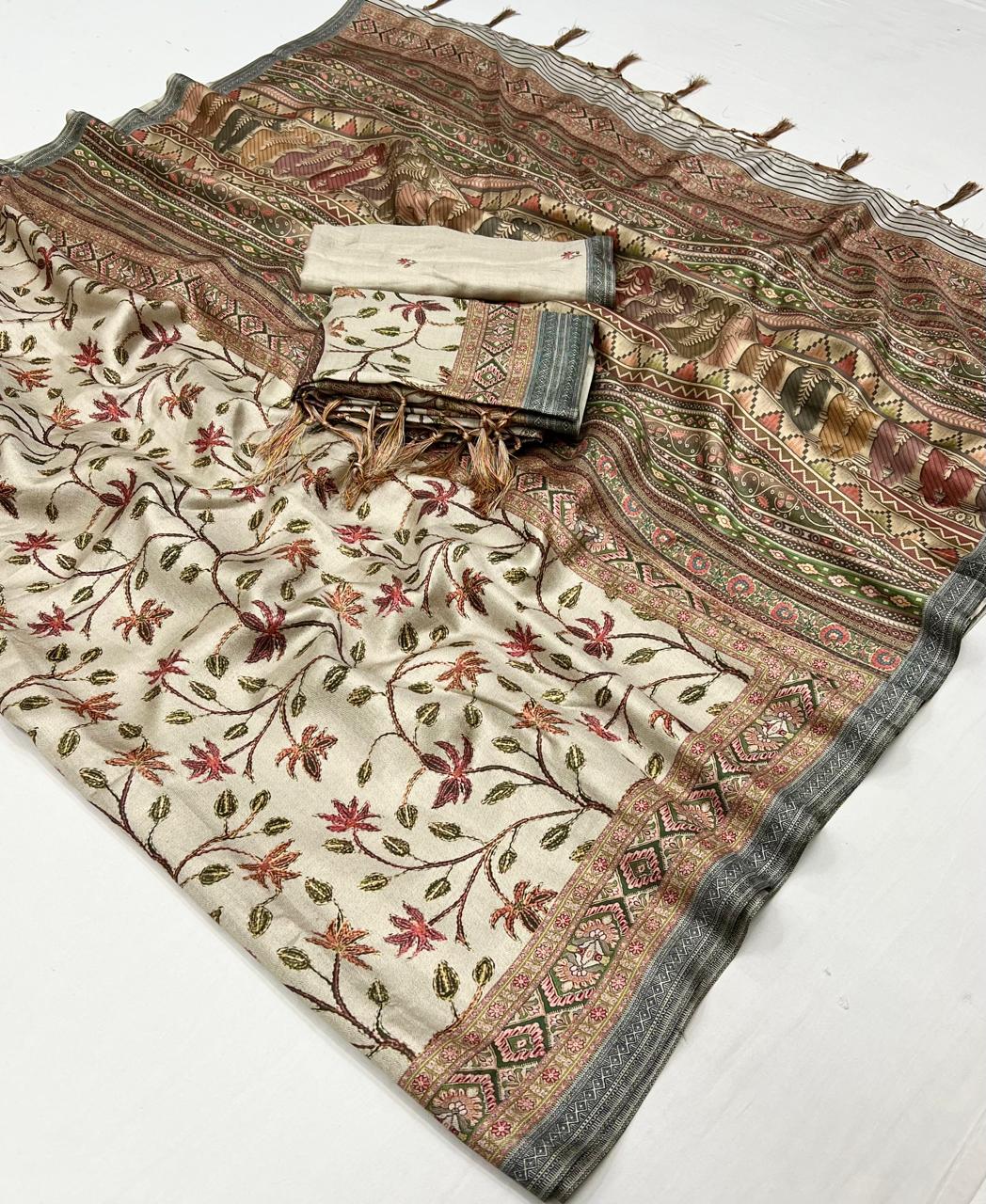
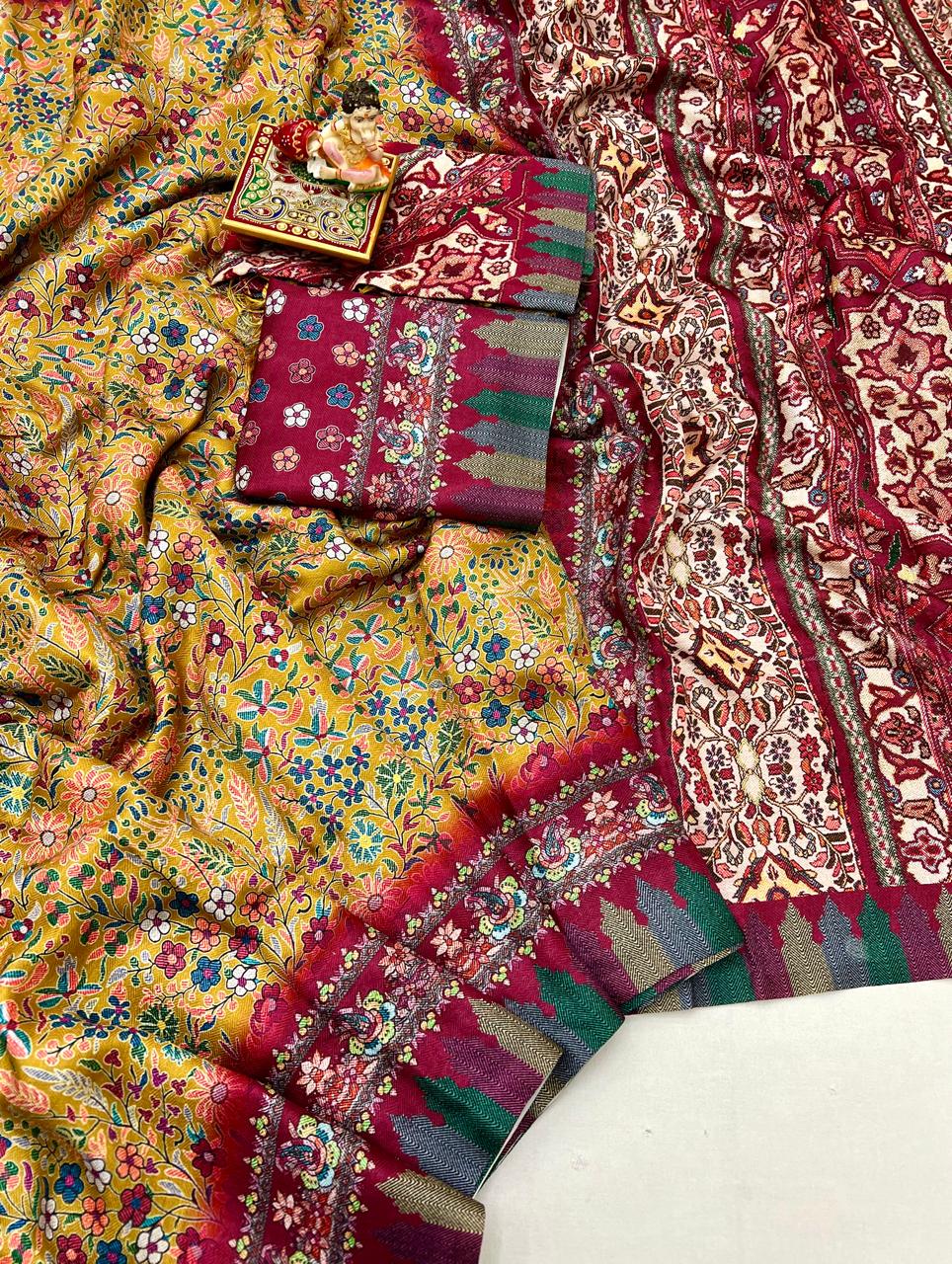
Soft pashmina-silk can suit an early winter morning or an indoor celebration where air-conditioning makes thin cotton feel cool. Wine Patola Style Soft Pashmina Silk Party Wear Saree brings a deeper colour direction for an evening family gathering. Kashmiri Style Pashmina Saree With Shawl Set can provide an additional layer when the weather requires one.
Pongal 2026: Traditional Sarees and Ethnic Outfits to Celebrate in Style with Harvest Colours
Gold, turmeric yellow, vermilion red, leaf green, bottle green, pink and ivory are reliable Pongal colours because they recall harvest ingredients, flowers, sunlight and ceremonial textiles. The most suitable shade depends on the time of day, setting and blouse contrast.
Yellow and green create a recognisably harvest-inspired combination, especially with gold-toned jewellery. Bottle green works well for a mature, composed look when paired with an antique-gold or warm beige blouse. Pink and red bring energy to family photographs, while muted rose and peach can feel more versatile for daytime wear.
Red Banarasi Silk Sarees for Weddings Under 1100 is a collection direction worth considering when a Pongal gathering overlaps with wedding-season dressing, although a wedding-style saree should be balanced with simpler jewellery for a harvest festival. Pink Georgette Sarees can inspire a lighter, more fluid colour palette, while the deep tones of Traditional Bottle Green Patola Border Silk Saree suit a formal Thai Pongal visit.
White and ivory are not limited to minimalist wardrobes. An ivory saree with a gold border, green blouse and jasmine flowers can look ceremonial without appearing overworked. If the saree is pale, select a blouse two or three shades deeper so the waistline and pleats remain visible in photographs.
Pongal 2026: Traditional Sarees and Ethnic Outfits to Celebrate in Style with Better Draping
A secure pleated drape, comfortable blouse, low-profile jewellery and firm footwear create the most practical Pongal saree outfit. Traditional styling becomes more convincing when each accessory supports the saree rather than competing with it.
For a morning ceremony, use five to seven front pleats and pin them discreetly at the waist if you'll be moving frequently. Keep the pallu long enough to cover the shoulder but not so long that it drags near a cooking area or doorway. A concealed safety pin at the shoulder and one at the waist can prevent repeated adjustment without changing the appearance of the drape.
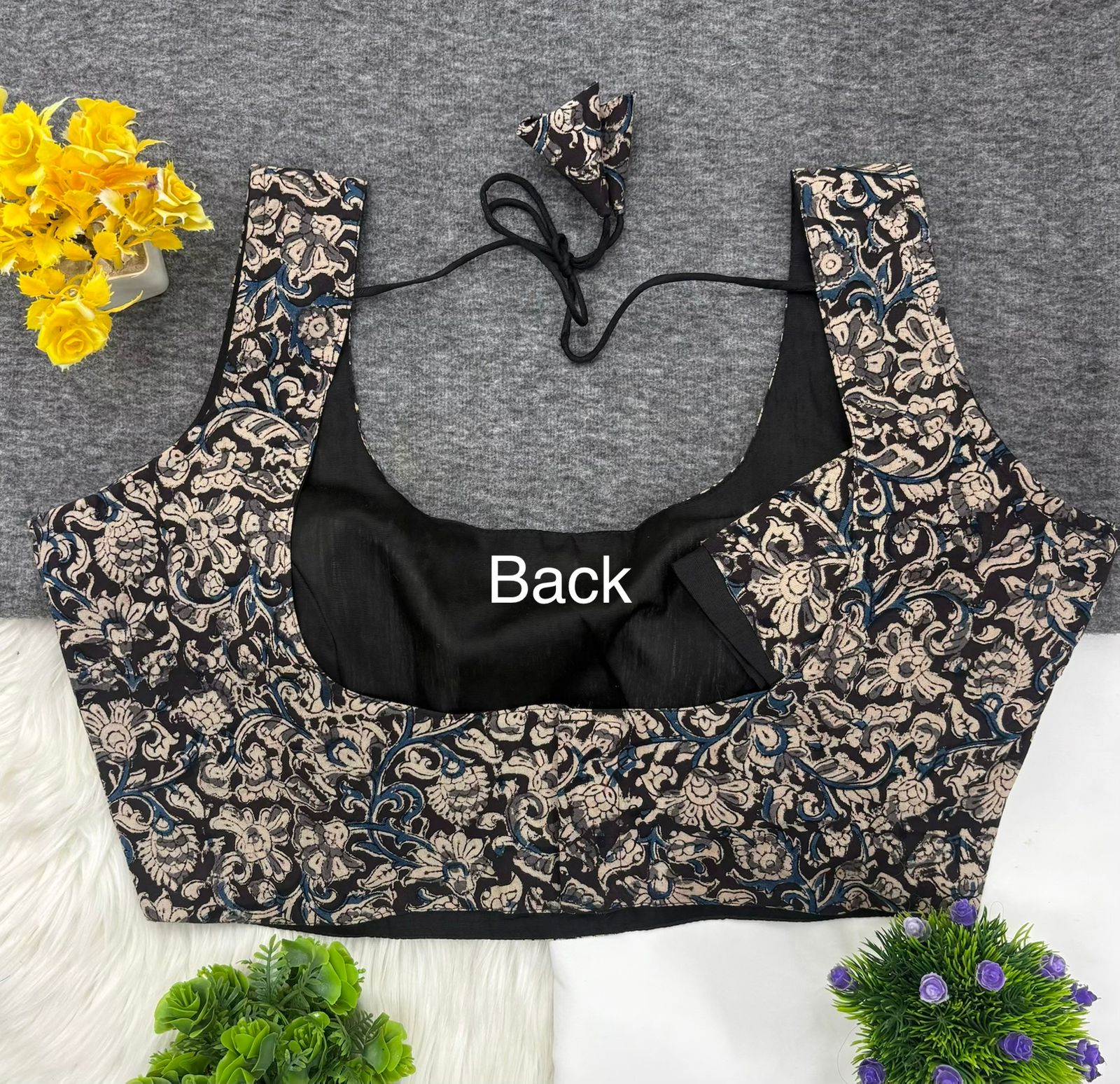
A round-neck, elbow-sleeve or short-sleeve blouse can work with cotton and handloom sarees, depending on personal comfort. A high-neck blouse gives a contemporary line to a lightweight floral saree, while a traditional short-sleeve blouse complements silk and zari borders. Check that the armhole doesn't pull when lifting a vessel or sitting cross-legged; a beautiful blouse that restricts movement isn't a practical Pongal blouse.
Gold-toned jhumkas, a slim chain, bangles and a small bindi are sufficient for most daytime celebrations. Jasmine gajra or a low bun reinforces a South Indian festive mood, but a braid is often more secure when cooking or moving outdoors. Choose block heels, embroidered flats or traditional sandals with a firm sole instead of slippery footwear.
Party Wear Sarees can offer styling ideas for an evening family gathering, but sequins and dangling details should be kept away from open flames, rangoli powders and crowded cooking areas. A plain blouse, a structured potli and one statement accessory can make a festive saree feel contemporary without losing its traditional character.
Pongal 2026: Traditional Sarees and Ethnic Outfits to Celebrate in Style Without a Conventional Blouse
A saree without a blouse isn't a practical or traditionally complete choice for most Pongal rituals, but a coordinated ready-made top, kurta-style blouse or modest inner layer can create a relaxed alternative. Coverage, support and ease of movement should guide the decision.
Some shoppers look for traditional sarees without a blouse because they want a quick outfit or don't have time for tailoring. A well-fitted cotton top in a matching or contrasting colour can work as an intentional substitute, especially with a linen cotton saree. An ordinary T-shirt can look disconnected unless the casual contrast is deliberate and the neckline sits securely under the pallu.
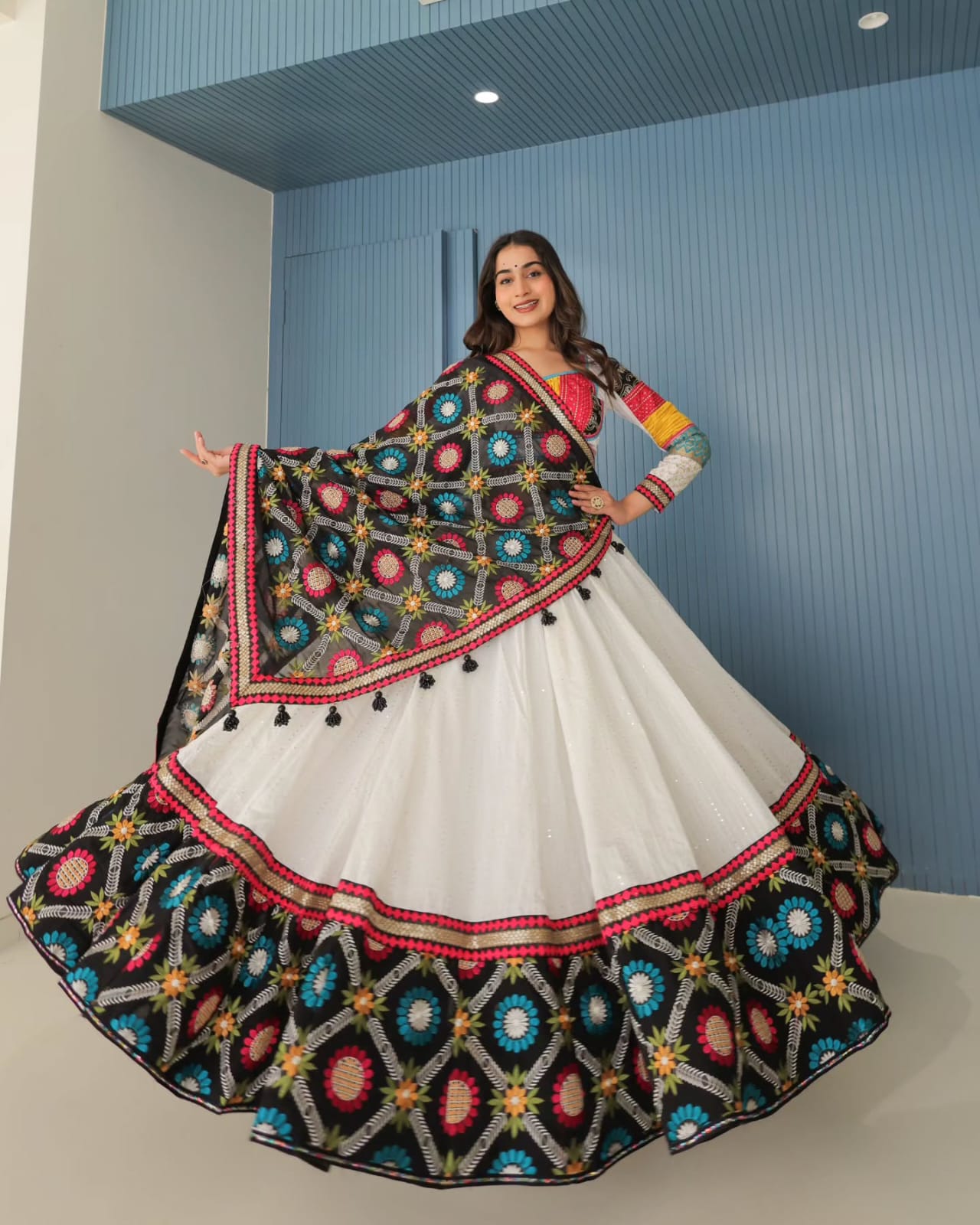
Traditional clothing also includes salwar suits, kurta sets and long skirts, so a saree isn't the only suitable ethnic outfit. A cotton kurta with palazzo trousers can be easier for guests who will sit on the floor, help prepare food or travel between homes. A long ethnic skirt with a blouse and dupatta gives festive movement while preserving a traditional silhouette.
Simple traditional dressing is especially effective for a daytime Pongal gathering. A solid kurta set, small earrings, a printed dupatta and comfortable sandals can look intentional without requiring a saree tuck, multiple pins or a tailored blouse.
Pongal 2026: Traditional Sarees and Ethnic Outfits to Celebrate in Style When Buying Online
Check the fabric composition, saree length, blouse inclusion, border width, transparency, care instructions and delivery timing before buying a Pongal saree online. Product photographs can't reveal how a fabric behaves when pleated or worn for several hours.
A standard saree is often about 5.5 metres long, with an additional blouse piece when included, but measurements differ between listings. Confirm whether the blouse is attached, unstitched or absent. A designer blouse shown in a photograph may not have the same fit as a ready-to-wear blouse, so take body measurements and allow time for alterations instead of relying only on a generic size label.
Read the fabric description carefully. Banarasi silk, Kanjeevaram, Chanderi, linen cotton, handloom cotton and pashmina silk have different weight, sheen and care requirements. Do not assume that every saree described as silk traditional is pure silk; check the listed fibre composition and ask for clarification when the description is incomplete.
Price should be assessed alongside weave, fibre, finish, blouse inclusion and construction. Silk Sarees Under 3000 With Discount may be useful for shoppers working within a fixed budget, while Gray Color Sarees Under 1000 can provide a neutral option for a simpler family gathering. A lower price doesn't by itself confirm inferior quality, and a higher price doesn't automatically prove authenticity.
Order at least seven to ten days before Pongal when blouse alterations, exchange time or delivery across cities may be involved. Open the parcel promptly, check the border and blouse piece, and photograph any issue before removing tags. Store a clean saree folded with the zari turned inward, and avoid leaving it compressed in plastic for long periods.
Pongal 2026: Traditional Sarees and Ethnic Outfits to Celebrate in Style with Proper Care
Care for a Pongal saree according to its fibre, dye and embellishment, and let the saree dry completely before folding it for storage. Correct care protects the colour, zari and fall of the fabric after a long festive day.
Air cotton and linen cotton sarees in shade after washing or steaming, because prolonged direct sunlight can fade strong colours. Avoid wringing delicate fabrics. Silk and zari sarees generally benefit from professional dry cleaning rather than repeated home washing, particularly when the saree contains metallic thread or colour-sensitive dyes.
Keep perfume, hair oil, turmeric paste and food oils away from the saree whenever possible. If a stain occurs, blot gently with a clean, dry cloth instead of rubbing it into the weave. Do not apply bleach or household stain remover to silk, zari or printed fabrics without checking the care instructions.
Fold zari sarees with the metallic side inward and refold stored sarees every few months to reduce permanent crease lines. Use a clean cotton or muslin cover rather than airtight plastic for long-term storage. These small habits help a Pongal saree remain wearable for future family celebrations, traditional weddings and festive gatherings.
Common Questions About Choosing Pongal 2026 Traditional Sarees
What are some trending traditional sarees for Pongal 2026?
Lightweight linen cotton, floral handloom cotton, zari-woven cotton, Patola-inspired silk and soft pashmina-silk sarees are practical choices for Pongal 2026. Green, yellow, pink, ivory and red remain useful festive colours, but breathable fabric and a secure drape matter more than following a short-lived trend.
What is the best website to buy a saree online in India for Pongal?
The best online saree website is one that gives clear information about fabric, saree length, blouse inclusion, care, delivery and exchanges. Compare those details rather than choosing only by photographs or discount percentage, and order at least seven to ten days before Pongal if alterations may be needed.
Where can I buy ready-to-wear sarees online in India?
Ready-to-wear sarees are available through online ethnic-wear retailers and marketplaces, but product descriptions should clearly state whether the pleats, pallu and blouse are pre-stitched. A conventional saree with a fitted blouse and two discreet safety pins can also be made easy to wear without purchasing a pre-stitched design.
Where can I buy authentic South Indian sarees online?
Look for listings that name the weave, fibre, production method and zari details instead of using only broad terms such as South Indian saree. Kanjeevaram, Banarasi silk, Chanderi, handloom cotton and linen cotton each describe different textile characteristics, so buyers should verify the exact composition before ordering.
Can I wear a simple traditional saree for Pongal without heavy jewellery?
Yes, a simple traditional saree can look festive with a small bindi, jhumkas, a few bangles, jasmine flowers and a well-fitted blouse. A defined border, contrasting blouse or neat pleats can provide enough visual structure without heavy jewellery.
How should I store a Pongal saree after wearing it?
Air the saree fully before folding it, and follow the fibre-specific care instructions before long-term storage. Fold zari inward, use a clean cotton or muslin cover, avoid airtight plastic and refold stored sarees every few months to reduce permanent creases.