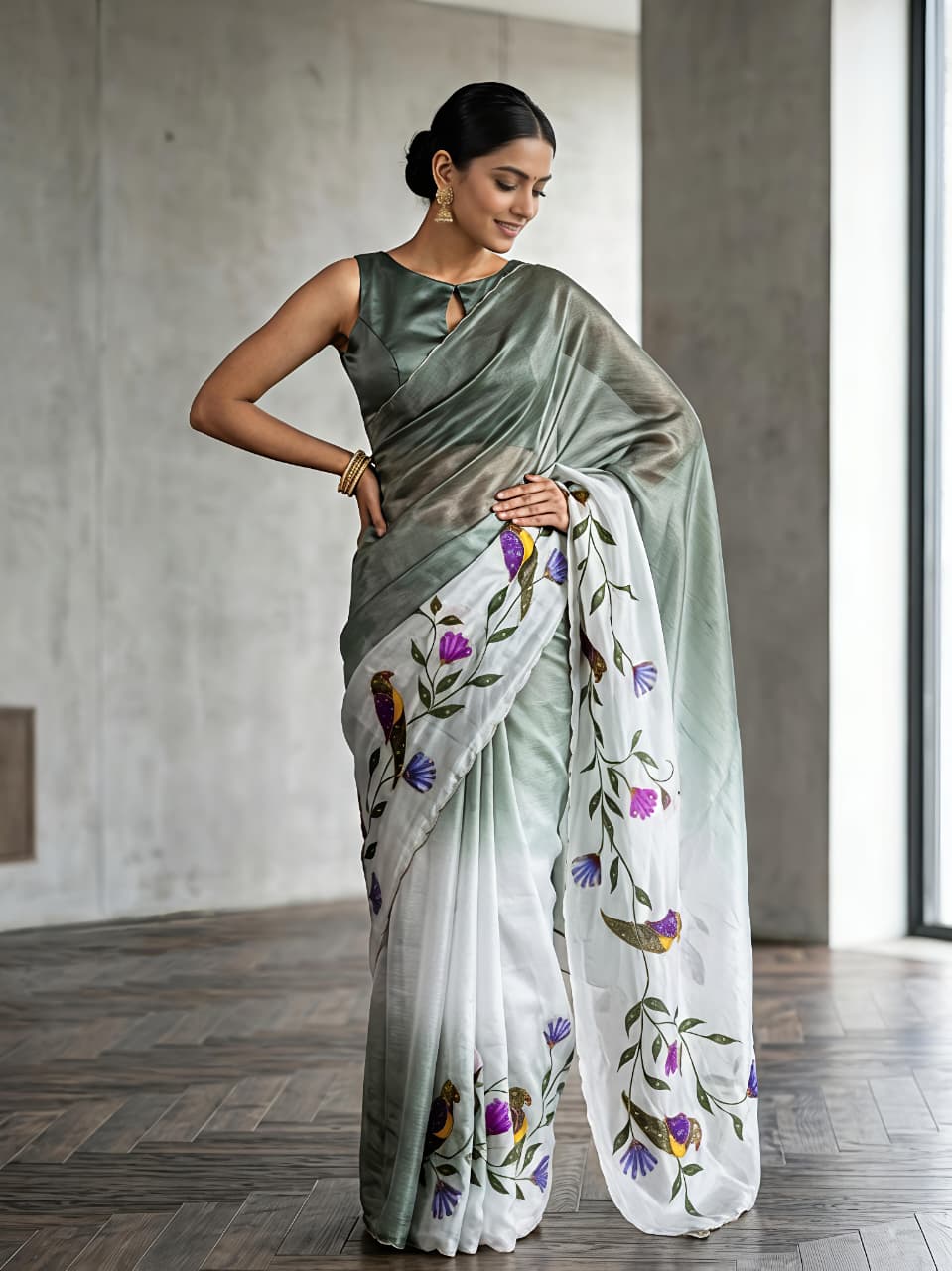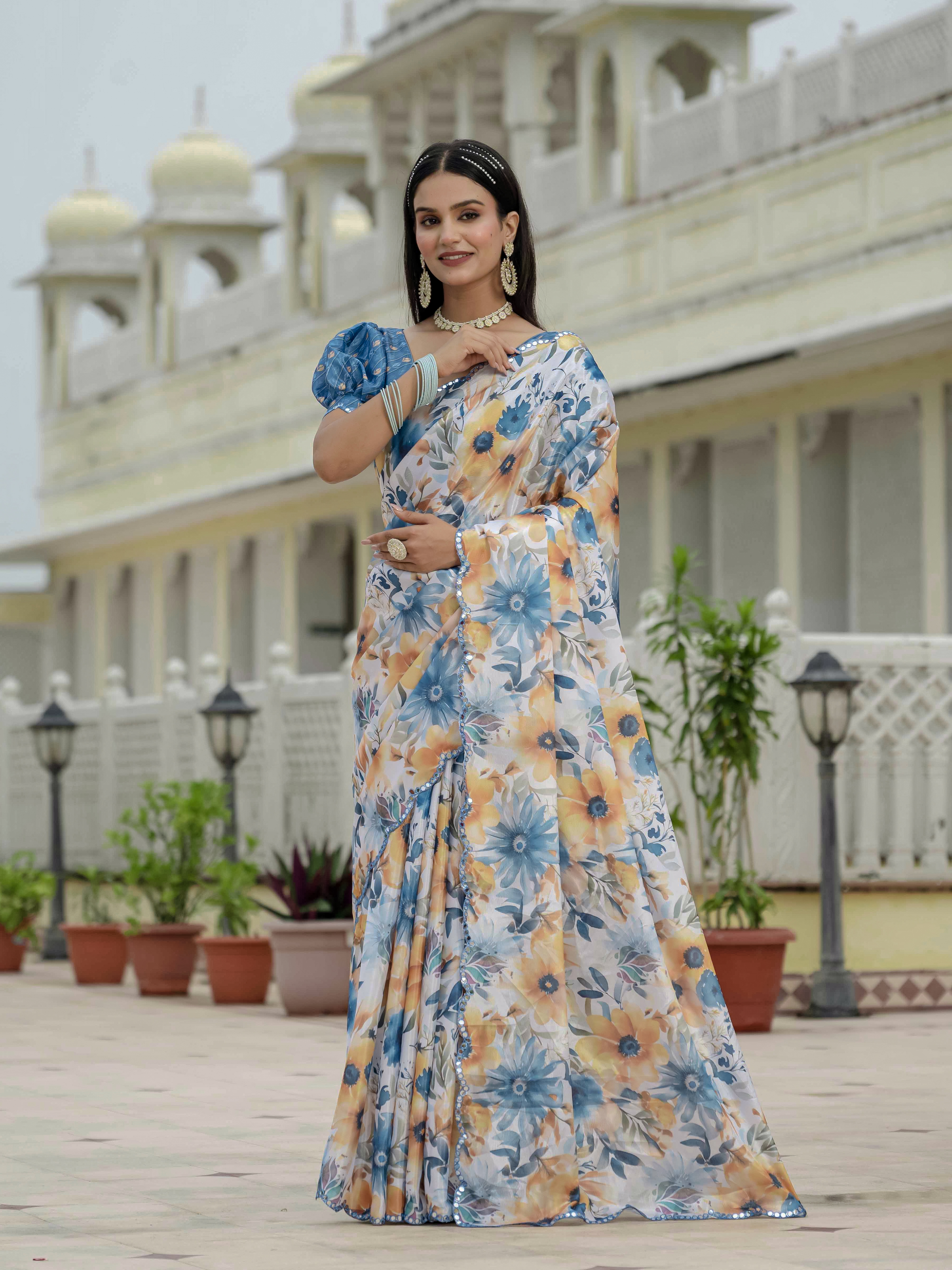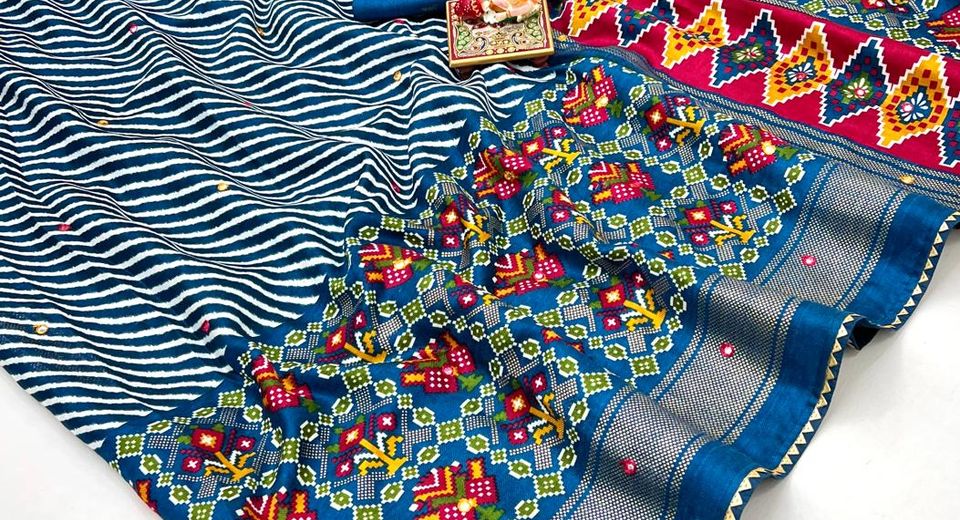
A Paithani Saree Guide: Maharashtrian Silk, Motifs & Styling Ideas should begin with one useful distinction: Paithani refers to a celebrated Maharashtrian weaving tradition, while a Paithani-style pallu may simply describe a design influence. Traditional Paithani sarees are associated with silk, zari and carefully woven motifs, especially peacock, parrot, flower and geometric forms linked with Maharashtra's textile heritage. Understanding the difference helps you choose a saree for a wedding, festival or family ceremony with realistic expectations about weave, weight, price and care.
Paithani sarees are historically associated with Paithan and Yeola in Maharashtra. A classic saree commonly combines a lustrous silk ground with a richly patterned pallu and border. Modern wardrobes also include blended interpretations, printed designs and sarees that pair another regional textile language with a Paithani-inspired pallu. Each category can be attractive, but the construction and price should match the description.
What makes a Paithani saree Maharashtrian?
A Paithani saree is Maharashtrian because its visual language and weaving history developed in Maharashtra, particularly around Paithan and Yeola. Silk, zari, a strong pallu and distinctive nature-inspired motifs form the recognisable foundation of the tradition.
Paithani weaving is known for motifs being built into the fabric rather than merely printed on top. Classic examples may use supplementary weft techniques, allowing coloured silk and zari to create a firm, detailed reverse and a richly finished face. Handwoven examples can require considerable time because the pallu and border demand repeated pattern work.
Silk quality changes the way a Paithani saree behaves. A smooth silk ground catches light clearly and holds pleats with structure, while lighter silk blends may feel easier for long functions. Zari can be made with different metal compositions and finishes, so shine, weight and price vary. A buyer should check whether a listing states pure silk, silk blend, art silk, tissue silk or a design-led interpretation.
The pallu carries much of the visual identity. A broad pallu with repeated motifs creates a formal appearance, whereas a narrower or lighter pallu suits daytime ceremonies and easier draping. The border should sit evenly along the selvedge, without obvious waviness, loose threads or abrupt motif breaks.
Paithani Saree Guide: Maharashtrian Silk, Motifs & Styling Ideas
The most recognisable Paithani motifs are peacocks, munia or parrots, bangdi mor, asawali floral vines, tota-maina birds and geometric forms. Motifs are not random decoration; they communicate the textile's regional vocabulary and help distinguish a heritage-looking pallu from a generic zari design.
Peacock and bangdi mor motifs
Peacock motifs are among the most recognisable Paithani symbols, while bangdi mor usually refers to peacocks arranged within circular or bangle-like forms. Peacock pallu designs feel ceremonial because the bird shape creates a clear focal point when the saree is draped over the shoulder.
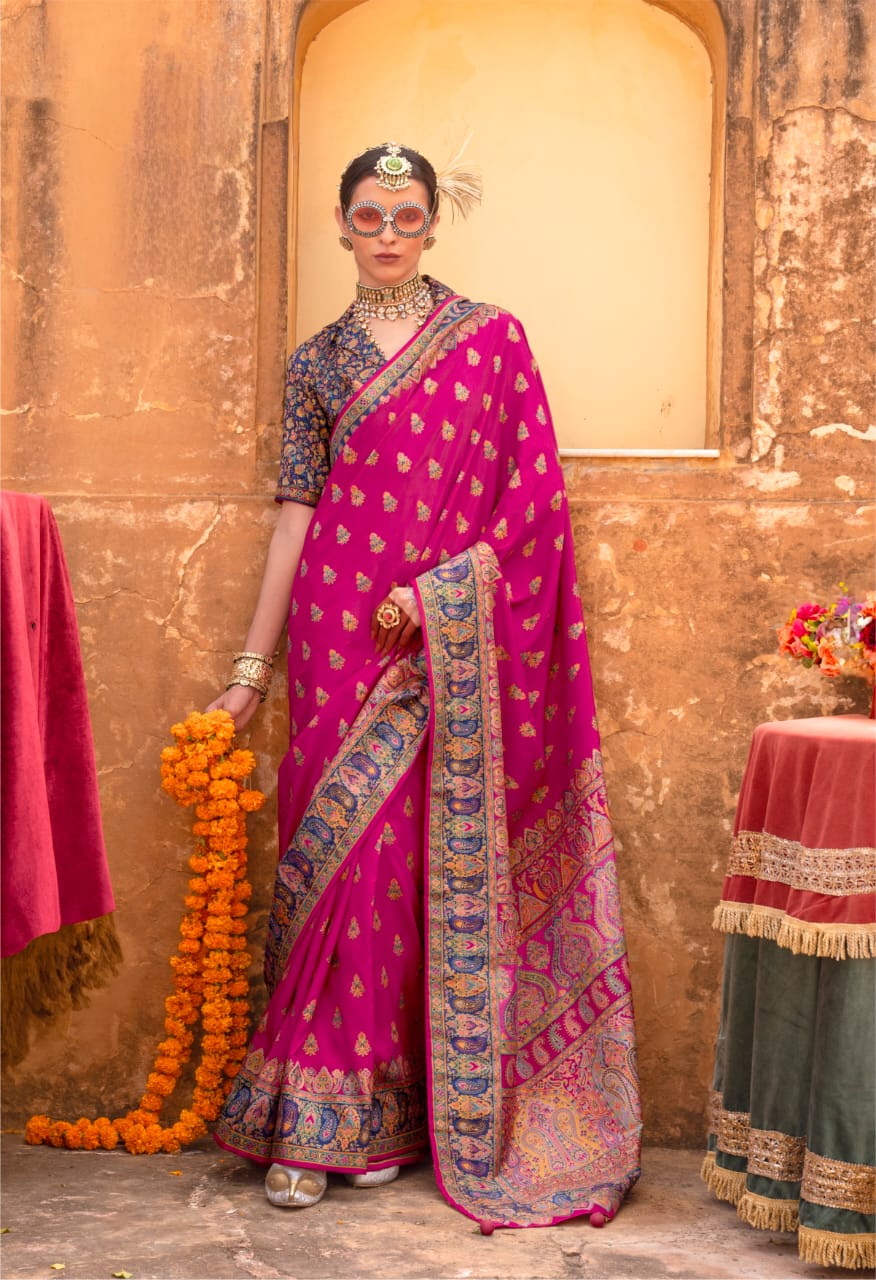
Peacock motifs work particularly well for bridal trousseaus, Ganesh Chaturthi celebrations and Maharashtrian wedding functions. A wine, magenta or deep green ground gives the motif strong contrast, while a muted gold border makes the saree easier to repeat for less formal occasions.
Munia, tota-maina and asawali patterns
Munia motifs depict small parrots, and tota-maina designs use paired birds as a repeated decorative language. Asawali is a flowering vine pattern with a more botanical appearance. These motifs can look delicate at a small scale or dramatic when woven broadly across the pallu.
Small bird motifs suit a lighter festive saree and a simpler blouse. Large floral vines pair well with structured sleeves, a square neckline or a plain silk blouse because the saree already supplies substantial surface detail. Motif scale should influence jewellery: large motifs need fewer competing statement pieces.
How can you check the quality of a Paithani saree?
You can assess a Paithani saree by checking its fibre description, motif construction, zari information, reverse side, selvedge, pallu alignment and finishing quality. No single visual test proves authenticity, so a clear product description and dependable seller information remain important.
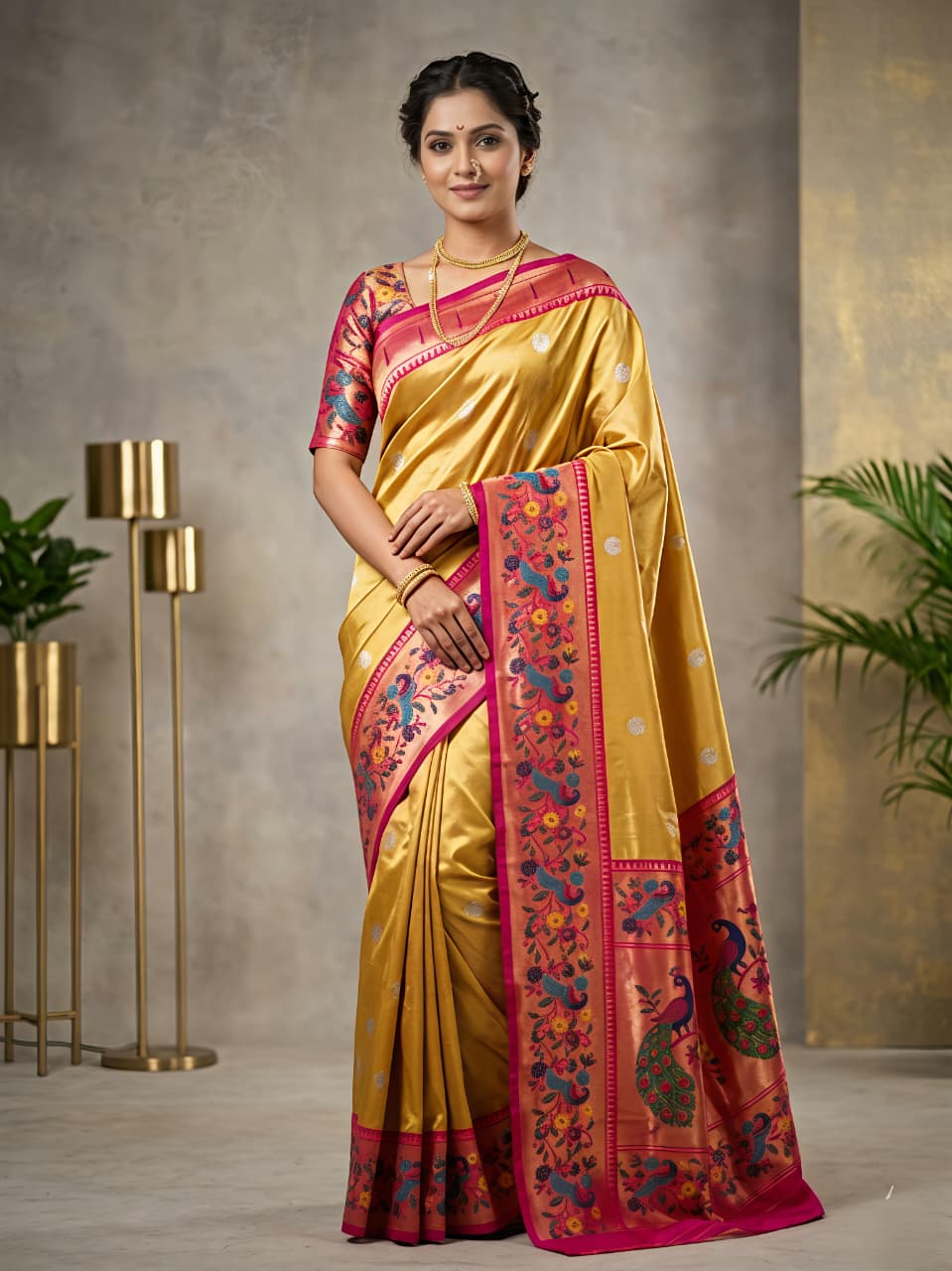
- Read the fibre details: Look for specific wording such as Banarasi silk, pure silk, tissue silk, pashmina silk, silk blend or art silk. Banarasi silk and Paithani silk are different regional textile identities, even when both use zari and elaborate pallus.
- Inspect the reverse: Woven motifs generally show an organised structure on the underside. Loose floating threads, heavy clusters of unwoven yarn or an abrupt printed edge can indicate a printed or mechanically embellished design rather than a fully woven motif.
- Study the zari: Zari should appear integrated into the border and pallu. Ask whether the zari is tested, metallic, imitation or a particular composition if the information matters for your budget and long-term expectations.
- Check the pallu transition: The shift from the body to the pallu should look intentional. Uneven joins, severe puckering and inconsistent border width are practical warning signs.
- Consider the price logically: A handwoven pure-silk Paithani with extensive zari generally costs more than a printed, blended or Paithani-inspired saree. A low price isn't automatically a problem, but the construction should be stated honestly.
Product names can also signal that a saree combines traditions. Banarasi Tissue Maharani Paithani Silk Saree with Pallu indicates a Banarasi tissue and Paithani reference in its design language, while Wine Banarasi Silk Saree with Zari & Paithani Pallu clearly places the Paithani element in the pallu. Such combinations are useful for shoppers who want a familiar Banarasi body with a Maharashtrian-inspired focal detail.
Which colours and fabrics work for different occasions?
Deep jewel tones suit evening weddings, bright pinks and magentas suit daytime festivities, and lighter silk constructions work best when a ceremony involves several hours of standing or travel. Colour, fabric weight and zari density should be considered together rather than separately.
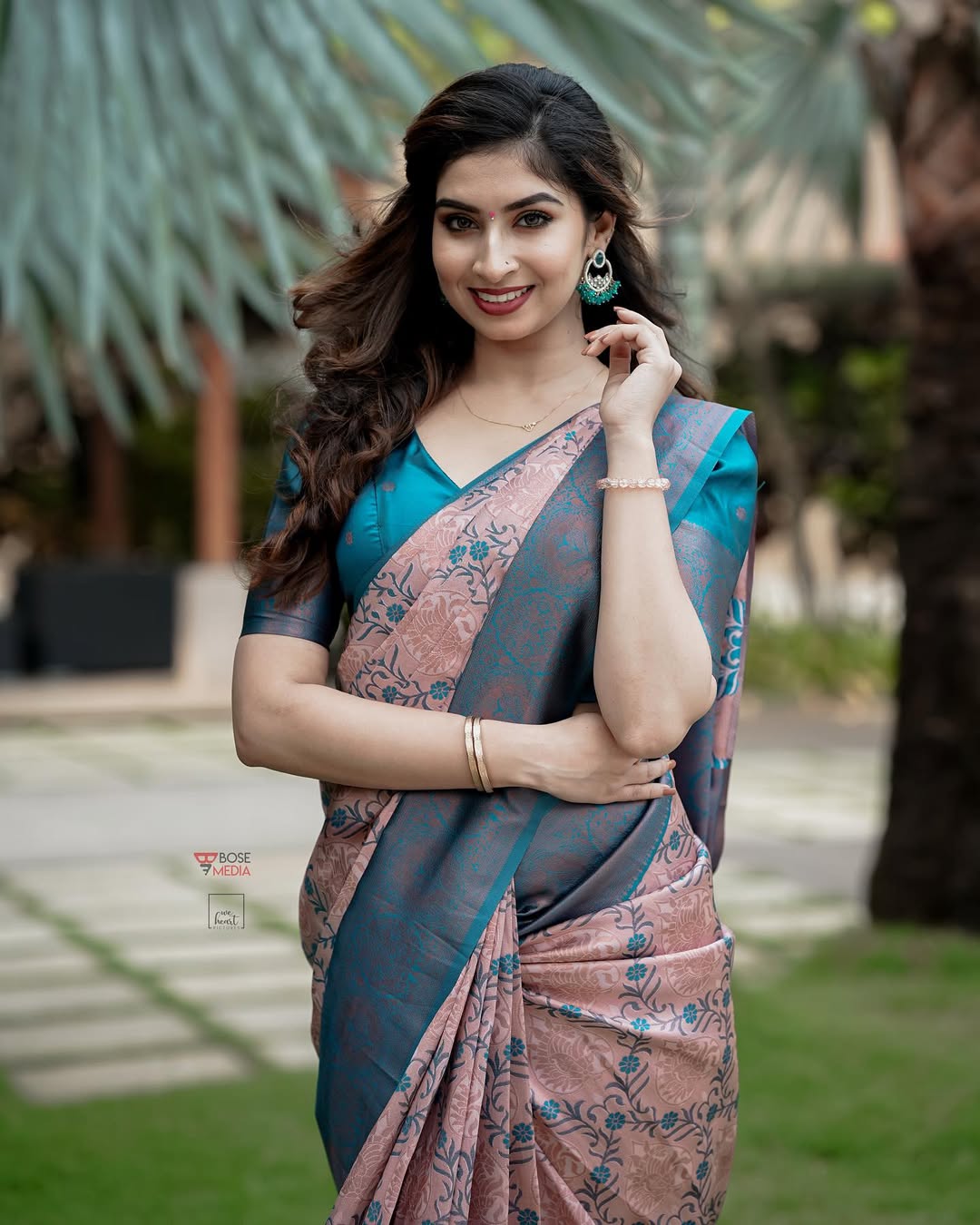
For a wedding reception, a rich pallu with strong contrast creates impact in photographs. Magenta Lichi Silk Saree with Copper Zari Pallu offers an example of how copper zari can soften the usual bright-gold effect. The warm metallic tone pairs naturally with antique-gold jewellery, copper-toned bangles and a deep rose lip colour.
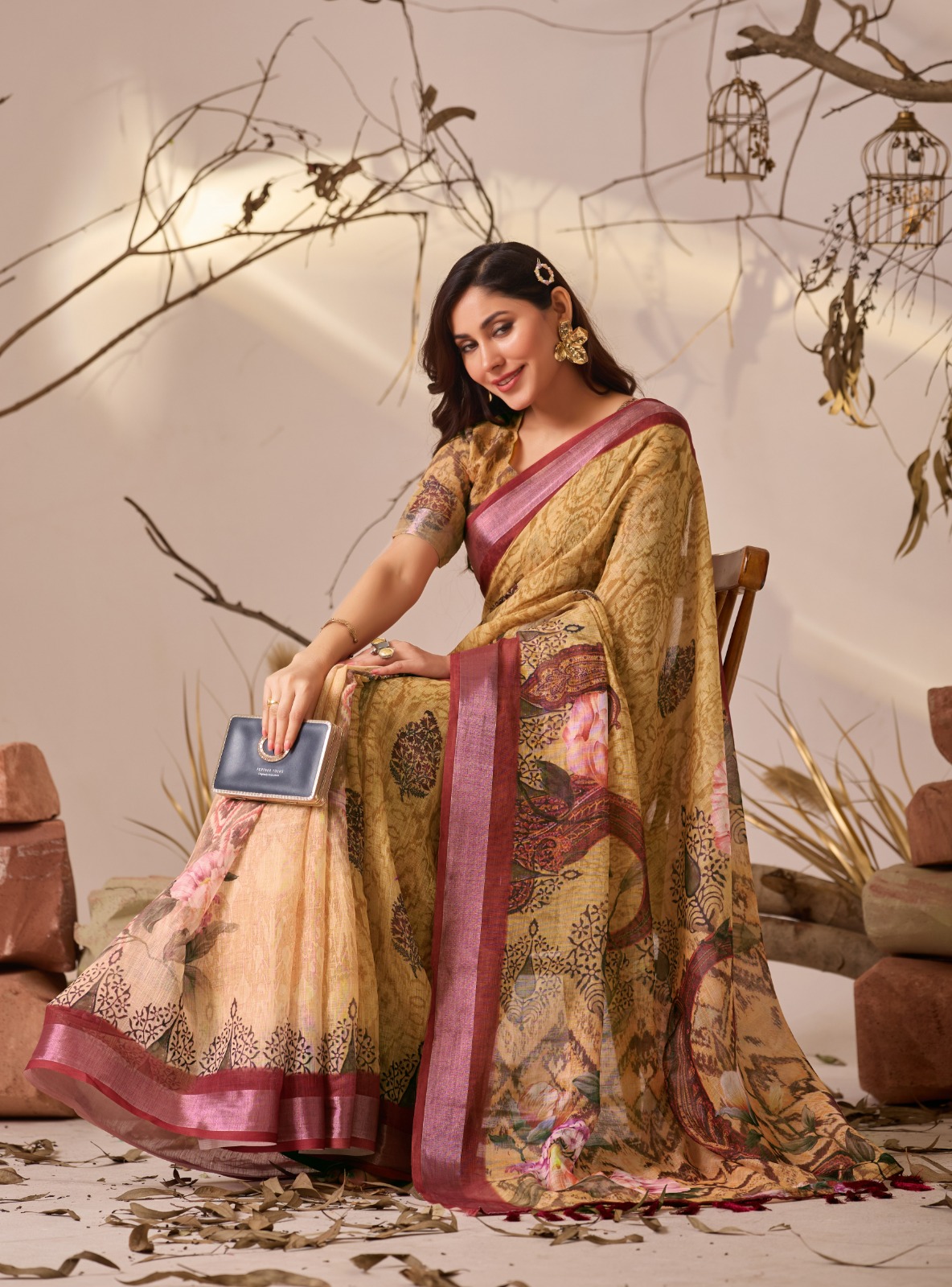
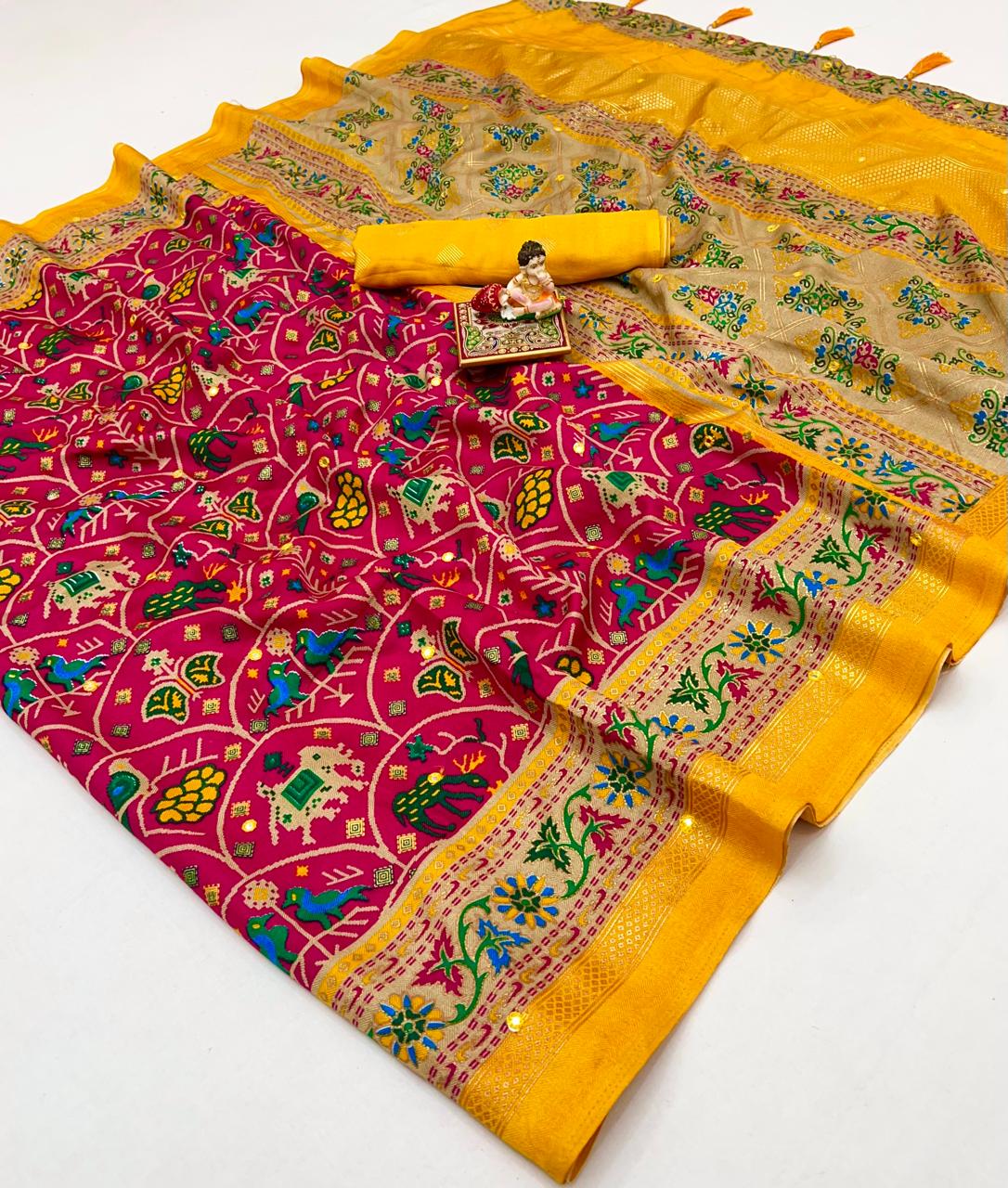
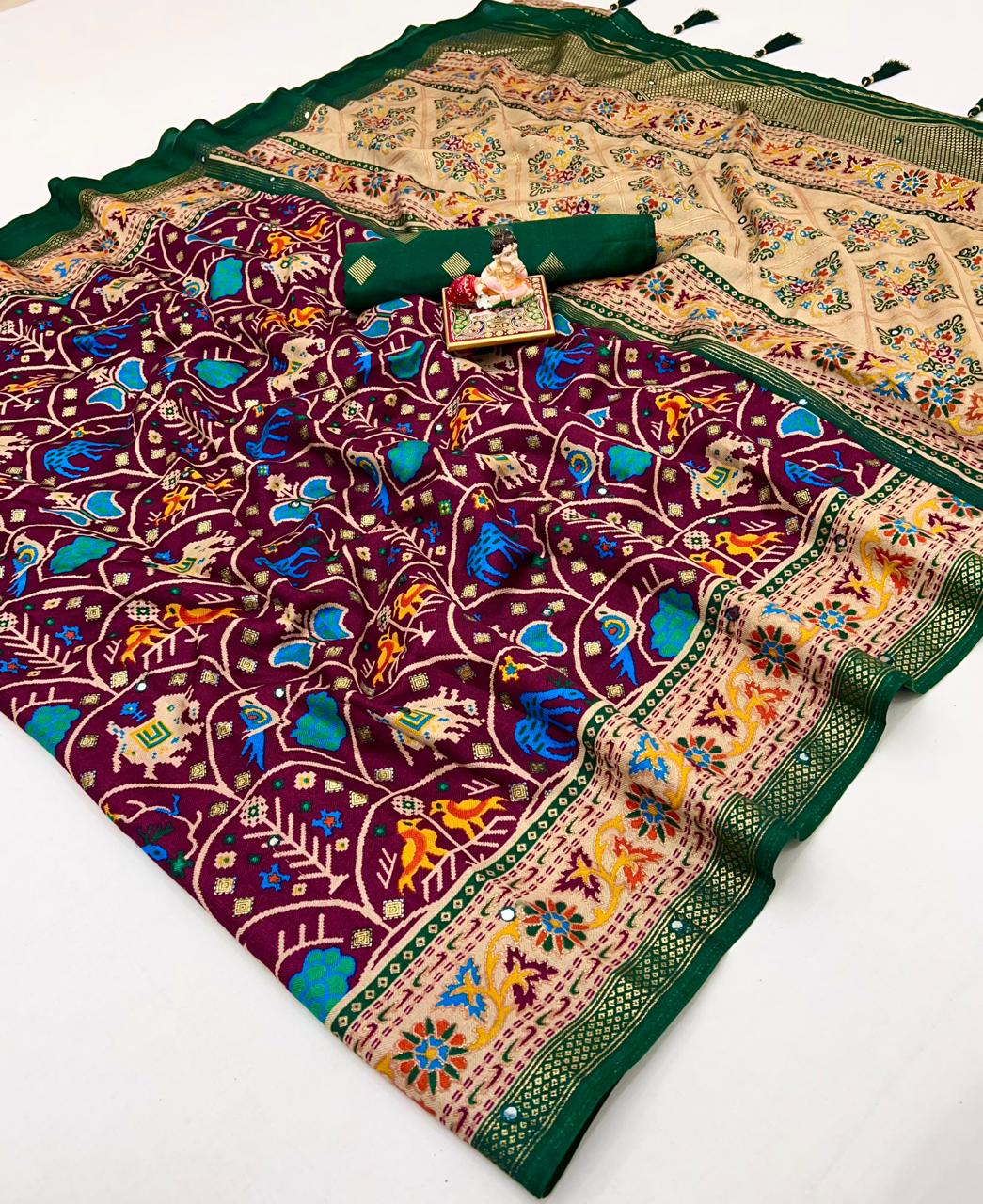
For a family puja or daytime festival, a lighter or brighter ground can feel more appropriate than a heavily saturated evening shade. A Patola-inspired design isn't the same as a Paithani weave, but it can offer a similar appetite for repeated motifs and celebratory colour. Designer Rani Pink Patola Print Pashmina Silk Festive Saree and Mustard Yellow Patola Print Soft Pashmina Silk Designer Saree illustrate how printed pattern and soft silk can create festive presence without the weight of dense zari.
For a cocktail-style event or a contemporary party, a darker ground with a controlled pallu can be easier to accessorise. Wine Patola Style Soft Pashmina Silk Party Wear Saree has the kind of deep colour that can support a black, wine or antique-gold blouse. Heritage Peacock Patola Pashmina Silk Saree is another useful reference for choosing a bird-motif look while keeping the styling more current than a heavily classic ensemble.
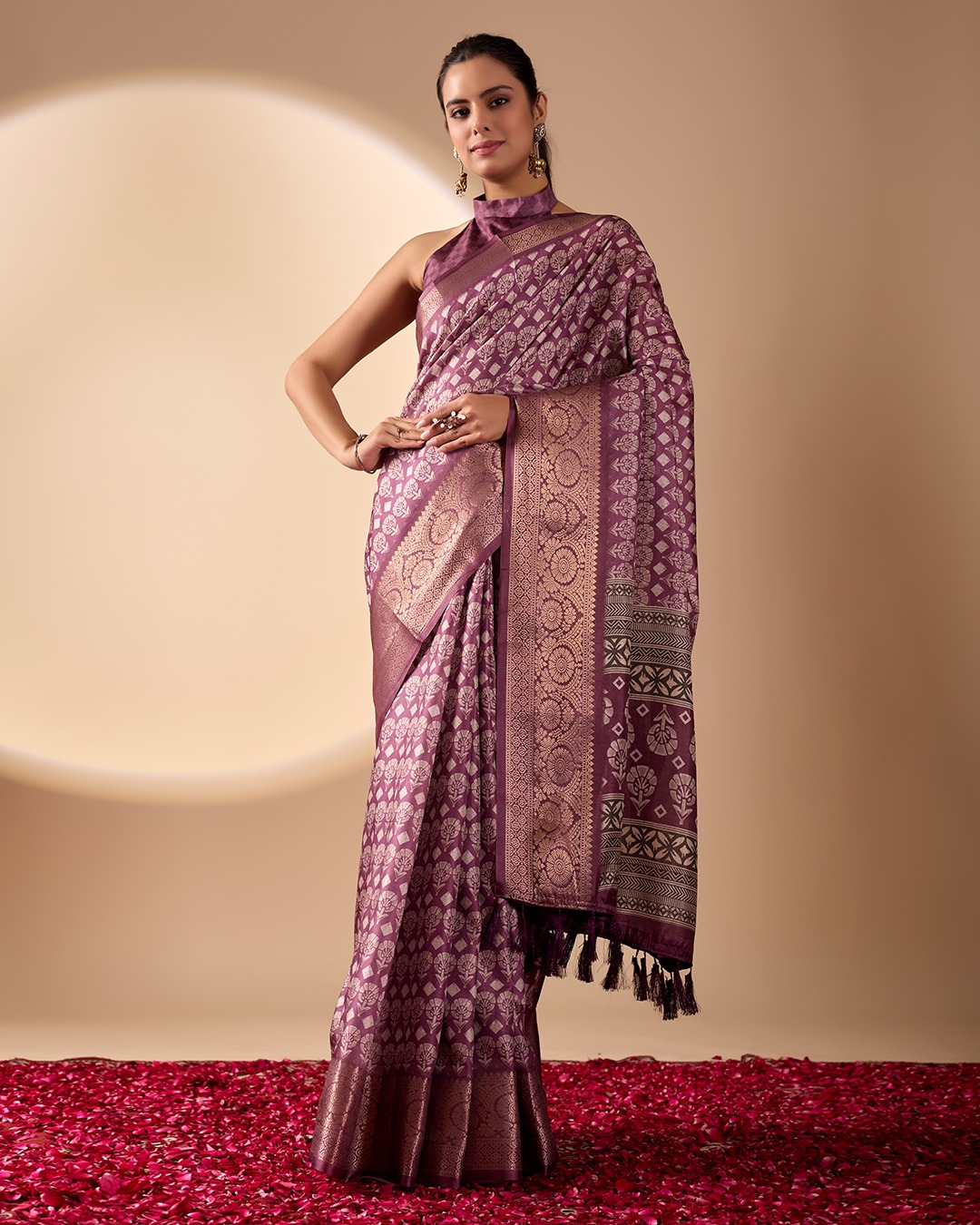
Maroon Lichi Silk Jacquard Saree with Rich Pallu suits a formal family celebration because jacquard texture creates depth even when the jewellery is restrained. A saree with a rich pallu doesn't require a heavily embroidered blouse; texture and sleeve shape can provide enough definition.
How should you style a Paithani saree today?
You can modernise a Paithani saree by keeping one visual element dominant: the pallu, the blouse, the jewellery or the drape. A controlled balance prevents zari, motifs and accessories from competing for attention.
Blouse choices
A plain silk blouse in the dominant border colour is the safest pairing for a heavily patterned Paithani saree. A contrast blouse works when the saree has a quiet body and a clearly defined pallu. A mustard saree can take a maroon or bottle-green blouse, while a wine saree can take antique gold, dusty rose or deep plum.
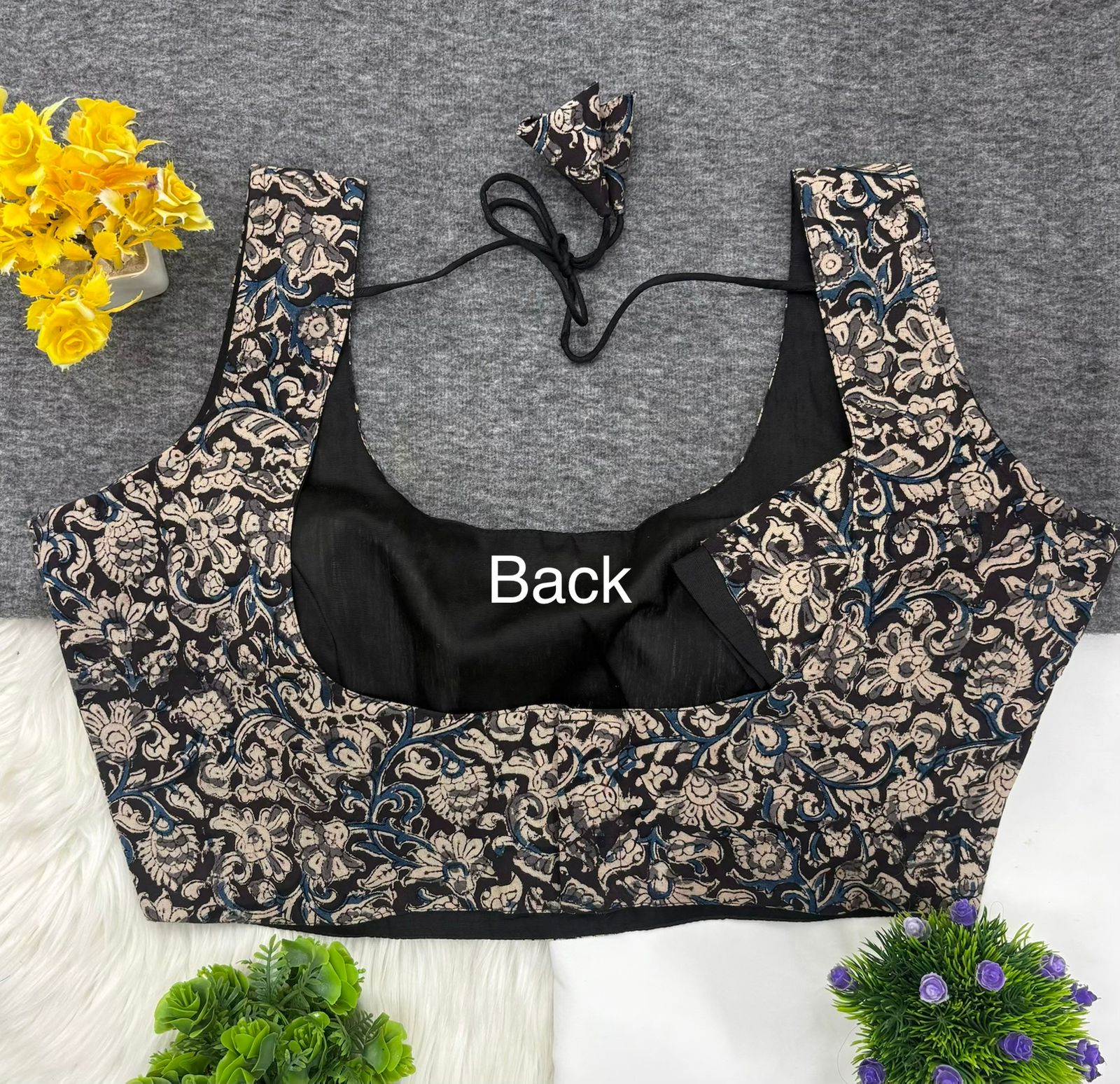
Elbow-length sleeves, a modest round neck and a back tie create a classic Maharashtrian-inspired silhouette. A high-neck blouse or clean sleeveless cut gives a more contemporary result. Brocade, raw silk and textured jacquard can work well, but additional heavy embroidery should be limited when the pallu already contains dense zari.
Jewellery and draping
Gold-toned jewellery, a time-honoured nath, green glass bangles and a gajra are natural companions for a Maharashtrian festive look. Temple jewellery, pearl strands or antique-finish earrings can shift the same saree towards a pan-Indian wedding style.
The standard Nivi drape displays the pallu broadly and is practical for most ceremonies. A Maharashtrian-style nauvari-inspired drape creates a stronger regional statement, but the saree length, fabric flexibility and pleat management should be checked first. A stiff, heavily embellished saree may need careful pinning for this drape.
Pin the shoulder pleats from the inside and use a secure petticoat with a firm waistband. A cotton or satin petticoat can change the fall: cotton gives grip, while satin allows smoother movement. For a long function, use two or three discreet safety pins at the shoulder and waist rather than tightly pinning every fold.
How should you care for silk and zari?
Silk and zari should be protected from moisture, friction, perfume and prolonged direct sunlight. Professional dry cleaning is the safest choice for a heavily zari-worked or structurally delicate saree.
Air the saree after wearing it, especially if it has been exposed to perspiration, rain or food vapour. Do not store a damp saree in a plastic cover. Fold the saree with the zari facing inward to reduce surface rubbing, then refold it every few months so permanent crease lines don't form in one place.
Use a clean muslin or cotton cloth for wrapping and store the saree in a dry cupboard away from strong fragrances. Neem leaves or approved wardrobe sachets can help discourage insects, but sachets should not touch the silk directly. Avoid ironing zari at high heat; place a thin cotton cloth between the iron and saree and use the lowest suitable setting only when necessary.
Light-coloured silk can show makeup, oil and turmeric quickly. Apply perfume before dressing and allow skincare products to dry. For a fresh stain, blot gently with a clean dry cloth rather than rubbing, adding water or using household detergent.
Where can you compare Paithani-inspired festive options?
You can compare Paithani-inspired options by looking beyond colour and checking fibre, pallu construction, weave description, zari type, blouse piece and return measurements. Price collections can help narrow the search, but a low price should never be treated as proof of pure silk or handloom origin.
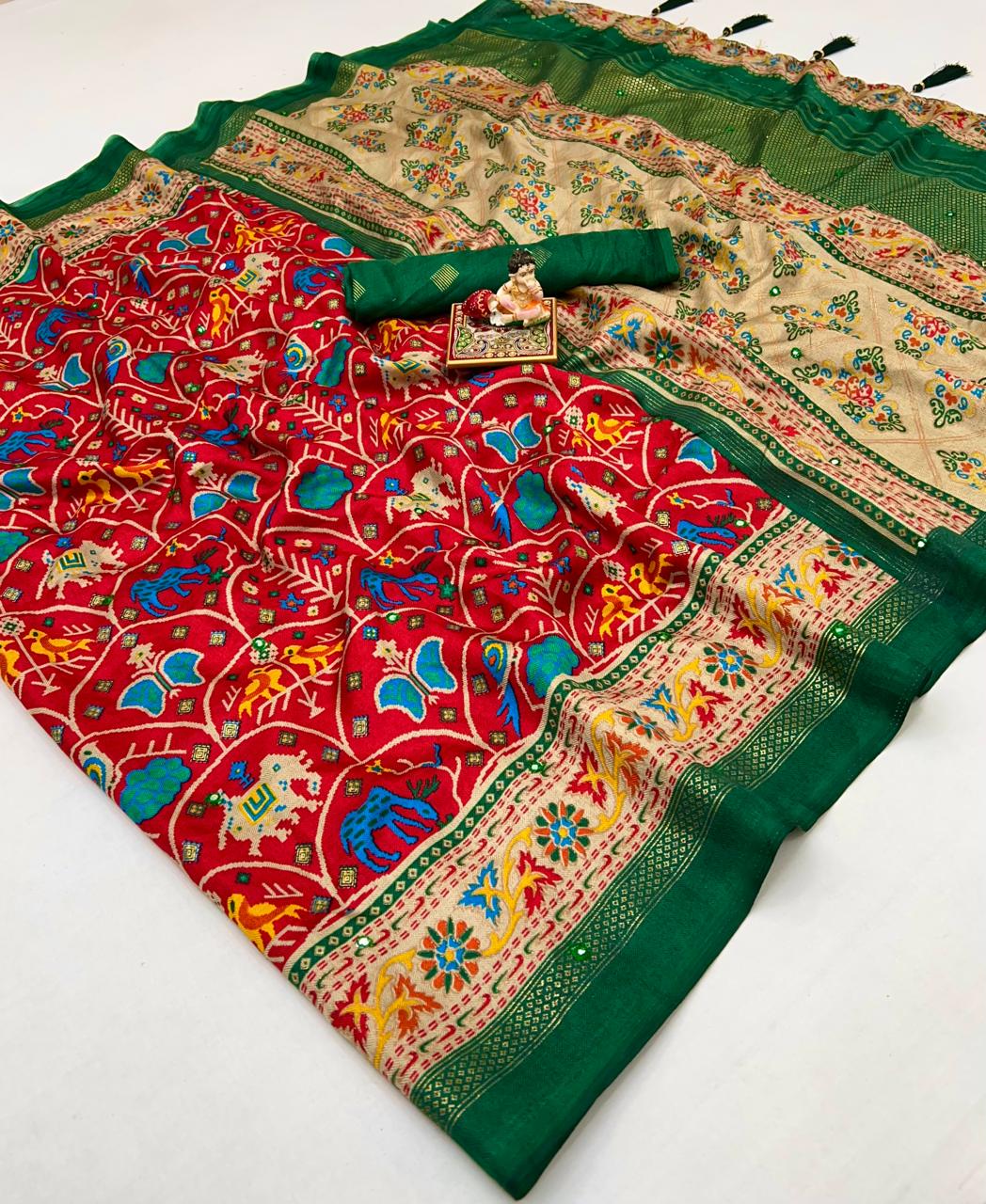
For a value-led search, Silk Sarees Under 3000 With Discount may be useful for comparing lighter constructions and design-led interpretations. Pink Georgette Sarees can help when the priority is a fluid, easy-care festive drape rather than a heritage silk body. Red Banarasi Silk Sarees for Weddings Under 1100 is relevant for shoppers comparing Banarasi styling with Paithani-inspired pallu details.
Party Wear Sarees brings a broader occasion-based comparison for evening dressing, while Gray Color Sarees Under 1000 can be useful for testing a quieter, contemporary colour direction. These collections don't all represent traditional Paithani weaving, so read each product's fabric and construction details before making a like-for-like comparison.
The most reliable buying decision matches the saree to the intended use. Choose a detailed silk and zari saree when heritage construction and formal presence matter. Choose a lighter printed or blended design when ease, budget and repeated wear matter more. Both choices can be worthwhile when the description is accurate and the styling reflects the textile's actual character.
Common questions about Paithani sarees
A Paithani saree combines Maharashtrian textile heritage with distinctive silk, zari and motif traditions. The answers below address practical questions about buying, styling and caring for one.
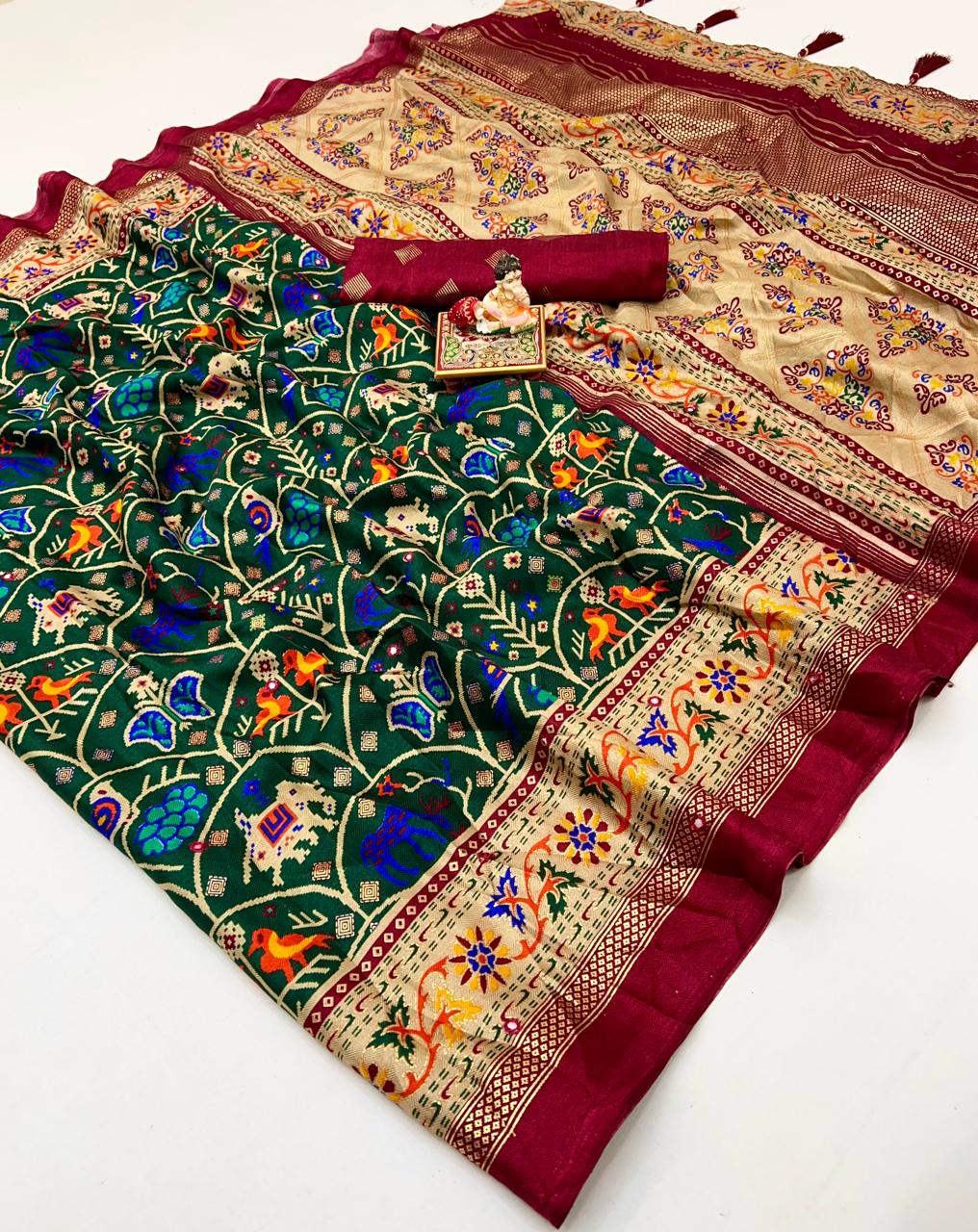
Common Questions About Choosing and Styling a Paithani Saree
How can you tell if a Paithani saree is pure silk?
Check the fibre declaration, seller specifications and weave details rather than relying only on shine or price. A pure-silk Paithani should be clearly identified, while terms such as art silk, silk blend, tissue silk or pashmina silk describe different constructions.
Which motifs are traditionally associated with Paithani sarees?
Peacock, bangdi mor, munia, tota-maina and asawali motifs are strongly associated with Paithani design vocabulary. Peacock motifs create a formal focal point, while parrots and floral vines can produce a lighter or more delicate appearance.
Are Paithani and Banarasi silk sarees the same?
Paithani and Banarasi silk sarees come from different regional textile traditions. Paithani is associated with Maharashtra, while Banarasi silk is associated with Varanasi; both may use silk and zari, and a contemporary saree may combine elements of both.
What blouse colour goes with a Paithani saree?
A blouse matching the border or dominant zari colour is the most dependable choice for a heavily patterned saree. Maroon, bottle green, antique gold, dusty rose and deep plum can create effective contrasts with mustard, magenta and wine-coloured sarees.
Can a Paithani saree be worn for a daytime function?
A Paithani saree can suit daytime functions when the colour, zari density and fabric weight are moderate. Bright pink, yellow, green and lighter silk options usually feel more suitable for pujas and daytime celebrations than very dark, heavily embellished designs.
How should a Paithani saree with zari be stored?
Store a clean, completely dry saree wrapped in muslin or cotton, with the zari folded inward to reduce friction. Keep the saree away from direct sunlight, perfume and damp plastic storage, and refold it every few months to prevent permanent crease marks.