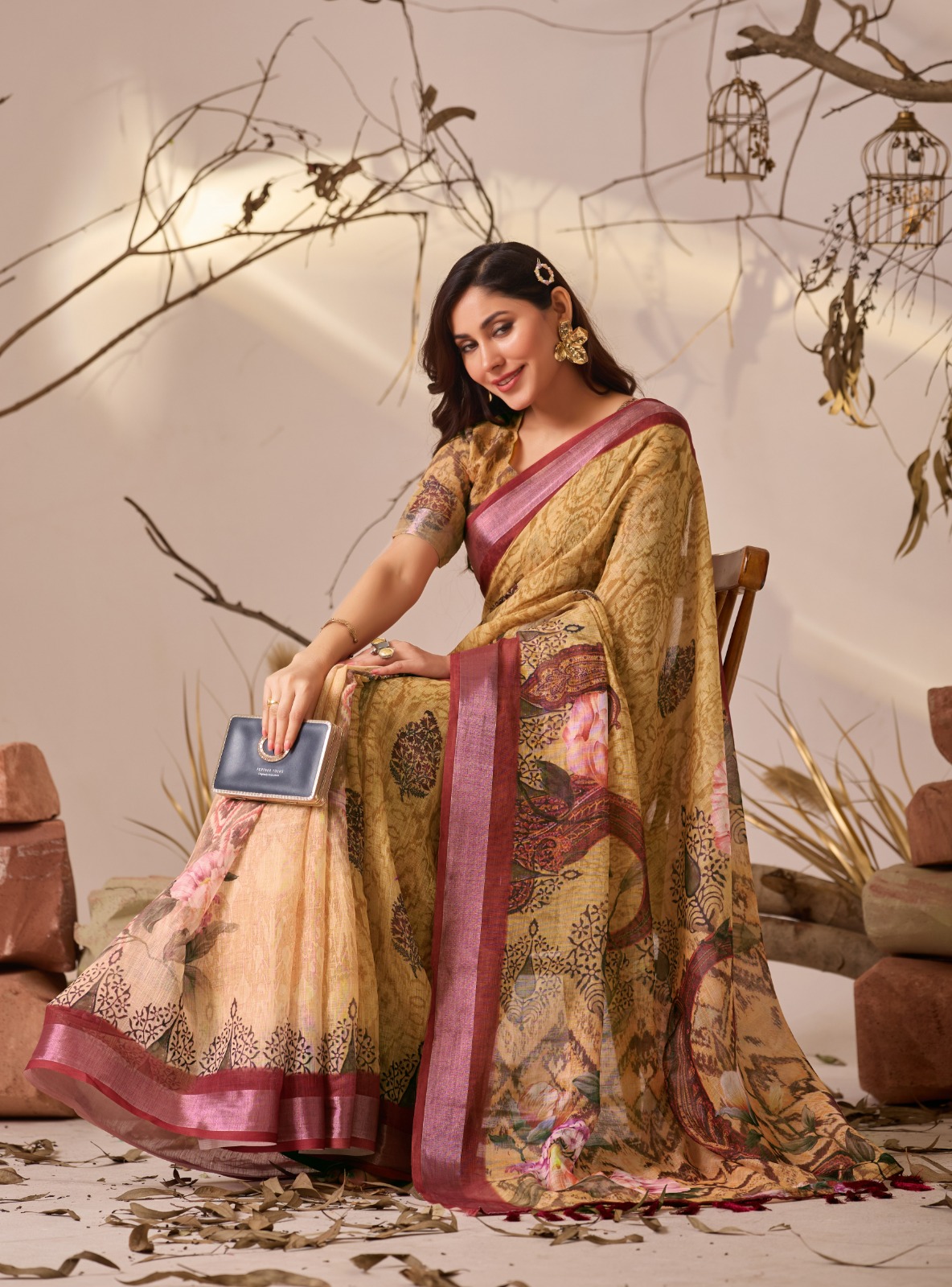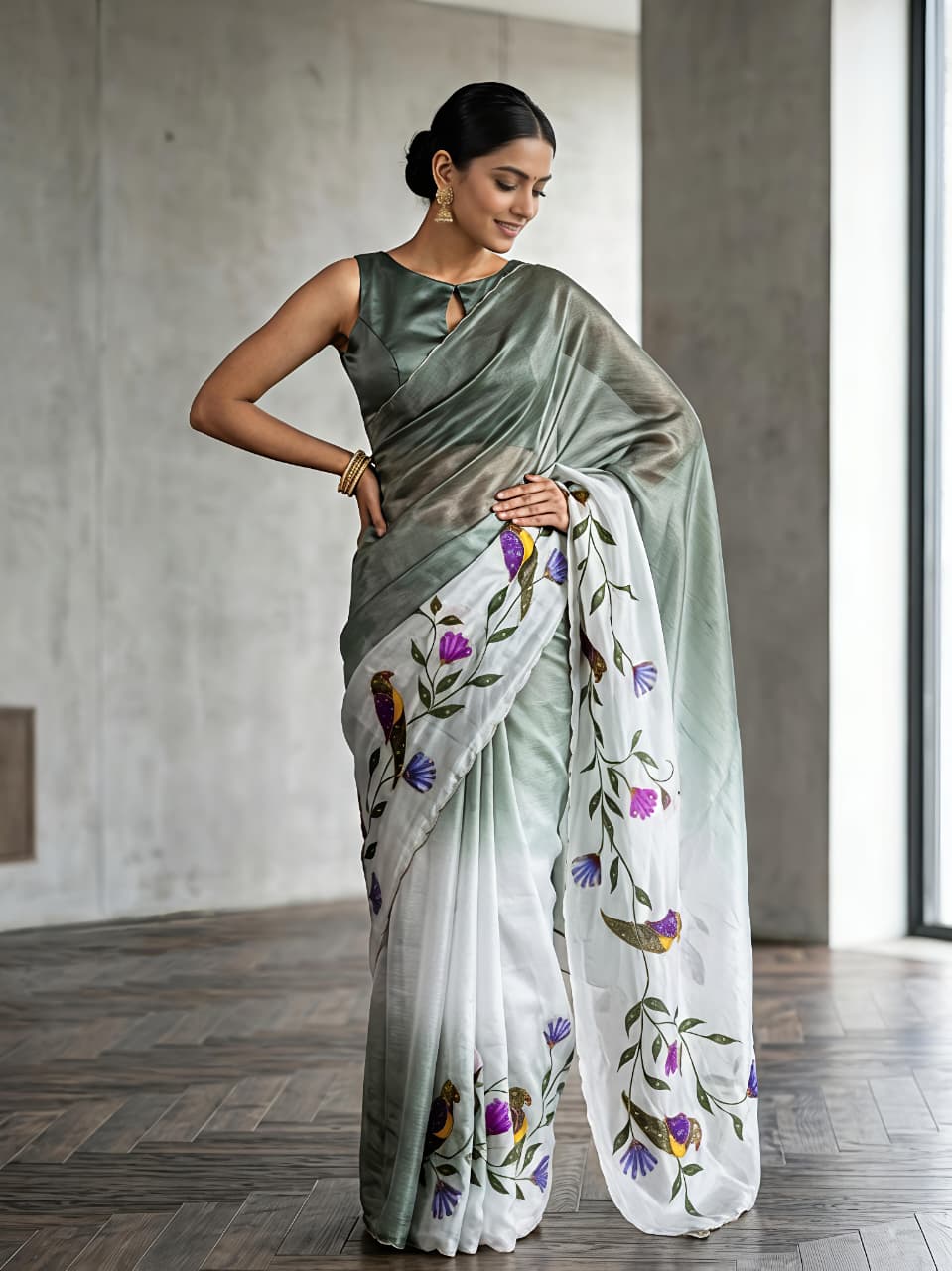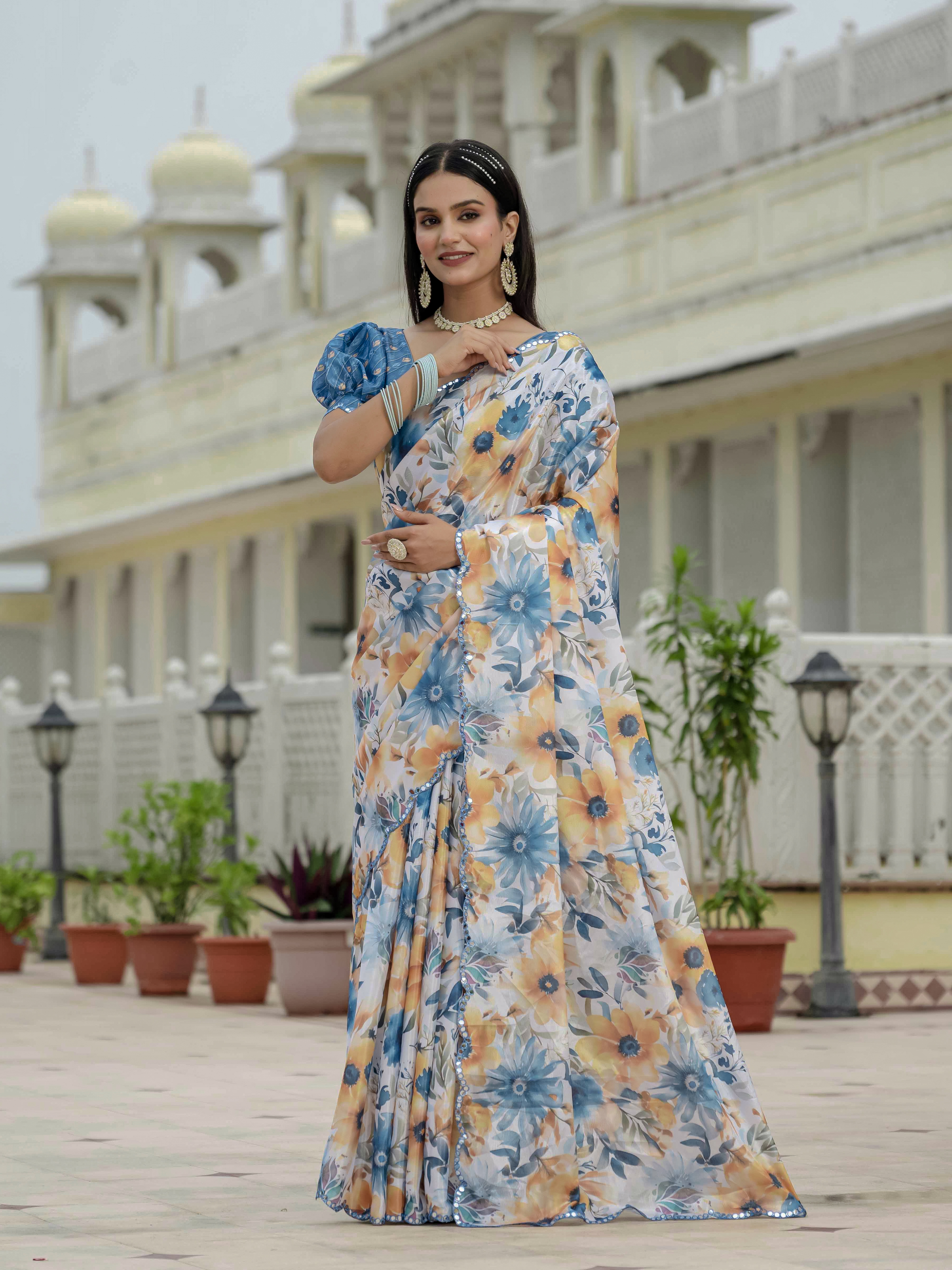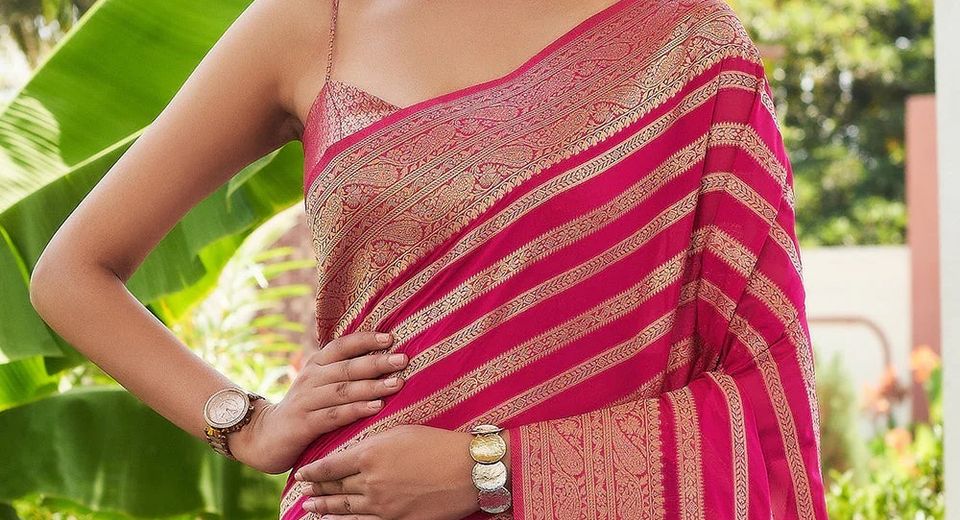
A Paithani Saree for Weddings can look regal without becoming visually overwhelming when the blouse, jewellery, drape and footwear are planned together. The strongest styling choices respect the silk surface, zari details and distinctive placement of the pallu. Whether you're dressing for an engagement, wedding ceremony, reception or family function, a few practical decisions will make the outfit more comfortable and more intentional.
Paithani styling requires more thought than simply matching a blouse to the dominant colour. A saree with a rich pallu may need a quieter blouse, while a simpler body can support statement jewellery or an embroidered sleeve. The guide below explains how to balance traditional Maharashtrian details with a contemporary wedding wardrobe.
What makes a Paithani Saree for Weddings suitable for a ceremony?
A Paithani Saree for Weddings suits a ceremony because its silk body, woven zari and richly designed pallu provide occasion-appropriate texture without requiring heavy surface embellishment. Time-honoured Paithani weaving is associated with motifs such as peacocks, parrots, flowers and geometric borders, although contemporary sarees may combine Paithani-inspired pallu work with Banarasi or silk-blend bodies.
The weave and finish should match the function. A highly lustrous silk saree works well for the main ceremony or reception, while a lighter silk blend can be easier for daytime rituals. Banarasi Tissue Maharani Paithani Silk Saree with Pallu offers a formal direction for a grand celebration because its luminous surface and prominent pallu naturally draw attention.
Colour should be judged in venue lighting as well as in photographs. Wine, maroon, rani pink, purple, gold and deep green usually create strong contrast against wedding décor, while pink and softer jewel tones can feel fresher for daytime events. A red or maroon saree doesn't automatically make an outfit bridal; the final impression depends on the blouse, jewellery scale and drape.
The Latest Wedding Sarees Collection can be useful when comparing ceremony-ready silhouettes, but the same selection principle applies across every price point: assess the body, border and pallu as one composition. A visually rich pallu deserves enough space to be seen, especially in family photographs.
How should a blouse for a Paithani Saree for Weddings be chosen?
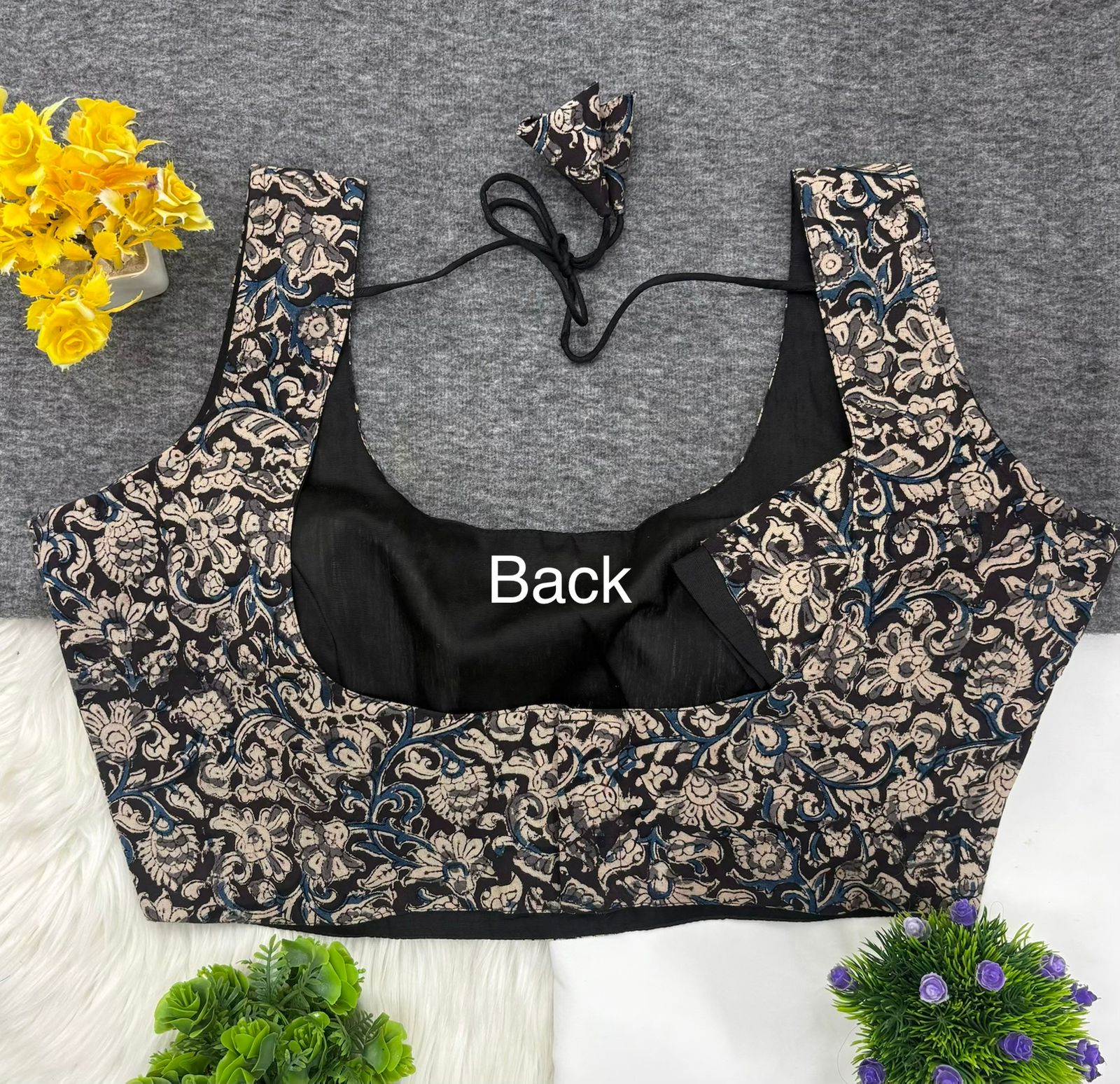
The best blouse for a Paithani Saree for Weddings repeats one detail from the saree while controlling the amount of additional decoration. A blouse can match the border, pick up a secondary pallu colour or introduce a restrained contrast, but it should not compete with an intricate woven pallu.
Colour creates the first balance
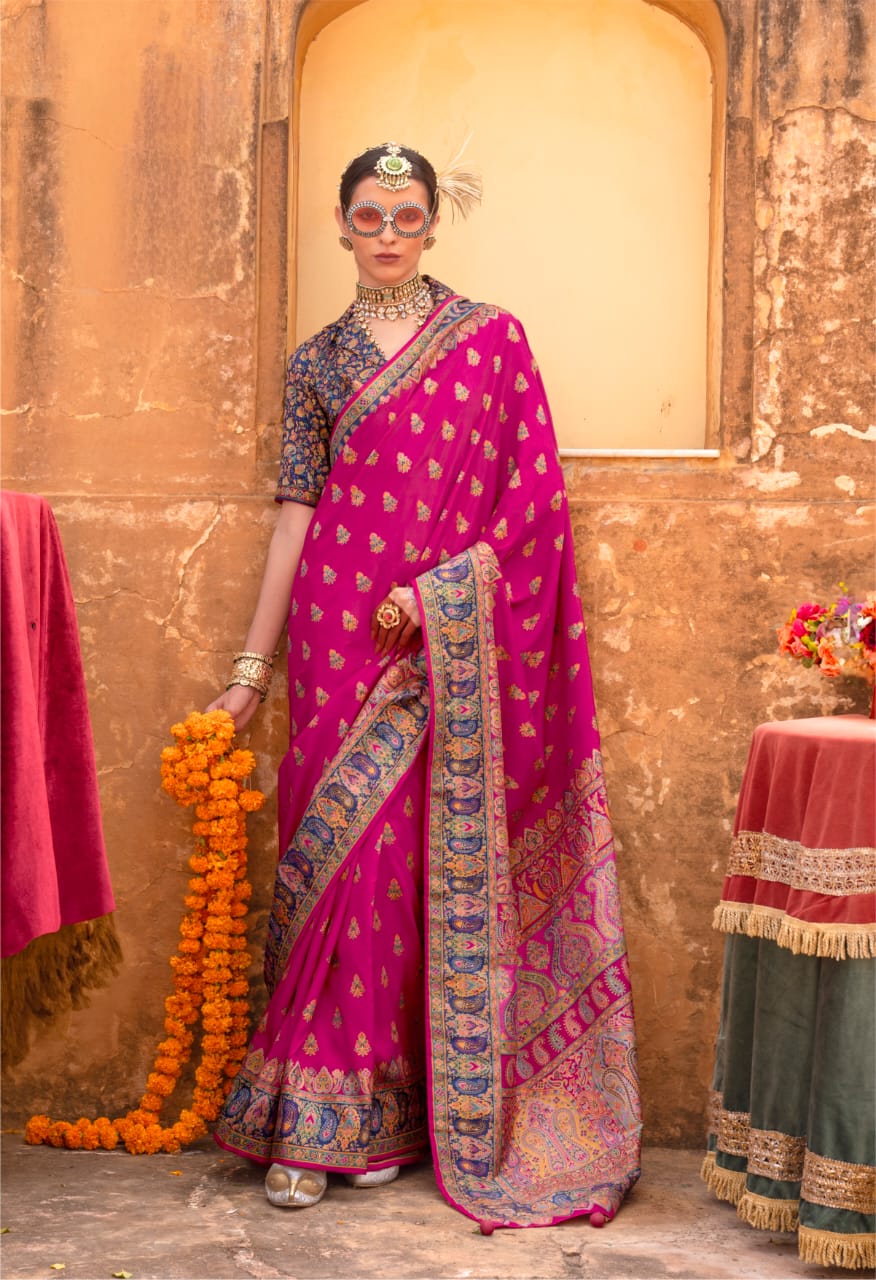
A contrast blouse works well when the saree has a strong body colour and a multicoloured pallu. A wine saree may take a mustard, antique gold or deep green blouse, while a rani pink saree can be paired with gold, magenta, purple or carefully chosen red. Rani Pink Banarasi Lichi Silk Saree with Zari Work demonstrates why a blouse can follow the zari rather than copy the pink exactly.
A same-colour blouse creates a longer, quieter line and is useful when the saree already has a statement border. A gold blouse can look festive with pink, purple or maroon, but the gold tone should be tested against the saree. Bright yellow gold, antique gold and muted zari don't always photograph alike.
Pink Gold Banarasi Lichi Silk Saree with Rich Zari Work is better supported by a blouse that respects its gold detailing instead of adding a second unrelated metallic shade. A blouse in muted pink, antique gold or a carefully matched deeper rose can keep the palette cohesive.
Neckline and sleeve proportions matter
A medium-high round neck, boat neck or modest square neck gives a polished result for a wedding ceremony, while a deeper back or sleeve detail can be reserved for a reception if personal comfort allows. Elbow-length sleeves provide a heritage proportion and create enough surface for piping, brocade or small motif embroidery.
Short sleeves suit a lighter, contemporary look, but very short sleeves can make a heavy silk saree feel top-heavy. A three-quarter sleeve works particularly well with a formal drape because the sleeve balances the visual weight of the pallu. Pink Woven Zari Silk Blend Saree With Brocade Blouse shows how a coordinated brocade blouse can supply texture without requiring an elaborate neckline.
Fit is more important than decoration
A wedding blouse should fit firmly at the bust and shoulders without pulling across the armhole when you raise your arms. Request a breathable lining, secure hooks, a well-finished sleeve hem and enough seam allowance for minor alterations. Try the blouse with the actual saree and jewellery at least seven days before the event.
Heavy embroidery isn't the only route to a bridal-looking blouse. Brocade, zari piping, a woven border, covered buttons or a precise sleeve cuff can provide finish while keeping the blouse wearable after the wedding. A simpler blouse is also sensible when the saree already contains a dramatic pallu.
Which jewellery suits a Paithani Saree for Weddings?
Gold jewellery, pearls and Maharashtrian ornaments work best with a Paithani Saree for Weddings when their scale follows the saree's border and pallu. The aim is to frame the face and reinforce the silk's richness, not to cover every visible area with ornament.
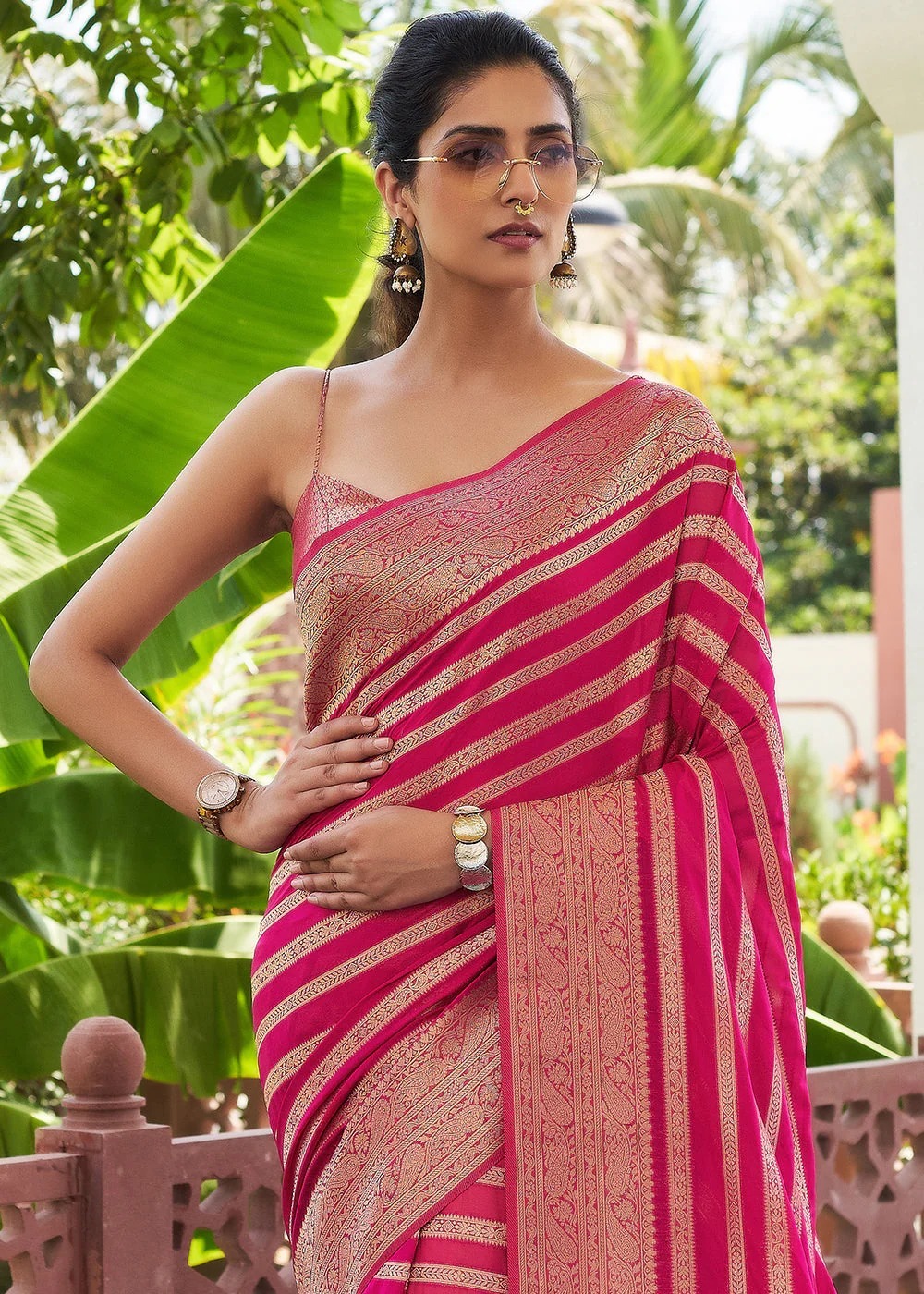
A short gold necklace paired with a longer haar creates a formal layered effect for a main ceremony. A thushi-style choker, nath, jhumka or bugadi can introduce a recognisable Maharashtrian influence, while a rani haar or pearl strand softens the look. Choose two or three strong jewellery elements rather than wearing a large necklace, oversized earrings, heavy maang tikka and multiple statement bangles simultaneously.
Temple-inspired gold jewellery is a natural partner for zari because both surfaces have a warm metallic character. Kundan or polki-style pieces can work when their stones repeat the saree's colour, but cool silver-toned jewellery may look disconnected from yellow-gold zari. For a pink-and-gold saree, uncut-style gold, pearls or green accents can create contrast without introducing too many colours.
Bangles should leave enough room for the wrist to move and should not catch on the saree. A stack of glass bangles in the saree colour, separated by two or three gold bangles, often looks more balanced than a completely metallic stack. If the saree has a very ornate pallu, keep the necklace shorter and allow the pallu to remain the focal point.
When the saree has a brocade blouse, earrings and bangles may be enough for a daytime function. When the blouse is plain, a classic necklace or a more detailed earring can supply the missing texture. This simple exchange prevents the entire outfit from becoming heavily embellished.
How should a Paithani Saree for Weddings be draped for comfort?
A secure Nivi drape with a carefully displayed pallu is the most practical option for a long wedding day, although a Maharashtrian nauvari-inspired drape can suit a culturally specific ceremony. The drape should protect the pallu's visible motifs while allowing you to sit, walk and use your arms comfortably.
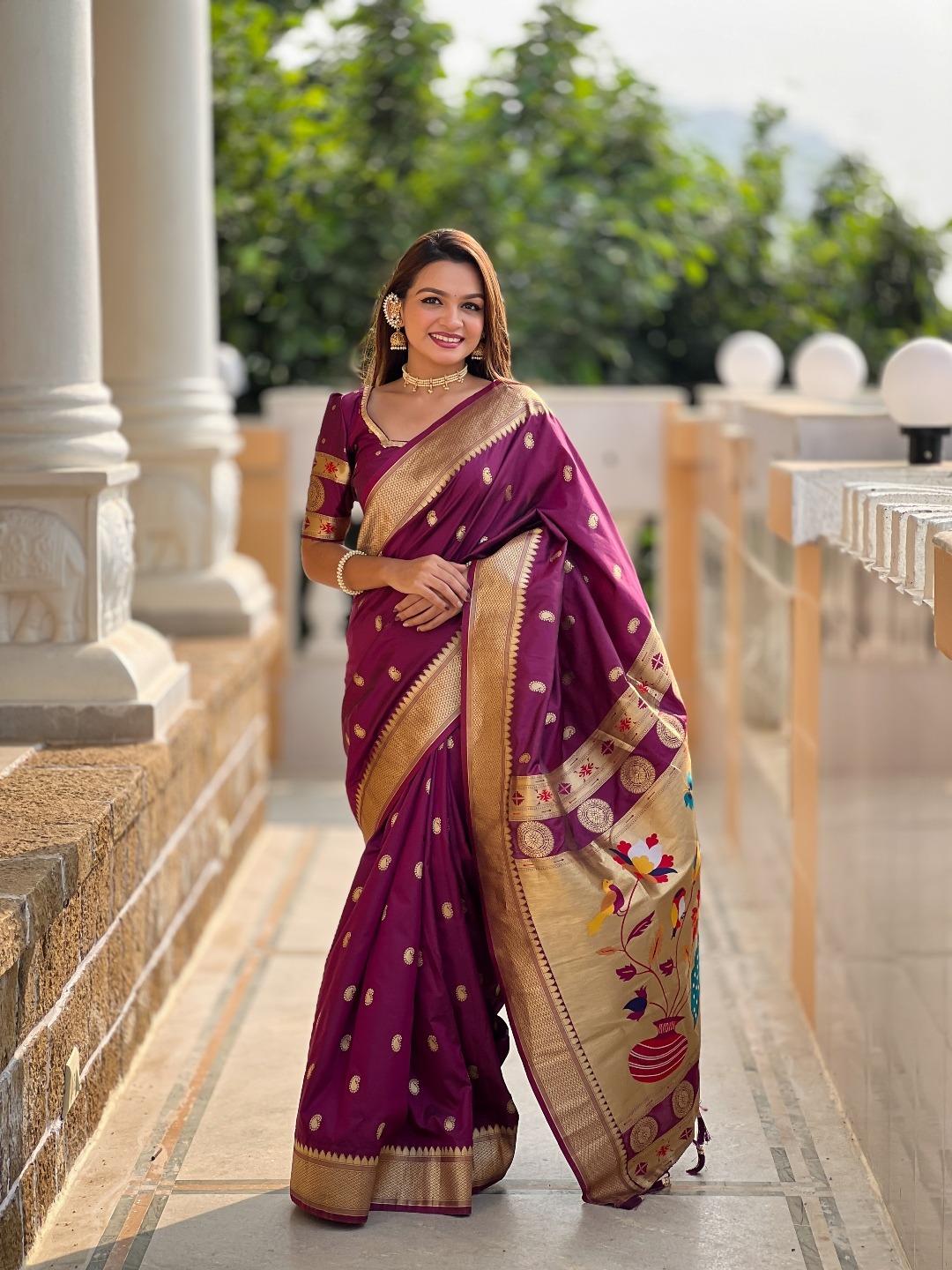
Begin with a petticoat that matches the saree body or remains invisible beneath the pleats. Tie the petticoat firmly at the natural waist rather than low on the hips, because a stable foundation prevents the saree from loosening during movement. Wear the blouse and footwear before measuring the fall and pleats; heel height changes the finished length.
Make five to seven front pleats of similar width and place them slightly to the left of the navel for a conventional Nivi line. The exact number depends on the saree's width and fabric thickness. Too many narrow pleats can make a heavy silk saree look crowded, while too few broad pleats may sit unevenly.
Use safety pins with covered heads at the shoulder and waist, and place a discreet pin inside the pallu fold rather than through a prominent zari motif. A saree belt can add security for a reception, but a wide belt should not hide the border or distort the pallu. Carry two spare pins, a small fashion tape strip and a needle-and-thread kit in the event bag.
For a Paithani Saree for Weddings, the pallu deserves deliberate positioning. Fan the pallu so the central motif is visible from the front or over the shoulder, depending on the design. Avoid folding a peacock, floral or geometric motif into a narrow strip if the motif is one of the saree's defining features.
How do colour and fabric affect a Paithani Saree for Weddings?
Colour and fabric should determine the intensity of the blouse and accessories because a heavy silk, tissue finish and Banarasi zari each reflect light differently. A dark body can support brighter jewellery, while a pale or luminous body benefits from clear contrast around the face.
Wine and maroon create a mature, formal impression and pair well with antique gold, mustard, emerald or muted pink. Wine Banarasi Silk Saree with Zari & Paithani Pallu illustrates a hybrid visual language: the Banarasi silk body can be styled with a blouse that acknowledges the Paithani pallu instead of treating the saree as a plain wine silk.
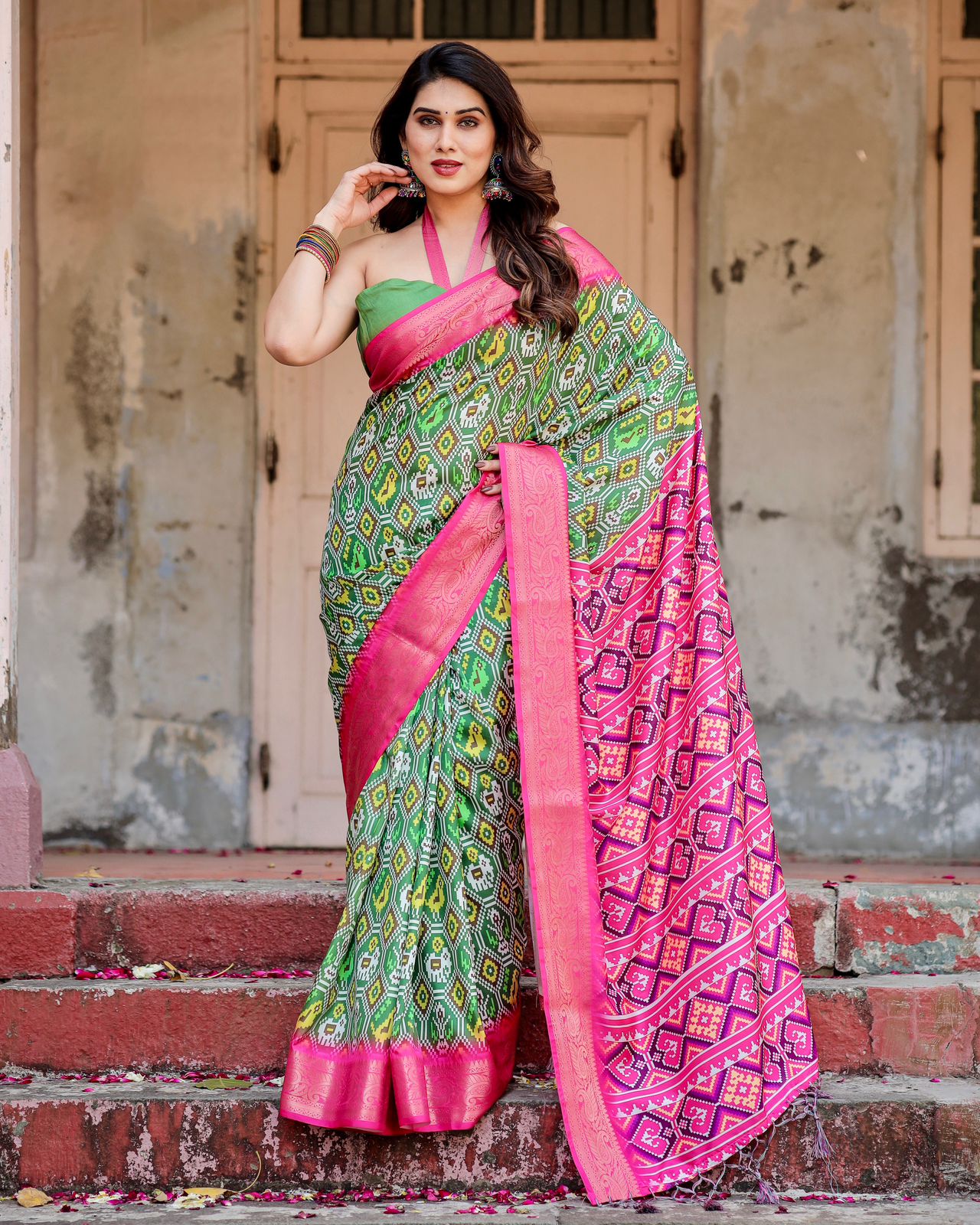
Pink and rani pink are suited to daytime weddings, mehendi functions and receptions where a softer photograph-friendly palette is welcome. Pink Gold Zari Banarasi Lichi Silk Saree With Blouse can be kept elegant with pearl jewellery and a restrained gold blouse. Pink Georgette Sarees offer a lighter direction when ease of movement matters more than a heritage heavy-silk effect.
Purple has enough depth for evening ceremonies and looks composed with antique gold, green stones or a blouse in a related plum shade. Purple Silk Blend Zari Woven Saree With Brocade Blouse already has a textured blouse direction, so accessories can remain focused on earrings, bangles and one necklace rather than additional embroidery.
Maroon cotton can be practical for a daytime family wedding or a function held in warm weather. Maroon Cotton Saree with Zari Work for Wedding proves that a breathable saree can still look ceremonial when the blouse fit, pallu display and jewellery are deliberate.
Red remains a familiar wedding colour, but red should not be selected only because it's heritage. Compare the red with the wedding décor, the wearer's undertone and the amount of gold in the border. Red Banarasi Silk Sarees for Weddings Under 1100 can be considered when a budget-conscious red silk look is needed for a supporting function rather than the main bridal outfit.
What should you check before buying a Paithani Saree for Weddings?
Before buying a Paithani Saree for Weddings, check the fabric description, saree length, blouse-piece details, pallu design, border finish and return or alteration conditions. These practical details determine whether the saree will be comfortable and usable on the actual event day.
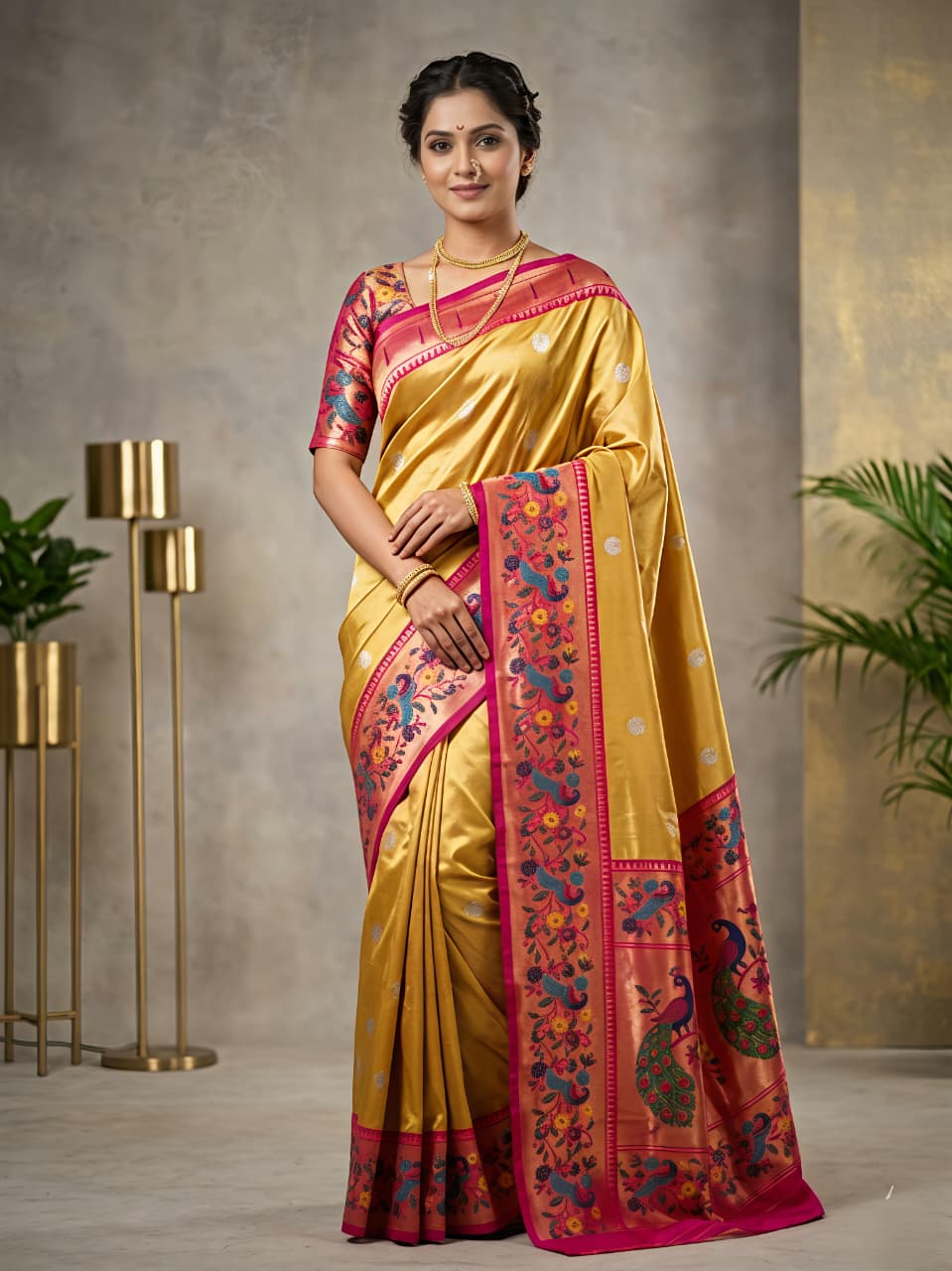
Read whether the saree is pure silk, silk blend, Banarasi silk, tissue, cotton or another construction. A Paithani-inspired pallu doesn't necessarily mean that the entire saree uses traditional Paithani weaving, so accurate fabric terminology helps set realistic expectations. Banarasi Tissue Maharani Paithani Silk Saree with Pallu and a silk-blend saree may both appear festive but will differ in weight, fall and care requirements.
Measure the wearer from shoulder to ankle while wearing the planned footwear. A saree that's too short may expose the petticoat when the pleats are lifted, while excess length can create tripping risk. Confirm whether the blouse piece is included and whether the blouse has enough fabric for the desired sleeve length and neckline.
Budget should include tailoring, fall, edging, jewellery, footwear and any professional draping. Wedding Sarees Collection Under 4000 can help set a realistic overall budget, while Silk Sarees Under 3000 With Discount may suit guests who need a formal saree for more than one event. A lower purchase price is useful only if the final alteration and accessory costs remain manageable.
How should a Paithani Saree for Weddings be stored after use?
A Paithani Saree for Weddings should be aired briefly after use, folded with the zari inside and stored in a clean breathable cotton or muslin cover. Avoid sealing a worn saree immediately in plastic because trapped perspiration and humidity can affect silk and metallic threads.
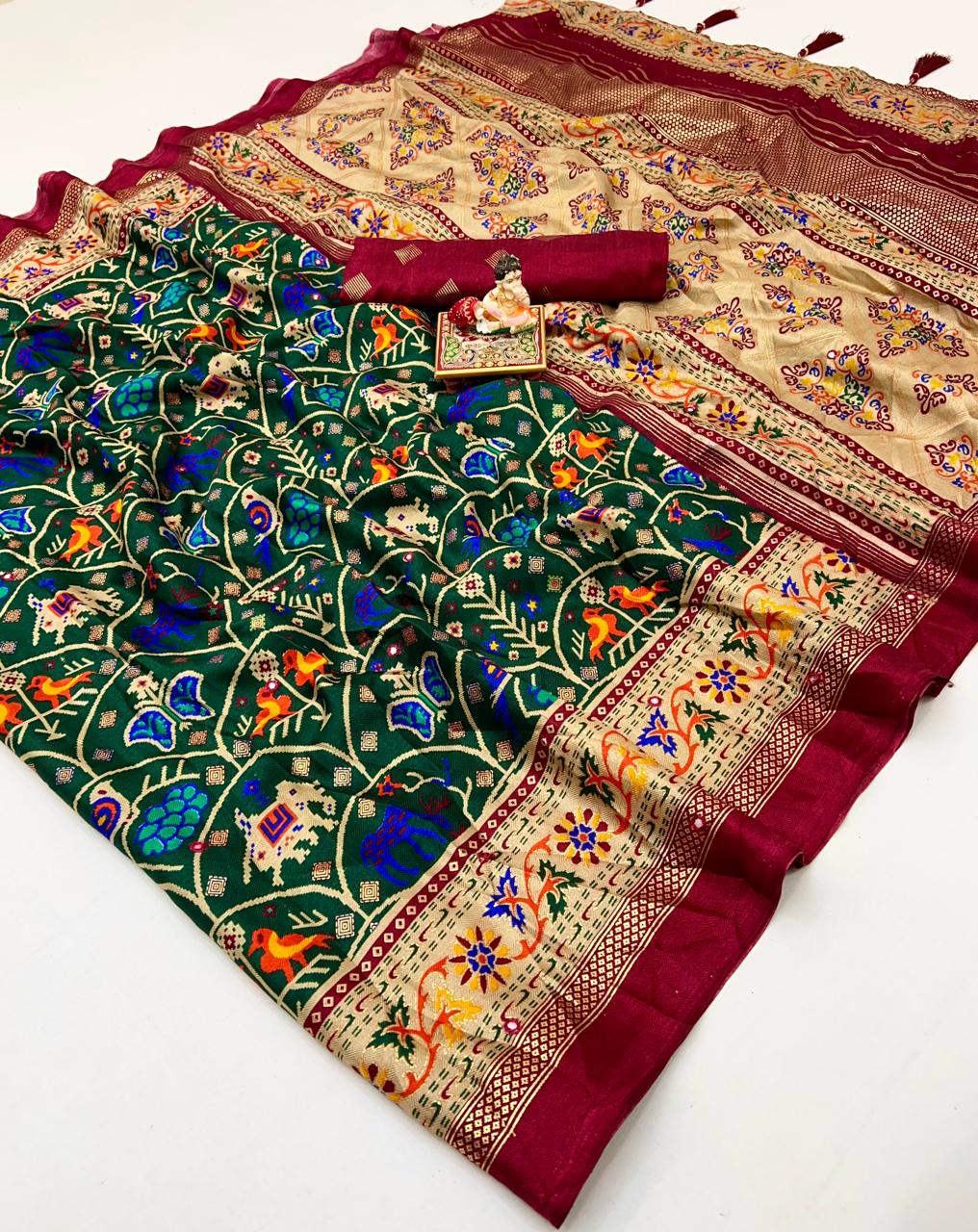
Remove jewellery pins carefully before folding, and don't pull loose zari with fingernails. Refold the saree every few months so permanent creases don't form along the same lines. Store the saree horizontally when possible, away from direct sunlight, damp walls and strong perfumes.
Dry cleaning should be handled by a service familiar with silk and zari. Do not machine-wash, bleach, wring or iron a decorated wedding saree at high heat. If ironing is necessary, use low heat with a cotton pressing cloth and avoid placing the iron directly on zari. A professional cleaner should address oil, food and makeup marks as soon as possible.
Good care makes a wedding saree useful for future receptions, family ceremonies and festive celebrations. The most valuable styling choice is therefore not only a sophisticated blouse or necklace but also a construction and care routine that allows the saree to be worn again.
Common questions about a Paithani Saree for Weddings
A Paithani Saree for Weddings works for brides, close family members and wedding guests when the colour, jewellery scale and blouse richness are adjusted to the wearer's role. The following answers address common planning questions.
Common Questions About Styling a Paithani Saree for Weddings
Which blouse colour looks best with a Paithani wedding saree?
A blouse that repeats the border, zari or a secondary pallu colour usually looks best. Gold, antique gold, deep green, purple, maroon, magenta and muted pink are reliable choices, but the correct shade depends on the saree body and the lighting at the venue.
Can I wear a Paithani saree to a daytime wedding?
Yes, a Paithani saree can suit a daytime wedding when the colour, fabric weight and jewellery remain comfortable in natural light. Choose pink, rani pink, purple, maroon cotton or a lighter silk blend, and consider pearls or modest gold jewellery instead of a very heavy layered set.
Which jewellery is traditionally worn with a Paithani saree?
Gold jewellery, a nath, thushi-style choker, jhumka, bugadi, bangles and a maang tikka are traditional-inspired choices. Wearing two or three of these elements together usually looks more balanced than combining every ornament at once.
How many pleats should a Paithani saree have?
Most conventional Nivi drapes use five to seven front pleats, although the ideal number depends on the saree's width and fabric thickness. Pleats should be even, stable and wide enough to show the border without creating a bulky centre front.
How can I keep a silk wedding saree from slipping?
Use a well-fitted petticoat tied securely at the natural waist, add covered safety pins at the waist and shoulder, and test the complete drape before the event. A saree belt can provide additional security, provided the belt does not crush or hide the pallu.
How should I store a Paithani saree after a wedding?
Air the saree briefly, fold it with the zari facing inward and store it in a breathable cotton or muslin cover. Keep the saree away from moisture and sunlight, refold it periodically, and use a silk-and-zari specialist for cleaning rather than machine-washing it.