

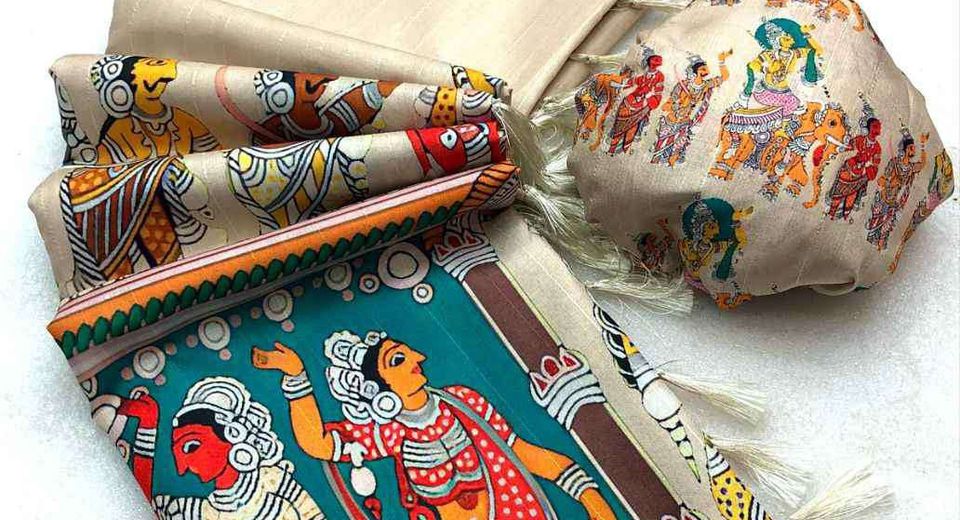
Onam 2026 brings family gatherings, temple visits, floral pookalams, cultural programmes and long sadhya lunches, so clothing needs to look festive without becoming difficult to manage. Onam 2026: Best Sarees and Traditional Outfits for Women begins with a practical question: where will you wear the outfit, and how many hours will you spend in it? A breathable cotton saree may suit a daytime feast better than a heavy silk, while a tissue, Tussar silk or zari-woven saree can be appropriate for an evening celebration. The right choice combines regional spirit, movement, colour and personal comfort.
What makes a saree suitable for Onam 2026?
A suitable Onam saree is lightweight enough for several hours, festive in colour or surface detail, and easy to coordinate with a blouse and jewellery. The traditional visual language of Onam often brings to mind Kerala kasavu sarees: ivory, cream or white grounds with a gold border. You don't need to wear a conventional kasavu saree to create a respectful festive look, however. Floral prints, handloom textures, Kalamkari motifs, zari weaves and warm orange shades can all work when the styling remains balanced.
Fabric weight matters more than embellishment when you're attending a sadhya. Rice, curries and multiple courses make a seated meal a substantial part of the day, and a saree that traps heat or has a stiff border can become uncomfortable quickly. Linen cotton, handloom cotton and light Tussar silk generally offer better daytime practicality than dense brocade or heavily decorated fabrics.
Border width also changes the impression of a saree. A narrow zari border creates a restrained traditional finish, while a broad metallic border looks more formal and photographs clearly. A printed saree with a simple border can feel modern; a plain ivory saree with gold detailing can appear more ceremonial. Choosing one dominant feature prevents the outfit from looking visually crowded.
Onam 2026: Best Sarees and Traditional Outfits for Women by setting
The best Onam outfit depends on the venue, weather and duration of wear, not simply on how ornate the saree looks in a product photograph. Use the setting as a filter before selecting colour, fabric and blouse construction.
For a morning puja or temple visit
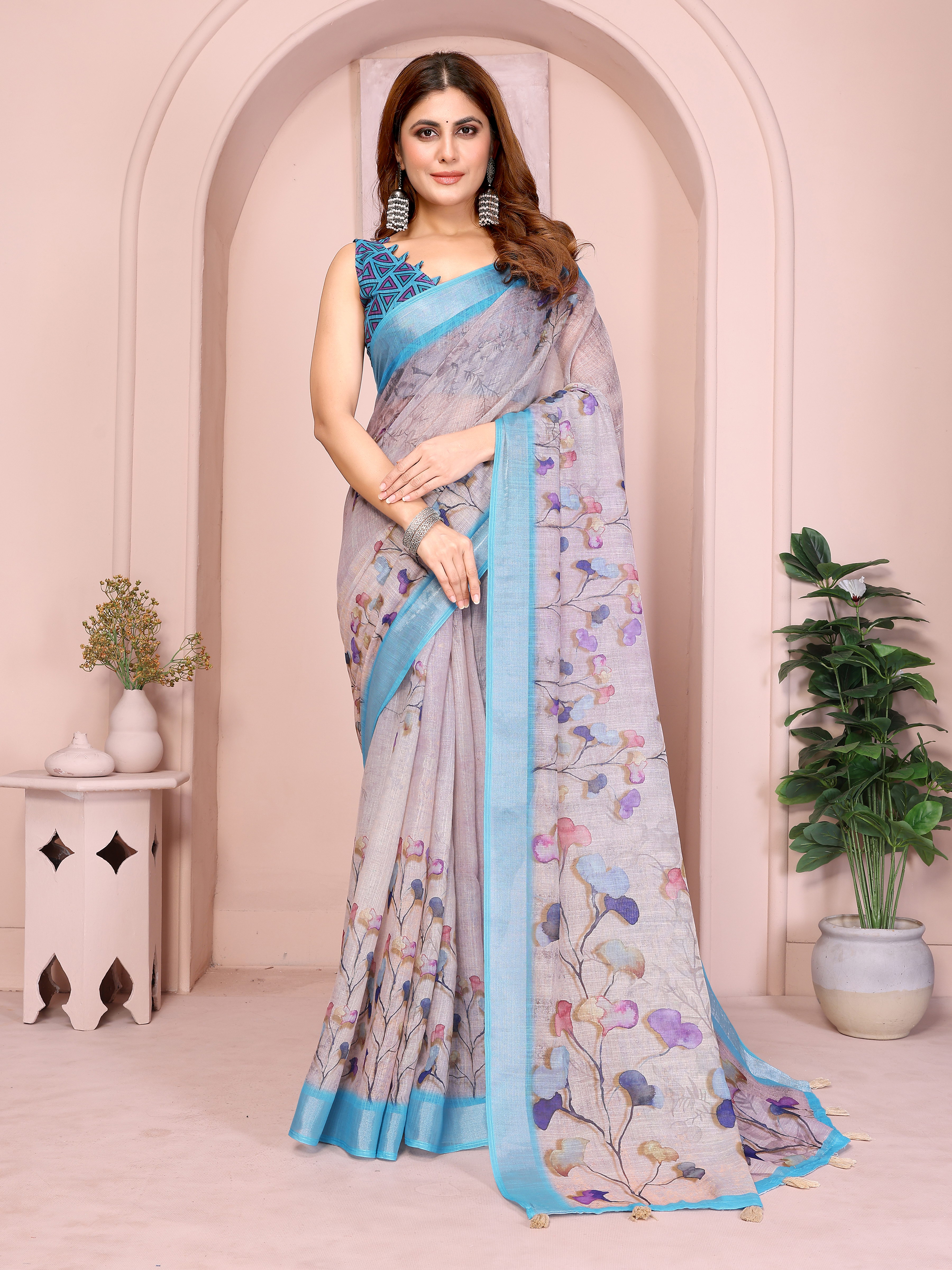
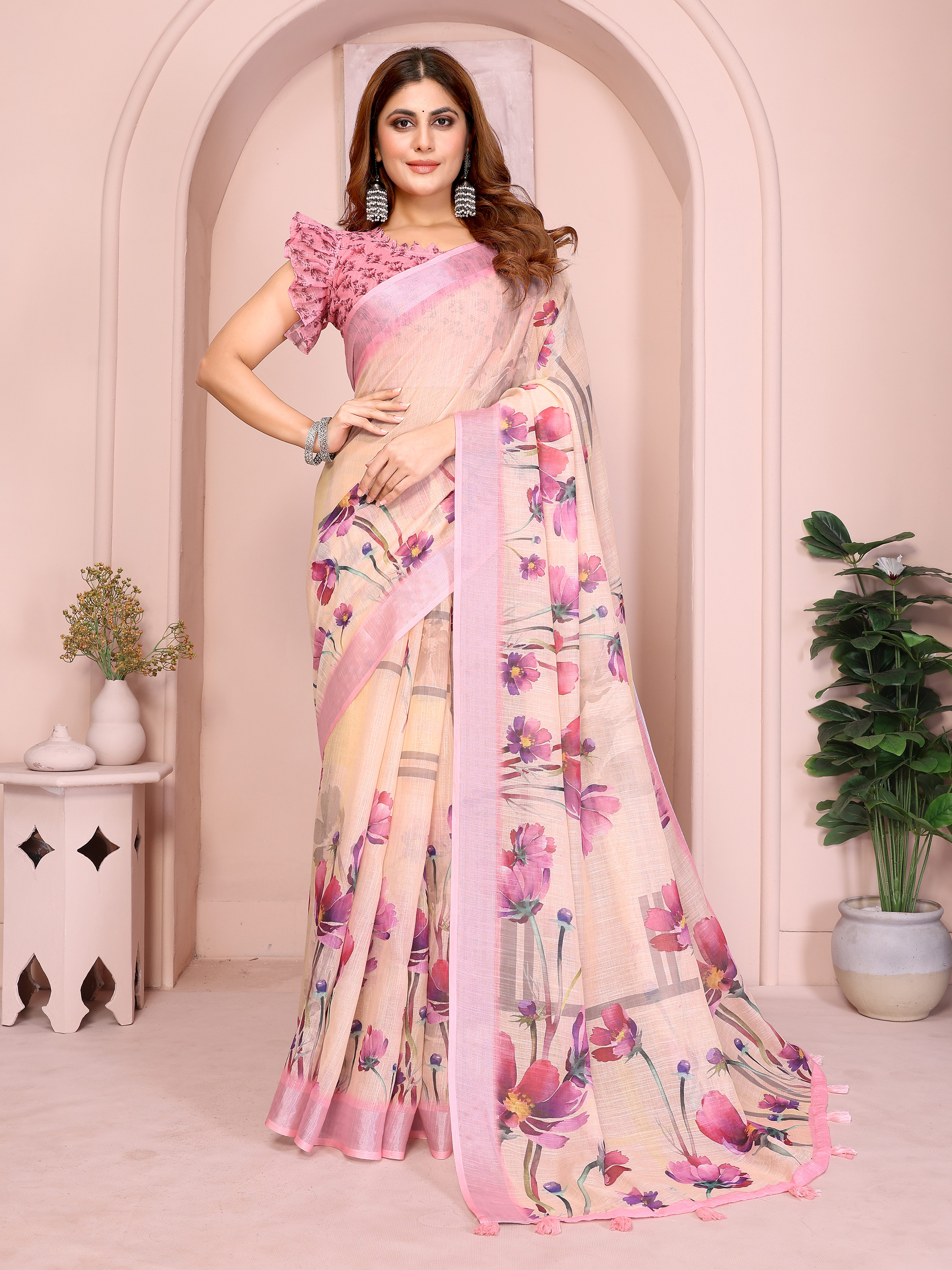
A light saree in ivory, pastel, peach or muted floral tones is a strong choice for a morning puja or temple visit. Pastel Linen Cotton Floral Print Saree with Designer Blouse offers a soft daytime palette and a breathable linen-cotton base, making it suitable when you want a traditional silhouette without a heavy finish. Keep the pallu securely pinned and choose modest, comfortable jewellery for easy movement.
Peach Linen Cotton Floral Print Saree with Blouse for Women works well when you want warmth in the colour without the visual intensity of bright red or orange. Peach complements antique gold, pearl and small temple-style earrings. A low bun decorated with jasmine can add a recognisably festive detail without requiring an elaborate hairstyle.
For an Onam sadhya at home
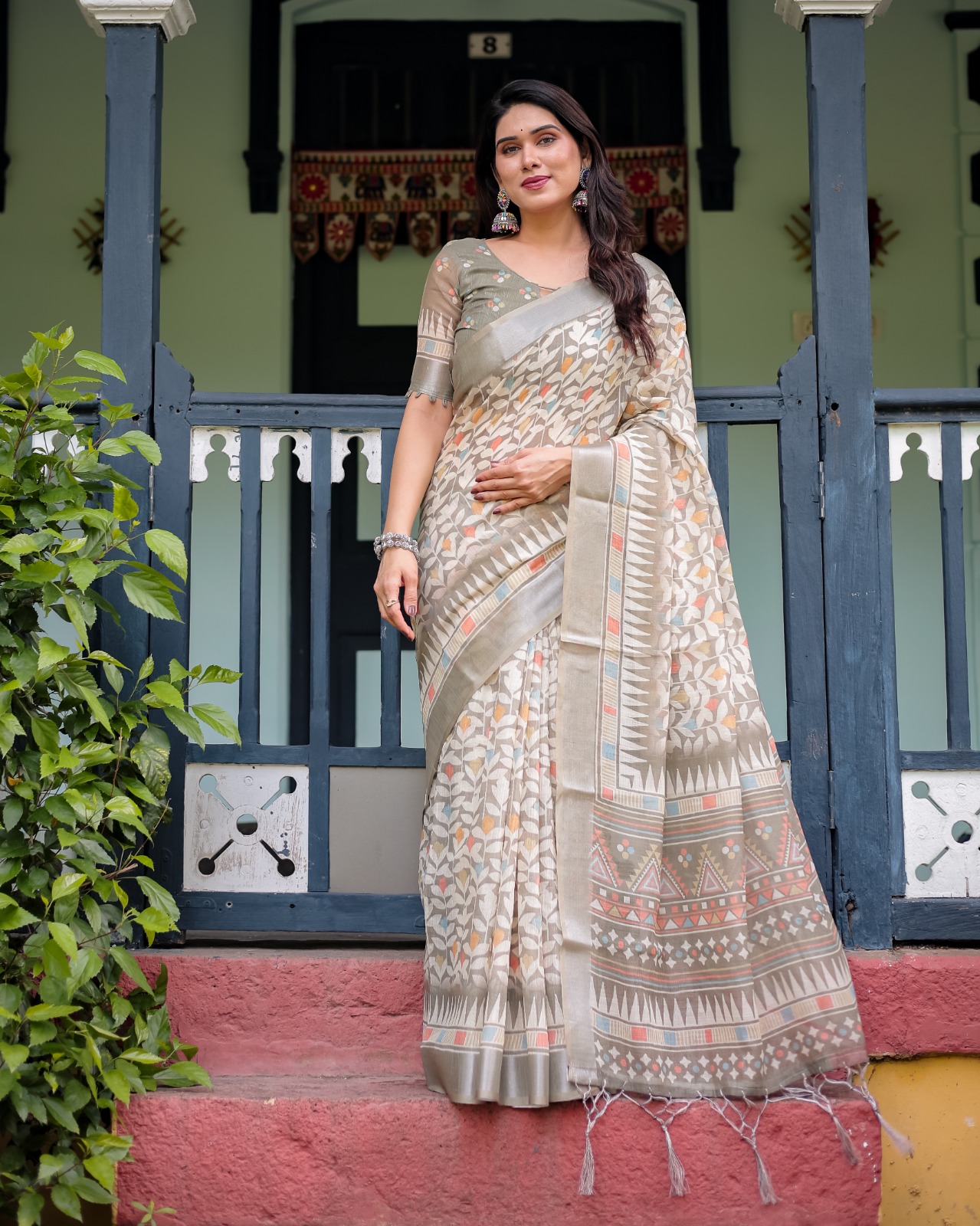
A cotton or linen-cotton saree is usually the most practical choice for an Onam sadhya at home. Pastel Floral Tissue Handloom Cotton Saree with Zari Weaves adds a festive zari surface while retaining the visual lightness associated with handloom cotton. A short-sleeved blouse, secured pleats and flat sandals make sitting, serving food and moving between rooms easier.
Floral motifs can complement the pookalam without copying it too literally. If the saree has several colours, select one quieter shade from the print for the blouse. If the saree has a restrained print, a blouse in mustard, green or rose can provide contrast while keeping the complete outfit coordinated.
For an evening celebration or cultural programme
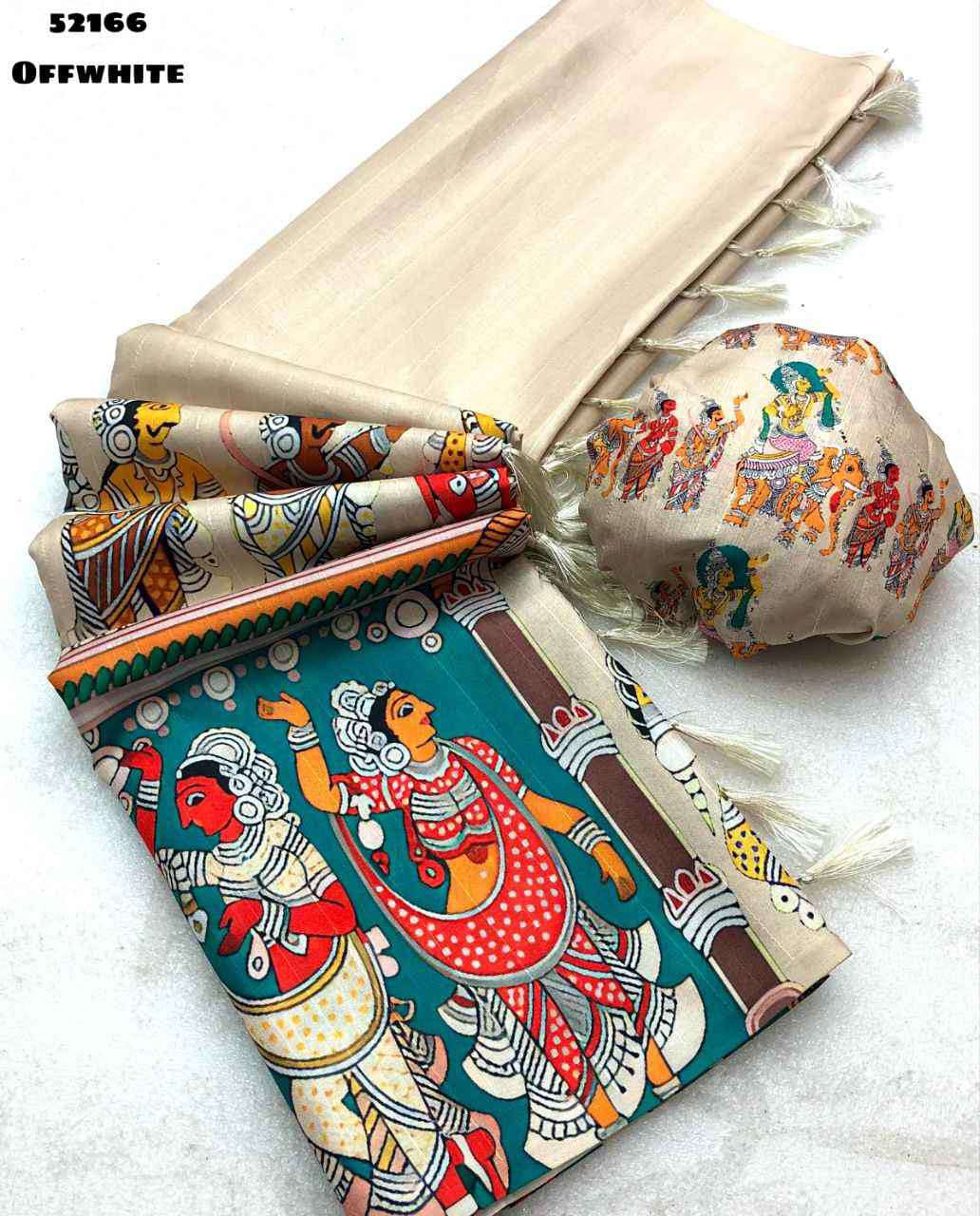
An evening Onam celebration allows richer texture, stronger colour and more visible shine. Off White Kalamkari Tussar Silk Saree with Blouse combines an off-white base with the character of Tussar silk and Kalamkari detailing, making it suitable for a cultural event, family portrait or dinner. Pair it with gold-toned earrings and a blouse that repeats one colour from the print rather than introducing a fourth prominent shade.
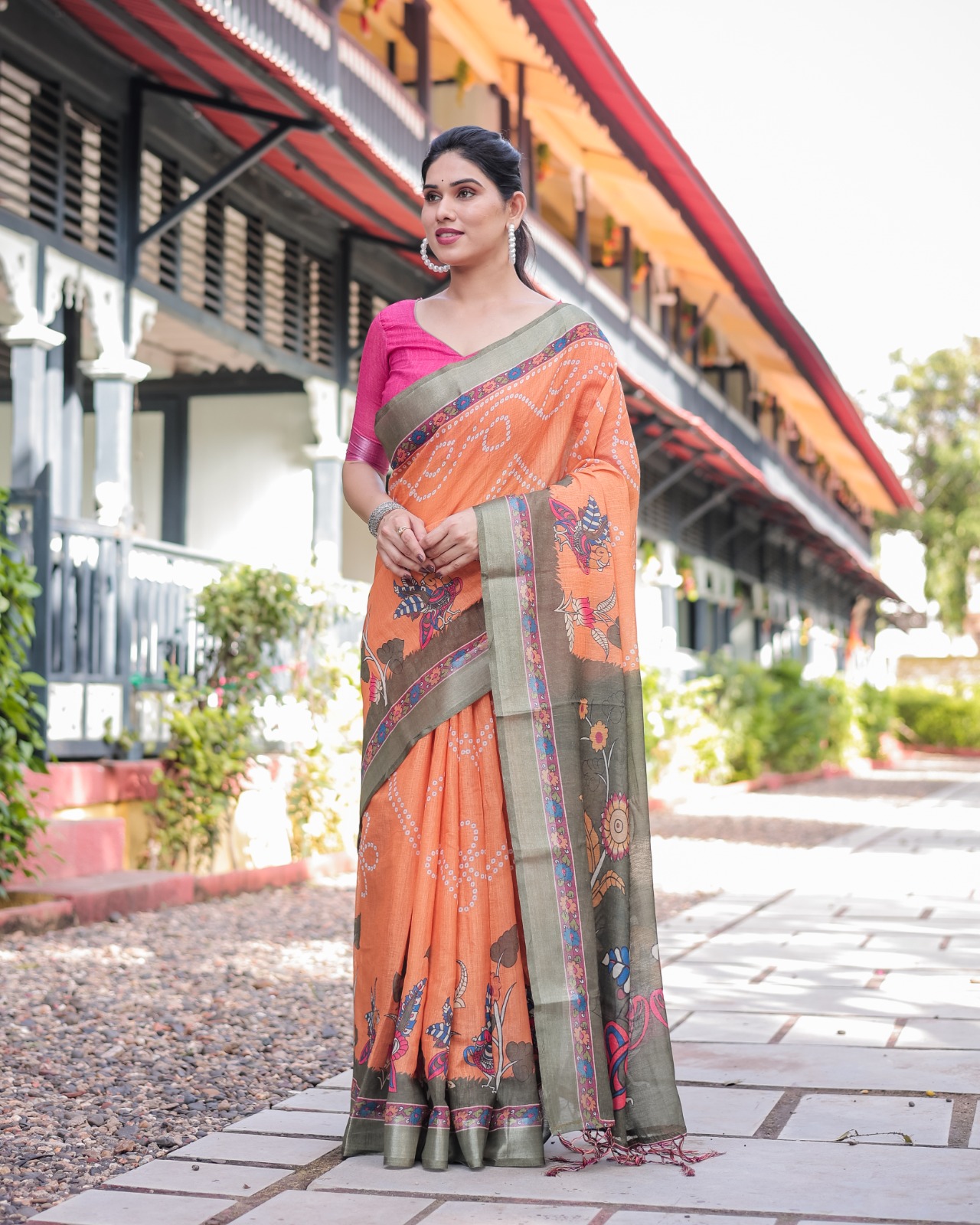
Orange Bandhani Kalamkari Linen Cotton Saree brings together a warm festive colour, a Bandhani-inspired pattern and Kalamkari visual detail. Orange photographs well in evening light, but strong colour should be balanced with a neutral blouse, simple gold jewellery or a plain clutch. This approach keeps the saree as the focal point.
Which Onam saree fabrics are comfortable in warm weather?
Linen cotton and handloom cotton are generally the most comfortable Onam saree fabrics for warm daytime gatherings because they allow airflow and don't feel excessively heavy. Tussar silk is an useful middle ground for dressier events because it has a textured, naturally rich appearance without the dense weight of some brocade silks. Tissue fabric can add light-catching detail, but the lining, zari content and blouse fabric still affect overall comfort.
Pure silk can look exceptionally traditional, yet it may feel warm during an outdoor programme or a crowded family meal. Silk is more practical for a shorter evening event, an air-conditioned venue or a formal portrait session. Banarasi silk and Kanjeevaram are associated with grand festive and wedding dressing, but neither is automatically the best choice for every Onam plan. Comfort depends on weave density, garment weight, weather and the time spent wearing the saree.
How should an online saree listing be evaluated?
Read the fabric name, blouse information, border description and care instructions together rather than relying on the product photograph alone. Linen cotton indicates a blend, so it may crease more readily than a synthetic fabric; those creases are part of the relaxed handloom appearance, not necessarily a defect. Zari describes metallic thread or a metallic-looking weave, but the listing should be checked for whether the zari is real metal, coated thread or decorative fibre.
Blouse inclusion also affects preparation time. A saree with a matching blouse piece gives you colour continuity, but the blouse may still need tailoring, lining, cups, darts, sleeves or other adjustments. Arrange tailoring at least 10 to 14 days before Onam if the blouse requires a new pattern or detailed finishing.
How should women choose Onam saree colours?
Ivory, cream, white, gold, pastel pink, peach, orange, green and muted yellow are versatile Onam colours because they reference Kerala's traditional palette while allowing personal expression. Ivory and gold create a classic kasavu-inspired appearance; peach and pastel pink feel gentle for daytime; orange and red create stronger festive contrast; green connects naturally with floral and botanical styling.
Off White Kalamkari Tussar Silk Saree with Blouse shows how an off-white base can support detailed motifs without appearing plain. Designer Off White Tussar Silk Saree with Kalamkari Print brings another route to a neutral outfit with visual richness. For both styles, a blouse in rust, maroon, bottle green or muted gold can look more considered than a perfectly matched off-white blouse.
Orange Festive Warli Print Cotton Saree for Women demonstrates why folk-inspired prints can suit Onam without relying on heavy embellishment. Warli-style figures and line work add cultural character, while cotton keeps the outfit practical for daytime wear. Choose a plain blouse when the print is detailed, and let the jewellery remain relatively streamlined.
Colour should also work with your existing wardrobe. Pink Georgette Sarees may be useful if you already own pink blouses and prefer a softer party look, while Gray Color Sarees Under 1000 can provide a contemporary neutral option for a less conventional celebration. These alternatives are not traditional Onam colours in the narrowest sense, but careful styling can connect them to the festival through gold accents, jasmine and a classic drape.
What blouse and jewellery details complete a traditional Onam outfit?
A well-fitted blouse completes an Onam saree more effectively than excessive ornamentation. Short sleeves, elbow-length sleeves, a modest round neck, a square neck or a high boat neck can all work, provided the neckline suits the saree's formality and the blouse allows comfortable arm movement. A blouse should be tested while sitting and raising the arms because festive dressing often involves serving food, greeting relatives and taking photographs.
Gold jewellery is the most straightforward partner for ivory, orange, peach and zari sarees. Small jhumkas suit daytime puja dressing; a kasavu-inspired look can take a gold chain, bangles and a compact waist belt; a Kalamkari saree can be paired with antique gold or oxidised metal for a more artisanal effect. Avoid matching every accessory to the saree border. Repeating one metallic finish usually looks more polished than mixing bright silver, yellow gold and rose gold.
Hair flowers provide strong festive impact at a low cost. Jasmine around a bun, a side braid or a half-up hairstyle can make a simple cotton saree feel distinctly celebratory. For humid weather, a low bun or braid is more dependable than loose curls. A small bindi, neat pleats and a secure pallu often contribute more to a traditional appearance than an elaborate necklace.
Can printed and non-traditional sarees work for Onam?
Printed and non-traditional sarees can work for Onam when their styling includes one or two recognisably festive elements. A floral handloom saree with gold earrings, jasmine and a neatly pinned pallu can feel more appropriate than a heavily embellished saree worn without attention to comfort. The overall styling communicates occasion more strongly than a single fabric label.
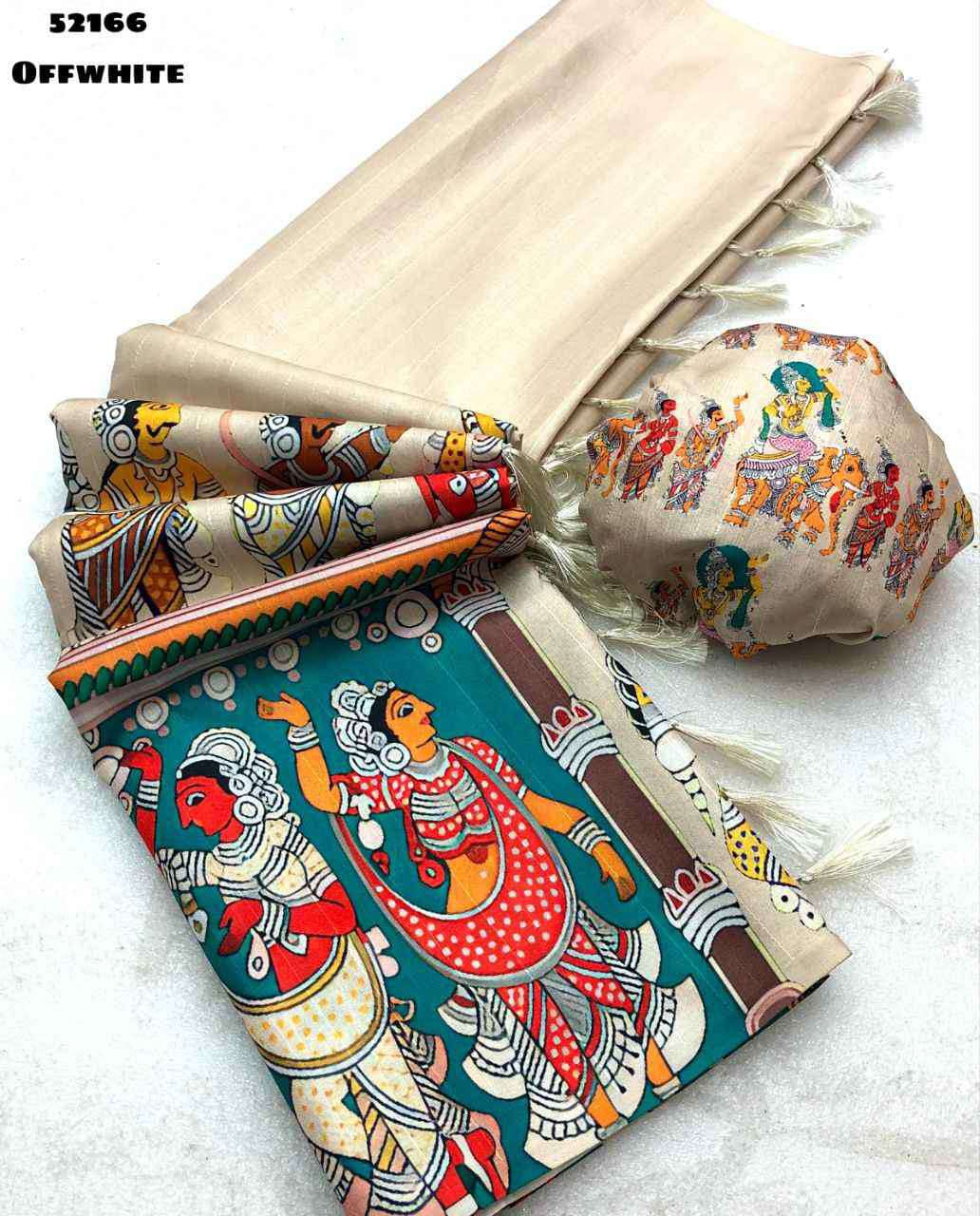
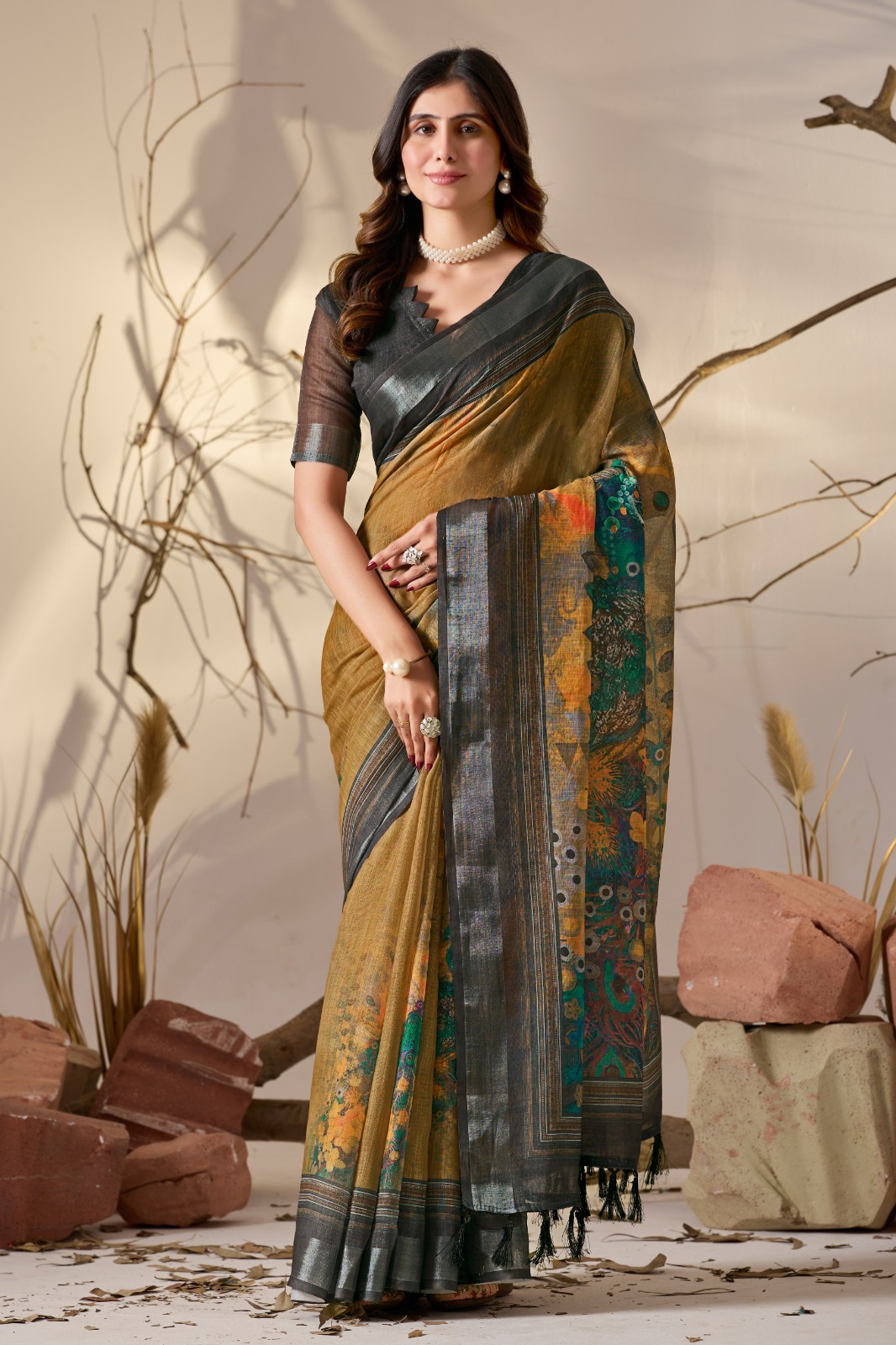
Designer Off White Tussar Silk Saree with Kalamkari Print is suited to women who want an artistic surface pattern with a formal fabric base. Royal Varnavi Olive Bloom Handloom Saree gives a deeper, botanical colour direction for someone who prefers olive over ivory or orange. Pair an olive saree with antique gold, cream accessories and a warm-toned blouse to keep the outfit connected to festive dressing.
Party Wear Sarees can also work for an evening Onam gathering when the design isn't excessively sequinned or difficult to drape. A restrained shimmer, a structured blouse and low jewellery create a more culturally grounded result than combining multiple glittering elements. If you want a more traditional appearance, add jasmine and choose a classic Nivi drape rather than experimenting with a complicated pre-pleated style.
Collections such as Silk Sarees Under 3000 With Discount and Red Banarasi Silk Sarees for Weddings Under 1100 may appeal to shoppers comparing festive price points, but budget should not be the only filter. Check the fabric composition, blouse length, transparency, border finish, return terms and delivery window before placing an order. A lower price doesn't compensate for a blouse that can't be altered or a saree that arrives after the planned celebration.
How can a saree remain comfortable throughout Onam?
A comfortable Onam saree requires pre-draping, secure pleats and footwear chosen before the final hem is set. Wear the intended sandals or heels during tailoring because even a two-centimetre difference can change the ideal saree length. Pin the shoulder pleats with two small safety pins placed from the inside, and use a discreet waist pin only if the fabric shifts while walking.
Iron cotton and linen-cotton sarees on the reverse side using the heat setting recommended on the care label. Keep zari away from direct high heat and place a thin cotton cloth between the iron and delicate metallic details when the care instructions permit ironing. Store a fully dry saree folded with clean, uncoloured tissue or a breathable cotton cover rather than sealed plastic, which can trap moisture.
Carry a small emergency kit containing two safety pins, a spare blouse hook, tissues, compact fashion tape and a few hairpins. The kit is especially useful for an outdoor pookalam event or a long family programme. Comfortable footwear, a secure blouse and a breathable petticoat can make more difference to the day than changing from one festive saree to another.
A practical Onam 2026 outfit checklist
Onam 2026: Best Sarees and Traditional Outfits for Women should ultimately help you make a confident choice rather than follow a single prescribed look. Use the checklist below before finalising the outfit.
- Match fabric to duration: choose linen cotton or handloom cotton for long daytime events and reserve heavier silk for shorter or cooler settings.
- Check the blouse early: confirm whether a blouse is included and allow 10 to 14 days for tailoring, fitting and alterations.
- Limit the colour story: combine one main saree colour, one blouse colour and one metallic finish.
- Plan for movement: sit, walk and raise your arms in the blouse and saree before the event.
- Secure the drape: press pleats, pin the pallu and wear the actual footwear during the final fitting.
- Use festive details selectively: jasmine, a bindi, gold earrings or a traditional braid can transform a simple saree without adding heat or weight.
- Check care and delivery: confirm washing instructions, transparency, fabric composition and arrival time before ordering.
A thoughtful Onam wardrobe can include a light cotton saree for the sadhya, a floral or Kalamkari option for daytime visits and a richer Tussar silk or zari design for evening celebrations. That flexible approach respects the festival's traditional visual language while allowing women to dress for their own climate, schedule and personal style.
Common Questions About Choosing an Onam Saree for Women
Which saree is best for Onam in hot weather?
Linen cotton and handloom cotton sarees are usually the most comfortable choices for hot daytime Onam events because they are comparatively breathable and lightweight. Choose a light Tussar silk saree for a dressier evening gathering, and check the weave density and lining before buying.
What colours are traditionally worn for Onam?
White, ivory, cream and gold are strongly associated with Kerala kasavu sarees and remain classic Onam colours. Peach, pastel pink, orange, green and muted yellow can also work when the blouse, jewellery and styling retain a festive traditional balance.
Can I wear a printed saree to an Onam celebration?
Yes, a printed saree can be appropriate for Onam when it is styled with festive details such as gold jewellery, jasmine, a bindi or a neatly pinned classic drape. Floral, Kalamkari, Warli and botanical prints work especially well for daytime and cultural events.
What blouse style goes with an Onam saree?
A well-fitted blouse with short or elbow-length sleeves and a modest round, square or boat neckline is versatile for Onam. Choose a blouse that repeats one shade from the saree, and test the fit while sitting and moving before the celebration.
Is silk suitable for an Onam sadhya?
Silk can be suitable for a short indoor sadhya, but a lightweight cotton or linen-cotton saree is generally more comfortable for a long meal in warm weather. Dense silk, brocade and heavy zari are better reserved for shorter evening events or cooler, air-conditioned venues.
How early should I order an Onam saree?
Order at least two to three weeks before the celebration if the blouse requires tailoring or the saree is needed for a specific date. Allow an additional buffer for alterations, delivery delays, fabric inspection and a trial drape.





