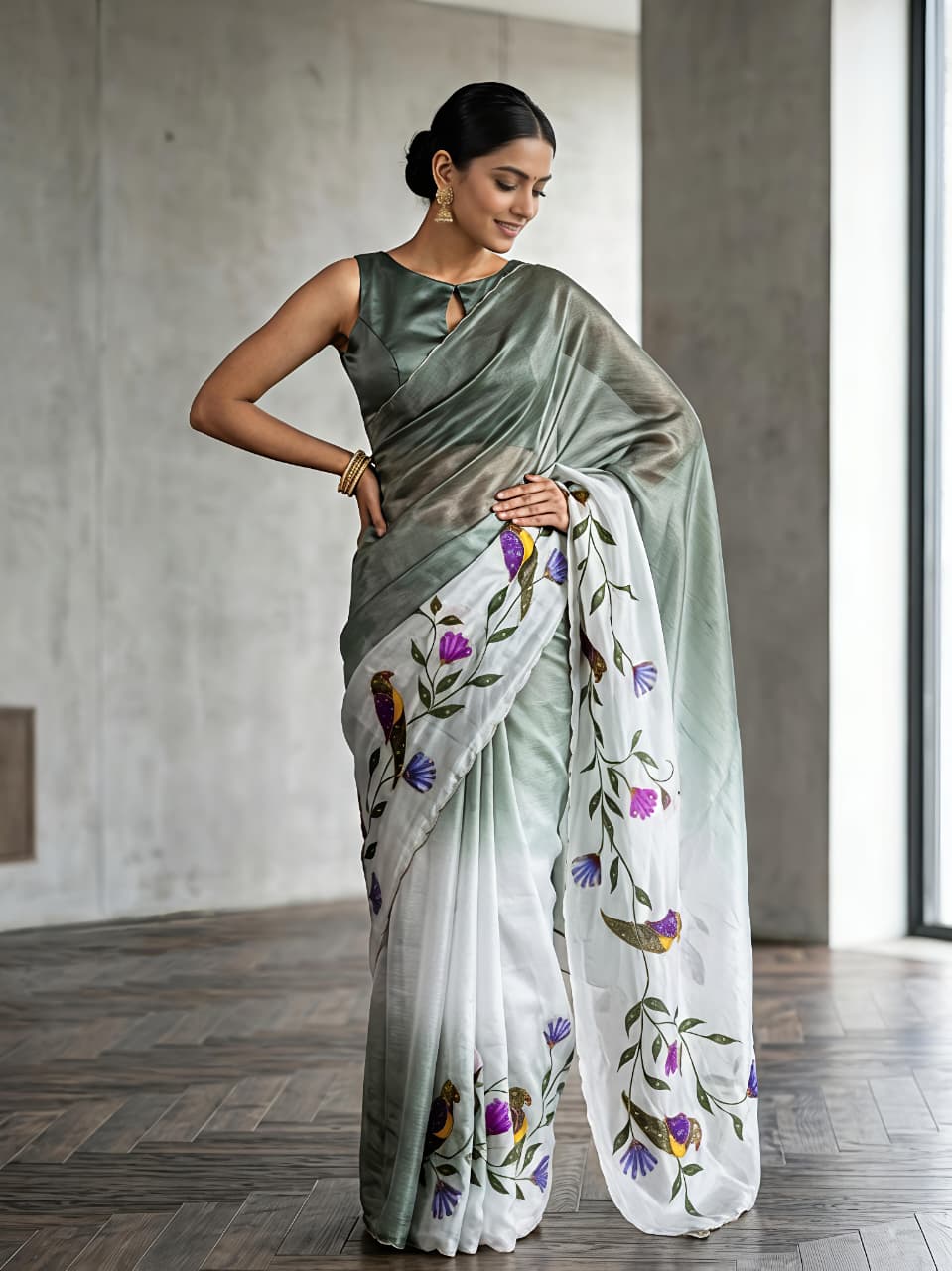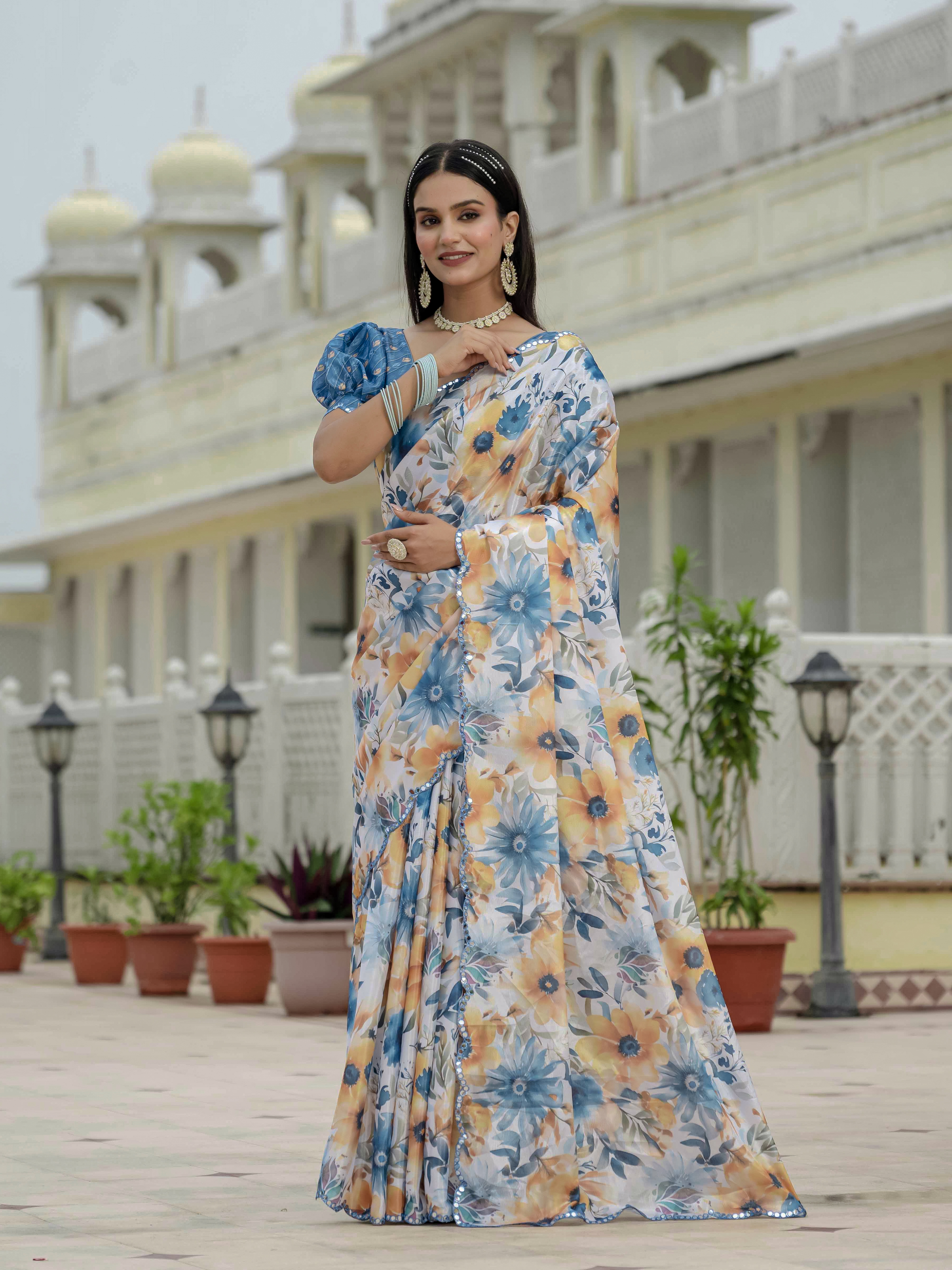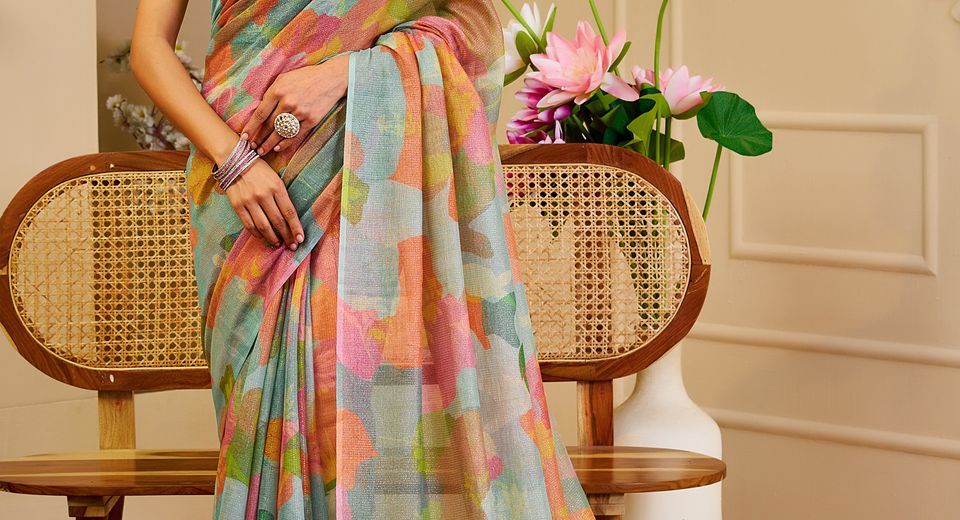
Odisha Festival Fashion brings together Sambalpuri ikat, the colour stories of Odisha's regional textiles and the ease of contemporary ethnic wear. A Sambalpuri saree can carry a temple border, conch motifs, fish, flowers or stylised birds, while a festive suit can translate the same visual language into a lighter outfit. Knowing how these textiles are made helps you choose thoughtfully, style comfortably and care for each garment properly after a celebration.
Odisha Festival Fashion: What makes Sambalpuri textiles distinctive?
Odisha Festival Fashion is distinctive because it combines resist-dyed yarns, culturally recognisable motifs and strong colour contrasts with practical handloom construction. The best-known example is Sambalpuri ikat, associated with weaving communities in Bargarh, Sonepur, Sambalpur and neighbouring areas of western Odisha.
Ikat patterns are created before weaving rather than printed only after the cloth is finished. Weavers tie sections of yarn to resist dye, repeat the process in different colours and then arrange the pre-dyed warp and weft threads on the loom. Slight feathering or soft irregularity around a motif can therefore reflect the character of handwoven ikat rather than a defect.
Sambalpuri sarees commonly feature shankha, chakra, phula, rudraksha, fish, elephant and temple-inspired forms. Shankha refers to the conch, chakra to the wheel and phula to floral motifs. Motifs have cultural associations, but their presence alone doesn't prove that a saree is handwoven or officially certified. Fibre, weaving method, origin and seller documentation still matter.
Which Odisha textiles complement Odisha Festival Fashion?
Odisha's textile vocabulary includes Sambalpuri ikat, Bomkai, Khandua, Berhampuri silk and Kotpad, and each textile has a different material and design identity. Bomkai is known for intricate motifs and often combines supplementary-weft detailing with a richly patterned pallu. Khandua is associated with Odisha's silk tradition and is recognised for distinctive motifs and cultural use. Kotpad cotton is naturally dyed with an alizarin-rich dye derived from the aul tree and is traditionally linked with the Koraput region.
A festive wardrobe doesn't need one expensive ceremonial saree to represent Odisha. A Sambalpuri cotton saree suits daytime puja and community gatherings, a silk or silk-blend version works for an evening celebration, and a coordinated kurta, dupatta or blouse can introduce regional motifs without requiring a full traditional drape.
Odisha Festival Fashion: How should you choose a Sambalpuri saree?
Choose a Sambalpuri saree by matching the fibre, weight, colour depth, motif scale and drape requirements to the festival setting. Cotton is generally more breathable for daytime use, while silk and tissue constructions create a dressier finish for evening functions.

Match the fabric to weather and movement
For a long puja, outdoor procession or humid afternoon, handloom cotton with a manageable border is easier to wear than a heavy silk. Cotton also absorbs moisture and usually needs less careful handling during movement. Tissue cotton can offer a gentle sheen while remaining lighter than many formal silk sarees, although the exact feel depends on the yarn blend and finishing.
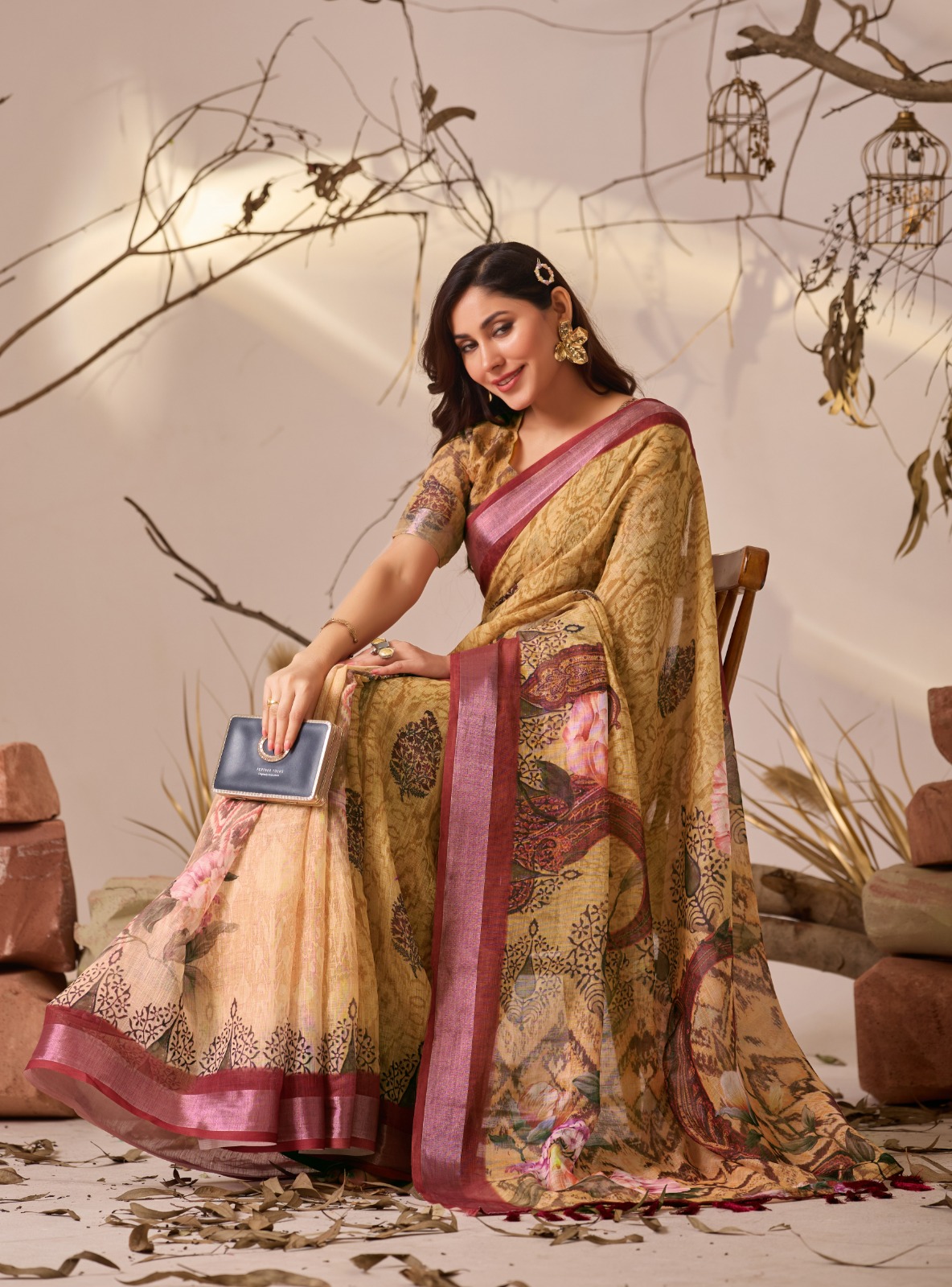
Pastel Floral Tissue Handloom Cotton Saree with Zari Weaves demonstrates how a soft colour palette and zari can make cotton feel festive without becoming visually heavy. Emerald Green Tissue Cotton Saree With Digital Floral Print and Olive Green Tissue Handloom Cotton Saree With Floral Prints offer stronger colour directions for celebrations where a jewel-toned or nature-inspired look feels appropriate.
Read the border and pallu before choosing the blouse
The border and pallu should guide the blouse colour, jewellery scale and pleat placement. A broad zari border benefits from a simple blouse and restrained accessories, while a smaller border permits more detail in the blouse sleeve or neckline.
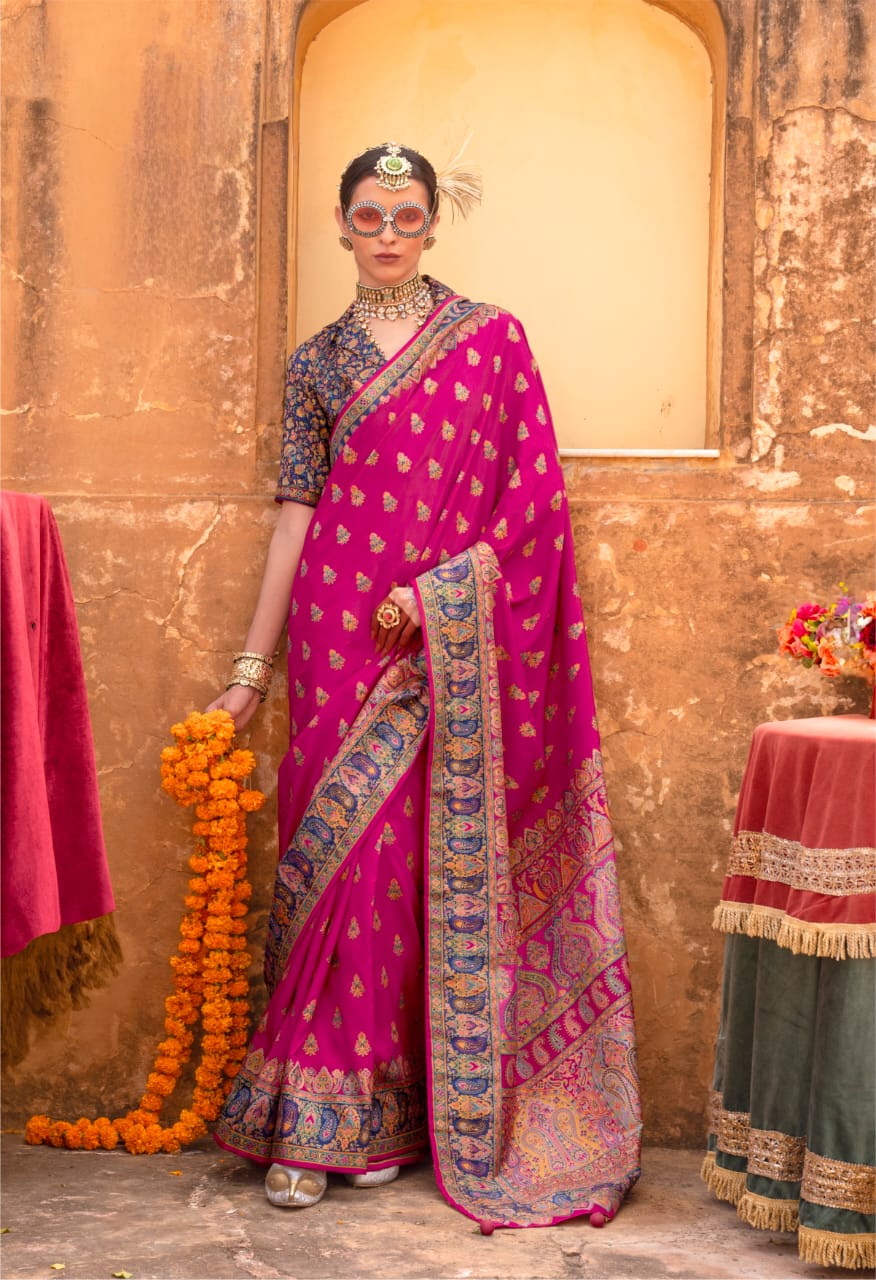
Cream Pink Tissue Handloom Cotton Saree with Zari creates room for a rose, cream, muted gold or deeper pink blouse. Wine Tissue Handloom Cotton Saree with Zari & Floral Prints can be paired with antique gold jewellery, a beige blouse or a controlled contrast such as deep green. Red Banarasi Soft Silk Saree with Jacquard Zari Border belongs to a more formal visual register and can support heritage gold jewellery for an evening festival or family ceremony.
Odisha Festival Fashion: Which motifs and colours work for festivals?
Motifs and colours work best when they balance regional meaning with the scale, time and formality of the celebration. There is no single correct festival palette, but red, green, yellow, white, black, rust, purple and deep blue appear frequently across Indian festive wardrobes and have strong visual presence in Odisha handloom traditions.

Red and yellow can create an energetic look for Durga Puja, Navratri or a cultural programme, while emerald, olive and wine tones suit evening gatherings without relying on glitter. Cream, pastel pink and off-white can feel elegant for daytime rituals when paired with a defined border or zari detail. Black-and-red or black-and-white combinations can look striking, but the appropriateness of particular colours may vary according to family custom and ceremony.
Motif scale matters on the body. Large floral or geometric designs become more visible when the pallu is arranged over the shoulder, while smaller repeated motifs can look polished in front pleats. A temple border benefits from neat pleating because regular folds preserve the rhythm of the pattern. A patterned blouse should be used carefully when the saree already contains dense floral or ikat work.
How can a suit or blouse carry Odisha influences?
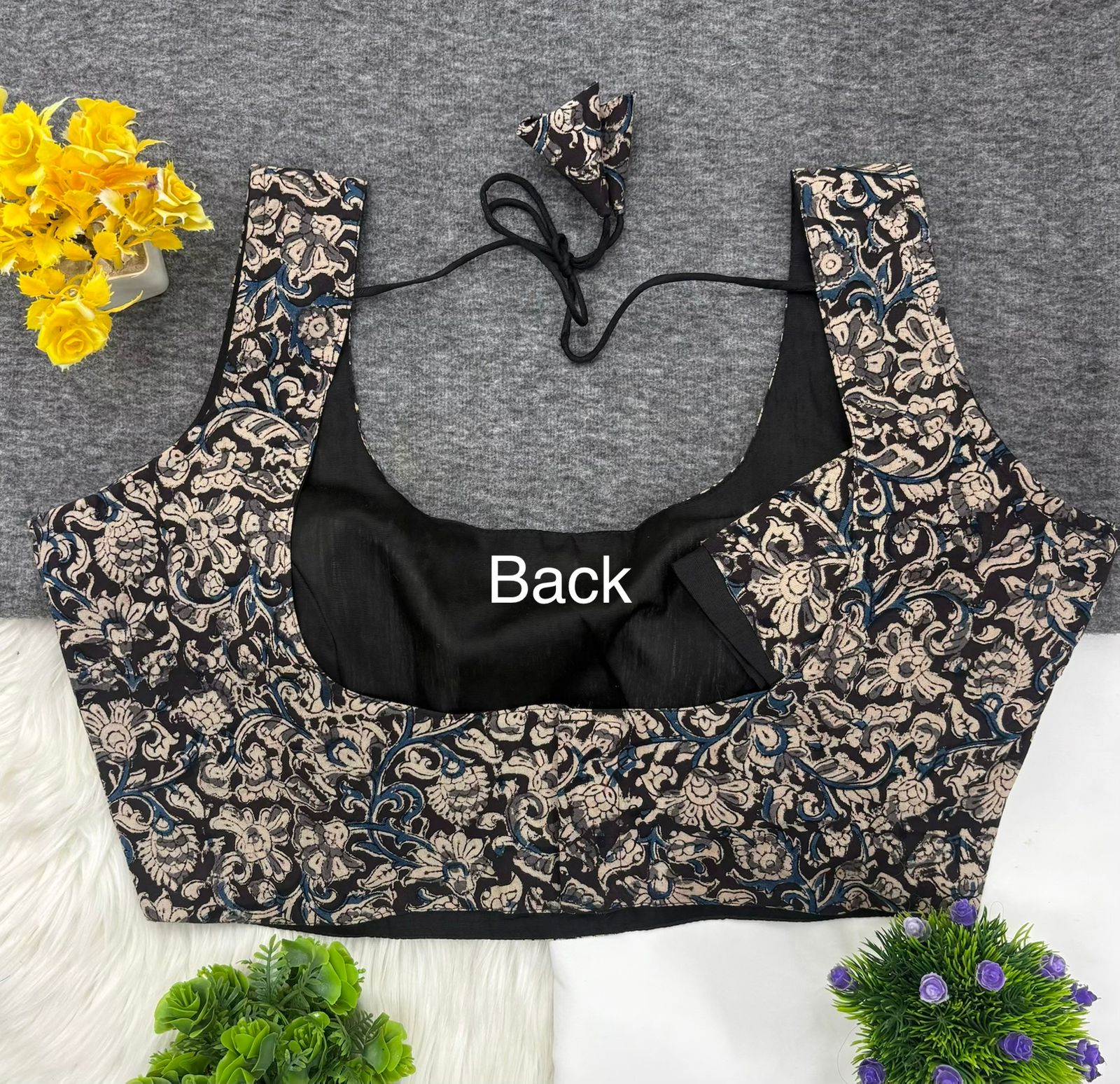
A suit or blouse can carry Odisha influences through an ikat-inspired yoke, a Sambalpuri dupatta, a narrow temple border or a restrained geometric panel. The most convincing approach is to repeat one regional element rather than combine several unrelated motifs.
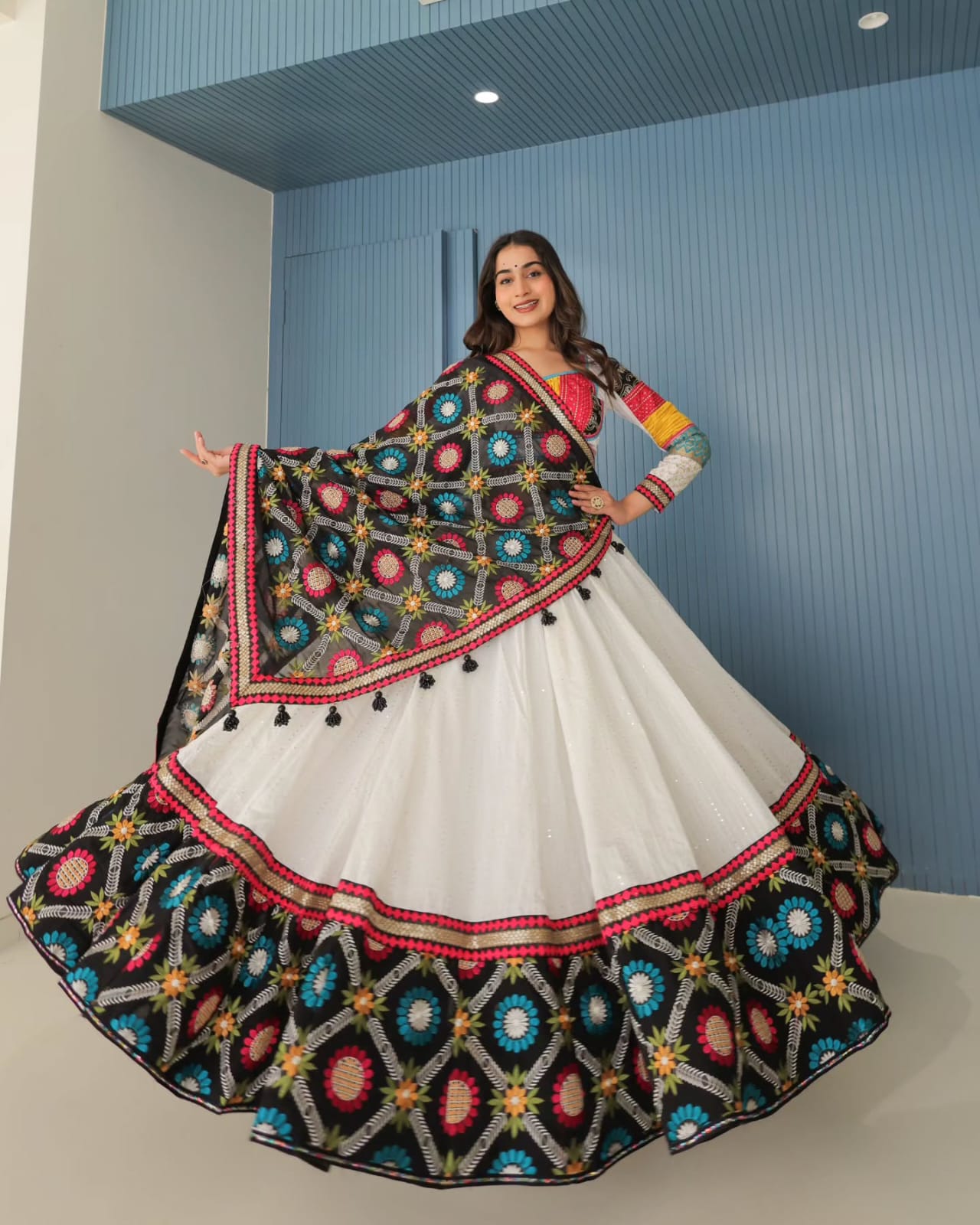
An ivory kurta with a red-and-black patterned dupatta can echo the contrast of handloom textiles without becoming costume-like. A plain blouse with a narrow zari sleeve edge can support a motif-rich saree. A cotton palazzo suit in olive, wine or emerald can use a printed dupatta as the focal point, keeping the trousers and kurta visually quiet.
Odisha Festival Fashion: How do you style Sambalpuri sarees?
Style a Sambalpuri saree according to the amount of walking, the required modesty, the temperature and whether the event is devotional, social or ceremonial. Comfort is part of good festive styling because a difficult drape can distract from the textile and restrict participation.

For puja and daytime gatherings
A breathable cotton Sambalpuri saree with a fitted but comfortable blouse works well for puja, daytime visits and community events. Choose a petticoat or underskirt that matches the saree instead of defaulting to white, and secure the pallu with two discreet pins placed under the shoulder fold. Flat juttis, low wedges or cushioned sandals are more practical than narrow heels when the venue involves standing.
Keep jewellery moderate for a daytime ritual. Small gold earrings, silver jhumkas, glass bangles or a single oxidised-metal necklace can define the look without competing with the weave. A low bun, braid or controlled half-up style keeps the pallu in place. Jasmine or tuberose flowers can add fragrance and cultural texture, but flowers should not be pinned where they pull the blouse or snag zari.
For evening celebrations and cultural programmes
An evening festival allows a richer border, deeper colour and more reflective accessories. Tissue cotton with zari, Banarasi silk or a silk-blend saree can be paired with a blouse in antique gold, wine, emerald, red or a shade drawn directly from the pallu.
Party Wear Sarees and Red Banarasi Silk Sarees for Weddings Under 1100 can serve as useful visual references when comparing border width, shine and ceremony level, even if the final choice is a Sambalpuri handloom. A structured potli, medium-sized jhumkas and a low bun often create a more coherent look than adding a necklace, choker, bangles and elaborate hair ornaments together.
For family celebrations and travel
For travel, prioritise a saree that folds without excessive bulk and can be refreshed with steam or air-drying. Tissue cotton is often easier to manage than a heavily embellished garment, but zari still needs protection from rough surfaces and moisture. Pack the saree in a breathable cotton cover, fold along existing lines and avoid compressing it under hard luggage.
A saree can also be pre-pleated for a reception or cultural event, but pre-pleating should not replace a proper test at home. Walk, sit, climb a few steps and raise one arm before leaving. These checks reveal whether the length, petticoat fit and shoulder pinning are secure.
Odisha Festival Fashion: How can you build a coordinated ethnic wardrobe?
Build a coordinated ethnic wardrobe by selecting one statement saree, two versatile solid pieces and accessories that repeat its colours. A wardrobe built around colour relationships is more useful than buying several garments with similar surface decoration.

Begin with one strong regional piece, such as a Sambalpuri saree with a recognisable pallu or border. Add a plain silk or cotton blouse in a colour found in the saree. A second blouse in cream, black, wine or deep green can change the mood without requiring a new saree. A simple dupatta with geometric or floral detail can then extend the palette to suits and separates.
Silk Sarees Under 3000 With Discount can help when comparing affordable silk options for more formal festivals. Pink Georgette Sarees offer a lighter, fluid alternative for evening dressing, while Gray Color Sarees Under 1000 can provide a neutral base for a colourful blouse, zari dupatta or statement jewellery.
Accessories should repeat rather than compete with the textile. If the saree contains gold zari, choose one or two gold-toned elements. If the saree is matte cotton with a graphic border, oxidised silver, terracotta jewellery or woven accessories may create a more balanced finish. Matching every item exactly can flatten the look, so use related shades instead of identical ones.
A suit wardrobe can follow the same logic. Keep one solid kurta in cream, black, wine or emerald, add two printed or woven dupattas, and use palazzo trousers or straight pants according to the formality of the event. A Sambalpuri-inspired dupatta can make a plain suit suitable for a festival without the maintenance of an ornate full-length garment.
Odisha Festival Fashion: How should you care for festive sarees?
Care for festive sarees by checking the fibre and embellishment first, airing the garment after use, and storing it away from direct sunlight and moisture. Correct care preserves colour, handfeel and zari for longer than frequent dry-cleaning or careless folding.

After wearing a saree, hang it indoors for several hours before folding it. Airing allows perspiration and perfume moisture to dissipate. Do not store a damp saree in plastic because trapped humidity can encourage mildew and tarnish metallic threads. Fold zari sarees with a soft cotton or muslin layer between folds, and refold them every few months to reduce permanent crease stress.
Wash instructions depend on the fibre. Many silk, Banarasi silk and heavily zari-worked sarees should be dry-cleaned by a professional familiar with Indian textiles. Cotton sarees may sometimes be hand-washed, but colour bleeding should be tested on a hidden edge first. Use cool water, a mild detergent and minimal rubbing only when the care label permits it.
Iron sarees on the reverse side at a low or medium temperature suited to the fibre. Place a thin cotton cloth between the iron and zari, and never drag a hot iron across raised embroidery or metallic thread. Store garments in breathable fabric bags, away from cedar blocks, strong perfume, damp walls and direct window light.
Odisha Festival Fashion becomes more meaningful when the garment's material, motif and origin are understood rather than treated as surface decoration. A carefully selected Sambalpuri saree, an adaptable festive suit and disciplined storage can support many celebrations while respecting the skill embedded in regional textile traditions.
Questions Readers Ask About Odisha Festival Fashion
What is Odisha Festival Fashion known for?
Odisha Festival Fashion is known for Sambalpuri ikat, expressive regional motifs, handloom cotton and silk, and strong colour contrasts. Temple borders, conch, wheel, floral, fish and geometric designs are frequently associated with Odisha textile traditions.
How can I identify a Sambalpuri saree?
A Sambalpuri saree often features ikat patterns in which the yarns are resist-dyed before weaving, along with recognisable regional motifs and a patterned pallu or border. Motifs alone do not prove authenticity, so check the fibre, weaving details, origin information and seller documentation.
Which fabric is best for a daytime Odisha festival?
Cotton or tissue cotton is usually the most comfortable choice for a daytime Odisha festival because it is lighter and more breathable than many silk sarees. A zari border or patterned pallu can add a festive finish without making the garment excessively heavy.
How should I style a Sambalpuri saree for an evening celebration?
Style a Sambalpuri saree for an evening celebration with a blouse that repeats a pallu colour, medium-sized jhumkas, a structured potli and a secure low bun. Deeper colours, silk, tissue cotton and controlled zari accents generally suit evening lighting.
Can Sambalpuri motifs be worn on suits and dupattas?
Sambalpuri motifs can be worn on suits and dupattas through an ikat-inspired yoke, a patterned dupatta, a narrow border or a single geometric panel. Repeating one regional element usually looks more cohesive than combining several unrelated prints.
How should a zari or silk saree be stored after a festival?
Air a zari or silk saree indoors before folding it, then wrap it in breathable cotton or muslin and store it away from moisture, sunlight and plastic. Use professional dry-cleaning when the care label recommends it, and place a thin cloth between the saree and iron when pressing is permitted.