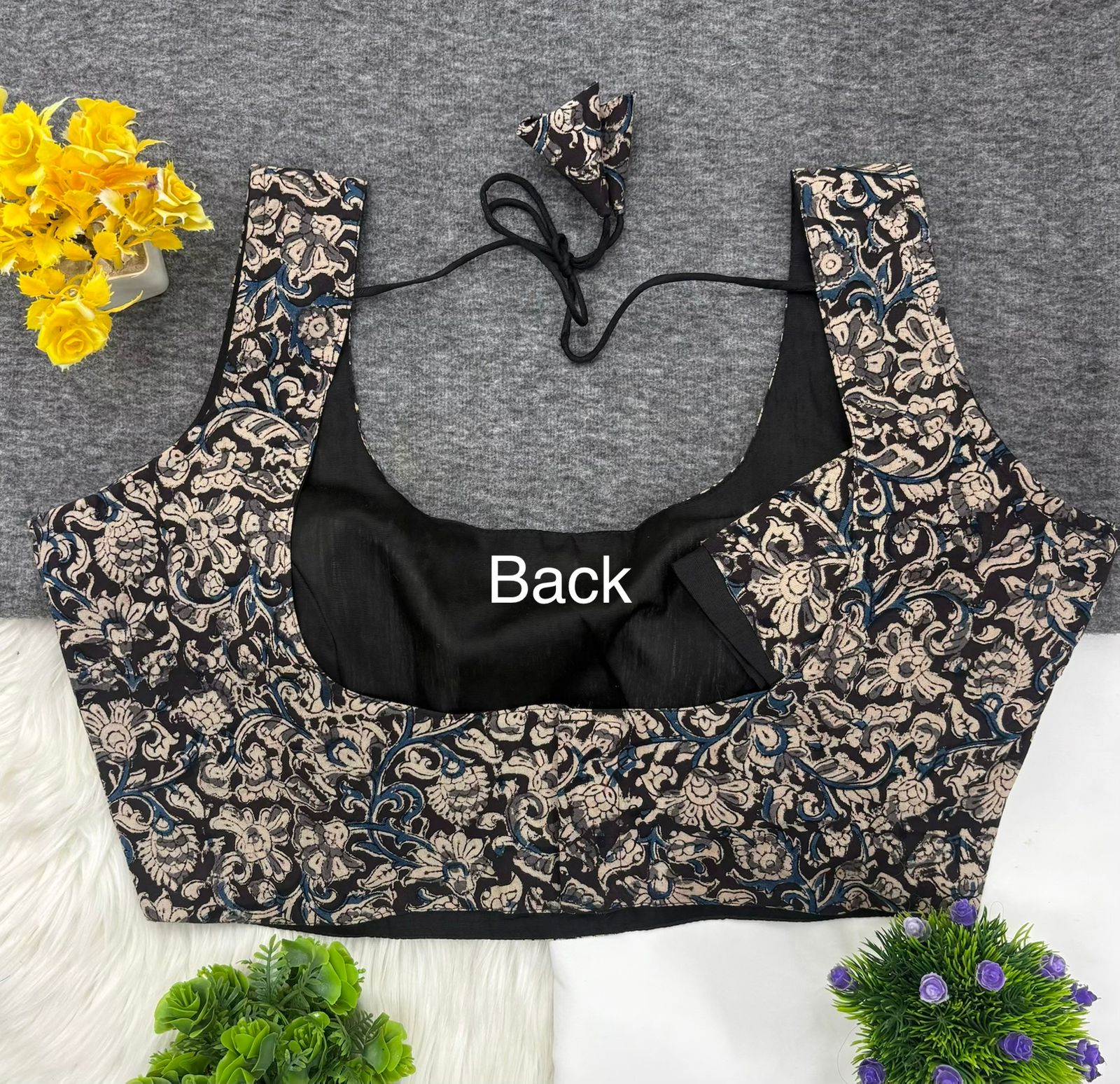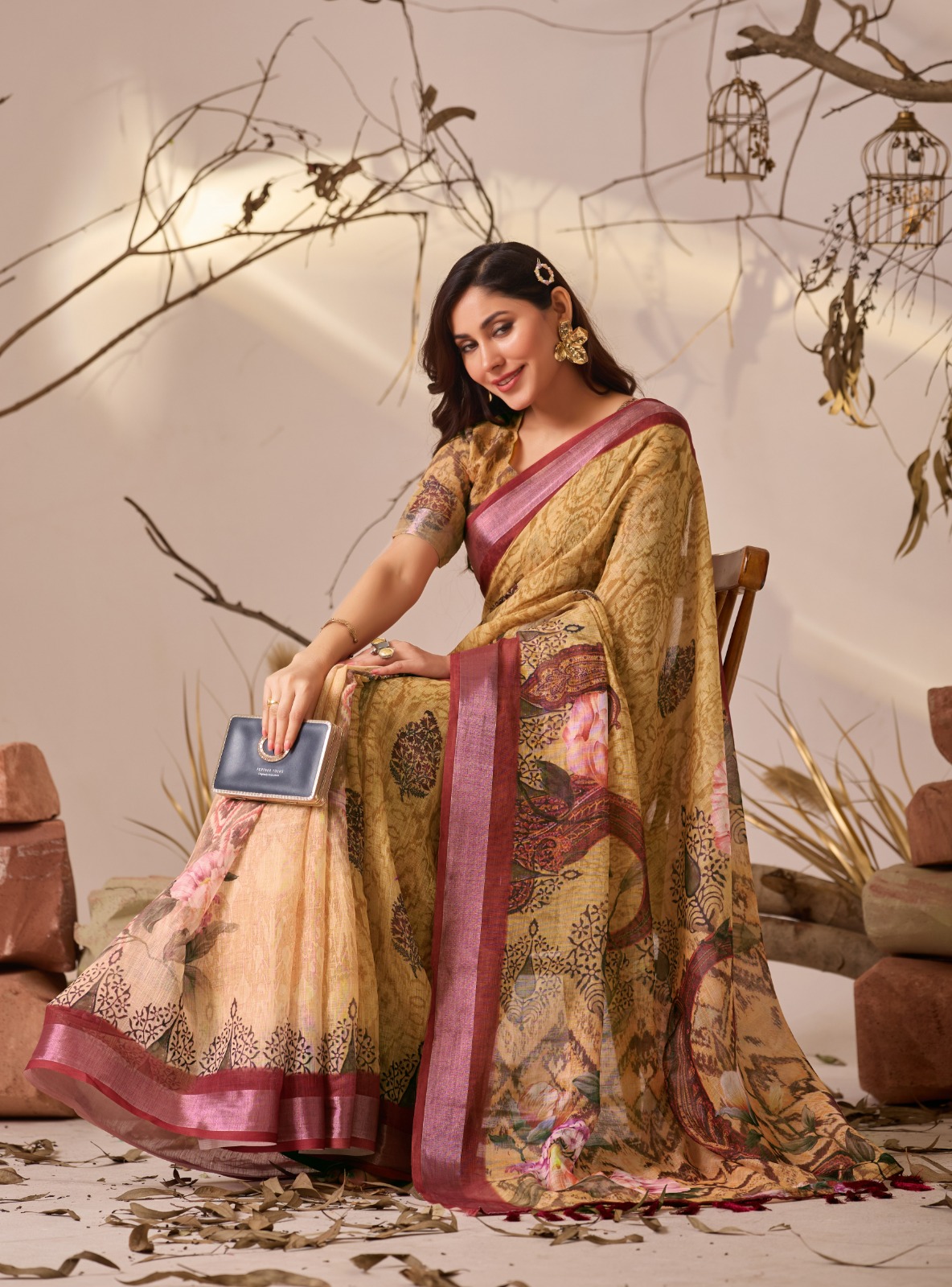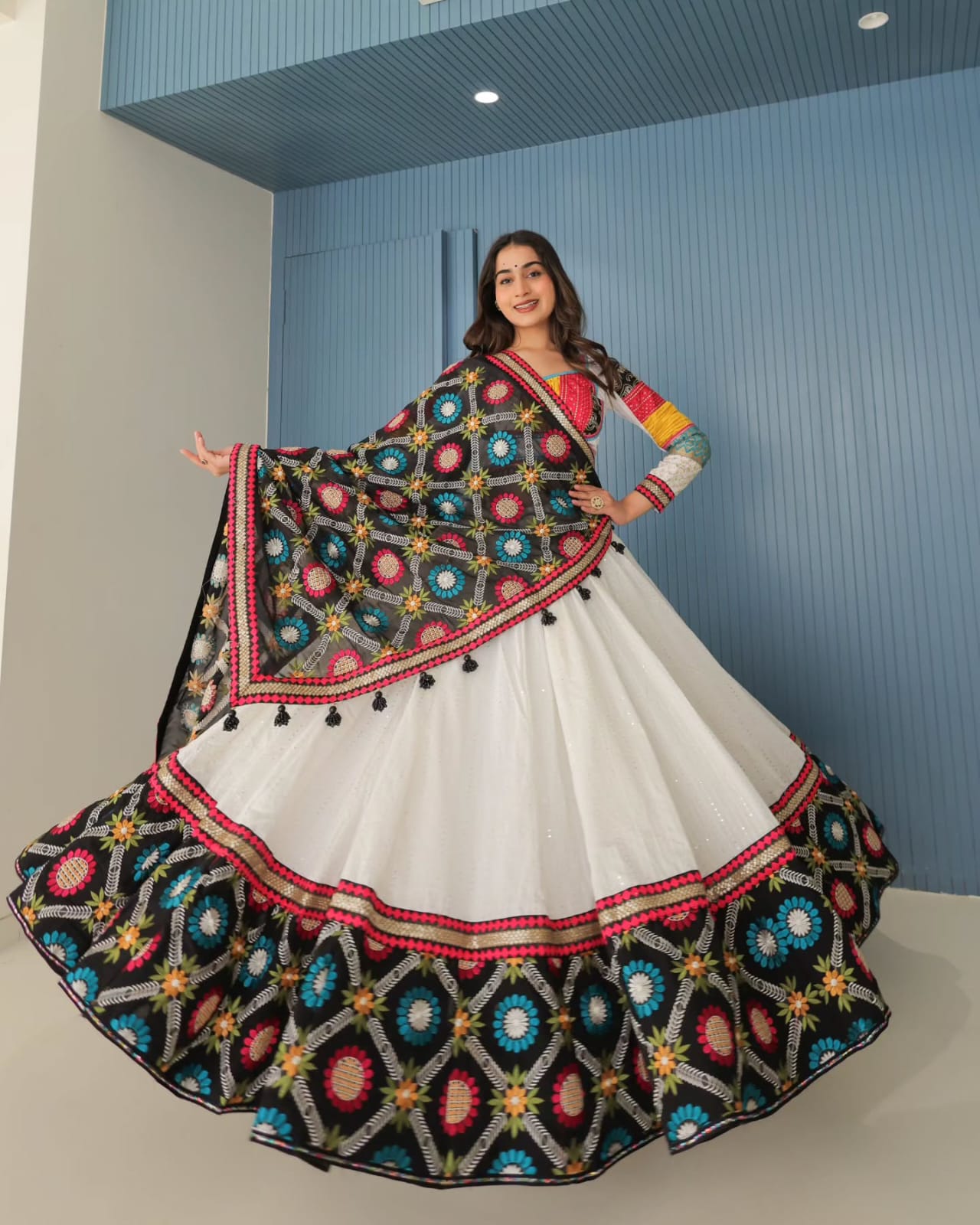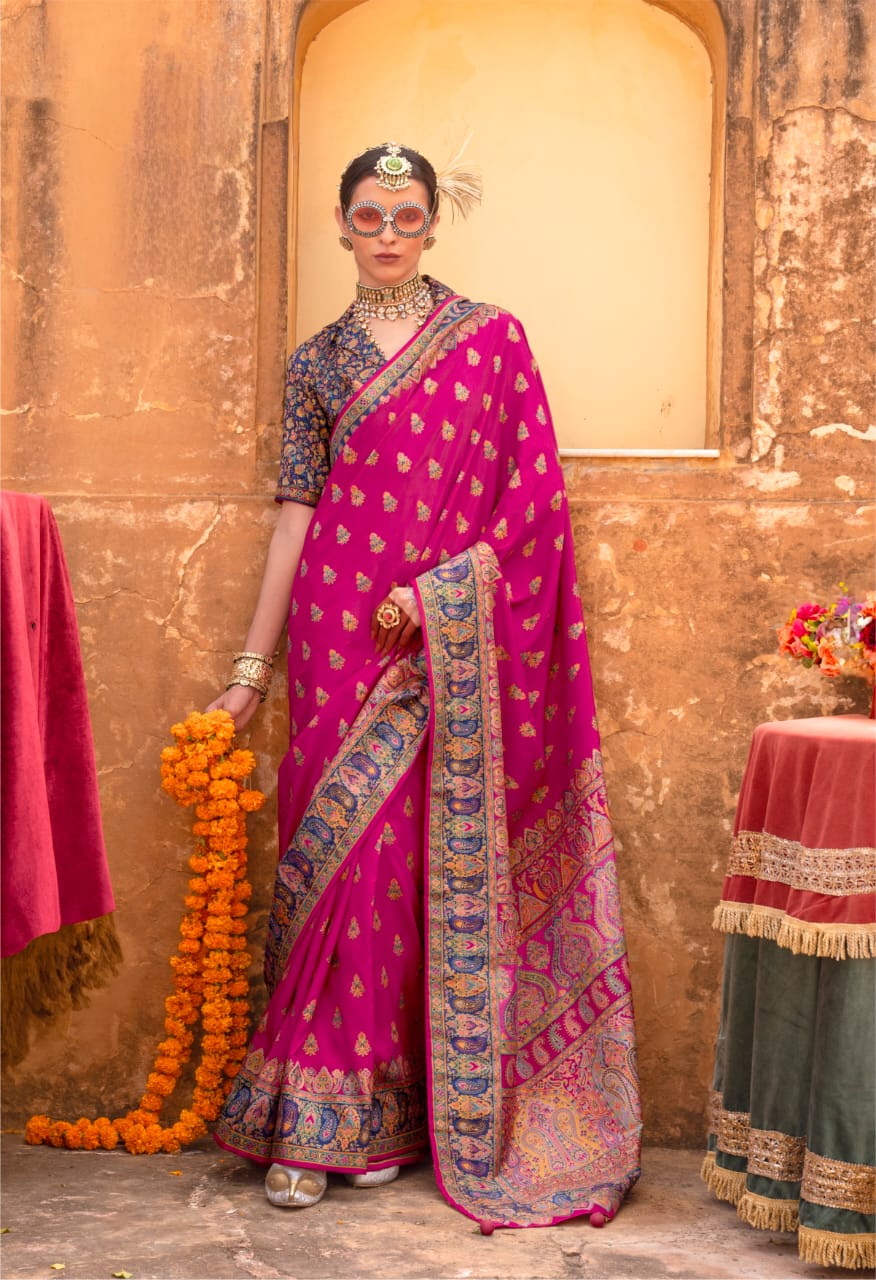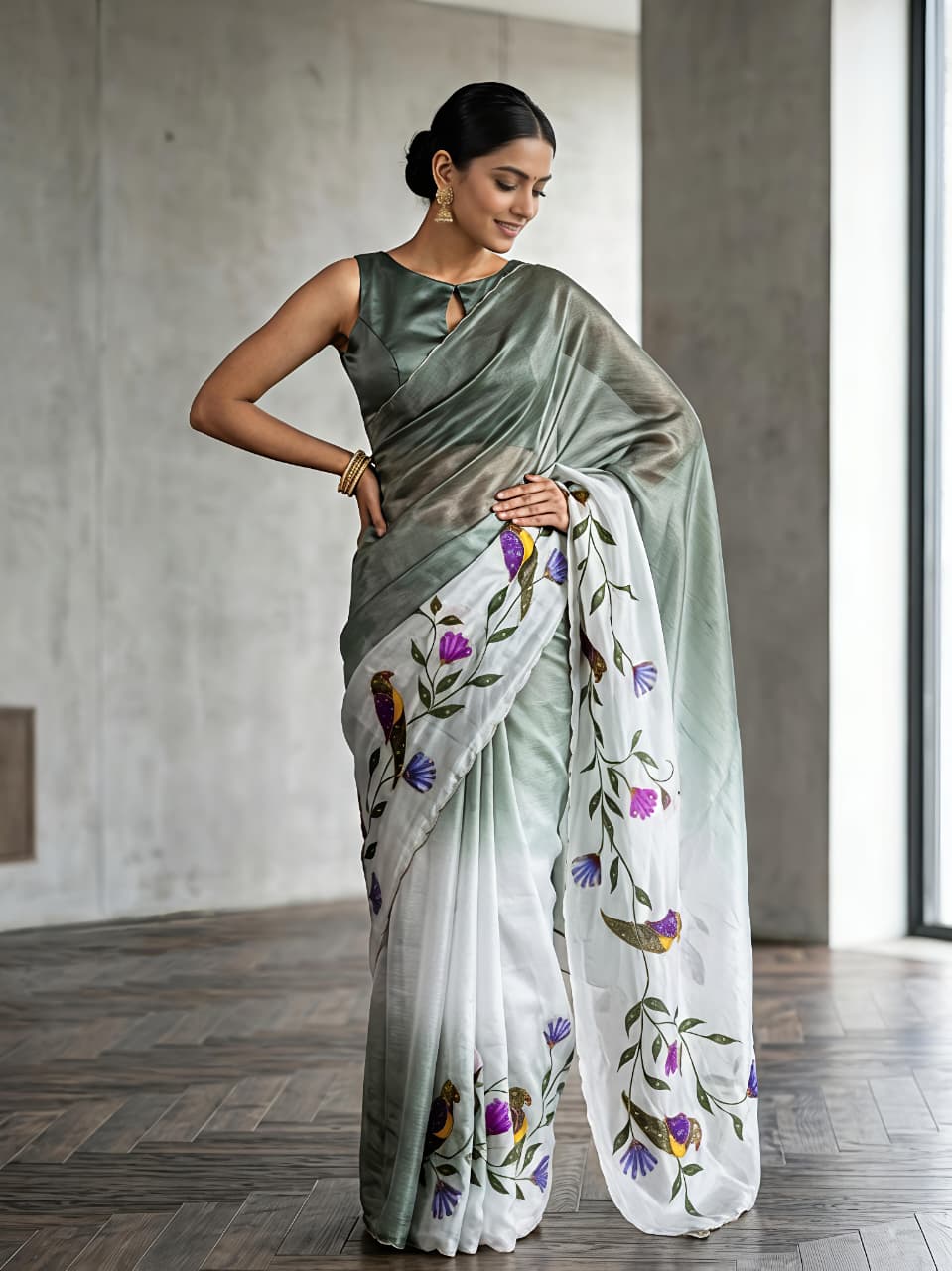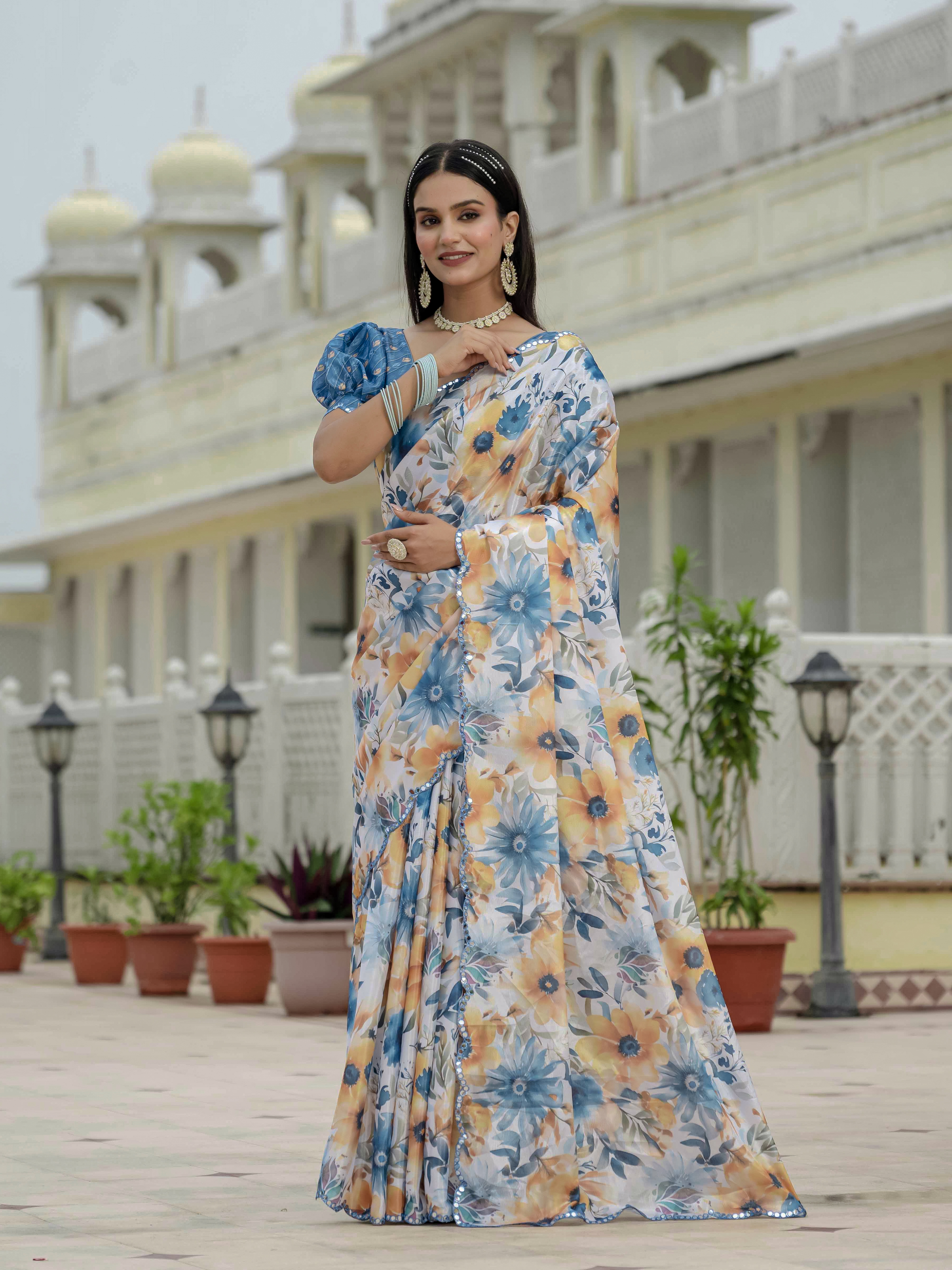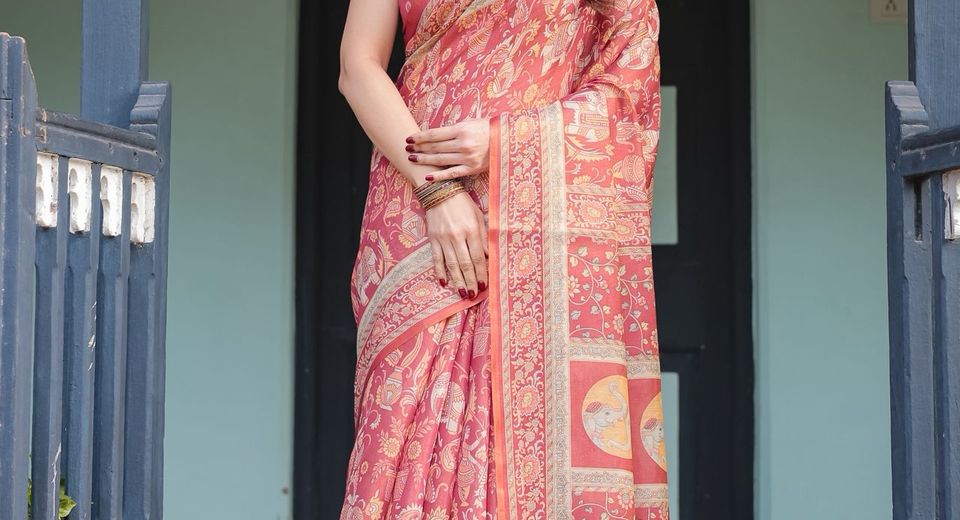
Odia Saree Styling can bring together Odisha's handloom vocabulary and the practical needs of a modern wardrobe. The most convincing looks don't pile on traditional elements; they choose one strong textile feature, then support it with a thoughtful blouse, controlled jewellery and a comfortable drape. Sambalpuri ikat, Bomkai detailing, Khandua weaving and Odisha's distinctive geometric or nature-inspired motifs each offer a different starting point.
An useful styling decision comes before the blouse or accessories: decide whether the saree's colour, border, pallu or motif should lead the outfit. That choice prevents a handloom saree from looking either overly costume-like or disconnected from its heritage. The same method works with cotton sarees for daytime, silk handloom sarees for ceremonies and lighter woven sarees for contemporary events.
Odia Saree Styling begins with understanding the handloom details
Odia sarees often stand out through handloom texture, strong borders, ikat geometry, heritage pallu designs and motifs associated with Odisha's craft traditions. Sambalpuri sarees are recognised for tie-dye ikat work, while Bomkai sarees commonly combine patterned borders and pallu details with a richly decorative surface. Khandua textiles are associated with Odisha's silk-weaving tradition and ceremonial use.
Odia textile design also carries a readable visual language. Shankha, chakra, rudraksha, fish, elephant, flowers and other natural or ritual symbols may appear as woven or tie-dyed motifs, depending on the textile tradition. The border isn't merely a finishing strip: border width, contrast and repeat pattern can determine whether a saree feels formal, minimal or festive.
Not every handloom saree with a regional-looking motif should be labelled Sambalpuri, Bomkai or Khandua. Origin, weave technique and the maker's description matter. When a textile's provenance isn't established, accurate language such as "Odia-inspired styling" is more responsible than assigning a specific regional name.
Odia Saree Styling works best when one feature leads
Choose one visual anchor before adding accessories: an ikat pallu, a contrasting border, a vivid base colour or a heritage motif. A saree with a busy pallu usually needs a quieter blouse, while a plain or finely textured saree can carry a more expressive blouse or necklace.
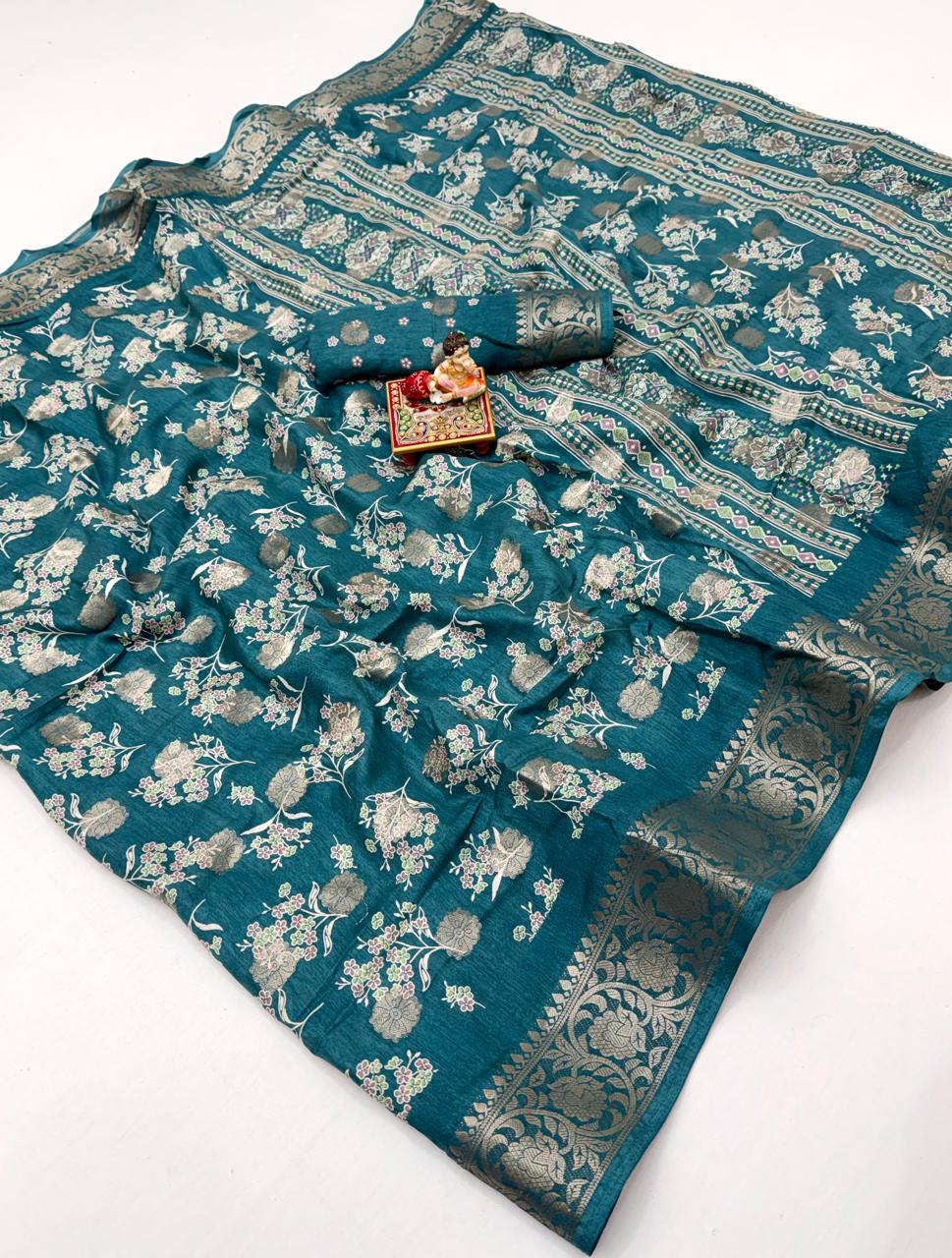
Let a heritage pallu set the direction
Keep the blouse in a colour already present in the saree and repeat one motif through a small accessory rather than through several matching pieces. A woven pallu with red, black and cream can be paired with a solid black or deep red blouse, oxidised silver earrings and a low bun. The result acknowledges the textile without turning every element into a competing pattern.
The Teal Blue Handloom Cotton Saree with Purple Border & Heritage Pallu demonstrates why a border-led approach works: teal and purple already supply contrast, so a plain purple, navy or ivory blouse can provide structure. A three-quarter sleeve and a modest round neckline make the combination appropriate for a cultural programme, work event or daytime celebration.
Use tonal colour for a quieter contemporary look
Use tonal dressing when the saree has floral, tissue or delicate woven details. A blouse within two shades of the saree's base colour makes the drape look longer and allows the pallu to remain the focal point. Minimal jewellery, a narrow belt or a structured potli can then introduce current definition.
The Pastel Floral Tissue Handloom Cotton Saree with Zari Weaves suits this treatment because pastel colour and zari already create visual lightness. Pair the saree with a fitted sleeveless or short-sleeved blouse in dusty rose, ivory or muted green, then choose one metallic accent instead of a complete set of gold jewellery.
Odia Saree Styling needs a blouse with deliberate proportions
A blouse with clean structure works best with a textured handloom saree because it balances the fabric's visual richness. Neckline, sleeve length and fabric weight should be chosen according to the border width, the occasion and how much movement you need.
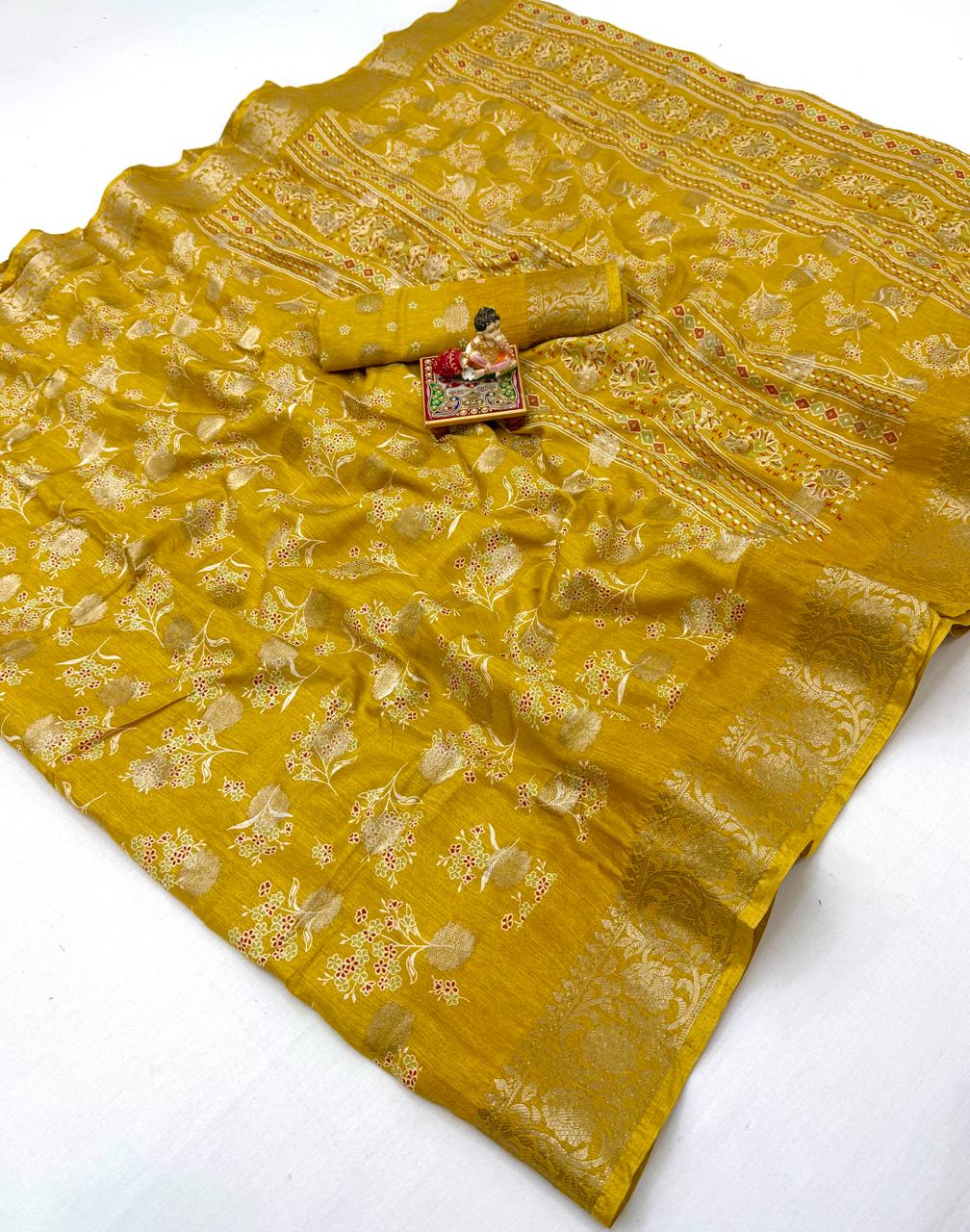
- High-neck blouse: A high neck creates a polished, up-to-date line with a broad border or prominent pallu. Keep the fabric plain so the neckline doesn't compete with woven motifs.
- Boat-neck blouse: A boat neck suits elegant evening styling and works particularly well when the saree has a restrained colour palette. Avoid a heavily embellished neckline if the saree contains zari or a dense heritage pallu.
- Three-quarter sleeves: Three-quarter sleeves provide coverage and a classic handloom feel. They pair well with cotton sarees for office wear, teaching, travel and daytime ceremonies.
- Short sleeves: Short sleeves make a classic saree feel lighter and more current. A clean sleeve hem is usually more effective than excessive piping or contrast trim.
- Contrast blouse: A contrast blouse works when the saree contains a clear secondary colour. Repeat the contrast only once elsewhere, perhaps in earrings, bangles or a small clutch.
Fit matters more than novelty. A blouse should sit flat at the shoulder, close comfortably under the arm and allow the pallu to be pinned without pulling across the bust. For cotton sarees, a lined blouse can improve shape; for lightweight tissue or delicate woven sarees, avoid rough hooks and sharp embellishment that may catch the fabric.
Odia Saree Styling becomes contemporary through a controlled drape
A neat Nivi-style drape with sharply pleated fronts and an organised pallu is the most adaptable current base for an Odia handloom saree. The drape should display the border and pallu clearly while keeping the waist and shoulder comfortable.
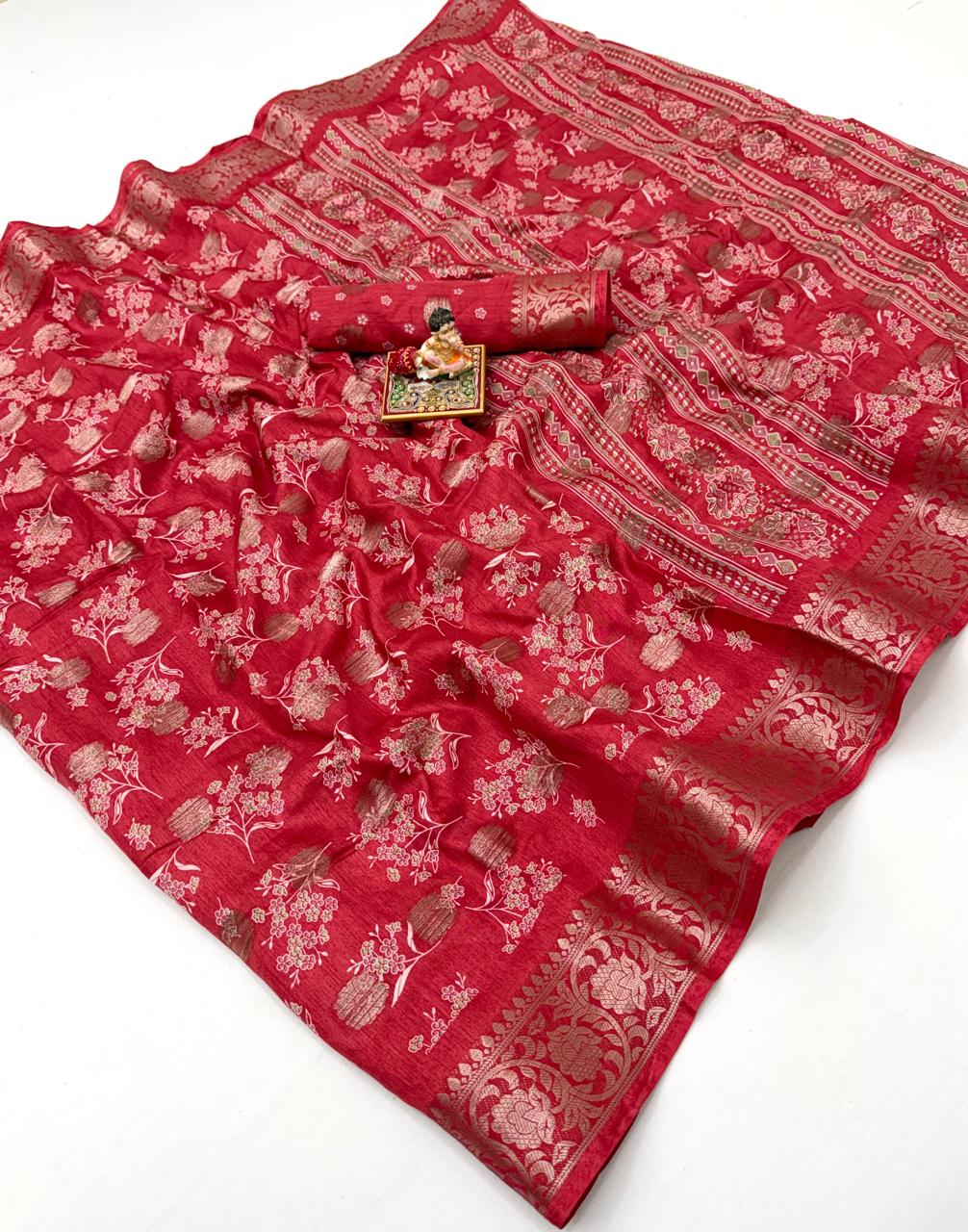
- Prepare the foundation: Wear a firm petticoat or underskirt with a secure waistband and choose footwear before making the pleats. The saree should finish close to the top of the foot rather than pooling on the floor.
- Set the length: Tuck the saree once around the waist, leaving enough fabric for the pallu. Handloom cotton can need a little extra length because thicker pleats consume more fabric.
- Make five to seven front pleats: Medium-width pleats usually show a border more clearly than very narrow pleats. Align the pleats at the centre and pin them discreetly from the inside.
- Control the pallu: Pleat the pallu if the border or heritage design deserves to be seen. Let it fall open for a relaxed contemporary effect only when the fabric is light enough to stay in place.
- Secure high-friction areas: Use concealed safety pins at the shoulder and waist, placing pins through the stronger selvedge or folded seam rather than through a delicate motif.
A belt can sharpen the waist for a gallery visit, reception or evening gathering, but a belt should be narrow and matte when the saree already contains zari. A seedha-pallu variation can look striking, although the pallu should still remain visible; hiding the saree's most detailed section removes much of its character.
Odia Saree Styling changes according to the occasion
Match the saree's weight, surface decoration and drape security to the movement and formality of the event. Cotton and restrained woven textures suit daytime activities, while zari, silk and dramatic pallus can carry more formal styling.
For work and daytime events
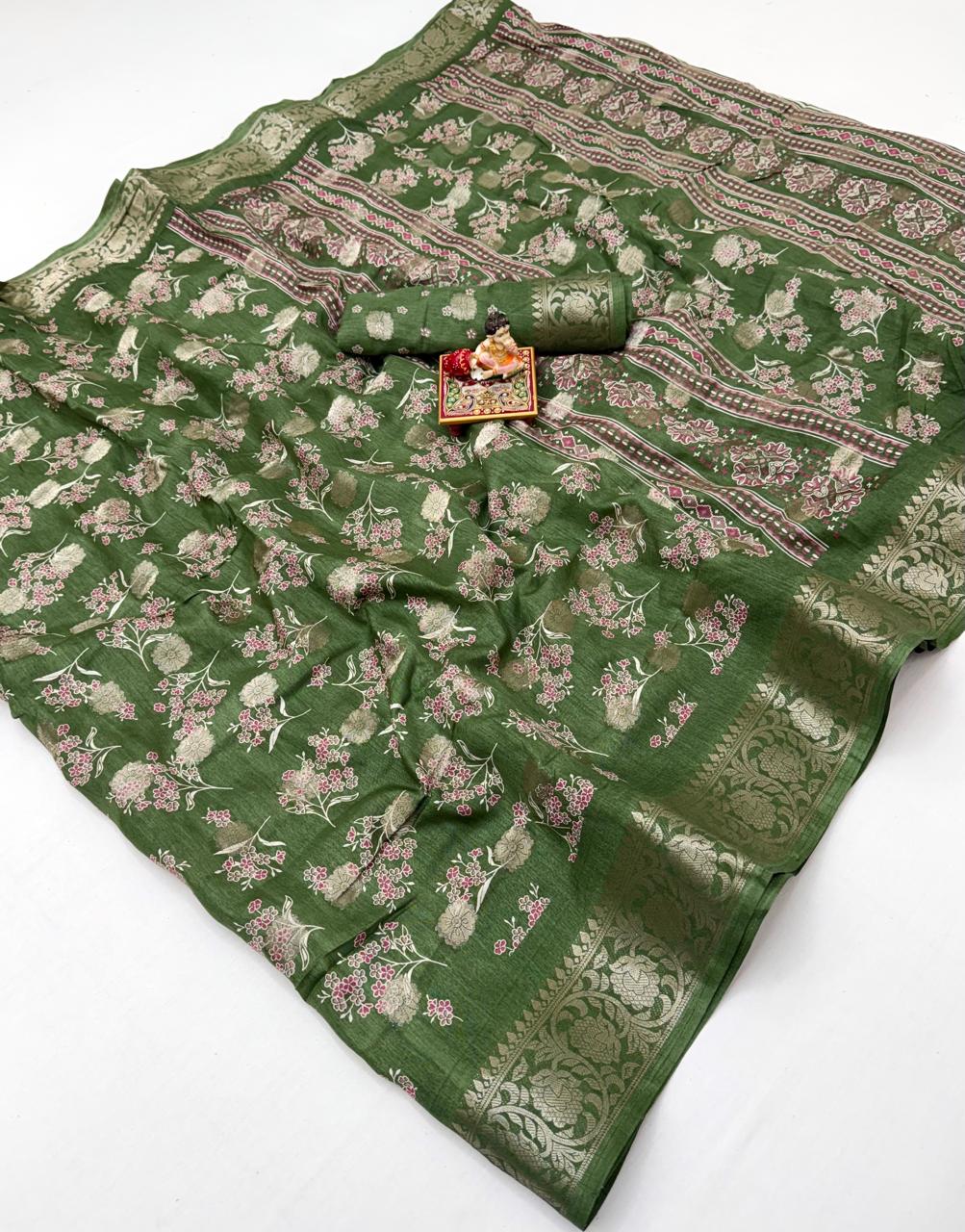
Choose breathable cotton, a moderate border and a blouse with sleeves that allow easy movement. The Mushroom Brown Handloom Saree with Ethnic Striped Border can be styled with a solid beige, black or rust blouse, small silver studs and a practical leather or woven tote. Keep the pallu pinned near the shoulder if you'll be commuting or presenting.
The Royal Varnavi Olive Bloom Handloom Saree also supports an understated daytime palette. Olive, cream and antique gold accessories can make the outfit feel coordinated without requiring a full traditional jewellery set. Flat juttis or low block heels are more practical than delicate stilettos for long wear.
For a Haldi ceremony
Yellow, turmeric, marigold, green and warm coral create a natural palette for a Haldi ceremony, but comfort and stain awareness should guide the choice. Select a washable or easy-care handloom cotton saree, keep the pallu securely pinned and avoid jewellery that may snag during movement.
A Rust Red Handloom Printed Saree with Ethnic Border can be made festive with a mustard blouse, floral earrings and a low braided hairstyle. If turmeric or water-based rituals are part of the event, choose washable accessories and leave heirloom silk or fragile zari for a less hands-on celebration.
For a family puja or cultural gathering
Use a heritage pallu, a neat full or three-quarter sleeve blouse and jewellery with a recognisable Indian craft language. The Ivory Rust Handloom Floral Saree with Storytelling Pallu can take a rust blouse, a narrow gold chain and heritage earrings while retaining a calm, respectful balance.
For an evening celebration
Increase definition rather than adding decoration everywhere. The Ivory Cream Floral Handloom Saree with Heritage Pallu can work with a deep rust, bottle green or black blouse, a sleek bun and one sculptural pair of earrings. A small metallic clutch is enough when the pallu already contains a strong narrative pattern.
Odia Saree Styling is completed by proportionate accessories
Silver, oxidised metal, terracotta, wood and restrained gold all complement handloom sarees, provided the jewellery repeats a colour or texture already present in the weave. The right choice depends on whether the saree feels earthy, ceremonial, delicate or graphic.
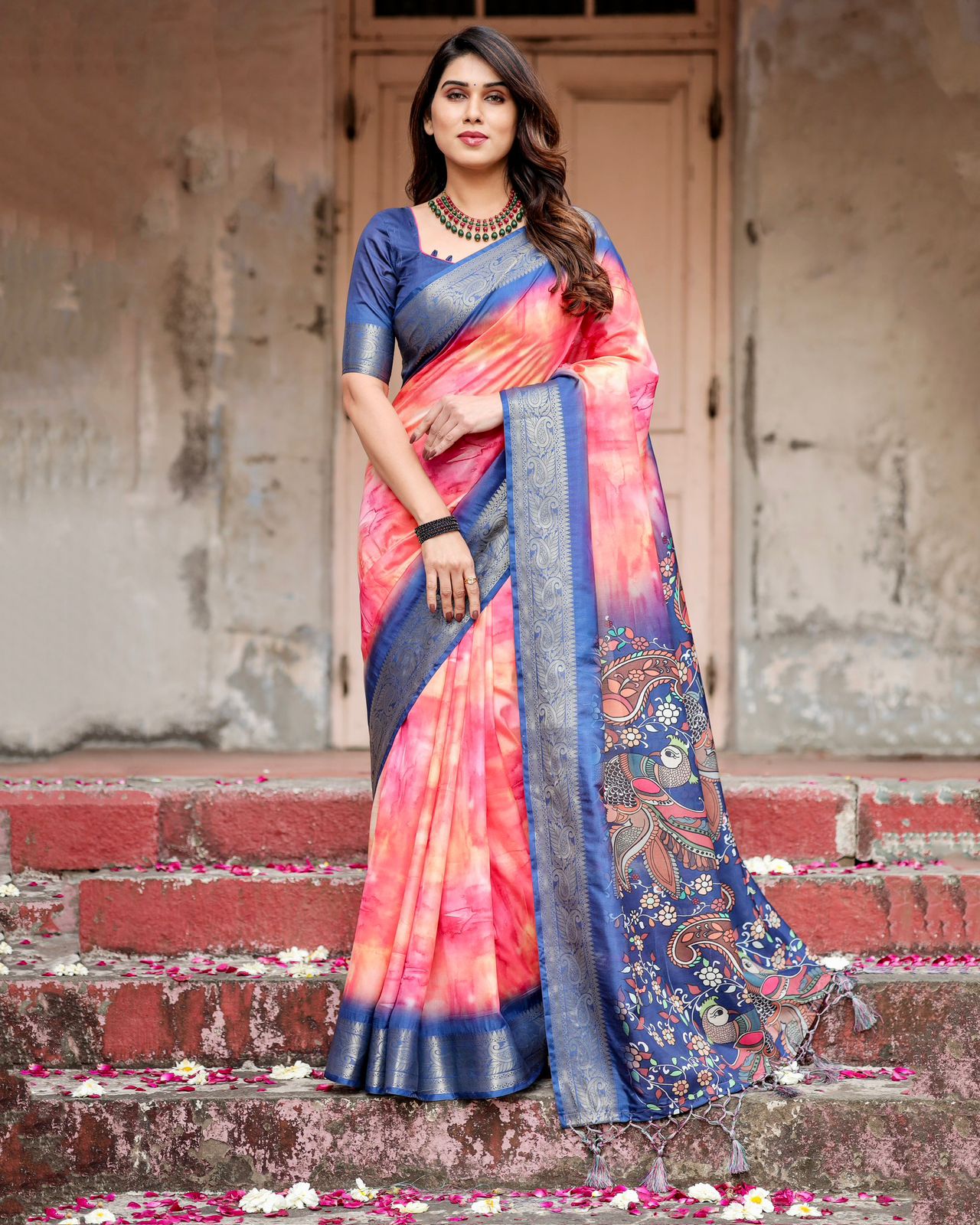
- Oxidised silver: Oxidised silver earrings and a few bangles suit cotton sarees with indigo, rust, purple, black or ivory. Silver is especially effective when the border has geometric or tribal-inspired character.
- Terracotta and wooden jewellery: Terracotta earrings or wooden beads bring warmth to earthy brown, rust and olive palettes. Use one substantial piece instead of combining a necklace, large earrings and stacked bangles.
- Gold: Small gold studs, a fine chain or antique-gold bangles complement zari and warm floral palettes. Heavy gold jewellery is better reserved for a saree with enough visual depth to support it.
- Hair accessories: A low bun, braid or half-up style keeps the shoulder and pallu visible. Fresh jasmine suits a festive or puja setting, while a plain bun is more versatile for work.
- Bags and footwear: Choose a woven clutch, leather potli or compact structured bag. Juttis, kolhapuris and low block heels coordinate well with handloom sarees and provide more stability than narrow high heels.
Accessories should also respect the saree's movement. Long necklaces can catch on a textured pallu, large rings can pull at a loose thread and metal bangles can make repeated contact with delicate zari. A quick movement test before leaving home can prevent avoidable damage.
Odia Saree Styling is easier when colour and care work together
Colour pairing becomes more reliable when you identify the saree's temperature and one supporting shade. Rust, maroon, mustard and olive usually feel warm; teal, purple, indigo and blue feel cooler; ivory, cream, mushroom and pastel shades can bridge the two groups.
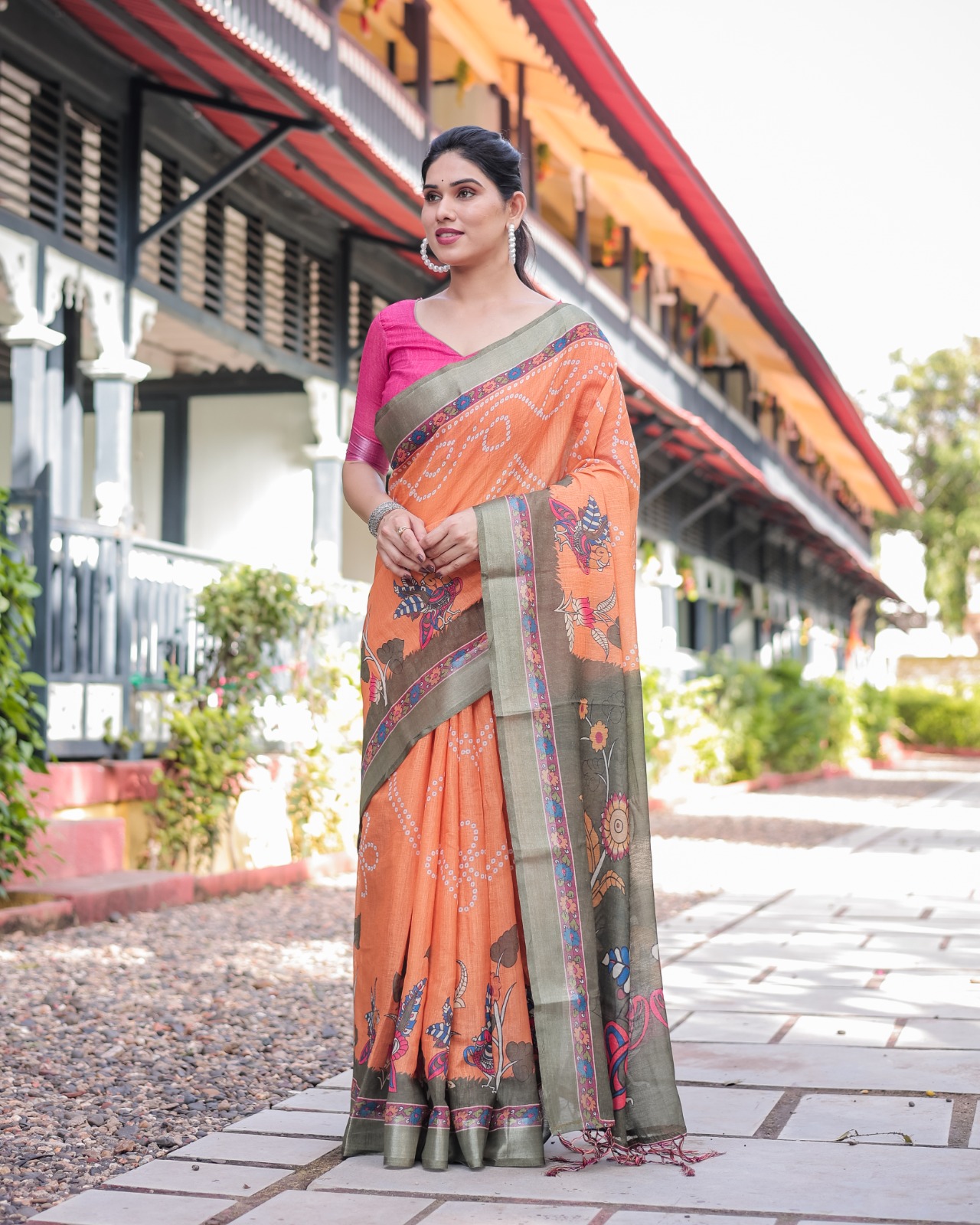
The Rust Maroon Handloom Cotton Saree with Floral Print and Traditional can be paired with a muted mustard, cream or maroon blouse rather than another loud print. The Ivory Cream Floral Handloom Saree with Heritage Pallu benefits from deep rust or green when you want contrast, or ivory when you want a longer, quieter silhouette.
Care protects the styling investment. Air a handloom saree after wearing, remove pins before folding, and store the saree in clean cotton or muslin rather than plastic for long-term storage. Fold zari sections inward, keep sarees away from direct sunlight and avoid spraying perfume directly onto silk, zari or dyed cotton.
Wash instructions depend on fibre, dye and finishing. Follow the product label first; when no instruction is available, professional dry cleaning is safer for silk, zari and colour-sensitive textiles. For washable cotton, test colourfastness on an inconspicuous area, use cold water and mild detergent, avoid wringing and dry the saree in shade. Refolding stored sarees every few months helps reduce permanent crease lines.
For shoppers comparing options, collections such as Sarees from Rs 1000 to Rs 1500, Sarees Under 20% Off, Sarees Under 10% Off, Sarees Flat 60% Off and Sarees Flat 50% Off can make budget planning easier. Price should still be considered alongside fibre, weave description, finishing, measurements and care requirements.
The strongest up-to-date handloom look leaves room for the saree to speak. Select a clear visual anchor, choose a blouse with disciplined proportions, secure the drape for the way you'll move and repeat only one or two colours in the accessories. That approach preserves the character of Odisha's textile traditions while making the outfit genuinely wearable now.
Questions Readers Ask About Odia Saree Styling
How can I style an Odia saree in a modern way?
Pair the saree with a clean-lined blouse, a neat Nivi-style drape and one controlled accessory such as a narrow belt or sculptural earrings. Keep the blouse plain when the border or pallu has a dense heritage design.
Which blouse colour goes with an Odia handloom saree?
Choose a colour already present in the border or pallu for the safest coordination. Ivory, navy, rust, deep purple, black, mustard and bottle green are useful options, depending on the saree's base colour.
What jewellery looks good with a Sambalpuri-inspired saree?
Oxidised silver, terracotta, wood and restrained antique gold complement Sambalpuri-inspired handloom styling. Select one dominant jewellery type and avoid matching every accessory to the saree's motifs.
How should I drape a handloom cotton saree for work?
Use a secure Nivi-style drape with five to seven medium front pleats and a pinned shoulder pallu. Wear a three-quarter sleeve blouse and choose flat juttis or low block heels for comfortable movement.
Can I wear an Odia saree to a Haldi ceremony?
Yes, an easy-care cotton Odia-inspired saree is suitable for a Haldi ceremony. Secure the pallu, choose washable accessories and avoid fragile zari or heirloom silk if turmeric, water or colour will be part of the rituals.
How do I care for an Odia handloom saree?
Follow the care label, remove pins before folding and store the saree in breathable cotton or muslin away from sunlight. Use professional dry cleaning for silk, zari or colour-sensitive textiles, and wash suitable cotton sarees gently in cold water without wringing.