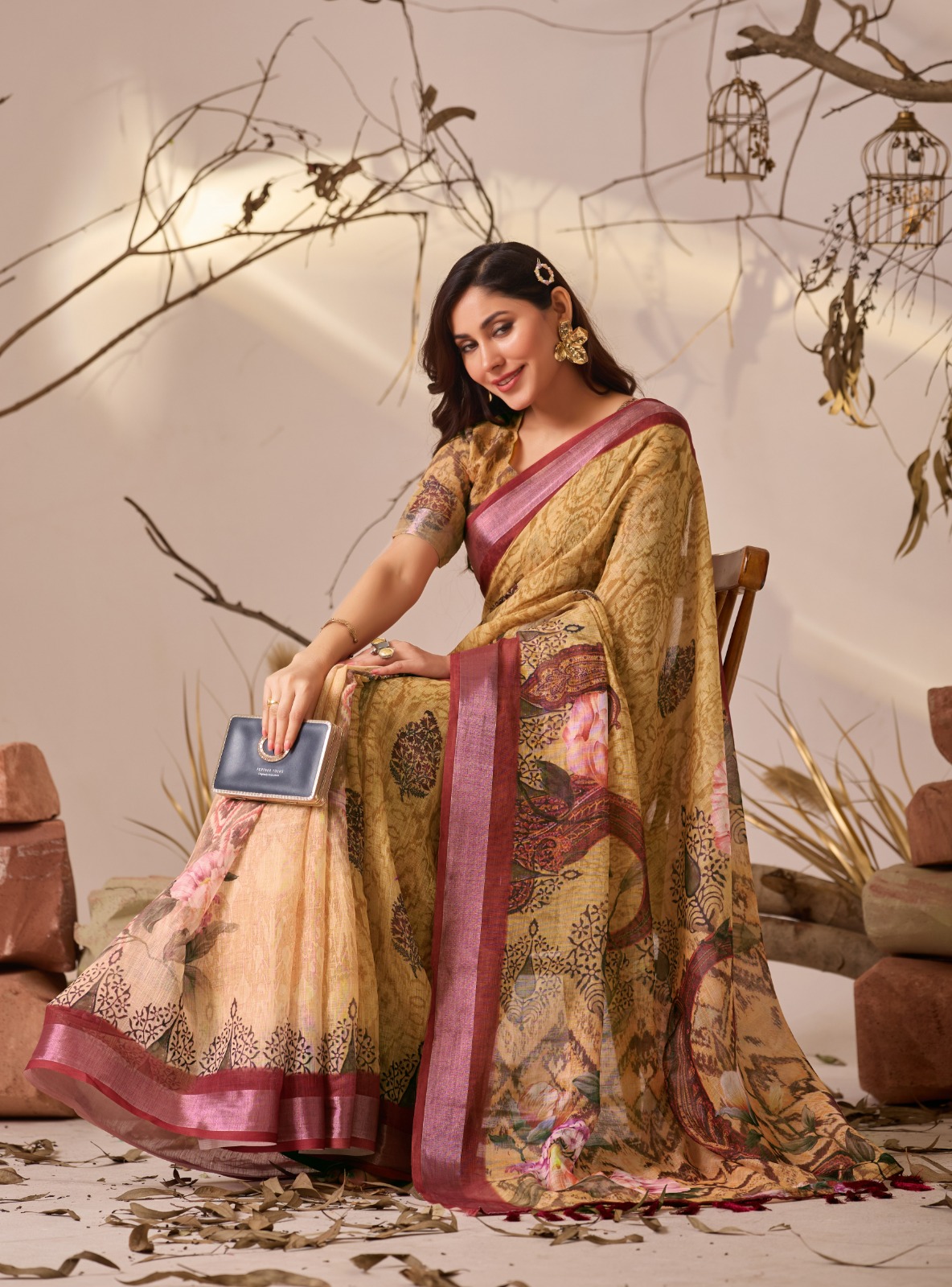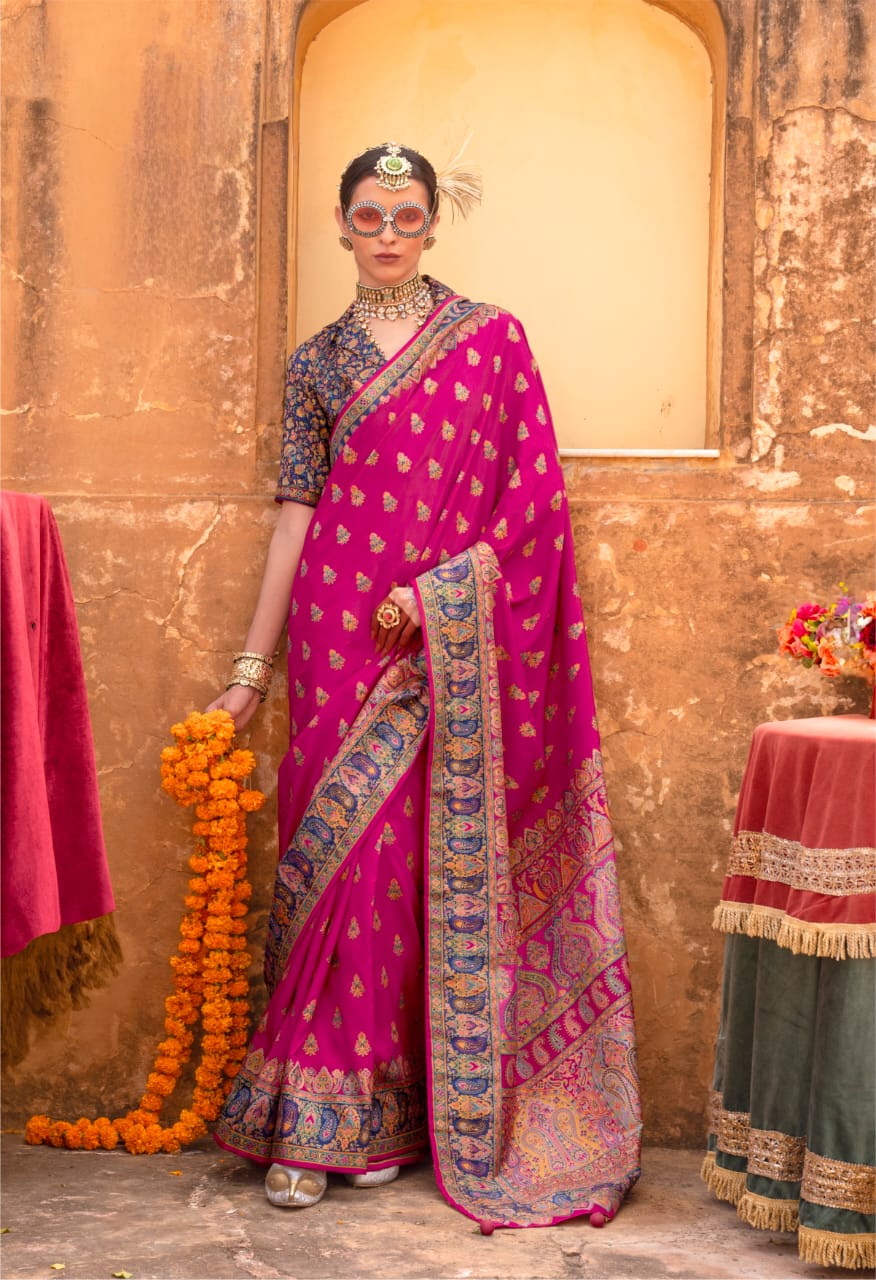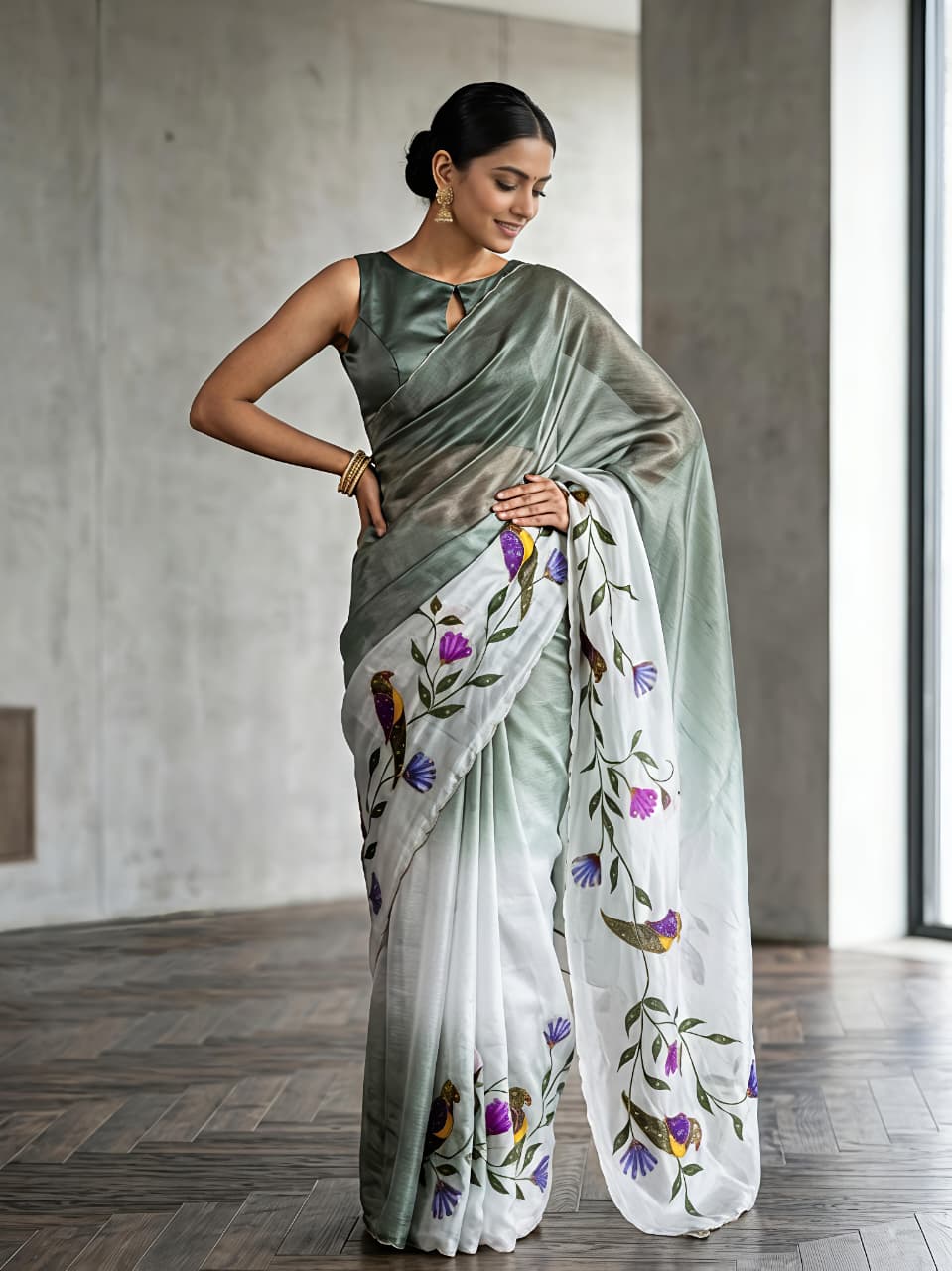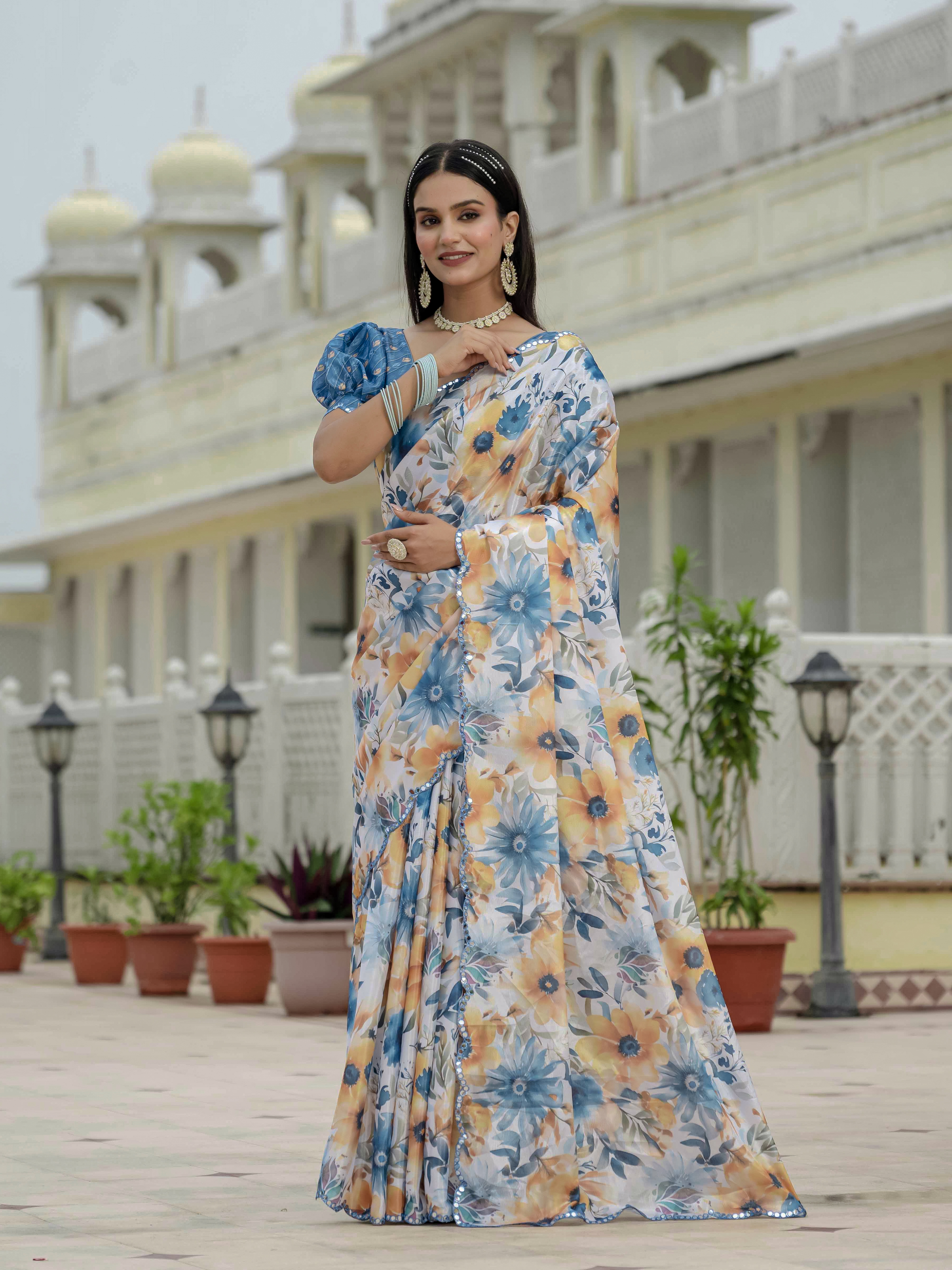
Nuakhai Outfit Ideas: Sambalpuri Sarees, Suits & Lehengas become easy to choose when clothing decisions begin with the festival's meaning rather than colour trends alone. Nuakhai is Odisha's harvest festival, observed after the season's new rice is offered to the presiding deity and elders. A corporate outfit can therefore combine regional identity, practical comfort and festive colour. Sambalpuri ikat, handloom cotton, silk blends, salwar suits and modern lehengas can all work when the fabric and styling suit the heat, rituals and movement of the day.
Nuakhai celebrations vary across western Odisha communities and families, but worship, new-rice offerings, visits to relatives and Nuakhai Bhet are common elements. Clothing should allow you to sit, walk, eat and participate without constant adjustment. The strongest Nuakhai look is polished enough for family photographs while remaining connected to Odisha's textile traditions.
What Makes a Nuakhai Outfit Appropriate?
A suitable Nuakhai outfit is festive, comfortable, respectful of family customs and connected to Odisha through its textile, motif, colour or styling detail. A traditional Sambalpuri saree is the clearest choice, while a Sambalpuri-inspired suit or modern lehenga can work for people who prefer easier movement.
Nuakhai isn't a costume event with one compulsory dress code. Many households favour handloom sarees, cotton sarees, salwar suits or regional textiles, while younger family members may choose a lehenga or coordinated kurta set. The important distinction is between a garment selected thoughtfully and one chosen only because it resembles a generic festival outfit.
Sambalpuri ikat is especially meaningful because the yarns are tie-dyed before weaving, creating patterns that remain integrated into the cloth rather than printed on top. Heritage motifs may include shankha, chakra, phula, rudraksha, fish and geometric forms. A saree with these details can communicate regional identity even when the blouse and jewellery are contemporary.
For a family puja, a moderate neckline, secure drape and non-sheer fabric are practical choices. For Nuakhai Bhet or an evening gathering, a more embellished blouse, dupatta border or festive lehenga can add occasion value. Clothing decisions should also follow the customs of the household hosting the ritual.
How Do You Choose a Sambalpuri Saree for Nuakhai?
The best Sambalpuri saree for Nuakhai is one whose fabric, weight, motif scale and drape match the day's activities. Handloom cotton suits daytime rituals and warm weather, while Sambalpuri silk or a silk-cotton blend creates a richer look for formal family gatherings.
Compare the fabric before choosing the colour
Handloom cotton is breathable, absorbent and relatively easy to sit and move in, making it useful for a long day of worship and visits. Sambalpuri silk has more lustre and structure, but the wearer should check whether the silk is comfortable in the local climate. A lightweight cotton-silk blend can provide some sheen without the heaviness of a heavily embellished sari.
A genuine ikat pattern may show slight variation in the alignment of motifs because the design is created through resist-dyeing yarns and handloom weaving. Small irregularities are not automatically defects. Buyers should still inspect the pallu, border, blouse piece and selvedge for consistent finishing, loose threads and clear fibre information.
Use motifs and colour with intention
Red, yellow, green, orange, white and deep indigo are natural choices for a harvest celebration, but no single colour is mandatory. A red Sambalpuri border on an off-white body can look ceremonial without becoming difficult to style. Mustard, rust and leaf green create a grounded palette that suits Nuakhai's agricultural association.
Large geometric motifs make a saree visually prominent, while smaller butas create a quieter look suitable for daytime. A bold pallu can become the focal point when the blouse is plain. Traditional motifs should remain visible rather than being covered by an oversized necklace, broad belt or very long open hair.
Nuakhai Outfit Ideas: Sambalpuri Sarees, Suits & Lehengas for Different Preferences
Nuakhai Outfit Ideas: Sambalpuri Sarees, Suits & Lehengas can be adapted to age, comfort needs and personal style without treating every wearer as if she should dress identically. The three most useful routes are a saree for classic presence, a suit for easy movement and a lehenga for a younger or more contemporary festive silhouette.
The saree route
A Sambalpuri saree with a contrasting blouse is the strongest choice for someone who wants an unmistakably Odisha-rooted look. Choose a cotton saree for a daytime puja, a silk or silk-cotton saree for a formal gathering, and a medium-width border if you need a lighter drape.
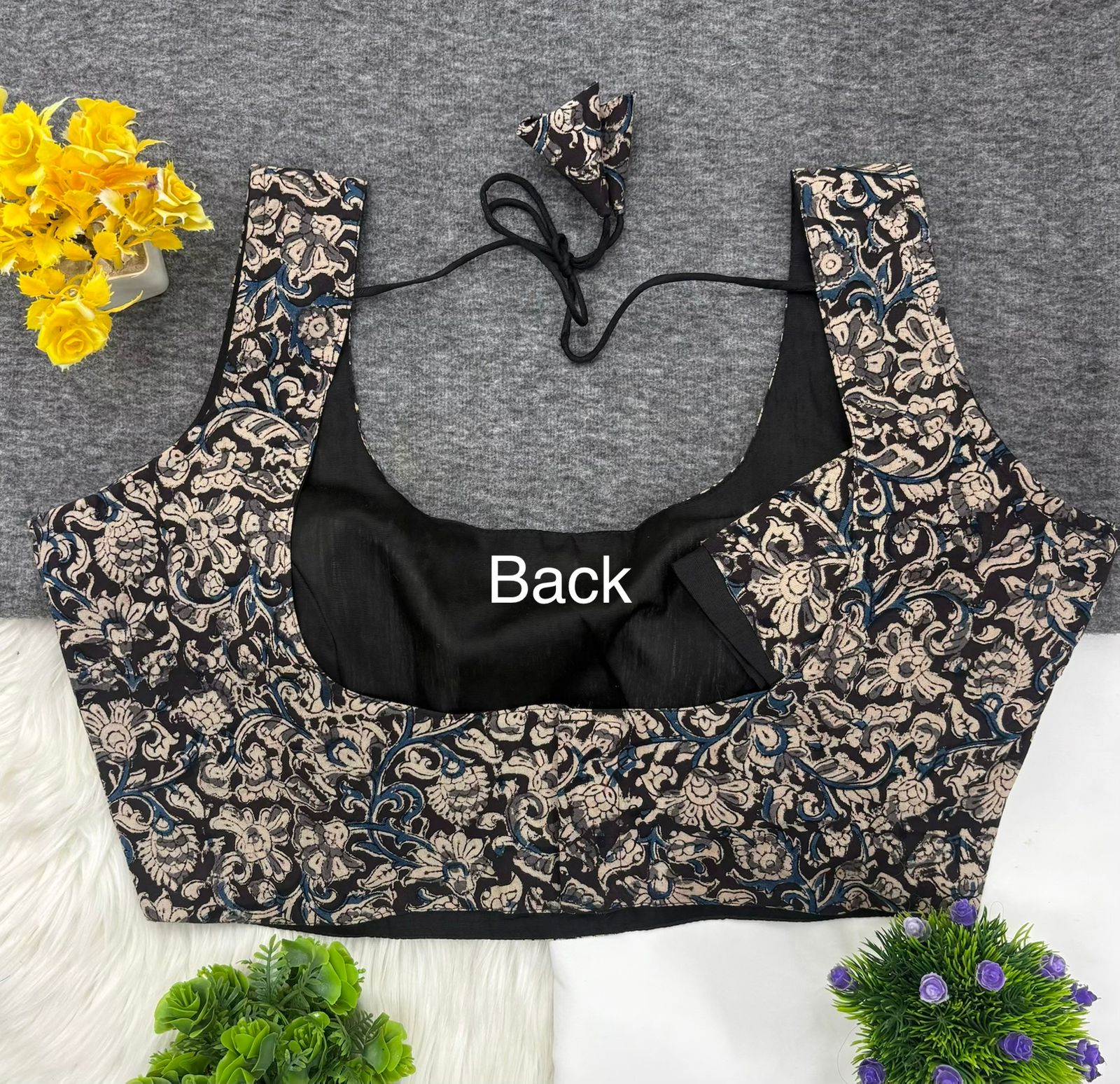
A high-neck or elbow-length blouse can balance a richly patterned saree. A short-sleeved blouse is cooler, while a three-quarter sleeve gives a more structured appearance. A blouse in the border colour can unify the outfit, whereas a plain ivory, black or maroon blouse can prevent a multicoloured ikat from looking busy.
The suit route
A Sambalpuri or ikat salwar suit is the most practical choice for people who will spend several hours moving between homes, sitting on the floor or helping with food and rituals. Straight-cut cotton suits, A-line kurtas and palazzo sets offer ease without losing a festive appearance.
Use a printed or woven Sambalpuri dupatta with a solid kurta when a full ikat outfit feels too intense. A kurta with a patterned yoke and plain lower half is another balanced option. Secure the dupatta with small hidden pins at the shoulder and waist so that it remains presentable during greetings and meals.
The lehenga route
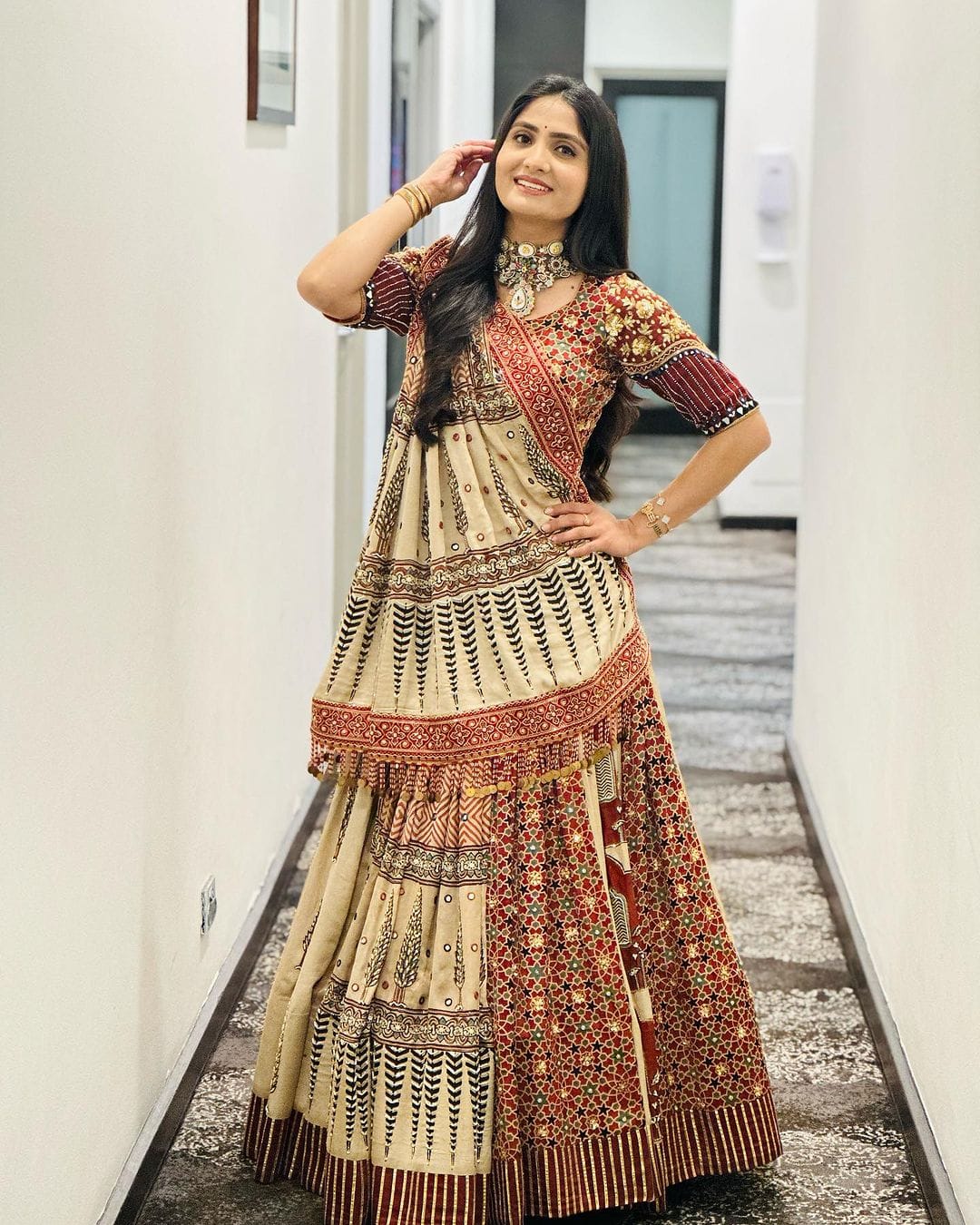
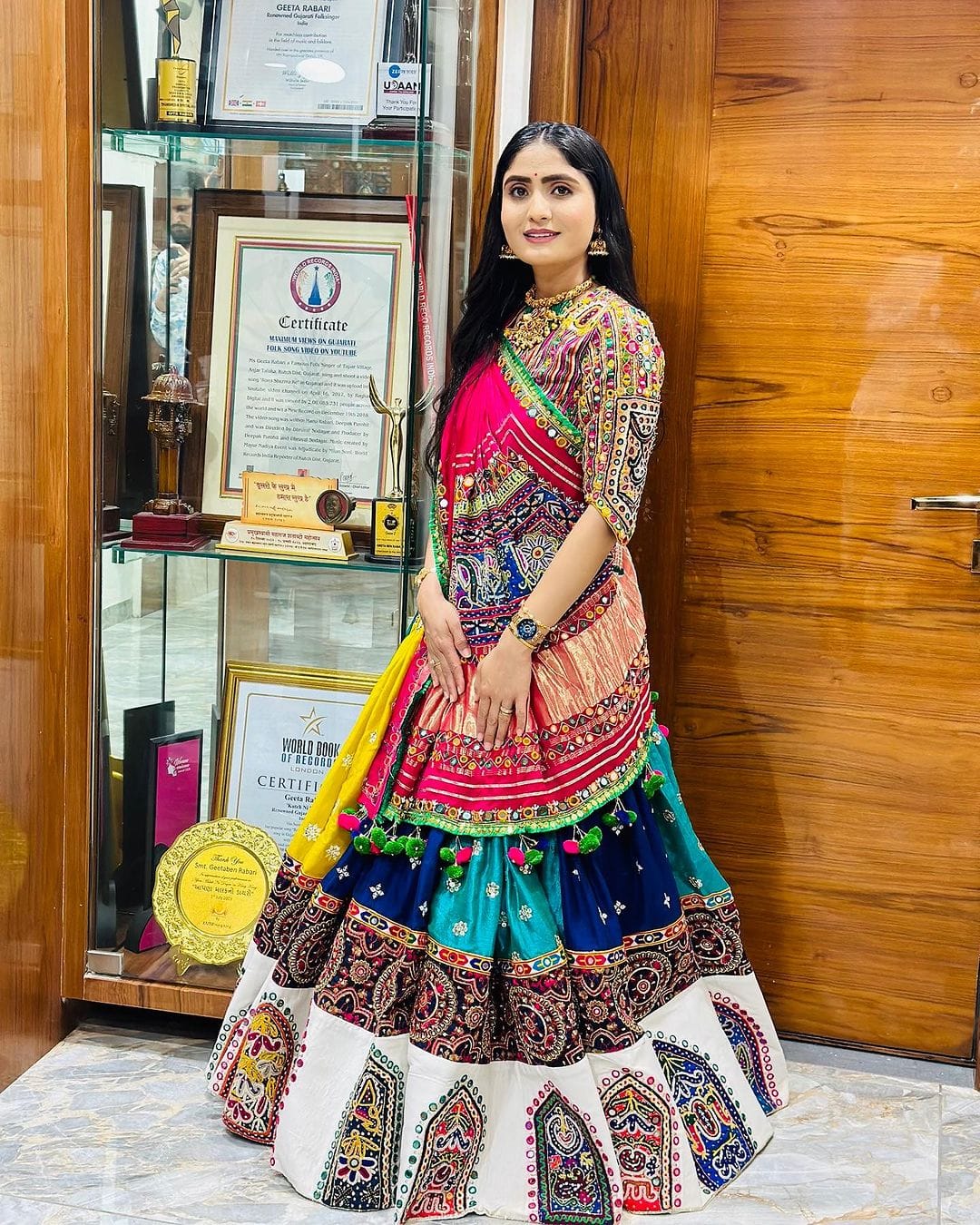
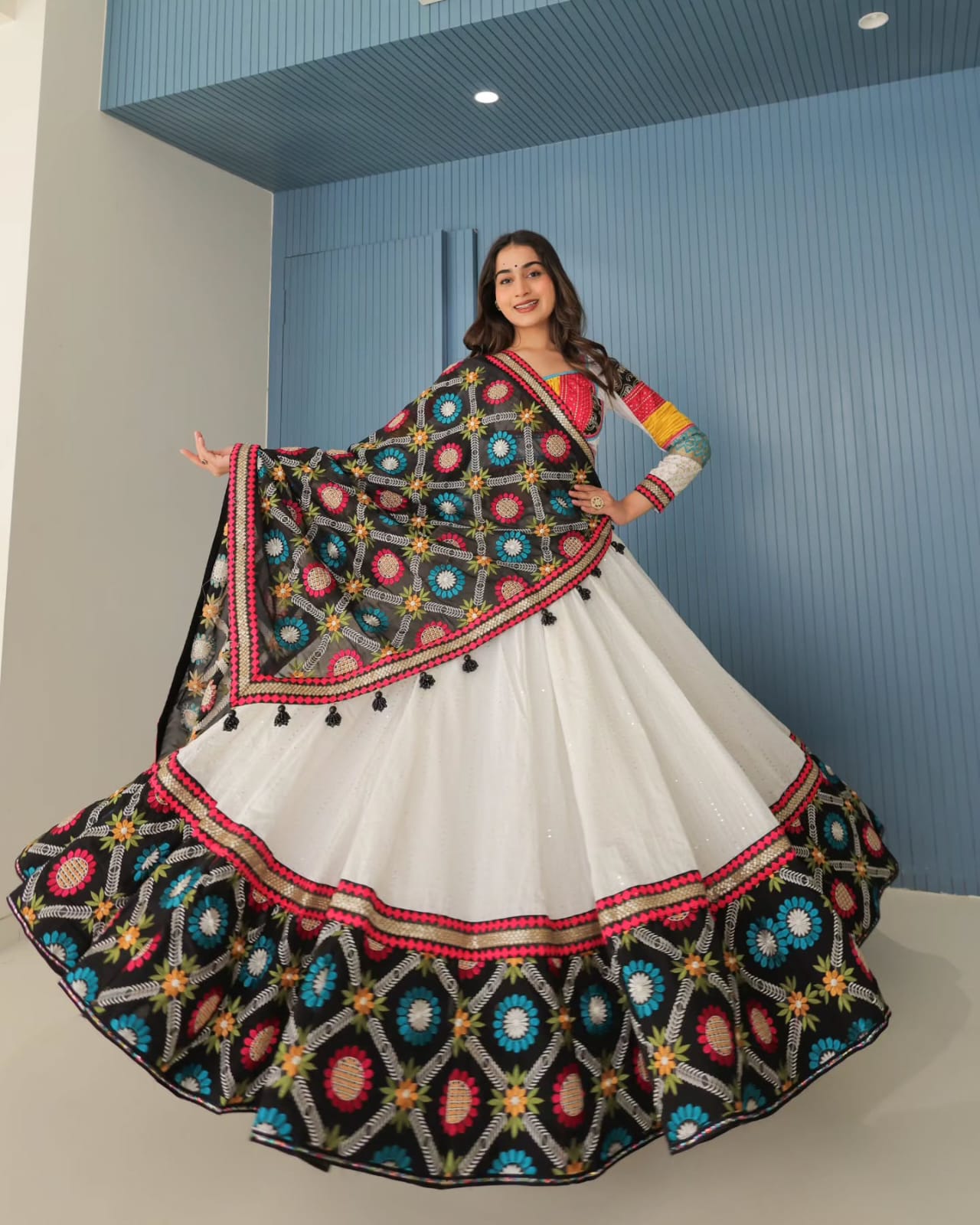
A lehenga is a contemporary Nuakhai choice rather than the most traditional regional garment, so textile details should carry the cultural connection. An ikat dupatta, Sambalpuri-inspired border, handloom blouse or Odisha-style silver jewellery can make a contemporary lehenga feel considered rather than disconnected from the festival.
Lightweight georgette, muslin cotton, butter silk and soft viscose are easier to wear than heavily layered net for a daytime celebration. The skirt should allow a full step without pulling at the waist, and the blouse should remain secure when raising the arms for greetings or household tasks.
The Festive Multicolor Muslin Cotton Lehenga Choli Set offers an useful direction for a breathable, colourful daytime outfit. The Colorful Patch Print Butter Silk Lehenga Choli Set and Stylish Multicolor Butter Silk Lehenga Choli Set can suit an evening gathering where a little more sheen is appropriate. An ikat dupatta or regional silver jewellery can add the Nuakhai connection to either look.
How Should Colours, Blouses and Jewellery Work Together?
A balanced Nuakhai outfit usually needs one dominant colour, one supporting colour and one restrained metallic or neutral accent. Too many competing prints can hide the weave and make jewellery appear disconnected from the clothing.
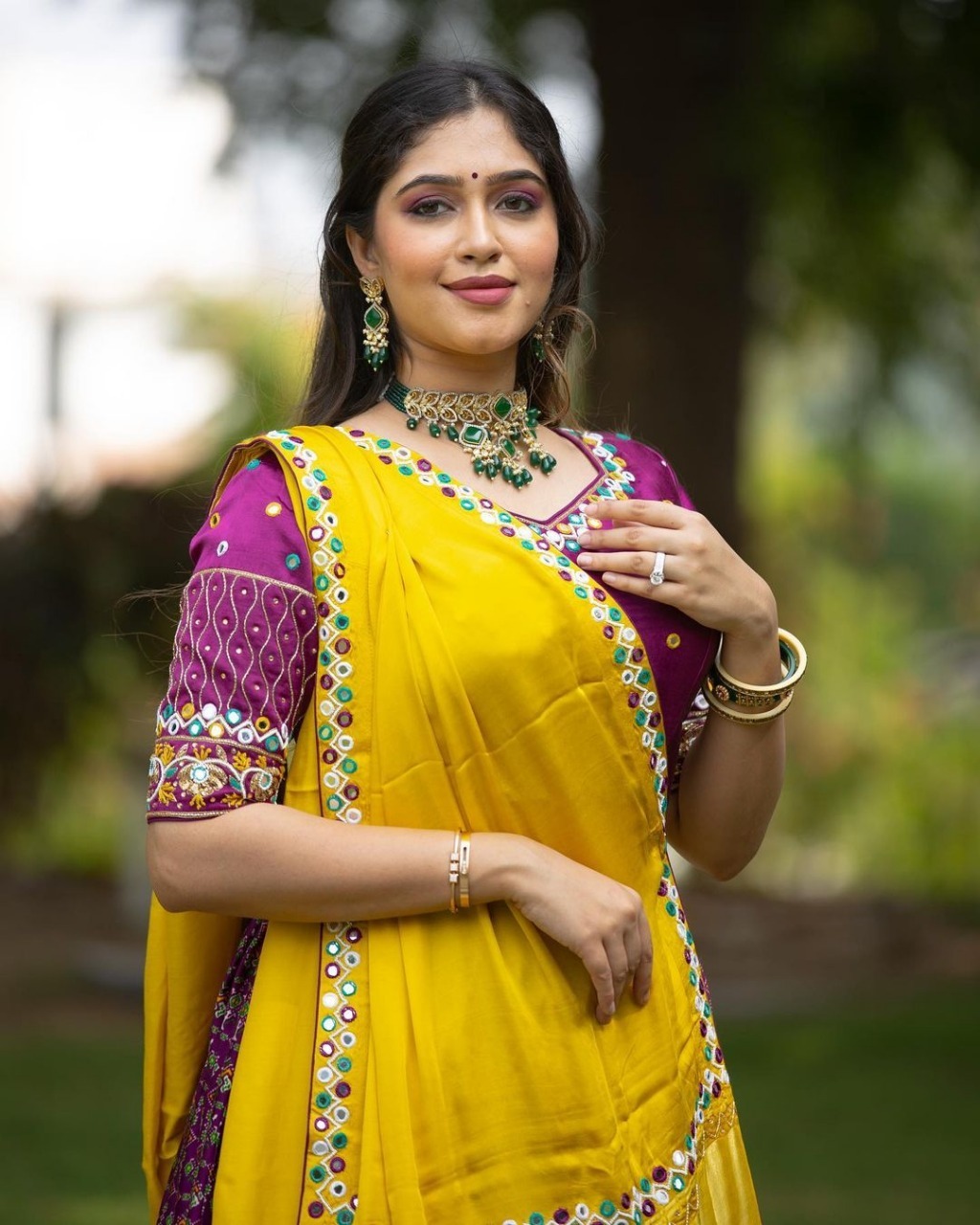
For a red and yellow saree, try antique gold earrings and a blouse in deep maroon or warm beige. For a green and black Sambalpuri palette, oxidised silver, a red bindi and a plain black blouse can create definition. White with red, indigo with mustard and rust with cream are dependable combinations because each pair has clear contrast.
Oxidised silver jewellery pairs naturally with handloom cotton, ikat and matte textiles. A choker, medium jhumkas and two or three bangles are often enough for a daytime celebration. Gold-toned jewellery works well with silk and zari, but heavy necklaces may compete with a large Sambalpuri pallu.
Blouse fit matters more than decorative detail. Measure the bust, upper arm and shoulder width, and leave enough ease to breathe comfortably. A blouse that's too tight can distort the saree drape and become uncomfortable during a long ritual. For a lehenga, check that the waistband sits securely without digging into the waist when seated.
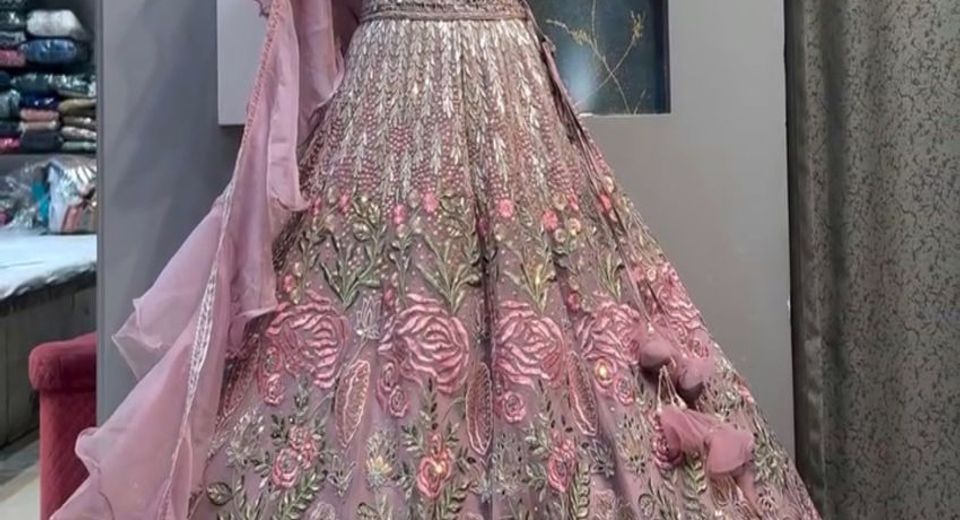
The Beige Ethnic Printed Lehenga Set for Navratri and Garba shows how a neutral base can make colourful accessories stand out, even though the garment was designed for another festival context. The Pastel Floral Georgette Lehenga Set with Ruffle Blouse brings a softer palette for an evening family gathering, while the Stylish White Mirror Work Lehenga for Festive Wear is better reserved for celebrations where mirror work suits the host's dress expectations.
How Do You Dress for Nuakhai Rituals and Family Visits?
A ritual-ready Nuakhai outfit should have a secure drape, breathable fabric, covered footwear and minimal elements that can snag or fall during worship. Comfort and neatness matter because Nuakhai often combines prayer, food, greetings and travel within one day.
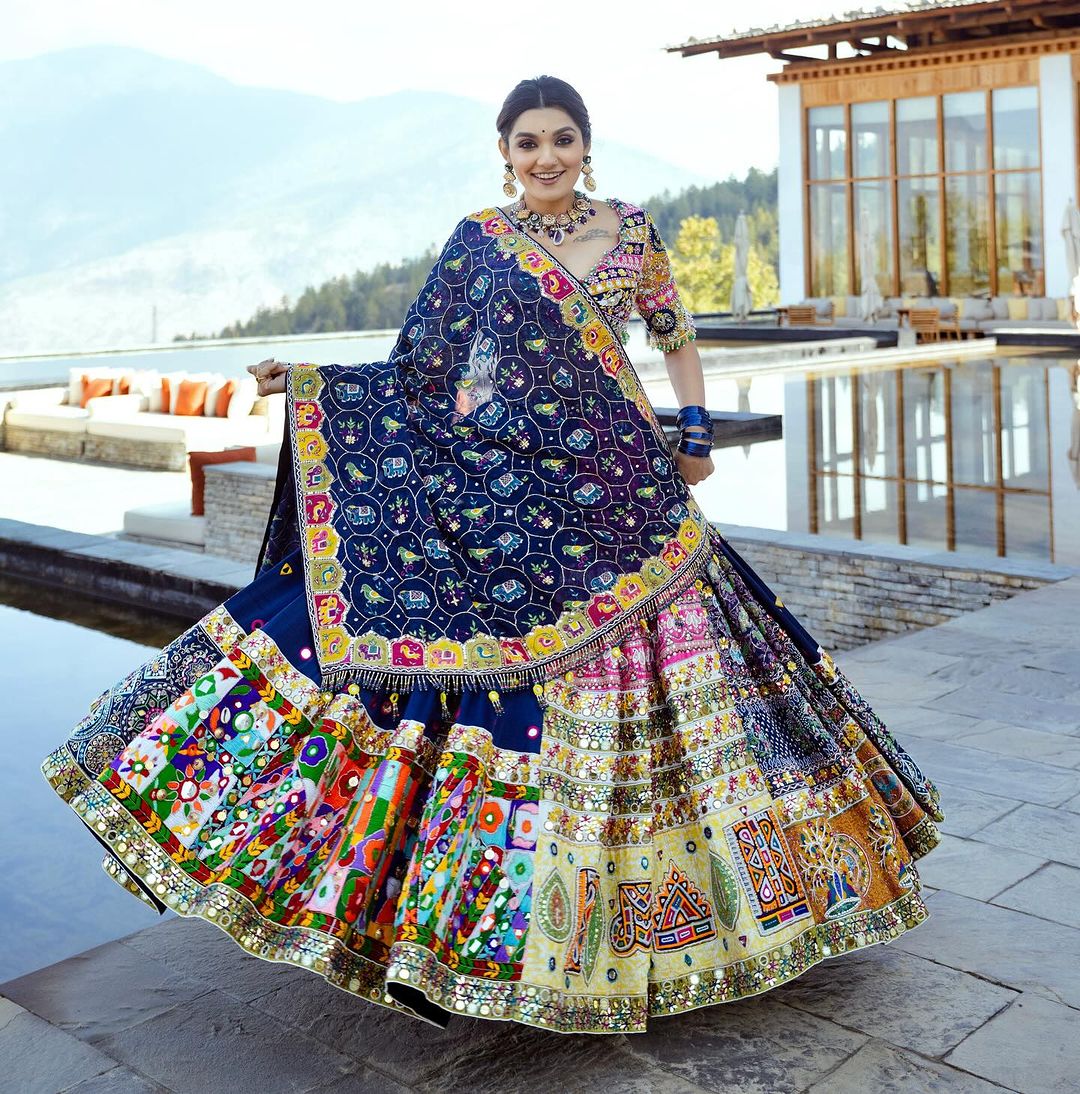
Pin the saree pallu at the shoulder and, if necessary, use a second discreet pin near the waist. A pre-pleated saree can save time, but the pleats should be tested while sitting and walking before the festival. For a lehenga or suit, pin the dupatta at one shoulder and secure a small section near the opposite side so it doesn't touch the floor.
Choose footwear with a stable sole and a low heel if you expect to remove shoes repeatedly or walk across courtyards. Fabric potlis and small crossbody bags are more practical than large structured handbags. Avoid long tassels, loose mirror-work edges and very delicate trailing dupattas when food preparation or crowd movement is likely.
Hair tied in a low bun, braid or half-up style keeps the face clear and protects the pallu from catching on jewellery. Fresh flowers can add a seasonal touch, but the choice should reflect family preference rather than become a compulsory styling element. A small bindi and simple makeup generally withstand heat better than a heavy base.
For a daytime family event, breathable cotton and a lighter jewellery set are safer than a heavily embroidered ensemble. For an evening gathering, the Exclusive Blue Traditional Navratri Lehenga Choli and Vibrant Multicolor Navratri Lehenga Choli Set demonstrate how stronger colour and festive volume can work when movement and weather are not major concerns. These pieces can be made more Nuakhai-appropriate with an Odisha-inspired dupatta, silver earrings or a handloom stole.
How Can You Shop for a Nuakhai Lehenga Without Losing Cultural Detail?
A suitable Nuakhai lehenga should be judged by fabric, fit, print quality, comfort and styling potential rather than by embellishment alone. A regional accessory or handloom component can create a stronger cultural connection than a large quantity of generic sequins.
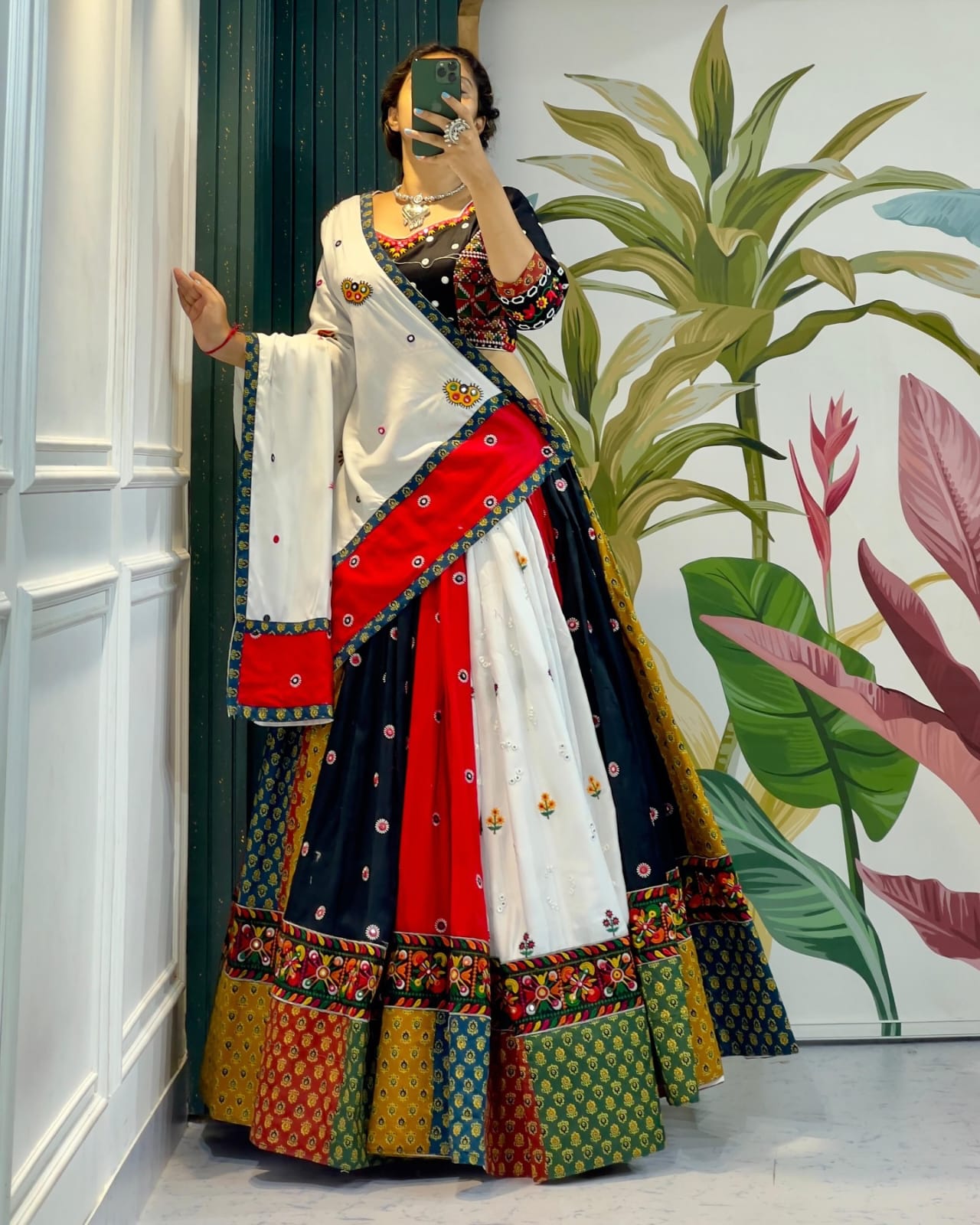
Begin by deciding whether the garment is for a daytime puja, an afternoon visit or an evening celebration. For daytime, muslin cotton, cotton blends and light georgette are generally easy to wear. For evening events, butter silk, satin blends and moderate embroidery can provide more structure and sheen. Heavy net layers may appear dramatic but can become hot and difficult to manage during extended family visits.
Check the skirt length while wearing the footwear intended for the celebration. A hem that touches the floor can collect dust and create a tripping risk. Check the blouse lining, zip, hook placement and seam allowance. A dupatta should have enough width to cover the shoulder comfortably without becoming so long that it drags while walking.
Budget collections can help compare silhouettes, but the listed discount should not replace a construction check. Pink Lehengas Under 4000 with 50% Discount and Silk Lehengas Under 3000 may suit shoppers working with a controlled budget. Bridesmaid Lehengas Under 5500 can offer polished coordinated colours, while Net Lehengas Under 4500 with 51% Discount and Haldi Lehengas Under 5500 may be useful references for comparing festive styles, even when the original occasion differs.
Colourful Patch Print Butter Silk Lehenga Choli Set can work when you want a bright, coordinated outfit without adding a separate skirt and blouse. A simple handloom dupatta, silver waist chain or woven potli can shift the styling toward Nuakhai. The goal isn't to make an up-to-date lehenga look like a saree, but to combine its silhouette with details that acknowledge Odisha's textile culture.
How Should Sambalpuri and Festive Garments Be Cared For?
Sambalpuri sarees should be stored clean, dry and folded with the zari or embellished sections protected from friction. Follow the care label for silk, georgette, butter silk and mirror-work garments, because fibre blends and surface decoration respond differently to washing.
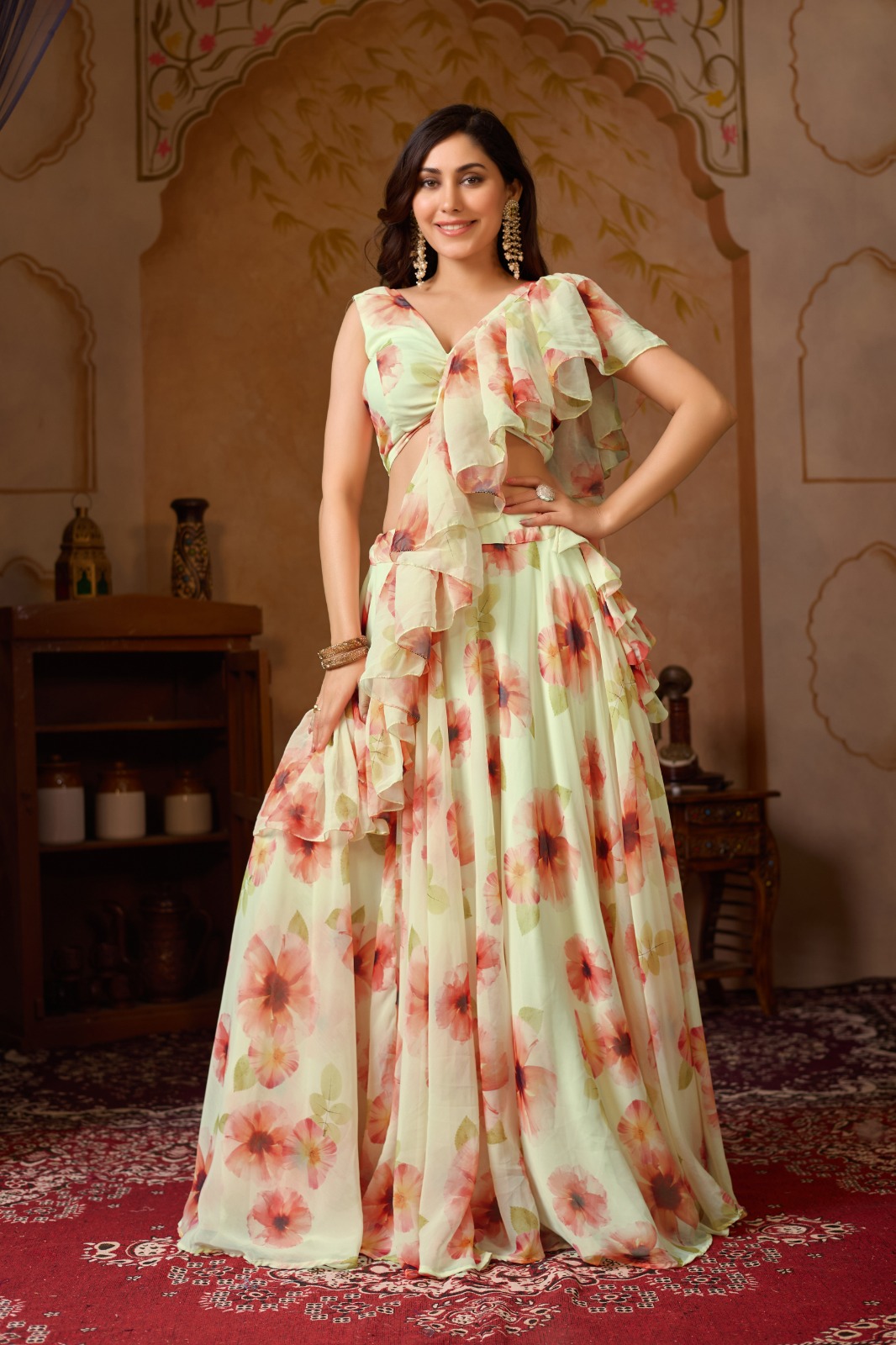
Air a worn garment in shade before folding it away, and never store a damp saree or lehenga in a sealed plastic bag. Wrap zari, mirror work and delicate embroidery in soft cotton or acid-free tissue to reduce snagging. Refold handloom sarees every few months so that sharp permanent creases don't form in the same place.
Dry cleaning is usually safer for silk, zari, structured lehengas and garments with attached embellishments. Cotton may be hand washed when the care label permits, but test colourfastness on a hidden area first. Avoid wringing ikat or placing bright handloom fabrics in strong sunlight, because both actions can affect colour and shape.
Iron cotton on the reverse side using the temperature recommended on the label. Use a pressing cloth for silk, zari and printed surfaces. Store blouses separately from jewellery so hooks, stones and metal edges don't pull the fabric while the outfit is packed for travel.
Putting Together a Complete Nuakhai Look
A complete Nuakhai look needs one clear regional element, one comfortable main garment and accessories that support rather than compete with the textile. A Sambalpuri saree can lead the outfit, while a suit or lehenga can use a Sambalpuri dupatta, ikat border or Odisha-style jewellery as the defining detail.
Before the festival, wear the full outfit at home for at least 20 minutes. Sit on the floor, walk up stairs, raise both arms and test the dupatta or pallu. This simple fitting check reveals tight waistbands, unstable blouse hooks, slipping footwear and inconvenient hems before the celebration begins.
For a classic look, pair a red, mustard or green Sambalpuri saree with a plain blouse, oxidised silver earrings and a low bun. For an easier contemporary outfit, pair a solid kurta with an ikat dupatta, palazzo trousers and comfortable juttis. For a lehenga, keep the blouse secure, choose a moderate dupatta drape and add one regional textile or jewellery detail.
The most memorable Nuakhai clothing respects the festival without turning tradition into a rigid uniform. Whether the final choice is a handloom saree, a breathable suit or a colourful lehenga, thoughtful fabric selection, secure fit and visible appreciation for Odisha's textile language will make the outfit feel appropriate for the celebration.
Common Questions About Choosing a Nuakhai Festival Outfit
What should women wear for Nuakhai?
Women can wear a Sambalpuri saree, handloom cotton saree, salwar suit or festive lehenga for Nuakhai. A Sambalpuri ikat, Odisha-inspired border, regional jewellery or handloom dupatta adds cultural relevance to a contemporary outfit.
Which saree is best for a Nuakhai celebration?
A Sambalpuri cotton saree is a practical choice for a daytime Nuakhai puja because it is breathable and easy to move in. Sambalpuri silk or a silk-cotton blend is more suitable for a formal evening gathering, provided the fabric feels comfortable in the local climate.
Can I wear a lehenga for Nuakhai?
Yes, a lehenga is suitable for Nuakhai when the styling remains comfortable and includes a thoughtful regional detail. Choose a breathable fabric, secure the dupatta and consider an ikat border, Sambalpuri-inspired stole or Odisha-style silver jewellery.
Which colours are suitable for a Nuakhai outfit?
Red, yellow, green, orange, white, mustard, rust and indigo are suitable Nuakhai colours, but no single shade is compulsory. Select one dominant colour and one supporting shade so the weave, border and jewellery remain easy to see.
How can I style a Sambalpuri saree for a modern look?
Style a Sambalpuri saree with a plain structured blouse, medium-sized jhumkas, a low bun and comfortable low-heeled footwear. A contemporary blouse neckline or simple belt can modernise the outfit, but the belt should not cover the saree's main motif or pallu.
What fabric is most comfortable for a daytime Nuakhai event?
Handloom cotton and lightweight cotton blends are generally the most comfortable fabrics for a daytime Nuakhai event. Muslin cotton, light georgette and soft viscose can also work for lehengas, while heavily layered net and dense embroidery may feel warm during extended rituals.