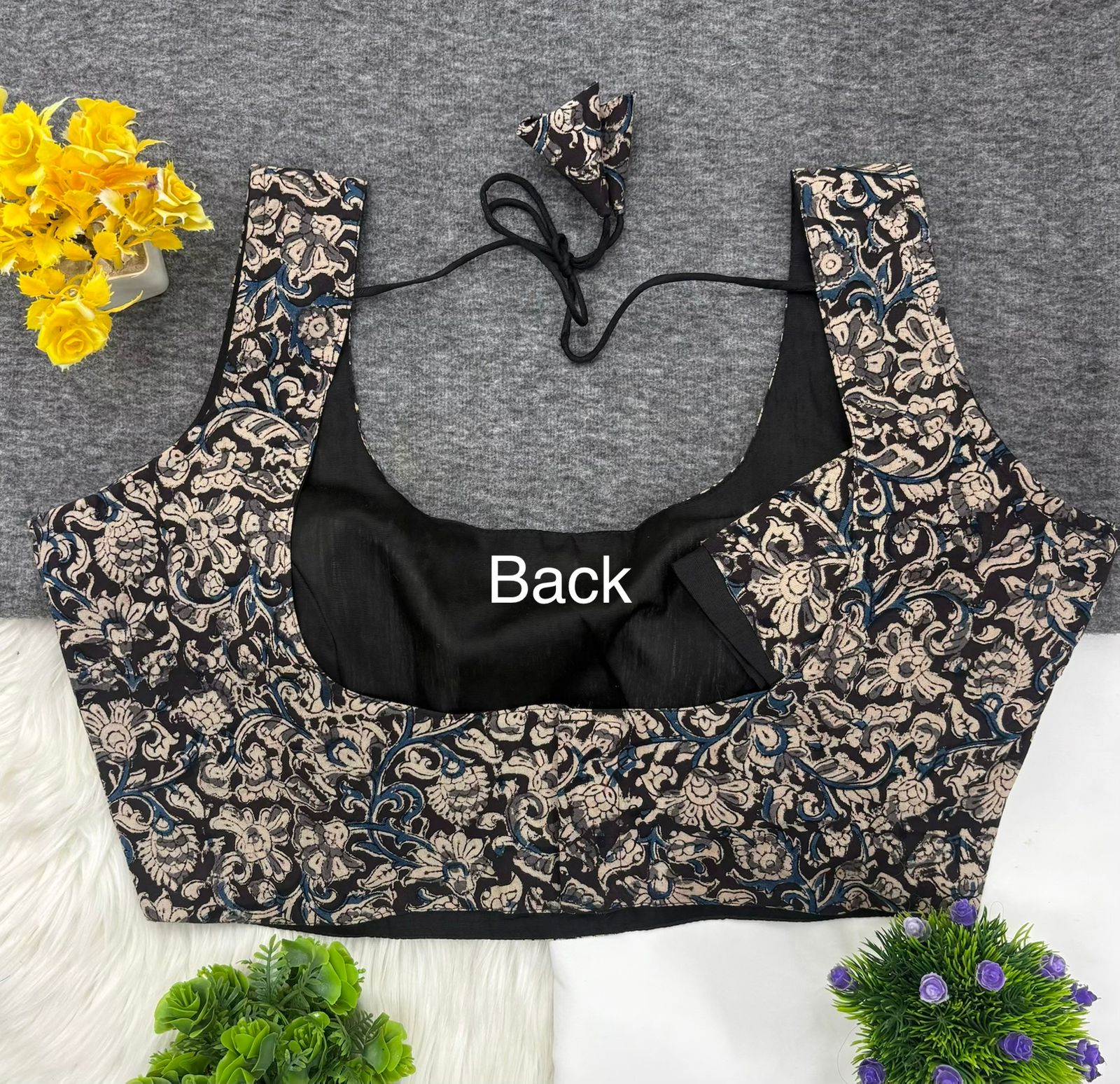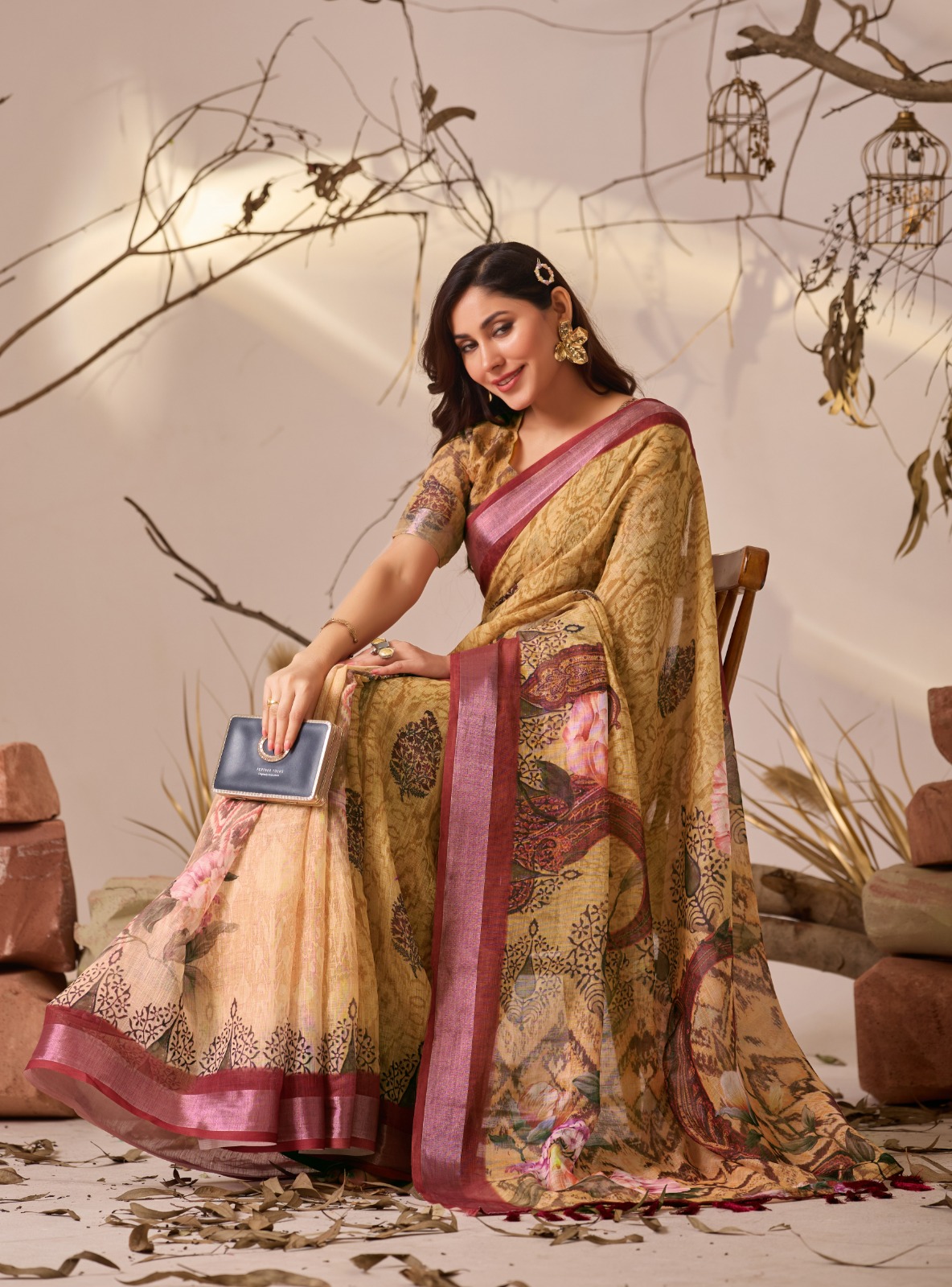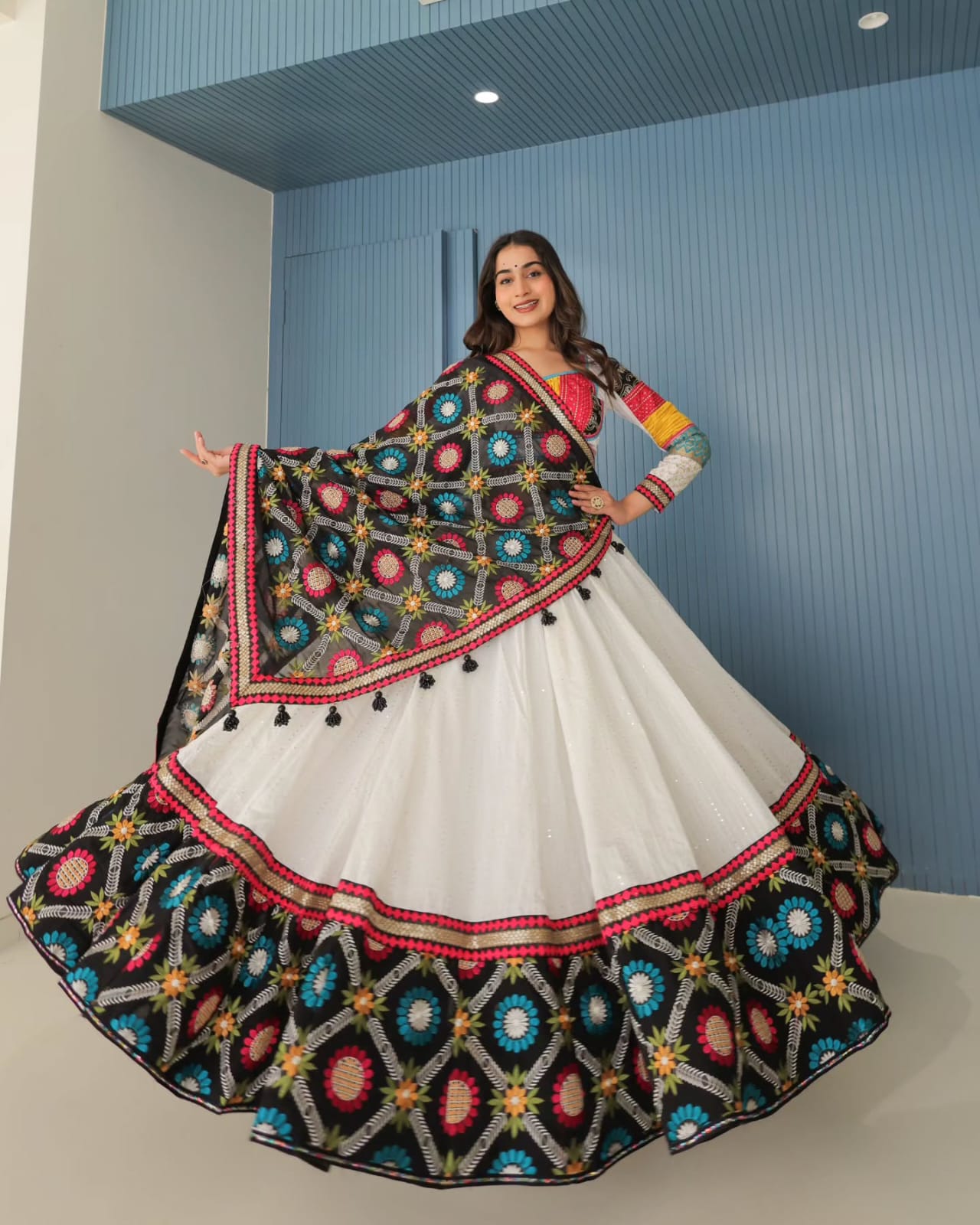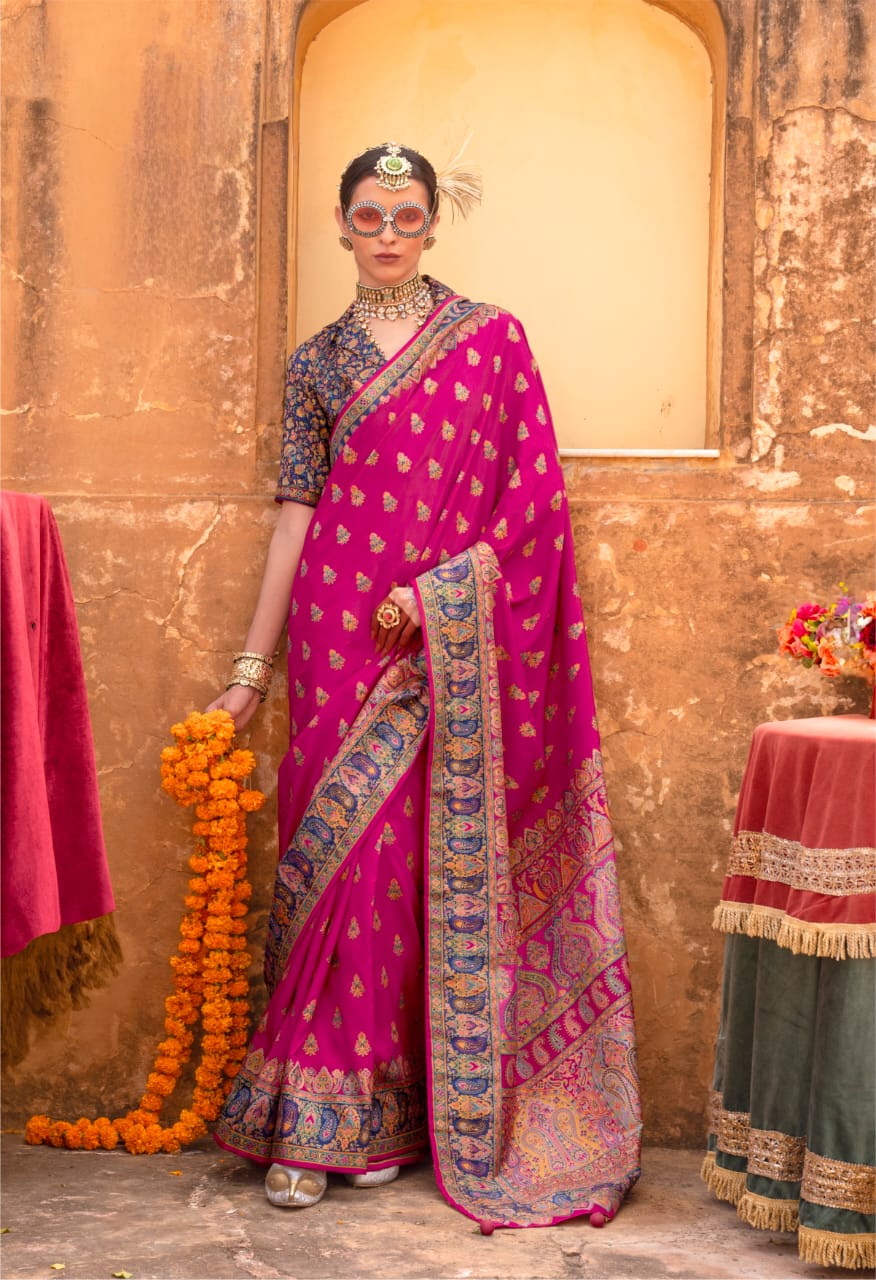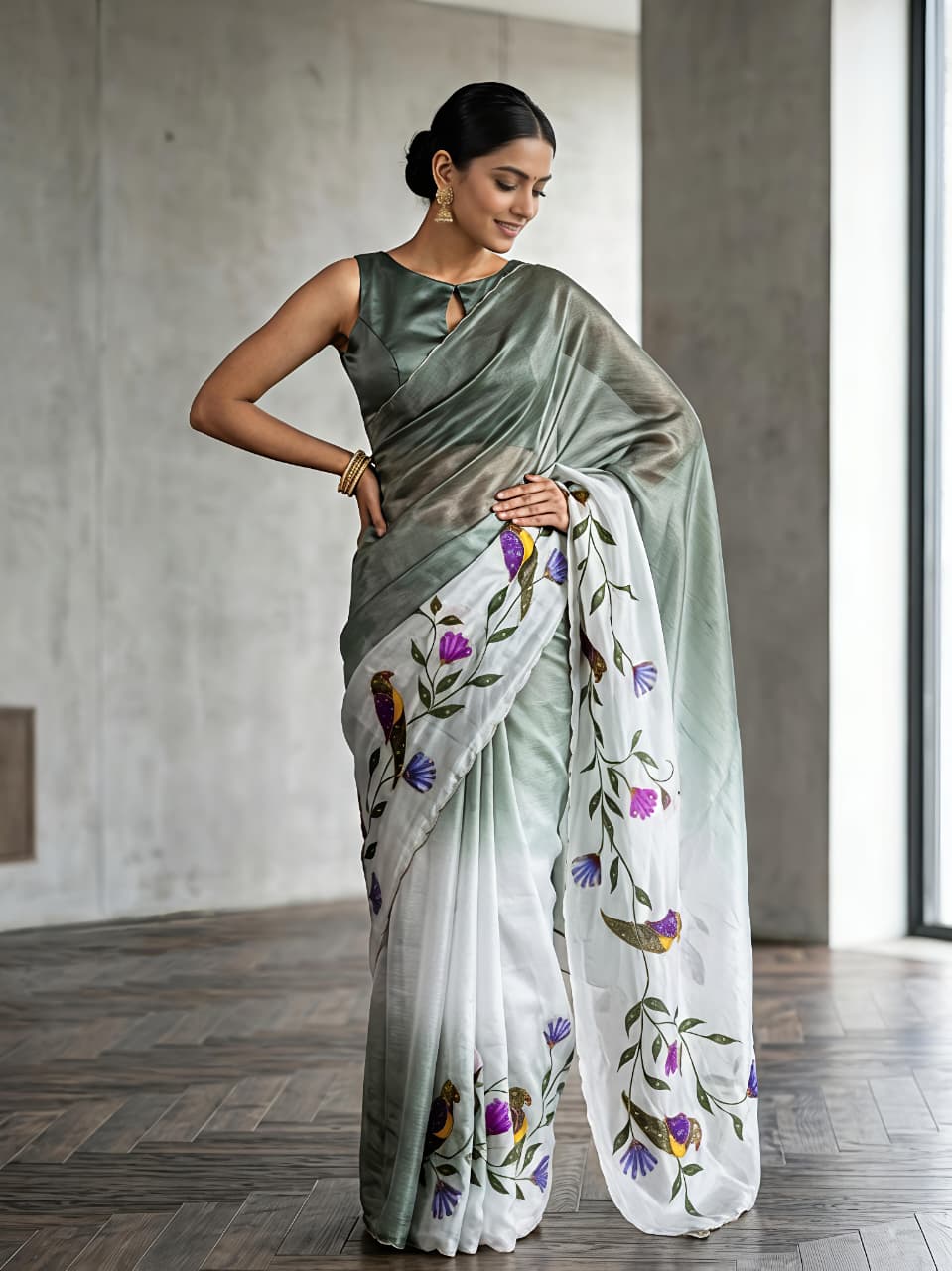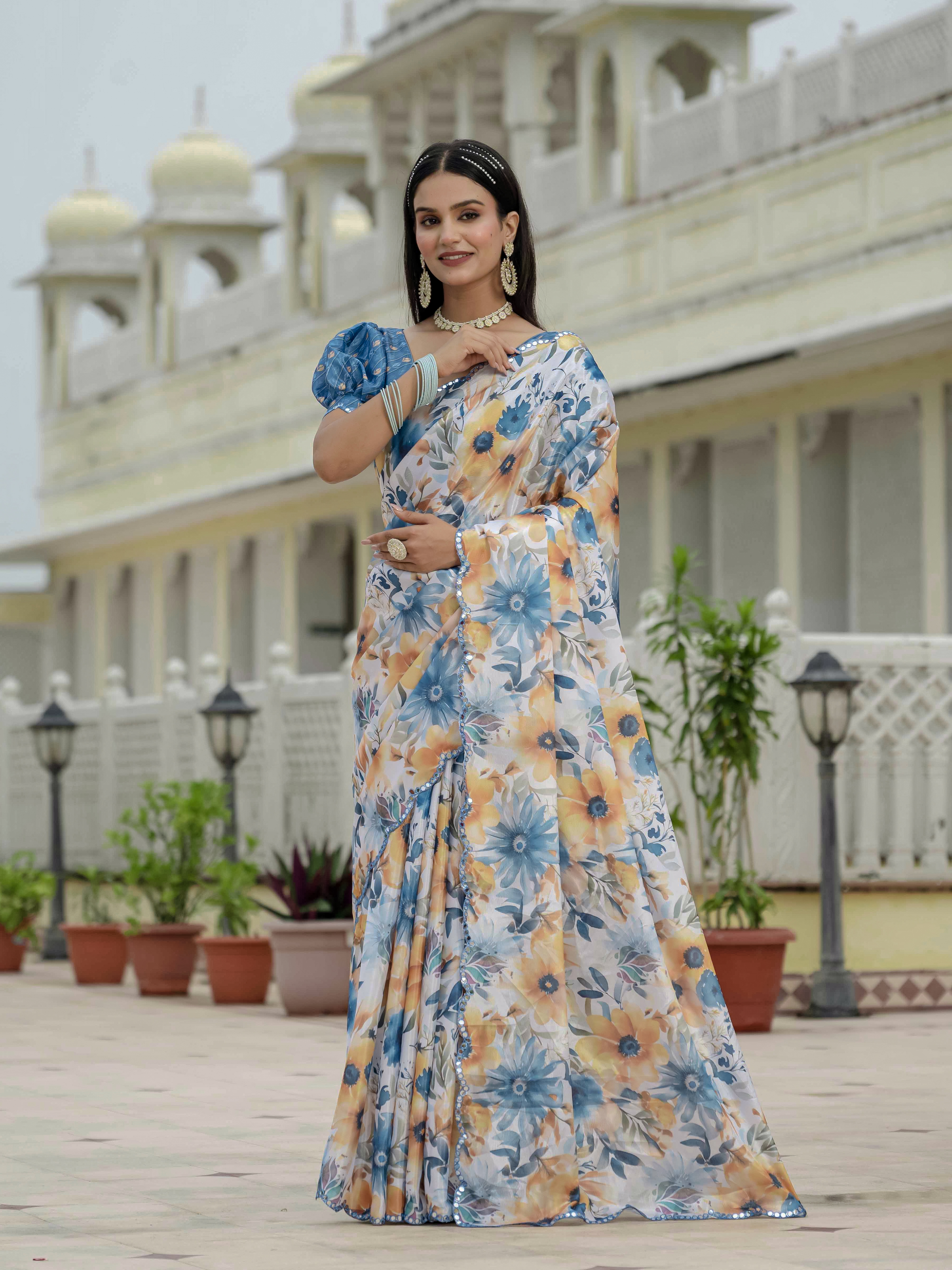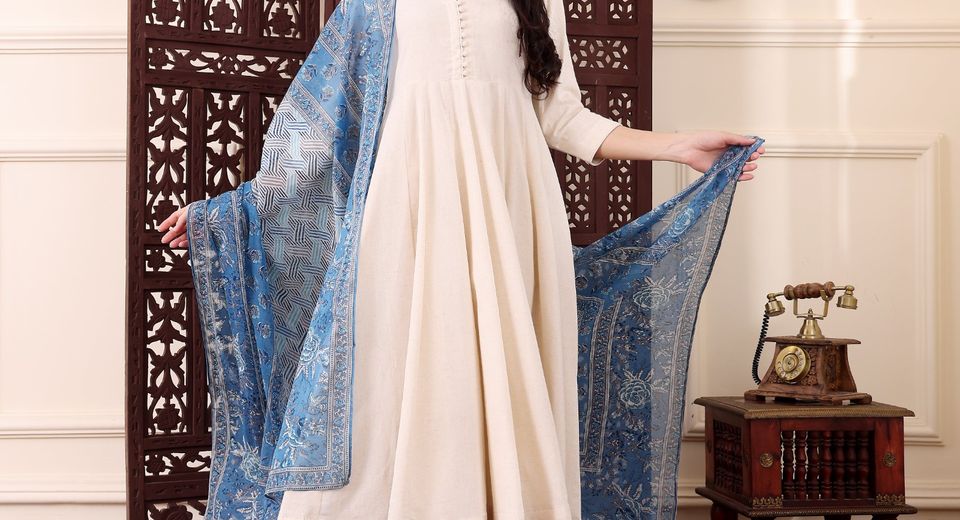
Nongkrem Festival Outfit Ideas for Women should begin with cultural respect, practical comfort and an understanding of Khasi dress traditions. The Nongkrem Dance Festival, held at Smit near Shillong in Meghalaya, is a five-day thanksgiving festival associated with the Khasi community, and the central Nongkrem dance is performed by unmarried women and men in ceremonial attire. Visitors can dress festively without copying sacred clothing casually by choosing modest Indian silhouettes, rich but restrained textiles, and jewellery inspired by the region's layered ornamentation.
What makes the Nongkrem Festival different from an ordinary festive event?
The Nongkrem Festival is a religious and cultural thanksgiving observance, not simply a themed fashion occasion. The festival honours Ka Blei Synshar and seeks prosperity, peace and a good harvest, while ceremonial events take place at the Iewduh Nongkrem and the sacred space of the Smit Hima.
The festival usually takes place in November, although the exact dates change according to the Khasi calendar and formal announcements. The five-day programme includes rituals, community gatherings and the Nongkrem dance, which gives the festival its common name. A visitor's outfit should therefore look polished and festive while remaining suitable for walking, standing, observing ceremonies and navigating cold, sometimes damp weather around Shillong.
Traditional Khasi women's clothing includes the Jainsem, a distinctive wrapped garment formed from two pieces of cloth, and the Dhara, a graceful draped garment worn over a blouse. Ceremonial dress may also include elaborate head ornaments, waist adornments and multiple necklaces. These garments carry cultural meaning, so a visitor should not treat a full ceremonial ensemble as a costume or reproduce it without guidance from Khasi hosts.
How should women dress respectfully for the Nongkrem Festival?
Women should choose clothing that covers the shoulders and knees, allows comfortable movement and avoids turning sacred Khasi attire into a costume. A long kurta with straight pants, a kurta with a dupatta, a modest co-ord set or a simple full-length dress with an Indian stole can all work well for visitors.
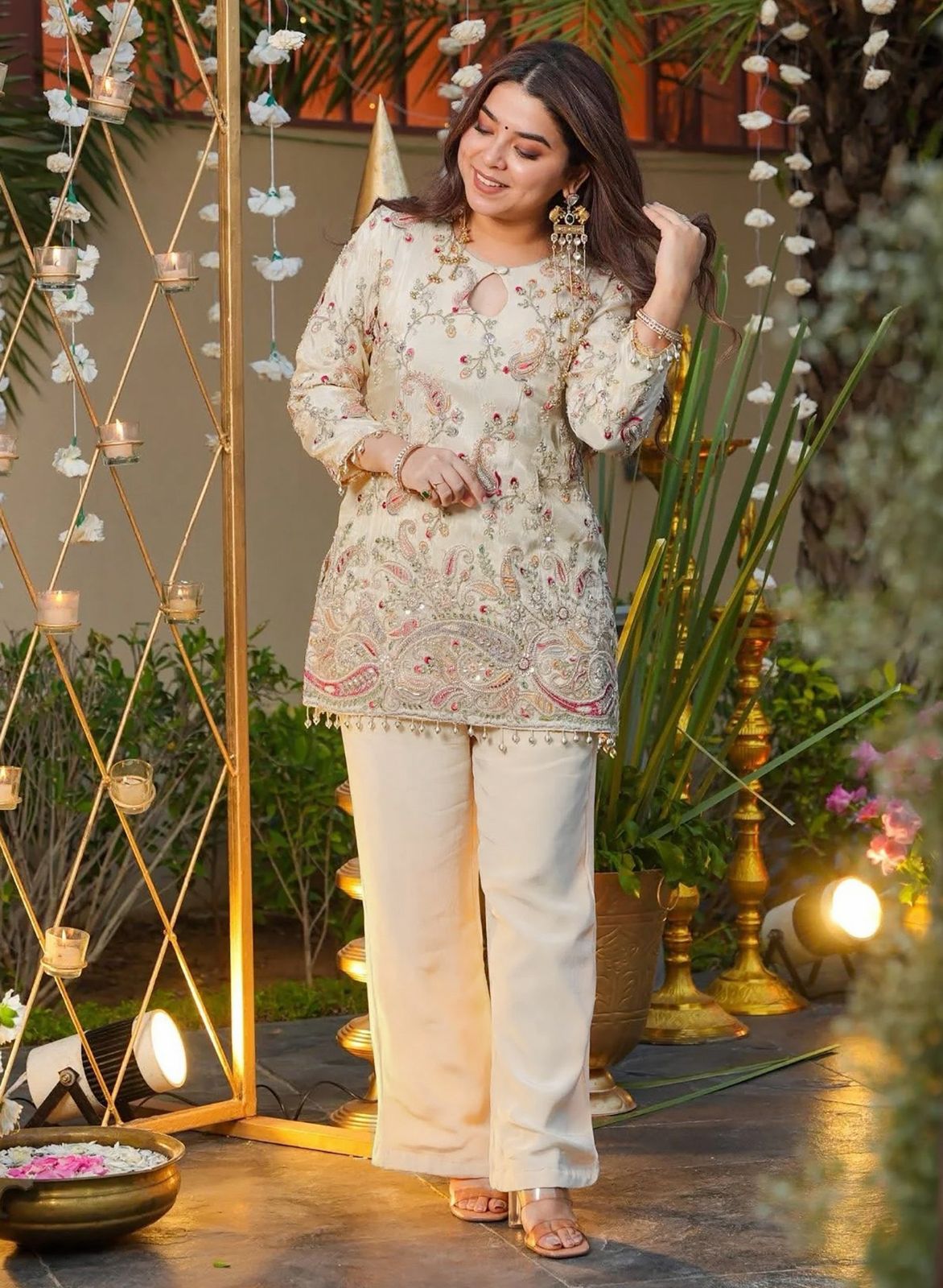
Choose opaque fabrics and secure the dupatta so that it doesn't drag on wet ground or catch on jewellery. A high round neck, a modest V-neck, three-quarter sleeves and ankle-length trousers are practical choices. Very short hemlines, sheer panels, extremely low necklines and heavy trailing layers are less suitable for a day involving walking and participation in public spaces.
Respect also includes asking before photographing dancers, elders, musicians or ritual moments. Clothing can't replace good festival etiquette. Avoid imitating a sacred headpiece or wearing ceremonial ornaments as a novelty accessory unless a Khasi host has explained that the item is appropriate for visitors.
Nongkrem Festival Outfit Ideas for Women using Indian silhouettes
A cream kurta set for daytime ceremonies
A cream kurta with matching pants creates a calm, elegant base for a daytime festival visit. Cream Embroidered Silk Kurta Pant Set for Women works especially well when the embroidery is delicate rather than heavily reflective, because the outfit looks festive without competing with ceremonial surroundings.
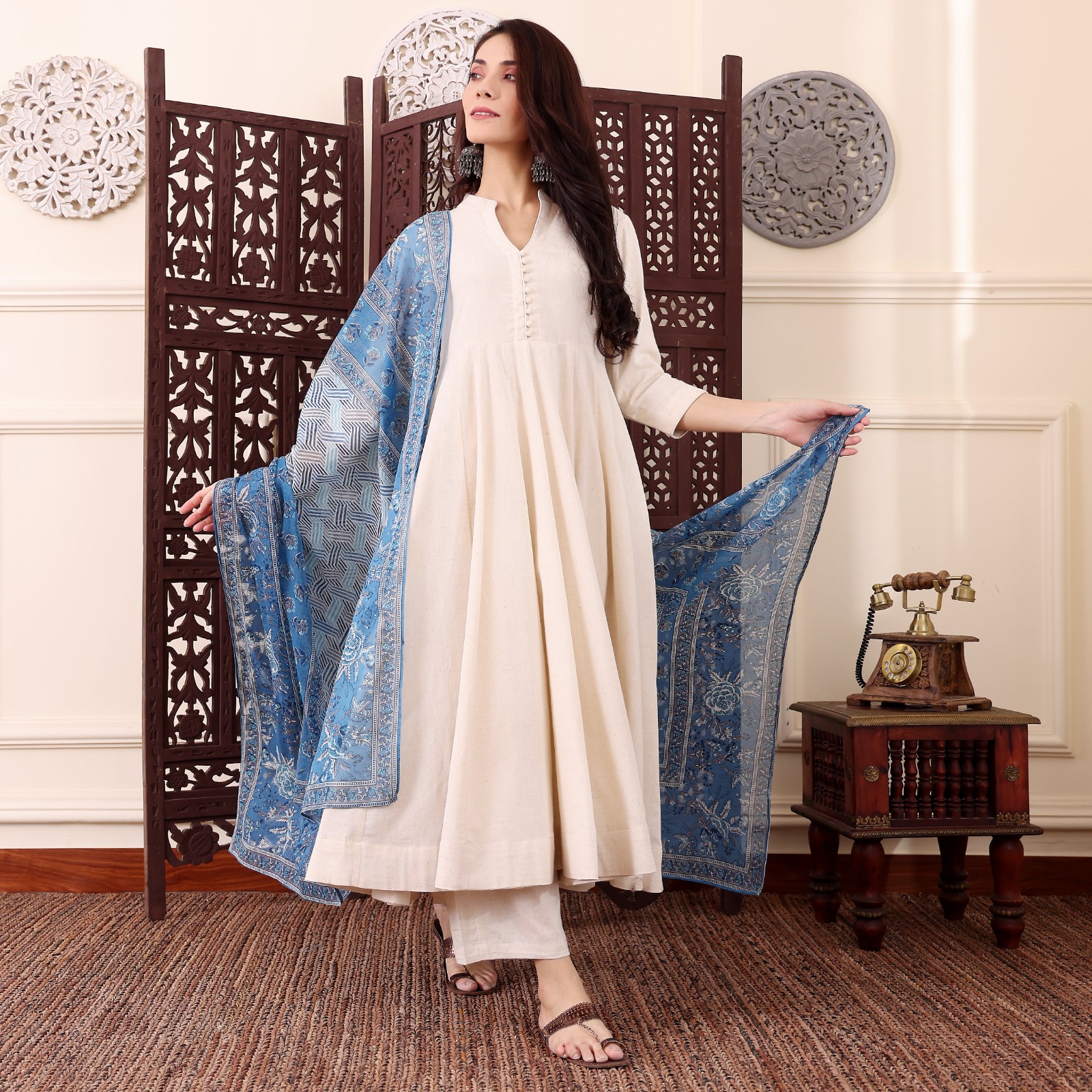
Pair the set with a muted gold, rust or deep green dupatta and small gold studs. Silk can feel warm indoors but may become uncomfortable during extended walking, so check the lining and carry a lightweight cotton stole if the weather changes. Flat juttis with a rubberised sole are more useful than delicate heeled footwear on uneven paths.
A Chanderi set with a lightweight dupatta
Chanderi is an useful fabric for a layered festive outfit because the weave is light, breathable and naturally suited to a graceful daytime appearance. Cream Chanderi Silk Kurti Pant Dupatta Set for Women offers a soft neutral foundation that can be styled with antique-gold earrings and a small woven handbag.
Pastel Blue Embroidered Chanderi Kurta Set with Dupatta gives the same airy effect with more colour. Powder blue, ivory and pale sage can look refined in Meghalaya's overcast light, while a berry or maroon lip adds definition without making the outfit loud. A Chanderi dupatta should be pinned at one shoulder and secured at the waist when walking.
A linen-cotton co-ord for comfort
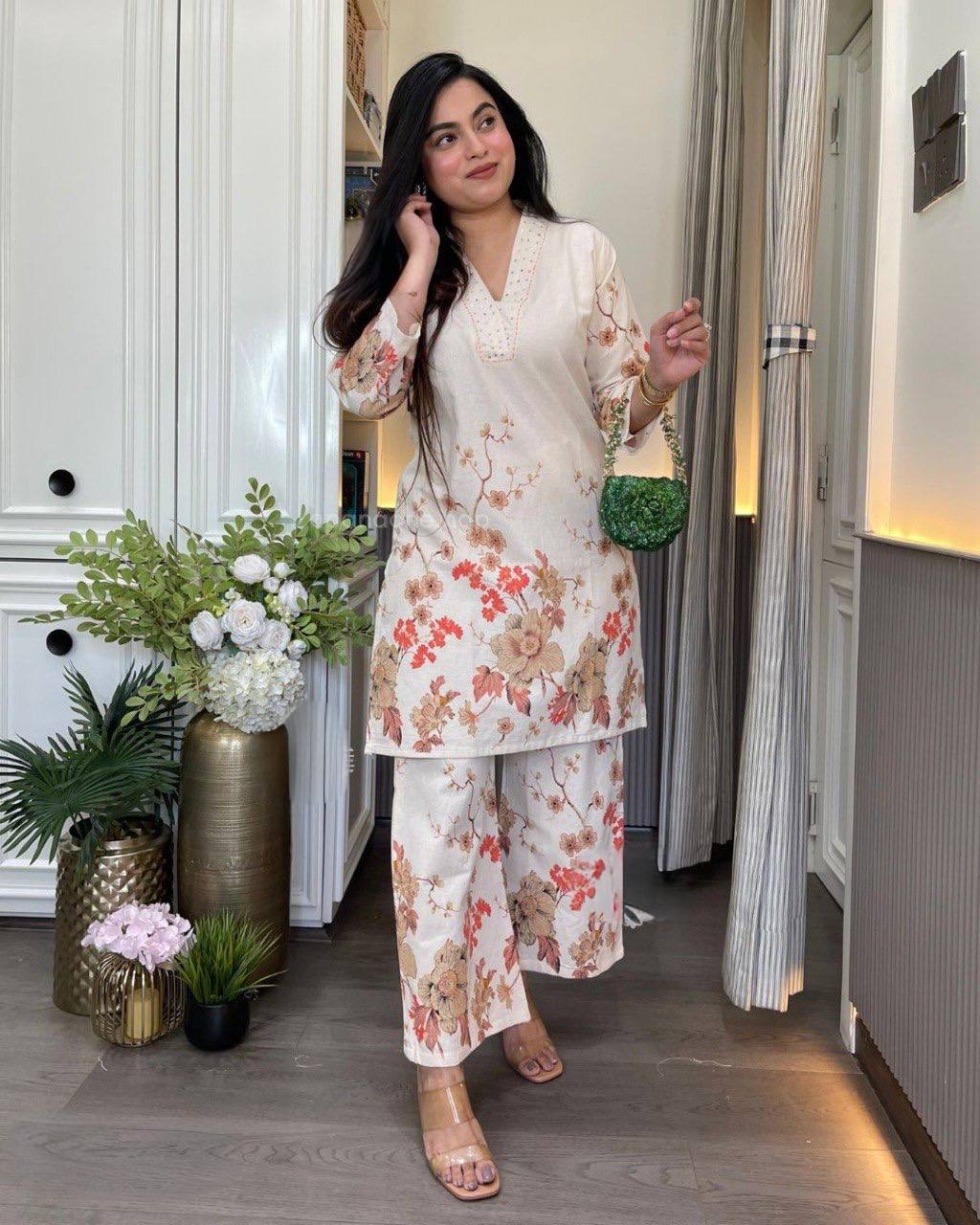
Linen-cotton is practical for a long festival day because the blended fibre generally breathes better than dense synthetic fabric. Ivory Floral Linen Cotton Co-Ord Set for Women from Varnavi can suit a visitor who wants a contemporary outfit with an Indian festive mood rather than a heavily embroidered ensemble.
Style a linen-cotton co-ord with a narrow silk scarf, oxidised silver earrings or a restrained gold chain. Linen creases naturally, so the relaxed texture is part of the look rather than a flaw. Steam the outfit before leaving, but don't press it completely flat if the fabric is designed to have a softly crumpled finish.
Which colours and fabrics suit a Nongkrem celebration?
Ivory, cream, maroon, rust, mustard, forest green, deep blue and muted gold are suitable festive colours for a Nongkrem celebration. These shades provide visual richness without requiring sequins or neon colour, and they sit comfortably beside the natural greens and cloudy skies of Meghalaya.
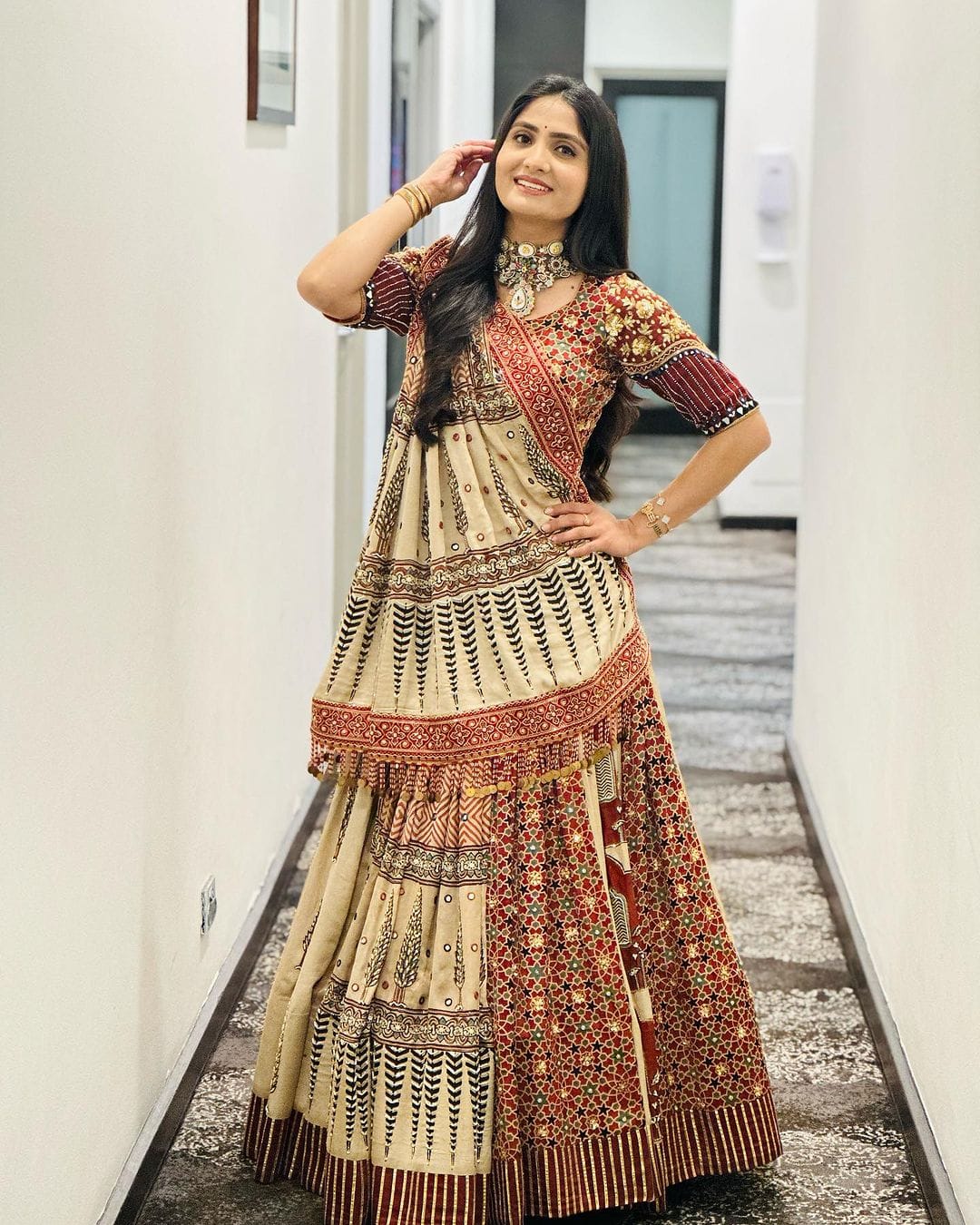
Mustard Embroidered Kurti Pant Set for Women Festive introduces warmth without the visual weight of a heavily embellished lehenga. Pair mustard with antique gold, brown leather or deep maroon accessories. A small red bindi may complement the outfit, but personal preference and the setting matter more than adding every conventional festive detail.
Chanderi silk, silk-cotton, cotton-linen and lightweight crepe are generally more practical than thick velvet for a daytime visit. Vichitra silk can create a dressier evening look because its surface has body and a subtle sheen. Modern Taupe Vichitra Silk Embroidered Co-Ord Set for Women is a good example of a neutral outfit that can be made festive with jewellery rather than excessive embellishment.
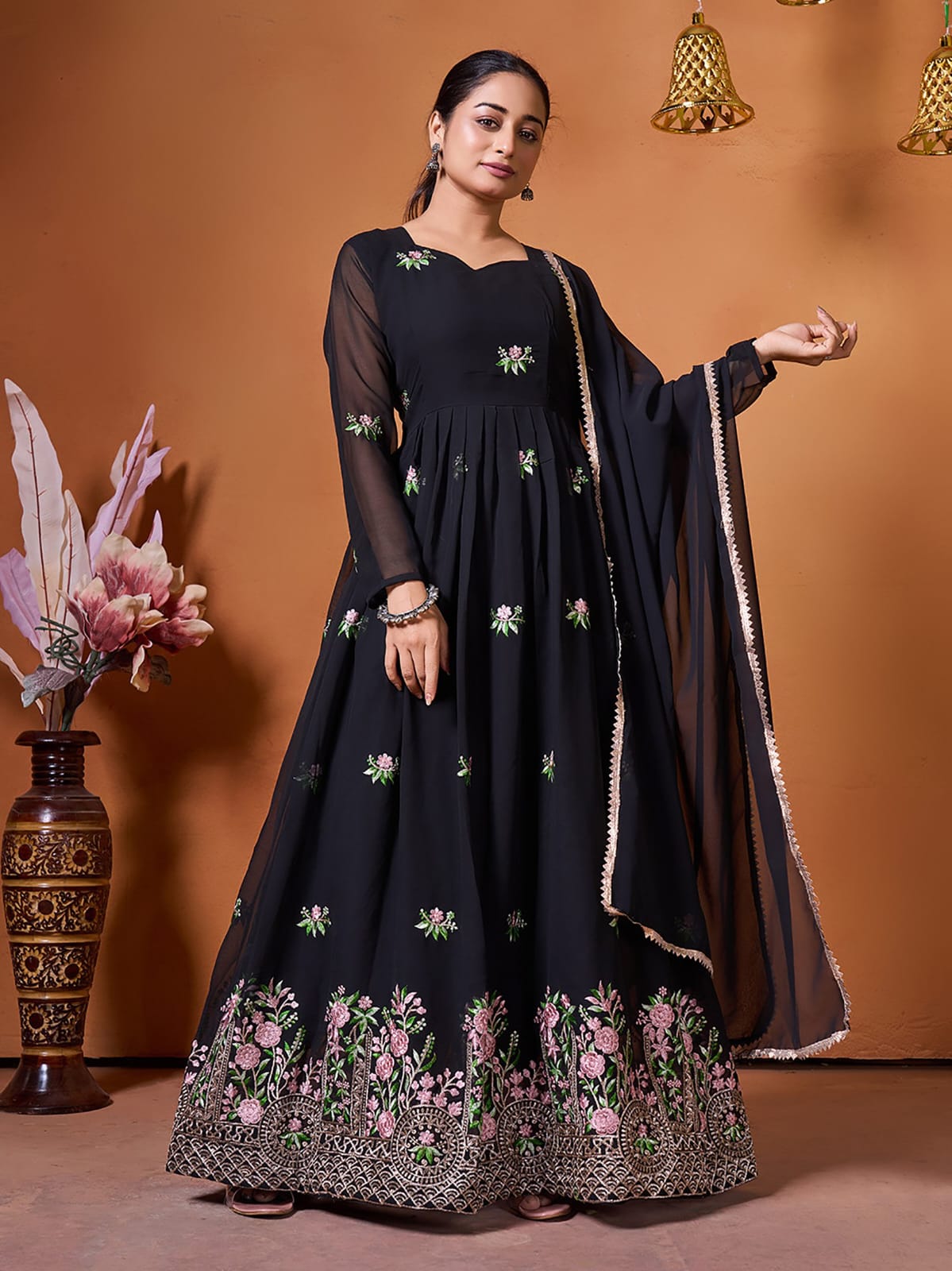
Heavy silk crepe and dense sequin embroidery are better reserved for short indoor celebrations or evening gatherings. Black Heavy Silk Crepe Kurta Set with Sequence Embroidery can look sophisticated with minimal accessories, but black absorbs heat and dense embroidery adds weight. Wear it only when the venue, weather and duration make that choice comfortable.
How can jewellery reflect the occasion without copying ceremonial dress?
Jewellery should be kept coordinated and moderate unless a Khasi host has specifically invited you to wear traditional ceremonial pieces. One statement necklace, a pair of medium earrings and a slim bangle stack usually provide enough festive detail for a modern visitor's outfit.
Layered necklaces can echo the visual richness of Khasi adornment, but the layers should remain proportionate to the neckline. A long chain with a small pendant works with a high-neck kurta, while statement earrings work better when the neckline and dupatta are quiet. Gold, antique gold, silver and coral-toned beads can all complement festive Indian clothing, but combining every finish can make the outfit look disconnected.
Keep bangles secure and avoid very long earrings if you expect to move through a crowd. A compact crossbody bag is safer than a loose clutch, especially when both hands may be needed for walking or taking care of a shawl. Jewellery with sharp edges can catch on a dupatta, so test the full outfit before leaving home.
What footwear and layers work in Shillong's November weather?
Closed-toe, low-heeled footwear with a textured sole is the safest choice for a Nongkrem Festival visit. The route may involve walking on damp or uneven ground, and delicate sandals can become uncomfortable quickly.
Wear cushioned juttis, loafers, sturdy ballet flats or clean low-profile sneakers that coordinate with the outfit. Avoid brand-new shoes because blisters are difficult to manage during a full day outdoors. Carry blister patches, a small umbrella and a compact shawl in a crossbody or roomy tote.
Layering is more useful than choosing one very heavy outfit. A neutral cardigan, cropped jacket or fine woollen stole can be added over a kurta set without hiding all the embroidery. A long open jacket may look attractive in photographs but can brush against wet ground, so choose a length that ends above the ankle.
How can modern outfits take inspiration from Jainsem styling?
A modern outfit can acknowledge Jainsem styling through proportion, drape and layering without pretending to be a traditional Jainsem. Choose a straight kurta, a wide stole wrapped across the body, or a two-layer tonal outfit that creates the visual movement of a wrapped garment.
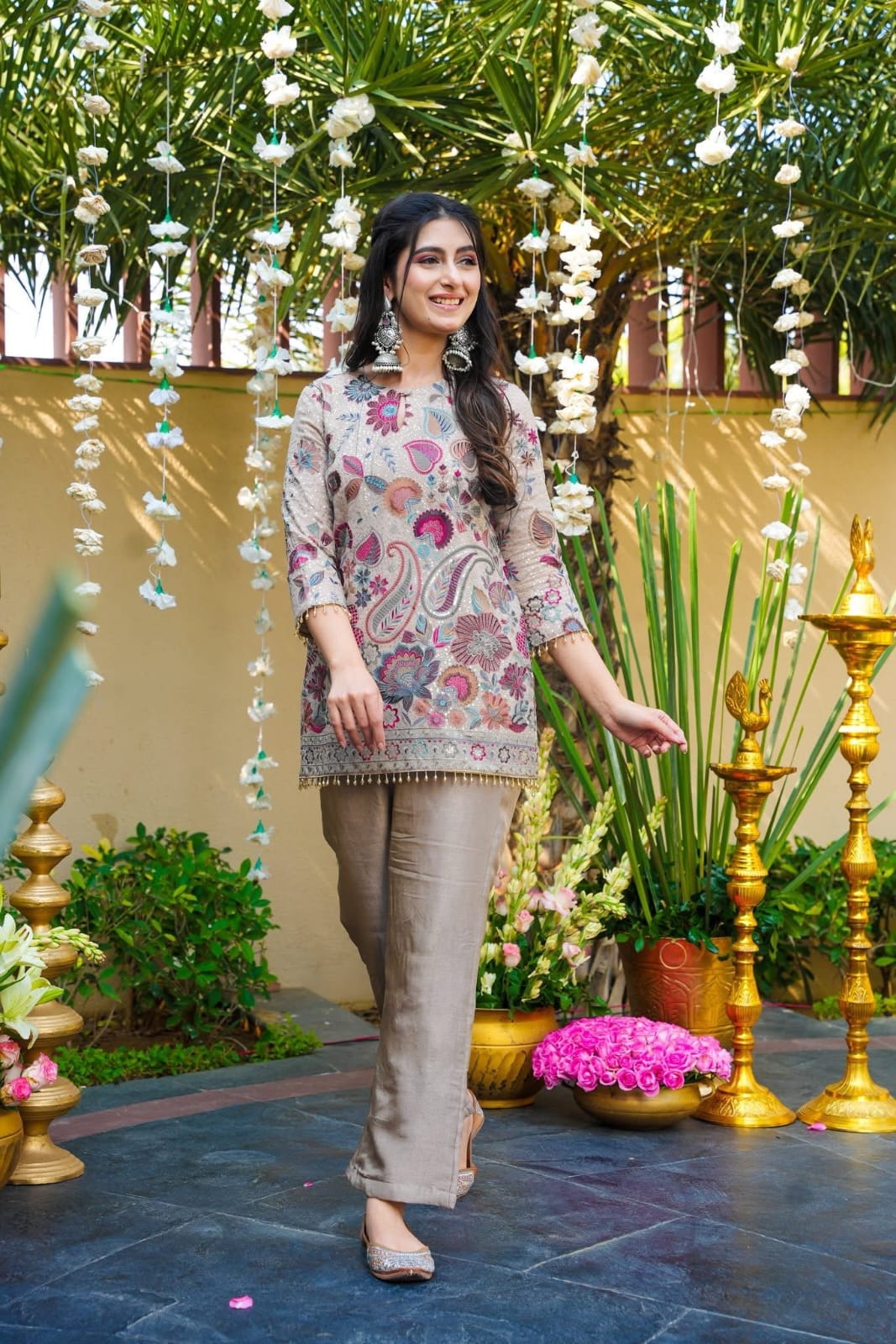
don't pin a regular dupatta to mimic a ceremonial Khasi ensemble and describe the result as authentic Khasi dress. A respectful caption or conversation can identify the outfit as Khasi-inspired, while a traditional garment should be named accurately and worn only with cultural guidance. Accuracy matters because the Jainsem and Dhara are not interchangeable fashion labels.
Festive Wear Cream Embroidered Kurta Set is an easy base for this approach. Add a handwoven-looking stole, a waist-defining belt used sparingly and a low bun rather than a dramatic costume-like headpiece. The result retains a festive Indian identity while acknowledging the importance of restraint.
For a more contemporary option, Cream Embroidered Kurta Set for Women combines a neutral palette with enough detail for photographs and family gatherings. Style it with a deep maroon dupatta for contrast, or keep the outfit monochrome and let textured earrings provide the focal point.
How should you prepare and care for the outfit?
Prepare the outfit at least one day before the festival by checking seams, testing the dupatta pin placement and walking in the complete footwear combination for 20 minutes. A small repair kit with safety pins, double-sided fashion tape, a stain-removal pen and spare hair ties can solve most minor problems.
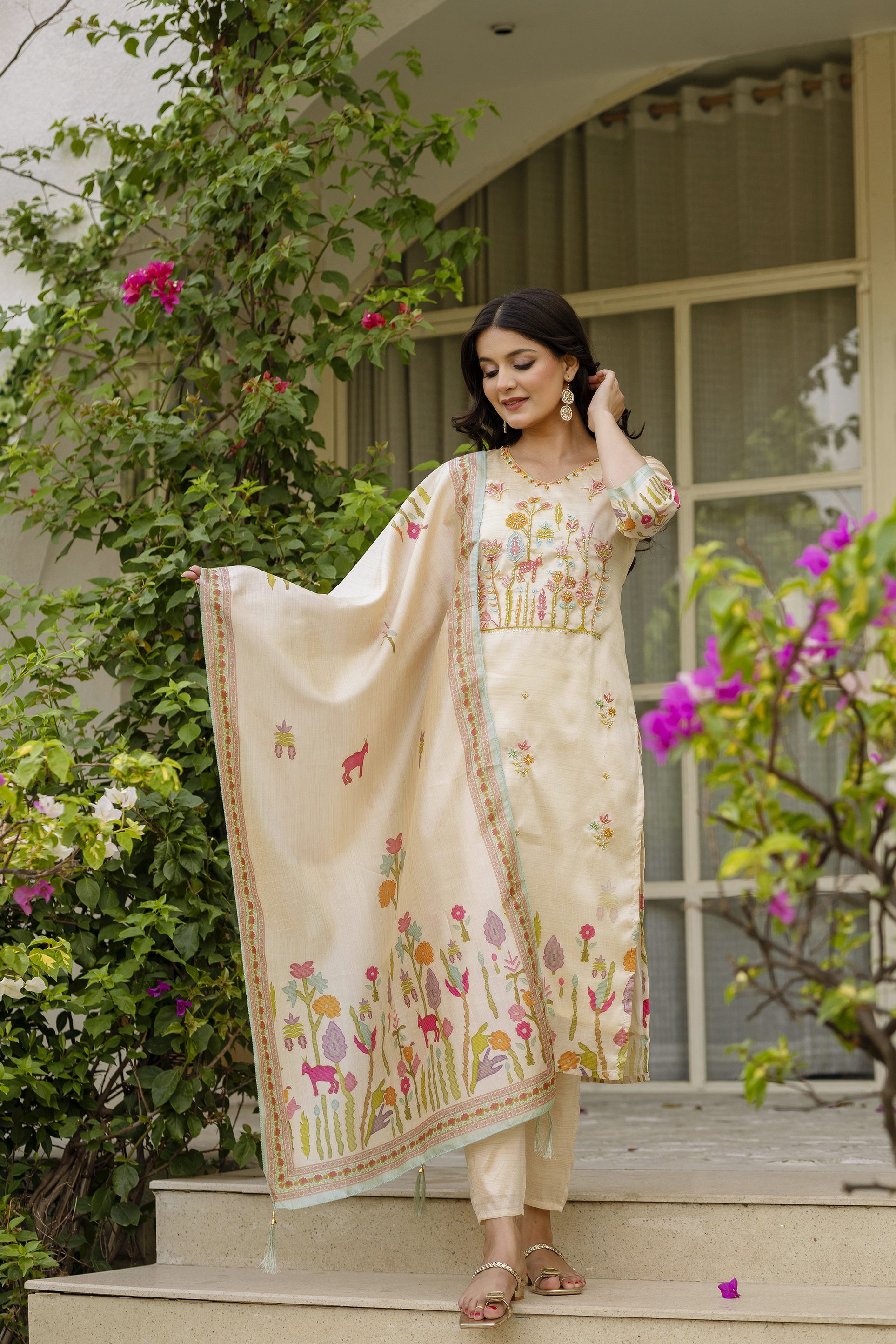
Silk and Chanderi garments should be checked for their care label before washing. Many embellished silk garments require dry cleaning, while some cotton-linen pieces can be gently hand-washed in cool water with mild detergent. Never wring embroidered fabric, and keep zari, sequins and metallic thread away from direct perfume and deodorant spray.
After returning home, air the garment in shade before storing it. Fold embellished pieces with soft tissue between heavy embroidered sections, and store silk away from direct sunlight and damp cupboards. These steps reduce colour transfer, snagging and mildew, which are common risks after a long outdoor celebration.
A simple outfit formula for different types of visitors
First-time visitors can choose a cream or ivory kurta set, a muted coloured dupatta, closed-toe flats, small earrings and a warm layer. The formula is easy to coordinate, respectful in public settings and comfortable for several hours.
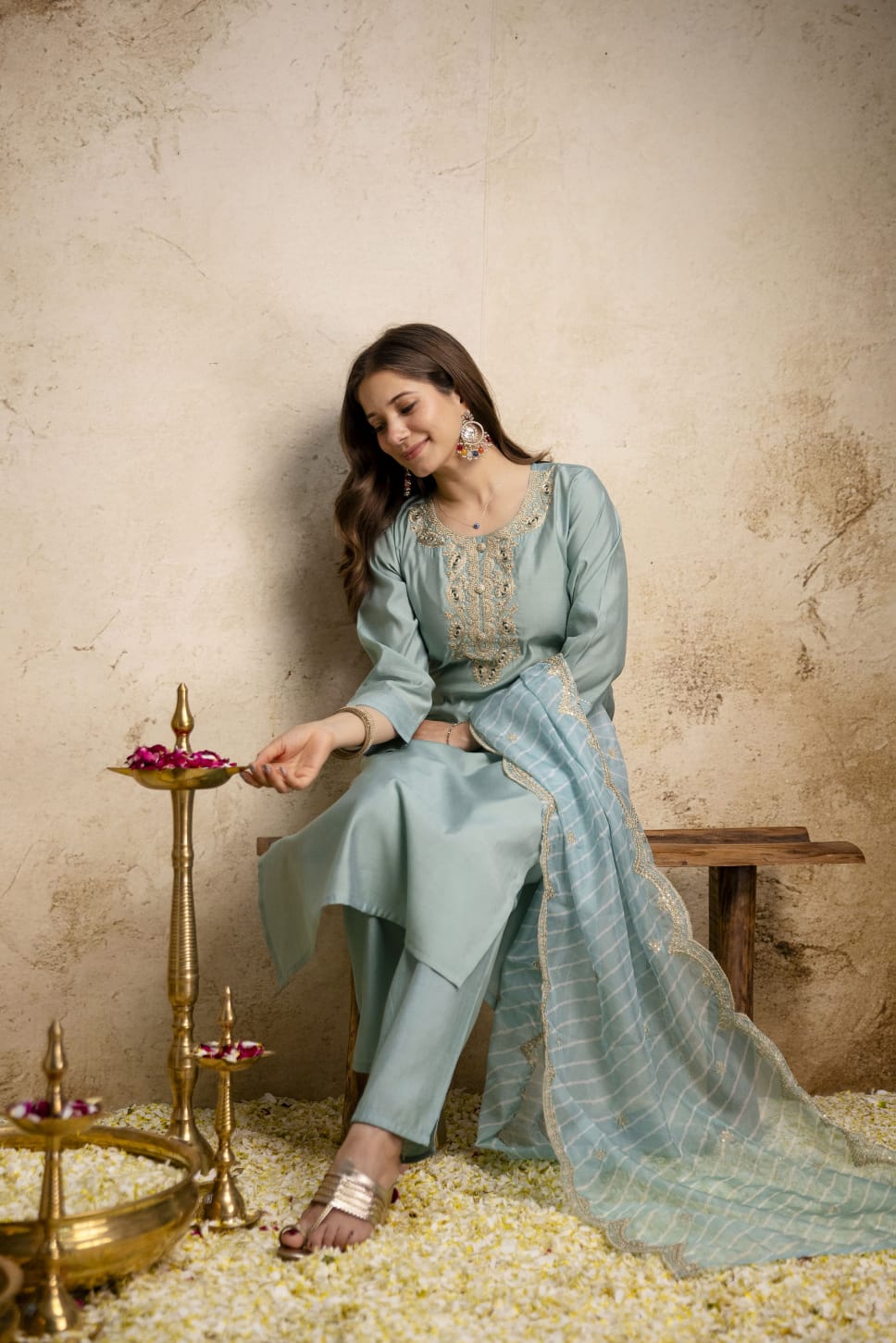
Guests attending a family-hosted celebration can add one stronger element, such as a mustard kurta, a maroon dupatta or a layered necklace. Guests participating in a cultural programme should ask the organiser whether a particular dress code applies rather than assuming that a fashionable interpretation is acceptable.
Photographers and content creators should prioritise movement and weather protection over dramatic styling. Secure loose drapes, choose washable footwear and carry a rain-resistant bag. A simple outfit often photographs more respectfully than a heavily theatrical look because the clothing doesn't distract from the people and rituals being documented.
The most successful Nongkrem Festival Outfit Ideas for Women combine cultural awareness with practical decisions about fabric, coverage, footwear and weather. A carefully chosen kurta set or modest layered ensemble can look festive while allowing the Nongkrem Dance Festival and Khasi traditions to remain at the centre of the experience.
Questions Women Often Ask Before Dressing for Nongkrem Festival
What should women wear to the Nongkrem Festival as visitors?
Women visitors can wear a modest kurta-pant set, a Chanderi kurta with dupatta, a cotton-linen co-ord or another full-coverage festive outfit. Choose comfortable closed-toe footwear, secure loose drapes and carry a warm layer for Shillong's November weather.
Can I wear a Jainsem to the Nongkrem Festival?
You should wear a Jainsem only when a Khasi host, organiser or knowledgeable local guide confirms that it is appropriate and helps you wear it correctly. Visitors should not treat Jainsem or ceremonial Khasi dress as a costume or copy sacred accessories for photographs.
Which colours are suitable for Nongkrem Festival outfits?
Cream, ivory, mustard, maroon, rust, forest green, muted blue and antique gold are suitable festive choices. Colour should remain secondary to respectful coverage, comfortable fabric and the requirements of the event you are attending.
Is Chanderi suitable for a Nongkrem Festival outfit?
Chanderi is suitable for a visitor's festive outfit because it is lightweight and breathable, especially when paired with a secure dupatta. Check the care label, protect the fabric from rain and avoid wearing delicate Chanderi if you expect prolonged exposure to wet ground.
What footwear is best for attending Nongkrem Festival events?
Low-heeled, closed-toe shoes with a textured sole are the most practical choice. Cushioned juttis, loafers, sturdy flats or clean low-profile sneakers provide better support on uneven or damp paths than high heels or slippery sandals.
Can women wear heavy jewellery to the Nongkrem Festival?
Women can wear festive jewellery, but moderate styling is more respectful and practical for visitors. Choose one statement necklace or a pair of earrings, and avoid wearing traditional ceremonial head ornaments or Khasi jewellery without permission and proper cultural guidance.