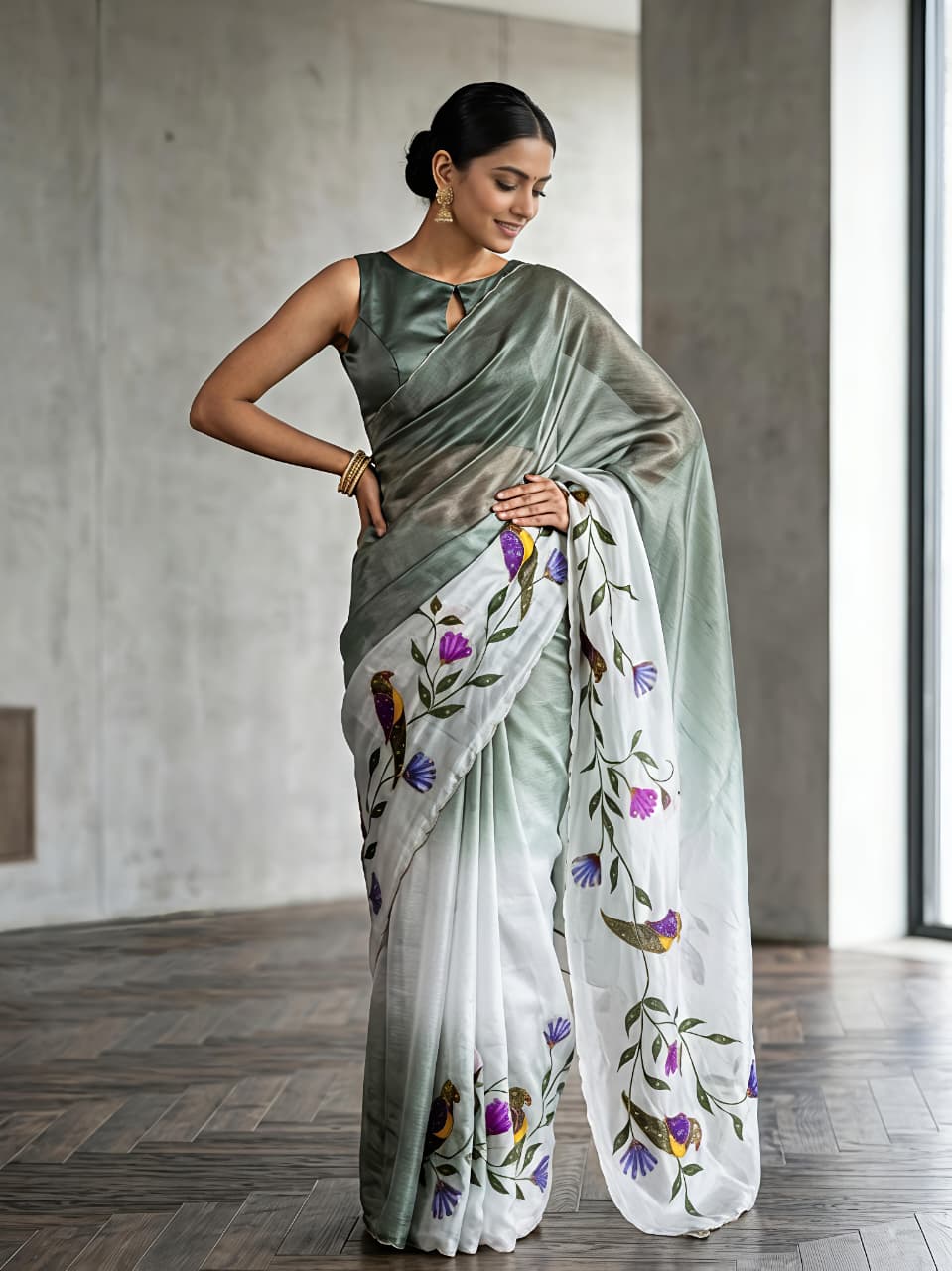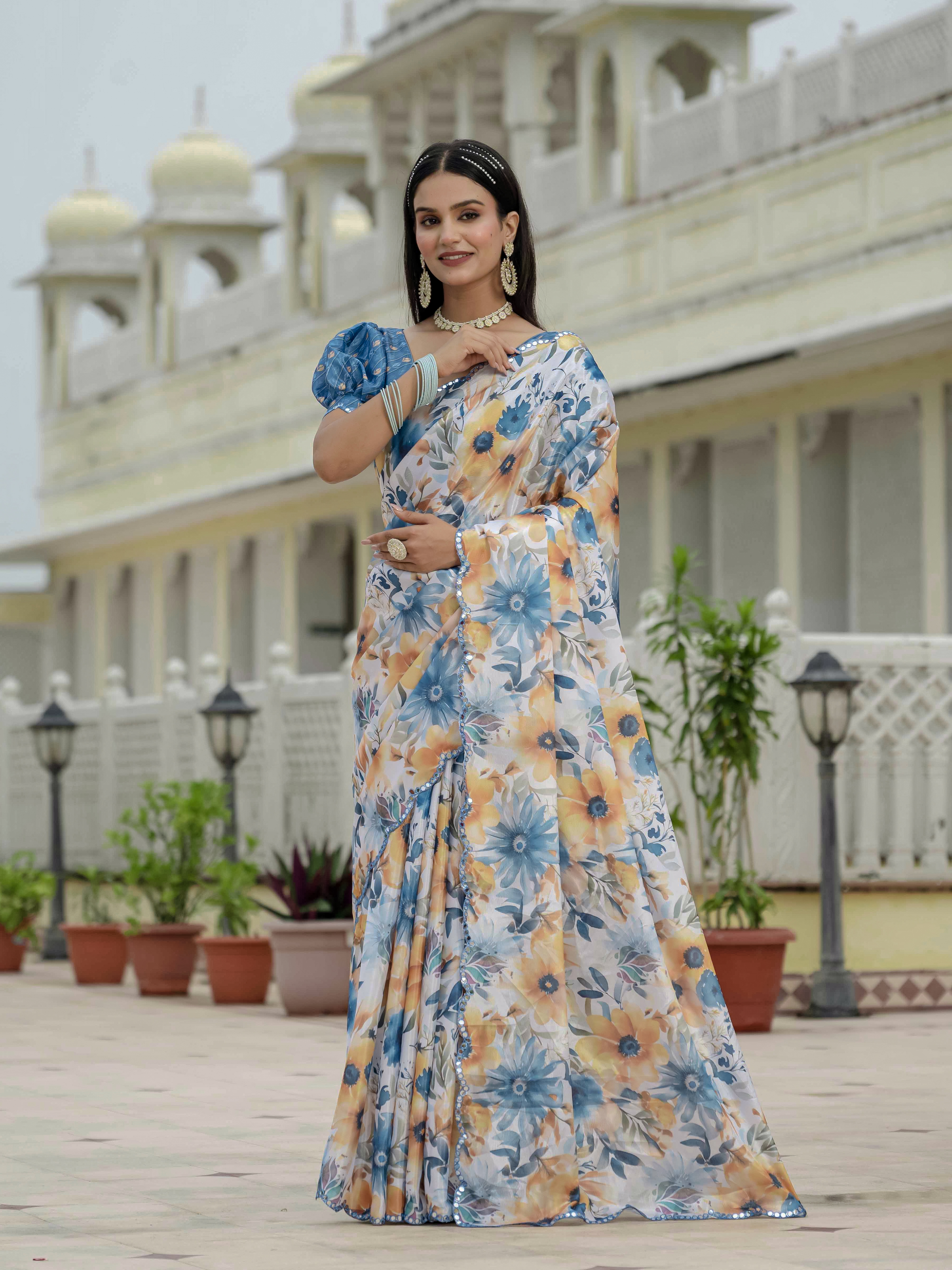
Nongkrem Dance Festival Fashion: Traditional Khasi-Inspired Looks begins with cultural understanding, not a checklist of accessories. The Nongkrem Dance Festival is a five-day religious and cultural celebration held at Smit in Meghalaya, where Khasi traditions, music, dance and ceremonial dress come together. A guest can respond to that atmosphere with handloom-friendly fabrics, layered drapes, modest silhouettes and carefully chosen jewellery while avoiding a direct imitation of attire reserved for ritual performance.
The most useful styling principle is simple: borrow visual ideas such as texture, layering, natural fibres and restrained colour contrast, but don't present a fashion adaptation as authentic Khasi ceremonial dress. That distinction creates a more thoughtful outfit for a cultural programme, college event, community celebration or travel wardrobe.
Nongkrem Dance Festival Fashion and the meaning of Khasi dress
Nongkrem Dance Festival Fashion is distinctive because Khasi ceremonial clothing combines a structured silhouette with layered fabric, gleaming ornaments and strong visual balance. The clothing worn during the festival communicates community identity and ritual significance, so the details matter beyond their decorative appearance.
Khasi women's traditional dress is commonly associated with the Jainsem, a two-piece wrapped garment that creates a composed, column-like shape. A blouse, shoulder covering or additional drape may complete the ensemble, and jewellery can add a bright counterpoint to the textile layers. Khasi men participating in ceremonial settings may wear traditional garments and carry symbolic items connected with dance and community roles.
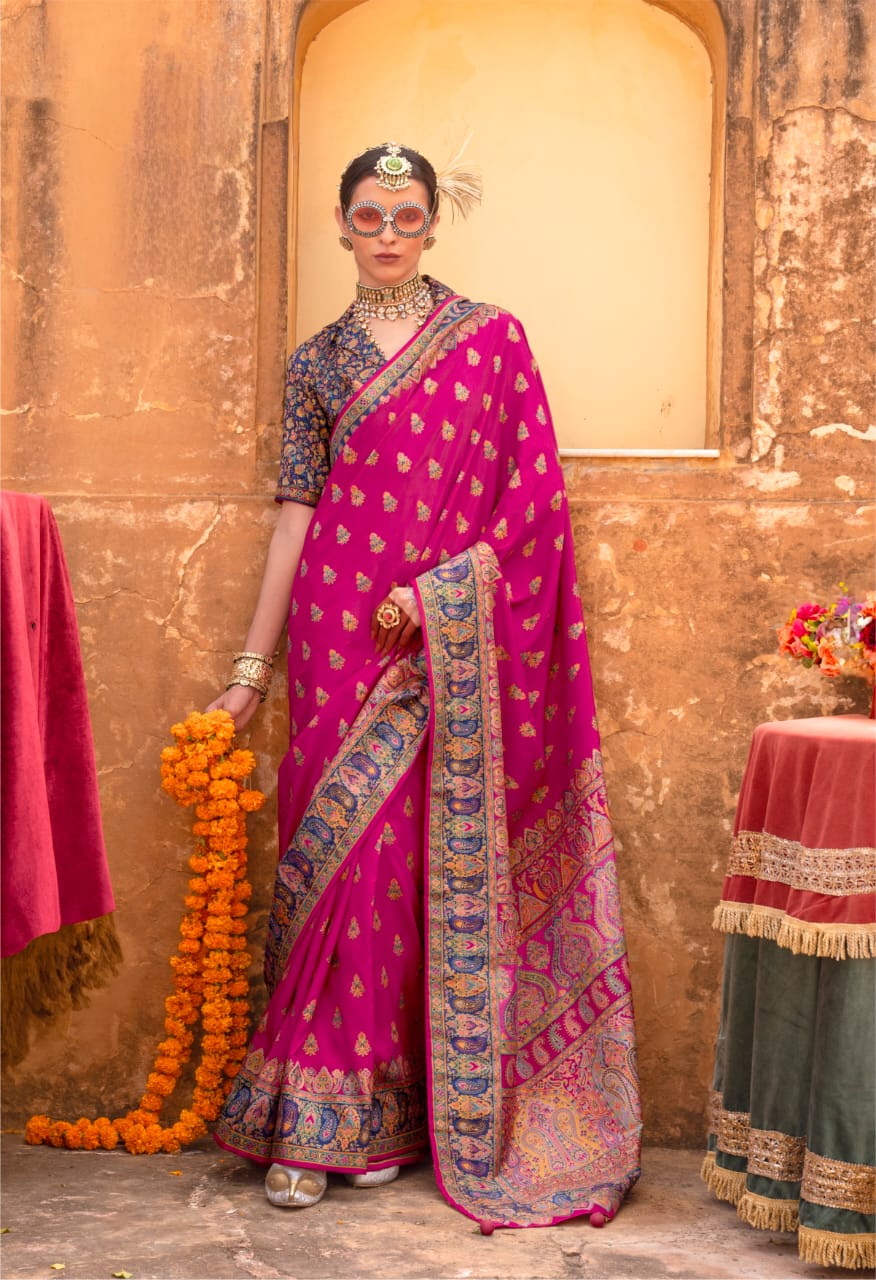
For contemporary festive dressing, the most transferable elements are the silhouette and material logic. A soft cotton or linen cotton base, a second layer crossing the shoulder, a neat border and one substantial necklace can produce a Khasi-inspired mood without claiming to reproduce the complete traditional ensemble. A saree works especially well because its pallu can echo the movement and layered geometry of a Jainsem-inspired drape.
Nongkrem Dance Festival Fashion and important Khasi clothing terms
The Jainsem is a key term for understanding Khasi women's dress, while the Dhara is associated with a long, layered garment worn in Khasi contexts. The Jainpien refers to a wrapped lower garment or skirt-like piece in Khasi attire. Names and usage can vary across communities and occasions, so a fashion article should not treat every Meghalaya garment as interchangeable.
Learning these names prevents a common mistake: calling any Northeast Indian outfit a generic "tribal dress." Meghalaya contains several communities with distinct clothing traditions, and Khasi dress should be discussed as Khasi dress. When speaking about an inspired look, use precise language such as "Khasi-inspired layering" instead of claiming that a modern saree is a Jainsem.
Nongkrem Dance Festival Fashion through a layered saree silhouette
A Khasi-inspired festive silhouette can be built with a clean base, one controlled shoulder layer and jewellery that follows the neckline rather than overwhelming it. The aim is a balanced outline with fabric movement, not multiple unrelated costume elements.

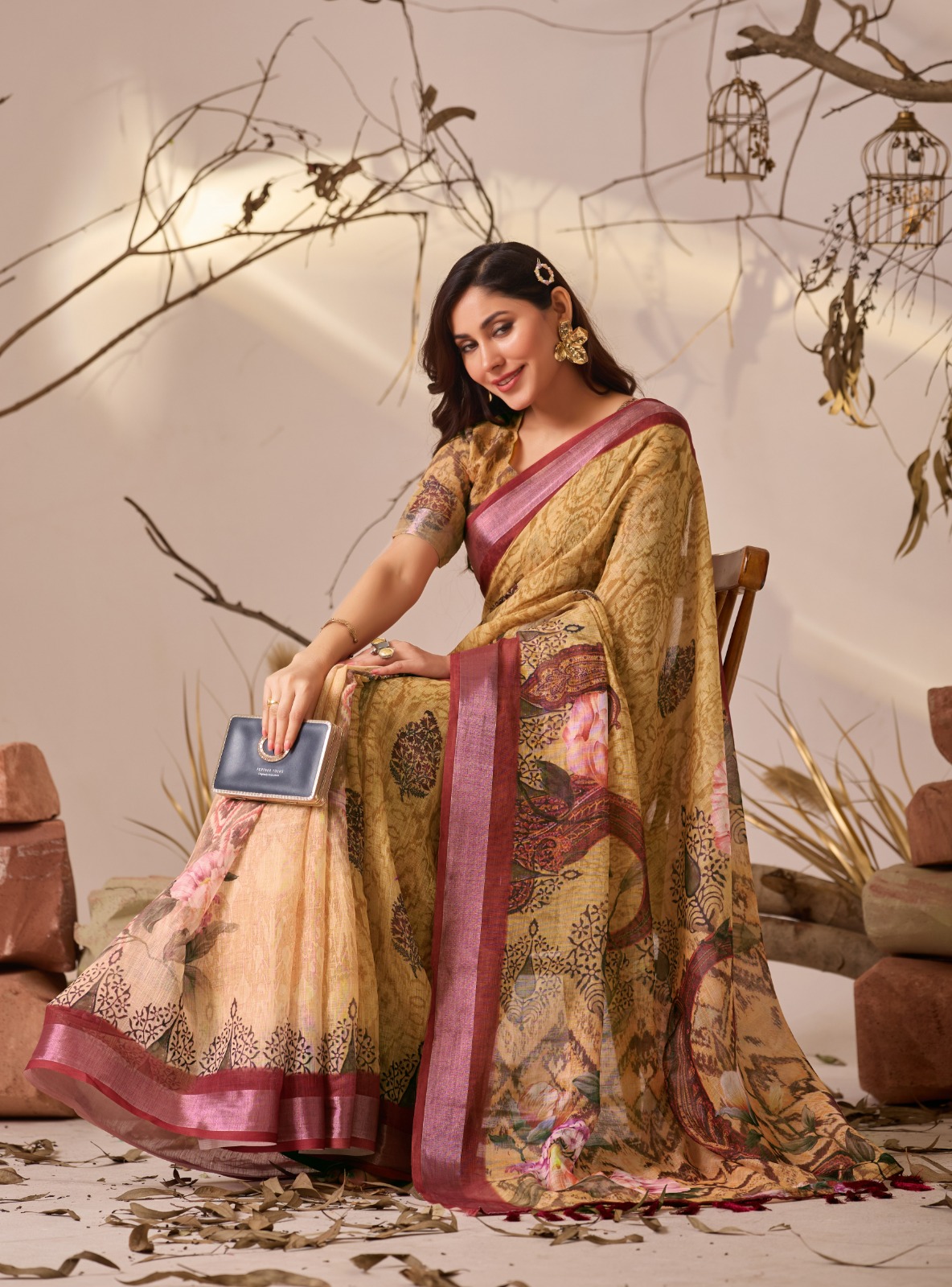
Start with a saree in cotton, linen cotton or a similarly breathable weave. Make the pleats narrow and even, then pin the pallu over the left shoulder at a medium width so the border remains visible. For a closer layered effect, bring a lightweight stole or short shoulder cloth across the upper body, but keep the additional layer in a related colour family.
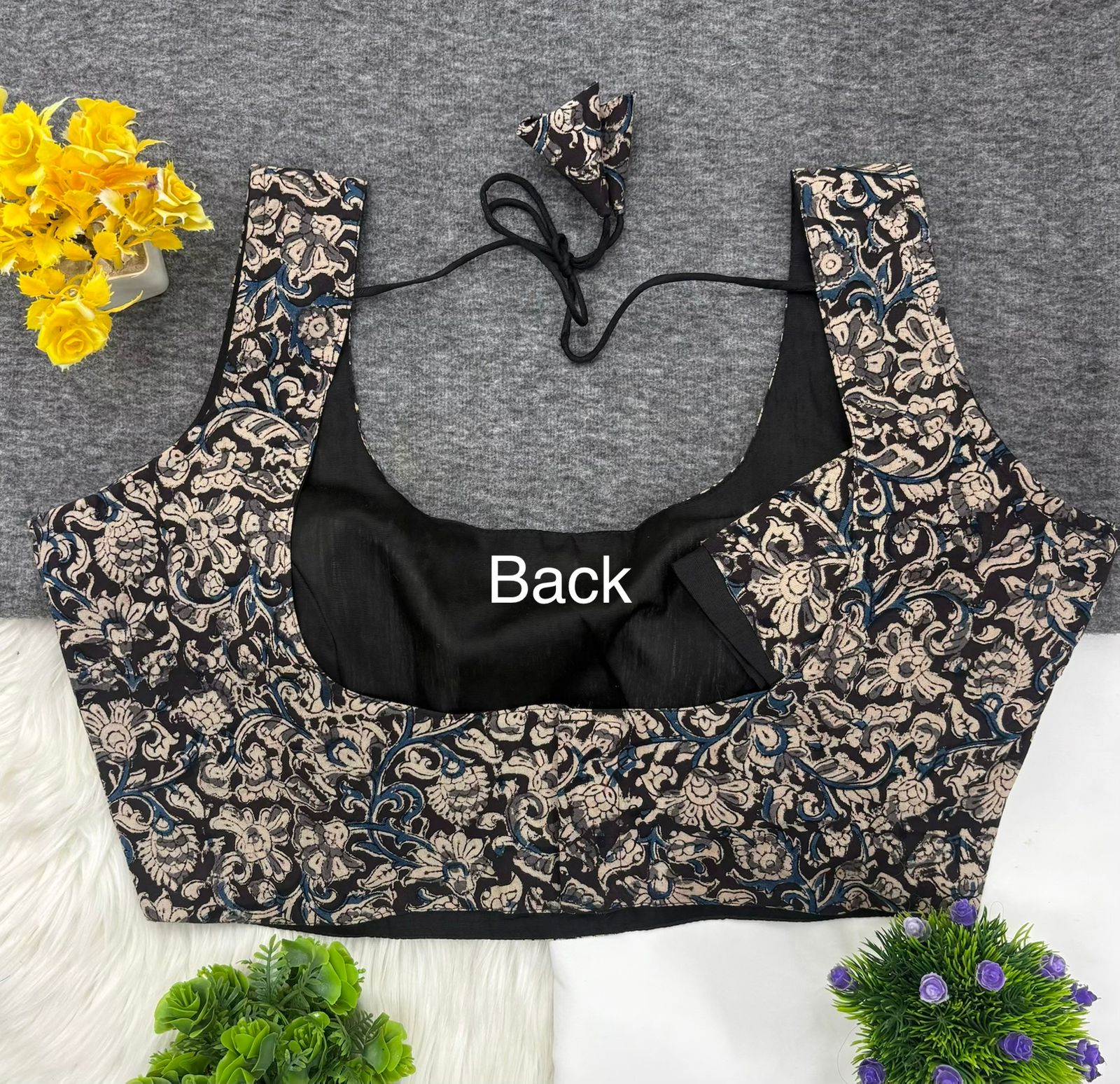
A high-neck or modest round-neck blouse gives the outfit a composed finish. Elbow-length sleeves are practical for daytime celebrations and create a stronger visual relationship with a broad necklace. A blouse with a plain surface often works better than a heavily embroidered one because the border, drape and jewellery can provide the detail.
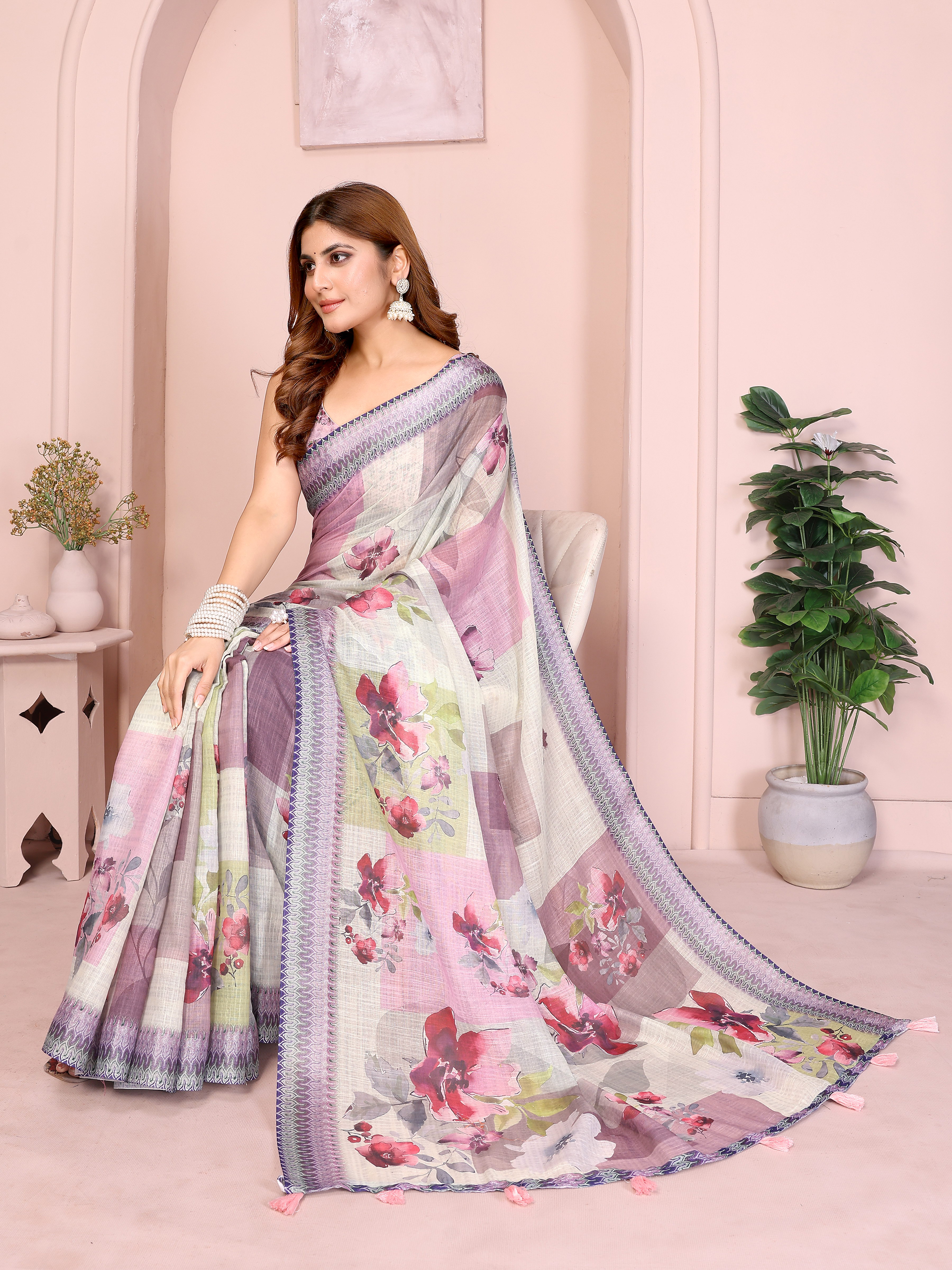
Red Floral Linen Cotton Saree with Beautiful Printed Border demonstrates how a defined border can structure a soft, floral textile. Lavender Floral Linen Cotton Saree with Elegant Blue Border offers a gentler palette for a daytime programme, especially when paired with silver-toned or oxidised-looking accessories rather than bright gold.
Nongkrem Dance Festival Fashion and the saree question
A saree can express Khasi-inspired styling through layering, proportion and textile choices, but a saree should not be labelled as a traditional Jainsem. The two garments have different histories, construction methods and cultural meanings.
That distinction is particularly important when an outfit is photographed or shared online. A caption such as "cotton saree styled with Khasi-inspired layered proportions" is more accurate than "authentic Khasi attire" unless the garment has been made and worn within the appropriate cultural context. Accurate language respects the people whose clothing traditions inspire the styling.
Nongkrem Dance Festival Fashion with practical fabrics and colours
Breathable natural-fibre textiles suit Nongkrem Dance Festival Fashion because Meghalaya celebrations can involve movement, waiting outdoors and changing weather. Cotton, linen cotton and light handloom weaves allow air circulation and remain easier to manage than dense synthetic fabric.

Linen cotton gives a slightly crisp surface and holds pleats well, although it may crease during travel. Mal cotton feels lighter and softer for a long day, but a thin fabric may need a good inner layer or a well-fitted petticoat. Banarasi silk and heavy velvet can look festive, yet they're less practical for warm daytime movement and may visually overpower a restrained Khasi-inspired silhouette.
Colour can be approached through contrast rather than excess. Deep red with ivory, lavender with blue, teal with muted gold and purple with silver create clear combinations without requiring sequins. Meghalaya's lush landscape also makes leaf green, cloud grey, indigo, rust and berry tones natural choices for a festival wardrobe.
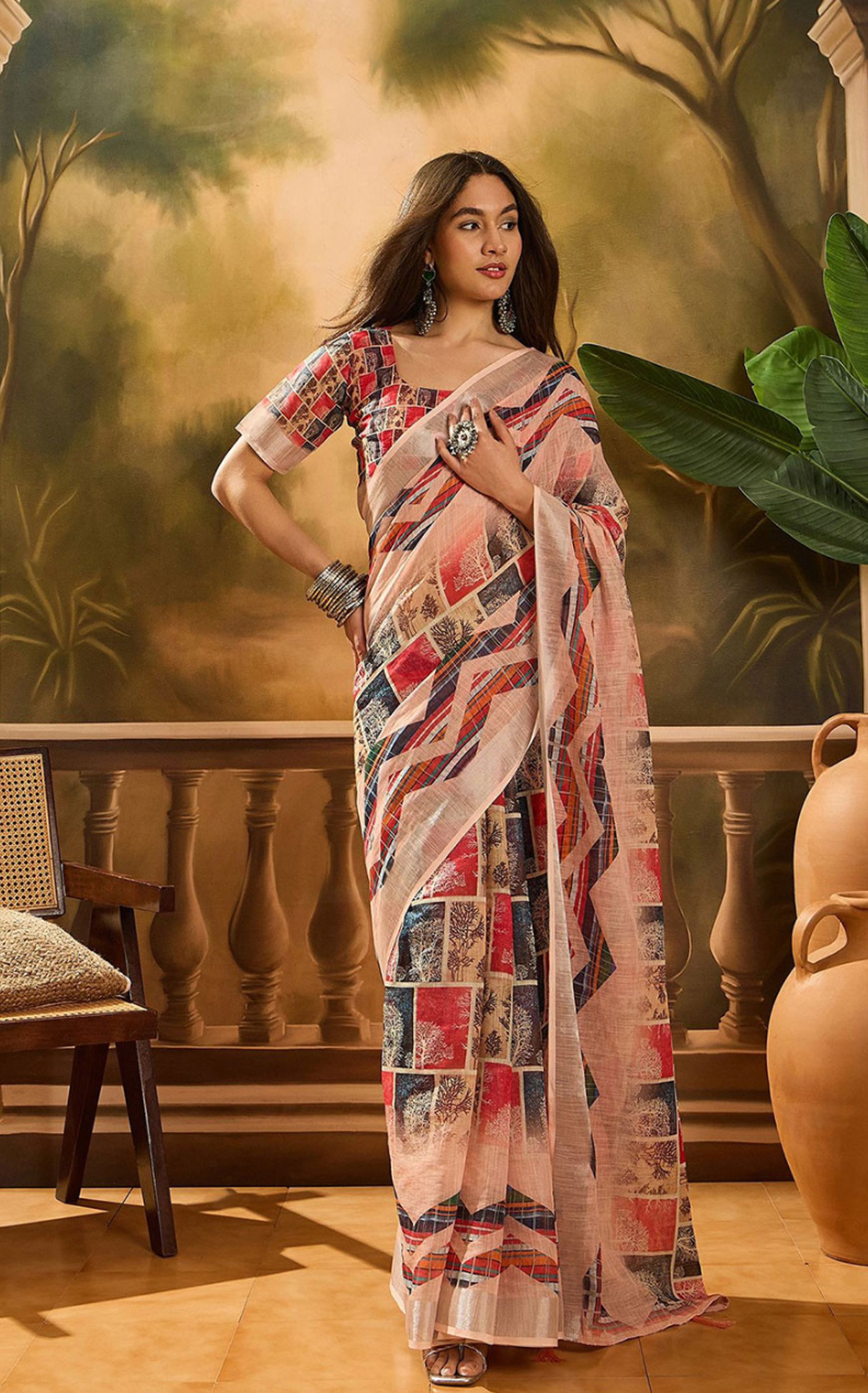
A printed or woven pallu can supply the focal point. Printed Mal Cotton Saree With Designer Pallu by VARNAVI is useful as an example of how a decorative pallu can carry the visual interest while the blouse remains relatively quiet. A pallu that ends near the hip, rather than dragging on the ground, is safer for walking and easier to arrange during group activities.
Nongkrem Dance Festival Fashion and pre-event fabric care
A cotton or linen-cotton saree should be washed or steamed according to its care label before a major event, then ironed on the reverse side at a moderate temperature. Pre-washing reveals shrinkage, colour bleeding and border behaviour before the outfit is worn publicly.
For travel, roll the saree around a broad cotton towel instead of folding it into a small square. Rolling reduces sharp fold lines, while a muslin or cotton cover protects the weave from dust and allows airflow. Avoid storing a slightly damp saree in plastic because trapped moisture can create mildew and weaken dyed fibres.
Nongkrem Dance Festival Fashion and jewellery balance
Jewellery should be chosen as one strong layer around the neckline, supported by restrained earrings and bangles. Traditional Khasi ceremonial jewellery can carry cultural meaning, so contemporary styling should use general design cues rather than reproduce sacred or community-specific pieces without knowledge.

Look for a broad silver-toned collar, a multi-strand necklace or a pendant with a clear geometric form. Coral-red accents can echo the warmth found in many Northeast Indian jewellery palettes, but imitation coral, enamel or glass beads are more practical and ethically straightforward than sourcing materials without understanding their origin.
Keep the rest of the jewellery deliberate. A large necklace can be balanced with small studs or medium drop earrings. If the necklace is delicate, add a pair of textured earrings and one stack of bangles. Avoid wearing a large necklace, chandelier earrings, waist chain, armlets and a headpiece together; visual crowding can hide the saree's textile work.
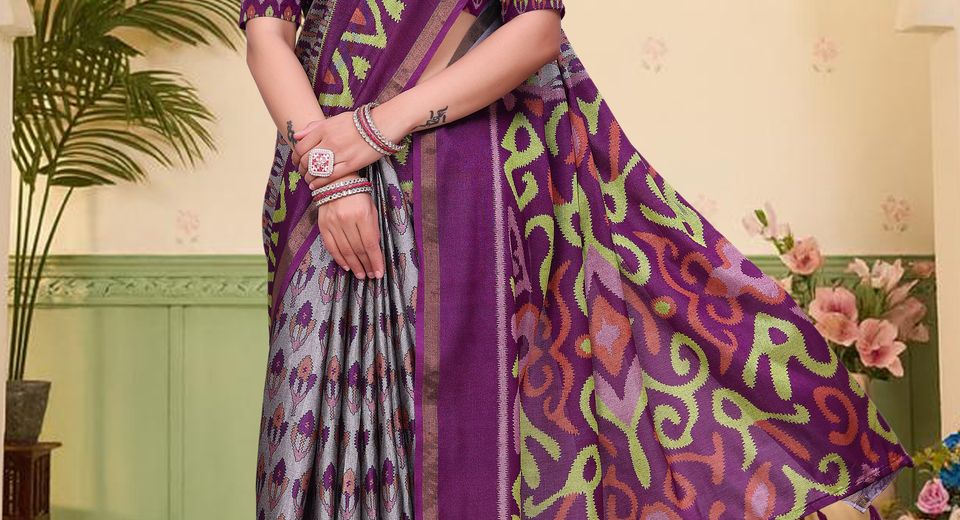
Purple Mal Cotton Patterned Saree with Blouse - VARNAVI can take a silver-toned necklace and a low bun particularly well because the patterned surface already provides texture. Teal Mal Cotton Woven Saree With Blouse Piece - VARNAVI benefits from warm metal accents or a small red bead detail, creating contrast without adding a second dominant print.
Nongkrem Dance Festival Fashion and respectful styling boundaries
You should avoid presenting an up-to-date fashion interpretation as authentic Khasi ceremonial clothing. The most respectful approach is to identify the source of the inspiration, use accurate cultural terms and leave ritual-specific details to people who belong to the tradition or have been guided by cultural practitioners.
- don't combine unrelated garments from different Northeast Indian communities and call the result Khasi dress.
- don't copy ceremonial dance poses, weapons, headgear or jewellery as costume props for casual photographs.
- don't use sacred symbols or motifs as random embroidery without knowing their meaning.
- don't attach feathers, imitation animal parts or culturally significant objects merely to make an outfit look "tribal."
- don't use an accent as a fashion accessory when speaking about Meghalaya or Khasi culture.
Modesty and practicality also matter. Secure the pallu with two discreet pins, wear a breathable blouse lining and choose footwear that can handle uneven ground. A low block heel, padded sandal or embellished flat is safer than a narrow stiletto for an outdoor festival venue.
Nongkrem Dance Festival Fashion for different saree palettes
The same Khasi-inspired styling idea can look different depending on whether the saree is vivid, muted, patterned or woven. The deciding factors are the relationship between the saree, shoulder layer and jewellery rather than the price or amount of decoration.

Purple Mal Cotton Printed Saree & Blouse Set - VARNAVI suits a tonal approach: keep the blouse close to the saree's purple family, add a silver-toned necklace and use a muted grey or plum shoulder cloth. A red saree creates more energy, so ivory, charcoal or antique silver can calm the overall look.
Green Mal Cotton Printed Saree For Women - VARNAVI can be paired with a brown, rust or muted gold blouse for an earthy palette. Avoid matching every accessory to the green print. One contrasting element, such as a red bead or warm metal necklace, gives the outfit definition.
For a softer programme held during the day, lavender, pale blue, cream and dusty rose keep the appearance light. For an evening cultural gathering, teal, indigo, deep purple and wine can support a more formal drape. A woven texture generally needs less jewellery than a flat printed fabric because light already creates variation across the surface.
Nongkrem Dance Festival Fashion checklist before leaving home
A successful festival outfit should be comfortable for at least six hours, secure while walking and clear about the difference between inspiration and traditional dress. A short trial at home can identify problems that only appear after sitting, climbing steps or carrying a small bag.
- Wear the complete outfit for 20 minutes and check whether the blouse, petticoat and shoulder layer stay in place.
- Walk up and down stairs to test the saree length and confirm that the hem doesn't catch under footwear.
- Carry safety pins, two hairpins, a small sewing kit, tissues and a breathable cotton scarf in a compact pouch.
- Check whether the jewellery catches on the pallu, shoulder cloth or hair before entering a crowded venue.
- Use a crossbody or small hand-held bag that doesn't pull the shoulder drape out of position.
- Pack the saree in a fabric cover if travelling, and keep jewellery in separate soft pouches to prevent surface scratches.
Good festival dressing leaves room for participation. The most convincing Khasi-inspired outfit isn't the one with the most ornaments; it's the one that treats textiles, movement, language and cultural context with equal care.
Questions About Nongkrem Dance Festival Fashion and Khasi-Inspired Dressing
What should I wear to a Nongkrem Dance Festival-themed event?
Wear a breathable cotton or linen-cotton saree with a neat border, a modest blouse and one controlled shoulder layer. Describe the outfit as Khasi-inspired rather than authentic Khasi ceremonial dress unless it has been created and worn within the relevant cultural context.
Can I wear a saree for Khasi-inspired festival fashion?
Yes, a saree can express Khasi-inspired styling through layered proportions, natural fibres and restrained jewellery. A saree should not be called a Jainsem because the two garments have different histories and constructions.
Which colours work well for Nongkrem Dance Festival Fashion?
Teal, deep red, purple, lavender, indigo, leaf green and muted gold work well for festive dressing. Pair one strong colour with a quieter blouse or shoulder layer so the outfit remains balanced.
What jewellery suits a Khasi-inspired saree look?
A broad silver-toned collar, a geometric pendant or a multi-strand necklace suits a Khasi-inspired saree look. Keep earrings and bangles restrained, and avoid copying ritual-specific jewellery without cultural guidance.
Which fabric is comfortable for a Meghalaya festival celebration?
Cotton, linen cotton and light Mal cotton are practical because they breathe and remain manageable during movement. Steam or wash the fabric according to its care label before travel, and store it in a breathable cloth cover.
How can I avoid cultural appropriation when styling a Khasi-inspired outfit?
Use accurate terms, acknowledge the Khasi source of the inspiration and avoid sacred motifs, ceremonial props, dance poses or community-specific ornaments as costume accessories. Present the result as an interpretation rather than authentic traditional attire.