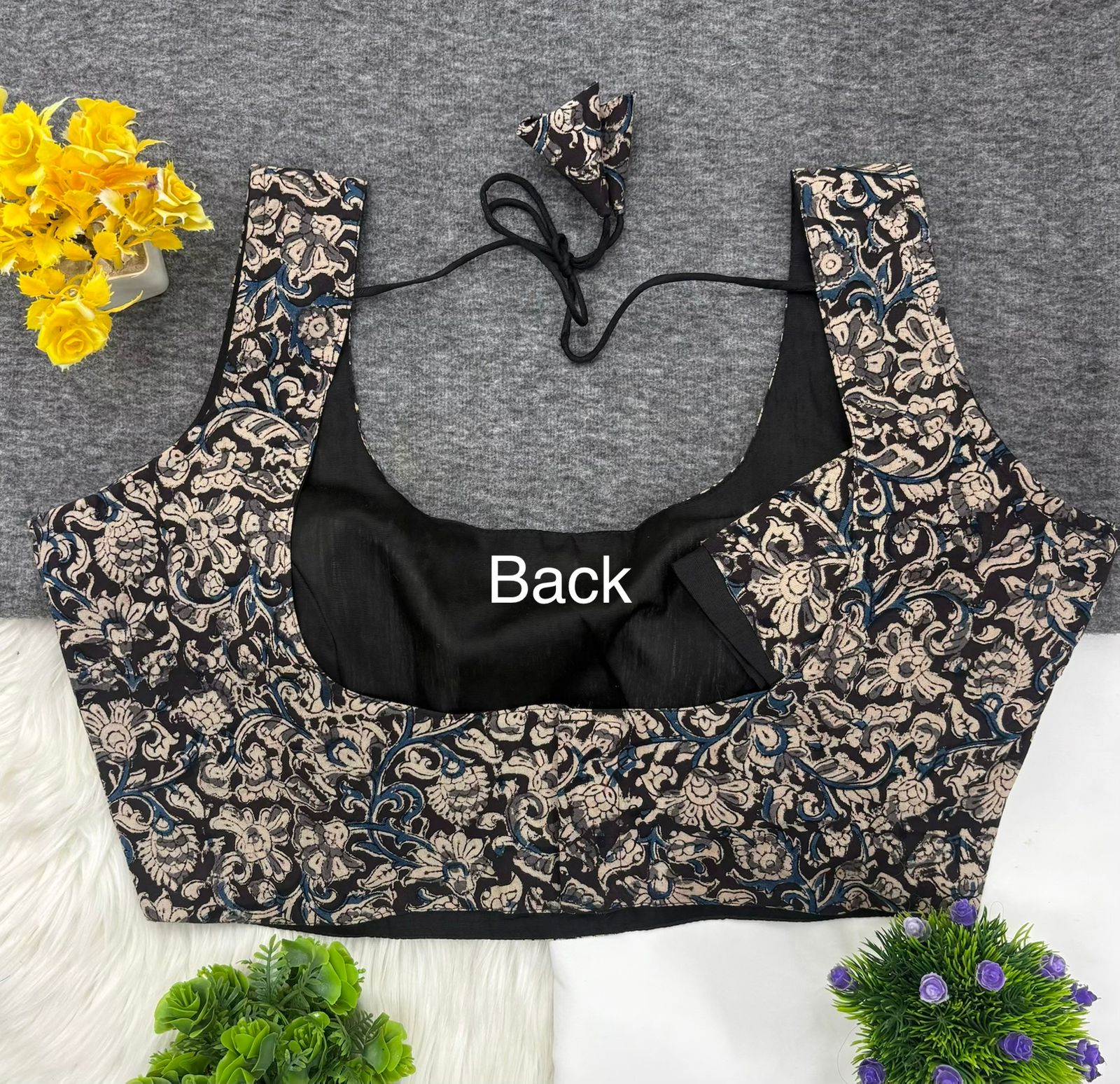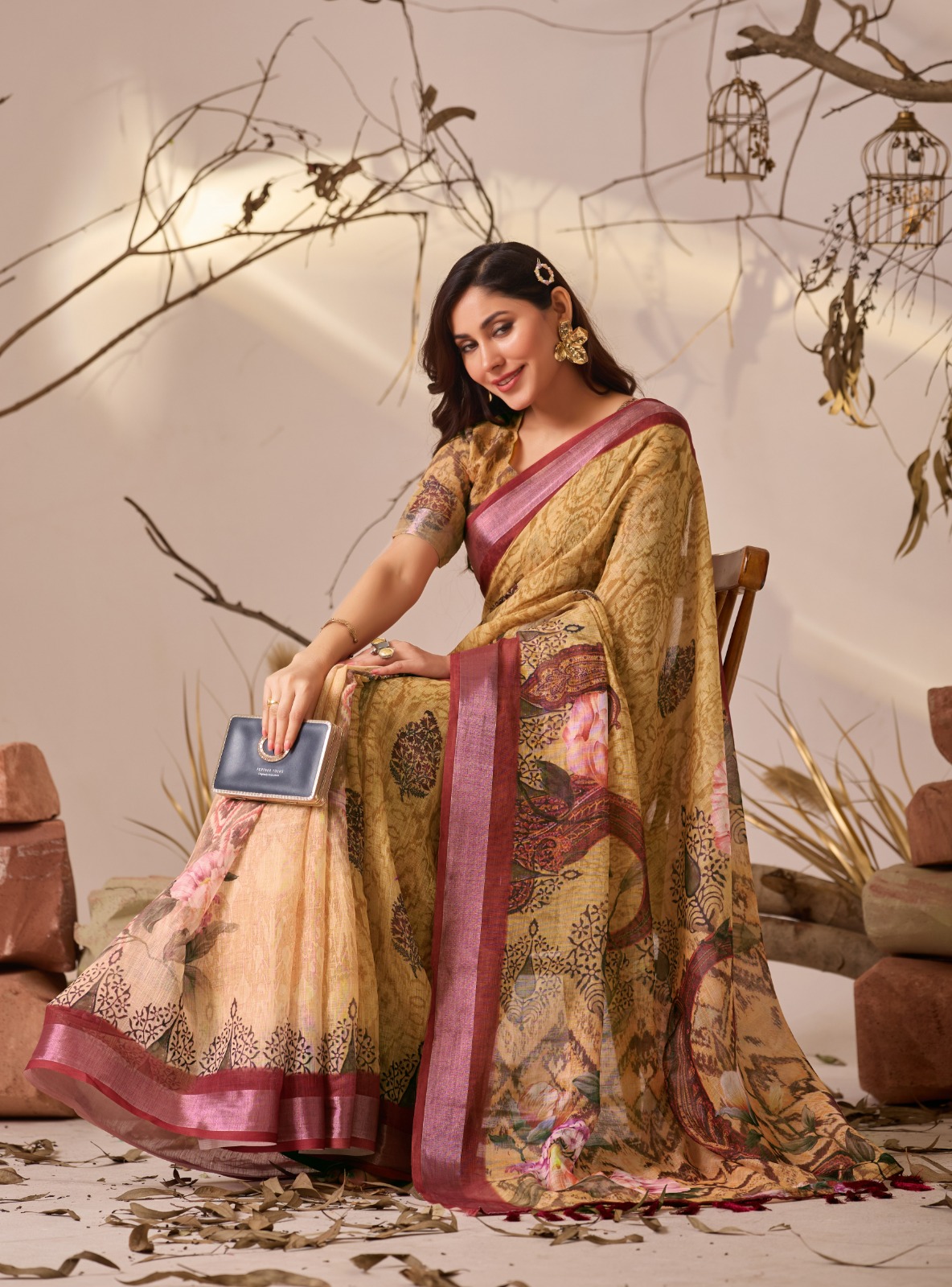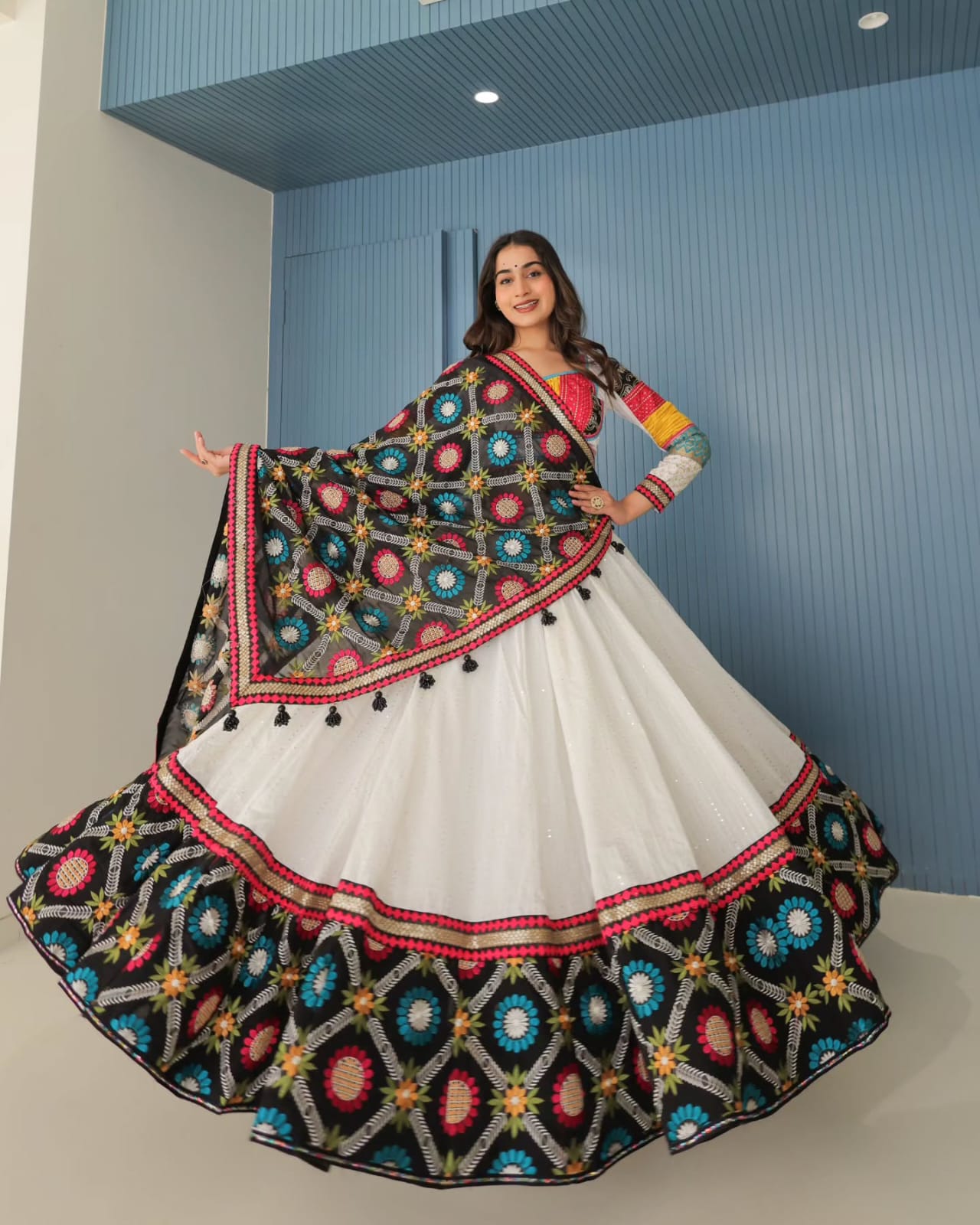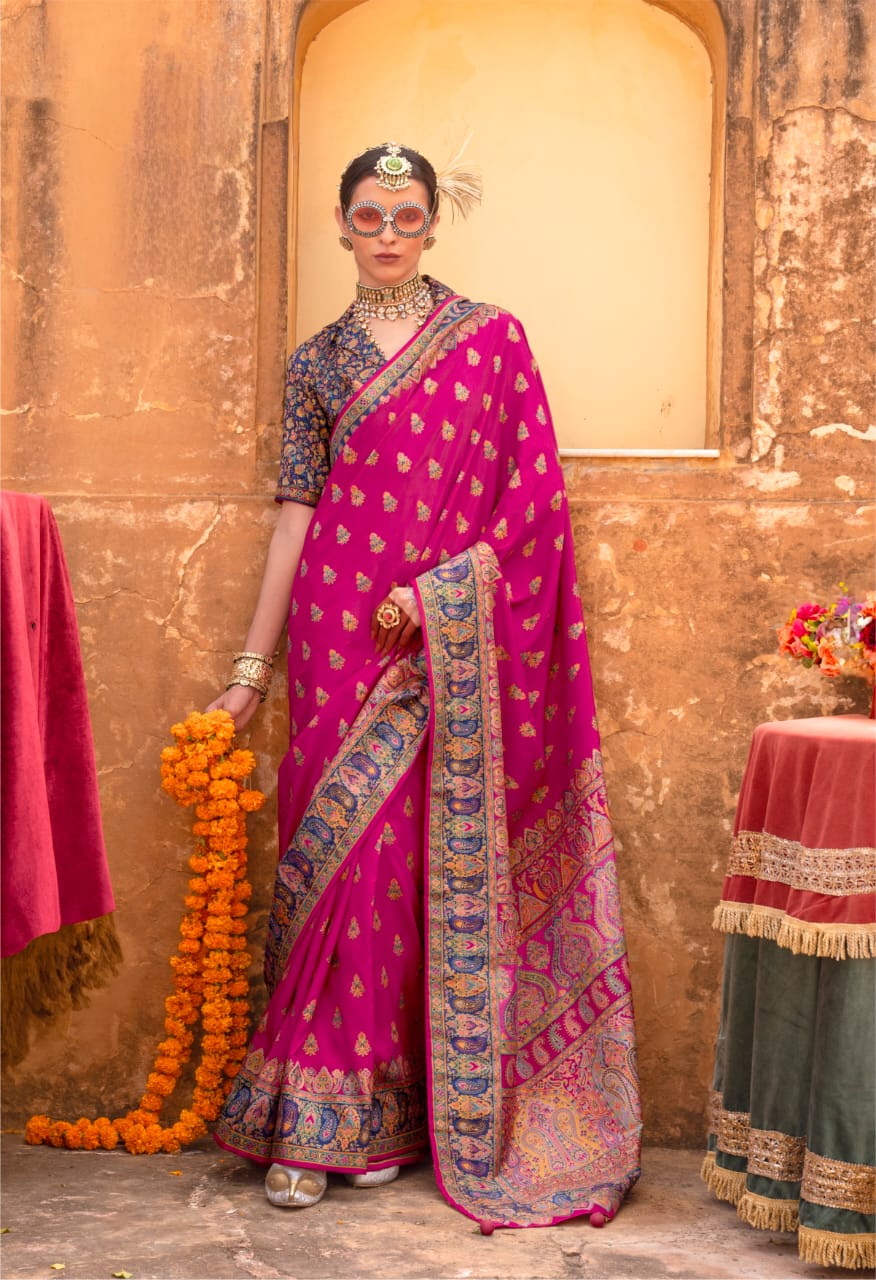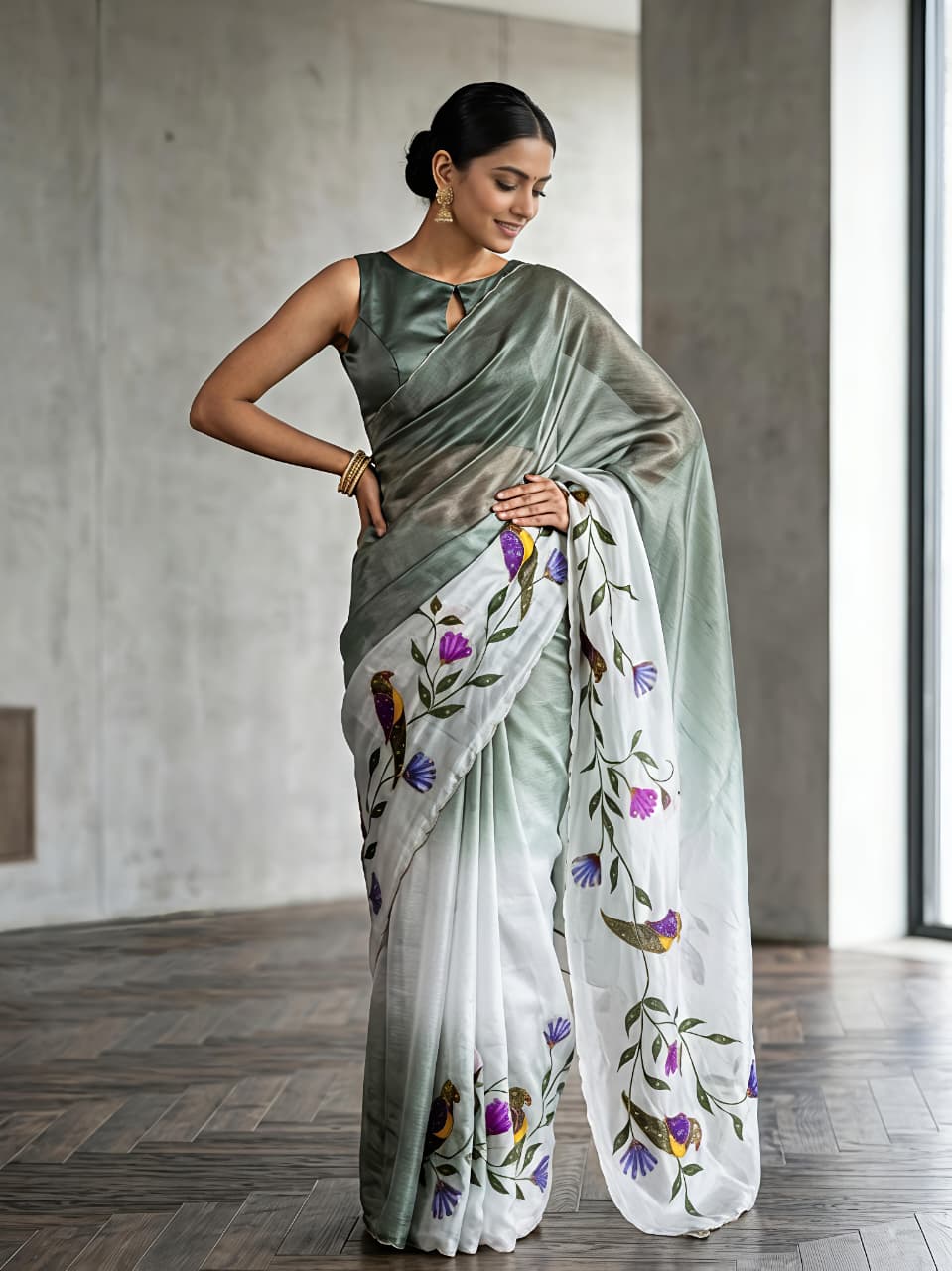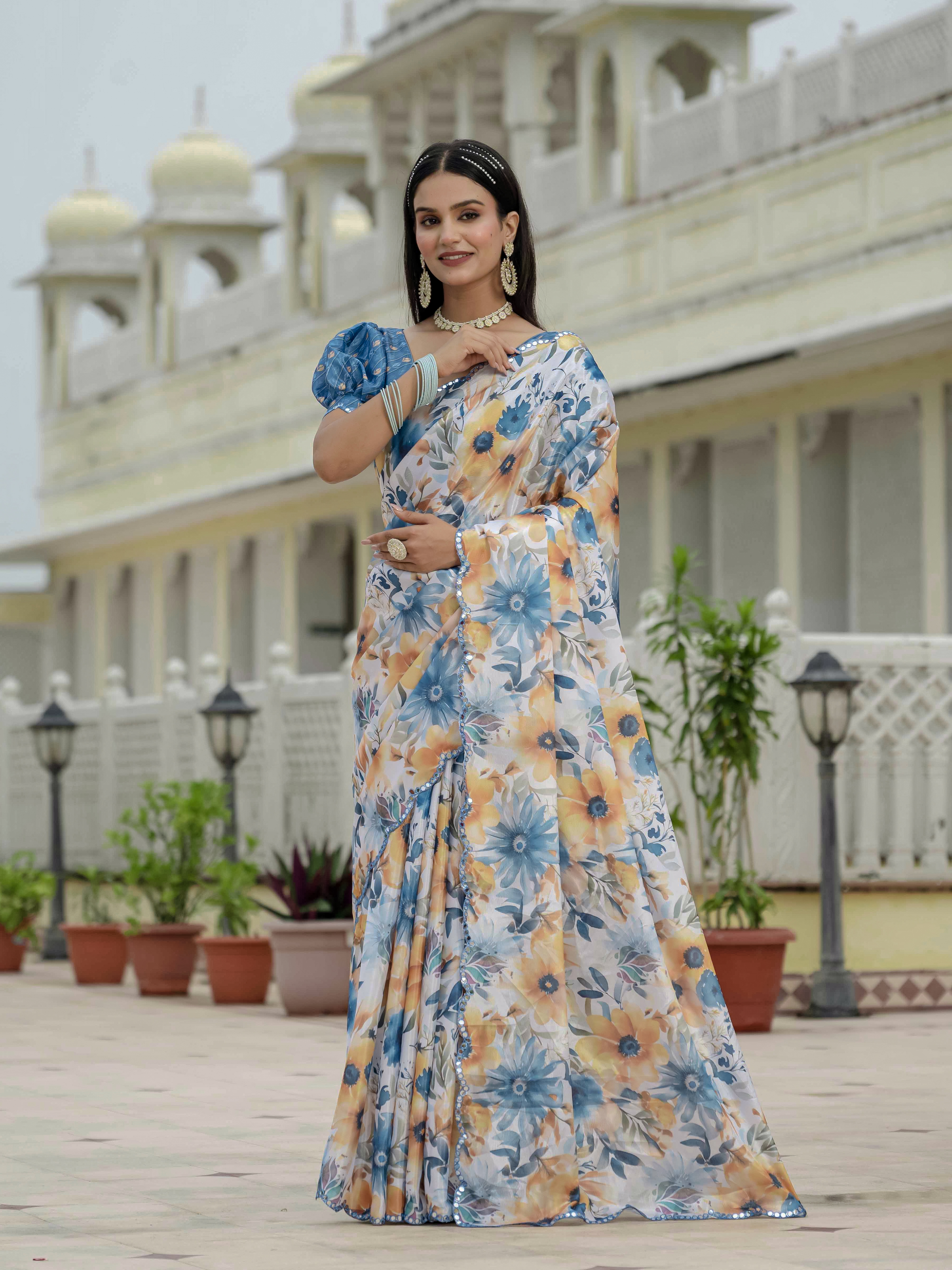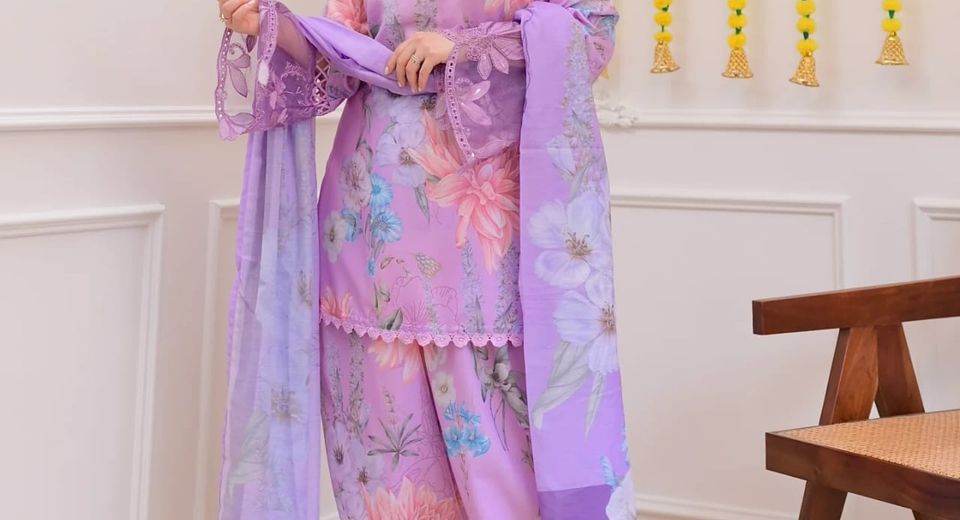
Navratri Salwar Suit Styles for Garba and Dandiya Nights need to handle more than photographs: nine evenings of dancing, warm venues, quick turns, crowded floors and repeated arm movement. The right salwar suit combines a secure fit with a comfortable lower silhouette, breathable fabric and festive colour. A thoughtful choice can look richly traditional without the weight or maintenance of a heavily layered lehenga.
Garba clothing doesn't have to be limited to a chaniya choli. A readymade salwar suit, Anarkali, palazzo set or Patiala kurta set can bring colour and movement to the dance floor while making dressing simpler. Fabric, hem length, sleeve shape and dupatta placement matter more than the label attached to the outfit.
Navratri Salwar Suit Styles for Garba and Dandiya Nights: What makes a suit suitable?
A salwar suit is suitable for Garba and Dandiya when it allows unrestricted footwork, keeps the dupatta secure and remains comfortable after several hours of movement. A flared Anarkali, palazzo suit or roomy Patiala set usually performs better than a narrow churidar with a stiff, closely fitted kurta.
Garba involves repeated circular steps, side-to-side movement and turning with the arms raised, while Dandiya adds the forward reach and rotation needed to strike sticks safely. A hem that falls around the ankle or slightly above the foot reduces the risk of stepping on the garment. A kurta with approximately 5 to 8 centimetres of ease around the hip gives the wearer room to turn without pulling at the seams.
Check the armhole and sleeve before checking the embroidery. Lift both arms, bring the elbows forward and twist from the waist. The shoulder seam should stay in place, and the kurta should not ride up sharply at the back. A side slit that begins too high can expose the leg during a turn, while a completely closed straight kurta may restrict longer strides.
- For maximum movement: choose an Anarkali, palazzo or Patiala silhouette with a flexible lining.
- For warm indoor venues: select cotton, viscose or light Chanderi instead of dense synthetic layers.
- For a polished festive look: use zari, sequence embroidery or a contrasting dupatta as the main decorative detail.
- For Dandiya: secure the dupatta close to the shoulder and keep both hands free from trailing fabric.
Navratri Salwar Suit Styles for Garba and Dandiya Nights by silhouette
Flared Anarkalis, palazzo suits and Patiala kurta sets are the most practical silhouettes for Navratri dancing because they provide movement at the knee and ankle without requiring a separate skirt. Each shape creates a different visual effect and suits a different level of activity.
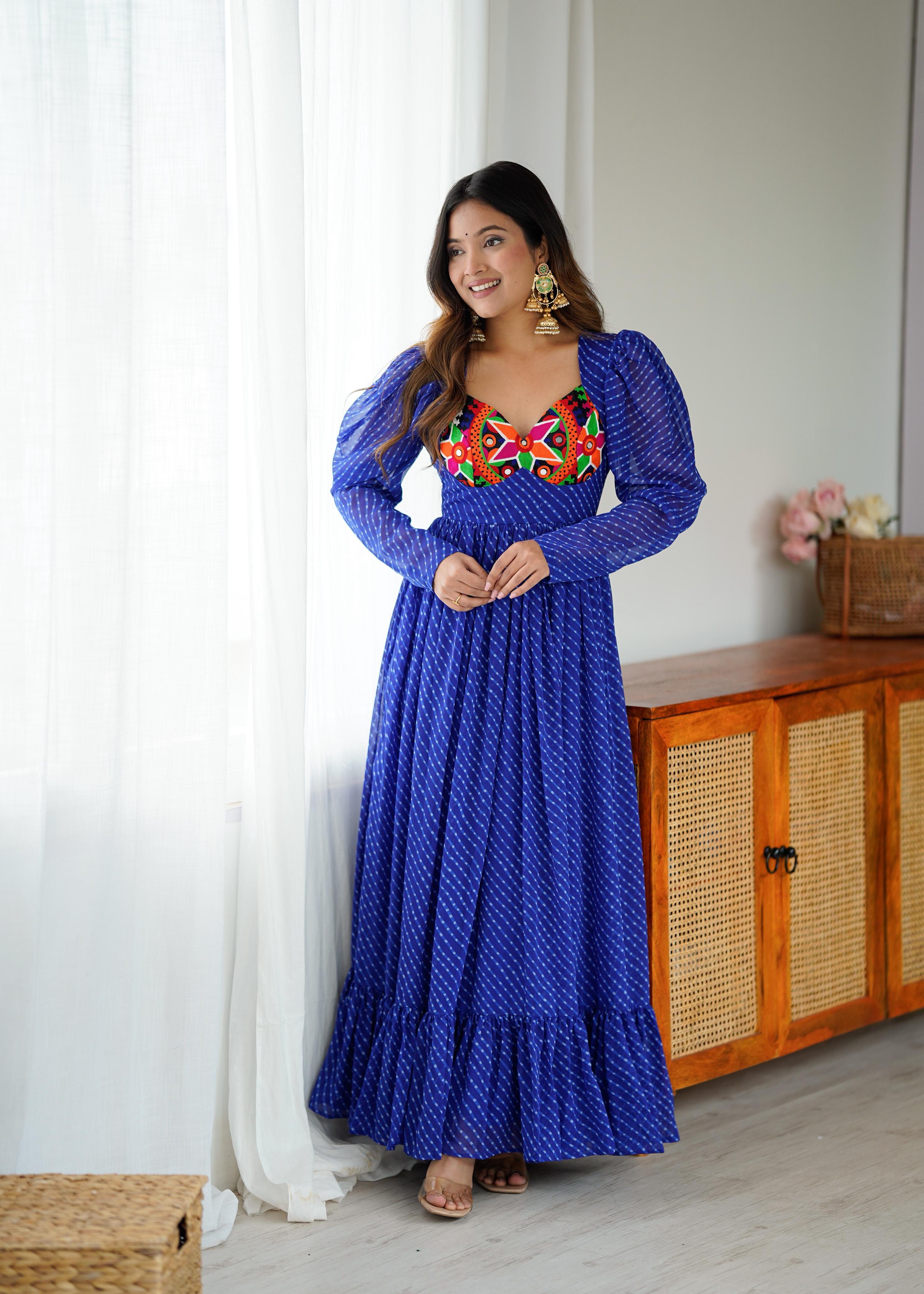
Flared Anarkali suits
Flared Anarkalis create a lehenga-like sweep while keeping the ease of a coordinated suit. A moderate flare is easier to manage in a crowded Garba circle than an extremely wide hem, especially when several dancers are moving close together. Ladies Dress Anarkali Salwar Suits are useful when a festive outline matters but changing into a complex layered ensemble is inconvenient.
A knee-length or mid-calf Anarkali works well for vigorous dancing, while a floor-grazing version needs careful tailoring and footwear planning. Wear a 2 to 4 centimetre heel only if the hem has been measured with that footwear. Flat juttis or cushioned kolhapuris are safer for long sessions.
Palazzo and straight-cut sets
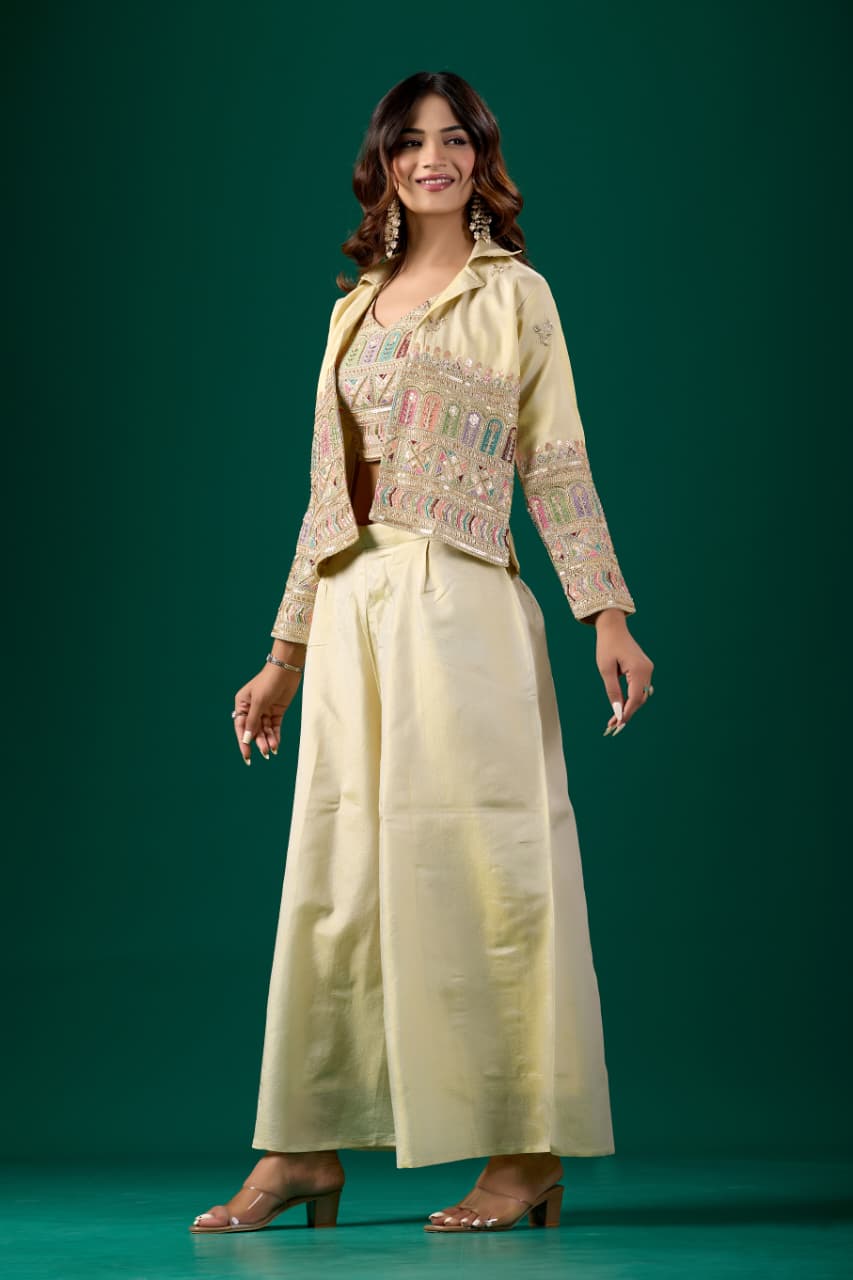
Palazzo trousers provide a broad leg opening that supports side steps and quick turns without clinging to the calves. A cropped kurta and jacket can give a contemporary Gujarati Garba dress female look, but the jacket should end above the widest part of the hip or fall cleanly below it rather than catching on the palazzo fabric.
Women's Embroidered Crop Top & Jacket Palazzo Set | Varnavi demonstrates how a coordinated crop top, jacket and wide-leg lower can create a festive layered effect. This kind of outfit benefits from a secure inner layer, especially when arms are raised during Dandiya. A palazzo hem should sit at least 1 centimetre above the floor when worn with the intended shoes.
Patiala and relaxed kurta sets
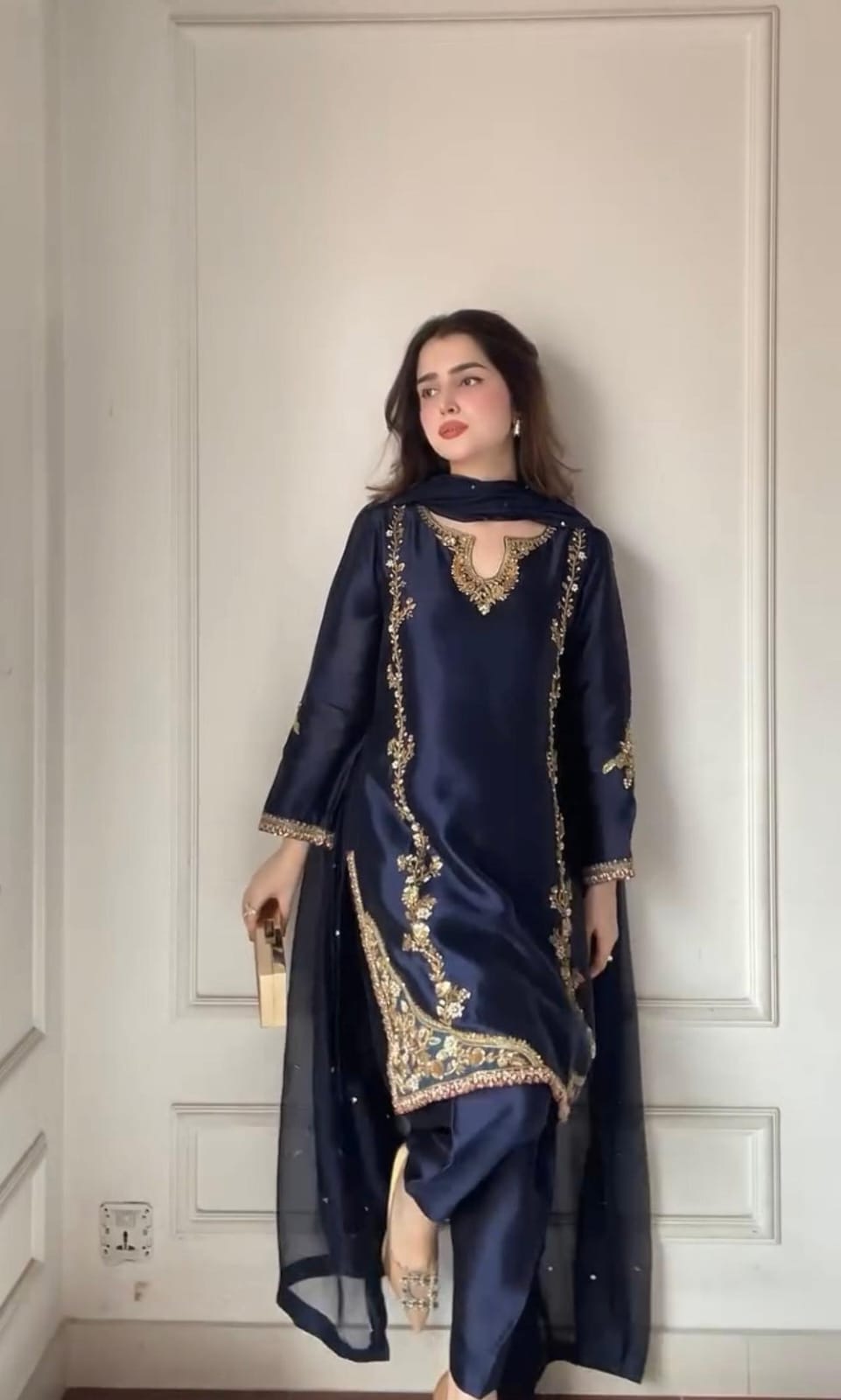
Patiala salwars suit active movement because their gathered volume sits around the upper leg and leaves the knee flexible. A shorter kurta balances the fullness of the salwar, while a longer kurta creates a more conservative proportion. Midnight Blue Natural Crepe Patiala Kurta Set with Embroidery offers an useful example of a darker, richly detailed direction for evening events.
Patiala folds can become warm in crowded halls, so fabric weight deserves attention. A smooth lining and a waistband that lies flat are more important than excessive gathering. Cotton salwar suits for Garba remain a strong option for outdoor venues, daytime community events and dancers who run warm.
Navratri Salwar Suit Styles for Garba and Dandiya Nights: Which fabrics work?
Cotton, viscose, Chanderi and lightweight crepe generally offer the best balance of breathability, drape and movement for a long Garba night. The most comfortable fabric depends on the venue, the number of layers and how much embroidery has been added to the garment.
Cotton absorbs moisture and feels dependable in warm weather, making it especially suitable for daytime Navratri programmes. Cotton may crease more quickly than synthetic blends, but small creases are usually preferable to a heavy, heat-trapping lining during active dancing.
Viscose has a fluid drape and often feels soft against the skin. Mustard Viscose Chanderi Kurta Set with Sequence Embroidery combines a warm festive colour with a fabric direction suited to a polished yet wearable look. Sequence details should be checked for rough edges because repeated arm movement can cause friction at the underarm.
Chanderi is lightweight and has a subtly sheer, refined surface, although many Chanderi kurta sets use a lining for coverage. Pastel Blue Embroidered Chanderi Kurta Set with Dupatta shows how a lighter colour can look festive when embroidery and a coordinated dupatta provide the visual interest. Check whether the lining is breathable before wearing the set for several hours.
Crepe drapes smoothly and resists some visible creasing, which makes it practical for travel and evening events. Natural crepe can feel comfortable against the body, while heavy crepe may become warm when combined with a jacket or dense embroidery. Midnight Blue Natural Crepe Patiala Kurta Set with Embroidery suits an evening palette better than a bright afternoon gathering.
Silk and silk-look fabrics provide dressiness but require more attention to weight and lining. Elegant Beige Vichitra Silk Embroidered Kurta Set for Women and Maroon Vichitra Silk Kurta Set with Elegant Embroidery Work illustrate two occasion-ready colour directions. Use such sets for shorter dance sessions, dinner-led celebrations or venues with effective air conditioning if the weave and lining feel warm.
Navratri Salwar Suit Styles for Garba and Dandiya Nights in festive colours
Choose Navratri colours according to the venue, lighting and amount of movement in the outfit, then use embroidery as a controlled accent rather than covering every surface. Bright jewel tones show clearly in outdoor photographs, while beige, pastel and midnight shades look sophisticated under indoor lighting.
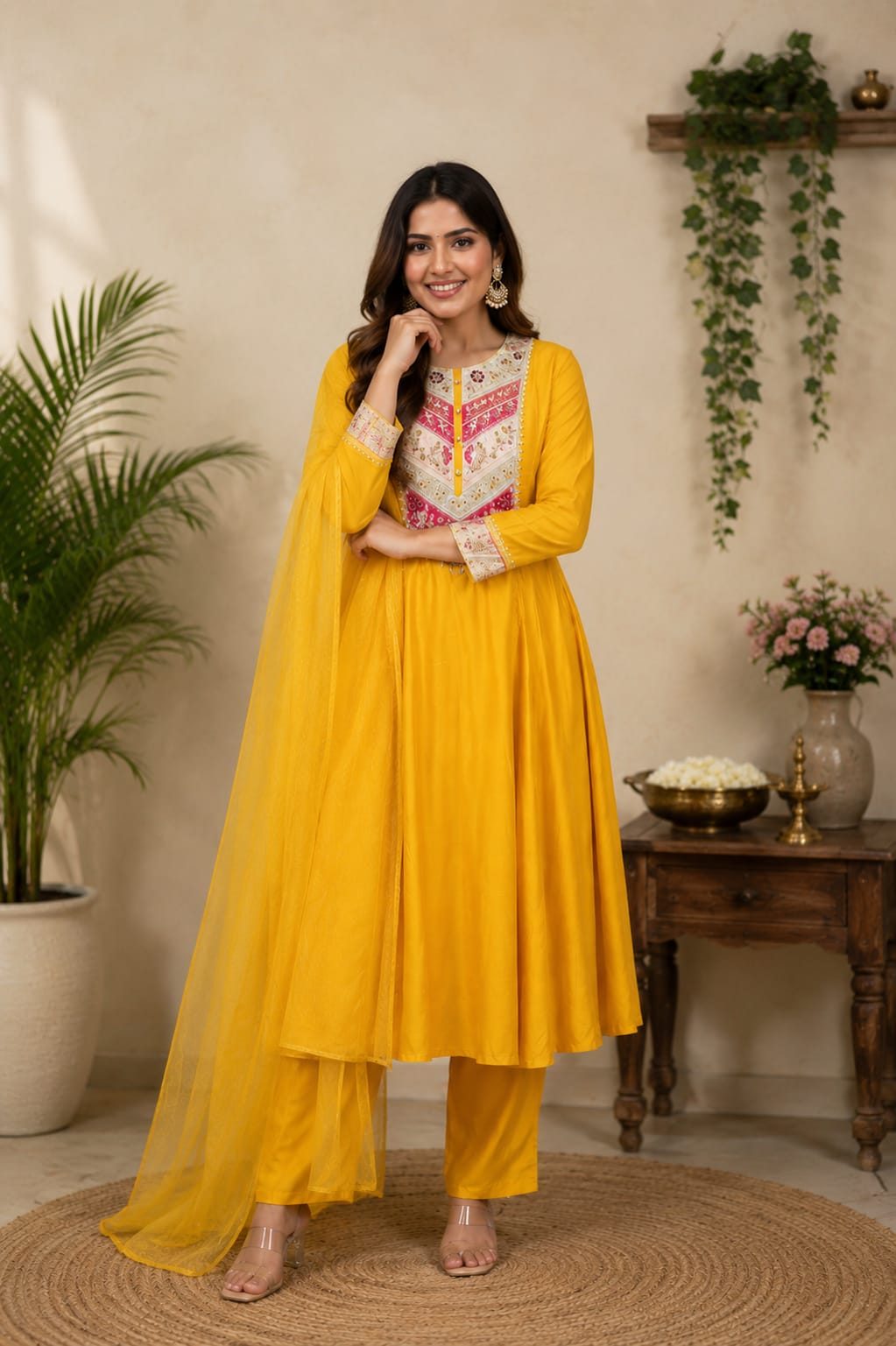
Mustard, maroon, cobalt, emerald, fuchsia and red create a strong festive presence without requiring a heavily printed garment. Pastel blue and beige can look equally celebratory when paired with silver zari, pearl details or a contrasting dupatta. Red Dress Materials Under 2000 can be useful when the wearer wants to coordinate a custom-stitched red set, but final comfort will depend on the chosen lining and construction.
Sequence embroidery catches moving light during Dandiya, but dense embellishment adds weight and can snag on sticks, bangles or neighbouring garments. Place the most elaborate work on the yoke, neckline, cuffs or dupatta border rather than the entire lower half when the outfit is intended for vigorous dancing. Zari gives a classic sheen, while thread embroidery often feels lighter and less likely to scratch.
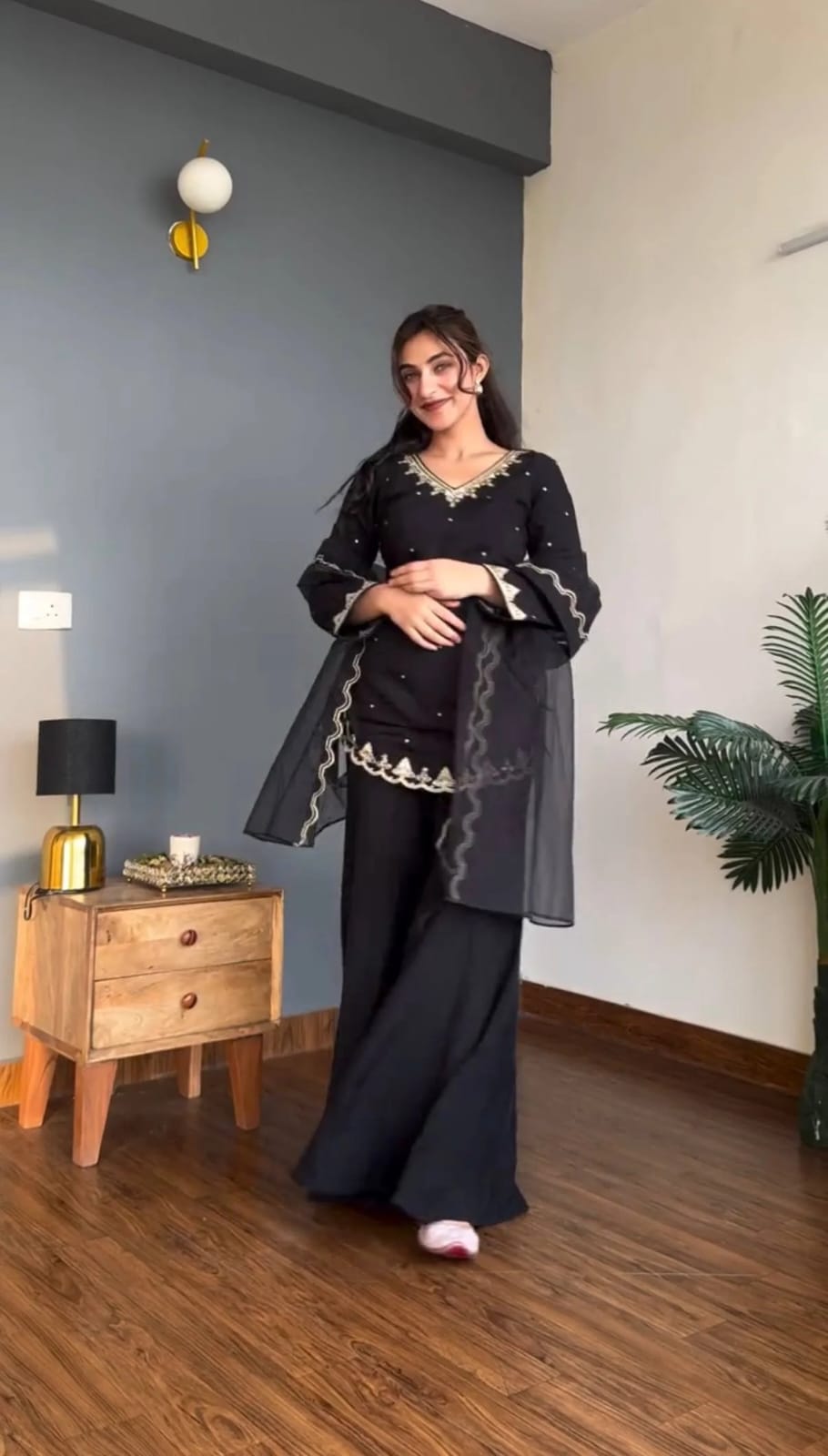
Black Heavy Silk Crepe Kurta Set with Sequence Embroidery can anchor a dramatic evening look when paired with mirror-work earrings or a bright dupatta. Black isn't the only useful night colour: midnight blue, maroon and deep green offer similar depth while reflecting a little more colour under decorative lights.
Navratri Salwar Suit Styles for Garba and Dandiya Nights with Gujarati details
A Gujarati Garba look comes together through coordinated colour, mirror or metallic accents, secure draping and comfortable footwear rather than through one mandatory garment. A salwar suit can acquire that festive character with a bandhani-inspired dupatta, oxidised jewellery, embroidered juttis and a defined waistline.
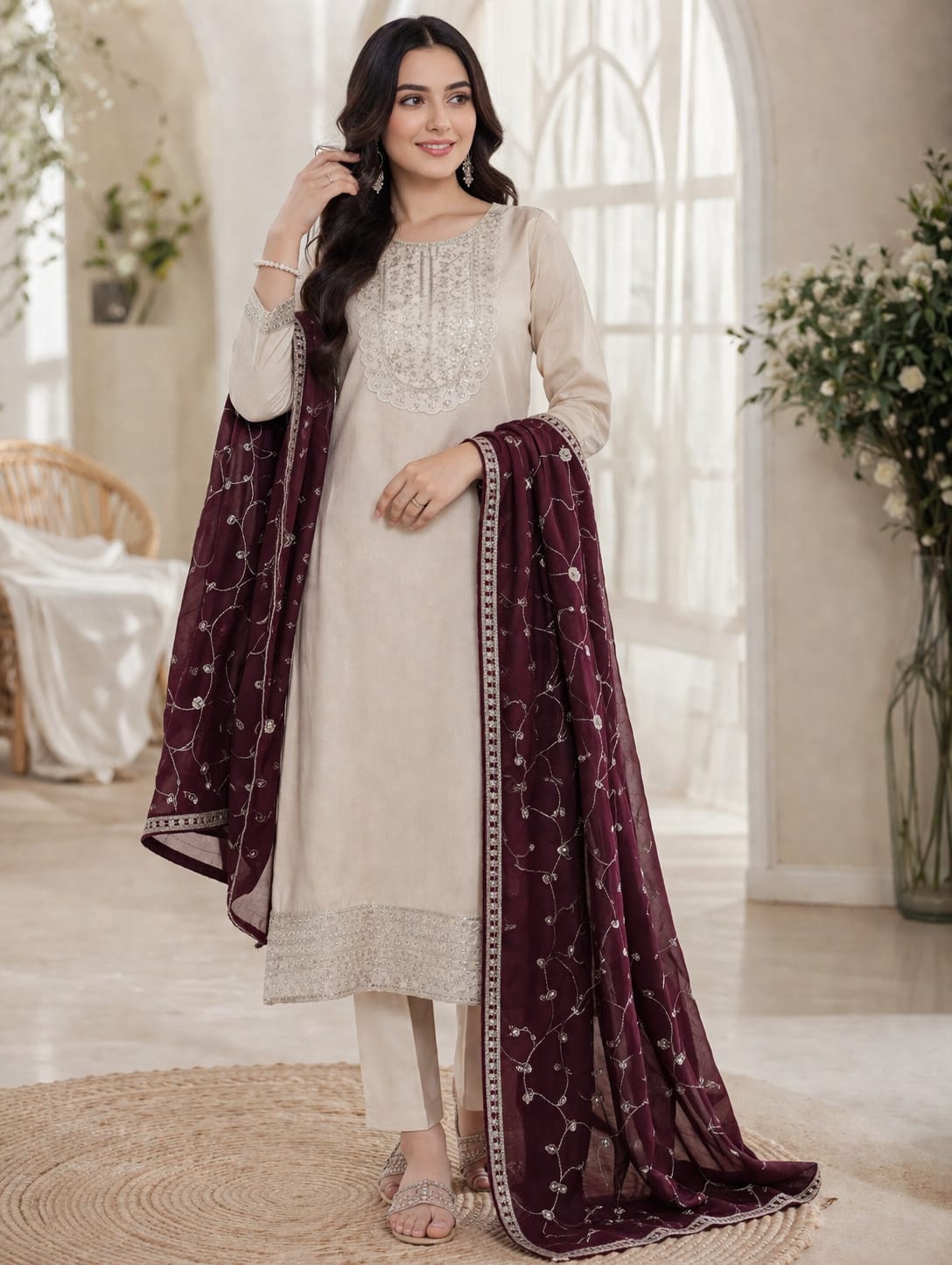
Drape the dupatta over one shoulder and secure it with a small concealed safety pin at the shoulder seam. Pinning the opposite side near the waist keeps the fabric from swinging into the hands during Dandiya. A narrower dupatta is easier to control than an extra-wide, heavily embellished one.
Oxidised silver jhumkas, a layered necklace, colourful bangles and a small bindi work naturally with Gujarati-inspired styling. Wear fewer bangles on the hand holding a Dandiya stick so the grip remains comfortable. A fabric hair tie or low braid is more practical than loose hair when the venue is crowded.
Blue Printed Georgette Designer Gown for Women Festive brings another route for readers comparing salwar suits with readymade festive dresses. A georgette gown can look fluid in photographs, but a salwar suit generally provides easier leg movement and more control during fast circular steps. Garba outfit ideas for women should therefore begin with activity level rather than colour alone.
Men salwar suits garba styling can follow the same colour story through a kurta-pyjama or kurta with a Nehru jacket, while coordinated family outfits work best when they share one colour instead of matching every detail. Ladies salwar suits garba styling can then include a contrasting dupatta or embroidered border without appearing overly uniform.
Navratri Salwar Suit Styles for Garba and Dandiya Nights: buying and care checklist
Buy a Garba salwar suit by checking measurements, lining, fastening and hem length before judging its embroidery or discount. An useful buying decision accounts for the dance venue, expected wear time and whether the garment will be reused after Navratri.
- Measure the garment against your body: check bust, waist, hip, shoulder and sleeve length rather than relying only on a familiar size label.
- Test the movement: raise both arms, sit down, take a long stride and rotate the torso before removing the tags.
- Inspect the closure: hooks, zips and drawstrings should remain secure without digging into the skin.
- Check the hem: the lower edge should not touch the floor when worn with the planned footwear.
- Examine embellishment: rough sequence edges and loose zari threads can cause discomfort during repeated movement.
- Plan the dupatta: select a length and border that can be pinned securely without pulling at the neckline.
Collections such as Salwar Suits with 30% Off and Salwar Suits Flat 40% Off may help with budget planning, but a discount doesn't compensate for a poor fit. Compare fabric, lining and construction details before comparing percentages. Dress Materials are useful when a wearer wants a custom silhouette, although tailoring needs additional time before the first Navratri event.
Readymade salwar suits for Garba are convenient when the event is close, but alterations should be completed at least 3 to 5 days before wear. That timeframe leaves room to correct a sleeve, shorten a hem or reinforce a weak hook. A new outfit should also be worn at home for 20 to 30 minutes to identify rubbing at the neckline, waist or underarm.
Follow the care label after the event because Chanderi, natural crepe, Vichitra silk and sequence embroidery may require various cleaning methods. Air the outfit in shade, take surface dust with a soft brush and avoid storing damp fabric in plastic. Fold embellished sections inward with acid-loose tissue or a clean cotton cloth to reduce snagging. Never iron immediately over sequence work or zari; use a pressing cloth and the lowest suitable temperature.
The most successful Navratri outfit is the one that remains comfortable after the first hour, looks intentional under changing light and can be worn again beyond the festival. A well-fitted Anarkali, palazzo set or Patiala suit gives the wearer enough freedom to dance while still expressing the colour, craft and celebratory spirit associated with Garba and Dandiya nights.
Common Questions About Salwar Suits for Garba and Dandiya Nights
Which salwar suit is best for Garba dancing?
A flared Anarkali, palazzo suit or relaxed Patiala set is usually best for Garba because each silhouette allows comfortable knee and ankle movement. Choose a secure waistband, a manageable hem and a dupatta that can be pinned close to the body.
Are cotton salwar suits suitable for Garba?
Cotton salwar suits are suitable for Garba, particularly for outdoor events, daytime programmes and warm venues. Cotton absorbs moisture and feels breathable, although it may crease more readily than crepe or viscose.
How can I stop my dupatta from moving during Dandiya?
Pin the dupatta at the shoulder seam and secure the opposite side near the waist. A narrower dupatta with a moderate border is easier to control than a wide, heavily embellished style.
What should women wear for a Gujarati Garba look besides a chaniya choli?
Women can wear an Anarkali, palazzo set, Patiala kurta set or embroidered straight-cut salwar suit for a Gujarati Garba look. Oxidised jewellery, colourful bangles, a contrasting dupatta and embroidered footwear add festive Gujarati-inspired detail.
Is a readymade salwar suit practical for Navratri?
A readymade salwar suit is practical when the size, hem and sleeve fit are checked before purchase. Try the garment with the intended footwear and complete any alteration at least 3 to 5 days before the event.
Which fabrics are comfortable for a long Dandiya night?
Cotton, viscose, lightweight Chanderi and natural crepe are generally comfortable for a long Dandiya night. Heavy silk, dense lining and extensive sequence embroidery can feel warm, so they are better suited to shorter sessions or well-cooled venues.