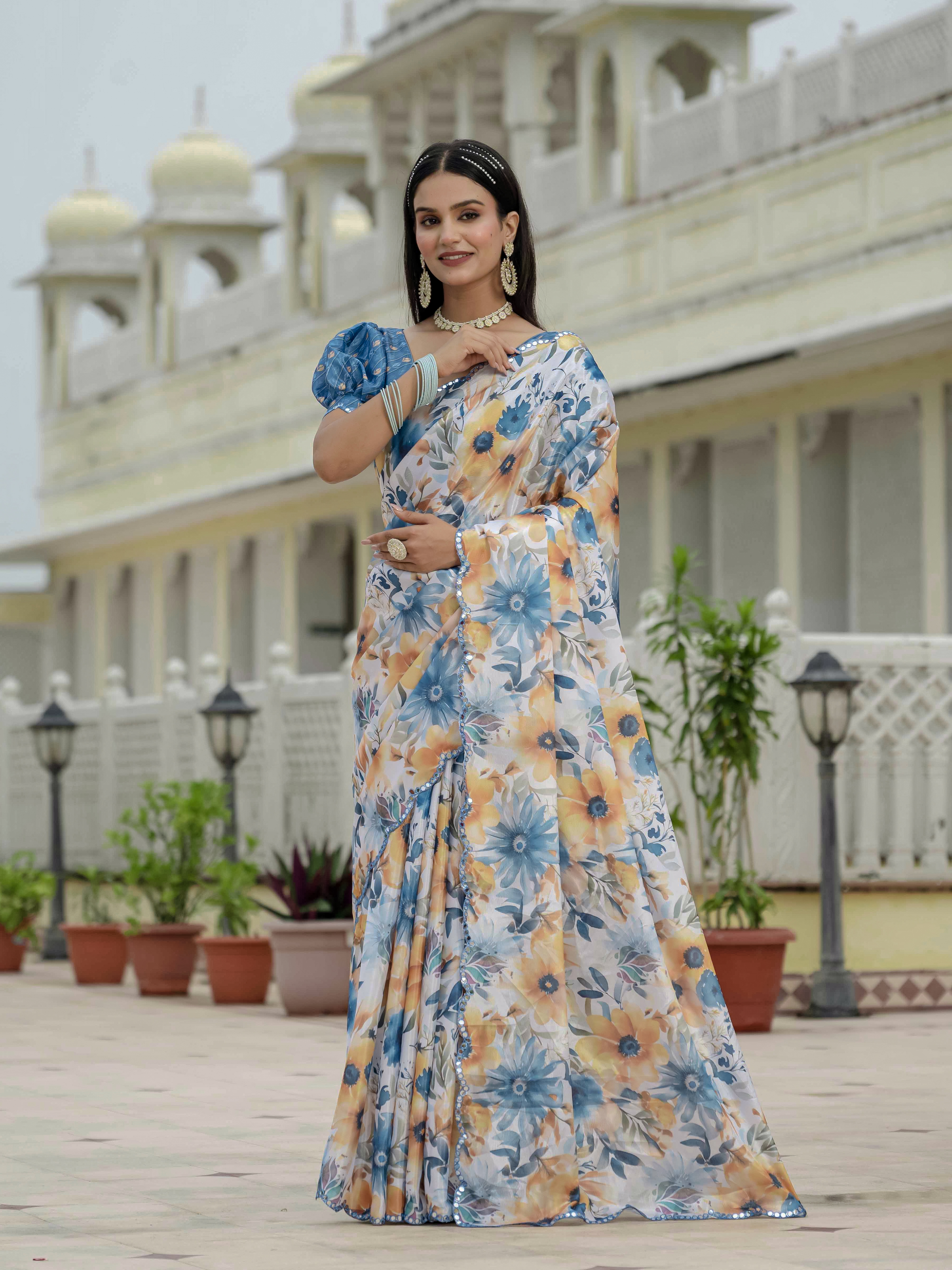
Navratri blouse designs to pair with colourful Gujarati lehengas must handle three things at once: lively colour, repeated movement and several hours of wear. A chaniya choli can look striking in a photograph yet feel restrictive during garba if the armhole, lining or sleeve is wrong. The most reliable choice combines a breathable base fabric, secure support, practical coverage and details that echo the lehenga without copying every motif.
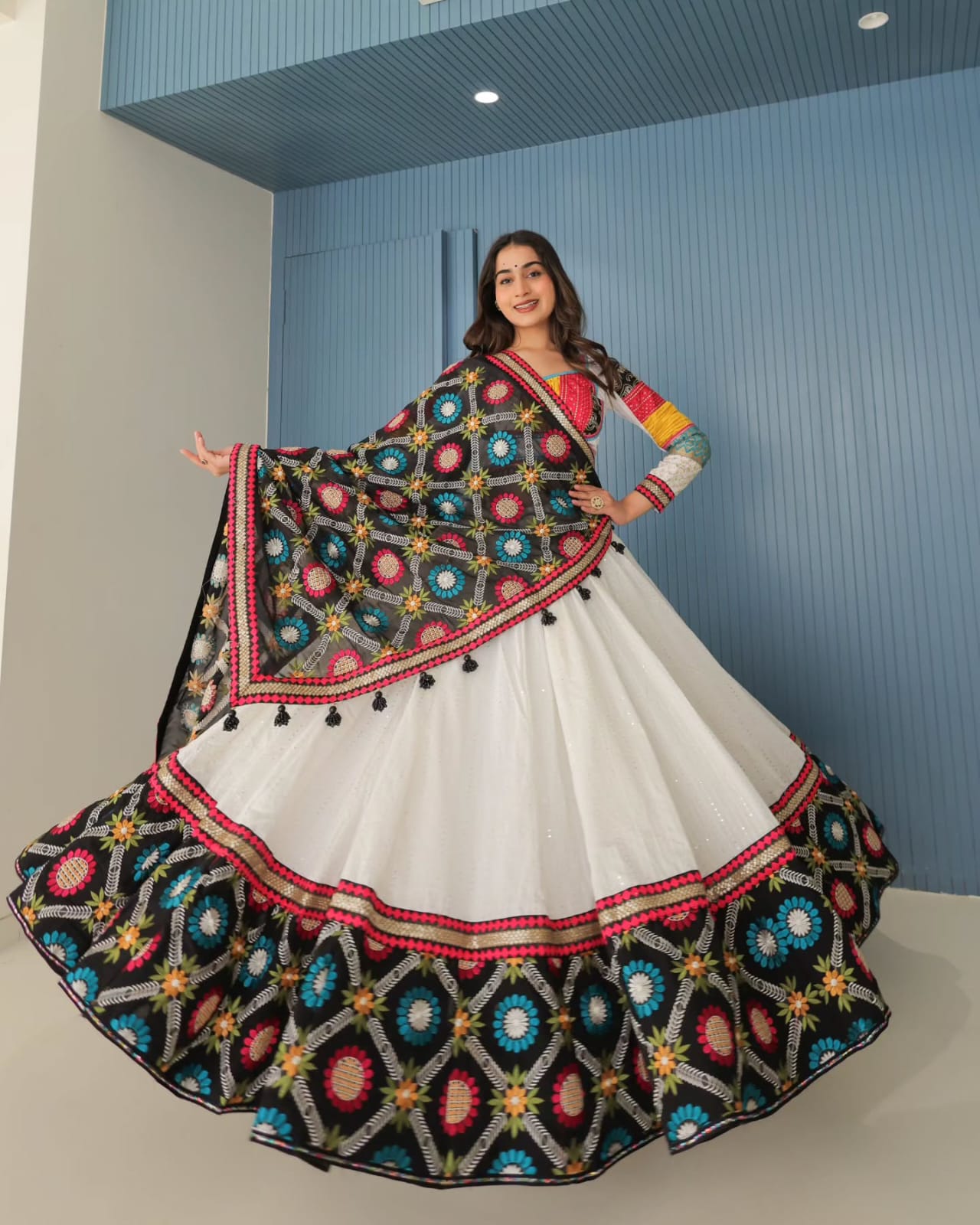
Gujarati lehengas traditionally use strong contrasts, mirror work, appliqué, embroidery, tassels and patterned borders. That visual richness gives the blouse an important job. The blouse can calm a multicoloured skirt, repeat one accent shade or introduce a controlled amount of shine. The right pairing also considers where you'll dance, whether you need a dupatta and how much movement your shoulders require.
Start by Reading the Lehenga's Colour Story
The blouse colour should either repeat a prominent shade from the lehenga or provide a deliberate neutral contrast. Pulling one secondary colour from the skirt usually creates a more coordinated outfit than choosing the brightest shade at random.
Begin by identifying the dominant colour, the border colour and the minor recurring accent. For example, a magenta, pink and green skirt may have small ivory mirror-work outlines. An ivory or deep green blouse can connect the outfit more gracefully than another equally bright shade. A red Gujarati lehenga with pink and cobalt details can support a pink blouse when the skirt already has enough red.
A monochromatic blouse works particularly well when the lehenga has heavy multicoloured embroidery. A solid indigo blouse can give a heavily decorated skirt visual structure, while a plain ivory blouse can make bright mirror work appear sharper. Tone-on-tone combinations also help petite wearers avoid a visually broken silhouette.
Contrast is useful when the lehenga has a simple print or restrained embroidery. A fuchsia blouse with a mustard skirt, a cobalt blouse with a vermilion skirt, or a bottle-green blouse with a rust skirt can create a traditional festive effect. Keep one element calmer when both the skirt and blouse contain large motifs.
Navratri Blouse Designs to Pair With Colourful Gujarati Lehengas
The most versatile designs include fitted round-neck blouses, V-neck blouses, short-sleeved mirror-work styles, elbow-sleeve cotton blouses and structured back-neck designs. The best option depends on the lehenga's surface decoration, your bust support needs and the amount of dancing planned.
Round-Neck and Square-Neck Blouses
Round and square necklines are dependable choices for colourful Gujarati lehengas because they balance busy prints and allow necklaces to sit neatly. A shallow round neck gives a classic, covered look, while a square neck creates a clearer frame for a choker or short necklace.
A square neckline suits a blouse with a firm lining because the horizontal edge needs to stay flat while you move. A round neckline is more forgiving when the blouse has soft cotton construction. Both shapes work with mirror-work borders, small embroidered motifs and contrast piping.
V-Neck Blouses
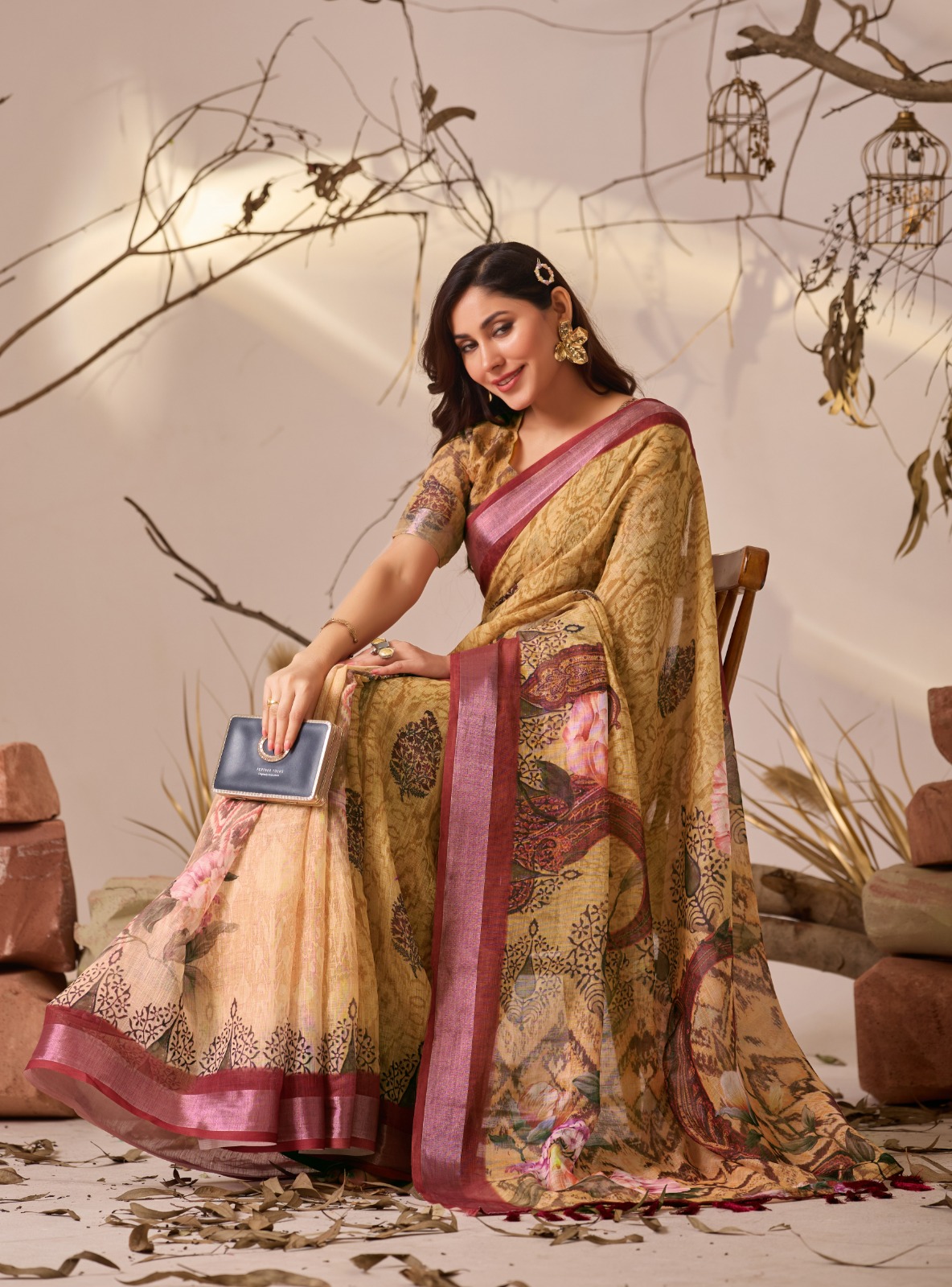
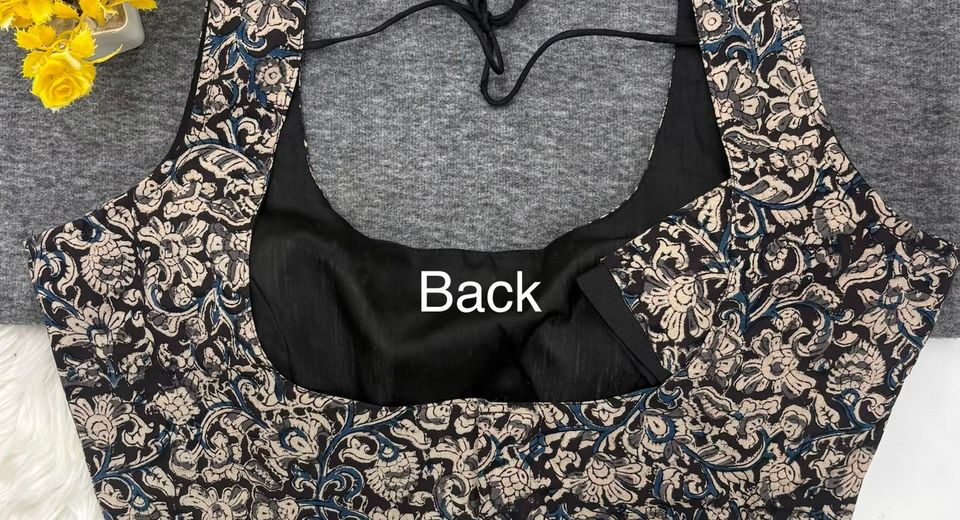
A moderate V-neck creates vertical length and works especially well with a high-waisted lehenga. Kalamkari Cotton V Neck Collar Blouse for Women demonstrates how a printed cotton surface and a defined neckline can bring structure to an outfit without relying on excessive embellishment.
Choose a V that ends above the fullest part of the bust for comfortable coverage and clean proportion. A very deep V can require additional fastening or a modesty panel during dancing. A collar detail can make a cotton blouse feel more polished, particularly when the lehenga has a plain waistband.
High-Neck and Collar Blouses
High-neck blouses provide coverage and make a heavily embroidered lehenga feel more contemporary. A collar is useful when the skirt already contains sequins, mirrors or broad contrast borders because the neckline introduces shape without adding another decorative layer.
High necklines need careful measurement around the throat and upper chest. A collar that's too tight becomes uncomfortable in warm weather, while a loose collar can wrinkle beneath a dupatta. Cotton poplin, cotton silk and lined Kalamkari cotton can hold a collar more effectively than very soft, fluid fabrics.
Choose Sleeves for Movement, Not Just Appearance
Short sleeves, elbow sleeves and fitted three-quarter sleeves are the most practical choices for garba because they provide coverage while leaving the forearms free. Sleeve length should be selected according to the lehenga's embroidery and your movement needs.
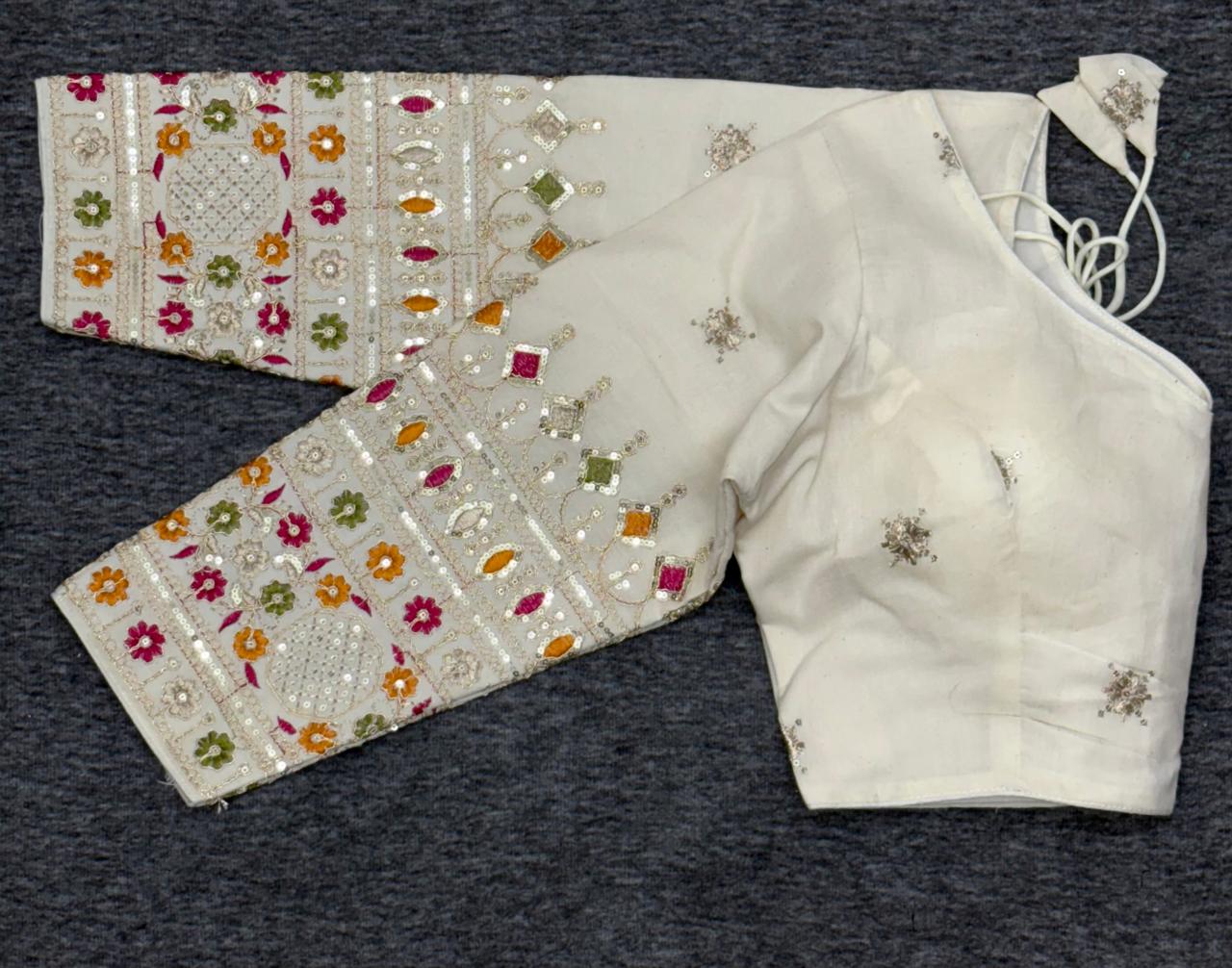
Short sleeves ending around the upper arm suit mirror-work blouses and energetic dance routines. Elbow sleeves create a more balanced proportion with a wide, flared skirt and can protect the upper arm without trapping heat. Three-quarter sleeves are useful for a more modest look, but they should not be tight around the elbow.
Cap sleeves and puff sleeves add volume near the shoulder. These sleeves work best with a relatively simple skirt because the shoulder becomes a focal point. Large puff sleeves can interfere with a dupatta and may feel warm in a crowded venue.
Bell sleeves, hanging ties and very loose sleeves need extra caution. Loose fabric can catch on jewellery, bangles or another dancer's outfit. If the blouse has dramatic sleeves, secure the dupatta at the shoulder and test the full outfit by raising both arms before wearing it outside.
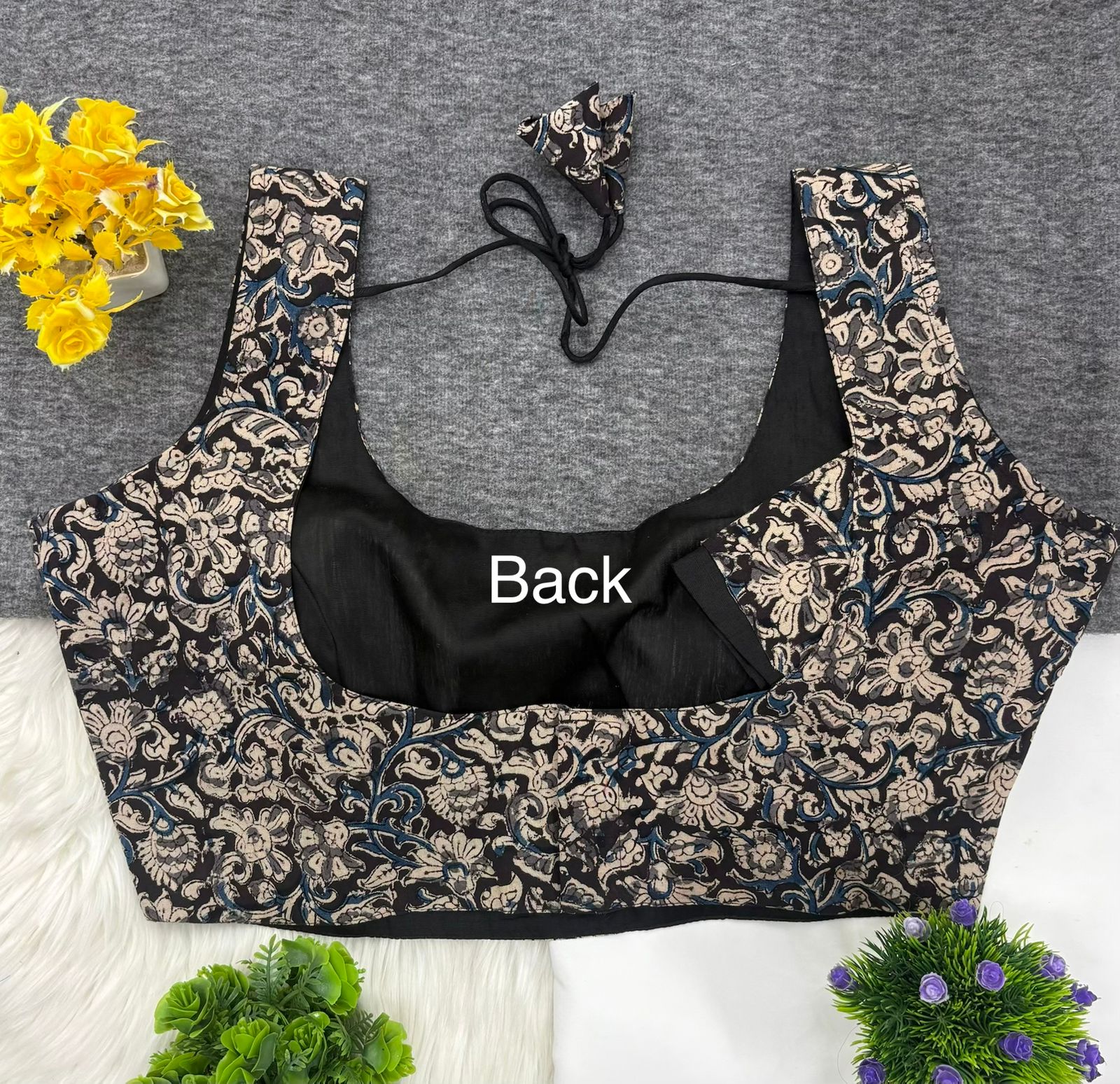
Pure Kalamkari Cotton Padded Blouse for Women illustrates a practical cotton direction for Navratri. Padded construction can reduce the need for a separate bra with certain necklines, while cotton helps manage heat during extended wear. Padding should still sit correctly at the bust rather than creating an artificial edge under the blouse.
Match the Fabric to the Length of the Celebration
Breathable cotton, cotton silk and lightweight blended fabrics are generally the most comfortable choices for long Navratri events. Fabric selection matters more when you expect to dance for several hours, travel by public transport or attend an outdoor garba ground.
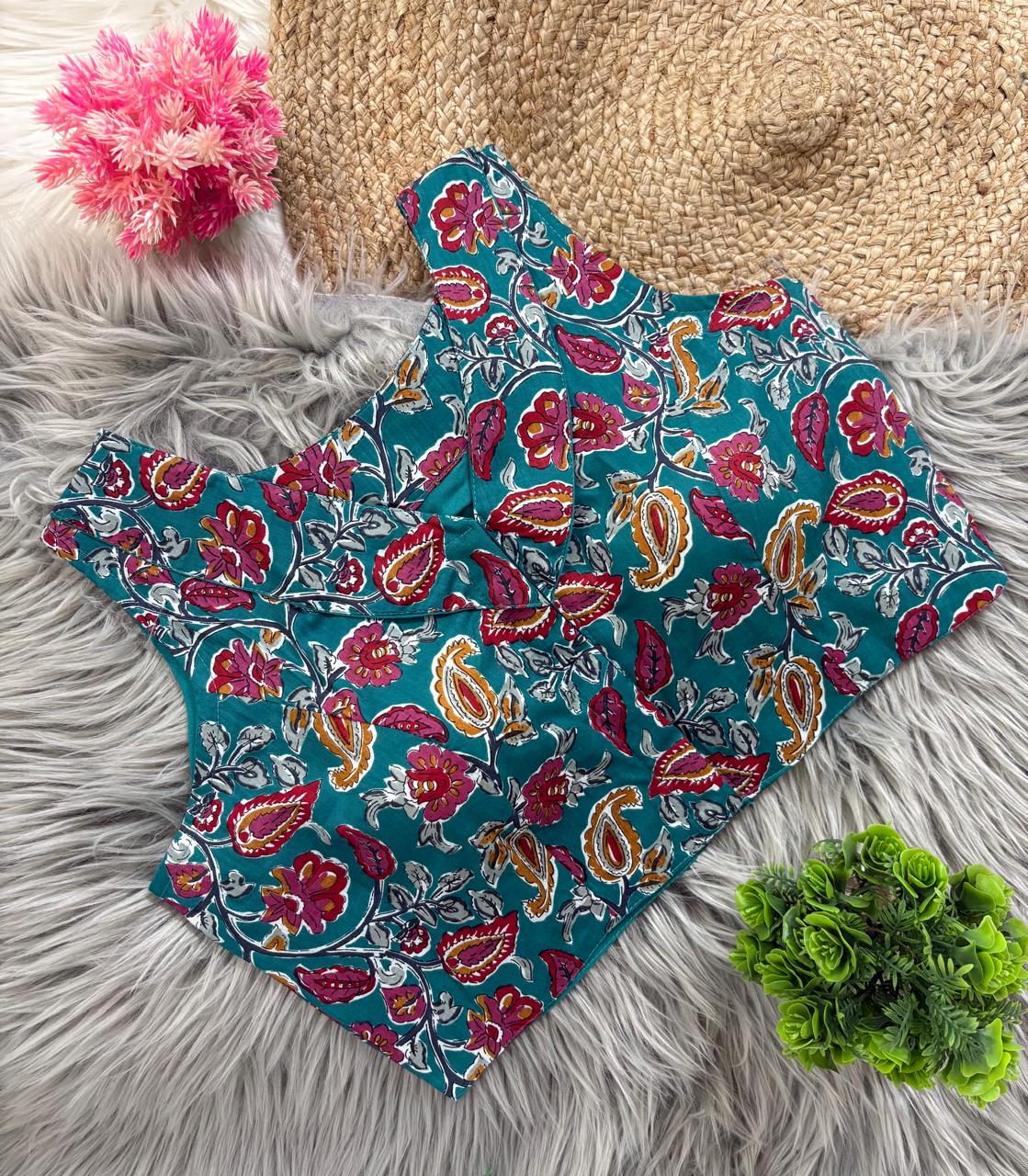
Cotton absorbs moisture and allows airflow, making Kalamkari cotton a strong choice for warm evenings. Cotton also supports printed, collared and V-neck blouse shapes without looking overly formal. A cotton blouse with a colourful Gujarati lehenga creates a useful balance when the skirt already contains metallic work.
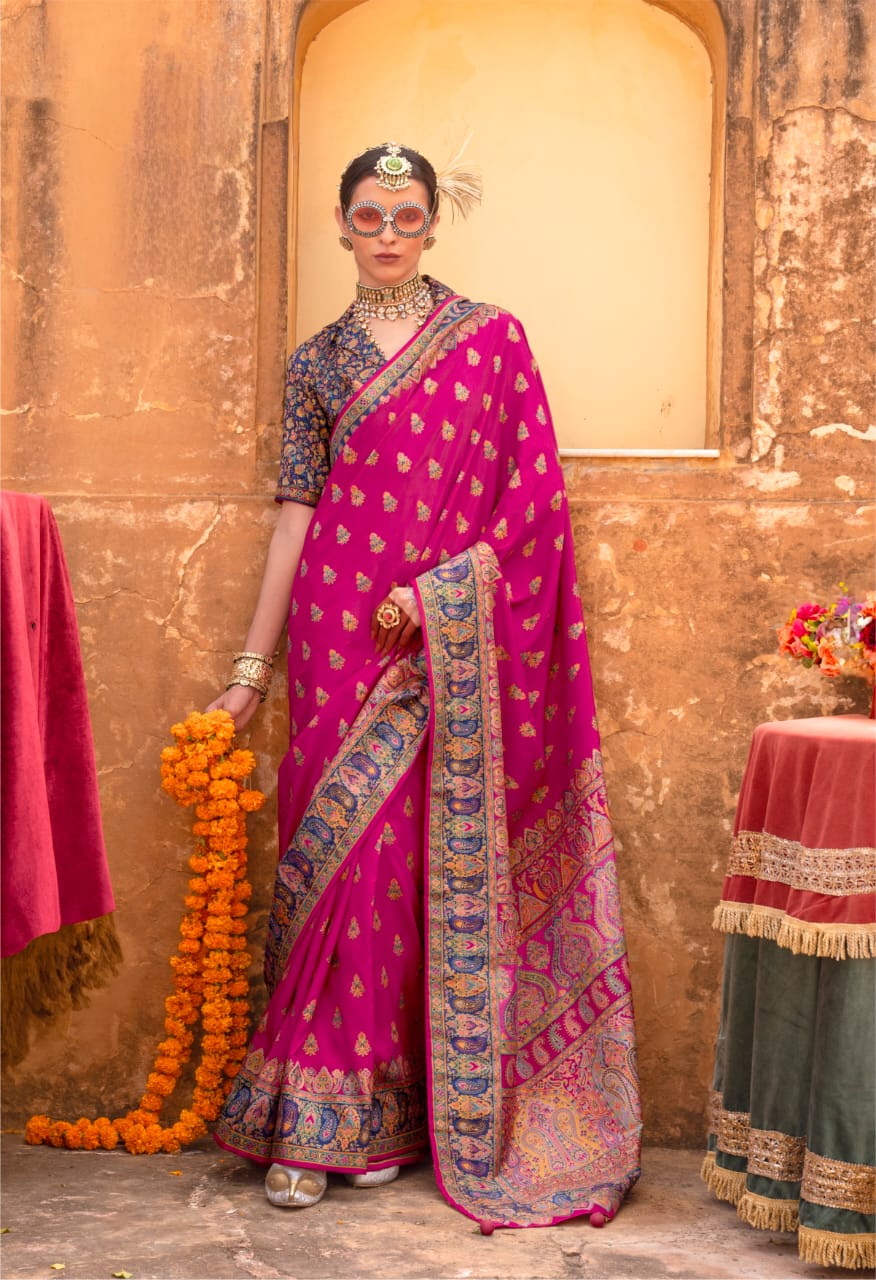
Silk and Banarasi silk create a richer festive finish but may feel warmer than cotton. Banarasi silk suits a more formal Navratri gathering, especially when the lehenga has restrained embroidery. Kanjeevaram-inspired borders, zari and brocade textures can be used as accents, although a heavily metallic blouse may compete with mirror work.
Chanderi gives a light, slightly sheer visual effect and works well for sleeves or overlays, but a blouse made entirely from delicate Chanderi needs an opaque lining for reliable coverage. Velvet can look dramatic at a winter evening event, yet velvet may be uncomfortable in a warm, crowded hall.
A padded blouse isn't automatically more supportive than a non-padded blouse. Support comes from accurate bust, underbust, shoulder and armhole measurements, along with stable seams and appropriate fastening. A padded design is useful when you want a smooth finish, but padding should not replace a correctly fitted band.
Use Embellishment With a Clear Hierarchy
Blouse embellishment should establish one visual priority instead of competing equally with every detail on the lehenga. A simple rule is to let one surface carry the largest motif while the other repeats its colour or texture in a smaller scale.
Mirror work is a natural choice for Gujarati styling because small reflective pieces connect with festive craft traditions. A blouse with scattered mirrors works with a printed skirt, while a mirror-heavy blouse is better paired with a solid or lightly patterned lehenga. Check that mirror edges are covered securely so they don't scrape the skin during arm movement.
Zari borders, gota patti, thread embroidery and appliqué create different effects. Zari introduces metallic brightness, gota patti gives crisp heritage lines, and thread embroidery feels softer and more tactile. Silver mirrors with cool jewel tones create a different mood from gold zari with rust, red or mustard.
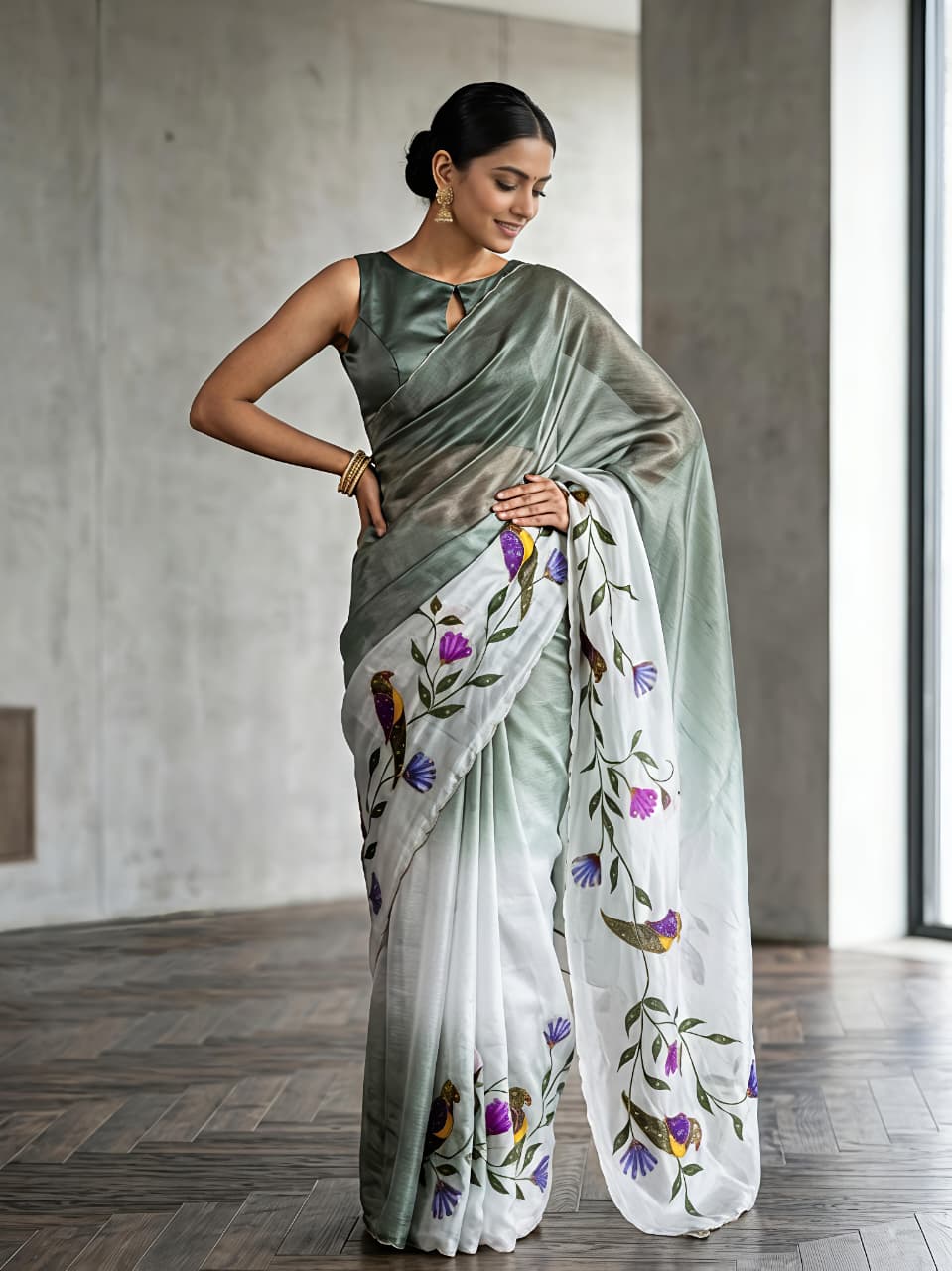
Classic Festive Wear Blouse for Stylish Saree Look illustrates an adaptable styling principle: a festive blouse doesn't need to be covered in decoration to work for an Indian celebration. Pairing a relatively composed blouse with a highly detailed lehenga can make the complete outfit appear intentional rather than overloaded.
Repeat one detail at least twice for cohesion. A turquoise thread in the blouse can appear again in the lehenga border and earrings. A gold blouse border can be echoed through bangles or a waist belt. Repeating every colour is unnecessary and can make the outfit look overly matched.
Get the Fit Right for Garba and Dandiya
A movement-ready blouse needs a secure bust, comfortable armholes, stable shoulder seams and enough ease for reaching forward and lifting the arms. A blouse that fits only while standing still isn't ready for a garba night.
Measure the bust at the fullest point, the underbust where the blouse band will sit, the shoulder width and the upper arm circumference. Take measurements while wearing the bra or support garment intended for the outfit. Recheck the armhole by raising both arms, crossing them in front and rotating the shoulders.
The blouse hem should meet the lehenga waistband without exposing an unintended gap when you stretch. A small intentional midriff gap can look elegant, but a shifting blouse hem becomes distracting during dance. Wide waistbands and tie-up backs can offer some adjustment, while fixed side seams require more precise fitting.
Hooks and eyes are usually more secure than a long row of delicate front buttons for active wear. A concealed side zip can work when the stitching is reinforced and the zip doesn't press into the waist. Tie-up backs provide flexibility, but dangling cords should be short, securely knotted and positioned away from the dandiya sticks.
Perform a five-minute movement test before finalising the outfit. Raise both arms, clap overhead, turn the torso, sit briefly and walk quickly. Any pulling across the bust, digging at the armhole or sliding at the shoulder indicates that the blouse needs alteration rather than a last-minute styling adjustment.
Build the Complete Look Without Overloading It
A colourful Gujarati lehenga usually needs only two or three supporting accessories because the skirt and blouse already provide visual energy. Start with the neckline, then choose earrings, bangles and a dupatta that improve proportion rather than compete with the embroidery.
A choker suits a square or broad round neckline, while long earrings can balance a high-neck blouse. A V-neck blouse can accommodate a short pendant, although a necklace may be unnecessary when the blouse has a decorated collar. Choose metal tones that match the dominant zari or mirror edging.
Keep the dupatta light enough to manage during garba. Cotton, georgette and lightweight chiffon are easier to pin than a heavily embellished tissue dupatta. Secure one shoulder with a discreet pin and test whether the fabric remains in place while both arms move above the head.
Footwear should have a stable sole and enough cushioning for repeated turns. Flat juttis, mojaris or low block heels are generally safer for dance floors than narrow stilettos. Avoid new footwear on the event night because blisters can develop quickly during several hours of movement.
Hair and makeup also affect comfort. A low bun, braid or secure half-up style keeps hair away from the face while dancing. Waterproof eye makeup and a compact touch-up kit are practical for humid venues, but heavy foundation can feel uncomfortable under bright outdoor lights.
Care for the Blouse After Navratri
Cleaning instructions should follow the fibre, print and embellishment rather than the occasion. Cotton blouses may tolerate gentle hand washing, while silk, zari, mirror work and structured padding often need professional dry cleaning.
Remove surface dust with a soft, dry brush and inspect mirrors, hooks and seams before storing the blouse. Do not wring padded blouses because twisting can distort the cups and lining. If the care label permits washing, use cool water, mild detergent and a short soak of no more than five minutes.
Dry the blouse flat in shade instead of placing it in direct sunlight. Strong sunlight can fade Kalamkari prints and bright cotton dyes. Store a completely dry blouse in breathable muslin, with tissue paper between heavily embellished surfaces to prevent snagging.
Record the blouse measurements and any alteration notes after the first wear. The information helps with future blouse purchases and makes it easier to identify whether a fit issue comes from the shoulder, bust, underbust or armhole. Practical notes are more useful than relying on a general small, medium or large label.
Common Questions About Styling Blouses for Gujarati Garba Looks
Which blouse colour goes with a multicoloured Gujarati lehenga?
A blouse that repeats one secondary colour from the lehenga usually creates the most cohesive pairing. Ivory, deep green, indigo or another controlled neutral can balance a skirt with several bright shades, while a strong contrast works best when the lehenga has restrained decoration.
Which blouse neckline is most comfortable for garba?
A moderate round neck, square neck or V-neck is usually comfortable for garba when the armholes and bust are correctly fitted. Avoid a neckline that shifts during overhead movements, and test the blouse by raising both arms before the event.
Are cotton blouses suitable for Navratri dancing?
Cotton blouses are suitable for Navratri dancing because cotton is breathable and manages heat better than many heavy festive fabrics. Kalamkari cotton, lined cotton and cotton silk can provide structure while remaining comfortable during extended wear.
Should a Navratri blouse be padded?
A Navratri blouse should be padded only when padding suits the neckline, support needs and intended innerwear. Padding can create a smooth finish, but accurate bust, underbust and armhole measurements are more important for comfort and stability.
How much mirror work should a Gujarati lehenga blouse have?
A mirror-work blouse should usually use fewer or smaller mirrors when the lehenga is already heavily decorated. A printed or relatively plain skirt can support a more elaborate mirror-work blouse, provided the mirror edges are securely covered.
What sleeve length is best for a dandiya night?
Short sleeves or comfortable elbow sleeves are generally best for a dandiya night because they leave the forearms free and reduce fabric catching on bangles or sticks. Three-quarter sleeves can also work if they allow unrestricted elbow movement.