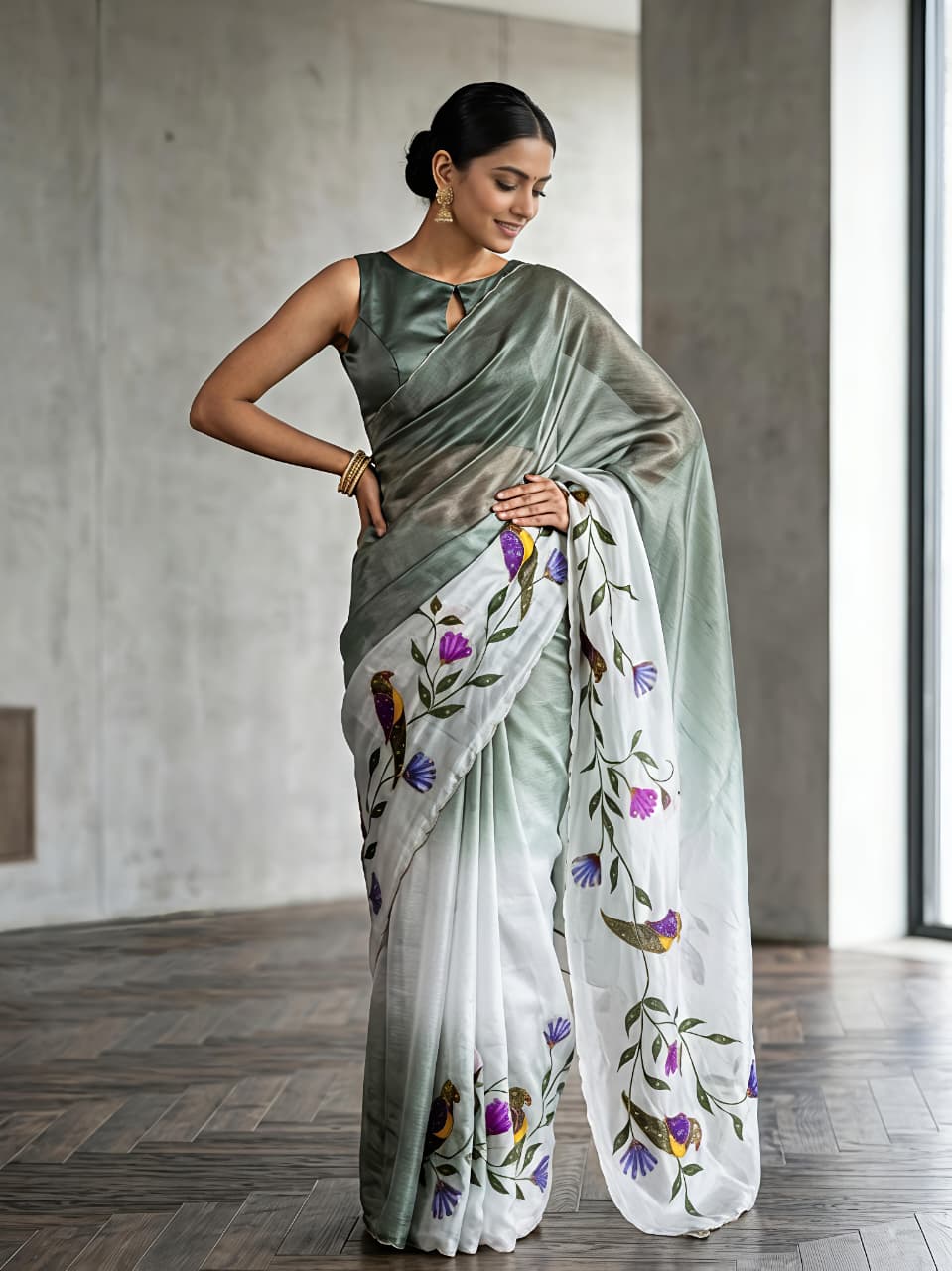
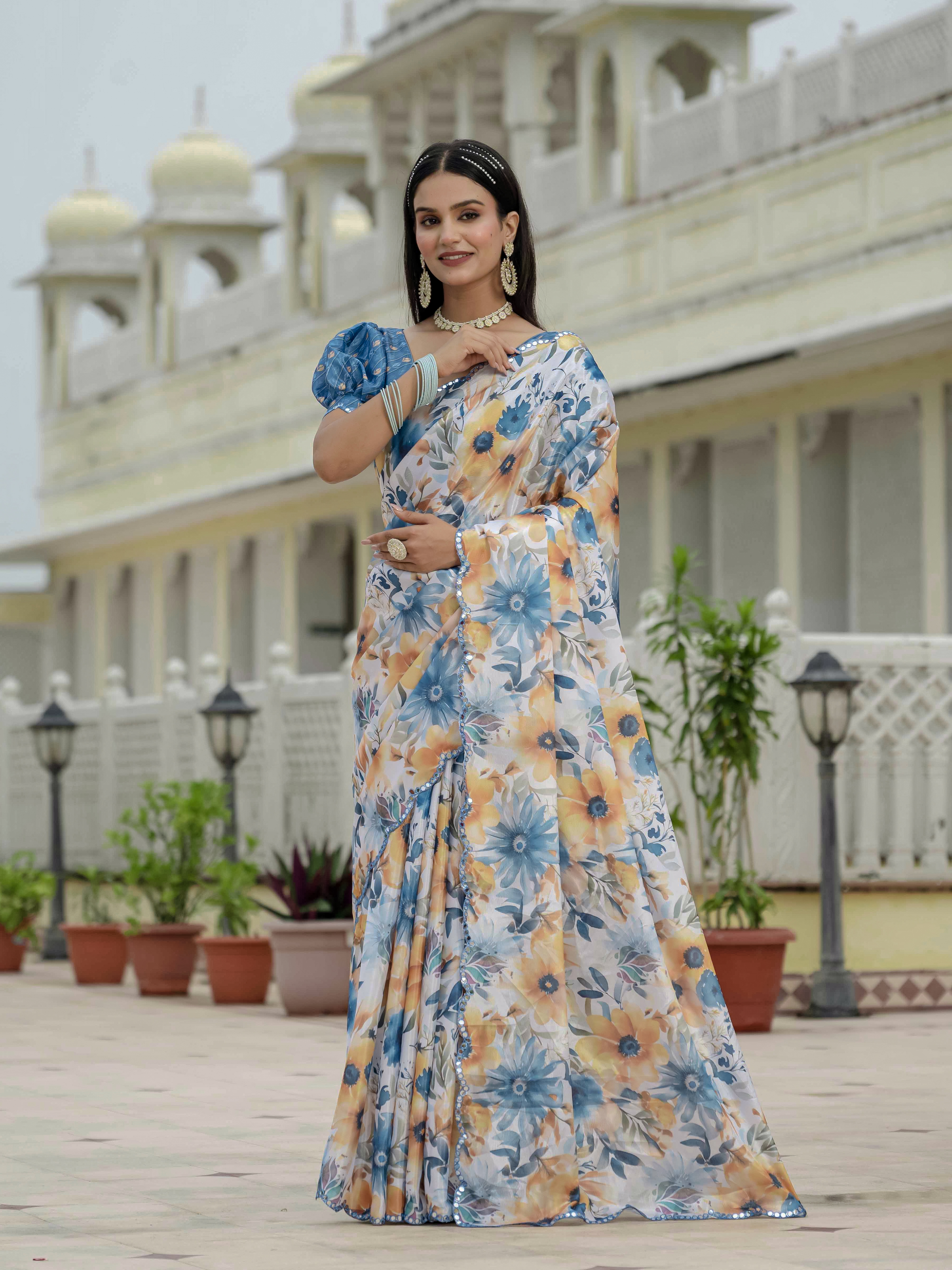
Planning your festive wardrobe becomes easier with Navratri 2026: Start Date, 9 Colors and the Best Sarees to Wear. Sharad Navratri is expected to begin on Sunday, October 11, 2026, and conclude with Navami on Monday, October 19; Vijayadashami falls on Tuesday, October 20. The nine-day celebration combines worship, fasting, Garba, Dandiya and family gatherings, so the most useful saree balances colour, movement, breathability and a secure drape.
The commonly followed colour sequence moves from grey and orange to white, red, royal blue, yellow, green, peacock green and purple. Regional calendars can assign different colours because the sequence depends on the weekday on which Pratipada begins. Use the calendar below as a widely followed 2026 guide, then confirm the custom observed by your family, temple or Garba group.
Navratri 2026: Start Date, 9 Colors and the Best Sarees to Wear for Each Day
Navratri 2026 begins on October 11 and ends on October 19, while Dussehra or Vijayadashami is observed on October 20. Ghatasthapana marks the beginning of Sharad Navratri, and the exact auspicious time varies by city because sunrise and local Panchang calculations differ.
Navratri dates are not fixed on the Gregorian calendar because the festival follows the Hindu lunisolar calendar. In 2026, the nine nights run from Shukla Pratipada to Navami in the month of Ashwin. People planning outfits for office events, housing-society Garba or temple visits should also check event schedules, since public celebrations may begin before October 11 or continue after the main nine nights.
- October 11 - Grey: Grey represents steadiness and balance. A silver-grey border, muted tissue weave or soft charcoal blouse keeps the outfit festive without making the saree feel heavy.
- October 12 - Orange: Orange suits daytime puja and lively Garba settings. Marigold, rust, tangerine and burnt orange offer different levels of brightness.
- October 13 - White: White is associated with purity and calm. Cream, ivory and off-white sarees follow the colour theme while looking softer than stark white.
- October 14 - Red: Red brings traditional festive energy to Navratri. Vermilion, wine, brick and deep crimson work well with restrained gold zari.
- October 15 - Royal blue: Royal blue creates a strong evening look. A blue saree with a contrasting red pallu or metallic border gives definition without demanding heavy jewellery.
- October 16 - Yellow: Yellow works particularly well for daytime celebrations. Mustard, turmeric, lemon and marigold suit different skin undertones.
- October 17 - Green: Green connects naturally with renewal and abundance. Sage, parrot, emerald and bottle green provide options for day and night.
- October 18 - Peacock green: Peacock green sits between blue and green and photographs well under decorative lights. A multicolour zari border makes jewellery coordination easier.
- October 19 - Purple: Purple closes the nine-day sequence with a rich, celebratory tone. Plum, wine and violet are practical choices for an evening saree.
Colour rules are devotional and cultural guidelines, not strict fashion laws. If your local Navratri colours differ, follow the schedule meaningful to your community; a related colour in the blouse, jewellery or hair accessory can also represent the day's theme.
Navratri 2026: Start Date, 9 Colors and the Best Sarees to Wear in Cotton
Cotton, linen-cotton and lightweight tissue cotton are generally the most practical fabrics for active Navratri celebrations. These materials allow more airflow than dense brocade, remain easier to pleat and reduce discomfort during several hours of dancing or standing.

Why cotton and linen-cotton work for Garba
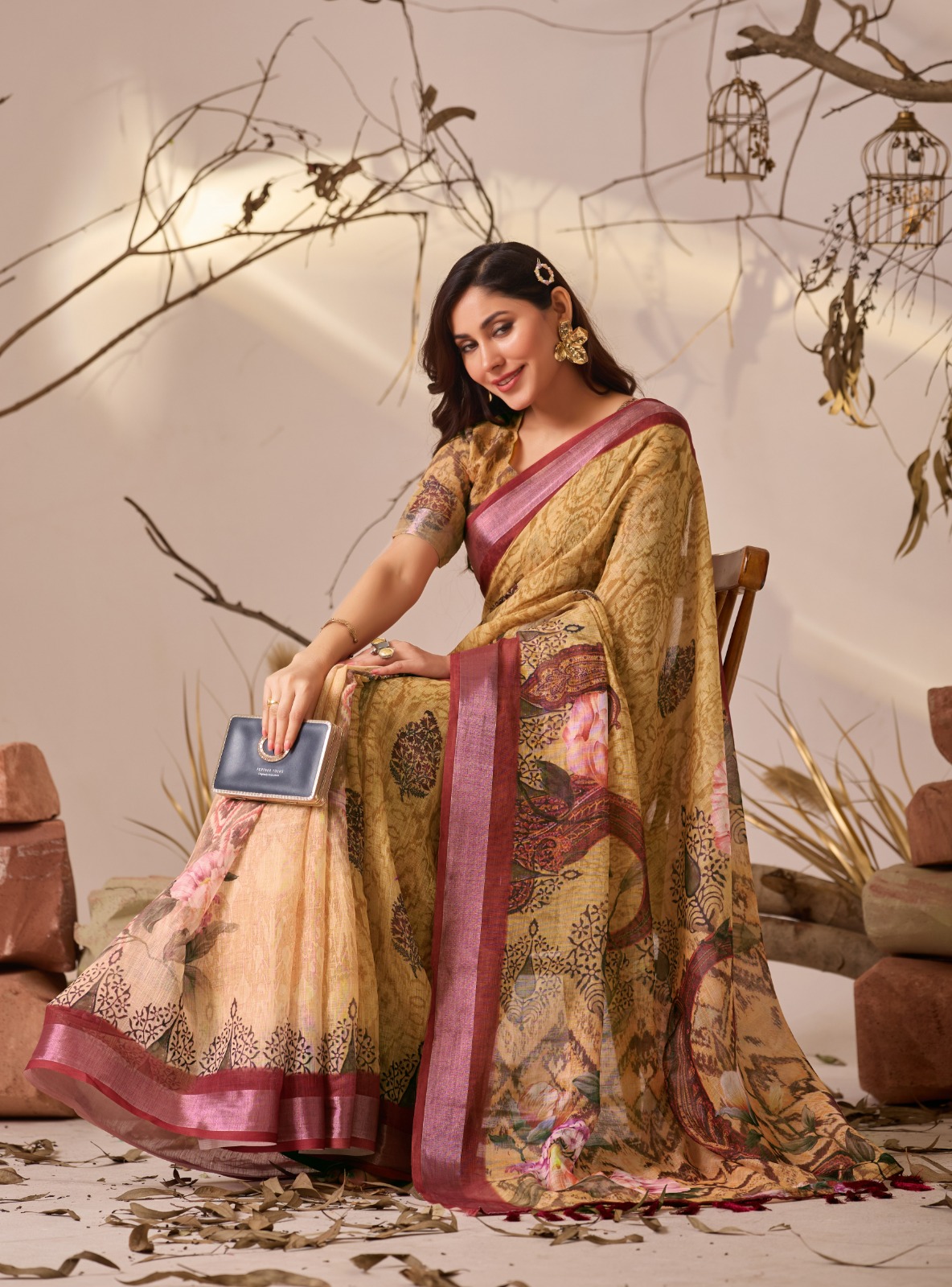
Linen-cotton sarees combine the crispness of linen with the softer handling of cotton. Pastel Linen Cotton Floral Print Saree with Designer Blouse and Peach Linen Cotton Floral Print Saree with Blouse for Women illustrate a lighter floral direction for daytime puja, family lunches or a less formal Garba event.
Cotton doesn't have to look plain or casual. Blue Tissue Handloom Cotton Saree with Zari Floral Patterns adds metallic detail to a handloom cotton base, making it suitable for a celebration where comfort matters as much as ornamentation. Tissue Cotton Saree with Zari Weave & Floral Digital Print offers another way to combine a festive surface with a comparatively manageable fabric weight.
Choose cotton for a long outdoor event, especially in a warm city or a crowded venue. A cotton saree also makes sense when you expect to travel, sit on the floor, carry a child or dance for more than an hour.
When tissue or silk is the better choice
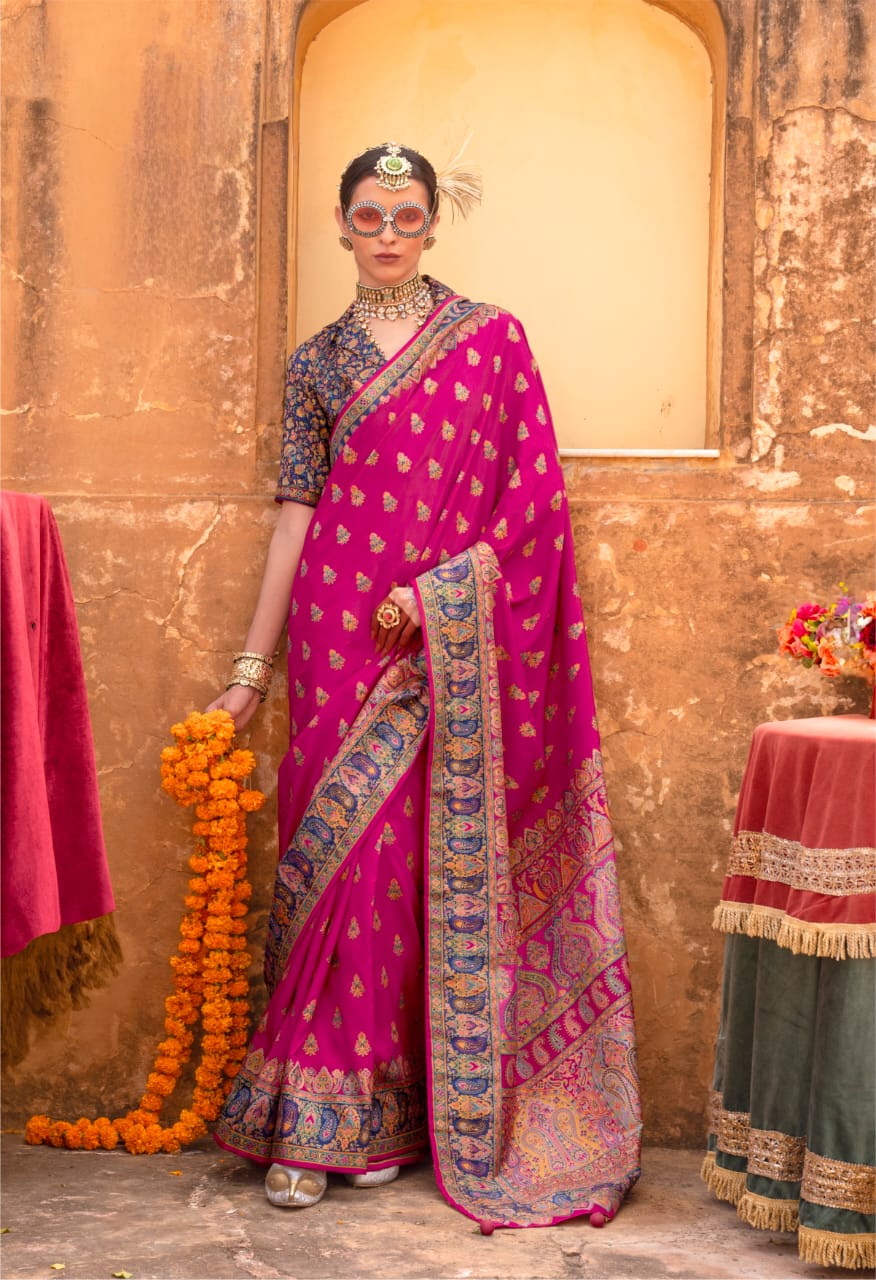
Silk and tissue sarees are appropriate for aarti, formal dinners and photographs when the wearer doesn't need to dance continuously. Silk Navratri looks benefit from controlled accessories because a lustrous saree already reflects light; statement earrings and a neatly pinned pallu can be more effective than a complete heavy jewellery set.
Tissue cotton gives a festive sheen without the full weight of many classic silk sarees. Multicolor Tissue Handloom Cotton Saree with Zari Weave can bridge several colour days, while Pink Tissue Cotton Saree with Zari Weave & Digital Print works for a bright evening outfit.
A saree should match the venue as well as the colour calendar. A heavy silk saree can drag at the waist during Garba, while a very fluid fabric may require repeated adjustments. The best choice depends on whether the plan includes dancing, sitting on the floor, commuting by public transport or attending a formal puja.
Navratri 2026: Start Date, 9 Colors and the Best Sarees to Wear for Garba
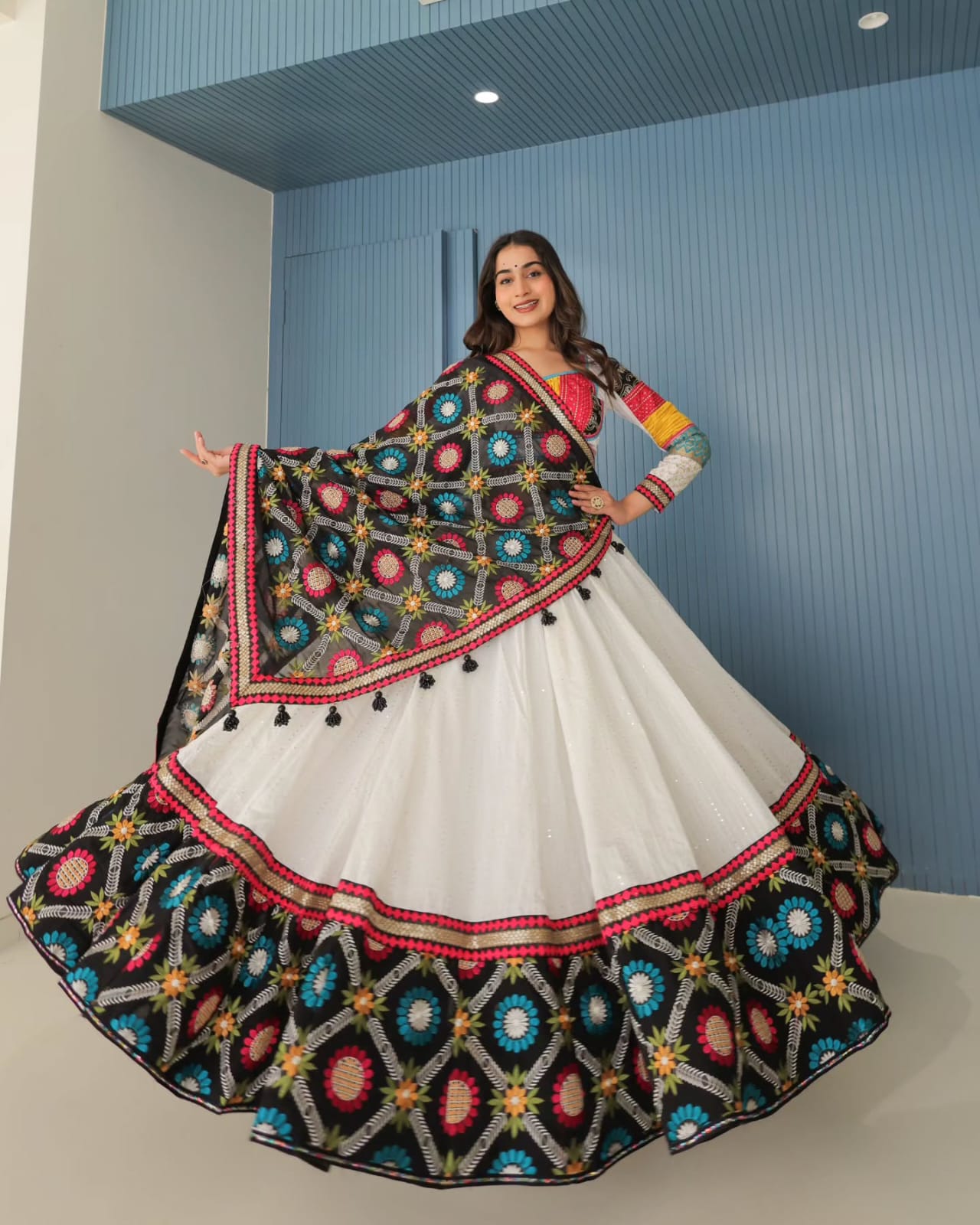
A secure drape, a breathable blouse and low-risk jewellery create the most reliable Navratri look for Garba. Festive styling becomes more comfortable when decorative elements don't interfere with arm movement, footwear or the saree's lower hem.
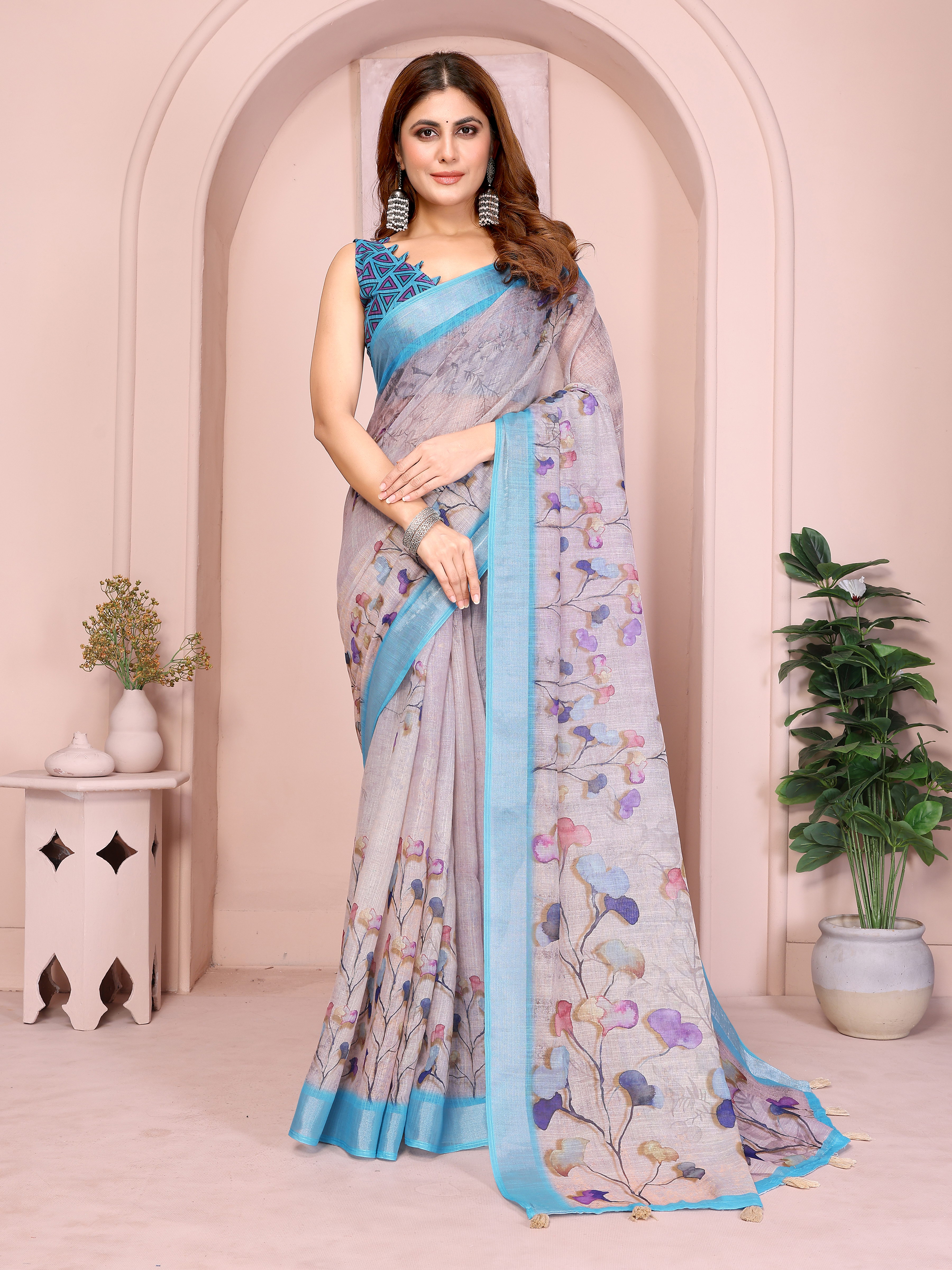
Use a cotton or satin petticoat with a firm drawstring, then make five to seven even pleats depending on the saree width and your preferred volume. A safety pin at the shoulder and a second pin inside the pleats can prevent shifting, but pins should be placed horizontally through the fabric rather than pulled tightly against the skin.
For Garba, keep the pallu medium-length and pin it near the shoulder and waist. A front-pallu drape creates visual movement but needs extra fastening; a conventional shoulder pallu is usually easier for dancing, travelling and carrying a small phone pouch.
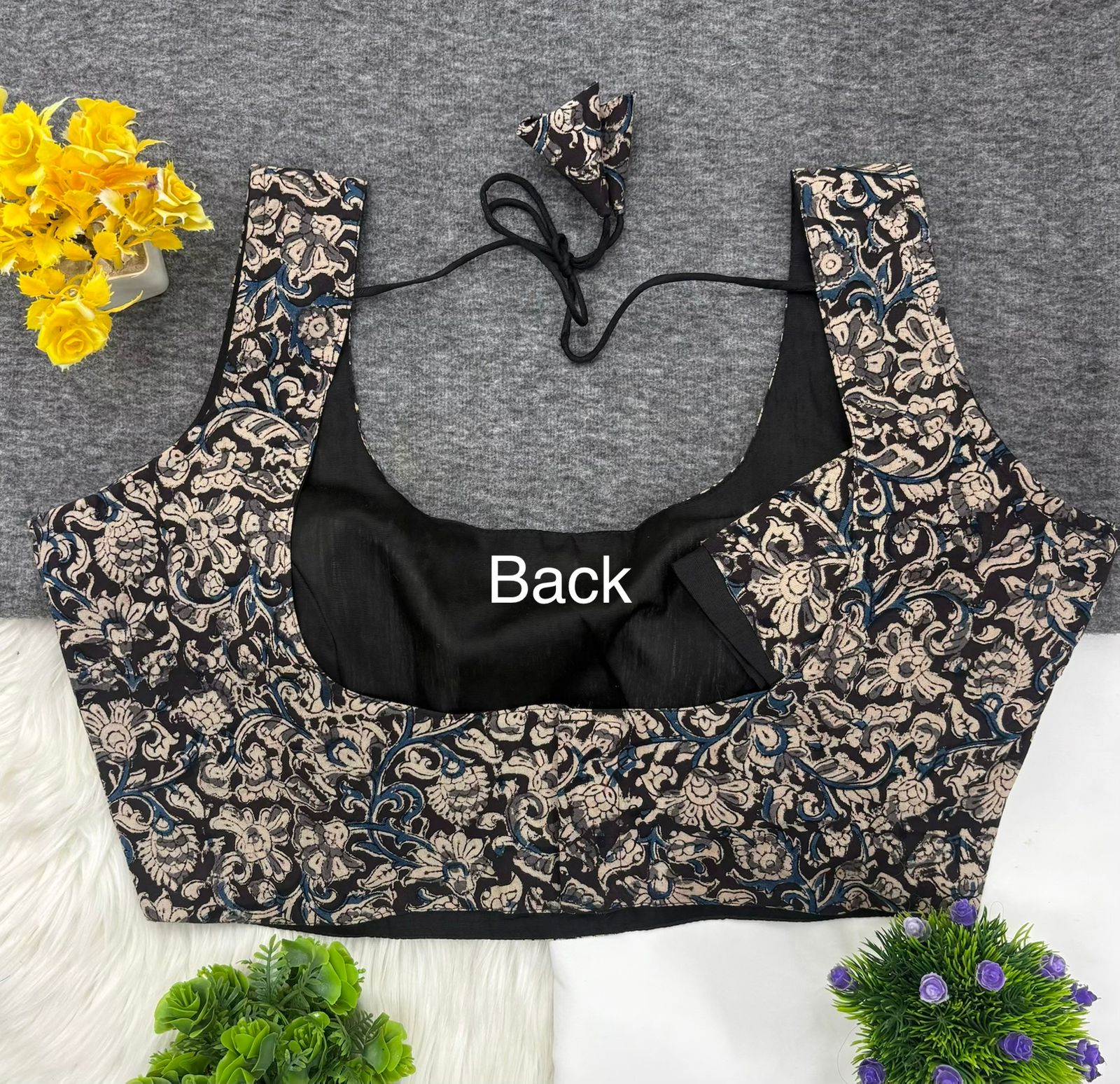
- Blouse: Elbow-length sleeves, a secure neckline and a breathable cotton lining offer better comfort than an unlined synthetic blouse during crowded events.
- Jewellery: Choose one focal piece, such as oxidised silver earrings, a choker or layered bangles. Secure jhumkas with an additional back support if you expect to dance.
- Footwear: Flat embellished juttis, cushioned sandals or low wedges are safer than narrow heels on temporary Garba floors.
- Hair: A braid or low bun reduces heat and keeps hair away from the face during movement. Decorative gajra adds heritage detail without adding weight to the head.
- Make-up: Waterproof kajal, setting spray and transfer-resistant lip colour are useful for long evening events, particularly in warm or humid cities.
Blue Tissue Handloom Saree with Red Pallu & Digital Print shows how a contrasting pallu can supply visual interest without a complicated styling routine. For a darker festive direction, Wine Purple Tissue Cotton Saree with Zari Weave - Varnavi pairs naturally with antique-gold accessories and a compact blouse design.
Navratri 2026: Start Date, 9 Colors and the Best Sarees to Wear on a Budget
You can create nine distinct Navratri outfits by repeating base sarees with different blouses, pallu treatments, jewellery and drapes. A colour-led plan is more economical and more sustainable than treating every day as a completely new purchase.
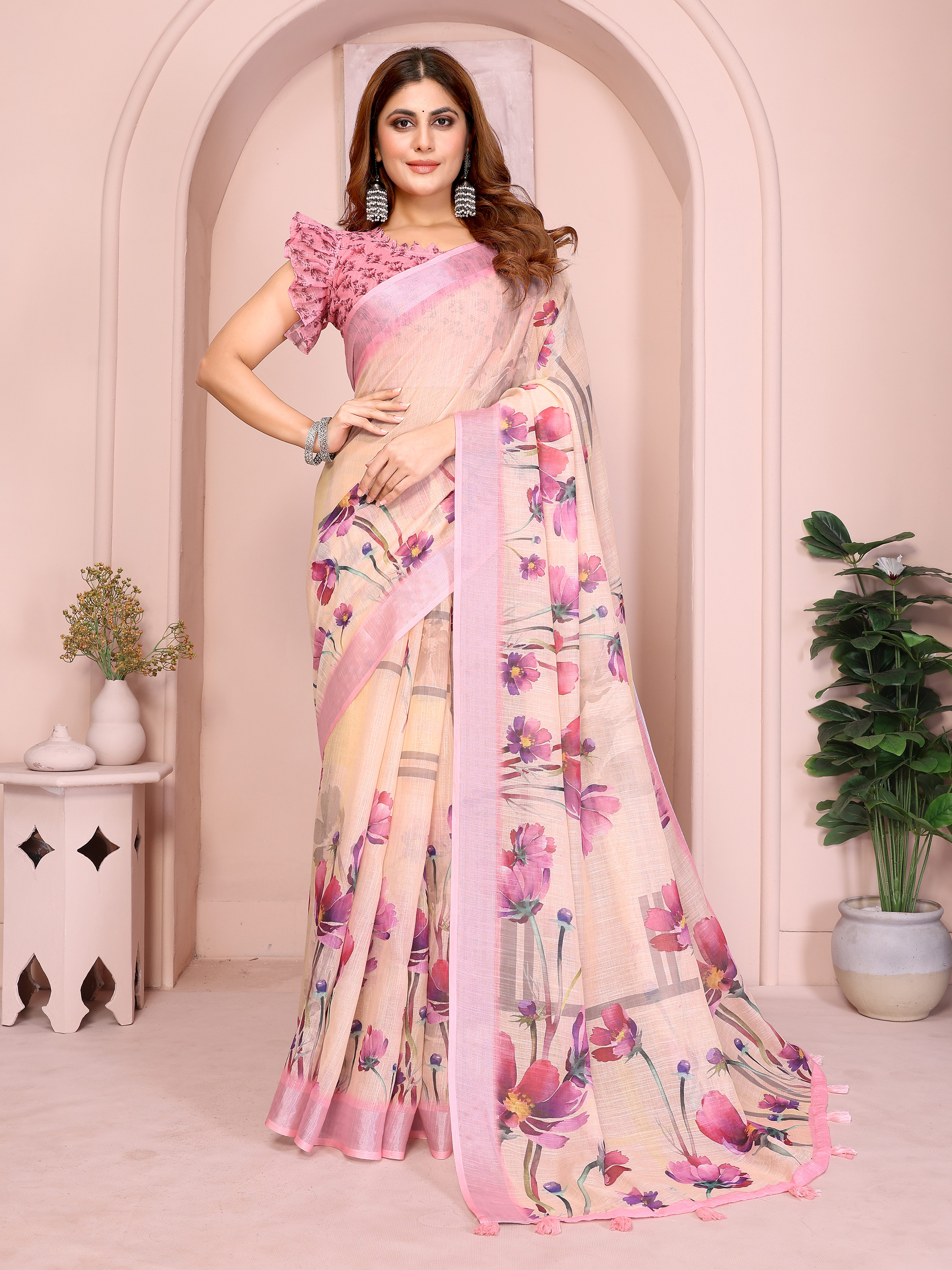
Start with three versatile sarees: one light daytime saree, one bright printed or multicolour saree and one deeper tissue or silk-like saree. Change the blouse colour to follow the daily theme; a cream saree can represent white, yellow or peacock green when paired with the appropriate blouse and jewellery.
Red and Yellow Sarees from Rs 799 with Up to 75 Percent Off may help when you need a vivid colour for a specific day. White Silk Sarees in Cream Ivory and Off White provides softer interpretations of the white colour code, while Gray Color Sarees Under 1000 can work for October 11 without requiring a heavily embellished outfit.
Party Wear Sarees can suit a formal evening event, but fabric weight should still be checked before choosing a saree for dancing. Maroon Silk Sarees with Up to 74% Off can provide a deep red or wine direction for aarti and dinner, although a lighter cotton option will usually be more comfortable for prolonged movement.
Plan accessories before buying another saree. One antique-gold set, one oxidised-silver set and two or three interchangeable blouses can create more combinations than nine single-use outfits. Photograph each planned combination in daylight so you can check whether the blouse actually matches the intended colour day.
Navratri 2026: Start Date, 9 Colors and the Best Sarees to Wear for Different Venues
The venue determines the right balance between ornamentation, fabric weight and drape security. A home puja, temple visit, office celebration and open-air Garba night place different demands on a saree.

For puja and temple visits
A medium-weight cotton, linen-cotton or tissue cotton saree is a reliable puja choice. Choose a modest blouse, a pallu that stays over the shoulder and footwear that can be removed easily if required.
For office Navratri celebrations
A printed linen-cotton saree or a restrained tissue cotton saree works well for an office Navratri event. Keep the border moderate, use a structured blouse and select jewellery that won't catch on a desk chair or laptop bag.
For an outdoor Garba night
A lightweight cotton saree with a firmly pinned pallu is the safest choice for outdoor Garba. Carry a small repair kit containing two safety pins, a blouse hook, a stain-removal wipe and a spare hair tie.
For dinner or formal photographs
A tissue or silk saree can create a more polished evening appearance when movement is limited. Add one statement accessory and keep the remaining details simple so the saree's weave, border or print remains visible.
Navratri 2026: Start Date, 9 Colors and the Best Sarees to Wear After the Festival
Correct storage and gentle washing help Navratri sarees remain usable for future festivals. Care instructions depend on fibre, dye and embellishment, so the manufacturer's label should take priority over general advice.

Air a worn saree in shade before folding it. Do not store a damp saree in a plastic bag, because trapped moisture can create odour, mildew or zari tarnishing. Fold zari sarees with acid-free tissue or a clean cotton cloth between layers, and refold them every few months to avoid permanent crease lines.
Hand-wash cotton sarees separately in cool water when the care label permits it. Use a mild detergent, avoid prolonged soaking and dry the saree inside out in shade. Dry-clean silk, heavily embellished sarees and pieces with delicate metallic work unless the care label specifically allows another method.
Before the first Navratri event, test the saree with its blouse and footwear for at least ten minutes. Check whether the pallu reaches the floor, whether the blouse restricts shoulder movement and whether the pleats stay in place while walking. That small trial prevents most wardrobe problems on a busy Garba night.
Questions About Choosing Sarees for Navratri 2026
When does Navratri 2026 start and end?
Navratri 2026 is expected to begin on October 11 and end on October 19, with Vijayadashami on October 20. The exact Ghatasthapana time depends on the city, so check a local Panchang for the auspicious timing.
What are the nine Navratri colours in 2026?
The widely followed 2026 sequence is grey, orange, white, red, royal blue, yellow, green, peacock green and purple. Colour traditions vary by region, so a family, temple or Garba organiser may follow a different sequence.
Which saree fabric is best for Navratri Garba?
Cotton, linen-cotton and lightweight tissue cotton are usually the most comfortable choices for Garba because they allow airflow and are easier to manage while dancing. Heavy silk and dense brocade are better suited to seated puja, dinner or photography.
Can I wear one saree for more than one Navratri colour day?
Yes, one saree can represent several colour days when you change the blouse, jewellery, belt or pallu styling. A cream saree, for example, can suit white, yellow or peacock green when paired with a blouse in the relevant shade.
How should I pin a saree for Garba?
Pin the pallu at the shoulder and waist, secure the front pleats inside the waistband and keep the pallu medium-length. A firm petticoat drawstring and flat footwear also reduce shifting while dancing.
Are silk sarees suitable for Navratri?
Silk sarees are suitable for puja, formal dinners and photographs, especially when the event involves limited movement. For extended Garba, a lighter cotton or tissue cotton saree will usually provide better comfort and easier handling.