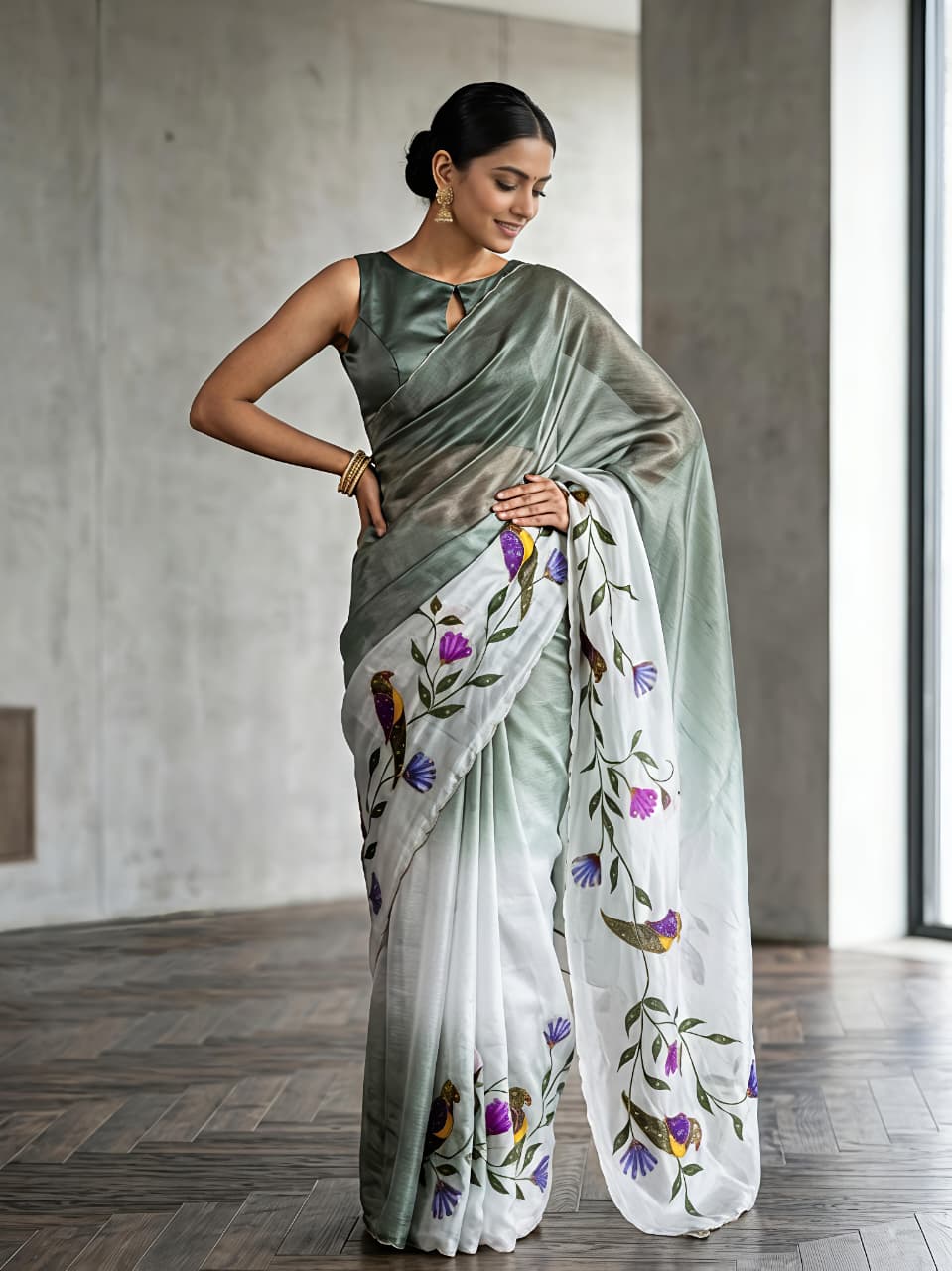
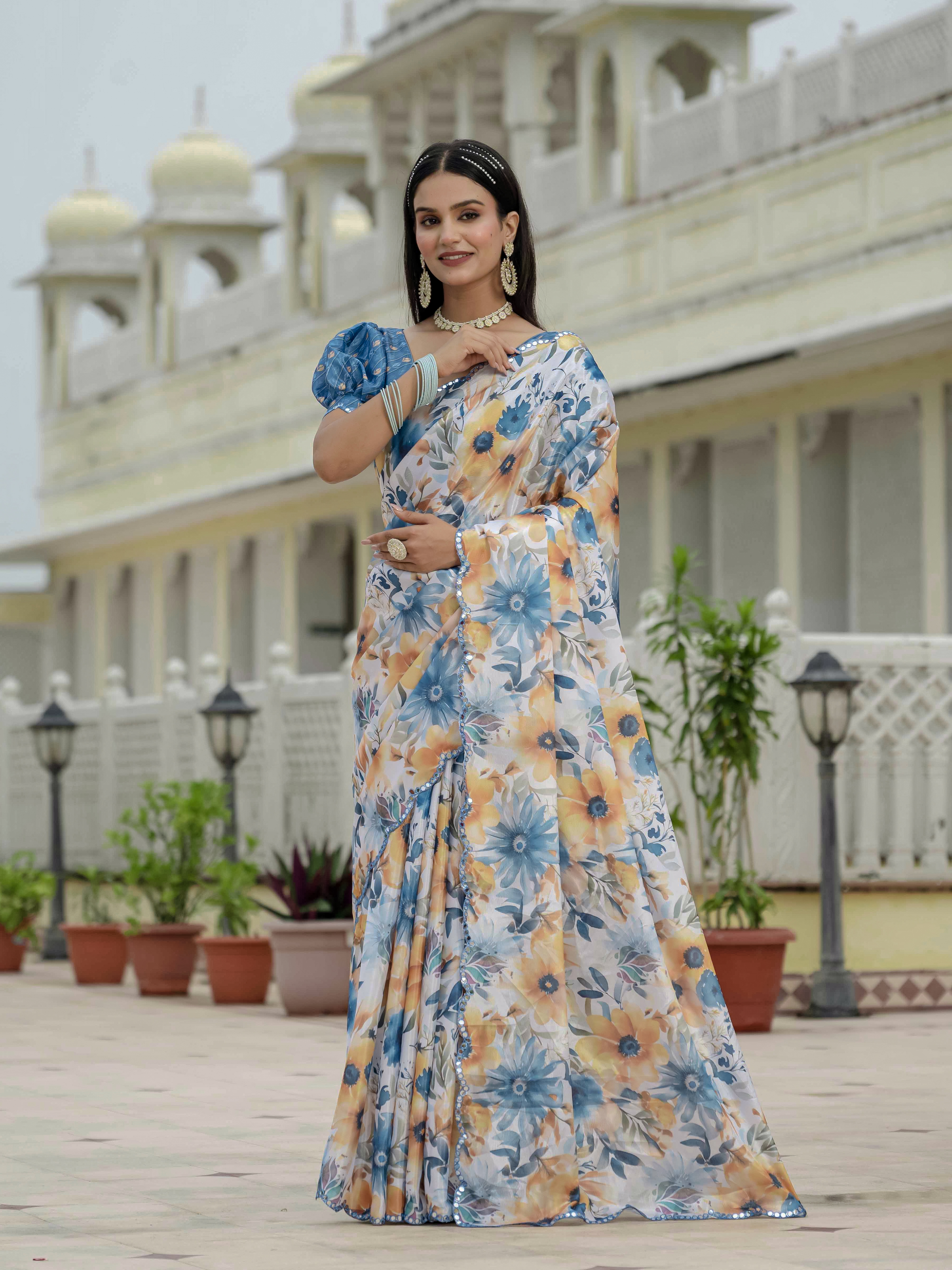
Navratri 2026 Dates: When It Starts and Which Saree to Wear Each Day is an useful planning question for anyone preparing festive outfits in advance. Sharad Navratri begins on Sunday, 11 October 2026, and the nine-day observance ends on Monday, 19 October 2026. Vijayadashami, commonly called Dussehra, falls on Tuesday, 20 October 2026. The guide below matches each date with a widely followed colour, a suitable saree fabric and practical styling for puja, Garba and Dandiya.
Colour traditions can vary between states, temples and family calendars. The sequence in this article follows the popular weekday-based colour chart for Sharad Navratri 2026. Families performing formal rituals should verify Ghatasthapana, Ashtami and Navami timings with a local panchang because regional sunrise calculations can affect observance.
Navratri 2026 Dates: When It Starts and Which Saree to Wear Each Day
Sharad Navratri 2026 starts on 11 October and follows a nine-day colour sequence from orange to peacock green, ending on 19 October.
- Day 1, Sunday, 11 October: Orange. The first day is associated with Shailputri and Ghatasthapana in many households. Linen cotton, cotton-silk and light tissue sarees make orange comfortable for daytime rituals.
- Day 2, Monday, 12 October: White. Brahmacharini is honoured on the second day in the popular devotional sequence. White, ivory and cream sarees create a calm daytime look, especially with gold or silver borders.
- Day 3, Tuesday, 13 October: Red. Chandraghanta's day is commonly linked with red, a colour associated with energy and strength. A red saree with a restrained gold border needs little additional embellishment.
- Day 4, Wednesday, 14 October: Royal blue. Kushmanda's day provides an opportunity for a deeper evening shade. Royal blue tissue cotton or a lightweight silk saree photographs clearly under indoor Garba lighting.
- Day 5, Thursday, 15 October: Yellow. Yellow is the popular colour for Skandamata's day. Floral prints, white threadwork and antique-gold jewellery complement yellow without making the outfit feel overly heavy.
- Day 6, Friday, 16 October: Green. Katyayani's day is often marked with green clothing and floral accents. Handloom cotton and linen cotton are practical when the schedule includes temple visits, travel and dancing.
- Day 7, Saturday, 17 October: Grey. Grey is the commonly listed colour for Kalaratri's day. Silver zari, a bright blouse or oxidised jewellery can give a grey saree a festive finish.
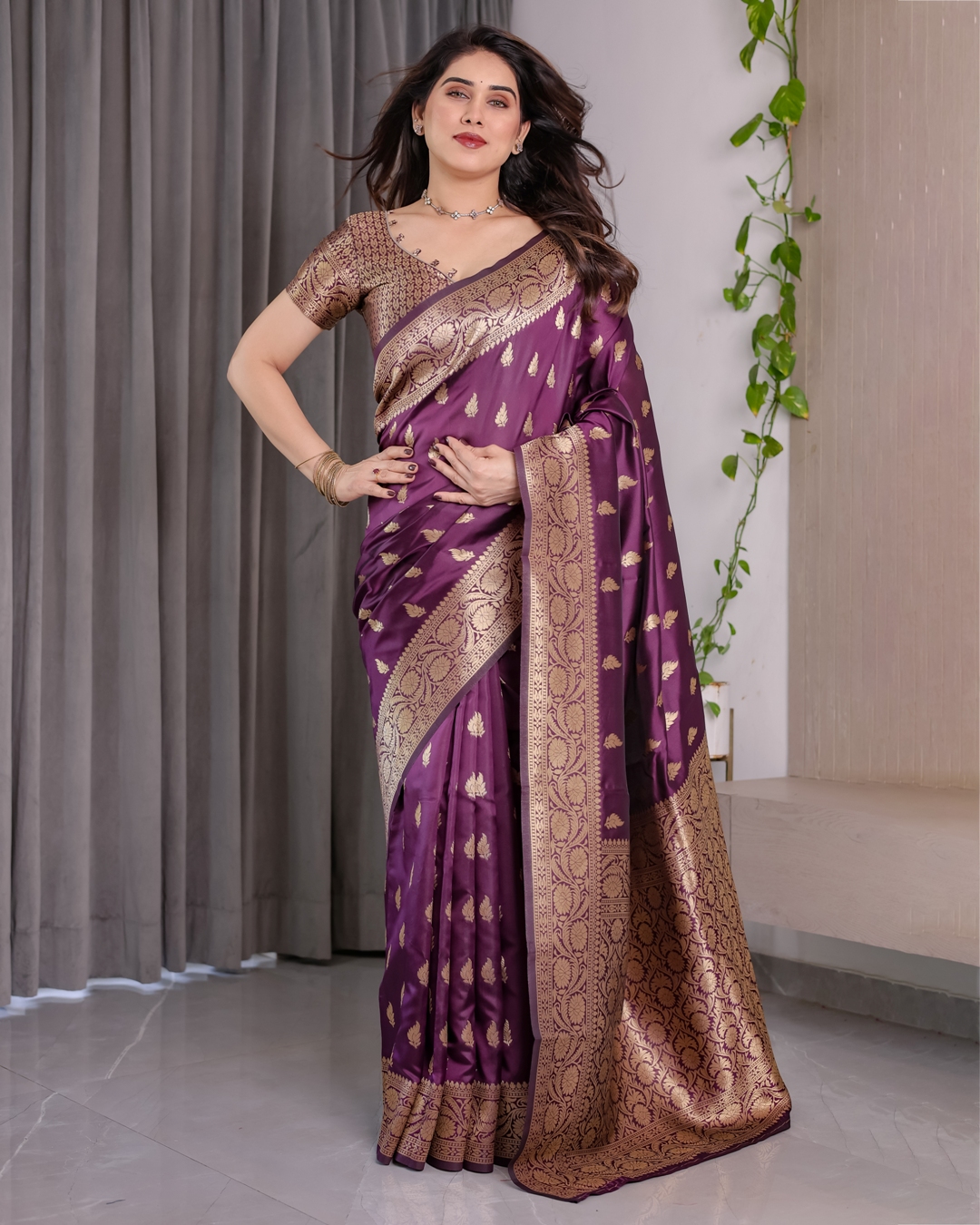
- Day 8, Sunday, 18 October: Purple. Purple is paired with Mahagauri in the popular colour calendar. Banarasi silk, zari borders and jewel-toned accessories suit a more formal Ashtami gathering.
- Day 9, Monday, 19 October: Peacock green. Siddhidatri's day closes the nine-day sequence. Teal, blue-green and green shades with a blue undertone can all interpret peacock green.
Wearing the exact colour isn't the only way to follow the custom. A blouse, dupatta, bindi, hair flower or jewellery accent in the day's shade can represent the colour tradition when a complete matching saree is unavailable.
Navratri 2026 Dates: When It Starts and Which Saree to Wear Each Day for Puja
For puja, choose a saree that's comfortable while sitting, easy to keep neatly draped and appropriate for the formality of the household ritual.
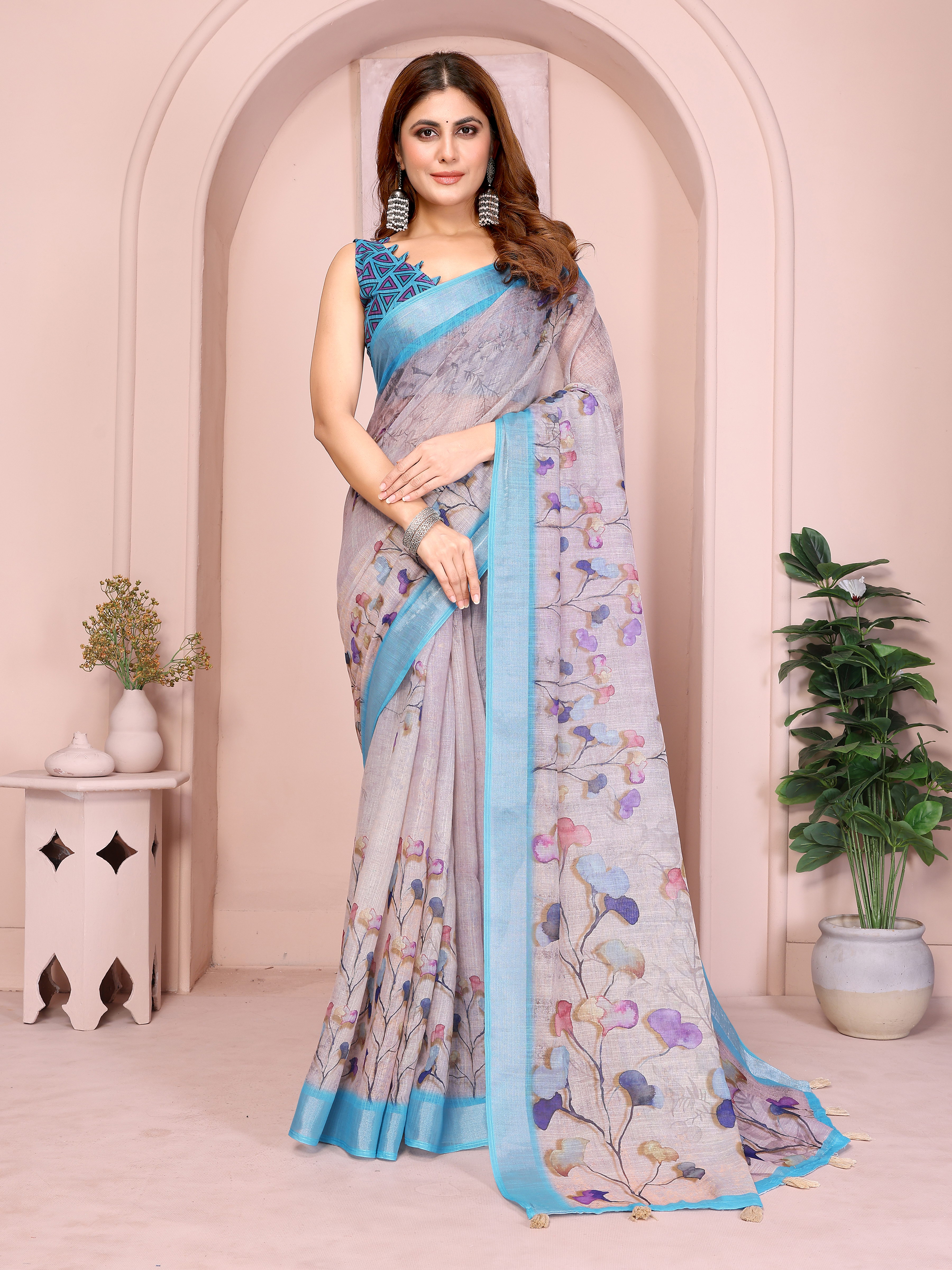
Orange on 11 October works well in linen cotton, handloom cotton or a light tissue weave. These fabrics provide colour and texture without the weight of dense embellishment. A gold-toned blouse, small jhumkas and a firmly pinned pallu create a polished morning Navratri look.
White on 12 October benefits from texture rather than excessive decoration. A white, cream or ivory saree with a zari edge, woven motif or contrasting blouse looks ceremonial while remaining suitable for a daytime visit. White Silk Sarees in Cream Ivory and Off White can suit a more formal family puja, while cotton is often easier for several hours of sitting and serving prasad.
Red on 13 October can remain visually strong without a heavily worked blouse. Gold studs, a red bindi and a clean front-pleated drape are enough for many home celebrations. Red and Yellow Sarees from Rs 799 with Up to 75 Percent Off may be useful for comparing festive colours at a lower price point, but shoppers should still check fabric details, measurements and care instructions.
For a puja that includes floor seating, avoid a very stiff border that presses against the ankles. A medium-width border generally folds more comfortably than a heavily structured one. A saree with a pallu that's long enough to cover the shoulder but not so long that it trails across the floor is safer and easier to manage.
Navratri 2026 Dates: When It Starts and Which Saree to Wear Each Day for Garba
For Garba and Dandiya, breathable fabric, secure pleats and a movement-friendly blouse matter more than maximum shine.

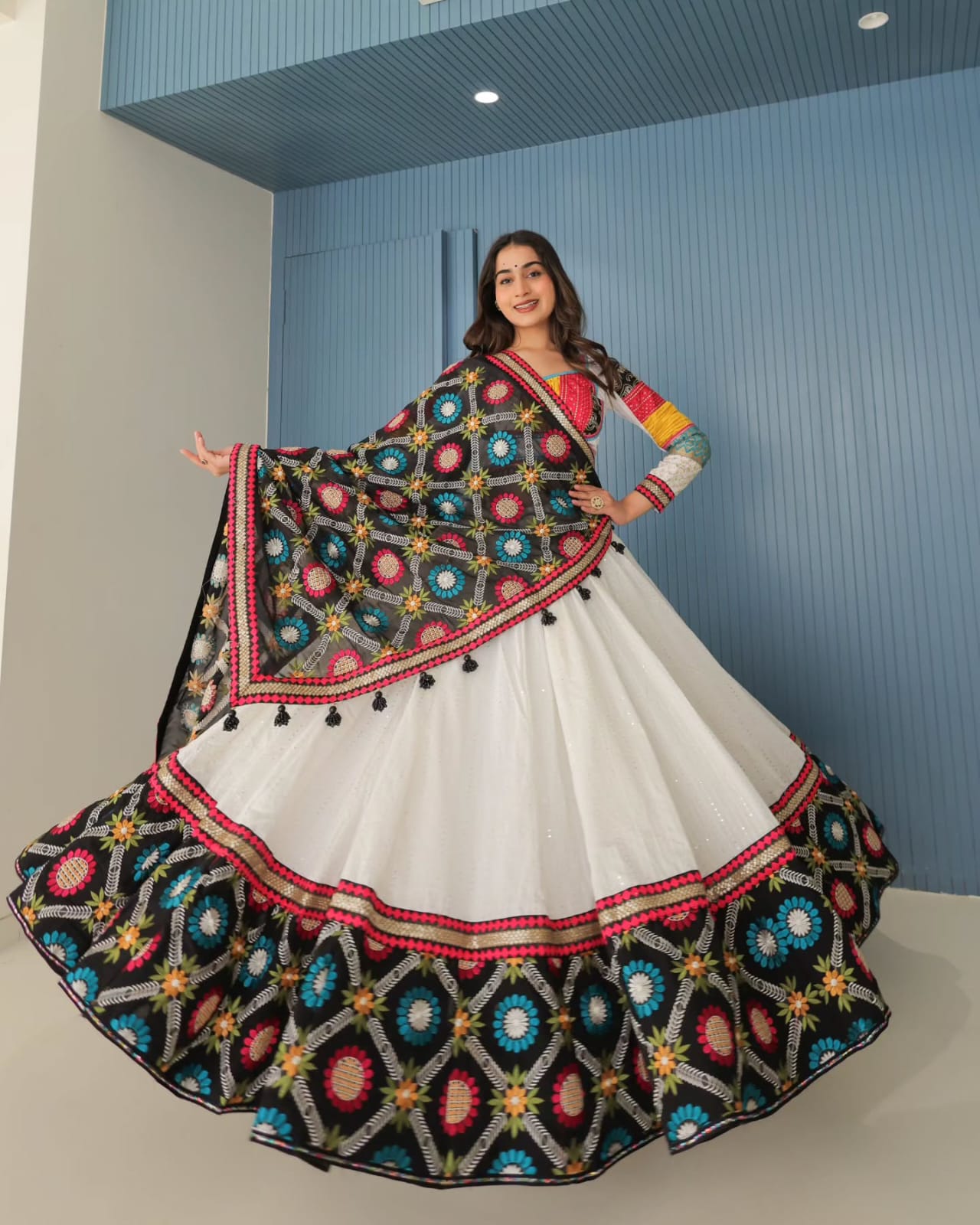
Garba involves repeated turns, arm movement and extended walking, so cotton Navratri sarees, linen cotton sarees and handloom cotton sarees are dependable choices. These fabrics usually allow better airflow than dense brocade and can feel less restrictive during several hours of activity. A saree weighing approximately 500 to 750 grams is often easier to manage than a heavily embellished garment, although actual weight depends on width, border and zari content.
Royal blue on 14 October is especially effective for an evening Garba event because deep blue remains visible under artificial lighting. Tissue cotton offers festive sheen with a lighter feel than a heavily ornamented silk saree. A fitted blouse with elbow-length or short sleeves allows arm movement without sacrificing coverage.
Green on 16 October pairs naturally with silver, antique gold and floral accessories. Multicolor Tissue Handloom Cotton Saree with Zari Weave can be adapted to green day with a green blouse, green bangles or a green bindi when the saree itself includes several shades. The multicolour base also makes the saree useful beyond one particular Navratri date.
Blue Tissue Handloom Cotton Saree with Zari Floral Patterns is another suitable direction for an evening event. Zari floral details add sparkle for Garba photographs, while the handloom cotton base can feel less restrictive than a fully embellished silk saree. Keep the jewellery close to the body so necklaces and long earrings don't interfere with Dandiya sticks or fast turns.
Navratri 2026 Dates: When It Starts and Which Saree to Wear Each Day by Fabric
Cotton and linen cotton suit active celebrations, tissue cotton balances comfort with shine, and Banarasi silk or other rich silks work best for shorter formal appearances.

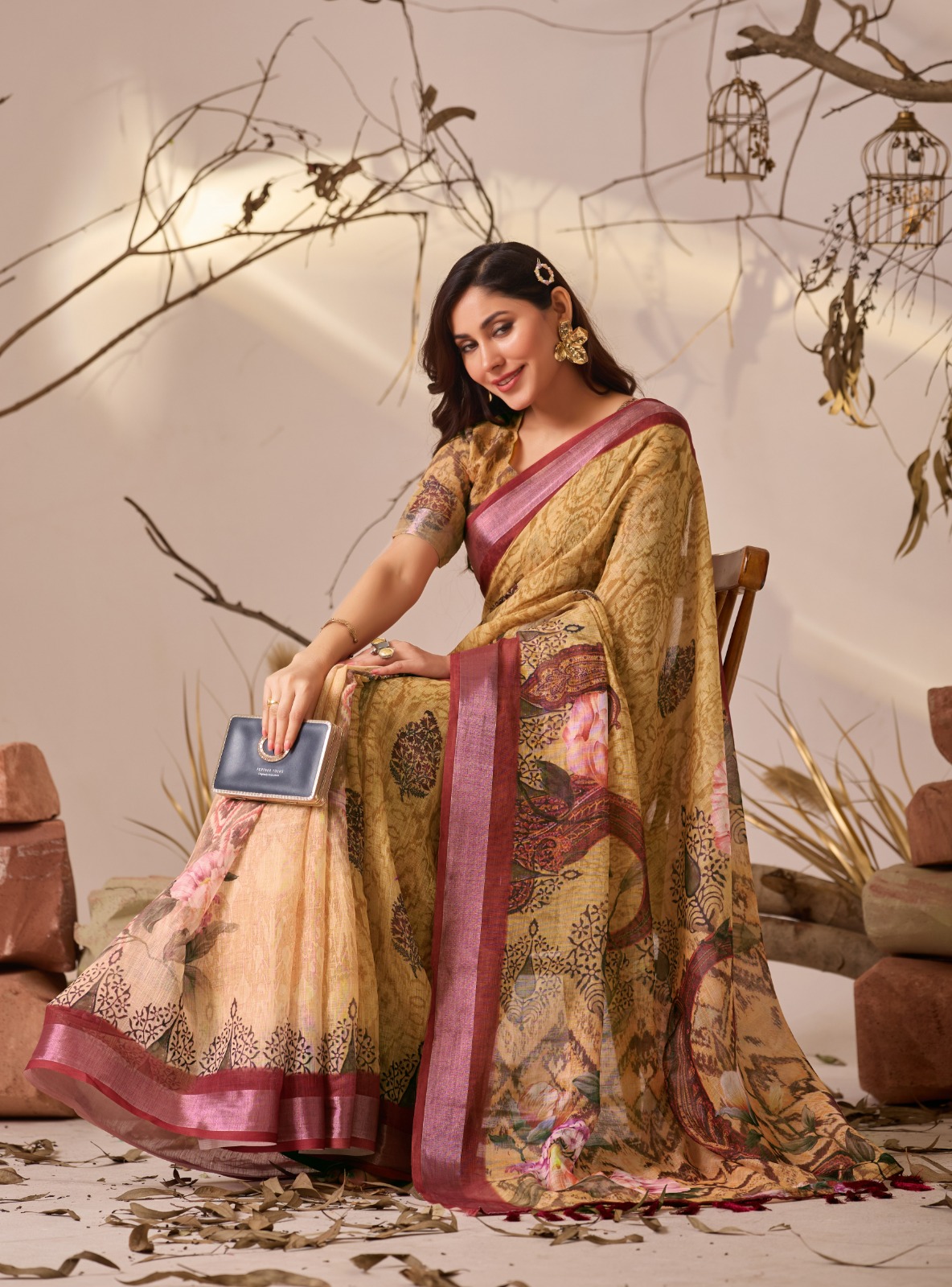
Pastel Linen Cotton Floral Print Saree with Designer Blouse shows how a lighter printed saree can work for a daytime Navratri look. The designer blouse gives detail without requiring a heavy border, making the combination suitable for yellow day, a family lunch or a temple visit. Peach Linen Cotton Floral Print Saree with Blouse for Women gives a similar direction for shoppers who prefer a warm pastel interpretation of orange or a softer festive palette.
Tissue cotton is useful when a wearer wants visible sheen without the full weight of dense silk. Tissue Cotton Saree with Zari Weave & Floral Digital Print combines woven metallic detail with a floral surface, which can support yellow, orange or green styling through the blouse and accessories. Tissue cotton may still require careful folding because the surface can crease differently from plain cotton.
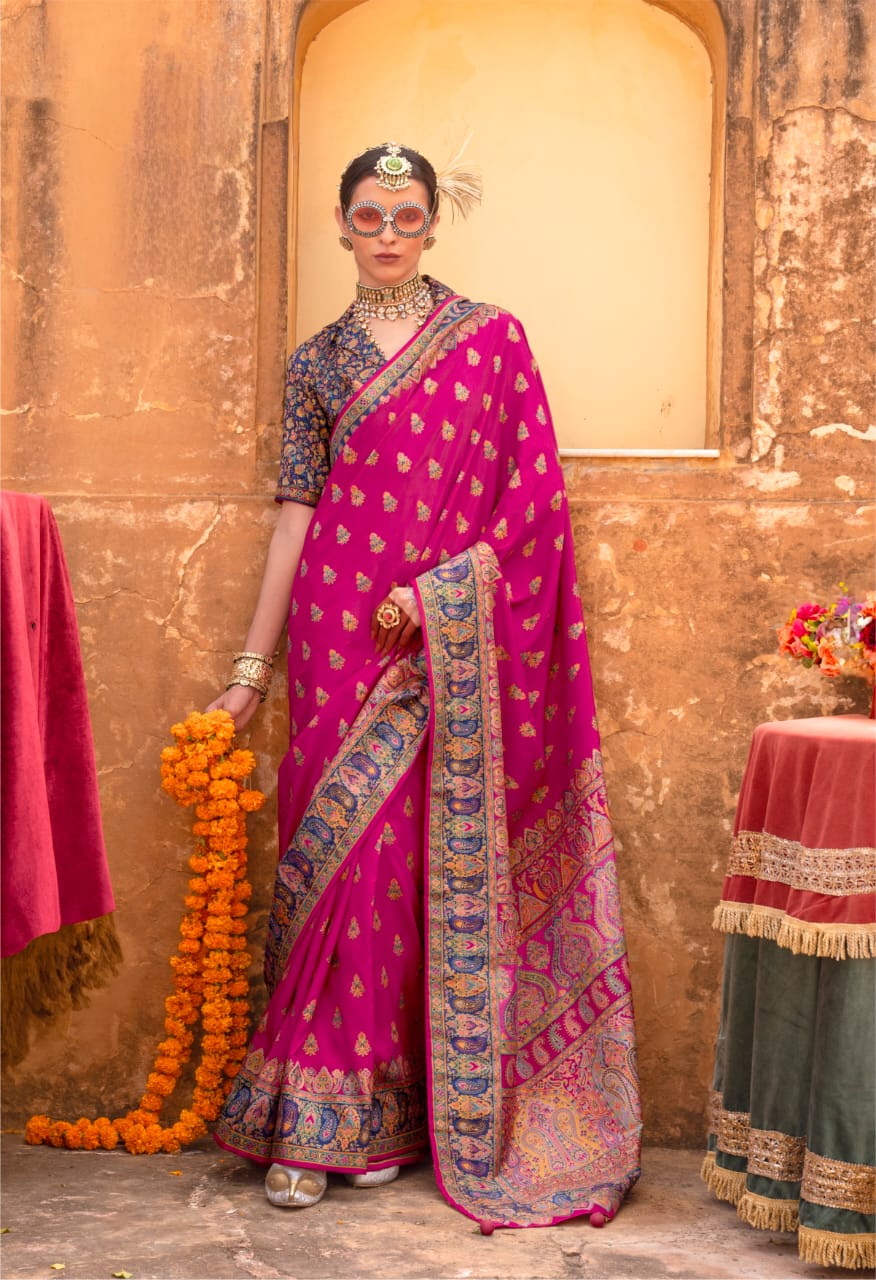
Silk Navratri dressing suits aarti, family portraits, Ashtami meals and shorter indoor celebrations. Purple Banarasi Soft Silk Saree With Golden Zari Border is a natural choice for 18 October because the purple ground already follows the popular Ashtami colour. Banarasi silk holds pleats sharply, but heavier garments need stronger pinning and may feel warm in a crowded venue.
Wine Tissue Handloom Cotton Saree with Zari Shimmer Artwork can provide a festive alternative when the wearer wants a deep jewel tone for an evening celebration. Wine isn't the same as the official red shade, so it's better used for a non-colour-specific gathering or paired with a red blouse when a household follows the daily colour convention closely.
Purple Peach Tissue Handloom Cotton Saree with Zari Work can interpret the final peacock-green day through a blue-green blouse, teal jewellery or a peacock-toned dupatta. A multitone saree is useful when one garment needs to work across several family events, although the exact colour match should be checked in daylight before purchase.
Navratri 2026 Dates: When It Starts and Which Saree to Wear Each Day in a Practical Look
A practical Navratri saree look uses a secure petticoat, stable pleats, a properly fitted blouse and footwear chosen before the final hem is fixed.
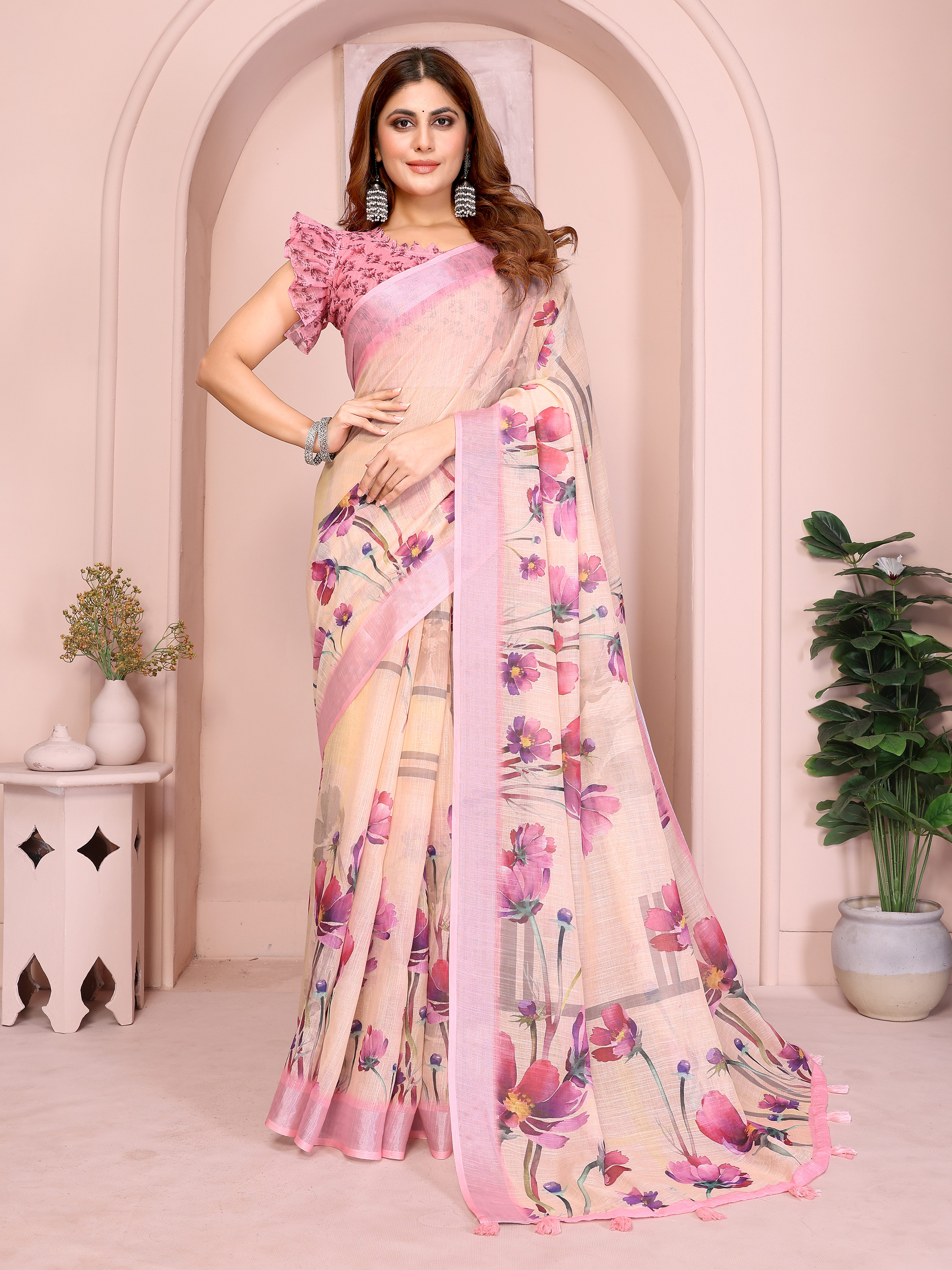
- Secure the pallu at two points. Place one pin near the shoulder and a second discreet pin near the waist or underarm line. Two anchors reduce movement during Garba without making the pallu appear stiff.
- Press six to eight front pleats. Even, narrow pleats are generally easier to control than broad pleats during walking and turning. Pressing the pleats before dressing saves time at a crowded venue.
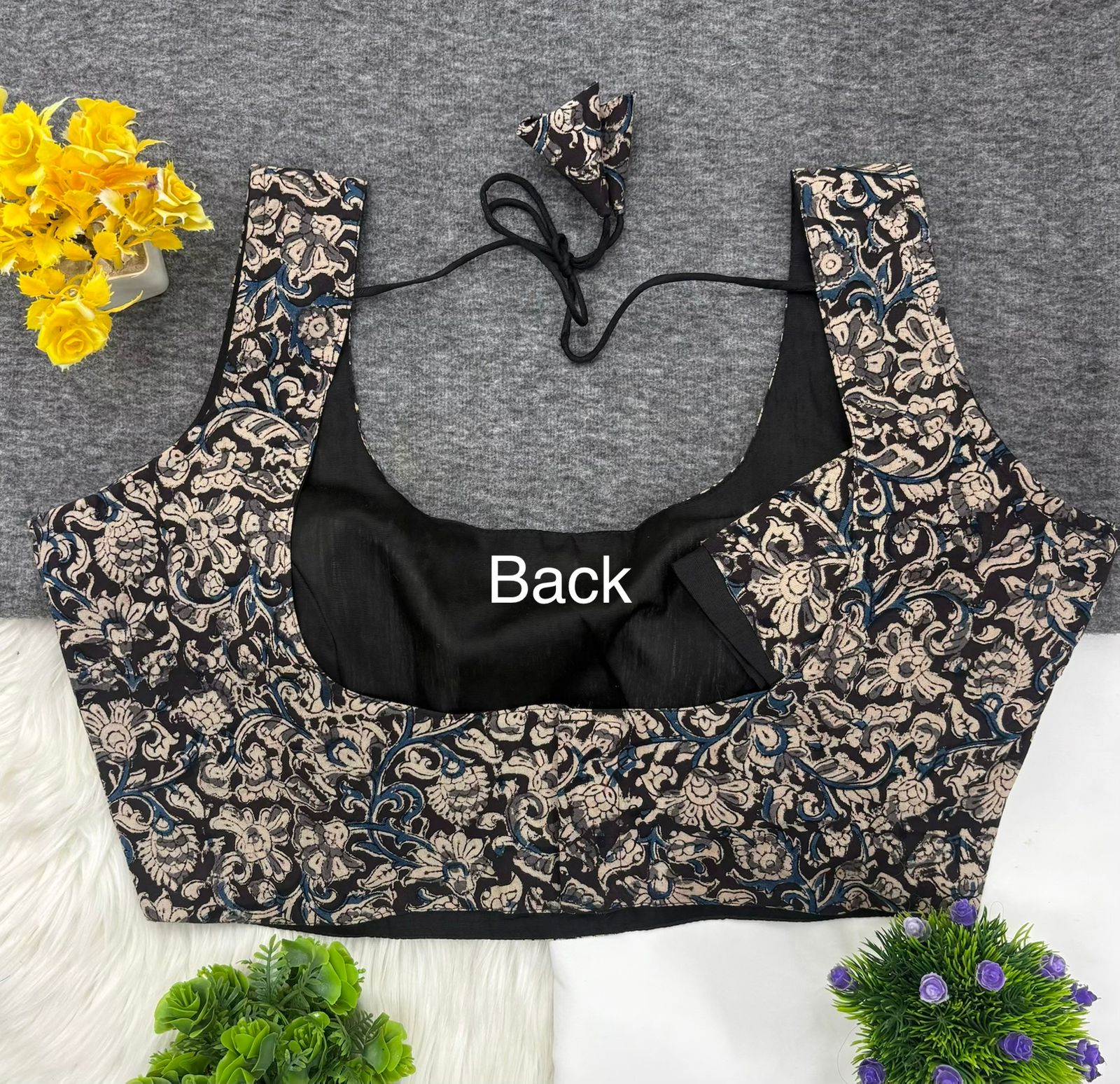
- Choose a movement-friendly blouse. A correctly fitted armhole, moderate neckline and short or elbow-length sleeves are more useful for dancing than heavy sleeve decoration.
- Use a firm petticoat waistband. A drawstring or fitted underskirt should sit securely at the natural waist. A loose petticoat can make the saree rotate while dancing.
- Put on footwear before pinning the length. A low block heel of approximately 1.5 to 2.5 inches changes the saree length. Dressing with the final shoes prevents the lower edge from dragging.
- Keep accessories secure. Small hoops, studs, shorter necklaces and bangles that don't slide over the hand are safer for active events than long, loose pieces.
Party Wear Sarees can work for evening Navratri events when the embellishment is concentrated on the border rather than spread across the entire body. Check whether sequins, stiff borders or dense metallic thread may catch on bangles, seating or another dancer's clothing before choosing a heavily decorated garment.
Navratri 2026 Dates: When It Starts and Which Saree to Wear Each Day on a Budget
A well-planned Navratri wardrobe doesn't require nine new sarees because one neutral saree, two versatile blouses and carefully chosen accessories can create several distinct outfits.

Use a printed or multicolour saree for days when the official shade appears in the design. Change the blouse to bring forward orange, yellow, green or blue from the print. A gold blouse can also bridge several warm colours, while a silver blouse is more useful for grey, royal blue and peacock green.
Gray Color Sarees Under 1000 may help shoppers looking for a grey-day option at a modest price. A lower price should not be the only deciding factor: inspect the saree width, blouse-piece length, transparency, border finish and wash instructions. A grey saree with a bright blouse can look more festive than a costly garment in a dull, unsuitable fabric.
Maroon Silk Sarees with Up to 74% Off can be relevant for shoppers seeking a formal jewel-toned saree for family gatherings, although maroon doesn't exactly replace red in every colour calendar. Wine, maroon and deep red can look different under warm venue lighting, so compare the shade near a window before finalising the outfit.
Plan the most active evening for cotton or linen cotton, reserve silk for shorter formal appearances and repeat jewellery rather than sarees when the budget is limited. Washing and drying each saree according to its fibre content will also protect the wardrobe through future festivals.
Navratri 2026 Dates: When It Starts and Which Saree to Wear Each Day after the Celebration
Care after Navratri depends on the saree fibre, zari content and surface decoration, so each garment should be cleaned and stored according to its label.
Air cotton and linen cotton sarees in shade before folding them loosely along existing crease lines. Wash only when the care label permits and avoid leaving damp fabric in a closed laundry basket. Tissue cotton should be handled gently because metallic details and delicate surfaces can snag.
Banarasi silk and other silk sarees should generally be dry-cleaned when the label recommends it. Store silk in a breathable cotton or muslin cover rather than sealed plastic, refold the saree every few months and keep it away from direct sunlight. Avoid spraying perfume directly onto zari because alcohol and moisture can affect metallic threads over time.
Before storing a Navratri saree, remove safety pins, check the blouse hooks and ensure the garment is completely dry. These small steps reduce rust marks, odour and pressure creases before the saree is worn again for Diwali, weddings or future Garba events.
Common questions about Navratri 2026 Dates: When It Starts and Which Saree to Wear Each Day
Common Questions About Navratri 2026 Dates and Saree Colours
When does Navratri start in 2026?
Sharad Navratri begins on Sunday, 11 October 2026. The nine-day observance ends on Monday, 19 October, and Vijayadashami falls on Tuesday, 20 October 2026.
What are the Navratri colours for each day in 2026?
The widely followed sequence is orange, white, red, royal blue, yellow, green, grey, purple and peacock green from 11 to 19 October 2026. Local family or temple traditions may use a different colour order, so a regional panchang should take priority for formal observance.
Which saree fabric is best for Garba during Navratri?
Cotton, linen cotton and lightweight tissue cotton are practical for Garba because they allow movement and airflow. Secure pleats, a firmly fitted petticoat and two pallu pins are as important as the fabric choice.
Can I wear a silk saree for Navratri?
Yes, silk is suitable for puja, family portraits, Ashtami gatherings and shorter indoor events. Banarasi silk and other rich silks can feel warm or heavy during extended dancing, so cotton or tissue cotton is usually more comfortable for active Garba.
How can I follow the Navratri colour tradition without buying nine sarees?
Use one multicolour saree, change the blouse and add the day's shade through jewellery, a bindi, bangles or flowers. A colour accent can follow the custom when a complete saree in the exact shade is unavailable.
What should I wear for both Navratri puja and Garba on the same day?
Choose a breathable cotton, linen cotton or tissue cotton saree with a secure drape and a blouse that allows shoulder movement. Small jewellery, comfortable block heels and a double-pinned pallu can transition the outfit from puja to Garba without a full change.