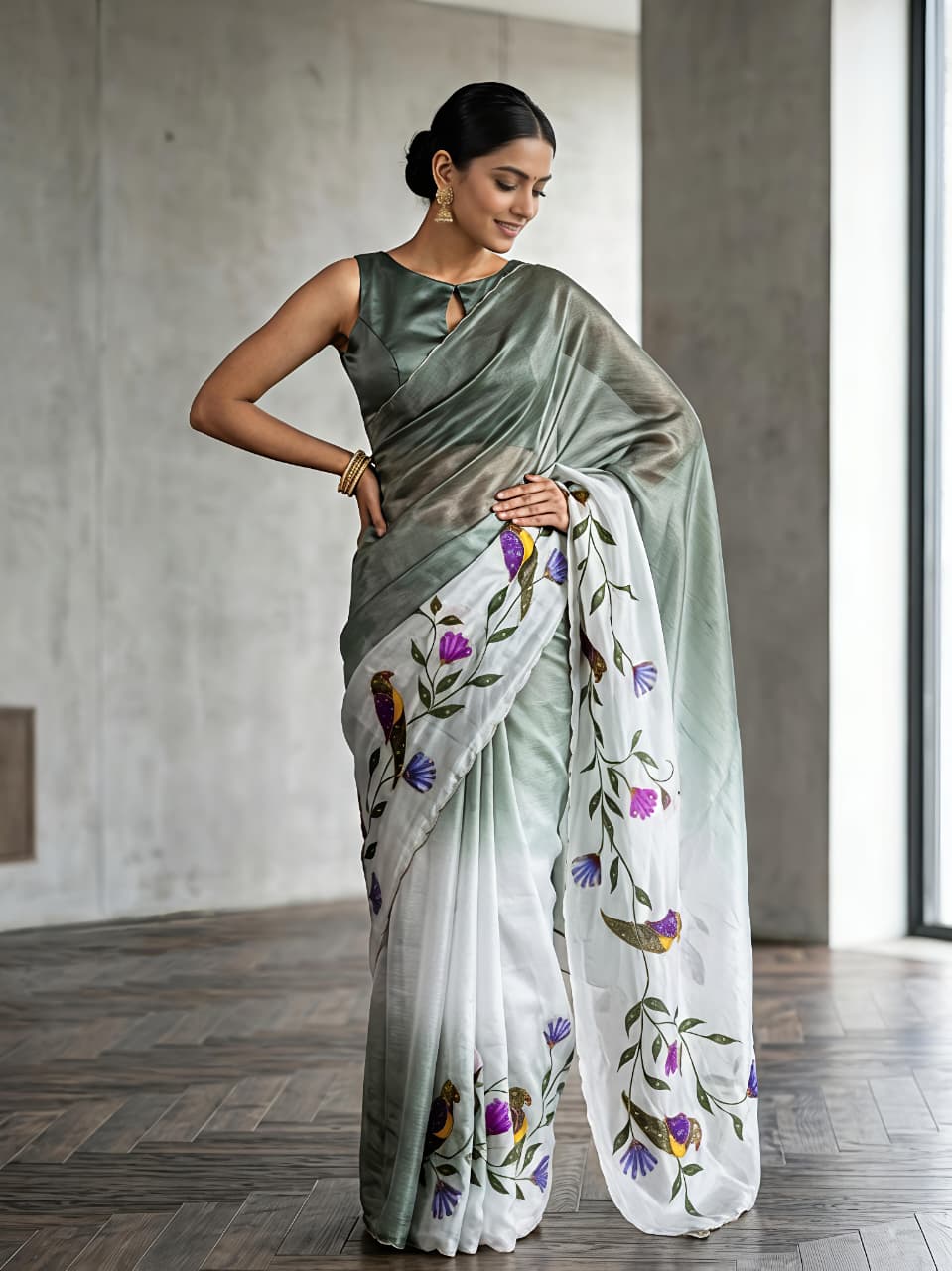
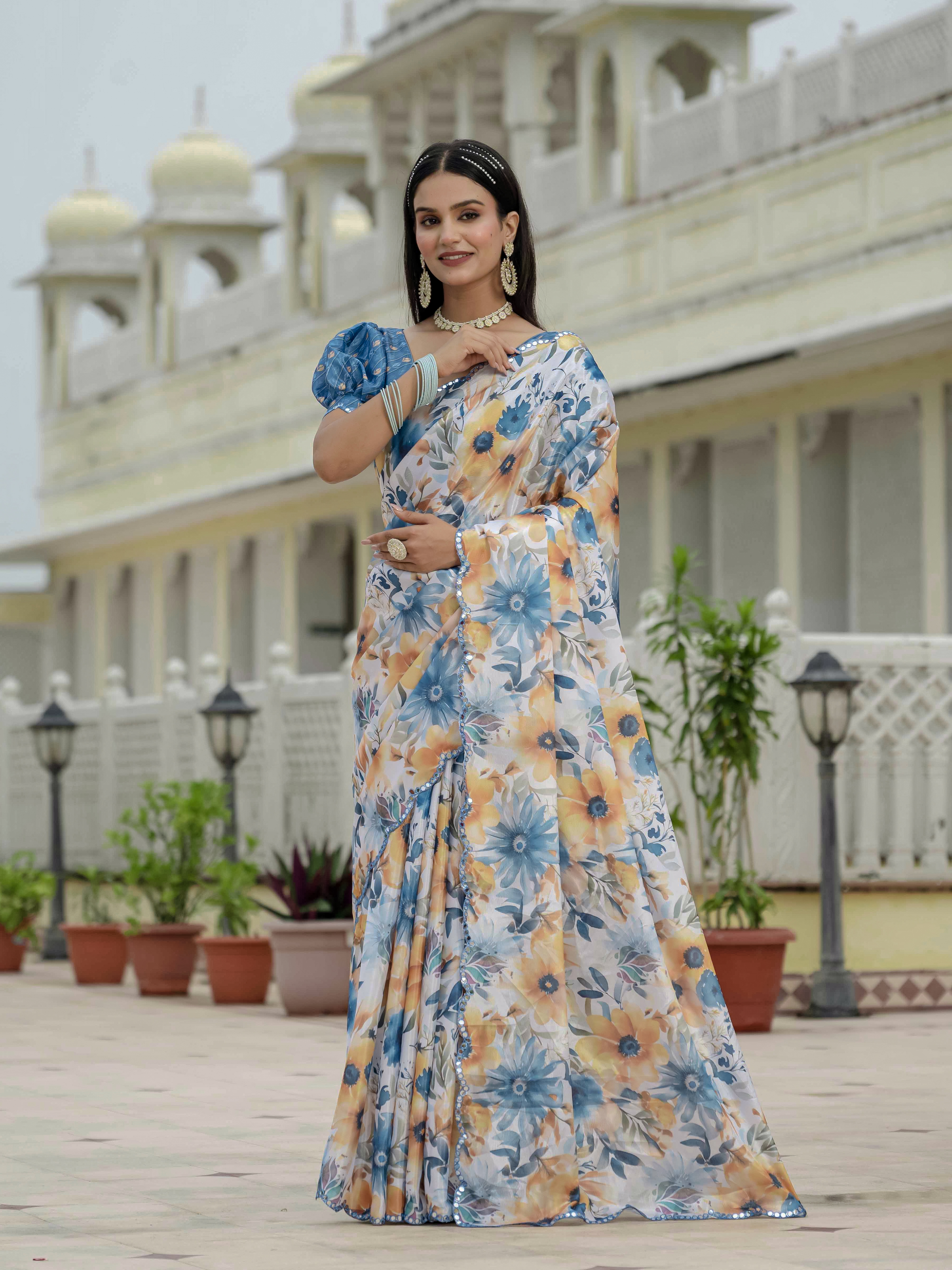
Navratri 2026: Complete Date Guide and Stylish Sarees for Every Day begins with one useful fact: Sharad Navratri is expected to run from Sunday, 11 October to Monday, 19 October 2026, with Vijayadashami on Tuesday, 20 October. Regional calendars can vary by a day, so confirm the local panchang before planning a temple visit, fast or community event.
Nine evenings create nine opportunities to balance colour, fabric and movement. A saree for a quiet puja can be styled differently from a saree for Garba, where repeated spins, clapping and walking make a secure drape more important than elaborate decoration. The strongest Navratri look responds to the venue, weather and duration of wear rather than colour alone.
Navratri 2026: Complete Date Guide and Stylish Sarees for Every Day - the nine-day calendar
Navratri 2026 is scheduled from 11 October through 19 October, and the commonly followed colour sequence begins with orange and ends with sky blue. Colour traditions are not identical across India; Maharashtra and Gujarat-based lists may differ from regional temple calendars, while some families follow a sequence passed down through generations.
- Sunday, 11 October - Day 1, Pratipada: Orange represents energy and an auspicious beginning.
- Monday, 12 October - Day 2, Dwitiya: White suits daytime puja and family gatherings.
- Tuesday, 13 October - Day 3, Tritiya: Red creates a vivid festive look and photographs well at evening events.
- Wednesday, 14 October - Day 4, Chaturthi: Royal blue works beautifully with richer silk textures and metallic jewellery.
- Thursday, 15 October - Day 5, Panchami: Yellow is a cheerful choice for daytime puja and family celebrations.
- Friday, 16 October - Day 6, Shashthi: Green is a traditional festive shade that pairs naturally with gold accents.
- Saturday, 17 October - Day 7, Saptami: Peacock green, teal or blue-green can interpret this colour in a contemporary way.
- Sunday, 18 October - Day 8, Ashtami: Purple, plum and violet create a more dramatic evening appearance.
- Monday, 19 October - Day 9, Navami: Sky blue, powder blue and blue-grey offer a soft closing-day palette.
Colour lists are a planning tool rather than a universal dress code. A red blouse with an orange saree, a yellow dupatta over a white outfit, or green jewellery with a blue saree can acknowledge the daily theme without requiring nine new sarees. Checking the organiser's chosen colour is sensible when attending a society Garba night.
Navratri 2026: Complete Date Guide and Stylish Sarees for Every Day - choosing the right fabric
A Navratri saree should be selected according to movement, temperature, drape stability and the formality of the event. Lightweight cotton, linen cotton, tissue cotton and soft silk generally offer more practical choices than dense brocade when the wearer expects to stand, dance or travel for several hours.
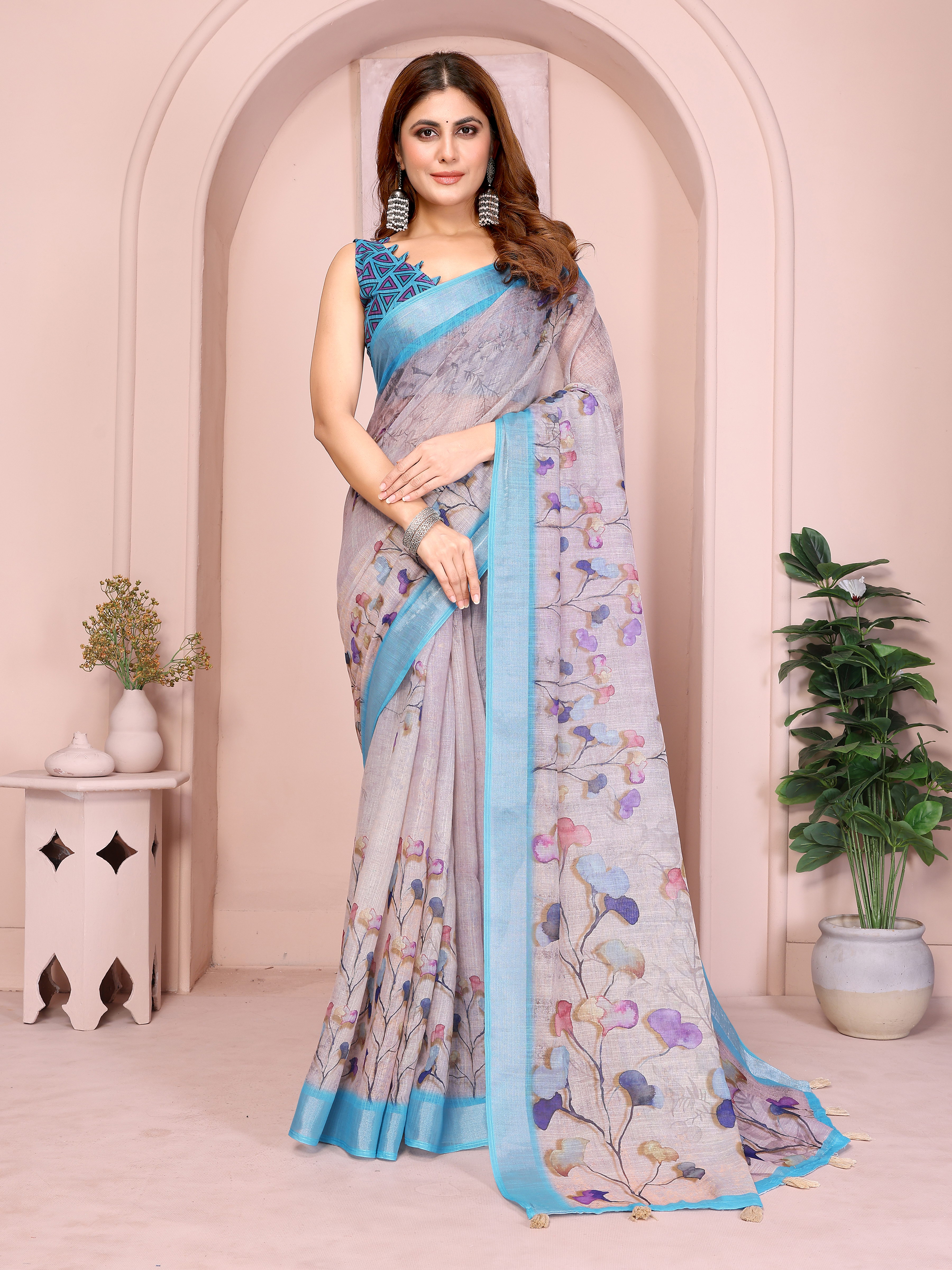
For daytime puja and family visits
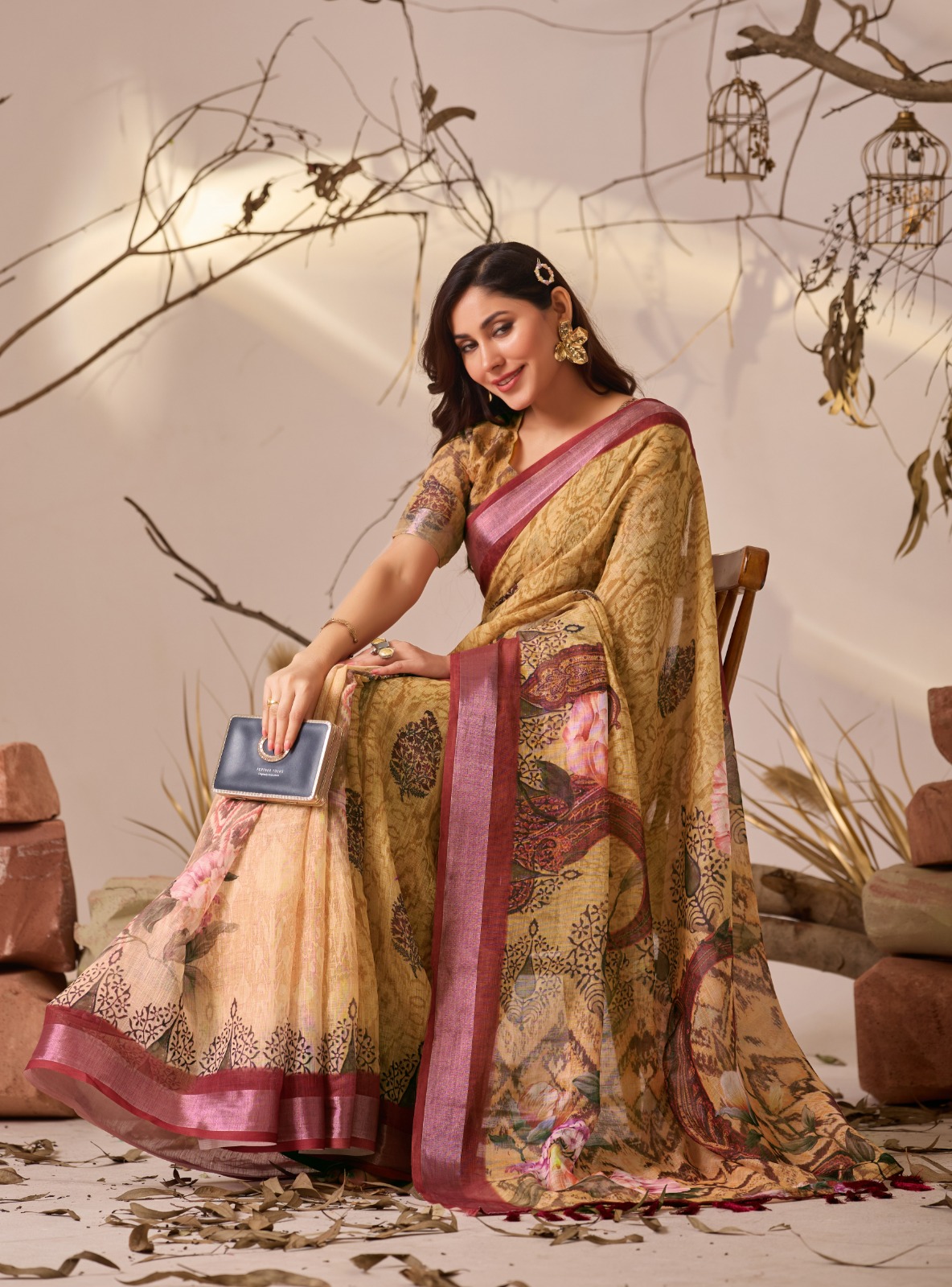
Daytime dressing benefits from breathable fibres and moderate ornamentation. Linen cotton allows air circulation and usually feels less cumbersome than a heavily embellished weave, while floral prints provide festive interest without relying on sequins. Pastel Linen Cotton Floral Print Saree with Designer Blouse illustrates a softer daytime direction for a home puja, brunch or family visit.
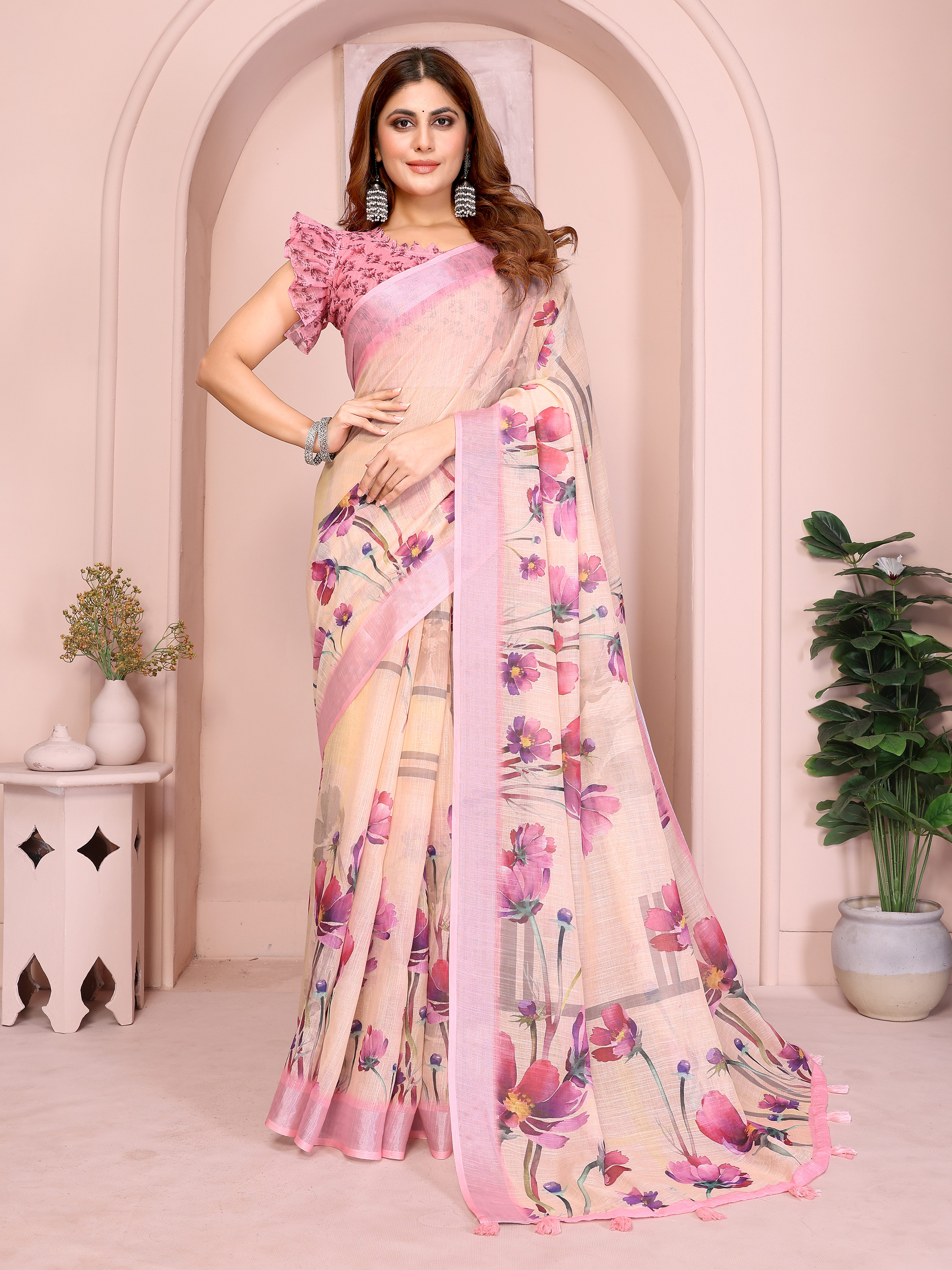
Peach Linen Cotton Floral Print Saree with Blouse for Women offers another gentle palette for daytime Navratri dressing. A peach saree can look more time-honoured with a red bindi, kundan-style studs and a low bun, or more contemporary with pearl earrings and a simple blouse sleeve.
For Garba and Dandiya evenings
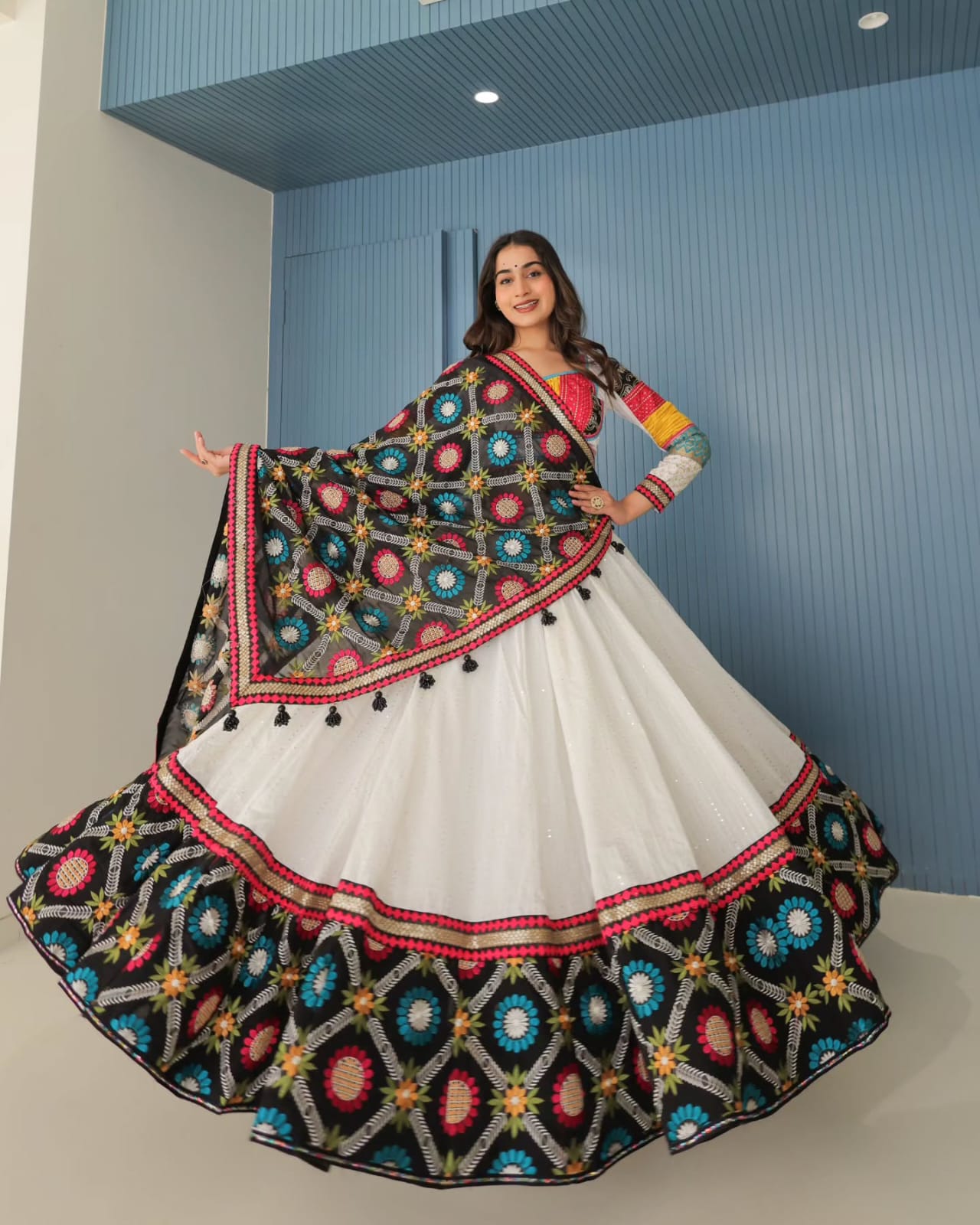
Garba dressing needs a manageable pallu, a firmly secured waist and a blouse that permits arm movement. Tissue cotton can provide a festive surface without the weight of dense silk, while a narrow or medium border is less likely to catch on bangles during repeated movement. Tissue Cotton Saree with Zari Weave & Floral Digital Print combines zari detail with a print-led surface suitable for an active evening.
Multicolor Tissue Handloom Cotton Saree with Zari Weave supports an easy coordination strategy because several colours in the weave can guide the blouse and accessories. Choose a blouse in one quieter shade rather than adding a competing print. A discreet safety pin at the shoulder and a second pin near the waist can reduce repeated adjustment on the dance floor.
For a formal Navratri dinner
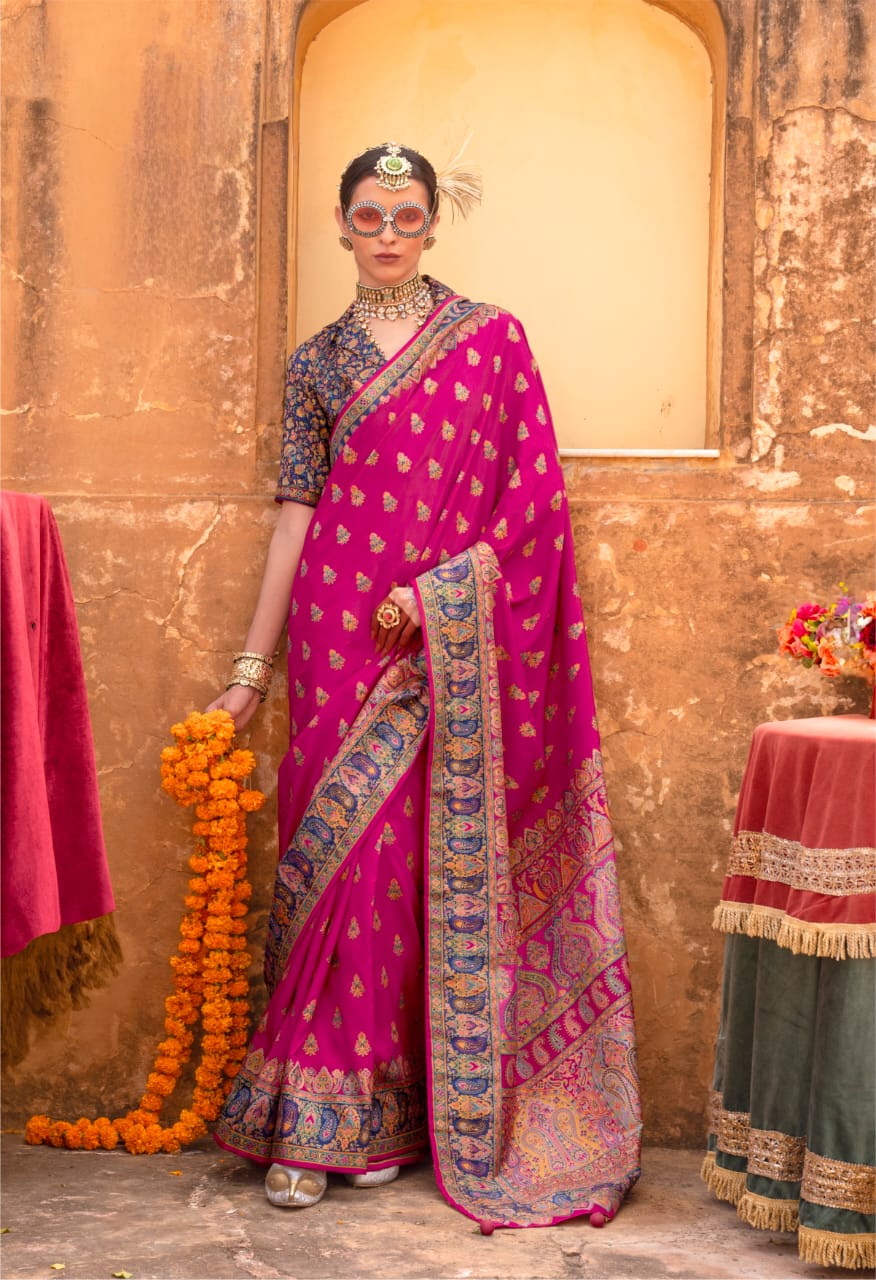
Soft silk and handloom cotton with zari suit a dinner, cultural programme or formal family celebration. Purple Banarasi Soft Silk Saree With Golden Zari Border creates a richer evening impression through the contrast between purple and gold. Wine Tissue Handloom Cotton Saree with Zari Shimmer Artwork brings a deep wine palette with a lighter visual surface.
Silk Navratri styling doesn't require heavy jewellery from head to toe. One statement element, such as a broad bangle stack, a choker or jhumka earrings, usually looks more polished than combining a large necklace, long earrings and an ornate maang tikka. Silk sarees also deserve a secure blouse fit because a loose armhole becomes uncomfortable during greetings and dancing.
Navratri 2026: Complete Date Guide and Stylish Sarees for Every Day - styling the daily colours
Navratri colours days can be followed through the saree, blouse, jewellery, handbag or one border accent. Using the prescribed shade as an accessory is practical when a wardrobe doesn't contain nine matching sarees or when an event requires a particular level of formality.
- Orange: Choose coral, rust or saffron, or add orange glass bangles to a neutral drape.
- White: White Silk Sarees in Cream Ivory and Off White gives several ways to interpret the second-day palette; a coloured blouse can prevent the outfit from appearing too bridal.
- Red: Use a red blouse with a cream saree when a full red outfit feels too intense for daytime.
- Royal blue: Pair blue with silver-toned jewellery for a cooler appearance, or use gold to warm the shade.
- Yellow: Mustard, marigold and lemon can all acknowledge yellow; choose the undertone that suits existing jewellery.
- Green and peacock green: Emerald, bottle green, teal and turquoise create related but distinct interpretations for Days 6 and 7.
- Purple: Plum and aubergine are easier to wear at night than very bright violet, particularly with antique-gold accessories.
- Sky blue: Powder blue, icy blue and blue-grey deliver the final-day mood without looking costume-like.
Red and Yellow Sarees from Rs 799 with Up to 75 Percent Off can be useful when planning around red and yellow days without selecting a heavily ornate design. Maroon Silk Sarees with Up to 74% Off provides a deeper red-family alternative when wine, burgundy or maroon feels more versatile than scarlet.
Navratri 2026: Complete Date Guide and Stylish Sarees for Every Day - making a Garba drape secure
A comfortable Garba saree has secure pleats, a pinned pallu, an adjustable blouse and footwear with a stable sole. These four details matter more than the amount of shimmer because Garba involves circular steps, quick changes of direction and long periods of standing.

Secure the drape before leaving home
Make five to seven front pleats of even width and pin them discreetly from the inside if the fabric shifts easily. Place one safety pin at the shoulder and a second pin near the waist only when necessary; too many visible pins can pull delicate tissue or silk. A well-fitted underskirt with a firm waistband helps the saree stay in place without tightening the upper body.
Keep the pallu slightly shorter than a formal reception drape if dancing is planned. The pallu should reach around the hip or lower thigh rather than sweep the floor. A brooch can secure the shoulder for a decorative finish, but the pin should pass through the blouse and saree border rather than through a fragile central motif.
Choose practical accessories
Low block heels, cushioned sandals or embellished flats are safer choices than narrow stilettos for a Garba venue. Test the footwear with the saree at home and check that the hem sits approximately 1 to 2 centimetres above the floor. Bangles should leave enough room for the wrist to move, and long necklaces should not interfere with the blouse neckline or pallu.
A braid, bun or low ponytail is less distracting during dancing than loose hair that catches on earrings. Sweat-resistant makeup, blotting paper and a small pouch containing extra pins can make a long Navratri evening considerably easier.
Navratri 2026: Complete Date Guide and Stylish Sarees for Every Day - cotton, tissue and silk comparisons
Cotton Navratri sarees generally suit warm venues and long daytime wear, while silk Navratri sarees provide greater visual richness for formal evenings. The right choice depends on ventilation, the wearer's tolerance for weight and the amount of movement planned.

Linen cotton is useful for a relaxed festive look because the blend combines the airy character associated with linen and the familiar hand feel of cotton. Tissue cotton adds a slightly luminous surface and can carry zari without becoming as weighty as dense silk. Handloom cotton with zari can suit a schedule that moves from a family visit to an evening event.
Banarasi silk has a formal appearance because zari borders and woven motifs catch light, but a soft Banarasi silk saree can remain more manageable than a stiff, heavily embellished drape. Purple Banarasi Soft Silk Saree With Golden Zari Border is therefore more suited to dinner or a formal programme than an extended dance session. Kanjeevaram silk is another heritage formal category, although the heavier structure may be less convenient for several hours of Garba.
Chanderi is valued for its light hand feel and subtle sheen, making it a possible choice for a polished daytime gathering when available in a suitable colour. A saree's actual weight, border stiffness and blouse construction matter more than the fabric label alone, so check measurements and care instructions before ordering.
Party Wear Sarees can help when the event is a formal Navratri dinner rather than a dance-focused gathering. For a more budget-conscious rotation, Gray Color Sarees Under 1000 can provide a neutral base that takes on the daily colour through a blouse, dupatta, earrings or bangles.
Navratri 2026: Complete Date Guide and Stylish Sarees for Every Day - care after the festival
Navratri sarees should be aired, checked for stains and stored dry before they return to the wardrobe. Immediate care prevents perspiration, perfume and food marks from weakening fibres or dulling zari.

Air a worn saree in shade for several hours before folding it. Do not leave silk, tissue or zari in direct sunlight, because prolonged strong light can fade dyes and reduce the brightness of metallic threads. For oil, turmeric or food stains, avoid rubbing the affected area; blot gently with a clean, dry cloth and use professional dry cleaning when the care label recommends it.
Fold Banarasi silk, soft silk and zari sarees with the embellished side inward to reduce surface friction. Refold stored sarees every few months so a permanent crease doesn't form in one line. Use a clean cotton or muslin cover, keep the saree away from damp walls, and avoid airtight plastic for long-term storage.
Cotton and linen cotton sarees may be washed only when the care label permits it. Use cool water, mild detergent and gentle handling, then dry the saree in shade without wringing. Iron cotton on the appropriate setting, while tissue, silk and zari should be pressed at low heat from the reverse side with a cloth between the iron and the fabric.
A thoughtful nine-day wardrobe doesn't require nine expensive sarees. Two breathable daytime sarees, one adaptable printed option, one formal silk or zari saree and a set of coordinating blouses can create several distinct Navratri looks. Repeating a saree with different jewellery, draping and blouse colours is both practical and more sustainable than buying an outfit for every evening.
Common Questions About Navratri 2026 Sarees and Daily Colours
When does Navratri 2026 begin and end?
Sharad Navratri 2026 is expected to begin on Sunday, 11 October and end on Monday, 19 October, with Vijayadashami on Tuesday, 20 October. Regional calendars can differ, so verify the dates with a local panchang before finalising religious plans.
What are the Navratri colours days in 2026?
The commonly followed sequence is orange, white, red, royal blue, yellow, green, peacock green, purple and sky blue from Day 1 to Day 9. The sequence can vary by region or organiser, so check the colour list used by the temple or Garba event you plan to attend.
Which saree fabric is best for Garba?
Lightweight cotton, linen cotton, tissue cotton and soft handloom sarees are practical for Garba because they are easier to move in than heavy, densely embellished fabrics. Secure pleats, a pinned pallu and stable footwear are equally important.
Can I wear a silk saree for Navratri Garba?
You can wear a soft silk saree for Garba if the saree is not excessively heavy and the drape is secured before dancing. A silk saree is usually more comfortable for a shorter event or formal gathering than for several hours of continuous movement.
How can I follow Navratri colours without buying nine sarees?
Use the daily colour in a blouse, scarf, bangles, earrings, handbag or saree border instead of wearing a complete outfit in that shade. A neutral saree can look different across several days when paired with contrasting accessories and a new drape.
How should a zari or silk Navratri saree be stored?
Air the saree in shade after wearing, fold the embellished side inward and store it in a clean cotton or muslin cover. Keep silk and zari away from moisture, direct sunlight and airtight plastic, and follow the care label for cleaning.