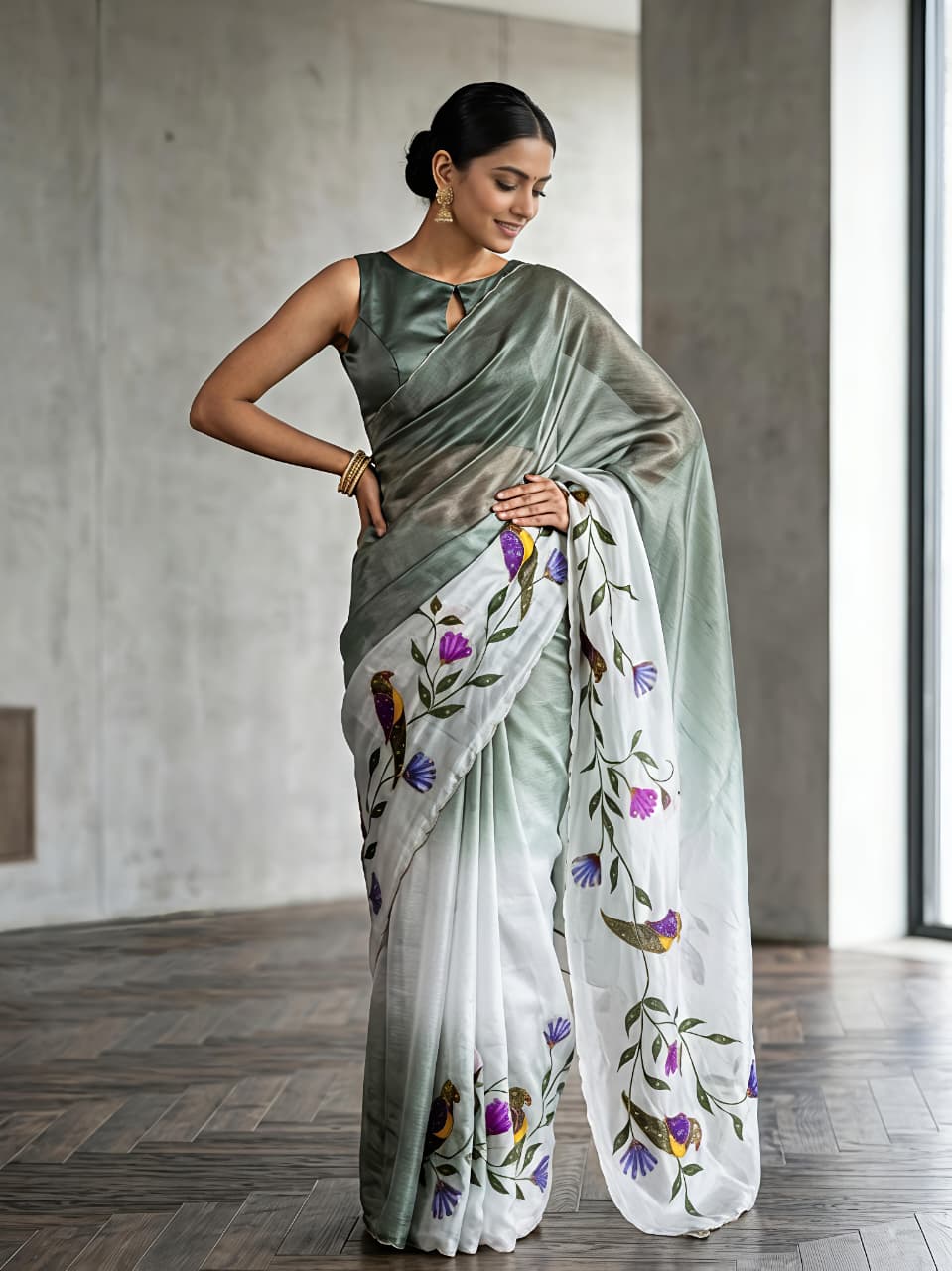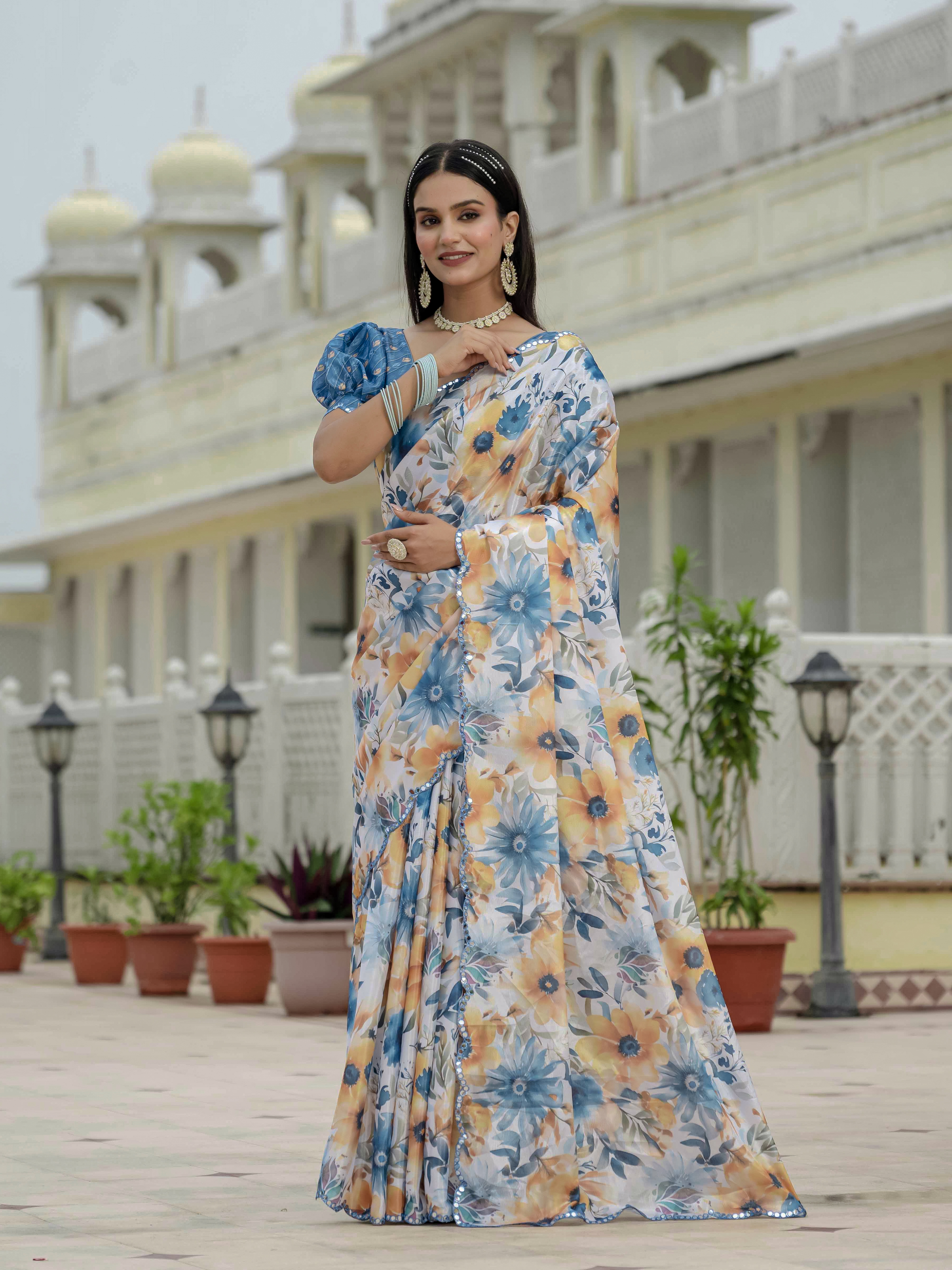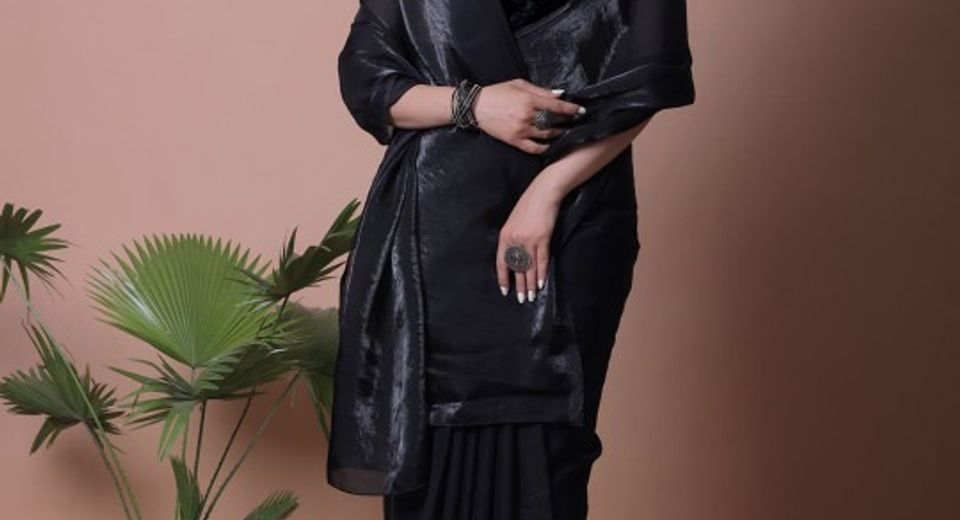
Navaratri Golu in Tamil Nadu: Traditional Sarees and Outfit Ideas begins with a simple ethnic ritual: visiting homes where dolls are arranged on stepped platforms, receiving kumkum and turmeric, and sharing sundal or another festive offering. The right saree should therefore look meaningful while allowing you to sit on the floor, climb a few steps, travel between homes and remain comfortable through several visits. Cotton, linen cotton, tissue cotton, silk cotton and breathable silk each solve a different dressing need.
Golu, also called Kolu or Bommai Golu, is a major Navaratri tradition in Tamil Nadu. Families display dolls, deities, wooden marapachi dolls, miniature scenes and heirloom figurines for nine nights. Women commonly invite guests in the evening, exchange thamboolam such as betel leaves, areca nut, turmeric and kumkum, and offer a small portion of prasadam. These details explain why a polished traditional saree works so well, even when the gathering is at home rather than in a temple or banquet hall.
What makes a saree suitable for Navaratri Golu visits?
A suitable Golu saree is breathable, easy to pleat, secure at the shoulder and festive without becoming difficult to manage indoors. A nine-yard saree isn't necessary for a regular home visit; a well-finished six-yard saree with a comfortable blouse is the practical choice for most guests.
Choose the fabric according to the length and timing of your visit. Cotton and linen cotton are useful for daytime puja, warm weather and several consecutive invitations. Silk cotton creates a more traditional appearance with less weight than heavy pure silk. Banarasi silk, Kanjeevaram and other structured silks suit a principal Navaratri evening, especially when the host family has a formal puja or music programme.
Mobility matters more at Golu than many outfit guides acknowledge. A saree with a slippery surface can loosen when you sit cross-legged, while a very stiff zari border can catch on a chair or display stand. Medium-weight fabric, a properly tucked lower pleat and a pallu secured with a discreet brooch reduce these problems. A blouse with sleeves reaching the elbow also makes sitting, serving prasadam and carrying a handbag easier.
- For daytime visits, select cotton, linen cotton or cotton-silk with a small or medium border.
- For an evening bhajan or formal invitation, choose silk cotton, Banarasi silk or a restrained zari weave.
- For multiple homes, avoid an excessively long pallu and test the saree while sitting before leaving.
- For humid weather, prioritise absorbent fibres and a lined blouse that doesn't cling.
Which colours work for Navaratri Golu in Tamil Nadu?
Bright festive shades, soft pastels, ivory, green, pink, red, yellow and blue all work for Navaratri Golu, because Tamil Nadu doesn't follow one universally fixed nine-day colour calendar. Families may adopt a regional or social-media colour schedule, but personal taste, family custom and the day's puja usually matter more than strict colour rules.
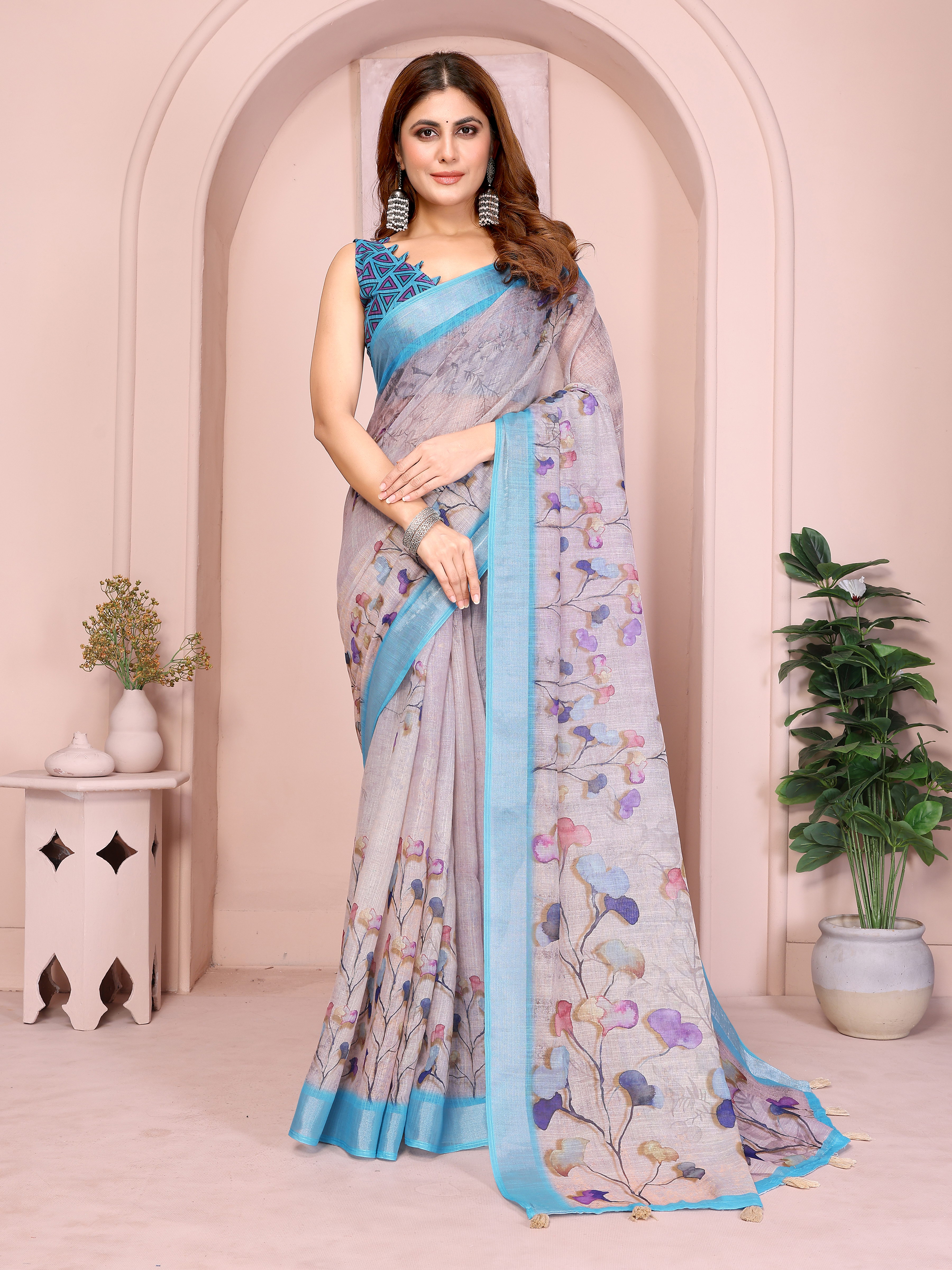
The popular Navratri colours days idea can still help with planning. Wear yellow, orange or pink for a cheerful daytime gathering; green or teal for a traditional yet fresh appearance; red or magenta when the invitation is especially festive; and ivory, cream or pale blue when the Golu display and jewellery are intended to remain the visual focus. Ask the host if a group colour has been selected before buying a new saree for one specific evening.
Colour also changes how much ornamentation a saree needs. A solid purple or teal saree can carry a contrast blouse and temple jewellery, while a floral print usually looks better with a plain blouse and one strong accessory. Ivory and peach create a softer Navaratri look for afternoon visits, particularly when paired with gold-toned earrings and jasmine.
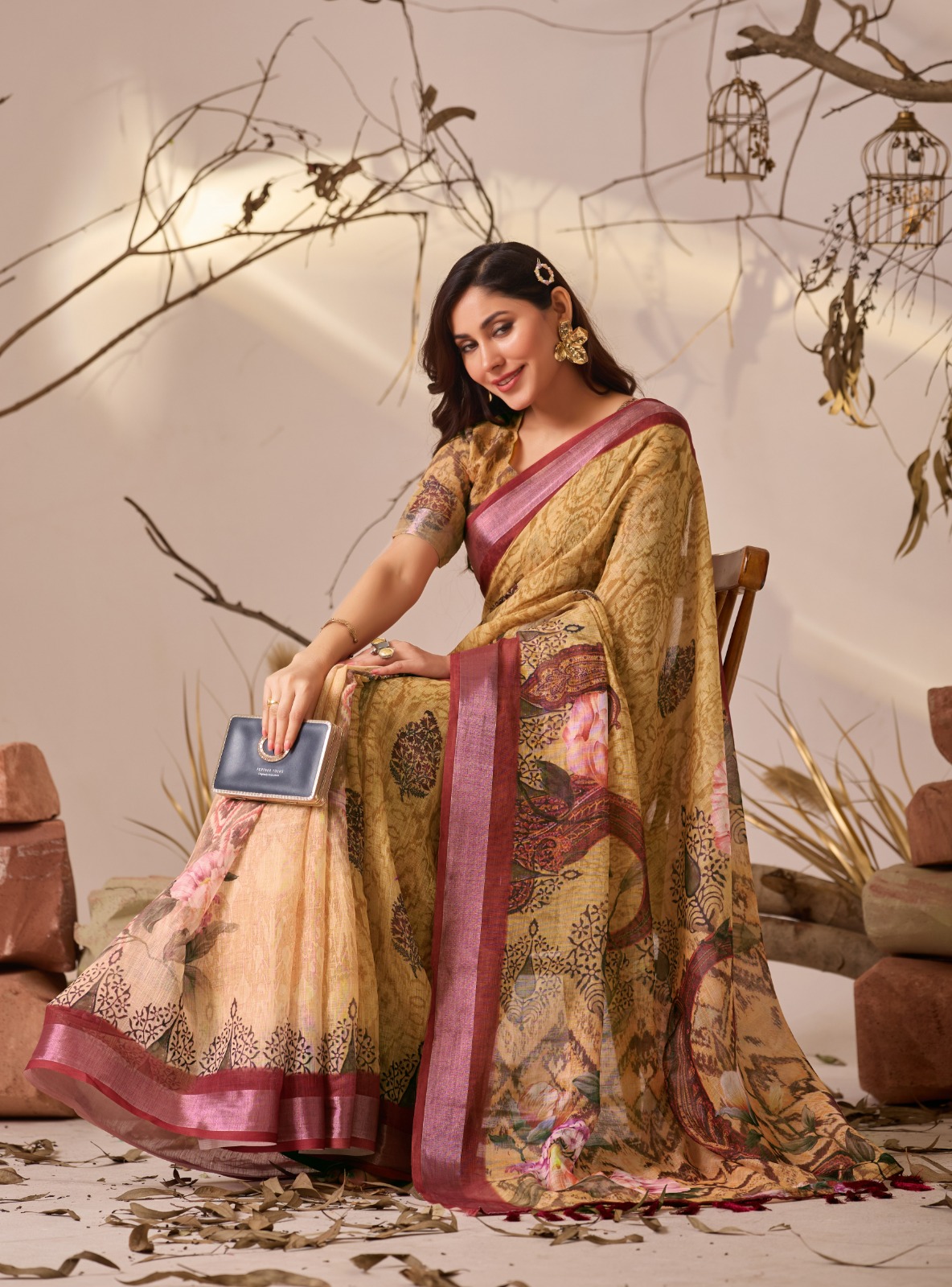
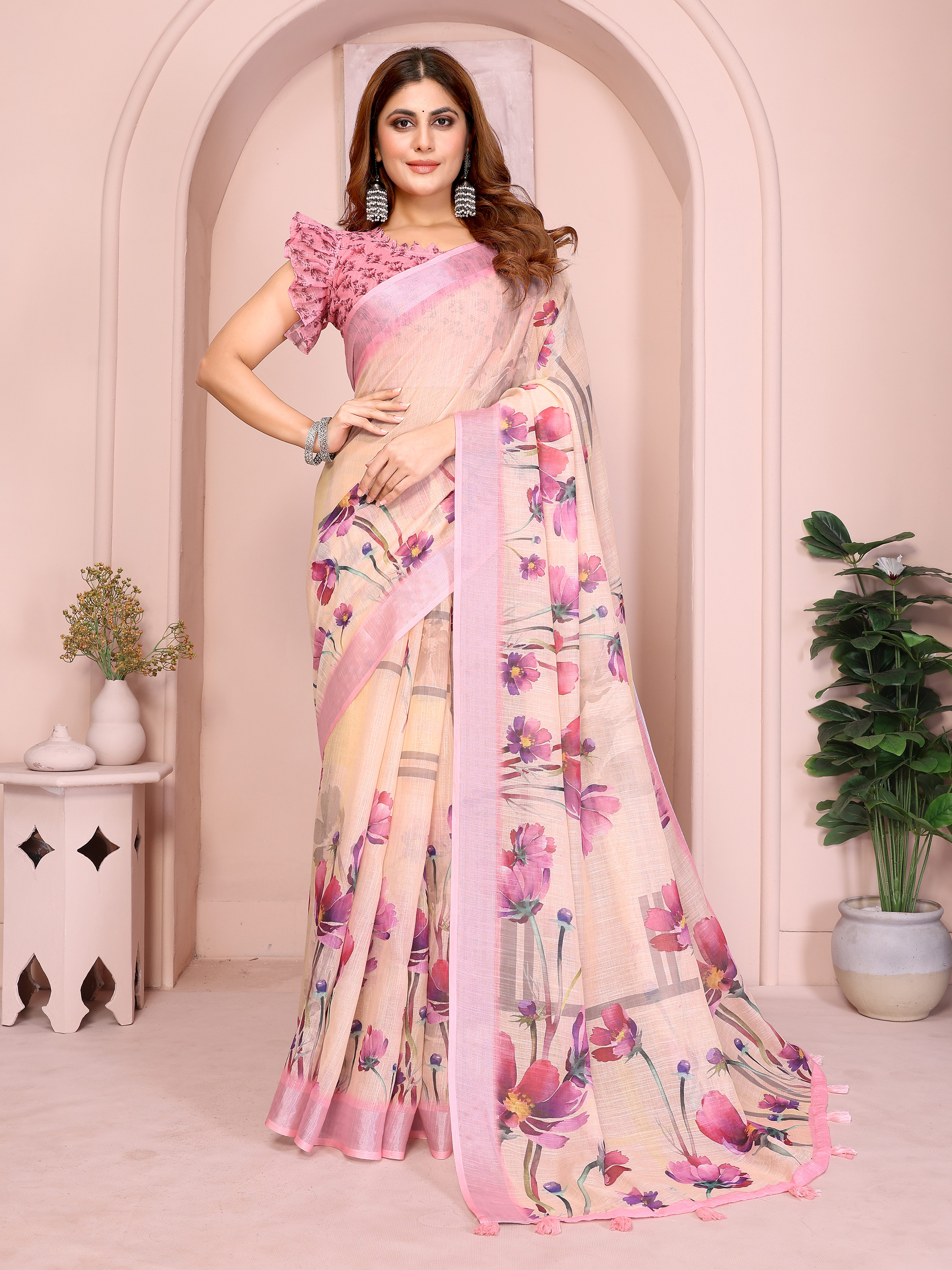
For a graceful pastel combination, Pastel Linen Cotton Floral Print Saree with Designer Blouse offers the visual interest of a print without requiring elaborate jewellery. Peach Linen Cotton Floral Print Saree with Blouse for Women is another useful direction for a daytime Golu invitation, where a warm colour can look festive without the weight of a heavy border.
How should you choose between cotton and silk sarees?
Cotton is the better choice for comfort and repeated visits, while silk or silk blends are better when the invitation calls for greater formality. The best fabric depends on temperature, duration, movement and the level of ceremony rather than on the word "festive" alone.
When cotton makes more sense
Cotton handles warm Tamil Nadu evenings well and generally feels easier during long conversations in a crowded living room. Mal cotton, tissue cotton and linen cotton can look festive when they include a floral print, a woven border, a tasselled pallu or a small amount of zari. Cotton also photographs well against the bright painted dolls and textile backdrops used in many Golu arrangements.
Printed Mal Cotton Saree With Designer Pallu by VARNAVI demonstrates how a printed body and a more noticeable pallu can create occasion interest without relying on heavy embellishment. Ivory Olive Floral Linen Cotton Saree with Tasselled Pallu brings a quieter palette for hosts who want an elegant, contemporary interpretation of traditional dressing.
When silk or a lustrous weave is worth choosing
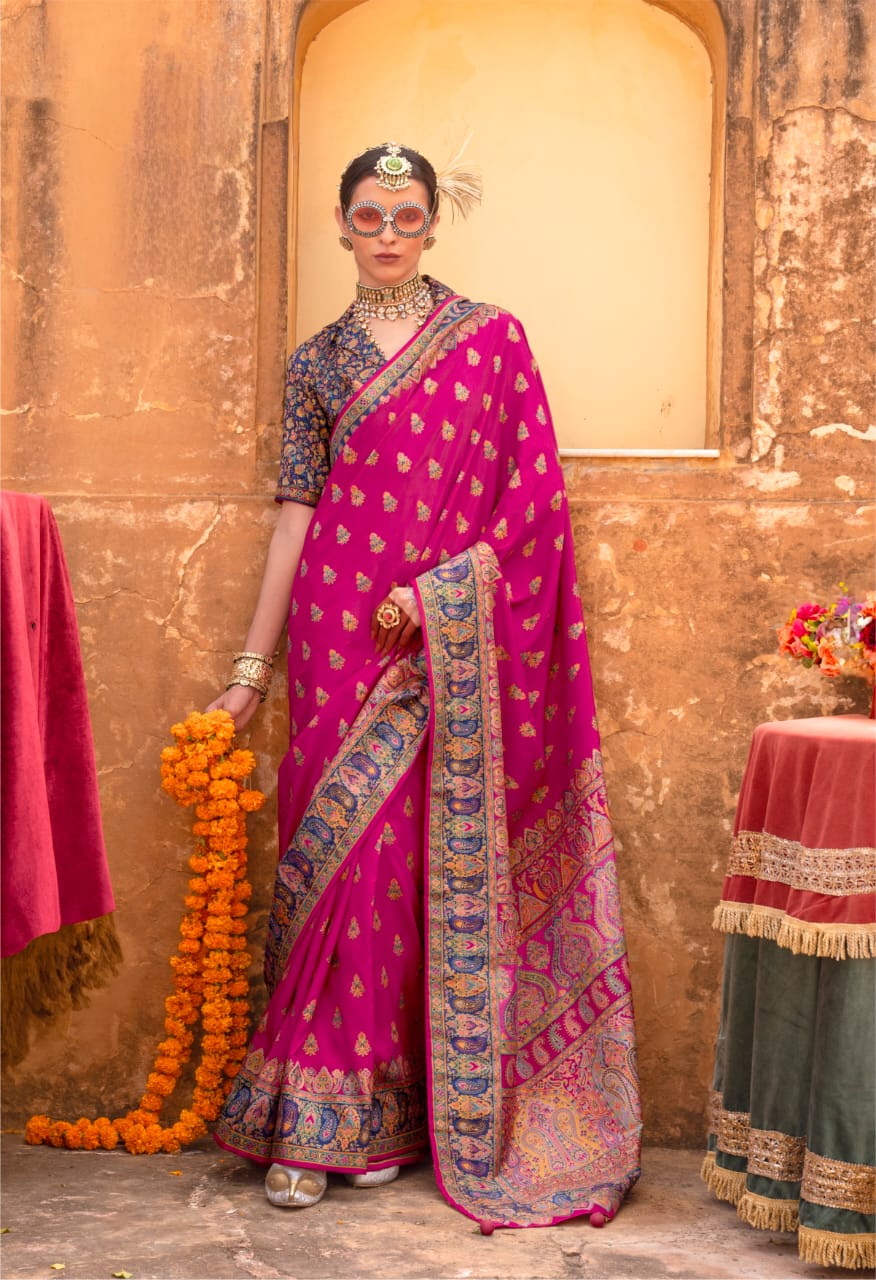
Silk works well for the first evening of Navaratri, a family puja, a music recital or a formal invitation where guests are expected to dress in traditional clothing. Banarasi silk is recognised for its patterned zari work, while Kanjeevaram is associated with a lustrous silk body and distinctive woven borders. Both can be beautiful, but both may feel warmer and heavier than cotton during extended indoor visits.
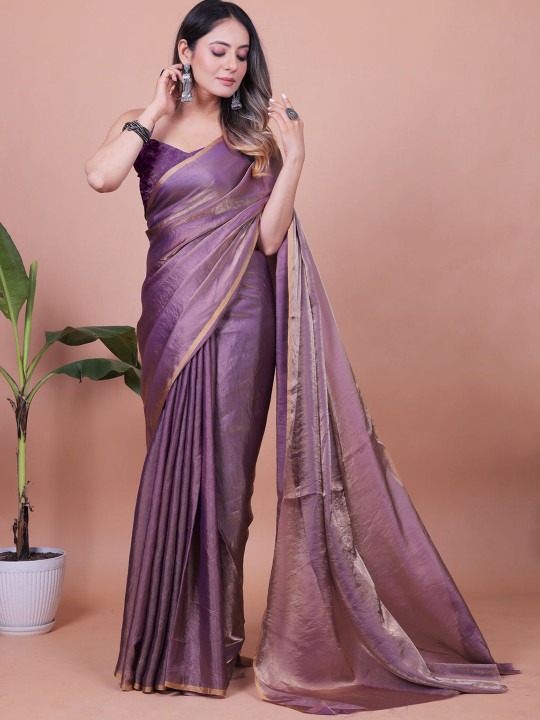
A lighter lustrous saree can provide a middle path. Teal Tissue Cotton Saree with Floral Print - Varnavi combines a festive sheen with a print-led appearance, making it suitable for an evening when you want more visual brightness than plain cotton. Teal Tissue Handloom Cotton Saree with Zari Weave | Varnavi has a more traditional direction because the zari weave adds texture and light along the saree without requiring a heavily embroidered blouse.
How can you style the blouse and pallu for a Golu visit?
A comfortable fitted blouse, a secure shoulder pleat and a pallu placed at mid-calf create the most practical Golu styling combination. The blouse should support the saree visually but should not introduce seams, hooks or tight sleeves that become uncomfortable while sitting.
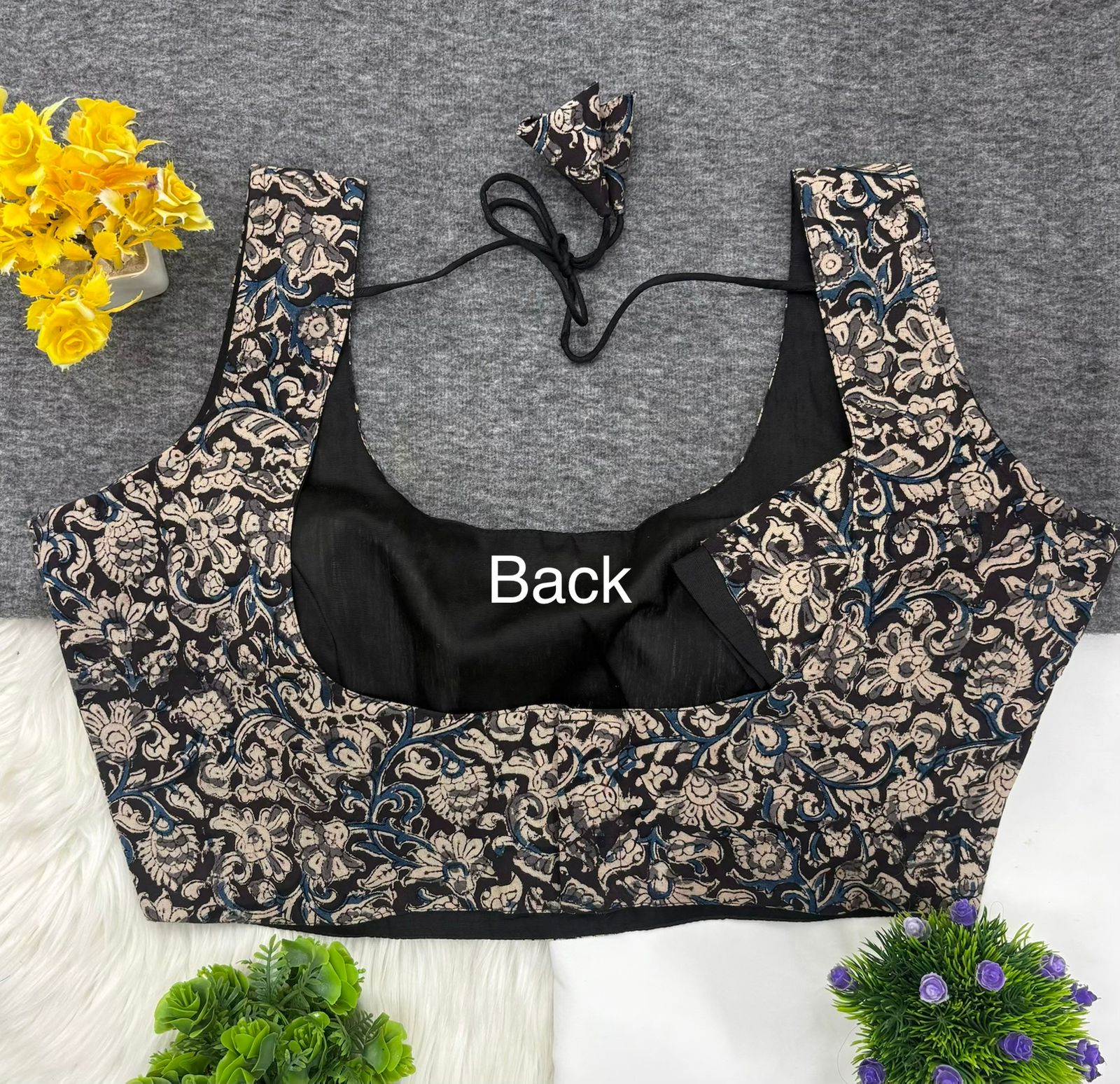
Printed sarees pair well with plain blouses in one of the print's secondary colours. A floral saree can use an olive, peach, ivory, teal or muted pink blouse instead of an exact print match. A solid saree allows more freedom: you can use a brocade blouse, a zari-edged sleeve, a high-neck cut or a contrast colour. For a traditional Tamil Nadu appearance, elbow-length sleeves, a modest round or square neckline and a neat back tie remain versatile choices.
Keep the pallu functional. Pleat the pallu rather than leaving a very wide loose fall if you expect to sit near the Golu steps. Use one concealed safety pin at the shoulder and another at the waist when the fabric is slippery. A small brooch can secure the top pleat, but avoid oversized pins that may snag tissue cotton or delicate zari.
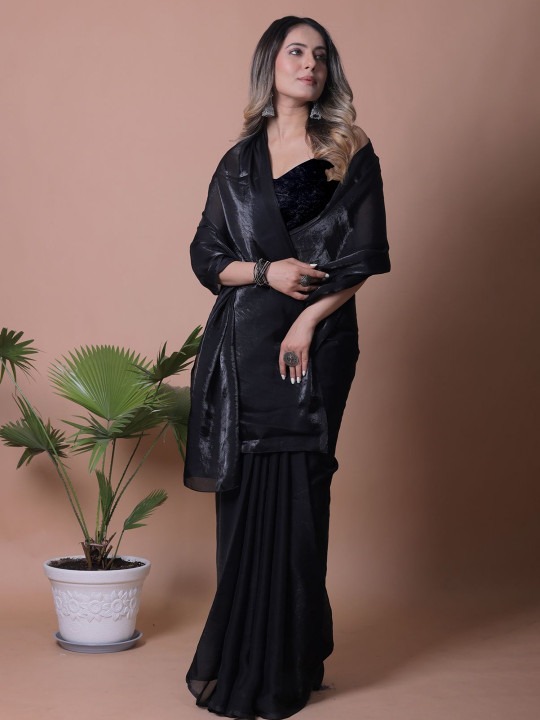
Black Fandy Solid Saree With Blouse for Women - VARNAVI can be styled with antique-gold jewellery, a deep red blouse detail or a vivid flower arrangement when a more dramatic evening look is appropriate. A black saree may not suit every family's puja preference, so confirm whether the host has a customary colour expectation before wearing it to a particularly traditional gathering.
What jewellery and accessories complete a Tamil Golu outfit?
Gold-toned earrings, a short necklace, jasmine and a small potli or structured handbag complete a Golu outfit without competing with the dolls or the host's decorations. Accessories should remain secure, lightweight and easy to remove before eating prasadam or helping with arrangements.

Jhumkas, small temple-style studs, kemp-inspired earrings and a single chain suit most sarees. If the saree already contains zari, choose one dominant metal finish instead of mixing several bright finishes. A traditional necklace can be worn with a plain blouse, while a printed saree often needs only earrings and bangles.
Jasmine flowers tucked into a low bun or braid provide a recognisably South Indian festive detail. Fresh flowers are especially appropriate for evening Golu visits, but they should be pinned securely so petals don't fall near food or onto the display. A small bindi in a shade related to the saree helps balance the face without requiring heavy makeup.
Carry a compact bag rather than a large shoulder tote. Golu visits often involve receiving tamboolam, prasadam, a small gift or a return invitation, so a bag with a firm base is more practical than a soft clutch. Flat sandals or low block heels are safer than narrow stilettos because many homes require footwear to be removed outside.
How can you plan nine days of Navratri outfits without overbuying?
You can plan nine Navratri outfits by rotating three saree categories: one comfortable cotton, one printed or textured festive saree and one formal silk or silk-blend option. Changing the blouse, jewellery, flowers and drape can make each combination look distinct without purchasing nine complete outfits.
- Assign a lightweight cotton or linen cotton saree to daytime invitations and errands.
- Use a floral, tissue cotton or printed saree for an evening Golu visit with moderate formality.
- Reserve a silk, Banarasi silk or zari-rich saree for the main family puja or a formal programme.
- Repeat a saree only after changing the blouse, pallu treatment or jewellery so the styling feels intentional.
Collections can also be filtered by occasion and budget rather than by colour alone. Silk Sarees Under 3000 With Discount may help when you want a formal-looking fabric without committing to a high-value heirloom. Pink Georgette Sarees offer fluid drapes for evening styling, although georgette should be pinned carefully because its smooth surface can shift while sitting.
Red Banarasi Silk Sarees for Weddings Under 1100 can be relevant when a red zari look suits a formal Navaratri night, but wedding-focused styling may be more elaborate than a home Golu visit. Party Wear Sarees provide options for evening gatherings, while Gray Color Sarees Under 1000 can be useful for a modern neutral outfit when you plan to add colour through a blouse, flowers or jewellery.
What should you check before wearing or buying a Golu saree?
Check the fabric weight, blouse measurements, border stiffness, transparency, pallu length and care instructions before committing to a saree for Navaratri. These details affect comfort more directly than a photograph or colour name.

Measure the blouse against a garment that already fits well, especially across the armhole and bust. Allow enough ease to lift your arms and sit comfortably. Inspect whether the blouse is lined, whether hooks are reinforced and whether a designer blouse has a neckline suitable for the family setting.
Test the saree at home before the invitation. Drape it, walk for ten minutes, sit on the floor, stand up and place a small object into your handbag. This short test reveals whether the pleats spread, the pallu slips or the border catches on furniture. Testing also gives you time to add discreet pins or alter the blouse.
Care depends on fibre and finish. Air cotton and linen cotton after wearing, remove stains with gentle spot treatment and wash according to the care label. Store zari and silk away from direct sunlight, fold them along different lines every few months and avoid spraying perfume directly onto the fabric. Tissue cotton and delicate woven surfaces benefit from a breathable cotton cover rather than plastic storage.
A polished Golu outfit leaves room for conversation, prayer, prasadam and movement; festive dressing should support the visit rather than make the visit difficult.
Navaratri Golu in Tamil Nadu: Traditional Sarees and Outfit Ideas for different invitations
For a short afternoon visit, choose a pastel linen cotton or floral saree, small earrings and a simple braid. For a neighbour's evening Golu, choose a printed cotton or tissue cotton saree with jasmine and a contrast blouse. For a family puja, choose silk cotton, Banarasi silk or a zari-woven saree with temple-inspired jewellery and a neatly pleated pallu.

Navaratri Golu in Tamil Nadu: Traditional Sarees and Outfit Ideas becomes easier when the outfit follows the purpose of the gathering. Cotton supports comfort, silk communicates ceremony, prints bring warmth and colour, and restrained accessories respect the intimate scale of a home celebration. The most successful look is the one that remains understated after the floor seating, food, conversation and several hours of festive activity.
Common Questions About Golu Sarees and Navaratri Dressing in Tamil Nadu
What saree is best for a Golu visit in Tamil Nadu?
A breathable cotton, linen cotton or silk-cotton saree is usually the best choice for a Golu visit because it is comfortable for sitting and moving indoors. Choose a lightweight silk or zari-woven saree for a formal family puja or evening programme.
Are there fixed Navratri colours days for Golu in Tamil Nadu?
Tamil Nadu does not have one universally followed colour schedule for all nine Navratri days. Families may follow a local custom, a temple tradition or a shared group colour, so asking the host is more reliable than following a single online calendar.
Can I wear a Kanjeevaram saree to a Golu celebration?
Yes, a Kanjeevaram saree is appropriate for a formal Golu visit, family puja or musical programme. A lighter silk-cotton or soft silk version may be more comfortable than a heavy wedding-weight Kanjeevaram for visiting several homes.
Is cotton suitable for a Navratri saree?
Cotton is highly suitable for Navratri, especially for daytime visits, warm weather and multiple invitations. Floral prints, woven borders, tissue finishes and small zari details give cotton sarees enough festive character for Golu gatherings.
How should I keep my saree comfortable while sitting at a Golu display?
Use firm lower pleats, tuck the saree securely at the waist and pin the pallu at the shoulder. Test the complete drape by sitting and standing at home, and choose flat or low-heeled footwear for easier movement.
What jewellery goes well with a Tamil Nadu Navaratri saree?
Jhumkas, a short gold-toned necklace, bangles, a bindi and jasmine work well with most Tamil Nadu Navaratri sarees. Keep the jewellery lighter for printed cotton and let a zari-rich or silk saree carry more of the visual detail.