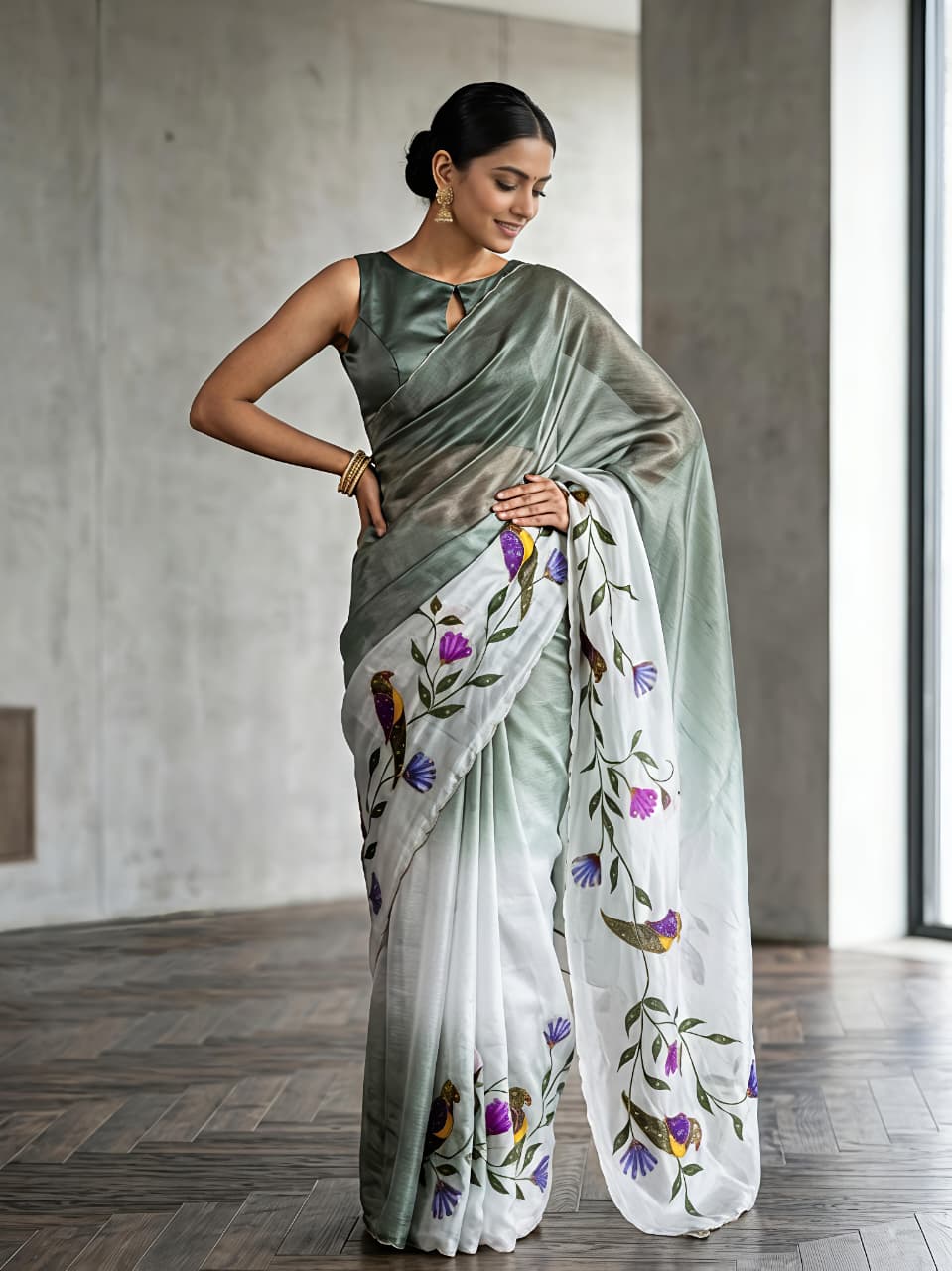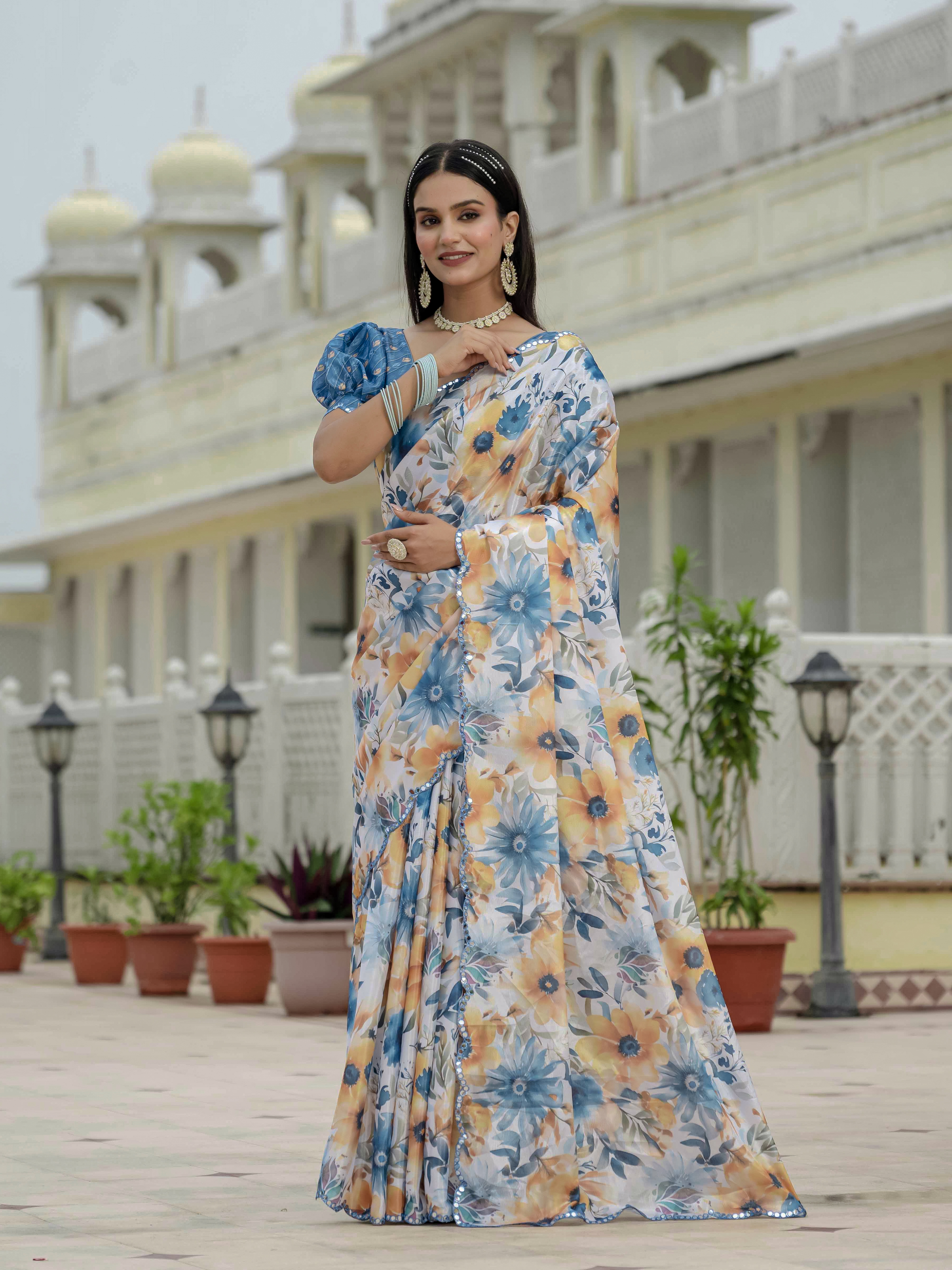
Nanda Devi Festival Outfit Ideas: Garhwali Sarees, Suits & Pahadi Looks work best when they respect Uttarakhand's textile vocabulary while allowing easy movement, warm layering and long hours of worship. A bright saree, an embroidered salwar suit or a pichora-inspired colour palette can all feel appropriate when the outfit is chosen with the local setting in mind.
Nanda Devi celebrations take place in different forms across Garhwal and Kumaon, including annual fairs and the major Nanda Devi Raj Jat pilgrimage traditionally held once every twelve years. Customs vary by town, temple and family, so no single outfit represents every celebration. The most useful approach is to borrow identifiable elements-red and yellow colour, gold accents, modest silhouettes and handwoven texture-without treating Uttarakhand's diverse communities as one costume.
What should you wear to a Nanda Devi festival?
A comfortable salwar suit, a lightweight saree or a modest kurta set in red, yellow, green, ivory or deep blue is a practical choice for a Nanda Devi festival. Choose breathable fabric, secure footwear and a shawl or cardigan if the celebration takes place in a cooler hill location.
Festival clothing may need to handle temple queues, uneven paths, outdoor seating, dust and temperature changes. A floor-length anarkali looks festive, but a hem that drags through wet ground can become inconvenient. A straight kurta with trousers, a palazzo suit or a well-pinned saree often provides better balance between ceremony and comfort.
Modesty also deserves attention. A higher neckline, a dupatta that stays in place and sleeves that cover the shoulder are sensible choices for temple visits and family rituals. These details don't make an outfit less fashionable; they make it more useful in a devotional setting.
Nanda Devi Festival Outfit Ideas: Garhwali Sarees, Suits & Pahadi Looks
Garhwali and Kumaoni saree references
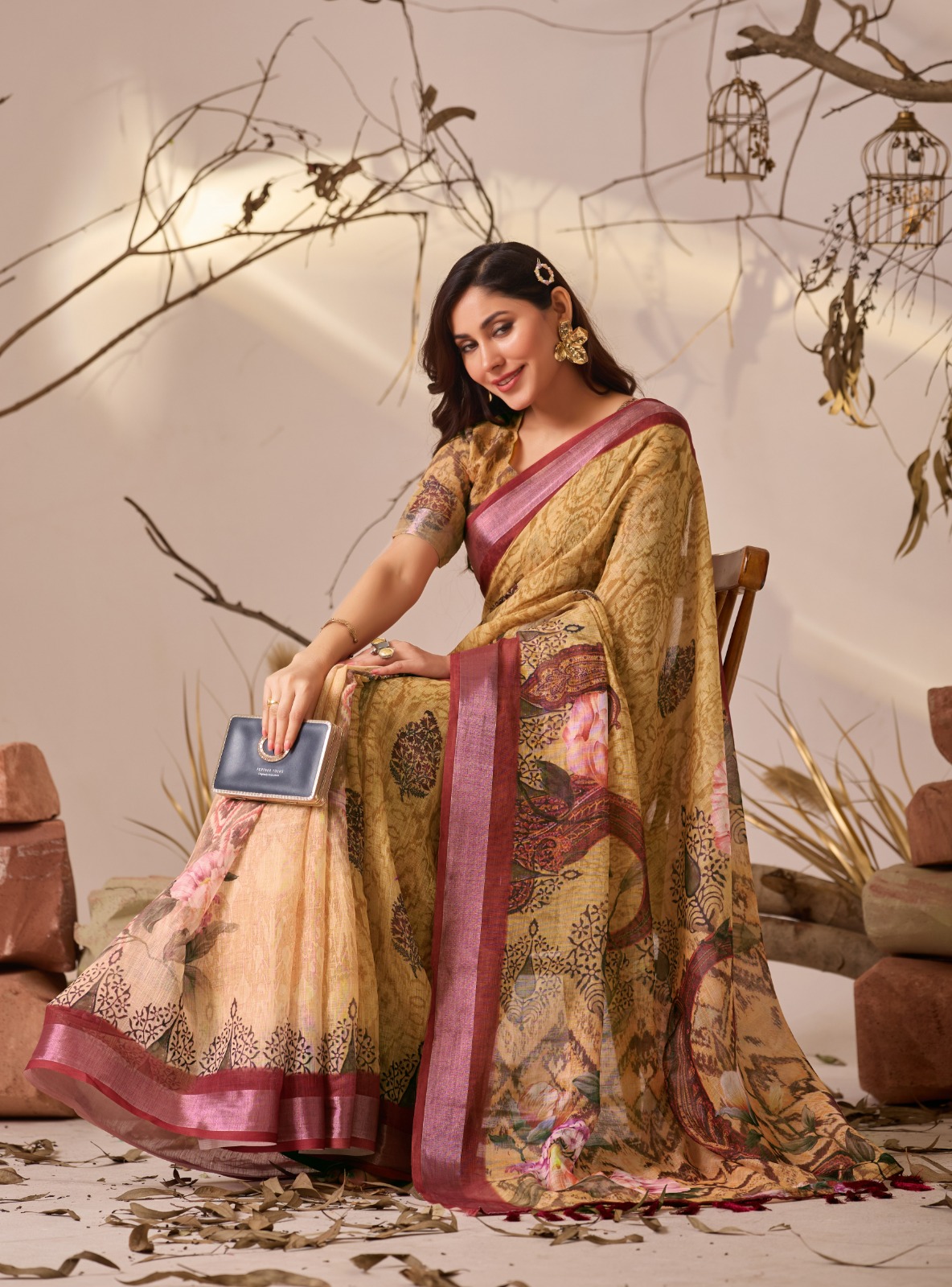
A saree with a firm drape, a defined border and restrained zari gives the clearest traditional foundation for a Himalayan festival look. Garhwali and Kumaoni women's clothing has regional variations, so a contemporary saree should be described as inspired by Pahadi dressing unless it follows a specific local drape taught by a community member.
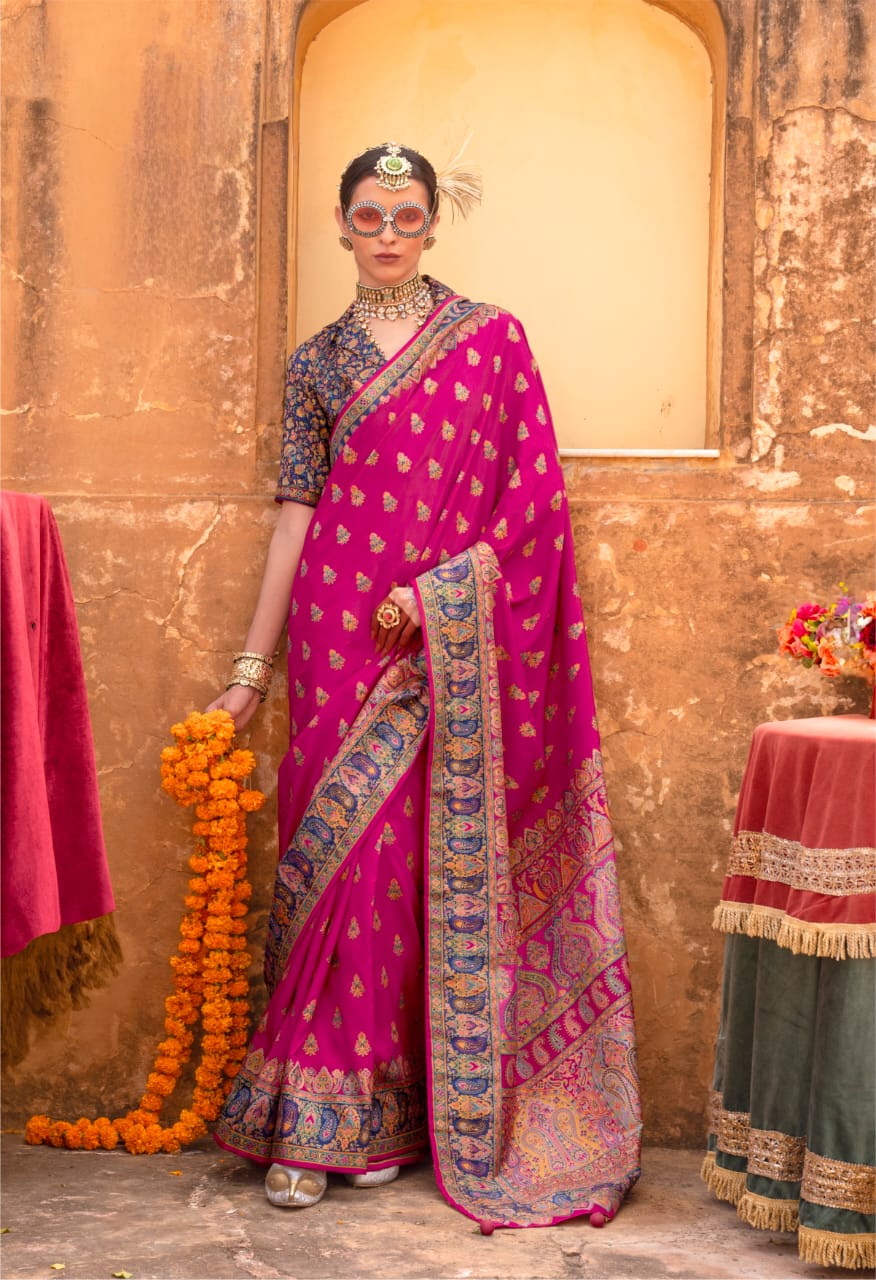
Banarasi silk, Chanderi silk and cotton-silk sarees can all support the look, but they create different experiences. Banarasi silk offers a denser zari surface and works well for an evening celebration. Chanderi is lighter and more breathable for daytime use. Cotton-silk brings structure without the full weight of a heavy bridal weave.
Pair a red or mustard saree with an ivory blouse, a high-neck blouse or a three-quarter sleeve blouse for a composed appearance. A narrow gold border can suggest festive richness without competing with temple jewellery or a time-honoured head covering.
Pichora-inspired colour without confusion
A yellow base with red circular or floral accents is commonly associated with the Kumaoni pichora, a ceremonial cloth worn especially during weddings and religious occasions. A pichora isn't simply a generic "Pahadi dupatta," and a printed yellow stole should not be presented as an authentic ritual pichora unless it has the appropriate regional provenance and use.
For a respectful modern interpretation, use the pichora colour relationship rather than copying sacred motifs casually. A mustard kurta with a red dupatta, a marigold salwar suit with a crimson border or a yellow saree with red glass bangles can communicate the palette while leaving the ritual textile in its proper cultural context.
How can a salwar suit look like a Pahadi festival outfit?
A salwar suit looks Pahadi-inspired when its colour palette, border, jewellery and layering reference Uttarakhand rather than when it imitates every regional garment. A modest kurta, a comfortable bottom, a neatly placed dupatta and handcrafted-looking accessories create a convincing festival ensemble.
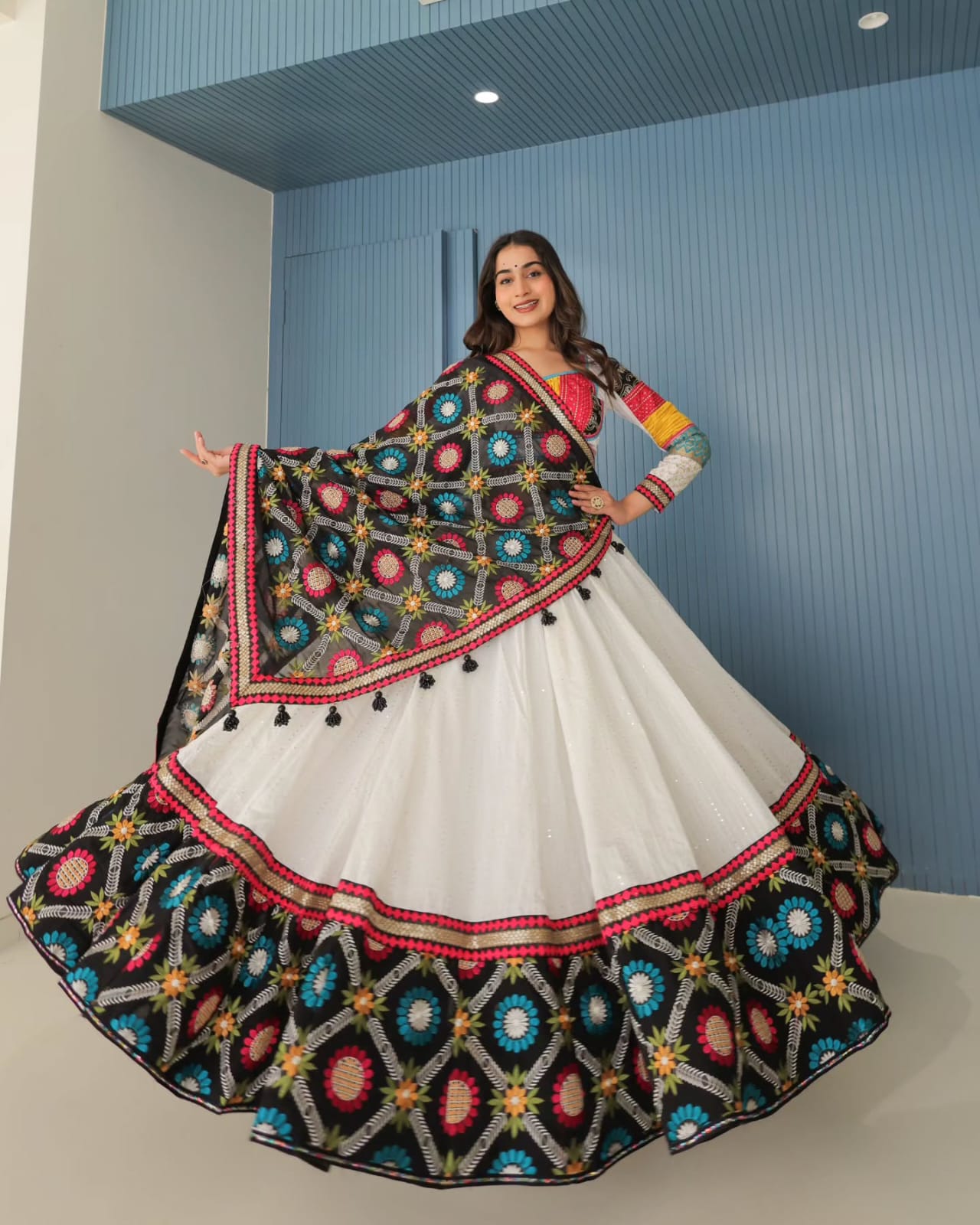
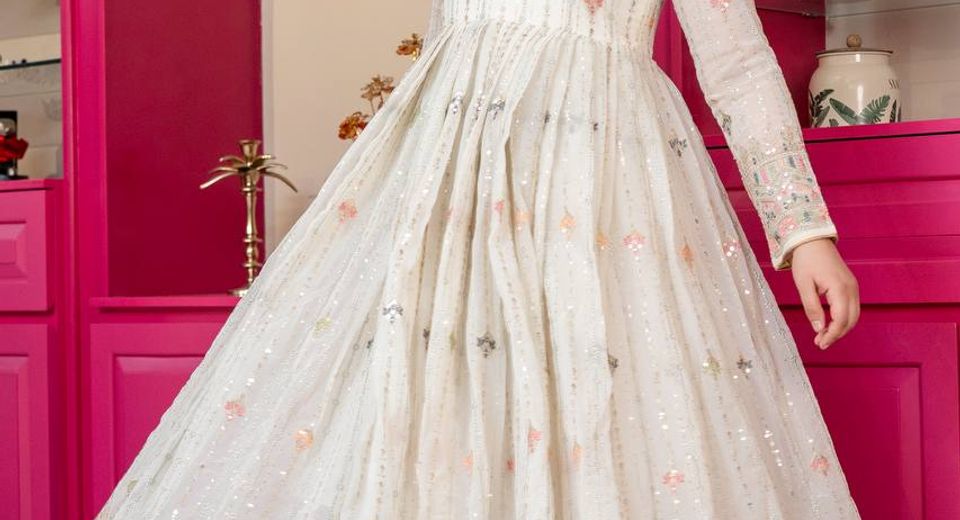
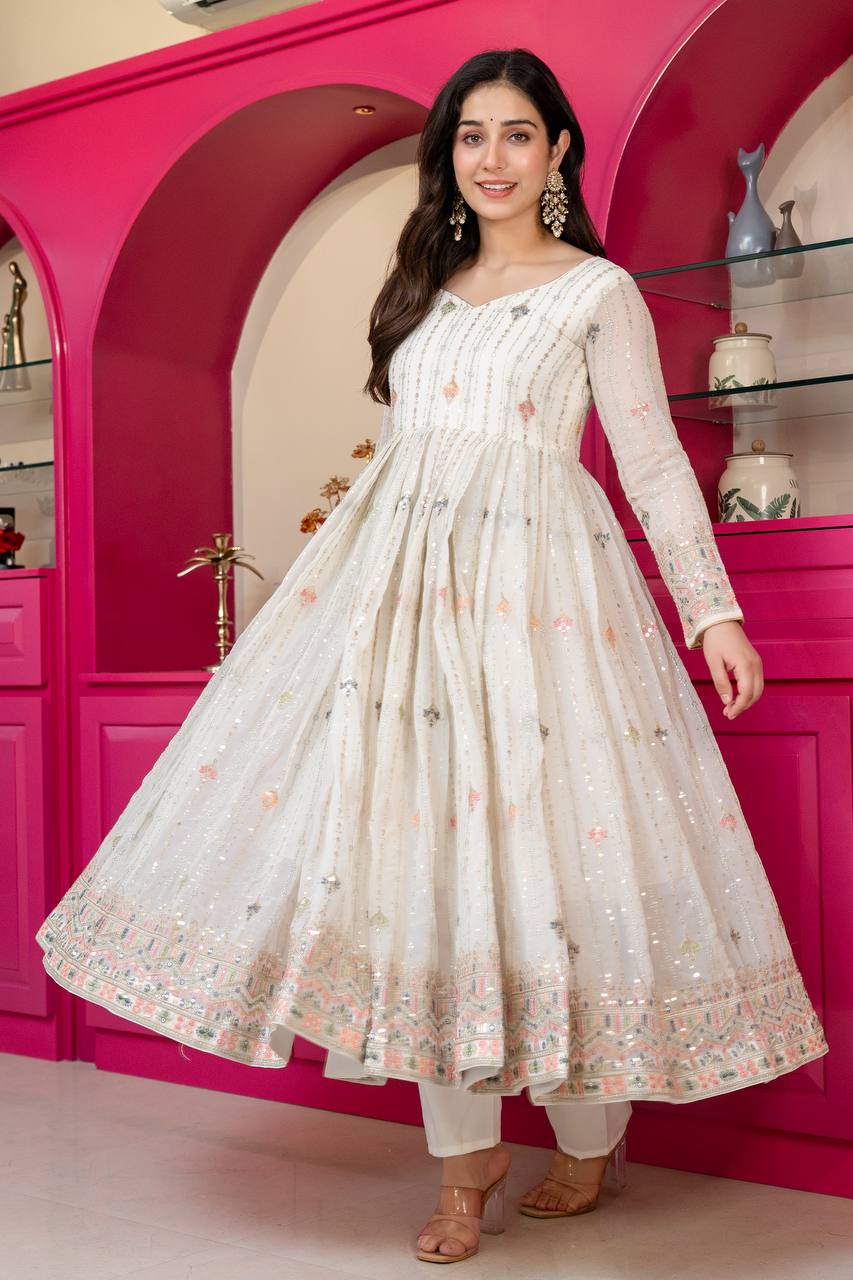
Anarkali suits are effective for festive dressing because their flare photographs well and accommodates movement. The Ivory Zari Sequins Embroidered Anarkali Suit Set | Varnavi can be styled with antique-gold jhumkas, a red bindi and a warm shawl for an evening celebration. Ivory softens the brightness of red and yellow accessories, while zari keeps the outfit ceremonial.
A straight suit is easier to manage during a temple visit or a long procession. Pair a red kurta with ivory trousers and a mustard dupatta, or use a forest-green kurta with a maroon border and gold earrings. Palazzo trousers add airflow and stride, whereas a churidar gives a closer, more classic line under a longer kurta.
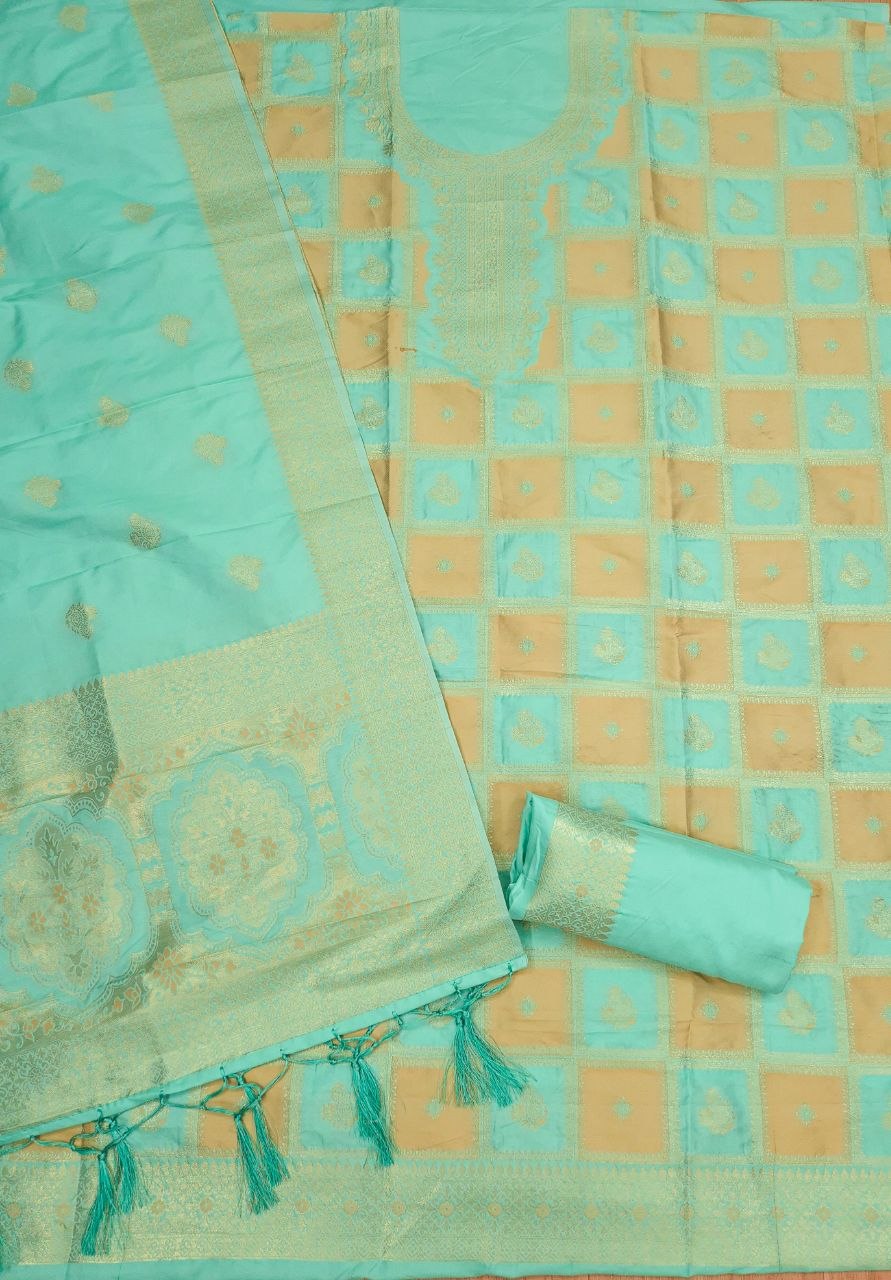
Unstitched suit material is useful when sleeve length, kurta fit or trouser width needs personal adjustment. Mint Green Paithani Style Zari Woven Unstitched Suit Material brings a softer alternative to the usual red-and-yellow palette. Green can be paired with a red dupatta, antique-gold jewellery and a small fabric potli for a festival outfit that feels celebratory without becoming loud.
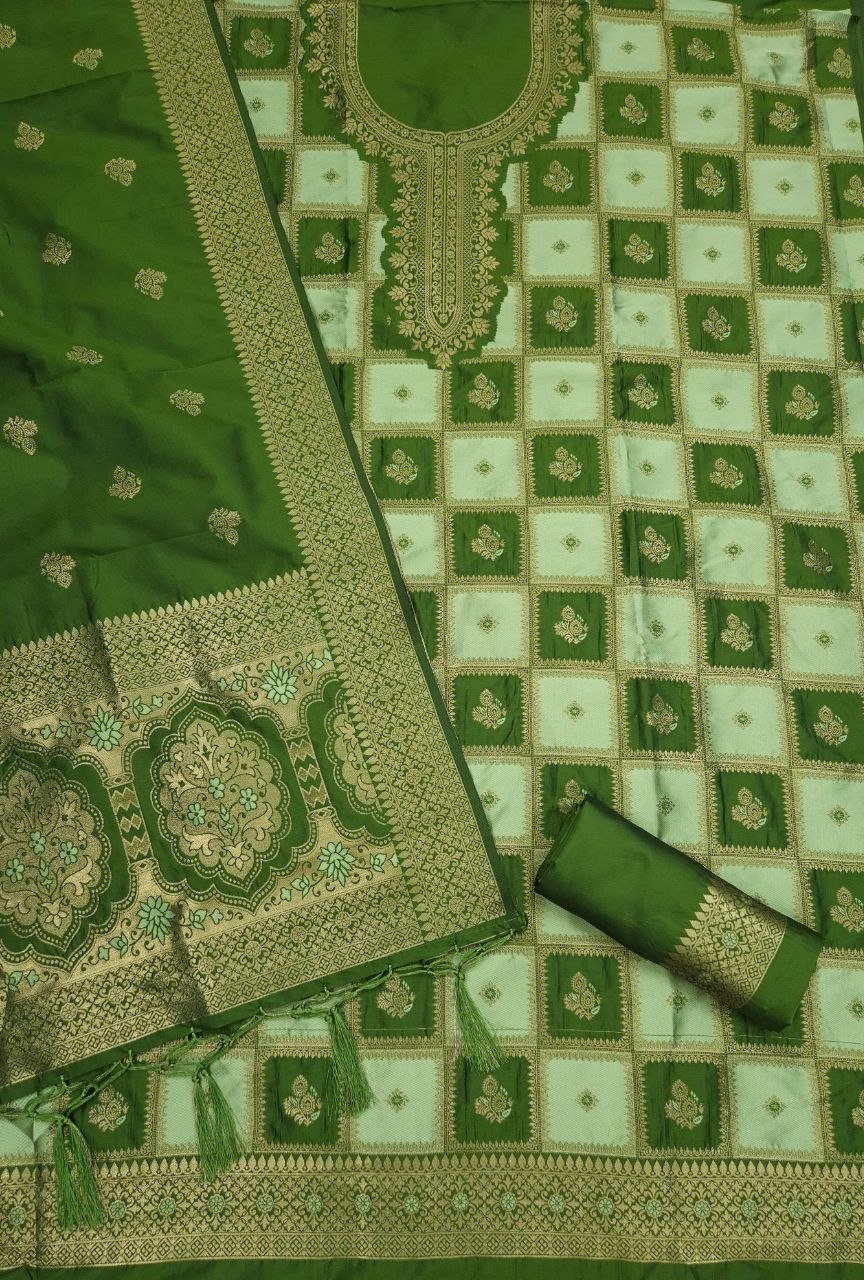
Green Paithani Style Zari Woven Unstitched Suit Material can be developed into a long kurta with cigarette trousers, a flared kameez or a kurta-and-palazzo set. Paithani-inspired zari is a textile reference from Maharashtra, not a Garhwali weave, so describe the finished look as a cross-regional festive interpretation rather than authentic Uttarakhand dress.
Which colours and fabrics suit a mountain festival?
Medium-weight cotton-silk, Chanderi, silk blends and lined georgette suit a mountain festival because they offer colour, shape and manageable warmth without excessive bulk. Red, vermilion, saffron, mustard, ivory, green and deep blue are reliable festive colours, while metallic gold works best as a border or accessory.
Fabric choice should follow the season and location. Cotton or cotton-silk is comfortable for a sunny daytime fair. Chanderi needs a lining if the weave is sheer. Velvet details or a wool shawl help during a cold evening, but a complete velvet suit can feel heavy when the wearer is walking or standing for hours.
Banarasi silk and Kanjeevaram silk are strong ceremonial choices, but both can be weighty and warm. A Kanjeevaram-inspired border on a lighter saree gives visual richness without the burden of a fully heavy silk drape. Zari should be checked before wearing: loose threads can catch on bangles, rough walls or wooden seating.
Natural texture is especially valuable in a Pahadi-inspired wardrobe. Handloom cotton, woven borders, matte silk and small embroidered details often look more grounded than dense all-over sequins. The Punjab Phulkari Embroidered Salwar Suits collection demonstrates how concentrated embroidery can add colour around the neckline or dupatta without requiring a heavily embellished garment.
How should you style jewellery, hair and accessories?
Oxidised silver or antique-gold jewellery, a small bindi, secure hair and low-heeled footwear provide the most practical finishing touches for a Nanda Devi celebration. Accessories should complement the clothing's regional reference rather than turn the outfit into a theatrical costume.
Jhumkas, small nose pins, coin necklaces and glass bangles work well with a simple suit or saree. Wear fewer pieces when the kurta already has zari or sequins. A heavy necklace combined with a wide embroidered neckline can hide the garment's design and become uncomfortable during a long ritual.
Braid the hair, make a low bun or use a secure half-up style if the celebration involves wind or walking. Fresh marigold flowers can add a meaningful festive accent, but flowers should be pinned firmly and replaced if they wilt. A lightweight shawl in rust, maroon or mustard is more useful than a decorative stole in a cold hill setting.
Choose shoes with a closed toe, a textured sole and a low heel for uneven paths. Wedges and thin stilettos are poor choices around stone courtyards and mountain roads. A small crossbody bag or fabric potli should hold a phone, cash, tissues and a compact safety pin kit without weighing down the dupatta.
How do regional collections help build the look?
Regional collections are useful styling references when their origins are named accurately and not presented as interchangeable versions of Uttarakhand clothing. A single outfit can combine a Pahadi-inspired colour story with a textile tradition from another Indian region, provided the description remains honest.
The Maharashtra Paithani Inspired Salwar Suits collection is a good reference for zari placement, peacock-inspired motifs and jewel-toned colour. The Karnataka Silk Salwar Suits collection can guide the use of silk sheen and structured borders. Neither collection is Garhwali dress, but both can help create a polished festival suit with Indian textile depth.
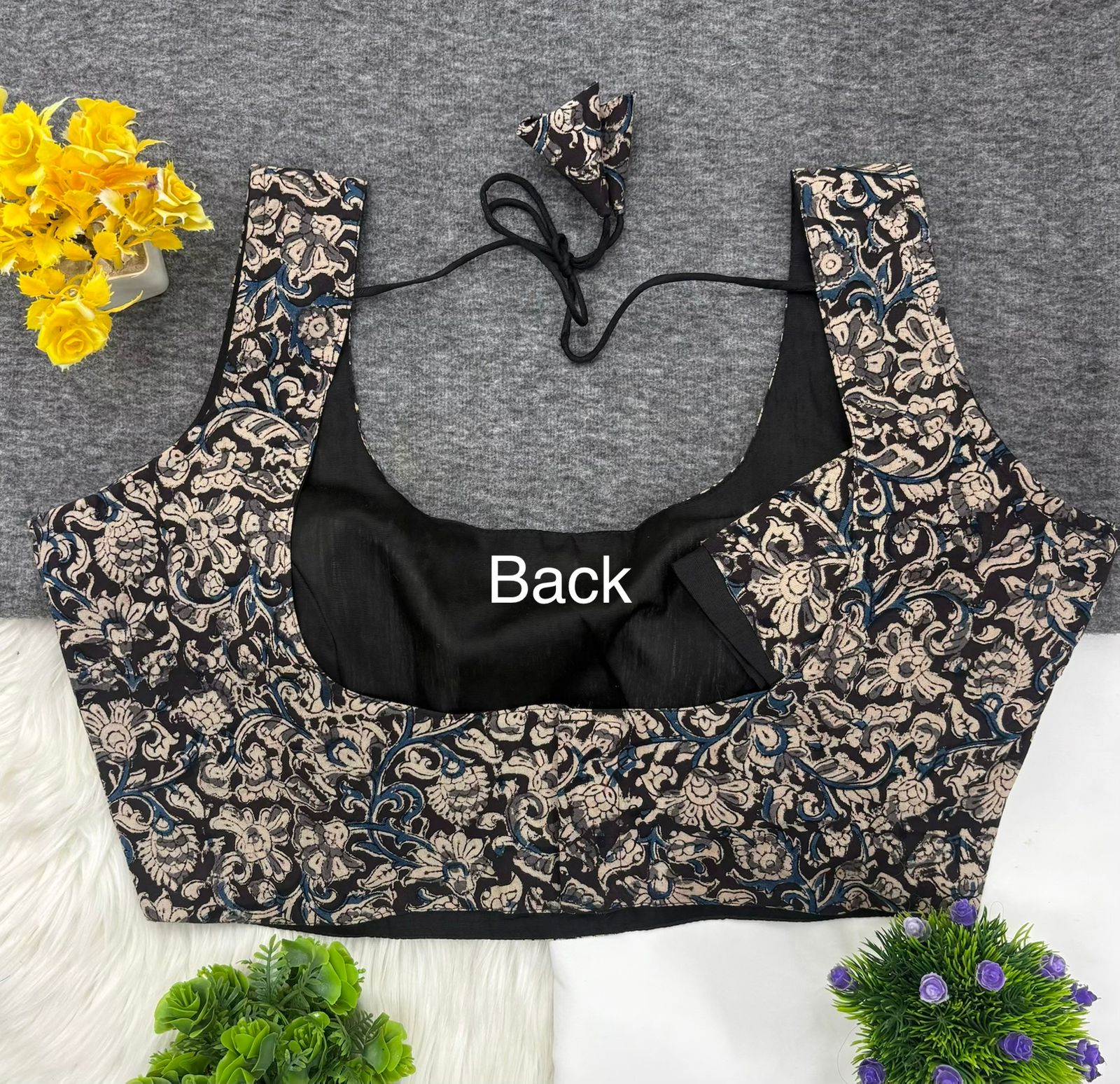
Kalamkari Print Salwar Suits (Copy) gives a more matte, story-rich direction through printed motifs and earthy colour. That approach works for a daytime gathering when dense shimmer feels excessive. Kashmir Embroidered Salwar Suits can inspire floral embroidery and shawl-like layering, although Kashmiri embroidery should be identified as Kashmiri rather than relabelled as Pahadi.
These distinctions matter because Indian ethnic wear contains many regional languages of colour, weave and ornament. Naming Banarasi silk, Kanjeevaram, Phulkari, Paithani and Kashmir embroidery correctly helps readers choose clothing with appreciation instead of flattening every tradition into one broad category.
What should you avoid when dressing for the festival?
Avoid treating a sacred celebration as a themed costume party, copying ritual garments without understanding their use, or selecting clothing that can't withstand the setting. Cultural respect begins with accurate language and continues through practical choices.
- don't call every yellow-and-red dupatta an authentic pichora.
- don't wear a trailing hem if the event includes outdoor walking, steps or crowded temple areas.
- don't choose unlined sheer fabric for a family or temple gathering unless the layering is deliberate and secure.
- don't mix numerous regional motifs without knowing what each motif represents.
- don't rely on delicate high heels for stone paths, grass or uneven ground.
- don't pack heavy jewellery without checking whether it can remain comfortable for three to six hours.
A respectful outfit can still be expressive. A red border, a mustard dupatta, a handloom texture, antique jewellery and a carefully pinned drape often communicate more thought than a garment covered in unrelated symbols.
How can you prepare the outfit before travelling?
Prepare a festival outfit at least two days in advance by checking the fit, pressing the fabric, testing the drape and packing emergency accessories. Advance preparation prevents loose hooks, slipping dupattas and uncomfortable footwear from disrupting the day.
- Try the complete outfit with the exact blouse, bra, petticoat, footwear and jewellery.
- Walk for ten minutes and sit on a low chair to test the hem and waistband.
- Pin the dupatta at the shoulder and waist, then carry two spare safety pins.
- Pack a lightweight shawl, blister plasters, a small sewing kit and a cloth bag.
- Keep zari and sequined garments folded in soft cotton rather than pressed tightly against rough accessories.
After the celebration, air the outfit away from direct sunlight before storing it. Dry-clean heavily embellished silk or zari only when the care label recommends it. Fold silk with a soft muslin layer and refold it every few months to reduce permanent crease marks.
The strongest Nanda Devi Festival Outfit Ideas: Garhwali Sarees, Suits & Pahadi Looks combine cultural awareness with ordinary comfort. Whether the final choice is a saree, an anarkali or a tailored salwar suit, the outfit should let the wearer participate fully, move safely and acknowledge Uttarakhand's living traditions with care.
Practical Questions About Nanda Devi Festival Dressing
What is a suitable dress for the Nanda Devi Festival?
A comfortable salwar suit, modest anarkali, lightweight saree or kurta-and-palazzo set is suitable for most Nanda Devi celebrations. Choose breathable fabric, secure footwear and a shawl if the event is outdoors or in a cool hill location.
Can I wear a pichora-inspired outfit to a Nanda Devi festival?
You can use the yellow-and-red colour relationship associated with Kumaoni pichora as a modern styling reference. Do not label a regular printed dupatta as an authentic pichora unless its provenance and ceremonial use are known.
Which colours are traditionally associated with Pahadi festival clothing?
Red, yellow, saffron, mustard, green, ivory and gold are useful colours for a Pahadi-inspired festival outfit. Colour associations vary by region and ritual, so the palette should not be treated as a universal dress code.
Is a salwar suit practical for a Nanda Devi temple visit?
A salwar suit is often more practical than a heavy saree for walking, queues and uneven ground. A straight kurta with trousers or a palazzo suit, paired with a securely pinned dupatta, offers comfort while remaining festive and modest.
What jewellery goes well with a Garhwali-inspired outfit?
Oxidised silver, antique-gold jhumkas, glass bangles, a small bindi and a restrained coin necklace work well with a Garhwali-inspired outfit. Keep the jewellery lighter when the garment already contains dense zari or embroidery.
How should I dress for a Nanda Devi festival in cold weather?
Layer a saree or salwar suit with a warm shawl, lined jacket or fitted cardigan that does not disturb the drape. Closed-toe shoes with a textured sole are safer than delicate sandals on cold, uneven outdoor surfaces.