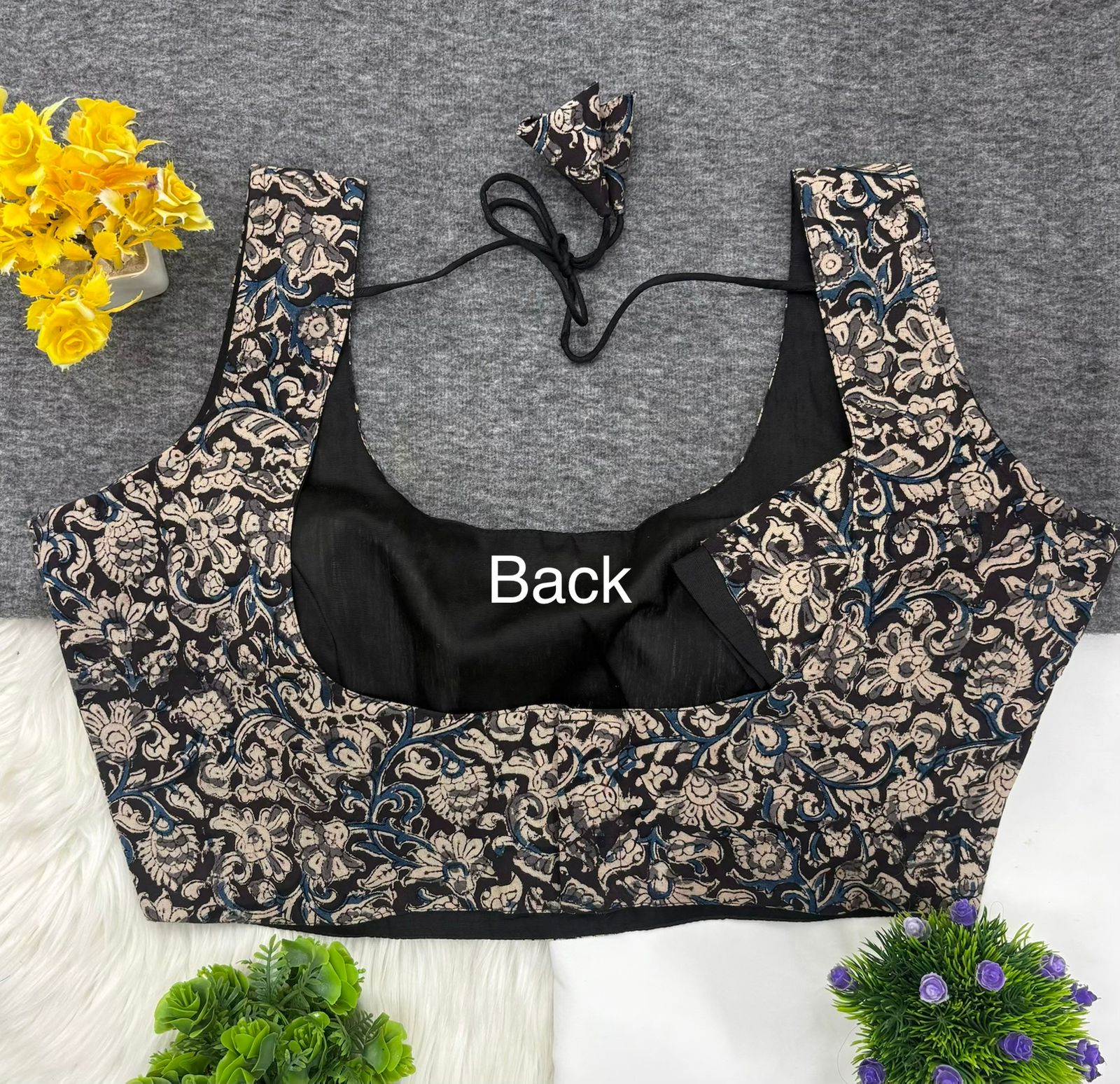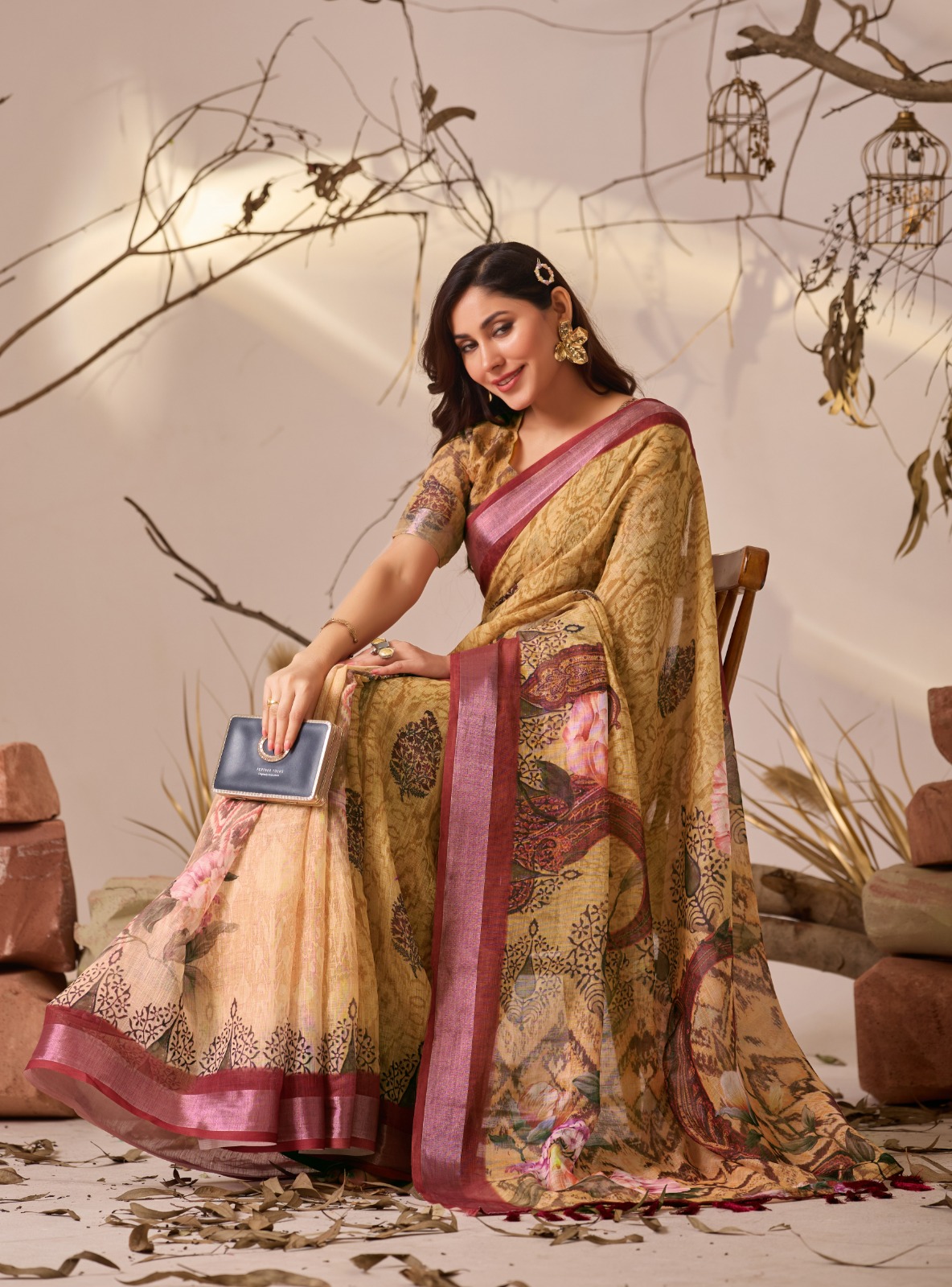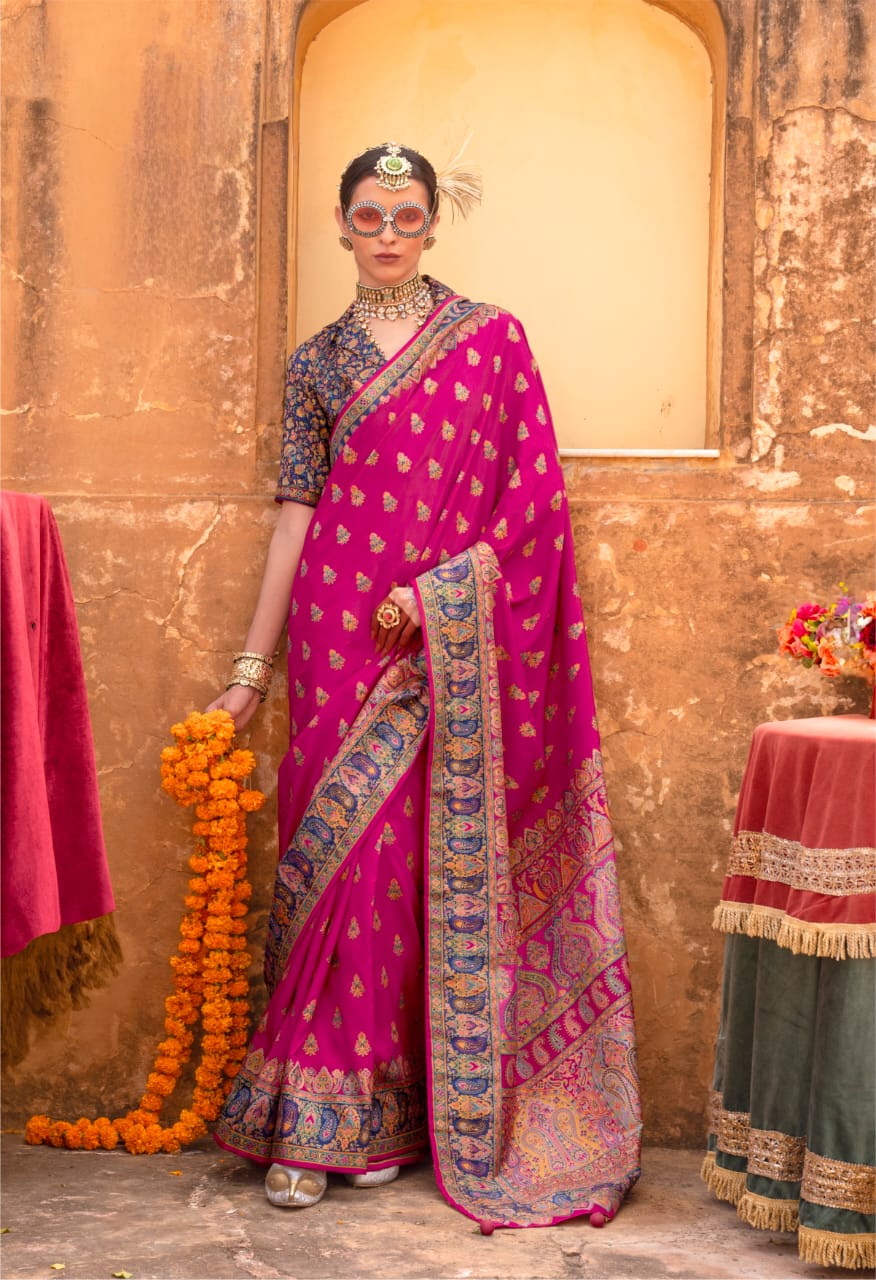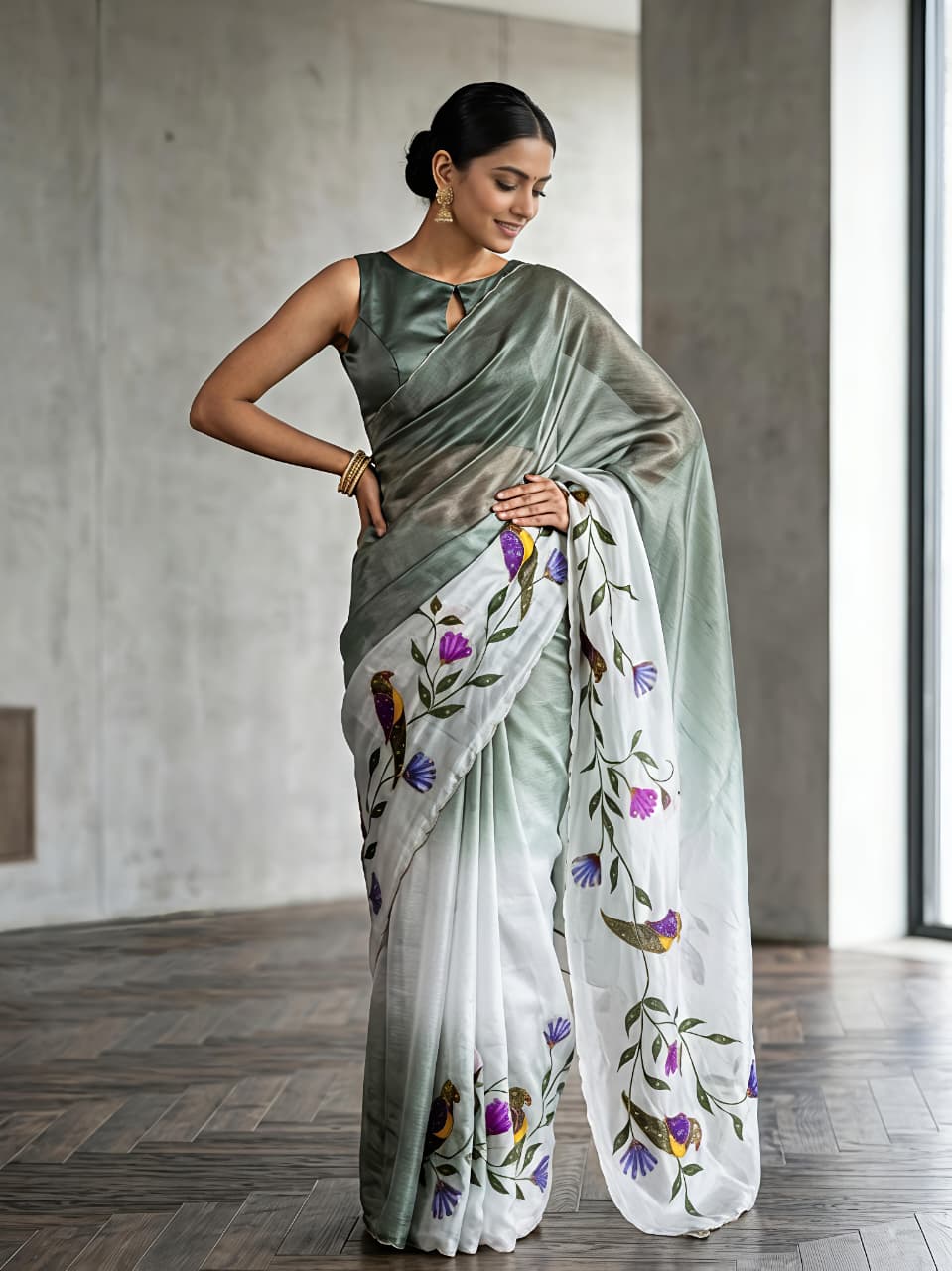
Nagaland Wedding Guest Fashion: Sarees, Lehengas & Ethnic Wear calls for clothing that looks festive without ignoring comfort, local customs or the practical rhythm of a wedding day. A guest may move between a church service, family gathering, outdoor photographs, a reception and late-evening dancing, so the strongest outfit balances polish with ease. A breathable lehenga, a well-secured saree or a refined ethnic set can all work when colour, fabric, coverage and accessories are chosen thoughtfully.
Nagaland Wedding Guest Fashion: Sarees, Lehengas & Ethnic Wear for the ceremony
A wedding guest in Nagaland can wear a saree, lehenga, salwar suit or another polished ethnic outfit, provided the clothing is comfortable, respectful and suited to the ceremony. Nagaland has many communities and Christian wedding traditions, so no single outfit rule applies to every celebration. The invitation, venue and guidance from the couple's family are more reliable than assumptions about regional dress.
Ask what the day actually involves before choosing an outfit. A formal hotel reception supports a more embellished lehenga, while a church ceremony followed by a community hall celebration may favour a modest blouse, secure dupatta and lighter embroidery. Outdoor venues also make low heels, breathable fabrics and an useful shawl more valuable than dramatic but restrictive styling.
Guests should avoid treating traditional Naga textiles, shawls or ceremonial motifs as costume accessories unless the hosts specifically invite that form of dress. Naga communities have distinct identities, weaving traditions and cultural meanings, and a visitor should not imitate ceremonial clothing casually. A contemporary saree, lehenga or salwar suit gives guests plenty of room to dress festively without borrowing symbols they don't understand.
Nagaland Wedding Guest Fashion: Sarees, Lehengas & Ethnic Wear and the lehenga-saree choice
Choose a lehenga when you want easy movement and a defined silhouette, and choose a saree when you prefer adjustable draping, a lighter lower layer or a more graceful formal look. The right decision depends on the ceremony schedule, weather, personal experience with draping and the amount of walking expected.
When a lehenga makes sense
A lehenga is practical for guests who expect to dance, climb stairs or move between indoor and outdoor spaces. A stitched skirt and blouse remove the need to manage multiple pleats, while a pre-stitched or pinned dupatta can stay in position during photographs. Look for a skirt with a comfortable waistband, a lining that doesn't scratch and enough flare to walk without lifting the hem.
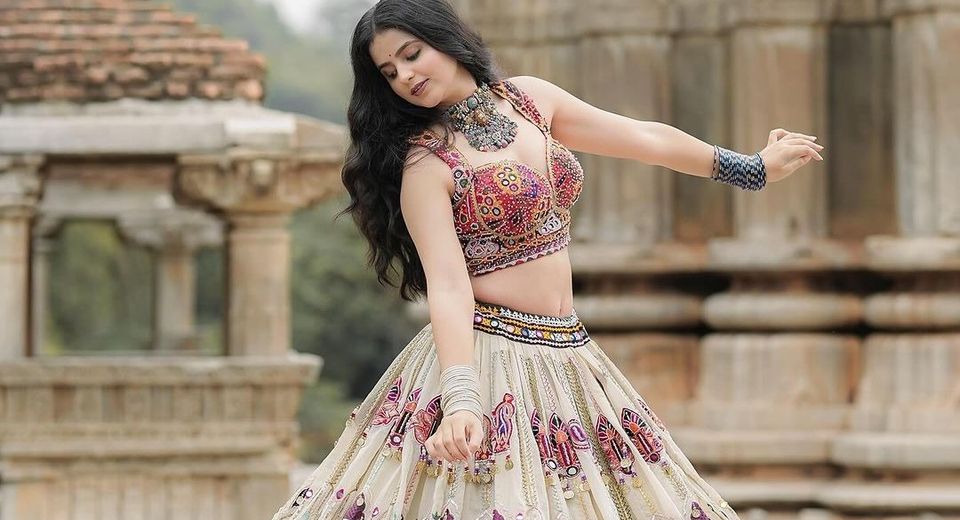
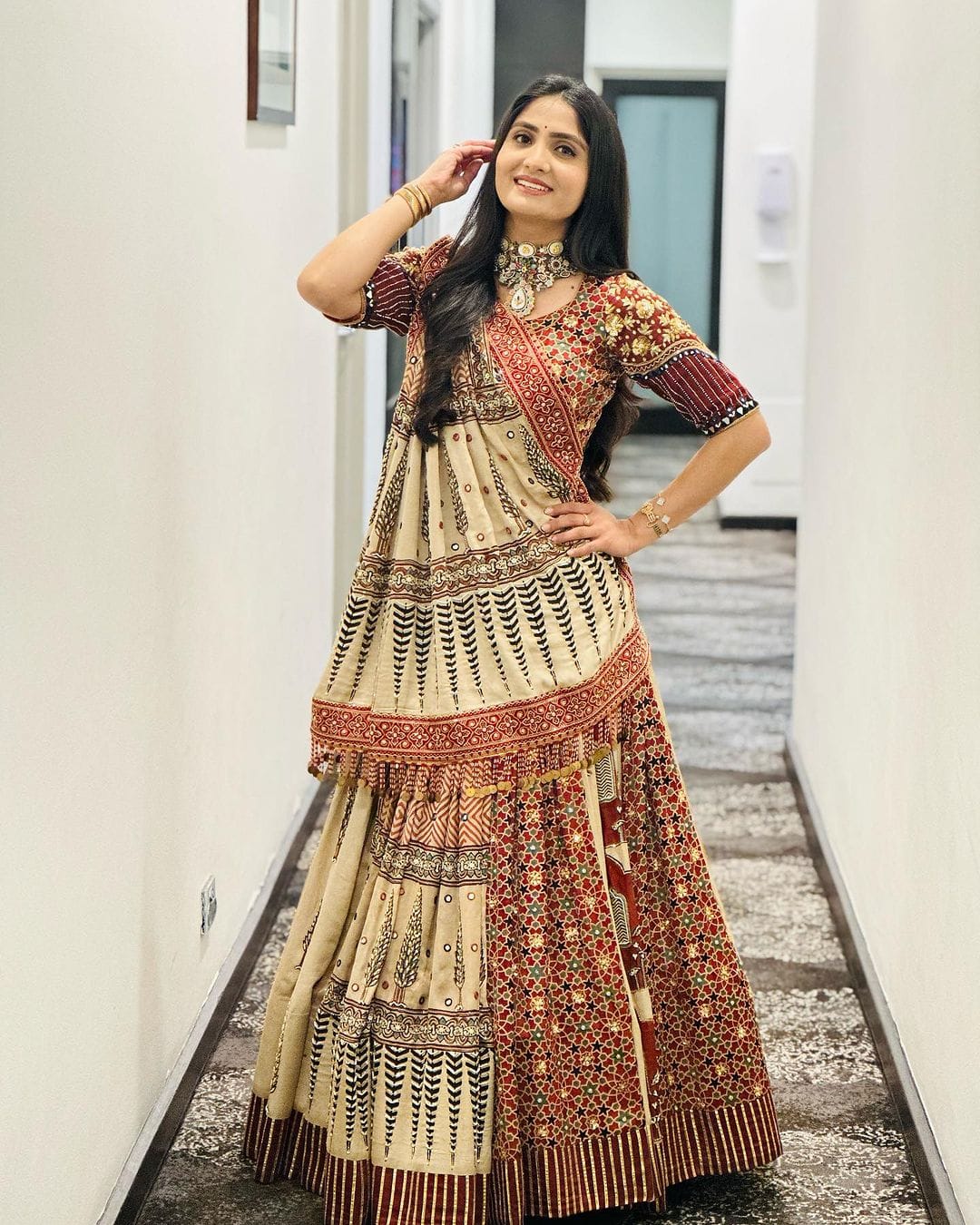
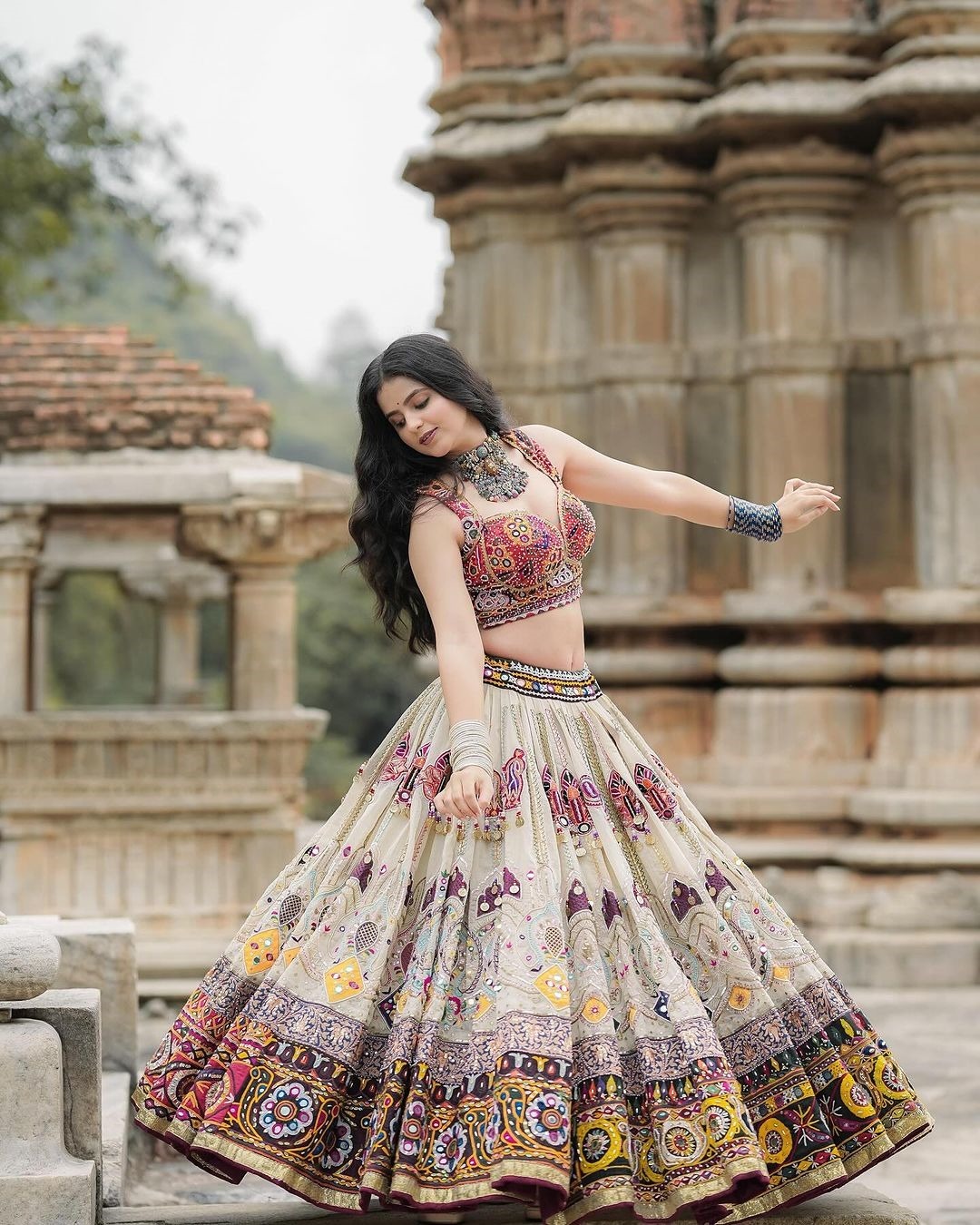
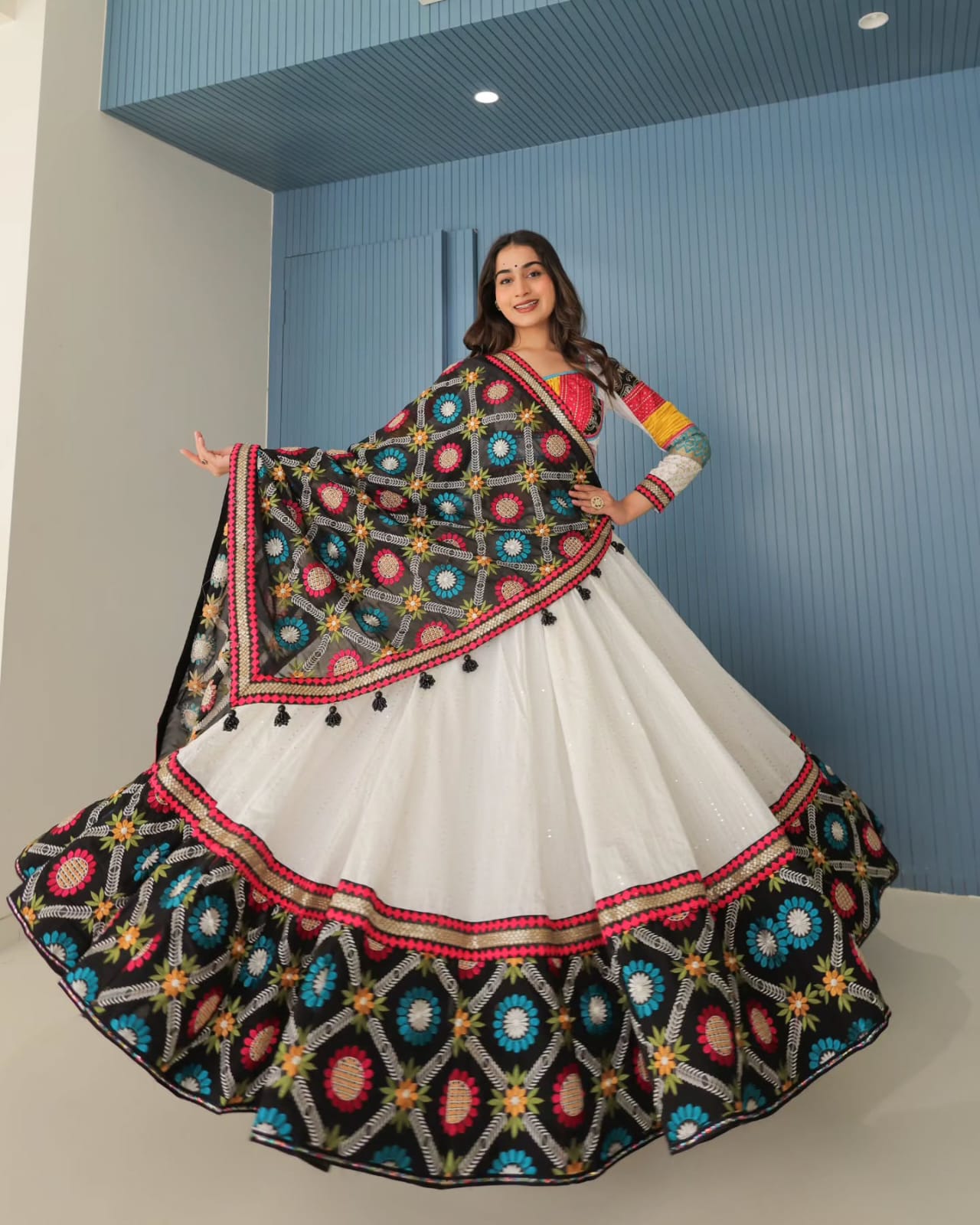
Beige Ethnic Printed Lehenga Set for Navratri and Garba demonstrates how a printed set can feel celebratory without relying entirely on heavy embellishment. Cream Ethnic Lehenga Choli with Mirror Work Design offers a more reflective festive direction, although guests should balance mirror work with simpler jewellery so the outfit doesn't become visually noisy.
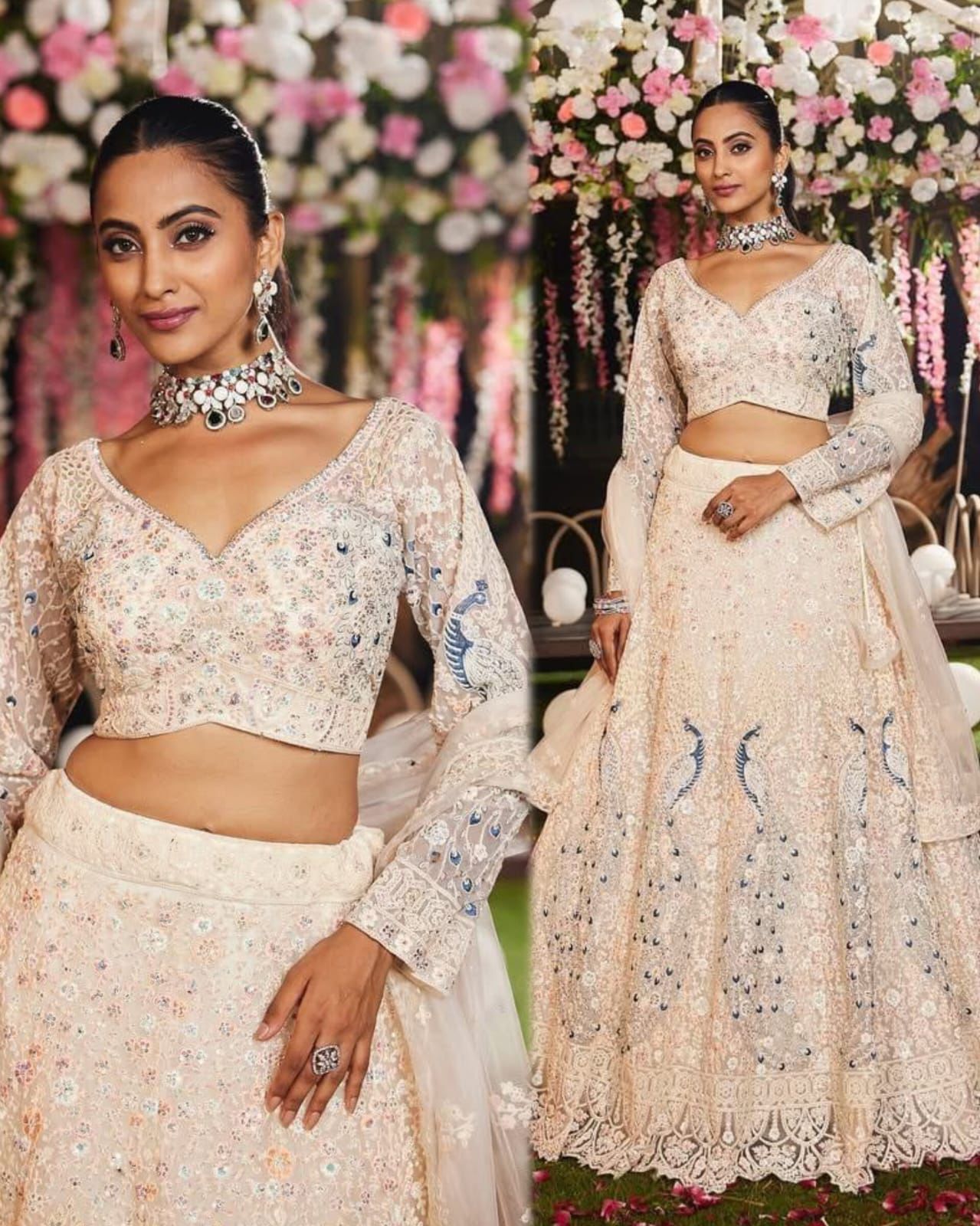
A lehenga with a net overlay can look formal, but net requires careful checking. Run a hand along the inside seam before buying because rough finishing around the armhole or waist can become uncomfortable after several hours. Cream Peacock Embroidered Net Lehenga Set for Women suits an evening reception when the lining is comfortable and the dupatta is secured at both shoulders.
When a saree makes sense
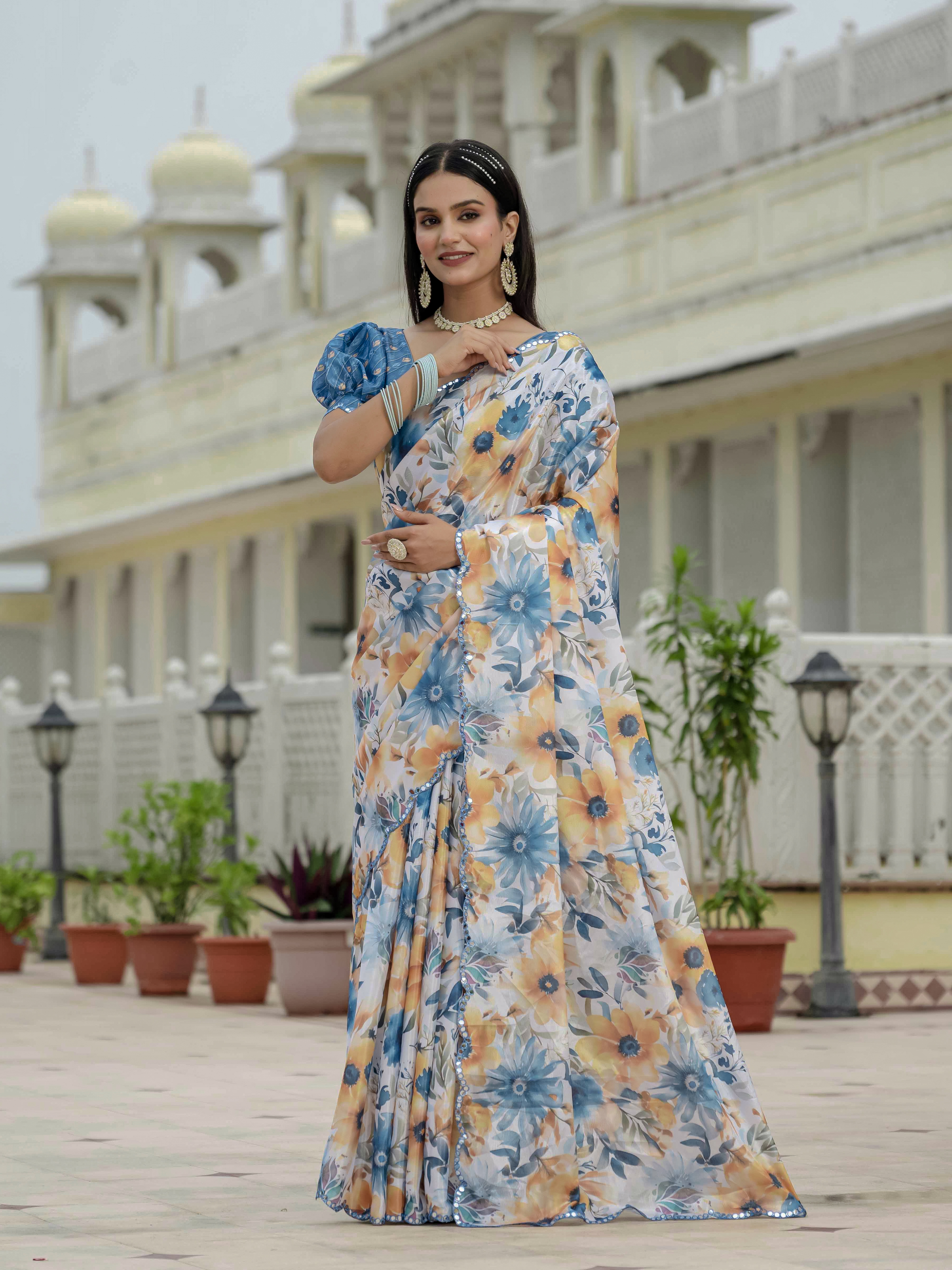
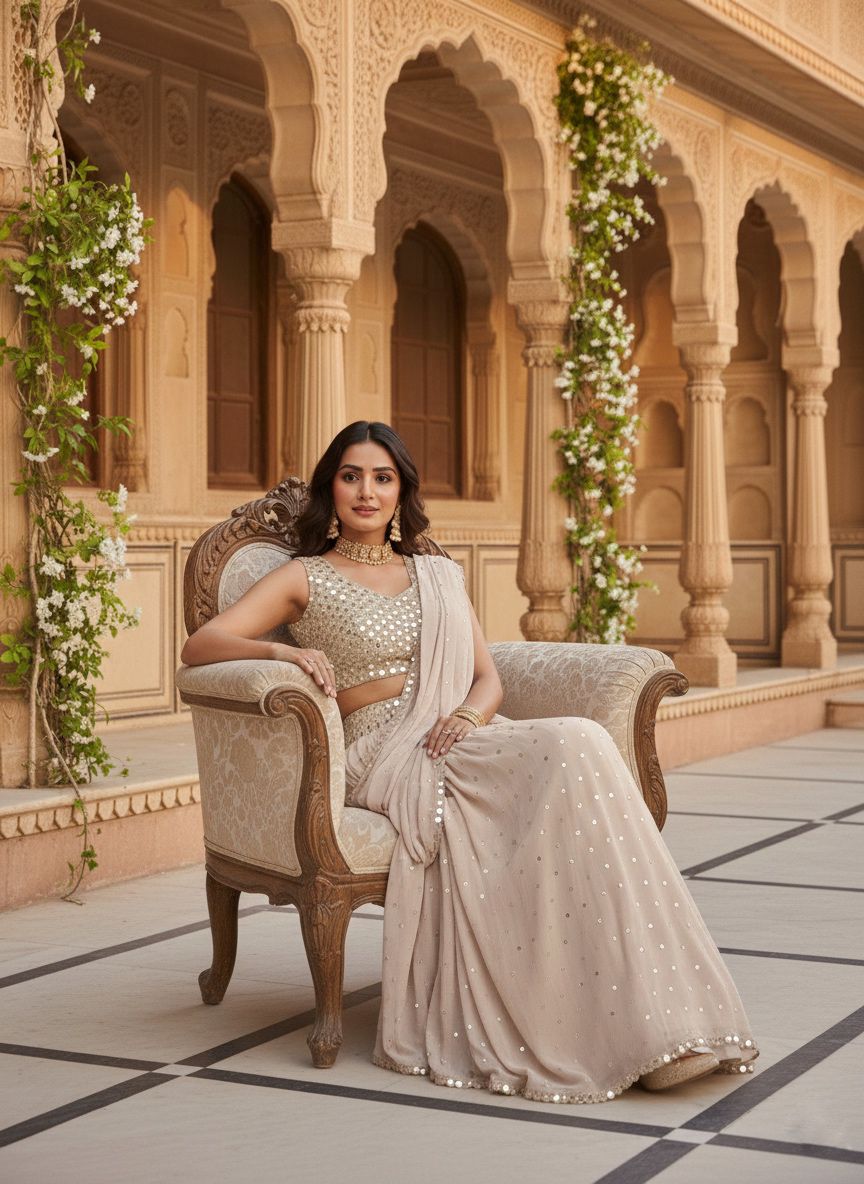
A saree is a strong choice for guests who want a versatile outfit that can be adjusted throughout the day. A ready-to-wear saree can provide the visual effect of a drape with less risk of loose pleats, making it useful for first-time saree wearers. Beige Mirror Work Ready to Wear Saree with Blouse brings a lighter neutral direction that can be styled for a day function or a reception.
Heritage draping gives more control over coverage and proportion. A saree with a cotton, silk-blend or lightweight georgette base is generally easier to manage than a very stiff brocade when the wearer expects to sit for long periods. Secure the pallu with two discreet pins, test the drape while walking and leave enough room at the ankles for stairs.
Nagaland Wedding Guest Fashion: Sarees, Lehengas & Ethnic Wear fabrics and colours
Breathable georgette, chiffon, cotton silk, lightweight satin, Chanderi and soft silk blends usually work well for wedding guests because they combine festive texture with manageable weight. Fabric choice should respond to humidity, venue ventilation, travel and the length of the event rather than appearance alone.
Georgette has fluid movement and usually photographs well, but thin georgette needs a reliable lining. Chanderi provides a crisp, airy hand and a subtle sheen, while Banarasi silk creates a richer look for an evening reception but can feel heavy in a crowded or warm venue. Kanjeevaram silk is a grander choice that may be appropriate for a highly formal family function, although guests should avoid competing with a bride's most elaborate silk and zari styling.
Colour selection benefits from context. Jewel tones such as emerald, wine, sapphire and deep plum suit evening lighting, while peach, coral, powder blue, lilac and sage work well for daytime ceremonies. Ivory, cream and beige can look elegant, but use stronger jewellery or a contrasting blouse so the outfit doesn't appear bridal or washed out in photographs.
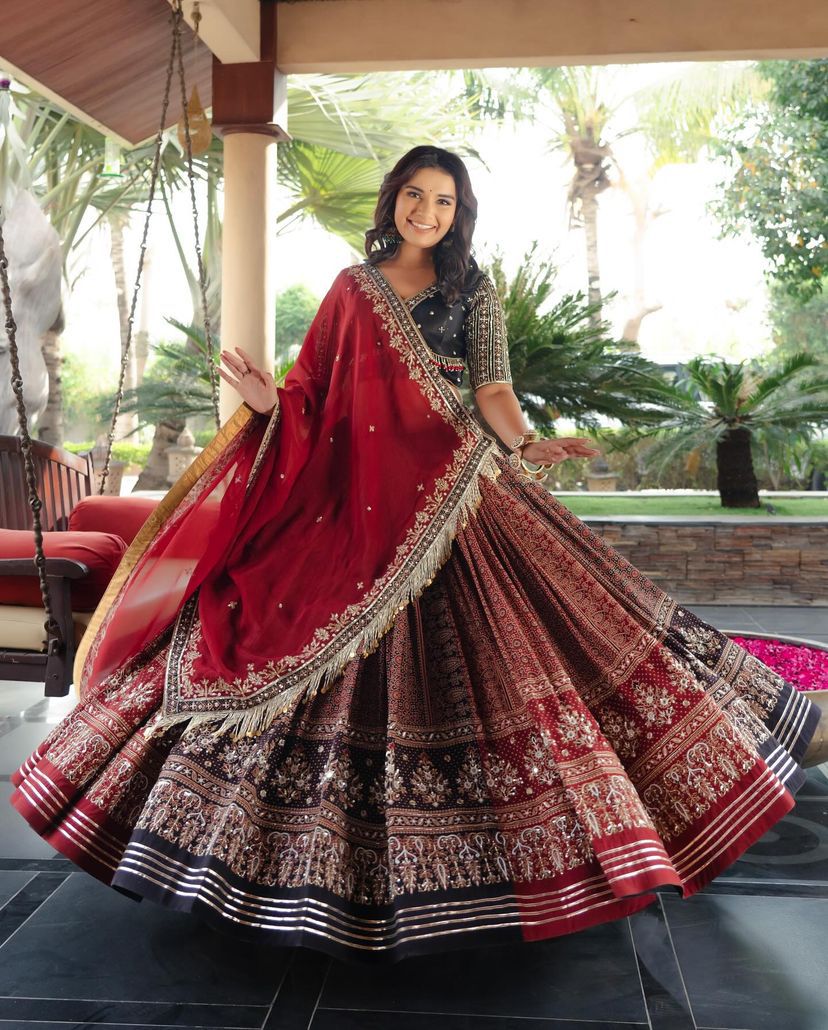
Red can be festive, yet a completely bridal red lehenga with dense gold zari may look too close to the bride's attire. Red Ethnic Lehenga Choli with Digital Print Design shows a more approachable route because a print can break up a solid red base. Black isn't automatically unsuitable for celebrations, but Black Wedding & Festive Wear Designer Lehenga should be styled with bright metalwork, colourful accessories or a vivid dupatta when the family prefers a more time-honoured festive palette.
Nagaland Wedding Guest Fashion: Sarees, Lehengas & Ethnic Wear styling details
A polished guest lehenga needs three controlled elements: a comfortable blouse, a secure dupatta and accessories that leave the face and outfit readable. More decoration doesn't automatically create a better ensemble; proportion and finishing usually make a stronger difference.
For a daytime ceremony, pair a printed or pastel lehenga with small jhumkas, a low bun and a dupatta pinned at the shoulder. Pastel Floral Georgette Lehenga Set with Ruffle Blouse already supplies movement and surface detail, so pearl studs or slim drop earrings can be more effective than a heavy necklace. For an evening reception, choose one focal accessory such as chandbalis, a choker or a maang tikka, then keep the remaining pieces quieter.
Mirror work needs particular restraint because reflective embellishment catches both daylight and flash photography. Stylish White Mirror Work Lehenga for Festive Wear can be grounded with silver sandals, a coloured clutch and soft rose or berry makeup. Avoid adding a large mirror-work potli, layered necklace and oversized earrings together unless the rest of the outfit is exceptionally simple.
Dupatta placement changes the practical character of a lehenga. A single-shoulder drape looks relaxed but should be pinned near the collarbone and waist. A front pleat gives more coverage and stays stable during movement. A cape-style layer can work for a reception, but it's less convenient for eating, hugging relatives or carrying a phone.
Nagaland Wedding Guest Fashion: Sarees, Lehengas & Ethnic Wear for each function
Match the outfit's weight and sparkle to the function rather than wearing the most elaborate look for every event. A wedding itinerary often includes several dress codes, and repeating one comfortable base with different accessories is more useful than buying separate heavy outfits.
Church ceremony or daytime service
A daytime service calls for neat, moderate embellishment and comfortable coverage. A pastel lehenga, printed saree, understated salwar suit or Chanderi outfit can work well with a blouse that's not excessively low-cut and a dupatta that stays in place. Choose block heels, embellished flats or low wedges if the venue includes outdoor paths.
Haldi ceremony
A Haldi ceremony calls for washable, lighter clothing that can tolerate turmeric stains and close family interaction. Yellow, marigold, green, white with bright accents and floral prints suit the mood, but precious silk, trailing hems and delicate pale net are risky choices. Haldi Lehengas Under 5500 can be an useful starting point for comparing festive colour and budget, although the final garment should still be checked for lining, closure quality and care requirements.
Reception or evening celebration
An evening reception allows deeper colour, more structured tailoring and a measured amount of shimmer. Bridesmaid Lehengas Under 5500 and Net Lehengas Under 4500 with 51% Discount can help guests compare silhouettes and price points without assuming that a bridesmaid-style outfit must match the bridal party. A darker lehenga, metallic clutch and one statement earring can create enough evening presence without excessive layering.
Pink Lehengas Under 4000 with 50% Discount and Silk Lehengas Under 3000 may also suit guests working with a defined budget. Price should not be the only filter: inspect the lining, seam finishing, zip or hook quality, skirt flare, blouse measurements and delivery time before placing an order.
Nagaland Wedding Guest Fashion: Sarees, Lehengas & Ethnic Wear for comfort and care
Comfort improves when the outfit is tested for at least 20 minutes before the event, including sitting, walking, reaching and using stairs. A fitting that looks perfect while standing may reveal a tight waistband, slipping blouse, scratchy embroidery or a hem that catches underfoot.
Wear the exact undergarments and footwear planned for the wedding during the trial. Mark the correct petticoat length for a saree, check that a lehenga doesn't drag with the chosen sandals and carry two safety pins, fashion tape, a small sewing kit and blister plasters. A compact cloth bag can hold a phone and essentials more securely than a tiny decorative clutch.
Layering matters in Nagaland because temperatures can change between daytime travel, air-conditioned halls and evening outdoor spaces. A lightweight shawl, cropped jacket or lined dupatta can provide warmth without hiding the outfit. Avoid bulky outerwear that crushes embroidery or catches on zari and mirror work.
Care begins before packing. Fold embellished garments with tissue paper between heavily decorated sections, place a saree or lehenga in a breathable garment bag and avoid compressing net for long periods. Air the garment after wearing it, remove surface dust with a soft brush and follow the care label rather than washing silk, zari or mirror work at home.
For a saree, hang the blouse and petticoat separately after use and refold the saree along different lines every few months. For a lehenga, store the skirt flat or on a broad hanger if the waistband and garment weight allow it. Keep perfumes, hair spray and direct heat away from zari, sequins and delicate synthetic fibres because alcohol and heat can damage surface finishes.
Nagaland Wedding Guest Fashion: Sarees, Lehengas & Ethnic Wear buying checklist
A reliable wedding guest purchase should pass five checks: correct measurements, suitable fabric, secure construction, realistic delivery time and an outfit plan for the complete day. These checks reduce last-minute alterations and prevent an attractive garment from becoming impractical.
- Check measurements: compare the bust, waist, shoulder, blouse length and skirt length with the seller's size chart instead of relying on a usual size.
- Check fabric and lining: confirm whether the skirt is lined, whether the blouse has padding and whether embroidery sits directly against the skin.
- Check movement: sit in the outfit, walk ten steps, raise both arms and test the dupatta before removing tags.
- Check styling balance: decide whether the outfit needs earrings, a necklace, a belt, a shawl or a contrasting dupatta before purchasing extra accessories.
- Check care and timing: allow at least one week for minor alterations when possible, and keep the garment's care instructions with the wedding outfit.
The most successful guest look isn't necessarily the most expensive or embellished garment. A well-fitted lehenga in a breathable fabric, a neatly pinned saree or a carefully styled ethnic set will photograph better and feel more appropriate than clothing that restricts movement. Thoughtful Nagaland Wedding Guest Fashion respects the celebration, the hosts and the wearer at the same time.
Common Questions About Nagaland Wedding Guest Fashion
What should a female guest wear to a Nagaland wedding?
A female guest can wear a saree, lehenga, salwar suit or another polished ethnic outfit that suits the invitation and ceremony. Choose breathable fabric, comfortable footwear and moderate embellishment, and ask the hosts if a specific dress expectation applies.
Is a lehenga appropriate for a church wedding in Nagaland?
A lehenga can be appropriate for a church wedding when the blouse offers comfortable coverage and the styling is elegant rather than excessively revealing. A secure dupatta, moderate sparkle and low or block heels make the outfit more practical for the service and any outdoor movement.
Which colours should wedding guests avoid in Nagaland?
Guests should ask the couple or family whether any colours are reserved for the bridal party, because preferences vary between families and communities. As a general precaution, avoid copying the bride's exact red, white or ceremonial palette when the invitation gives no guidance, and choose a contrasting colour instead.
Is black suitable for a Nagaland wedding reception?
Black can be suitable for an evening wedding reception, especially when bright jewellery, metallic details or a colourful dupatta add a festive finish. For a daytime or highly traditional family function, a jewel tone or lighter shade may feel more naturally celebratory.
What fabric is most comfortable for a wedding in Nagaland?
Georgette, chiffon, cotton silk, Chanderi and lightweight silk blends are generally comfortable because they combine airflow with a festive appearance. The best choice still depends on the venue, season, lining and how long the guest will be travelling or standing.
How can I keep a lehenga dupatta secure during a wedding?
Pin the dupatta near the shoulder and waist, then test the arrangement by walking, sitting and raising your arms. Two discreet safety pins, fashion tape at a slippery shoulder and a blouse with a secure neckline usually provide more stability than one pin alone.