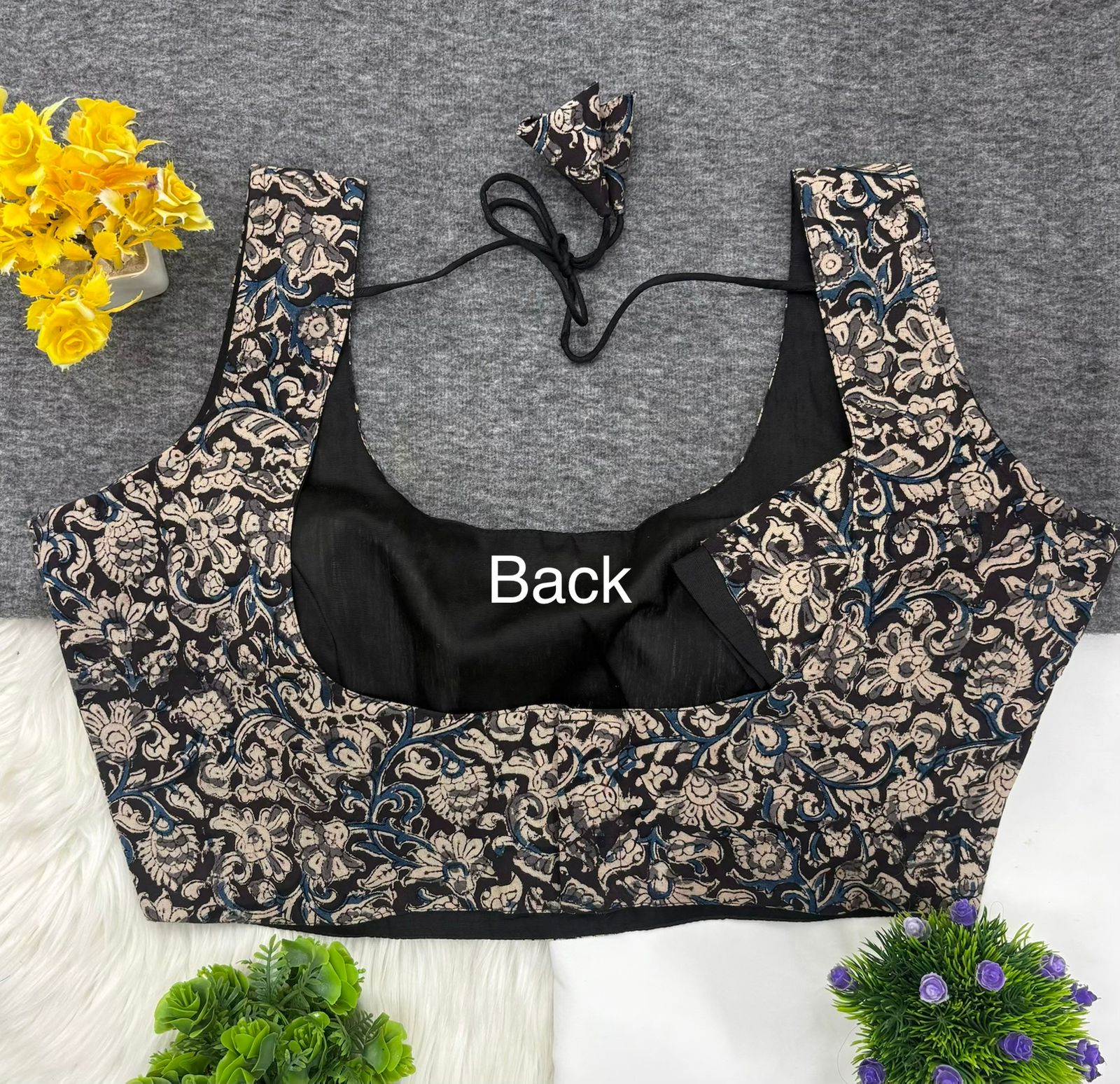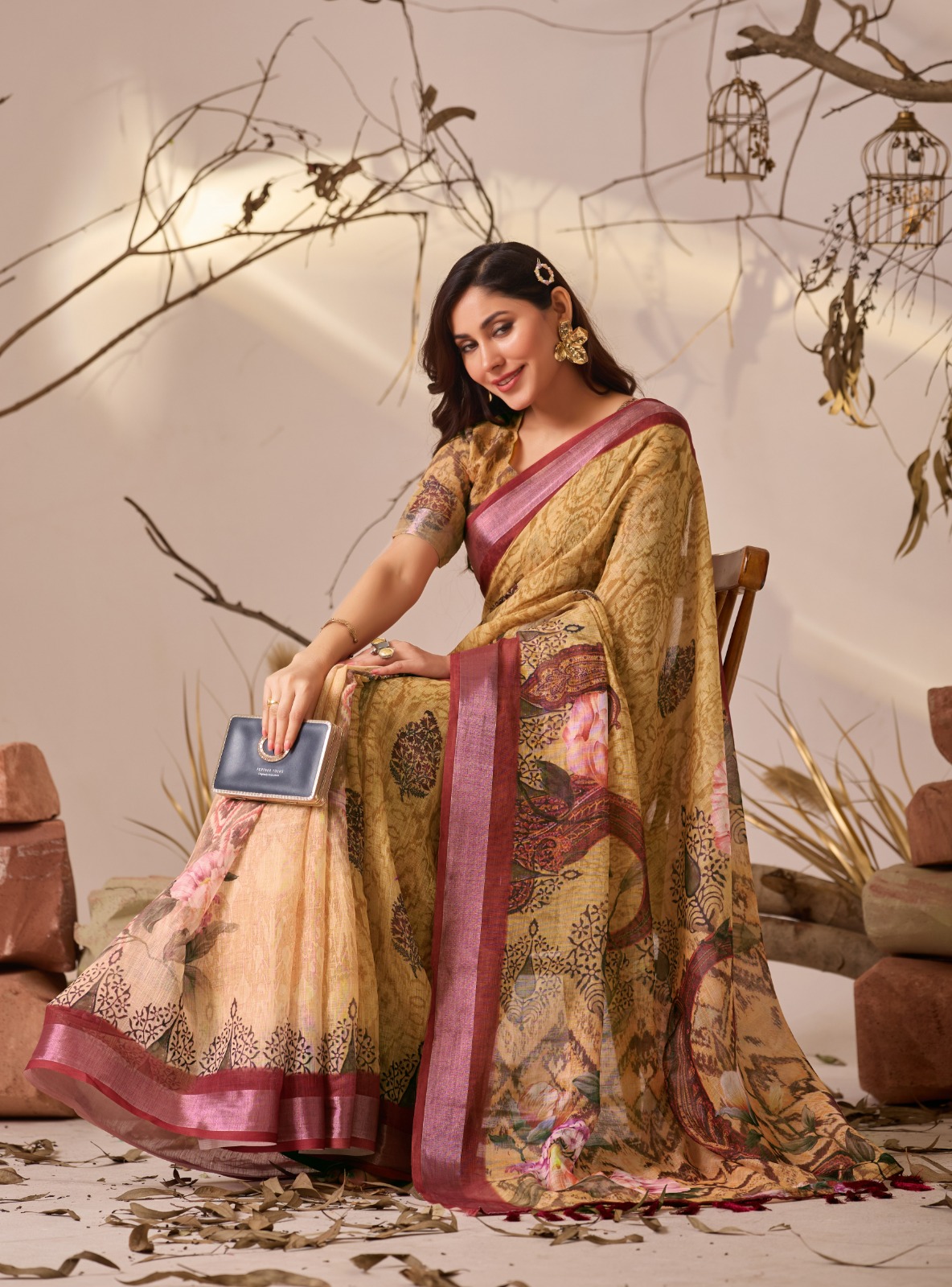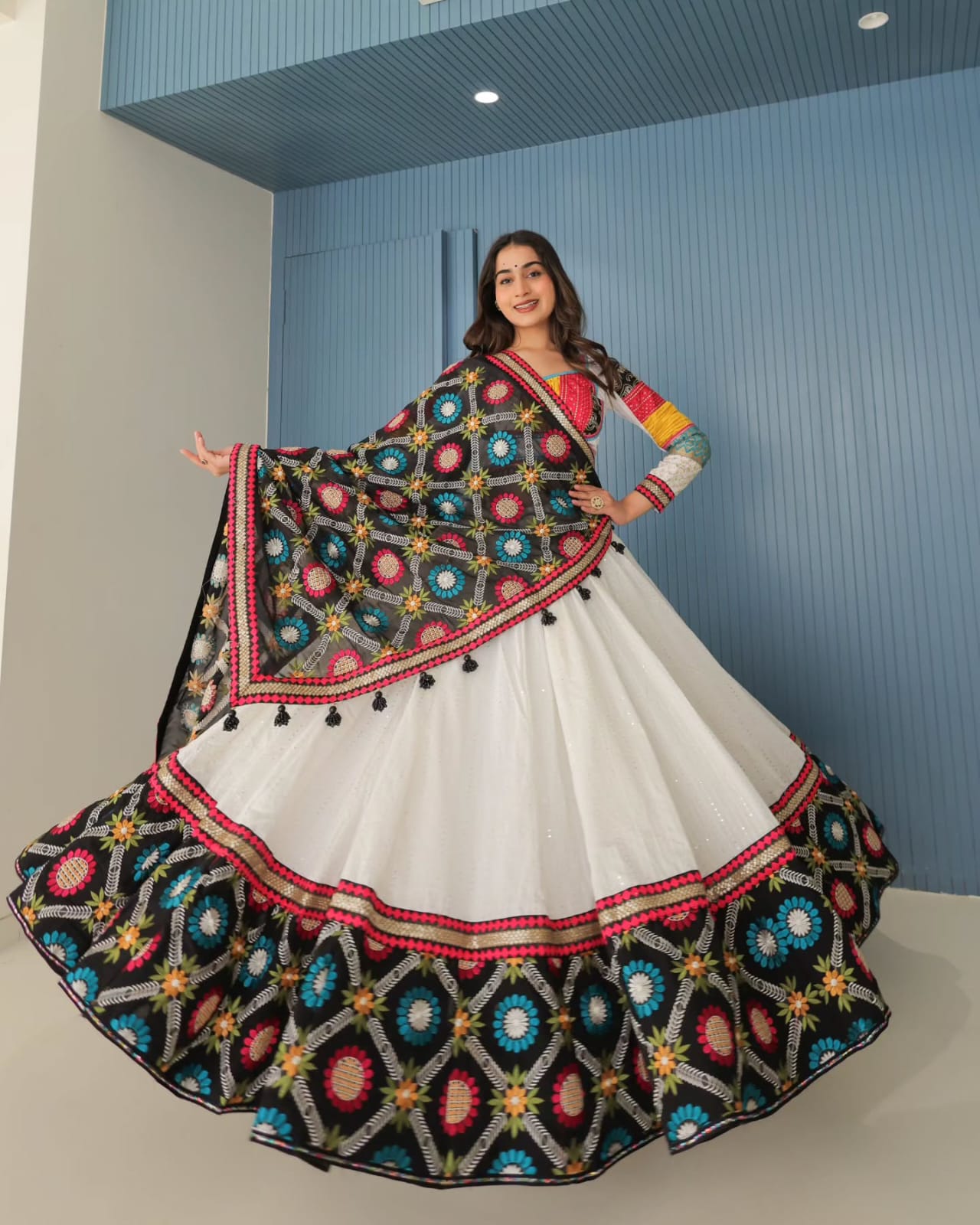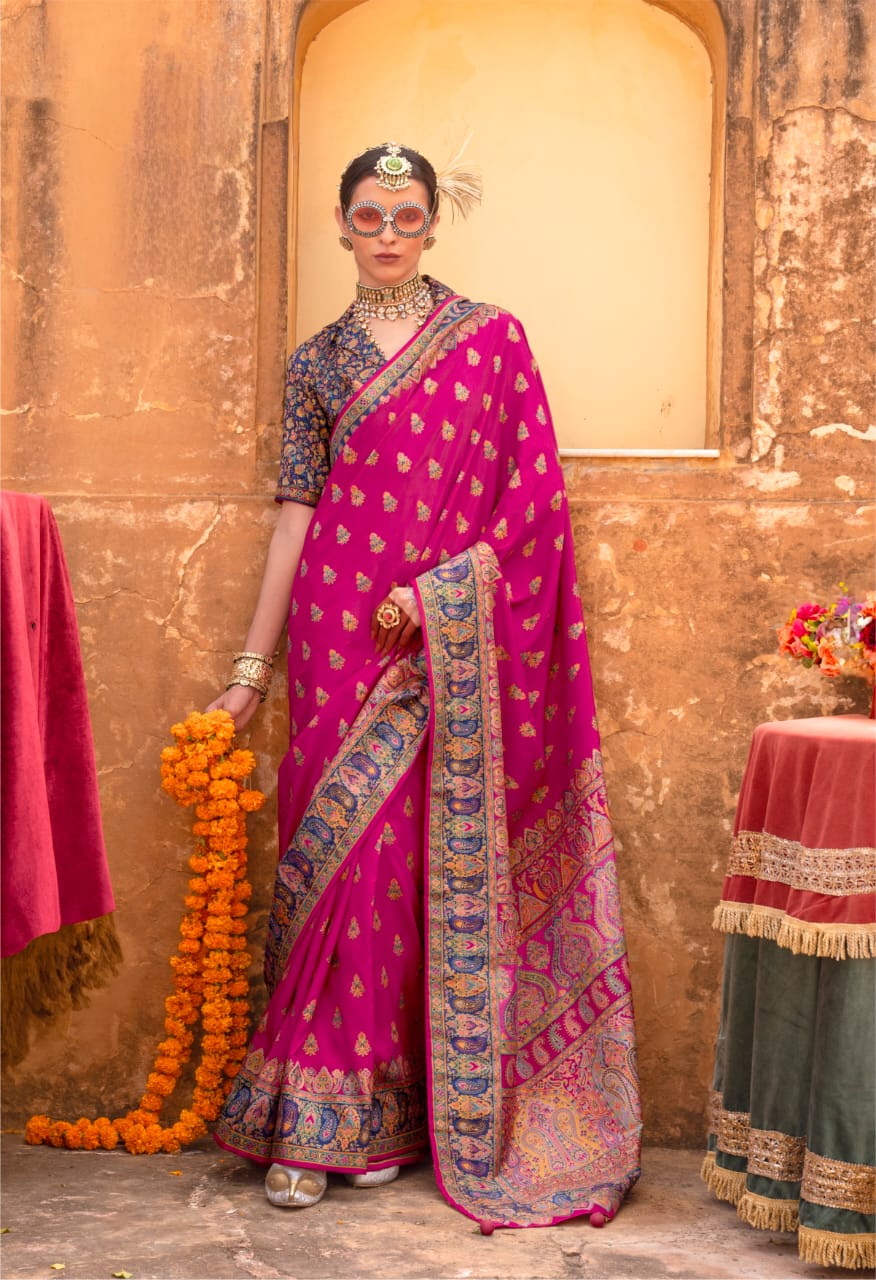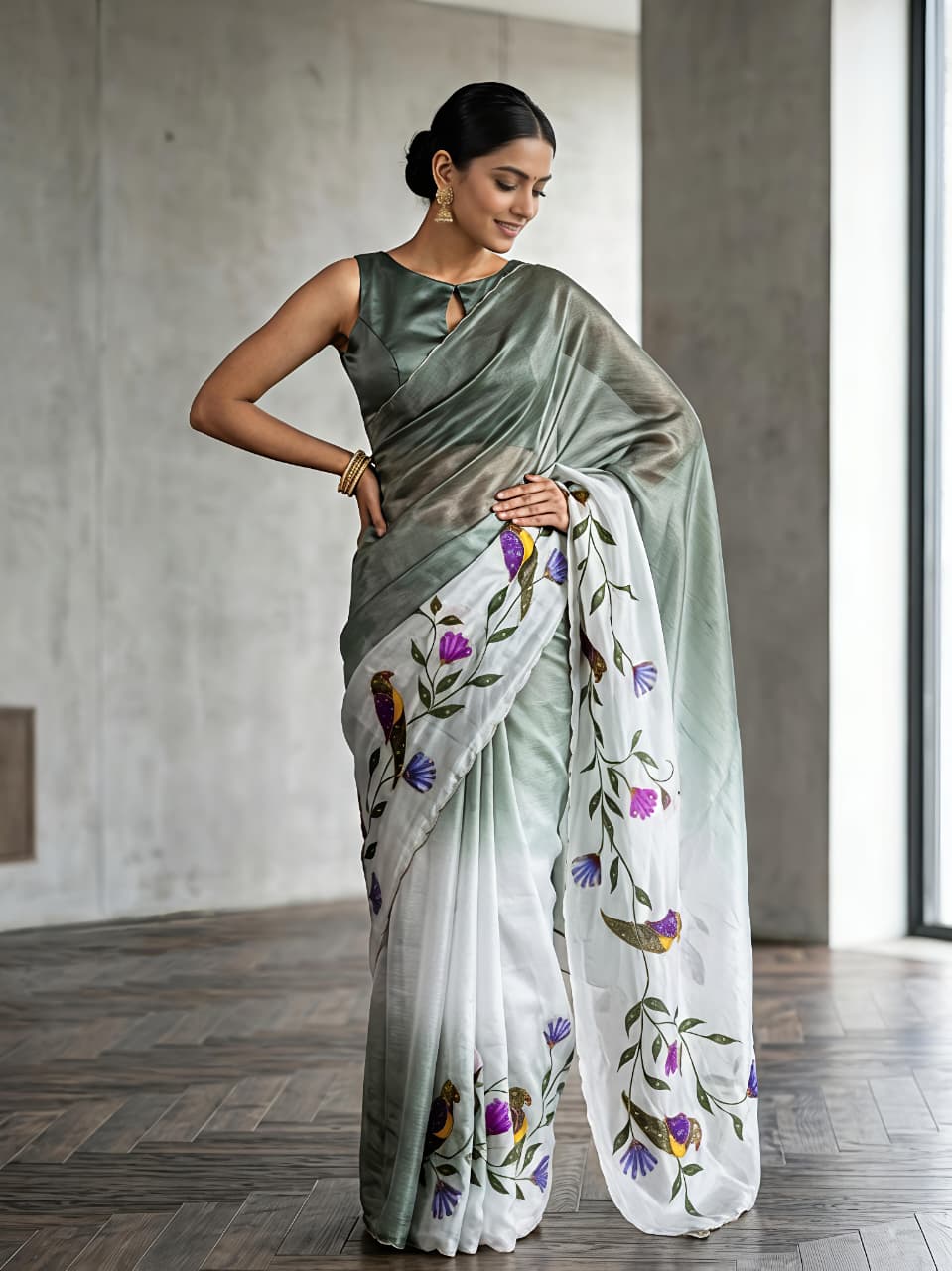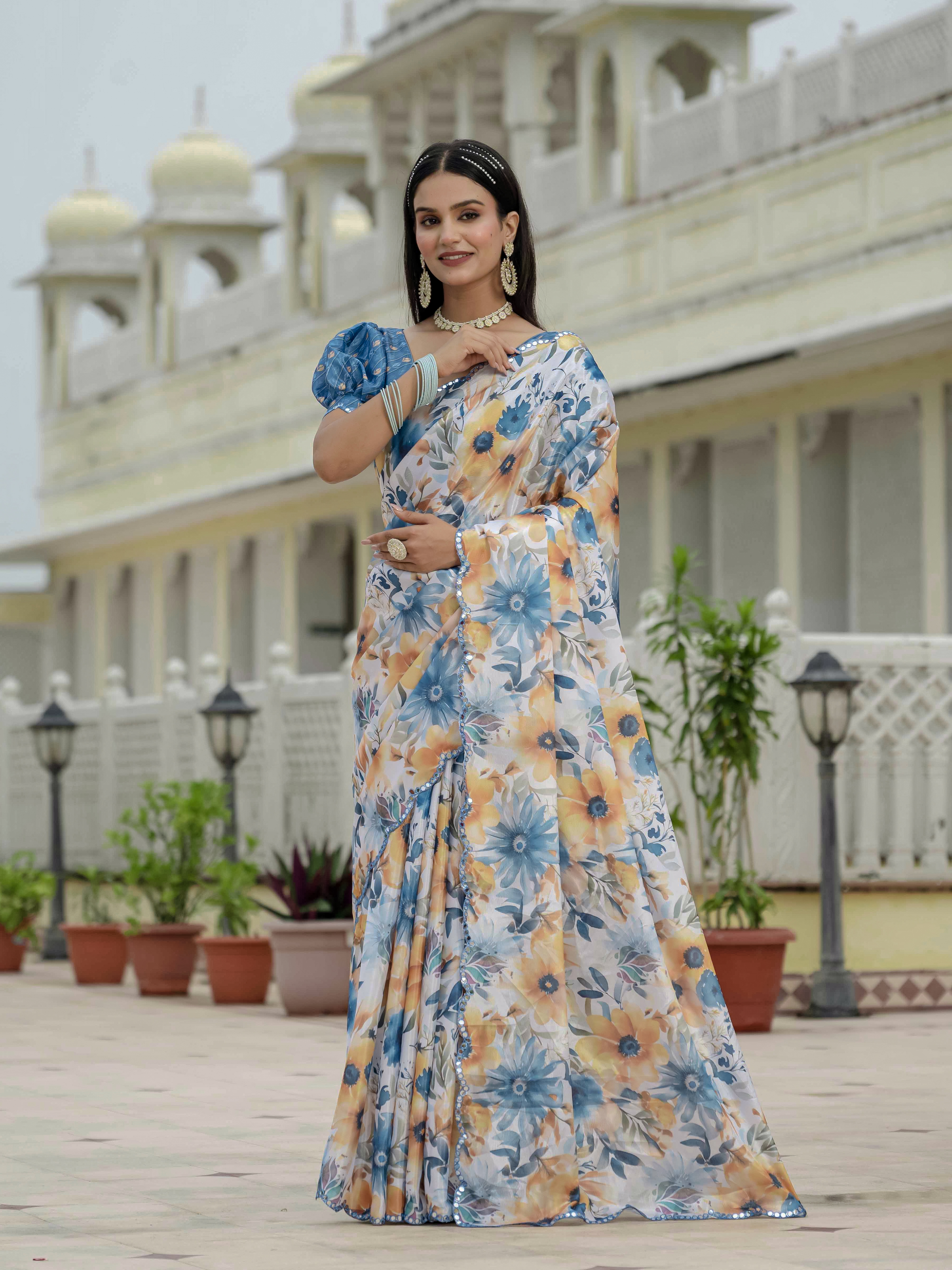
MP Handloom Sarees Every Fashion Lover Should Know include the elegant Maheshwari saree and the airy Chanderi saree, two woven traditions from Madhya Pradesh that suit far more than formal festivities. Their appeal comes from proportion: a light body, a defined border, a graceful pallu and enough surface interest to look polished without heavy embroidery. Knowing how the yarn, border and zari work together makes online shopping easier and helps you choose a saree for a wedding, office celebration, Haldi ceremony or women party wear wardrobe.
Why MP handloom sarees remain relevant
MP handloom sarees remain relevant because they combine regional craft, manageable weight and versatile styling. A handloom saree is made by interlacing warp and weft yarns on a loom, so small variations in texture or alignment can be signs of human weaving rather than defects.
Madhya Pradesh is especially known for Maheshwari and Chanderi weaving. Maheshwari sarees are associated with Maheshwar on the Narmada and are recognised for structured borders, striped or checked details and a balanced silk-cotton or silk character. Chanderi sarees come from Chanderi and are valued for their fine, light fabric, subtle transparency and delicate zari or butti work.
These categories should not be confused with a single fixed fabric formula. A Maheshwari saree may use silk and cotton in different proportions, while Chanderi can be woven in silk, cotton or blended constructions. A seller's fibre description, product specification and close-up photographs matter more than a broad label such as "silk saree".
MP Handloom Sarees Every Fashion Lover Should Know by weave
The two essential MP handloom saree families are Maheshwari and Chanderi, but each family includes variations in fibre, border, motif and finish. The following distinctions help a buyer read a product description accurately.

Maheshwari sarees
Maheshwari sarees usually offer a crisper fall and a clearly framed border. Traditional design vocabulary includes narrow stripes, checks, reversible borders and motifs inspired by local architecture or nature. Silk-rich versions catch light elegantly, while silk-cotton versions are often easier to wear for long hours.
A Maheshwari saree works well when you want a composed silhouette rather than a fluid, heavily draped one. Pair a restrained border with a fitted blouse for a conference, a family puja or a daytime reception. A contrast blouse can highlight the pallu without requiring a large necklace.
Chanderi sarees
Chanderi sarees are known for a lightweight, luminous fabric with a soft, translucent quality. Chanderi silk can look more glossy and festive, while Chanderi cotton generally feels more breathable and understated. Small butti motifs, floral patterns and fine zari frequently appear across the body or pallu.
Chanderi's lightness makes it useful for warm-weather dressing, but the fabric needs careful handling. A sharp safety pin, rough jewellery edge or overfilled handbag can catch delicate yarns. A smooth blouse and minimal accessories preserve the airy effect.
How Banarasi and Patola references differ
Banarasi silk and Patola are important Indian textile traditions, but they're not interchangeable with Maheshwari or Chanderi. Banarasi silk is associated with Varanasi and often has dense zari brocade, while Patola traditionally refers to the complex double-ikat tradition of Gujarat. Product names that include "Banarasi", "Patola", "Chanderi" or "Maheshwari" should therefore be read as specific textile references, not as interchangeable style descriptions.
How to read fabric, zari and border details online
The most reliable online saree purchase begins with checking fibre content, weave description, dimensions and close-up images before judging colour. A product title alone can't establish whether a saree is handwoven, powerloom-made, silk-rich or blended.
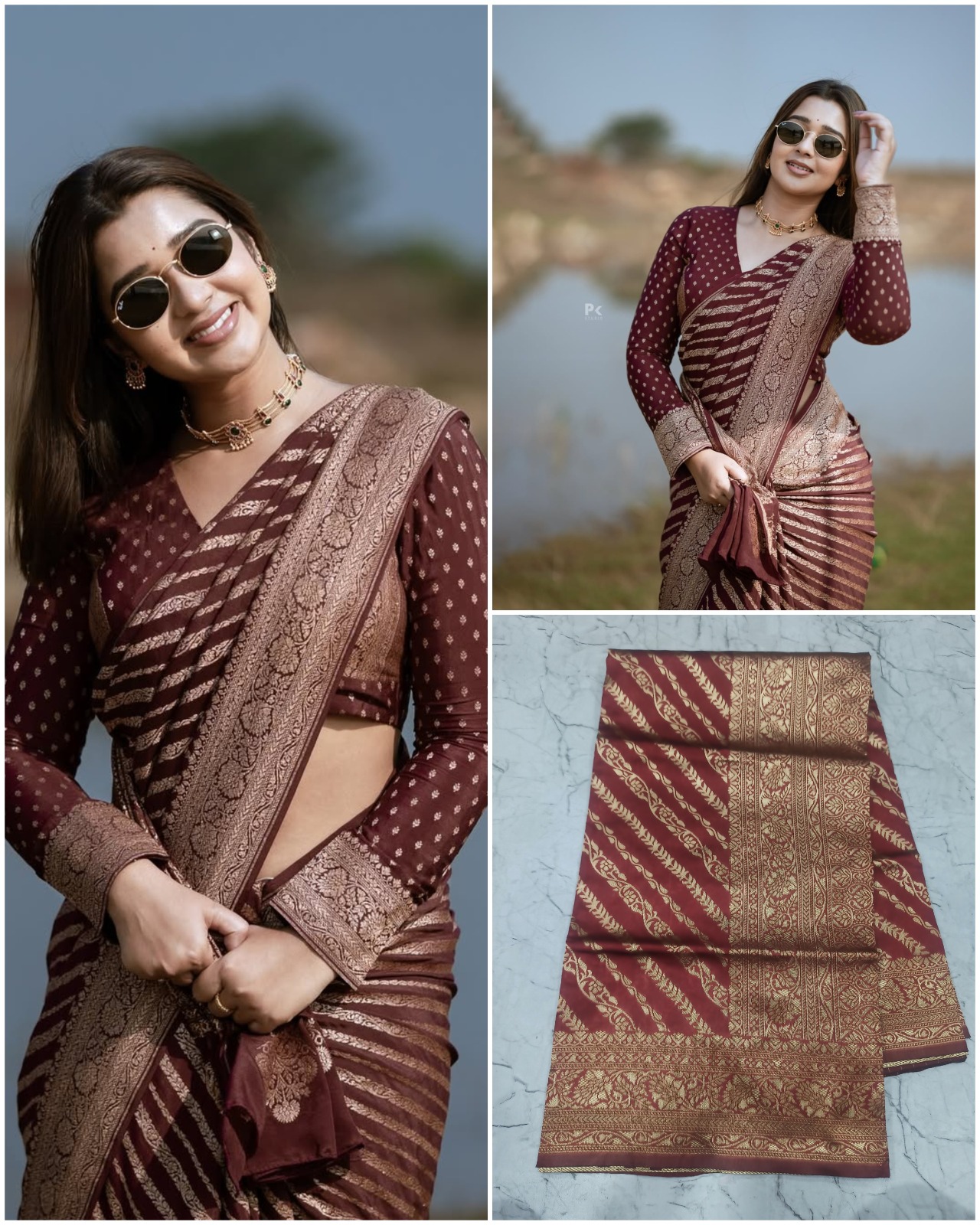
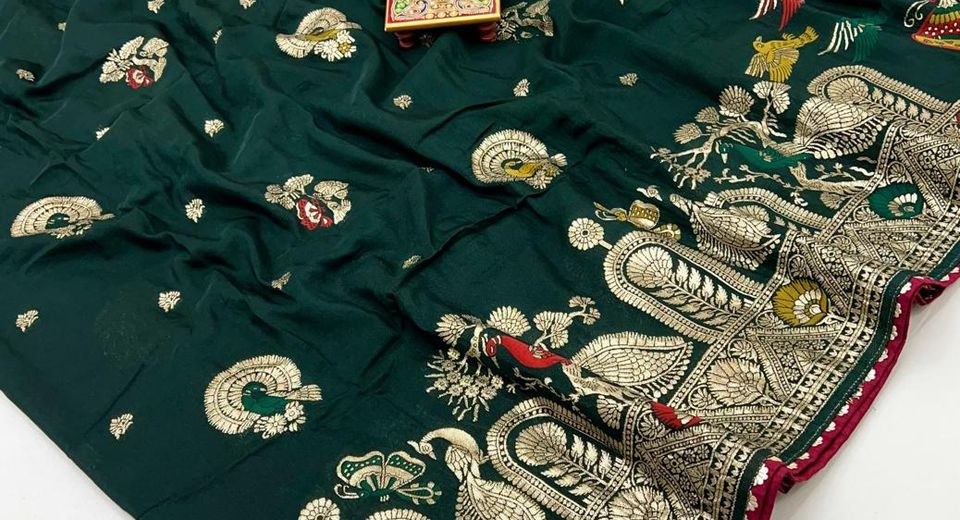
Look for explicit terms such as silk, cotton, silk-cotton, tissue, maslin silk or lichi silk, and check whether the description names the blouse piece. "Zari woven" describes metallic thread incorporated into the textile, but the phrase doesn't automatically mean pure silver or gold zari. Zari may be metallic-coated synthetic yarn, tested silver zari or another construction, so ask the seller when material composition affects your decision.
A border gives useful clues about visual weight. A narrow zari border keeps a saree suitable for daytime and smaller gatherings, whereas a broad woven border and elaborate pallu create a more formal impression. Floral prints and woven floral motifs also behave differently: a print sits on the surface, while a woven motif is formed during fabric construction.
For online sizing, check the saree length, saree width and blouse-piece length. Many sarees measure approximately 5.3 to 5.6 metres before the blouse piece, but measurements vary. A person taller than 165 centimetres or someone planning a seedha pallu drape may prefer additional length. Confirm whether the saree arrives pre-finished with fall and edging; these services can change the final fit and delivery timeframe.
Pastel Floral Tissue Handloom Cotton Saree with Zari Weaves illustrates how a light ground, tissue character and woven zari can create occasion appeal without the weight of a heavily embellished saree. Cream Pink Tissue Handloom Cotton Saree with Zari offers a similarly soft colour direction for daytime ceremonies, brunch events or a pastel wedding palette.
Choosing a MP handloom saree for the occasion
The right MP handloom saree depends on the event's duration, setting, weather and expected formality. A breathable cotton or silk-cotton construction is usually more comfortable for daytime, while silk-rich texture and stronger zari provide evening presence.
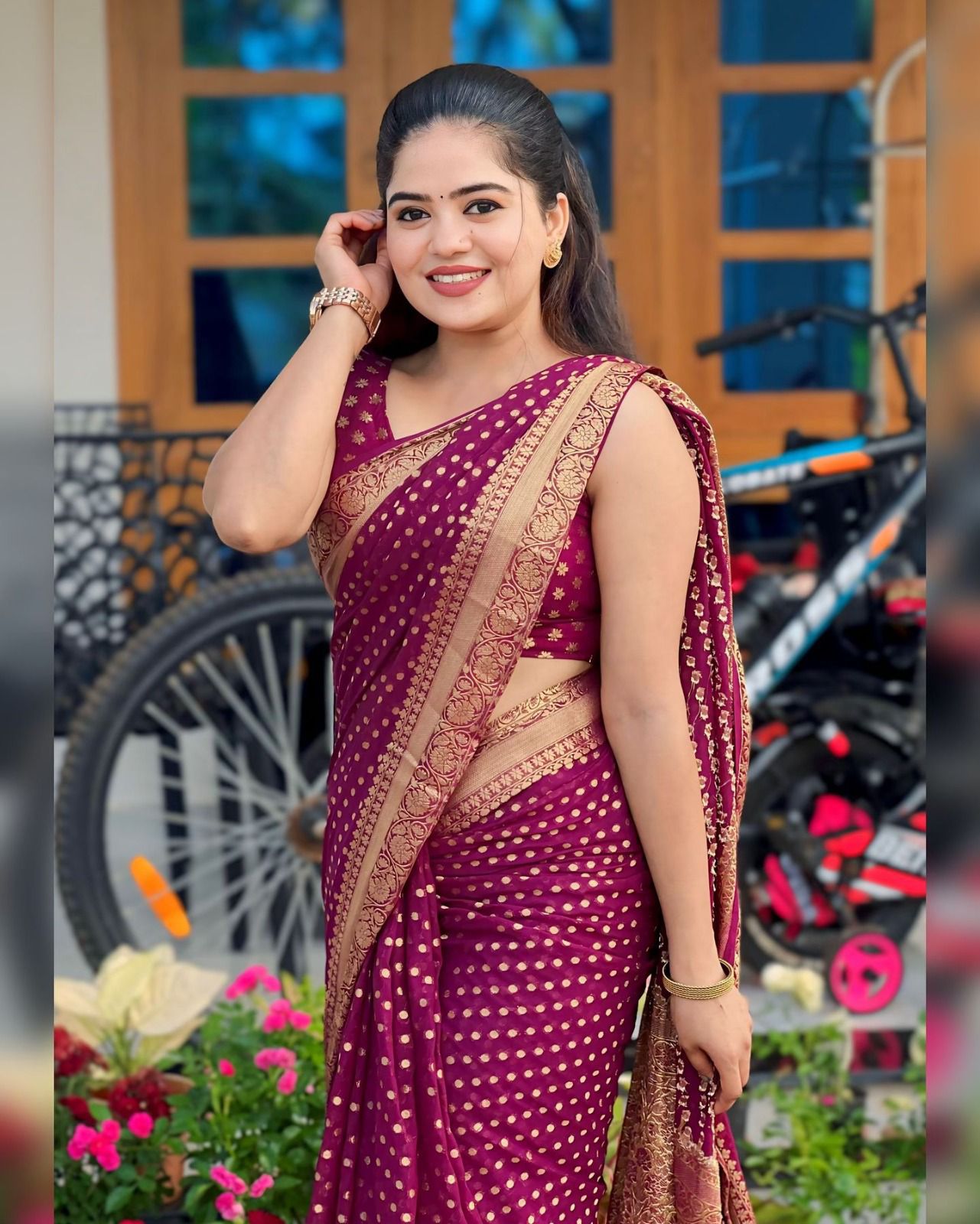
For office, travel and daytime functions
Choose a lightweight body, a narrow or medium border and a blouse with secure shoulder coverage for practical daytime wear. A low-bun hairstyle, compact earrings and a cotton or silk-cotton blouse keep the silhouette professional. Avoid stacking sharp bangles when the saree has a delicate, open weave.
Grey, cream, muted pink, bottle green and dusty blue can move easily between work and family settings. Gray Color Sarees Under 1000 is an useful budget-oriented reference when a neutral saree is needed for regular rotation, although shoppers should still inspect fibre and finishing details individually.
For a Haldi ceremony or daytime wedding
Bright colour, a lighter drape and a washable or easily managed blouse make a saree practical for a Haldi ceremony. Yellow, pink, coral, green and magenta work well in photographs, while a modest zari border adds definition without competing with the event décor.
Wine Tissue Handloom Cotton Saree with Zari & Floral Prints demonstrates how floral surface design can make a relatively light saree feel festive. Keep the jewellery simple if the saree already combines a strong colour, floral print and metallic border.
For receptions and evening party wear
Evening party wear benefits from a richer colour, a more reflective pallu or a silk-forward texture. Magenta Lichi Silk Saree with Copper Zari Pallu uses the contrast between a saturated body and copper-toned zari as a styling focus, so a plain blouse and one strong accessory are enough.
Green Maslin Silk Zari Woven Designer Saree with Blouse suits a coordinated look when the included blouse simplifies colour matching. Party Wear Sarees is an useful collection context for comparing dressier silhouettes, but the buyer should still distinguish woven zari from sequins, embroidery and printed metallic effects.
For a wedding or formal celebration
Wedding dressing can accommodate a more pronounced pallu, denser zari and silk-rich handle, provided the saree remains comfortable for several hours. Magenta Zari Banarasi Lichi Silk Saree With Blouse brings Banarasi terminology into the selection, so it should be judged as a Banarasi-style silk option rather than assumed to be a Maheshwari or Chanderi saree.
Traditional Bottle Green Patola Border Silk Saree is another example of why border vocabulary matters. A Patola border creates a distinct geometric identity, and a simple blouse lets the border remain visible in the front drape. Red Banarasi Silk Sarees for Weddings Under 1100 can help shoppers compare a lower-price wedding colour direction, but prices should never replace checks on fibre, zari, finishing and seller information.
How to style MP handloom sarees without hiding the weave
MP handloom sarees look most polished when styling leaves enough of the border, pallu and body texture visible. A blouse with a clean neckline and a controlled sleeve length gives the weave room to read.
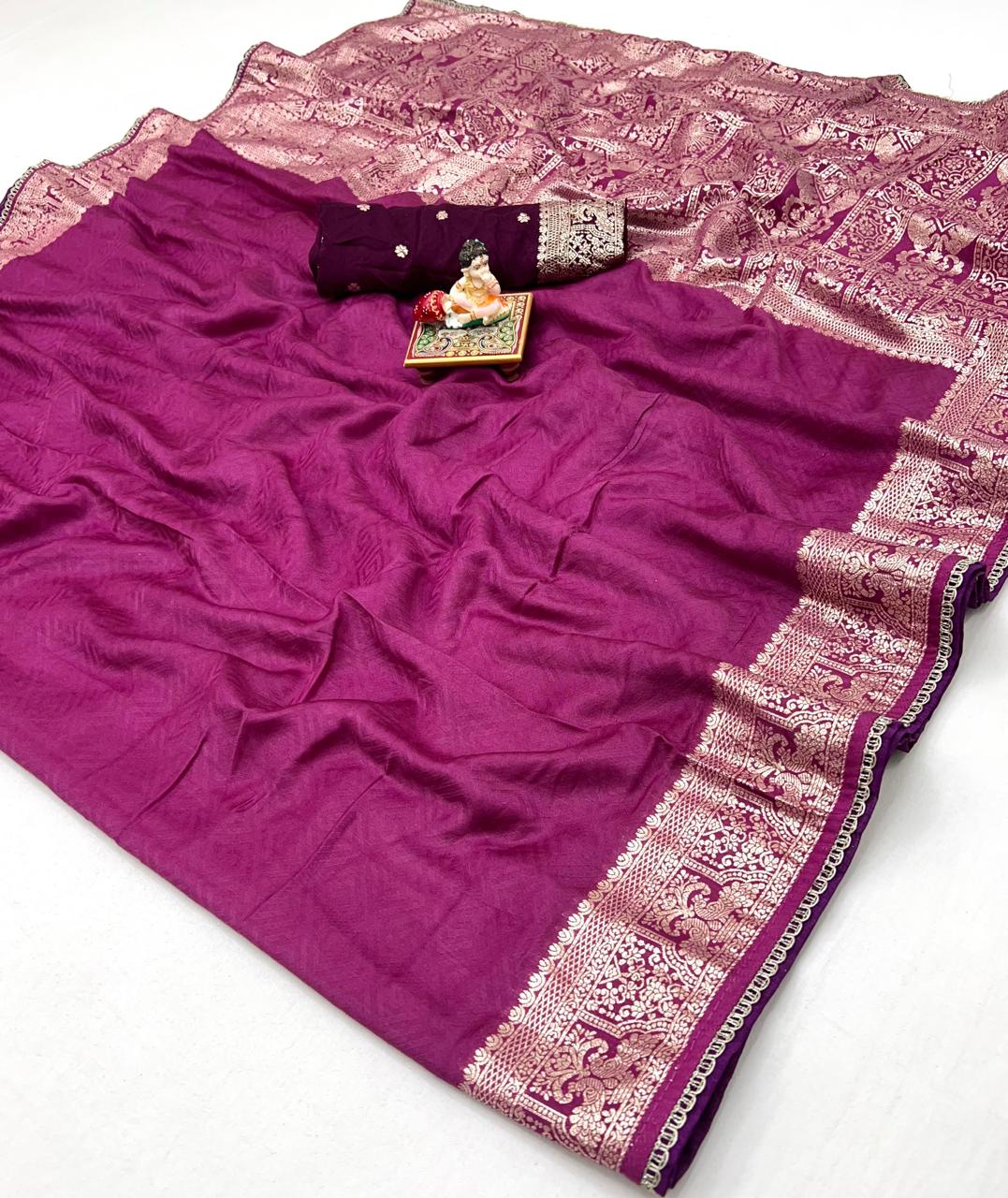
For Maheshwari sarees, try a contrast blouse that repeats one border colour. A boat neck or square neck works particularly well with geometric borders, while a three-quarter sleeve adds structure for formal daytime events. For Chanderi sarees, choose a blouse in raw silk, cotton silk or a matching lightweight fabric, and avoid heavy surface work that overwhelms the translucent body.
Drape height affects proportion. Keep the lower edge close to the top of the foot rather than pooling on the floor, and pleat the front evenly so the border remains visible. A shoulder pin placed from the underside can secure the pallu while reducing visible metal marks. A cotton petticoat with a firm waistband brings better support than a very slippery lining for lightweight sarees.
Jewellery should respond to the saree's density. Silver-toned pieces complement cool grey or blue, pearls soften pastel tissue, and antique gold or copper works naturally with warm zari. Pink Georgette Sarees and Silk Sarees Under 3000 With Discount are useful comparison points for shoppers building a mixed-fabric wardrobe, because they show how drape and price can differ even when the colour family is similar.
Shopping for MP handloom sarees through websites and marketplaces
The best website for buying a saree in India is the one that provides verifiable fabric details, usable photographs, measurements, delivery information and a clear return process. No single website is automatically best for every saree buyer.
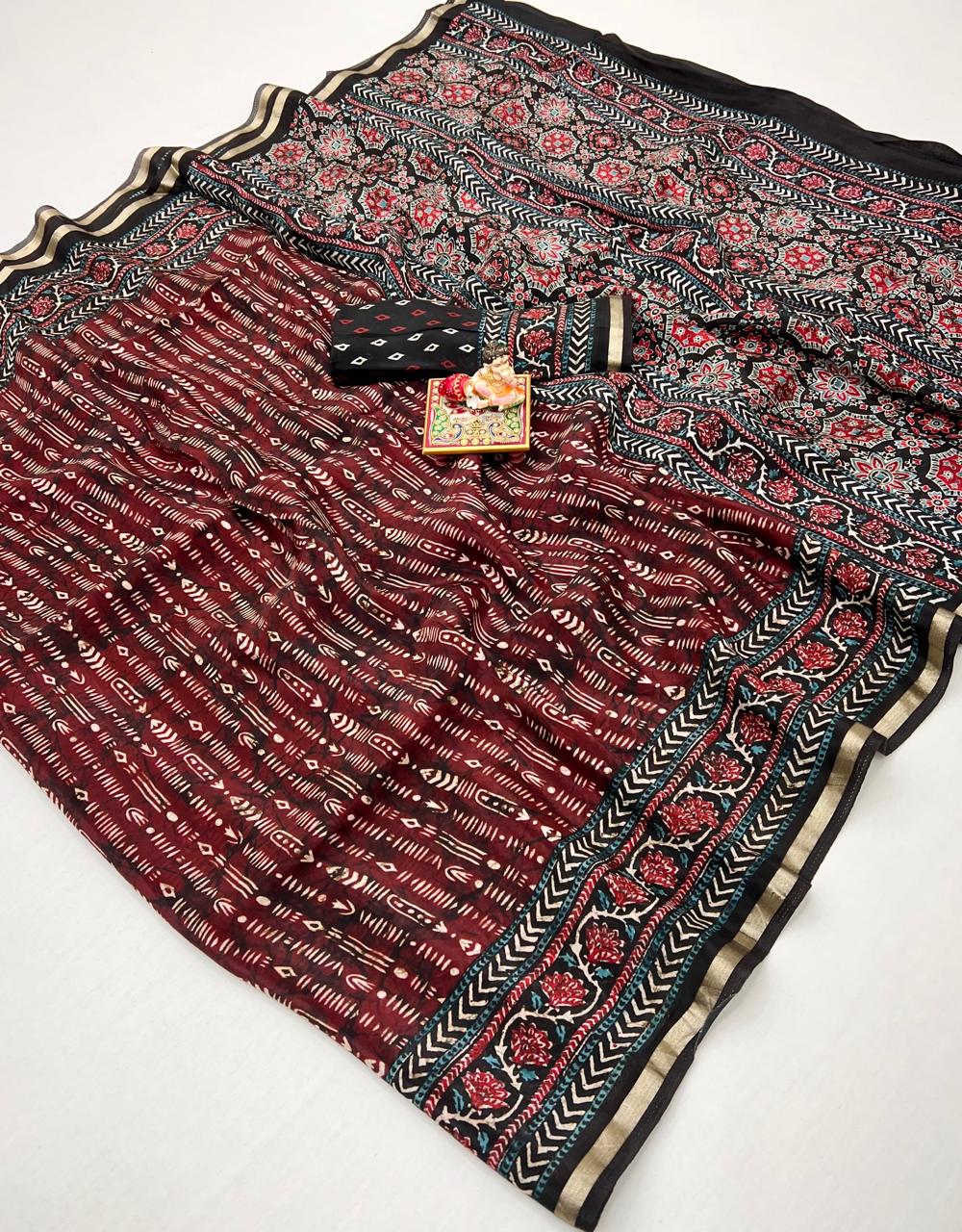
Start by reading the full specification rather than relying on the search thumbnail. Confirm fabric composition, saree length, blouse-piece availability, zari description, transparency, wash instructions and whether the colour may vary by screen. Zoom into the pallu and border, because low-resolution images can hide skipped threads, print edges or surface embellishment.
Price can be a helpful filter but not proof of authenticity. A low-priced silk blend may be excellent value for occasional wear, while a higher-priced handloom saree may reflect silk content, skilled weaving, complex borders or finishing. Compare like with like: a cotton saree should not be judged against a silk zari brocade using only the final price.
Look for a product code, seller contact information, invoice, country of origin and a policy that explains exclusions for blouse cutting, fall, edging or altered items. Save screenshots of the product description at purchase time. Those details are useful if the delivered fibre, colour or measurements differ from the listing.
Collections such as Silk Sarees Under 3000 With Discount, Pink Georgette Sarees and Party Wear Sarees can make browsing quicker, but collection labels are starting points rather than quality guarantees. A thoughtful buyer opens the individual product page and checks the technical details before paying.
Care that protects a handloom saree
Most delicate silk, zari and lightweight handloom sarees should be dry-cleaned or washed only according to the seller's specific care instruction. Unverified home washing can cause colour bleeding, shrinkage, zari dulling or distortion of the border.

After wearing, air the saree in shade for several hours before folding it. Do not leave sweat, perfume or dampness trapped in the folds. Store the saree flat or in broad, loose folds inside a breathable cotton muslin cover; avoid sealed plastic for long-term storage.
Refold a silk or zari saree every few months so the same crease doesn't remain under pressure. Keep neem leaves or a cedar product near the storage area only if they don't touch the textile directly. Never spray perfume, deodorant or fabric freshener on zari.
Use the lowest suitable iron setting with a pressing cloth between the iron and the saree. Direct high heat can flatten texture, mark tissue fabric or damage metallic yarn. Remove safety pins after every wear and store jewellery separately so hooks can't catch the weave.
A practical checklist before buying
A short checklist can prevent most avoidable online saree mistakes. Confirm the following details before placing an order.

- Fibre: Check whether the saree is silk, cotton, silk-cotton, tissue, maslin silk or another blend.
- Construction: Look for a clear statement about handloom, powerloom, print, embroidery and woven motifs.
- Measurements: Verify saree length, width and blouse-piece dimensions.
- Zari: Ask what type of zari is used if metallic composition matters to you.
- Colour: Compare multiple photographs and expect minor screen-related variation.
- Finishing: Check whether fall, edging and blouse stitching are included or charged separately.
- Care: Follow the listed washing and ironing instruction rather than assuming all silk is washable.
- Returns: Read exclusions for cut, stitched, washed or altered sarees.
MP Handloom Sarees Every Fashion Lover Should Know become easier to choose once "handloom" is treated as a construction detail, not merely a style label. Maheshwari brings structure and defined borders; Chanderi gives lightness and luminosity; zari, colour and pallu design determine how formal the final look feels. With careful checking, a saree can be selected for its actual fibre, weave and use rather than for a promising product title alone.
Common Questions Before Buying MP Handloom Sarees
Which company saree is best in India?
No single company is best for every saree because quality depends on the specific fabric, weave, zari and finishing. Choose a seller that states fibre composition, measurements, origin or construction details, care instructions and return conditions clearly.
What is the best online store for sarees in India?
The best online store is one that provides detailed product specifications, close-up images, reliable payment and delivery information, and a transparent return policy. Compare individual product pages instead of choosing only by marketplace popularity or discount percentage.
Which app is best for saree shopping in India?
An app is useful when its product pages show fabric composition, saree dimensions, blouse details, customer photographs and seller information. The app name matters less than the accuracy of those details and the protection offered if the delivered saree differs from its listing.
Which online site is best for buying silk sarees?
The best site for a silk saree is one that identifies whether the textile is pure silk, silk blend, silk-cotton or a named silk variety such as Banarasi silk or lichi silk. Buyers should also verify zari composition, blouse-piece length, care instructions and return exclusions before ordering.
How can a buyer tell whether an MP handloom saree is Maheshwari or Chanderi?
A Maheshwari saree generally has a more structured fall and recognisable striped, checked or defined border vocabulary, while a Chanderi saree is typically lighter, finer and more translucent. Product descriptions should name the tradition and fibre, but close-up images and seller confirmation are sensible when authenticity matters.
Are handloom sarees difficult to maintain?
Handloom sarees are manageable when they are aired after wear, stored in breathable fabric, refolded periodically and cleaned according to the fibre and zari instructions. Delicate silk, tissue, metallic zari and fine Chanderi should not be exposed to high heat, direct perfume or untested washing.