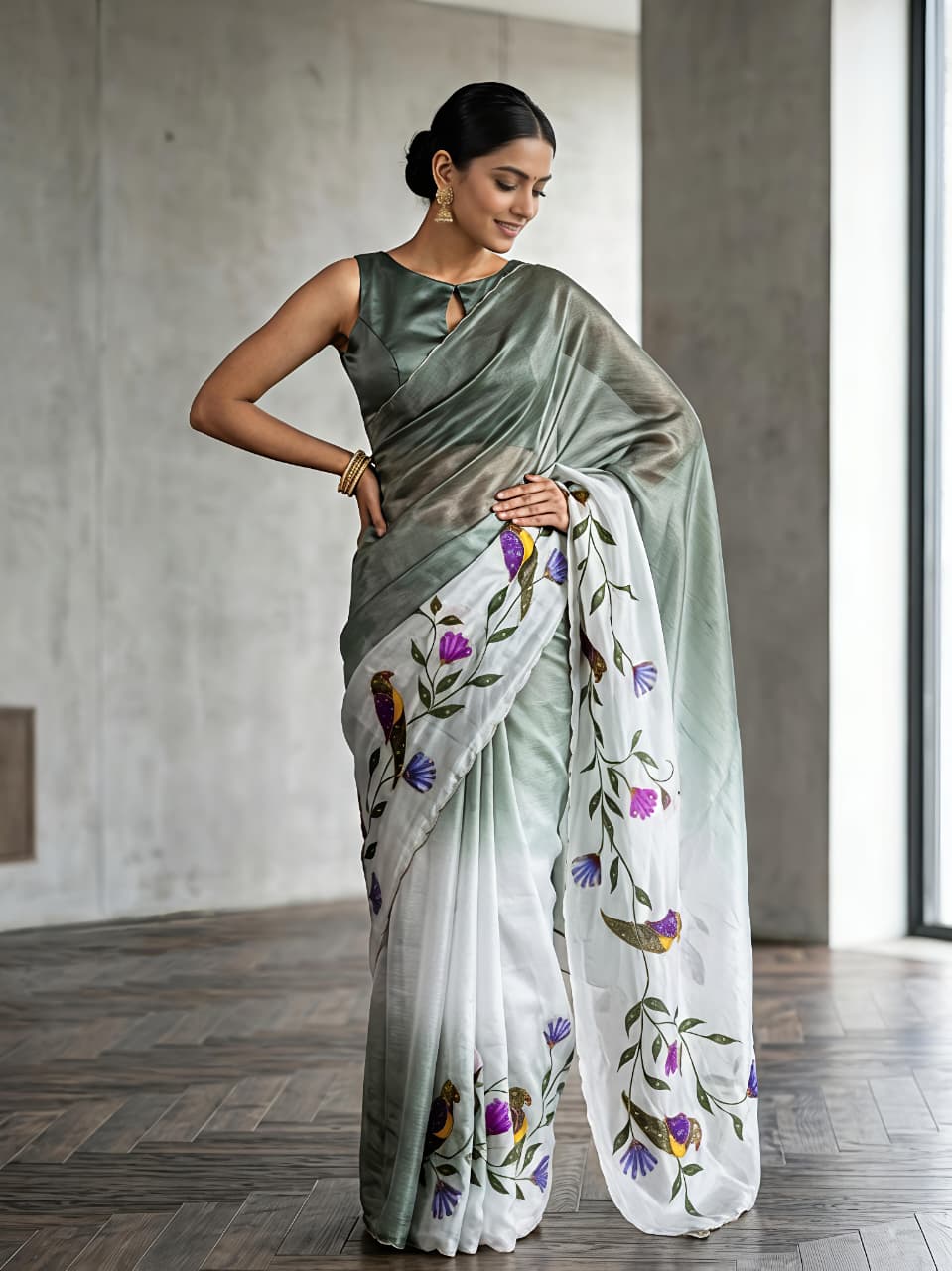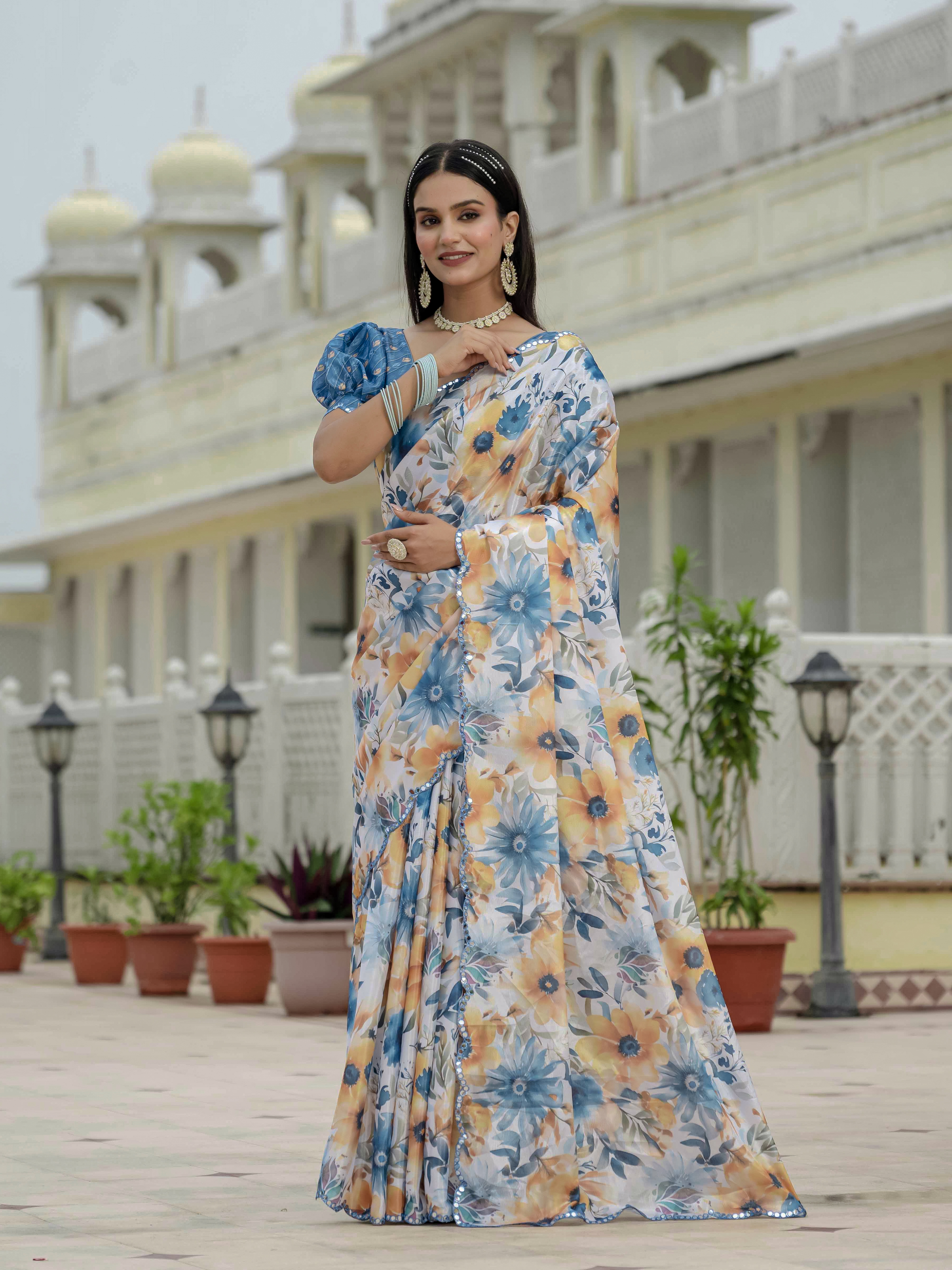
Modern Fashion Inspired by Nagaland Traditional Textiles begins with a simple observation: contemporary Indian clothing can borrow visual language from Naga weaving without reducing a living culture to a decorative print. Nagaland contains many communities, including Ao, Angami, Chakhesang, Konyak and Sumi groups, each with distinct histories, textiles and pattern traditions. Understanding that variety helps a wearer choose colour, texture and styling details with greater care.
The most useful lesson isn't to copy an entire ceremonial garment for a casual outfit. A more considered approach brings in one element at a time: a strong red-and-black palette, a narrow geometric border, a handwoven texture, a structured wrap or a handcrafted accessory. Sarees, linen-cotton separates and layered blouses can carry those references while remaining practical for Indian wardrobes.
Why Modern Fashion Inspired by Nagaland Traditional Textiles Matters
Modern Fashion Inspired by Nagaland Traditional Textiles matters because clothing carries cultural information as well as visual appeal. Naga shawls, wraps and woven panels have traditionally communicated community identity, social position, achievement and ceremonial meaning, although meanings vary between communities and periods.
Nagaland doesn't have one single "Naga textile" with one universal motif dictionary. Different communities use different combinations of colour, stripe, geometry and symbolic imagery. A black field with red and white bands may evoke a very different context from a textile dominated by bold animal or angular forms. Commercial fashion often flattens these distinctions into a generic tribal aesthetic, so responsible styling starts with accurate language and restraint.
Modern clothing can acknowledge this heritage by valuing the construction of fabric, the rhythm of repeated motifs and the relationship between colour and form. A saree with a pronounced border can echo the visual structure of a woven shawl without pretending to be one. A handloom linen saree can provide the irregular texture that makes an outfit feel tactile rather than digitally printed.
What makes Naga textiles visually distinctive?
Naga textiles are visually distinctive because many designs combine high-contrast colour blocks, narrow stripes, repeated geometric units and deliberate surface rhythm. Red, black, white, deep green, mustard and indigo frequently appear in textile discussions about the region, but actual palettes differ by community, garment and purpose.
Textile production has also historically involved loin looms or backstrap looms, which allow weavers to create compact, flexible lengths of cloth. The resulting fabric may show a firmer hand, compressed width, linear patterning or small irregularities that distinguish handwork from a perfectly uniform mill print. Those irregularities are not defects; they're evidence of process.
How to Translate Naga Textile Ideas into Contemporary Clothing
The safest translation method is to separate a textile reference into four design decisions: colour, scale, texture and placement. Selecting only one or two decisions usually produces a more polished outfit than combining every visible motif at once.
Start with colour rather than copying motifs
A colour story is the easiest way to draw inspiration respectfully. Pair charcoal or black with brick red and ivory for a graphic evening look, or combine bottle green with rust, cream and muted gold for a softer festive outfit. Navy, teal and off-white create a modern interpretation when red feels too strong for daytime.
Traditional Bottle Green Patola Border Silk Saree demonstrates how a strong border can carry an outfit without requiring a busy blouse. A plain black, cream or antique-gold blouse would preserve the saree's visual hierarchy. The same principle works with a handloom cotton saree: let the main field remain calm while the border or pallu supplies the contrast.
Use geometric rhythm at a controlled scale
Small repeated motifs work better than oversized imitation symbols for everyday wear. A narrow geometric border on a saree, a striped cuff on a blouse or a woven panel on a clutch can suggest the discipline of Naga patterning without turning a complete outfit into costume.
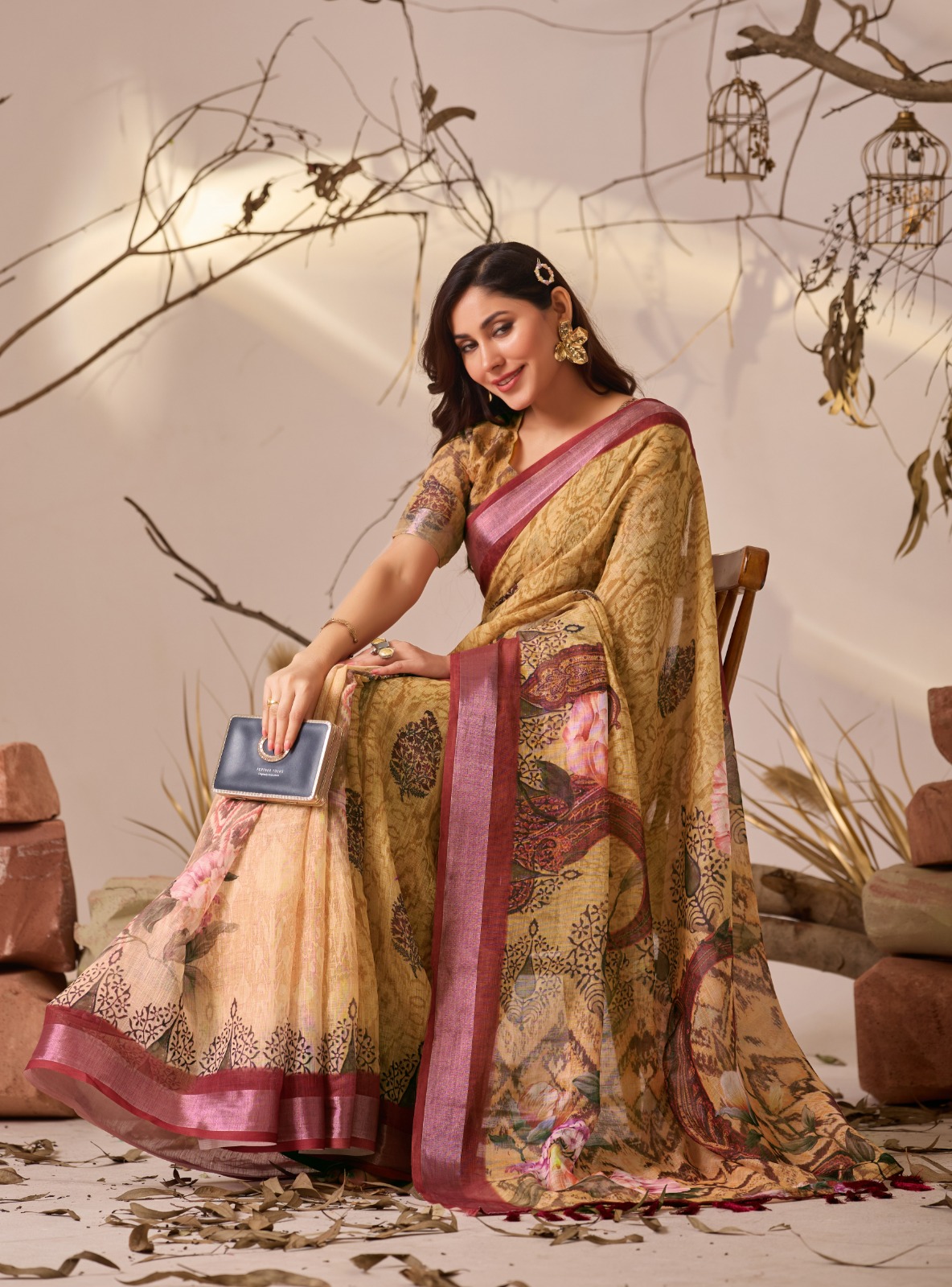
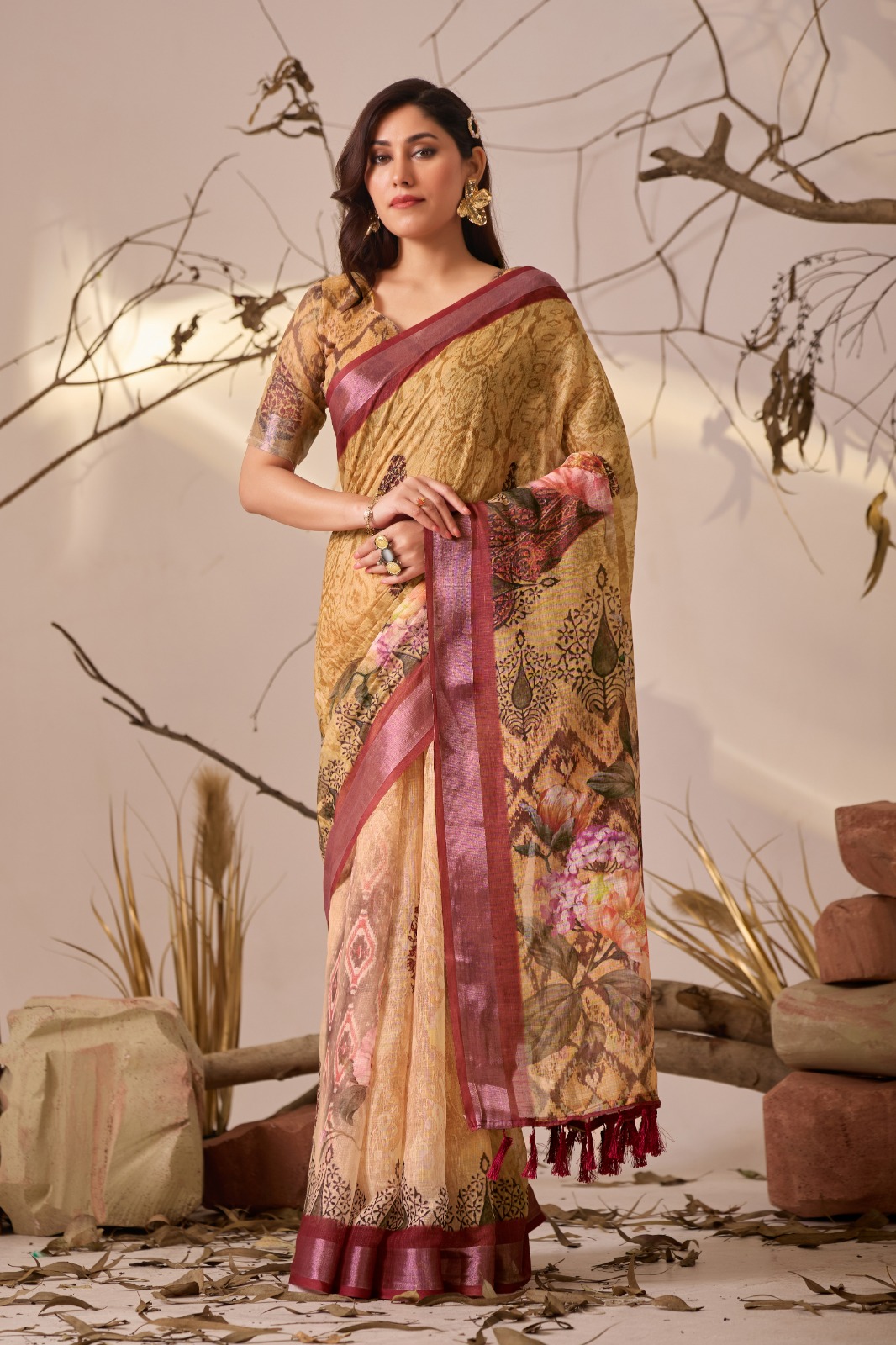
Printed Mal Cotton Saree With Designer Pallu by VARNAVI offers an useful example of concentrating visual interest at the pallu. A simple blouse in black, rust or ivory can make the pallu function like a woven statement panel. The styling remains contemporary because the reference is placed in one area rather than repeated from blouse to footwear.
Which Saree Fabrics Work Best for This Aesthetic?
Handloom cotton, linen-cotton, silk and tissue sarees work especially well because their surfaces allow colour, border and texture to remain visible. The best fabric depends on the setting, climate, desired drape and amount of structure required.
For daytime and warm weather
Mal cotton and linen-cotton provide breathable options for workdays, cultural events and informal gatherings. Mal cotton usually gives a light, easy drape, while linen-cotton can hold a slightly crisper silhouette and show slub texture. Both fabrics pair well with compact blouses, flat sandals and restrained jewellery.
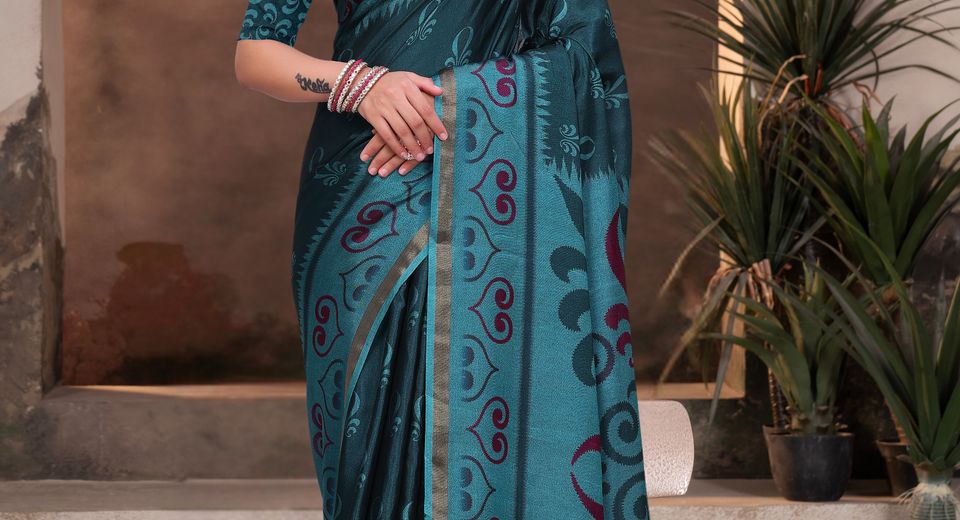
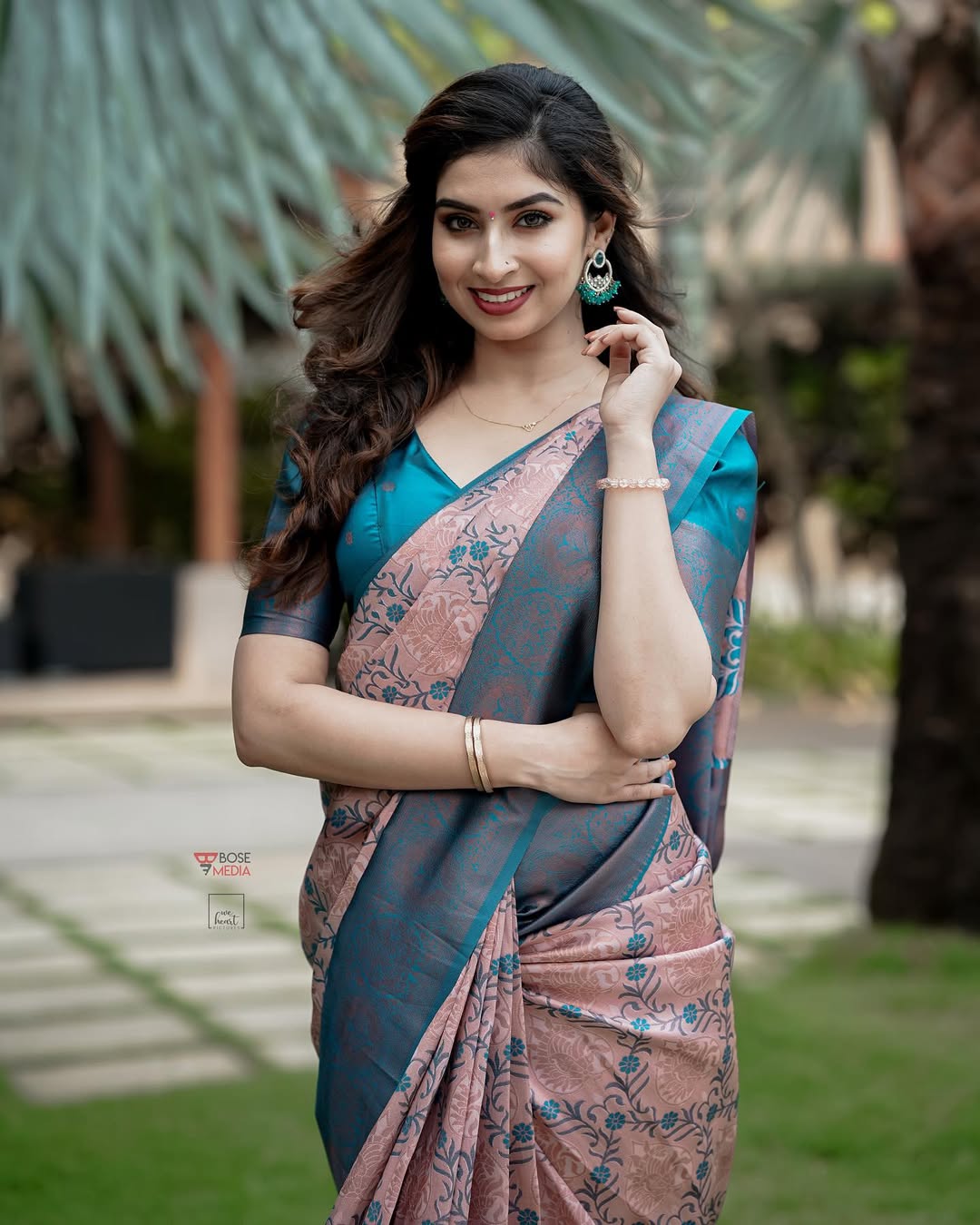
Teal Floral Printed Linen Cotton Saree With Matching Blouse can support a contemporary Naga-inspired palette when styled with oxidised silver earrings and a plain blouse layer. Floral imagery isn't a direct substitute for Naga geometry, but the saree's textured base and deep colour can create a similar sense of visual depth without making a false cultural claim.
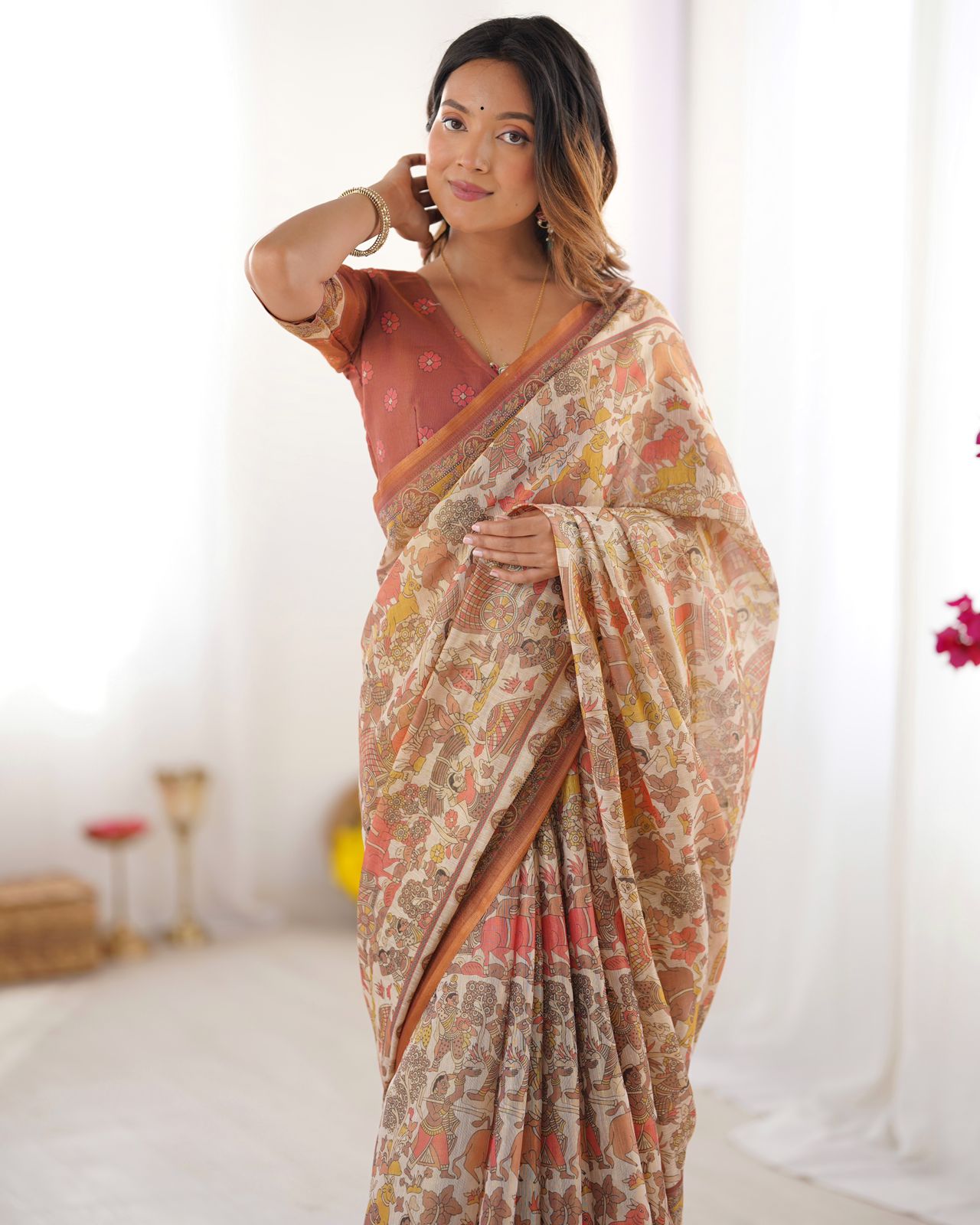
Varnavi Beige Teal Heritage Art Handloom Linen Saree is another useful direction for daytime dressing. Beige softens teal, so the outfit can accommodate a black belt, a rust blouse or a red-and-white woven bag without appearing over-saturated.
For festive occasions
Silk and tissue fabrics add structure, sheen and ceremony for weddings, receptions and evening celebrations. Zari should be used as a highlight rather than allowed to compete with a strong border or patterned pallu.
Pastel Floral Tissue Handloom Cotton Saree with Zari Weaves shows how a lighter palette can still feel detailed through surface shimmer. Pairing the saree with a deep red, black or forest-green blouse introduces a stronger colour anchor inspired by regional textile contrasts, while keeping the overall appearance appropriate for a festive wardrobe.
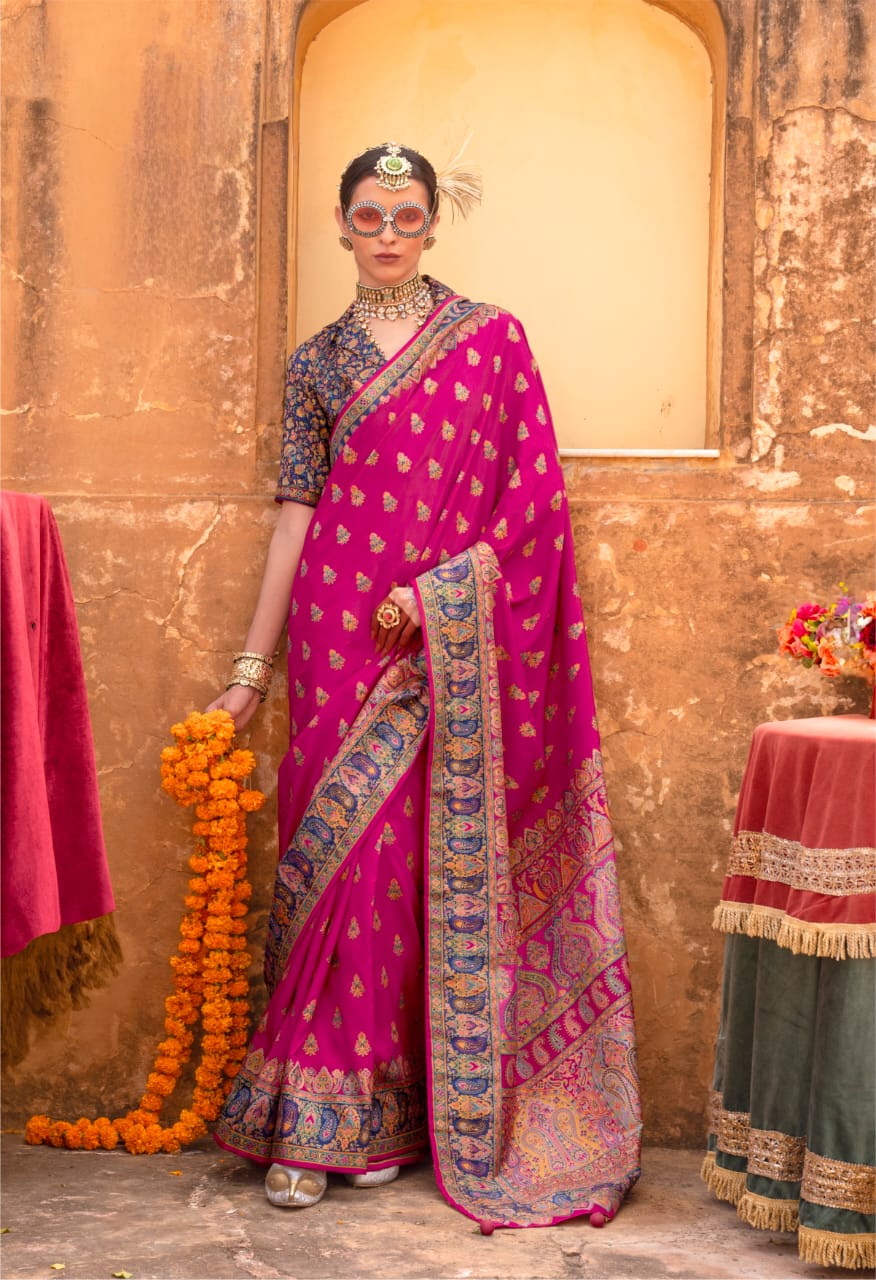
Designer Rani Pink Patola Print Pashmina Silk Festive Saree creates a different kind of statement through saturated pink and a dense silk surface. A black blouse, antique-finish jewellery and a low bun can temper the brightness. Avoid adding a heavily embroidered jacket, a large necklace and a patterned handbag at the same time, because several competing surfaces can hide the saree's structure.
How Should You Style a Naga-Inspired Saree Without Looking Costumed?
A Naga-inspired saree looks contemporary when one textile reference is balanced with modern tailoring, simple accessories and an uncluttered silhouette.
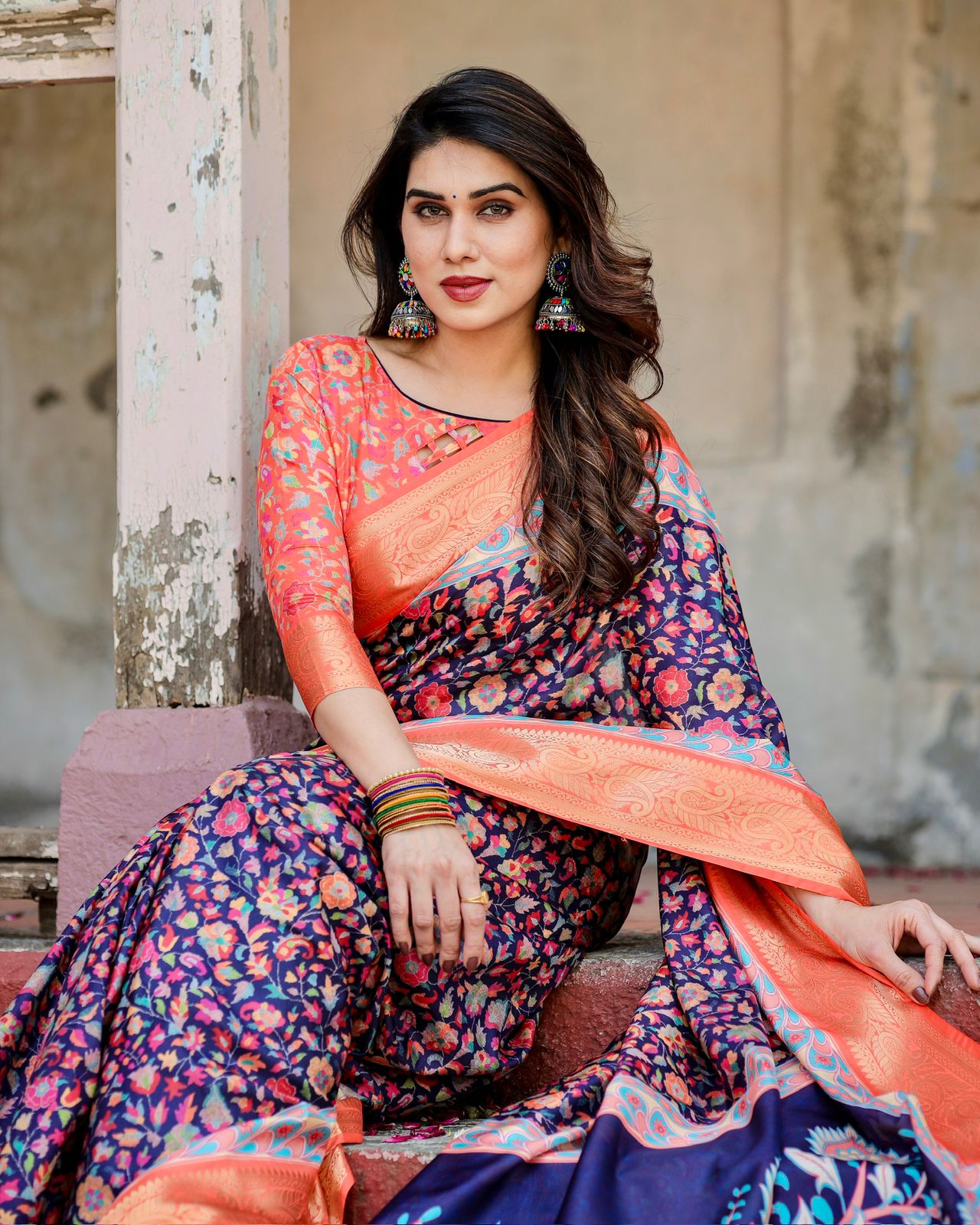
Choose a blouse with a square, boat or high neckline when the saree has a strong linear border. A sleeveless blouse can work for an evening event, while elbow-length sleeves create a more formal and culturally neutral finish. A cropped structured jacket in black, ivory or rust can replace a heavily embellished shawl and give the outfit a current proportion.
Jewellery should support the textile rather than imitate ceremonial adornment without context. Oxidised silver hoops, a single cuff, bead strands in one colour or a small metal pendant are practical choices. Large quantities of imitation beads and feathers can quickly turn cultural references into costume styling, especially when the wearer can't explain their source or meaning.
Footwear can also modernise the look. Flat leather sandals suit cotton and linen, while block heels or pointed mules work with silk. A black or tan belt worn over a saree can create a defined waist, but the belt should be narrow enough not to cover a distinctive border.
Can printed sarees carry this influence?
Printed sarees can carry a Naga-inspired mood when their colours, border scale and styling are handled with restraint. A print should not be described as an authentic Naga textile unless its provenance, design source and production process are documented.
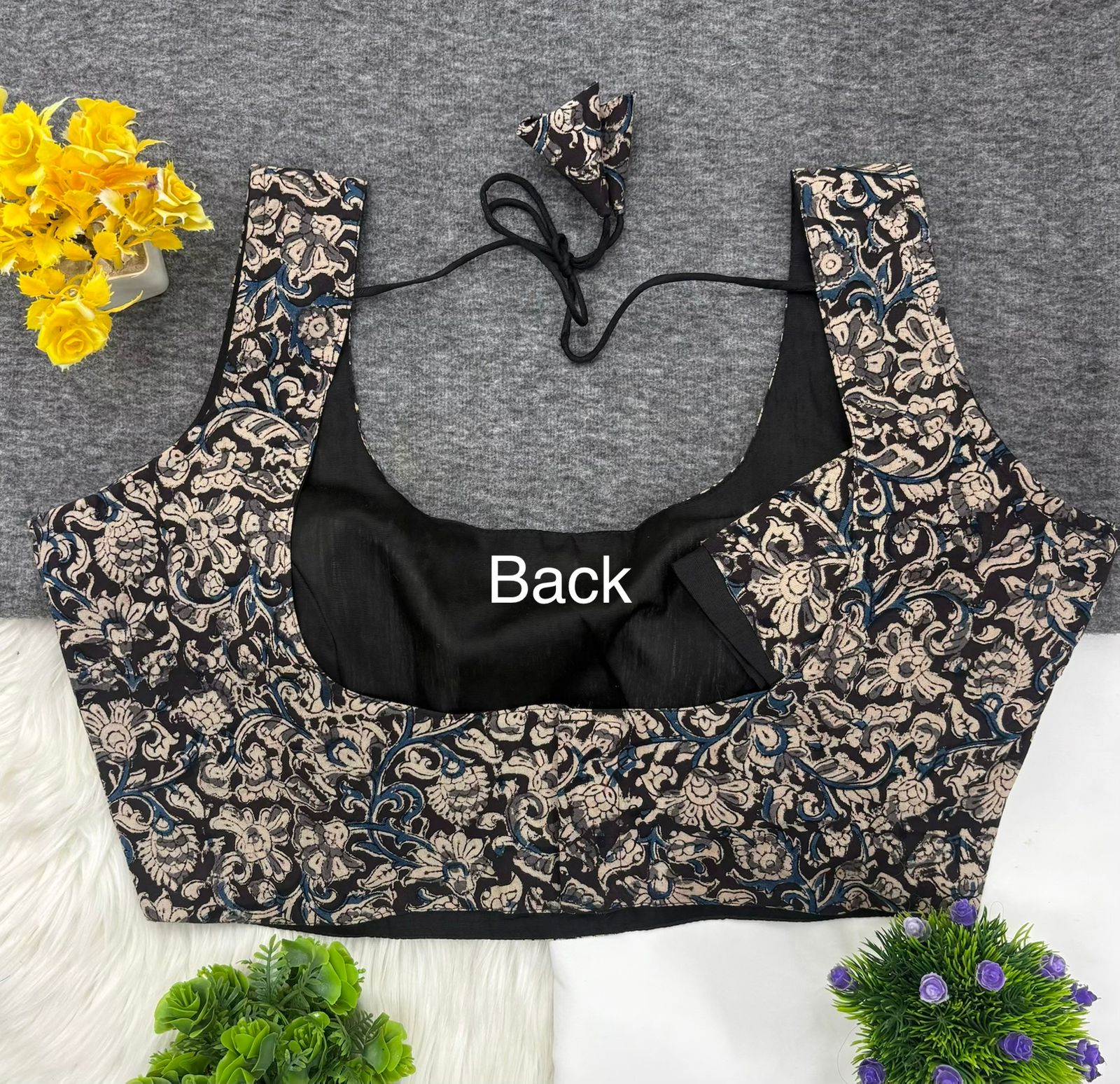
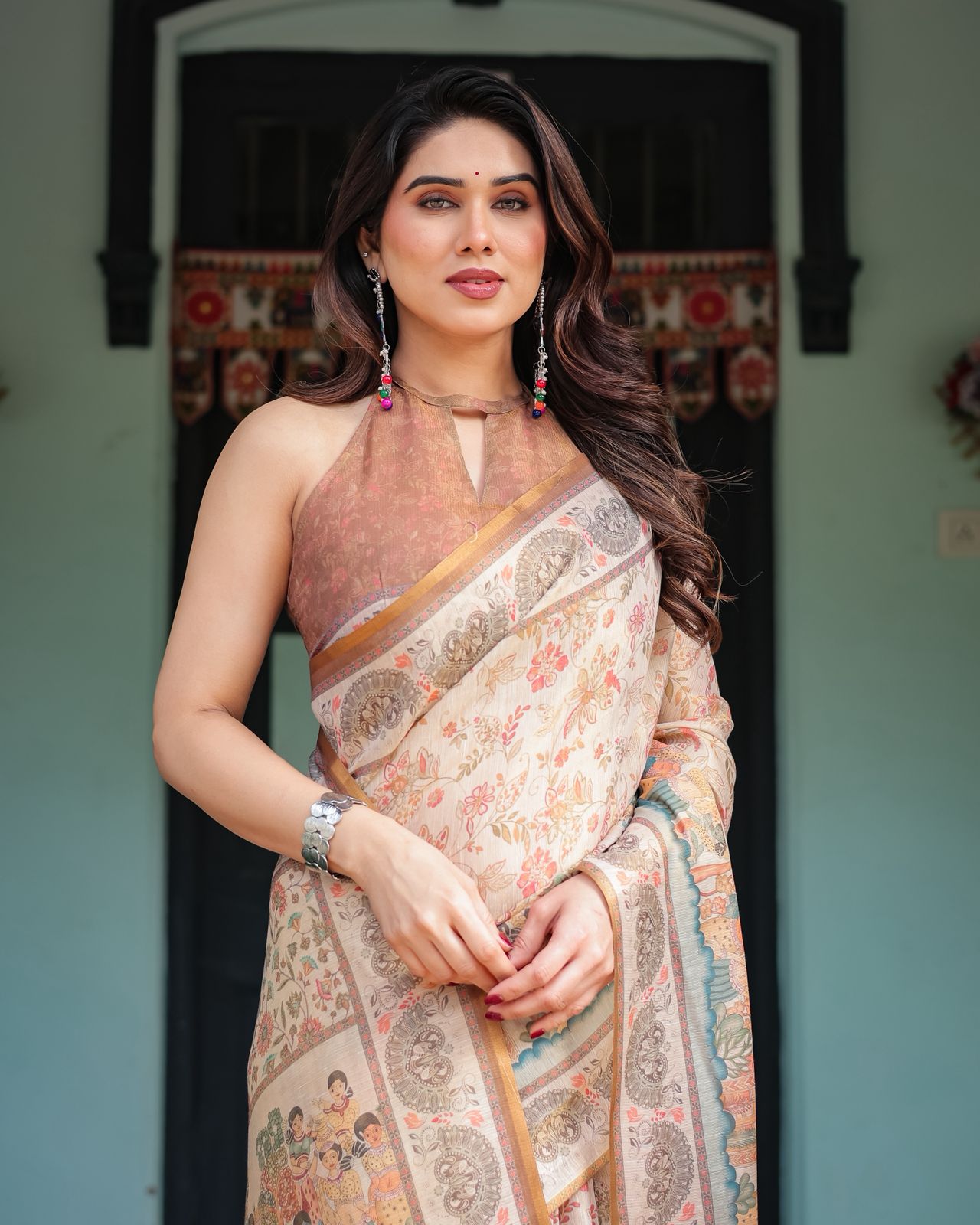
Traditional Beige Multicolor Printed Saree can be styled with a black sleeveless blouse and one red accessory to create contrast against the beige base. Navy Blue Mal Cotton Floral Saree With Blouse - VARNAVI can take on a sharper contemporary character with a plain rust blouse, silver jewellery and a tightly pleated drape. Floral prints remain distinct from Naga geometric weaving, so describing the look as "inspired by colour and texture" is more accurate than claiming direct traditional replication.
What Does Respectful Cultural Inspiration Require?
Respectful cultural inspiration requires research, precise attribution and avoidance of sacred or ceremonial designs when their meaning is unclear. Fashion styling should not present a mass-produced print as an authentic community textile.
Start by naming the influence accurately. "Inspired by the high-contrast palettes and woven geometry associated with several Naga textile traditions" is more responsible than saying that every black-and-red stripe is a traditional Naga pattern. If a designer or retailer identifies a specific community, source or artisan group, preserve that information rather than replacing it with the broad label "tribal."
Buyers can ask four practical questions before purchasing a textile: Who designed the pattern? Where was the fabric woven or printed? What fibre is used? Is the cultural reference documented? A transparent answer doesn't guarantee perfect representation, but a refusal to provide any information is an useful warning sign.
Respect also affects styling. Do not wear a community-specific ceremonial shawl as a novelty prop, attach feathers or imitation weapons to a fashion outfit, or invent meanings for motifs. A contemporary saree, blouse or woven accessory can acknowledge visual influence without claiming cultural authority.
How Can You Build a Wearable Wardrobe Around These Ideas?
A wearable wardrobe needs three anchor colours, two practical fabrics and one statement textile detail. This formula prevents every outfit from becoming a high-contrast occasion look.
- Choose an anchor neutral. Black, beige, ivory or deep navy can connect several sarees, blouses and accessories.
- Add two regional-looking accents. Rust, red, bottle green, teal, mustard or indigo can provide the contrast associated with many Indian handloom palettes.
- Select one statement element. Use a strong pallu, border, blouse, jacket, bag or jewellery piece, but not all five together.
- Vary the surface. Combine a matte cotton or linen saree with a smooth blouse, or pair silk with plain metal jewellery instead of additional shine.
- Keep the drape functional. Five to seven narrow pleats and a securely pinned pallu are usually easier for movement than an extremely loose or heavily layered drape.
For example, a teal linen-cotton saree, black blouse, oxidised silver earrings and tan sandals can work for a gallery visit or daytime celebration. A bottle-green silk saree, ivory blouse, antique-gold studs and a compact clutch can suit a festive dinner. The visual connection comes from controlled colour and texture, not from reproducing a complete traditional ensemble.
How Should You Care for Handloom Sarees Used in This Style?
Handloom sarees need gentle handling because natural fibres, surface texture and zari can respond differently to water, friction and sunlight. Always read the garment's care label before washing.
Air cotton and linen-cotton sarees in shade after wearing, then fold them with the pallu and border aligned. Wash only when necessary, use cold water and a mild detergent, and avoid wringing. A padded hanger is suitable for short-term airing, but folded storage is safer for long-term keeping because continuous hanging can stress the fabric.
Silk sarees should generally be dry-cleaned, particularly when they contain zari, dense colour or a delicate finish. Store silk in breathable cotton or muslin rather than plastic, refold the saree every few months to prevent permanent fold lines, and keep it away from direct sunlight and damp cupboards.
Pressed pleats can be refreshed with low to medium heat and a pressing cloth. Direct high heat may flatten linen texture, create shine on silk or damage metallic zari. Perfume, deodorant and hair spray should be applied before draping and allowed to dry, because alcohol and oils can mark delicate fibres.
Modern Fashion Inspired by Nagaland Traditional Textiles becomes most meaningful when the clothing remains wearable, the textile reference is named honestly and the people behind the tradition are not erased. Colour, structure and handloom texture offer enough creative material for a modern wardrobe without turning cultural heritage into a costume shortcut.
Common Questions About Styling Nagaland Textile Influences
What colours are associated with Nagaland traditional textiles?
Red, black, white, deep green, mustard and indigo frequently appear in discussions of Naga textile palettes, but colours vary between communities and garment types. A contemporary outfit can use two or three of these shades without claiming to reproduce a specific ceremonial textile.
Can I wear a Naga-inspired saree to a wedding?
Yes, a silk, tissue or richly bordered saree can work well for a wedding when the styling is elegant and the cultural reference is described accurately. Choose one strong textile feature, such as a contrasting pallu or border, and avoid using ceremonial accessories without verified context.
How can I tell whether a textile is genuinely handloom?
Ask for information about the fibre, weaving location, loom type, artisan or cooperative, and production process. Slight irregularities can occur in handwoven cloth, but visual texture alone does not prove handloom origin; transparent documentation is more reliable.
Is a black-and-red print automatically inspired by Naga textiles?
No, black and red alone do not identify a Naga textile or a specific community design. Responsible attribution requires information about the motif source, community reference and production method.
Which fabric is easiest to wear in hot weather?
Mal cotton and linen-cotton are generally practical for hot weather because they are breathable and lighter than many silk options. Cotton and linen should still be protected from harsh washing, prolonged direct sunlight and rough wringing.
How should I accessorise a Naga-inspired saree?
Use one restrained accessory direction, such as oxidised silver earrings, a narrow metal cuff or a single-colour bead strand. Avoid combining imitation ceremonial objects, feathers and multiple heavy necklaces when the cultural meaning of those items is unknown.