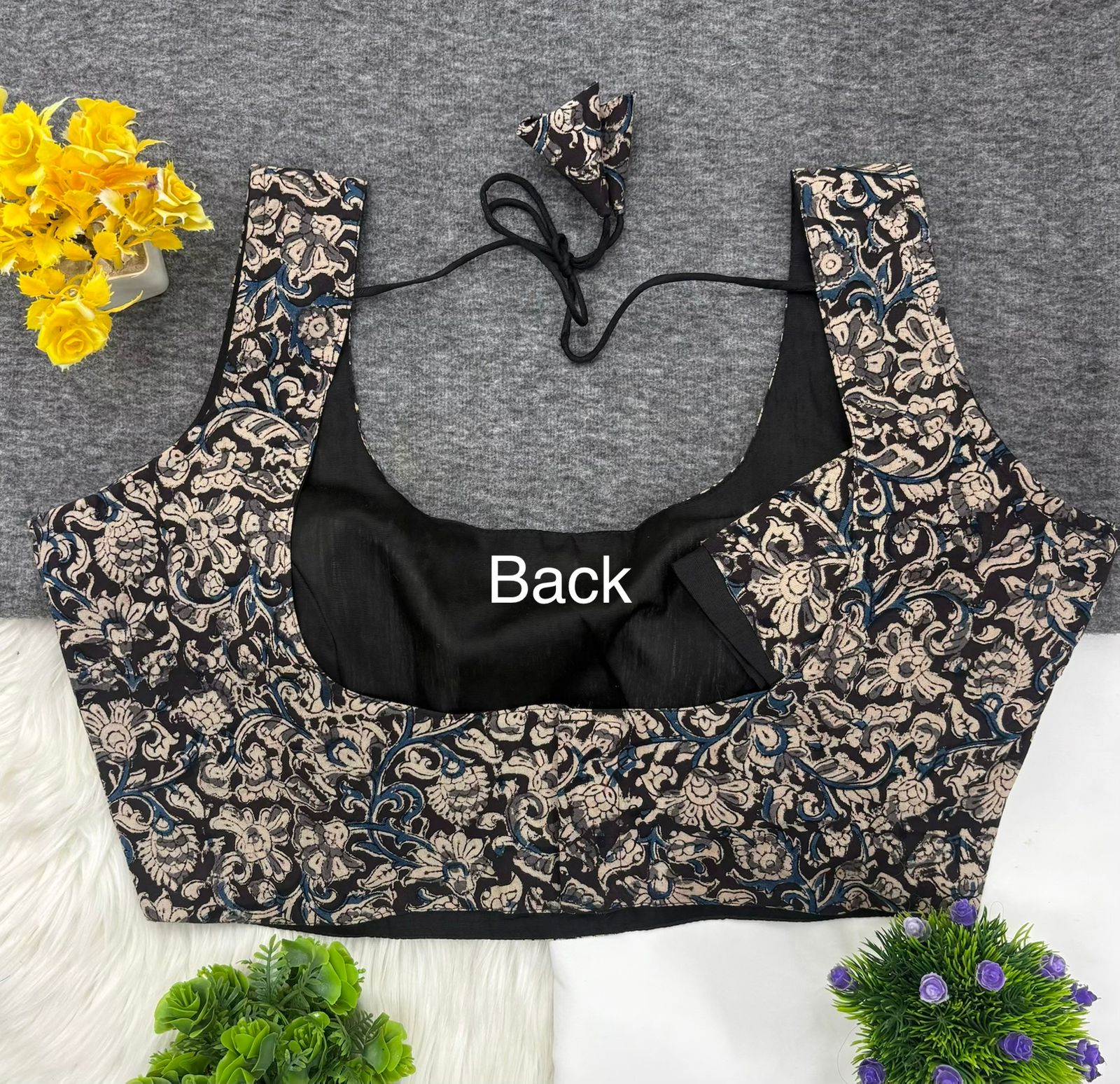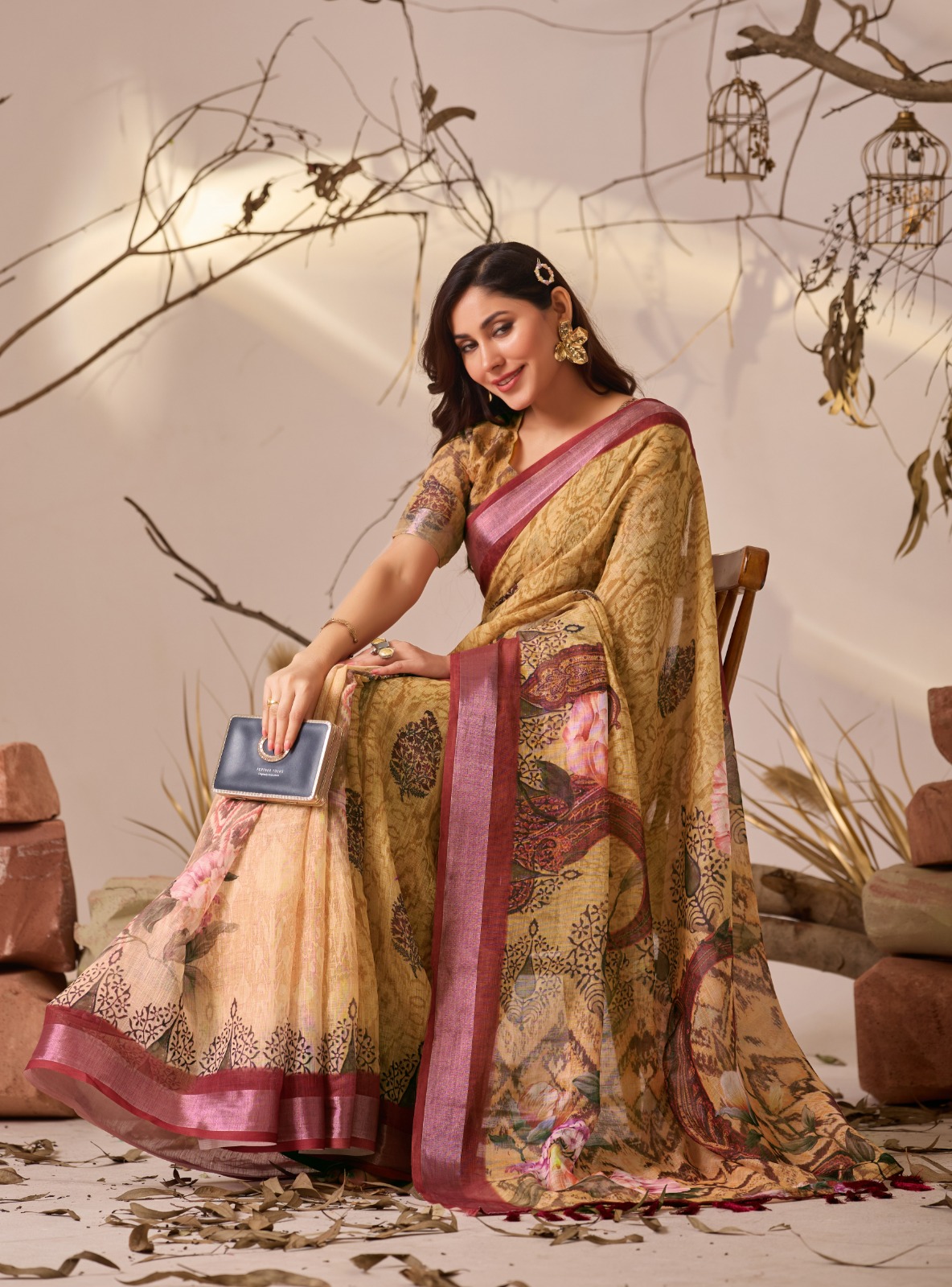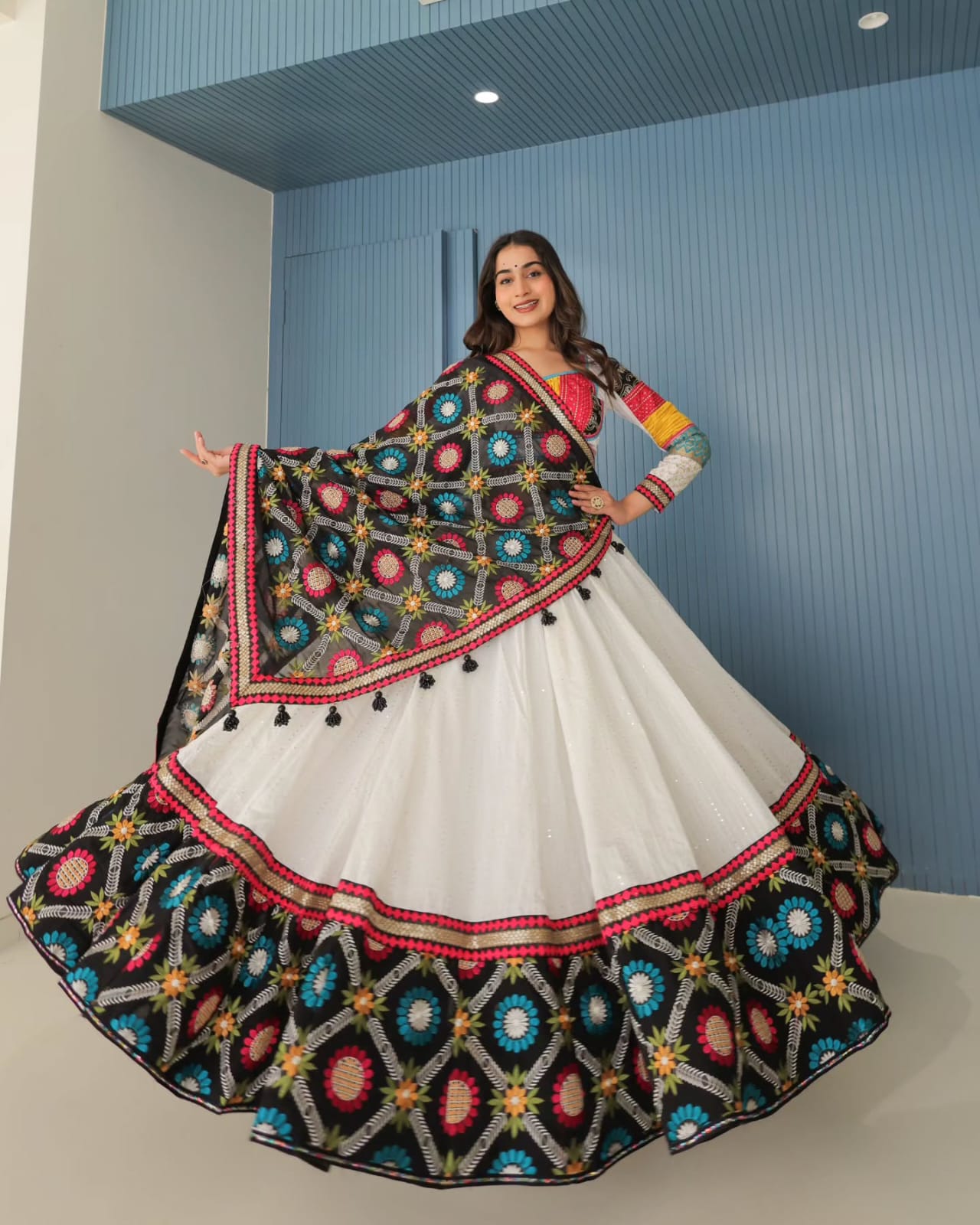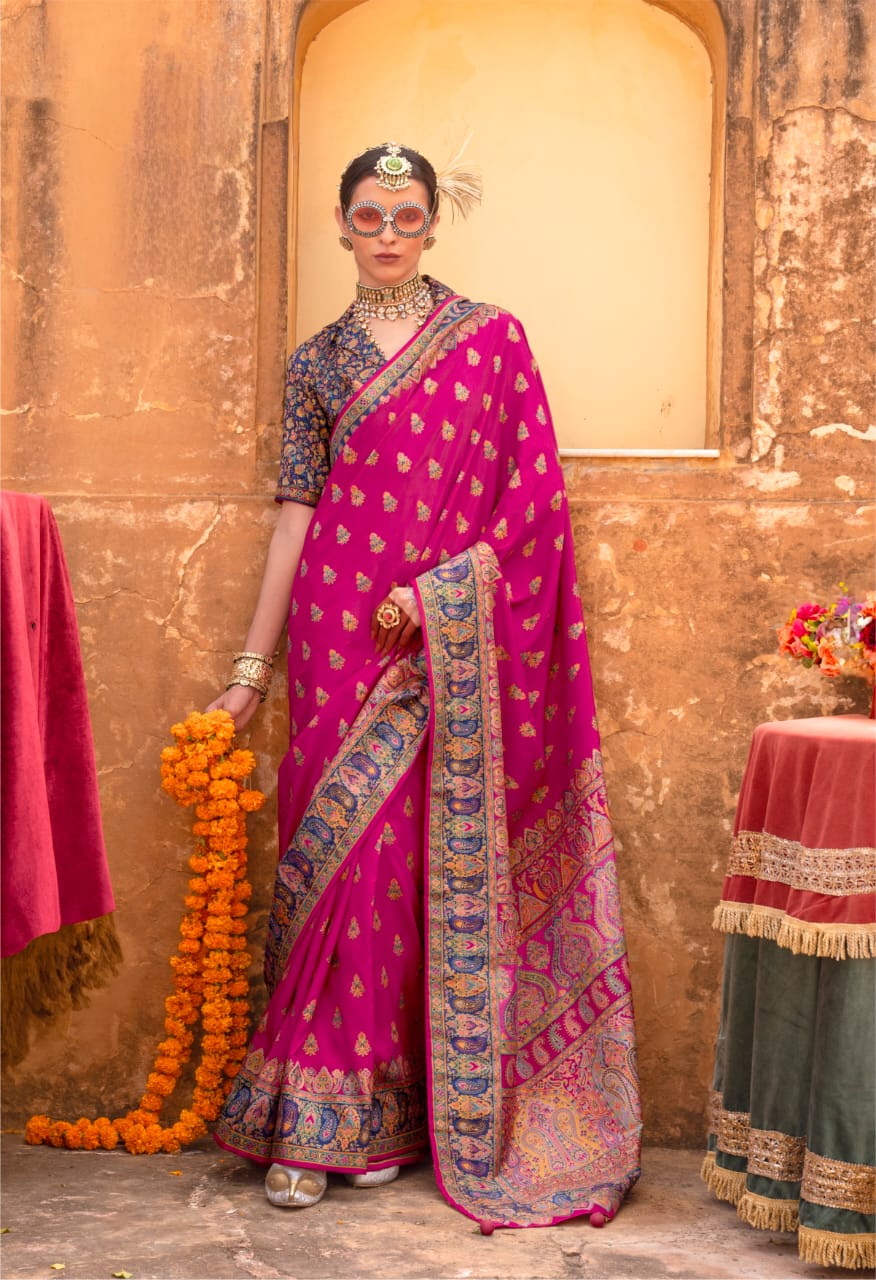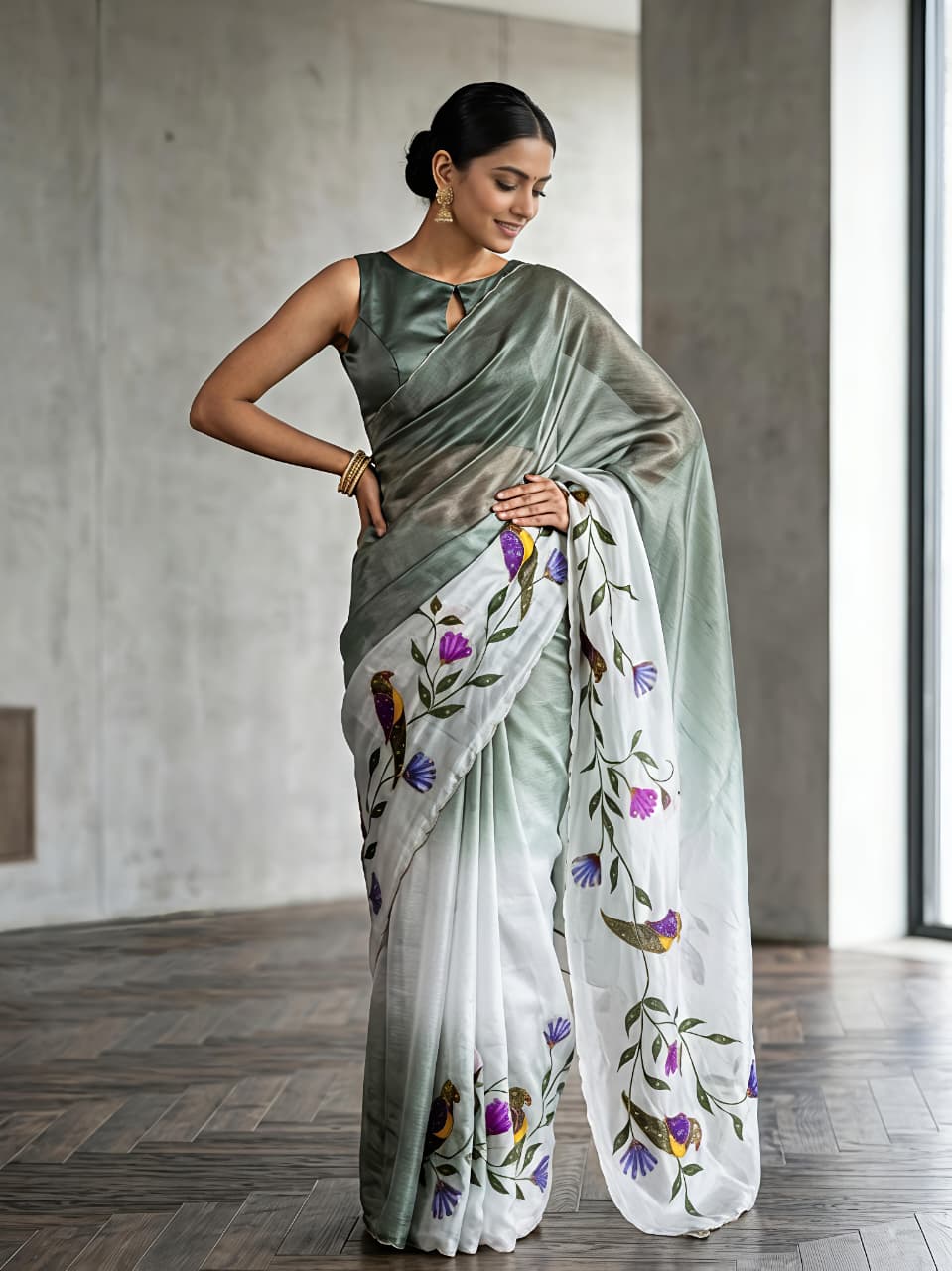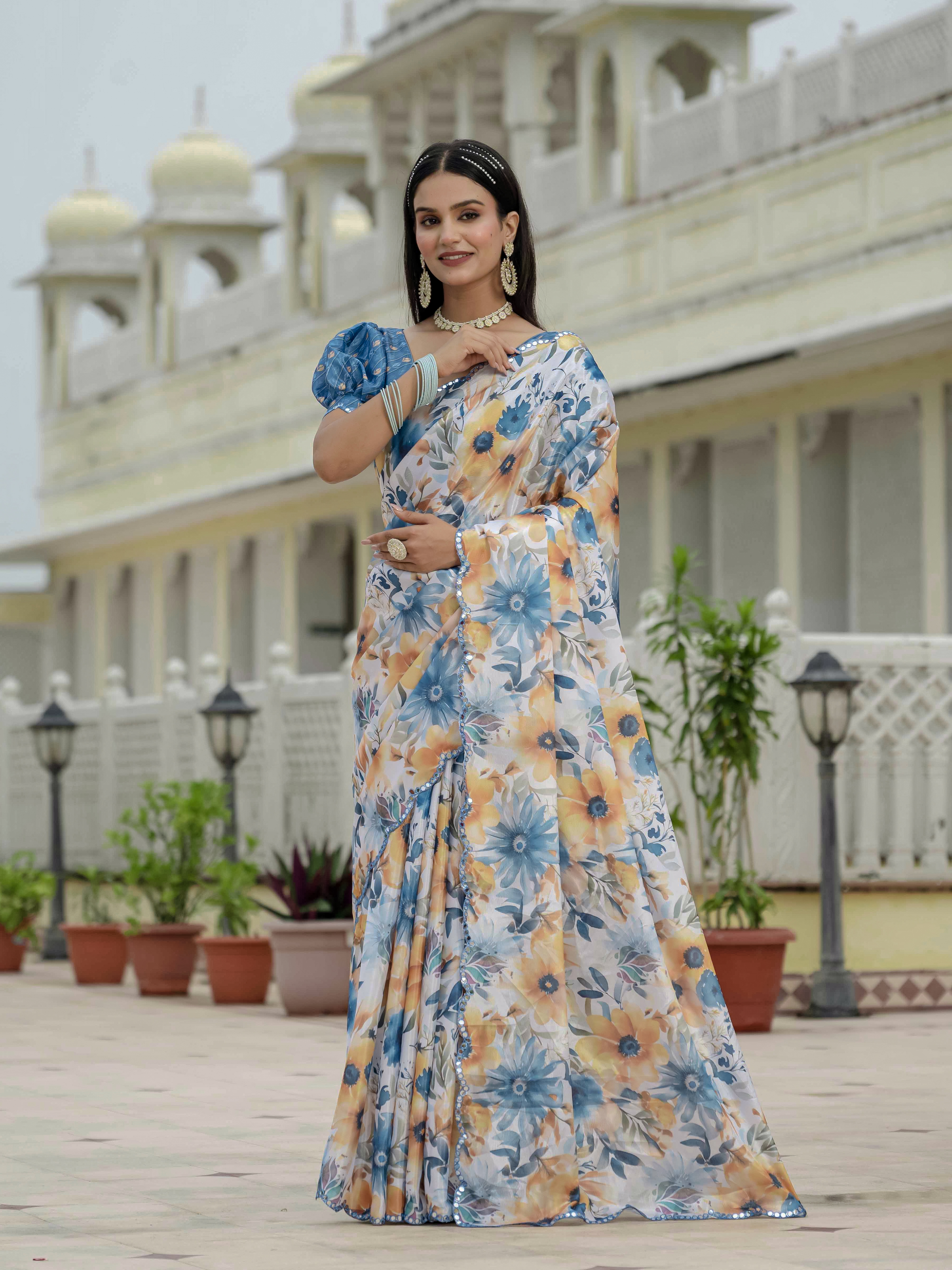
Modern Fashion Inspired by Arunachal Traditional Textiles begins with respect for the communities that make, wear and interpret cloth. Arunachal Pradesh contains many distinct textile traditions, including the woven practices of the Nyishi, Apatani, Adi, Galo, Monpa, Sherdukpen, Wancho and Nocte communities. Each tradition has its own materials, colours, construction methods and social context. Contemporary clothing can respond to those ideas through colour, proportion and texture without copying sacred symbols or treating indigenous design as a decorative trend.
What makes Arunachal traditional textiles distinctive?
Arunachal traditional textiles are distinctive because weaving, clothing and community identity are closely connected. The state's varied landscapes and numerous ethnic communities have produced different approaches to stripes, bands, geometric patterning, natural and synthetic fibres, and garment construction.
Many traditional textiles use strong horizontal or vertical arrangements rather than dense all-over ornament. Repeated bands, contrasting borders and geometric forms create visual rhythm. Red, black, white, yellow, green and blue appear in different combinations across communities, although no single colour palette represents all of Arunachal Pradesh.
Backstrap looms and other handloom methods have historically allowed weavers to produce cloth for wraps, shawls, skirts, jackets, belts and ceremonial garments. The width of a handwoven panel often influences the final garment shape. A narrow woven strip may become a border or sash, while several panels can form a larger drape or wrap.
Clothing also communicates more than personal taste. Certain patterns, headdresses, ornaments and forms may relate to age, marital status, clan identity, festivals or ceremonial use. A modern designer therefore needs to distinguish between general visual inspiration and symbols that require community permission, attribution or a specific cultural setting.
How can Modern Fashion Inspired by Arunachal Traditional Textiles remain respectful?
Modern Fashion Inspired by Arunachal Traditional Textiles remains respectful when designers name the source community, avoid sacred or restricted motifs, and collaborate with craftspeople instead of extracting patterns without context.
Responsible adaptation starts with research. A designer should identify whether a reference comes from Apatani, Adi, Monpa, Nyishi or another tradition rather than describing every North Eastern textile as "tribal print." The phrase "tribal" can erase important differences between communities and reduce a living culture to a visual category.
Commercial use also requires transparency. A brand using a handwoven panel should state whether the panel is genuinely handwoven, where it was made, which fibre it contains and whether the maker received fair compensation. A digitally printed cotton saree may draw on a colour arrangement inspired by Arunachal textiles, but it should not be presented as an original traditional weave.
Respectful styling avoids turning ceremonial objects into casual accessories without explanation. Traditional jewellery, headgear and heirloom textiles may carry meanings that a fashion photograph can't communicate. Contemporary wardrobes can borrow proportion, contrast and layering while leaving community-specific regalia in its proper cultural context.
Which textile ideas translate well into contemporary clothing?
Geometric borders, disciplined colour blocking, textured surfaces and woven-looking bands translate particularly well into contemporary clothing because they provide structure without requiring a literal reproduction of a traditional garment.
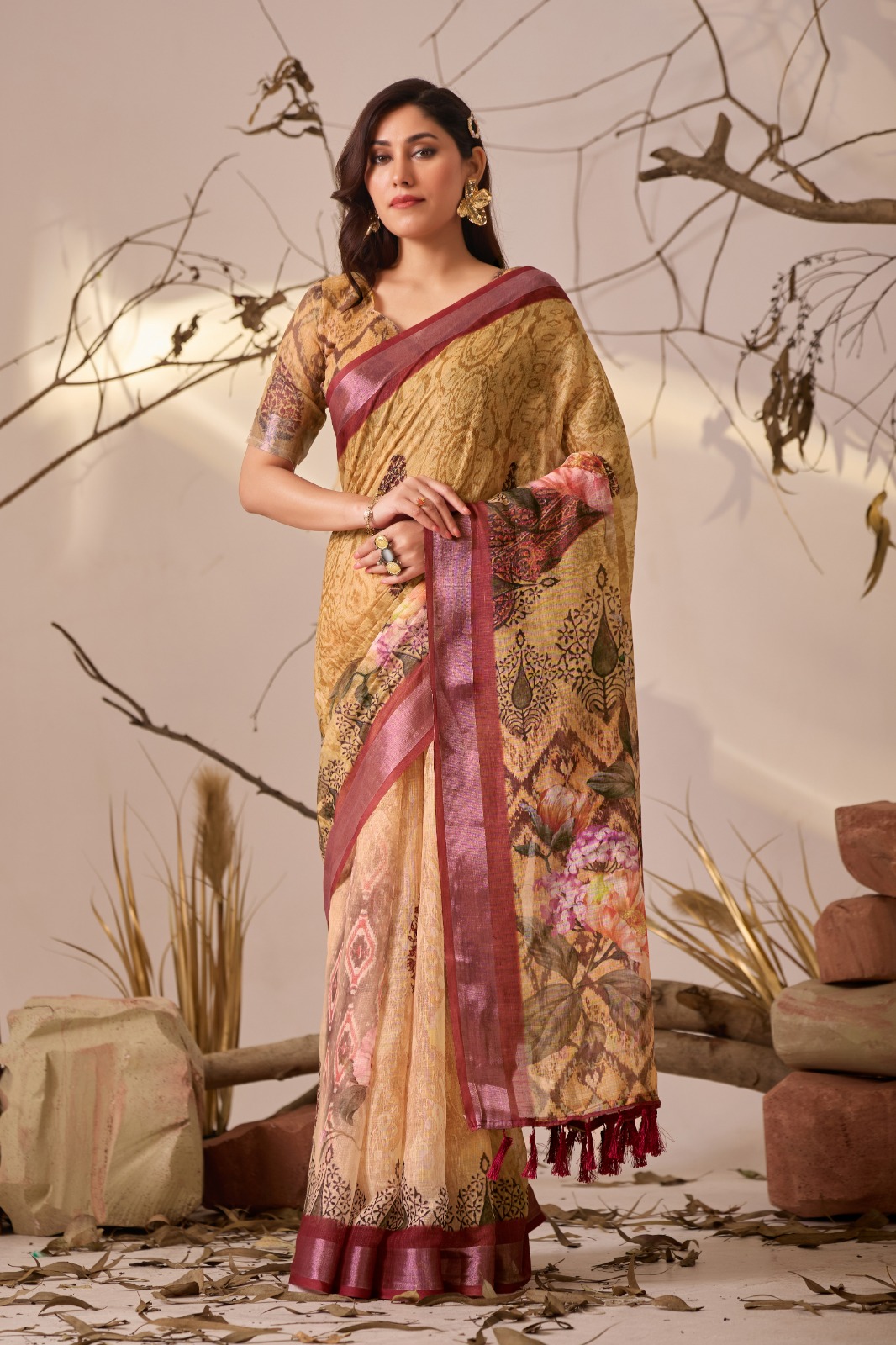
Colour blocking and border placement
Contrasting borders offer one of the easiest ways to introduce Arunachal-inspired visual logic into a saree or separates wardrobe. A deep blue border against teal, an earthy beige ground with red accents, or black and white bands against a brighter field can create definition around the body.
A border should have enough space to remain visible. On a saree, a border between 2 and 5 inches wide usually reads clearly in photographs and while walking. A narrow 1-inch edging can look refined on a blouse cuff, dupatta or palazzo hem.
Stripes, bands and geometric rhythm
Horizontal bands can be adapted into blouse sleeves, yokes, belts, jacket panels and saree pallus. Narrow bands suit minimalist outfits, while broader bands create a stronger statement on an otherwise plain garment.
Geometric rhythm works best when the rest of the outfit is quiet. Pairing a patterned pallu with a plain blouse allows the woven reference to remain legible. Repeating several unrelated motifs across one look can make the outfit appear busy and can also blur the identity of the original reference.
Surface texture
Linen, cotton, eri silk and handloom blends can suggest the tactile character of woven cloth even when the garment uses a contemporary construction. Texture becomes especially visible in a saree drape, an oversized jacket, a cropped blouse or a structured wrap skirt.
How do you style Arunachal-inspired sarees without making the look costume-like?
Style an Arunachal-inspired saree with one clear focal point, a restrained blouse, practical jewellery and a silhouette that suits the wearer's movement.
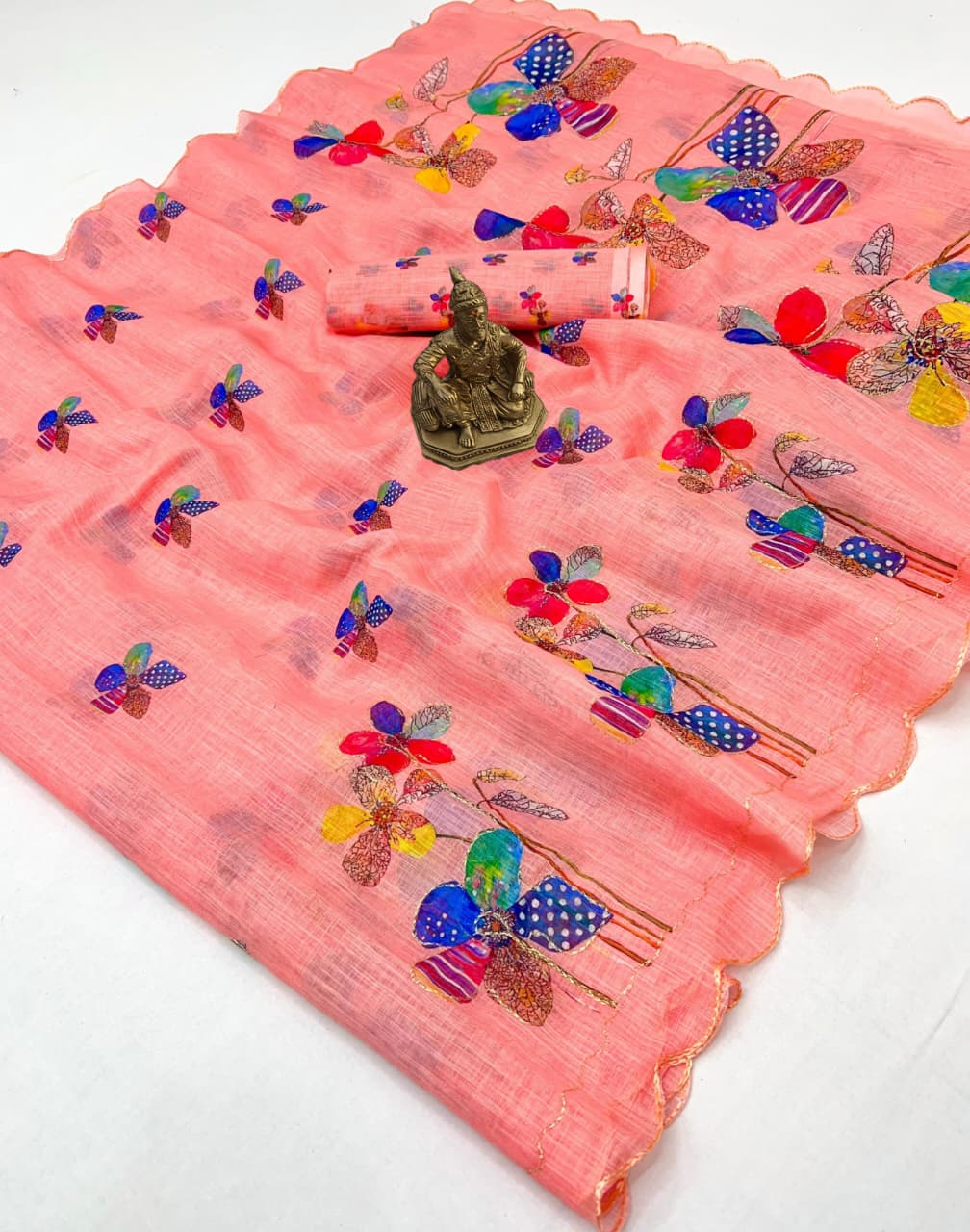
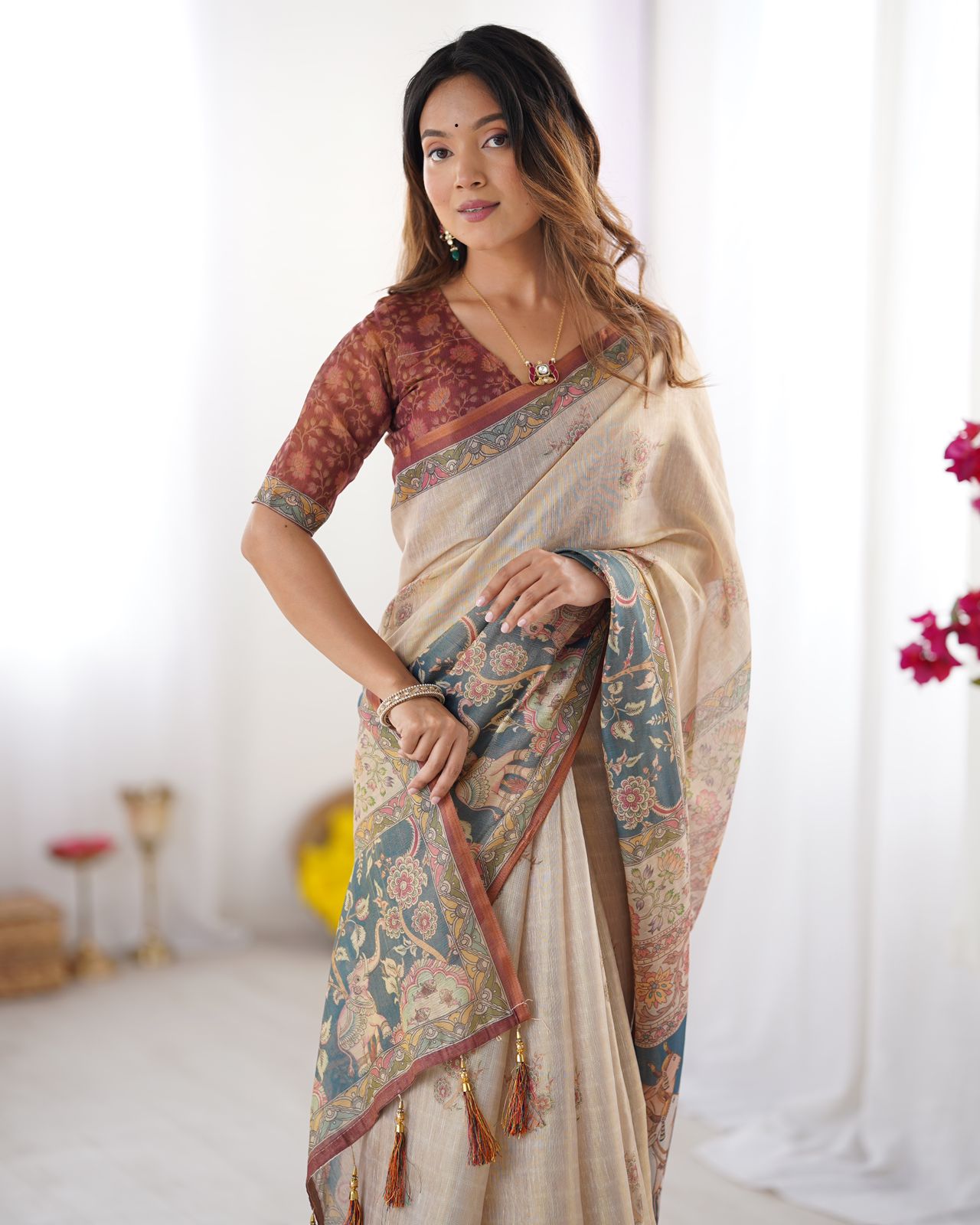
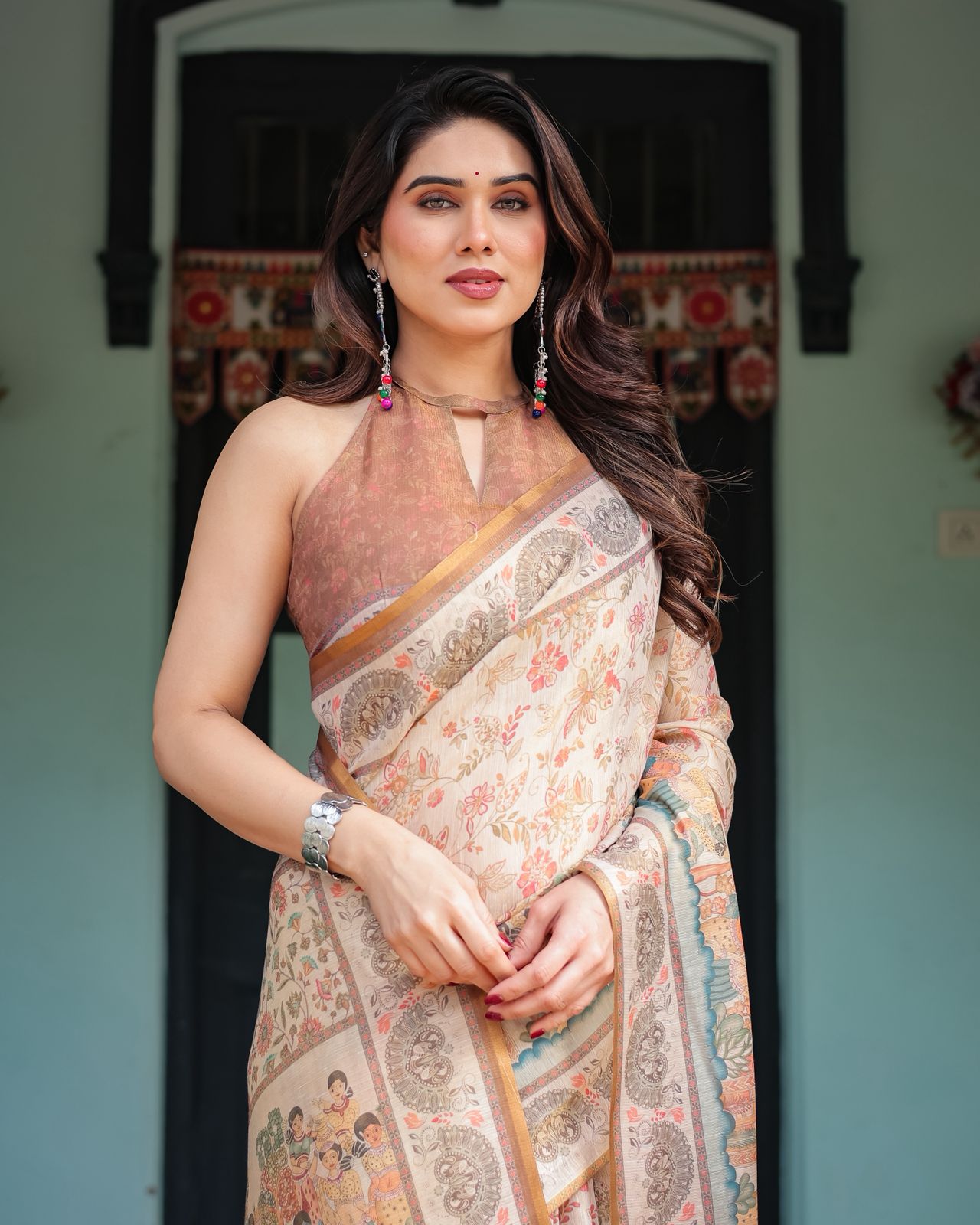
The Traditional Beige Multicolor Printed Saree offers an useful example of a neutral base carrying several accent colours. A plain black, indigo, rust or muted green blouse can pick up one shade from the print without competing with the entire pattern. A low-contrast petticoat helps the saree fall cleanly, particularly when the fabric is cotton or linen.
The Pastel Floral Tissue Handloom Cotton Saree with Zari Weaves demonstrates another approach: combine a lighter surface with a defined woven accent. A simple blouse in ivory, powder blue or soft gold keeps the zari visible. Small earrings and a single bangle are often more effective than heavy layered jewellery when the saree already has texture and shine.
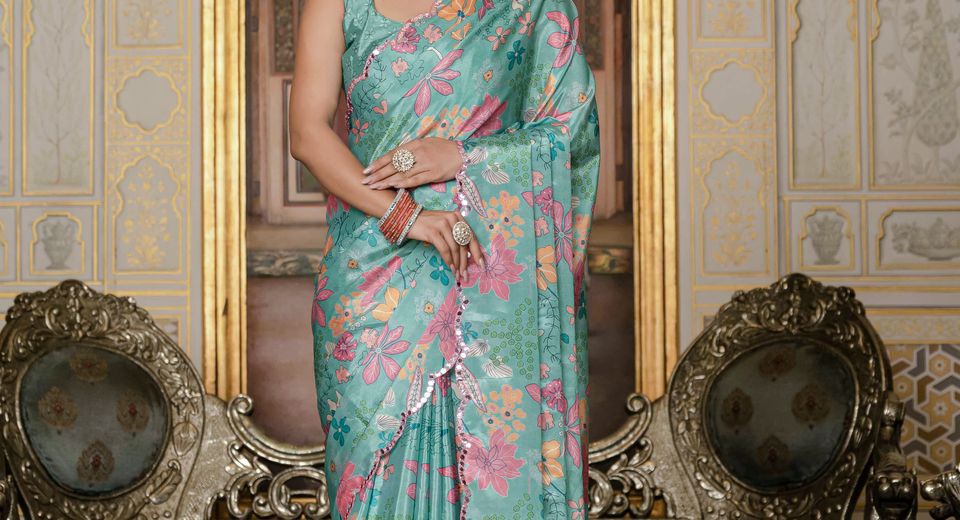
For a stronger border-led look, the Teal Floral Printed Linen Cotton Saree With Matching Blouse can be worn with the supplied blouse for visual continuity. A tan leather sandal, a fabric potli or a matte metal watch can make the outfit appropriate for a gallery visit, daytime celebration or work-adjacent cultural event.
The Teal Floral Linen Cotton Saree With Blue Border by Varnavi Women shows how a blue border can become the main styling anchor. Repeating the blue in a small bindi, glass bangles or a narrow hair ribbon creates cohesion without matching every accessory exactly.
When the saree has a bold pallu, keep pleats narrow and regular so the design remains visible. When the saree is lightweight, use a neat shoulder pin placed from the inside and avoid excessive folding, which can hide the border and create bulk.
Which modern silhouettes work with Arunachal textile references?
Modern silhouettes that preserve visible panels and borders work best with Arunachal textile references. Sarees, wrap skirts, cropped jackets, relaxed shirts, wide-leg trousers and panelled dresses can all show the logic of woven construction.
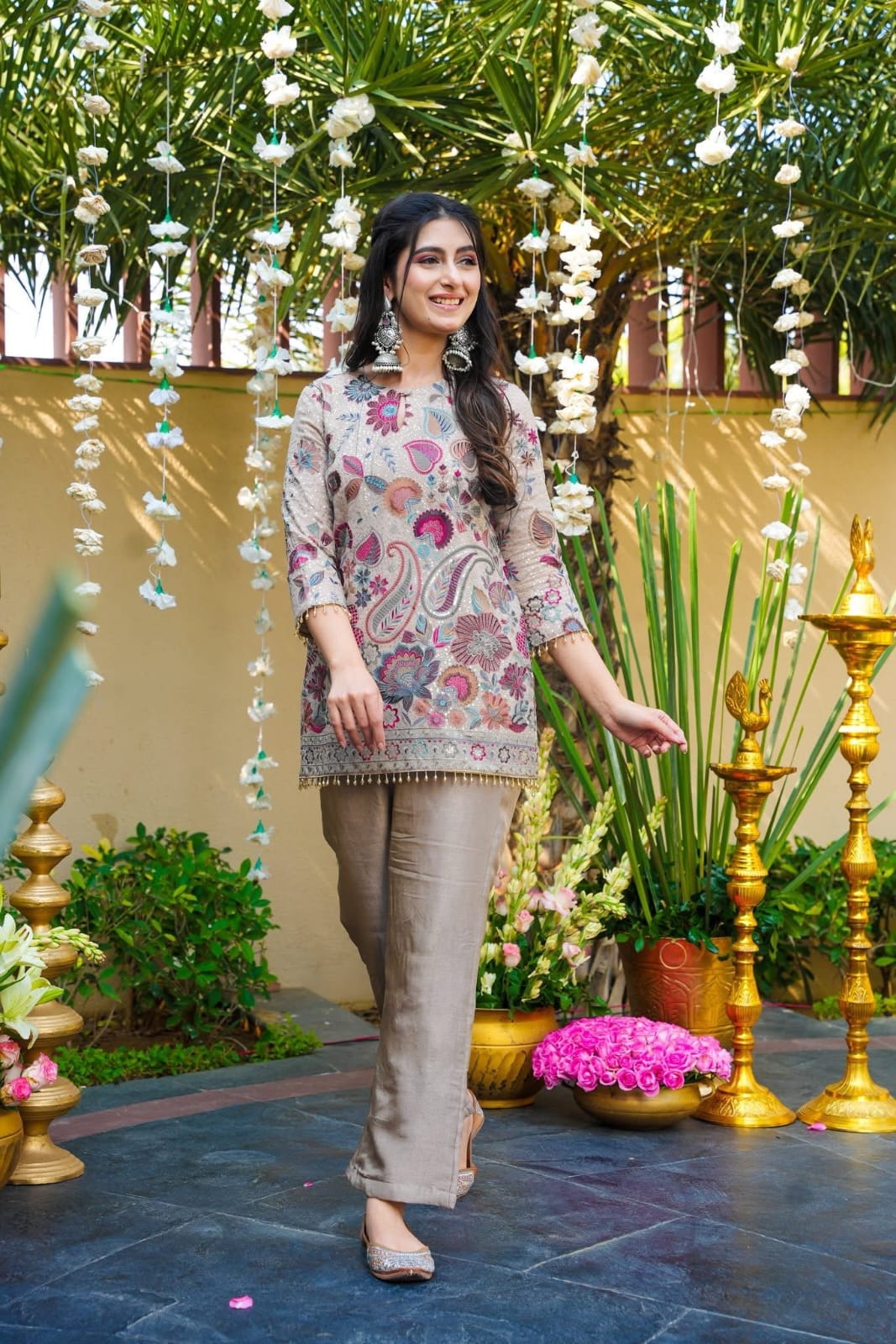
A jacket with a contrasting sleeve band can reference woven borders without replicating a ceremonial garment. A straight kurta with a geometric yoke keeps the motif above the waist and makes the outfit easy to wear with plain trousers. A longline vest can frame a simple saree while allowing the border to remain visible.
Wide-leg trousers and palazzos benefit from a narrow woven-inspired hem because the moving fabric gives the band visual emphasis. A plain cotton shirt with a patterned scarf gives an even lower-commitment option for someone testing colour combinations before investing in a larger garment.
The Printed Mal Cotton Saree With Designer Pallu by VARNAVI illustrates how the pallu can carry most of the visual information. The saree can be paired with a solid blouse and minimal accessories, allowing the pallu to function like a textile panel rather than one element among many competing decorations.
The Ethnic Beige Cotton Linen Saree with Village Art Design takes a more illustrative route. Its beige ground can be balanced with terracotta, indigo, olive or charcoal separates. A cropped jacket in a plain fabric can modernise the proportions while keeping the village-art surface visible.
How should you choose fabric, fit and colour?
Choose fabric according to the climate, drape requirement and frequency of wear, then select colours that create one deliberate contrast rather than several unrelated accents.
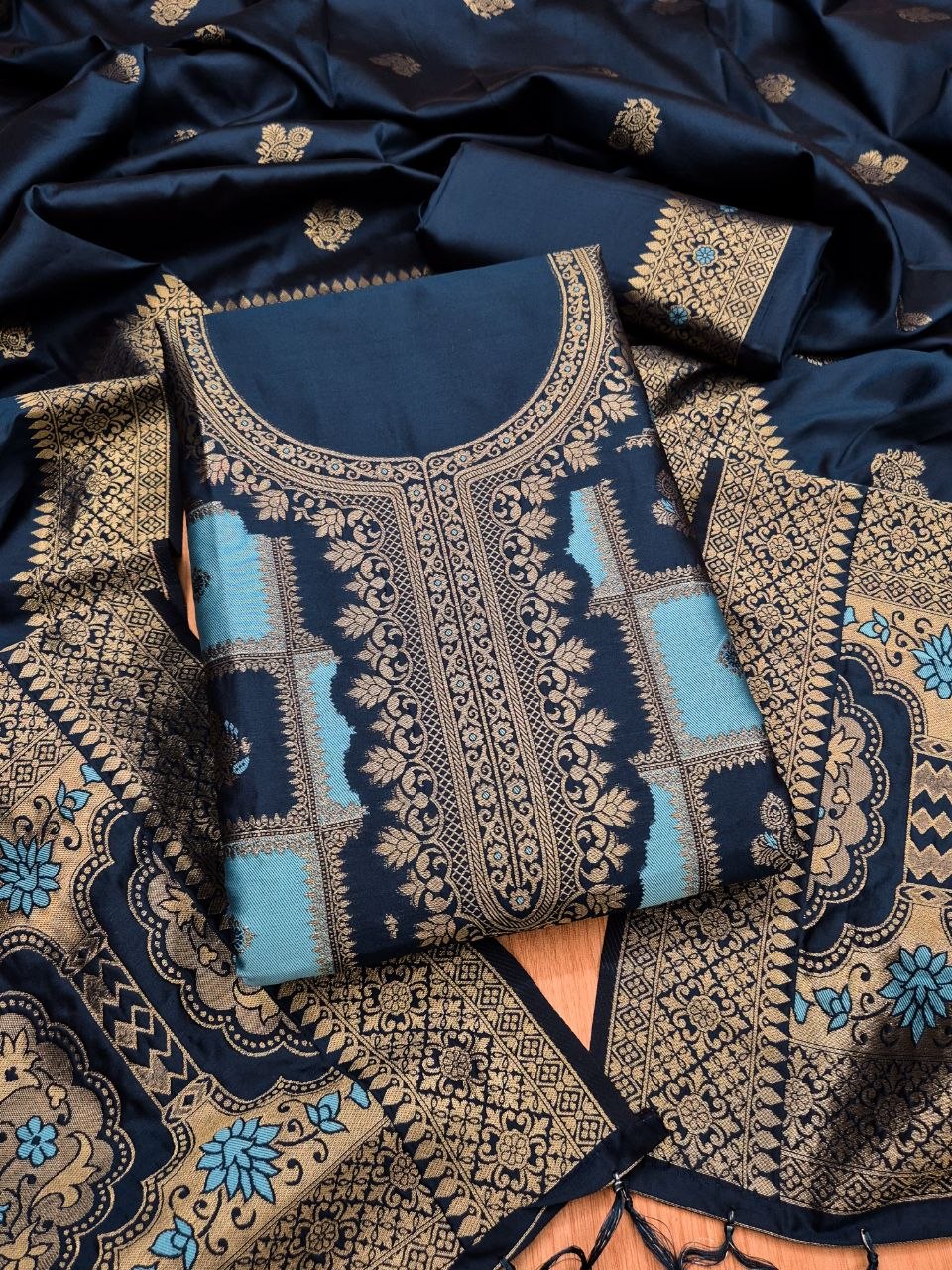
Cotton works well for humid weather and repeated daytime use because it absorbs moisture and allows airflow. Linen and linen-cotton blends offer a crisp, slightly irregular surface that suits border-led designs, although they may crease more readily. Tissue cotton and zari require more careful handling because metallic threads and lightweight structures can snag or lose shape.
For a first purchase, a medium-weight cotton or linen-cotton saree is generally easier to manage than a very sheer or heavily embellished textile. A medium-weight fabric usually forms stable pleats, needs fewer pins and remains comfortable for several hours.
Colour selection should account for natural lighting. Teal, cobalt and deep red can appear much stronger under indoor event lighting than in daylight. Beige, cream and muted pastels offer versatility, while a saturated border supplies the definition associated with banded textile compositions.
Fit matters as much as fabric. A blouse should allow the arms to move freely, especially when the saree includes a stiff border or when the wearer plans to sit for long periods. A blouse sleeve ending just above or below the strongest border line usually produces a cleaner visual break than a sleeve that cuts directly through it.
How do you care for handloom-inspired sarees and woven fabrics?
Care for handloom-inspired sarees by checking the fibre and embellishment first, using gentle washing methods, and storing the garment away from direct sunlight.
- Read the care label: Cotton, linen, silk, zari and blended fabrics can require different treatments, so a general washing rule isn't suitable for every saree.
- Test colour fastness: Dab a hidden seam with a damp white cloth before the first wash, particularly when the saree contains dark blue, red, black or green areas.
- Use mild detergent: Cold water and a small amount of gentle detergent reduce colour bleeding and fibre stress. Avoid bleach and strong whitening agents.
- Dry in shade: Direct sunlight can fade printed surfaces and weaken some fibres. Support the wet saree rather than hanging a heavy, waterlogged garment from one corner.
- Iron carefully: Iron cotton and linen on the recommended setting from the reverse side. Place a thin cotton cloth over zari or metallic sections and avoid dragging the iron across raised threads.
- Store with airflow: Fold clean sarees along soft, alternating lines and refold them every few months. Muslin storage covers are preferable to airtight plastic for long-term storage.
Small irregularities can occur in handloom and hand-finished textiles. Slight differences in weave density, slubs, colour placement or border alignment are not automatically defects. A loose thread should be trimmed carefully rather than pulled, because pulling can distort the surrounding weave.
What does a responsible contemporary wardrobe take from Arunachal textiles?
A responsible contemporary wardrobe takes principles from Arunachal textiles rather than treating cultural motifs as disposable decoration. The principles include respect for material, attention to construction, visible colour structure, durable use and accurate attribution.

Buying fewer, better-used garments supports this approach. A saree that can be worn with three blouses, a jacket that works over both a kurta and a dress, or a border-led scarf that suits several outfits brings more value than a garment purchased only for a single photograph.
Modern Fashion Inspired by Arunachal Traditional Textiles becomes meaningful when the wearer can explain the difference between genuine handwoven cloth, a contemporary print and a general colour reference. That distinction protects cultural knowledge and helps shoppers make informed choices about price, quality and provenance.
Contemporary fashion doesn't need to reproduce every traditional detail to acknowledge Arunachal Pradesh. Thoughtful proportions, carefully selected colours, honest product descriptions and respect for community ownership can create a wardrobe connection that's stylish, useful and culturally responsible.
Questions About Styling Arunachal-Inspired Textiles
What are the main features of Arunachal traditional textiles?
Arunachal traditional textiles often feature strong colour contrasts, geometric bands, stripes, woven borders and handloom textures. Designs vary significantly between communities such as the Apatani, Adi, Nyishi, Galo and Monpa, so no single pattern represents the entire state.
How can I wear Arunachal-inspired fashion without looking overdressed?
Choose one focal element, such as a bordered saree, patterned pallu or woven-inspired jacket, and keep the blouse and accessories restrained. Plain footwear, small jewellery and a solid-colour bag help the textile reference remain visible without making the outfit look like ceremonial costume.
Are printed sarees the same as handwoven Arunachal textiles?
No. A printed saree reproduces a design on fabric, while a handwoven textile is constructed through interlacing yarns on a loom. Printed garments can be inspired by woven traditions, but accurate descriptions should not present printed cloth as an original handwoven textile.
Which fabrics are easiest for everyday saree wear?
Medium-weight cotton and linen-cotton blends are usually practical for everyday wear because they offer airflow, manageable pleats and moderate durability. Very sheer tissue fabrics, heavy zari and delicate silk require more careful draping and storage.
How should I wash a cotton or linen saree with dark borders?
Check the care label and test the border for colour bleeding before washing. Cold water, mild detergent, gentle handling and shade drying are safer than hot water, bleach or prolonged direct sunlight.
Is it appropriate to use indigenous motifs in contemporary clothing?
It can be appropriate when the source community is researched, restricted or sacred motifs are avoided, and makers receive fair recognition and compensation. Designers should identify whether a garment is genuinely handwoven, collaboratively produced or simply a modern print inspired by a textile tradition.