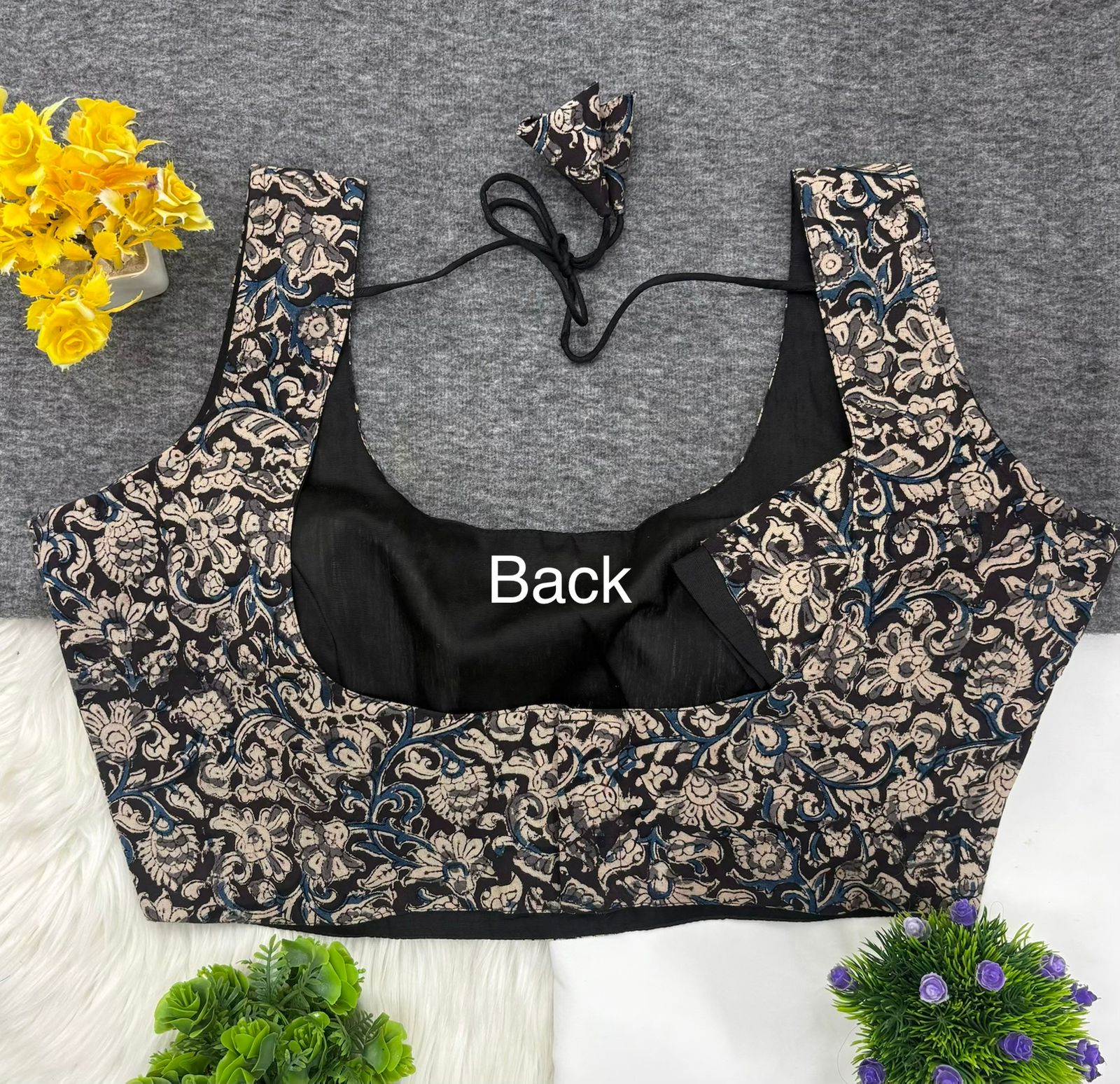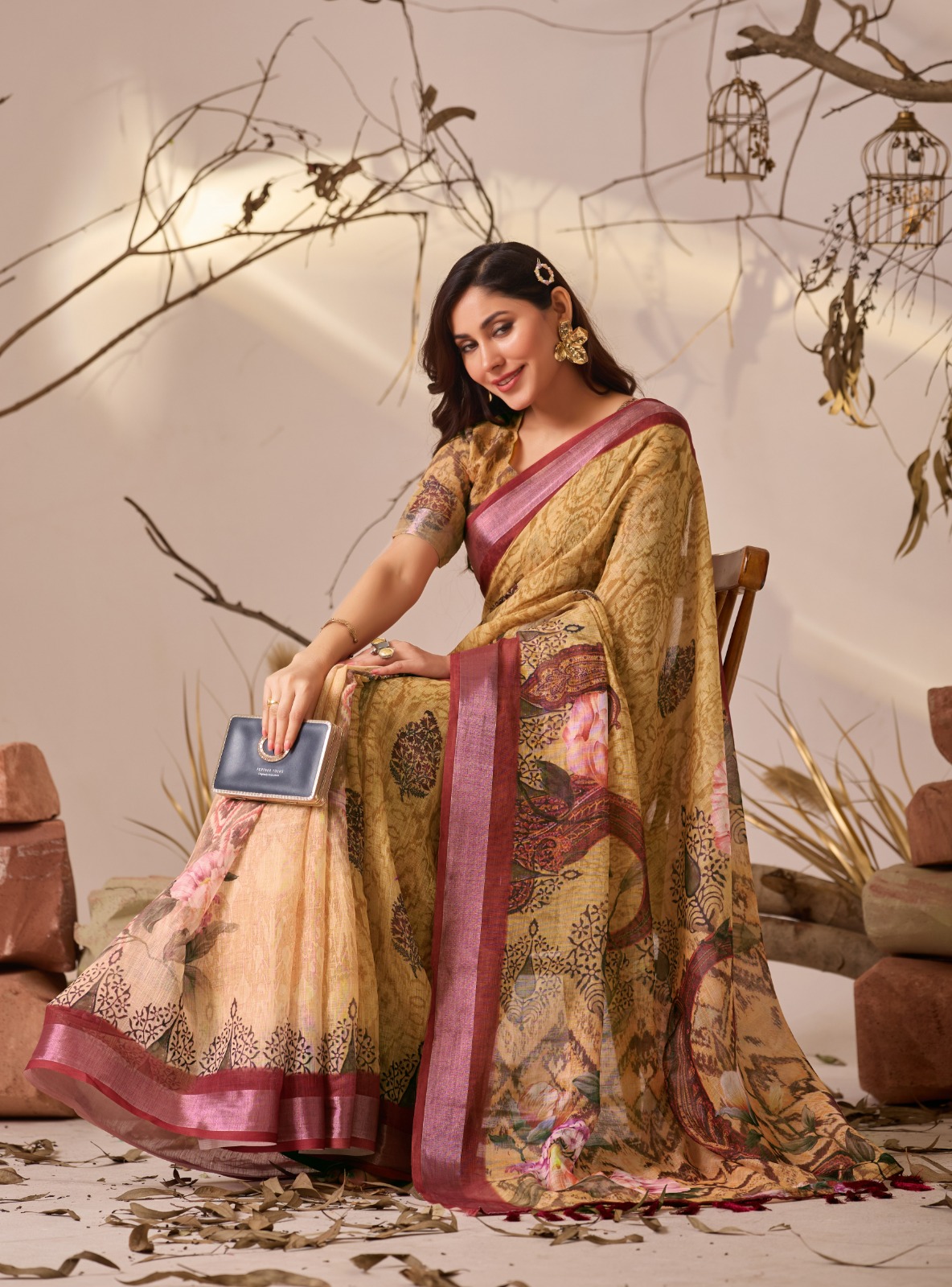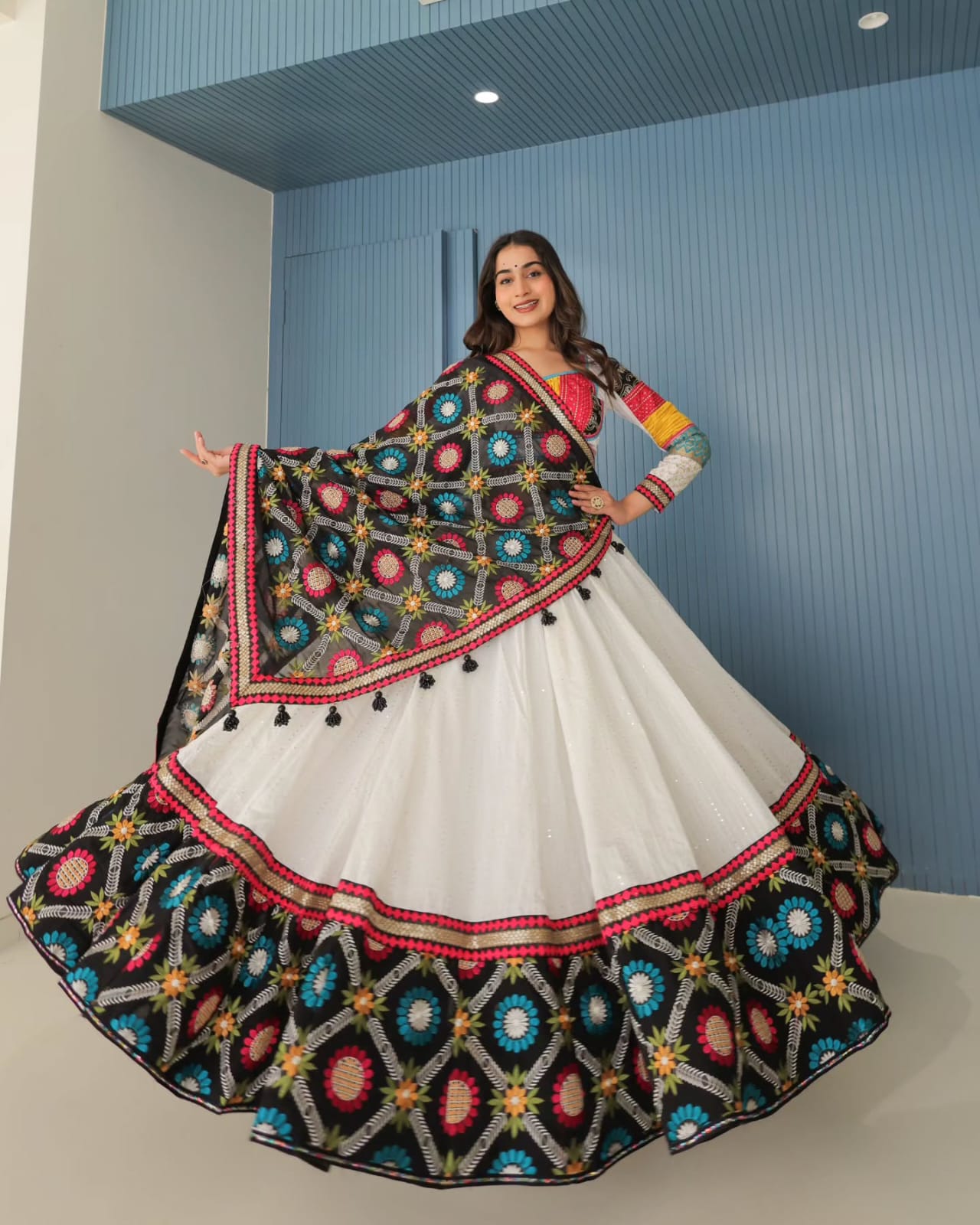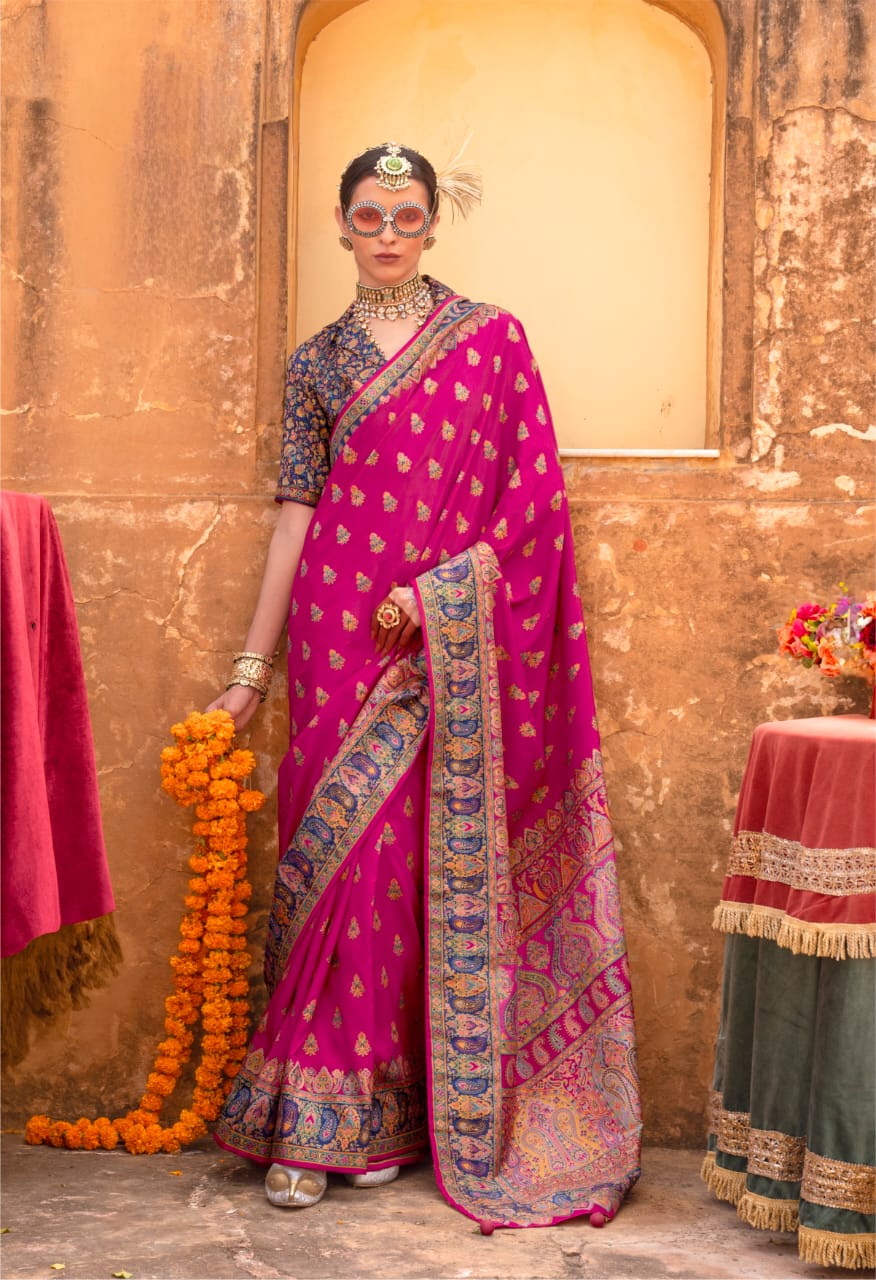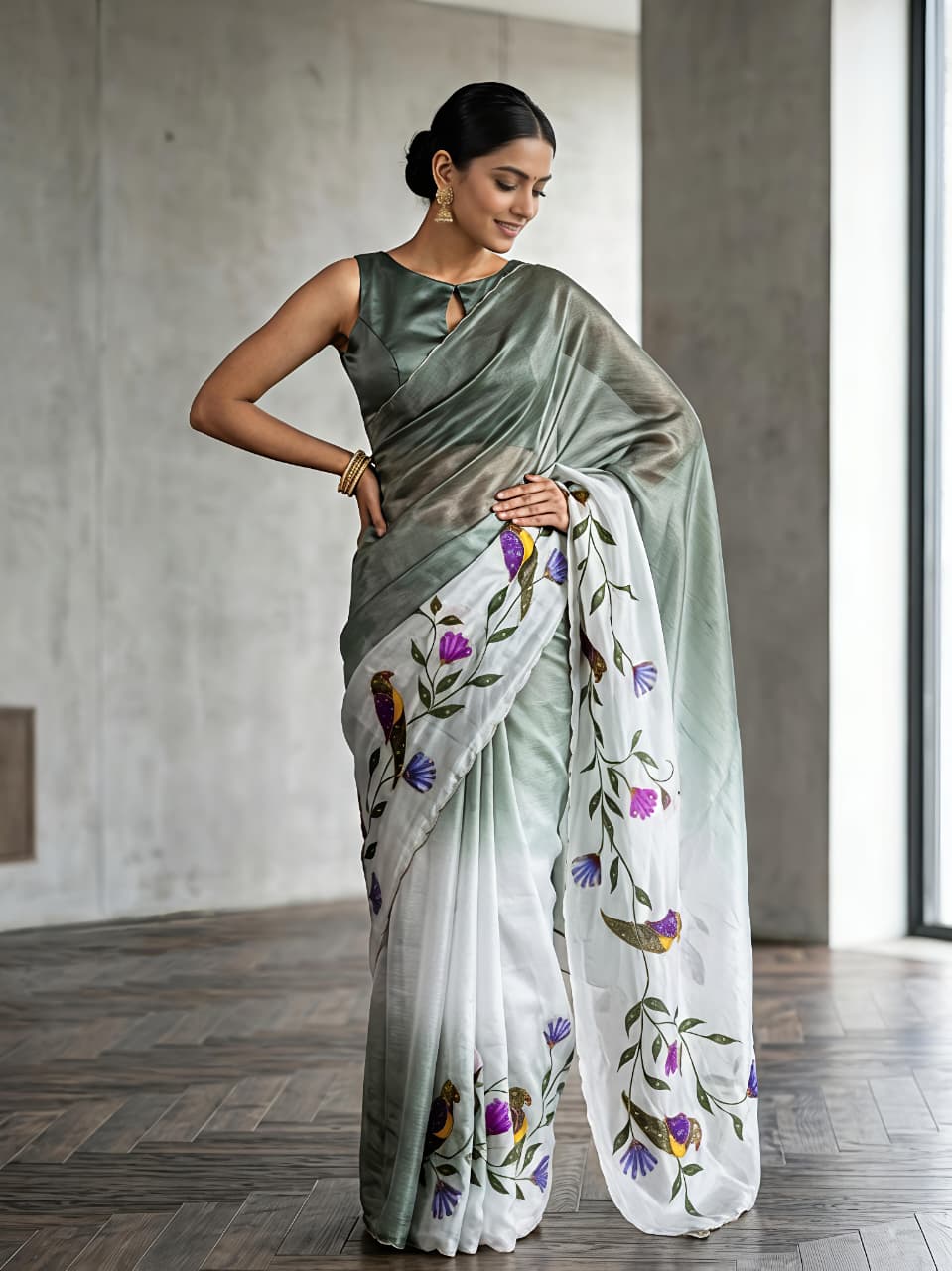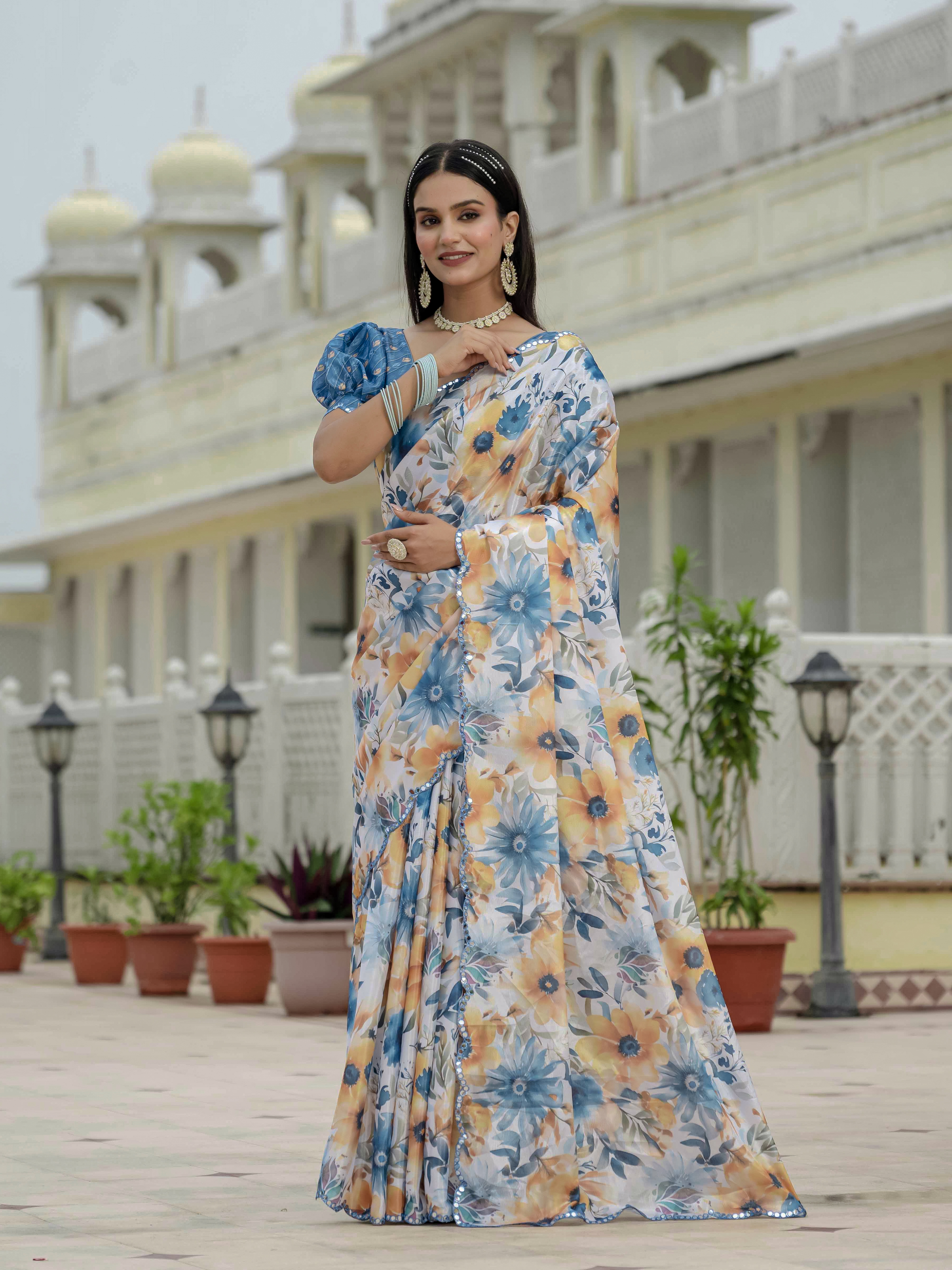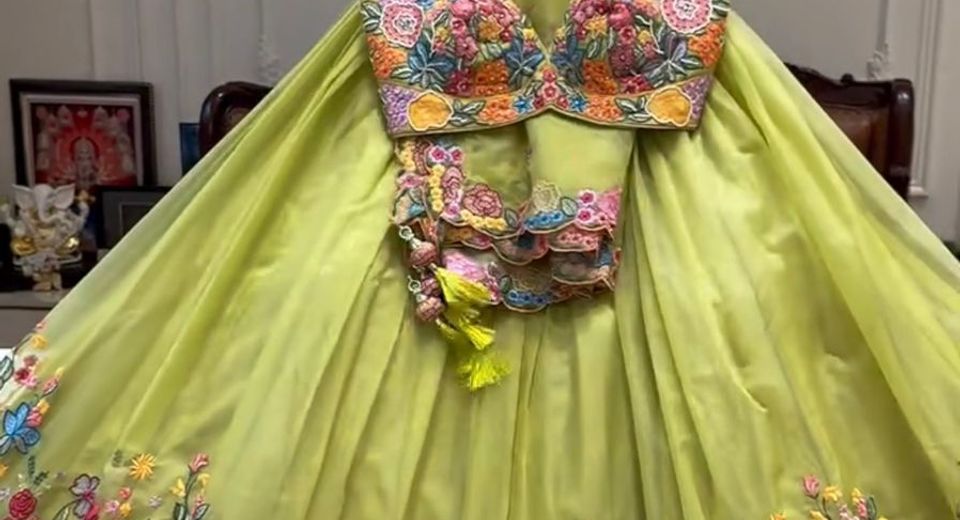
Mizoram Wedding Fashion: Sarees, Suits & Lehengas brings together Mizo cultural identity, church-centred ceremonies and the wider language of Indian occasion wear. A wedding in Aizawl, Lunglei or another hill town may include a church service, a reception, family gatherings and community singing, so one outfit rarely answers every dressing need. The right choice depends on the ceremony, venue, weather, movement required and your relationship with the couple.
Mizo clothing traditions offer an important starting point. The puan, a handwoven wrap traditionally associated with Mizo women, is recognised for geometric motifs, strong colour contrasts and cultural significance. Contemporary wedding guests don't need to reproduce a puan as a costume. Guests can instead respect its visual language through woven textures, stripes, restrained borders and thoughtful colour placement while wearing a saree, salwar suit or lehenga.
How does Mizoram Wedding Fashion reflect Mizo wedding culture?
Mizoram Wedding Fashion reflects Mizo wedding culture through respect for church ceremony etiquette, practical celebration dressing and subtle references to Mizo woven textiles. These influences explain why a comfortable outfit can still look festive, polished and culturally aware.
Mizoram has a predominantly Christian population, and many weddings include a formal church service before a reception or family celebration. A church ceremony usually rewards a modest neckline, secure dupatta or pallu and a hemline that permits easy movement. A later reception may allow richer embroidery, brighter colours, sequins and more dramatic accessories.
The puan is more than a decorative reference. Puanchei, one of the best-known Mizo textiles, is traditionally associated with ceremonial dress and features distinctive horizontal patterning. A guest wearing a red-and-black striped blouse, a geometric stole or a woven clutch can acknowledge that design vocabulary without presenting a mass-produced garment as traditional Mizo attire.
Respect also means avoiding assumptions. Mizoram is home to several communities, and local preferences can vary between families, churches and districts. If an invitation specifies a dress code, follow it first. When a wedding includes a classic Mizo segment, ask a family member whether a particular shawl, puan or colour has a specific meaning before styling it casually.
Which outfit suits Mizoram Wedding Fashion: saree, suit or lehenga?
Choose a saree for graceful versatility, a suit for comfort and coverage, and a lehenga for a more visibly festive reception look. The ceremony schedule and venue should decide the silhouette before colour and embellishment.
When a saree works best in Mizoram Wedding Fashion
A saree suits a church service followed by a formal reception because the same garment can look restrained with a high-neck blouse and more celebratory with jewellery added later. Lightweight Banarasi silk, Chanderi, georgette and chiffon are easier to manage than very heavy brocade when the day includes travel, standing and photographs.
A saree also offers useful control over coverage. A 6-yard drape with a securely pinned pallu can remain elegant during church seating, while a belt or hidden safety pins can prevent shifting during dancing and group photographs. Beige Mirror Work Ready to Wear Saree with Blouse is a practical example of a pre-stitched approach for guests who want saree styling without learning a complex drape.
When a suit supports all-day wedding dressing
A salwar suit or palazzo suit is usually the most comfortable choice for a long wedding day involving stairs, outdoor movement and humid weather. Cotton silk, rayon, Chanderi and lightweight crepe can provide structure without the weight of multiple layers.
A straight kurta with trousers looks appropriate for a church ceremony when paired with a modest neckline and a dupatta worn over both shoulders. A sharara or palazzo suit creates more movement for the reception, but the trouser width should be balanced with the kurta length so the outfit doesn't drag on wet ground.
When a lehenga suits a reception
A lehenga is most suitable for a reception, sangeet-style programme, engagement or evening celebration where movement and embellishment are expected. A lighter skirt with a structured blouse is more useful than a heavily layered bridal lehenga for guests who will travel between venues.
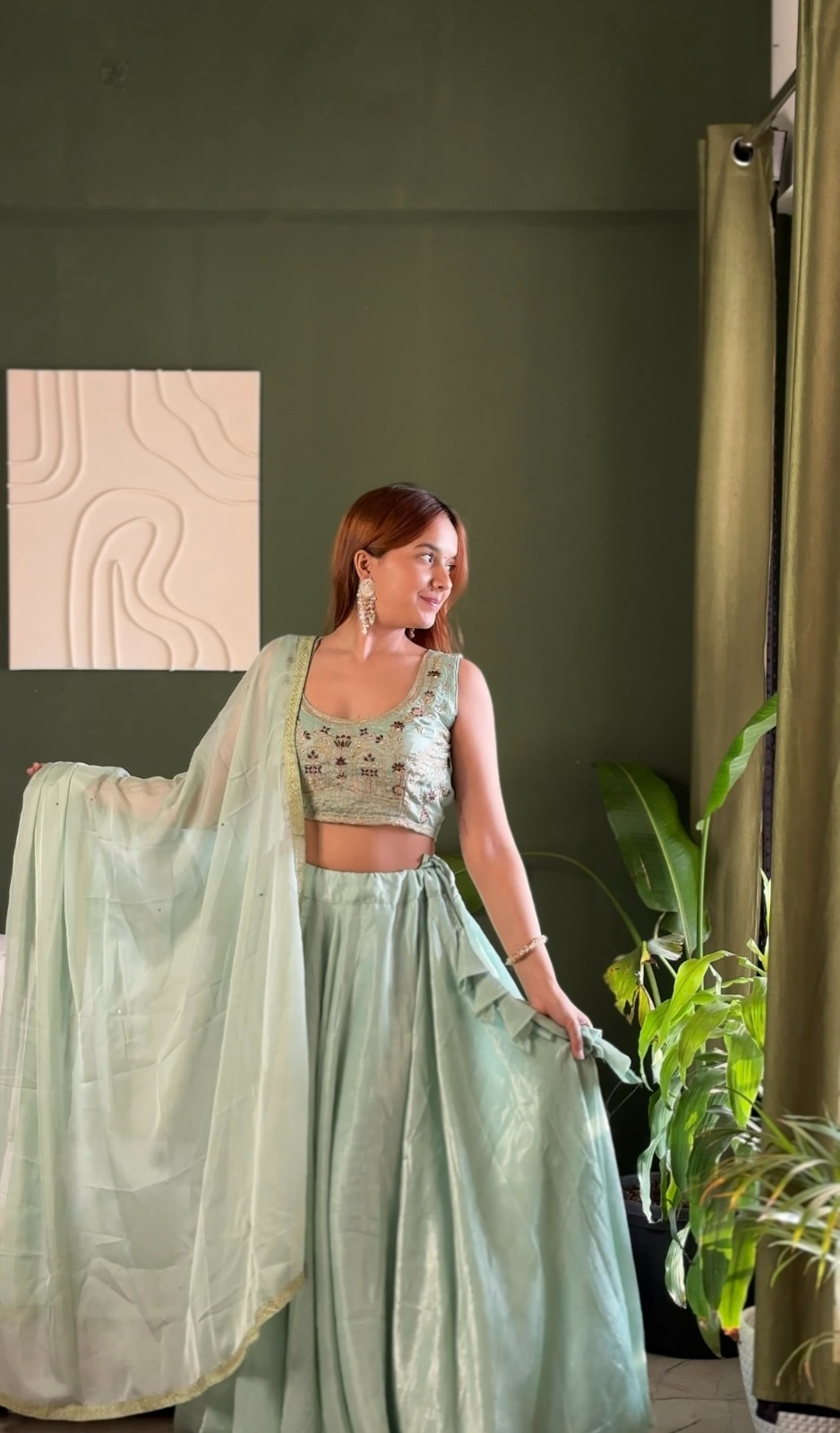
Mint Embroidered Lehenga Set with Net Dupatta for Women brings a softer daytime direction, while Black Wedding & Festive Wear Designer Lehenga creates a stronger evening silhouette. Neither colour should be treated as a universal rule because the invitation, the couple's preferences and the venue matter more than a fixed colour chart.
Which fabrics make Mizoram Wedding Fashion comfortable?
Lightweight, breathable and quick-drying fabrics are the most practical choices for a Mizoram wedding, especially when ceremonies involve travel and humid weather. Fabric weight matters as much as colour because embroidery, lining and multiple layers can make an outfit feel substantially warmer.
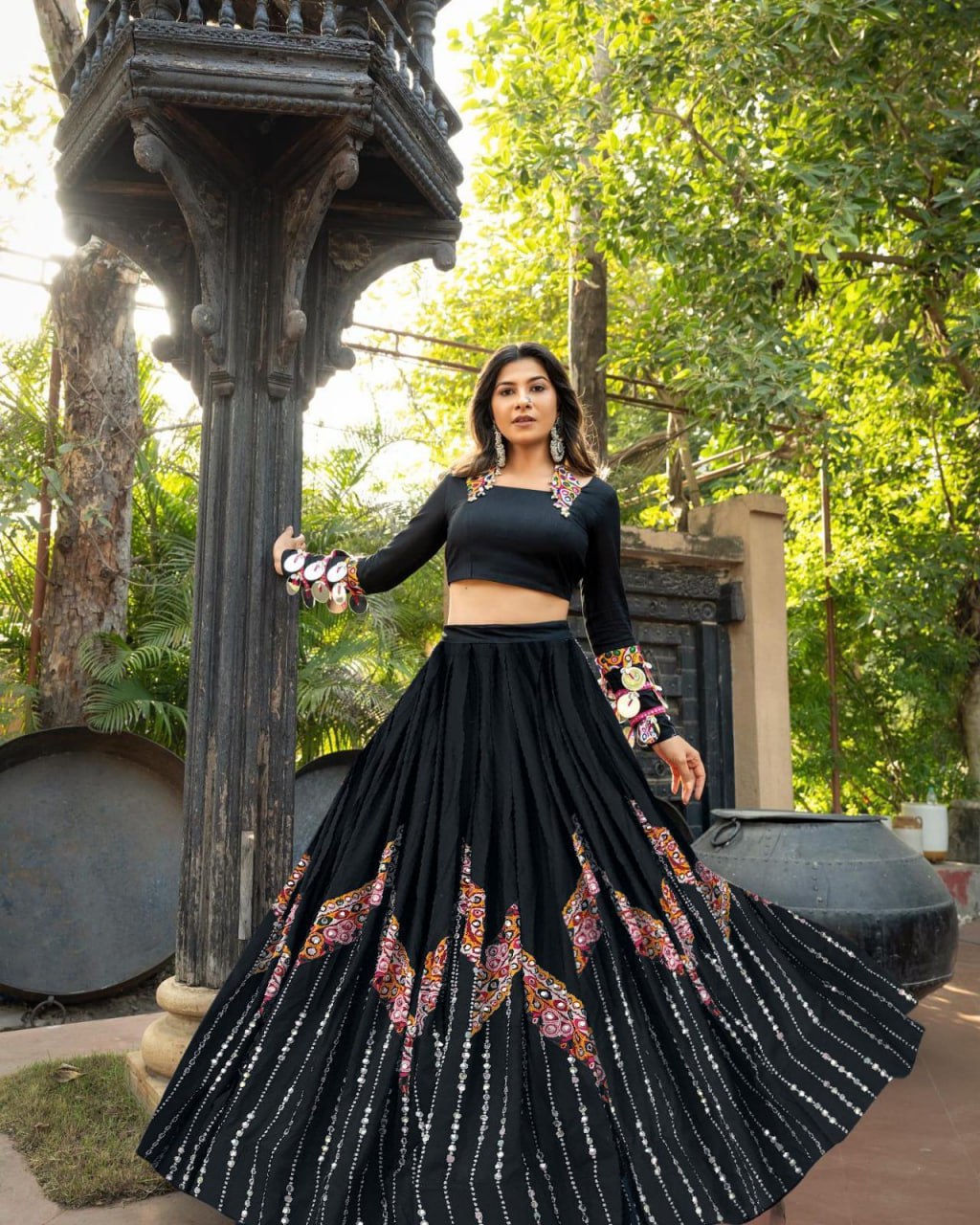
Cotton and cotton blends: Muslin cotton works well for daytime celebrations because the weave feels light and allows some airflow. Multicolor Mirror Work Muslin Cotton Lehenga Choli Set and Vibrant Mirror Work Muslin Lehenga Choli Set Online show how mirror work can add occasion detail without relying on a very heavy base.
Silk and silk blends: Banarasi silk and silk-blend fabrics offer a richer surface for evening receptions. Pure silk can crease and require more careful storage, while a silk blend may be easier to wear during a long event. Kanjeevaram silk is especially formal and structured, but its weight and classic South Indian visual language may feel more ceremonial than necessary for a casual guest look.
Chanderi: Chanderi is a lightweight, slightly translucent fabric that works well for sarees, dupattas and layered suits. Chanderi may need a lining or slip for comfortable coverage, particularly in a church setting.
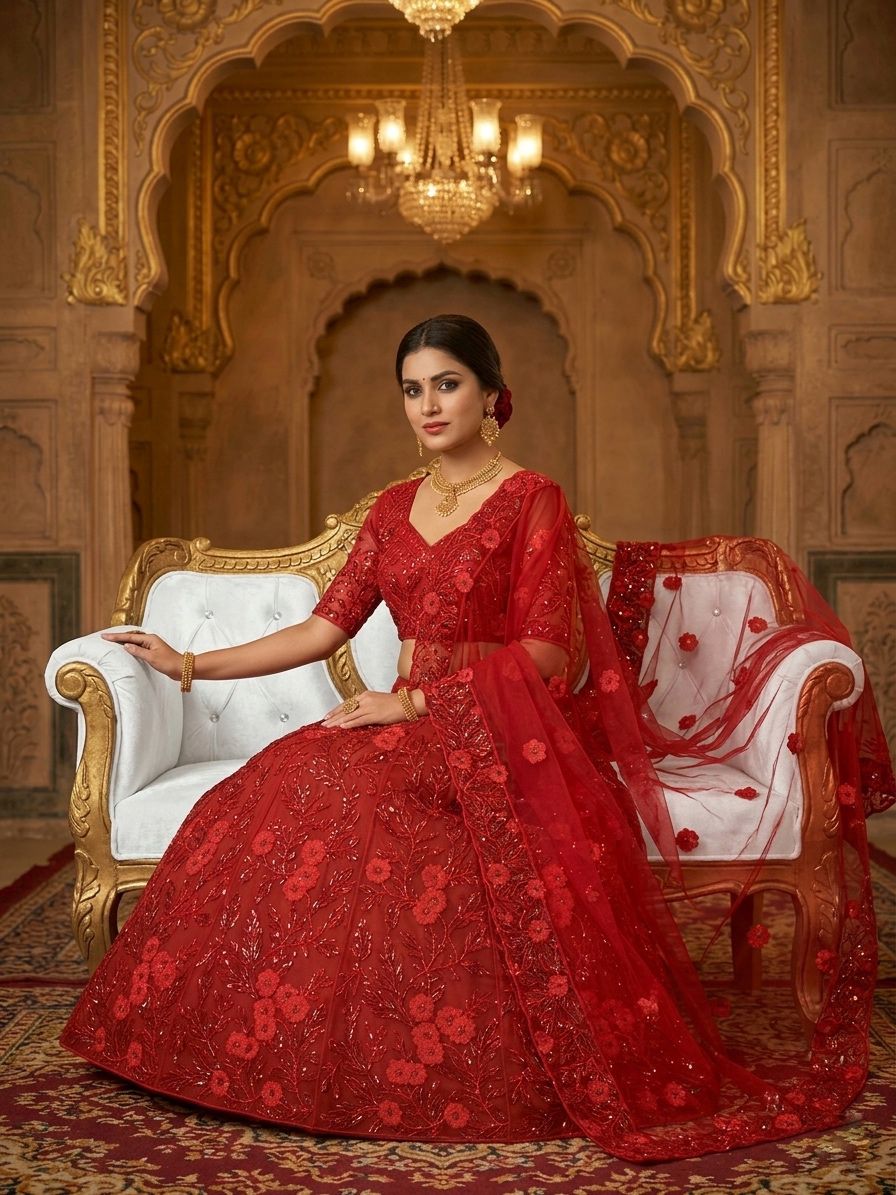
Net and tulle: Net creates volume and a dressy finish, but net provides little warmth or opacity on its own. Lime Floral Embroidered Butterfly Net Lehenga Set and Red Butterfly Net Sequins Lehenga Set Wedding Wear are better styled with a well-fitted lining, a secure blouse and a dupatta that won't snag on jewellery.
Before buying, check the garment's lining, waistband, zipper, hem and embellishment attachment. A skirt with a rigid can-can layer may photograph dramatically but become difficult on stairs. A 2.5 to 3 metre dupatta is often easier to secure than an excessively long one when the event includes church seating or outdoor movement.
How should colours be chosen in Mizoram Wedding Fashion?
Choose colours according to the ceremony and time of day, while treating Mizo-inspired contrast as a design reference rather than a costume instruction. Jewel tones work well for evening receptions, while lighter shades are often comfortable for daytime gatherings.
Deep red, maroon, emerald, navy and black photograph clearly under reception lighting. Pastel green, powder blue, blush, ivory and butter yellow suit morning functions and outdoor portraits. A lime or mint lehenga can look fresh in daylight, while a black lehenga gains softness from gold, silver or multicoloured embroidery.
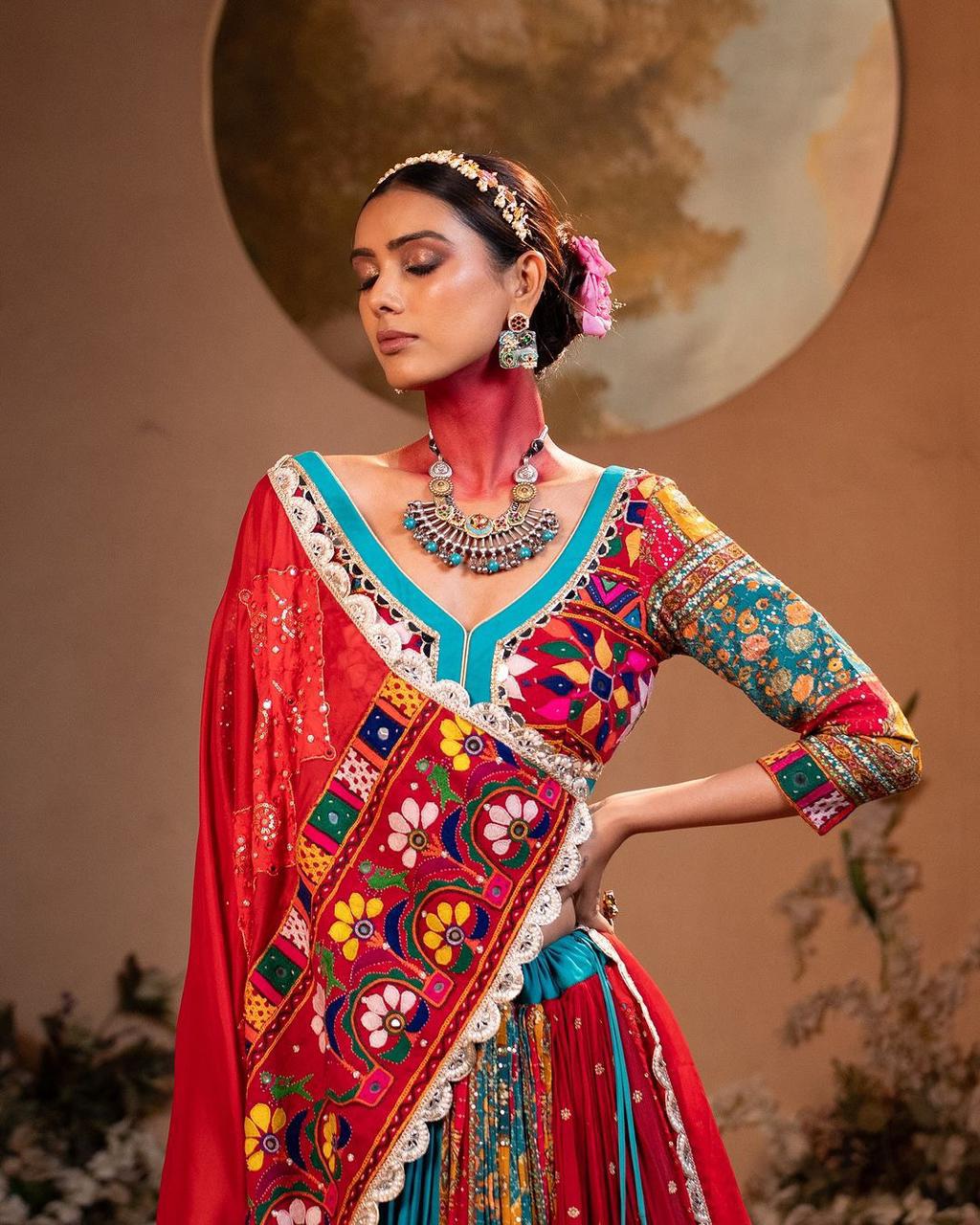
High-contrast stripes and geometric borders can echo the visual energy associated with woven Mizo textiles. One striped dupatta, a geometric blouse panel or a patterned clutch is usually more refined than combining several unrelated motifs.
Guests should also consider family etiquette. White may be perfectly acceptable in some contemporary Christian wedding settings, but a bride or family may have chosen ivory for a particular ceremony. Red can be festive and widely worn, yet red may also resemble bridal styling depending on the region and family. Asking a close relative about reserved colours is more reliable than applying a universal rule.
How can accessories improve Mizoram Wedding Fashion?
Accessories improve Mizoram Wedding Fashion when they secure the outfit, complement its surface detail and remain comfortable through the entire wedding schedule. Jewellery should support the garment rather than compete with embroidery, mirror work or sequins.
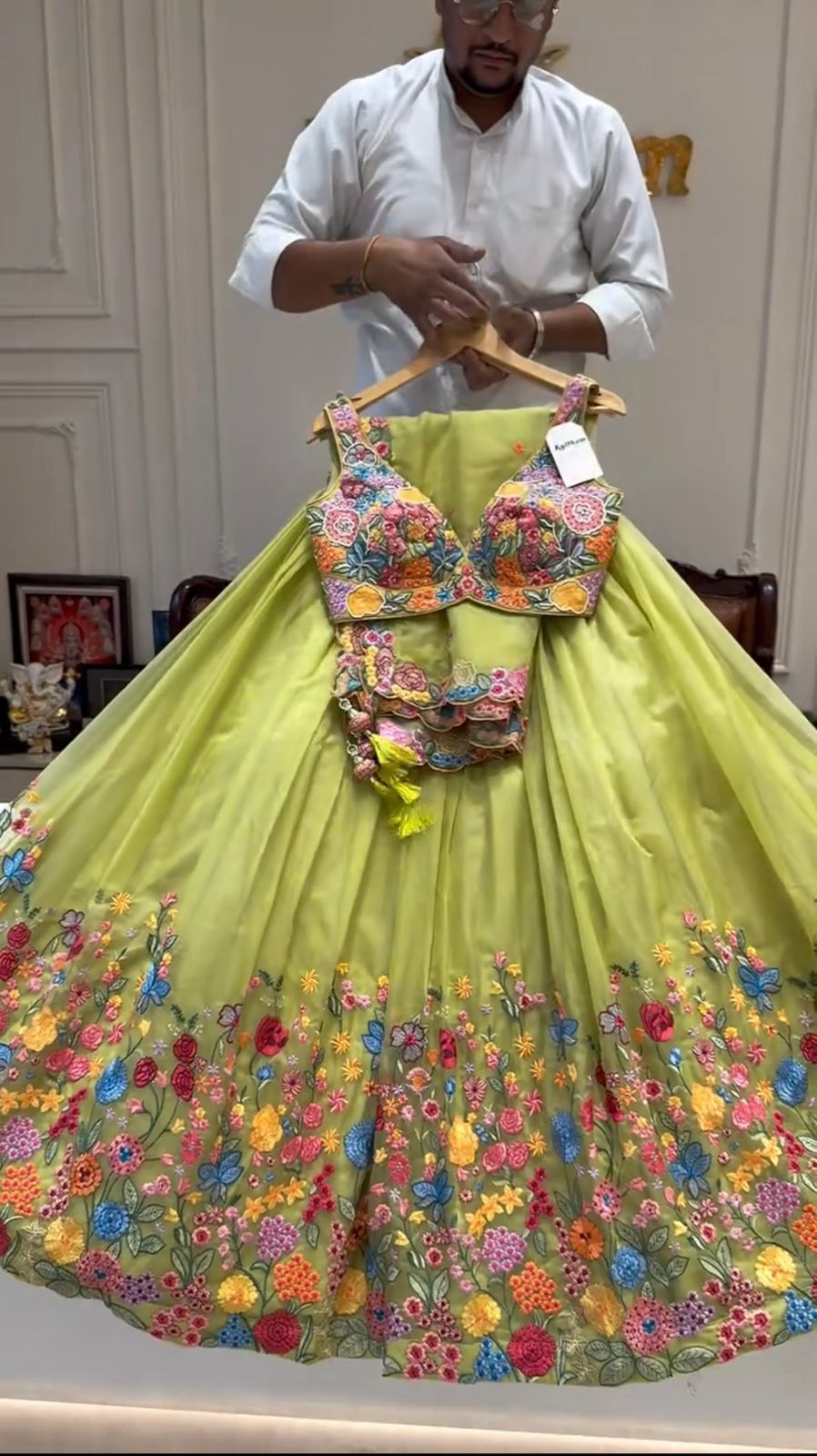
For a daytime event, pair a floral or pastel lehenga with small jhumkas, a compact potli and low block heels. Lime Floral Embroidered Butterfly Net Lehenga Set works with pearl or silver-toned accessories because the floral surface already supplies visual detail. A low bun or braid is more dependable than loose hair if the venue is humid or windy.
For an evening reception, choose one dominant accessory category. A bold choker can replace a heavy necklace-and-long-necklace combination, while statement earrings can stand alone with a plain neckline. Stylish Multicolor Butter Silk Lehenga Choli Set already contains colour variation, so antique gold jewellery and a solid clutch will prevent visual competition.
A dupatta should be pinned at the shoulder and lightly secured at the waist when dancing or climbing stairs. Net dupattas need smooth, rounded jewellery because rough metal can catch the mesh. A hidden loop, fashion tape and two small safety pins are useful additions to an emergency kit.
Footwear deserves advance testing. Wear the chosen shoes at home for at least 30 minutes, especially if the lehenga hem has been altered. A 1.5 to 2.5 inch block heel generally gives more stability on uneven paths than a narrow stiletto, and a foldable flat pair can prevent discomfort late in the evening.
How should you shop for Mizoram Wedding Fashion on a budget?
Shop by ceremony, budget and alteration time instead of buying one elaborate outfit for every function. A simple schedule prevents rushed tailoring and helps distribute spending across reusable garments.
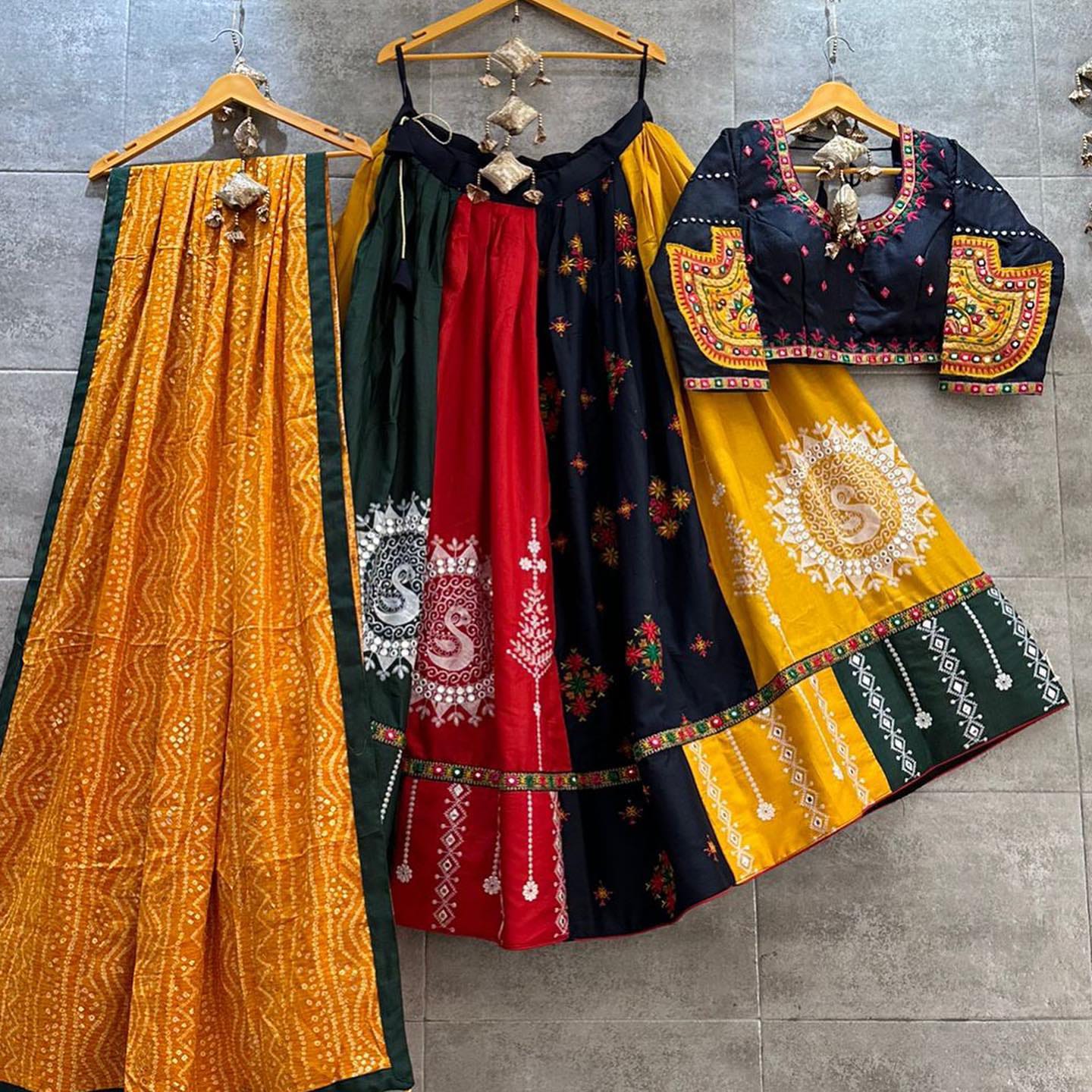
For a daytime haldi ceremony, a breathable yellow, lime or floral outfit is usually more useful than a heavily embellished skirt. Haldi Lehengas Under 5500 is a relevant starting point for guests who want a bright outfit at a controlled price. Check whether the embroidery is washable or whether turmeric stains will require professional cleaning.
A bridesmaid may need coordinated colour without wearing the same silhouette as the bride. Bridesmaid Lehengas Under 5500 can help narrow the search, but compare blouse construction, lining and dupatta length before choosing by price alone. A ready-to-wear blouse is convenient when delivery time is short, although custom alterations may still be needed at the shoulder and bust.
For an evening reception, Silk Lehengas Under 3000 can be useful for finding silk-blend options, while Pink Lehengas Under 4000 with 50% Discount gives a colour-specific route for guests who already know their palette. Net Lehengas Under 4500 with 51% Discount can suit a party look, but inspect the net for snags and confirm that the skirt has a substantial lining.
Reserve at least two weeks for alterations whenever possible. A tailor may need to adjust the blouse bust, sleeve opening, skirt waist, hem and hook placement separately. A final fitting should happen while wearing the intended bra, footwear and any shapewear because each item changes the garment's length and balance.
How can you care for Mizoram Wedding Fashion after the event?
Care for wedding clothing by removing moisture, storing embellished pieces flat or supported, and following the fabric's cleaning instructions. Prompt care prevents mildew, colour transfer, tarnished zari and permanent creases.
After wearing a lehenga or saree in humid weather, air the garment indoors away from direct sunlight for several hours. Do not seal damp clothing in a plastic garment bag. Blot perspiration or food marks with a clean white cloth, but avoid rubbing sequins, mirror work or zari.
Banarasi silk, Kanjeevaram silk and heavily embellished garments are safest with professional dry cleaning unless the care label gives different instructions. Cotton and some synthetic blends may be washable, but mirror work, colour bleeding and glued embellishments still require caution. Always test a hidden area before applying any cleaning solution.
Store a lehenga in a breathable cotton cover with tissue paper between folded embroidered panels. Fold along different lines every few months to reduce permanent creasing. Hang a saree only if the hanger supports its weight; heavy zari can stretch fabric at the fold. Jewellery should be stored separately so sharp edges don't catch the garment.
A corporate wedding wardrobe can therefore include one reusable Chanderi saree, one comfortable suit and one lighter lehenga rather than several nearly identical outfits. Each garment can be restyled with a different blouse, dupatta, belt or jewellery combination for future family celebrations.
Practical Questions About Mizoram Wedding Fashion
What should a guest wear to a Mizo wedding?
A guest can wear a modest saree, salwar suit or lightweight lehenga, depending on the ceremony and reception dress code. Choose secure draping, comfortable footwear and breathable fabric for church services, travel and humid weather.
Is a lehenga appropriate for a Mizoram church wedding?
A lehenga is appropriate when the invitation or family welcomes contemporary Indian festive wear, but a modest blouse, controlled hemline and securely pinned dupatta are important for a church ceremony. A less embellished lehenga often works better for the service, with heavier accessories added at the reception.
What fabric is best for a wedding in Mizoram?
Muslin cotton, Chanderi, lightweight silk blends, georgette and lined net are practical choices for Mizoram's humid conditions. Very heavy brocade, thick can-can and unlined synthetic layers can become uncomfortable during long ceremonies.
Can guests wear red or white to a Mizo wedding?
Guests can wear red or white when the couple and family have not reserved those colours, but preferences vary between families. Ask a close relative if ivory, white or bridal red has been selected for a particular ceremony before finalising the outfit.
How can clothing reference Mizo textiles respectfully?
Use geometric borders, woven textures, stripes or a carefully chosen puan-inspired accessory without presenting a commercial garment as traditional Mizo dress. Ask the family before wearing an actual puan or ceremonial textile, because specific designs can carry cultural meaning.
How early should a wedding lehenga be altered?
Arrange alterations at least two weeks before the wedding and schedule a final fitting in the intended footwear. Blouse fitting, skirt hem, waist adjustment and dupatta placement often require separate corrections.