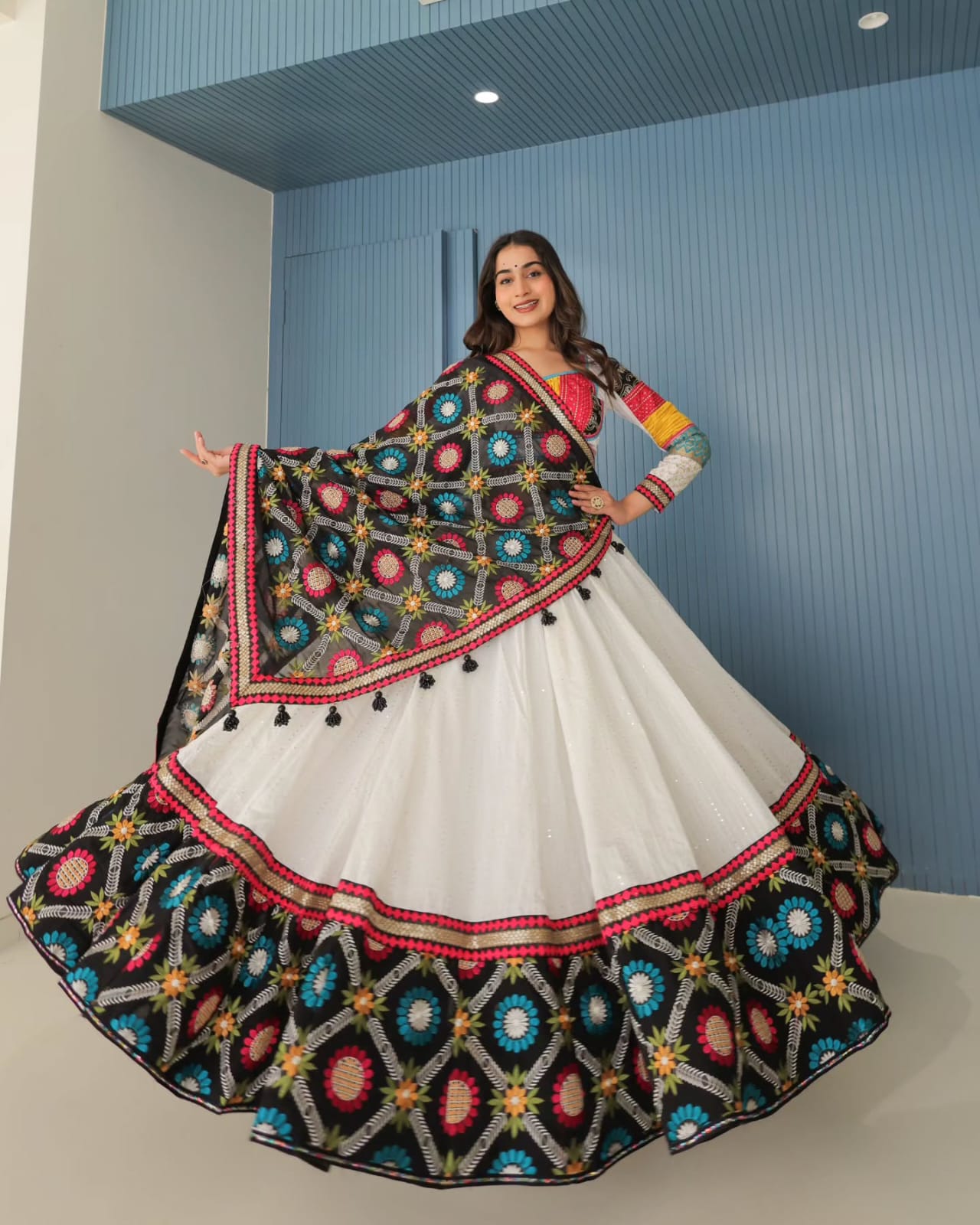
Mizoram Traditional Dress for Women: Mizo Textile Fashion Guide begins with a garment that's both practical clothing and a cultural record: the puan. Woven in cotton or other fibres, a puan may carry stripes, geometric borders and colour combinations associated with Mizo communities. Women's dress in Mizoram changes according to tribe, village, generation, ceremony and personal preference, so no single outfit represents every Mizo woman.
The familiar puanchei ensemble usually combines a patterned wrap skirt with a blouse and, in many settings, a contrasting shawl or upper layer. Understanding the names, construction and social context of these textiles makes it easier to appreciate Mizo fashion without reducing it to a costume category. The same knowledge helps shoppers distinguish a Mizo-inspired print from an authentic handwoven textile.
Mizoram Traditional Dress for Women: Mizo Textile Fashion Guide to Core Garments
Mizo women's traditional clothing is built around the puan, the puanchei and coordinating blouses or shawls. These pieces can be worn separately or assembled into a formal ensemble for celebrations, church events, cultural programmes and community gatherings.
What is a puan in Mizo clothing?
A puan is a rectangular woven cloth traditionally used as a wrap, skirt, shawl or versatile body covering. A puan may be wrapped around the lower body, draped over the shoulder or folded into a layered outfit. The cloth's width, weight, border treatment and pattern determine how it's worn.
Traditional Mizo weaving often uses narrow loom widths, which means that a larger textile may be made from joined panels. Seams are not simply a technical necessity; panel arrangement can contribute to the visual rhythm of stripes and borders. Cotton remains especially important because cotton is breathable, durable and suitable for Mizoram's humid climate.
What is a puanchei?
A puanchei is a festive Mizo wrap skirt recognised for colourful horizontal bands and decorative patterning. Puanchei is commonly worn with a blouse and may be accompanied by a shawl, jewellery and carefully arranged hair or head accessories.
The word is often used broadly in fashion discussions, but individual designs can vary significantly. Some puanchei textiles feature strong red, black, white, yellow or green contrasts, while others use smaller geometric motifs and more restrained palettes. A ceremonial puanchei isn't merely a printed skirt; a ceremonial puanchei reflects weaving skill, visual balance and the wearer's relationship with Mizo cultural identity.
How are blouses and shawls used?
Mizo blouses usually provide a clean visual balance to the patterned wrap. A plain blouse can allow a highly detailed puanchei to lead, while a blouse with a narrow border can repeat one colour from the skirt. Shawls and additional puan layers provide warmth, modesty and movement during public or ceremonial occasions.
Contemporary styling may pair a traditional wrap with a fitted blouse, a high-neck top or a simple jacket. Such combinations work best when the woven textile remains visually central instead of being overwhelmed by heavy embellishment, excessive accessories or unrelated prints.
Mizoram Traditional Dress for Women: Mizo Textile Fashion Guide to Colour and Motifs
Mizoram Traditional Dress for Women communicates through colour, rhythm and construction as much as through silhouette. Stripes are particularly important because stripes create movement across a rectangular cloth and make the drape recognisable from a distance.
Why do stripes and borders matter in Mizo textiles?
Stripes and borders matter because stripes and borders organise the cloth, highlight the edge of a wrap and create a visual signature for a particular design tradition. Narrow lines can separate broad colour fields, while denser borders frame the lower edge or ends of a shawl.
Motifs should not be assigned one universal meaning across all Mizo communities. Interpretations can depend on local history, weaving lineage and the specific textile. A responsible description identifies a motif as geometric, floral, animal-inspired or community-associated only when a reliable cultural source or artisan account supports that claim.
Which colours appear in Mizo traditional clothing?
Black, red, white, green, yellow and deep blue frequently appear in discussions of Mizo textiles, although contemporary weavers and designers also use softer neutrals and modern colour combinations. High contrast helps woven patterns remain legible on a wrap that moves with the body.
Colour selection also affects styling. A red-and-black puanchei can take a plain black or ivory blouse, while a textile with green and yellow stripes may work with a muted cream layer. Metallic jewellery should be used selectively because zari sparkle can compete with the matte texture of handwoven cotton.
Mizoram Traditional Dress for Women: Mizo Textile Fashion Guide to Weaving
Authentic Mizo textile appreciation requires attention to fibre, loom work, surface texture and provenance rather than appearance alone. A vivid geometric print can resemble a woven puanchei while lacking the structure, irregularities and labour of handloom fabric.
Why is handloom cotton important?
Handloom cotton is important because handloom cotton offers breathability, a gently uneven surface and the human variation created during weaving. Small differences in line thickness, selvedge tension and colour density are not automatically defects. These details can indicate that a textile was woven rather than produced as an uniformly printed length.
Buyers should ask whether a textile is handwoven, hand-printed, powerloom-produced or digitally printed. Buyers should also ask about fibre composition, the weaving location, the artisan group or cooperative involved, and whether the listed price includes a stitched blouse or only the unstitched cloth.
Terms such as "tribal," "ethnic" and "Northeast-inspired" don't prove Mizo origin. A textile described as Mizo should ideally have clear information about its maker, community connection or documented design source. Transparent provenance is more useful than a vague cultural label.
How can a buyer inspect textile quality?
A good-quality woven textile has a stable selvedge, consistent joins, a balanced weave and colour that doesn't appear unevenly deposited on the surface. Hold the cloth up to light to check for unusually weak areas, pulled threads or large holes.
Examine the reverse side as well as the front. Woven patterns usually continue through the structure of the cloth, whereas a surface print may show a different appearance on the reverse. The reverse side may also reveal loose floats, finishing threads or joins that deserve careful inspection before purchase.
Mizoram Traditional Dress for Women: Mizo Textile Fashion Guide for Festivals
Mizo traditional dress appears most visibly during festivals, cultural performances, weddings, church-related events, community programmes and other public gatherings. The level of formality depends on the event and on whether the outfit is being worn as daily clothing, ceremonial dress or stage presentation.
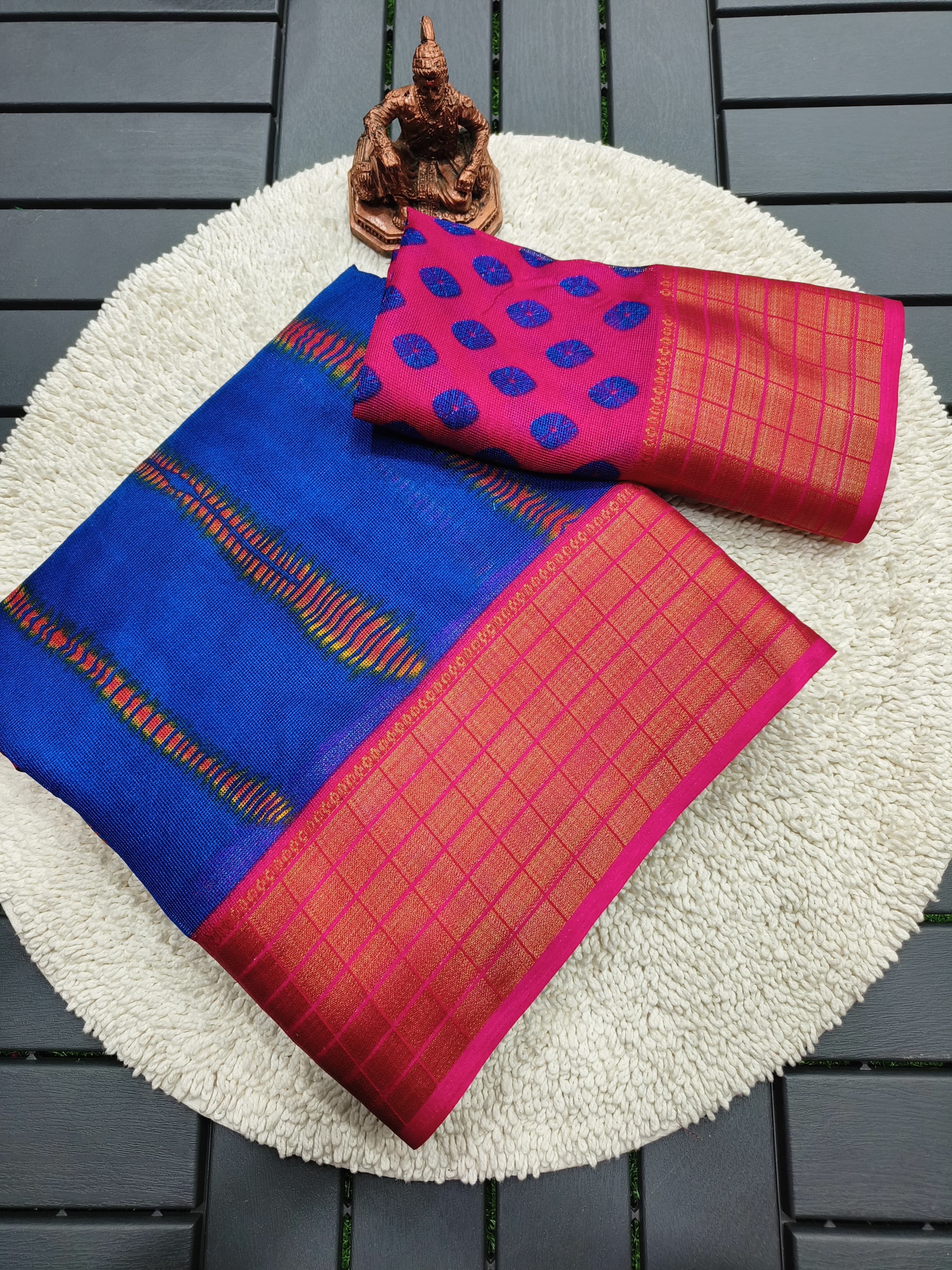
Chapchar Kut, Mim Kut and Pawl Kut are major Mizo festivals associated with public celebration and cultural expression. Traditional garments may be worn during performances and gatherings connected with these festivals, but festival clothing isn't a fixed uniform. Families, performers, churches, institutions and communities may set different expectations.
Traditional dress can also be worn outside Mizoram by Mizo women living in other Indian cities or abroad. In those settings, a puan or puanchei may be paired with contemporary shoes, a practical blouse or a neutral jacket. The adaptation keeps the textile relevant while allowing the wearer to dress for climate, workplace rules and personal comfort.
How does ceremonial dressing differ from everyday styling?
Ceremonial dressing generally uses a more complete coordinated set, stronger pattern placement and accessories chosen with greater care. Everyday styling may use one puan as a shawl, skirt or accent layer rather than wearing a full formal ensemble.
Stage costumes often exaggerate colour and scale so that patterns remain visible from a distance. A performance outfit should not automatically be treated as a precise representation of everyday Mizo clothing. Event context is essential when describing or photographing traditional dress.
Mizoram Traditional Dress for Women: Mizo Textile Fashion Guide to Modern Styling
Mizo textile styling works best when the silhouette stays simple and the woven pattern receives enough visual space. A straight blouse, low-detail skirt, restrained jewellery and comfortable footwear create a more coherent outfit than several competing decorative elements.
A handwoven wrap can be worn over a solid kurta, with a plain blouse and a narrow belt, or as a shawl over a monochrome dress. Cotton textile pairs naturally with leather, cane, wood, silver or fabric accessories. Avoid combining a dense Mizo-inspired pattern with a large floral print, heavy sequin work and a metallic brocade at the same time.
The Pastel Floral Tissue Handloom Cotton Saree with Zari Weaves demonstrates how a lightweight handloom surface can carry pattern without becoming visually heavy. The Mauve Floral Print Linen Cotton Saree with Blouse | VARNAVI brings another useful comparison for balancing a printed textile with a coordinated blouse, although neither saree should be described as a traditional Mizo garment.
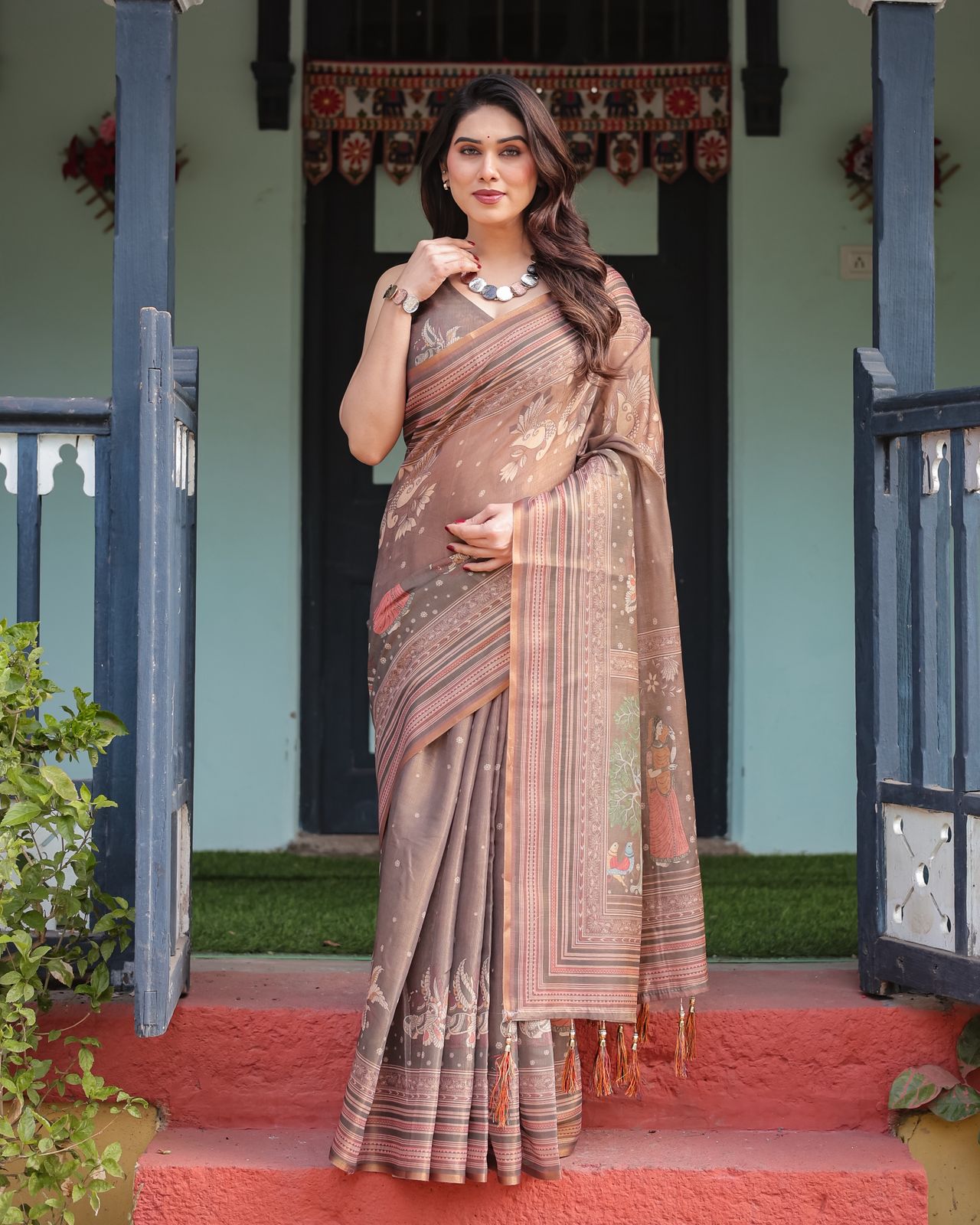
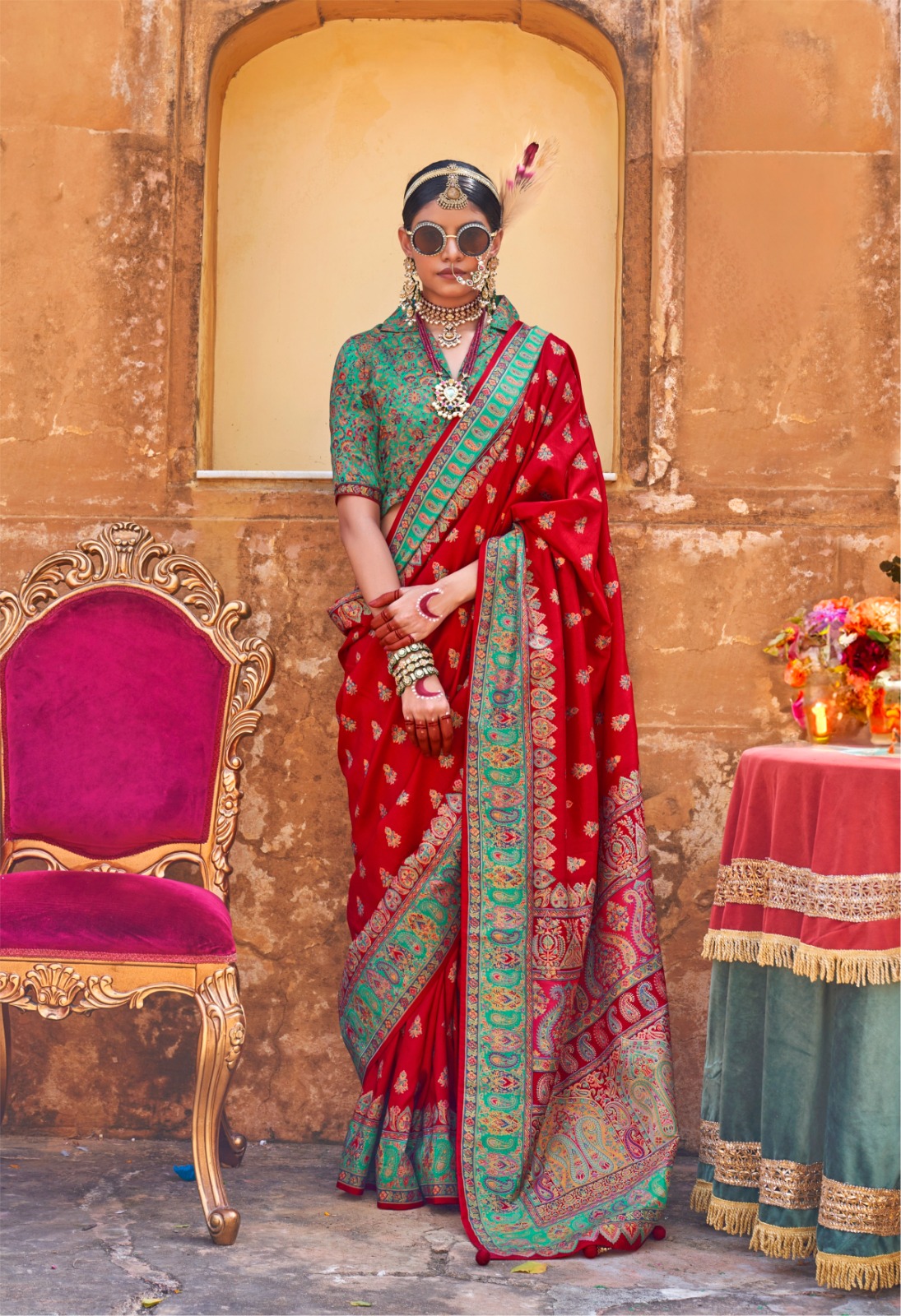
For stronger contrast, the Teal Tribal Art Printed Lichi Silk Saree with Zari Border can inspire a palette built around teal, black and metallic accents. The Mushroom Brown Handloom Saree with Ethnic Striped Border shows why a striped border can guide the choice of blouse colour and jewellery scale.
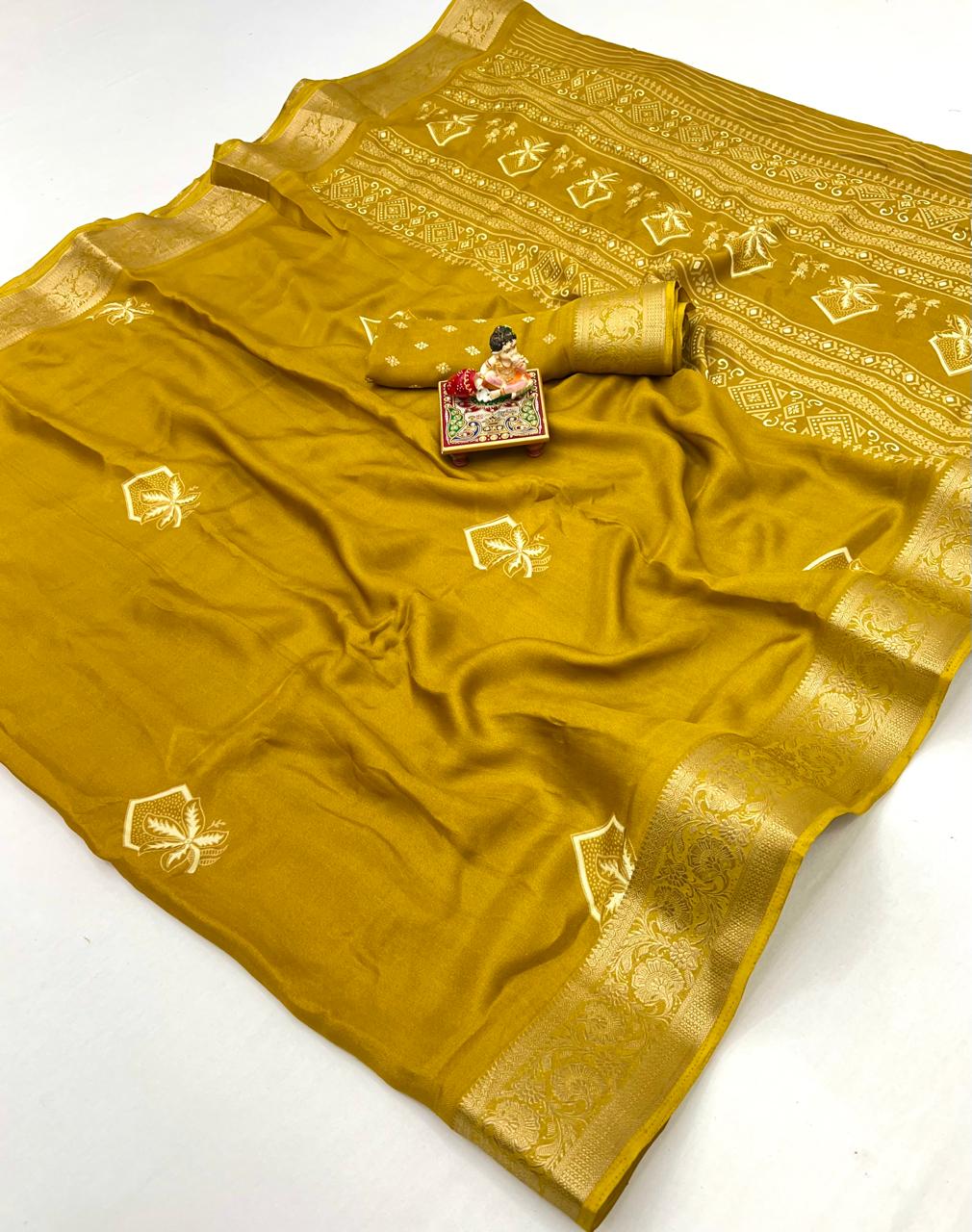
The Magenta Lichi Silk Saree with Copper Zari Pallu is useful for considering how a saturated accent colour changes the balance of an outfit. The Mustard Zari Border Moss Georgette Saree With Blouse demonstrates how a warm border can be repeated in earrings, bangles or footwear without matching every element exactly.
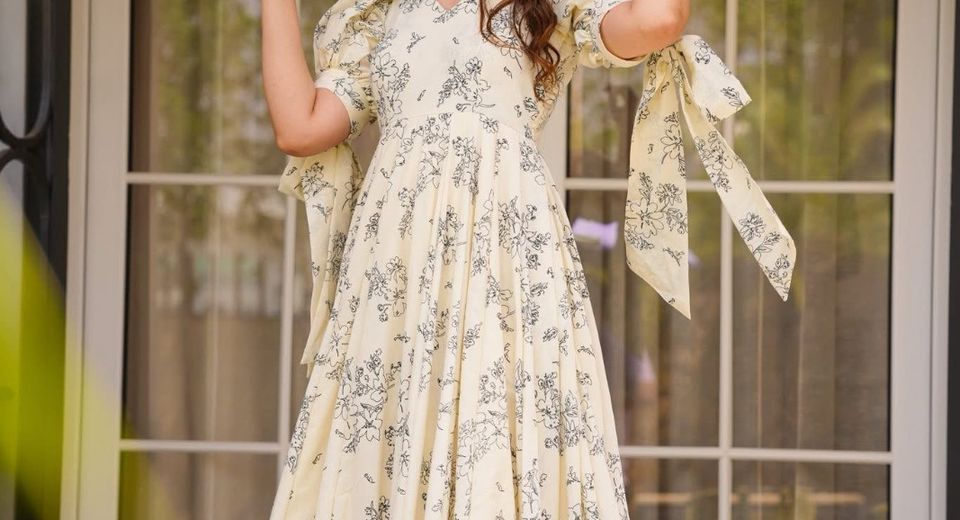
The Maroon Cotton Saree with Zari Work for Wedding gives a practical example of using cotton with restrained metallic detail for a festive setting. The Cream Floral Printed Western Dress for Women can provide a neutral base for a separate Mizo-inspired wrap, provided the wrap remains identifiable as the main textile feature.
How should accessories be chosen?
Accessories should support the textile's colour and scale rather than compete with the textile. Silver-toned jewellery, small earrings, woven bags, cane details and low-ornament footwear are usually easier to coordinate with bold stripes than large gold necklaces or heavily embellished shoes.
Blouse shape also changes the character of a wrap. A high neckline gives a more structured appearance, a round neck feels informal, and a three-quarter sleeve can make the outfit practical for cooler indoor settings. A tailor should test the blouse with the actual wrap because stripe placement and border width affect the final proportions.
Mizoram Traditional Dress for Women: Mizo Textile Fashion Guide to Care
Handwoven Mizo textiles should be washed according to their fibre, dye and finishing, with cool water and minimal agitation as a safe starting point. Care instructions supplied by the weaver or seller should take priority over general advice.

For cotton puan, use a mild detergent, avoid chlorine bleach and dry the textile in shade rather than harsh direct sunlight. Do not wring a wet handloom cloth because twisting can distort the weave and stretch joined panels. Roll the cloth in a clean towel to remove excess water, then lay it flat or hang it evenly.
Silk, zari and delicate metallic borders require more cautious handling. Dry-cleaning may be appropriate for silk or zari garments, but the cleaner should be told about metallic thread before treatment. Store a completely dry textile in breathable cotton or muslin, away from damp walls, plastic sealed bags and strong perfumes.
Fold along different lines every few months to reduce permanent creasing. Refolded storage is especially useful for textiles with zari, raised motifs or joined panels. Never iron directly over metallic work; place a thin cotton cloth between the iron and the garment and use the lowest suitable temperature.
Respectful buying involves more than selecting attractive colours. Ask who made the textile, how the pattern was produced, which fibres were used and whether the design is documented as Mizo. Wear Mizo clothing with accurate naming, avoid presenting costume adaptations as universal tradition, and credit artisans or cultural sources whenever the textile is photographed or discussed.
Questions About Mizoram Traditional Dress for Women: Mizo Textile Fashion Guide
What is the traditional dress of Mizo women?
Mizo women traditionally wear garments built around the puan, a rectangular woven cloth, and the puanchei, a festive patterned wrap skirt. A blouse, shawl and accessories may complete the outfit, with designs varying between communities and occasions.
What is a puanchei?
A puanchei is a festive Mizo wrap skirt known for colourful horizontal bands and decorative woven patterns. Puanchei is commonly worn with a blouse and may be styled with a shawl for cultural or ceremonial events.
When do Mizo women wear traditional dress?
Mizo women may wear traditional dress during Chapchar Kut, Mim Kut, Pawl Kut, weddings, church-related events, cultural performances and community gatherings. The level of formality depends on the event, local expectations and whether the garment is everyday clothing or stage costume.
How can I tell whether a Mizo textile is handwoven?
A handwoven textile often has a stable selvedge, slight variation in line thickness, a structured reverse side and joined panels or weaving details that continue through the cloth. Ask the seller whether the textile is handwoven, hand-printed, powerloom-produced or digitally printed, and request information about its maker and place of production.
Can a puan or puanchei be styled with modern clothing?
A puan or puanchei can be styled with a plain blouse, solid kurta, neutral jacket, simple dress or contemporary footwear. Keeping the rest of the outfit understated allows the Mizo textile's stripes, borders and colours to remain the visual focus.
How should a handwoven Mizo textile be washed?
A cotton handwoven Mizo textile should generally be washed gently in cool water with mild detergent, without wringing or chlorine bleach, and dried in shade. Silk, zari and delicate metallic borders may require professional cleaning, so the seller's specific care instructions should be followed.