Mizoram Festival Salwar Suit Ideas for Women can make festive dressing easier when colour, movement and climate all matter. A well-chosen suit should feel celebratory without becoming difficult to walk, sit or dance in during gatherings linked with Chapchar Kut, Mim Kut, Pawl Kut or family events. The most useful decisions involve silhouette, fabric weight, sleeve comfort, dupatta security and the amount of embroidery rather than simply choosing the most decorated outfit.
Mizoram Festival Salwar Suit Ideas for Women: What makes a suit suitable?
A suitable festival salwar suit combines festive colour, breathable construction, comfortable movement and respectful styling. Mizoram has a humid subtropical climate in many areas, while festival gatherings may include outdoor travel, community programmes, meals and extended social visits.
Traditional Mizo clothing has its own cultural identity, including the puanchei and woven puan garments associated with women's dress. A salwar suit should therefore be treated as a modern guest outfit, not as a replacement for traditional Mizo attire. Colourful stripes, fresh borders and restrained woven or embroidered details can acknowledge the energy of festive dressing without inaccurately imitating a community garment.
For a daytime celebration, cotton, Chanderi, rayon or a light crepe can be more comfortable than heavily layered velvet or thick brocade. For an evening programme, silk blends, Chinon silk or a moderately embellished Anarkali can add polish. A hem that ends around the ankle or slightly above the shoe is often easier to manage on uneven paths than an extra-long flare.
Mizoram Festival Salwar Suit Ideas for Women: Which silhouette works best?
The best silhouette depends on the festival schedule, the wearer's movement needs and the formality of the invitation. Straight suits, Anarkalis, palazzo suits, sharara sets and lightly flared maxi suits each solve a different dressing problem.
A straight suit for long festival days
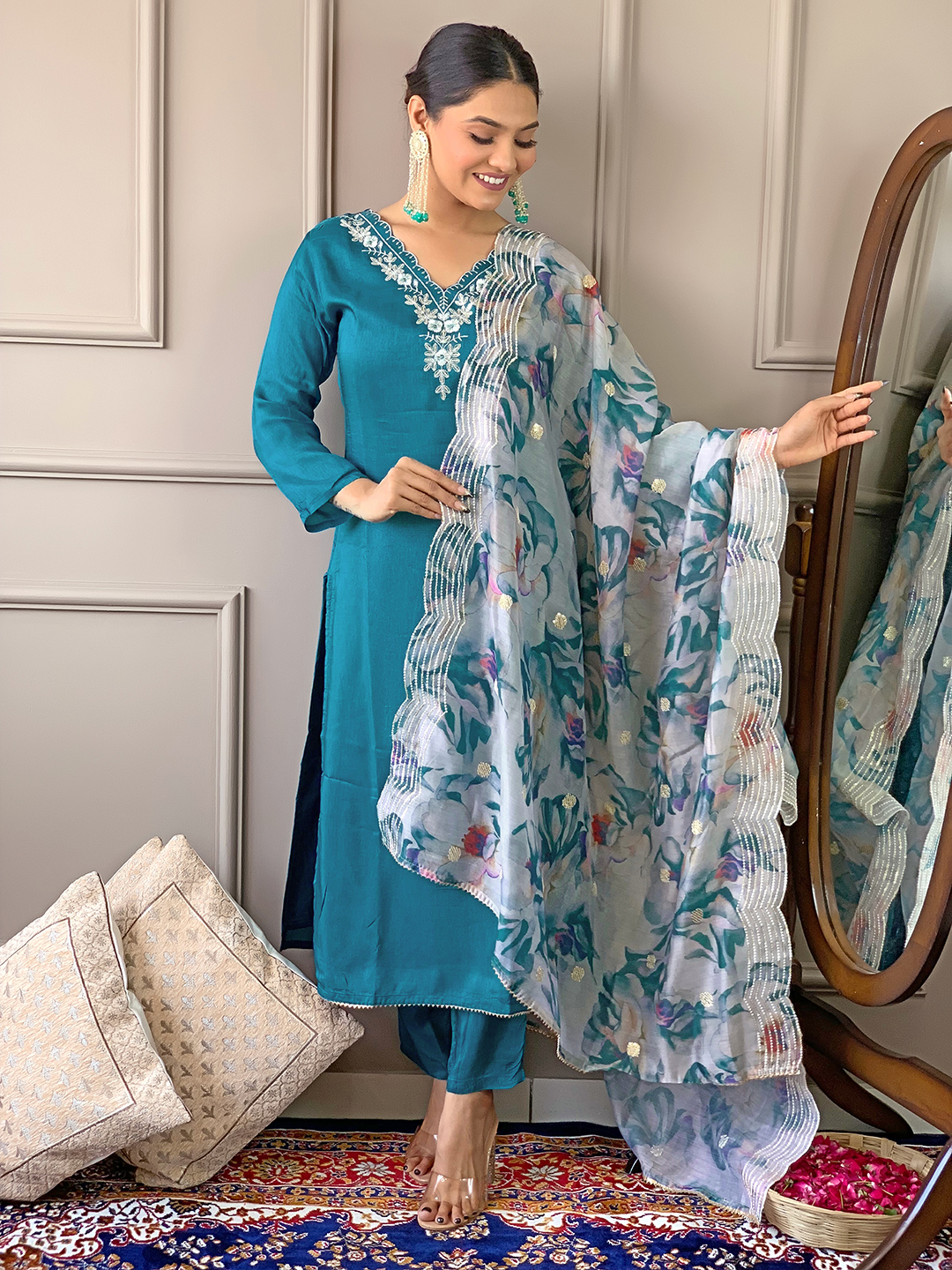
A straight kurta with tapered or relaxed trousers is the most practical option for a day involving travel and frequent sitting. The narrow vertical shape works well with medium-weight embroidery and doesn't collect around the ankles. Navy Blue Embroidered Salwar Suit can be styled with silver-toned earrings and a contrasting dupatta when a polished but controlled look is needed.
A straight suit also works for formal salwar suit ladies' dressing because the shape looks composed without requiring a large volume of fabric. Cotton salwar suits for festive gatherings can use the same cut with printed panels, small motifs or a woven border instead of dense embellishment.
An Anarkali or maxi suit for an evening celebration
An Anarkali or maxi suit creates a more dramatic festive outline and suits evening celebrations, stage programmes and family photographs. Multicolor Embroidered Crepe Maxi Suit Set for Festive Wear demonstrates how several colours can create visual interest without requiring heavy jewellery.
Large flares need a practical check before purchase. Walk ten steps, sit on a chair, climb a few stairs and lift the hem slightly with one hand. If the flare catches under the feet or the lining feels warm, a narrower Anarkali or a panelled kurta will be more comfortable.
Sharara or palazzo trousers for movement
Sharara and palazzo silhouettes offer more room around the legs, making them useful for women who prefer a relaxed festive outfit. Brown Chinon Silk Sharara Suit Set for Women can work for an evening gathering when paired with simple footwear and a secured dupatta.
Very wide palazzos can brush against wet ground during monsoon weather, so ankle-length trousers and a firm waistband are sensible choices. A coordinated palazzo suit can also answer the common search for readymade party wear suits for women who need an outfit that doesn't require separate tailoring.
Mizoram Festival Salwar Suit Ideas for Women: Which colours and details suit the occasion?
Deep jewel tones, warm saffron, mustard, ivory, red, black, navy and multicoloured embroidery all work for festive dressing, provided the final combination has enough contrast. Colour should be selected with the time of day and the amount of natural light in mind.
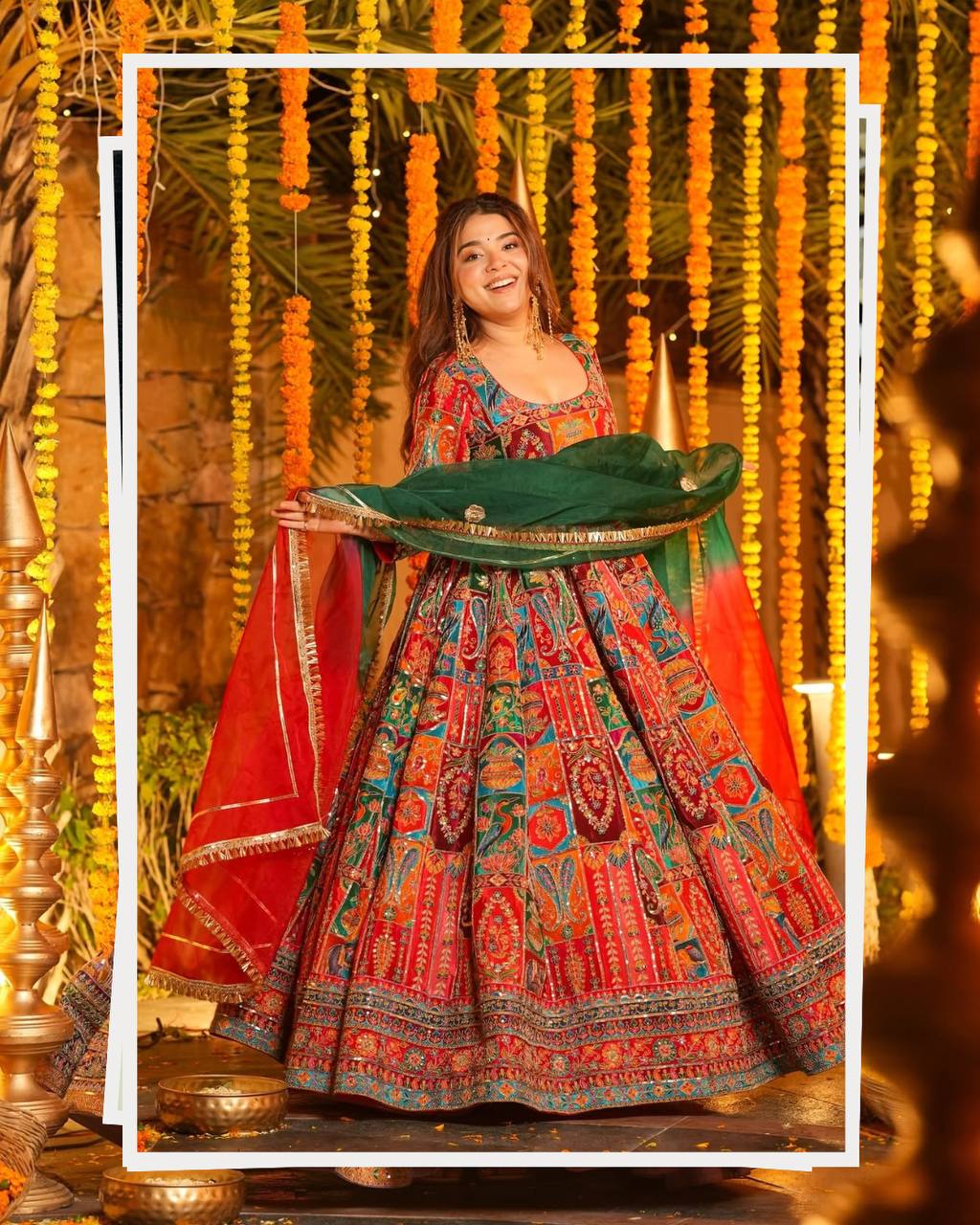
Mustard, rust and red photograph strongly during daytime celebrations, while navy, black, wine and emerald create a richer evening effect. Women's Mustard Printed Anarkali Suit with Dupatta can be balanced with antique-gold earrings and neutral sandals so the print remains the focal point.
Black can look festive when it includes red embroidery, floral work or a contrasting border. Black Red Fendy Silk 3 Piece Readymade Salwar Suit Set offers a useful example of using two strong colours without adding many extra accessories. Black and white can look equally refined when the embroidery supplies texture, as seen in Black White Floral Embroidered Readymade Salwar Suit.
Motifs should be considered alongside the venue. Floral embroidery, small geometric patterns, woven borders and delicate sequins are versatile for family celebrations. Dense metallic work may be appropriate for a formal evening but can feel excessive for a daytime community event, especially when the wearer expects to remain outdoors.
Mizoram Festival Salwar Suit Ideas for Women: How should the dupatta be secured?
A dupatta remains comfortable during a festival when its length, fabric and fastening method match the wearer's activity. A readymade salwar suit dupatta is convenient, but the included piece should still be checked for width, weight and slipping before the event.
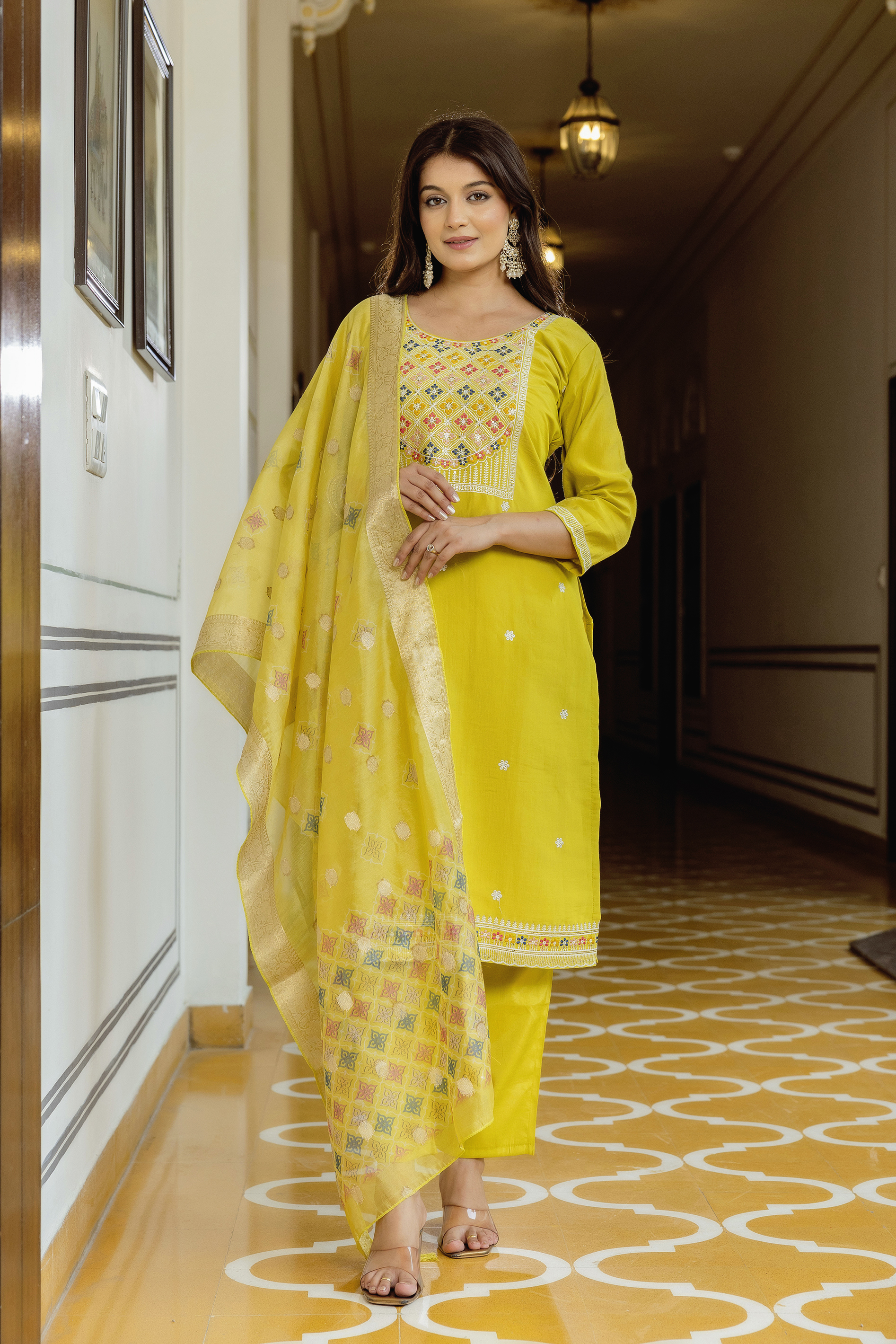
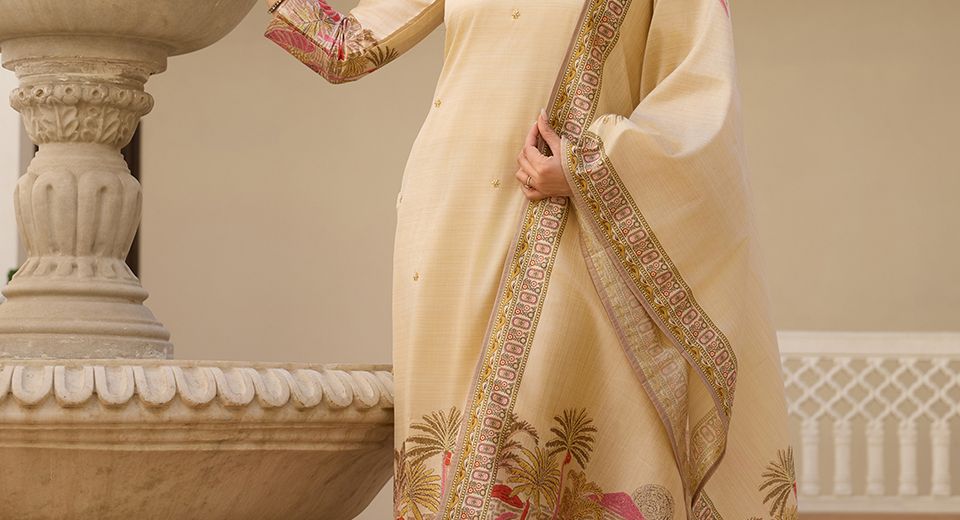
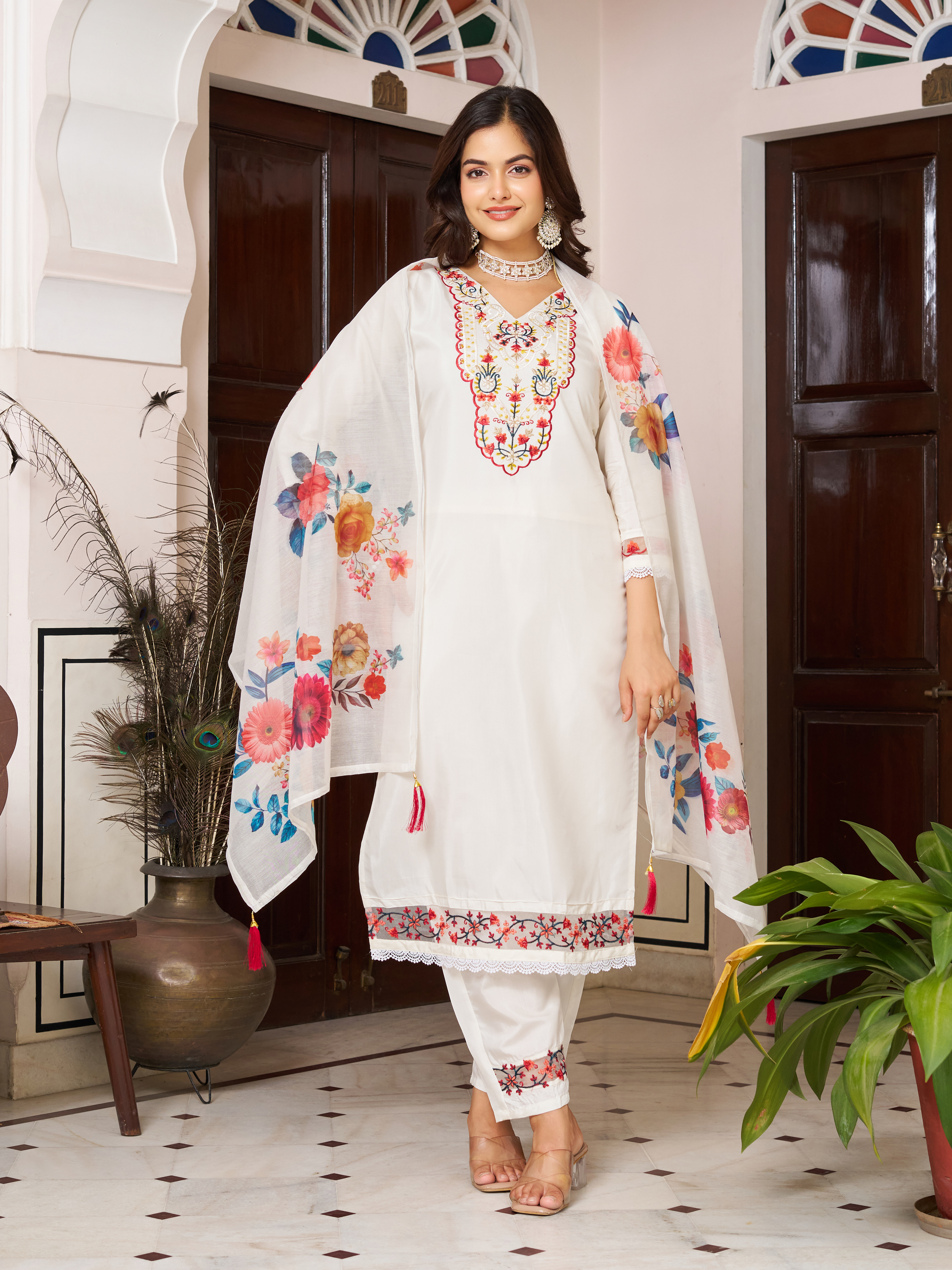
Chanderi, cotton, modal and light chiffon dupattas usually feel easier in warm weather than heavily layered net. Chanderi has a crisp surface that photographs well, although its lightness means the fabric may move in wind. White Chanderi Blossom Salwar Suit can be paired with coloured jewellery while keeping the overall outfit airy.
For walking and serving food, place one end of the dupatta over the opposite shoulder and secure it with a small concealed pin at the shoulder seam. For a more traditional drape, bring the other end across the front and pin it near the waist, leaving enough ease for sitting. Avoid placing a sharp pin directly through delicate embroidery or silk; use the seam allowance or a fabric-friendly brooch instead.
A narrow border adds structure and helps the dupatta hold its line. A very heavy border can pull the fabric backward, so test the drape while standing and sitting. If a dupatta keeps slipping, two small safety pins placed horizontally can improve stability without changing the appearance.
Mizoram Festival Salwar Suit Ideas for Women: How can regional references be used thoughtfully?
Regional styling references work best when they inspire colour and craftsmanship rather than pretending that one Indian tradition represents another. Mizoram's textile heritage should not be reduced to a decorative pattern placed on a generic suit.
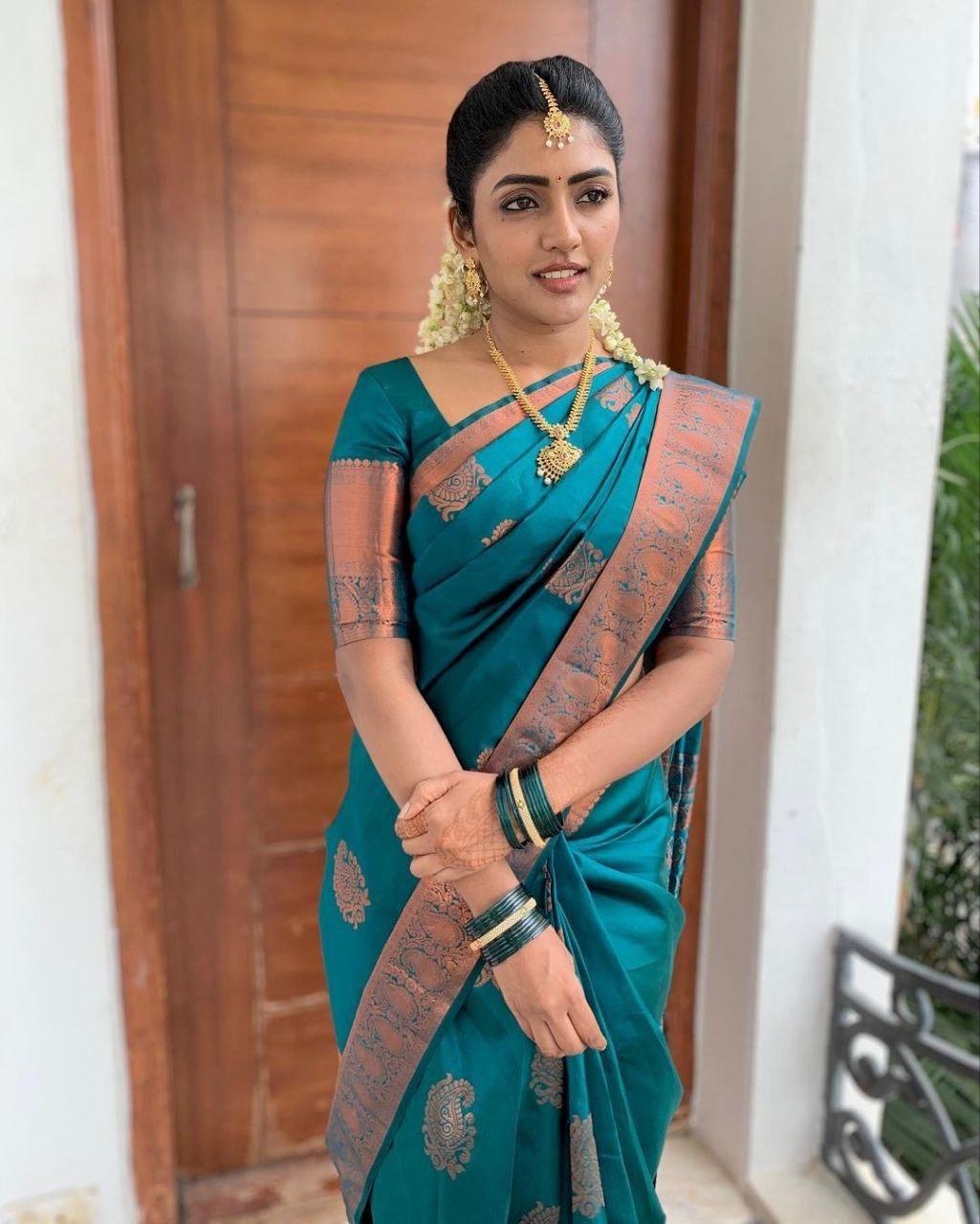
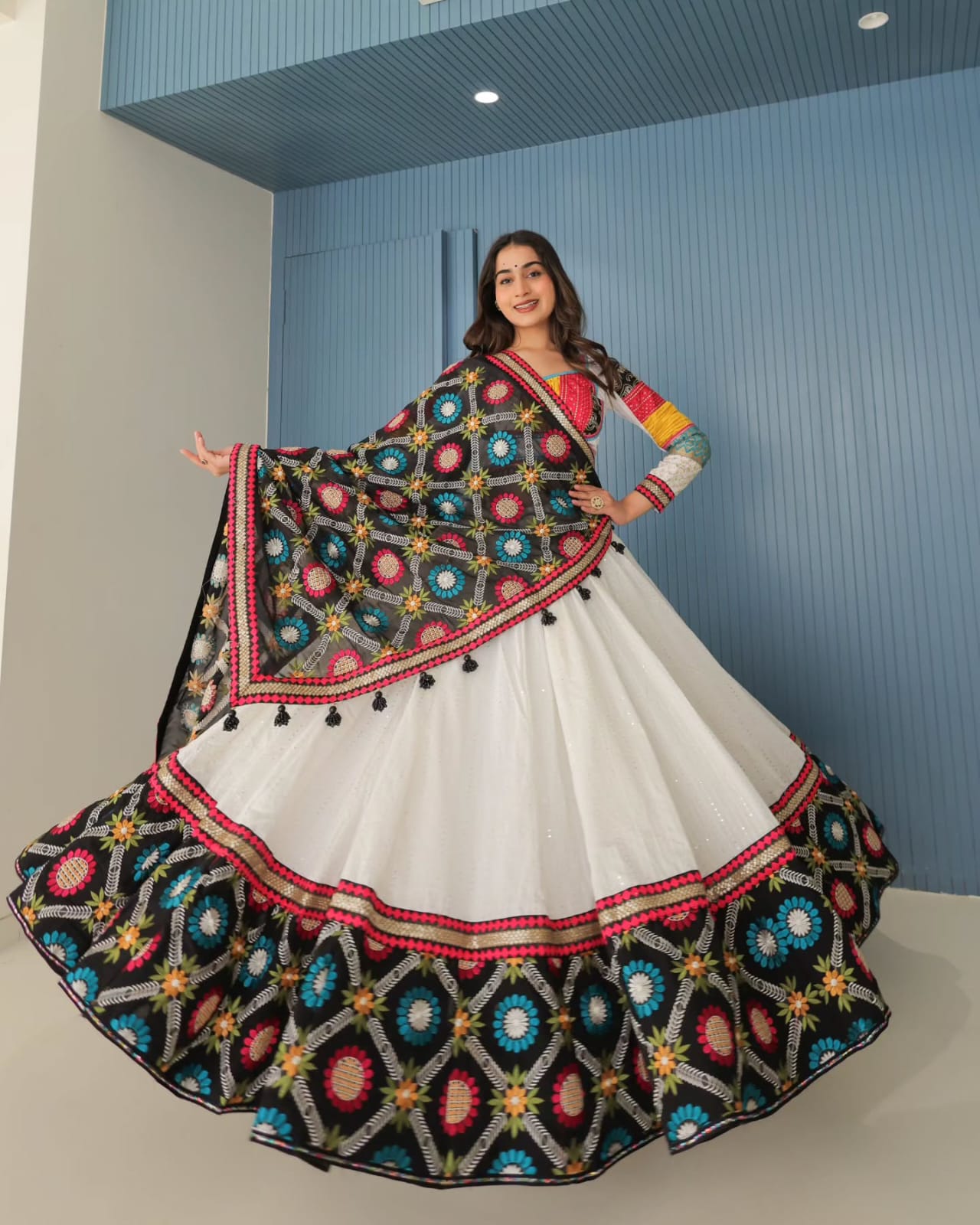
Gujarati Festive Salwar Suits often suggest lively colour combinations and mirror-inspired sparkle, which can guide accessory choices for a bright celebration. Marwari Style Festive Salwar Suits can inspire richer reds, mustard tones and ornate borders. These references are styling influences, not substitutes for Mizo dress.
Kalamkari Print Salwar Suits (Copy) can be useful when the occasion calls for a printed rather than embroidered outfit. Pairing a detailed print with plain jewellery keeps the look balanced. Maharashtra Paithani Inspired Salwar Suits offer another route to festive colour through jewel tones and border-focused styling. Punjab Phulkari Embroidered Salwar Suits can inspire floral embroidery and a lively dupatta, but the final outfit should still be selected for comfort and personal taste.
Respectful styling means avoiding claims that a generic motif is authentically Mizo unless its origin is verified. A simple salwar suit in a confident colour, worn with thoughtful accessories, is more appropriate than a costume-like attempt to reproduce a traditional textile without understanding its meaning.
Mizoram Festival Salwar Suit Ideas for Women: What fabric and fit checks matter?
Fabric, lining and measurements determine whether a festive suit remains wearable after several hours. Check the bust, waist, hip, shoulder and sleeve measurements against a garment that already fits rather than relying only on the usual size label.
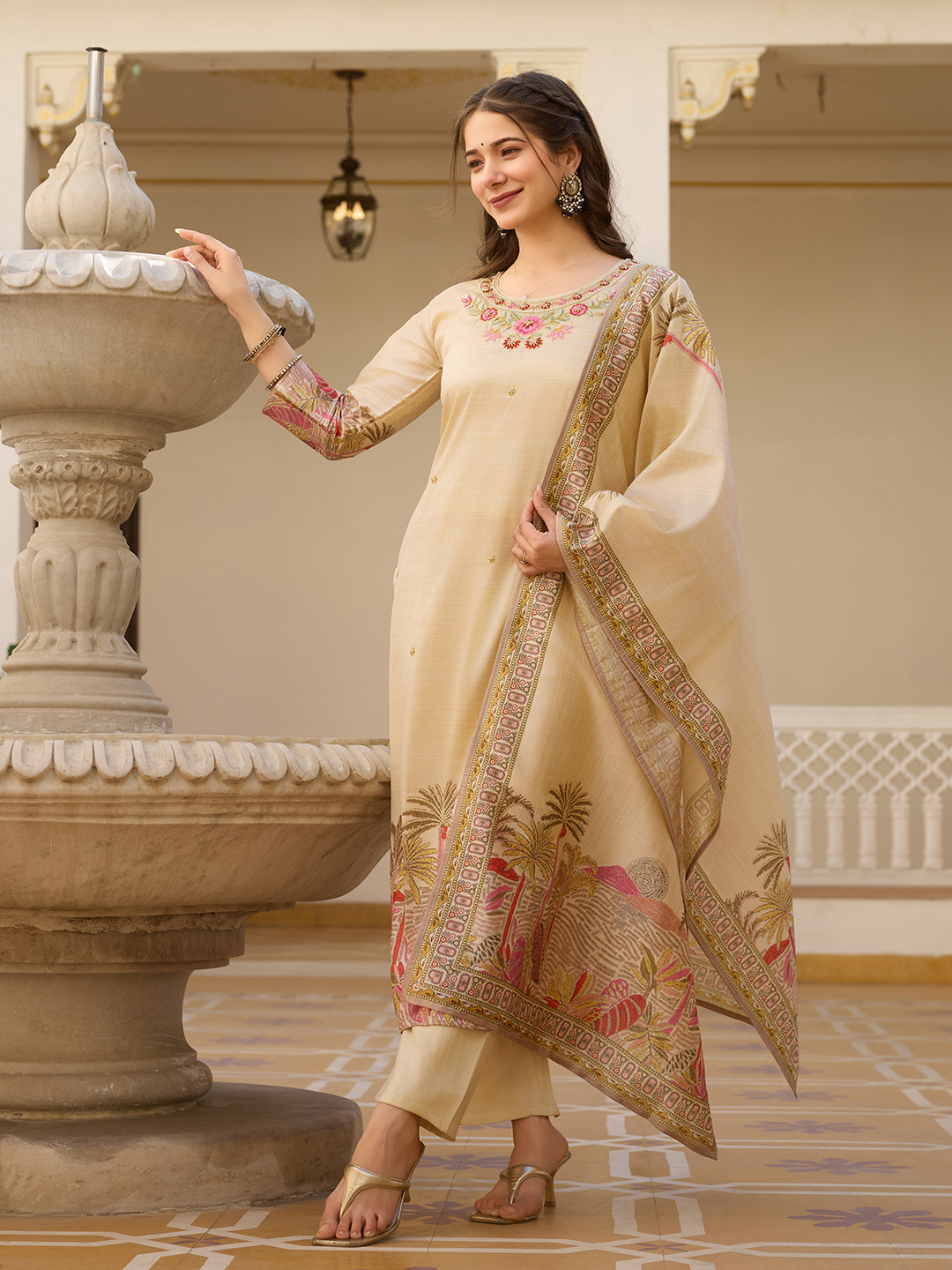
Crepe drapes smoothly and resists some wrinkling, but the lining and sleeve construction determine breathability. Chinon silk has a fluid festive fall and suits evening wear, while Chanderi feels lighter and gives a slightly crisp finish. Fendy silk can provide a dressier surface, but the wearer should check whether the lining feels comfortable in warm conditions.
Embroidery should lie flat around the underarm, neckline and waist. Raised sequins or dense threadwork in these areas can cause irritation when the garment is worn for five or more hours. A soft lining, finished seams and a neckline that doesn't press against the throat are more valuable than a few extra decorative motifs.
Readymade suits are convenient because the kurta, bottom and dupatta are coordinated, but alteration options vary. Confirm whether the side seams contain extra allowance, whether the trouser waistband can be adjusted and whether the sleeve can be shortened. A two-centimetre sleeve adjustment or a small side-seam alteration can substantially improve comfort without changing the garment's overall design.
Before the festival, steam the suit according to the care label and test the complete outfit indoors for at least 20 minutes. Check whether the dupatta slips, the waistband digs in, the hem catches on footwear or the embroidery scratches the skin. These small checks prevent avoidable discomfort on the day.
Mizoram Festival Salwar Suit Ideas for Women: How should accessories and care be planned?
Accessories should support the salwar suit's strongest feature rather than compete with every colour and embellishment. Choose one dominant accent, such as earrings, a necklace, bangles or a decorated dupatta border.
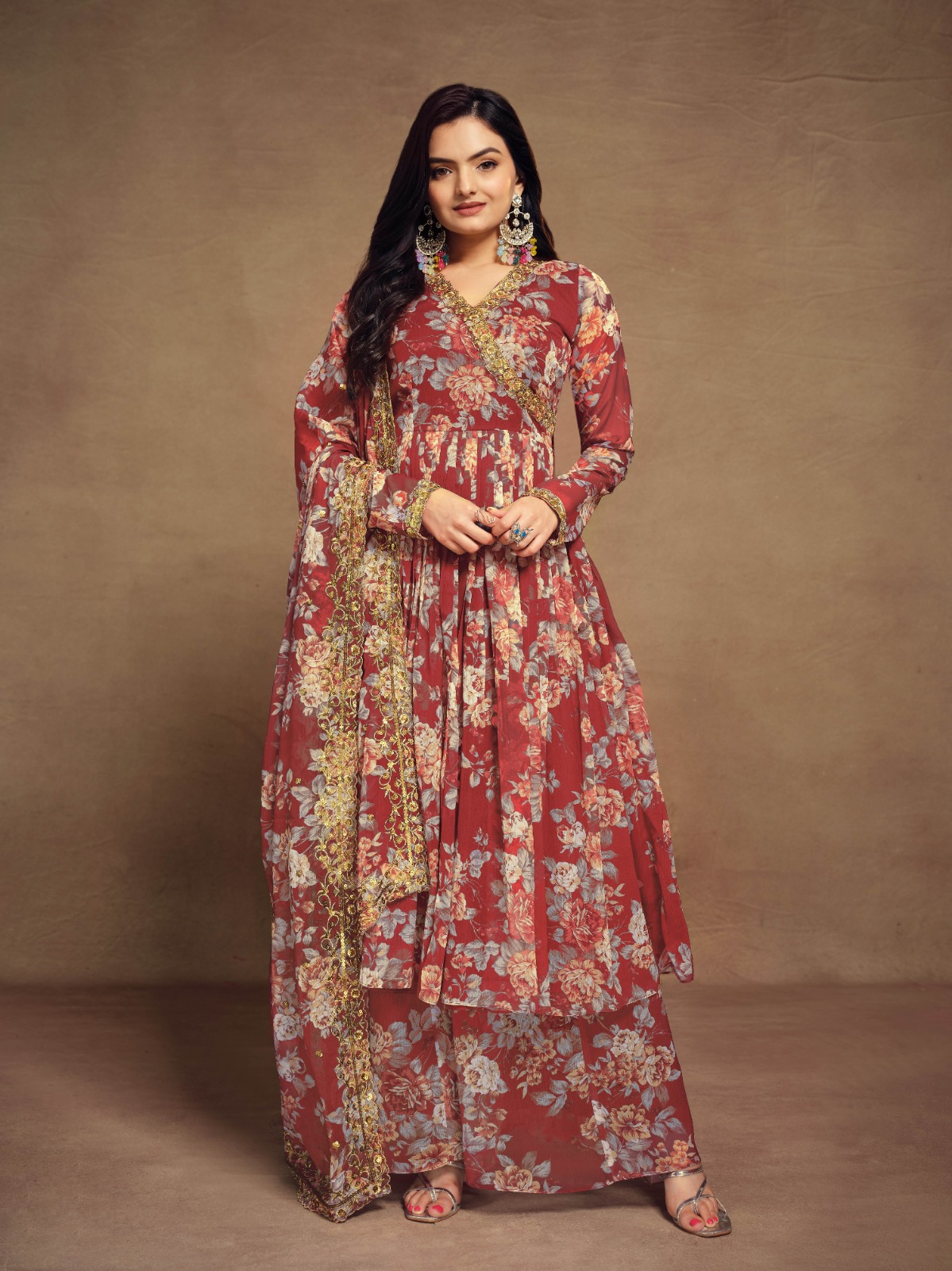
Silver-toned jewellery complements navy, white, black and cool multicoloured embroidery. Antique gold works naturally with mustard, brown, red and warm printed suits. Comfortable jhumkas, small hoops or medium-sized chandbalis are safer for a long programme than oversized earrings that pull on the earlobes.
Footwear should have a secure strap and a low, stable heel when the event involves walking. Embellished flats, cushioned sandals or block heels between 2 and 5 centimetres offer more control than narrow stilettos on uneven surfaces. A small cloth bag can protect the dupatta from damp seating and keep safety pins, tissues and a comb accessible.
Care depends on the fabric and embellishment. Air a suit after wearing it, remove surface dust with a soft brush and store it on a broad hanger only when the garment is dry. Fold heavily embroidered garments with tissue paper between embellished panels so the threads don't catch.
Chanderi and delicate embroidered garments often benefit from professional dry cleaning, while some cotton suits can be hand-washed in cool water with mild detergent if the care label permits. Never soak a multicoloured or zari-detailed suit without testing colourfastness on a hidden seam. Store the dupatta separately if its border is heavy, because prolonged pressure can distort the kurta.
A strong festive outfit is one that still feels comfortable after the photographs, meal, travel and conversations are over.
Mizoram Festival Salwar Suit Ideas for Women: Common questions before choosing a suit
Which salwar suit is comfortable for a daytime Mizoram festival?
A lightweight straight suit in cotton, Chanderi or breathable crepe is usually the most comfortable daytime choice. Select a moderate flare, soft lining and a dupatta that can be pinned securely for walking and outdoor activities.
Are Anarkali suits suitable for festive celebrations in Mizoram?
Anarkali suits are suitable for festive celebrations when the flare, lining and hem allow easy movement. A lightly flared or panelled Anarkali is generally more practical than a floor-length design for uneven paths and warm weather.
How can a readymade salwar suit dupatta stay in place?
A readymade salwar suit dupatta stays in place when one end is pinned at the shoulder and the opposite side is secured near the waist or side seam. Use concealed pins through seam allowances rather than piercing delicate embroidery or thin silk.
What colours work well for festive salwar suits for women?
Mustard, red, rust, navy, emerald, black, ivory and jewel-toned combinations work well for festive salwar suits for women. Match bright colours with restrained accessories, and let heavy embroidery remain the main visual detail.
Are cotton salwar suits suitable for festive wear?
Cotton salwar suits are suitable for festive wear when they have a polished print, neat embroidery, a well-finished neckline or a decorative border. Cotton is particularly useful for daytime celebrations because it's generally lighter and easier to wear for long periods.
How can women style a salwar suit for a formal festival evening?
Women can style a formal festival evening suit with a richer fabric, controlled embroidery, dressy earrings and secure footwear. Chinon silk, Fendy silk, a refined Anarkali or a sharara set can look formal without requiring excessive jewellery.
Common Questions About Choosing Salwar Suits for Mizoram Festivals
Which salwar suit is comfortable for a daytime Mizoram festival?
A lightweight straight suit in cotton, Chanderi or breathable crepe is usually the most comfortable daytime choice. Select a moderate flare, soft lining and a dupatta that can be pinned securely for walking and outdoor activities.
Are Anarkali suits suitable for festive celebrations in Mizoram?
Anarkali suits are suitable for festive celebrations when the flare, lining and hem allow easy movement. A lightly flared or panelled Anarkali is generally more practical than a floor-length design for uneven paths and warm weather.
How can a readymade salwar suit dupatta stay in place?
A readymade salwar suit dupatta stays in place when one end is pinned at the shoulder and the opposite side is secured near the waist or side seam. Use concealed pins through seam allowances rather than piercing delicate embroidery or thin silk.
What colours work well for festive salwar suits for women?
Mustard, red, rust, navy, emerald, black, ivory and jewel-toned combinations work well for festive salwar suits for women. Match bright colours with restrained accessories, and let heavy embroidery remain the main visual detail.
Are cotton salwar suits suitable for festive wear?
Cotton salwar suits are suitable for festive wear when they have a polished print, neat embroidery, a well-finished neckline or a decorative border. Cotton is particularly useful for daytime celebrations because it is generally lighter and easier to wear for long periods.
How can women style a salwar suit for a formal festival evening?
Women can style a formal festival evening suit with a richer fabric, controlled embroidery, dressy earrings and secure footwear. Chinon silk, Fendy silk, a refined Anarkali or a sharara set can look formal without requiring excessive jewellery.