A festival wardrobe in Mizoram needs more thought than a bright outfit chosen for a single photograph. The Mizoram Festival Fashion Calendar: Traditional Outfits connects the timing of Chapchar Kut, Mim Kut, Pawl Kut, Christmas and New Year with the textiles, layers and colours that suit each celebration. The most important distinction is cultural: a saree can create a polished contemporary festive look, but the core traditional Mizo vocabulary comes from the puan, puanchei, kawrechi and related woven garments.
Mizoram's festivals are shaped by agricultural seasons, church life, community gatherings and cool, often wet hill weather. An impressive outfit plan therefore considers four things together: the meaning of the festival, the formality of the event, the practicality of the fabric and the difference between indigenous Mizo dress and a modern Indian ethnic alternative.
Mizoram Festival Fashion Calendar: Traditional Outfits across the year
The main festival periods are predictable enough for advance wardrobe planning, although exact dates and local programmes can change. Chapchar Kut usually takes place in March, Mim Kut generally falls in August or September, Pawl Kut is commonly observed in December, and Christmas and New Year bring formal church and community dressing in late December and early January.
Chapchar Kut marks the period after bamboo clearing and before the next agricultural cycle. The festival is associated with public performances, dances, music and community participation. Comfortable woven garments, breathable cottons and secure footwear work better than heavy, floor-length layers when an event includes movement or outdoor activity.
Mim Kut is a harvest festival traditionally connected with remembrance and offerings associated with the first maize harvest. August and September can bring rain, so quick-drying layers, a covered blouse or top and a shawl that can withstand a cooler evening are sensible choices. A compact umbrella and footwear with traction may be more valuable than elaborate accessories.
Pawl Kut celebrates the harvest and is usually associated with December. The cooler, drier weather allows richer textiles, fuller sleeves and more structured styling. December also brings Christmas services, choir events, family visits and New Year programmes, where modest tailoring and a neat finish are especially appropriate.
Which events need the most formal outfit?
Church services, cultural performances, official celebrations and evening community programmes usually call for the most polished clothing. A clean puan or coordinated woven set is suitable for a traditional look, while a restrained silk saree, elegant salwar suit or carefully draped georgette saree can work as a contemporary alternative when an invitation doesn't prescribe Mizo dress.
Daytime festival stalls, outdoor dances and informal family gatherings can be less formal. A cotton or light georgette saree with a secure pleat, a modest blouse and low sandals will remain comfortable for several hours. Avoid treating every festival as a costume event; clothing should allow the wearer to participate rather than merely pose.
Mizoram Festival Fashion Calendar: Traditional Outfits and Mizo garments
The puan is a handwoven rectangular cloth that's wrapped or draped around the lower body. Different puan patterns and names can carry regional, community or ceremonial associations, so a specific textile should not be described as universally interchangeable across Mizoram.
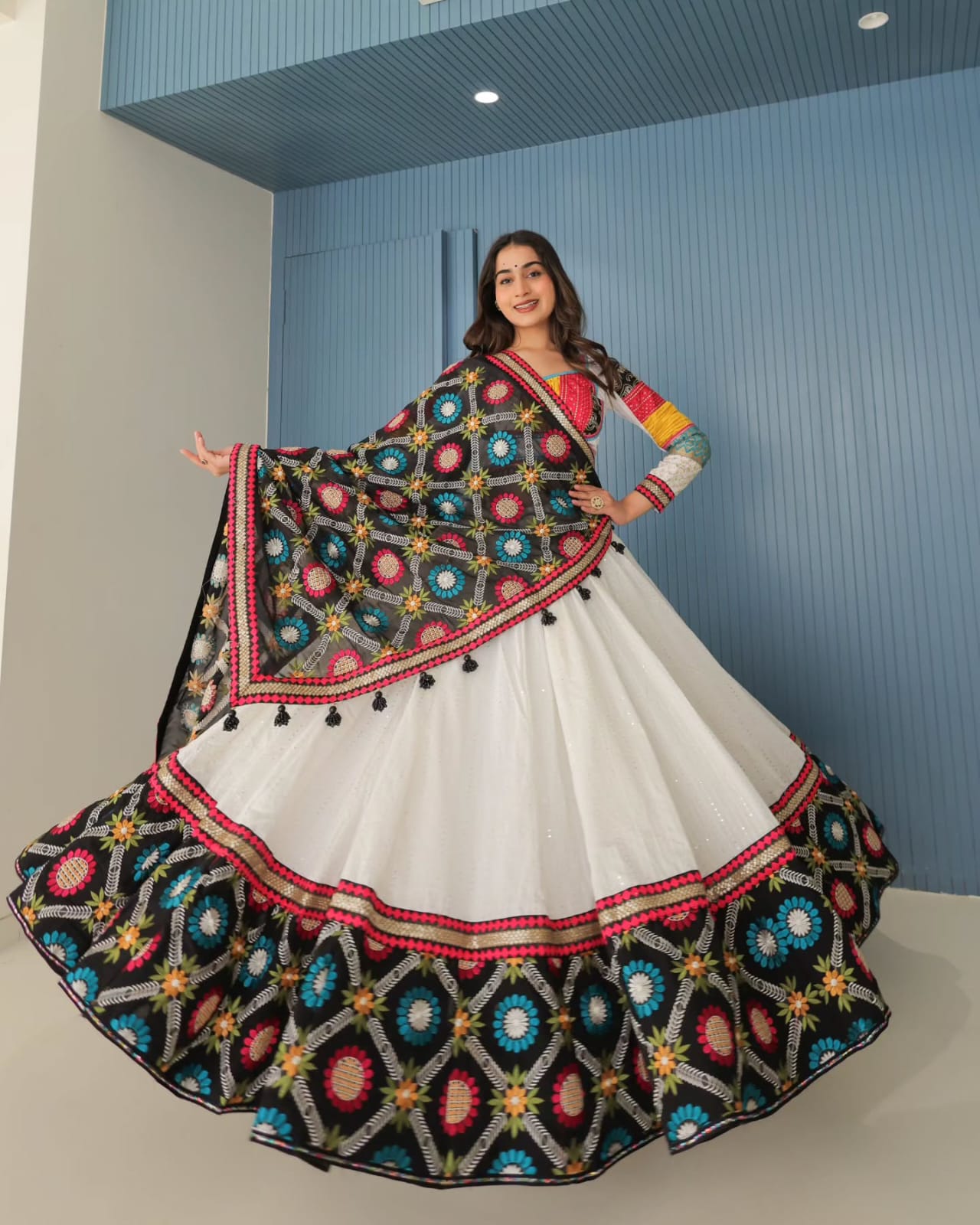
The puanchei is a particularly recognisable festive wrap associated with Mizo women's dress. The garment is often identified by colourful woven bands and geometric patterning, and it may be worn with a blouse or upper garment for celebrations, cultural presentations and formal occasions. The visual impact comes from the relationship between the wrap, the blouse, the border and the way the fabric is secured.
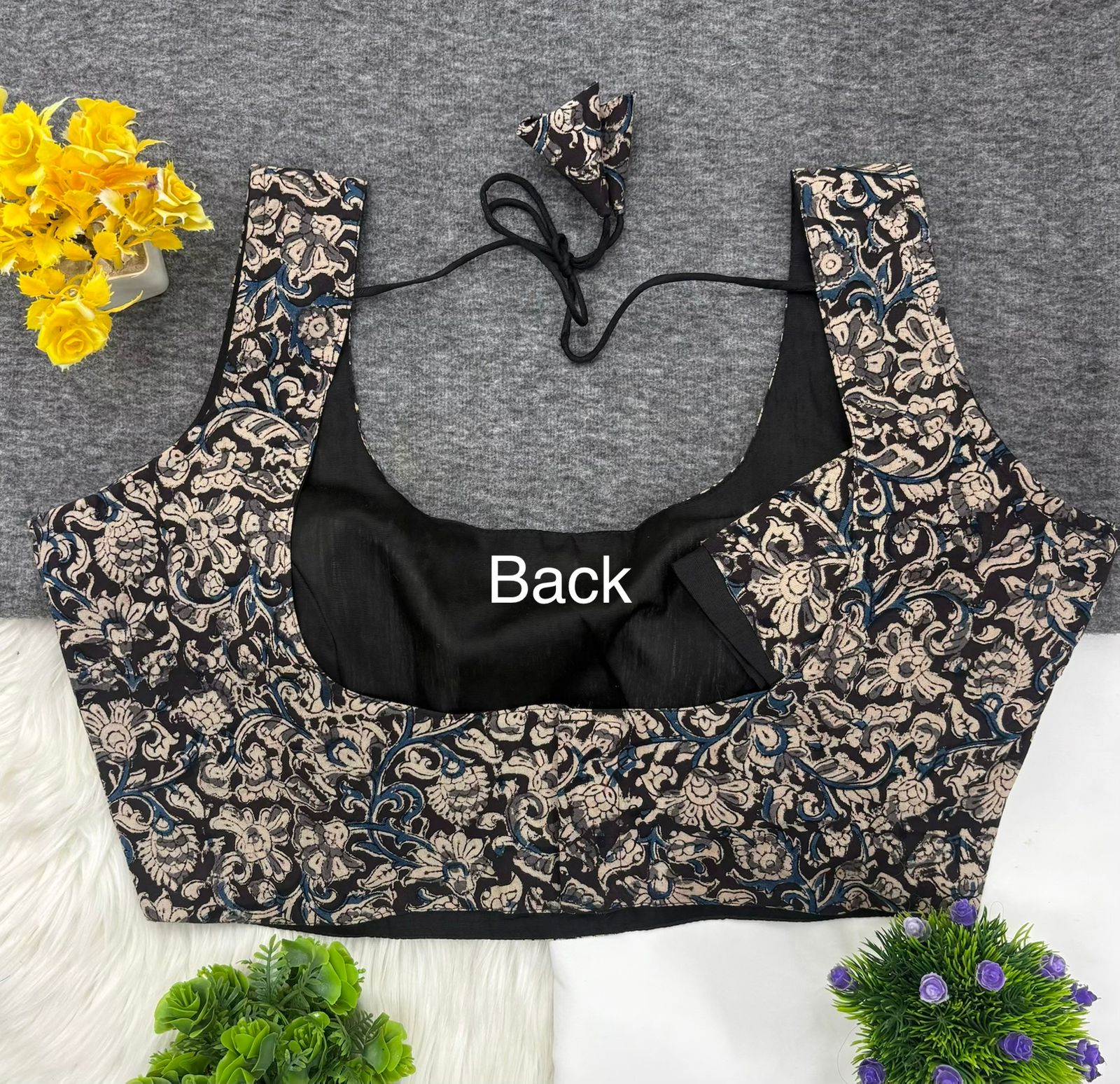
The kawrechi is a traditional blouse associated with Mizo women's attire. The blouse is commonly worn with a puanchei or related wrap, and its cut, colour and decorative details help balance the stronger pattern of the lower garment. A fitted but comfortable blouse is important because a loose upper layer can obscure the structure of the ensemble.
The thihna is another term encountered in descriptions of Mizo dress and woven accessories, although naming and use can vary by context. Festival visitors should ask a local artisan, cultural organiser or knowledgeable wearer about a garment's name and significance instead of assuming that every striped textile has the same identity.
Mizo textiles are often recognised through strong contrast, horizontal bands, geometric designs and carefully controlled colour placement. Handwoven cloth may have a firmer feel than mill-made georgette or silk, and the weave can be a central part of its meaning. A machine-printed fabric inspired by a traditional pattern may look attractive, but it should not be presented as an original puan or puanchei.
Mizoram Festival Fashion Calendar: Traditional Outfits for Chapchar Kut
For Chapchar Kut, choose a breathable, movement-friendly outfit with a clear woven or geometric visual element. A traditional puan or puanchei with kawrechi is the most culturally direct choice when worn with understanding and, where appropriate, guidance from Mizo hosts or organisers.

March weather can shift between warm sunshine and a cooler evening, especially in elevated areas. A light shawl, compact crossbody bag and flat closed-toe shoes make practical additions. Keep jewellery secure because vigorous dance performances and crowded public spaces can catch long chains or dangling earrings.
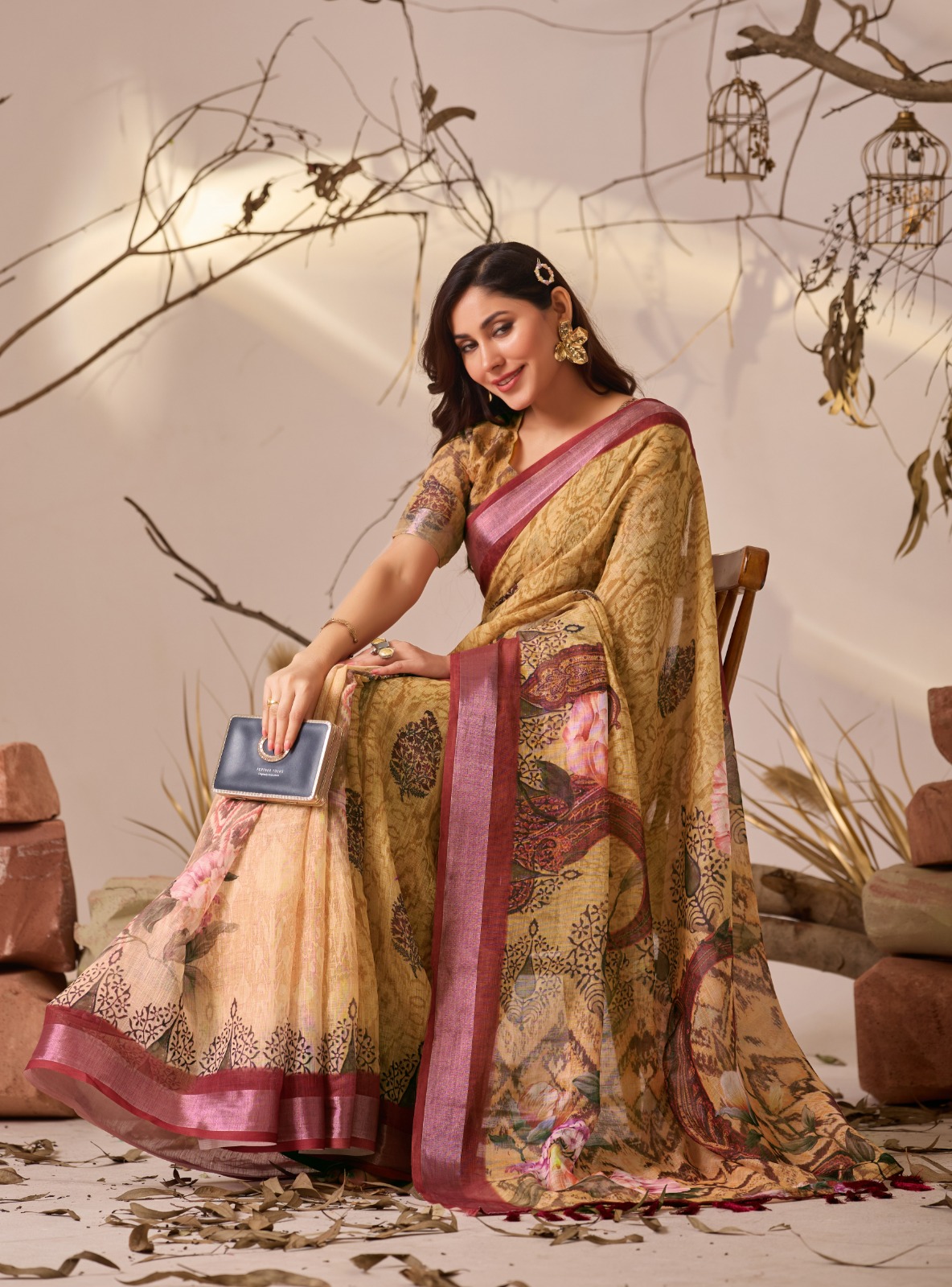
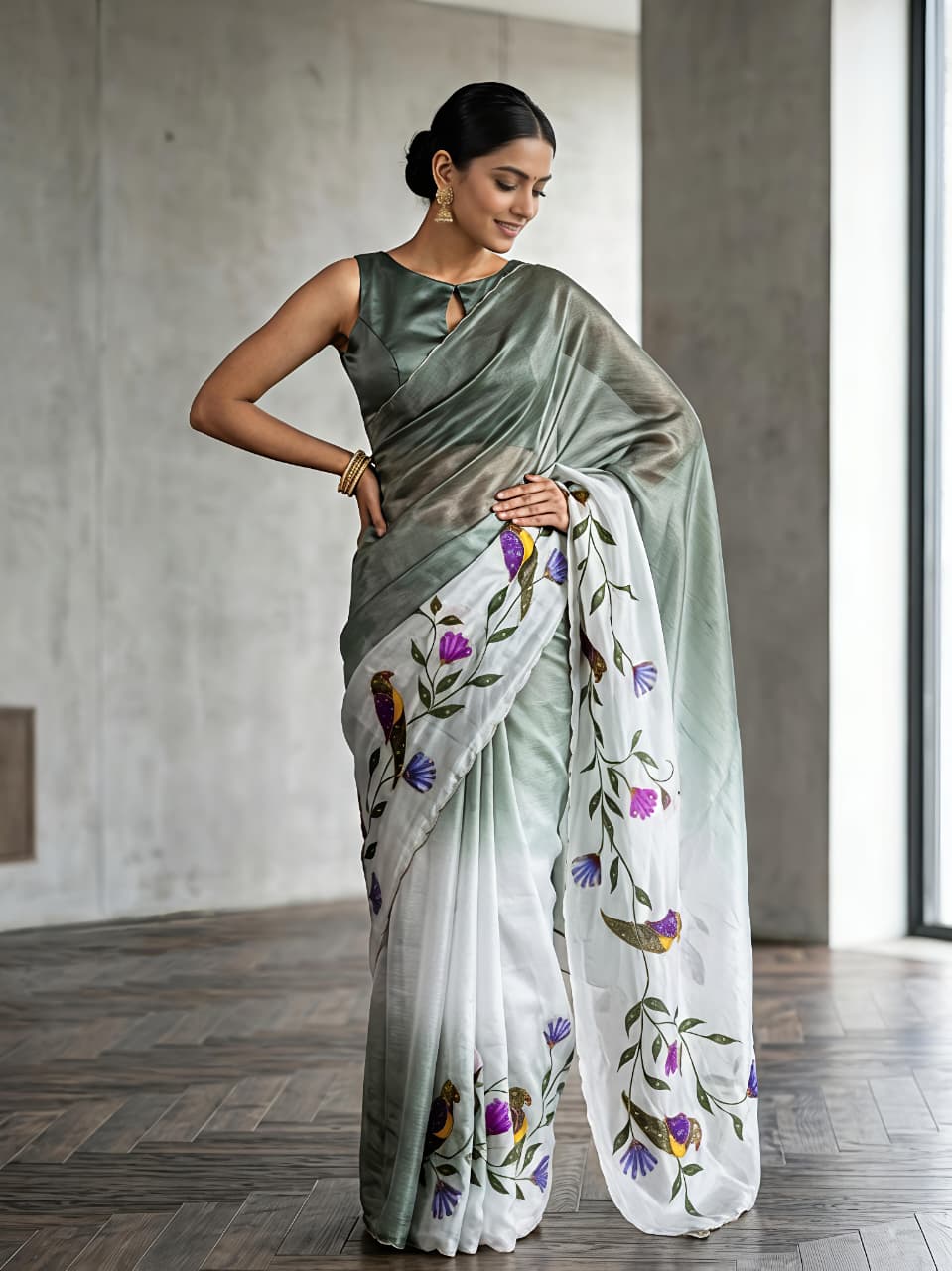
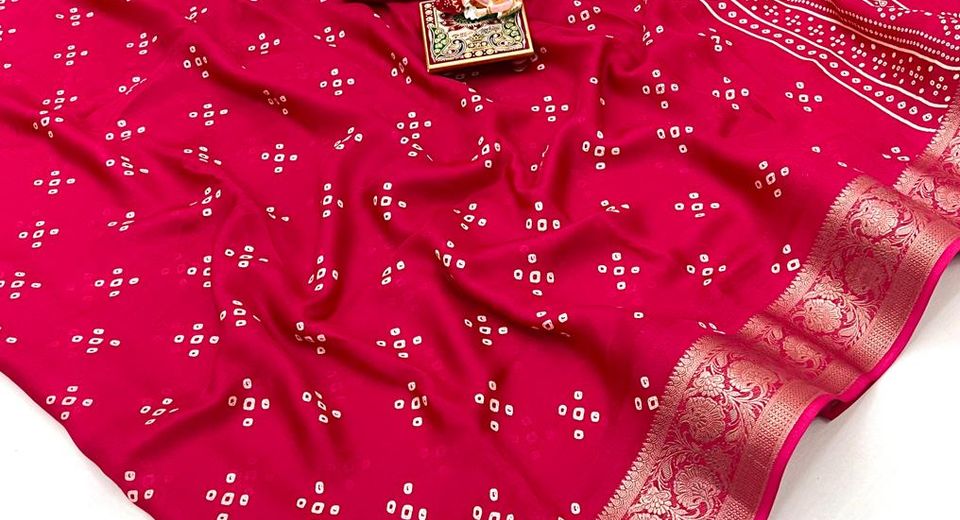
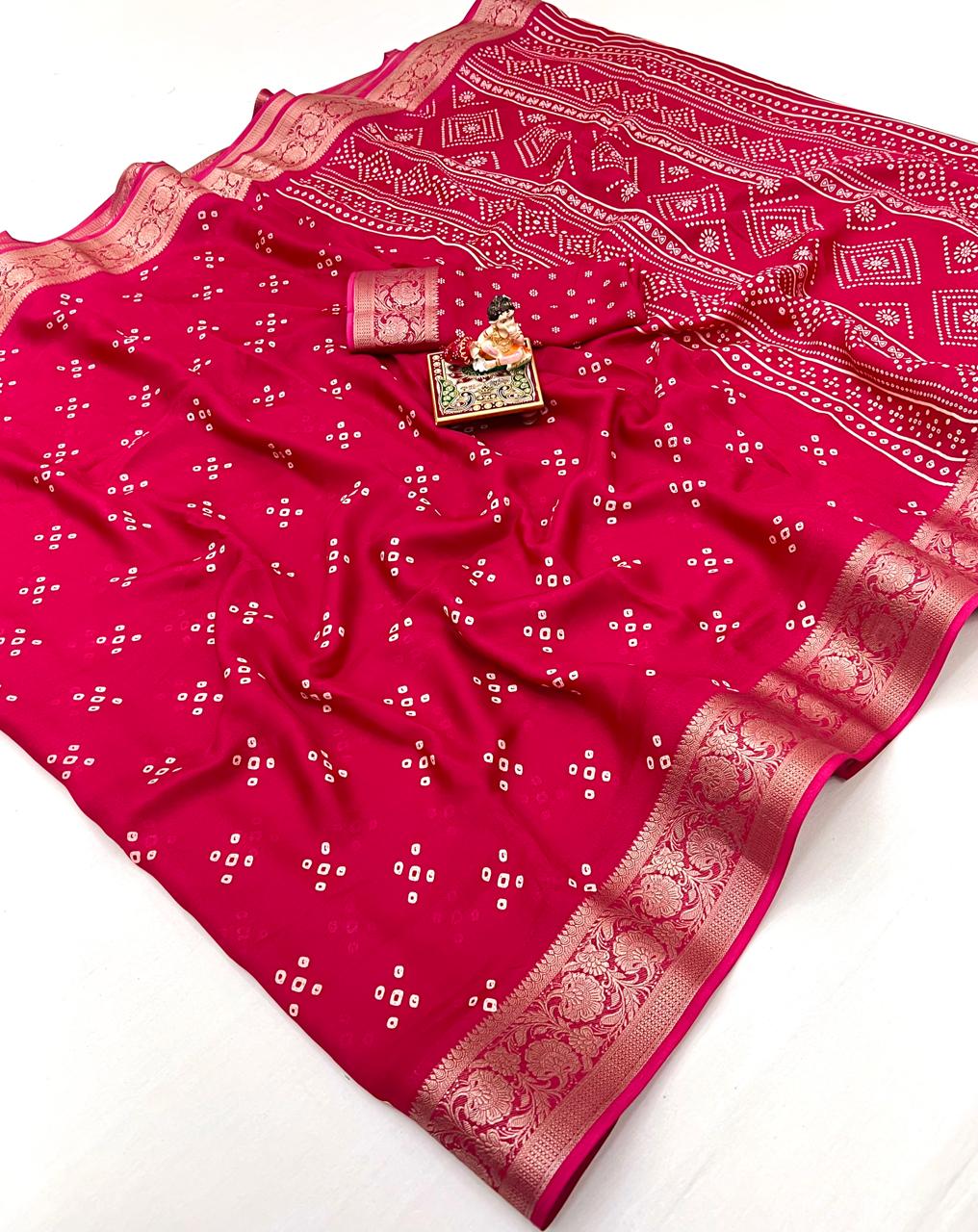
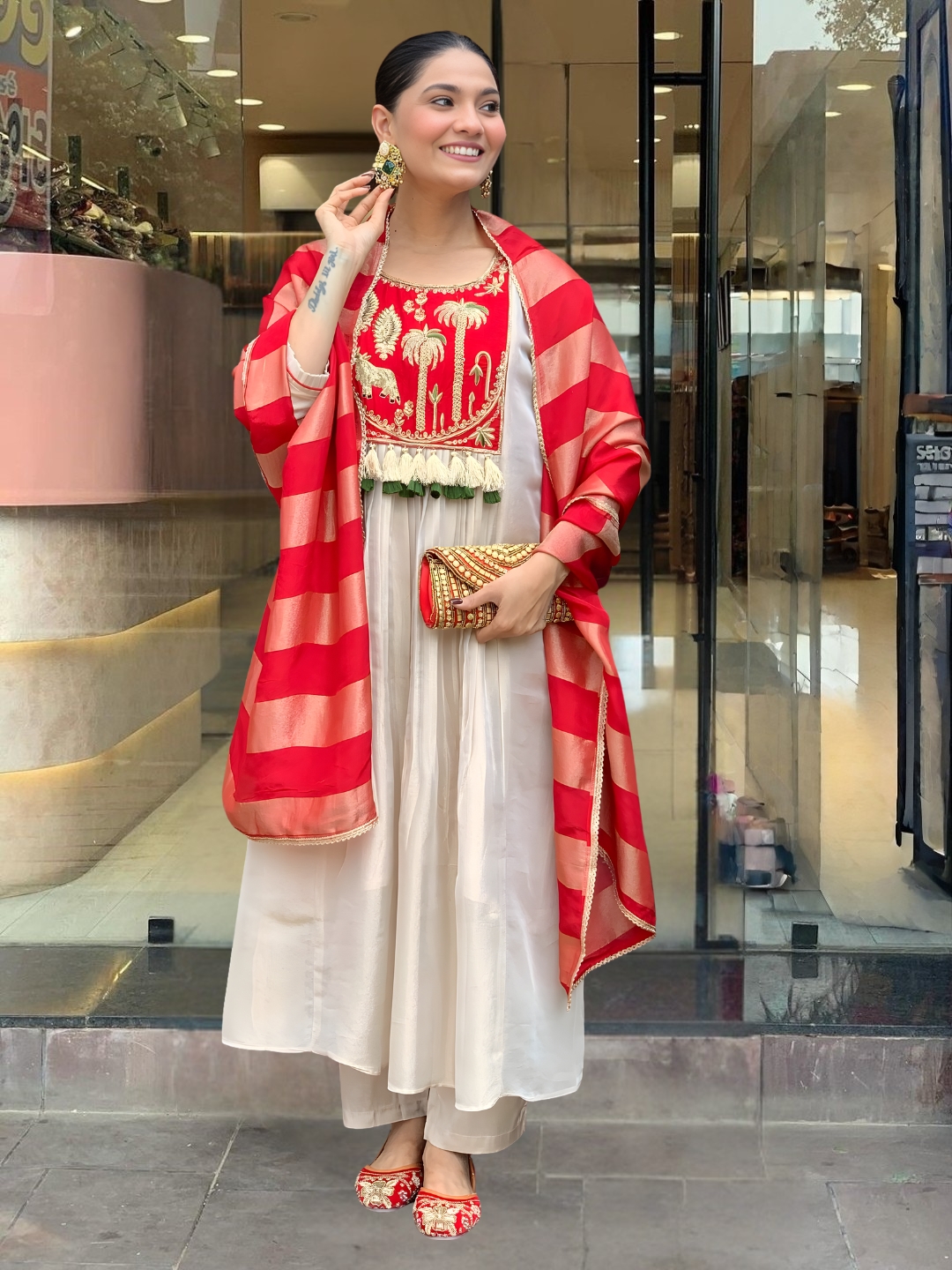
A contemporary saree can be styled for a general festive gathering, but it should be described honestly as a saree rather than Mizo traditional dress. A red border can provide the strong contrast associated with many festive textile palettes. Festive Red Georgette Saree With Rich Zari Border works as an example of a light, easy-to-drape option for a formal cultural programme where saree dressing is appropriate.
For a softer daytime interpretation, Red Zari Border Calcutta Moss Georgette Saree offers a border-led look without requiring a heavily embellished blouse. Pairing a red saree with a plain blouse in black, ivory or deep green keeps the visual focus on the border and avoids mixing too many unrelated motifs.
Chapchar Kut clothing should not restrict walking, dancing or sitting on community seating. Test the drape at home by taking ten steps, climbing a few stairs and sitting down before the event. Secure the saree pleats with discreet pins, but keep the arrangement comfortable enough for movement.
Mizoram Festival Fashion Calendar: Traditional Outfits for Mim Kut
For Mim Kut, prioritise a manageable hem, breathable layers and fabrics that won't become uncomfortably heavy in rain. A puan-based outfit remains the traditional route, while a simple saree or salwar suit can be a respectful contemporary option for visitors and guests.
August and September showers make fabric weight a serious consideration. Heavy velvet, dense brocade and long trailing pallus can absorb moisture or collect mud. Moss georgette and light synthetic blends are easier to carry and generally dry faster than dense silk, although every garment should still be protected from prolonged rain.
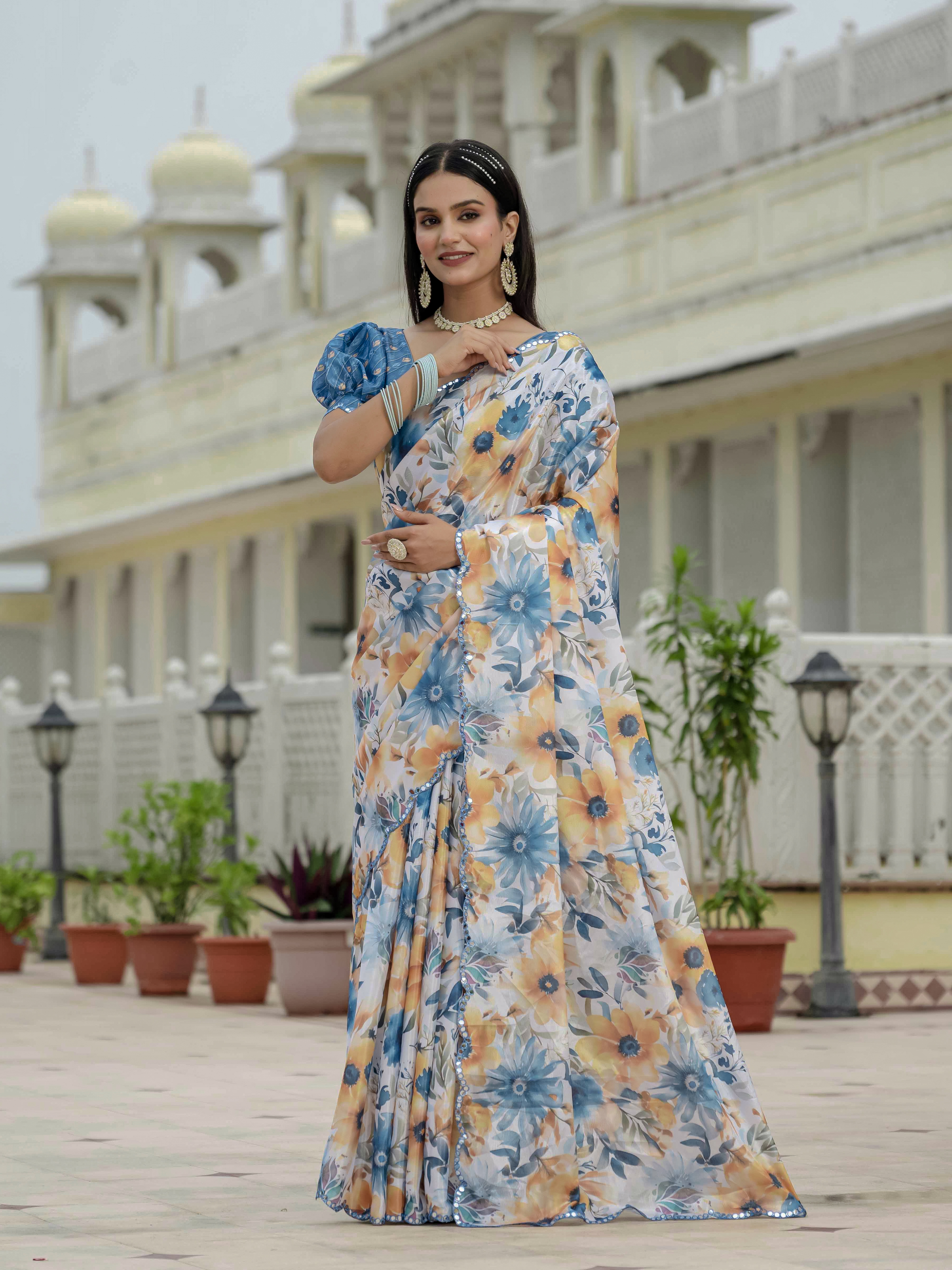
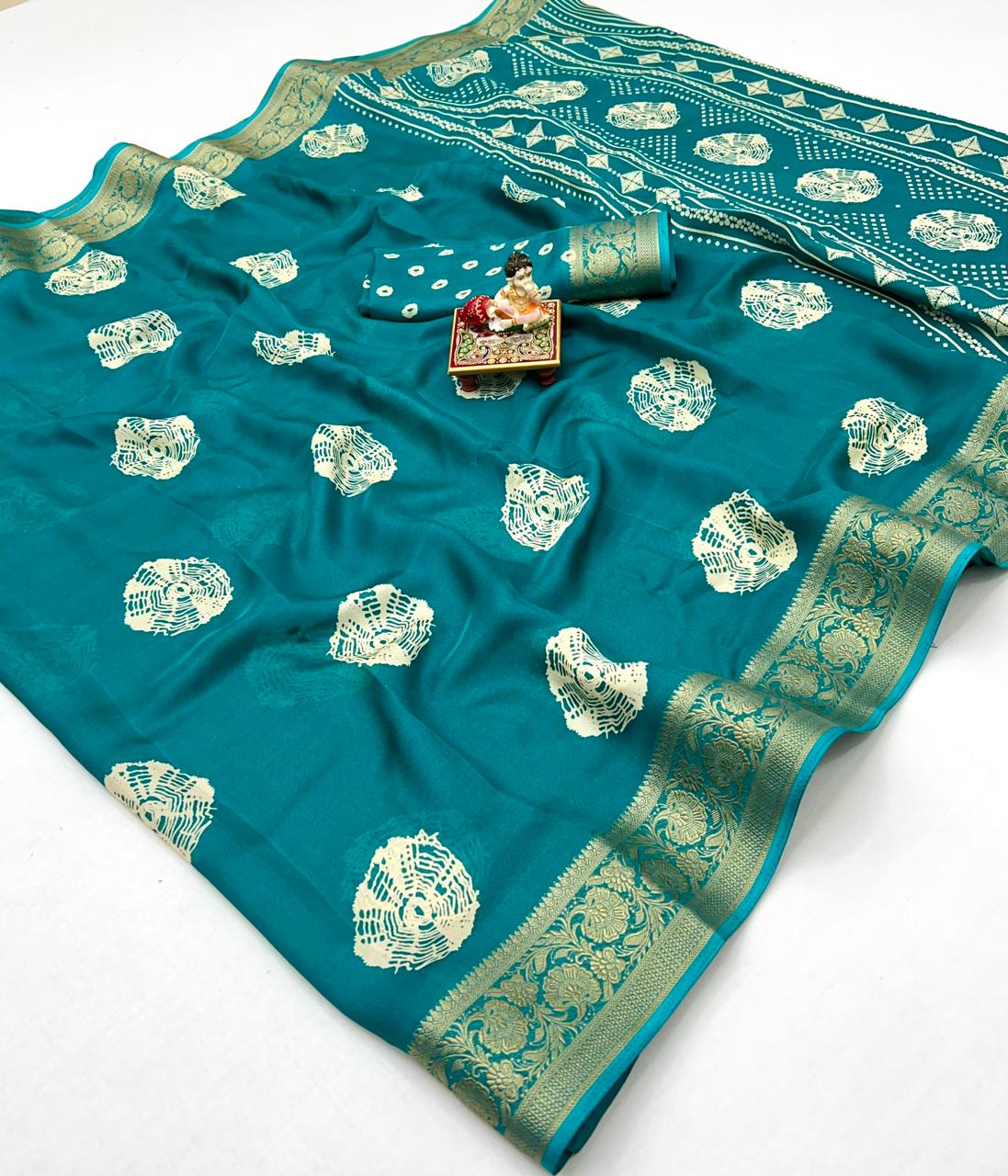
Stylish Teal Printed Moss Georgette Saree With Blouse demonstrates how a cool colour can suit a rainy-season setting while keeping the outfit relatively light. Teal can be balanced with silver-toned earrings, a matte blouse or a narrow belt if the event is current and informal. A belt should never replace secure draping at a formal cultural programme.
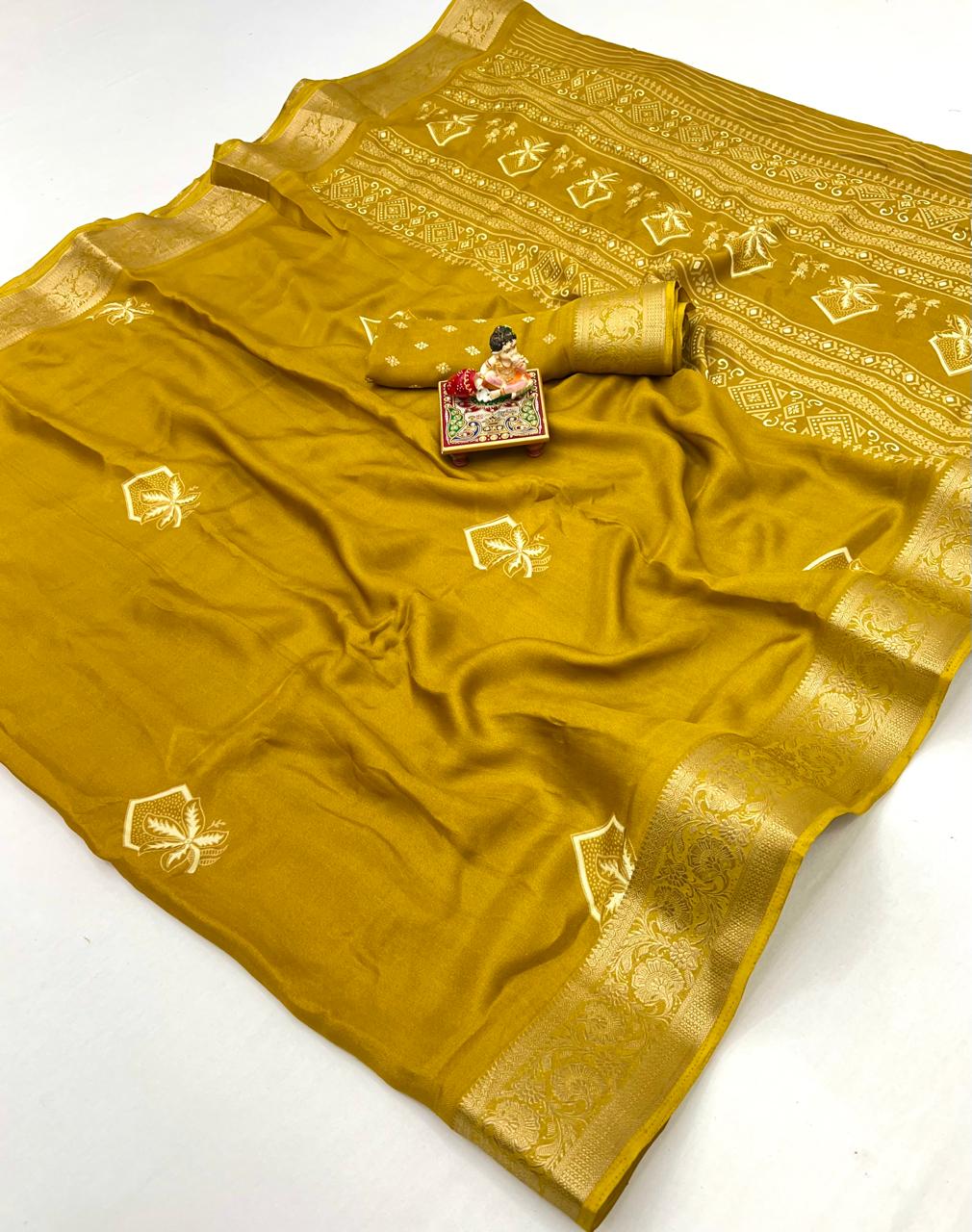
Traditional Moss Georgette Print Saree can suit a daytime harvest gathering when the print is paired with restrained accessories. Choose a blouse with sleeves if you expect cooler weather or prefer additional coverage. A small waterproof pouch protects a phone, cultural programme and emergency safety pins.
For footwear, choose sandals or shoes with a textured sole and a heel below approximately two inches. A clear plastic shoe cover can be useful during sudden rain, but it should not be worn if it makes walking unstable. Carrying a spare blouse or lightweight inner layer is sensible for a full-day outdoor event.
Mizoram Festival Fashion Calendar: Traditional Outfits for Pawl Kut and Christmas
Pawl Kut and late-December celebrations support more layered and polished dressing because Mizoram's winter evenings can feel cool. Traditional woven garments, silk sarees, full-sleeve blouses, shawls and structured salwar suits are more practical in this period than very sheer, minimal layers.
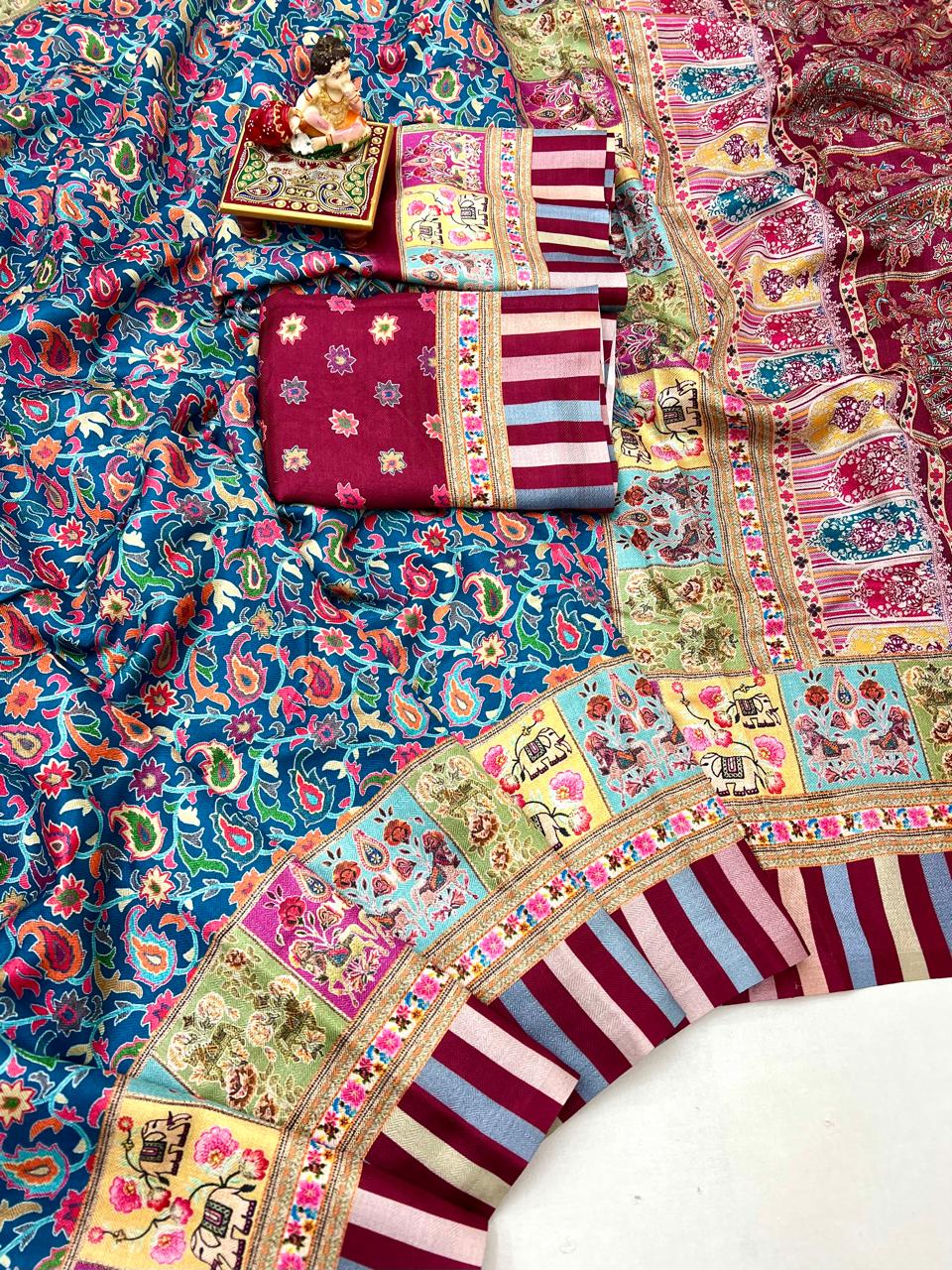
A deeper colour palette can work well in December: maroon, magenta, teal, navy, forest green, ivory and copper. Colour alone doesn't make an outfit traditional, however. The textile, garment construction and cultural context matter more than selecting a particular shade.
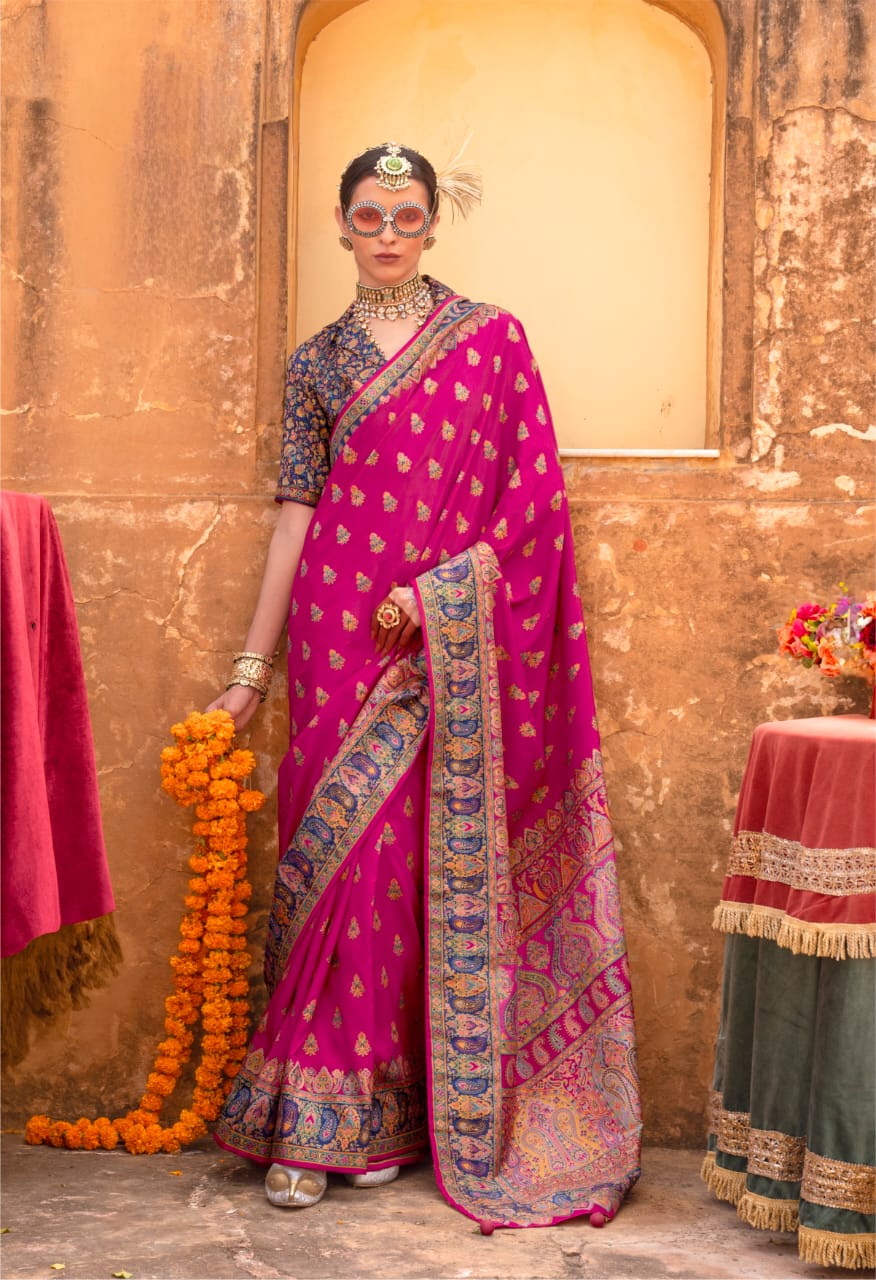
Magenta Lichi Silk Saree with Copper Zari Pallu gives a winter-appropriate example because lichi silk has more body than very light georgette and the copper zari adds evening definition. Wear the pallu securely over one shoulder for church-adjacent gatherings, family dinners or formal cultural programmes, and avoid excessive trailing fabric in crowded halls.
Magenta Festive Moss Georgette Saree With Blouse Piece is a lighter alternative for anyone who wants a festive colour without the weight of silk. Add a full-sleeve blouse, a fine shawl and closed footwear if the programme runs after sunset. The blouse piece also allows a tailor to create a neckline and sleeve length that suit the event's level of modesty.
Christmas services call for neat, respectful clothing rather than stage-like embellishment. A traditional Mizo set, a simple silk saree or a well-fitted salwar suit can all look appropriate when the silhouette is comfortable and the styling is restrained. Avoid very noisy bangles or oversized headpieces if the event includes worship, choir performance or formal community proceedings.
New Year gatherings may permit more colour and shine, but practical balance remains useful. Classic Calcutta Moss Designer Saree can support a polished evening look when paired with a plain blouse and limited jewellery. Teal Printed Moss Georgette Saree With Zari Border brings another option for someone who prefers a cooler palette and a lighter drape.
Mizoram Festival Fashion Calendar: Traditional Outfits, styling and care
The strongest festive styling usually combines one dominant textile detail with simple supporting elements. A patterned puanchei needs a relatively quiet blouse and accessories, while a plain saree can carry a more distinctive border, earrings or woven bag. Combining a heavily printed saree, ornate blouse, large necklace and embellished footwear can hide the lines of every garment.
Blouse coverage should match the event rather than follow a fixed fashion rule. Sleeves between elbow length and three-quarter length are practical for cooler evenings and formal programmes, while a modest short sleeve can suit an active daytime event. Check the blouse fit by raising both arms, sitting down and carrying a small bag before final alterations.
Traditional woven garments should be stored clean, completely dry and folded along existing fold lines. Do not leave damp handwoven cloth in a plastic bag because trapped moisture can create mildew and weaken fibres. Air the garment in shade, keep it away from direct sunlight for prolonged periods and use breathable cotton covers for storage.
Care instructions depend on fibre and dye, so the garment label should take priority. Silk sarees such as Magenta Lichi Silk Saree with Copper Zari Pallu generally benefit from dry cleaning or specialist silk care, while many synthetic georgette sarees can be gently cleaned according to their labels. Zari should not be scrubbed, wrung or exposed repeatedly to harsh detergent.
Pack a festival outfit with safety pins, a small sewing kit, stain-removal tissue, a spare blouse hook and a lightweight shawl. For a rainy-season event, carry the saree in a breathable garment bag inside a waterproof outer bag, then remove the outer bag as soon as you reach a dry place. These small preparations protect the garment without compromising mobility.
Respectful dressing also means asking before photographing people in traditional garments, buying directly from recognised weavers where possible and avoiding claims that a mass-produced print is an authentic Mizo textile. A contemporary saree can be worn with appreciation, but cultural accuracy begins with naming the garment honestly.
Mizoram Festival Fashion Calendar: Traditional Outfits planning checklist
An useful planning checklist starts four to six weeks before a major event. Confirm the date and venue, ask whether the organiser expects traditional Mizo clothing, check the likely weather, select the fabric and arrange tailoring early enough to test the final fit.
- For a traditional Mizo look: choose a puan or puanchei with an appropriate upper garment, and seek local guidance when the textile's pattern or name has cultural significance.
- For a contemporary festive look: choose a saree, salwar suit or blouse combination that suits the invitation without labelling the outfit as indigenous Mizo dress.
- For March events: prioritise movement, breathable layers and secure footwear for Chapchar Kut activities.
- For August and September events: select manageable fabrics, a protected hem and rain-ready footwear for Mim Kut programmes.
- For December events: add a shawl, fuller sleeves or a silk layer for Pawl Kut, Christmas and New Year evenings.
- Before leaving home: test the drape, pack emergency accessories and confirm that the outfit allows walking, sitting and participating comfortably.
The calendar is most useful when it guides decisions rather than imposing a single uniform. Traditional Mizo clothing deserves accurate naming and respectful wear, while contemporary Indian ethnic wear can provide a practical alternative for guests. Weather, venue, cultural guidance and personal comfort should determine the final outfit.
Common Questions About Mizoram Festival Fashion and Traditional Outfits
What is the traditional dress worn during Mizoram festivals?
The puan, puanchei and kawrechi are important elements of traditional Mizo women's dress. A puanchei is commonly recognised as a colourful woven wrap, while a kawrechi is a coordinating blouse; exact styles and textile associations can vary by community and context.
What should women wear for Chapchar Kut?
Women attending Chapchar Kut can wear a traditional puan or puanchei with kawrechi, or a comfortable contemporary saree or salwar suit when traditional dress is not required. Breathable fabric, secure pleats and flat footwear are useful because Chapchar Kut includes outdoor movement, music and dance.
What should I wear to Mim Kut in rainy weather?
Wear a lightweight, manageable outfit with a secure hem, covered blouse or top and non-slip footwear. Moss georgette, light synthetic blends and breathable cotton are generally easier to manage in rain than heavy velvet, dense brocade or a long trailing pallu.
Is a saree appropriate for a Mizoram festival?
A saree can be appropriate for a formal gathering, church-related programme or cultural event when the invitation does not require traditional Mizo dress. A saree should be described as contemporary Indian ethnic wear, not as a puan or puanchei, because the garments have different cultural identities.
What colours work well for Pawl Kut and Christmas in Mizoram?
Magenta, maroon, teal, navy, forest green, ivory and copper can work well for December celebrations. Colour should support the fabric, silhouette and formality of the event; a particular shade alone does not make an outfit traditionally Mizo.
How should Mizo woven garments be stored after a festival?
Mizo woven garments should be cleaned according to their fibre, dried completely in shade and folded along their existing fold lines. Store the garments in breathable cotton covers rather than sealed plastic, and keep silk or zari pieces away from harsh detergent, moisture and prolonged direct sunlight.