Mizoram ethnic fashion brings together woven textiles, strong borders, saturated colour and clothing designed for movement. An useful Mizoram Ethnic Fashion Guide for Women must begin with the puan, the wrapped textile traditionally associated with Mizo dress, rather than treating every colourful Northeast Indian outfit as interchangeable. Modern wardrobes can borrow the visual language of Mizo weaving through sarees, kurti sets, borders and accessories while respecting the cultural meaning behind traditional garments.
Mizoram Ethnic Fashion Guide for Women: What Defines Mizo Dress?
Mizoram ethnic fashion is defined by handwoven puan textiles, strong horizontal bands, geometric motifs, practical wrapped silhouettes and colour combinations that carry regional identity. Heritage Mizo clothing developed for daily life, ceremonies and community gatherings, so comfort and movement are as important as ornamentation.
The word "puan" commonly refers to a woven cloth or wrap, although names and uses can vary across Mizo communities and contexts. Puanchei, a more decorative ceremonial wrap, is especially recognised for its colourful stripes and patterned construction. Pawndum and other woven forms also appear in discussions of Mizo textile traditions, but terminology should not be treated as a single fixed dress code for every woman in Mizoram.
Time-honoured Mizo textiles often use bands of red, black, white, green and yellow, with repeated motifs arranged across the width of the cloth. The visual effect is graphic rather than heavily encrusted. That distinction helps explain why a simple handloom border can feel more culturally relevant than a garment covered in unrelated sequins.
Contemporary ethnic dressing in Mizoram isn't limited to one silhouette. Women may wear Western clothing, sarees, salwar suits, skirts, blouses or classic woven garments depending on age, profession, church and community events, family preferences and the formality of a gathering. An accurate style guide therefore offers principles and context instead of prescribing one "Mizo look."
Mizoram Ethnic Fashion Guide for Women: Which Textiles Matter?
Women should know the puan, puanchei and other regional woven cloths before choosing a Mizoram-inspired outfit. These textiles have different histories and functions, so identifying them correctly matters more than simply selecting a garment with bright stripes.

Puan and puanchei
Puan is a rectangular woven cloth traditionally wrapped around the body or used as part of a larger ensemble. Puanchei is associated with more elaborate designs and festive use, often featuring vivid bands, contrasting borders and a distinctly celebratory appearance. The construction creates a long, horizontal visual rhythm that can be echoed in a saree border or a dupatta without copying a ceremonial garment carelessly.
Risa and neighbouring textile traditions
Risa is a time-honoured cloth connected with the wider textile cultures of Northeast India, including Tripura and neighbouring regions, and should not automatically be labelled as exclusively Mizo. Regional textile terms can overlap, and communities may use garments differently. A responsible buyer checks the maker's description, fibre content and local context instead of relying on a generic "tribal print" label.
Motifs, borders and colour
Geometric stripes and carefully repeated bands are more characteristic of Mizo textile aesthetics than random floral decoration. Red can create warmth and emphasis, black can provide structure, and white or yellow can sharpen contrast, but there's no single mandatory colour code for every outfit. A contemporary wearer can use one woven-looking border as the focal point and keep the rest of the clothing quiet.
Mizoram Ethnic Fashion Guide for Women: How Can It Enter a Modern Wardrobe?
Classic Mizo ideas translate best into a modern wardrobe through proportion, border placement, woven texture and restrained accessories. A saree, kurti or palazzo set doesn't become classic Mizo dress simply because it uses bright colours, but it can acknowledge the region's visual vocabulary with care.
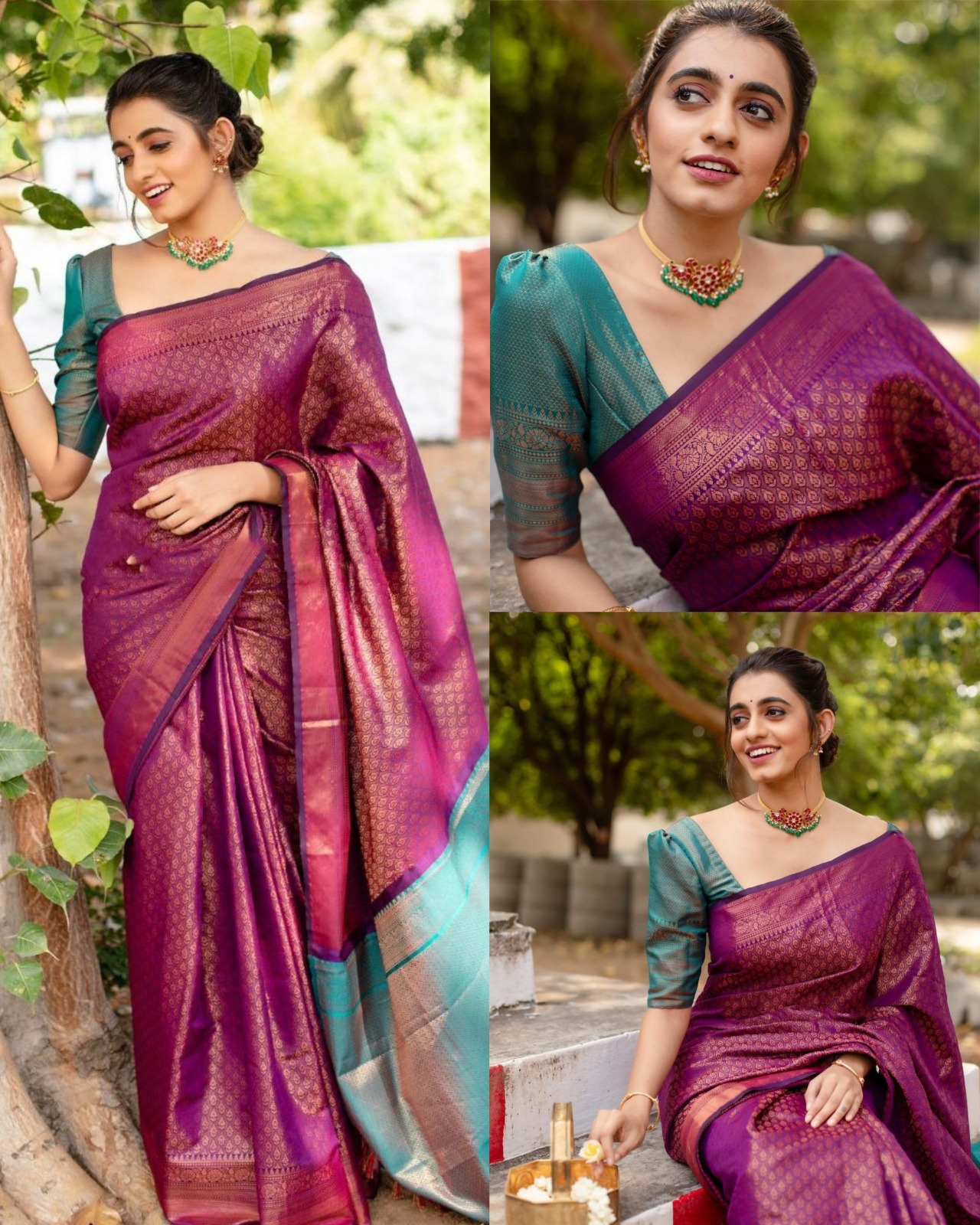
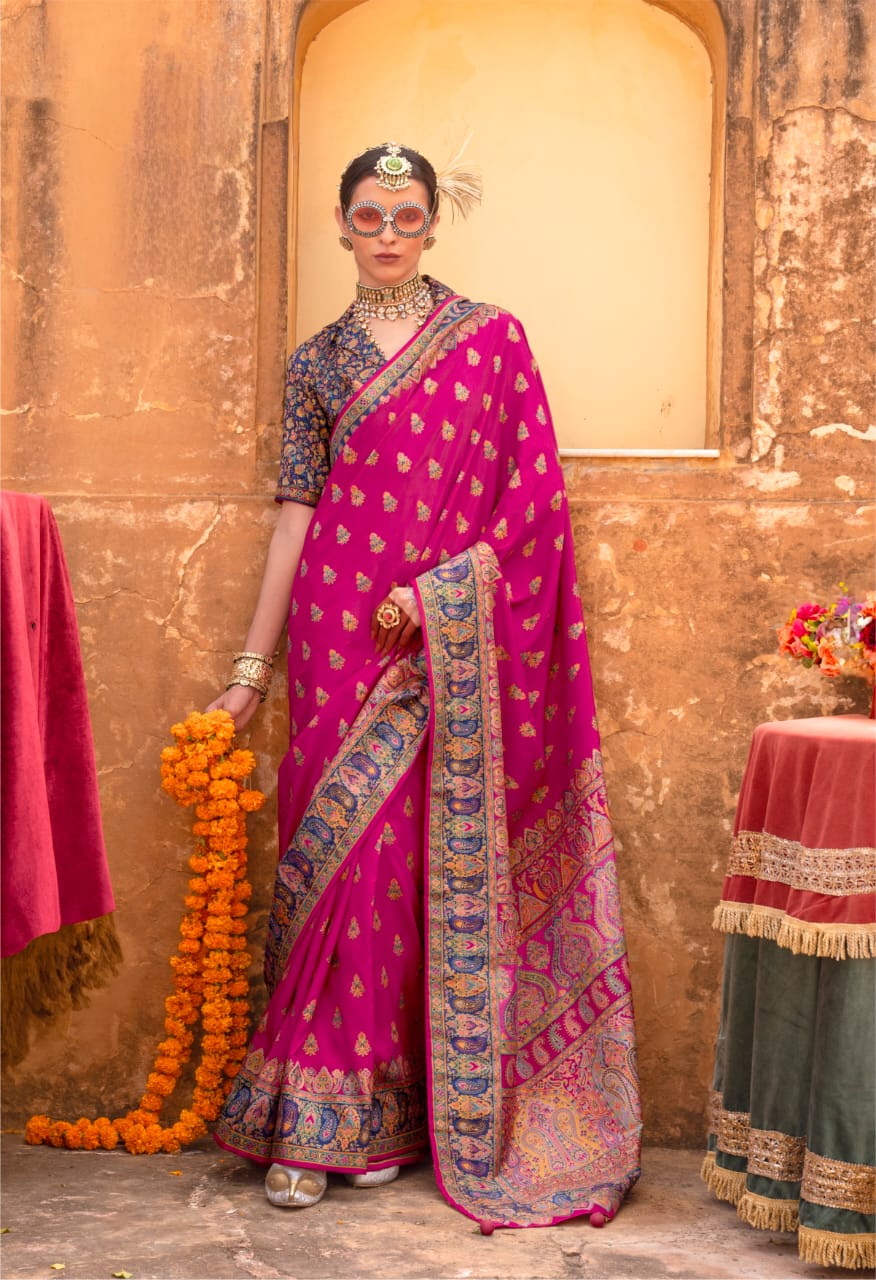
A saree with a clear border is a practical starting point because the pallu and lower edge create long horizontal lines similar to those found in woven wraps. The Magenta Lichi Silk Saree with Copper Zari Pallu brings a festive example: the copper zari pallu can function as the statement area, while a plain blouse prevents the outfit from becoming visually crowded. Pairing the saree with a narrow geometric textile belt can suggest structure without imitating a ceremonial puanchei.
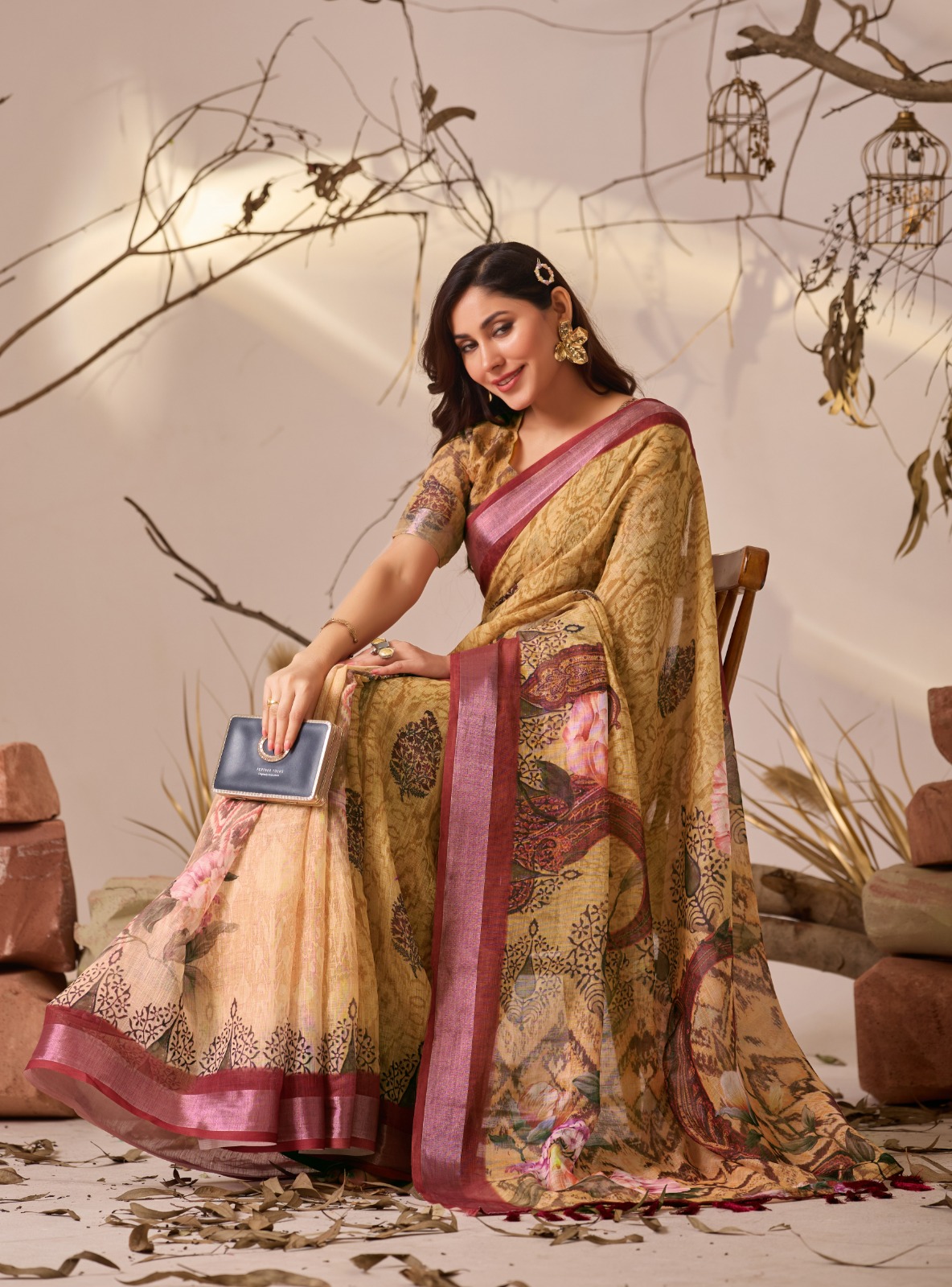
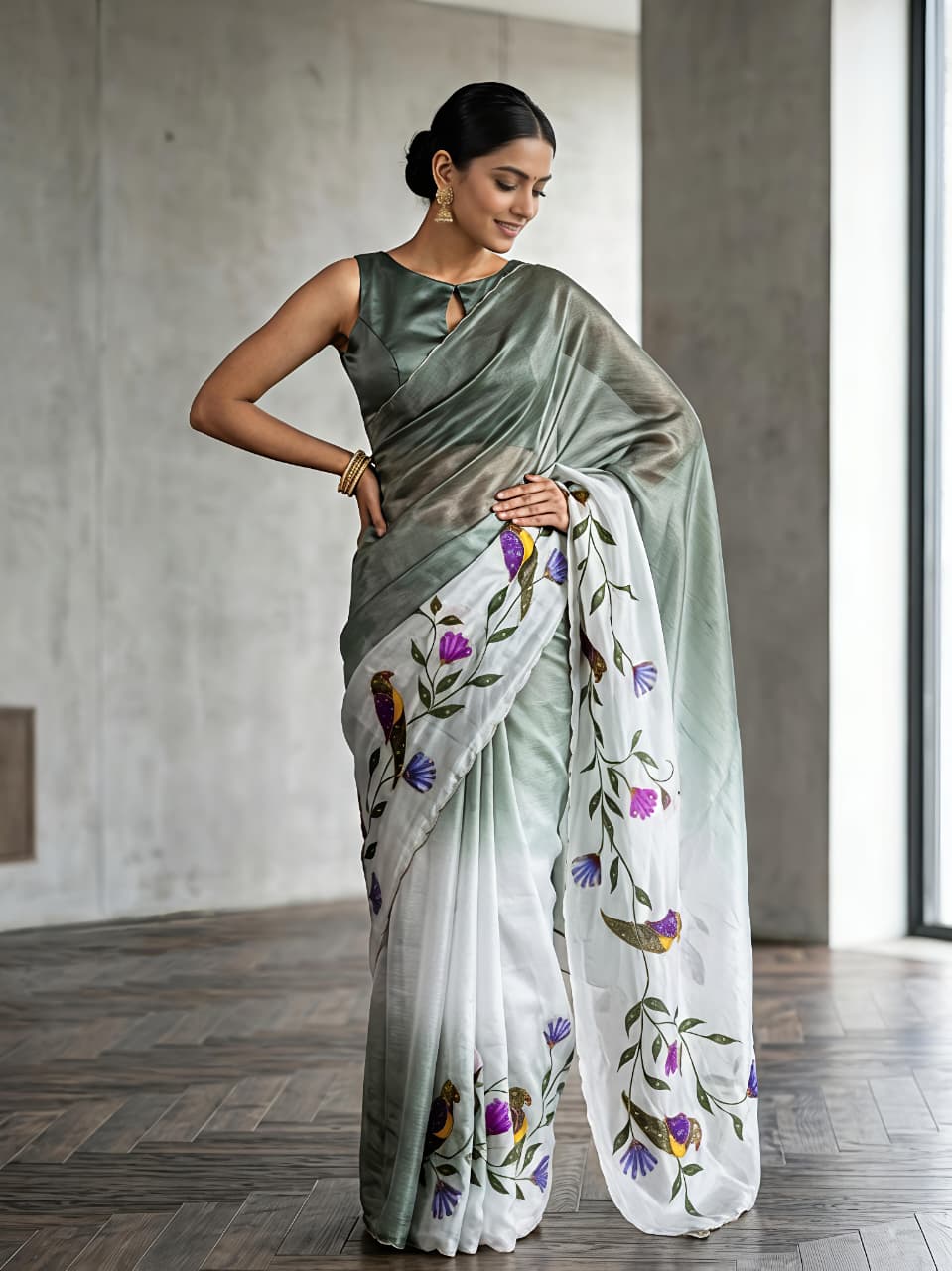
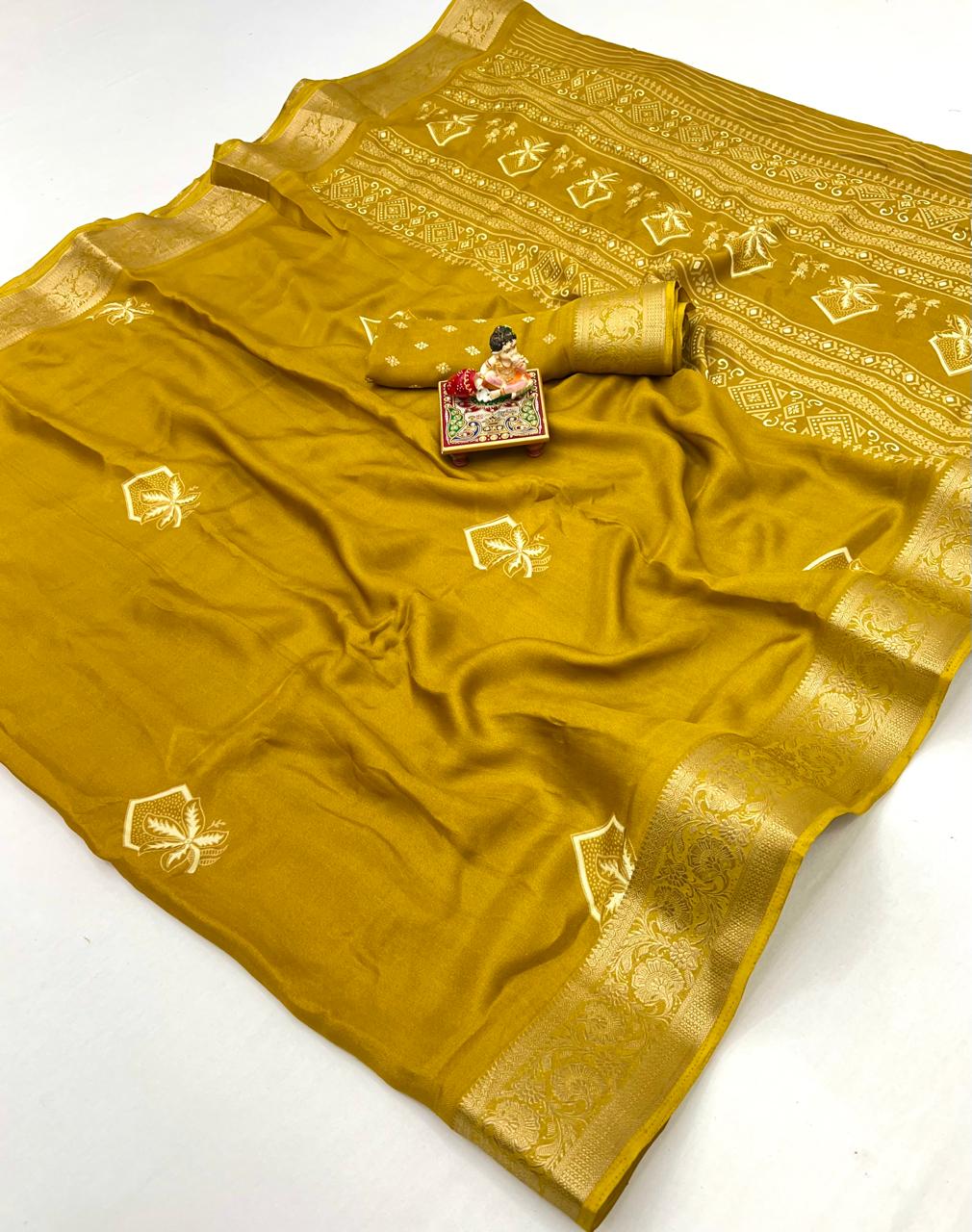
Breathable linen-cotton is more useful than heavy silk for daytime wear. The Teal Floral Printed Linen Cotton Saree With Matching Blouse can work for a cultural programme, gallery visit or daytime family event when styled with a structured blouse and minimal jewellery. The Mustard Floral Linen Cotton Saree with Unstitched Blouse gives more flexibility because an unstitched blouse can be tailored with a square neckline, elbow-length sleeves or a contrast border inspired by handloom geometry.
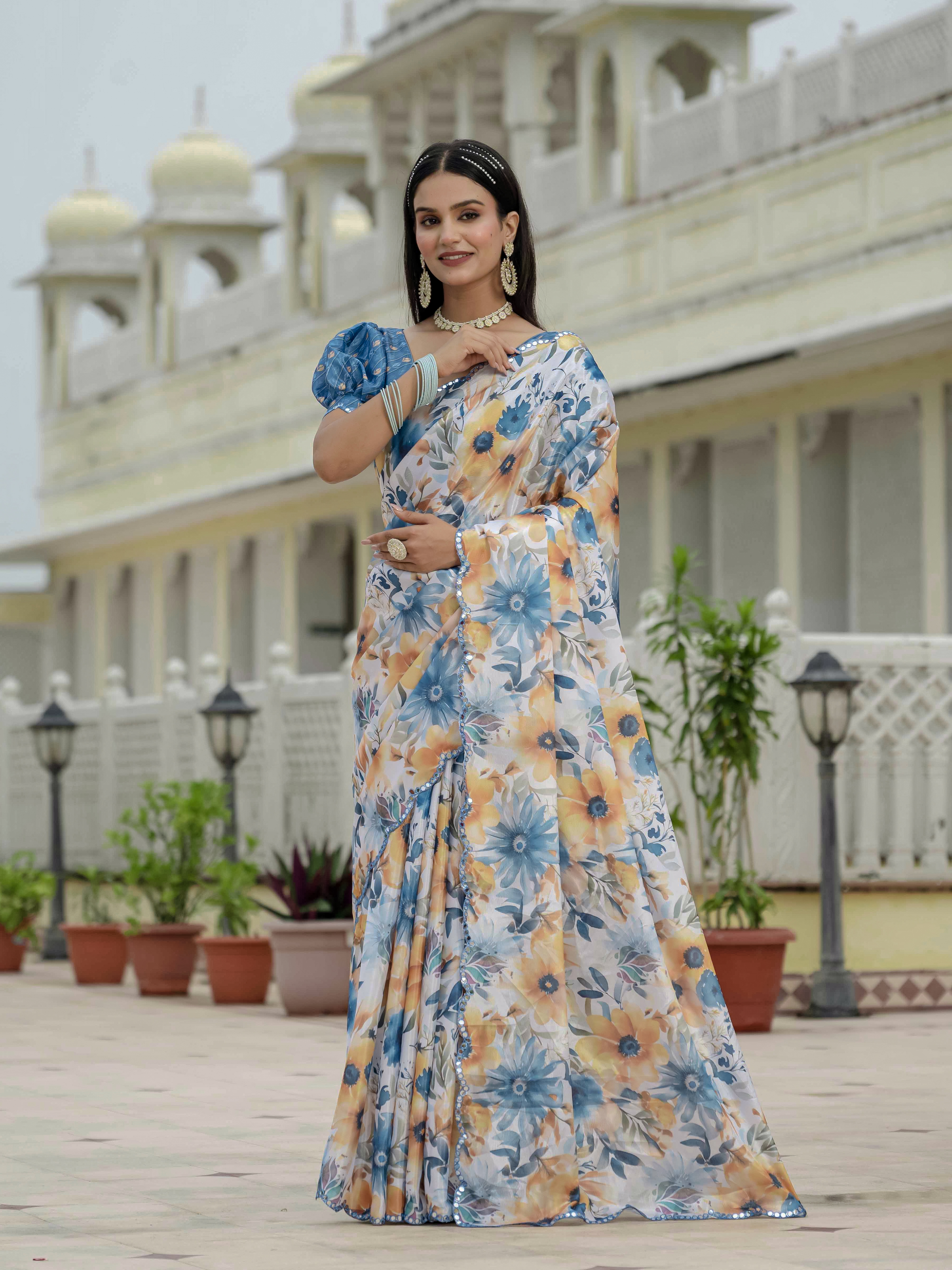
Soft colour can still look regionally considered when the silhouette does the work. The Peach Floral Linen Cotton Saree with Statement Blue Border! Has a strong border contrast that can be paired with oxidised silver earrings and a compact woven bag. The blue border should remain visible; pleating the saree too densely or covering the pallu with a large shawl would hide the element that gives the outfit its graphic balance.
Kurti sets provide another practical route for women who don't regularly wear sarees. The Mauve Crunchy Silk Embroidered Kurti Palazzo Set for Women can suit an evening gathering when the embroidery is balanced with a plain dupatta and low-profile accessories. A woven-looking stole in red, black or cream may add a Mizo-inspired textural note, but the wearer should describe the garment accurately as a contemporary ethnic outfit rather than as time-honoured Mizo dress.
Mizoram Ethnic Fashion Guide for Women: What Works for Each Occasion?
The right outfit for a Mizoram occasion depends on the event's formality, the host's expectations and whether the gathering is cultural, religious, professional or social. A respectful outfit is usually neat, comfortable, modest enough for the setting and specific about the textile tradition it references.
Church and community gatherings
Church and community gatherings generally call for polished, comfortable and modest clothing rather than dramatic party styling. A cotton saree, linen-cotton saree, knee-length kurti with palazzos or a restrained salwar suit can work well, especially when the neckline and hemline allow easy movement. The Maroon Mal Cotton Ethnic Saree With Blouse from VARNAVI suits a daytime setting because mal cotton has a grounded handloom appearance and doesn't depend on heavy shine.
Festivals and cultural programmes
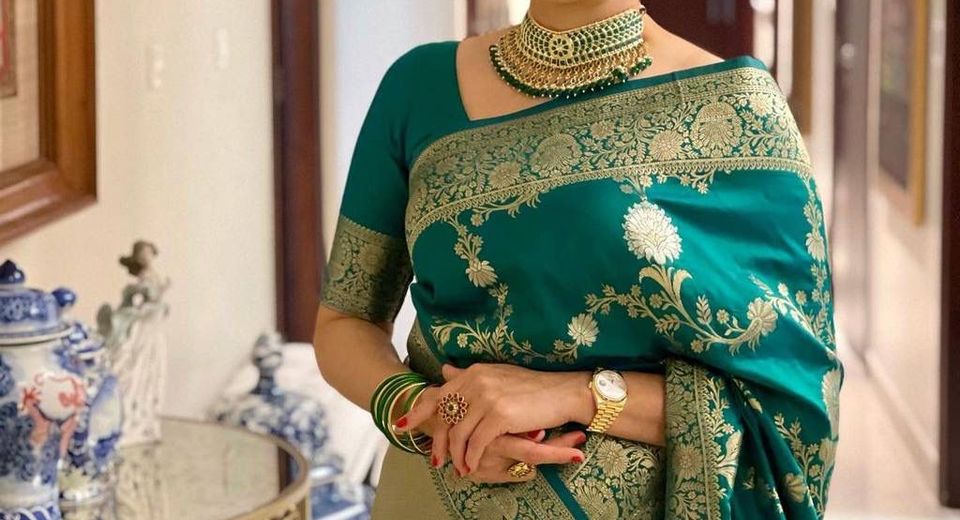
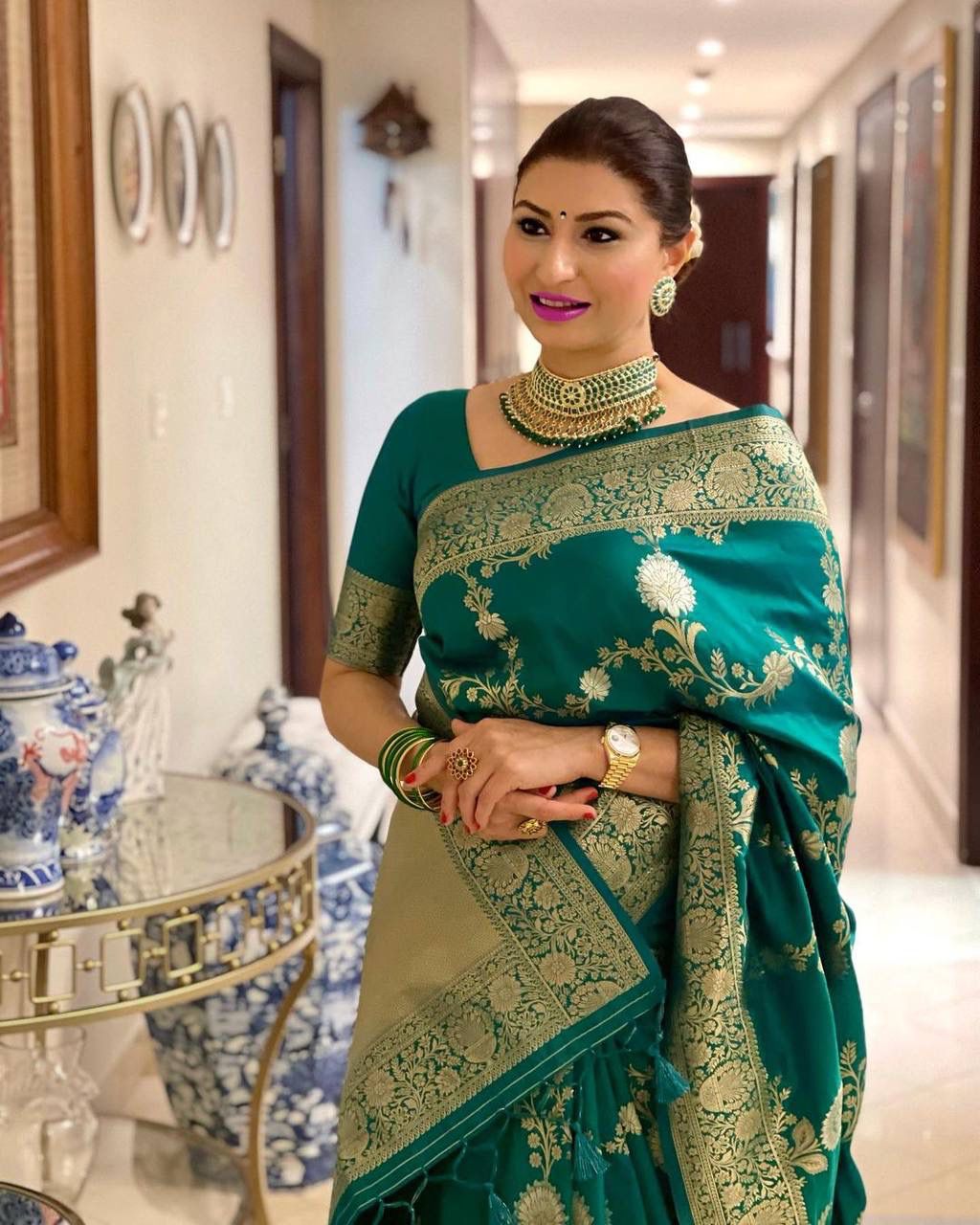
Festivals and cultural programmes allow brighter colour, stronger borders and more visible textile references. A magenta, emerald, mustard or teal garment can create the required energy, but one dominant colour story usually looks more deliberate than combining several unrelated bright shades. The Emerald Green Lichi Silk Saree with Rich Golden Zari works for an evening celebration when gold jewellery is kept selective and the pallu remains the focal point.
Family celebrations and receptions
Family celebrations and receptions support silk, zari and embroidered fabrics, provided the outfit remains comfortable for sitting, greeting guests and moving between spaces. A silk saree with a contrasting pallu or an embroidered kurti-palazzo set can be dressed up with a single statement earring, a low bun and a small potli. Heavy costume jewellery isn't necessary to communicate ethnic richness.
Work and daytime events
Workplaces and daytime events favour breathable fabrics, secure drapes and moderate ornamentation. Linen-cotton, mal cotton and lightweight silk-cotton blends are practical choices for humid weather, while a pinned pallu and a well-fitted blouse reduce repeated adjustments. A floral print can remain sophisticated when the blouse, footwear and jewellery use solid colours drawn from the border.
Mizoram Ethnic Fashion Guide for Women: How Should Colour and Accessories Be Balanced?
Colour, blouse design and accessories should be balanced around one primary visual feature. If a saree has a dramatic border or zari pallu, the blouse should usually provide structure rather than introduce another competing print.
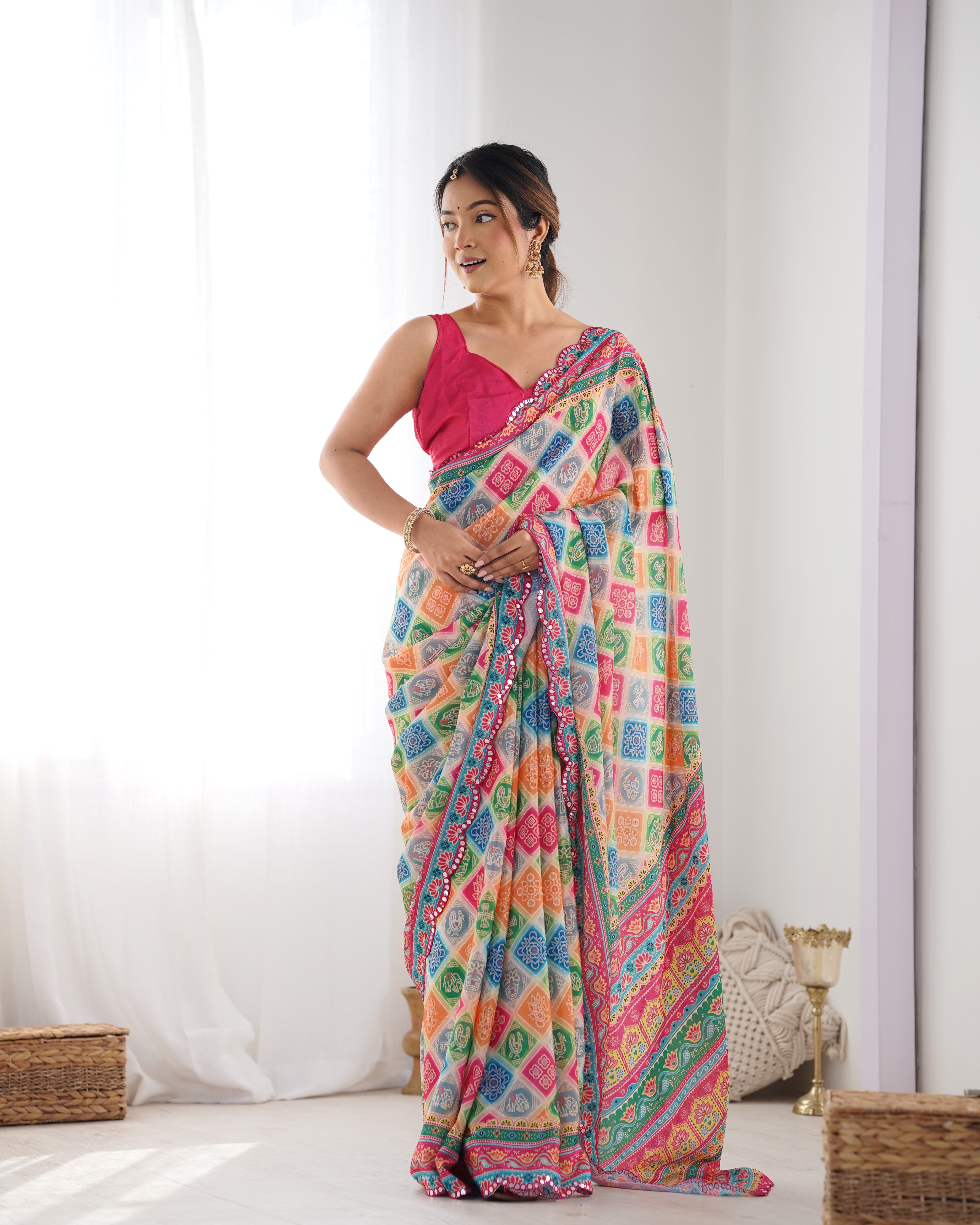
Geometric or striped borders benefit from clean blouse shapes, including a boat neck, square neck or modest high neck. Elbow-length sleeves can echo the measured proportions of woven textiles, while a plain blouse in black, cream, red or a shade taken from the border keeps the combination coherent. Floral sarees can take a textured blouse, but the texture should be subtle enough that the print remains legible.
Silver-toned jewellery works naturally with cotton, linen-cotton and matte handloom textures. Gold jewellery complements zari, silk and formal evening clothing. A woven clutch, cane bag or fabric potli can reinforce the textile theme, while one or two bangles are often more effective than stacking multiple unrelated pieces.
Footwear should support the event rather than compete with the outfit. Low block heels, embroidered juttis, flat sandals and simple metallic mules are practical choices for sarees and kurti sets. Hair can be worn in a low bun, braid or half-up style; a dramatic hairstyle is optional and should not be treated as part of a time-honoured Mizo appearance.
Mizoram Ethnic Fashion Guide for Women: How Can Buyers Check Quality?
Buyers can check quality by examining fibre content, weave density, finishing, blouse construction, colourfastness and care instructions before purchasing ethnic clothing. A visually attractive border can't compensate for fabric that's uncomfortable, poorly finished or unsuitable for the intended occasion.
Read the fibre information
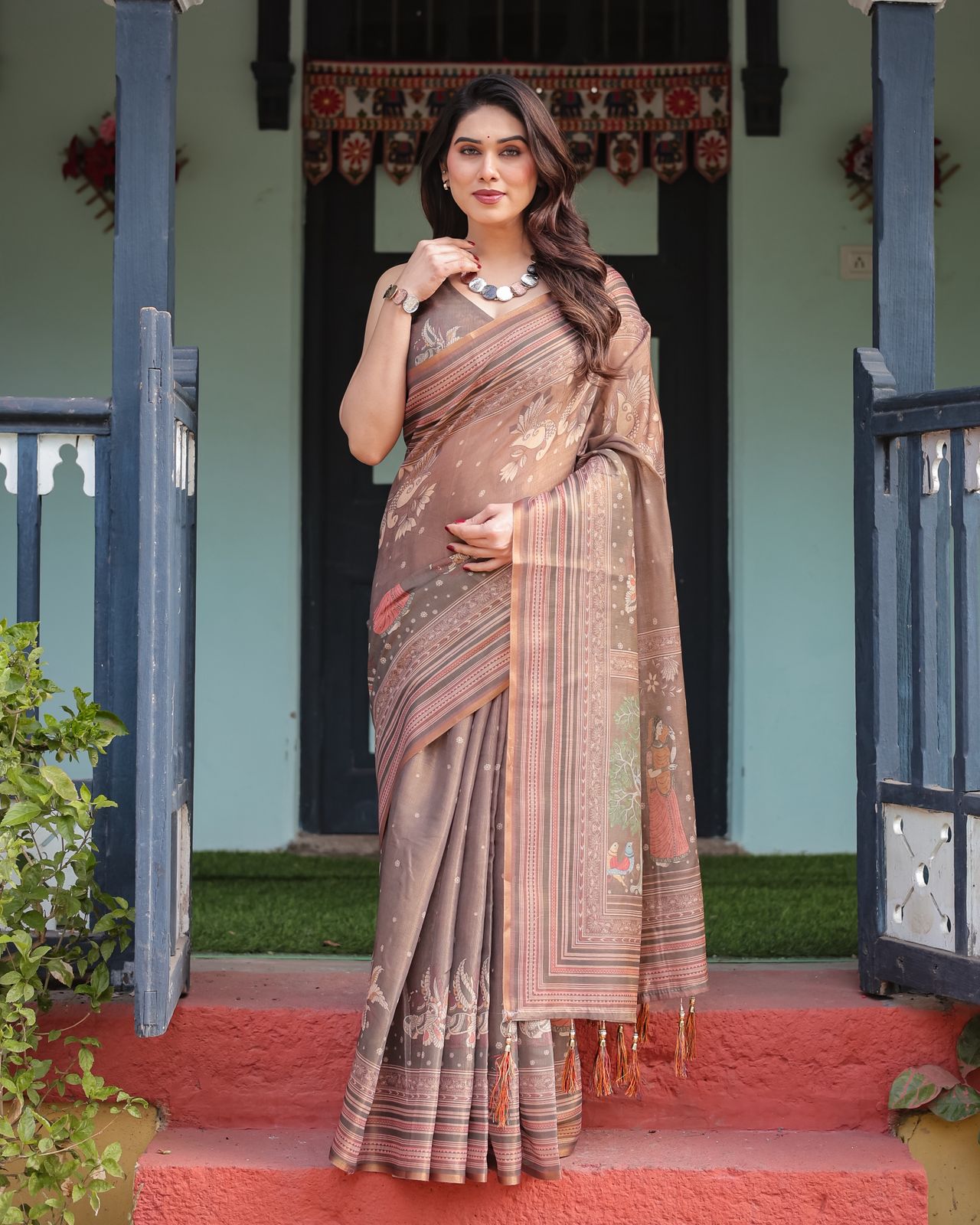
Fabric composition affects comfort, drape, durability and maintenance. Linen-cotton usually feels breathable and develops a natural texture with wear. Mal cotton is light and suitable for warm conditions, while silk and lichi silk generally provide a smoother drape and more formal sheen. "Silk finish" or "silk-like" should not be treated as proof of pure silk; the fibre label should provide the relevant information.
Inspect the weave and finishing
A quality saree should have an even surface, a secure selvedge and a pallu that lies flat without excessive puckering. Printed florals should remain aligned across the visible fabric, and zari should not appear loosely attached or heavily scratched. On a kurti-palazzo set, check seam allowance, waistband finishing, lining and the placement of embroidery near areas that receive repeated friction.
Check measurements before ordering
Blouse measurements should be compared with bust, shoulder, armhole and sleeve measurements rather than relying only on a usual size. An unstitched blouse needs additional fabric for seam allowance and design changes, but the available length and width still determine whether a preferred neckline or sleeve can be made. A saree drape also depends on height, footwear and the amount of fabric available for pleats and pallu.
Consider care before buying
Linen-cotton and cotton garments should be washed according to the care label, with mild detergent and shade drying whenever the instructions permit. Silk, zari and heavily embroidered pieces are safer with professional dry cleaning, and zari should be stored away from perfume, moisture and rough surfaces. Fold sarees along different lines every few months, place soft cotton or muslin between delicate layers, and avoid sealing damp clothing in plastic.
Mizoram Ethnic Fashion Guide for Women: What Does Respectful Styling Require?
Respectful styling requires accurate naming, cultural curiosity and restraint when borrowing from Mizo textile traditions. Wearing a colour palette or border inspired by Northeast Indian weaving is different from claiming that a mass-produced garment is an authentic puanchei.
Product descriptions should distinguish between handwoven, handloom-inspired, printed, embroidered and machine-made fabrics. Buyers should also avoid calling every striped textile "tribal," because that vague label removes the specific community, technique and history from the garment. When a ceremonial textile is worn for a cultural event, learning how it's normally draped and used is more appropriate than treating it as a costume prop.
Modern styling can remain personal while showing respect. A woman may pair a plain saree with a woven shawl, use a geometric border on a blouse, or wear a cotton kurti with a handloom bag. The strongest outfit usually takes one identifiable idea-horizontal bands, controlled contrast, woven texture or practical draping-and allows that idea to lead.
Mizoram has a living fashion culture, not a museum costume category. Women in Mizoram continue to combine regional identity with contemporary Indian and global clothing, so a thoughtful wardrobe can do the same. Choosing breathable fabric, naming textiles carefully, dressing for the setting and caring for the garment well creates a more informed connection than copying a ceremonial design without context.
Common Questions About Mizoram Ethnic Fashion for Women
What is traditional Mizo dress for women?
Traditional Mizo dress commonly includes woven puan textiles, with puanchei associated with more decorative and festive use. The exact garment, drape and terminology can vary across Mizo communities and occasions, so one outfit should not be presented as the only traditional form.
What is a puan in Mizoram clothing?
A puan is a rectangular woven cloth traditionally wrapped around the body or used as part of a larger ensemble. Puan textiles are known for strong bands, geometric patterns and practical construction, although colours and motifs differ by textile and community.
How can I style a saree with Mizo-inspired details?
Style a saree with one clear textile reference, such as a geometric border, a woven shawl, a structured blouse or a contrasting horizontal band. Keep jewellery controlled and avoid describing a printed or machine-made saree as an authentic puan or puanchei.
Which fabrics are suitable for daytime ethnic wear in Mizoram?
Linen-cotton, mal cotton and other breathable cotton blends are suitable for daytime ethnic wear because they are lighter and more comfortable in warm or humid conditions. Silk and zari are better reserved for evenings or formal celebrations unless the weather and venue are comfortable.
How should Mizo-inspired ethnic clothing be cared for?
Follow the garment's care label, use mild detergent for washable cottons and dry delicate silk or zari garments professionally when instructed. Store sarees clean and completely dry, place muslin between delicate layers and keep perfume away from metallic zari.
Can I wear Mizo-inspired clothing if I am not from Mizoram?
You can wear contemporary clothing influenced by Mizo textile aesthetics when you identify the inspiration accurately and avoid presenting a mass-produced design as ceremonial Mizo dress. Learning the textile's name, context and normal use is a respectful step before styling it for an event.