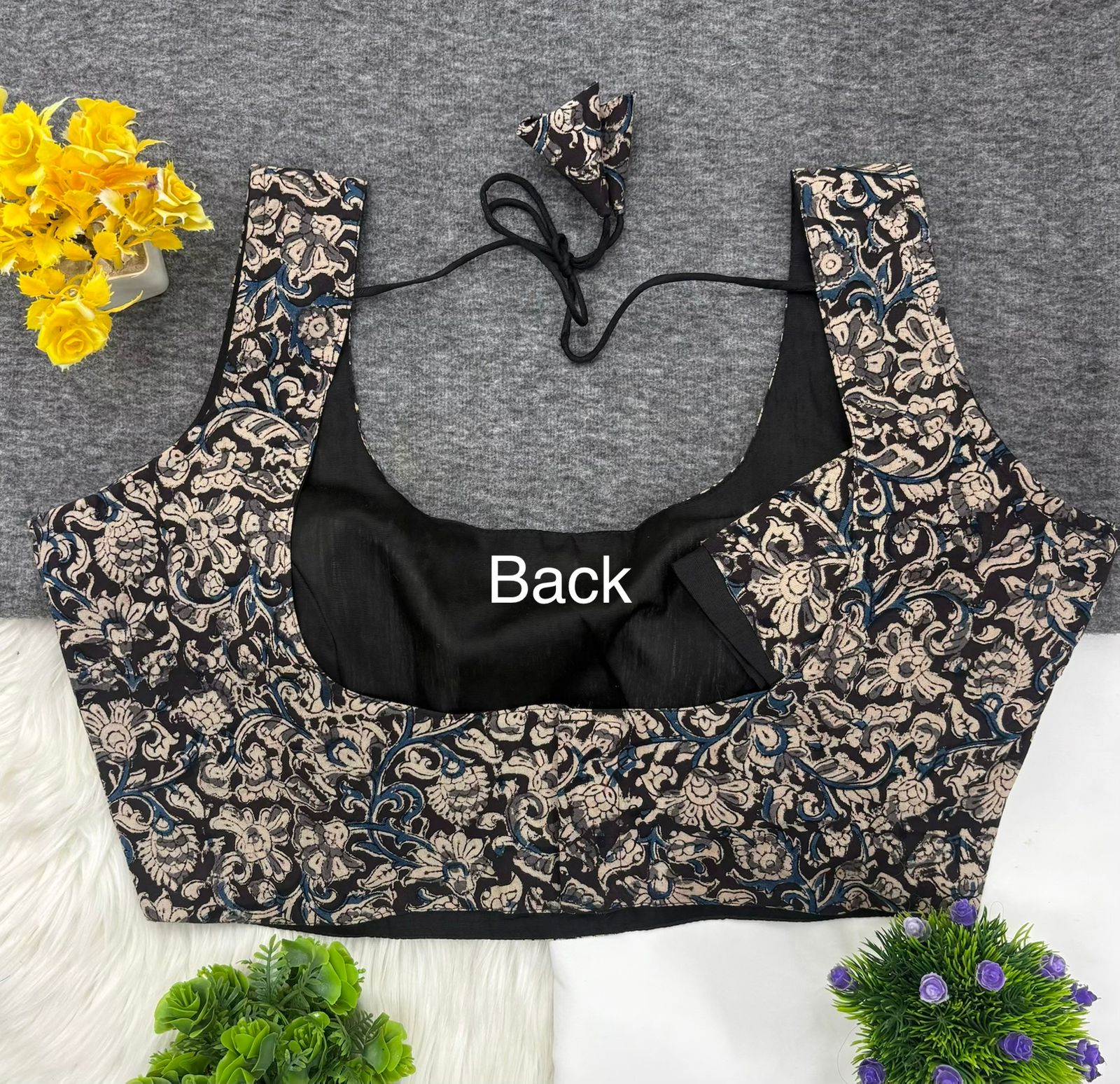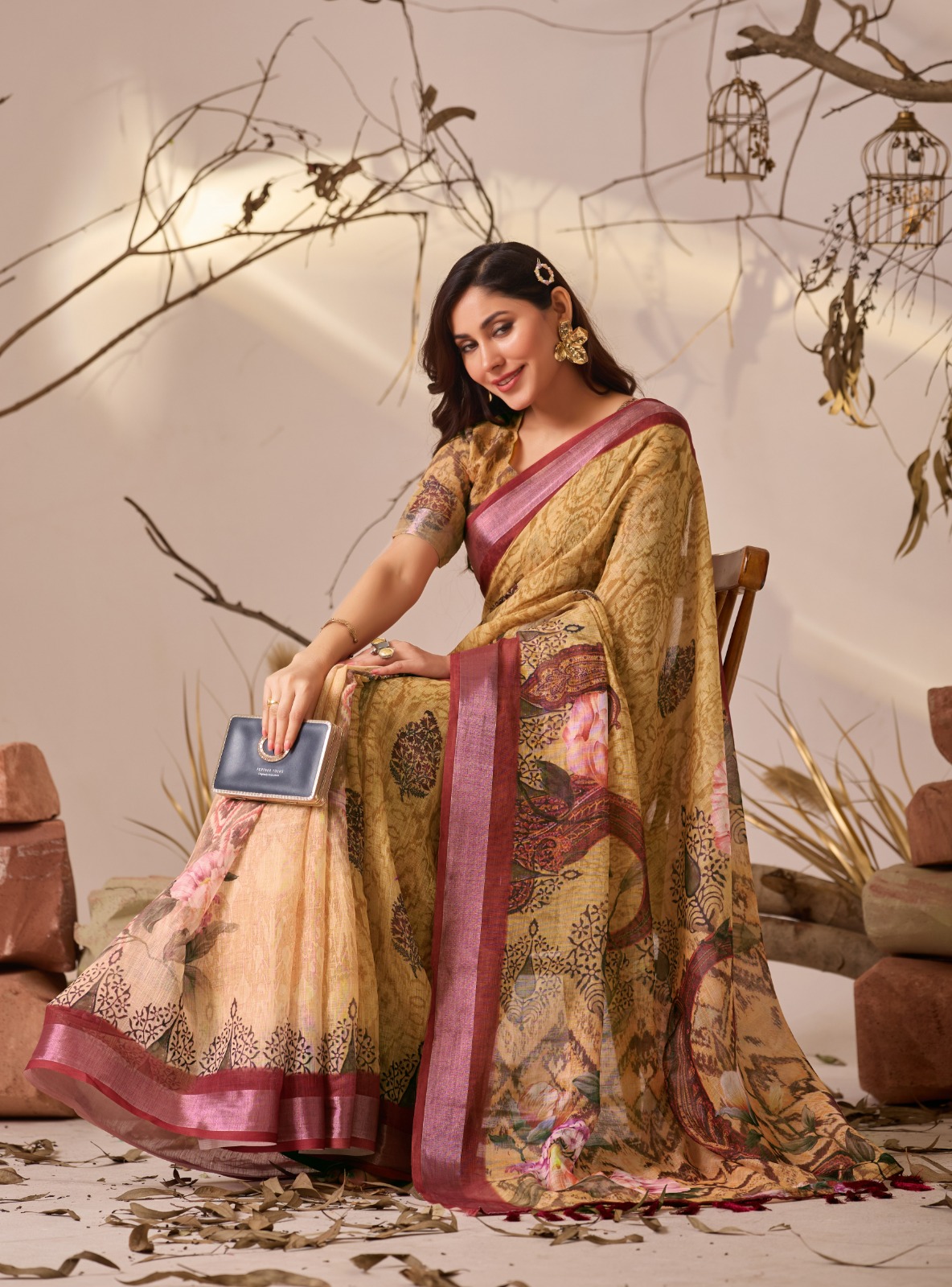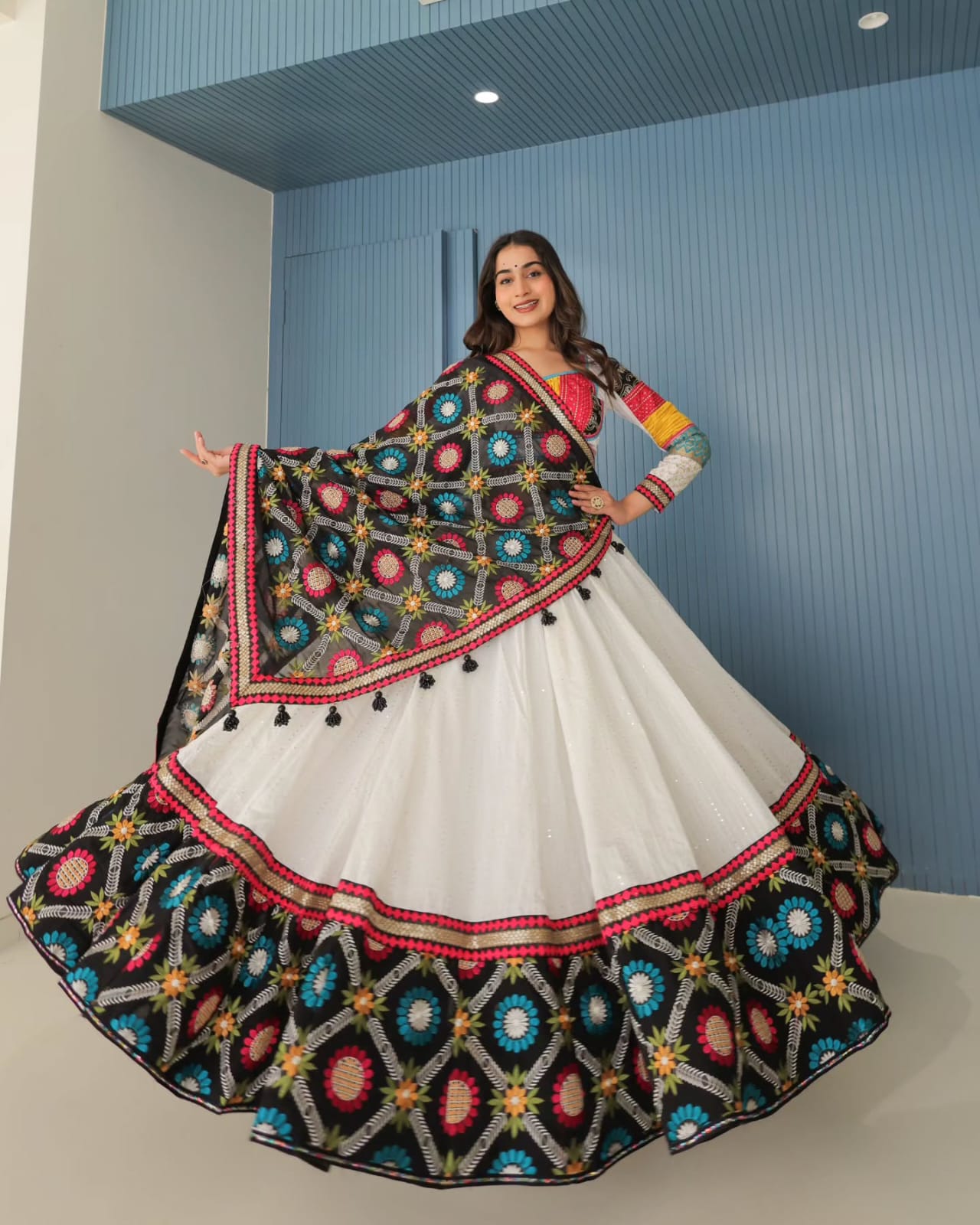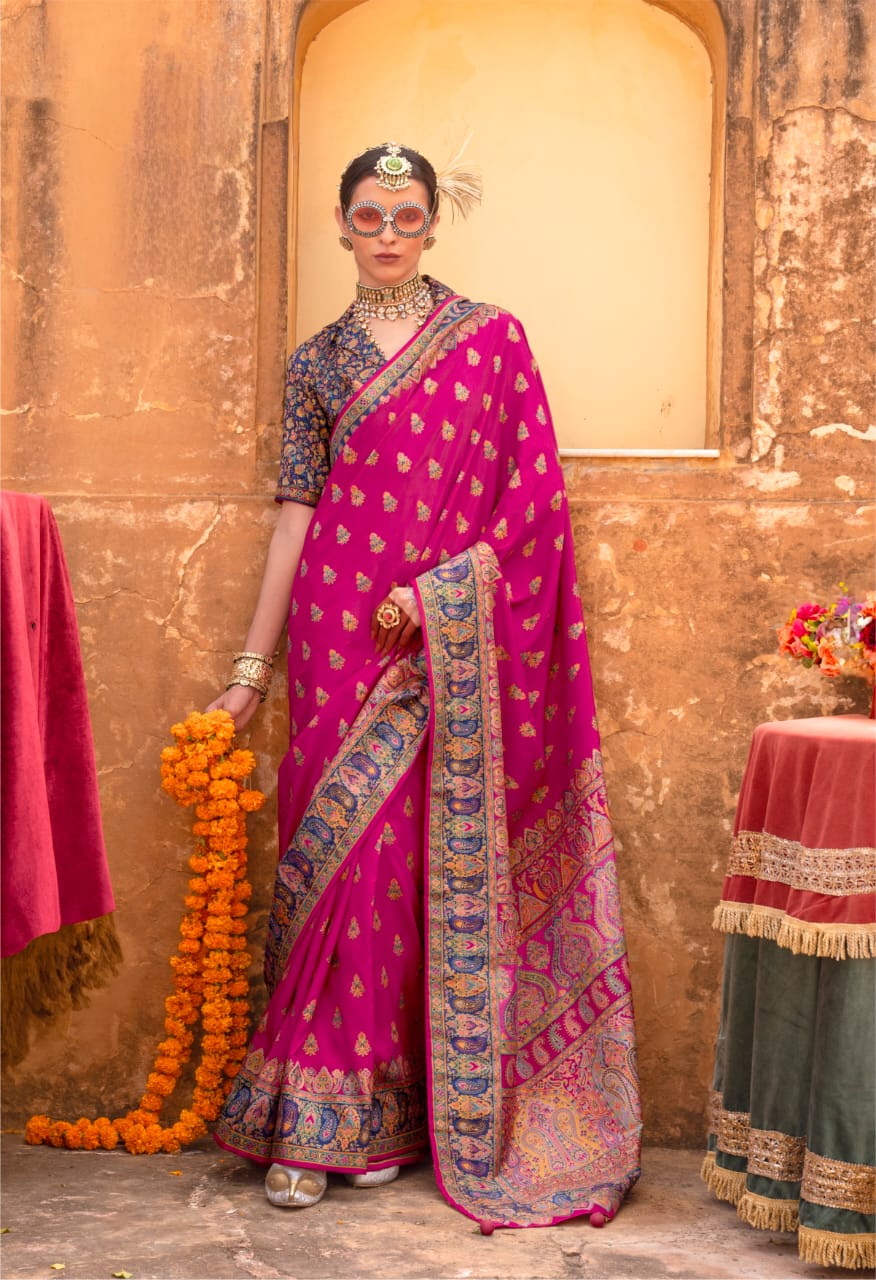
Mizoram Cultural Fashion: Traditional Textiles & Ethnic Wear begins with cloth that carries identity, memory and skilled handwork. In Mizo communities, garments such as the puan, risa and puanchei are not merely colourful additions to a wardrobe; their size, weave, stripes and method of wearing can signal daily life, ceremony and belonging. Contemporary ethnic wear can borrow the visual language of Mizoram, but respectful appreciation requires knowing what the original textiles mean.
Mizoram sits in India's northeastern hills, where weaving developed alongside village life, community celebrations and practical clothing needs. Women traditionally worked on backstrap or loin looms, producing narrow lengths of fabric that could be joined, wrapped or draped. The result is a textile tradition recognised for strong colour contrasts, disciplined striping and motifs that are often more geometric than pictorial.
Mizoram Cultural Fashion: Traditional Textiles & Ethnic Wear and its distinctive features
Mizoram Cultural Fashion: Traditional Textiles & Ethnic Wear is distinctive because Mizo garments combine narrow-strip weaving, bold bands of colour, geometric motifs and clearly defined ceremonial uses. A traditional garment may look visually simple from a distance, yet its arrangement of stripes and supplementary-weft patterns can require careful planning and considerable labour.
Red, black, white, green and yellow appear frequently in Mizo textiles, although exact palettes vary by garment, community and contemporary interpretation. The contrast is functional as well as decorative: strong bands remain visible when a cloth is wrapped around the body or worn during a group performance. Repeated diamonds, stepped forms and linear borders create rhythm without relying on dense surface ornament.
Traditional Mizo weaving should not be reduced to a single universal pattern. Mizoram includes several communities with distinct histories and clothing practices, and older patterns may be associated with particular groups, occasions or social meanings. A commercial print labelled "tribal" can't automatically be treated as equivalent to a handwoven Mizo textile.
Which traditional textiles are central to Mizoram Cultural Fashion: Traditional Textiles & Ethnic Wear?
The puan is the central wraparound textile in Mizo dress, while the risa is a shorter, versatile cloth and the puanchei is a highly recognisable ceremonial wrap. These names describe garments with different proportions and uses, rather than interchangeable names for one generic shawl.
- Puan: A woven wrap or skirt-like cloth used in everyday and formal contexts. Puan designs range from restrained stripes to elaborate patterned versions.
- Risa: A smaller rectangular cloth traditionally worn across the upper body or used as a flexible shoulder and breast cloth. Risa may also be associated with identity, presentation and cultural practice.
- Puanchei: A more elaborate wraparound garment worn by women for important celebrations, dances and ceremonial appearances. Its bold bands and motifs make it one of the most recognisable forms of Mizo ethnic dress.
- Thihna: A term used for a traditional wrap or cloth in Mizo dress contexts, although meanings and usage can vary with local practice and contemporary terminology.
Mizoram Cultural Fashion: Traditional Textiles & Ethnic Wear on the loom
Mizo textiles are traditionally made on narrow backstrap looms, where the weaver controls tension with the body and creates fabric in manageable strips. Narrow loom widths explain why some garments are assembled from joined panels rather than woven as one broad piece.
A backstrap loom doesn't mean a textile is simple or quick to produce. The weaver must maintain even tension, count threads for patterned areas and build borders with precision. Supplementary weft techniques add coloured threads over the ground structure, allowing motifs to sit on the surface without turning the entire cloth into a heavy brocade.
Cotton has long been important for breathable clothing in a warm, humid environment, while commercially available contemporary textiles may use blends or synthetic fibres for lower cost and easier production. Handloom cotton generally has small irregularities, a tactile surface and slight variations in stripe alignment. Those features are normal signs of manual production, not automatically defects.
Modern workshops may use frame looms, power looms or printed fabric to respond to demand. A printed garment can be attractive and culturally inspired, but buyers should distinguish a printed motif from woven supplementary work. Asking whether a design is woven, printed or embroidered is one of the simplest ways to understand what a product actually represents.
Mizoram Cultural Fashion: Traditional Textiles & Ethnic Wear colour and motif meanings
Colour and motif communicate cultural identity in Mizo textiles, but no single colour dictionary explains every garment or community. Meaning depends on the textile, the wearer, the setting and the tradition from which the pattern comes.
Black and red often create the strongest visual foundation, with white, green and yellow used to sharpen borders or repeated forms. Geometric motifs may reference local aesthetics, inherited design vocabularies or the visual order of community clothing. The safest interpretation is to describe what can be observed-striping, stepped diamonds, bands and contrast-unless a reliable cultural source identifies a specific symbolic meaning.
Contemporary fashion sometimes places a "tribal" label on any bold geometric print. That shortcut can erase the specificity of Mizo design. A garment should be described as Mizo-inspired only when its design source is clear, and a handwoven puanchei should not be presented as a costume prop or interchangeable festival accessory.
Cultural respect begins with accurate naming: call a saree a saree, a printed fabric a print, and a handwoven puan a handwoven textile when the construction supports that description.
Mizoram Cultural Fashion: Traditional Textiles & Ethnic Wear for contemporary styling
Traditional Mizo dress can be worn today by preserving the textile's visual focus and avoiding styling that treats ceremonial garments as novelty props. A contemporary outfit works best when one statement textile is balanced with simple, comfortable separates.
A puan-inspired wrap can pair with a plain black, ivory or deep red blouse, a restrained neckline and minimal jewellery. If an authentic handwoven cloth is used, avoid cutting it into a blouse or attaching permanent embellishment unless the textile is damaged or the maker has intended it for tailoring. A reversible wrap, detachable belt or simple shoulder drape preserves more future uses.
A risa-like shoulder cloth can add colour to a solid kurta set without competing with the weave. Wear the cloth securely with a small brooch or hidden fold rather than allowing pins to pull at supplementary-weft motifs. For a formal event, a clean hairstyle and low-contrast accessories keep attention on the textile's stripe structure.
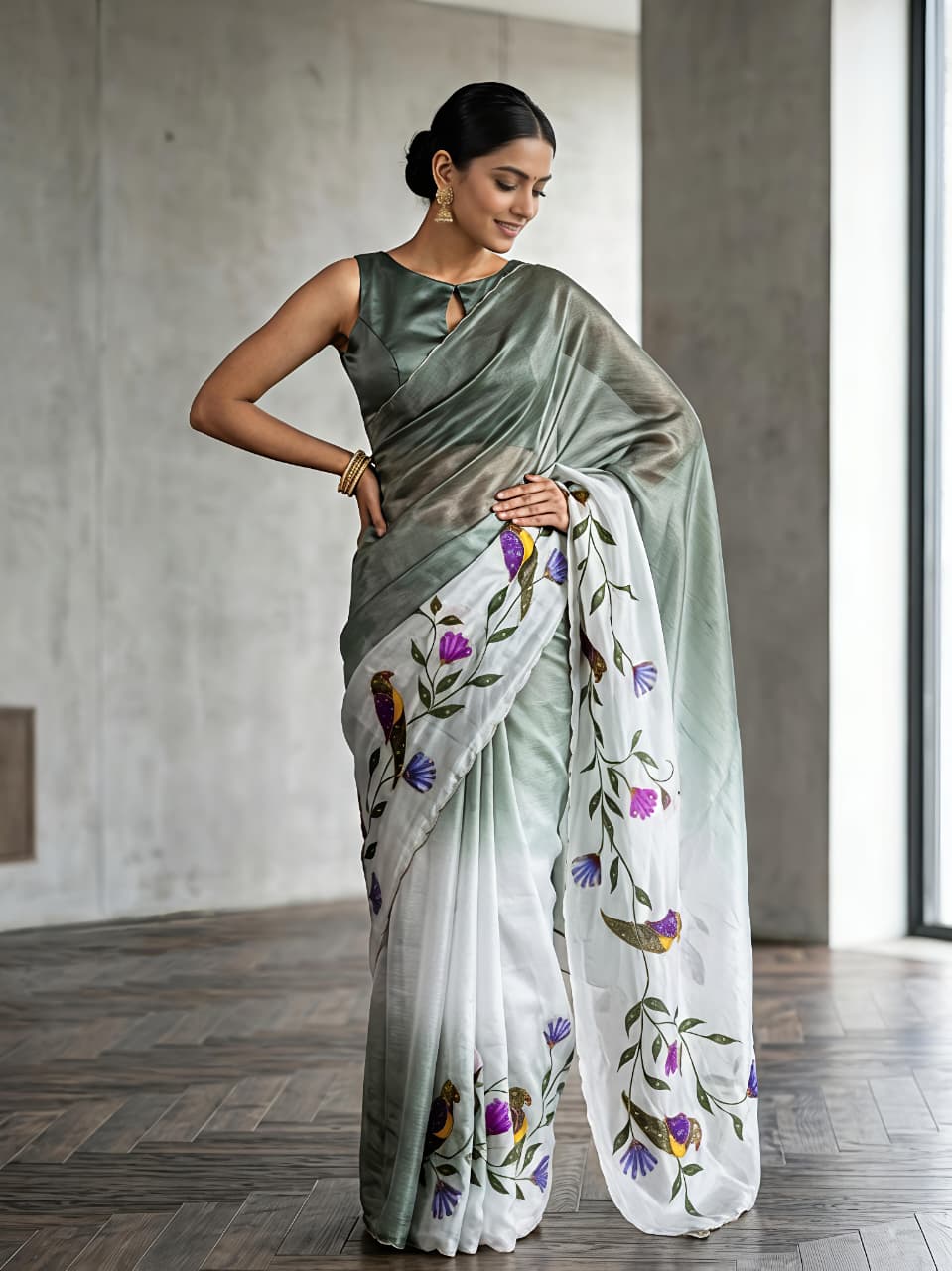
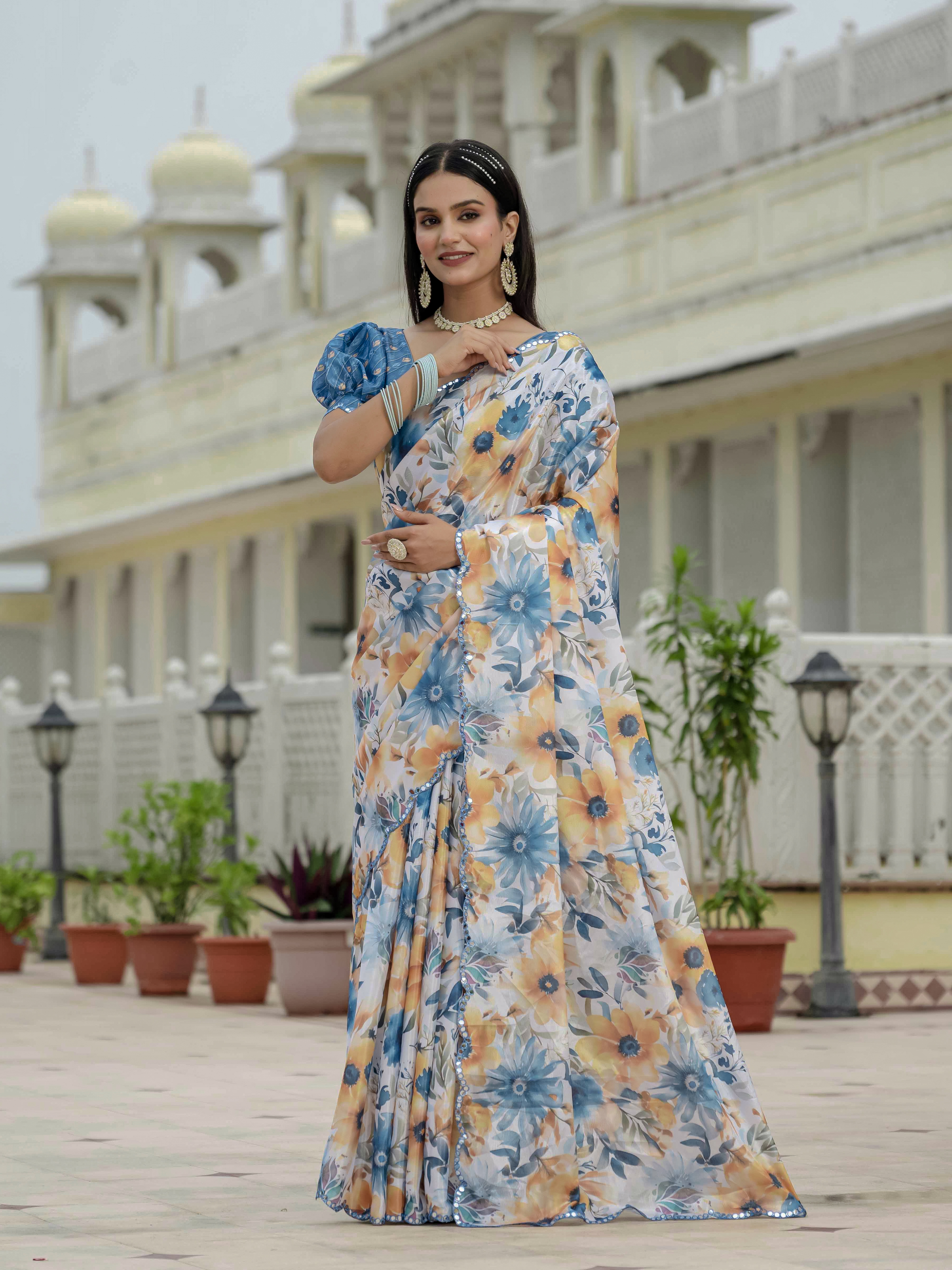
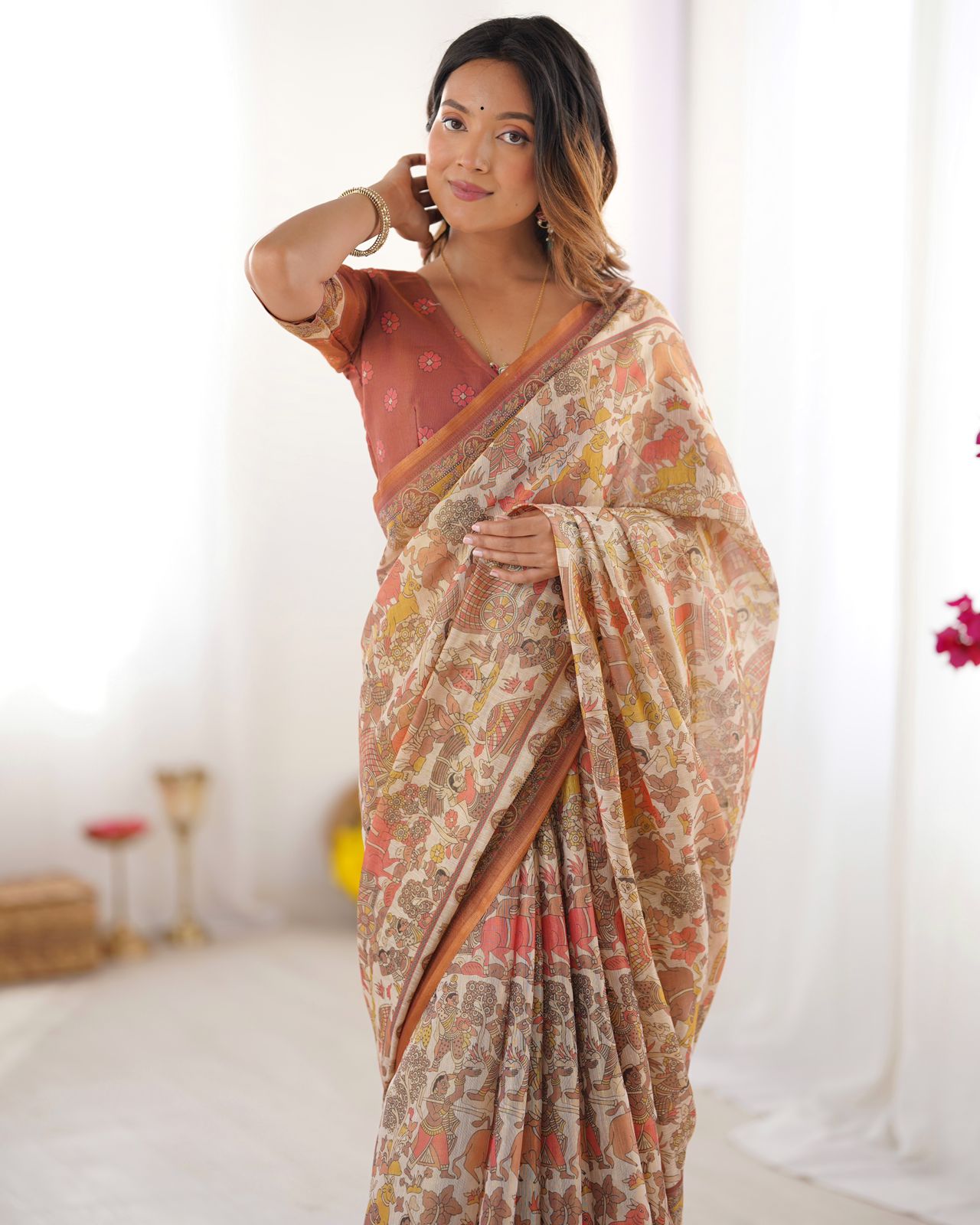
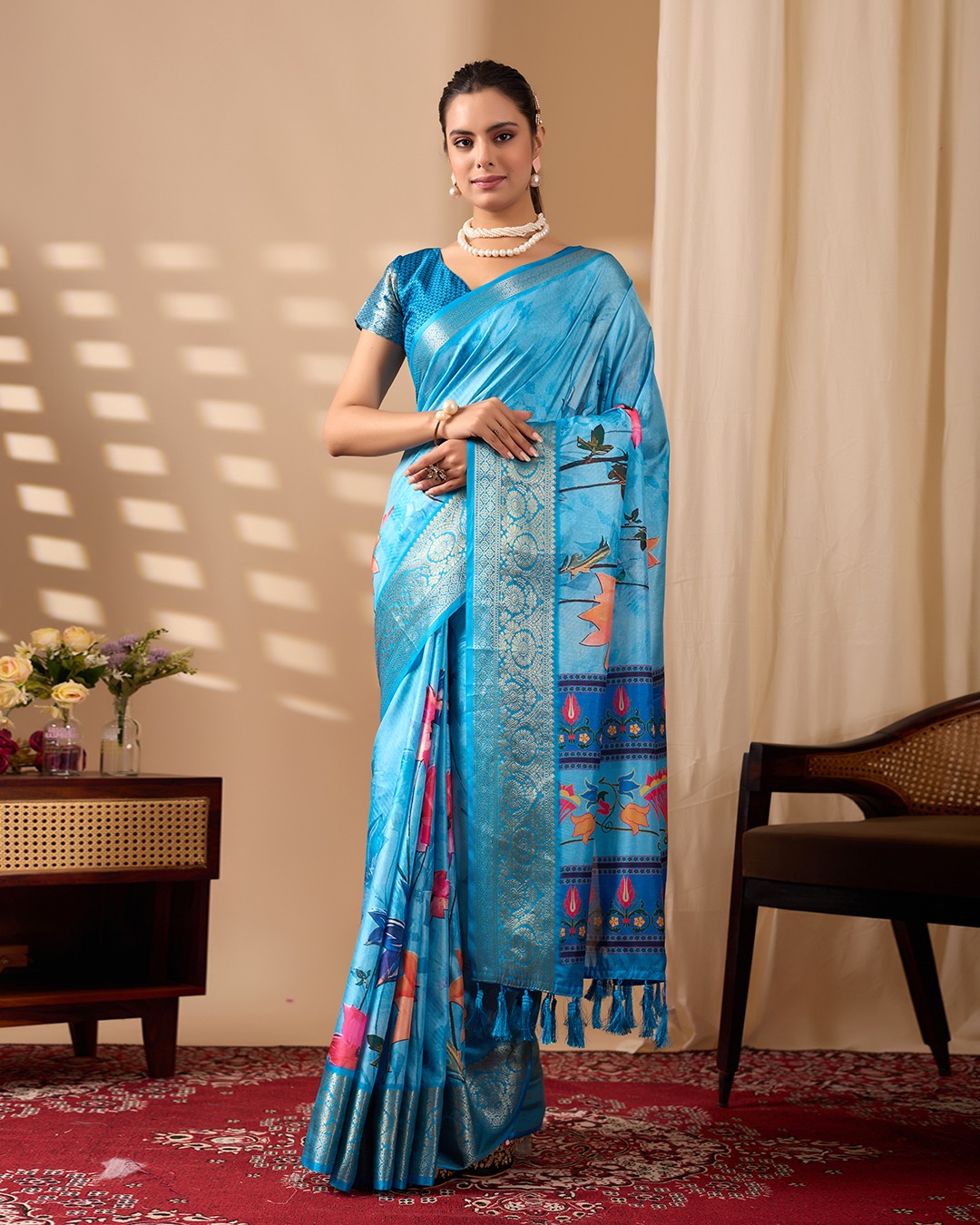
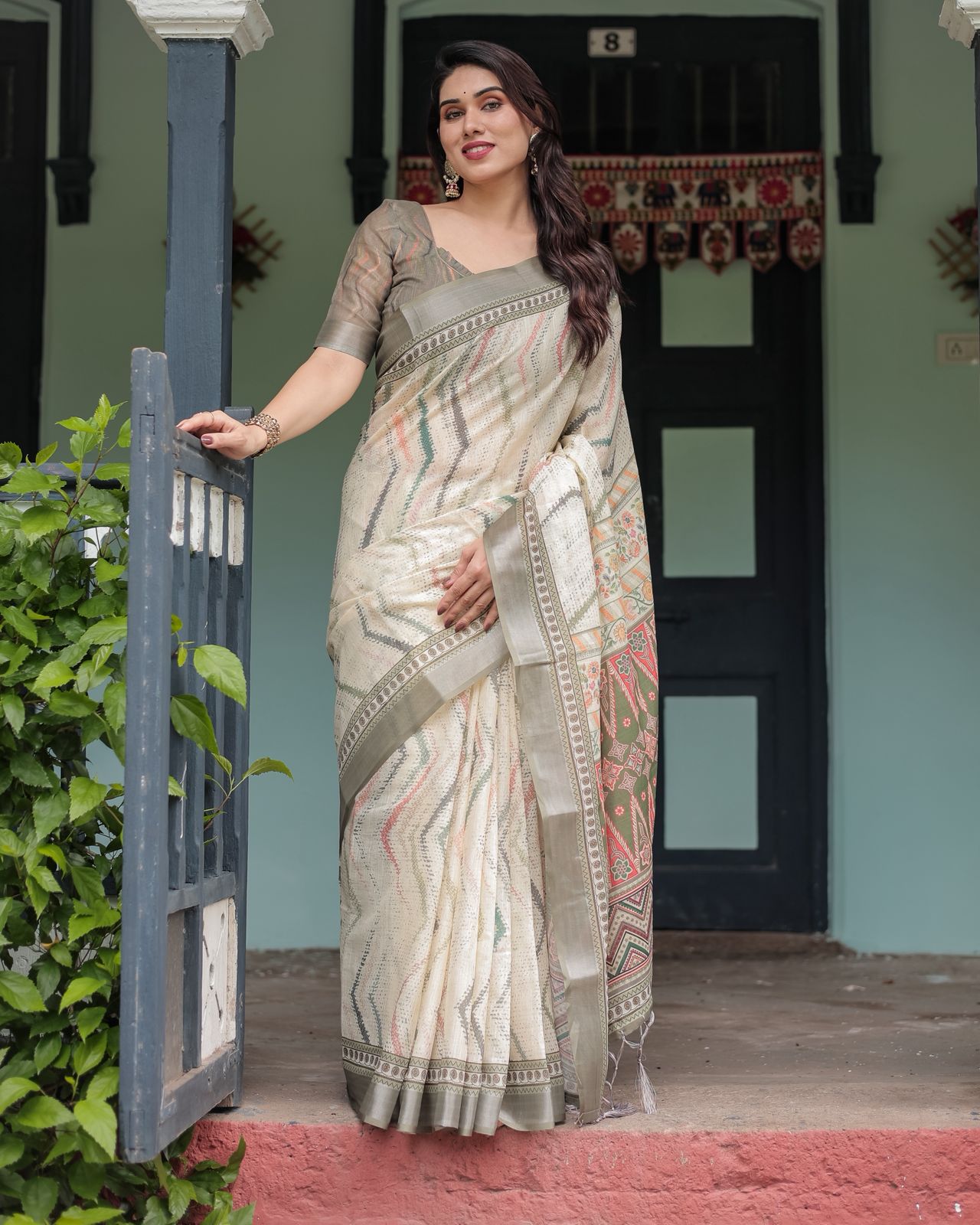
Sarees offer an accessible contemporary route to the same principles of colour blocking and border emphasis. Ethnic Beige Cotton Linen Saree with Village Art Design demonstrates how a neutral base can make a regional art-inspired border legible without overwhelming the wearer. Pastel Floral Tissue Handloom Cotton Saree with Zari Weaves takes a softer approach: handloom texture and zari can supply occasion polish while styling remains understated.
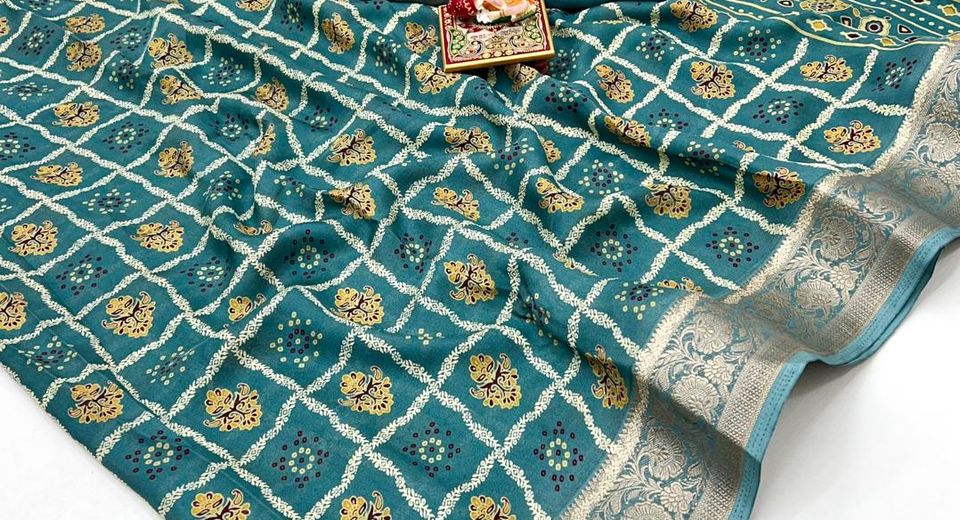
Teal Printed Moss Georgette Saree With Zari Border and Teal Floral Print Moss Georgette Saree With Zari Border suit readers who want a fluid drape with a defined metallic edge. These are contemporary printed sarees, not replacements for a handwoven puanchei. That distinction matters because respectful styling doesn't depend on calling every regional-looking garment "traditional."
Which colours work for Mizoram Cultural Fashion: Traditional Textiles & Ethnic Wear?
Deep red, black, ivory, teal, mustard and forest green create a convincing Mizo-inspired palette when used in controlled combinations. One dominant colour, one grounding neutral and one border accent usually produce a more coherent outfit than several unrelated bright shades.
Teal Tribal Art Printed Lichi Silk Saree with Zari Border can be styled with a plain black or ivory blouse to let its border carry the visual weight. Elegant Mauve Linen Saree with Artistic Madhubani Print belongs to a different regional art vocabulary, yet its linen texture and measured print show how an ethnic look can remain sophisticated without excessive jewellery. Regional references should stay identifiable rather than being blended into one vague "Indian ethnic" category.
Mizoram Cultural Fashion: Traditional Textiles & Ethnic Wear buying guidance
Shoppers should evaluate Mizo-inspired ethnic wear by checking fibre, construction, design source, maker information and intended use before judging colour or appearance. A clear product description is more valuable than a generic claim of authenticity.
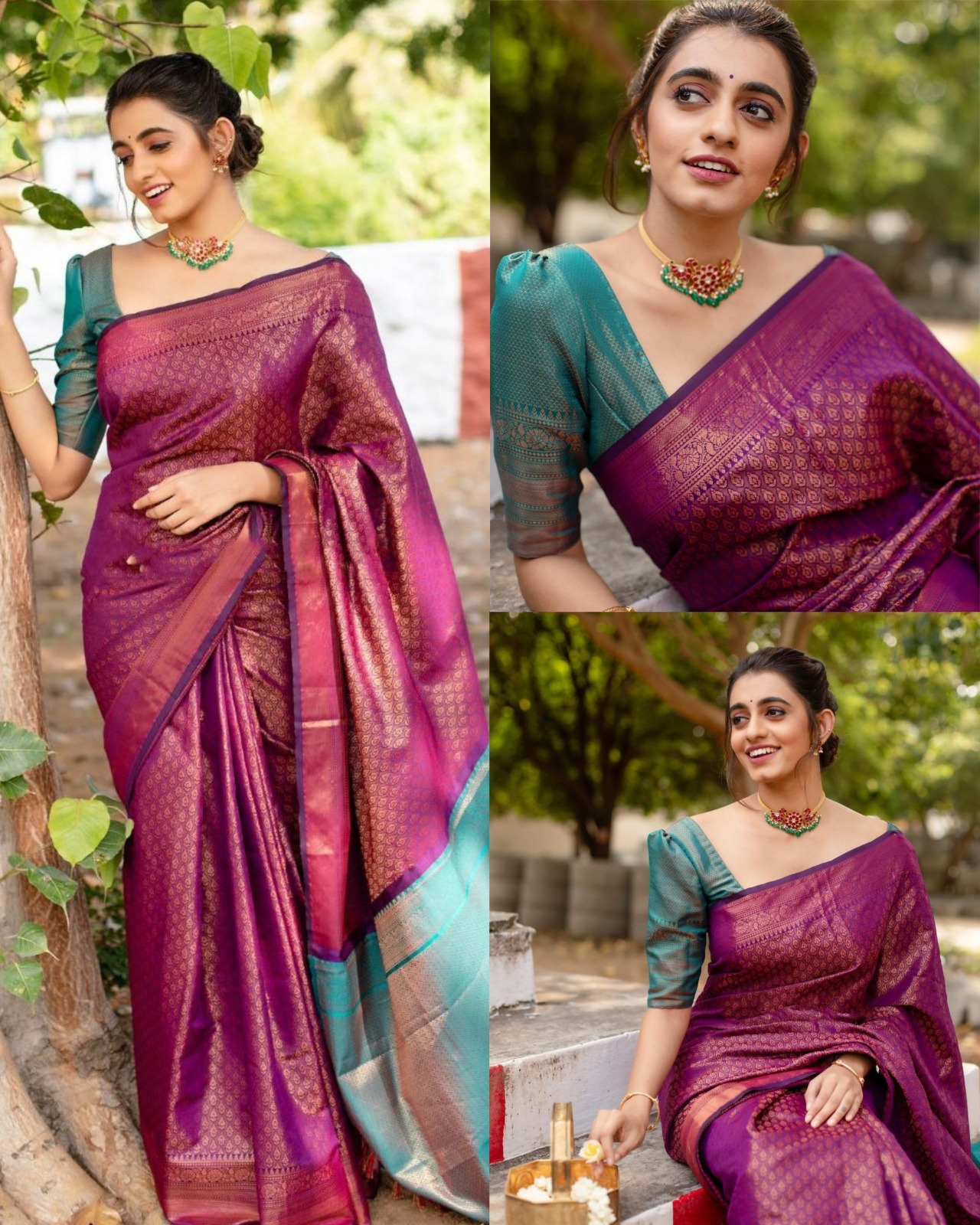
- Check the fibre: Look for specific terms such as handloom cotton, cotton blend, silk, georgette or linen. Fibre content affects breathability, drape, transparency and care.
- Inspect the design method: Ask whether the motif is woven, printed, embroidered or created with zari. Supplementary-weft patterning has a different texture and durability from surface printing.
- Look at the reverse: Woven patterning often shows a structured reverse with thread movement, while a print generally leaves a comparatively plain fabric back. This is a useful clue, not absolute proof.
- Ask about provenance: A seller should be able to state whether a garment is made in Mizoram, inspired by Mizo motifs elsewhere, or simply part of a broader Northeast-inspired collection.
- Match the garment to the occasion: Everyday cotton works for daytime wear, while silk, zari and tissue suit festive settings. Ceremonial textiles deserve especially careful handling and accurate description.
Kanchi Cotton Zari Woven Kurti Set with Traditional Dupatta can provide a structured alternative for someone who wants woven texture in an easier daily silhouette. Maroon Mal Cotton Ethnic Saree With Blouse from VARNAVI offers another example of breathable cotton dressing, although a Mal cotton saree and a Mizo puan belong to different textile traditions. Comparing construction honestly is more useful than grouping both under an undefined label such as "tribal wear."
Mizoram Cultural Fashion: Traditional Textiles & Ethnic Wear care and respectful use
Traditional and Mizo-inspired textiles should be protected from harsh washing, prolonged sunlight, snagging jewellery and poorly placed pins. Care instructions depend on fibre and dye, so the garment label or maker's guidance should take priority.

For handwoven cotton, shake out dust, air the textile in shade and wash only when necessary with a mild detergent. Avoid chlorine bleach, aggressive brushing and wringing, because these actions can distort narrow panels and loosen supplementary-weft threads. Dry the garment flat or on a broad hanger rather than on a thin wire that creates pressure points.
Silk, tissue and zari require more caution. Store clean, completely dry garments folded in breathable cotton or muslin, refolding them every few months to prevent a permanent crease. Keep zari away from damp cupboards, perfume and direct contact with rough wood, because metallic threads can tarnish or catch.
Respectful use also means not cutting a borrowed or heirloom puan without permission, not wearing a ceremonial textile as a disposable stage prop and not assigning invented meanings to motifs. If a garment is described as Mizo-inspired, the description should identify whether the inspiration comes from colour, border structure, weaving method or a documented design reference.
Mizoram Cultural Fashion: Traditional Textiles & Ethnic Wear becomes more meaningful when shoppers look beyond surface colour. Learning the names of puan, risa and puanchei, understanding how narrow looms shape construction and asking precise questions about provenance can turn admiration into informed participation. Contemporary ethnic dressing has room for experimentation, provided cultural specificity remains visible and the original textile traditions receive accurate credit.
Questions About Mizoram Cultural Fashion, Puan and Puanchei
What is the traditional dress of Mizoram?
The puan, risa and puanchei are among the best-known traditional Mizo garments. The puan is a wraparound textile, the risa is a shorter versatile cloth, and the puanchei is an elaborate ceremonial wrap commonly associated with celebrations and dance.
What is a puanchei used for?
A puanchei is used mainly for important celebrations, ceremonial appearances and cultural performances. Its bold colour bands and geometric patterns make it more formal than many everyday puan styles.
What is the difference between a puan and a risa?
A puan is generally a larger wraparound or skirt-like cloth, while a risa is a smaller rectangular cloth worn across the upper body or used as a shoulder covering. Their size, construction and social use are different, although contemporary styling may adapt both.
Are Mizo textiles handwoven?
Many traditional Mizo textiles were handwoven on narrow backstrap or loin looms, often in strips that were later joined. Contemporary products may also use frame looms, power looms or printed fabric, so buyers should check the construction instead of assuming that every geometric design is handwoven.
How can I style Mizo-inspired ethnic wear respectfully?
Use one prominent textile with simple separates, accurate descriptions and minimal accessories. Avoid cutting an authentic ceremonial cloth without permission, presenting a print as a handloom textile or treating Mizo garments as generic "tribal" costumes.
How should I care for a handwoven Mizo-style textile?
Air the textile in shade, wash it gently only when necessary and avoid bleach, harsh brushing and wringing. Store clean cotton separately in breathable fabric, while silk, tissue and zari should be protected from moisture, perfume and rough surfaces.