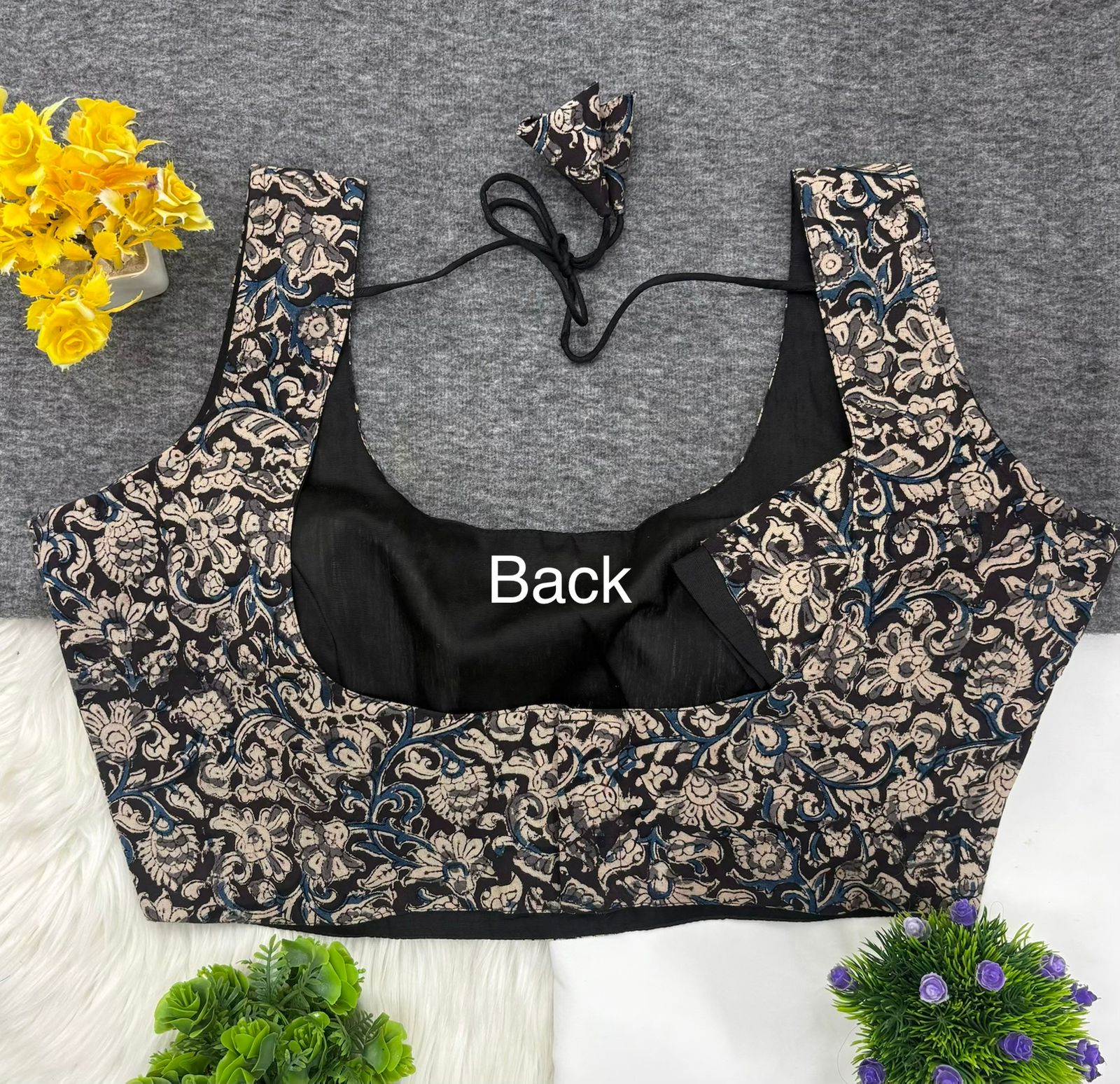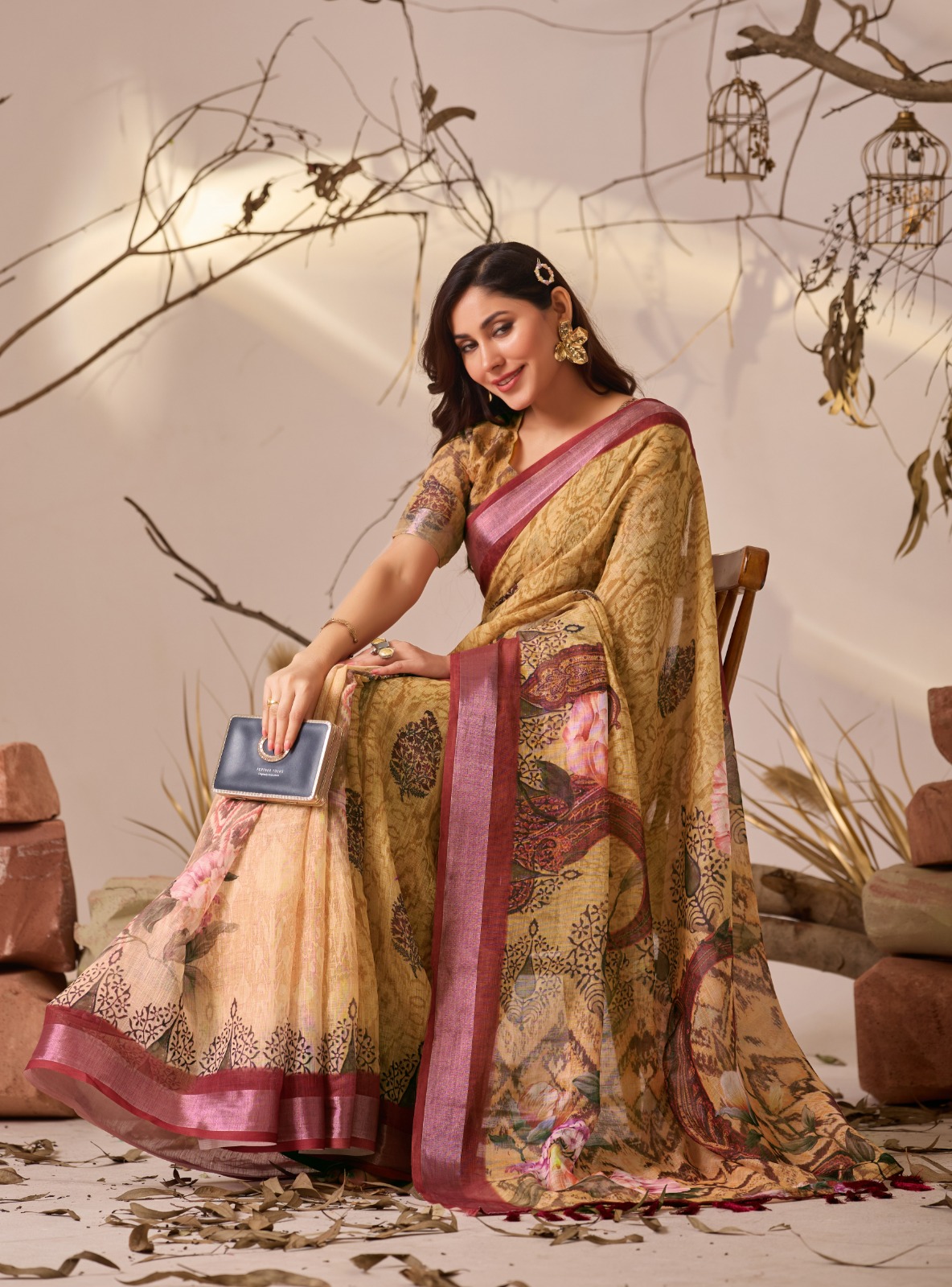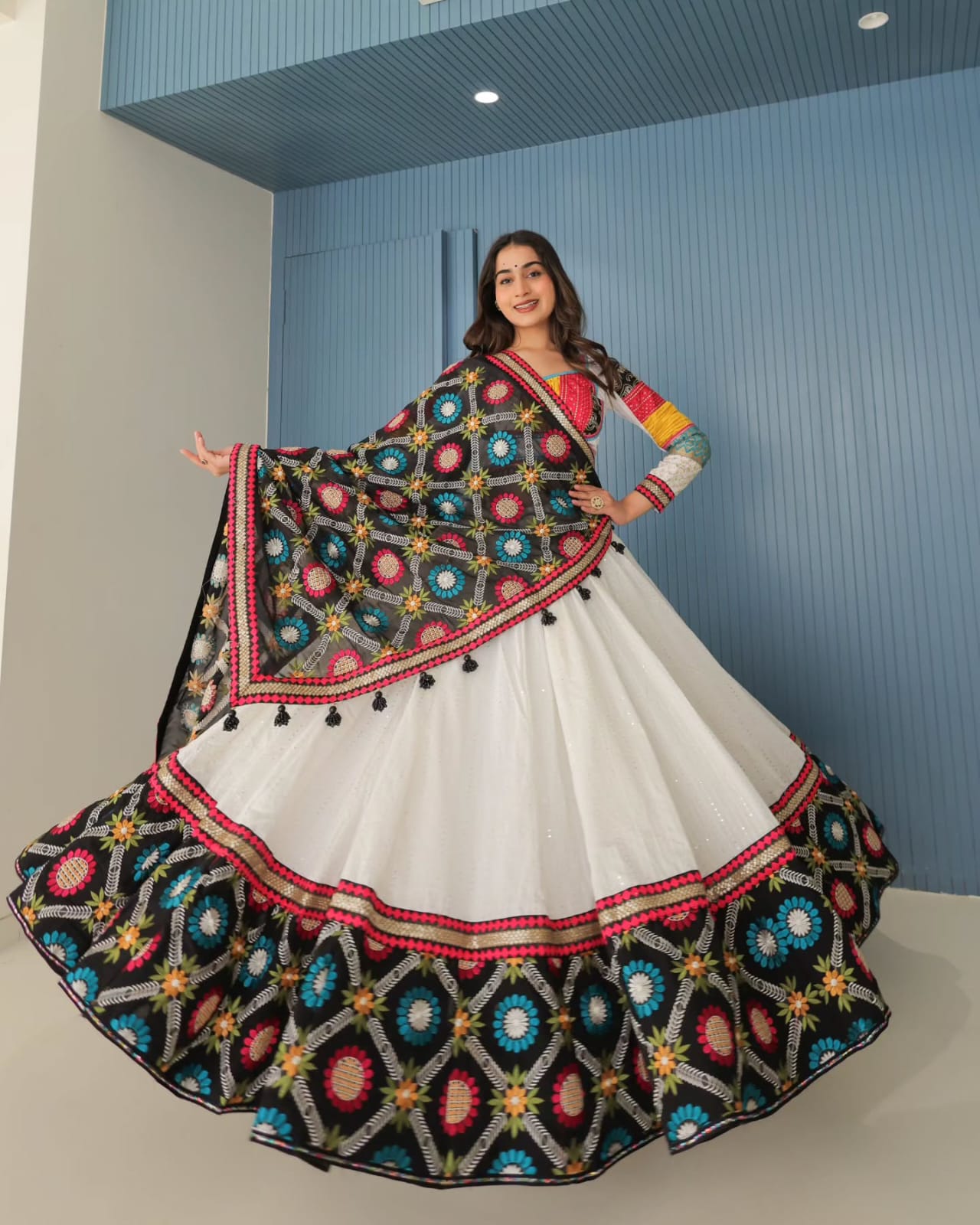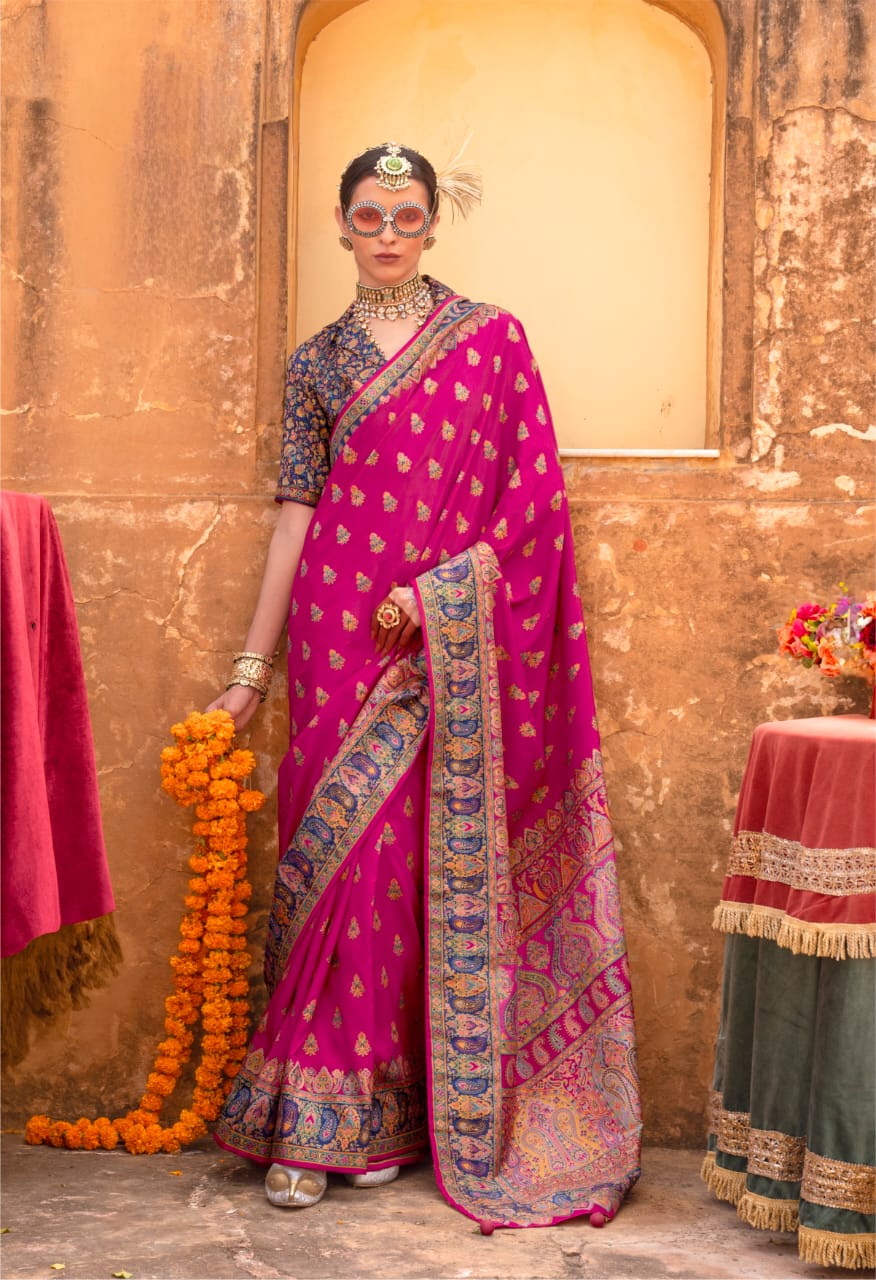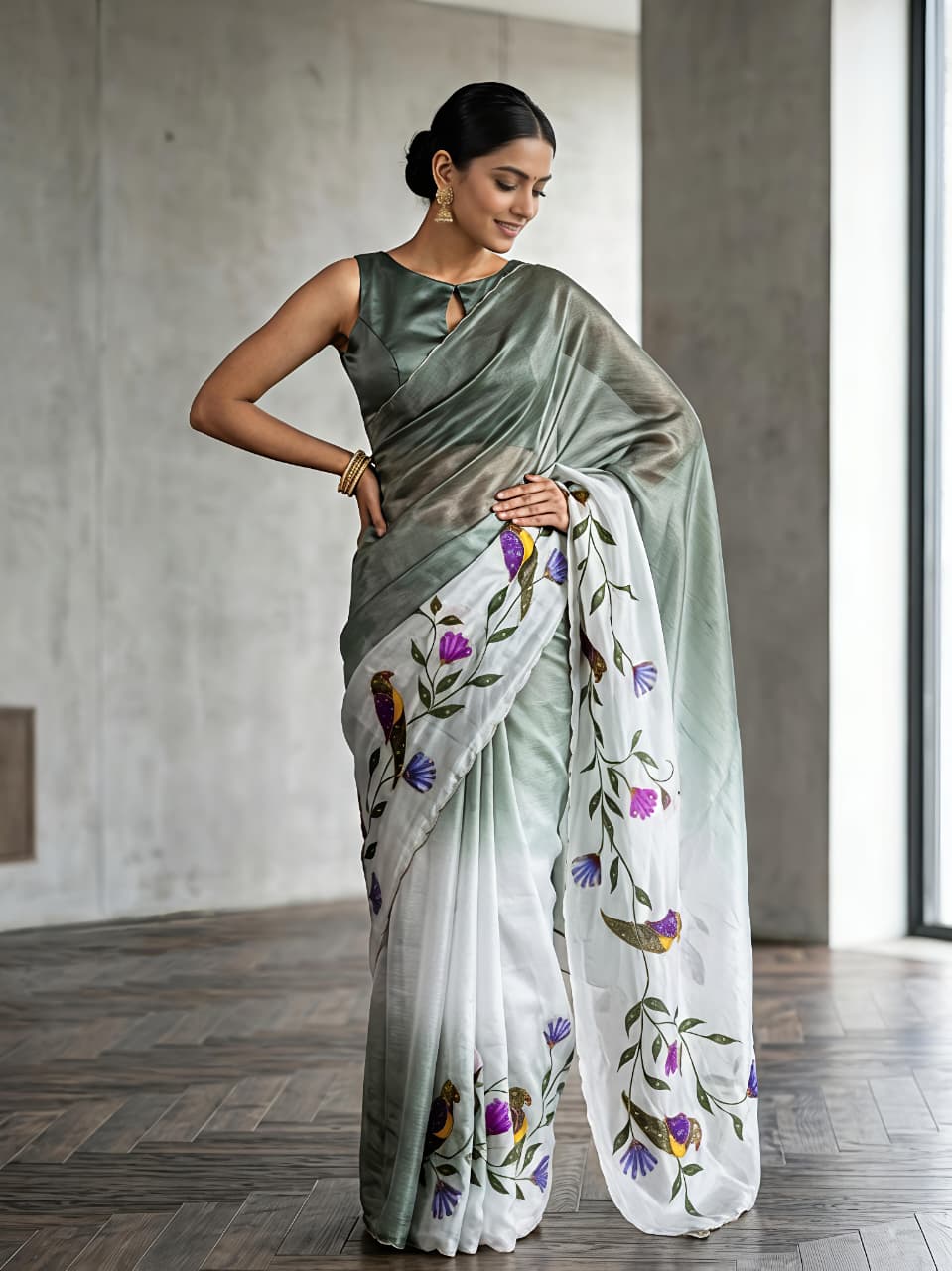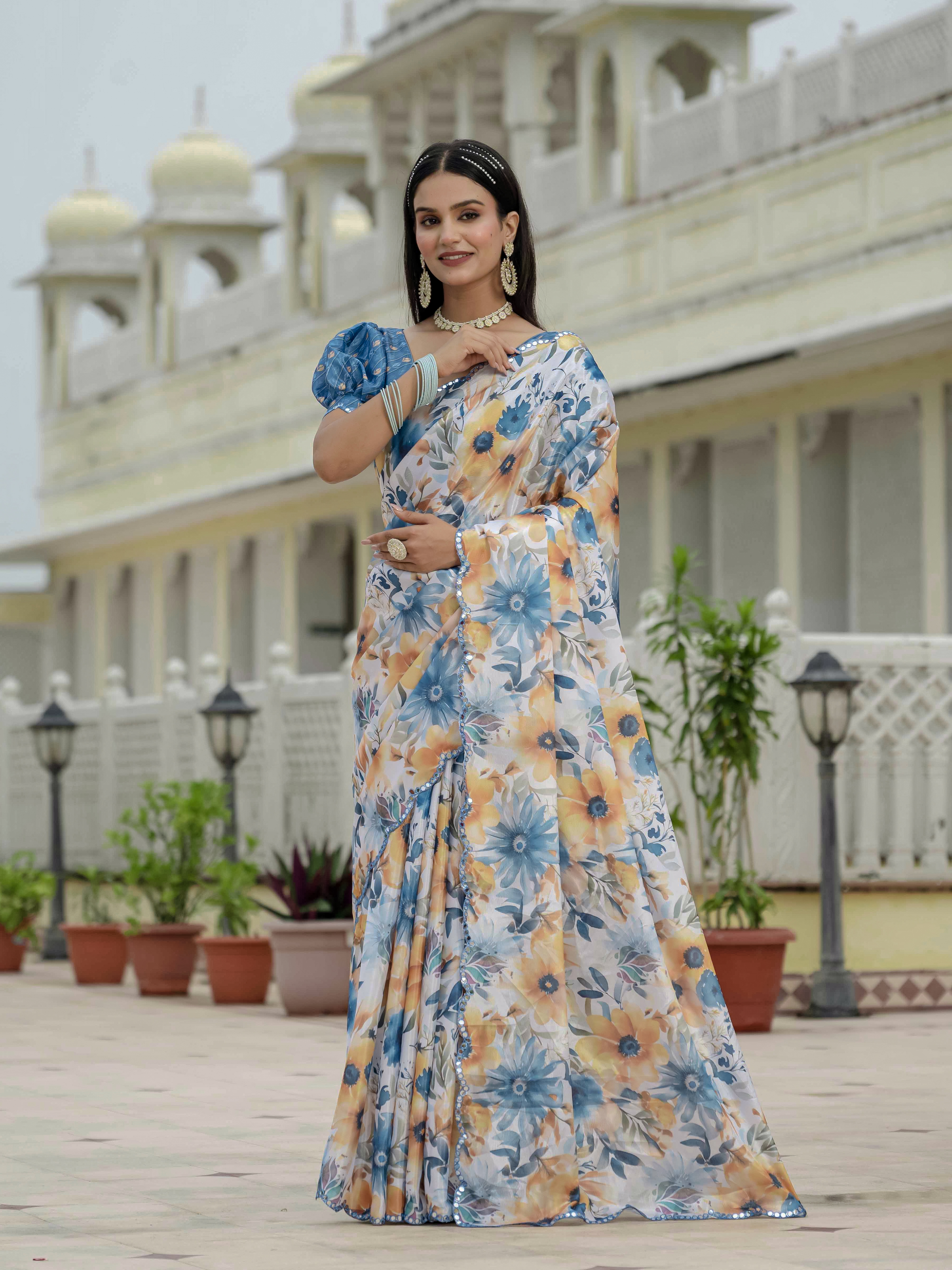
Mirror Work Salwar Suits for Gujarati Garba Nights need to do more than catch the lights: they must remain comfortable during repeated footwork, turns and hours of standing. The right choice depends on the mirror placement, fabric weight, sleeve shape, trouser volume and security of every fastening. A beautiful suit that scratches the skin, catches on a dupatta or becomes heavy after an hour won't serve a Garba evening well.
Garba is usually danced in a circle with continuous claps, side steps, spins and changes of direction. That movement makes fabric behaviour more important than a static photograph suggests. A considered outfit balances Gujarati festive character with enough ease for movement, breathable layers and accessories that stay close to the body.
Mirror Work Salwar Suits for Gujarati Garba Nights: Why the detail works
Mirror work suits Garba because small reflective elements echo the lively, illuminated atmosphere of Navratri while adding texture to a relatively simple salwar silhouette. Traditional shisha-inspired decoration uses small mirrors secured with thread or embroidery, while contemporary garments may use machine-set reflective discs, sequins or foil-like embellishments.
Mirror placement matters more than the total quantity of embellishment. Mirrors across a yoke, sleeve border or dupatta edge create visible movement without making the entire garment rigid. Dense decoration on the lower hem can become uncomfortable when the kurta brushes the legs, and heavy embellishment at the wrist can interfere with clapping.
Garba lighting can make reflective details appear brighter than they look indoors. Silver mirrors work well with jewel tones such as maroon, emerald and cobalt, while gold-toned details complement mustard, rust, coral and cream. A balanced outfit generally needs one main reflective surface and quieter supporting pieces rather than shine on every garment.
Mirror Work Salwar Suits for Gujarati Garba Nights: Choosing fabric and fit
A practical Gujarati Garba dress female shoppers can dance in should have breathable fabric, a secure neckline, a non-restrictive armhole and enough room through the hips and knees for lateral steps. The garment should also remain comfortable when worn for three to five hours, including travel, waiting and dancing.
Fabric comes before decoration
Cotton salwar suits garba outfits are useful for warm venues because cotton absorbs moisture and permits air circulation. Cotton may crease more quickly than synthetic blends, but small creases are usually preferable to a fabric that traps heat. Cotton is especially suitable for daytime Navratri events, outdoor grounds and crowded community halls.
Viscose Chanderi offers a lighter, dressier appearance with a soft drape, although it still needs careful handling around heavy accessories and rough surfaces. Vichitra silk has a more formal sheen and structured fall, making it attractive for evening events, but lining and ventilation become important when the venue is warm. Banarasi silk and Kanjeevaram are culturally rich festive fabrics, yet heavier silk garments may feel excessive for vigorous dancing unless used in small accents rather than a full moving outfit.
Fit should allow a full step
A salwar suit fits a Garba dancer when the wearer can raise both arms, take a wide side step, sit briefly and rotate without pulling at the shoulders or hips. Check the bust, upper arm and seat measurements rather than relying only on a familiar size label. A straight kurta with side slits usually gives more leg freedom than a tightly tapered hem.
An Anarkali can create attractive movement, but excessive flare may catch against other dancers in a crowded circle. A moderate flare, a secure inner lining and a hem that stays above the floor are safer choices. Palazzo trousers provide width and airflow, while a slim salwar can feel more controlled during quick footwork. The best silhouette depends on personal movement, venue density and footwear height.
Mirror Work Salwar Suits for Gujarati Garba Nights: Silhouettes that move well
Three silhouettes work particularly well for Garba and Dandiya: a straight kurta with a salwar or palazzo, a moderately flared Anarkali and a short kurta paired with a fuller bottom. Each silhouette creates a different balance between movement, coverage and visual volume.
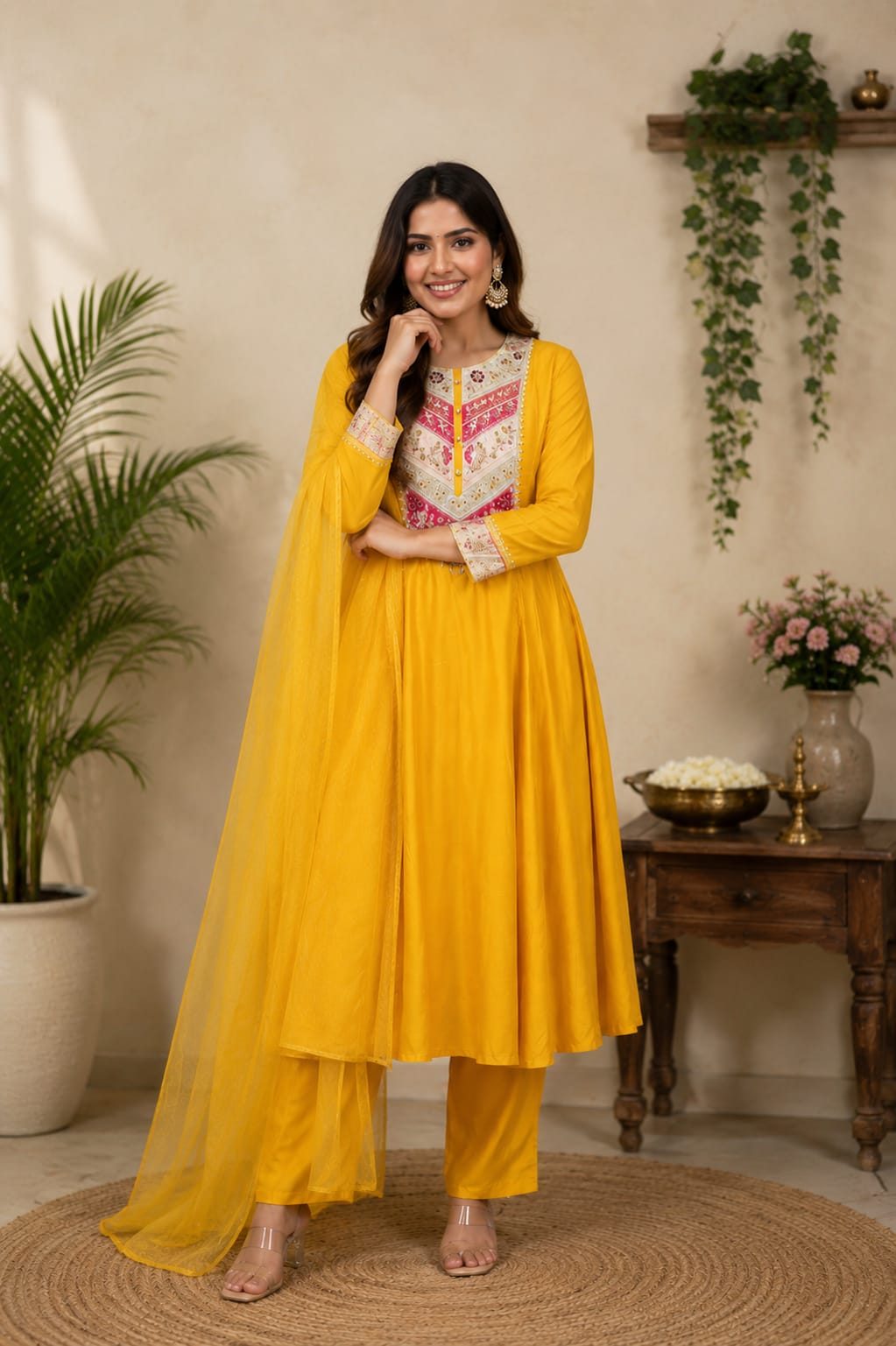
- Straight-cut suit: A straight kurta with side slits is dependable for beginners because the hem doesn't expand dramatically during turns. Add mirror work to the yoke, cuffs or dupatta border for a focused festive effect.
- Moderate Anarkali: An Anarkali gives graceful movement and suits a more traditional Gujarati Garba dress female look. Choose a hem with enough clearance from the floor and avoid very stiff can-can layers for a long dance session.
- Palazzo suit: A palazzo brings generous legroom and a contemporary profile. Keep the kurta length proportionate so the wide trouser doesn't visually overwhelm the outfit.
- Sharara-inspired suit: A sharara introduces dramatic flare and photographs well during spins. Secure the waistband firmly and test the flare with the exact footwear before the event.
Readymade salwar suits garba shoppers often prefer because the kurta, bottom and dupatta are coordinated in colour and proportion. Readymade sets also reduce last-minute tailoring, but the neckline, sleeve length, trouser rise and side-slit depth should still be checked immediately after delivery. A small alteration to the hem or sleeve can significantly improve dancing comfort.
For shoppers comparing occasion-led ranges, Ladies Dress Anarkali Salwar Suits can help when a fuller, more traditional silhouette is preferred. Dress Materials suit shoppers who want to choose their own mirror placement, sleeve length or trouser shape through custom stitching. A stitched set is more convenient, while an unstitched option gives greater control over movement and personal fit.
Mirror Work Salwar Suits for Gujarati Garba Nights: Styling colour and embellishment
Mirror work looks polished when the reflective detail has visual space around it. Pair an embellished kurta with a solid bottom, or use a quieter kurta with a mirror-work dupatta. Repeating one accent colour in the earrings, bangles or footwear creates cohesion without adding another competing print.
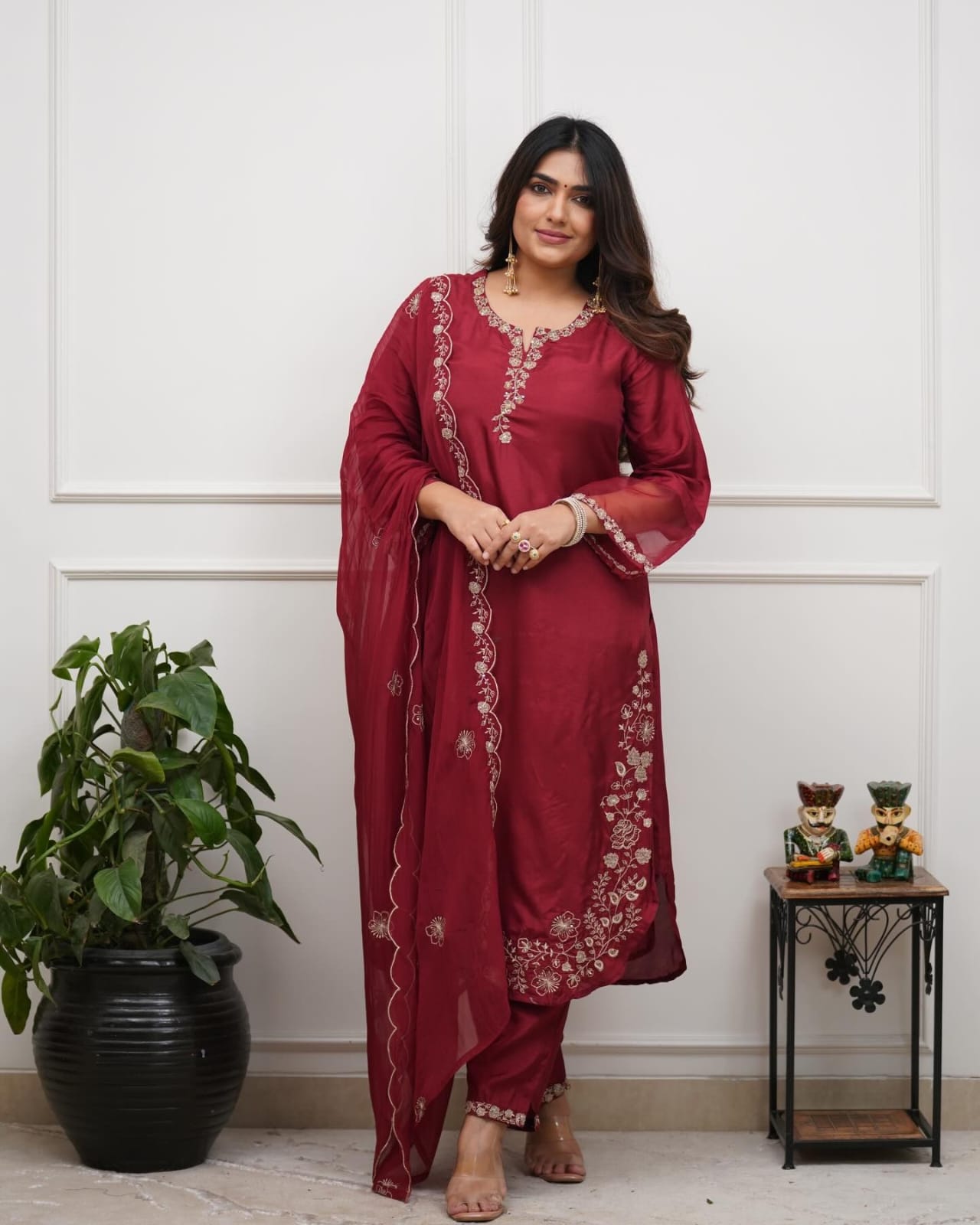
A maroon suit with antique-gold or multicoloured embellishment gives a rich evening effect. A mustard base works well with warm metallics and muted green accessories. Beige, ivory and other neutrals allow the mirror work to become the focal point, while a deep red or cobalt dupatta can introduce the saturated colour associated with festive Gujarati dressing.
For practical Garba outfit ideas female shoppers can adapt, start with one statement element: a mirror-work yoke, an embellished dupatta or reflective earrings. Add a plain churidar, salwar or palazzo in a compatible shade. This approach also makes the individual pieces useful beyond Navratri.
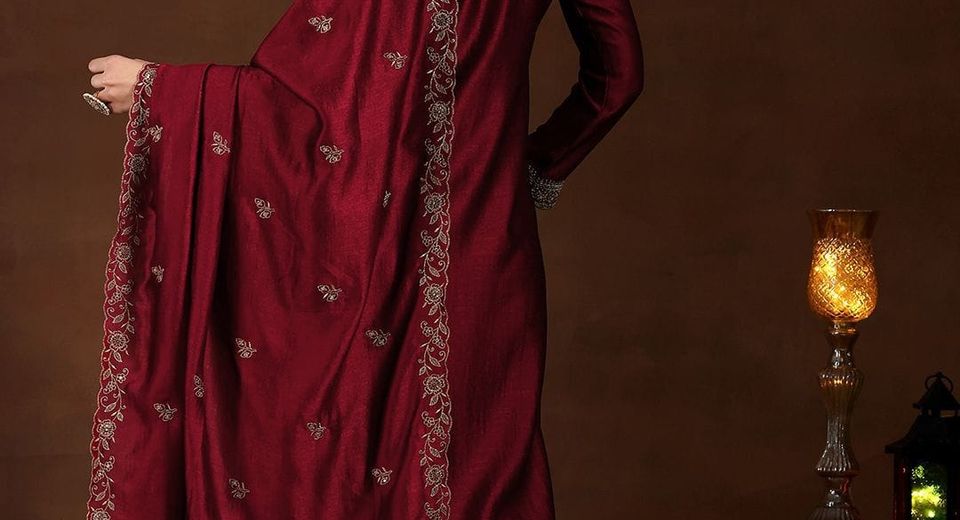
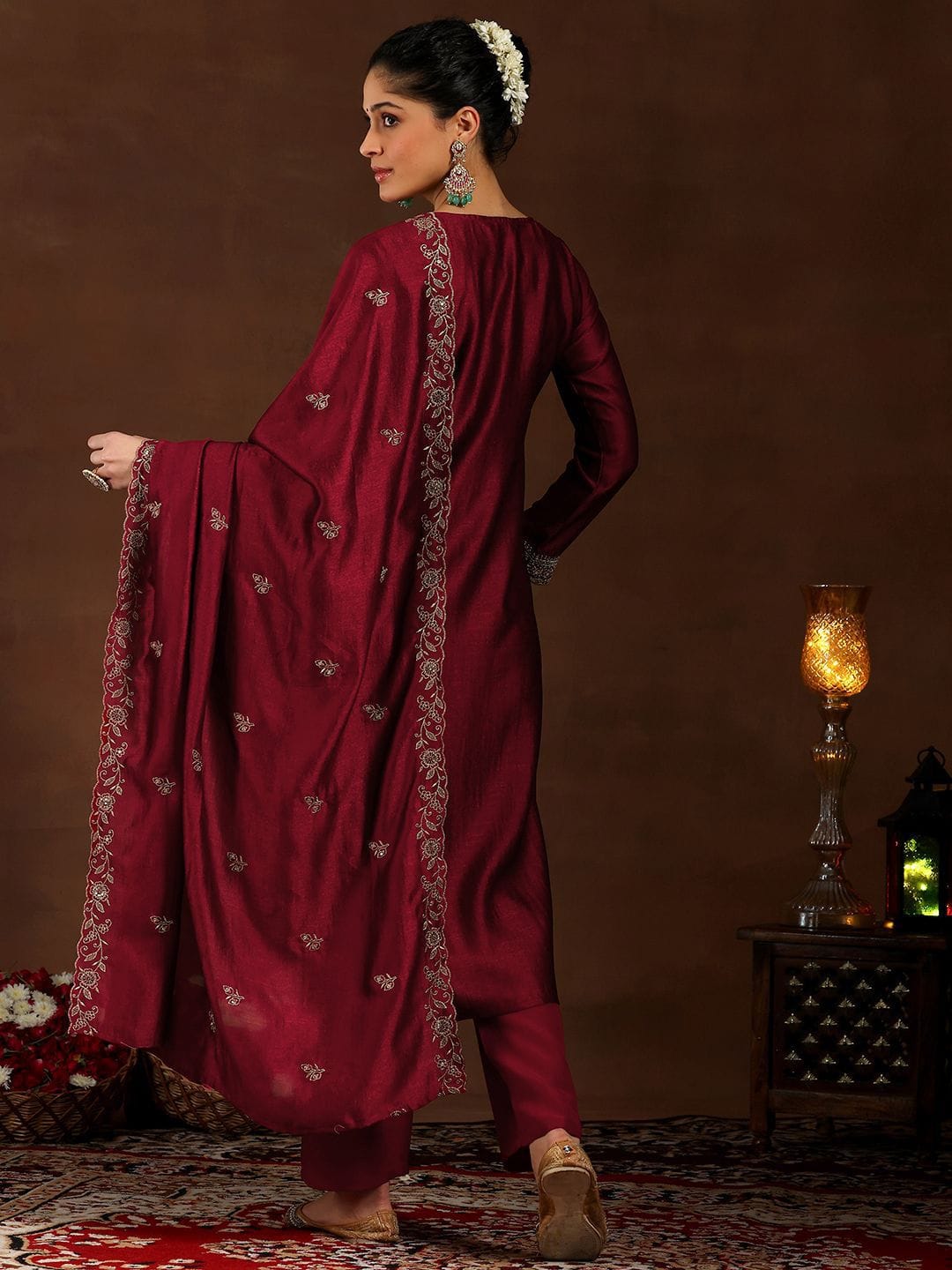
The Maroon Vichitra Silk Kurta Set with Elegant Embroidery Work demonstrates how a lustrous maroon base can carry evening embroidery without needing a heavily layered styling treatment. The Mustard Viscose Chanderi Kurta Set with Sequence Embroidery gives a lighter-looking alternative for shoppers who want warmth and shine through embroidery rather than literal mirror work. Embroidery and sequin decoration create a related festive effect but are technically different from mirrors, so product specifications should be checked before purchase.
Sales collections can be useful when building a rotation for several Navratri evenings. Salwar Suits with 30% Off and Salwar Suits Flat 40% Off may make it easier to compare multiple colours or silhouettes, but a discount should not replace checks for lining, measurements and embellishment security. Red Dress Materials Under 2000 can suit shoppers seeking a lower-cost base for custom stitching, especially when a red Gujarati Garba dress female look is the priority.
Mirror Work Salwar Suits for Gujarati Garba Nights: Accessories and footwear
Wear low-profile, secure accessories with a mirror-work suit because Garba involves repeated arm movement and close contact with other dancers. Medium-sized jhumkas, lightweight chandbalis, a few smooth bangles and a compact bindi usually provide festive impact without pulling at the ears or striking the wrist during claps.
Choose footwear with a flat or low block heel, a closed fastening and a sole that grips without sticking. Embellished juttis, cushioned mojaris and supportive sandals can all work, but new footwear should be tested indoors before the event. Thin stilettos are difficult on uneven outdoor ground and can make repeated turns unsafe.
A dupatta should be anchored at the shoulder with a concealed safety pin and, when necessary, at the waist. Pinning both ends can prevent dramatic movement, but pinning the fabric too tightly restricts the torso. A lightweight dupatta is easier to control than a densely embellished one.
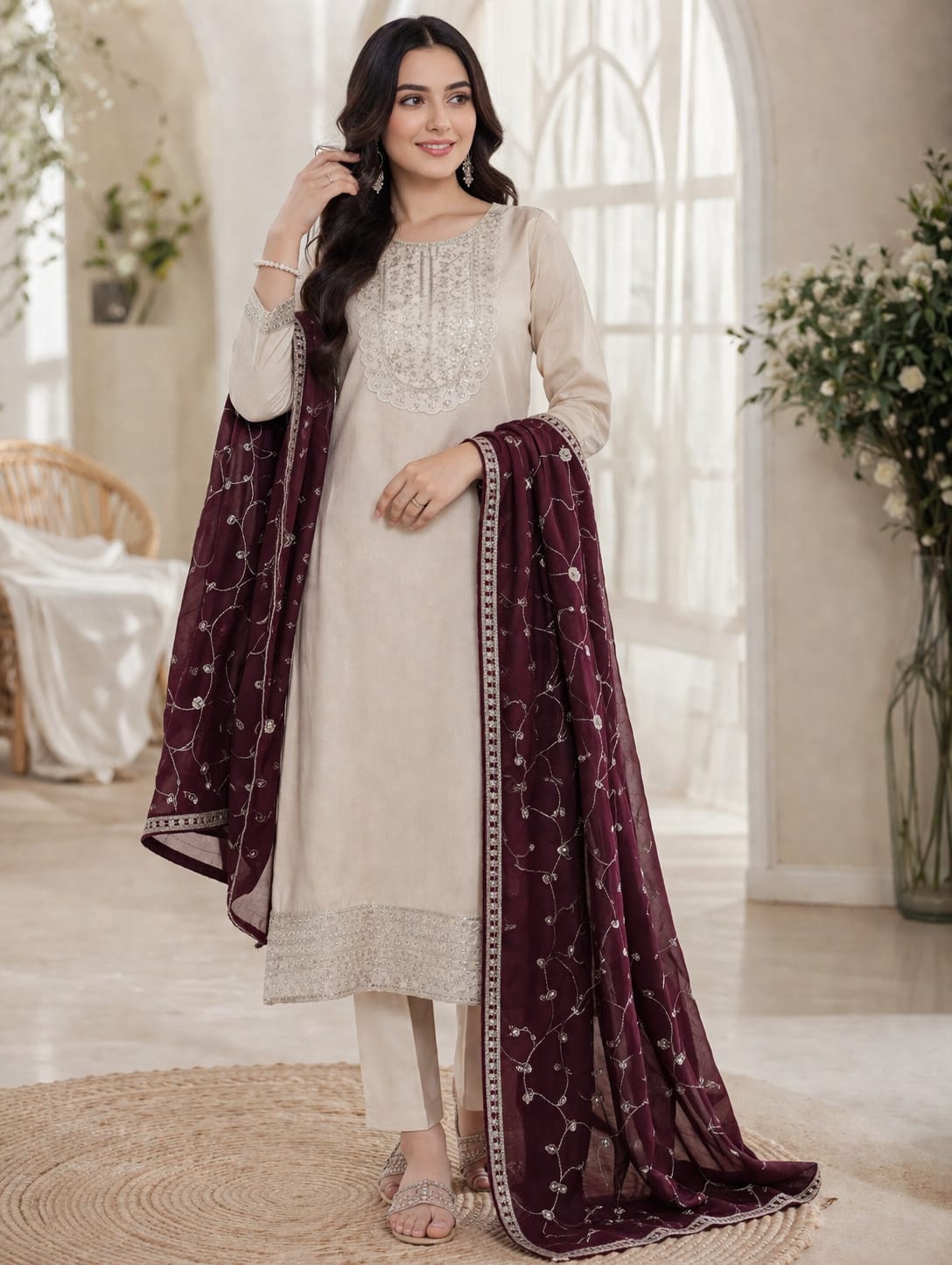
Keep jewellery finish compatible with the mirror tone: silver-toned mirrors match naturally with cool metals, while antique-gold mirrors suit gold zari and warm embroidery. The Maroon Viscose Chanderi Silk Embroidered Kurta Set for Women can be accessorized with restrained jewellery and a firmly secured dupatta. The Elegant Beige Vichitra Silk Embroidered Kurta Set for Women provides a neutral base for colorful bangles or a bright dupatta. Both examples show why silhouette, sheen and embroidery can support a Garba wardrobe even when a particular set doesn't hold literal mirror work.
Men salwar suits garba styling can follow the same practical principles, even though the most common options differ in cut. A coordinated kurta with a comfortable churidar, salwar or straight trouser, a light waistcoat and secure mojari can introduce festive colour without restricting the shoulders. Mirror or embroidered details are best concentrated on the neckline, placket or waistcoat rather than placed where they may catch during Dandiya movement.
Mirror Work Salwar Suits for Gujarati Garba Nights: Comfort, purchase and care
Cotton and ready-made suits can work very well for a long Navratri event when the fabric, fit and construction match the venue. Cotton is usually the safer choice for heat and outdoor dancing, while a ready-made set is convenient when there's little time for custom stitching.
Inspect cotton fabric for opacity, especially around the chest, back and trouser seat. A thin cotton kurta may need a separate lining or a comfortable slip, but a heavy lining can reduce breathability. Check whether the mirror or sequin work has a backing; exposed thread ends and rough adhesive edges can irritate the skin during movement.
Ready-made sets vary in trouser rise and elastic strength. Sit, walk and lift one knee before removing tags. Waistbands should stay secure without digging in, and drawstrings should have finished ends so they don't unravel. A three-quarter or elbow-length sleeve often balances coverage and airflow better than a tight full sleeve in a crowded venue.
Before buying, compare the garment measurements with a well-fitting kurta rather than comparing only bust size. Allow approximately 2 to 4 centimetres of ease through the bust and upper arm for active movement, while avoiding excess fabric that can snag on bangles or Dandiya sticks. Confirm delivery timing at least one week before the event if alterations may be needed.
Mirror work and zari need gentler care than ordinary printed cotton. Turn the garment inside out, place it in a breathable cotton bag and avoid compressing heavy embellishment under stacked clothes. Follow the care label; when no clear instruction is available, dry cleaning is safer for densely embellished silk or Chanderi, while lightly decorated cotton may tolerate careful hand washing in cold water after a colourfastness test.
After Garba, remove sweat and moisture before storage. Air the garment away from direct sunlight, inspect loose mirrors or sequins and repair small thread breaks before the next wear. Never iron directly over mirrors, zari or sequins. Place a thin cotton cloth between the iron and the garment, use the lowest suitable heat and press from the reverse side whenever the care label permits.
A successful Garba outfit leaves enough attention for the music, not for adjusting a slipping dupatta or painful footwear. Choose the fabric for the venue, the silhouette for the footwork and the embellishment for the lighting. That method produces a festive look that remains wearable long after Navratri ends.
Common Questions About Mirror Work Salwar Suits for Gujarati Garba Nights
What should women wear for a Gujarati Garba night?
Women can wear a salwar suit, chaniya choli, lehenga or anarkali, provided the outfit allows comfortable movement. A mirror-work salwar suit with a breathable fabric, secure dupatta and flat or low-heeled footwear is a practical option for extended dancing.
Are cotton salwar suits suitable for Garba?
Cotton salwar suits are suitable for Garba, particularly for outdoor venues, daytime events and warm halls. Cotton offers airflow and moisture absorption, although the garment should be checked for opacity, lining weight and embellishment that could irritate the skin.
Which salwar suit is best for Garba dancing?
A straight kurta with side slits, a moderately flared Anarkali or a palazzo suit is generally effective for Garba dancing. The best choice allows wide side steps, arm movement and turns without a tight armhole, restrictive hem or floor-length fabric.
Can ready-made salwar suits be worn for Garba?
Ready-made salwar suits can be worn for Garba when the measurements, waistband and sleeve construction support active movement. Try the set with its intended footwear, lift one knee, raise both arms and test the dupatta before removing tags.
How can a dupatta stay secure while dancing Garba?
A dupatta stays more secure when it is pinned at the shoulder and lightly anchored at the waist. Use concealed safety pins, leave enough ease for torso movement and choose a lightweight dupatta instead of a densely embellished style.
How should mirror-work salwar suits be washed and stored?
Mirror-work salwar suits should be cared for according to the garment label, with dry cleaning preferred for densely embellished silk or Chanderi. Store the clean garment in a breathable cotton bag, keep heavy clothing off the embellishment and never iron directly over mirrors, zari or sequins.