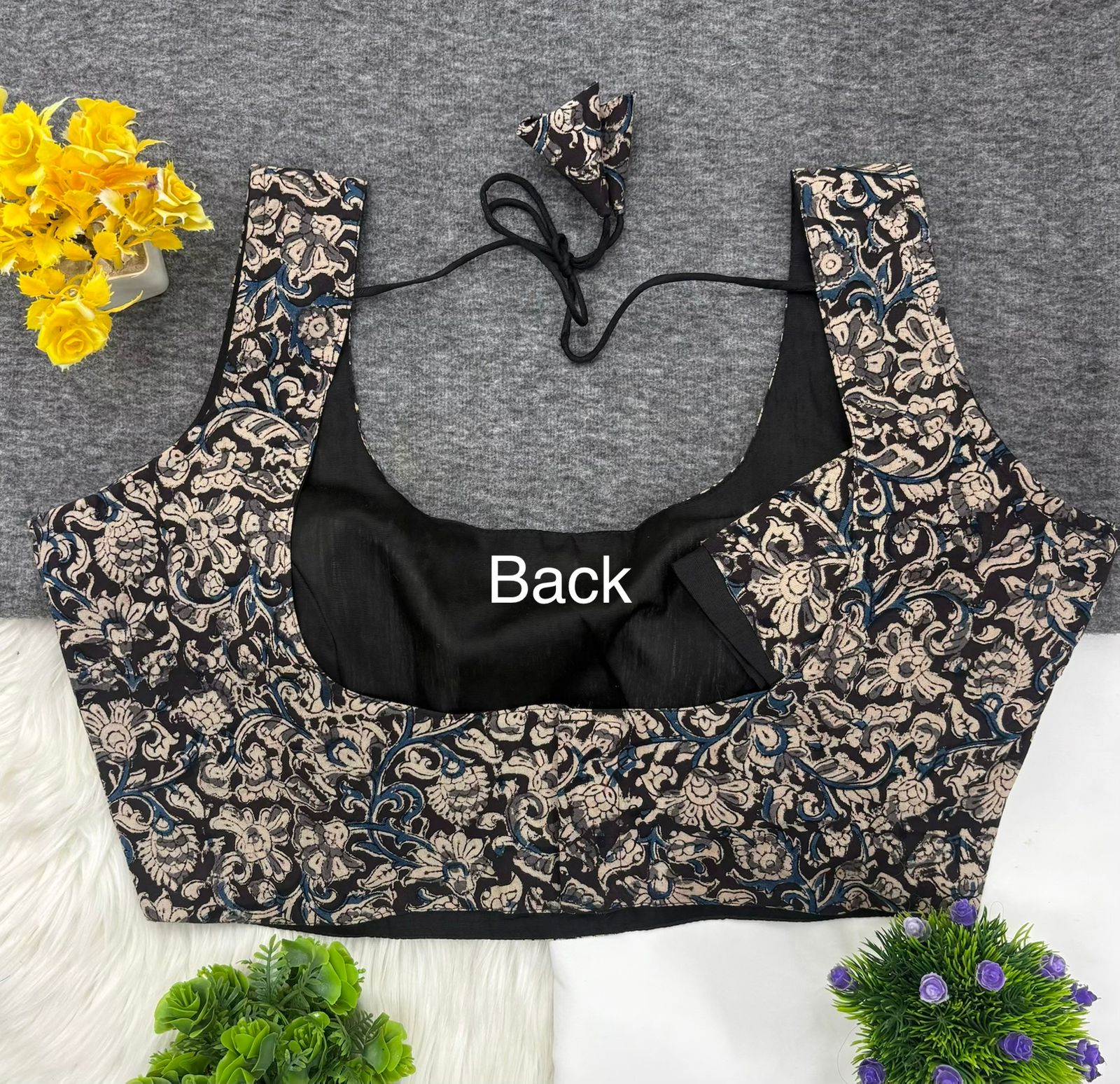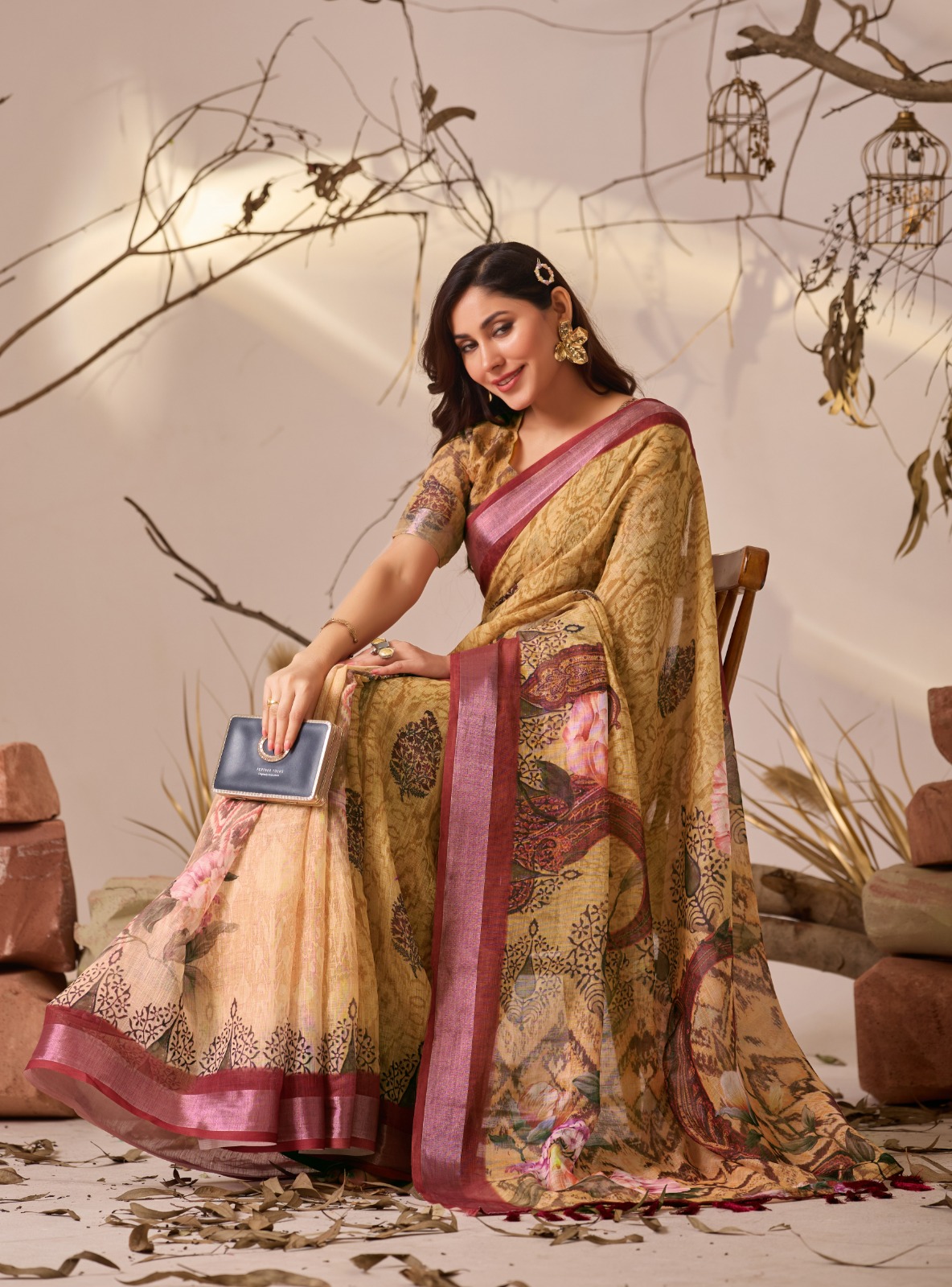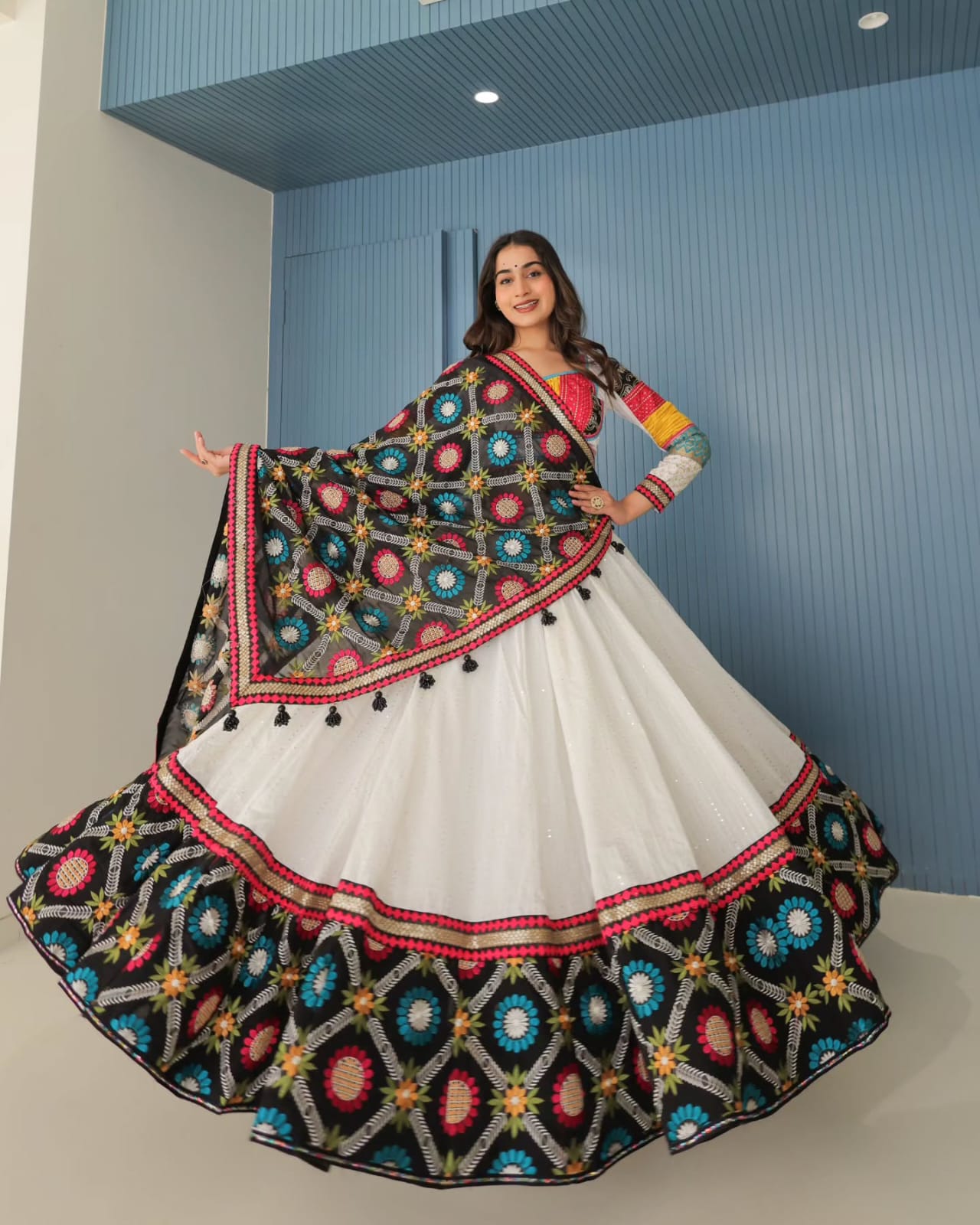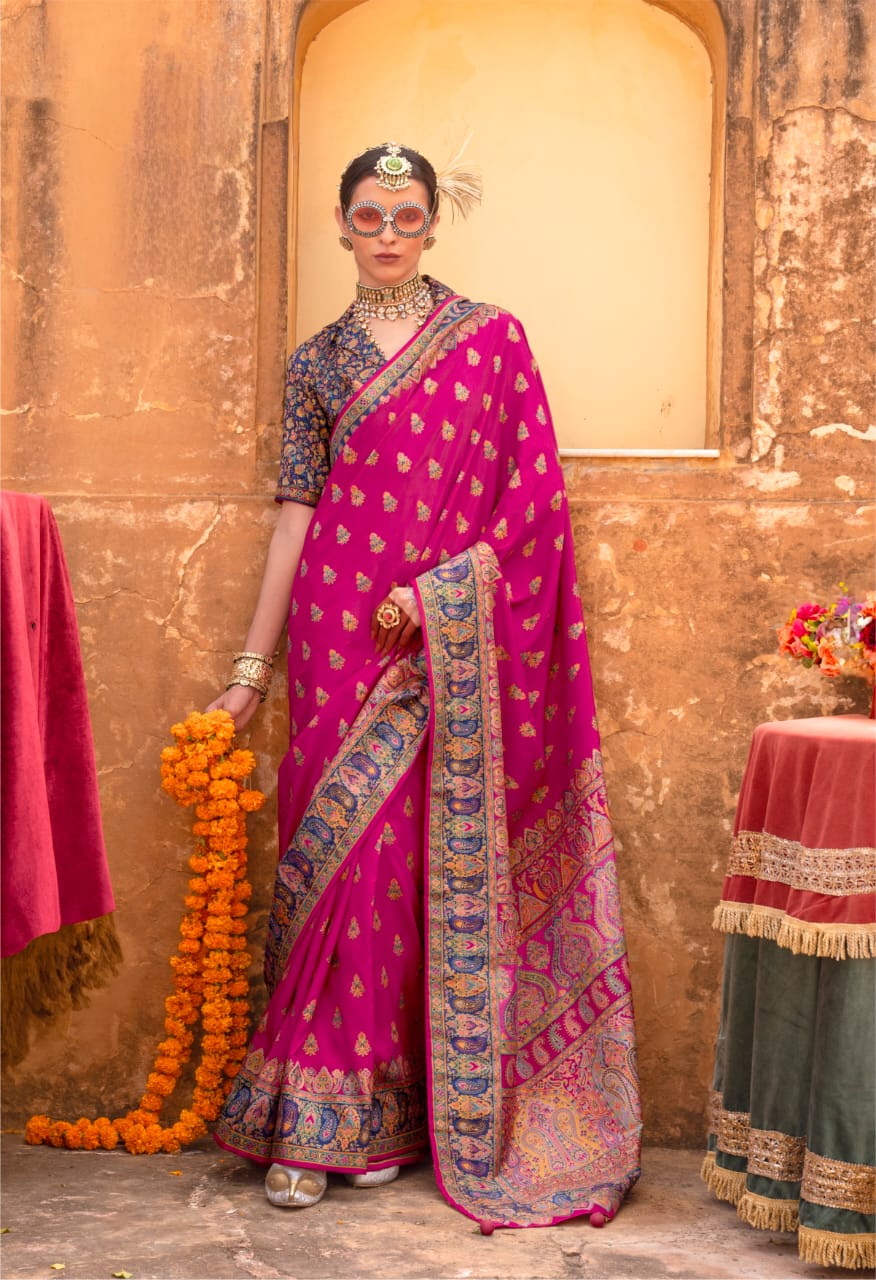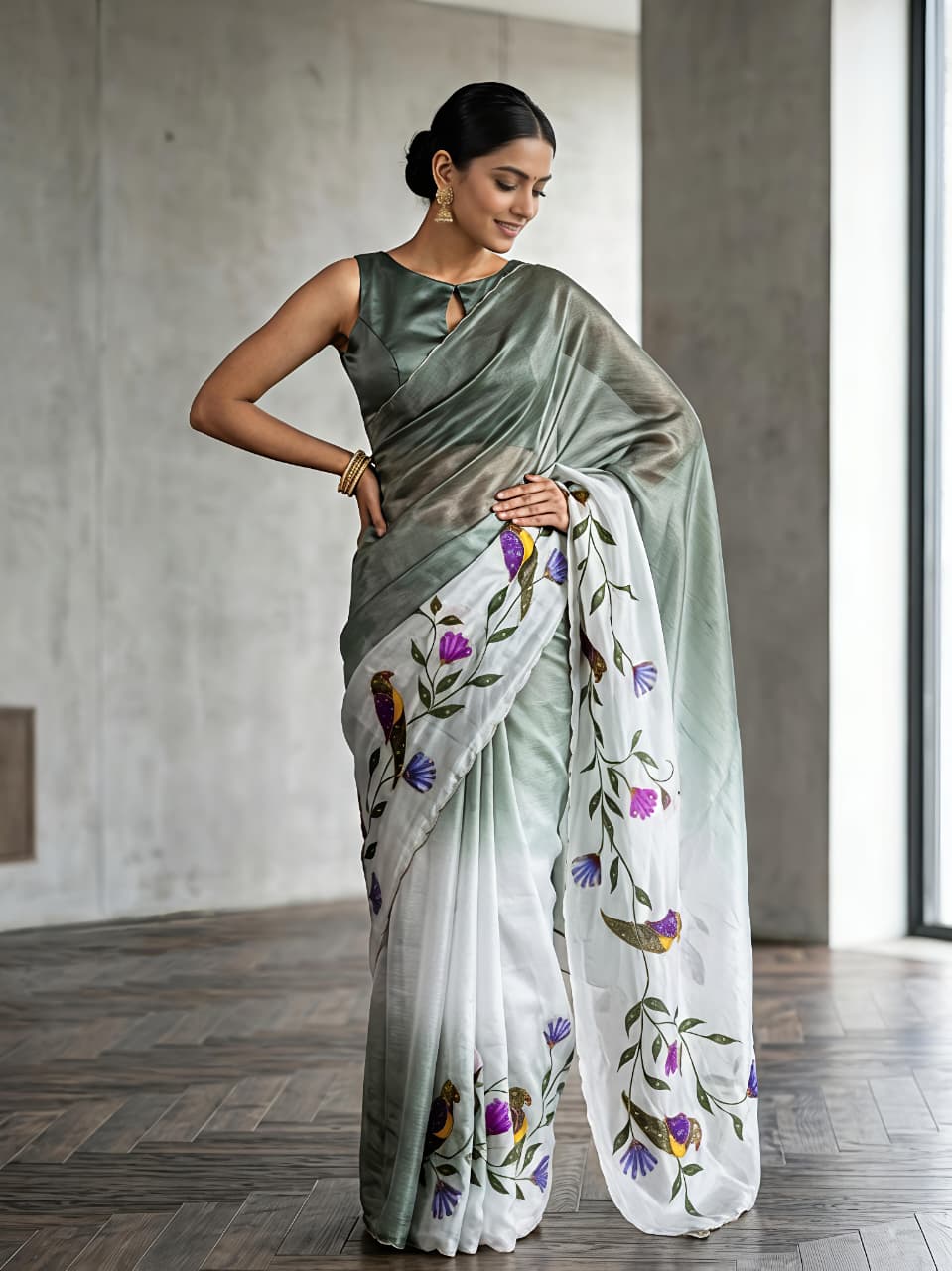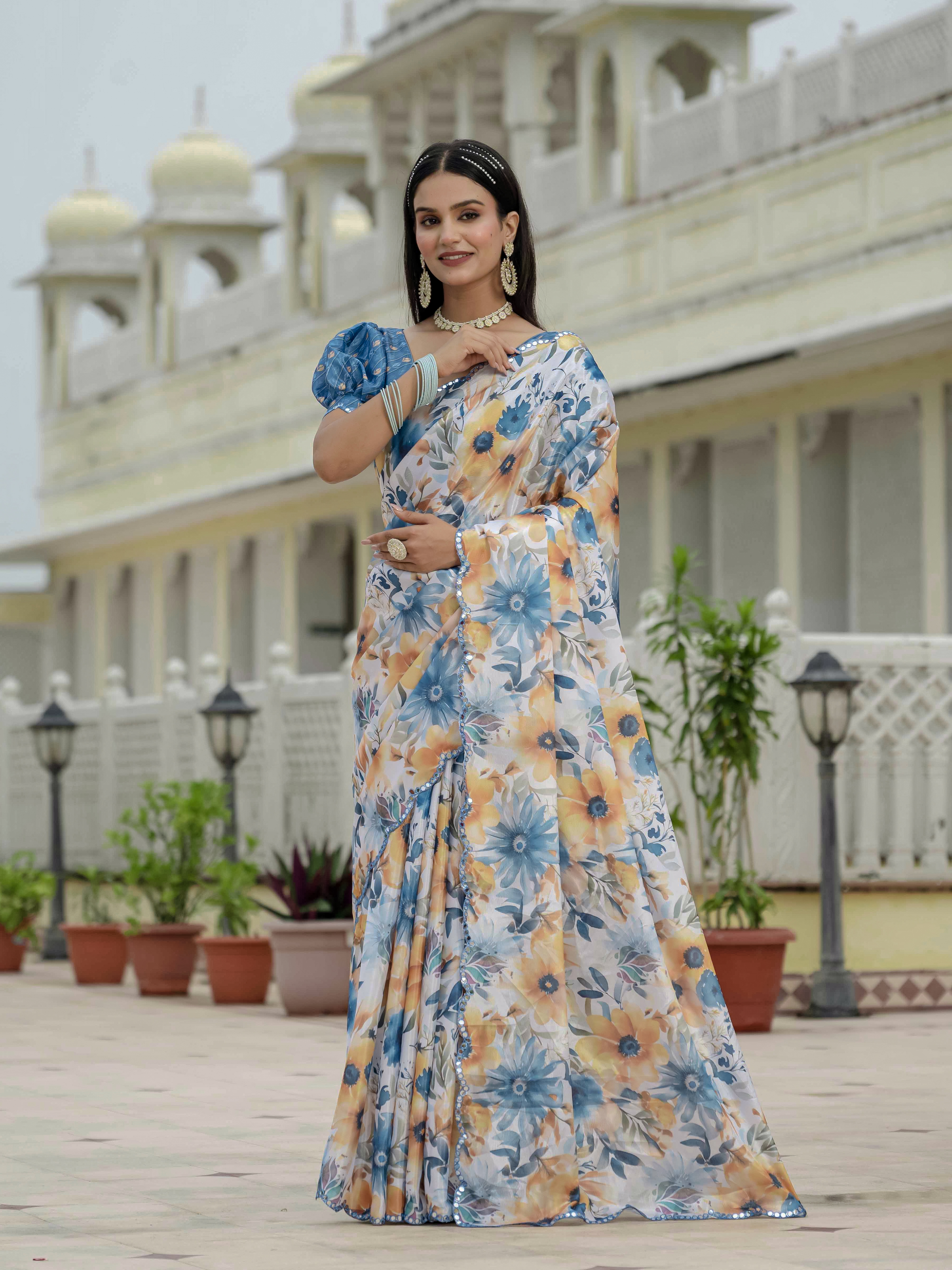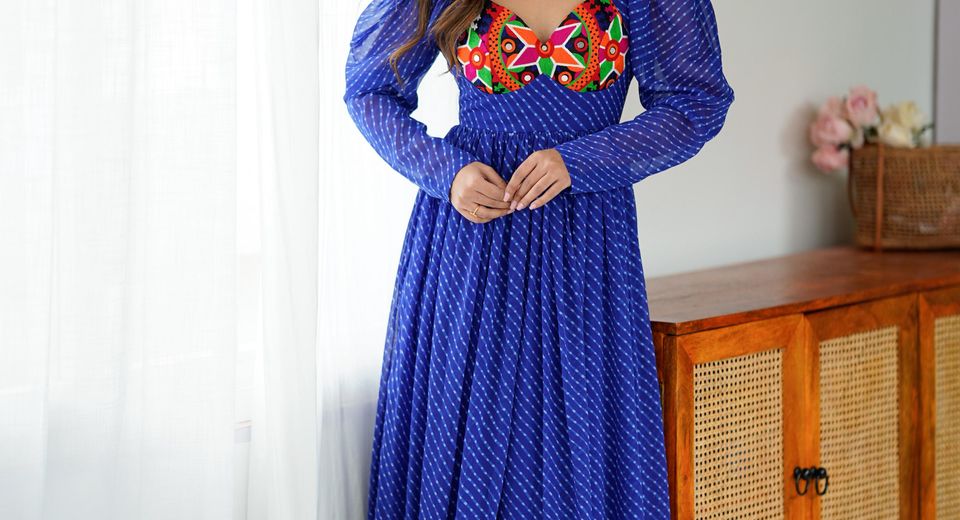
Mirror Work Salwar Suits for Garba Nights bring the reflective sparkle of Gujarat's festive dressing into a silhouette that's easier to move in than a heavily layered lehenga. The right choice depends on more than colour: fabric, hem volume, sleeve shape, mirror placement and secure accessories all affect how comfortably you can dance for several hours.
Garba affect repeated circular steps, quick turns, clapping and close movement around other dancers. A practical outfit therefore need breathable fabric, enough room at the knees and hips, a dupatta that can be controlled. Embellishment that won't pull on bangles or another dancer's clothing. The following guide explains how to make those decisions before buy or styling a festive salwar suit.
Why mirror work suits the movement and mood of Garba
Mirror work suits Garba because small reflective elements catch lamps and movement without requiring a fully sequinned outfit. Traditional shisha-inspired embellishment uses small mirrors or mirror-like pieces secured with thread, often alongside embroidery, appliqué or colourful threadwork.
Garba venues commonly combine bright lighting, music and constant motion, so reflective details become visible at every turn. Mirrors placed along the yoke, sleeves, neckline or dupatta border create a festive focal point while leaving the main body of the suit flexible. Concentrated embellishment is also easier to wear than dense decoration from shoulder to ankle.
Mirror work has a visual connection with Gujarati and wider western Indian festive clothing, but a salwar suit doesn't need to imitate a complete chaniya choli. A straight kurta with a flared palazzo, a short kurti with a sharara or an Anarkali with a controlled flare can all create a Gujarati Garba dress look when styled with vibrant colour, jhumkas and a secure dupatta.
How to choose the fabric for a long Garba evening
Choose a breathable fabric with controlled drape and enough strength to support embellishment when you expect to dance for two or more hours. Cotton, cotton blends, georgette, viscose Chanderi silk and lighter silk blends each solve different comfort and appearance needs.
Cotton for heat, outdoor venues and repeated wear
Cotton salwar suits for Garba are useful when the event is outdoors, the weather remains warm or you prefer a less clingy outfit. Cotton absorbs moisture and usually feels stable during movement, although very crisp cotton can crease and may not provide the fluid flare associated with a festive Anarkali.
Printed cotton can work particularly well when mirrors are concentrated on the neckline or sleeve rather than spread across the whole garment. A cotton-lined bodice, side slits and a moderately wide salwar keep the outfit practical without making it look like ordinary daytime wear.
Georgette and viscose for movement and drape
Georgette offers a light, fluid fall that responds well to turns, while viscose fabrics generally feel softer and drape more generously than crisp synthetics. A georgette dupatta can look elegant, but the edge should have a narrow hem or light border so it doesn't drag or fly into another dancer's space.
Vichitra silk and viscose Chanderi silk give a more polished festive appearance, especially for indoor Garba or family gatherings before the dance begins. These fabrics can carry embroidery attractively, but a lining and a comfortable inner layer matter because decorative surfaces may feel warm against the skin.
When a fabric needs extra checking
Very slippery satin, stiff brocade and heavily layered net can restrict footwork or require repeated adjustment. Dense zari and large metal mirrors also add weight, so inspect the garment's lining, seams and embellishment before committing to a full-night event.
An useful test is to wear the complete outfit at home for fifteen minutes. Sit cross-legged, raise both arms, walk briskly, turn twice and practise three Garba steps. Any pulling at the armhole, slipping at the waist or swinging dupatta will become more noticeable after an hour outside.
Which salwar suit silhouette works best for Garba?
A flared Anarkali, relaxed straight kurta with palazzo trousers, or sharara-style bottom generally gives the best balance between festive volume and easy footwork. The best silhouette depends on where the flare begins and whether the lower garment stays clear of your ankles.
Anarkali suits
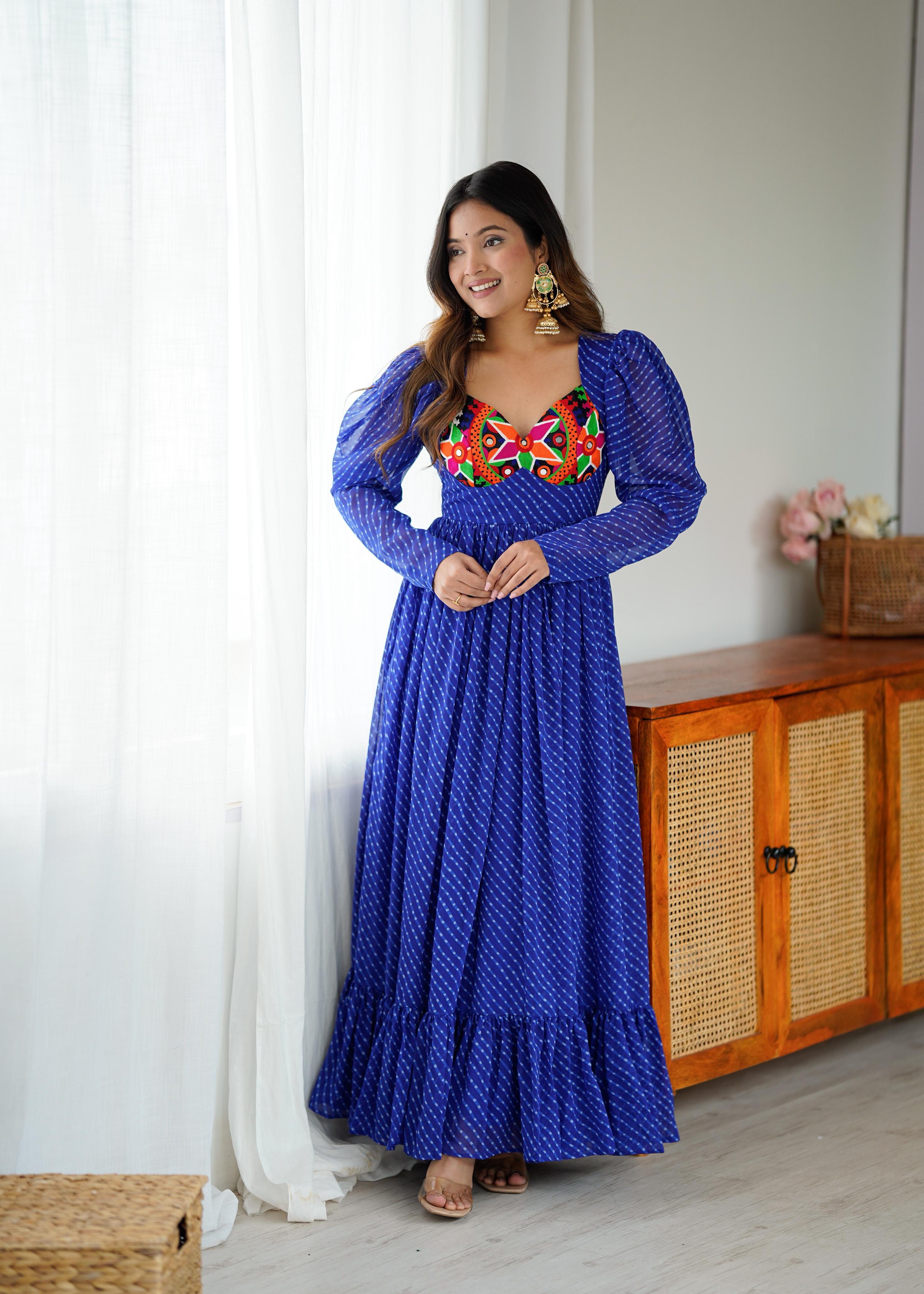
An Anarkali creates visible movement as the wearer turns, making it a strong choice for Garba outfit ideas for women. Select a flare that begins above the hip and falls in panels rather than a floor-sweeping hem. A hem around the ankle or slightly above the foot reduces the chance of stepping on the garment.
The Ladies Dress Anarkali Salwar Suits collection can help when you want a recognisable festive shape without building the outfit from separate pieces. Look for mirror work at the yoke, cuffs or hem instead of excessive decoration at every seam.
Straight kurta with palazzo or pants
A straight kurta with a palazzo or wide-leg trouser is one of the safest choices for fast movement because the lower garment separates naturally around the legs. The shape also suits people who prefer less volume or who will travel, sit and dance in the same outfit.
Readymade salwar suits for Garba are especially convenient in this silhouette because the kurta and bottom are already proportioned together. Check the trouser length while wearing your intended footwear; fabric that reaches the floor can become a trip hazard during repeated turns.
Sharara and shorter kurta combinations
A sharara gives a festive, rhythmic flare while keeping the waistline relatively defined. Choose a lighter sharara with a stable waistband and a kurta that ends at the hip or upper thigh, so the layers don't bunch while you move.
Very wide panels can brush against neighbouring dancers, particularly in crowded circles. Moderate flare is usually more practical than maximum volume for community Garba, school events and compact indoor venues.
How to style Mirror Work Salwar Suits for Garba Nights
Style Mirror Work Salwar Suits for Garba Nights with one strong colour story, secure jewellery and a dupatta arrangement that leaves both hands free. Colour, proportion and restraint usually make a greater difference than adding more embellishment.
Build a Gujarati-inspired colour palette
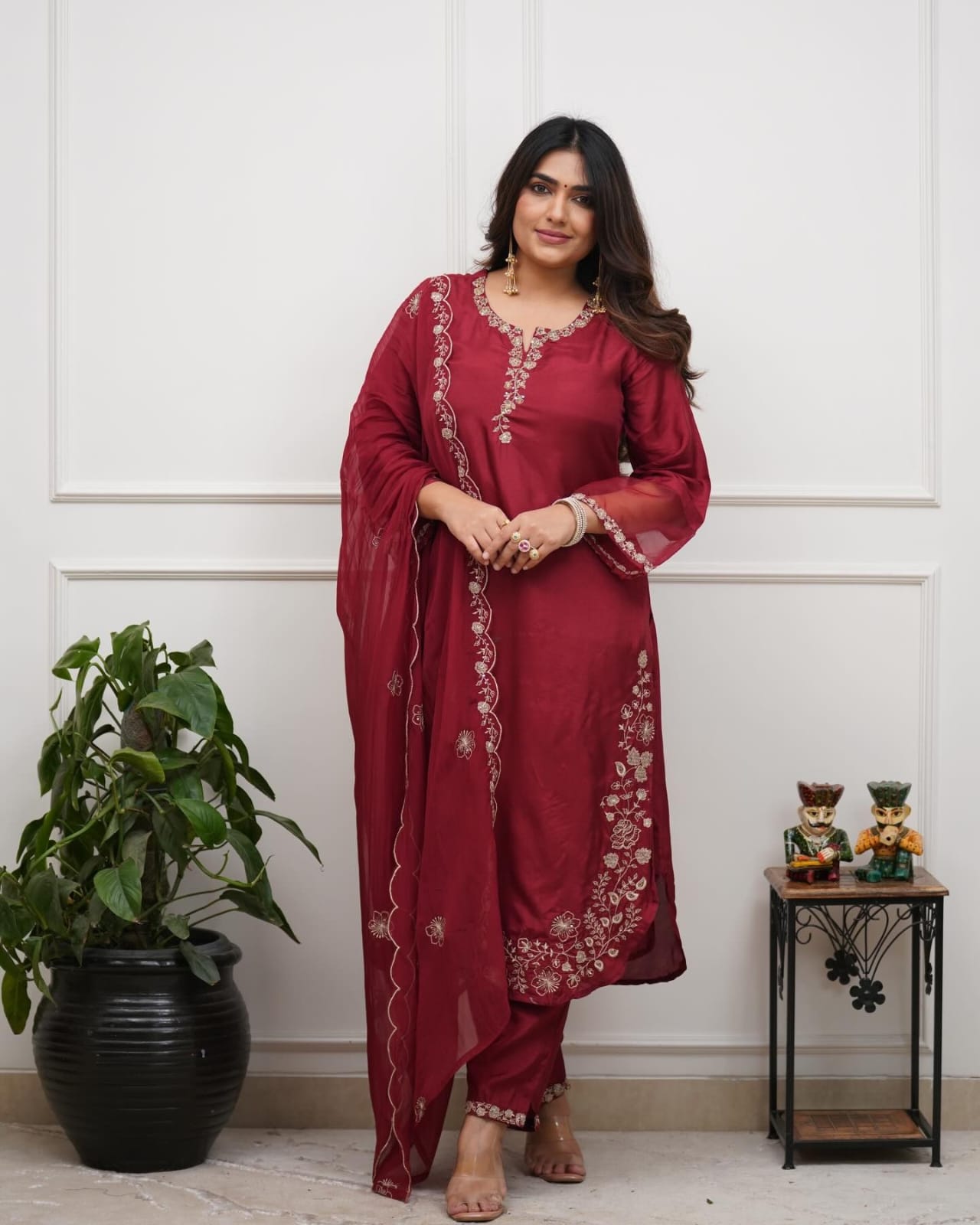
Red, fuchsia, orange, cobalt blue, emerald, mustard and deep maroon all suit Navratri dressing. You can create a Gujarati Garba dress look with a contrasting dupatta, such as a maroon suit with a mustard border or a blue kurta with pink and orange accents.
Red Dress Materials Under 2000 can be useful for planning a coordinated outfit when you want to select the fabric, colour and trim yourself. A red base doesn't require red jewellery; oxidised silver, antique gold or multicoloured glass bangles can provide contrast.
Use the dupatta as a controlled accent
Drape the dupatta over one shoulder and secure it at the opposite side with a small safety pin placed from the inside. A second discreet pin near the shoulder prevents the fabric from sliding while clapping or raising the arms.
Keep a heavier border away from the front ankle area. If you like the heritage drape across the front, use a lightweight dupatta and pin the pleats near the waist. A shorter dupatta can be more practical than a full-length style for energetic dancing.
Choose jewellery that won't fight the mirrors
Wear one prominent jewellery category with mirror work rather than competing with every reflective surface. Medium jhumkas, a short necklace, glass bangles and a small bindi create a festive finish without making the neckline visually crowded.
Secure dangling earrings with back supports and avoid very long necklaces that can swing into the face during turns. If the neckline already contains large mirrors, choose earrings and bangles instead of a heavy statement collar.
Select footwear for traction first
Low wedges, padded juttis or flat ethnic sandals with a secure strap are safer than smooth high heels for Garba. The sole should provide grip without sticking sharply to the floor, and the footwear should be broken in before the event.
Carry blister plasters and test the shoes with the complete outfit. A beautiful suit becomes impractical if footwear causes pain before the main dance session begins.
Three outfit directions using practical festive pieces
Different Garba settings call for different levels of shine, structure and comfort. The following examples show how existing festive pieces can guide a complete look without treating every event as a formal evening function.
Lightweight blue for an energetic night
Blue Printed Georgette Designer Gown for Women Festive gives an useful reference for combining a fluid printed base with festive styling. Add mirror-work earrings, a contrasting pink or orange dupatta and comfortable juttis if the event allows a gown-like silhouette.
Keep additional embellishment near the neckline or wrists so the printed georgette remains the visual foundation. This direction works well for a younger, Indo-western interpretation of a Garba outfit while retaining movement in the fabric.
Maroon silk for a polished indoor gathering
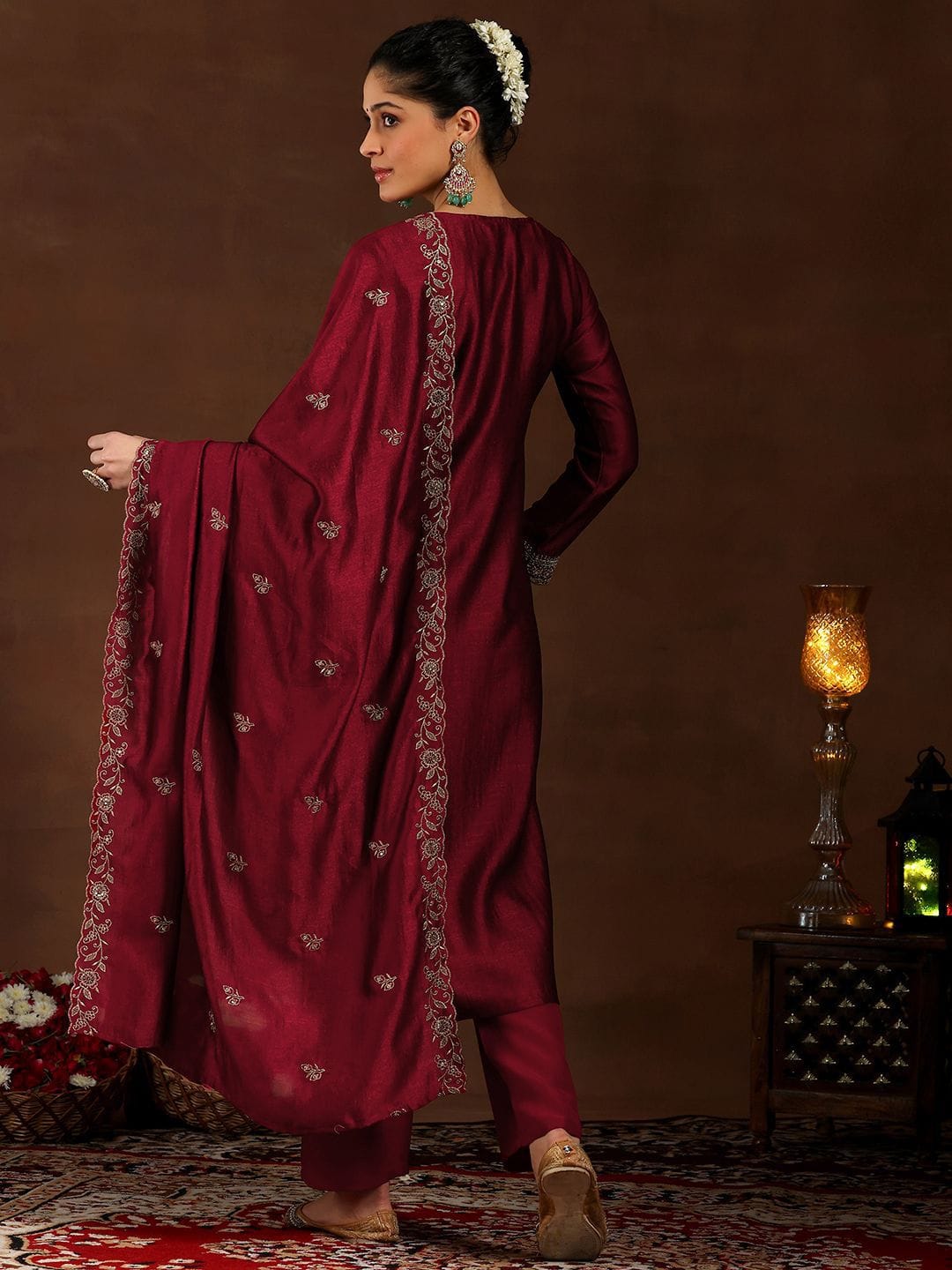
Maroon Vichitra Silk Kurta Set with Elegant Embroidery Work demonstrates how a deeper jewel tone can look festive without relying on bright neon colour. Pair the maroon base with antique-gold earrings, a warm-toned dupatta and a small amount of mirror detail in the accessories.
Silk-look fabrics are better suited to shorter dance sessions or indoor venues with good ventilation. Check the lining and sleeve comfort before choosing this direction for a full evening of Garba.
Chanderi texture for a refined family event
Maroon Viscose Chanderi Silk Embroidered Kurta Set for Women brings a more textured and graceful option for a family Navratri gathering. Add a lightweight mirror-work dupatta or reflective bangles rather than layering heavy embroidery over the existing surface.
The Salwar Suits with 30% Off and Salwar Suits Flat 40% Off collections may be useful comparison points when evaluating festive sets at different price levels. Discount percentage should not replace checks for lining quality, seam finish, size measurements and secure embellishment.
Buying checks that prevent common Garba outfit problems
Check movement, construction and maintenance details before buying a Garba salwar suit. Product photographs show colour and decoration, but measurements and garment finishing determine whether the outfit remains wearable during a long celebration.
- Measure the kurta length: Keep the hem clear of the floor and compare the listed measurement with your height and footwear.
- Inspect the armhole: Raise both arms and check that the underarm seam doesn't pull against embroidery or mirror work.
- Check the waistband: A drawstring or broad elastic can be more forgiving than a rigid waistband during several hours of sitting and dancing.
- Review the mirror attachment: Stitches should lie flat, with no sharp edge or loose thread exposed on the inside.
- Consider the lining: Lining reduces friction from embroidery and can prevent transparent areas in lighter georgette or chiffon-like fabrics.
- Confirm the set contents: Read whether the price includes the kurta, bottom and dupatta, because some festive listings sell separates.
- Plan for washing: Mirror work, zari and silk-look fabrics often need gentle handling rather than routine machine washing.
Price comparisons become more meaningful when you compare fabric, lining, embellishment density and included pieces together. A cheaper unlined suit may need tailoring or a separate inner layer, while a moderately priced set may already provide a better fit and finish.
Care and storage after a night of dancing
Air the salwar suit flat or on a broad hanger after wearing it, then remove surface dust with a soft brush before storage. Avoid sealing perspiration or moisture inside a plastic cover because dampness can affect fabric and metal embellishment.
Follow the garment label for cleaning, and use professional dry cleaning when the label specifies it for silk, zari or delicate mirror work. Do not iron directly over mirrors, embroidery or raised zari; place a thin cotton cloth between the iron and the garment, use low heat and test an inside seam first.
Store mirror-work pieces folded with soft tissue between decorated sections so mirrors don't scratch nearby fabric. Keep the suit away from heavy garments that can press against the embellishment, and repair loose stitches early rather than waiting until the next Navratri.
Garba dressing questions readers commonly ask
Garba dressing becomes easier when the outfit is selected around movement, climate and venue rather than decoration alone. A well-fitted salwar suit can look festive, culturally appropriate and comfortable for the entire evening.
Questions About Choosing Salwar Suits for Garba Nights
What should a woman wear for Garba if she does not want a lehenga?
A flared Anarkali, straight kurta with palazzo trousers or moderate sharara set makes a practical alternative to a lehenga. Add mirror-work jewellery, a colourful dupatta and secure flat footwear for a festive Gujarati-inspired look.
Are cotton salwar suits suitable for Garba?
Cotton salwar suits are suitable for Garba, especially at outdoor events or in warm weather. Choose a breathable weave with enough room at the hips and knees, then add mirror work through the neckline, dupatta, bangles or earrings.
Which salwar suit is best for dancing at Garba?
A lightweight Anarkali with an ankle-clear hem or a relaxed kurta with palazzo trousers is usually best for dancing. Avoid floor-length hems, slippery footwear, stiff fabric and dupattas that cannot be pinned securely.
Can readymade salwar suits be worn for Garba?
Readymade salwar suits can work very well for Garba when the measurements allow arm movement and the trouser length suits your footwear. Test the complete set by walking, sitting, turning and raising both arms before the event.
What do men wear for Garba nights?
Men commonly wear a kurta with a comfortable pyjama, churidar or trousers, often styled with a colourful waistcoat or jacket. A man's Garba outfit should also prioritise breathable fabric, secure footwear and enough room for repeated steps.
How can mirror work be washed safely?
Mirror-work garments should be cleaned according to the care label, with delicate or professional cleaning preferred for zari, silk-look fabric and fragile embellishment. Never rub mirrors aggressively, wring the garment or apply direct high heat over decorated areas.