Minjar Fair Outfit Ideas should balance regional character, monsoon practicality and the movement required at a busy public celebration. The Minjar Fair in Chamba, Himachal Pradesh, brings together religious observance, processions, music, local craft and community gatherings, so clothing should feel festive without becoming difficult to walk, sit or layer in. Himachali sarees, embroidered salwar suits, kurtas with dupattas and carefully chosen traditional accessories can all work when styled with respect for the setting.
An useful starting point is to separate a ceremonial look from a full-day fair look. A heavier silk or anarkali outfit may suit a formal visit, while a Chanderi kurta set, cotton salwar suit or light saree is more practical for walking between venues. The best choice depends on whether you're attending a procession, visiting family, joining a cultural programme or spending several hours outdoors.
Minjar Fair Outfit Ideas for Choosing the Right Base Outfit
A breathable, moderately embellished salwar suit with a secure dupatta is the most versatile choice for most visitors to the Minjar Fair. A straight kurta with trousers or a palazzo offers easier movement than a floor-length hem, while a dupatta adds colour and can provide light coverage when the weather turns cool.
Minjar Fair takes place during the monsoon period, making fabric and footwear as important as colour. Select materials that dry reasonably quickly and avoid very long hems that can collect moisture from wet roads. Comfortable sandals with a firm sole, closed flat shoes or low wedges are safer than delicate stilettos for extended walking.
Traditional dressing can be expressed through colour, texture and accessories rather than copying a regional garment inaccurately. Maroon, rani pink, pista green, ivory, saffron and deep red create a festive palette, while a woollen shawl, Himachali cap, silver jewellery or a restrained woven border can add a hill-inspired finish.
A traditional salwar suit is also easier to pack than a heavily structured lehenga. Fully stitched salwar suits reduce last-minute tailoring concerns, and readymade salwar suits traditional in appearance can be especially convenient when travel time is limited. Check the garment length, sleeve fit, trouser ease and dupatta dimensions before travelling.
Minjar Fair Outfit Ideas with Himachali Sarees
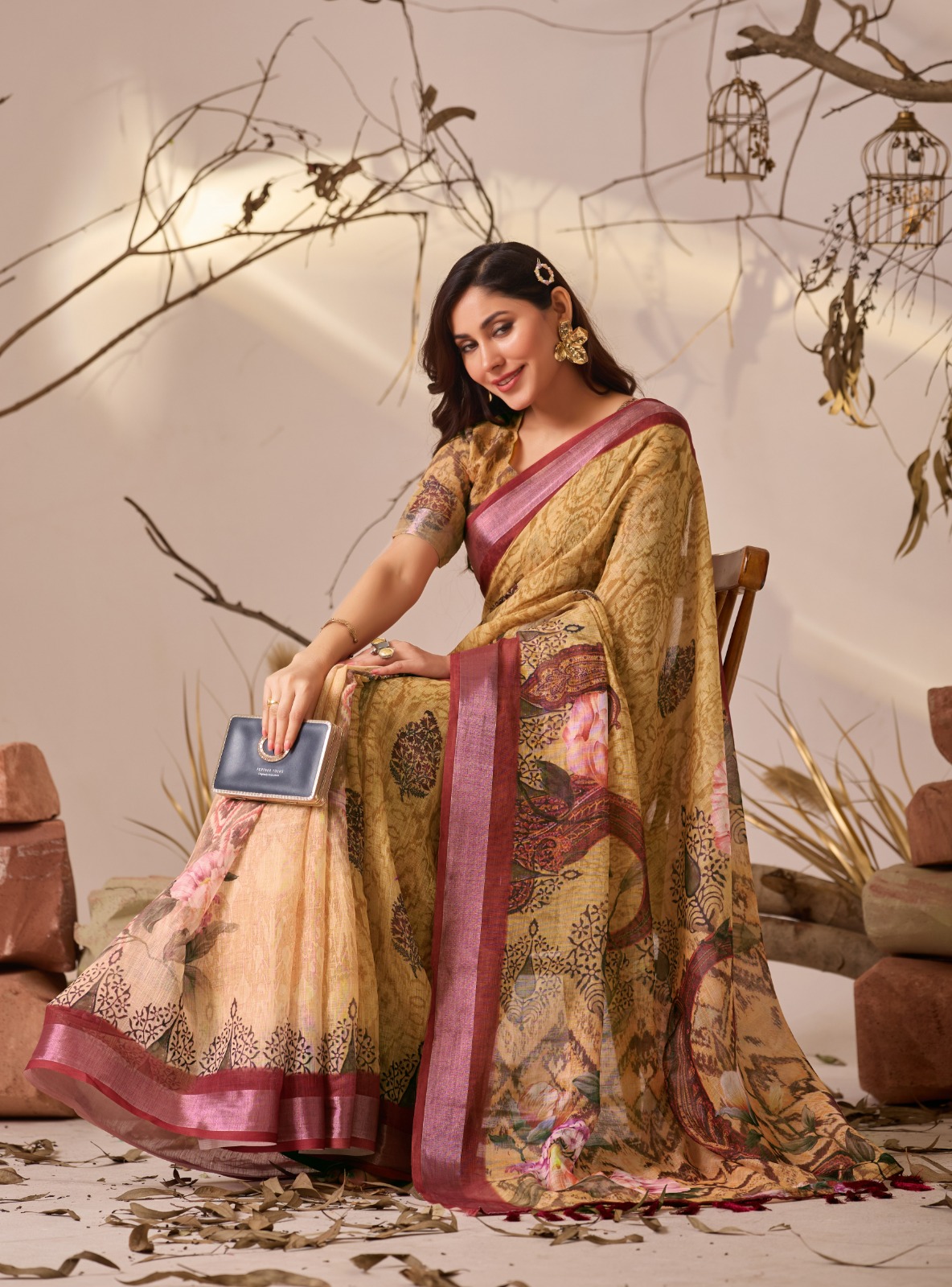
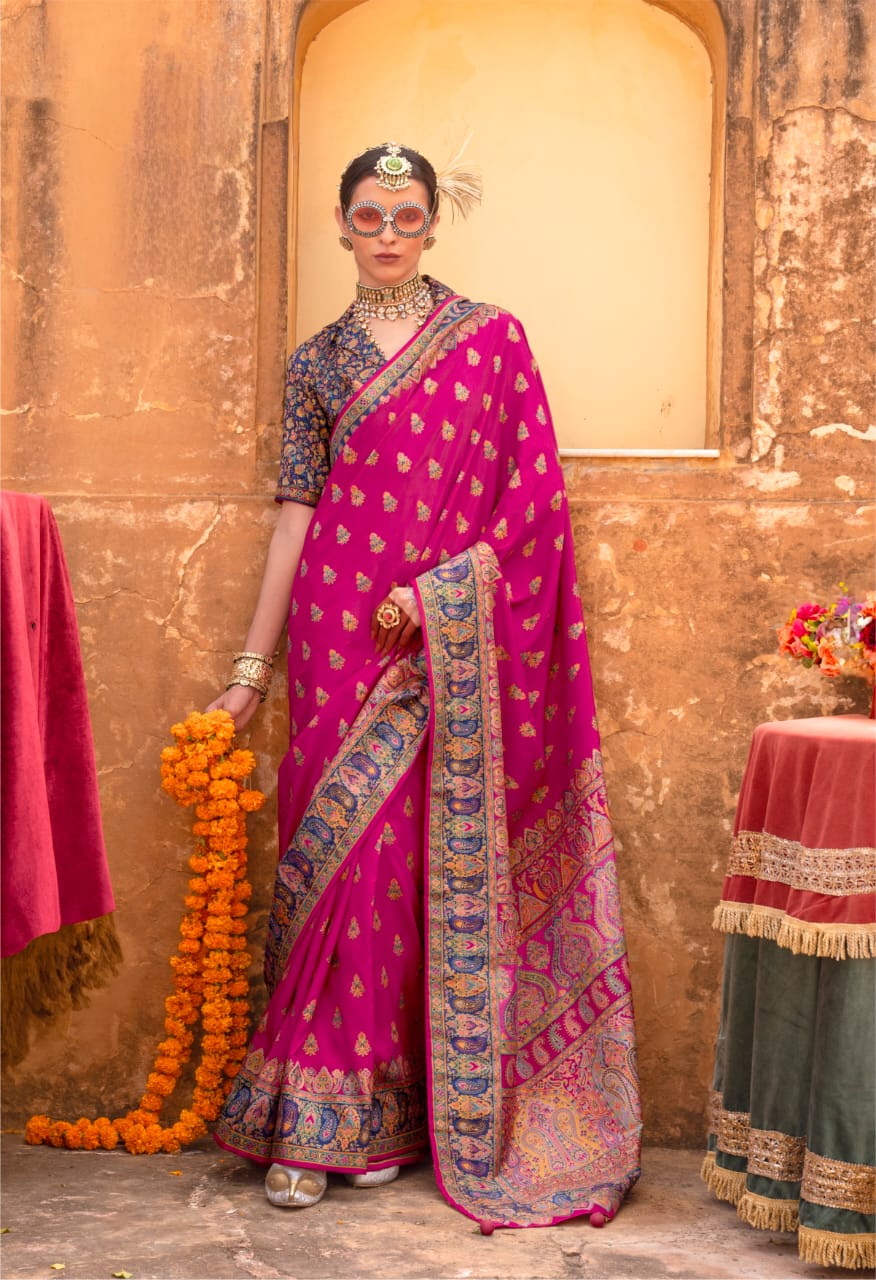
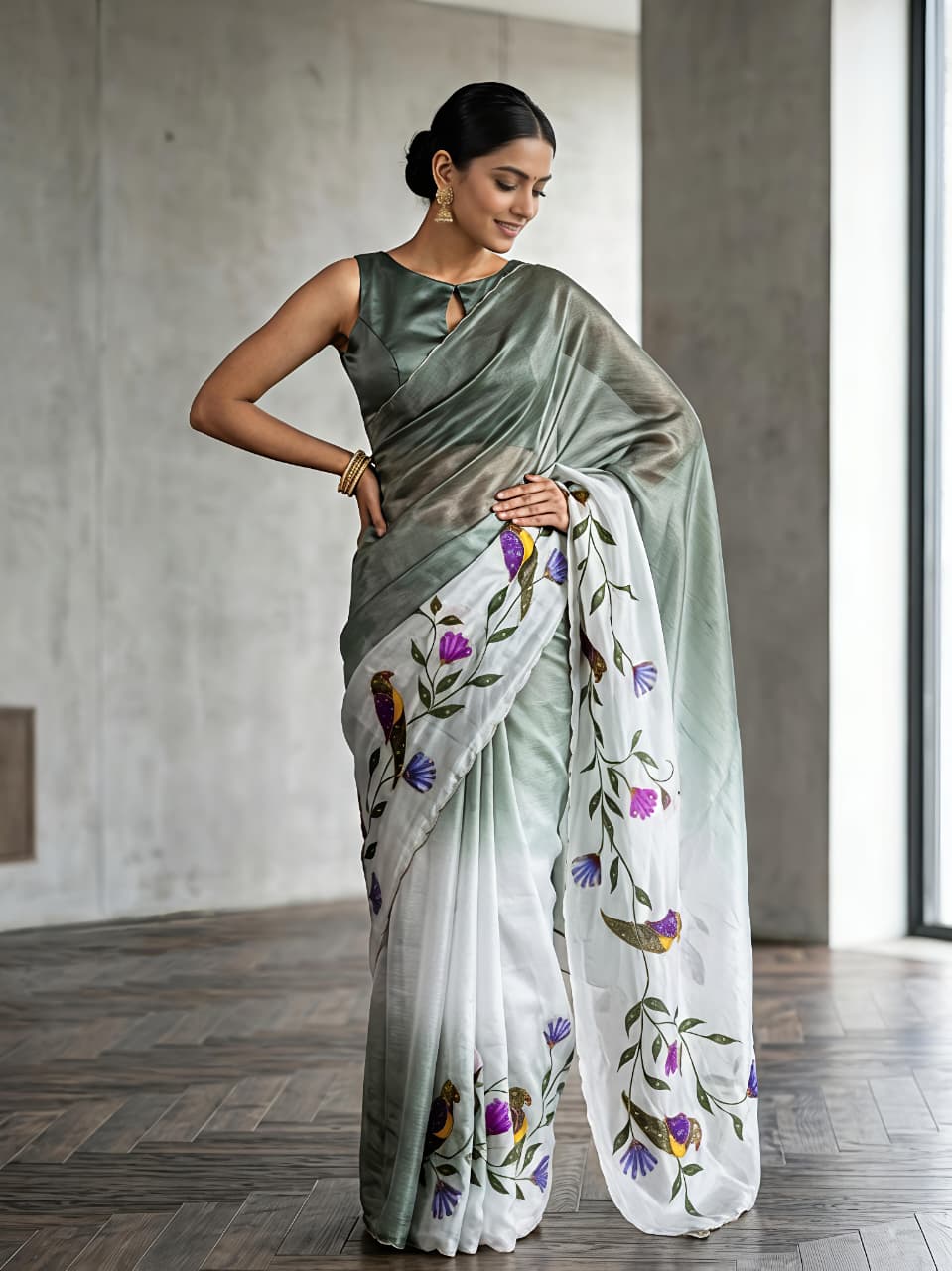
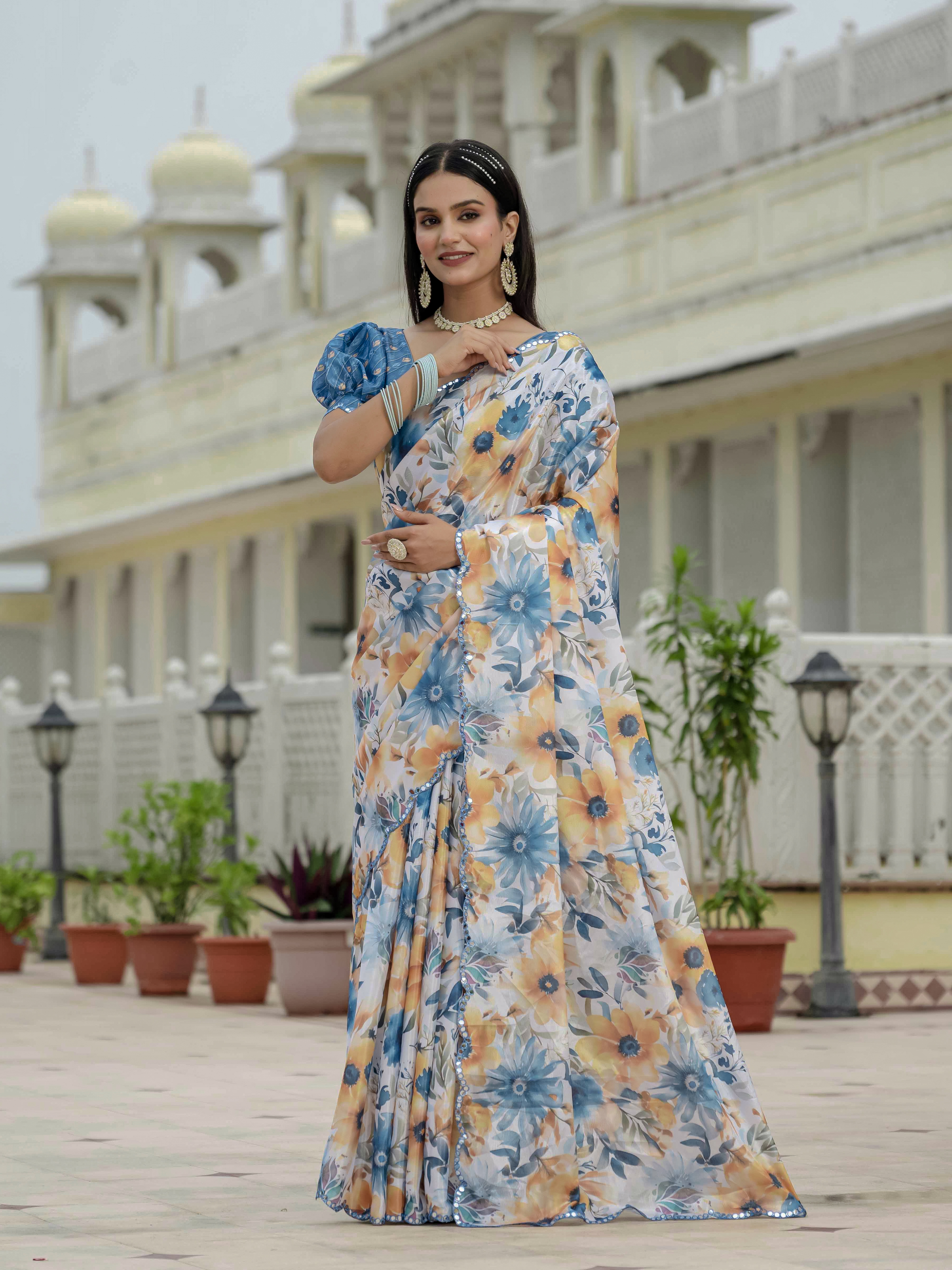
Himachali sarees for a fair work most successfully when the drape remains secure and the fabric is light enough for humid weather. A handloom-style saree, silk-blend saree or soft Chanderi saree with a manageable pallu can look ceremonial without making movement difficult.
Choose a smaller pallu pleat width and pin the pallu at the shoulder and near the waist. The two-pin method reduces the chance of the saree slipping while you walk through crowds. A blouse with sleeves reaching the elbow gives a polished traditional appearance and provides slightly more coverage during a family or temple-related visit.
Himachali influence can be introduced through a narrow patterned shawl, a silver-toned necklace or a traditional cap used thoughtfully for photographs and cultural programmes. Avoid treating every mountain accessory as interchangeable: a local cap, a ceremonial head covering and a fashion scarf don't carry the same meaning. When in doubt, ask a local host or cultural organiser about appropriate use.
Heavy Banarasi silk may look beautiful for a short ceremonial appearance, but a lighter Chanderi or silk-blend saree is generally easier for a full day. Secure the lower pleats with a discreet safety pin, carry a spare set of pins and choose a petticoat with a firm waistband. These small adjustments matter more than adding another layer of ornament.
Himachali sarees don't need excessive jewellery to appear festive. A pair of silver jhumkas, a compact pendant and a narrow bangle stack can frame the saree without catching on the pallu. A braided hairstyle or low bun will also remain more manageable than loose hair in rain and wind.
Minjar Fair Outfit Ideas Using Traditional Salwar Suits
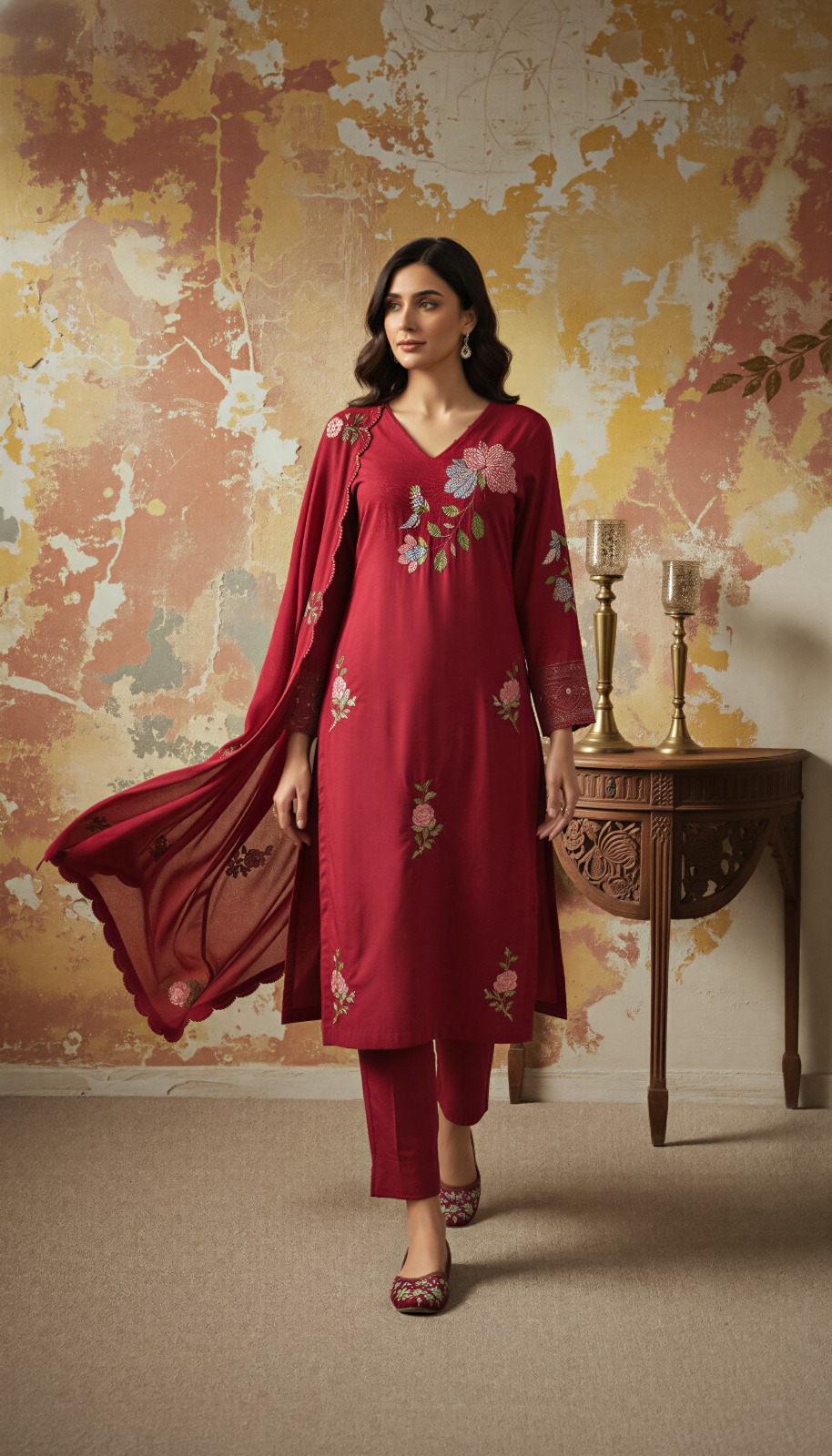
Fully stitched salwar suits with a straight or gently flared kurta, comfortable bottoms and a finished dupatta offer the easiest combination of polish and convenience. A Chanderi suit works well for a festive daytime visit because the fabric has a light hand and a dressy surface.
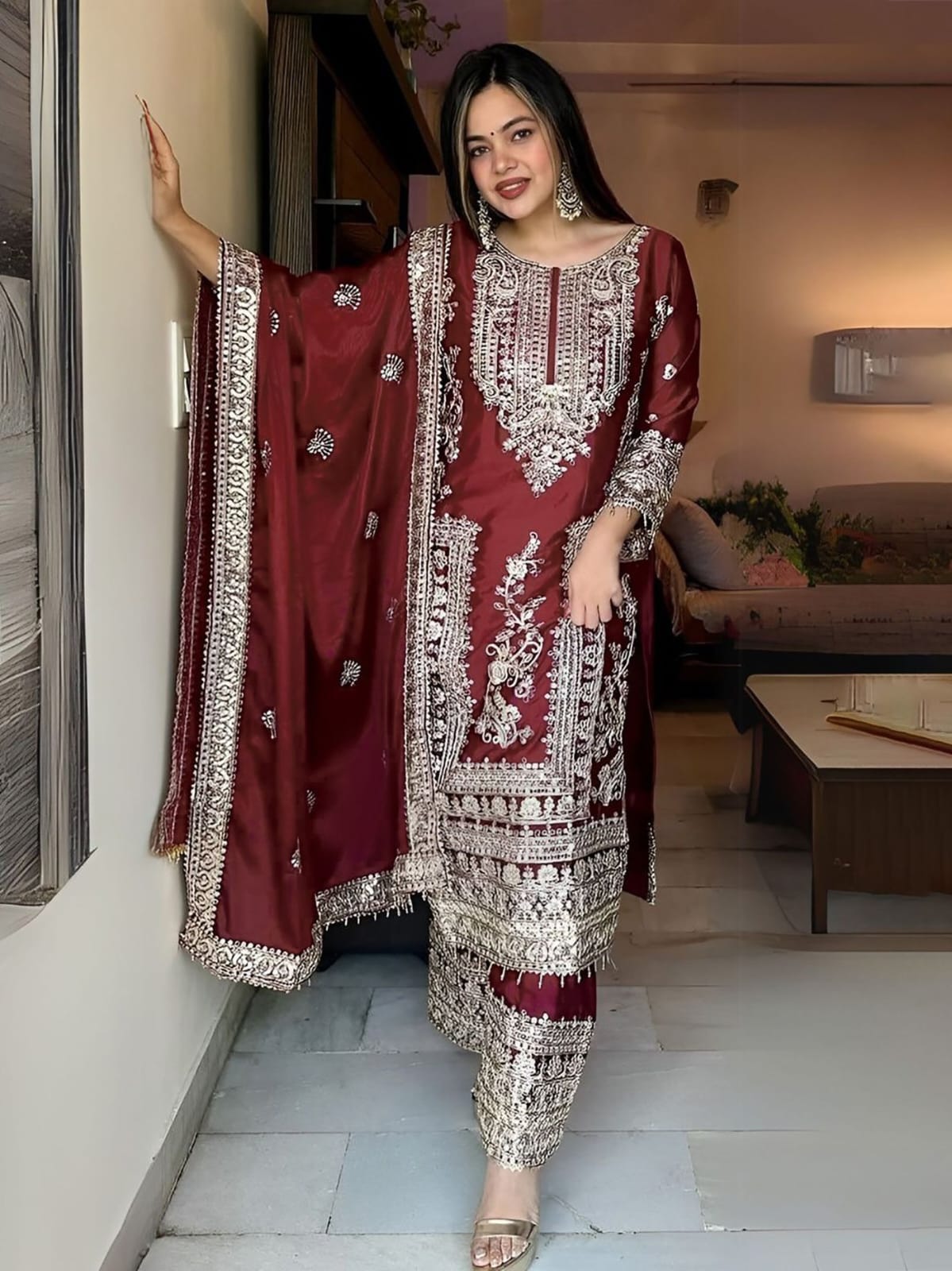
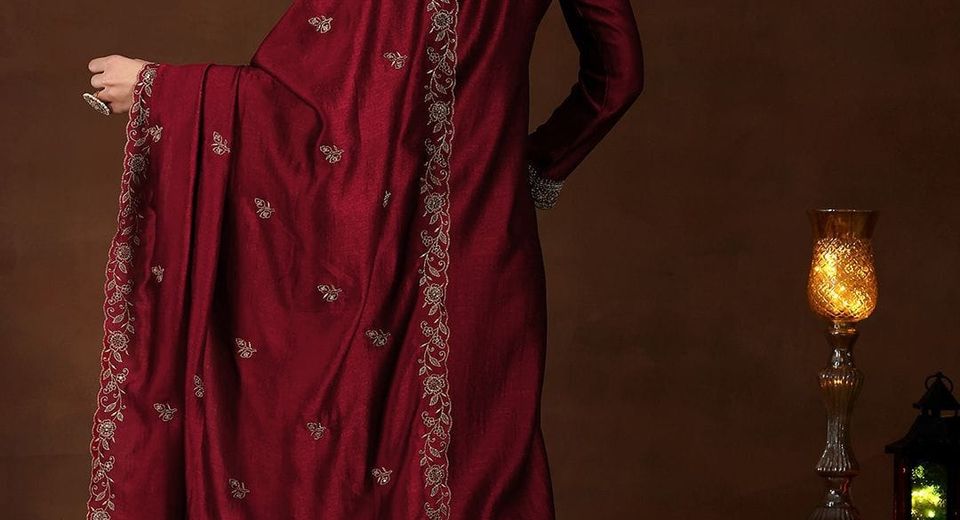
The Maroon Embroidered Chanderi Kurta Set with Dupatta demonstrates how tonal embroidery can create a formal effect without the weight of dense surface work. The Maroon Chanderi Embroidered Kurta Set with Dupatta brings another classic direction for someone who wants a coordinated silhouette with a traditional finish.
A silk-based suit suits an evening gathering or a formal family visit. The Maroon Embroidered Vichitra Silk Kurta Pant Set combines the visual richness of silk with a trouser shape that's easier to manage than a sweeping salwar. The Shop Maroon Pure Vichitra Silk Embroidered Kurta Set Online is better suited to a dressier plan where a polished finish is expected.
Anarkali silhouettes create graceful movement, but the hem deserves attention before travel. The Festive Wear Maroon Silk Anarkali Suit Set for Women can work for a short programme, indoor celebration or family portrait session; pair it with low footwear and check that the flare doesn't drag. A long anarkali is less convenient for muddy paths, crowded lanes or repeated stair use.
Are cotton salwar suits suitable for Minjar Fair?
Cotton salwar suits are suitable for daytime Minjar Fair visits when comfort and air circulation matter most. Cotton is especially useful for warm, humid hours, although unlined cotton can crease and may take longer to dry after rain.
A cotton or cotton-blend suit in a festive colour can be elevated with embroidered cuffs, a woven dupatta, jhumkas and a small structured bag. Choose a mid-calf or ankle-length kurta rather than an excessively long style, and avoid very wide trousers that can become inconvenient on wet ground.
Minjar Fair Outfit Ideas for Colours and Monsoon Fabrics
Deep festive colours and one lighter balancing shade create a strong traditional look without making the outfit visually heavy. Maroon with antique gold, rani pink with ivory, pista green with beige and saffron with muted brown are practical combinations for photographs and daytime gatherings.
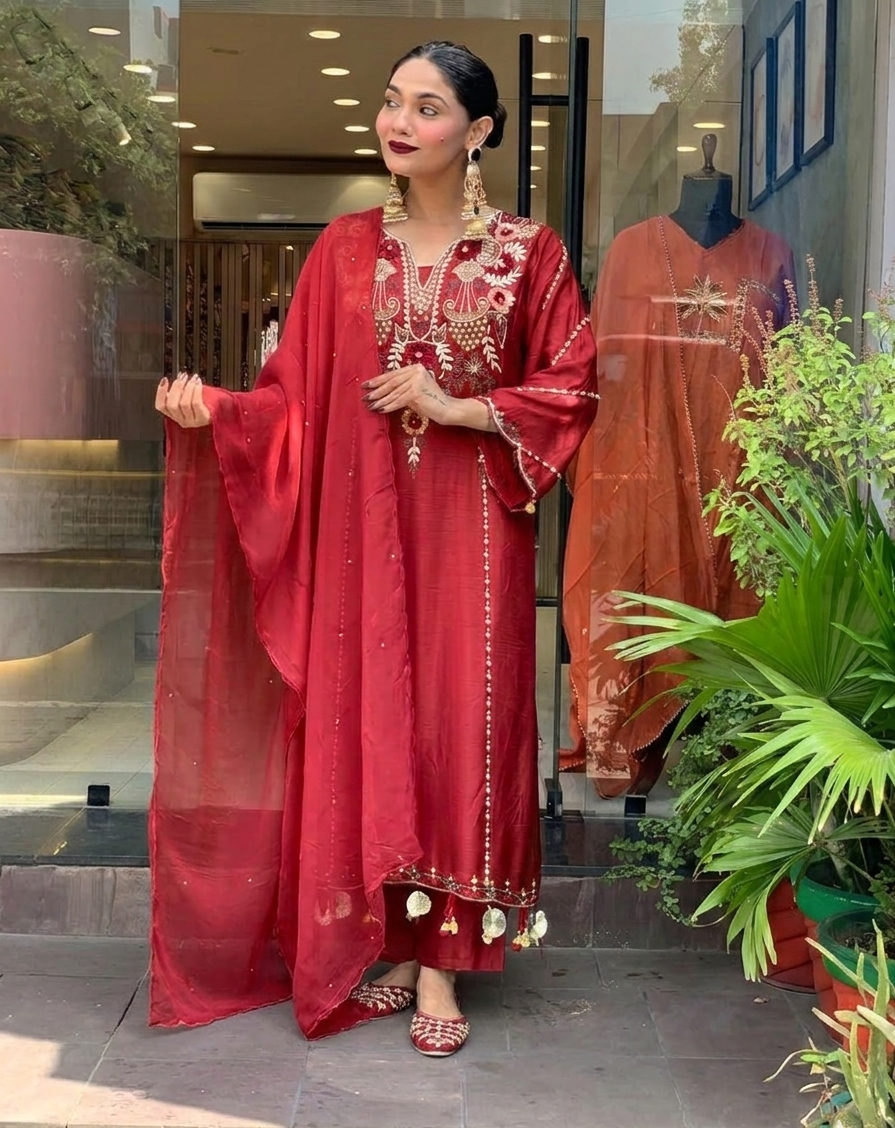
Maroon is useful for formal styling because embroidery and zari details show clearly against the base colour. The Maroon Wedding Wear Embroidered Palazzo Suit Set brings a more expansive silhouette for a celebratory gathering, but the palazzo width should be checked with the footwear before leaving home. The Rani Pink Chanderi Embroidered Kurta Set Dupatta gives a brighter alternative when you want a lighter colour story.
Chanderi, cotton, silk blends and Vichitra silk each behave differently in monsoon conditions. Chanderi feels light but can snag if handled roughly; cotton breathes well but wrinkles; silk has a rich appearance but needs careful protection from rain; Vichitra silk reads as occasion wear and benefits from a more controlled itinerary.
Zari and metallic embroidery should be treated as accents rather than a requirement. A narrow zari border, small bootis or restrained neckline work can look more refined for a daytime fair than an outfit covered from shoulder to hem. Dense embellishment also adds weight and can feel uncomfortable when humidity rises.
Use a transparent garment cover during travel, but don't store damp clothing inside plastic for hours. Hang a rain-affected outfit in an airy room, keep it away from direct heat and follow the care label before ironing. Silk and zari garments should be dry-cleaned or professionally treated when rainwater leaves visible marks.
Minjar Fair Outfit Ideas with Himachali Accessories
Himachali details work best when one or two recognisable elements support the outfit instead of competing with it. A patterned shawl, silver jewellery, a traditional cap, a woollen stole or a woven border can supply regional character while the main garment remains a familiar saree or salwar suit.
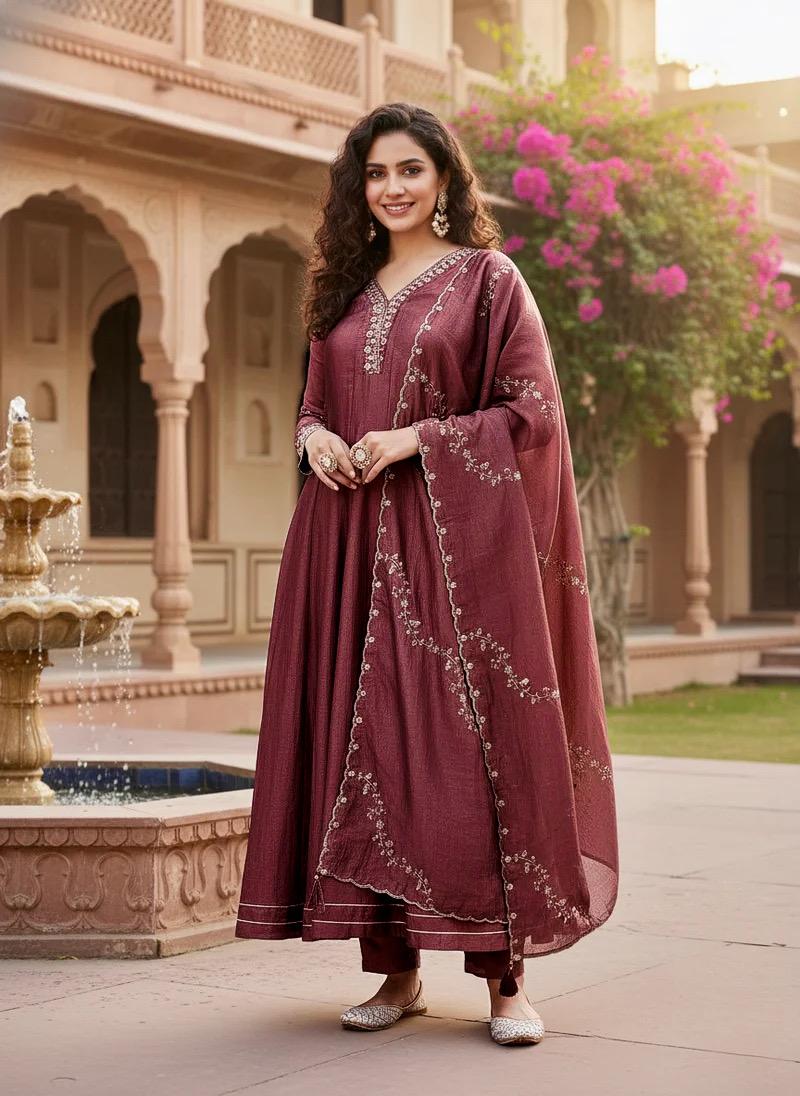
Silver-toned earrings, a medium pendant and a few bangles are enough for a daytime look. Large necklaces can catch on a dupatta, while loose bangles can become noisy or uncomfortable in crowded spaces. A small crossbody bag keeps the hands free for holding an umbrella, phone or prasad.
Dupatta placement deserves as much attention as jewellery. Drape one end over the opposite shoulder and secure it at the waist if you expect to walk, or use a neat front drape when the suit has heavier embroidery. A lightweight stole can be folded into a bag for the return journey if the afternoon becomes warm.
Headwear should reflect context rather than operate as a costume prop. A Himachali cap may be appropriate when worn with local guidance or for a cultural event, but it should not be presented as a universal accessory for every Himachali community. Respectful styling begins with acknowledging that Himachal Pradesh has several regional dress traditions.
Footwear should have a non-slip sole and enough room for the toes. Wet stone, crowded lanes and long standing periods make comfort more important than matching the shoe exactly to the embroidery. Neutral tan, brown, black or metallic flats can work with maroon, pink and green outfits.
Minjar Fair Outfit Ideas for Processions and Family Visits
The activity planned for the day should determine the outfit structure, footwear and level of embellishment. Processions require secure drapes and flat footwear, family visits allow richer fabrics, and evening programmes can accommodate silk, anarkali shapes and more visible jewellery.
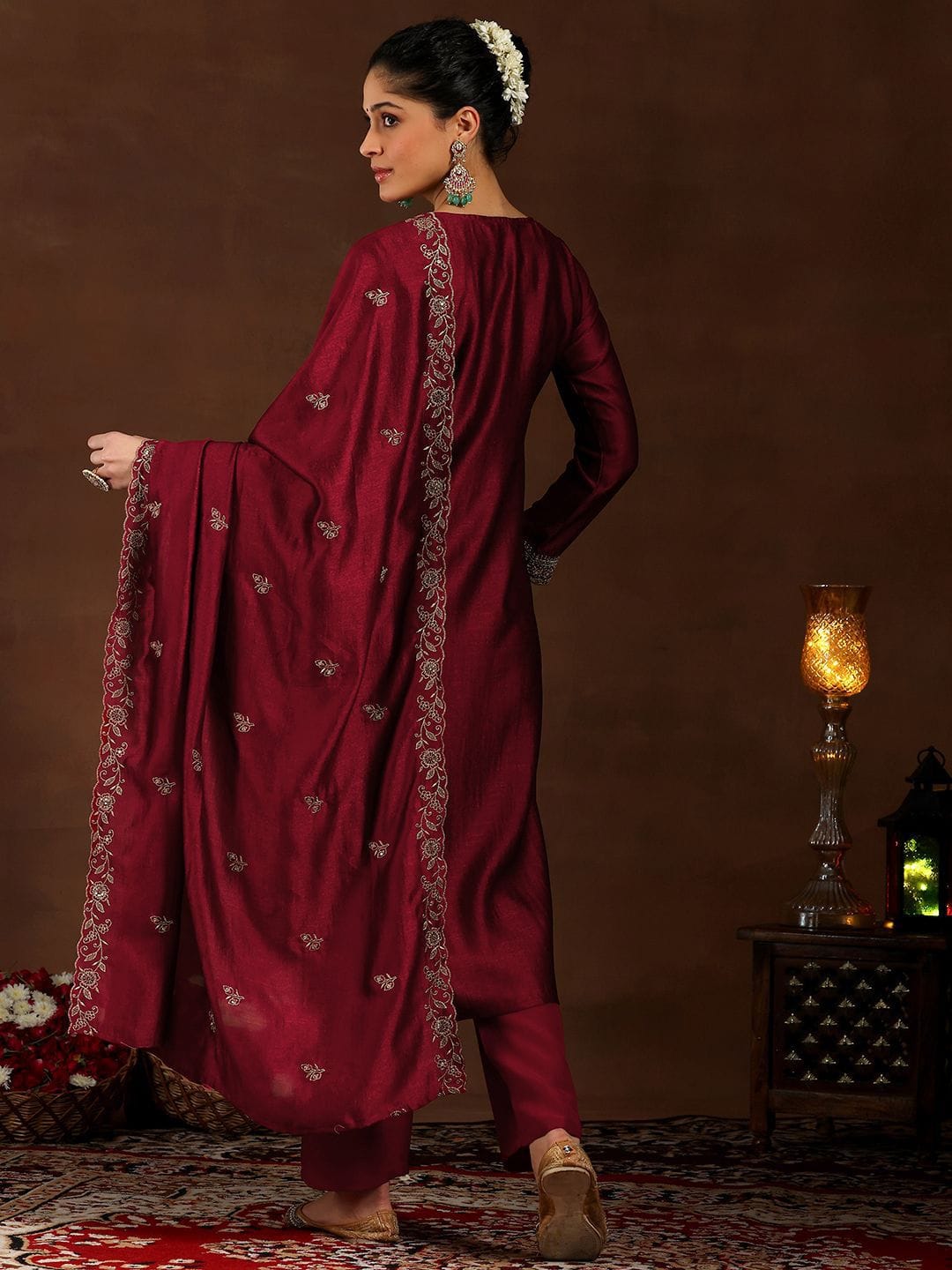
For a procession, choose a straight kurta, cigarette pants or a salwar with controlled volume. The Maroon Embroidered Vichitra Silk Kurta Pant Set gives an useful example of a streamlined festive shape. Pin the dupatta before leaving and keep extra hair ties, safety pins and a compact rain cover in the bag.
For a family gathering, a coordinated Chanderi set gives a traditional appearance without the maintenance of a full saree. The Pista Green Embroidered Chanderi Kurta Dupatta Set brings a softer colour option, especially when paired with antique-gold earrings and neutral footwear. A low bun or braid will keep hair manageable in wind and humidity.
For an evening cultural programme, a silk anarkali or palazzo suit can look more formal. Keep the jewellery balanced with the garment: a statement earring may be enough when the neckline already contains embroidery. A shawl in a complementary colour can provide warmth after sunset without disrupting the silhouette.
For a relaxed daytime plan, collections such as Traditional Salwar Suits in Festive Colours can help narrow the palette before you compare silhouettes. Regional references can also be considered through Traditional Salwar Suits in Festive Colours, Garhwali Traditional Salwar Suits, Traditional Bihari Salwar Suits, Traditional Madhya Pradesh Salwar Suits and Traditional Haryana Salwar Suits. These names represent different regional styling directions, so they should inspire colour and textile research rather than be treated as interchangeable versions of Himachali dress.
Minjar Fair Outfit Ideas for Packing and Final Checks
A practical Minjar Fair packing list should include safety pins, a small umbrella, a breathable inner layer, comfortable footwear and a waterproof pouch for a phone. Pack the outfit in a garment bag, place heavier jewellery in a soft pouch and carry a spare blouse or kurta only if the itinerary involves significant rain exposure.
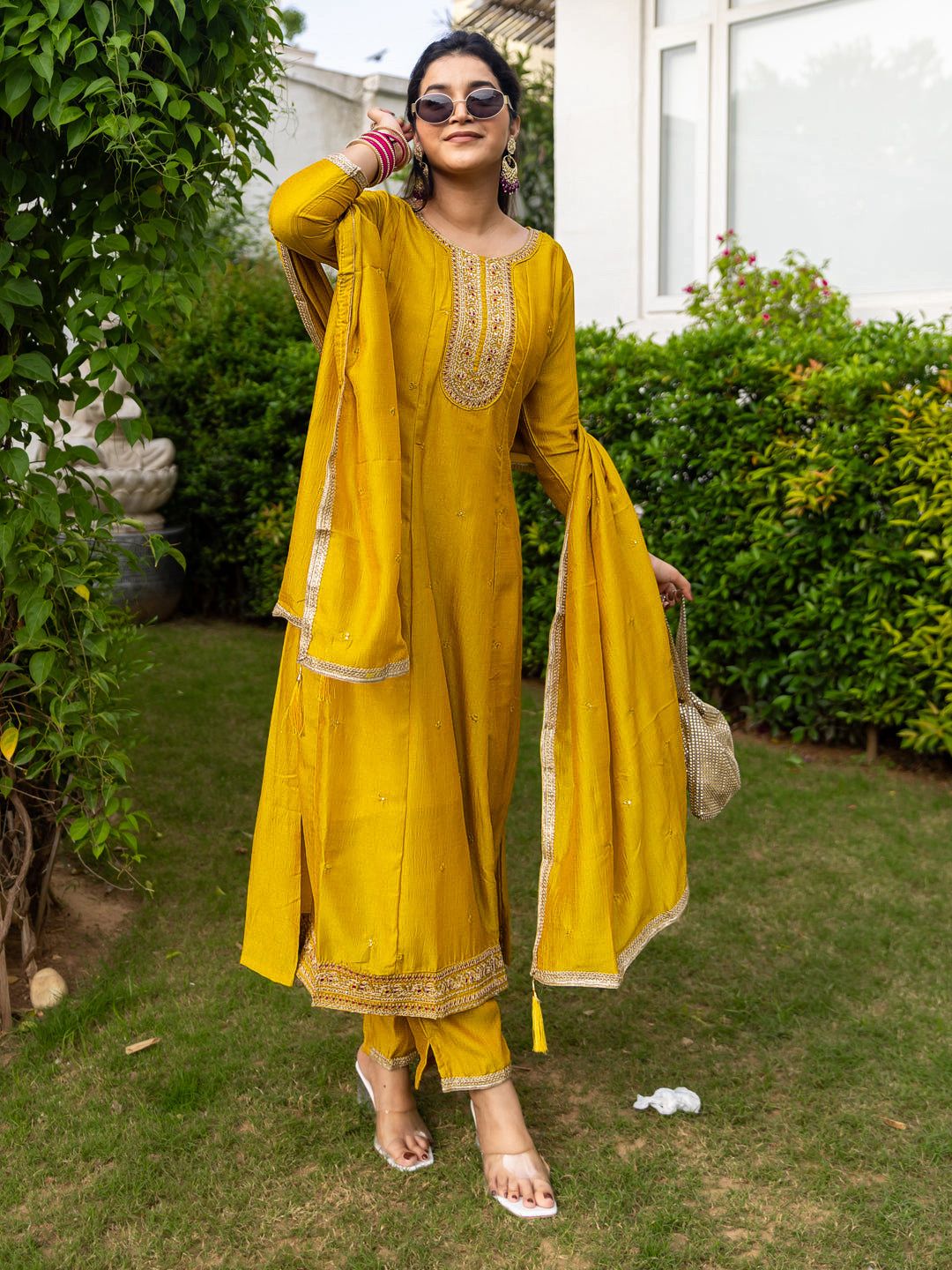
Try the complete outfit at home at least two days before travelling. Walk for ten minutes, sit on a chair, climb a few steps and check whether the hem, dupatta and sleeves remain comfortable. A garment that looks excellent while standing still may need adjustment for a full day at a fair.
Check the weather forecast shortly before departure, but don't rely on a forecast alone in a mountain setting. A light shawl can be useful even when the afternoon is warm, and a water-resistant outer layer should be carried separately from silk or zari clothing. Avoid wearing new footwear for the first time at the fair.
The strongest traditional look is one that respects the place, suits the activity and allows you to participate comfortably. Whether you choose Himachali sarees, cotton salwar suits traditional in feel, a Chanderi kurta set or a more formal silk silhouette, thoughtful fit and secure styling will matter more than excessive decoration.
Common Questions About Dressing for the Minjar Fair
What should women wear to the Minjar Fair?
Women can wear a breathable salwar suit, a light Himachali saree or a coordinated kurta set with a secure dupatta. Choose comfortable footwear, moderate embroidery and fabrics that are manageable during monsoon weather and extended walking.
Which salwar suit is trending now for traditional celebrations?
Straight kurta sets with trousers, Chanderi embroidery, palazzo suits and streamlined anarkalis are popular choices for traditional celebrations. For Minjar Fair, a breathable Chanderi or cotton suit is usually more practical than a heavily layered or floor-length design.
Are readymade salwar suits suitable for a Himachali fair?
Readymade salwar suits are suitable when the fit, length and fabric have been checked before travel. Fully stitched styles save time, but try walking and sitting in the complete outfit to confirm that the dupatta and hem remain secure.
What fabric is best for a Minjar Fair outfit?
Chanderi and cotton are strong daytime choices because they are relatively light and breathable. Silk and Vichitra silk suit formal or evening plans, but they need greater protection from rain and should not be chosen for an itinerary involving long outdoor walks.
Where can I buy women's traditional suit sets in India?
Women's traditional suit sets are available through specialist ethnic-wear stores, established fashion marketplaces and brand websites. Compare fabric details, garment measurements, lining, embroidery, delivery timing and the exchange policy before ordering for a fixed event date.
Can men wear traditional salwar suits to the Minjar Fair?
Men can wear regional kurta-pyjama sets, Nehru jackets or other locally appropriate traditional clothing, depending on the event and family customs. A salwar-style lower garment should be selected with cultural awareness rather than treated as a costume, and local hosts can advise on suitable Himachali details.