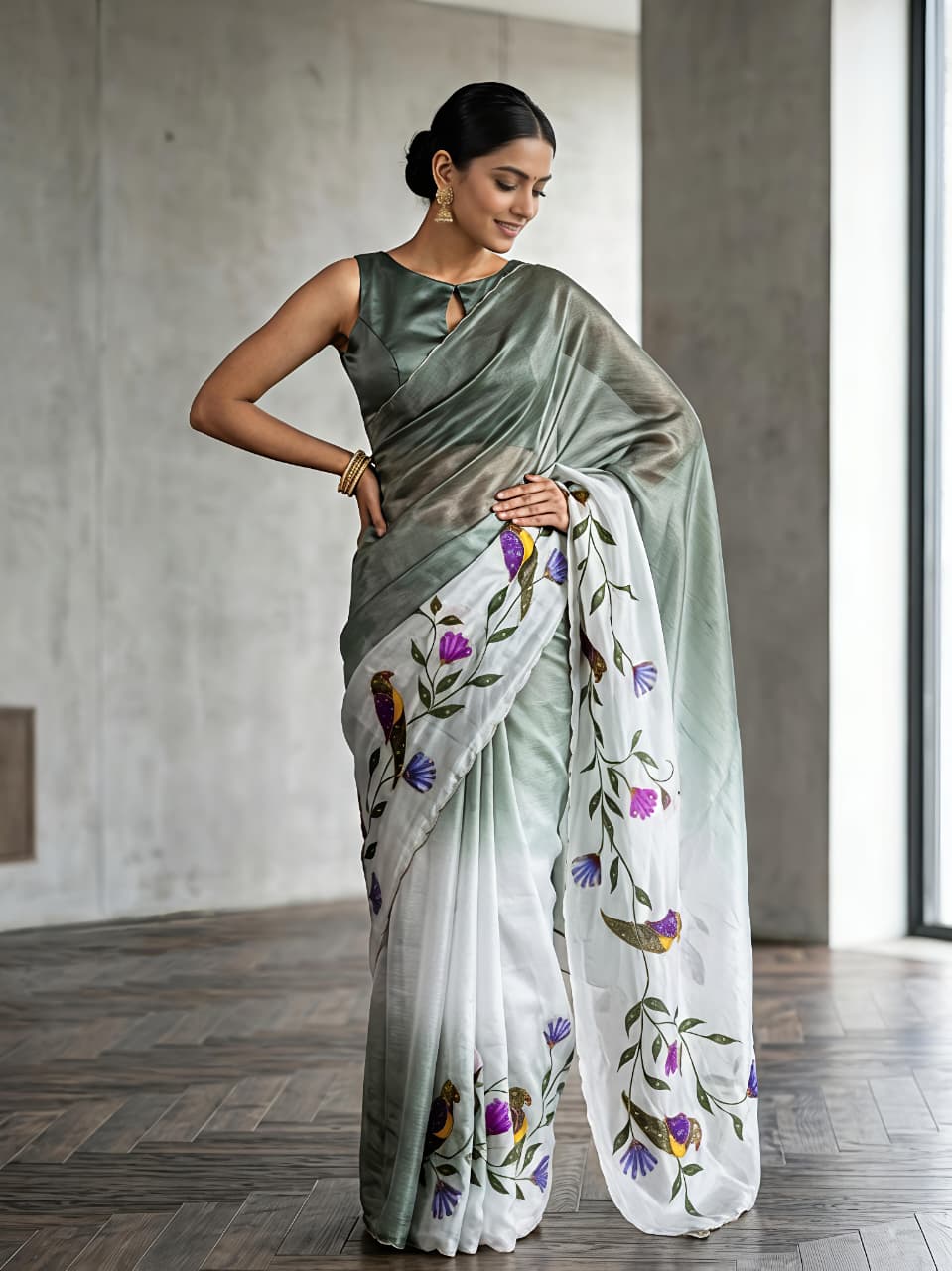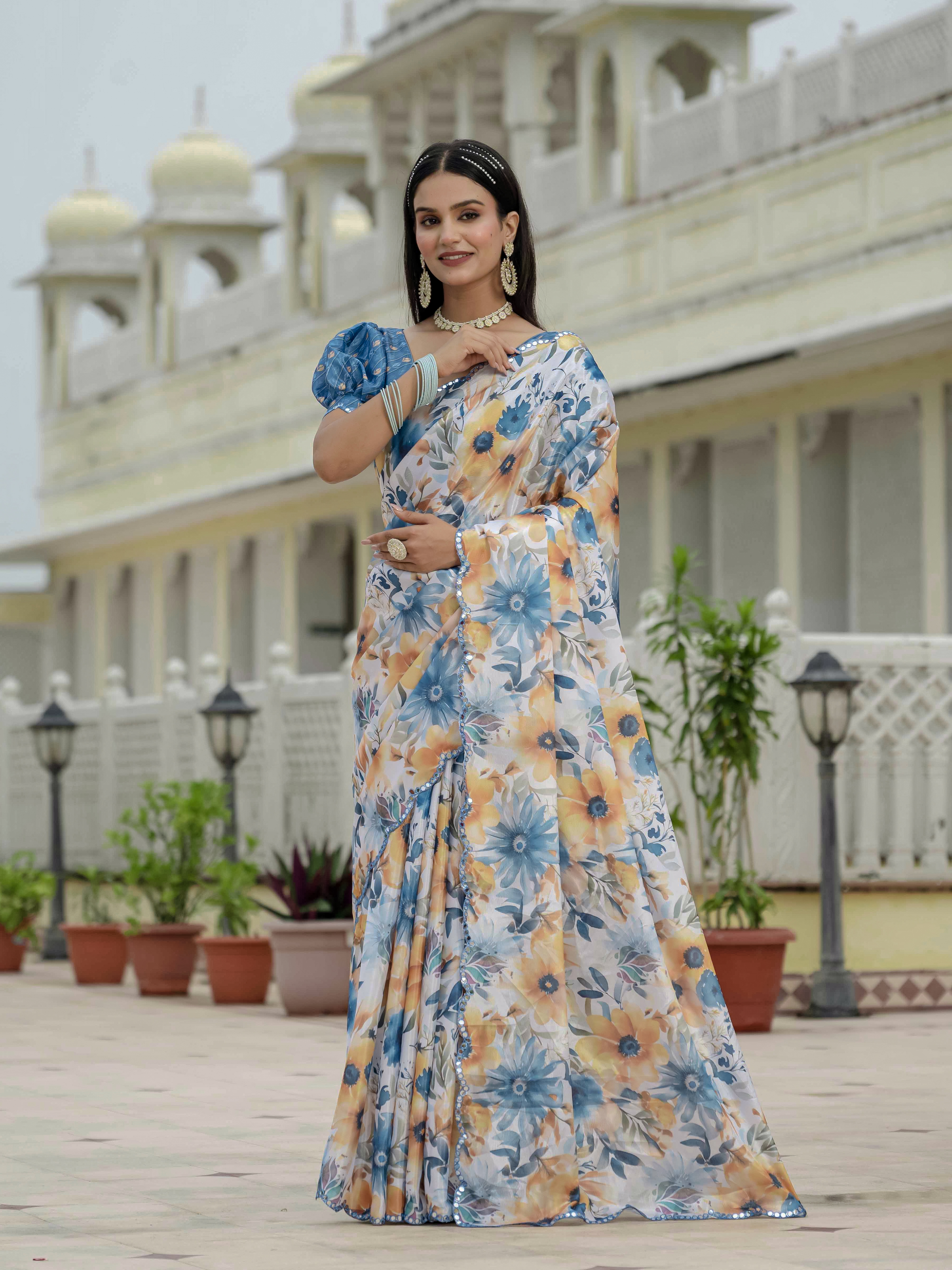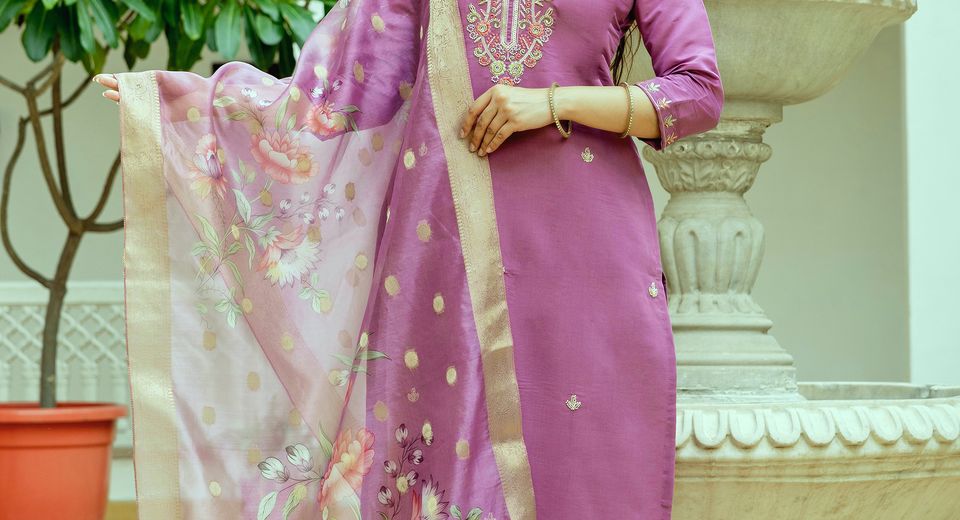
Mim Kut Festival Fashion: Traditional Mizoram Outfit Ideas begins with understanding what Mim Kut represents. Mim Kut is a Mizo harvest festival associated with maize, remembrance, community gatherings and thanksgiving. A thoughtful outfit can acknowledge Mizo textile traditions without treating sacred or culturally specific garments as decoration. Modern Indian ethnic wear can offer the right silhouette for a celebration while Mizo-inspired colours, woven textures and modest styling keep the look connected to the festival.
The most useful approach is to separate authentic Mizo dress from contemporary festive clothing. A puanchei, a classic Mizo women's wraparound garment, carries cultural meaning that differs from a printed skirt sold as a generic tribal style. When a complete time-honoured outfit is unavailable, choose handwoven-looking textures, restrained embroidery, practical layers and colours associated with Mizo textiles instead of copying motifs without context.
Mim Kut Festival Fashion and the meaning of the celebration
Mim Kut celebrates the maize harvest and the continuing bond between the living and ancestors in Mizo culture. The festival is commonly observed around August or September, although dates and public programmes can vary by community and year.
The word mim refers to maize, a crop that has historically been important to Mizo foodways and agricultural life. Mim Kut ceremonies and gatherings may include prayers, offerings, music, heritage performances, feasting and community participation. The festival is therefore not just a costume event. Clothing should support movement, warmth, modesty and respect during a day that may combine formal observance with cultural celebration.
Festival dress can also reflect the practical conditions of Mizoram. August and September may bring rain, and hill weather can shift quickly. Breathable fabrics, secure footwear and a light outer layer are often more useful than a heavily embellished outfit that becomes uncomfortable outdoors. A festive look should remain presentable during travel, standing, sitting and communal activities.
Mim Kut Festival Fashion through classic Mizo garments
Heritage Mizo women's clothing often includes the puanchei, a colourful handwoven wrap skirt worn with a blouse or upper garment. A puan is a woven cloth used in several forms, and individual designs, colours and uses can differ among Mizo communities. Men may wear a puan or a heritage shawl with a shirt and trousers, particularly for cultural performances or formal community occasions.
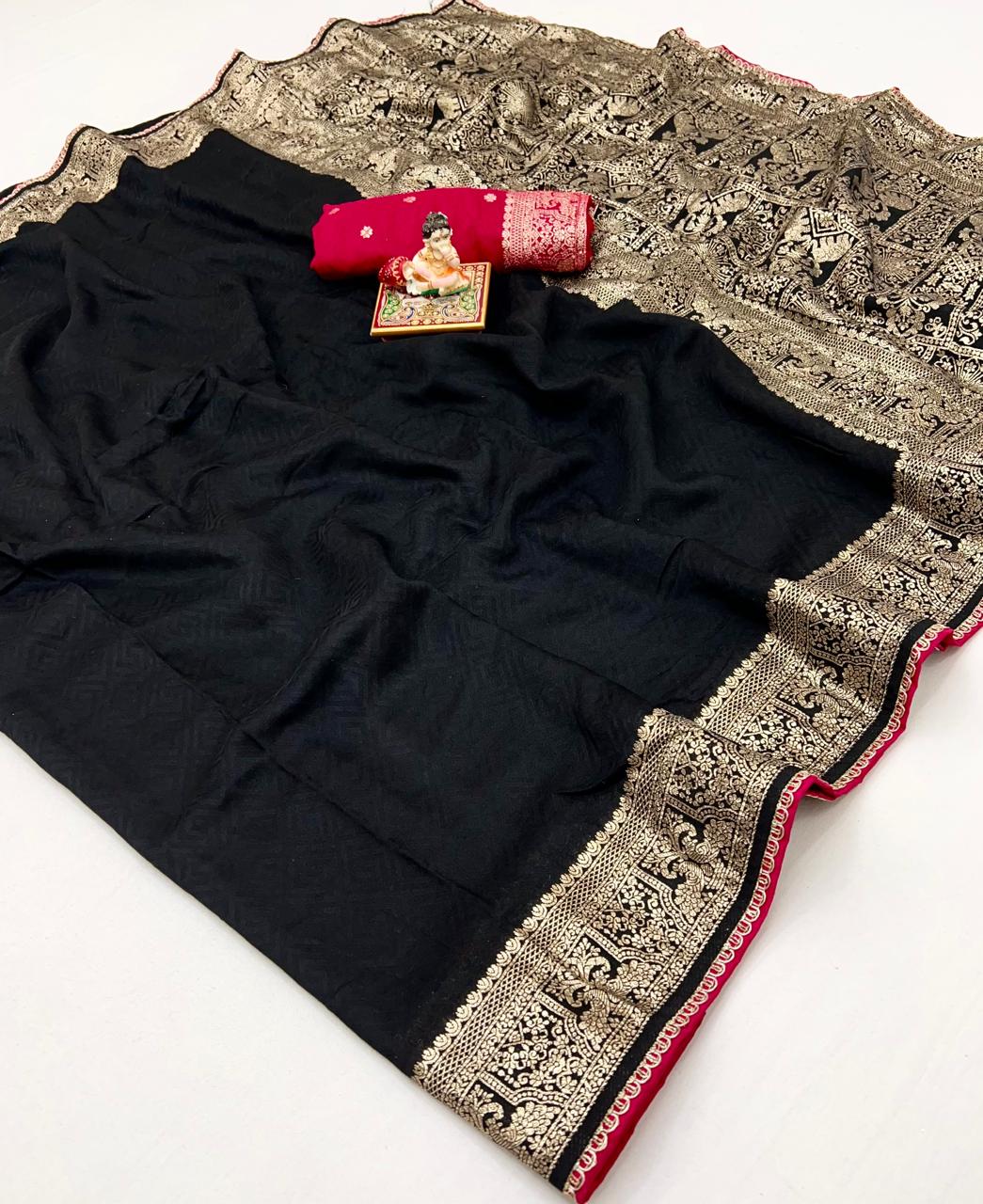
Puanchei designs are frequently recognised through bands, stripes and contrasting geometric arrangements rather than the dense all-over ornament associated with some North Indian festive textiles. Black, red, white and green appear in many Mizo textile traditions, but no single colour formula represents every Mizo garment. Local weavers, family traditions and community identity influence the final appearance.
Other classic textiles and shawls may have specific names, purposes and histories. A handwoven cloth should not be labelled Mizo solely because it contains bright stripes. When authenticity matters, purchase from a Mizo artisan, cooperative or source that identifies the weaving tradition clearly. For a general festive gathering, a contemporary outfit inspired by woven bands is safer than falsely presenting a commercial garment as an authentic puanchei.
How can modern clothing show respect for Mizo style?
Modern clothing can show respect for Mizo style by borrowing broad visual ideas such as woven texture, clean stripes, modest proportions and carefully chosen colours, while avoiding claims that a commercial kurta set is time-honoured Mizo dress.
A kurta with straight trousers and a dupatta can echo the orderly vertical and horizontal rhythm of woven textiles. A narrow striped dupatta, a black-and-red colour pairing or a small geometric border can create a visual connection without imitating an entire ceremonial garment. Keep jewellery balanced and avoid adding random tribal accessories that combine unrelated regional symbols.
Mim Kut Festival Fashion colour palettes for women
Black, red, white and green are useful starting points for a Mizo-inspired festive palette, especially when they appear in balanced stripes or borders rather than loud colour blocking. These shades should be treated as visual references, not as a universal symbolic code for every Mim Kut ceremony.
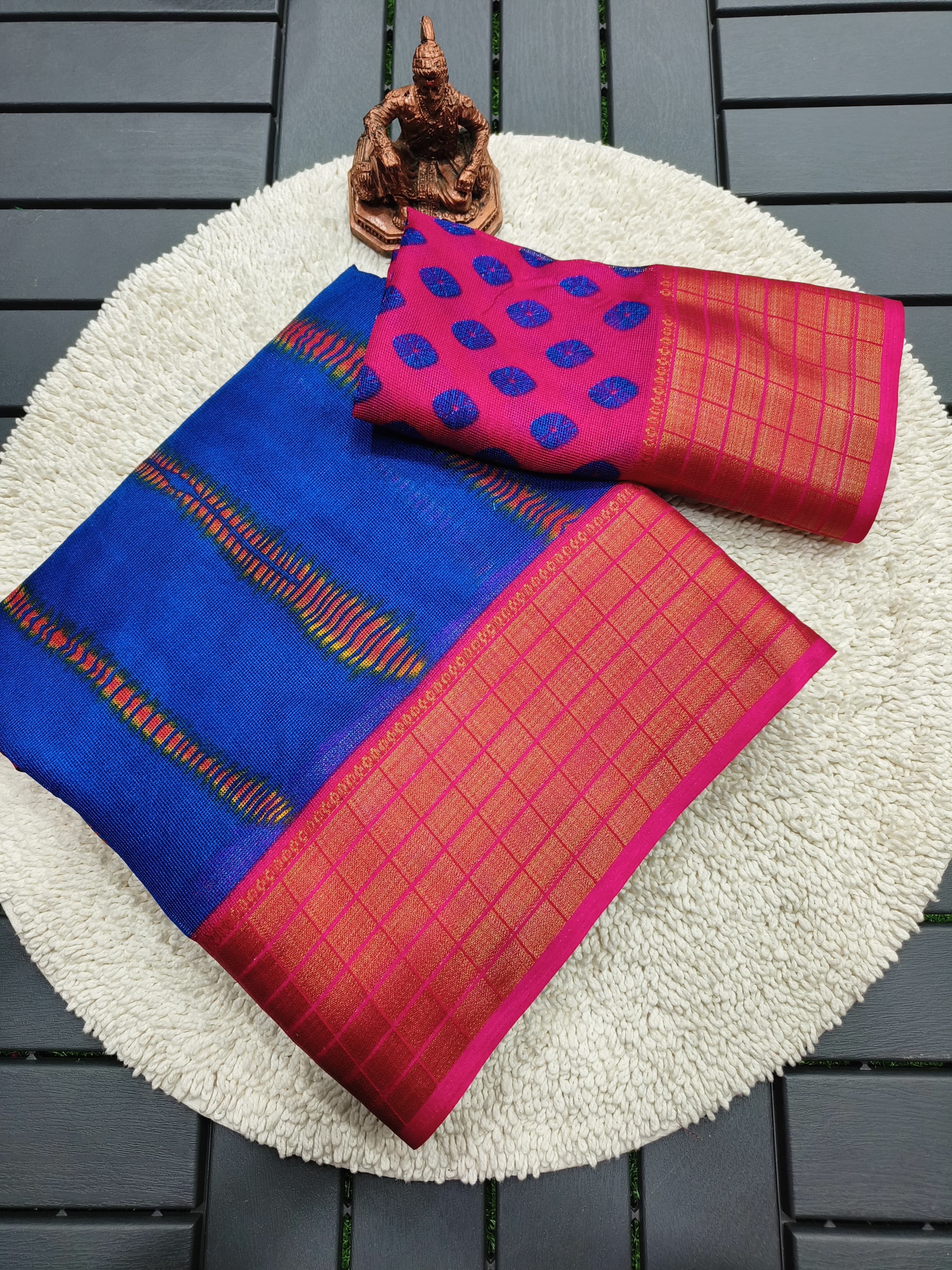
Red can bring warmth and energy to a festive outfit, while black provides definition in borders, dupattas or footwear. White and ivory soften the combination and work well in humid weather. Green can reference harvest landscapes without turning the outfit into a literal agricultural costume. Maroon, mustard, cream, pista and sky blue offer gentler alternatives when a full high-contrast palette feels too strong.
Colour proportion matters more than the number of colours used. A cream kurta with a red-and-black woven-style dupatta is easier to coordinate than a garment containing six competing shades. Another effective formula is one dominant colour, one grounded neutral and one small accent. For example, mustard trousers, an ivory kurta and a black-bordered dupatta create definition while remaining comfortable for daytime wear.
Mim Kut Festival Fashion outfit ideas for women
A straight kurta-and-pant set is a practical women's outfit for Mim Kut because it offers coverage, easy movement and a stable base for a dupatta inspired by Mizo woven geometry.
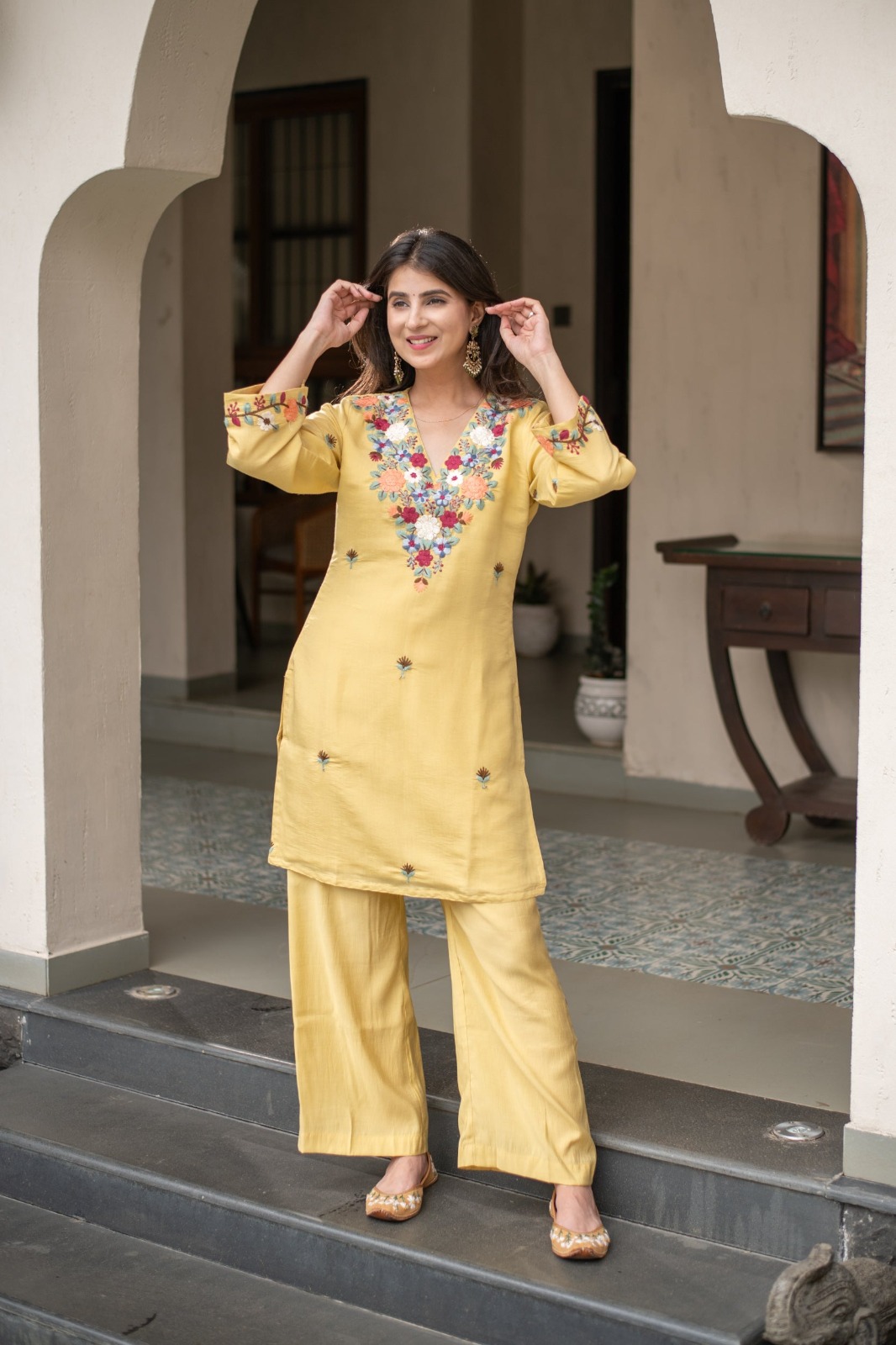
The Silk Festive Kurta Pant Set with Zari Jacquard Dupatta can work for an evening cultural programme when the zari is kept as the main embellishment and accessories remain quiet. Pair the set with black or deep maroon footwear, small metal earrings and a neatly folded dupatta rather than a heavily layered drape. The combination gives a festive finish without presenting zari as a classic Mizo textile.
The Elegant Pista Festive Wear Kurta Pant Set suits a daytime gathering because pista green is light, calm and easy to wear in warm weather. Add a narrow red, black or ivory accent through the dupatta border, bangles or footwear. Avoid matching every accessory to the outfit; one contrasting detail makes the woven-inspired palette look more intentional.
The Mauve Embroidered Chanderi Silk Kurti Pant Dupatta brings a delicate option for a family lunch or indoor celebration. Chanderi silk has a light, crisp character, so it can be more comfortable than a thick brocade in humid conditions. Introduce Mizo-inspired influence through a black-and-white striped stole or simple geometric earrings, while keeping the original embroidery visible.
The Modern Taupe Vichitra Silk Embroidered Co-Ord Set for Women creates a contemporary base for people who prefer separates over a classic kurta silhouette. Taupe can carry stronger accents well, including a red shawl, black sandals or a green textile bag. A co-ord set is especially useful when the programme involves travel because the pieces can be reworn separately after the festival.
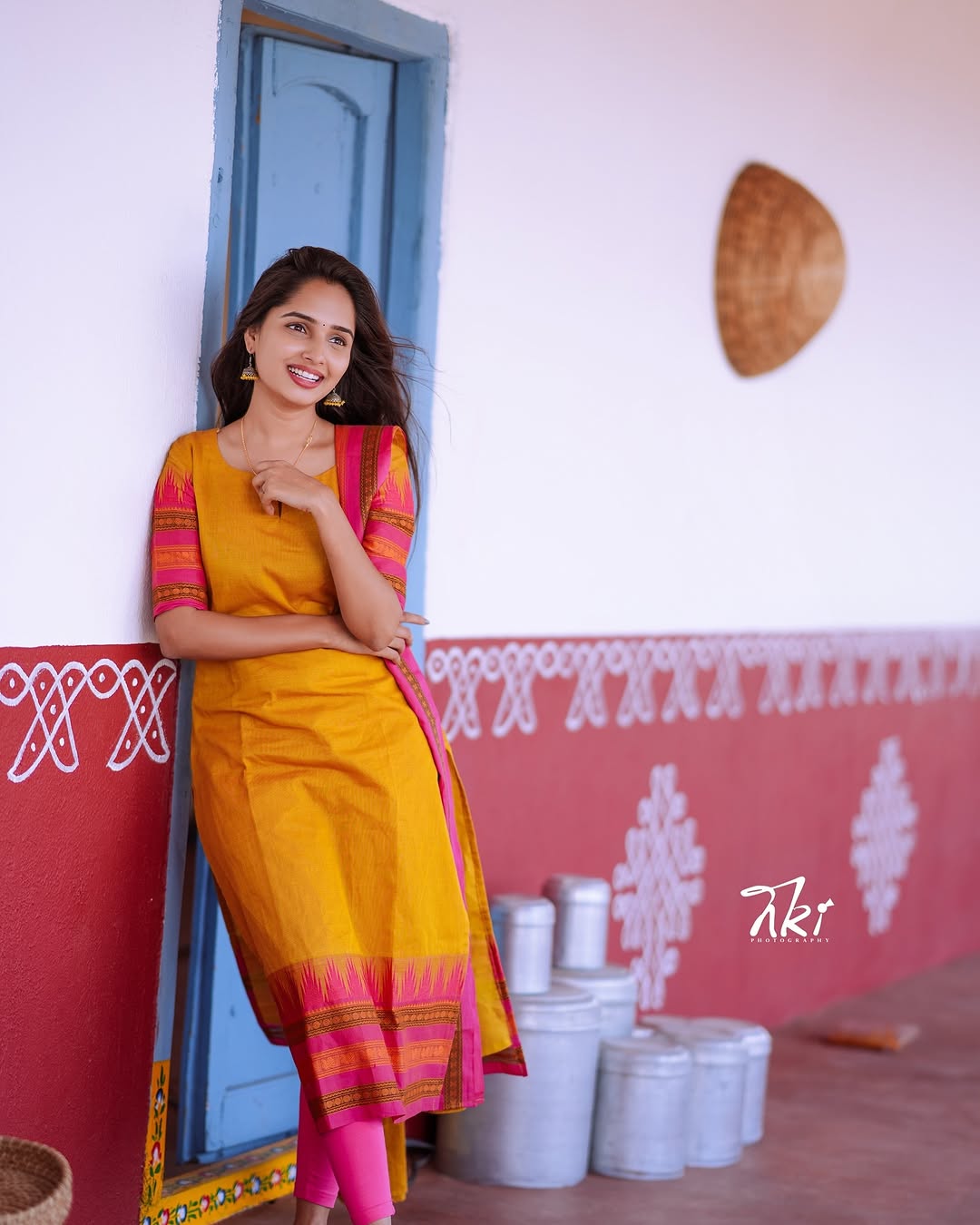
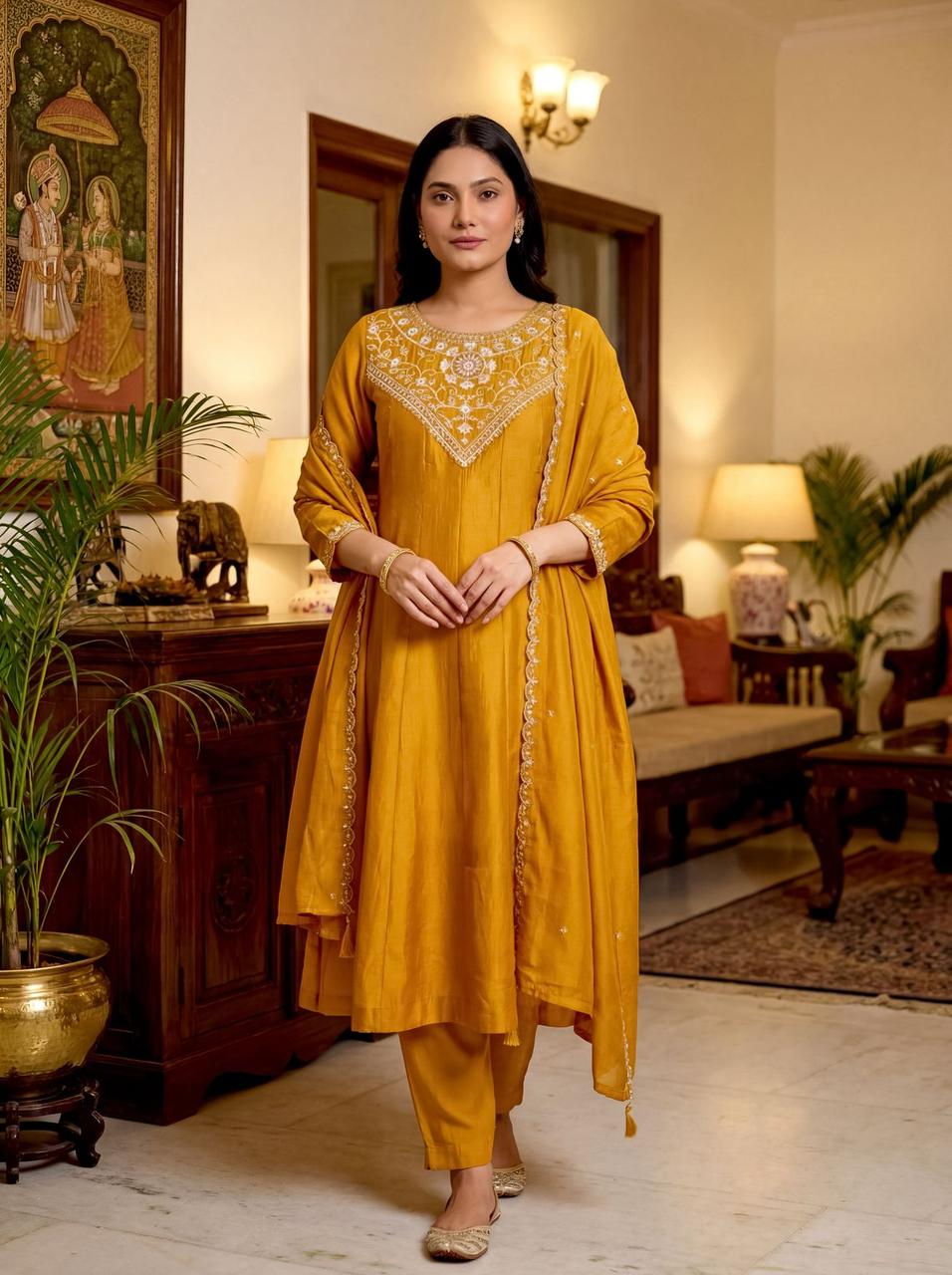
The Mustard Embroidered Kurti Pant Set for Women Festive brings harvest-season warmth to Mim Kut dressing. Mustard works best with cream, black, dark red or muted green rather than bright yellow accessories. Choose a plain dupatta with a structured border so the outfit recalls the rhythm of woven bands without becoming visually crowded.
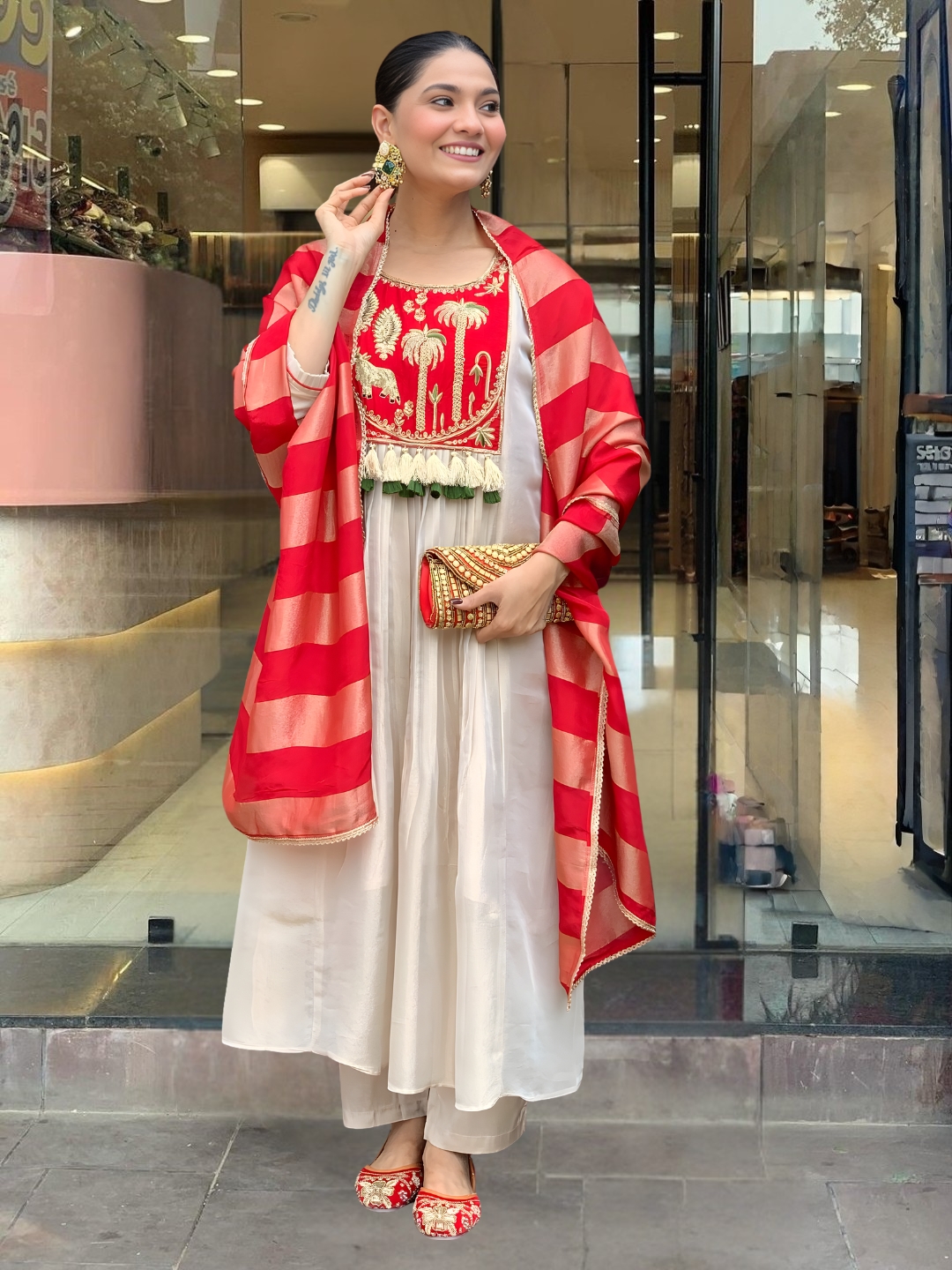
The Festive Wear Maroon Silk Anarkali Suit Set for Women is suited to an evening stage programme, cultural dinner or formal family gathering. The long Anarkali creates movement while the maroon colour feels celebratory and grounded. Use a black dupatta or understated red-and-white accessory only if the garment's existing embroidery allows it; excessive contrast can conceal the silhouette.
The Sky Blue Festive Wear Kurta Pant Set gives a cooler, softer alternative for daytime events. Sky blue pairs effectively with ivory, black and muted green, and a textured dupatta can add depth without heavy jewellery. Choose a cotton-lined inner layer if the silk or synthetic outer fabric feels warm in a crowded venue.
The Festive Wear Cream Embroidered Kurta Set gives the most adaptable canvas in the group. Add a red-and-black dupatta, a green shoulder bag or dark woven-style flats to connect the neutral base with a Mizo-inspired palette. Cream also photographs clearly in outdoor light, although a stain-resistant scarf and careful seating are sensible during a community meal.
Mim Kut Festival Fashion for men and gender-neutral dressing
A clean shirt, straight trousers and a woven shawl or stole create a practical modern direction for men and gender-neutral festival dressing. The strongest choices use one textured layer and avoid turning the outfit into a collection of unrelated regional symbols.
Black trousers with a white, cream or muted red shirt provide a strong base for a striped stole. A simple kurta with tapered trousers can also work, especially when the kurta has a plain weave and the stole supplies the visual interest. For formal evening gatherings, deep maroon or charcoal can replace stark black while maintaining a grounded appearance.
A shawl should be worn securely and proportionately. Drape the shawl over one shoulder for seated events, or wrap it closer around the upper body when travelling in rain or cooler weather. Avoid wearing a borrowed ceremonial textile casually if the owner explains that the cloth has a specific community or family significance.
Mim Kut Festival Fashion fabrics, accessories and practical care
Breathable cotton, cotton-silk, light Chanderi and soft viscose are generally more comfortable than dense synthetic layers for a daytime Mim Kut gathering. Silk and zari can suit formal evening events, but lining, ventilation and the weight of embroidery deserve attention before purchase.
Chanderi should be folded rather than crushed under heavy items, and embroidered garments should be stored with the embellished surface protected by clean muslin. Silk garments should be aired after wear and dry-cleaned according to the care label instead of being soaked at home. Zari detailing benefits from low humidity, limited friction and storage away from direct sunlight.
Footwear should match the venue rather than only the outfit. Flat sandals, low block heels or clean juttis are sensible for uneven ground, long standing and wet pathways. Avoid slippery soles during monsoon conditions, and carry a transparent rain cover for a dupatta or shawl if the celebration involves outdoor travel.
Accessories should support the clothing instead of competing with cultural textiles. Small metal earrings, a plain bangle, a structured textile bag and one geometric element are usually sufficient. Do not combine a Mizo-inspired stole with unrelated ceremonial jewellery from another community and describe the complete look as heritage Mizoram dress.
Respectful Mim Kut dressing also includes asking before photographing or touching heritage garments. Festival attendees may wear family textiles with personal, community or ceremonial importance. Complimenting the weave, asking about its origin and crediting the artisan or community when sharing an image are more thoughtful choices than reducing the textile to a trend.
Mim Kut Festival Fashion checklist for a respectful outfit
A respectful Mim Kut outfit should be comfortable, clearly described and appropriate to the specific event rather than assembled from generic ethnic motifs.
Confirm whether the gathering is a formal ceremony, cultural programme, family meal or public festival before choosing the level of embellishment.
Choose one clear Mizo-inspired detail, such as a striped stole, woven texture or black-red border, instead of copying several unrelated motifs.
Prefer breathable layers and secure footwear because rain, travel and extended standing may form part of the day.
Use a puanchei or other heritage garment only when its source, meaning and correct way of wearing it are known.
Describe a modern kurta set honestly as contemporary festive wear rather than calling it an authentic time-honoured Mizo outfit.
Store silk, Chanderi and zari garments carefully after the celebration so embroidery, colour and surface texture remain intact.
The most successful Mim Kut Festival Fashion choices balance celebration with cultural care. A well-fitted kurta set, a considered colour palette and one responsibly sourced textile detail can create a polished outfit without flattening Mizo heritage into a costume. The clothing becomes more meaningful when comfort, context, craftsmanship and the living community behind the tradition remain visible.
Common Questions About Mim Kut Festival Fashion
What should women wear for a Mim Kut celebration?
Women can wear a comfortable kurta-and-pant set, Anarkali or modest contemporary outfit with a woven-looking dupatta and carefully chosen Mizo-inspired colours. A puanchei is appropriate when it is authentic, correctly worn and suitable for the specific community event.
What colours are suitable for Mim Kut Festival Fashion?
Black, red, white and green can provide a Mizo-inspired palette, particularly in stripes, borders or restrained accents. Maroon, mustard, cream, pista and sky blue are also suitable contemporary choices when coordinated with a neutral shade.
Is a puanchei the same as a regular ethnic skirt?
No, a puanchei is a culturally specific Mizo handwoven wrap garment, not simply a generic ethnic skirt. Its design, use and way of wearing it should be understood through a reliable Mizo source or the community associated with the textile.
Can I wear a silk kurta set to Mim Kut?
Yes, a silk kurta set can suit an evening programme or formal gathering, provided the outfit is comfortable and is not falsely presented as traditional Mizo clothing. Pair ornate zari or embroidery with simpler accessories and a practical dupatta drape.
What fabric works best for a daytime Mim Kut event?
Breathable cotton, cotton-silk, light Chanderi and soft viscose are practical for daytime events, especially in humid or rainy weather. Dense synthetic layers and heavy embroidery may feel uncomfortable during travel or prolonged outdoor activity.
How can I avoid cultural appropriation when dressing for Mim Kut?
Use authentic Mizo garments only with proper guidance, buy heritage textiles from identifiable Mizo artisans or cooperatives, and describe modern adaptations honestly. Avoid random tribal motifs, invented symbolism and combining unrelated regional ceremonial items as a costume.