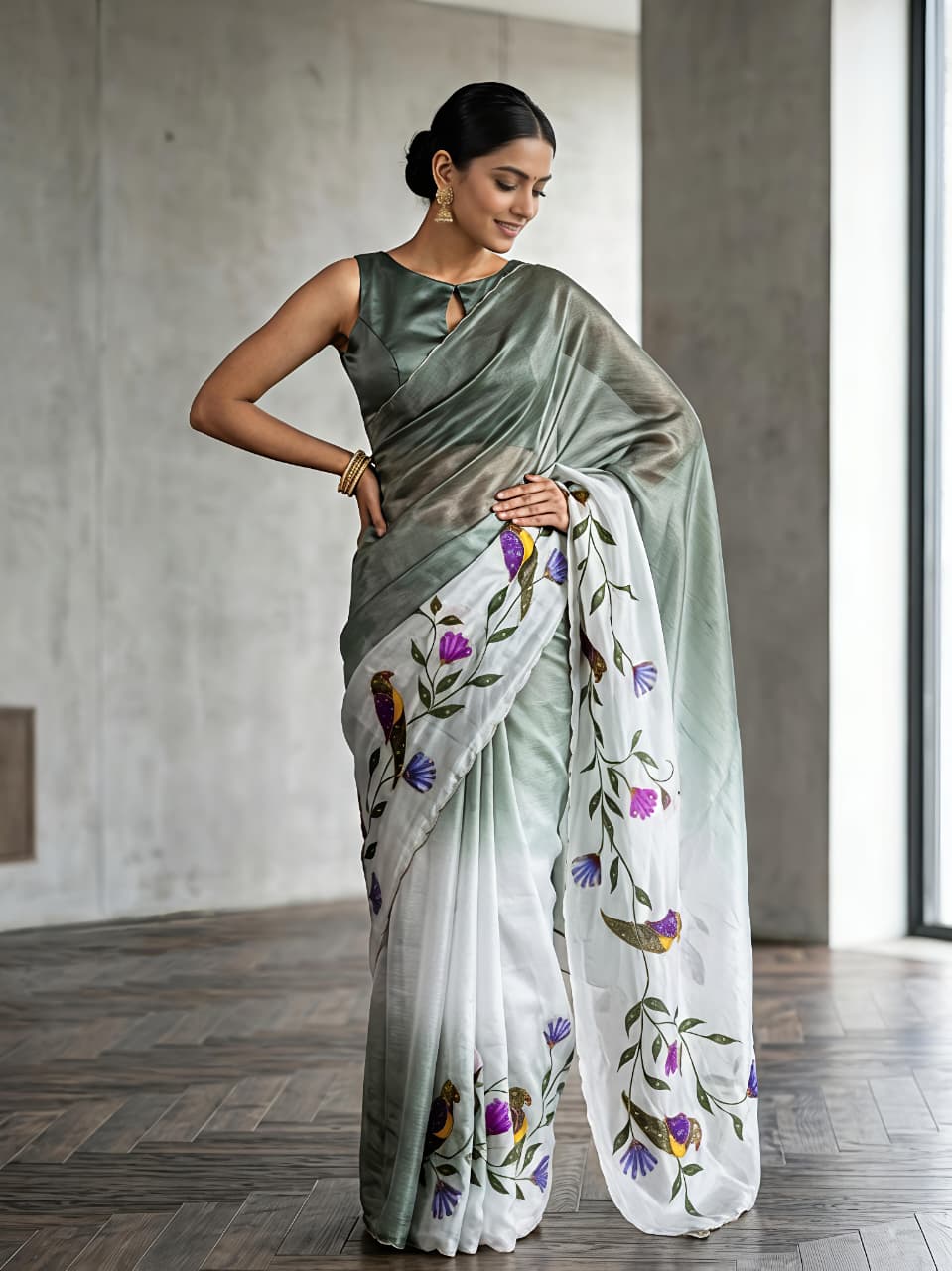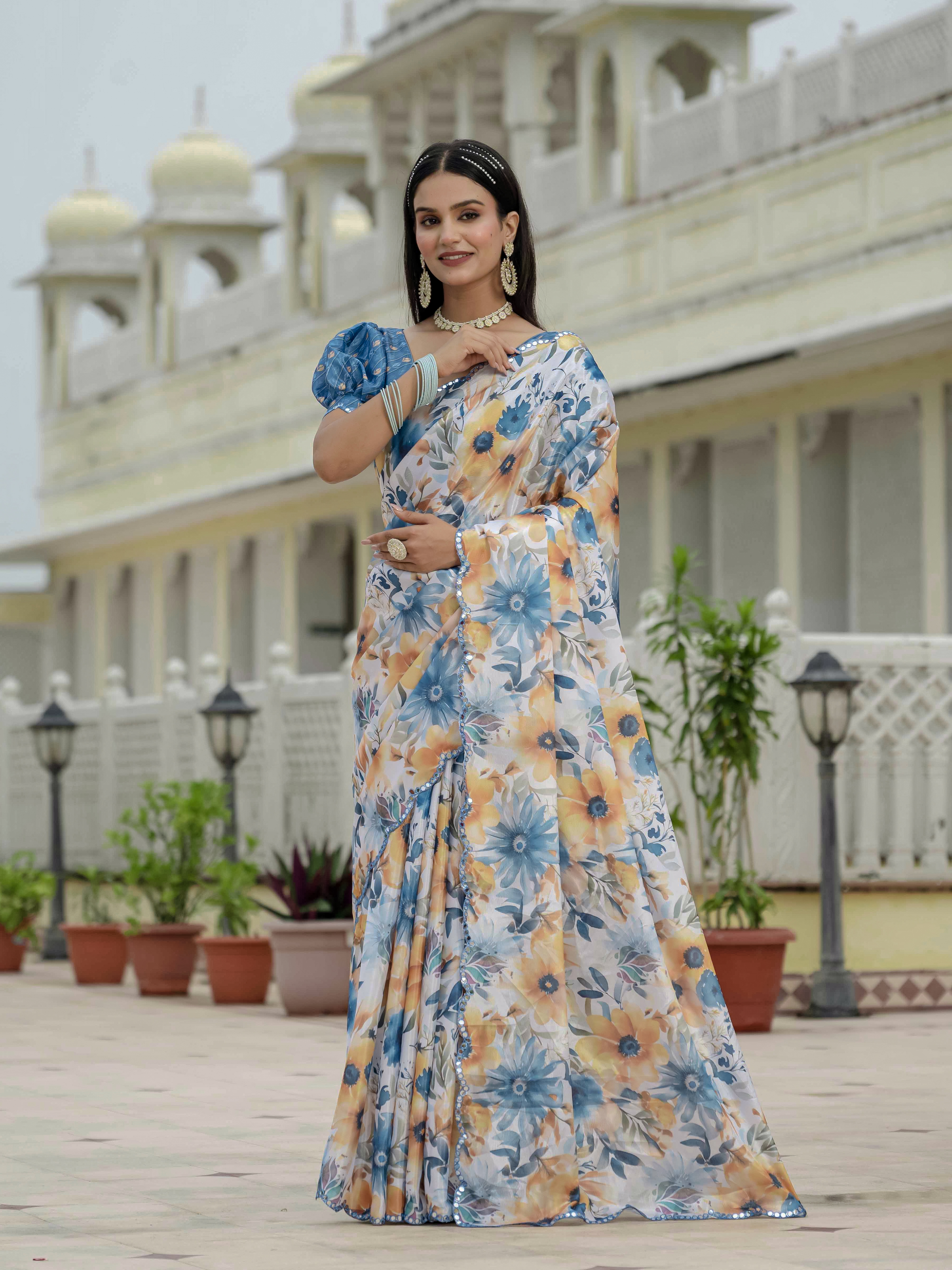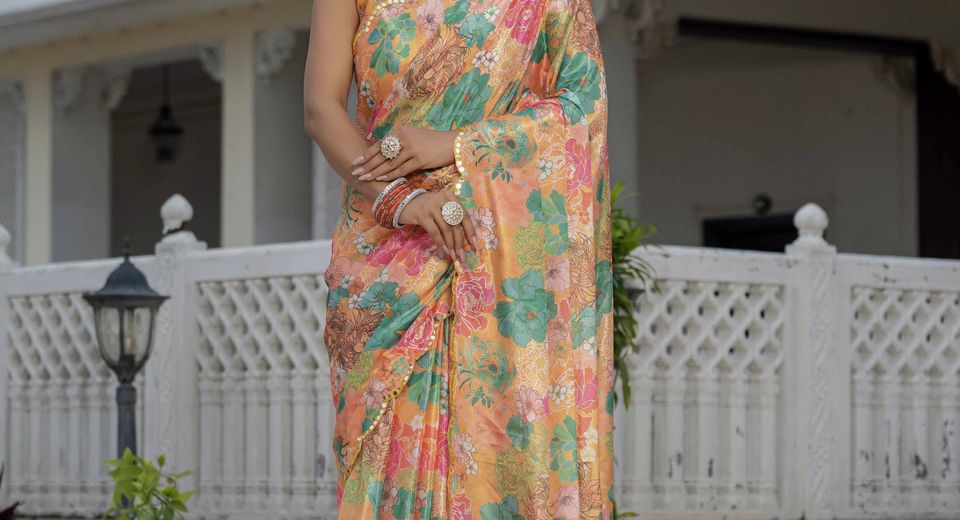
Mekhela Chador vs Saree: Understanding Assamese Traditional Fashion begins with one practical distinction: a Mekhela Chador uses two main fabric pieces, while a saree generally uses one continuous length. That difference changes the pleats, waist construction, pallu placement, movement and styling possibilities. Assamese traditional fashion also carries regional textile knowledge, motifs and ceremonial meaning that can't be understood by treating every Indian drape as the same garment.
A saree can certainly be worn with Assamese jewellery or colours, but a saree doesn't become a Mekhela Chador through accessories alone. The garments belong to related but distinct traditions, and the most useful comparison looks at construction before appearance.
Mekhela Chador vs Saree: What Is the Main Structural Difference?
The main structural difference is that a Mekhela Chador is a two-piece ensemble, whereas a saree is usually one long draped garment worn with a blouse.
The lower portion of a Mekhela Chador is called the mekhela. The mekhela wraps around the waist and forms the lower silhouette, with pleats commonly arranged at the front. The upper portion is called the chador, sador or riha, depending on regional usage and transliteration. The chador crosses the upper body and is placed over one shoulder.
A saree usually measures between 5 and 9 yards, depending on its regional style, border width and construction. The same continuous fabric creates the waist wrap, front pleats and pallu. A saree may be tucked into a petticoat, saree shapewear or a pre-stitched base, while a Mekhela Chador uses the mekhela as its own lower garment rather than relying on a petticoat-and-pallu system.
The distinction affects dressing technique. A saree requires careful control of the front pleats and pallu length. A Mekhela Chador requires a secure waist wrap, balanced lower pleats and correct positioning of the chador. A ready-to-wear saree may take only a few minutes to put on, while a traditionally draped saree or Mekhela Chador needs more adjustment before it feels secure.
Mekhela Chador vs Saree: How Does the Draping Process Differ?
A Mekhela Chador is draped by securing the lower mekhela first and arranging the chador over the upper body second.
How to arrange the mekhela
Wear a well-fitted blouse before wrapping the mekhela around the waist. Arrange the front pleats evenly and tuck the fabric firmly enough to prevent loosening while walking. The waist should feel secure without restricting breathing, sitting or climbing stairs.
Front pleats deserve particular attention because uneven folds can make one side of the lower garment look heavier. A practical check involves walking several metres, sitting on a chair and taking a few normal steps after standing up. If the fabric pulls sideways, the waist tuck needs to be reset.
How to place the chador
Place the chador across the torso and bring its decorative end over one shoulder. The upper cloth may fall behind the shoulder, cross the chest or be secured near the opposite side, depending on the drape and personal preference.
Use discreet pins when movement is important, especially during a wedding or cultural programme. Pinning should avoid areas with delicate zari, fine silk or closely woven decorative borders because repeated pin marks can damage the fabric. A small brooch can secure the shoulder area while also creating a defined focal point.
A saree follows another sequence. The wearer tucks one end into the petticoat or shapewear, wraps the saree around the waist, forms the front pleats and finishes with the pallu. The saree therefore creates a continuous vertical flow, while the Mekhela Chador visibly separates the lower and upper sections.
Mekhela Chador vs Saree: Which Fabrics and Motifs Matter?
Assamese traditional fashion is closely associated with Muga silk, Pat silk, Eri silk, cotton weaving and regional motifs, although modern clothing also includes linen blends, synthetic fabrics and printed materials.
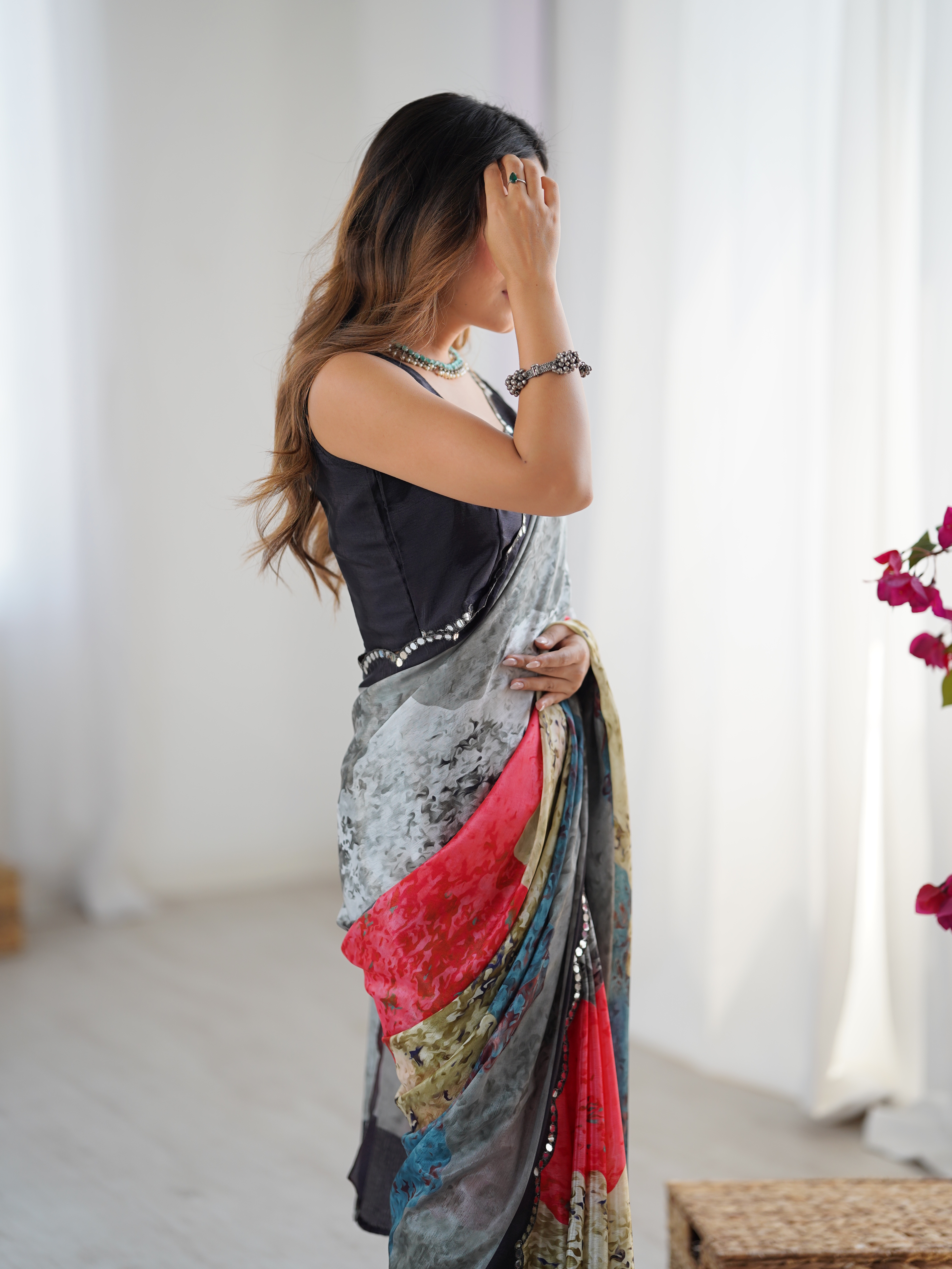
Muga silk has a naturally warm golden tone and is valued for strength and lustre. Pat silk, often associated with mulberry silk, has a smoother surface and lighter appearance. Eri silk is known for a softer, more textured hand. Fabric names weigh because they affect warmth, fall, sheen, breathability and care requirements.
Assamese weaving commonly features motifs such as the jaapi, pepa, flowers, birds, geometric patterns and strong borders. A jaapi is a traditional conical Assamese hat, while a pepa is a traditional horn instrument. Motifs can therefore communicate regional identity rather than functioning only as decoration.
Gamosa-inspired red-and-white patterns are also widely recognised in Assam. A gamosa is a rectangular woven cloth with cultural importance, and its colour language appears in contemporary sarees, scarves, borders and accessories. A red-and-white Mekhela Chador can therefore suggest Assamese identity more directly than a Banarasi silk saree with dense Mughal-inspired zari.
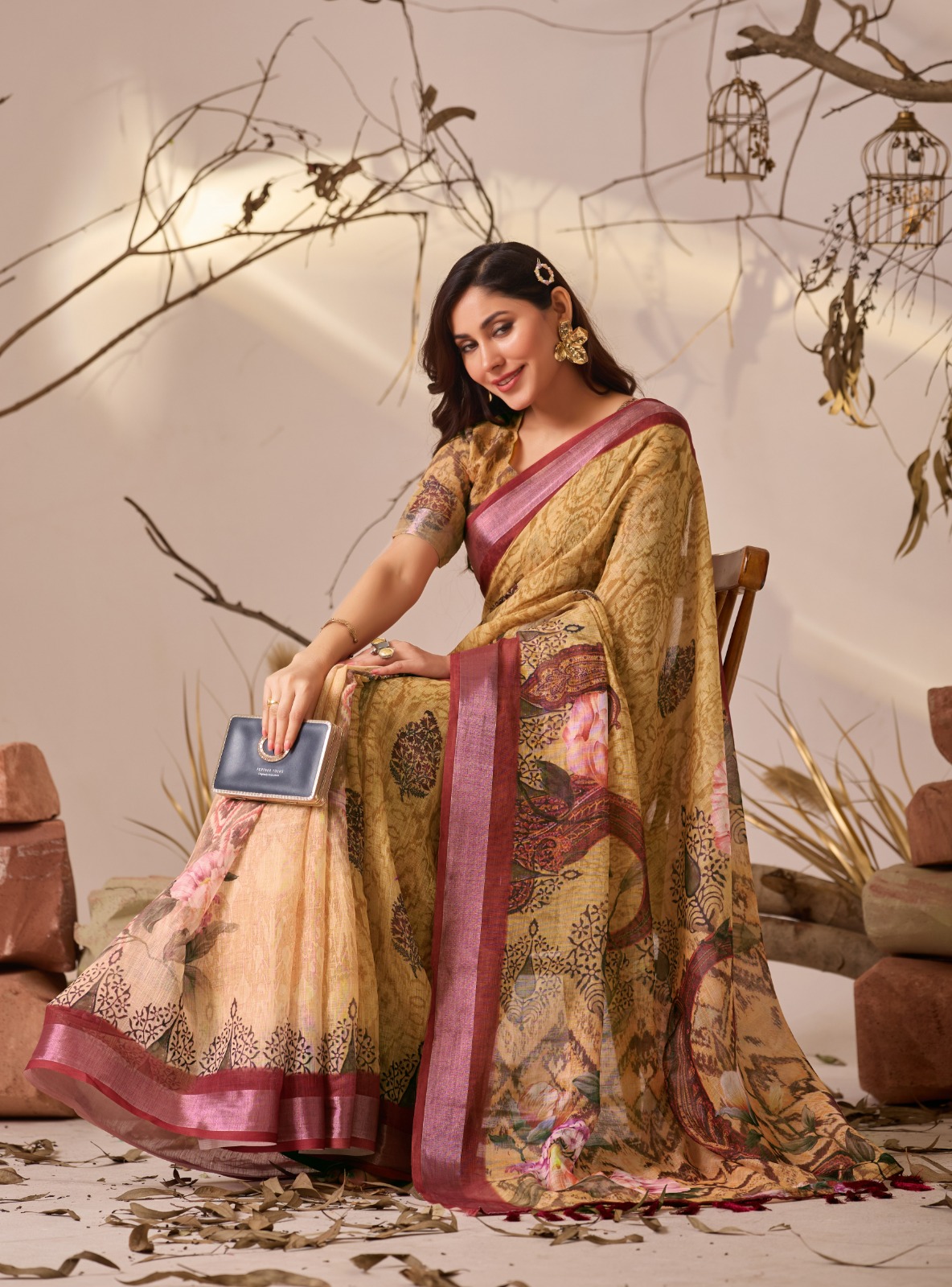
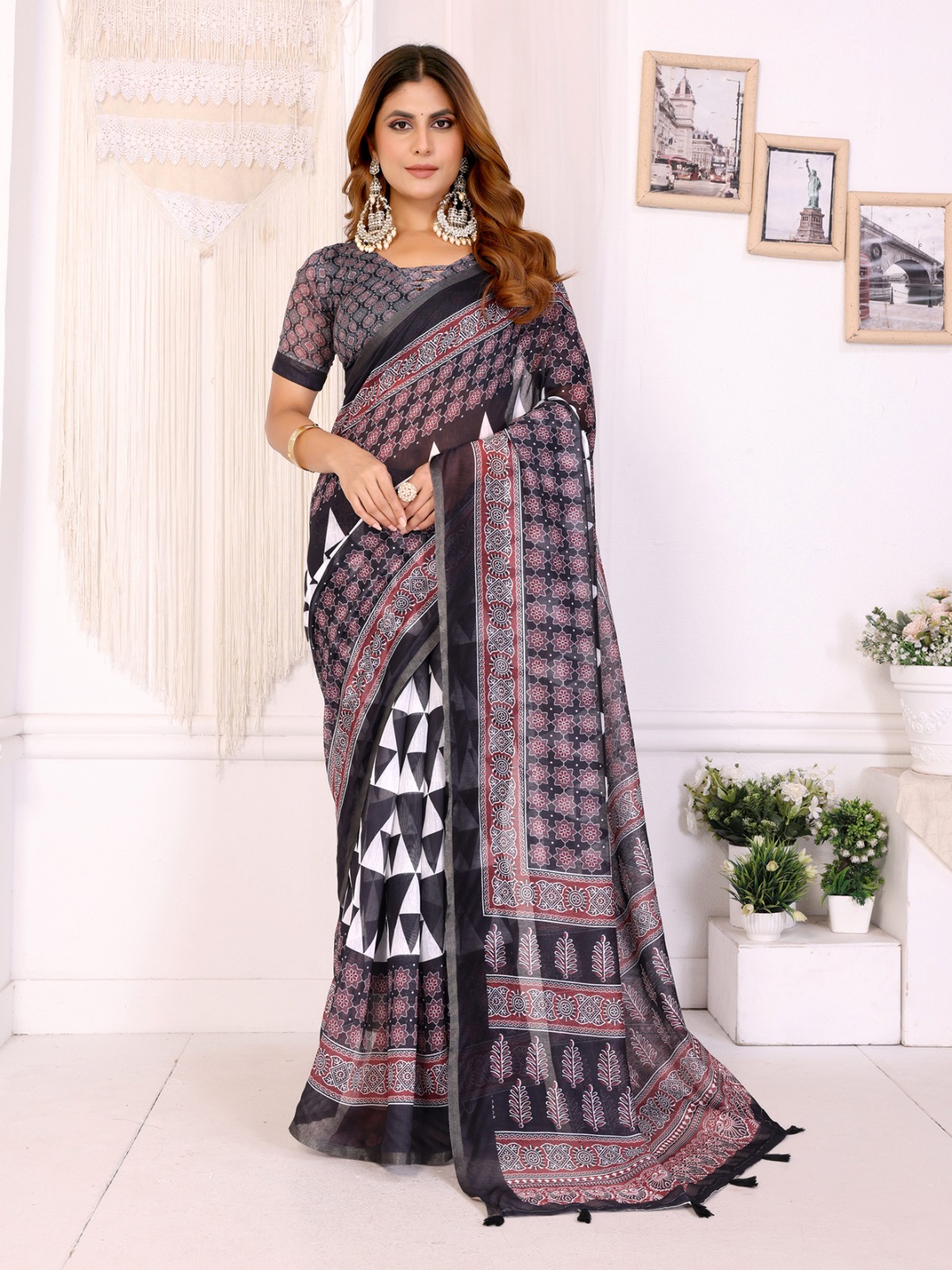
Contemporary sarees provide useful comparisons. Black Maroon Chanderi Printed Saree for Women demonstrates how Chanderi can offer a light, translucent and refined appearance. Traditional Mustard Maslin Silk Saree With Rich Pallu shows how a strong pallu can become the central visual feature of a saree outfit. Neither garment is specifically a Mekhela Chador, but both illustrate how fabric surface and border placement shape traditional styling.
Mekhela Chador vs Saree: Which Garment Suits Different Occasions?
Choose a Mekhela Chador when Assamese regional identity, cultural ceremony or a two-piece traditional silhouette is central to the event.
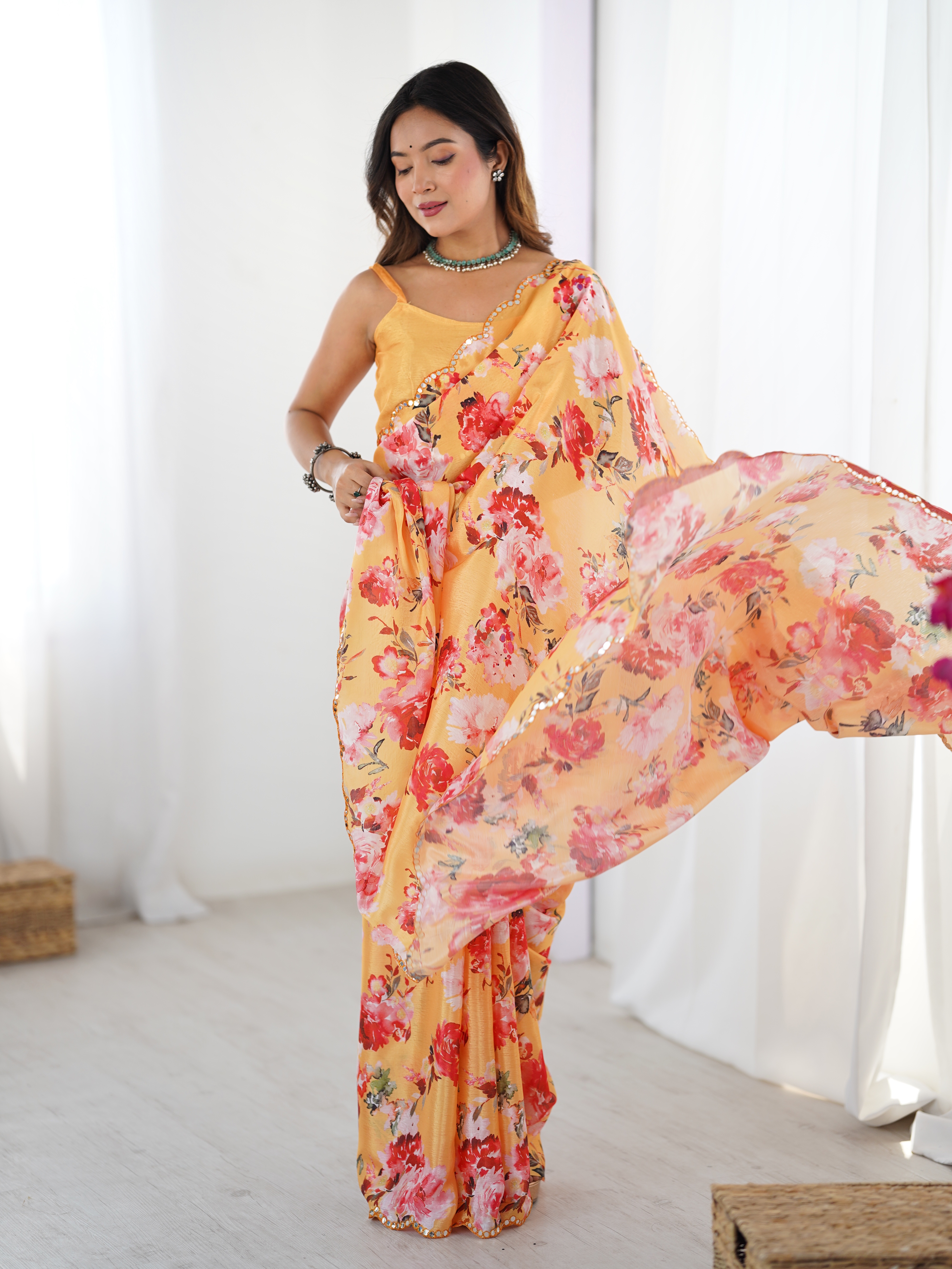
A Mekhela Chador suits Bihu celebrations, Assamese cultural programmes, weddings in Assam, heritage events and ceremonies where regional dress is expected or appreciated. Rongali Bihu, also called Bohag Bihu, is associated with spring and is a natural setting for Assamese silk, red borders, traditional jewellery and woven motifs.
A saree may be more versatile for a mixed-cultural wedding, office celebration, family puja or reception where the wearer wants many styling directions. A saree can become formal or understated through the blouse, pallu arrangement, jewellery, belt, pleat width and fabric weight.
Event duration should influence fabric selection. Cotton or cotton-blend textiles are usually more comfortable for a daytime function, while silk and heavier zari may suit a shorter evening ceremony. A garment that feels manageable for two hours can become tiring after five hours of standing, greeting guests and sitting on low seating.
Peach Floral Heavy Chinnon Ready to Wear Saree illustrates the convenience of a pre-arranged saree for occasions where quick dressing matters. Multicolor Heavy Chinnon Printed Saree for Women offers a stronger colour direction for festive styling. Maroon Mal Cotton Ethnic Saree With Blouse from VARNAVI shows why a breathable cotton option can be practical for daytime gatherings.
Mekhela Chador vs Saree: How Do Styling Choices Change?
Mekhela Chador styling works best when the blouse, border, jewellery and hairstyle support Assamese visual identity, while saree styling permits a wider mix of regional and contemporary elements.
Blouse coordination
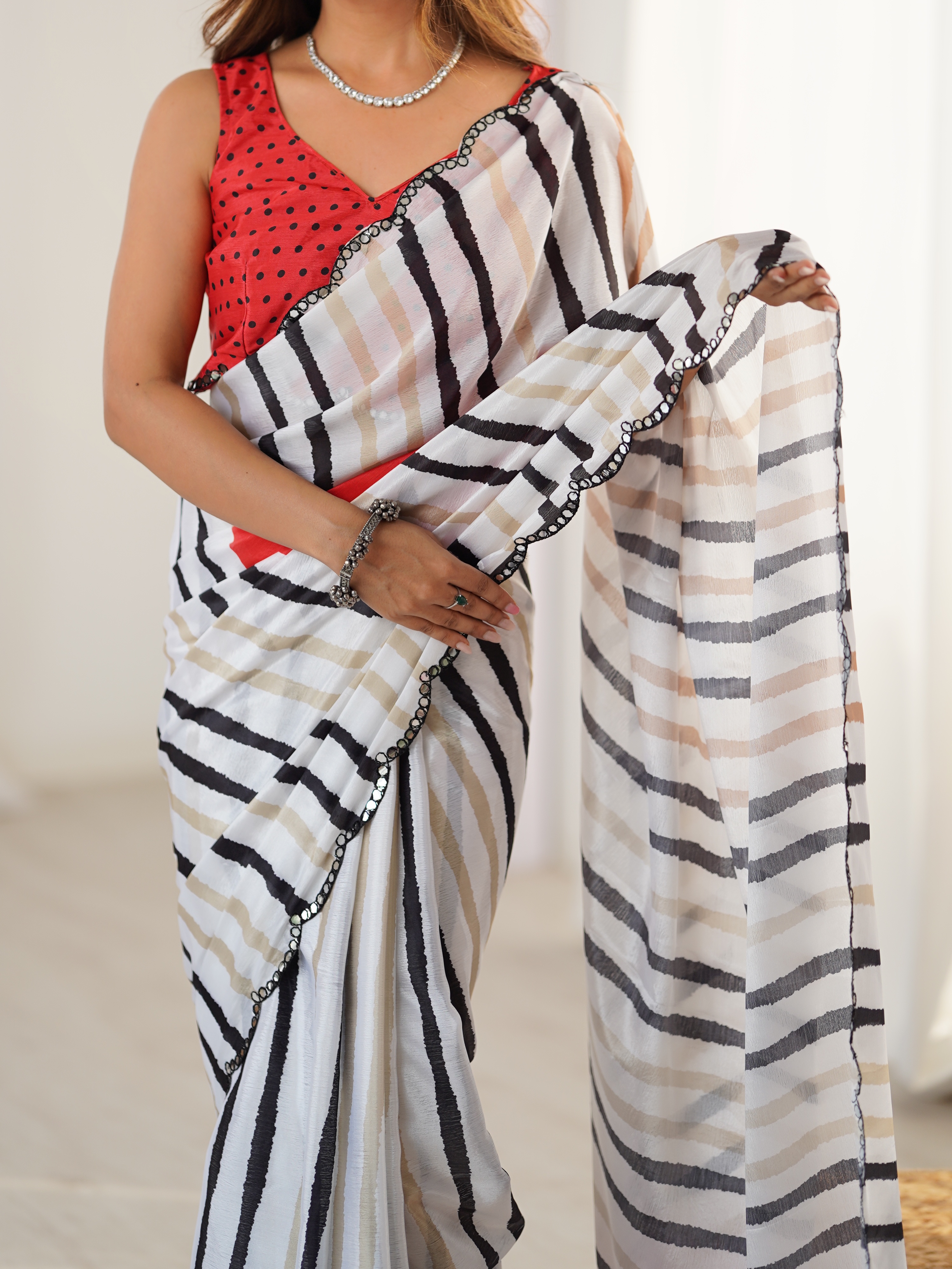
A Mekhela Chador blouse may have short sleeves, elbow-length sleeves or a higher neckline. Matching every piece isn't necessary. One connecting shade is usually enough to make the outfit look deliberate: a red blouse can echo a red border, while a gold blouse can repeat zari without competing with the chador.
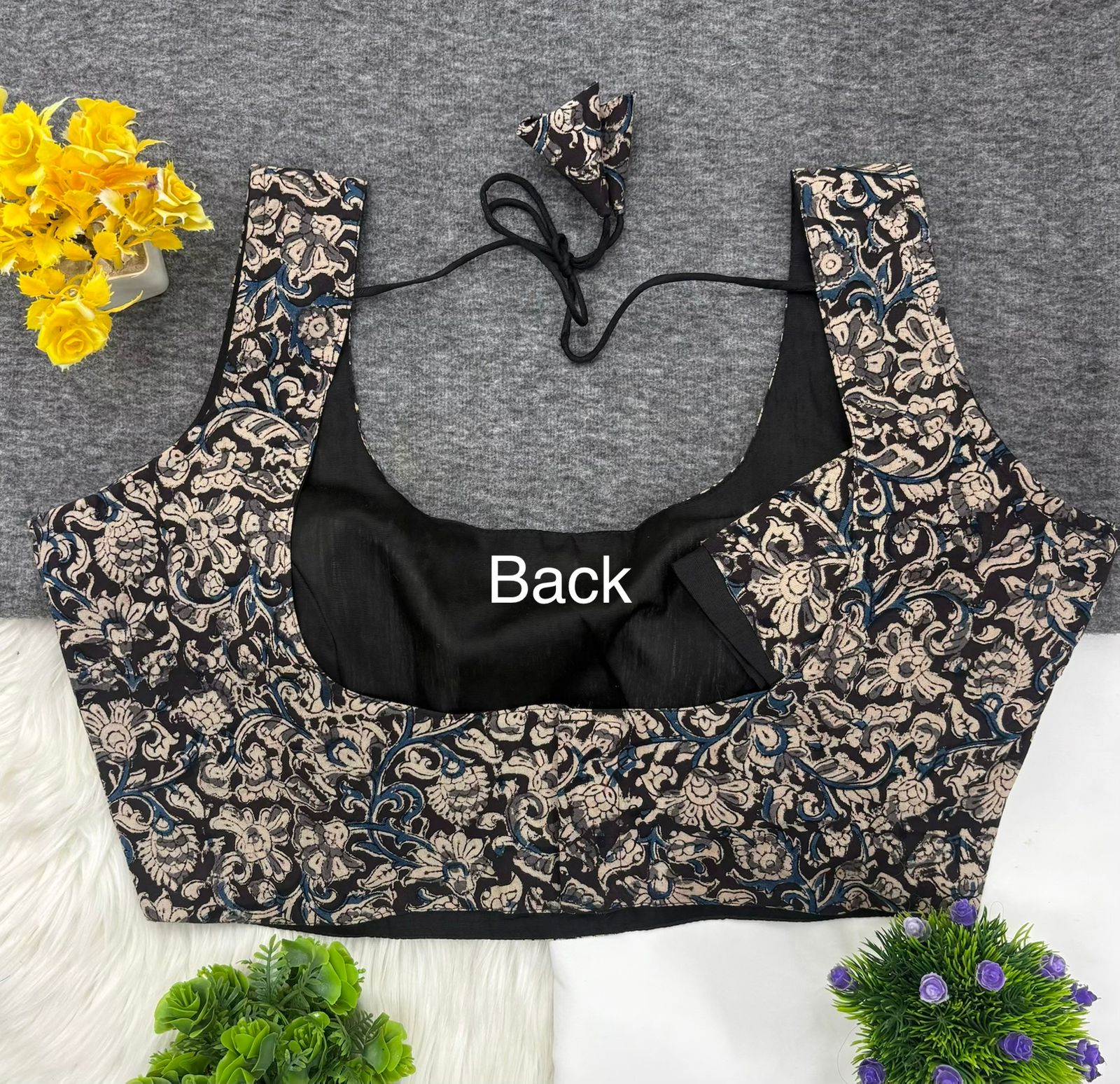
Saree blouses allow more experimentation, including sleeveless cuts, high necks, cropped jackets, long sleeves and structured silhouettes. A heavily embroidered blouse can overpower a delicate printed saree, while a plain blouse can allow an elaborate pallu to remain the focus.
Jewellery and hair
Assamese jewellery often includes gold-toned forms such as junbiri, gam kharu and keru. Wearing one or two recognisable pieces can communicate Assamese influence more effectively than layering numerous unrelated accessories. A low bun, braid or softly pinned hairstyle also keeps the shoulder drape visible.
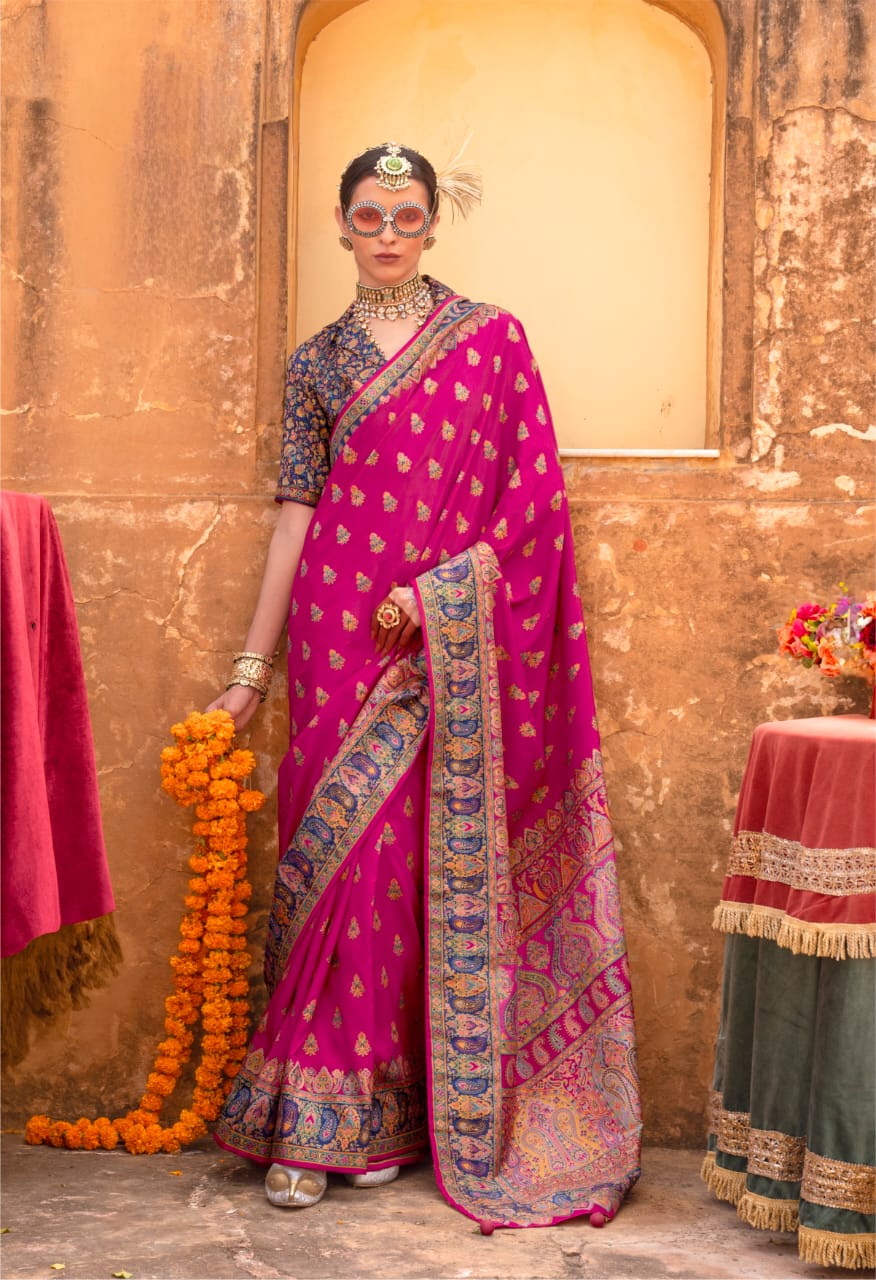
Saree styling can include temple jewellery, pearls, oxidised silver, meenakari or minimalist metal pieces. A Banarasi silk saree with dense zari generally needs fewer additional surface details than a plain linen saree.
Colour balance
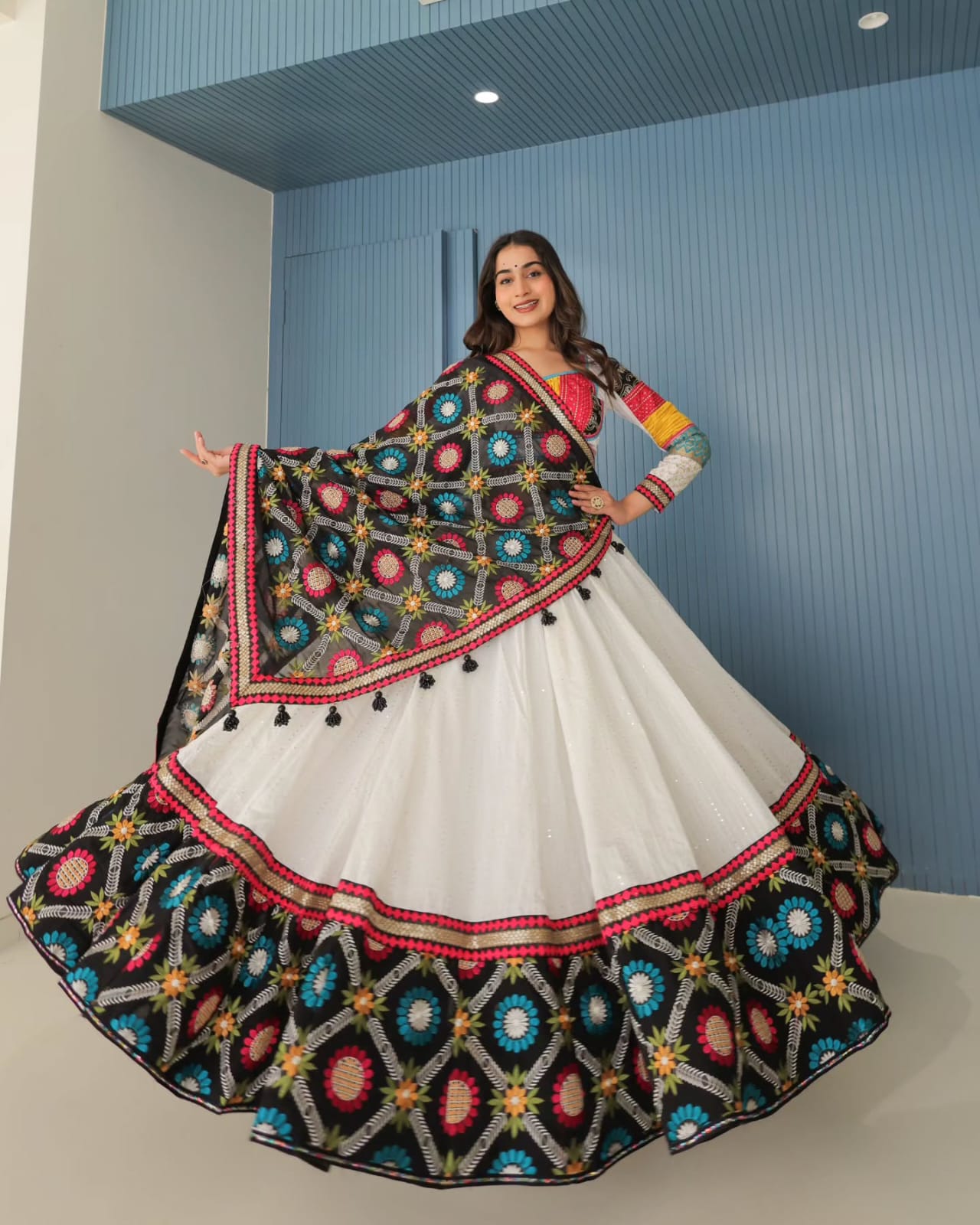
Use one dominant colour, one supporting colour and one metallic accent when the outfit already contains several strong shades. Colorful Ethnic Chinon Saree for Women can be balanced with a solid blouse in one of its quieter colours. Teal Floral Printed Linen Cotton Saree With Matching Blouse already provides a coordinated base, so jewellery can remain restrained.
Mekhela Chador vs Saree: Can a Saree Carry Assamese Influences?
A saree can carry Assamese influences through colour, woven borders, jewellery, motifs and draping details, although a saree doesn't become a Mekhela Chador simply because it uses Assamese-inspired elements.
Begin with a saree that has a clear border and a matte or handwoven appearance. Silk, cotton and silk-cotton can support Assamese jewellery naturally because their surfaces complement traditional metalwork. Red and white, ivory and red, mustard and maroon, or soft gold and cream create palettes commonly associated with ceremonial Indian dressing.
Keep the front pleats neat and secure the pallu over one shoulder. A narrow waist belt can provide structure, but a wide belt may hide the border or make the outfit look more contemporary than intended. A blouse with a modest neckline can help the jewellery and border remain visible.
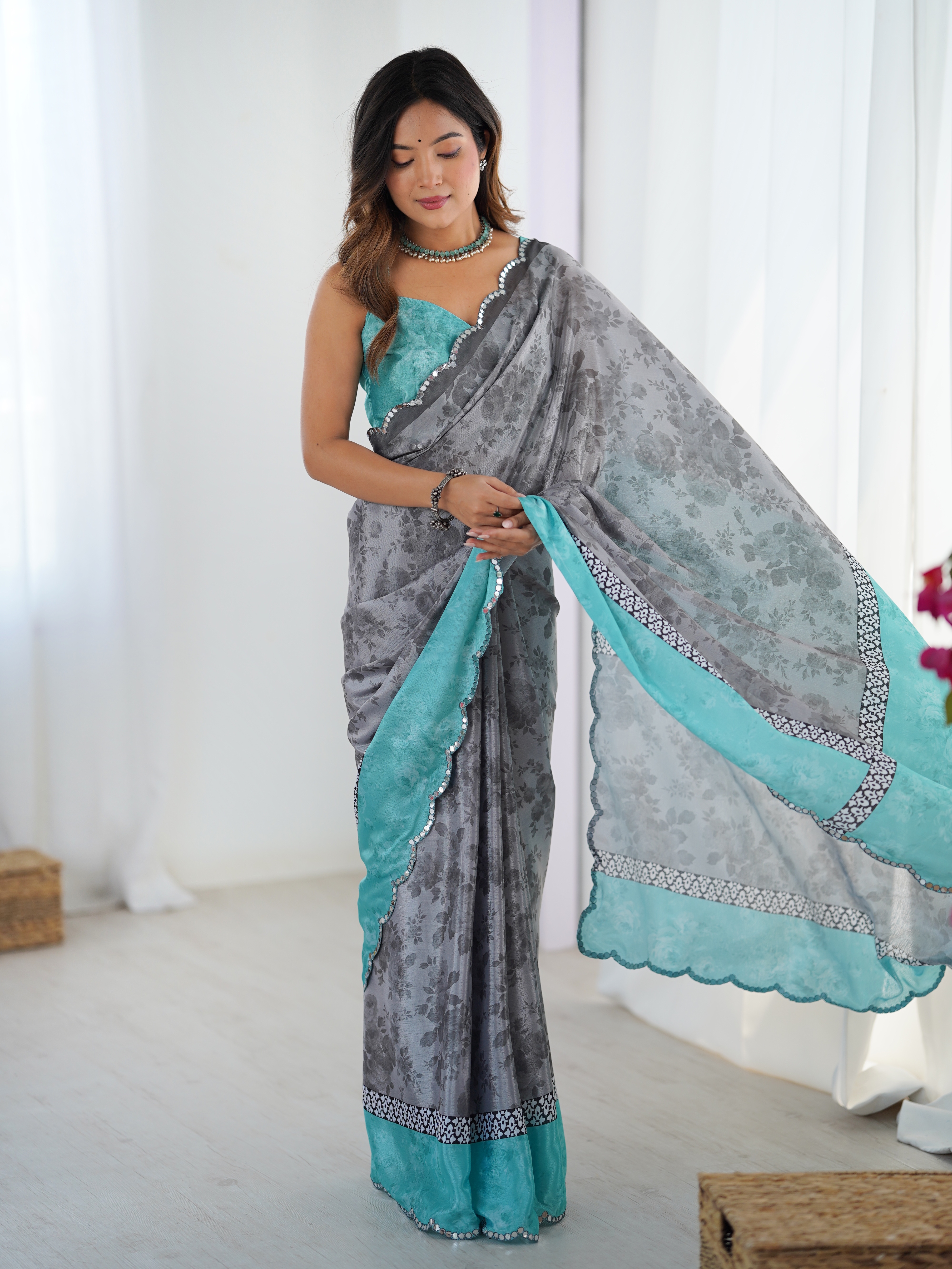
Ivory Striped Heavy Chinnon Saree for Women brings a neutral base for red, gold or black accessories. A neutral saree allows a traditional Assamese necklace or pair of earrings to become the main regional reference. A saree with too many competing prints may make a carefully chosen cultural accessory difficult to notice.
don't mix cultural references without considering proportion. Assamese jewellery with a South Indian temple-jewellery set, an oversized western belt and a highly embellished blouse may produce visual clutter. One clear regional cue, supported by appropriate colour and fabric, often looks more respectful and cohesive.
Mekhela Chador vs Saree: What Should You Check Before Buying?
Check construction, fabric weight, measurements, care requirements and event suitability before choosing between a Mekhela Chador and a saree.

- Check the garment structure. Confirm whether the outfit includes a separate mekhela and chador or a single saree length. Product photographs can make two-piece and one-piece garments look similar, so read the description carefully.
- Check measurements. Review the saree length, blouse piece, ready-to-wear waist range or Mekhela Chador dimensions. A garment that's too short may restrict the pallu or chador, while excessive fabric can make pleats difficult to control.
- Check the fabric weight. Heavy silk and dense zari create a formal appearance but may feel warm and tiring. Cotton, linen cotton and lighter synthetic fabrics can be better for daytime functions or extended wear.
- Check transparency and lining. Chinnon, Chanderi and lightweight silk may require a suitable blouse, petticoat or lining. A neutral base layer can prevent unwanted transparency without changing the surface colour significantly.
- Check care instructions. Dry cleaning is generally safer for delicate silk, zari and embellished garments. Printed cotton and linen blends may tolerate gentler home care, but colour bleeding should be tested before soaking.
- Check the total budget. Compare fabric quality, blouse inclusion, construction and expected number of wears rather than judging only by discount percentage. Collections such as Sarees from Rs 1000 to Rs 1500, Sarees Under 20% Off and Sarees Under 10% Off can help organise a search by price or offer level, while Sarees Flat 60% Off and Sarees Flat 50% Off may suit shoppers comparing marked-down options.
Care protects the investment after purchase. Fold silk with soft cotton layers, refold it every few months to prevent permanent crease lines, and store zari away from direct moisture. Keep printed fabrics dry before storage and avoid spraying perfume directly onto silk, zari or dyed borders.
Mekhela Chador vs Saree: Which One Should You Choose?
Choose a Mekhela Chador for Assamese cultural expression and choose a saree for broader draping flexibility, but let fabric comfort and occasion guide the final decision.
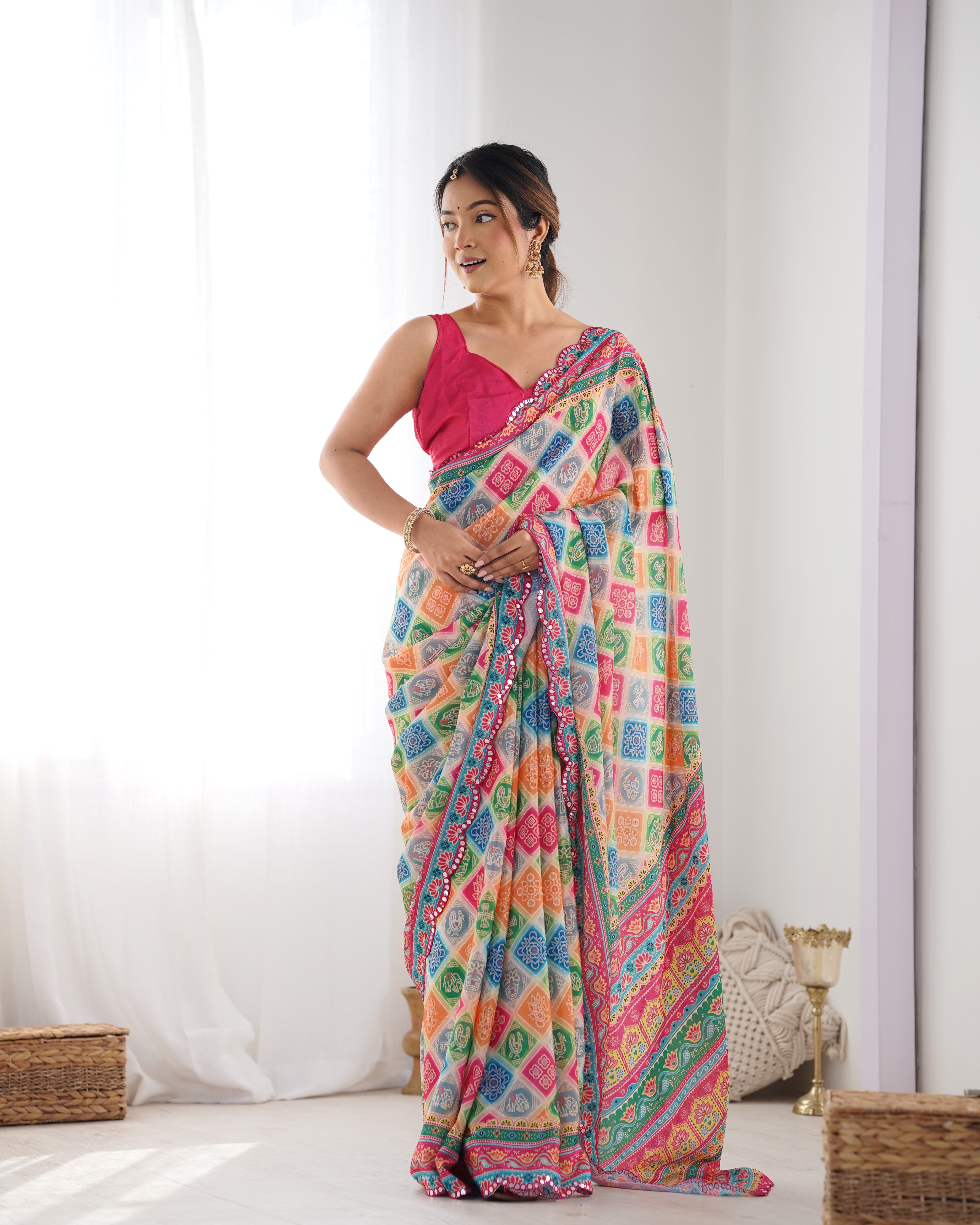
A Mekhela Chador is the stronger choice for Bihu, an Assamese ceremony, a regional cultural event or a wardrobe that reflects Assamese heritage. A saree is often the more adaptable choice when one garment needs to work across weddings, festivals, office events and family celebrations.
Neither garment is automatically more formal or more beautiful. A richly woven Mekhela Chador can be ceremonial, while a simple cotton saree can be ideal for daily wear. The right choice depends on how the garment is constructed, how long it will be worn, which textile suits the weather and how closely the outfit should express regional identity.
Understanding the difference makes shopping more purposeful. Instead of selecting only by colour or photograph, compare the lower and upper construction, the drape method, the fabric's behaviour, the occasion and the care required. That approach leads to traditional clothing that looks appropriate and remains comfortable beyond the first photograph.
Practical Questions About Mekhela Chador vs Saree
Is a Mekhela Chador the same as a saree?
A Mekhela Chador is not the same as a saree. A Mekhela Chador usually has a separate lower mekhela and upper chador, while a saree is generally one continuous length of fabric worn with a blouse.
Can a saree be worn like a Mekhela Chador?
A saree cannot reproduce the exact construction of a Mekhela Chador because the two garments use different pieces. A saree can borrow Assamese colours, jewellery, motifs and shoulder-drape ideas, but it remains a saree.
Which fabric is traditionally used for a Mekhela Chador?
Traditional Mekhela Chadors are commonly associated with Muga silk, Pat silk, Eri silk and cotton weaving from Assam. Contemporary versions may also use blends or synthetic fabrics, so the fibre content should be checked before purchase.
What should I wear for Rongali Bihu?
A Mekhela Chador in Assamese silk or cotton with a strong border is a natural choice for Rongali Bihu. Red-and-white details, Assamese jewellery and a comfortable blouse can reinforce the festive regional look without requiring excessive embellishment.
Is a Mekhela Chador easier to drape than a saree?
A Mekhela Chador can be easier for some wearers because its lower and upper pieces are separate, but both garments require practice. A ready-to-wear saree is usually quicker than either traditionally draped option, while a well-fitted Mekhela Chador can remain secure once the waist wrap and chador are arranged correctly.
How should I care for a silk Mekhela Chador or saree?
Store silk and zari garments in clean cotton layers away from moisture and direct sunlight. Use professional dry cleaning for delicate silk or heavy embellishment, refold stored garments periodically and keep perfume, deodorant and dampness away from the textile.