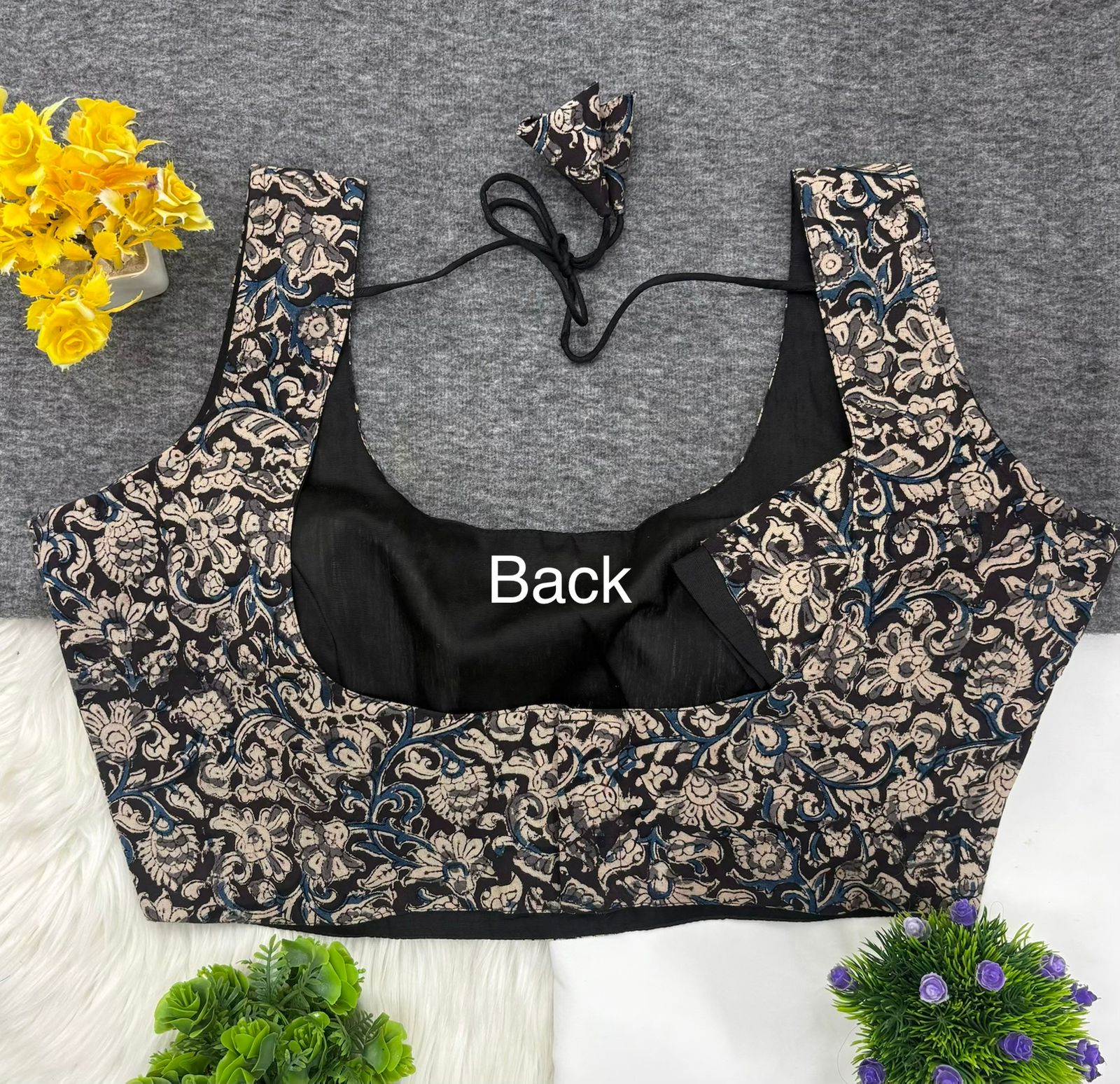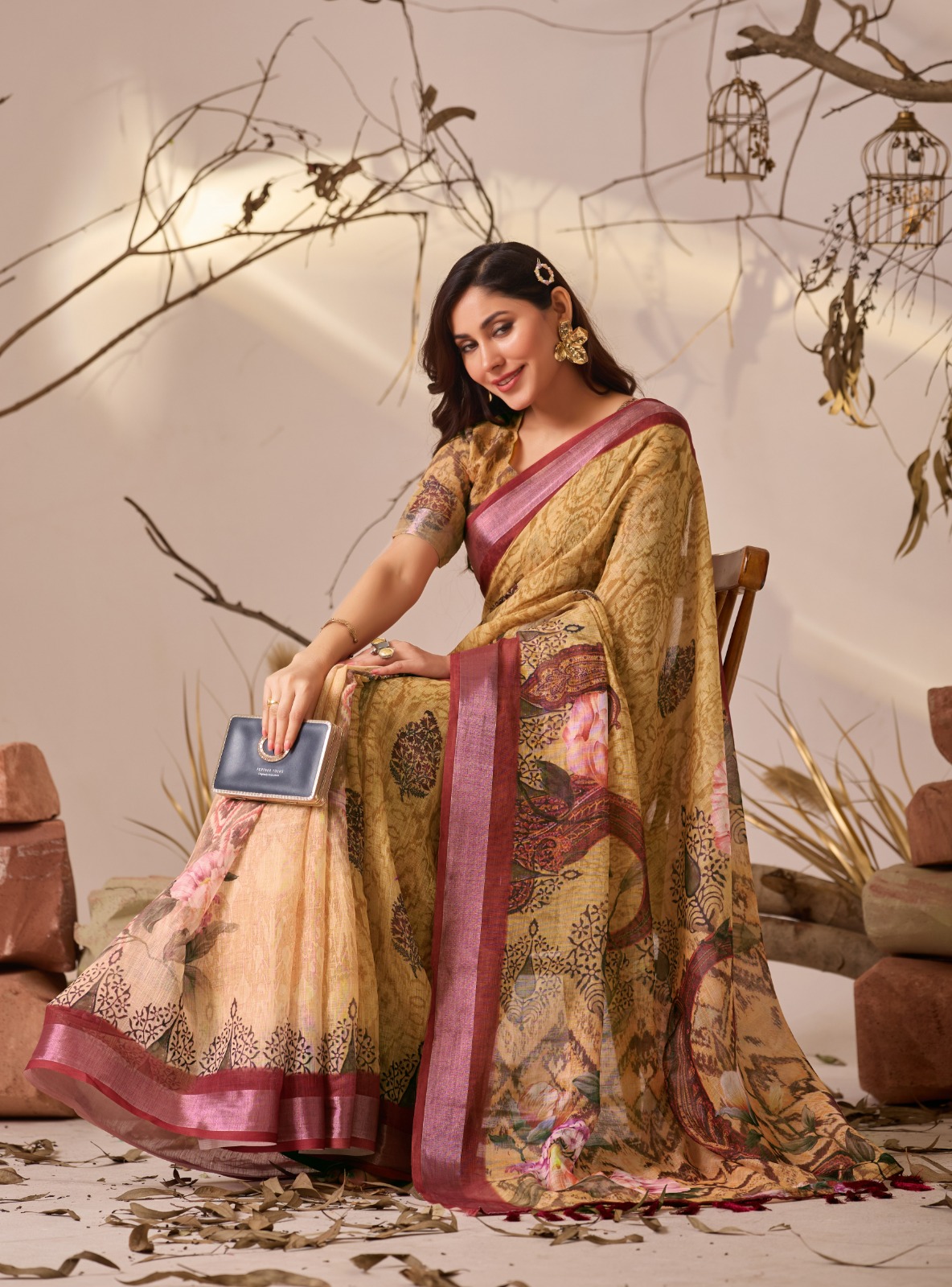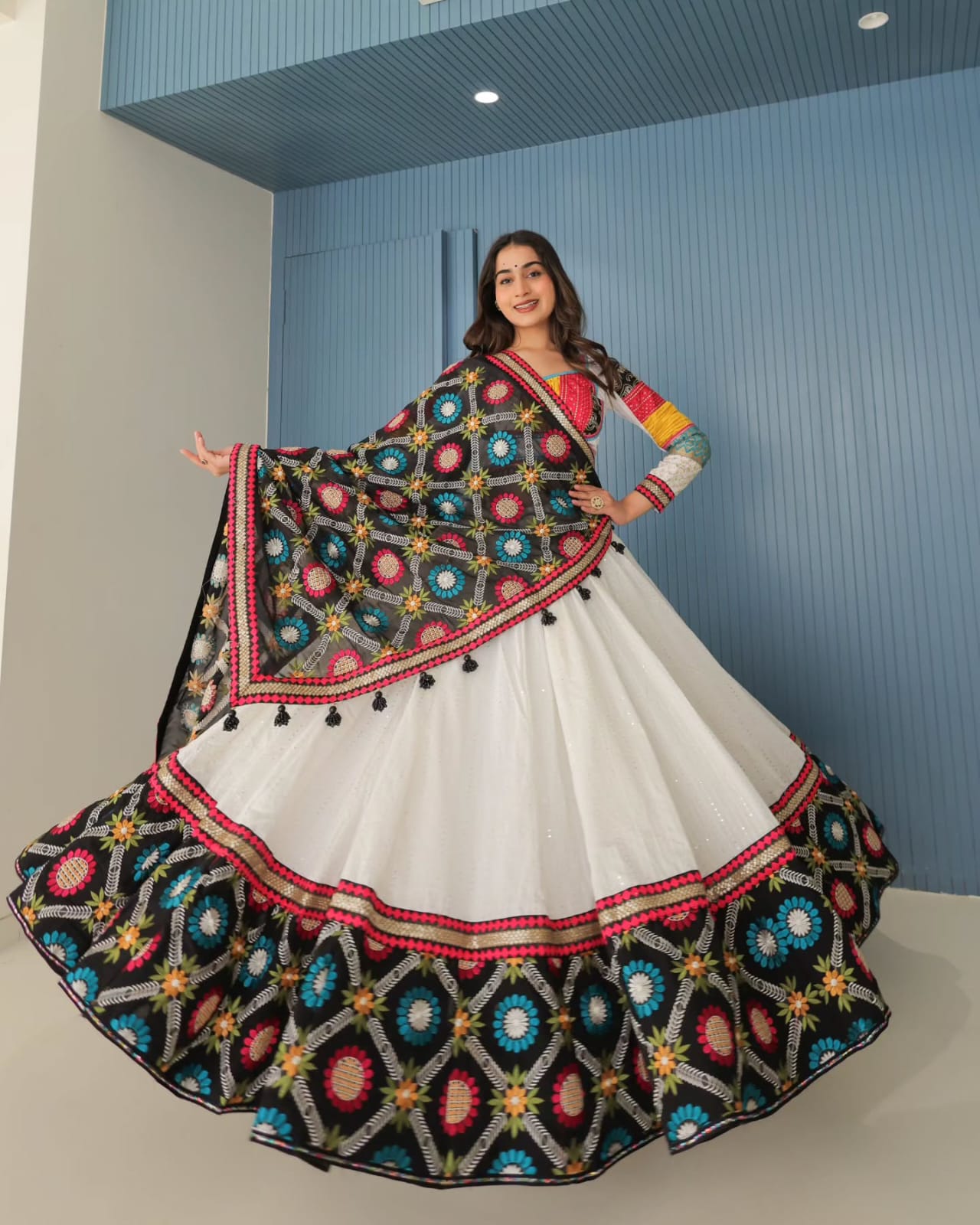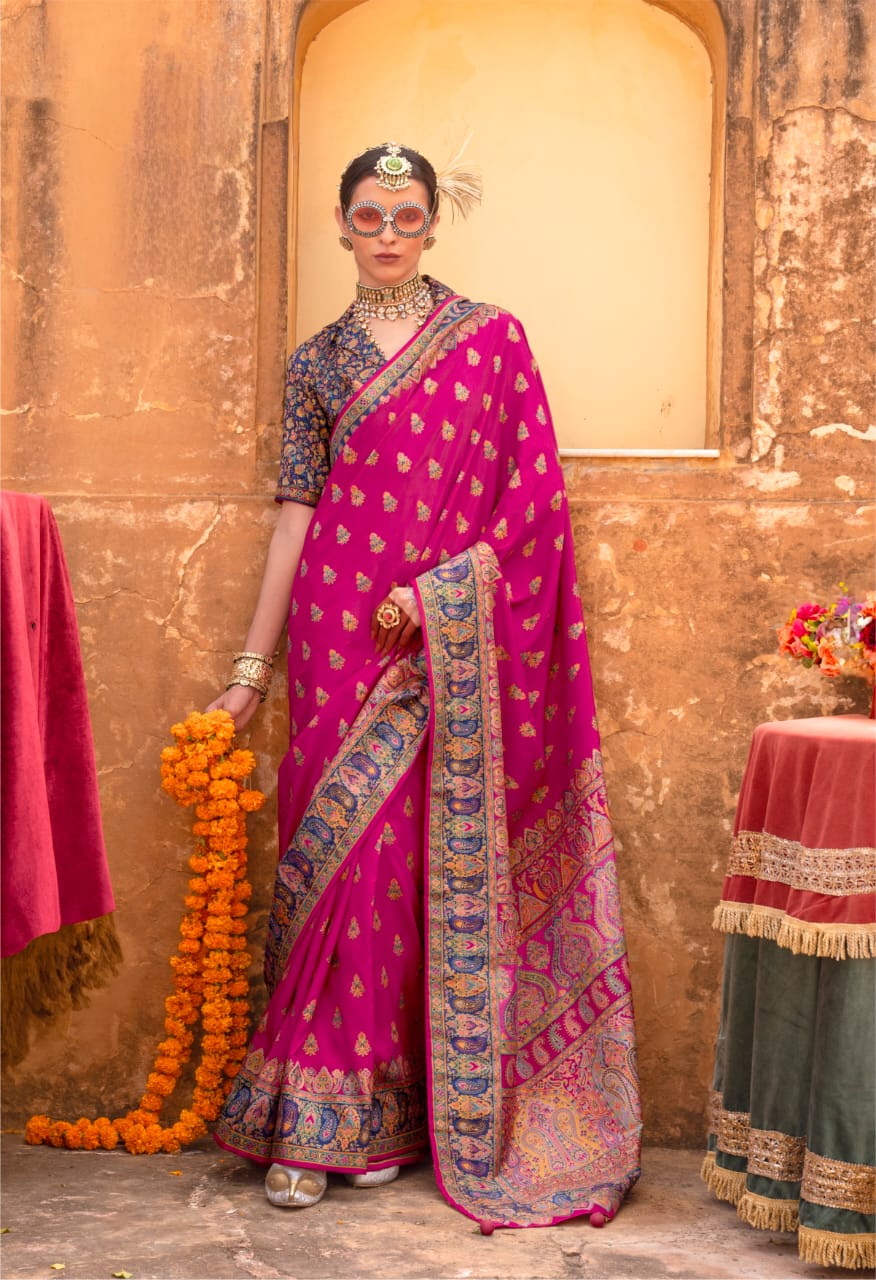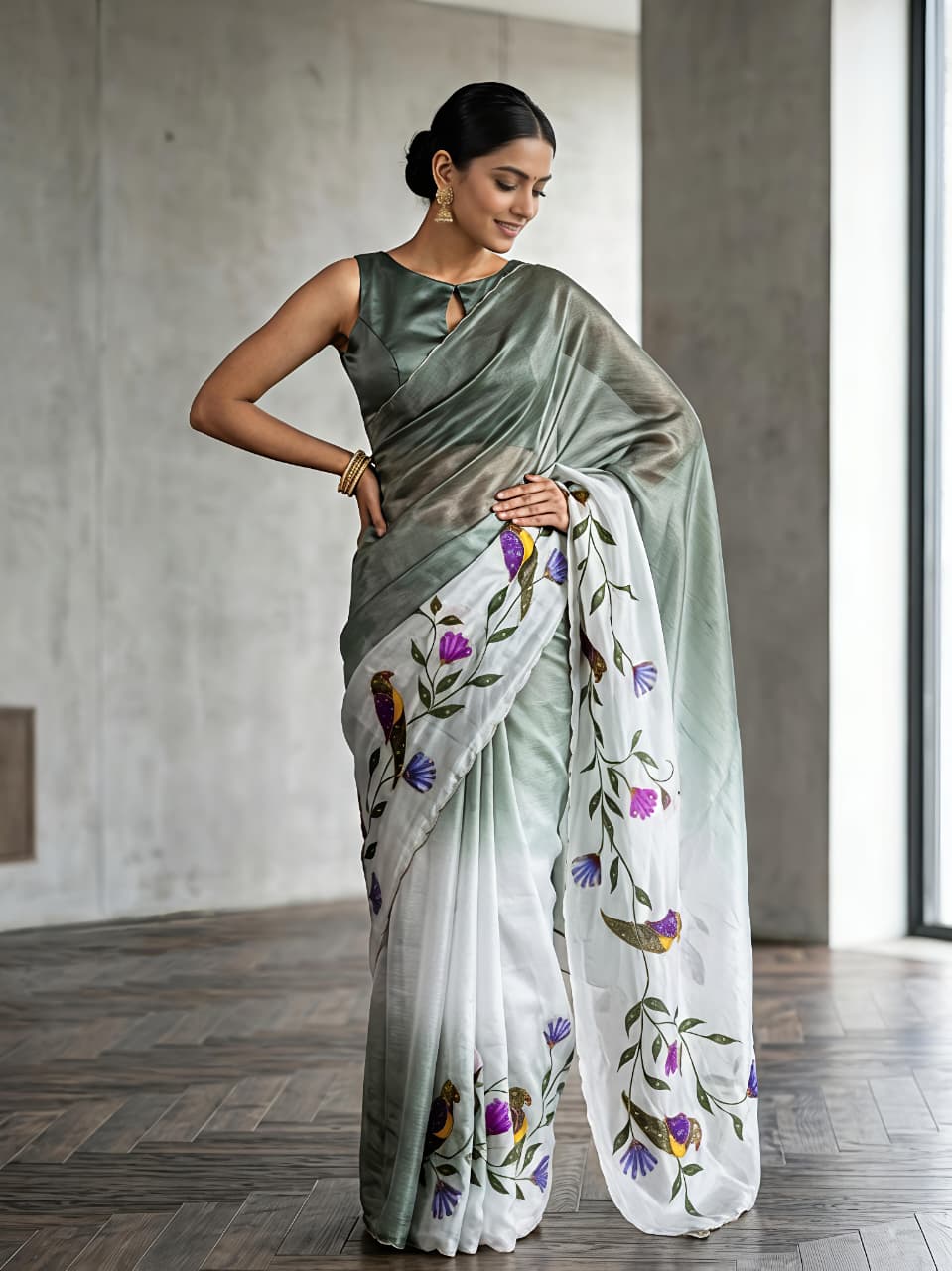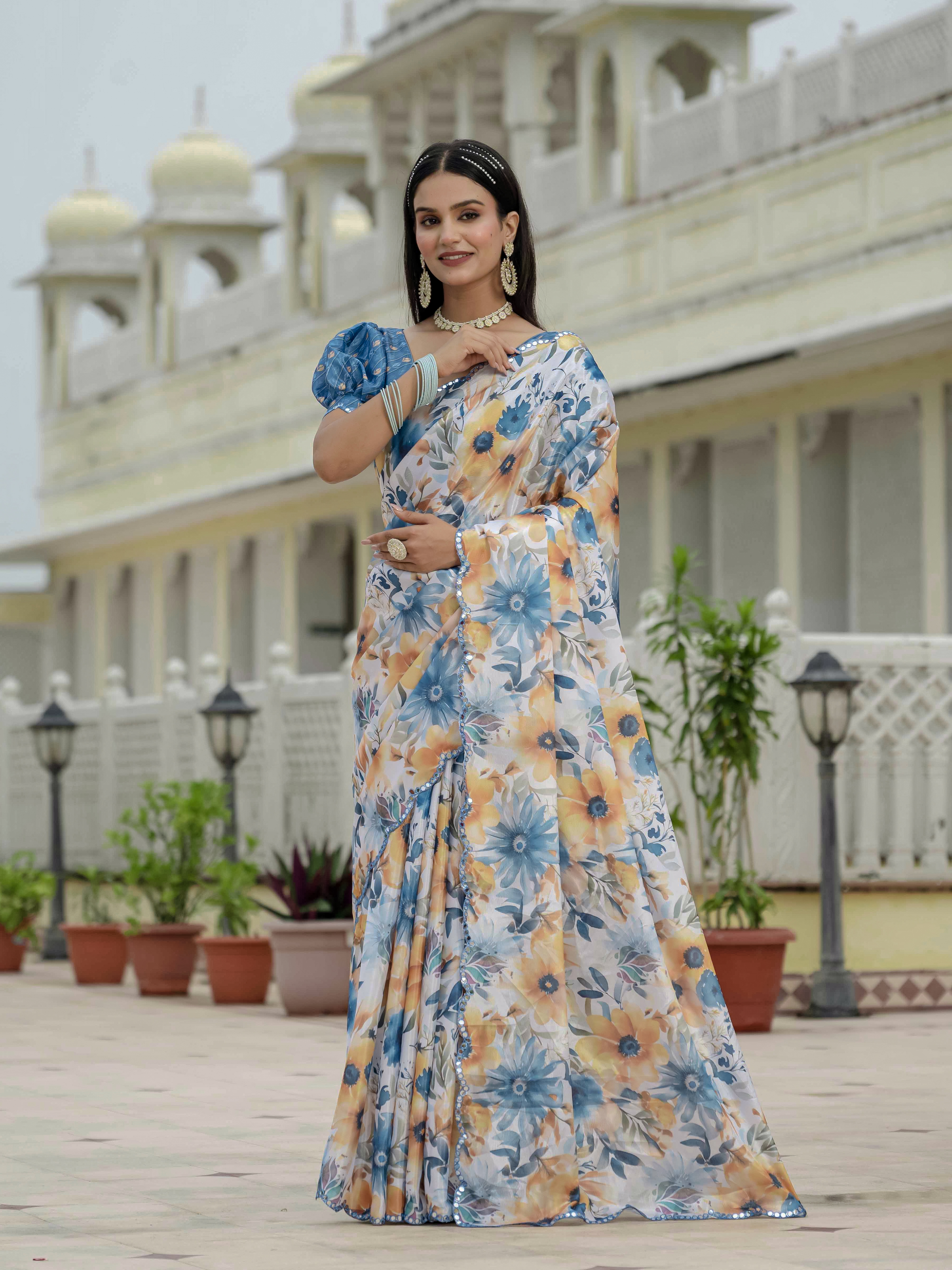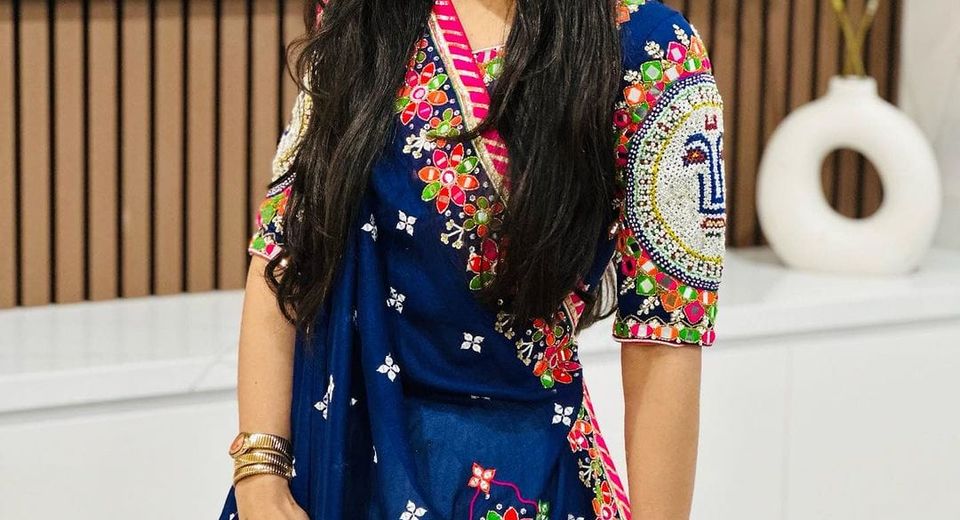
Meghalaya Traditional Colours & Textile-Inspired Fashion begins with an important distinction: Meghalaya doesn't have one single costume or colour code. Khasi, Jaintia and Garo communities have distinct garments, weaving practices and visual identities, while shared use of handspun fibres, natural textures and strong contrast creates a recognisable regional design vocabulary. A modern saree wardrobe can borrow that vocabulary respectfully through eri silk, ryndia-inspired texture, deep red, black, ivory, turmeric yellow, woven borders and restrained tribal geometry.
The most useful takeaway is practical: build an outfit around one natural base shade, one strong accent and one textural element. That method creates a Meghalaya-inspired look without incorrectly presenting a contemporary saree as traditional Khasi, Jaintia or Garo dress.
Meghalaya Traditional Colours & Textile-Inspired Fashion: Which colours matter?
Meghalaya's traditional textile palette commonly includes natural white, black, red, yellow, indigo and earthy brown, although the exact combination changes across Khasi, Jaintia and Garo traditions. Colour comes from available fibres, local dyeing practices, ceremonial use and the structure of each garment rather than from a single official palette.
Natural white and undyed cream are especially useful for understanding Meghalaya's textile language because handwoven fabrics often allow the character of the fibre and weave to remain visible. Ivory, cream and soft beige can suggest raw cotton, eri silk or linen without pretending that a contemporary garment is an authentic traditional textile.
Red frequently appears as a visual accent in Northeast Indian clothing, particularly in borders, checks, stripes and woven details. Red can be interpreted as warmth, vitality and ceremonial richness in a current outfit, but its meaning isn't identical across every Meghalaya community or garment.
Black provides a strong grounding shade. Black-and-white contrast is particularly effective in contemporary styling because it reflects the graphic quality of woven checks, borders and geometric motifs while remaining easy to wear for an evening gathering. Yellow and turmeric tones add warmth and can be used in smaller areas such as a blouse, border, pallu or jewellery detail.
Indigo, muted green, rust, maroon and bark brown work well as supporting shades. These colours are more convincing when they appear slightly softened or uneven, as handloom surfaces and natural-dye effects rarely look as uniformly bright as synthetic colour blocks.
Why should Meghalaya colour references be handled carefully?
Colour references should be treated as design inspiration, not as a fixed cultural dictionary. A red border doesn't automatically identify a Khasi garment, and a geometric print doesn't automatically reproduce a Garo or Jaintia motif.
Responsible styling names the source of inspiration and avoids claiming that a printed saree is authentic Meghalaya attire. A saree using a black, cream and red palette can be described as Meghalaya-inspired; it should not be presented as a direct replacement for a Jainsem, dakmanda or another community-specific garment.
Meghalaya Traditional Colours & Textile-Inspired Fashion through eri silk and ryndia
Eri silk, ryndia, cotton weaving and community-specific garments provide the strongest foundations for Meghalaya-inspired fashion. These materials and forms offer lessons in texture, layering, proportion and restraint that can translate into sarees, blouses, shawls and separates.
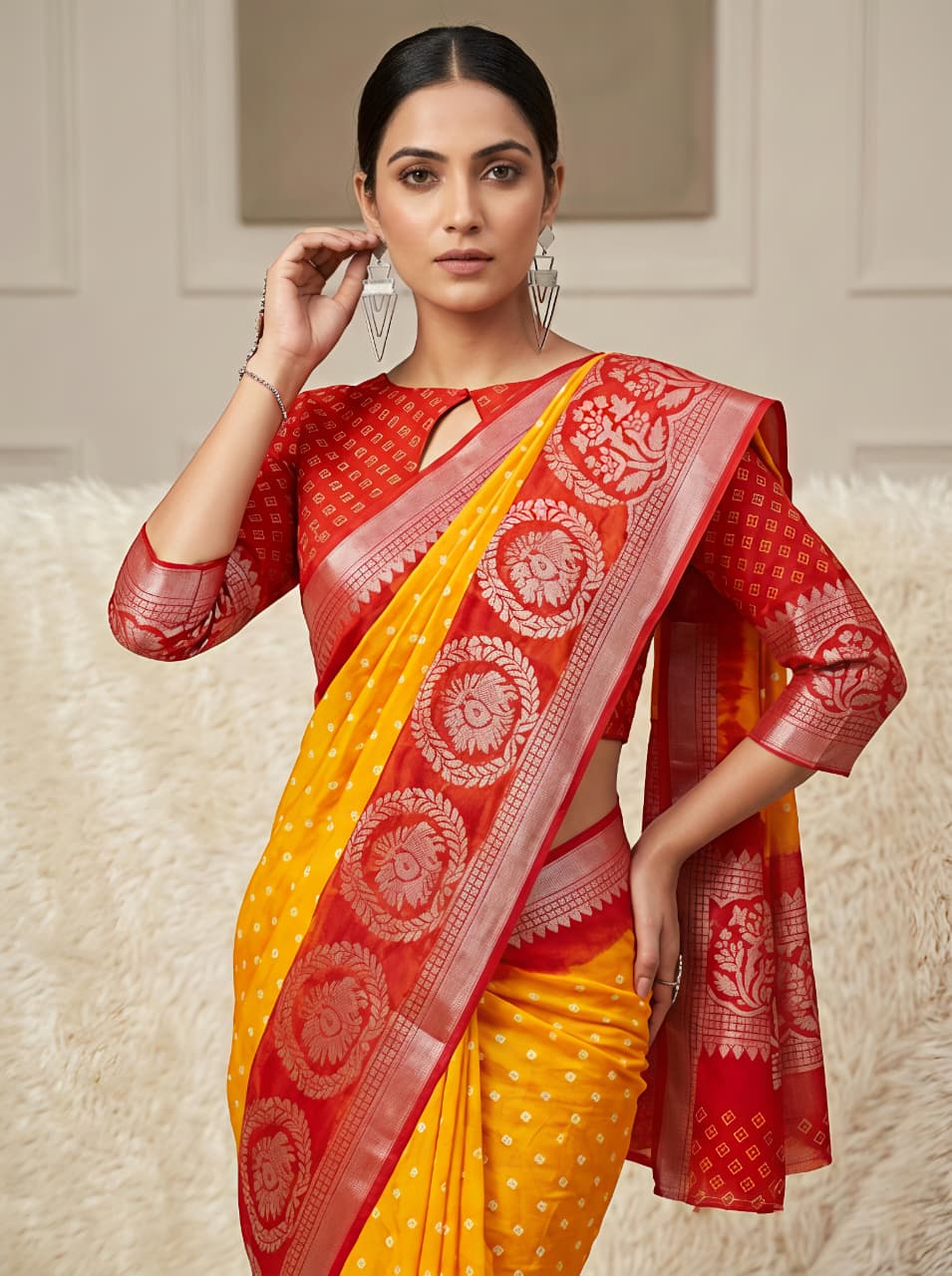
Eri silk is often called peace silk because the cocoon is generally opened after the moth has emerged, although production methods can vary. Eri silk has a warm, slightly textured hand and a matte-to-soft sheen rather than the mirror-like shine associated with some heavily finished silks. That surface makes eri silk suitable for understated festive sarees and structured blouses.
Ryndia refers to a Meghalaya-associated eri silk tradition and is often valued for its breathable, tactile character. When a contemporary garment is described as ryndia-inspired, the description should refer to texture, handloom irregularity or a muted colour story unless the fabric's provenance is verified.
The Garo dakmanda is a wraparound lower garment associated with Garo women. Its bold bands, checks and colour contrasts offer useful ideas for borders and pallu placement. A saree can echo the visual rhythm of a dakmanda through a broad striped pallu without copying the garment's identity.
Khasi and Jaintia clothing includes layered drapes and wrap forms, with the Jainsem and related garments creating a distinctive relationship between fabric, body and movement. The lesson for contemporary styling isn't to reproduce a sacred or community-specific outfit casually, but to consider how a layered stole, short jacket or double drape can add volume without excessive ornament.
An up-to-date Northeast-inspired wardrobe also benefits from the fact that Meghalaya textiles are not dependent on dense embellishment. Texture, border placement and colour opposition can carry visual interest even when the garment has no sequins, crystals or elaborate embroidery.
Meghalaya Traditional Colours & Textile-Inspired Fashion with sarees
Meghalaya Traditional Colours & Textile-Inspired Fashion works best with sarees when colour, texture and proportion lead instead of surface decoration. Choose one dominant natural shade, one strong accent and one quiet grounding colour before adding jewellery or a printed blouse.
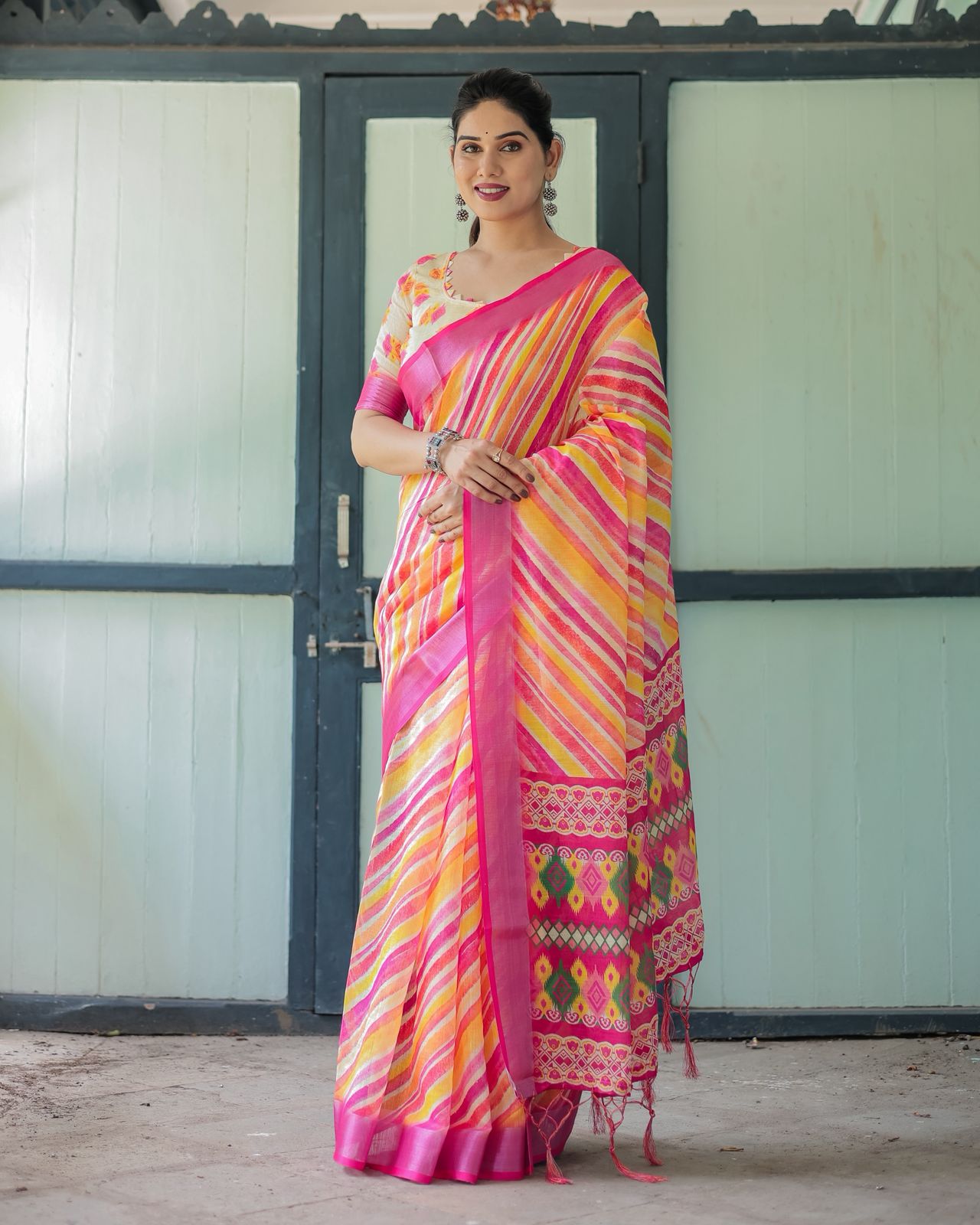
A beige or ivory saree with a black, red or rust border offers the clearest starting point. The Traditional Beige Multicolor Printed Saree can support this approach when styled with a plain black blouse and compact metal earrings; the neutral base keeps the print from becoming visually crowded.
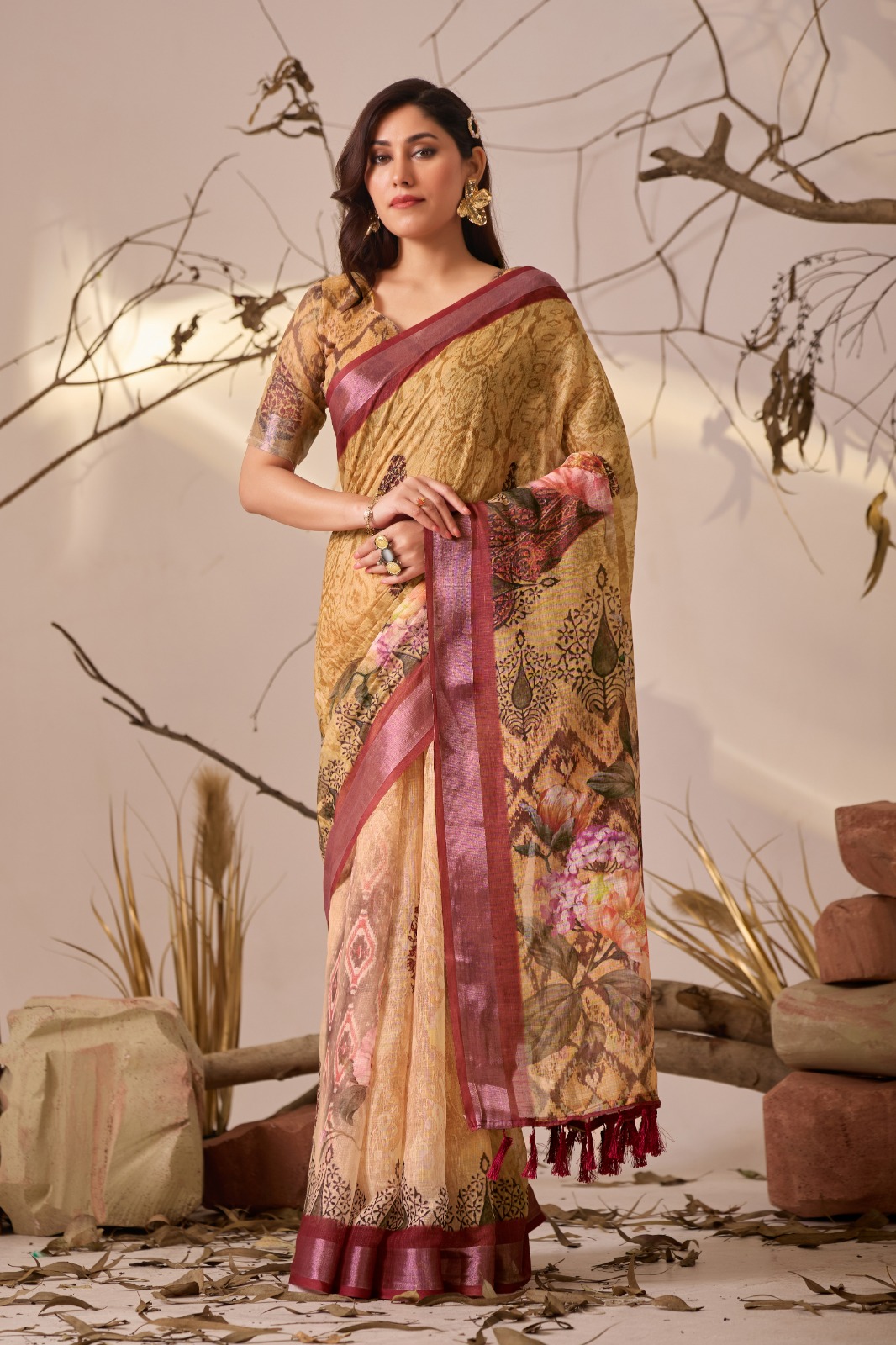
For a warmer interpretation, the Mustard Yellow Patola Print Soft Pashmina Silk Designer Saree brings turmeric-like yellow into the outfit while retaining a dressy finish. Pairing the saree with a deep maroon blouse creates a grounded contrast, while an off-white blouse makes the yellow appear lighter and more suitable for daytime dressing.
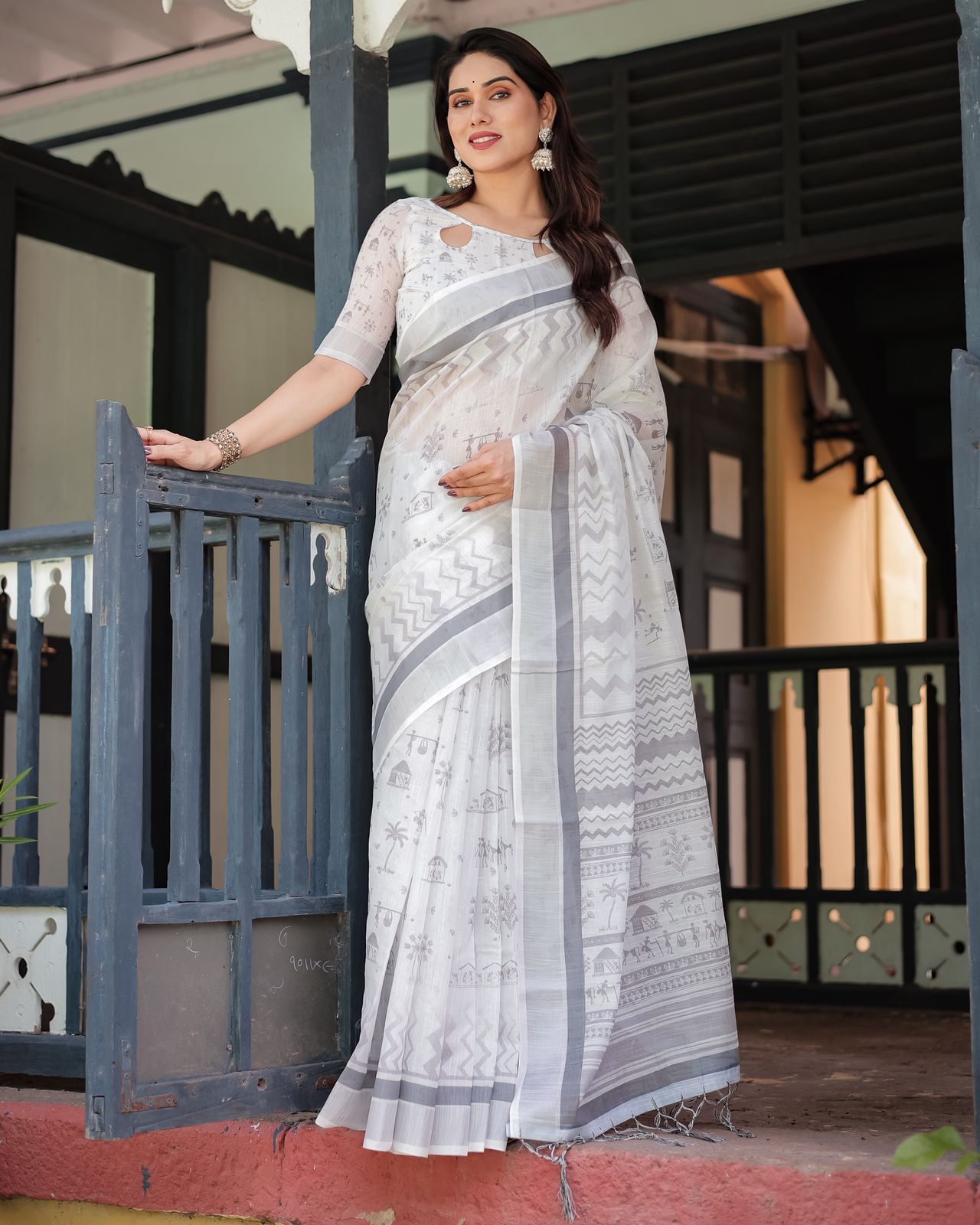
The Soft White Linen Saree with Grey Tribal Design demonstrates how a restrained palette can carry a tribal-inspired visual language. Grey, white and natural metal create a quiet look for a cultural event, gallery visit or daytime celebration. Keep the blouse unprinted so the border and motif remain legible.
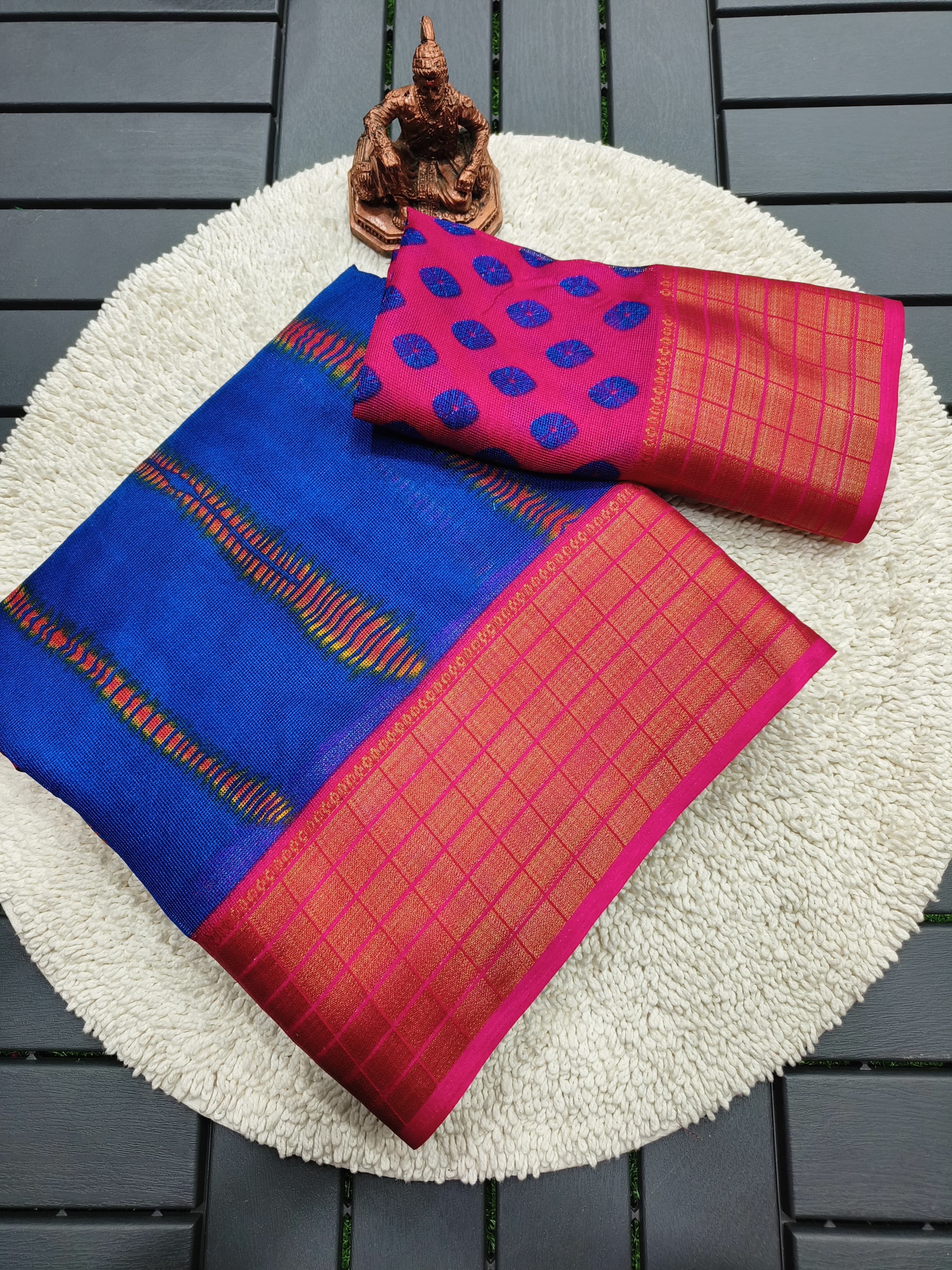
For a more saturated festive combination, the Magenta Traditional Kalamkari Art Saree with Blouse can be balanced with oxidised silver, a charcoal potli or a muted black shawl. Kalamkari is associated with Andhra Pradesh and Telangana rather than Meghalaya, so the outfit should be described as a cross-regional textile conversation rather than a direct Meghalaya representation.
Maroon gives an useful bridge between red and brown. The Maroon Mal Cotton Ethnic Saree With Blouse from VARNAVI can be styled with a cream blouse, wooden bangles and a narrow woven-looking belt. The cotton surface keeps the look grounded, while the maroon shade supplies ceremonial depth.
Which blouse colours work with Meghalaya-inspired sarees?
Black, ivory, natural beige, muted red, mustard and deep brown are the most adaptable blouse colours for a Meghalaya-inspired saree. A plain blouse usually works better than a second competing print because the saree's weave, border or motif needs visual space.
A black high-neck blouse gives a light linen saree a graphic, contemporary finish. An ivory blouse softens mustard, magenta or maroon. A rust or brick-red blouse can connect a neutral saree to a woven border without making the outfit appear costume-like.
Blouse texture matters as much as colour. Raw silk, handloom cotton, linen blends and matte crepe support a textile-led look more convincingly than very glossy satin. For evening wear, a subtle zari edge or antique-metal button detail can add polish without covering the entire outfit in shine.
Meghalaya Traditional Colours & Textile-Inspired Fashion through texture and motifs
Fabric texture creates authenticity in a textile-inspired outfit more effectively than simply adding a tribal print. Slubs, visible weave, matte surfaces, uneven yarns, handblock-like variation and a firm border make a garment feel connected to material craft.
The Elegant Mauve Linen Saree with Artistic Madhubani Print shows how a muted base can accommodate an illustrative surface. Madhubani is associated with Bihar rather than Meghalaya, so the styling lesson concerns balance: pair a regional art print with an understated fabric, choose one metal tone and avoid adding another large motif through the blouse.
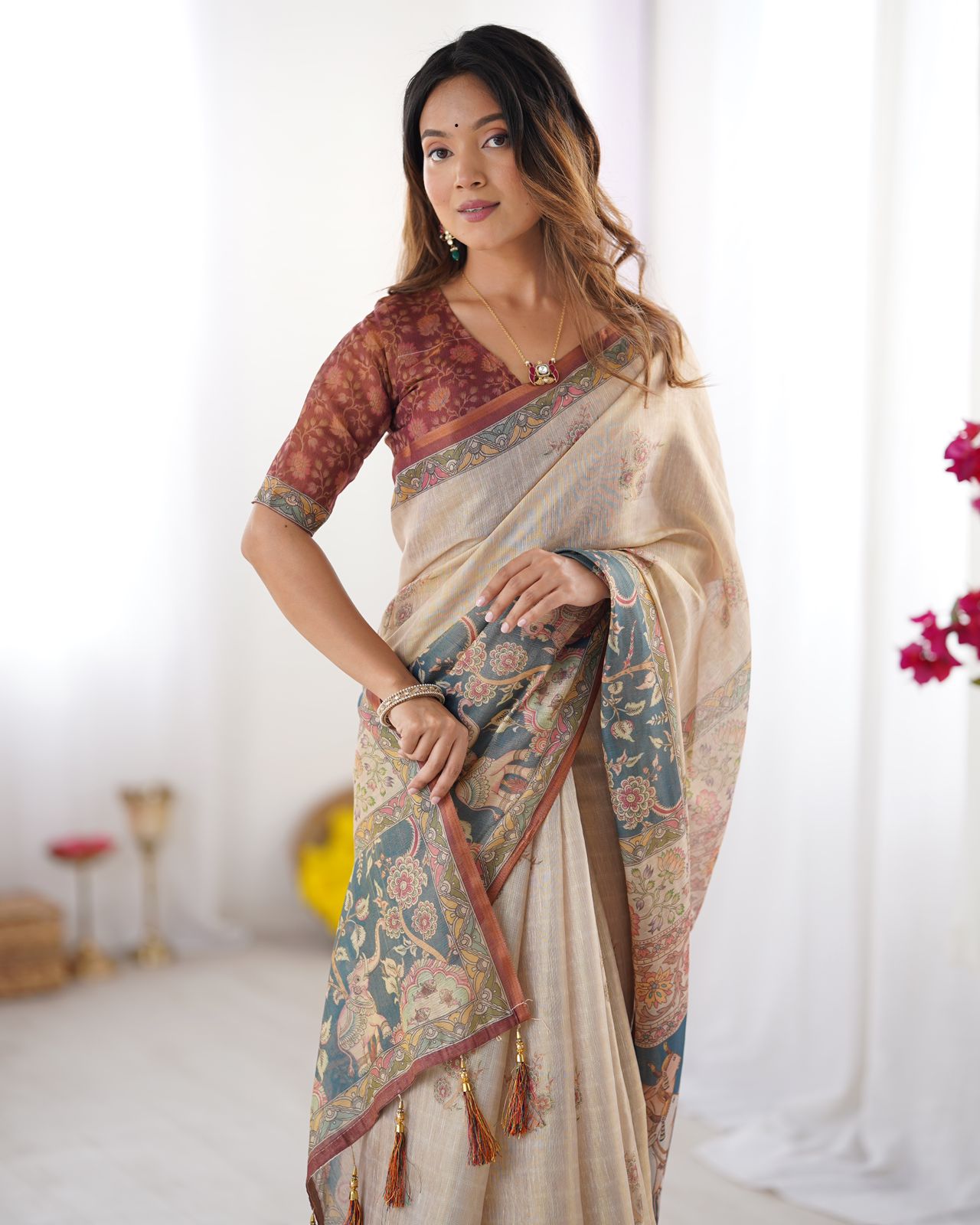
The Varnavi Beige Teal Heritage Art Handloom Linen Saree gives a beige-and-teal direction that can be paired with oxidised silver or dark wooden accessories. Teal isn't a universal Meghalaya signature, but its connection with blue-green landscape tones makes it an useful contemporary accent when presented as inspiration rather than historical fact.
The Elegant Pastel Green & Beige Linen Saree with Tribal Design works for a softer daytime interpretation. Pastel green, beige and a small amount of black can echo a nature-led palette while keeping the outfit light. A three-quarter sleeve blouse and flat leather sandals make the look practical for a long cultural programme.
Motif scale should match the occasion and the wearer's proportions. Small repeated motifs look refined on a narrow border, while large geometric forms need a calmer pallu and blouse. Combining a large tribal-inspired print, a heavily embroidered blouse and oversized jewellery often obscures the textile story.
Meghalaya Traditional Colours & Textile-Inspired Fashion and respectful accessories
Accessories support Meghalaya-inspired dressing when they reinforce texture and colour without imitating community-specific regalia. Oxidised silver, dark wood, woven fibres, matte brass, simple beads and hand-finished leather are generally more compatible with a textile-led outfit than a pile of unrelated statement pieces.
Silver-toned earrings work particularly well with black, ivory, grey and maroon. A broad cuff can echo the horizontal rhythm of a woven border, but one substantial bracelet is usually enough. Wooden bangles bring warmth to mustard, beige, rust and pastel green without introducing a competing shine.
A handwoven-looking stole or narrow shawl can create a layered silhouette inspired by Meghalaya's wrap forms. Keep the stole in a solid colour or restrained stripe if the saree already contains a complex print. Drape the stole over one shoulder or fold it into a compact shoulder wrap rather than adding multiple bulky layers in warm weather.
Appropriation becomes more likely when a wearer copies a community-specific garment, sacred symbol or ceremonial arrangement without context. A printed garment should not be marketed as a Jainsem or dakmanda merely because it uses checks or a bold border. A respectful description identifies the design influence and acknowledges when a garment combines references from several Indian textile regions.
How can jewellery keep the outfit current?
Jewellery keeps a Meghalaya-inspired outfit contemporary when the metal, scale and number of pieces remain controlled. Select one focal item, such as a collar necklace, cuff or pair of earrings, and let the saree's surface provide the remaining visual interest.
For a white linen saree, take grey metal and a black blouse. For mustard silk, choose antique gold or brown wood. For magenta Kalamkari, choose oxidised silver and avoid adding a second jaw coloured necklace. These combinations create definition without turning textile inspiration into theatrical costume.
Meghalaya Traditional Colours & Textile-Inspired Fashion for different occasions
Occasion determines how much colour, sheen and layering a Meghalaya-inspired outfit should carry. Daytime events generally suit linen, cotton, matte silk and pale neutrals, while evening celebrations can accommodate deeper maroon, black, magenta, zari accents and richer eri silk textures.
For a daytime cultural programme, wear a cream, white or beige saree with a grey, black or muted green blouse. Keep jewellery light, choose a low platform or flat sandal and secure the pallu with a discreet pin. Breathable linen and cotton are practical choices when the event involves standing or outdoor movement.
For a Haldi ceremony, mustard yellow, turmeric, ivory and soft green create a natural palette. A plain blouse protects the look from becoming overly yellow, while a small red or maroon accessory can add contrast. Avoid delicate pale silk if turmeric paste may contact the garment, because natural fibres can require professional stain treatment.
For an evening reception, maroon, black, magenta, deep teal and antique gold create greater depth. A lightly structured blouse, a defined pleat and one zari detail can make a handloom-inspired saree feel formal without replacing its tactile character with heavy embellishment.
For office or everyday wear, limit the palette to two main colours and select a narrow border. A handloom linen saree with a solid blouse, small studs and a structured tote can communicate textile awareness without looking like occasion wear. Iron linen on the reverse side at a moderate temperature and avoid pressing directly over raised prints.
Meghalaya Traditional Colours & Textile-Inspired Fashion: care and buying checks
Care begins with identifying the fibre, dye and surface treatment before washing a textile-inspired garment. Linen, cotton, eri silk, pashmina silk and printed fabrics don't respond identically to water, heat or detergent.
Read the care label first and test colourfastness on an inside seam when the instruction is unclear. Hand-wash colourfast cotton separately in cool water only when the label permits it. Use a mild liquid detergent, avoid chlorine bleach and don't wring printed or loosely woven fabric.
Dry sarees in shade rather than harsh direct sunlight, especially when the garment contains magenta, mustard, indigo or hand-finished dyes. Store completely dry textiles folded with clean, breathable muslin. Refold silk and linen every few months so permanent crease lines don't form in the same places.
Buying decisions should include fibre content, weave description, print method, lining, blouse fabric, saree length and return measurements. A saree with a 5.5-metre length plus blouse piece brings different draping options from a ready-to-wear style, while a narrow border may require careful pleat placement to remain visible.
Check whether "tribal design" describes a documented art tradition, a contemporary graphic print or a general marketing label. Exact provenance matters because a motif from Madhubani, Kalamkari or another region should not be casually labelled Meghalaya. Clear product descriptions help shoppers appreciate several Indian textile traditions without collapsing them into one visual category.
Meghalaya Traditional Colours & Textile-Inspired Fashion becomes meaningful when the wearer values material knowledge as much as appearance. Natural fibres, considered colour combinations, modest layering and accurate cultural language produce a wardrobe that looks distinctive while treating Meghalaya's living textile traditions with care.
Common Questions About Meghalaya Traditional Colours and Textile Styling
What colours are traditionally associated with Meghalaya textiles?
Meghalaya textiles commonly use natural white, black, red, yellow, indigo and earthy brown, although palettes differ among Khasi, Jaintia and Garo communities. Contemporary styling can use these shades as inspiration without treating them as a fixed official colour code.
What is ryndia, and how can it influence saree styling?
Ryndia refers to a Meghalaya-associated eri silk tradition known for a tactile, breathable hand and subtle surface character. A saree can reflect that influence through matte texture, muted colours and visible weave, but the term should be used for verified fabric provenance rather than for any textured saree.
How can I style a saree inspired by Meghalaya textiles?
Choose one natural base shade, one strong accent and one textured element. Pair a beige, white or grey saree with a plain black, ivory, maroon or mustard blouse, then add restrained oxidised silver, wood or matte brass accessories.
Is a tribal print saree the same as traditional Meghalaya clothing?
No, a tribal print saree is not automatically traditional Meghalaya clothing. A printed saree may be described as Meghalaya-inspired when its palette or texture draws from the region, but a Jainsem, dakmanda or other community-specific garment should not be represented by a generic print.
Which fabrics suit Meghalaya-inspired ethnic wear?
Linen, cotton, eri silk, handloom silk and matte pashmina silk suit a Meghalaya-inspired wardrobe because their tactile surfaces support a textile-led look. Check fibre content and care instructions because each material has different washing, drying and storage requirements.
Can Meghalaya-inspired colours work for a Haldi ceremony?
Yes, mustard yellow, turmeric, ivory, soft green and a small maroon accent work well for a Haldi ceremony. Choose washable cotton or a clearly labelled easy-care fabric if turmeric paste may touch the garment, and avoid relying on pale silk when staining is likely.